Vision Board Ideas for Goals You Can Picture
A vision board works best when you can picture yourself doing something specific, not just owning a collection of beautiful images. Start by choosing two or three goals you want to act on. For each one, picture a moment that would show real progress.
Ask what happens before that moment. A talk needs practice. A trip needs a budget and a plan. Put a small next step and a rough date beside each image on your board. That way, the picture stays connected to your daily choices.
These vision board ideas show different kinds of goals: public milestones, quiet habits, new places, and personal challenges. Choose scenes that feel like your life could lead to them, even if the final moment is still far away.
Career Breakthrough Onstage
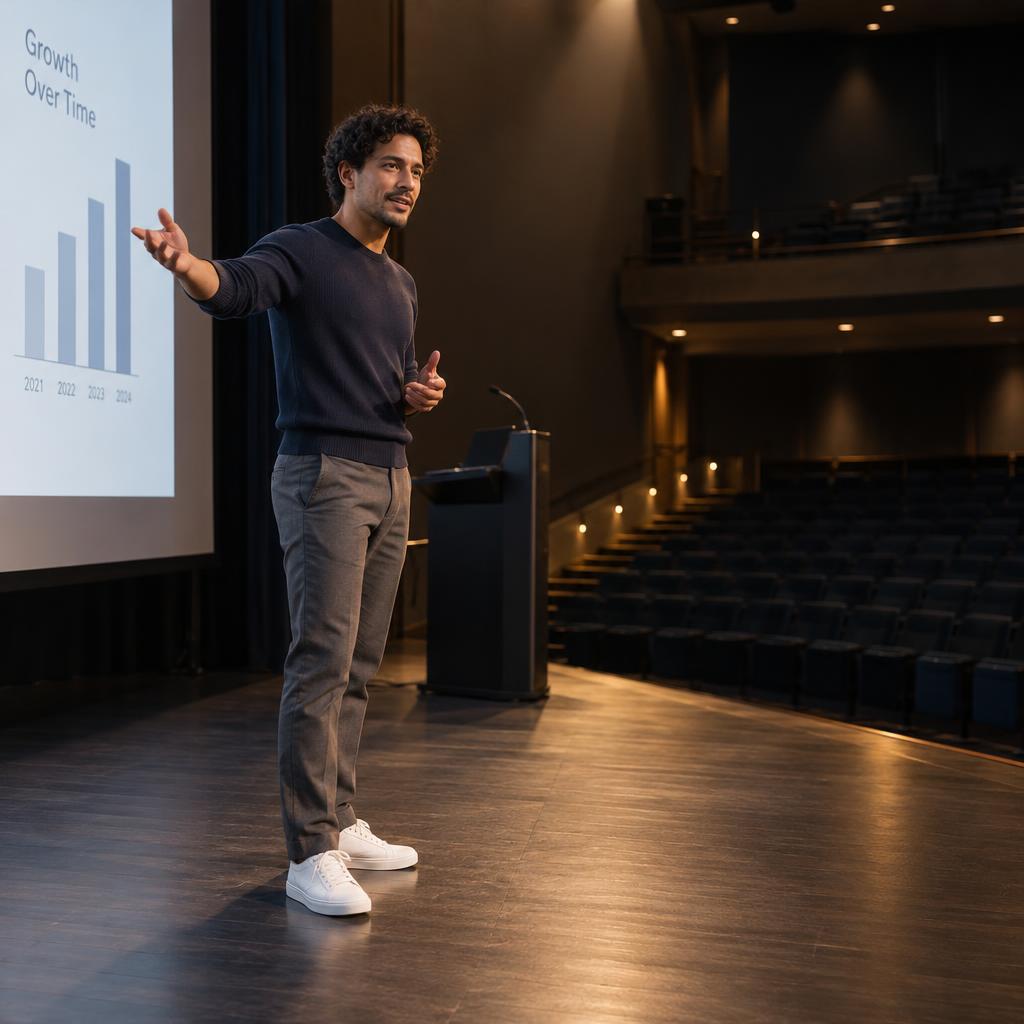
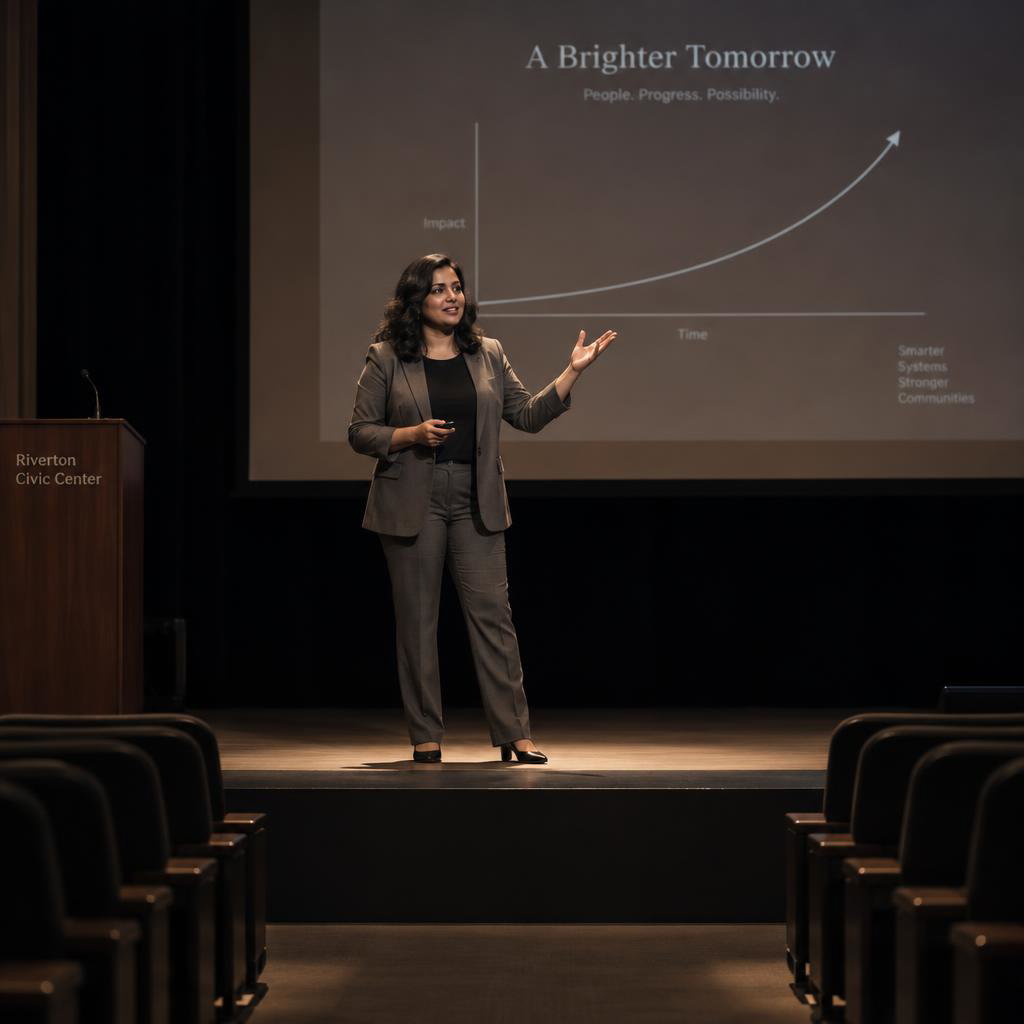
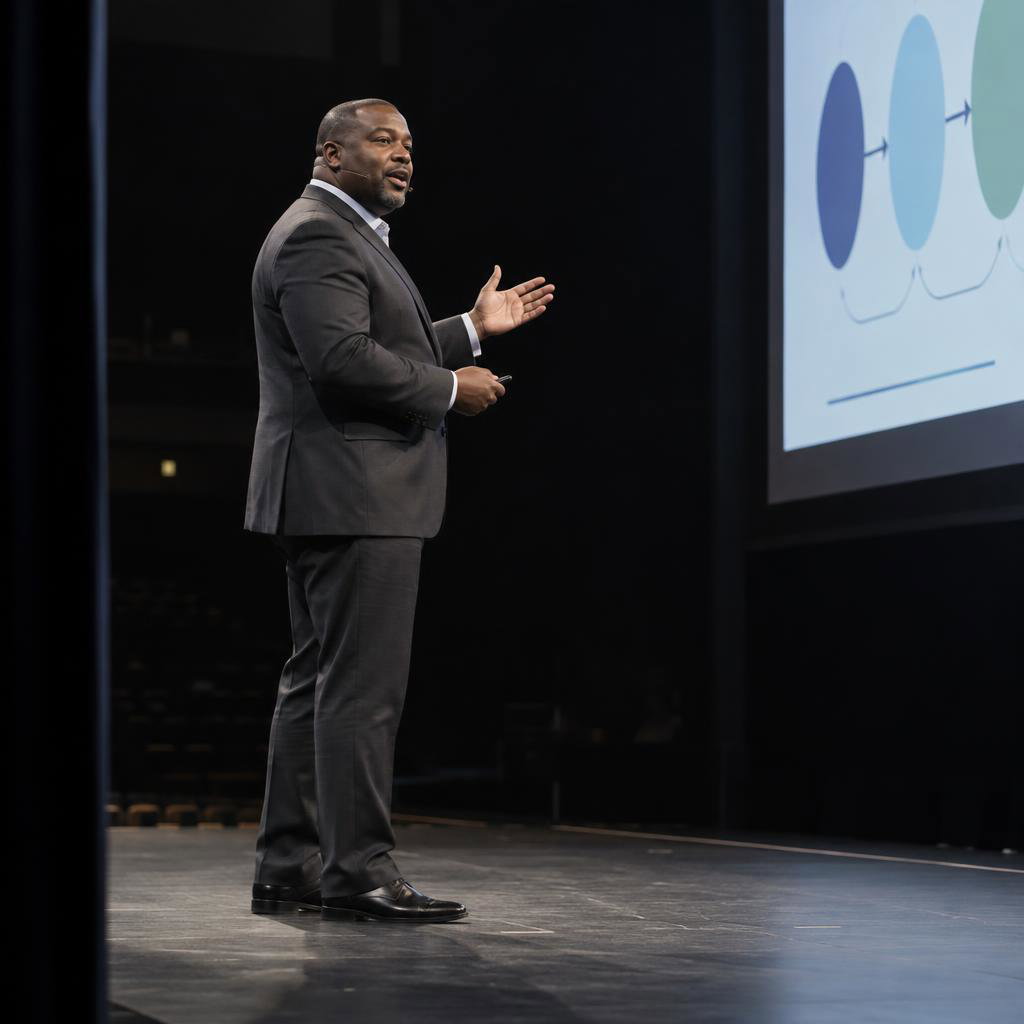
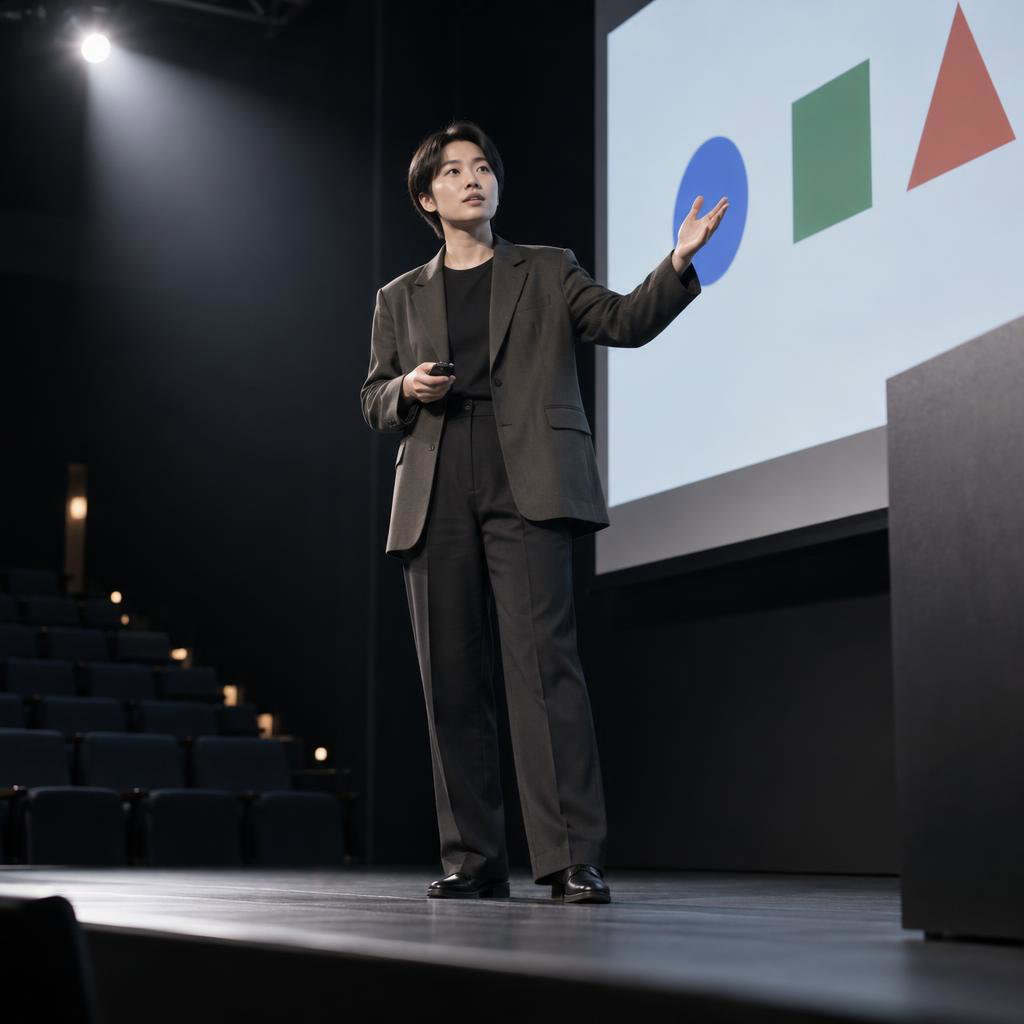
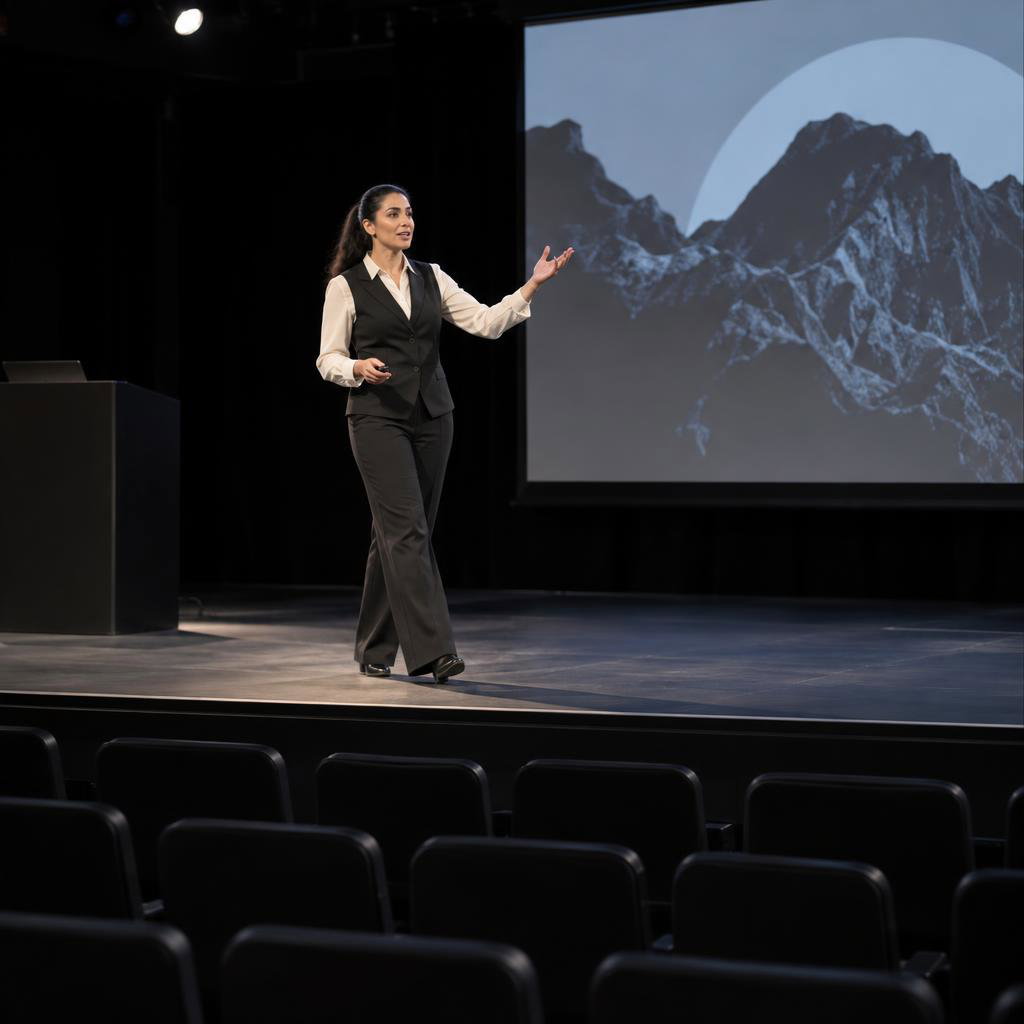
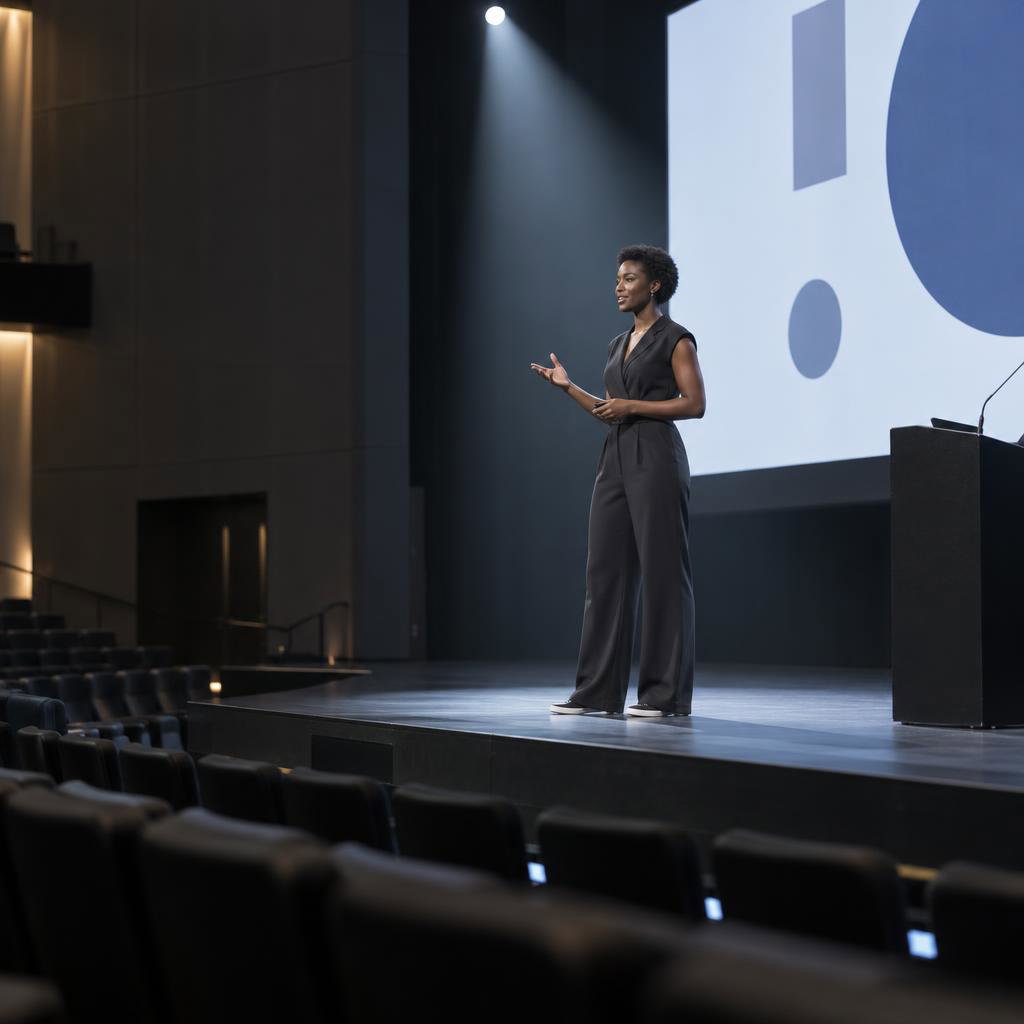
If you want to speak with more confidence, picture a real event rather than a vague image of success. Decide what you might present: a project update, a workshop, or a talk in your field. Your first step could be outlining five minutes of it.
A stage photo gives that goal a clear finish line. Your full body, the screen, and the empty seats show what you are working toward without distracting from you. Keep the expression steady rather than overly dramatic.
Stand under a spotlight with one hand raised toward the presentation screen. Wear clothes you would choose for the event. Frame your whole body against a dark auditorium; avoid a generic office pose.
Choose a photo to create your version
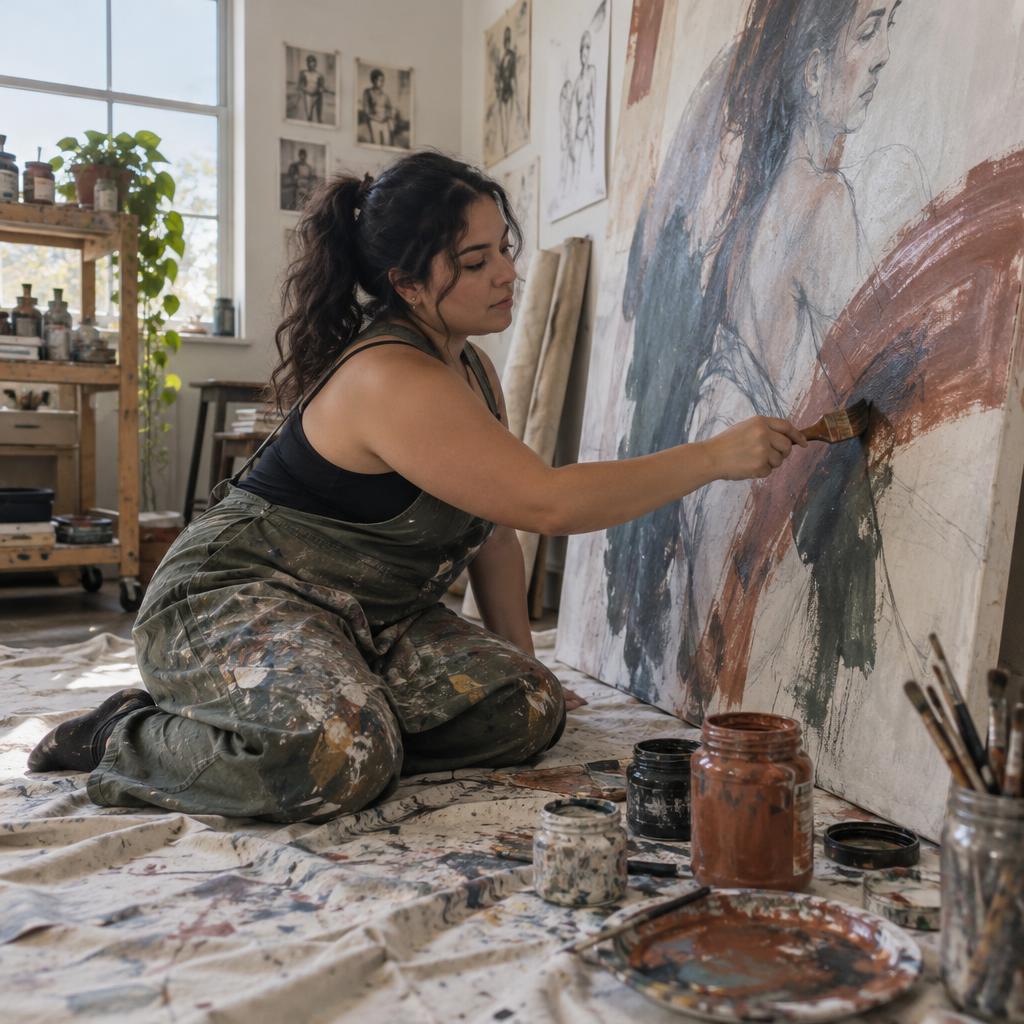
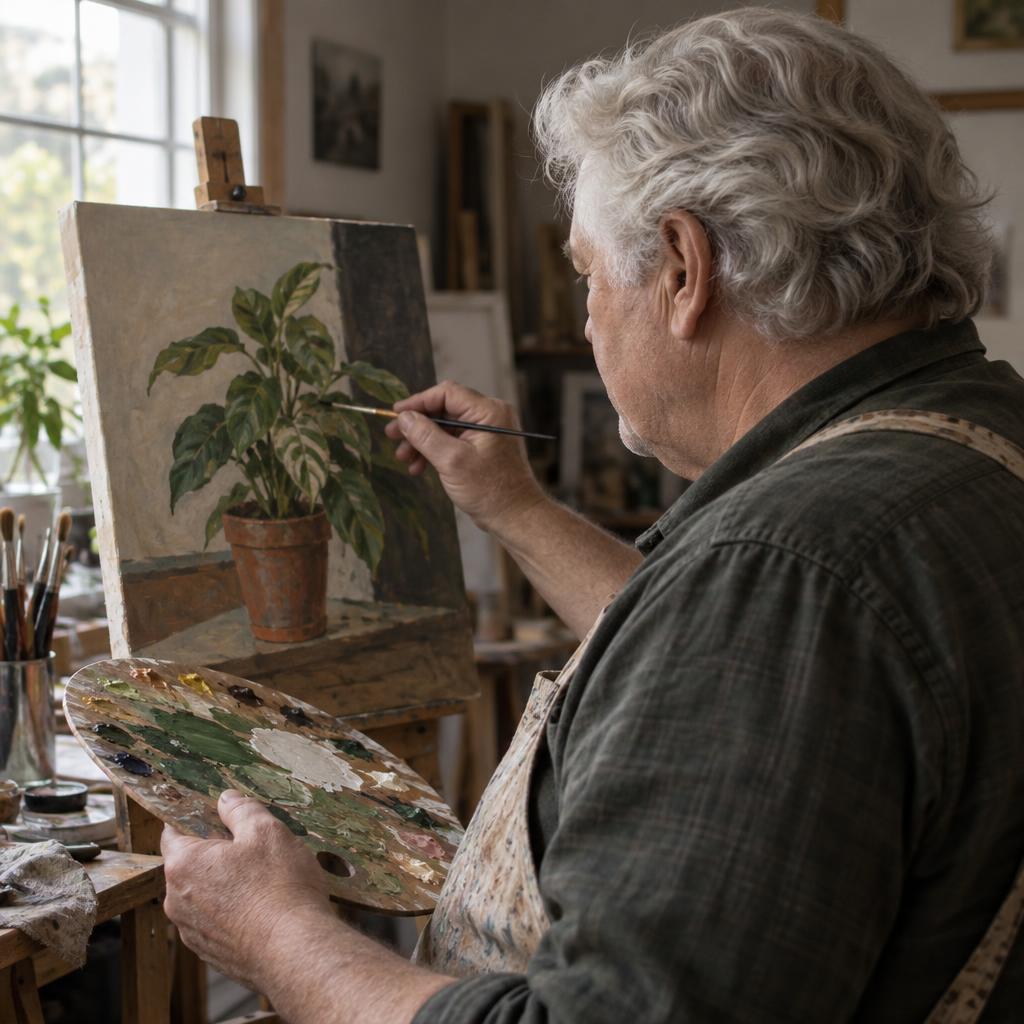
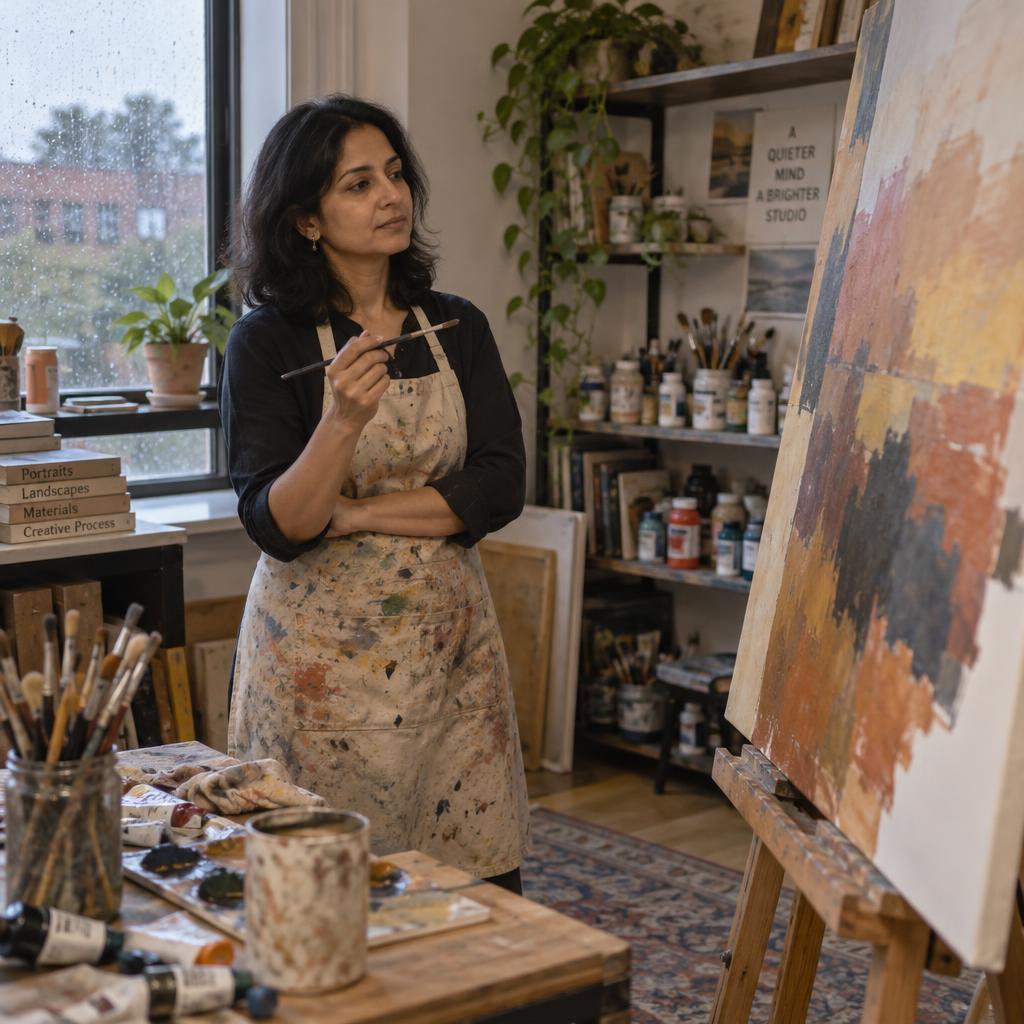
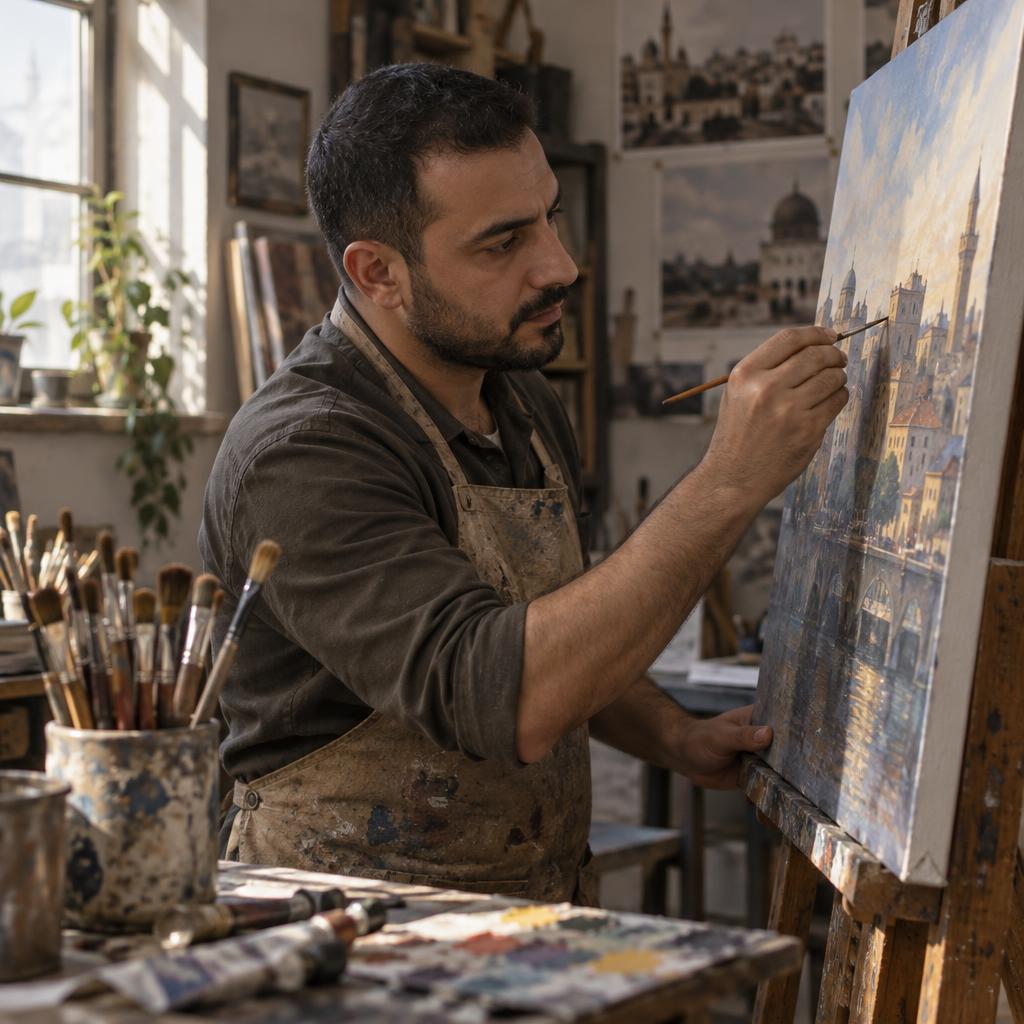
Creative Practice In A Working Studio
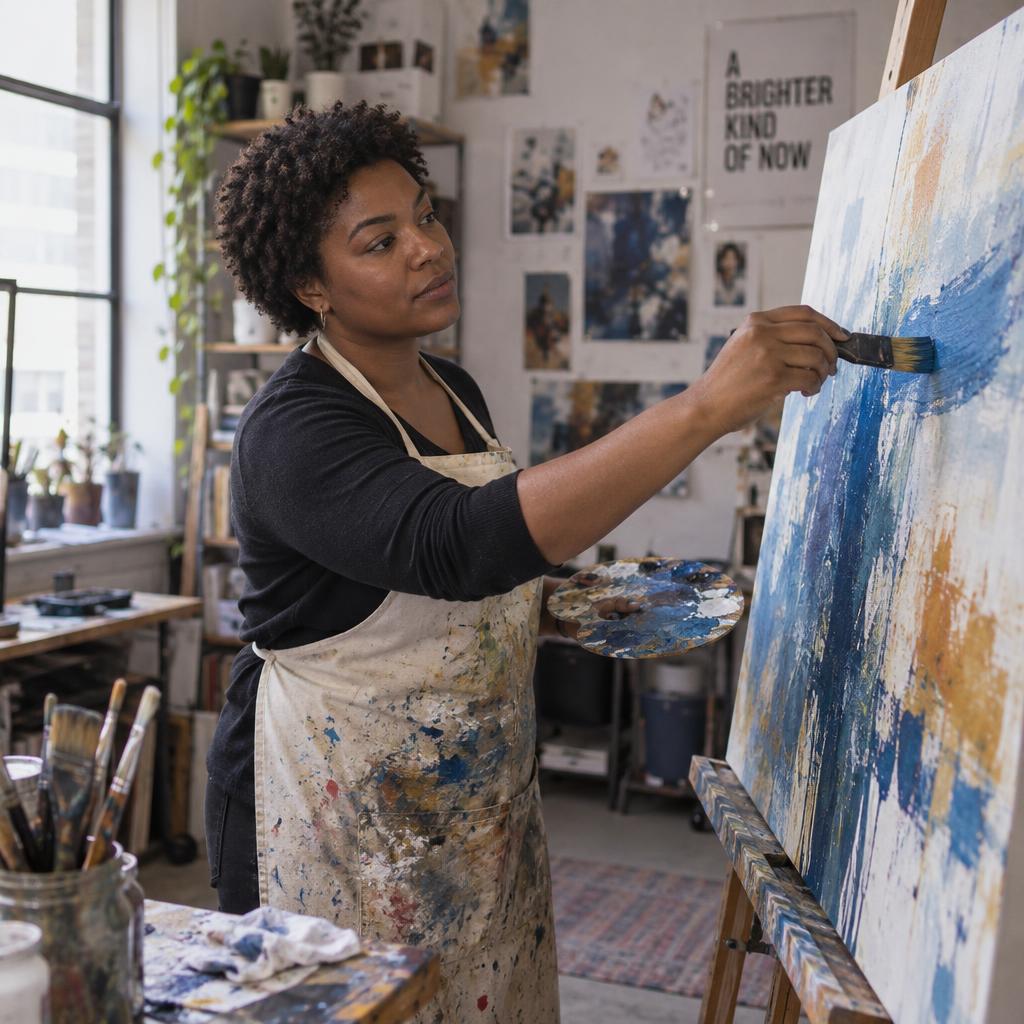
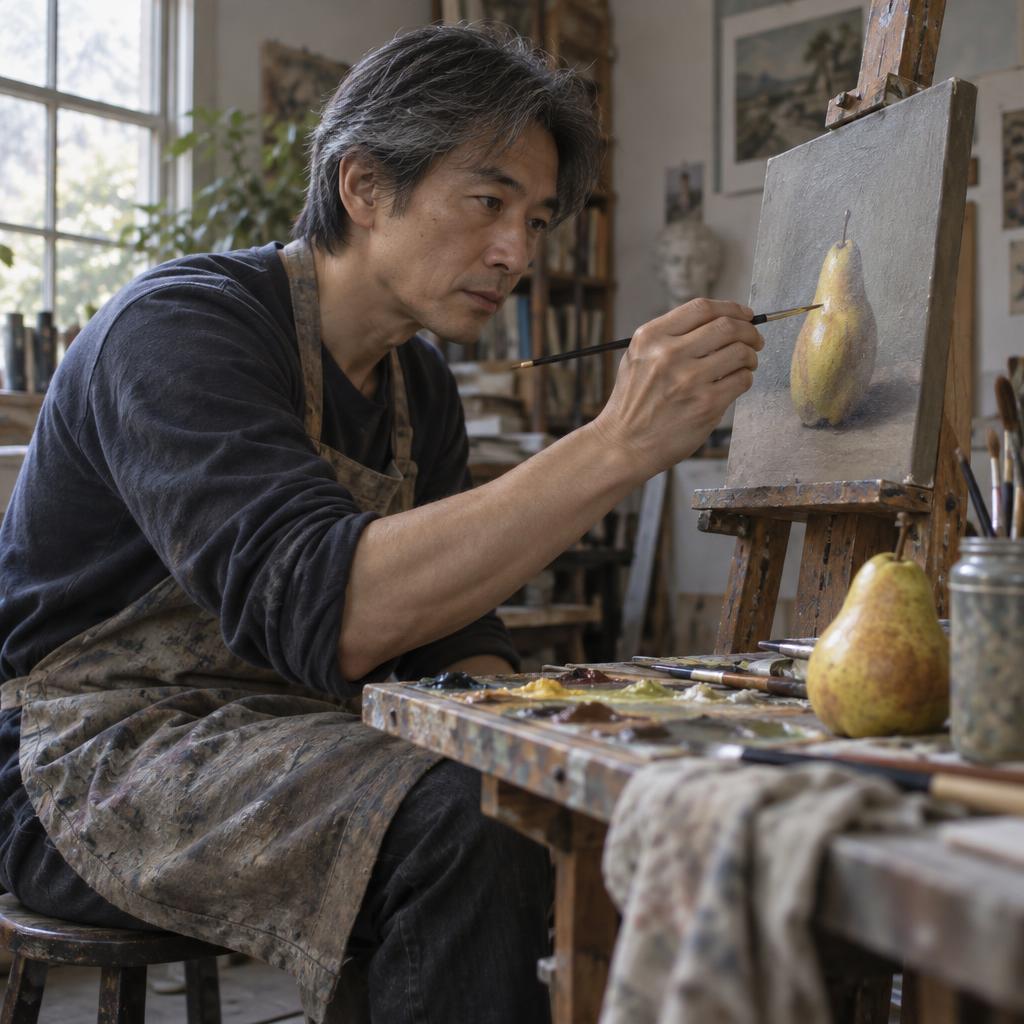
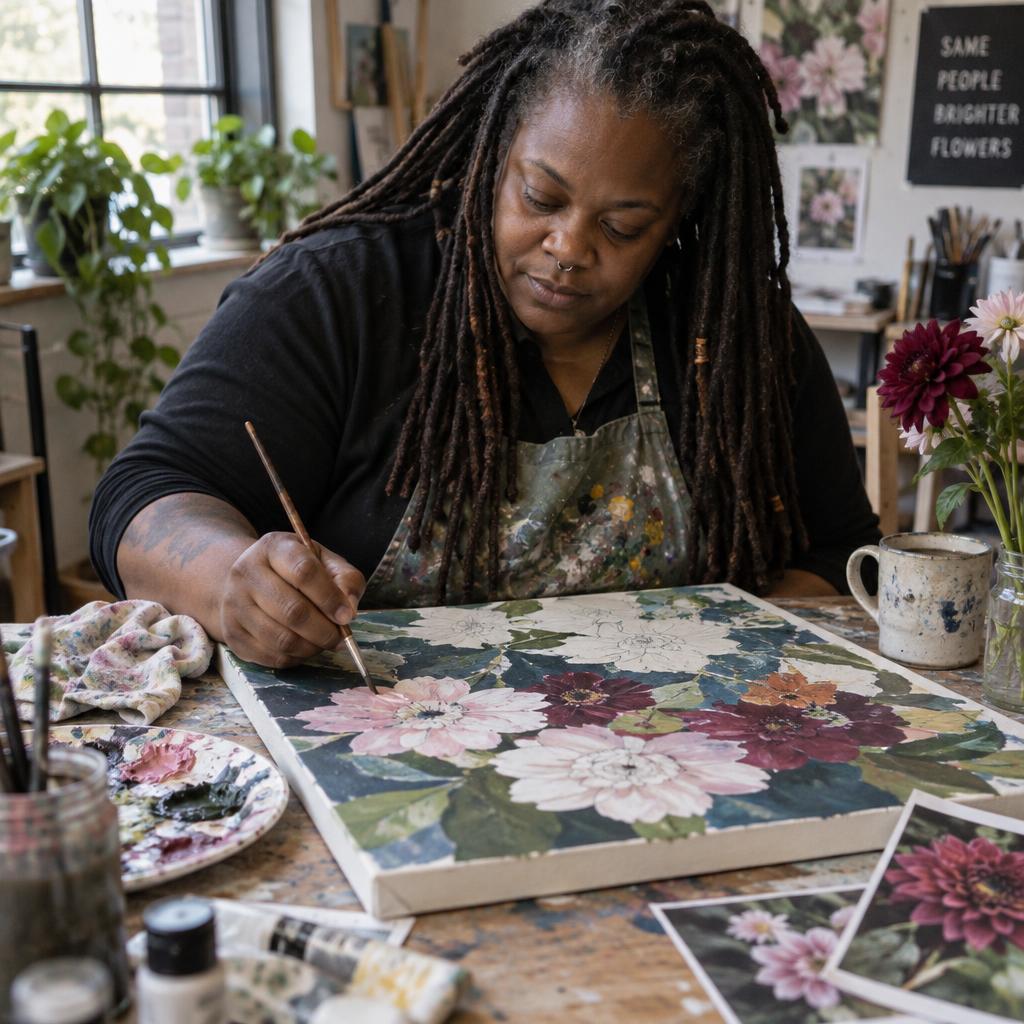
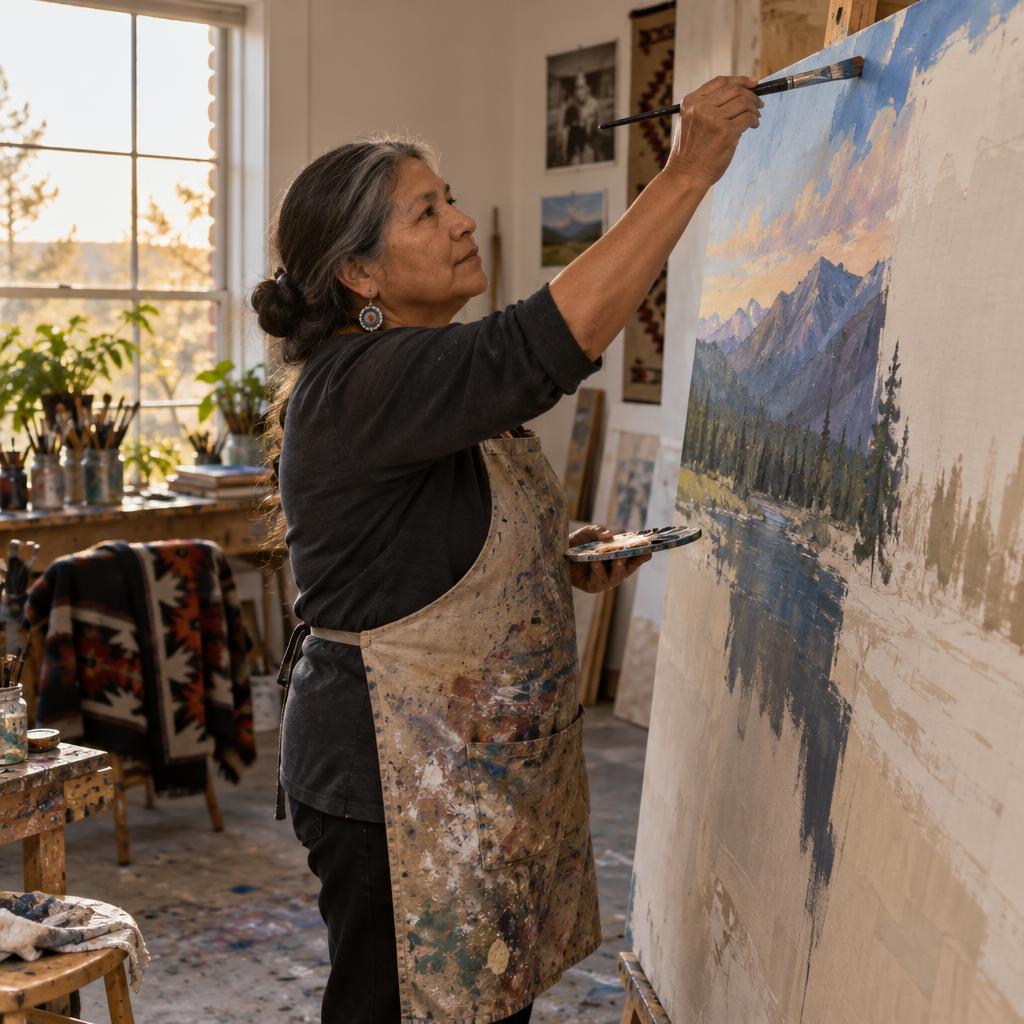
A creative goal often depends on returning to the work, not finishing one perfect piece. If you want to paint more, choose a regular session you can protect on your calendar. Your board can show you in that routine.
A canvas in progress makes the scene more useful than a polished studio portrait. It reminds you that unfinished work counts. Include the tools and small mess that belong to your practice, but keep the work area clear enough to read.
Hold a brush beside a partly painted canvas, with your eyes on the work. Use soft side-window light and a close, candid frame. Wear a paint-streaked apron; avoid a spotless room or a finished canvas.
Choose a photo to create your version
A Faraway Travel Milestone
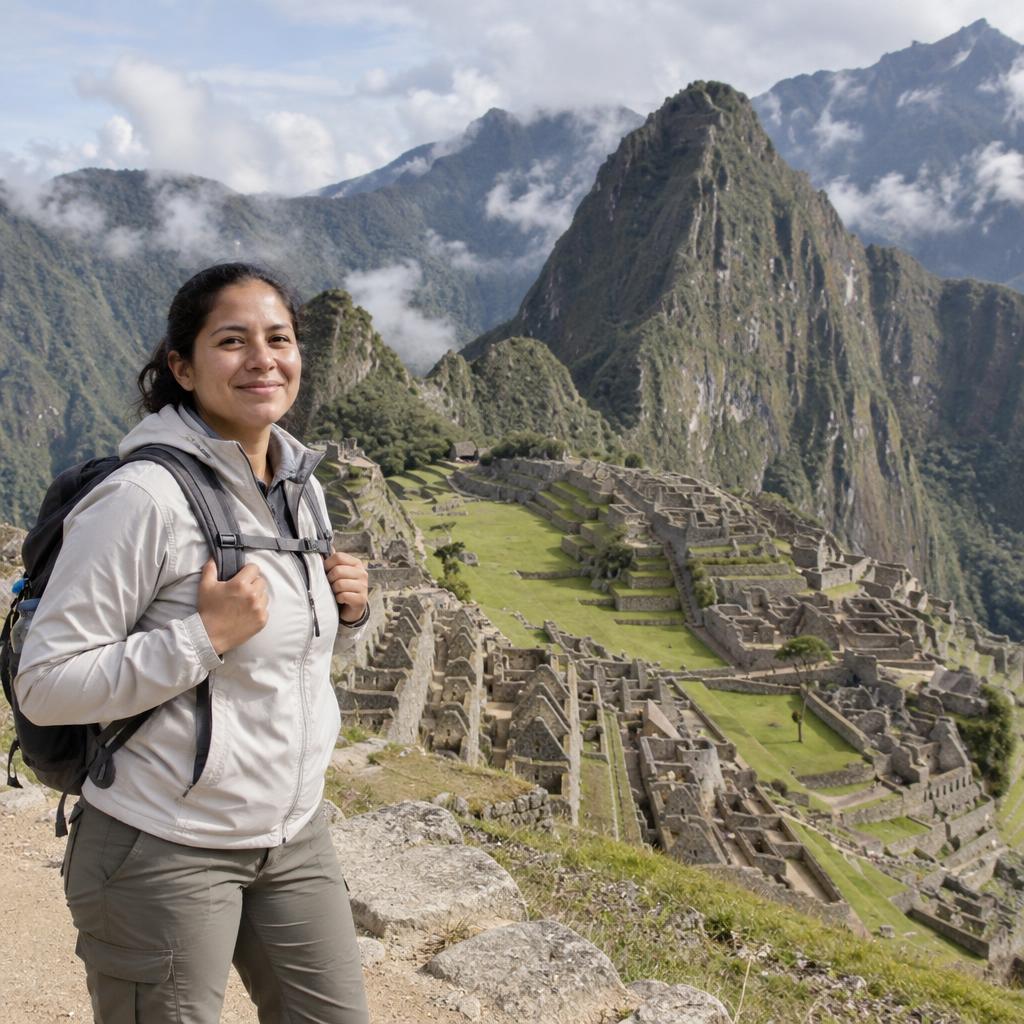
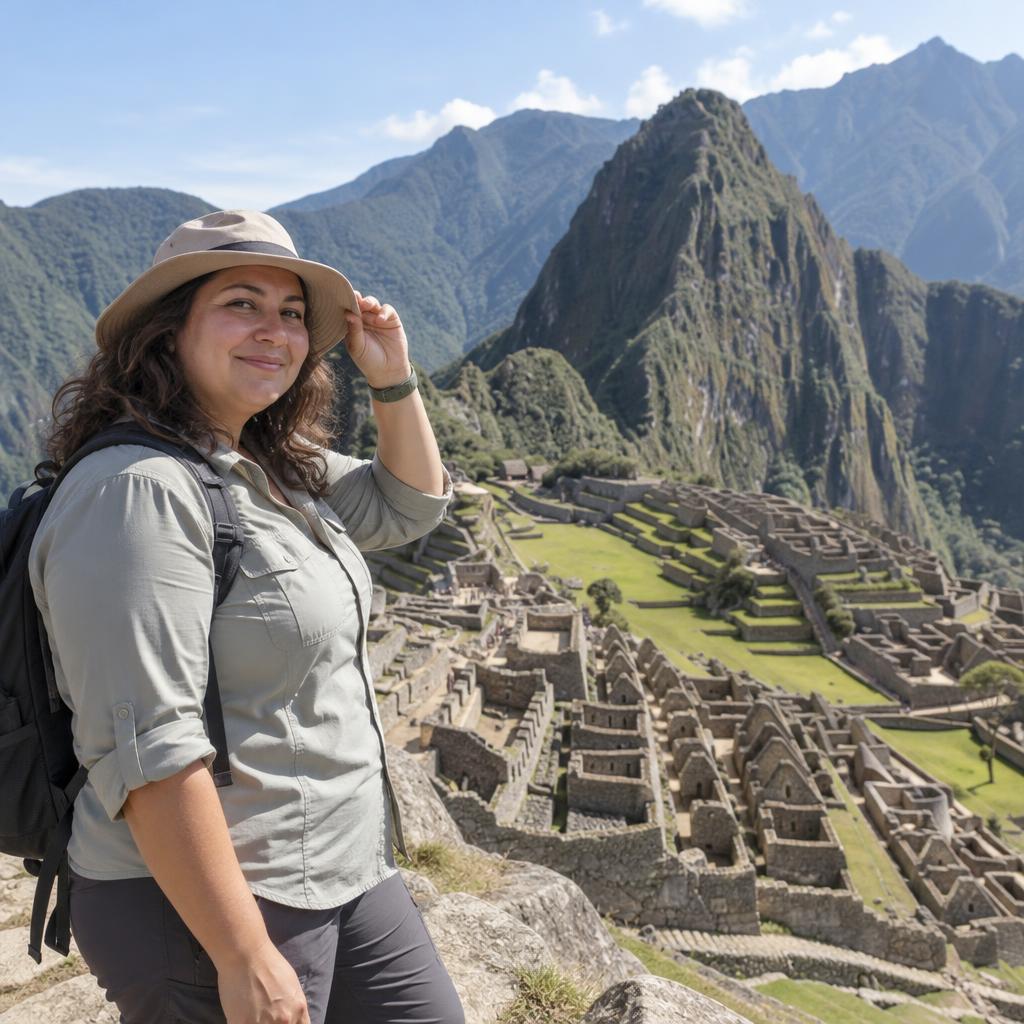
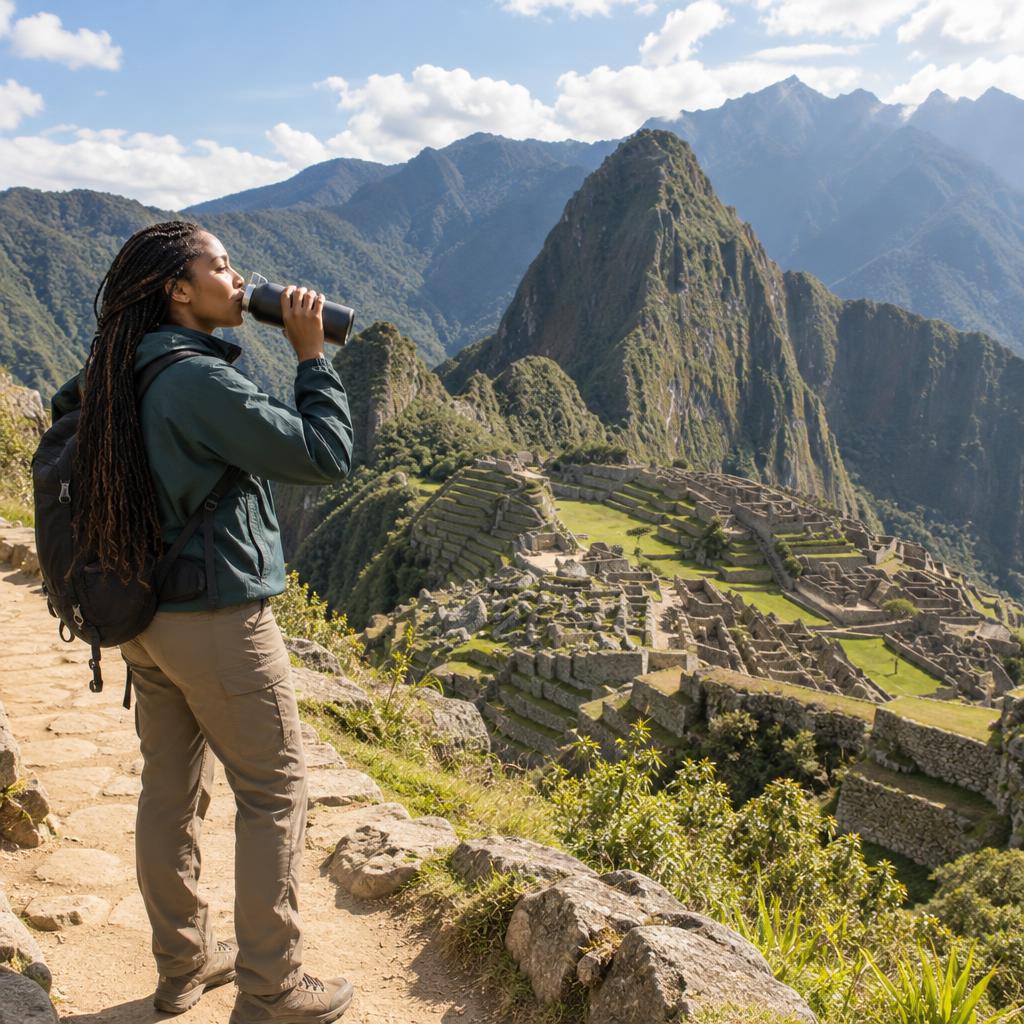
For a travel goal, choose the place you want to reach, not a suitcase or an airport gate. A view of Machu Picchu can stand for the moment you finally arrive. Pair it with one planning task, such as checking travel costs and entry details.
A wide view matters here: you should see both yourself and the destination. Walking clothes make the image feel like a day you took part in, rather than a postcard with your face added.
Pause at an overlook with Machu Picchu clearly behind you. Wear comfortable walking clothes and look toward the view. Use natural daylight and a wide frame; avoid covering the landmark with your body.
Choose a photo to create your version
First Day In A Dream Home
Your home goal may be about buying, renting, or moving into a space that suits your life better. Picture the first day instead of an ideal room you cannot yet make your own. Then name a practical step, such as setting a savings target or listing your must-haves.
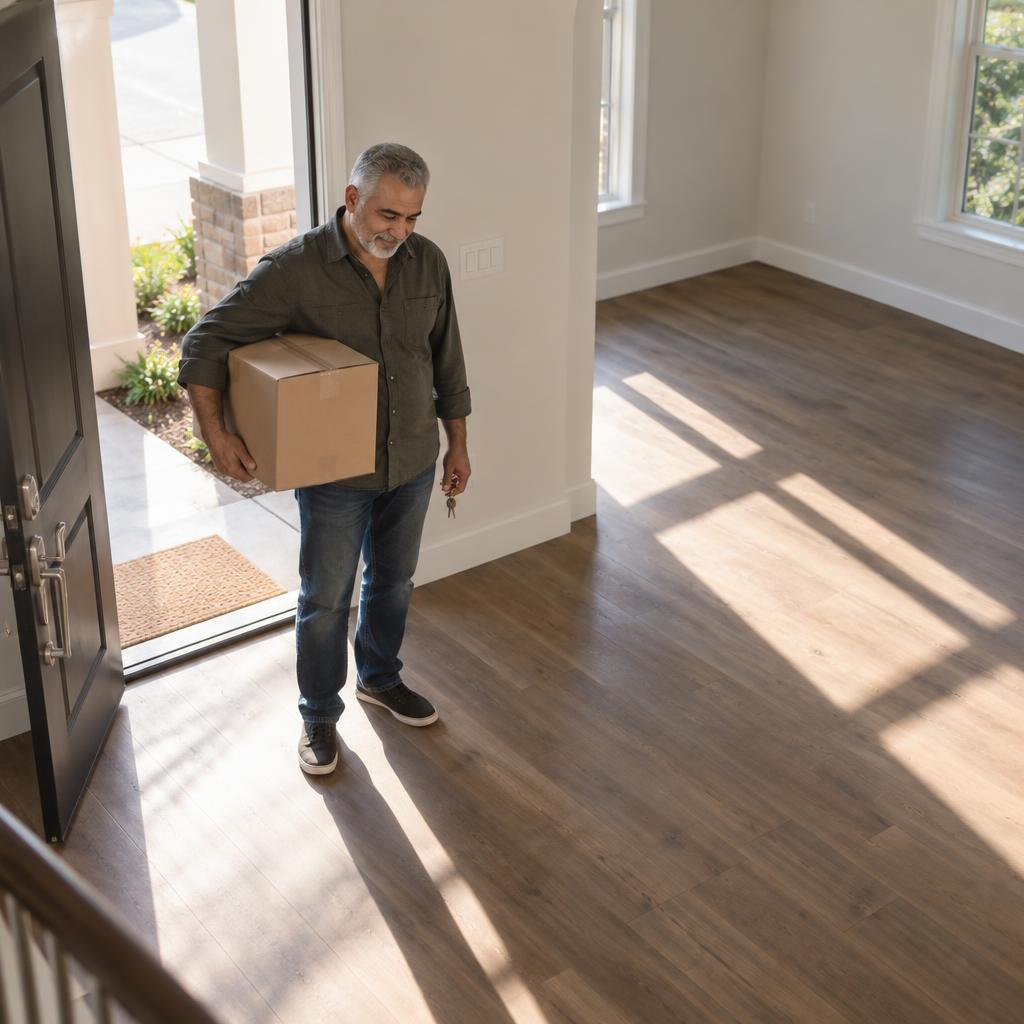
Keys, a box, and an empty room tell the story quickly. The unfinished space leaves room for your own plans. It can also help you focus on the move itself, rather than expensive furniture.
Stand just inside the door, holding keys and one moving box. Let sunlight cross the bare room. Wear simple moving-day clothes and keep the frame wide enough to show the doorway; avoid a fully furnished backdrop.



Choose a photo to create your version
Mastering A New Skill
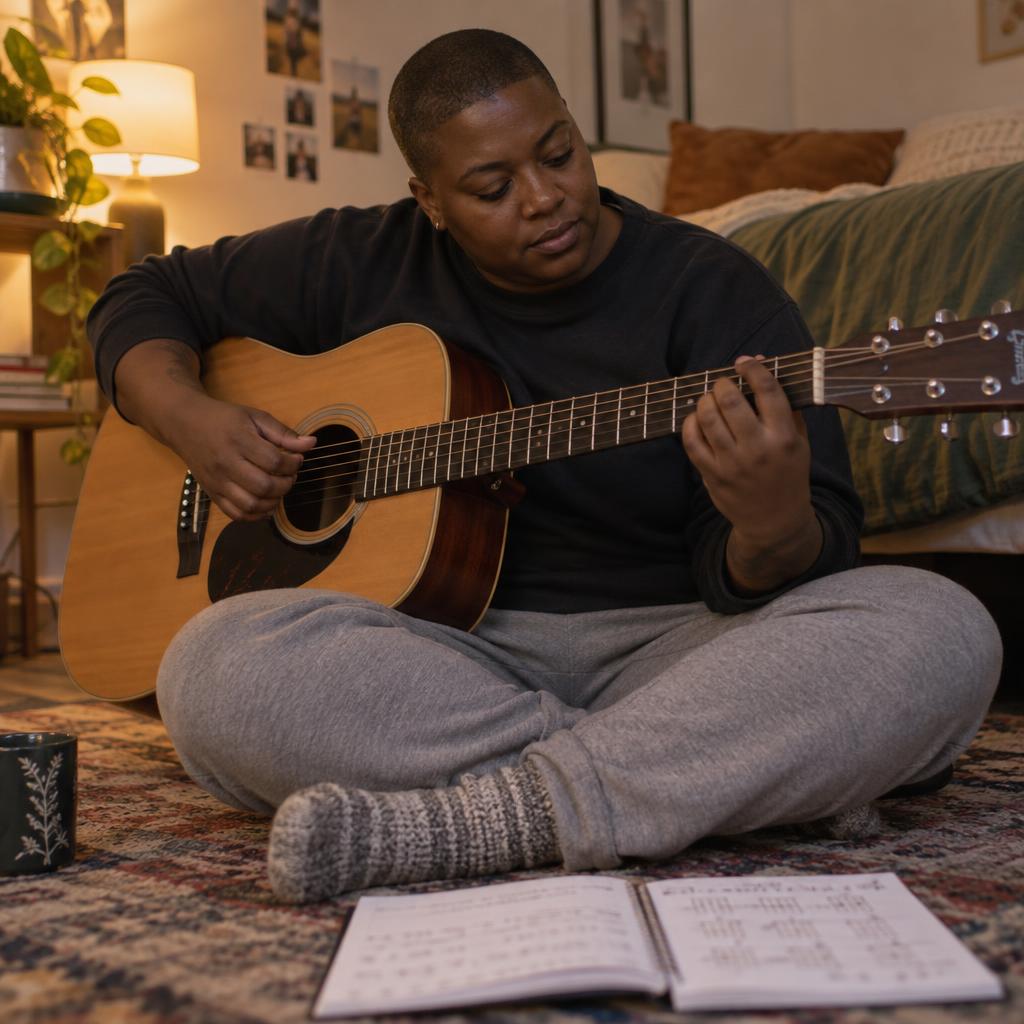
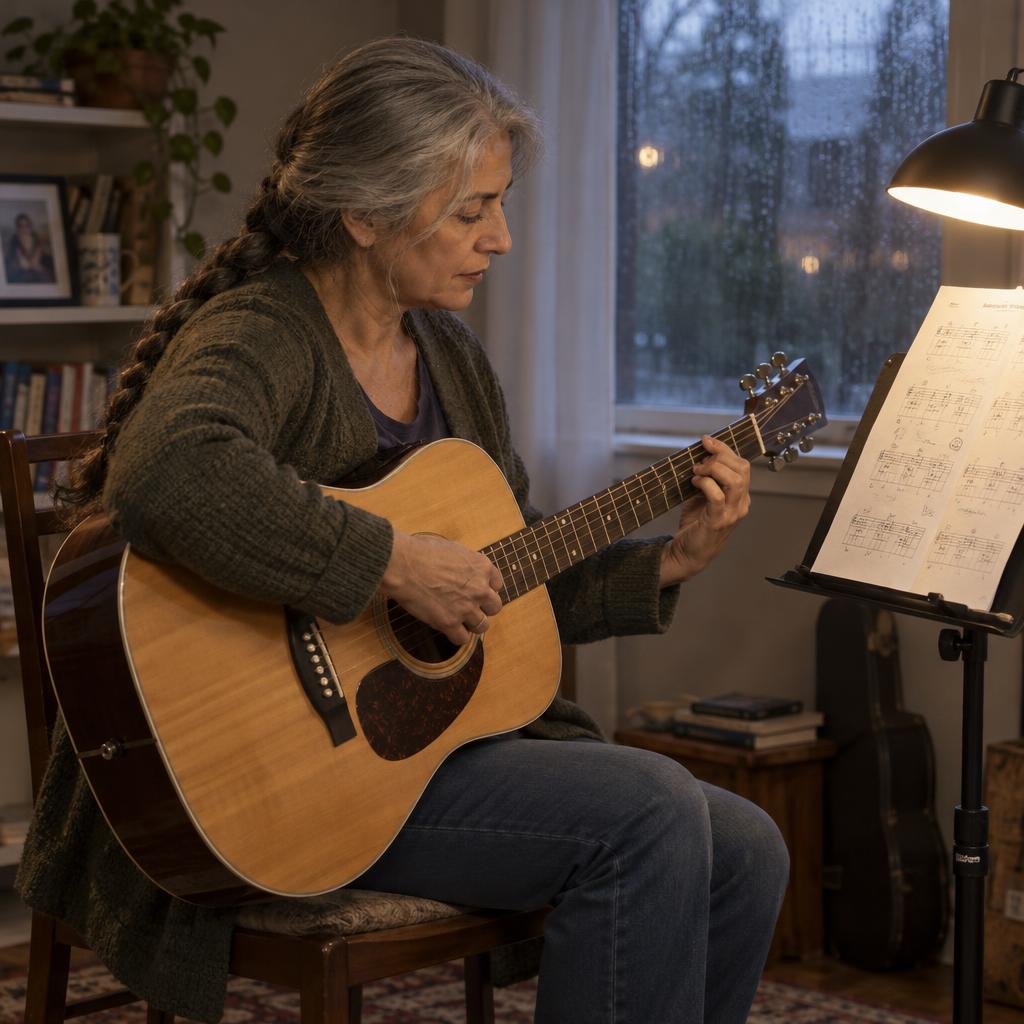
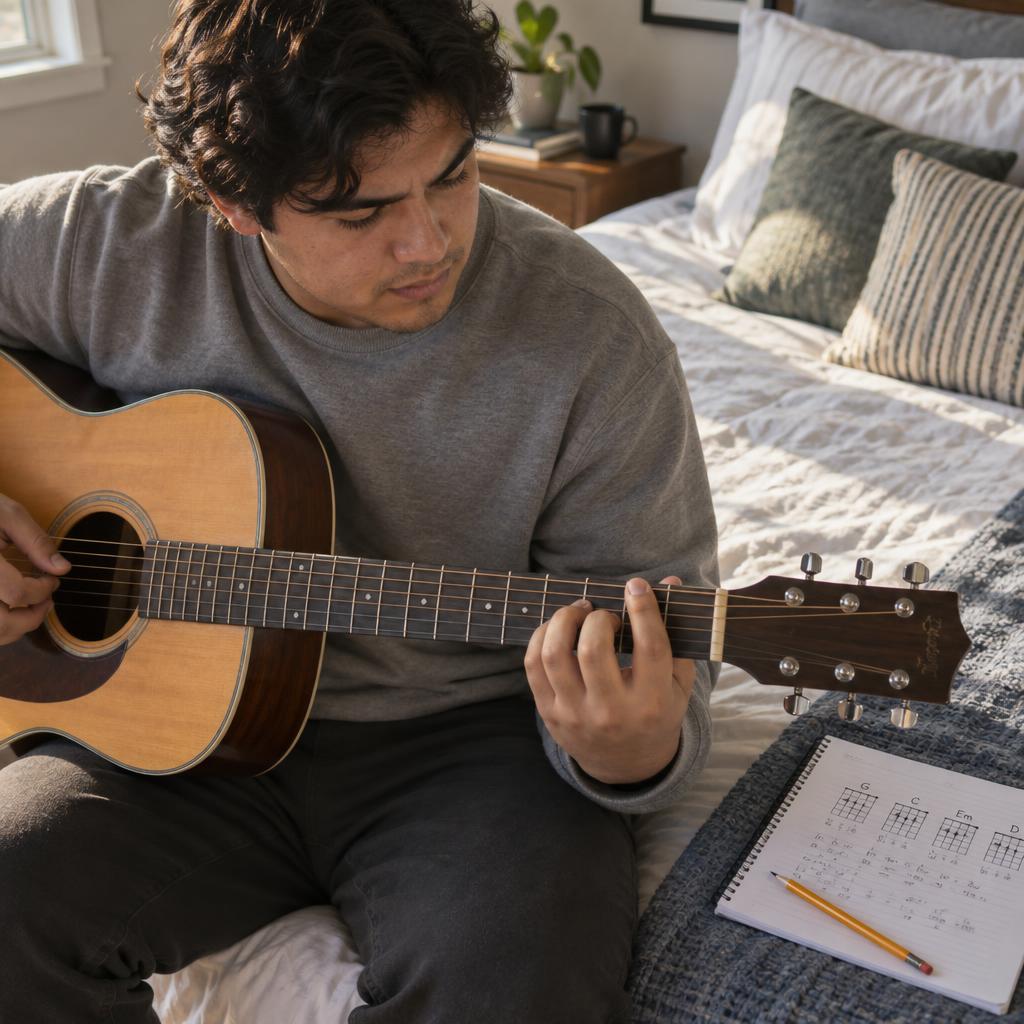
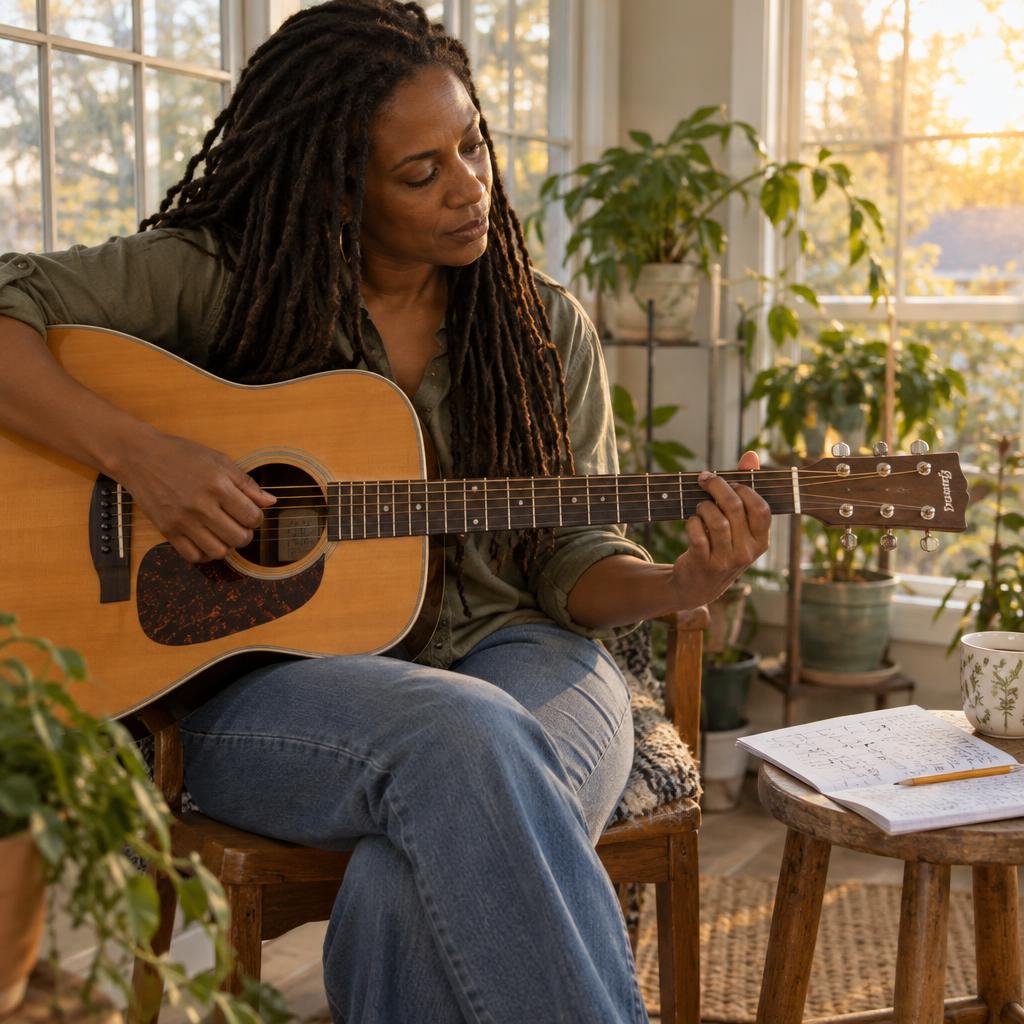
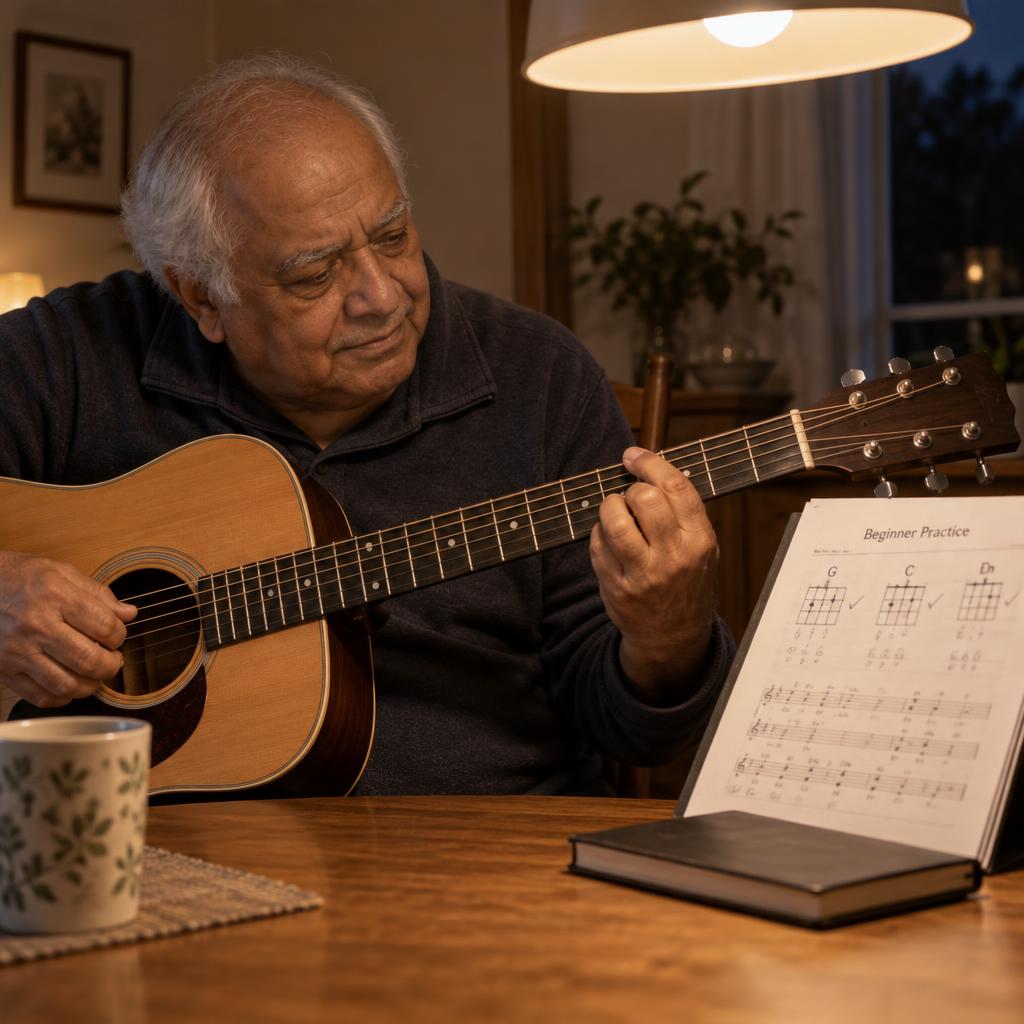
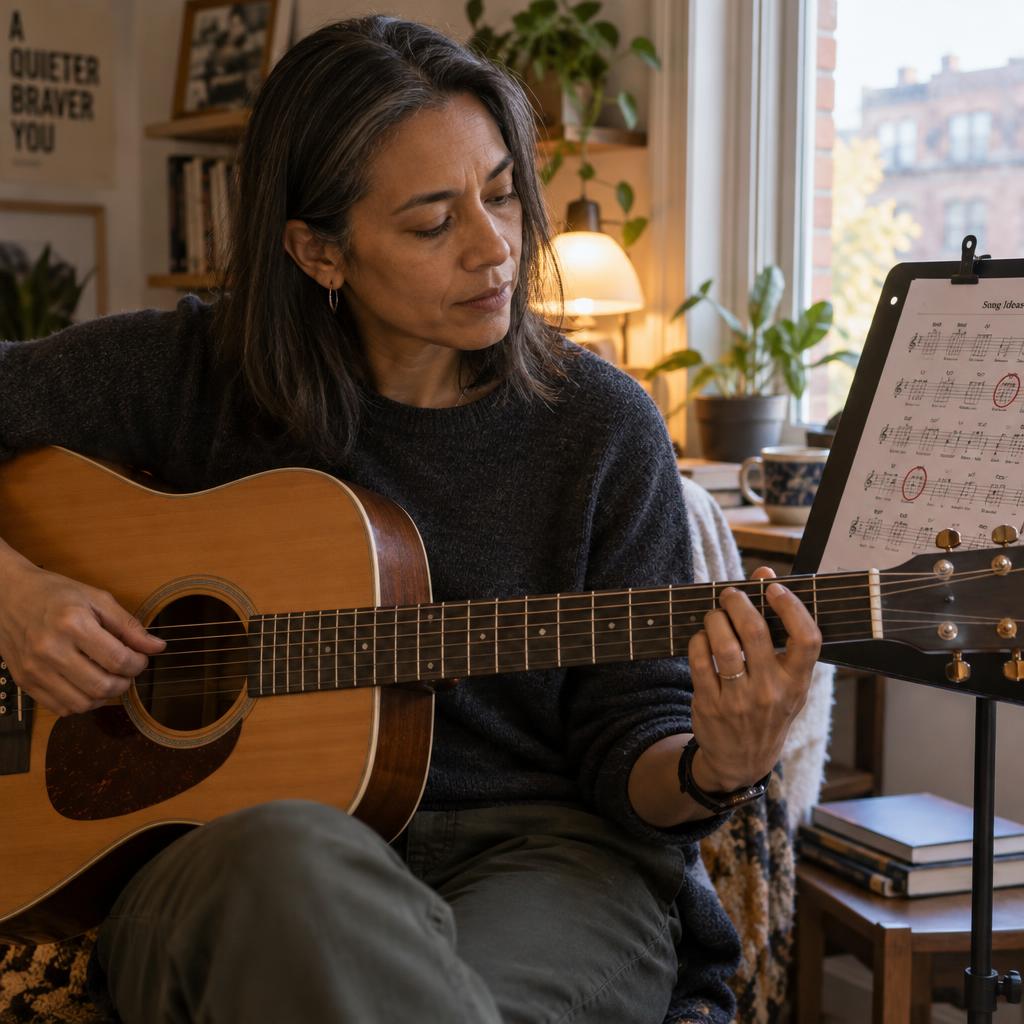
Choose a skill you can practice in small pieces. For guitar, a chord you are learning is more useful to picture than a concert you cannot yet imagine. Write your next practice target beside the photo, such as ten minutes three times a week.
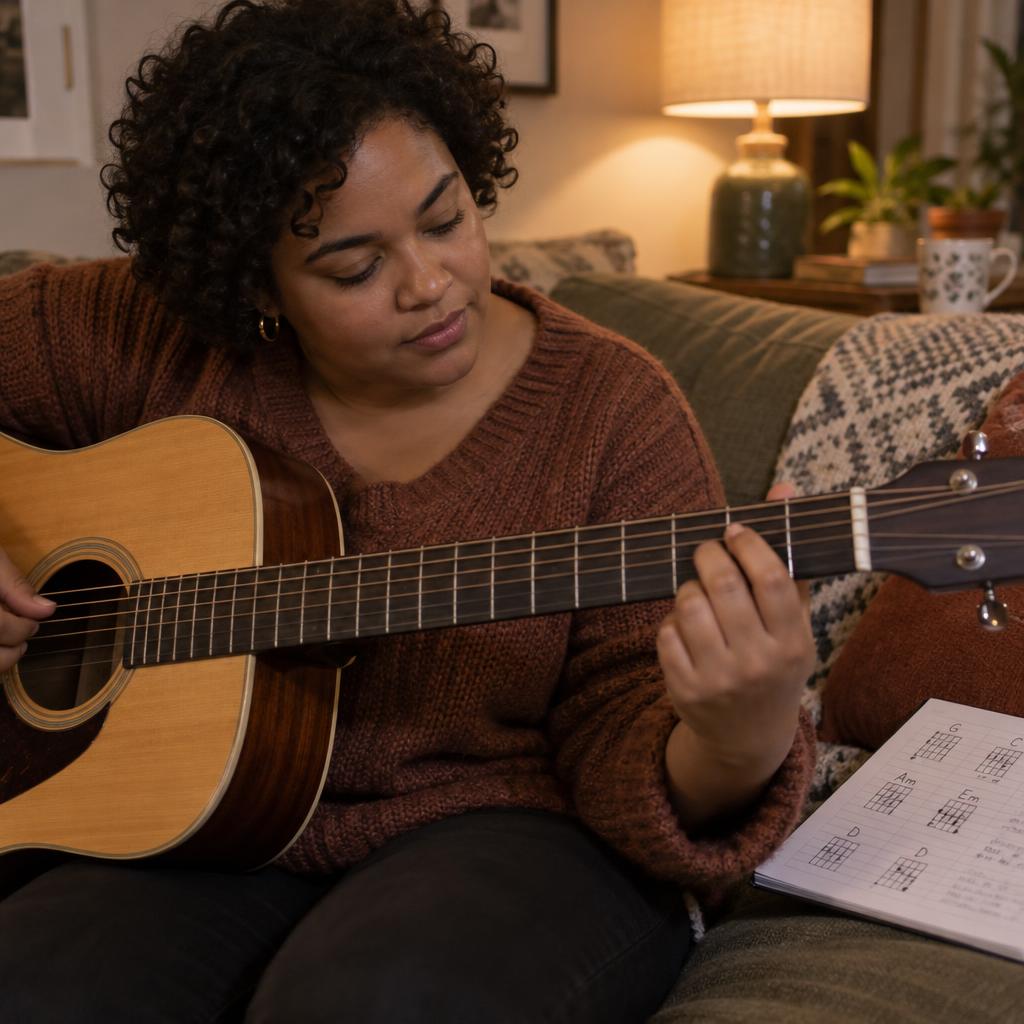
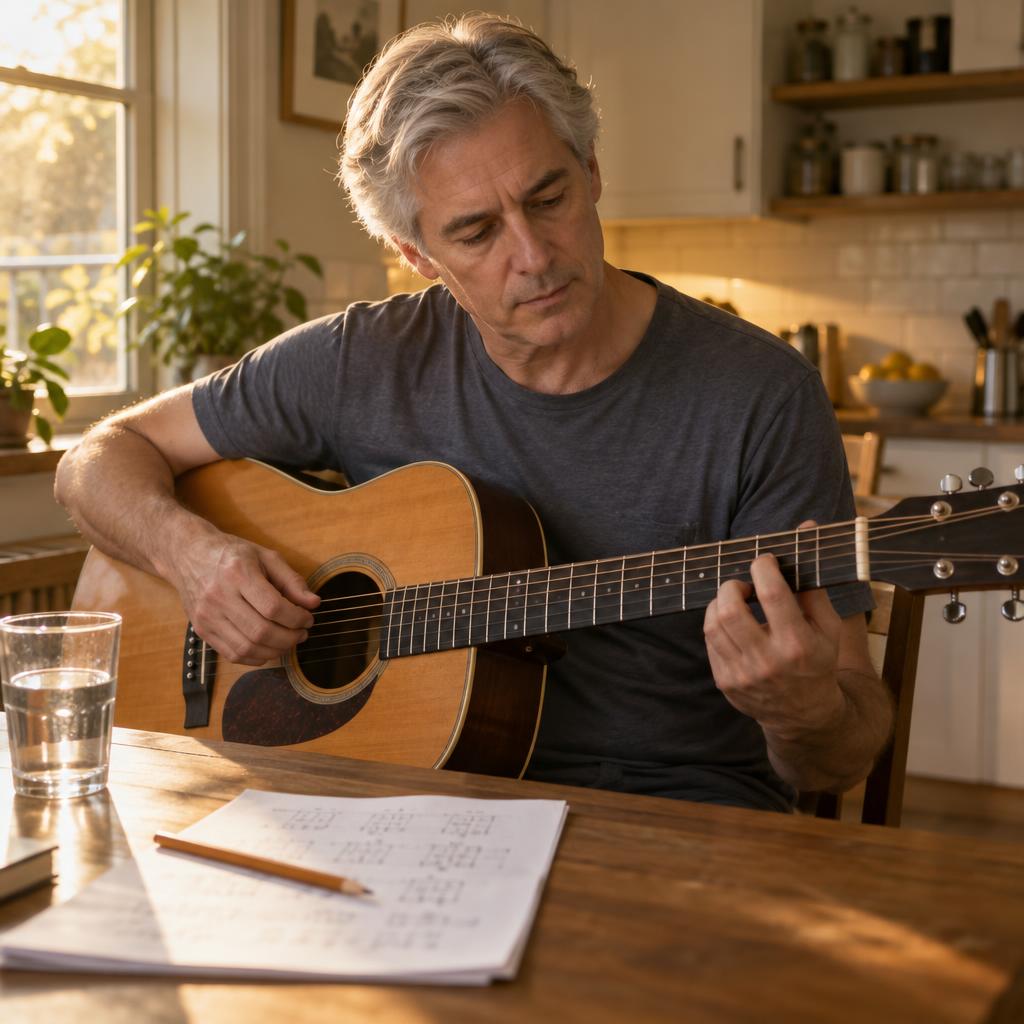
The strongest image catches you paying attention. Fingers on the strings and notes nearby show the effort behind progress. It is fine if the chord still looks new; that makes the goal feel possible to start.
Sit with your fingers forming a chord and your eyes on the fretboard. Include a marked-up practice sheet in a tight frame. Use warm light and everyday clothes; avoid posing as if you are already performing.
Choose a photo to create your version
Reaching A Fitness Summit
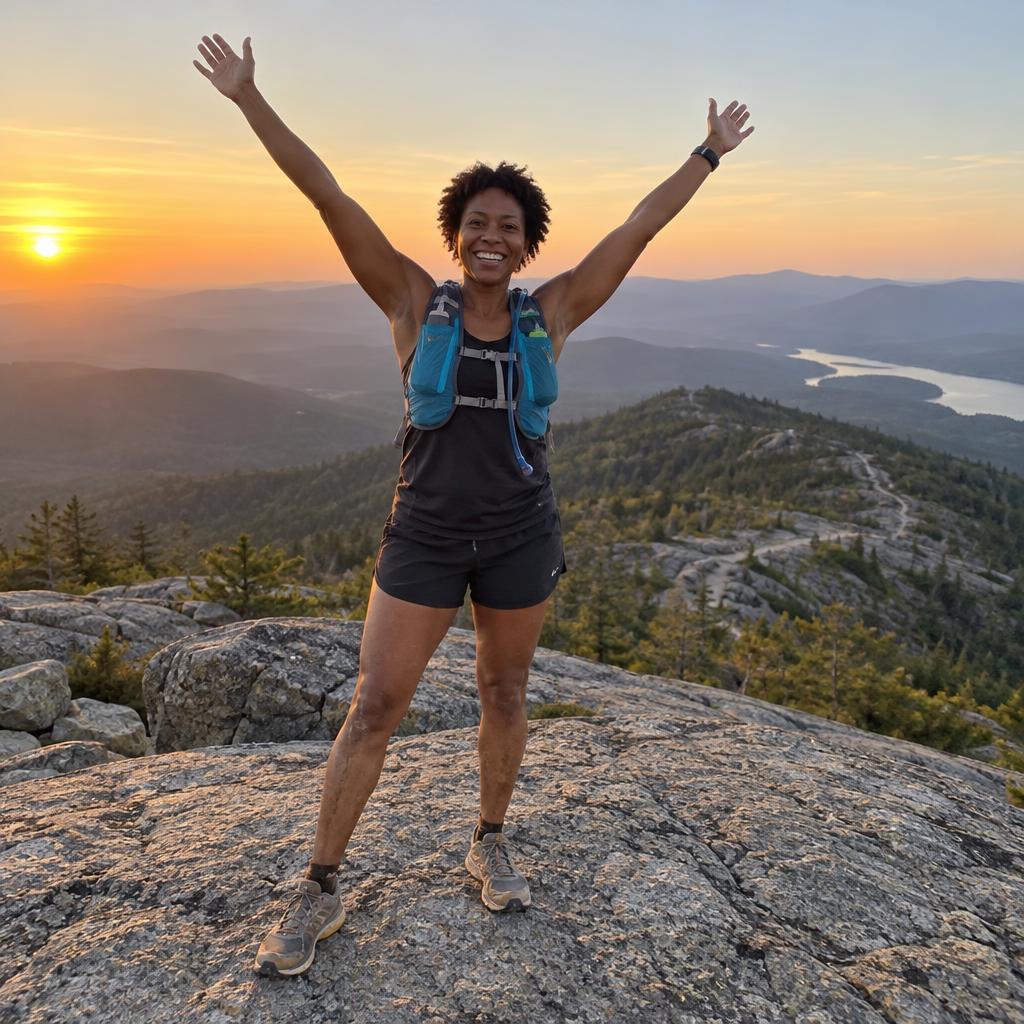
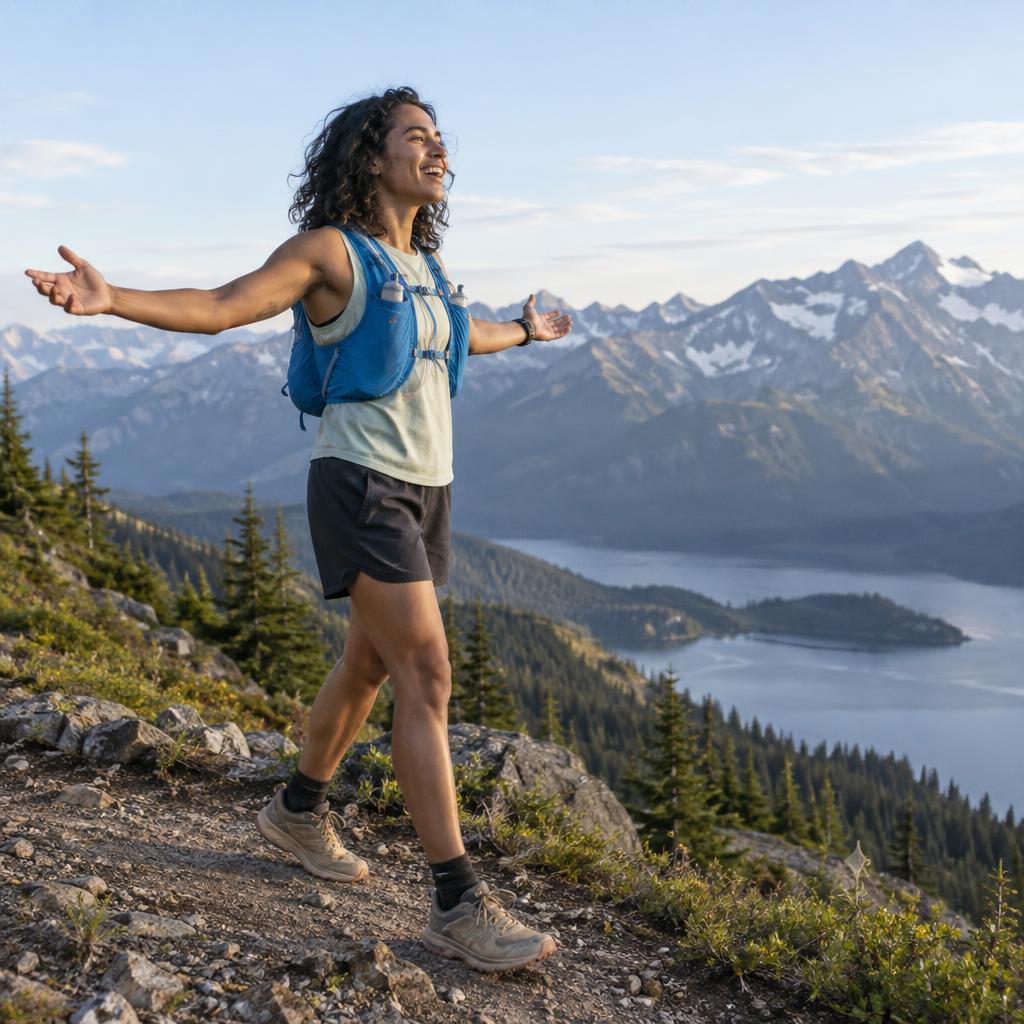
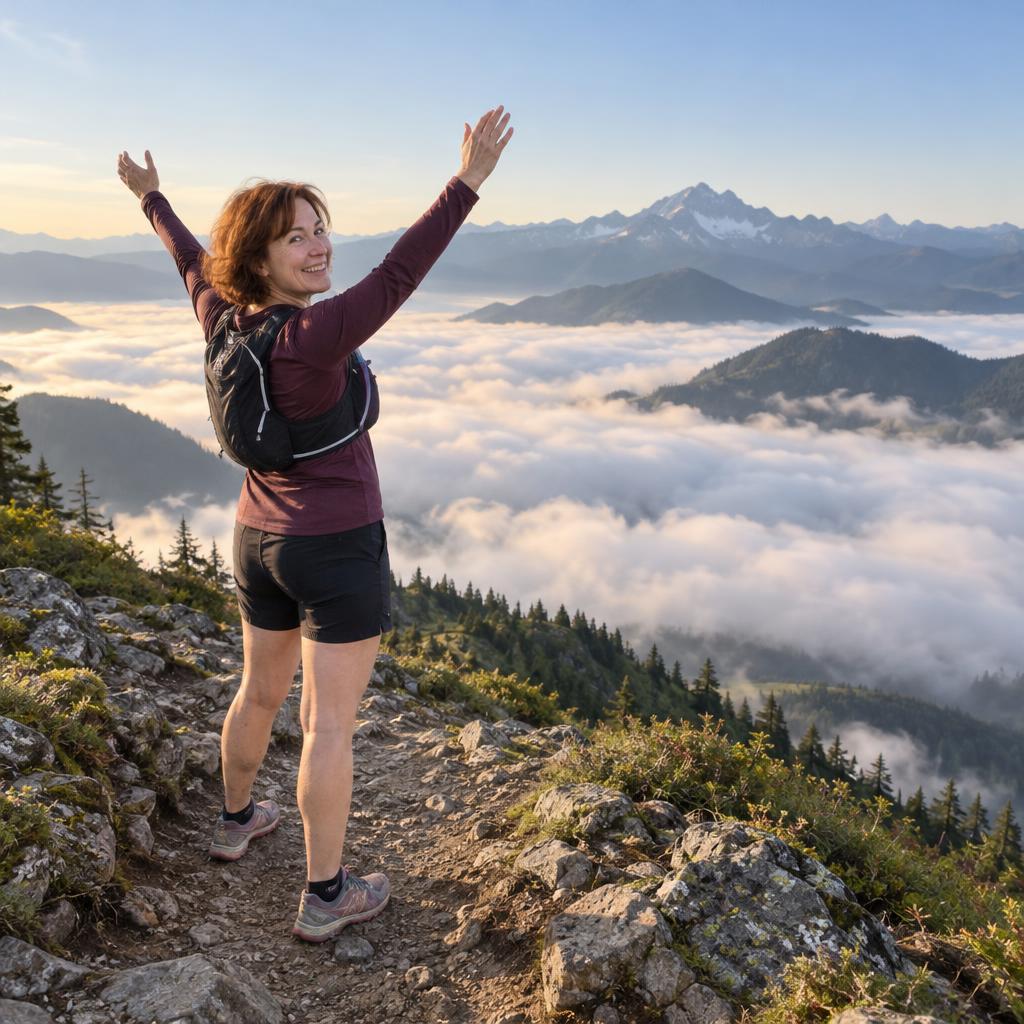
A summit can give a fitness goal a clear place and purpose. Pick a trail that matches what you hope to train for, then work backward to shorter walks or runs. The image should stand for steady preparation, not pressure to rush.
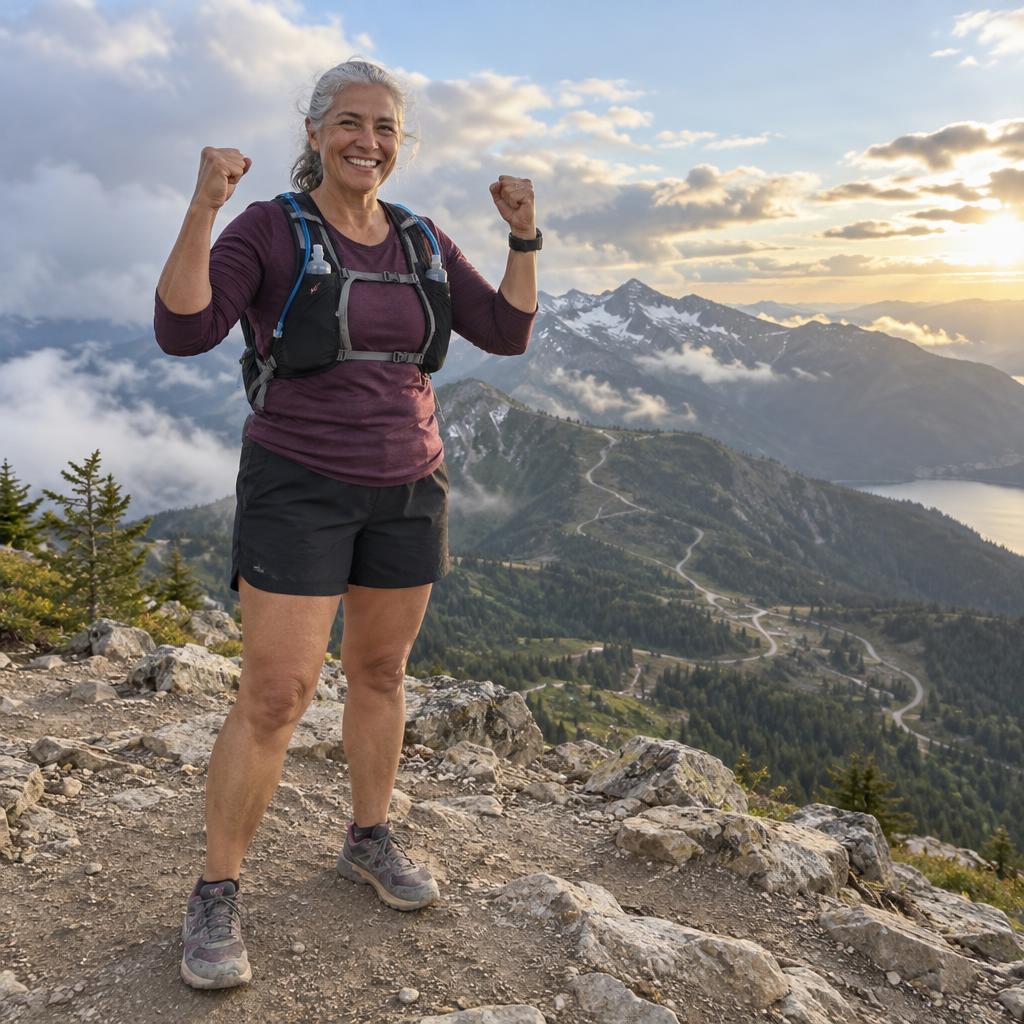
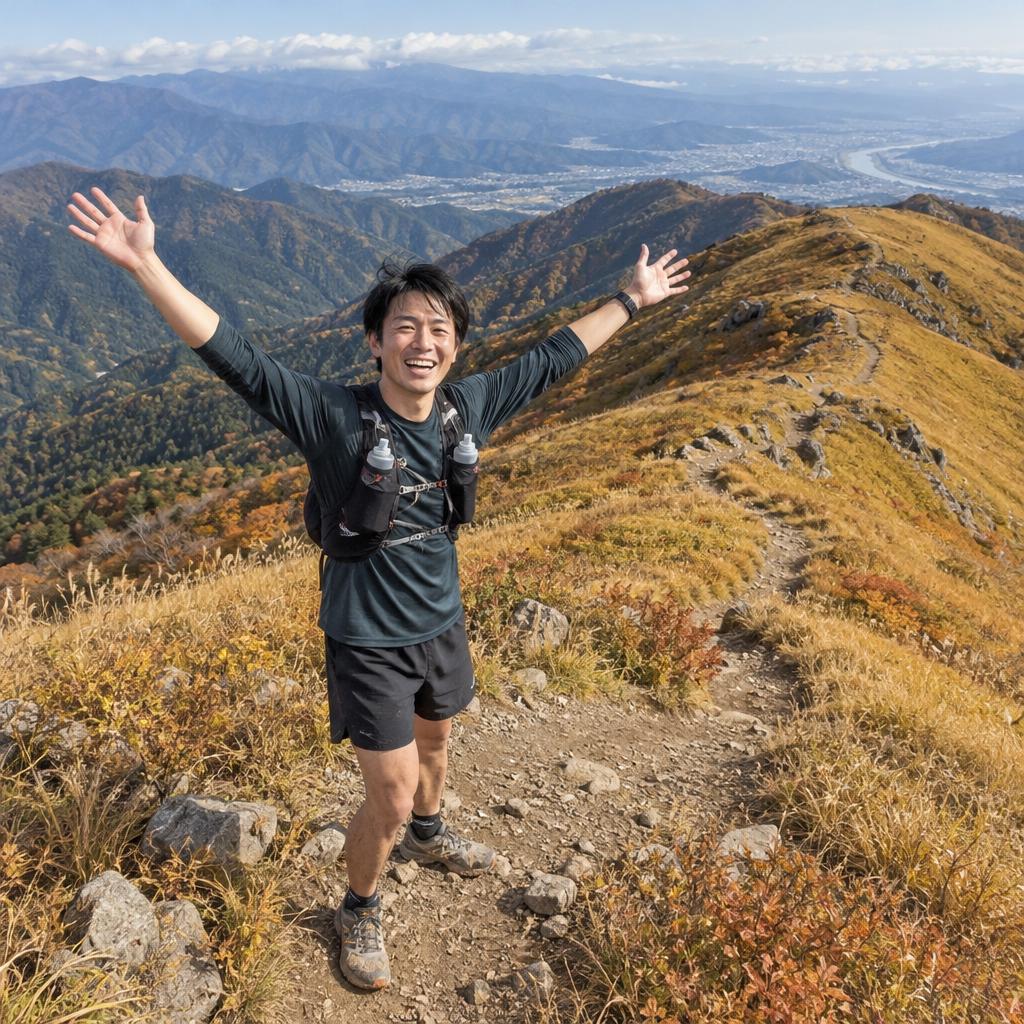
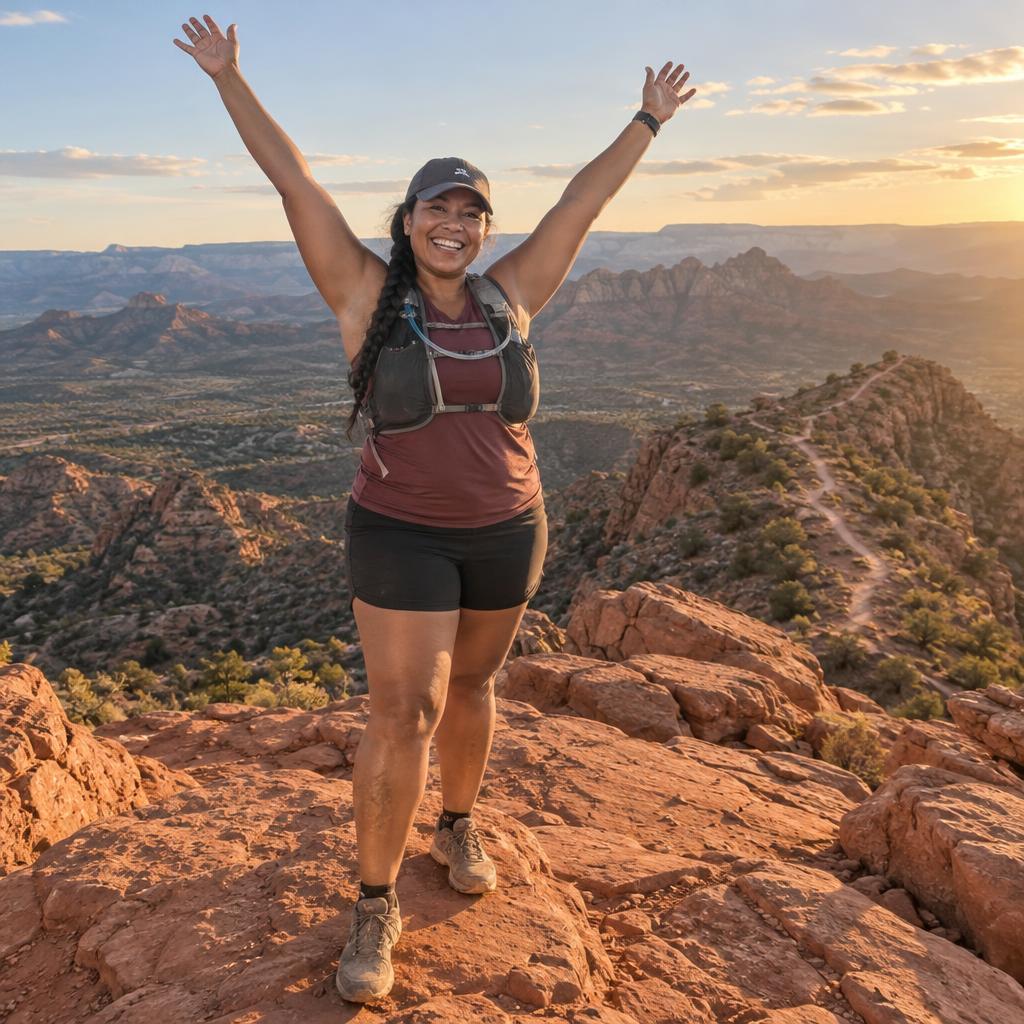
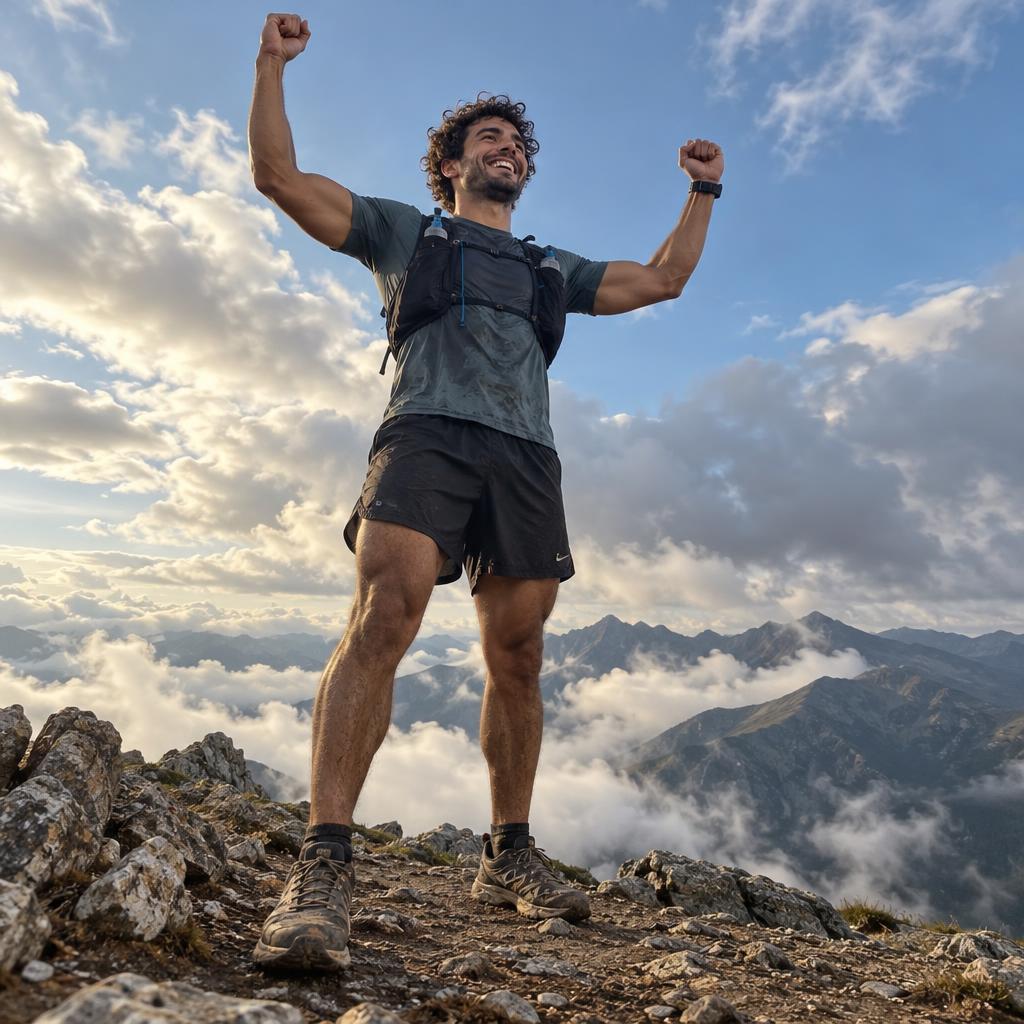
Show the ground covered as well as the high point. Dusty shoes, a hydration vest, and a wide ridgeline make the achievement feel earned. Choose a safe place to stop for the photo rather than posing near an edge.
Stand at the trail’s high point with your arms lifted and a tired, pleased expression. Wear your running shoes and hydration vest. Frame the ridgeline in daylight; avoid hiding all signs of effort.
Choose a photo to create your version
Launching An Independent Business
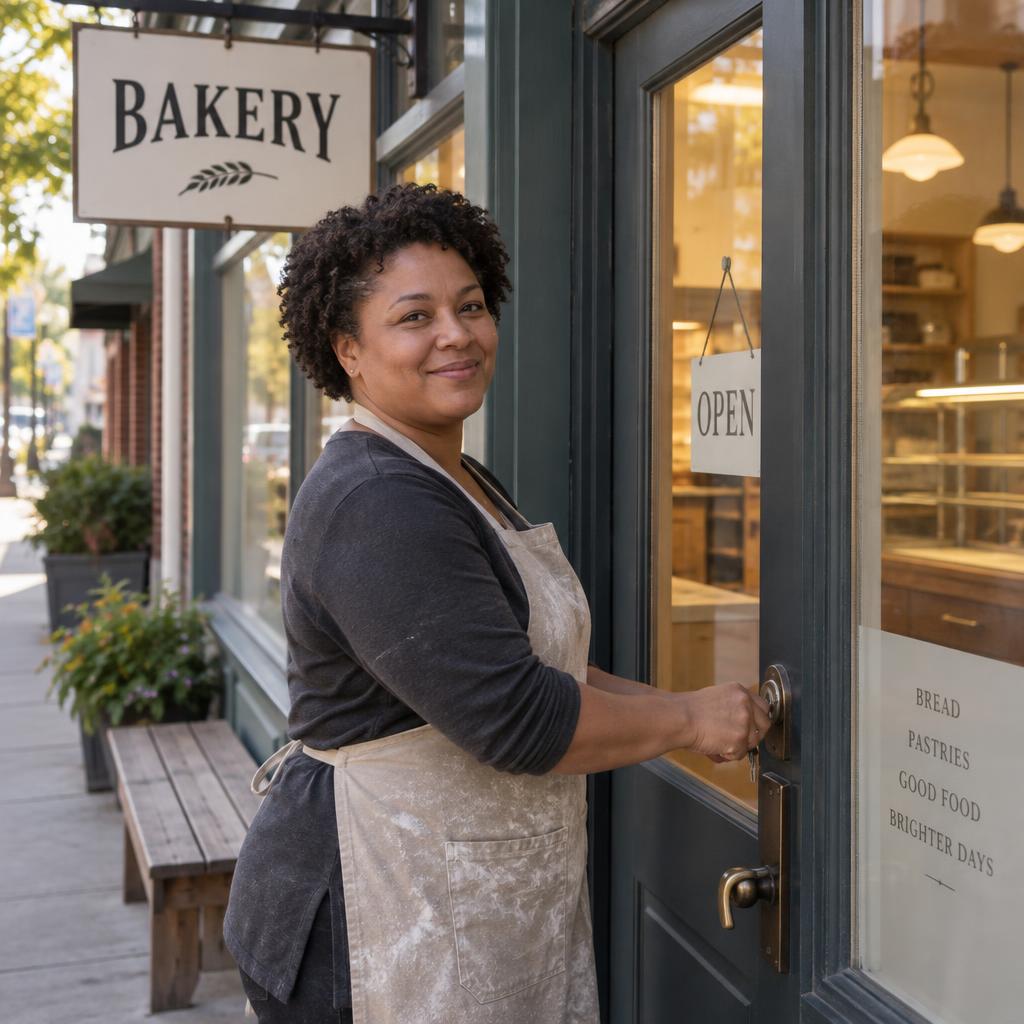
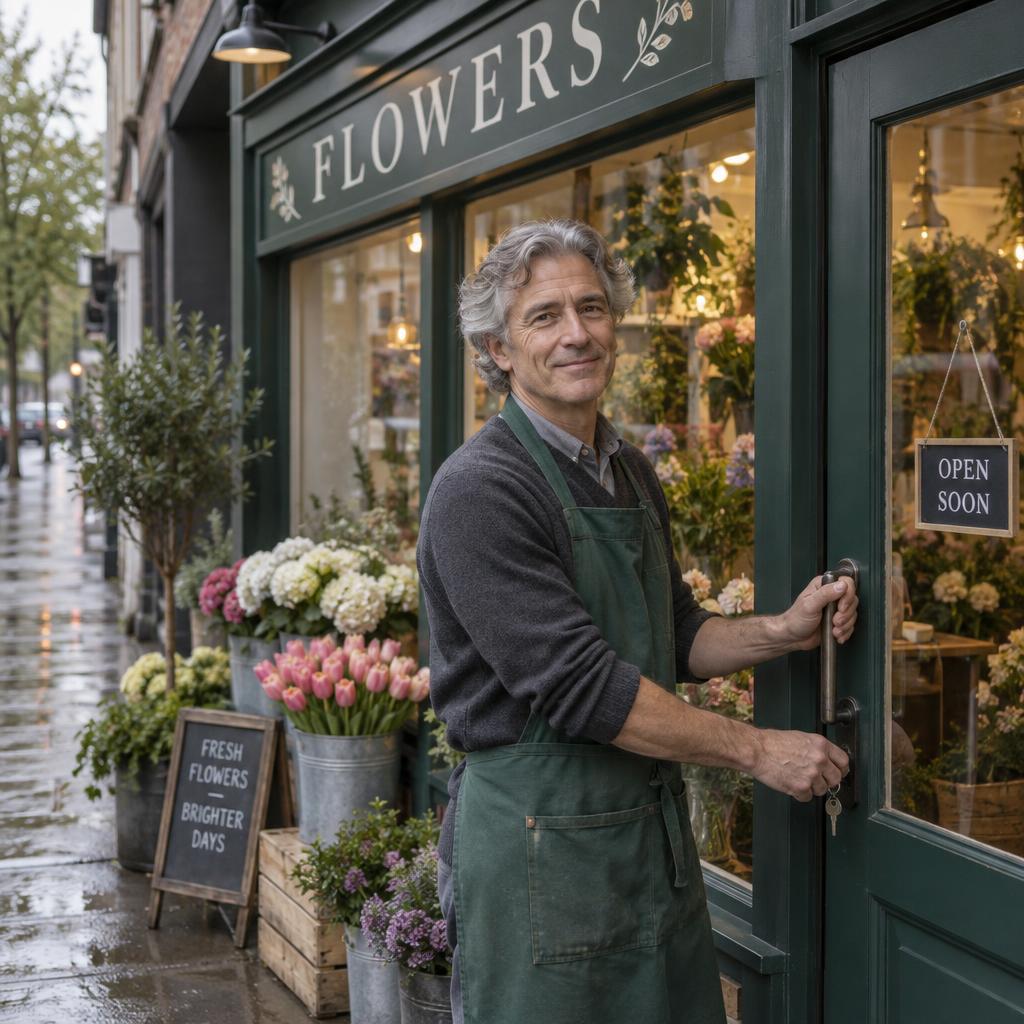
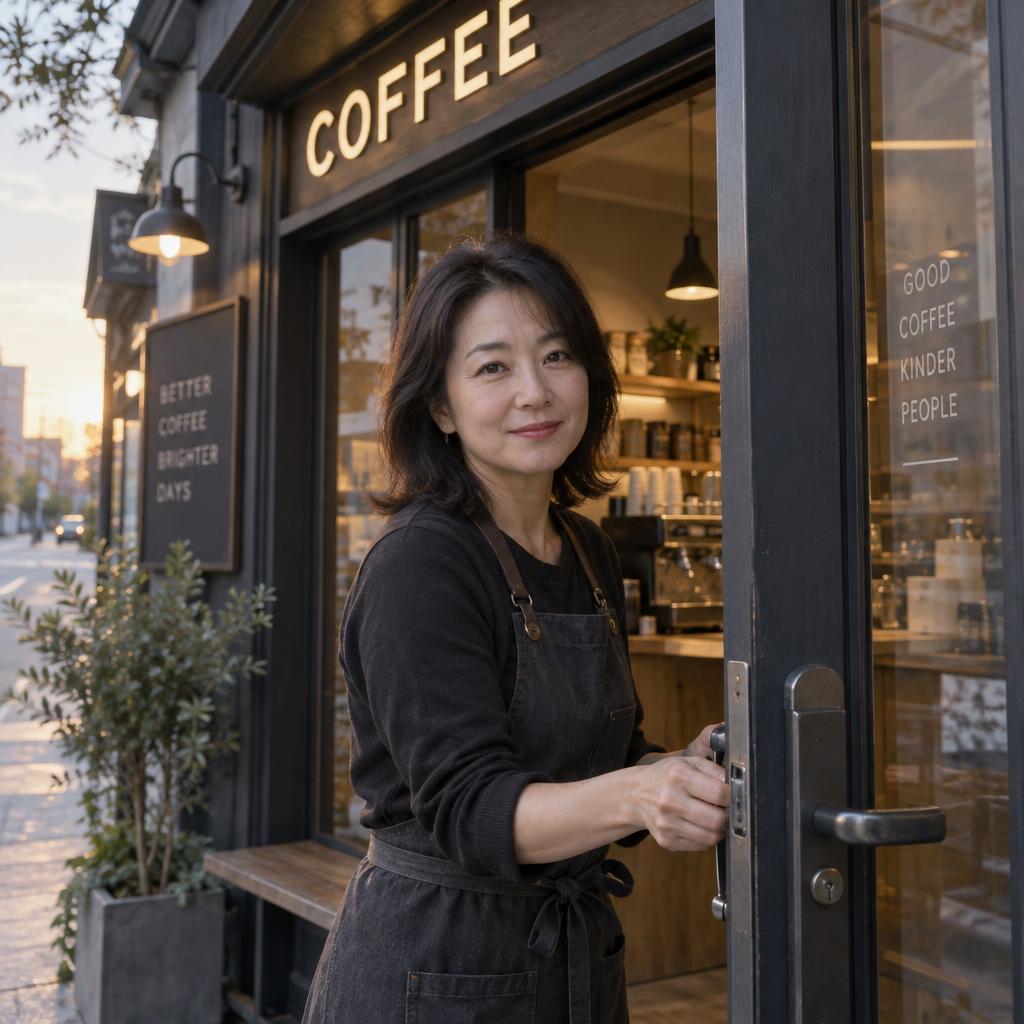
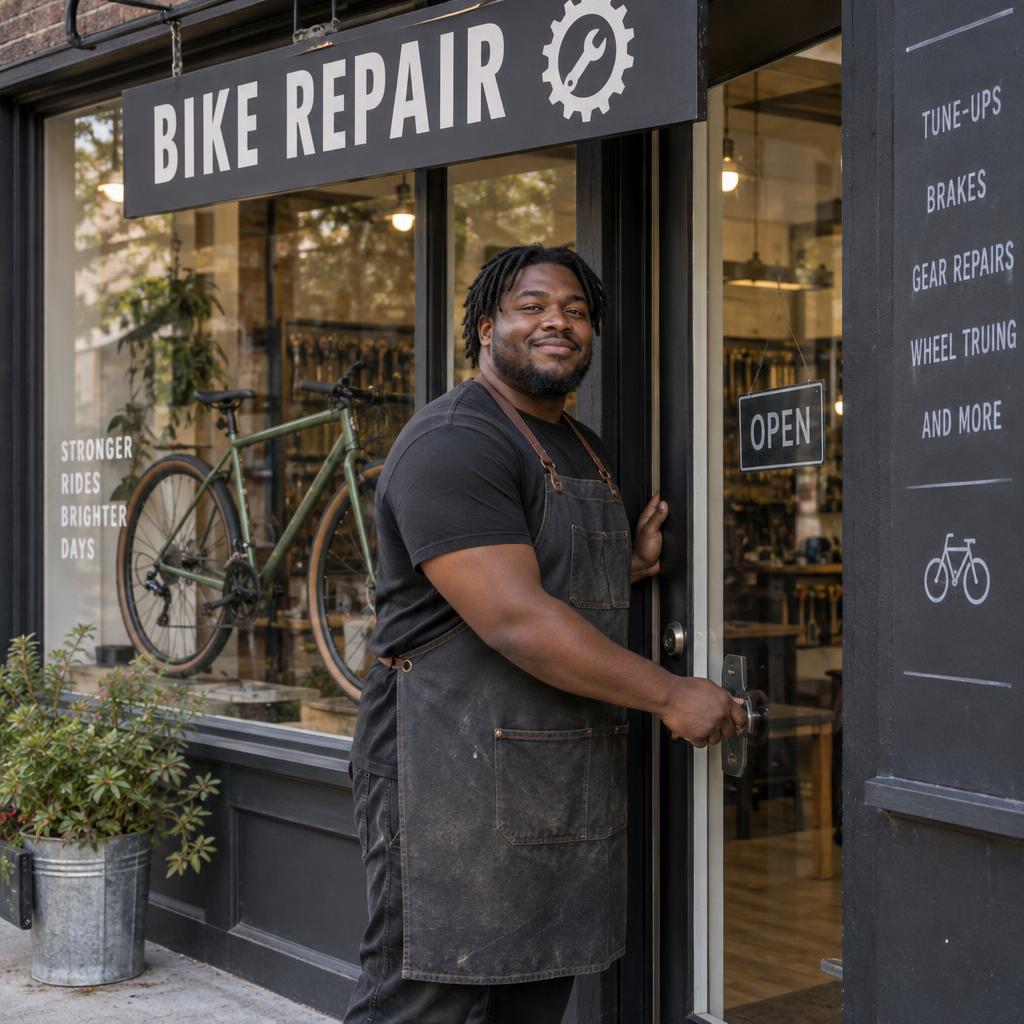
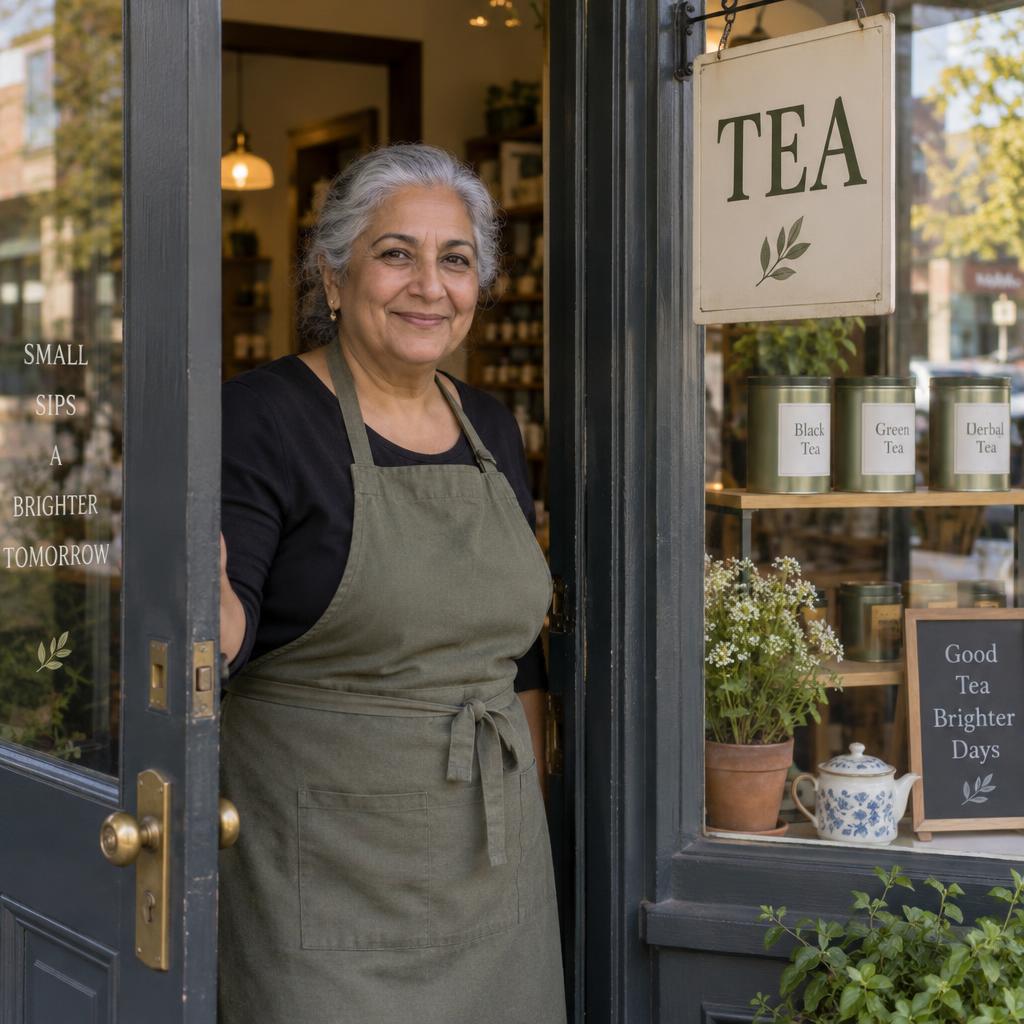
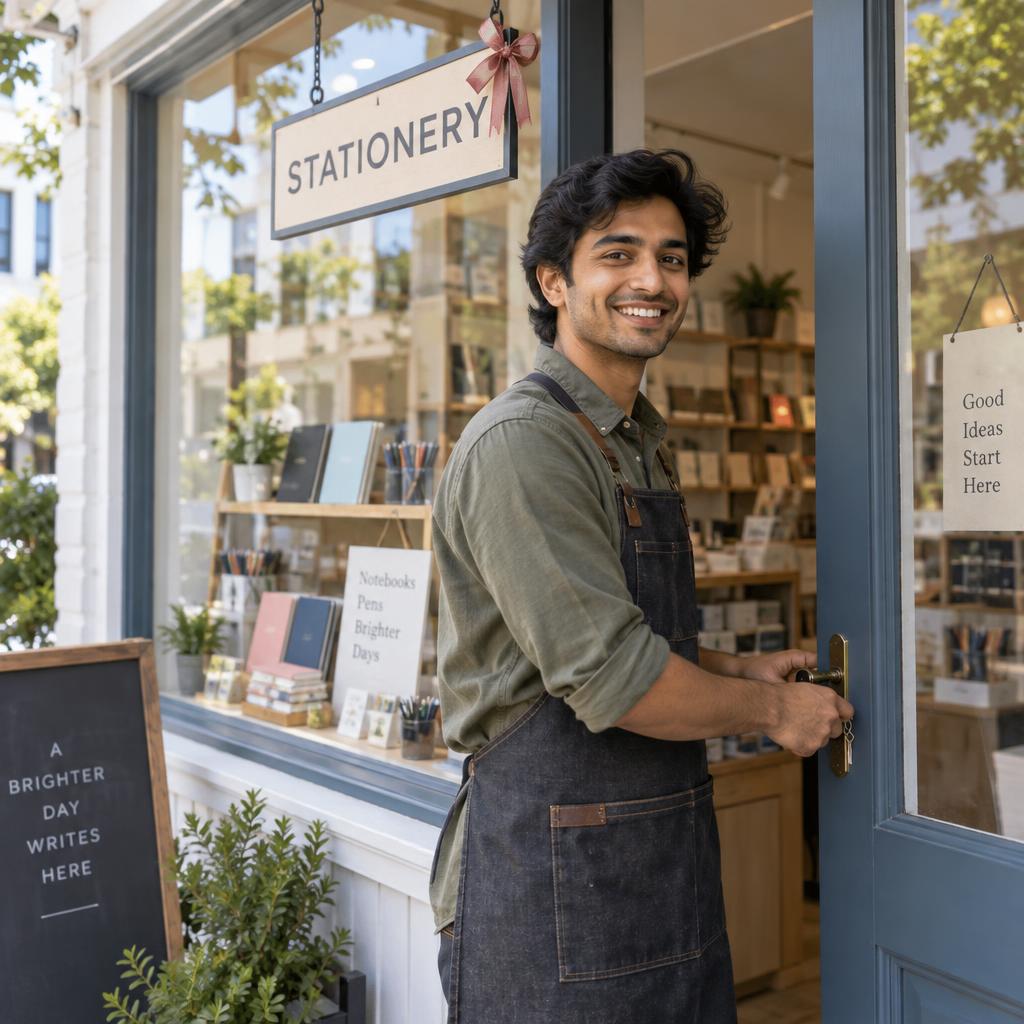
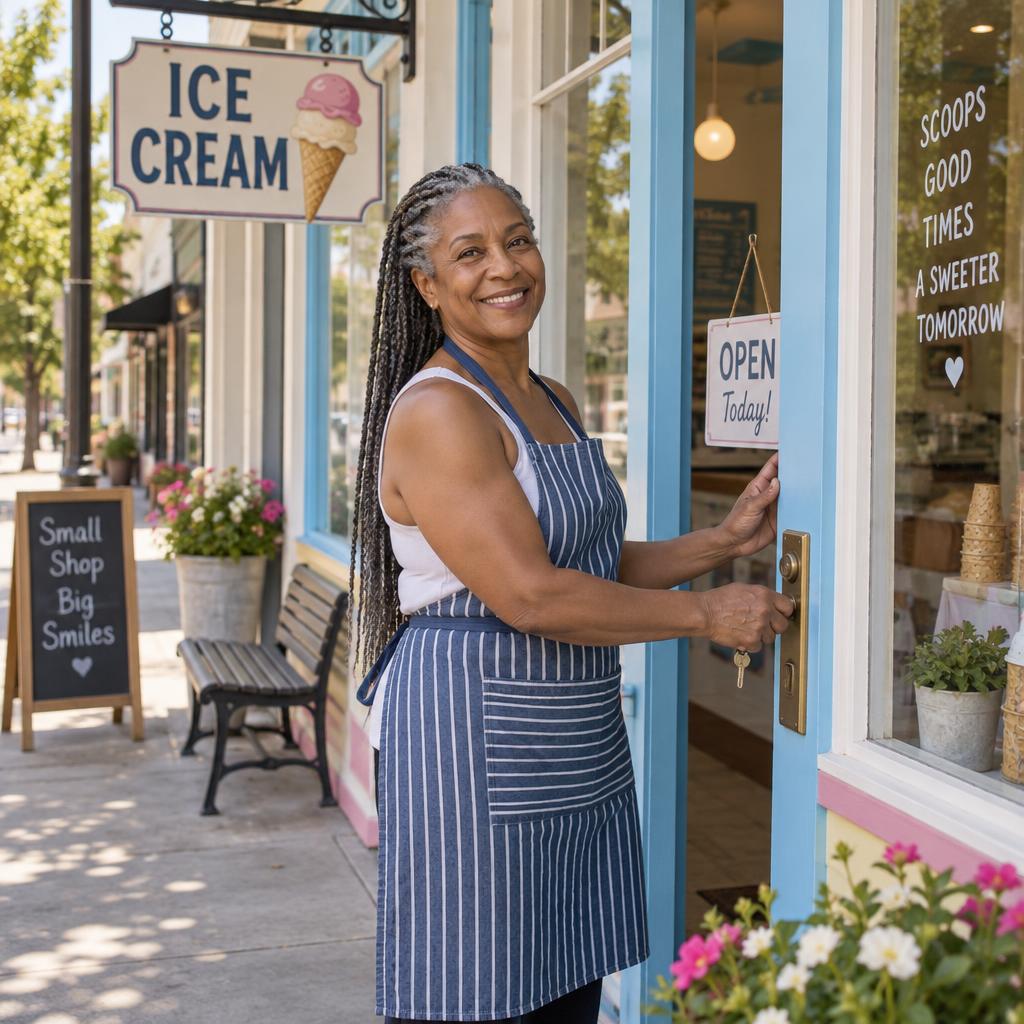
If your goal is a shop, picture a real opening day. A storefront is a better fit than a desk full of plans when you want to work toward a physical location. Before adding it to your board, write down one thing to test, such as your offer or likely costs.
Unlocking the door makes the milestone specific. Your sign tells you what you are building, while your work clothes show your part in running it. Keep the shop modest enough to match the scale of your plan.
Stand at eye level outside a small storefront, key in the lock and a calm smile on your face. Wear a work apron. Show the fresh sign in clear daylight; avoid a large, anonymous shopfront.
Choose a photo to create your version
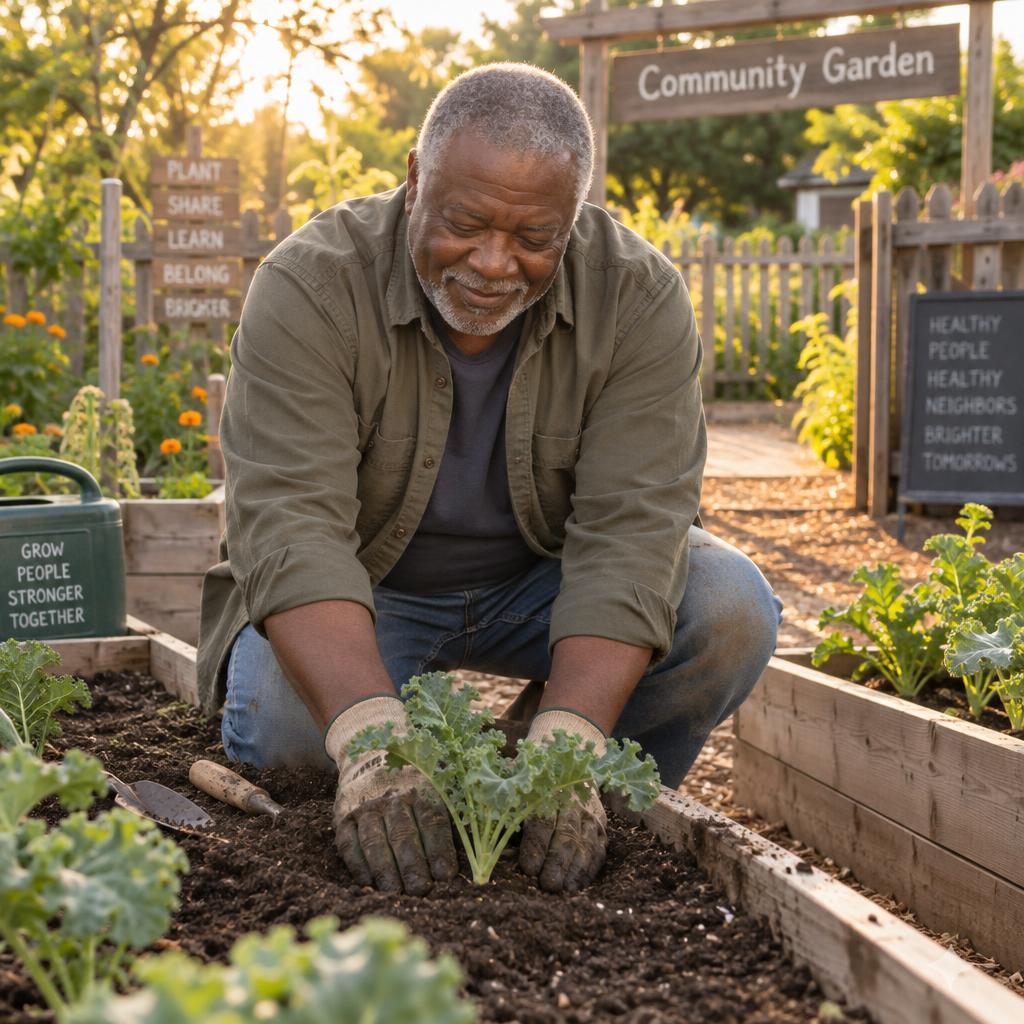
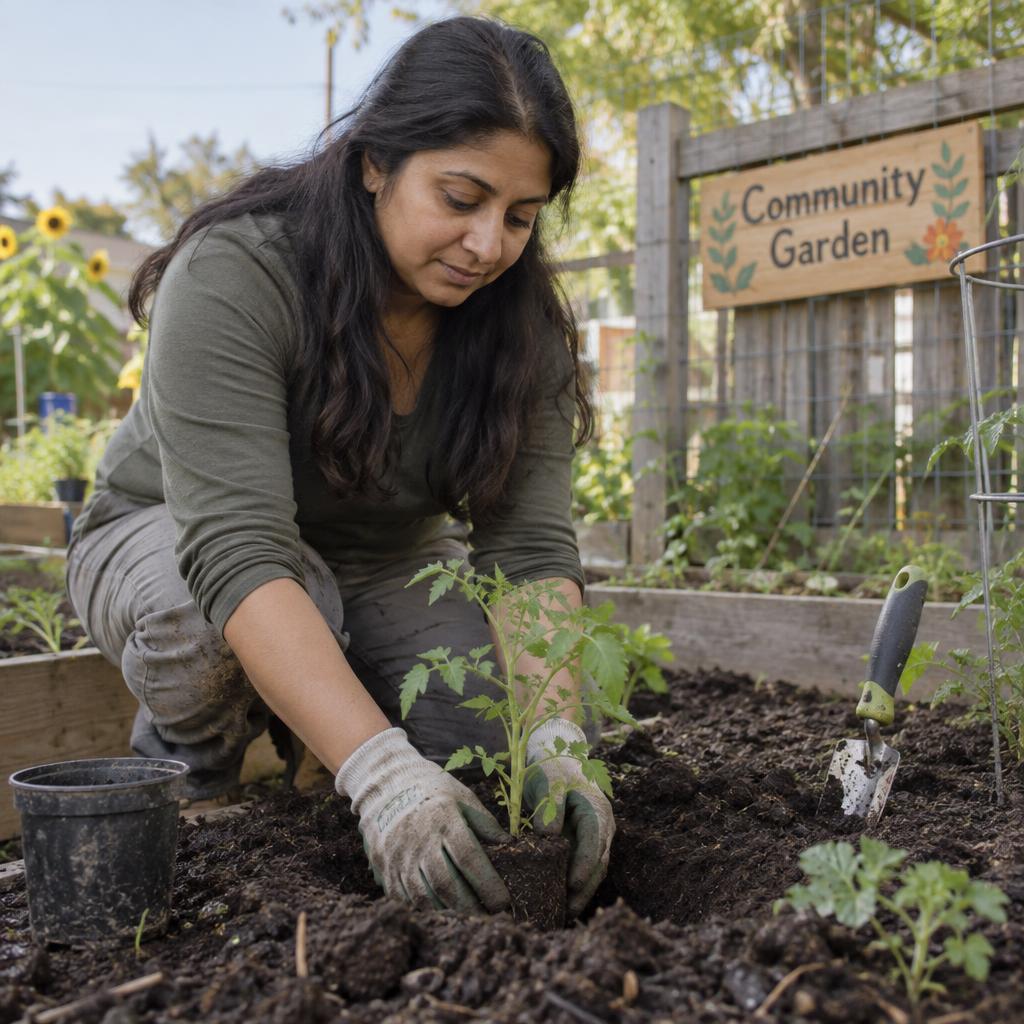
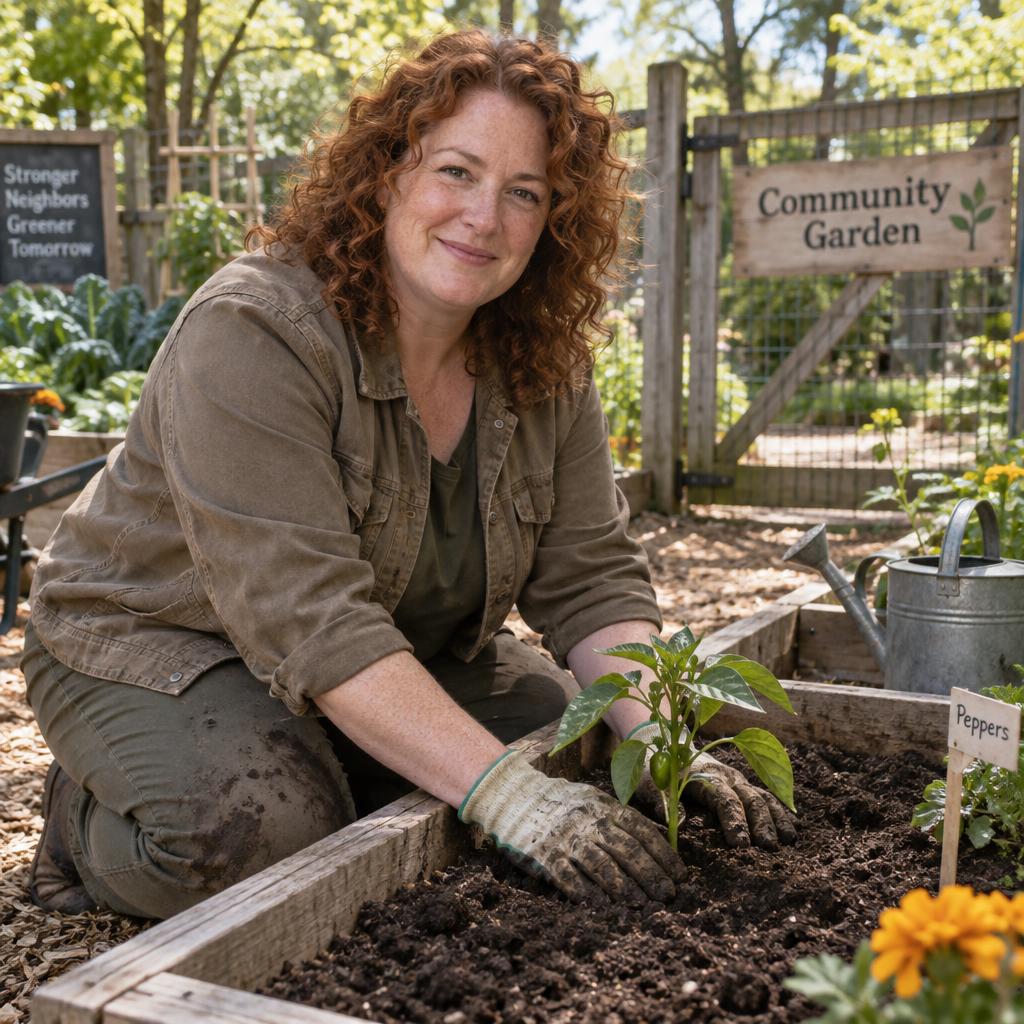
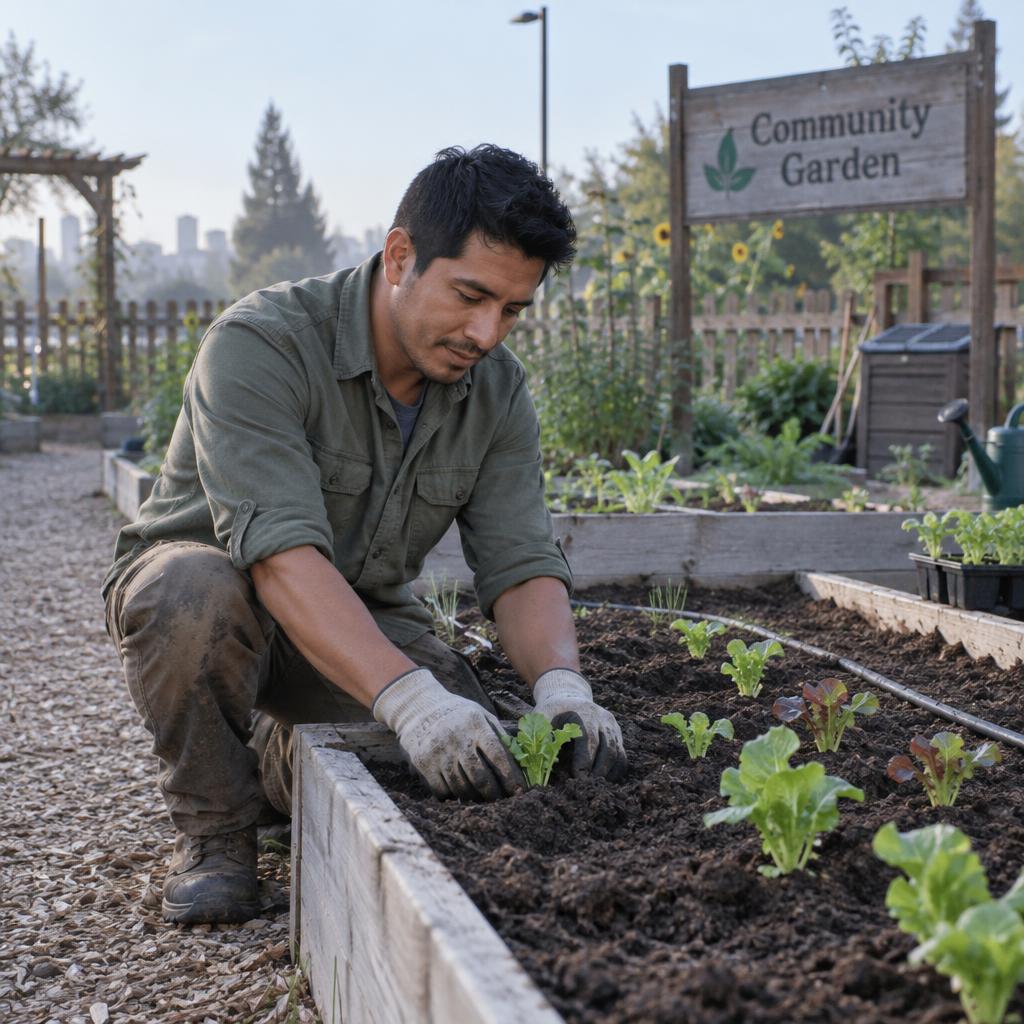
Community Garden Volunteering
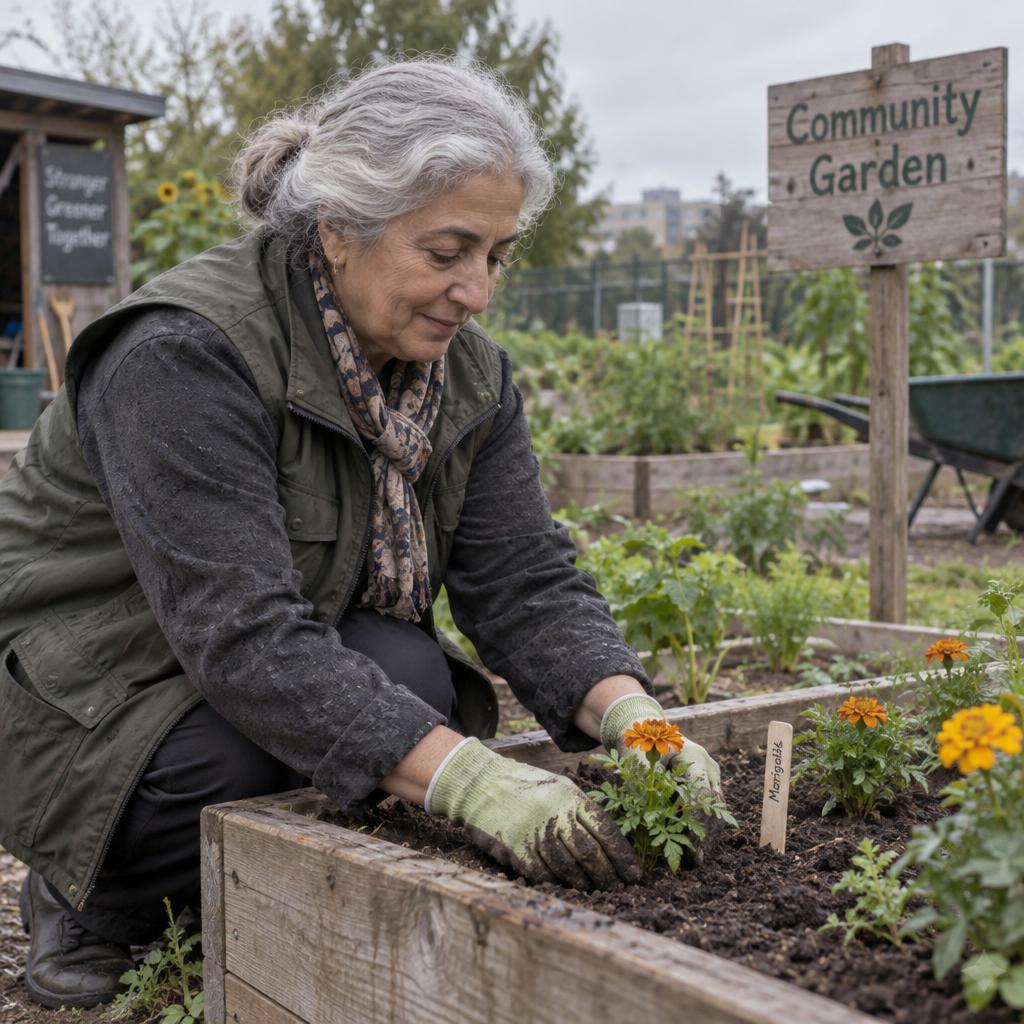
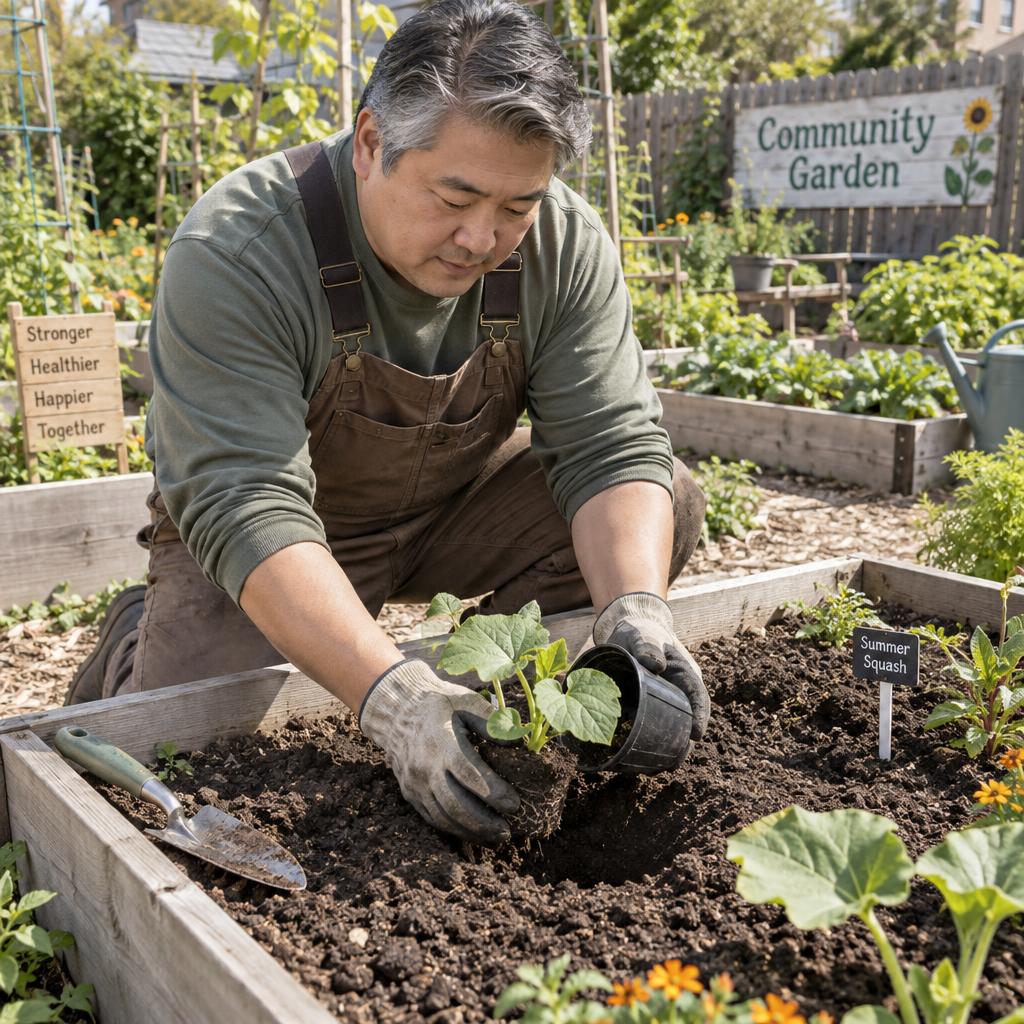
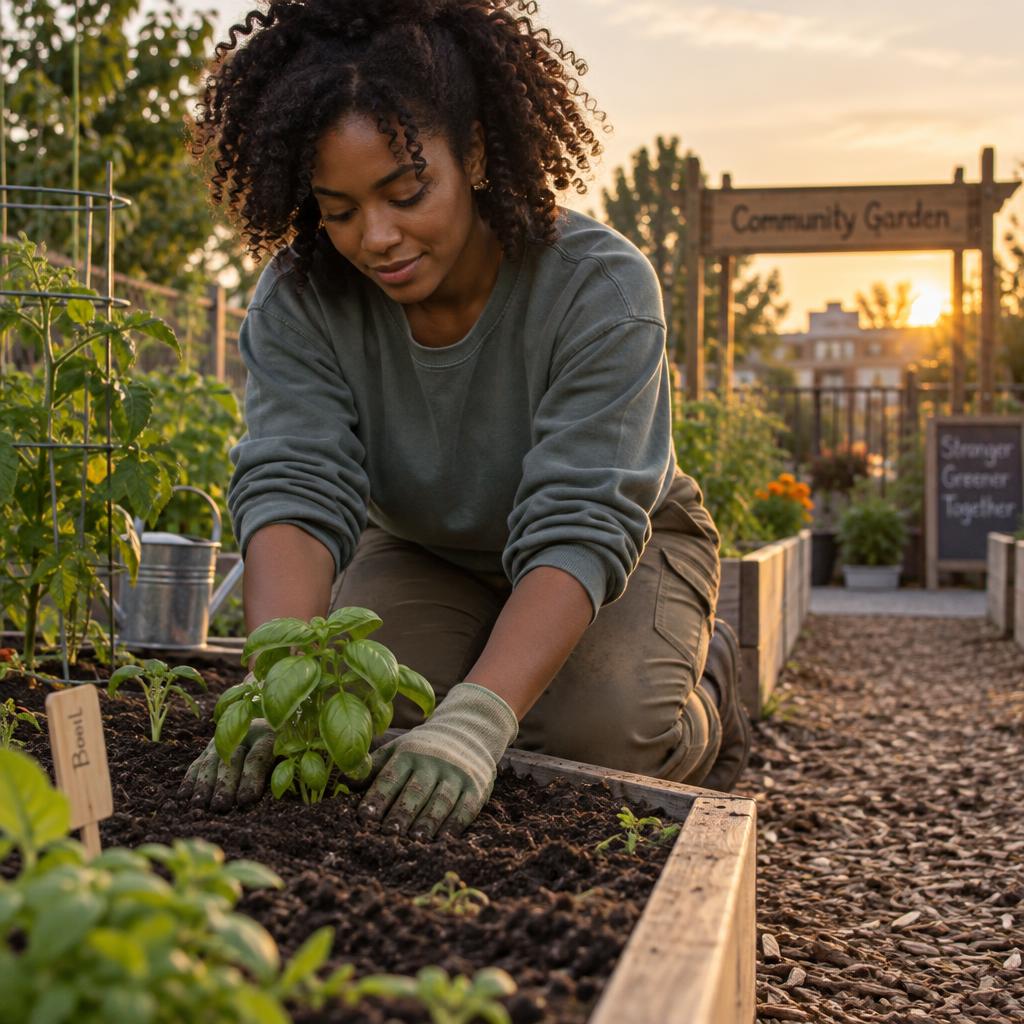
If you want to spend regular time helping in a garden, picture the task you would actually do. Check whether a nearby garden has sessions you can attend, then choose a first date. The goal is easier to keep when it fits your week.
Planting a seedling shows a clear contribution without turning the photo into a posed group shot. Raised beds and a garden sign give the work a place. Keep your hands visible so the action stays at the center.
Kneel beside a raised bed and set a seedling into the soil. Wear gloves and clothes that can get dirty. Use soft daylight, with the garden sign behind you; avoid standing still with unused tools.
Choose a photo to create your version
A Solo Outdoor Adventure
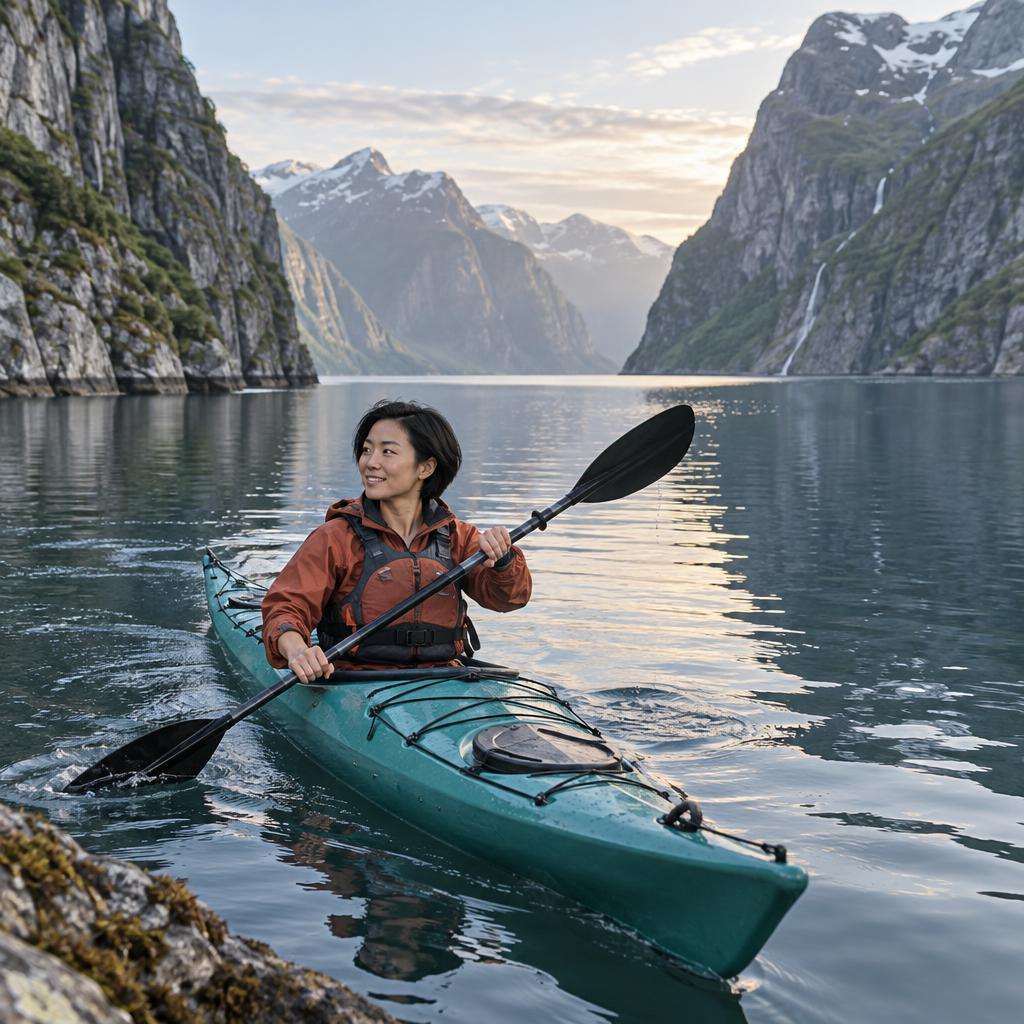
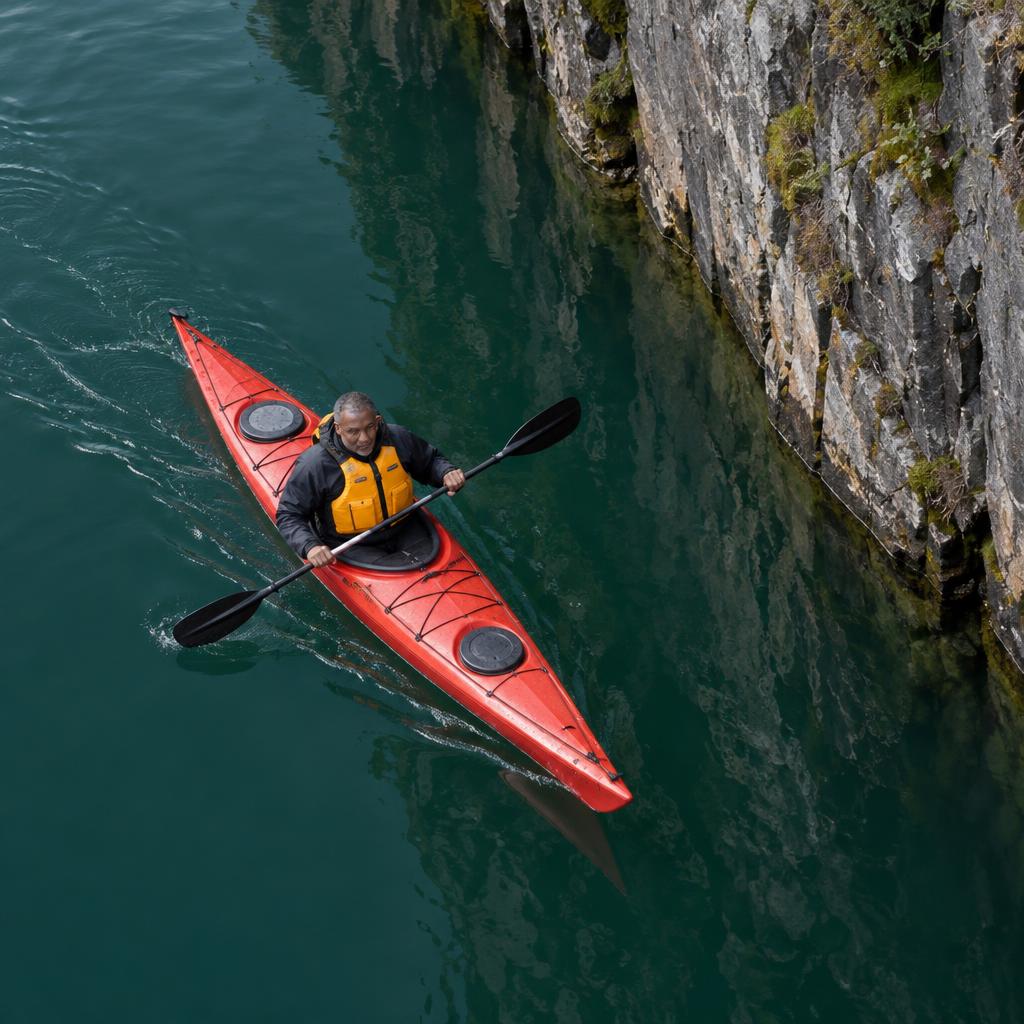
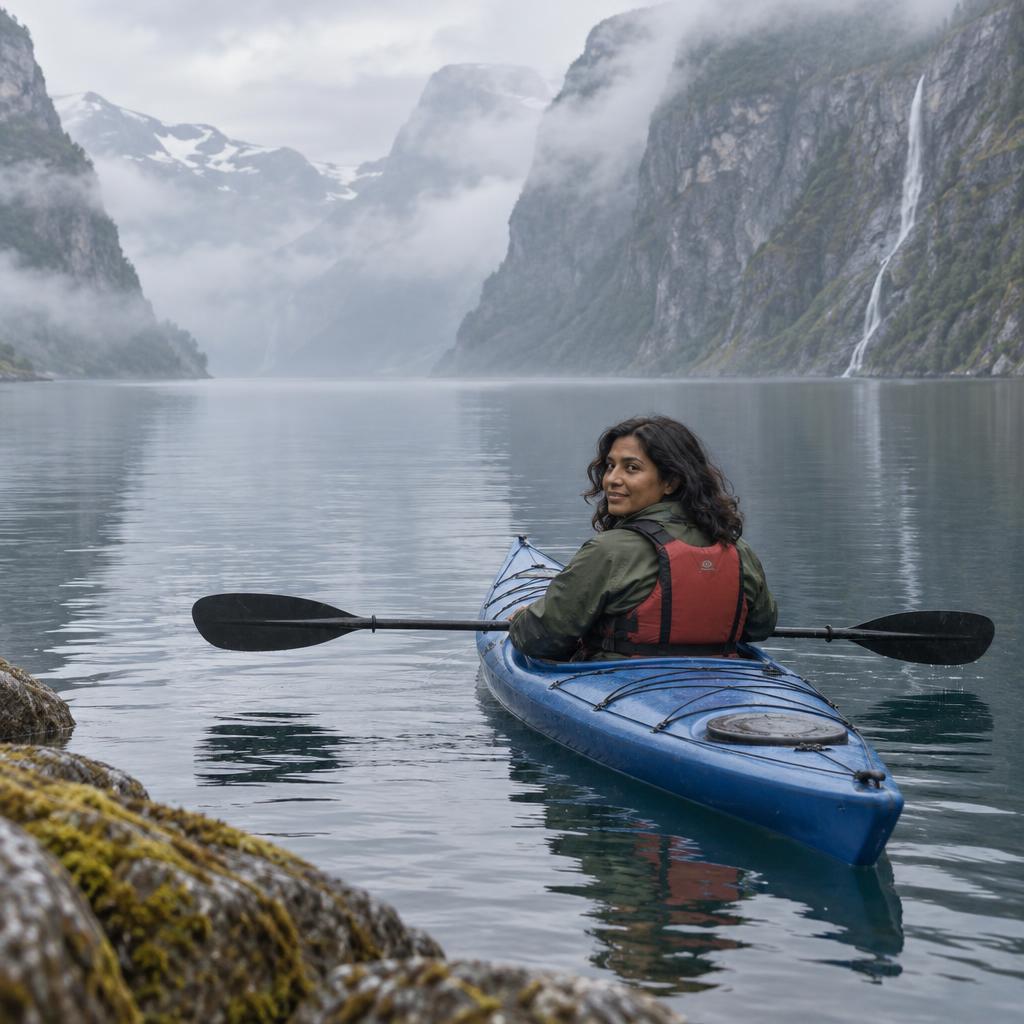
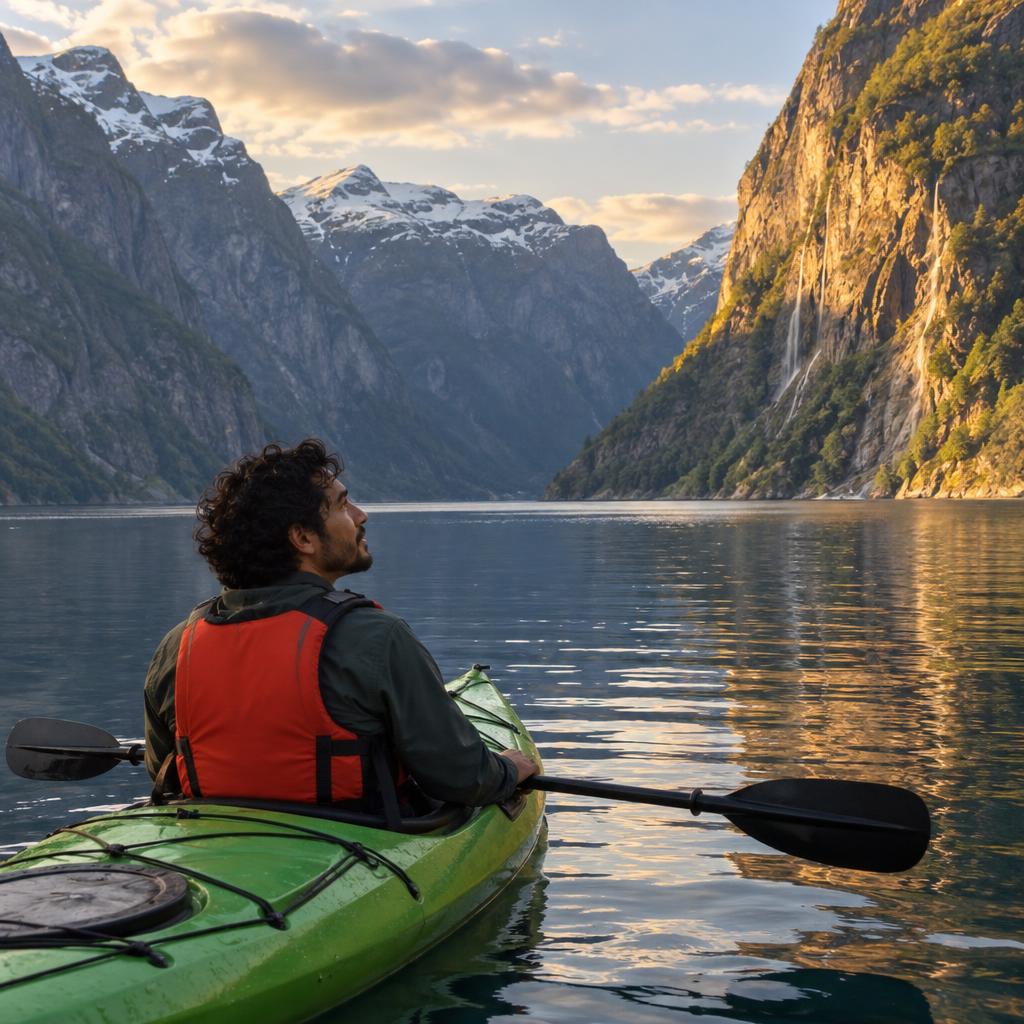
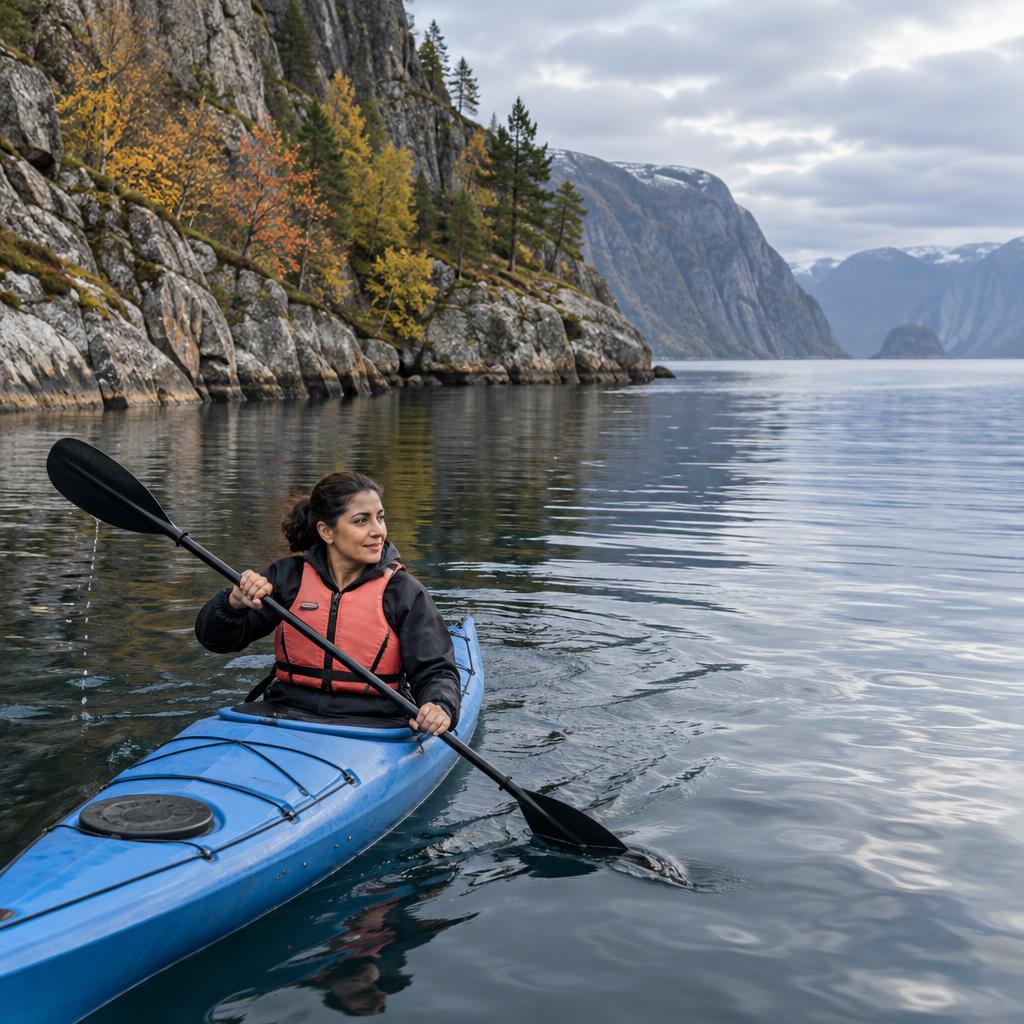
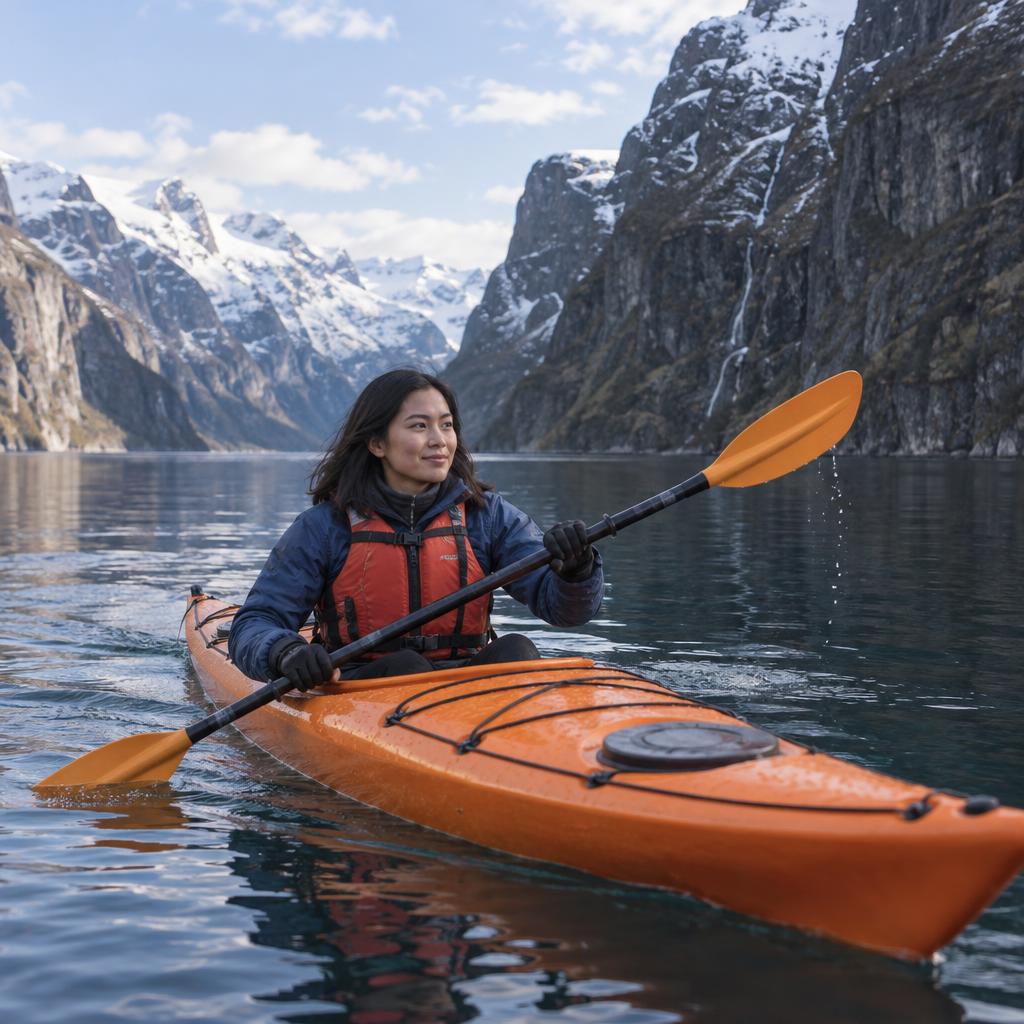
A solo adventure can mean moving at your own pace in a place you have chosen. If kayaking on a fjord is your goal, first build the skills for that water. Check conditions, plan your route, and tell someone when you expect to return.
A high, wide view shows the scale of the journey, but you should still be easy to spot. Calm water and a visible life jacket keep the scene tied to a careful trip, not a risky stunt. Let the landscape feel spacious without making you disappear.
Paddle alone across calm water in a life jacket, with steep cliffs around you. Use a high, wide daylight frame and keep your kayak distinct from the water. Avoid rough conditions or a tiny, unrecognizable figure.
Choose a photo to create your version
Choose a scene you can move toward
Pick the image that matches the kind of progress you need now. A studio or practice scene can support a weekly habit. A stage, summit, home, or opening day can mark a longer milestone. A travel or outdoor scene needs a sound plan as well as a destination.
Put your next step beside each picture, where you will see it. When that step changes, update the note. Your vision board should show not only where you hope to be, but also what you can do next.