Japanese Style Photo Ideas
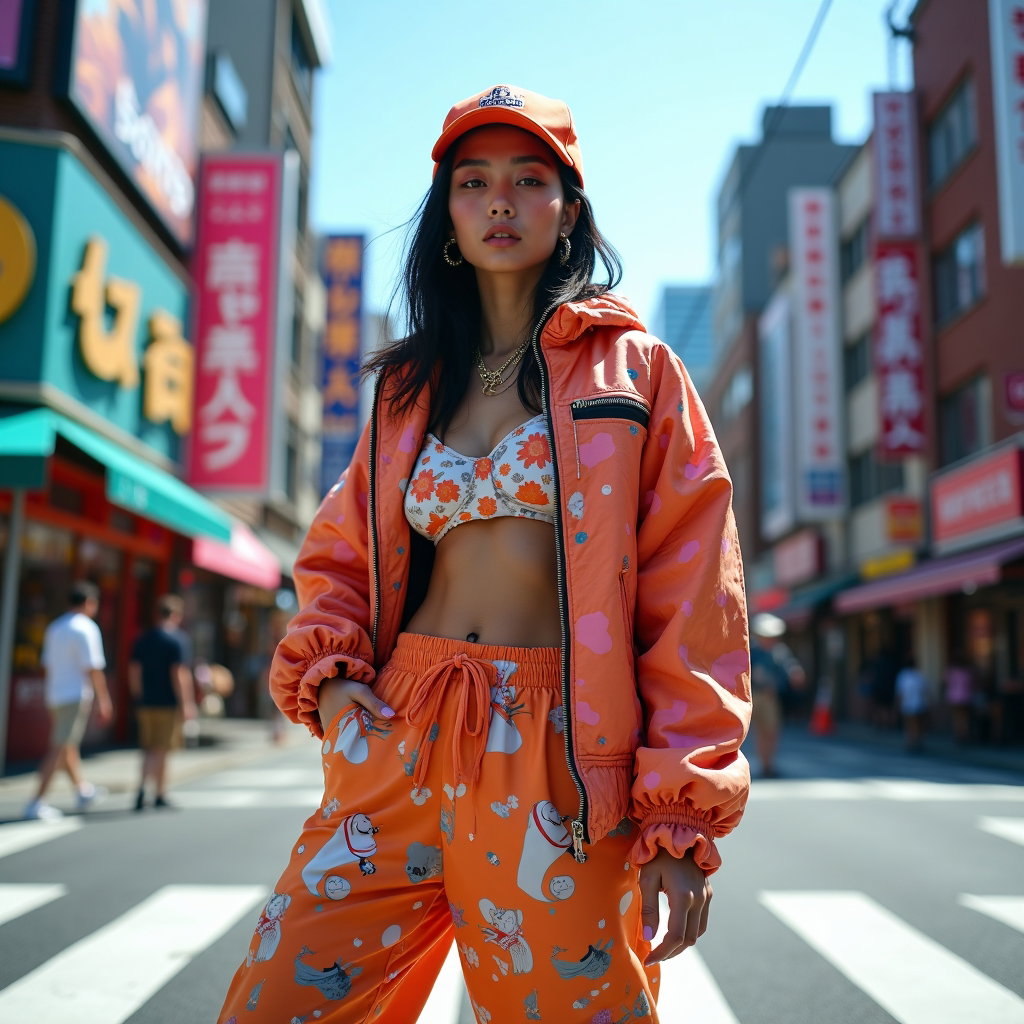
Want Japanese-style AI photos that look sharp instead of fake. Want ideas that instantly read as Japanese without turning into random costume images. Want concepts that give you clear visual direction, strong mood, and better generation results.
AI photo generation lets you build images from prompts, style cues, lighting choices, clothing details, and scene design. When it works, it saves time and gives you full control over mood, color, pose, and setting. When it fails, the result looks mixed, generic, or visually confused. That is why the concept matters so much.
This article covers Japanese style photo ideas that actually work in practice. It includes traditional looks, modern street fashion, soft lifestyle scenes, dramatic rain shots, and bold character-driven concepts. Each section explains why the photo type works, what visual signals make it effective, and how it helps you create stronger AI-generated portraits.
Minimalist Zen-Inspired Portraits
This is one of the strongest foundations for Japanese-style imagery. A quiet setting, simple clothing, neutral colors, and still body language create a refined result fast. It works because the image does not fight for attention. The person stays central, and the calm atmosphere does the rest.
In practice, less is better here. Clean backgrounds, soft natural light, seated or standing poses, and restrained expression give the image elegance. This style is extremely effective for people who want a polished portrait without loud styling. It also helps AI avoid clutter, which is where many weak images fall apart.
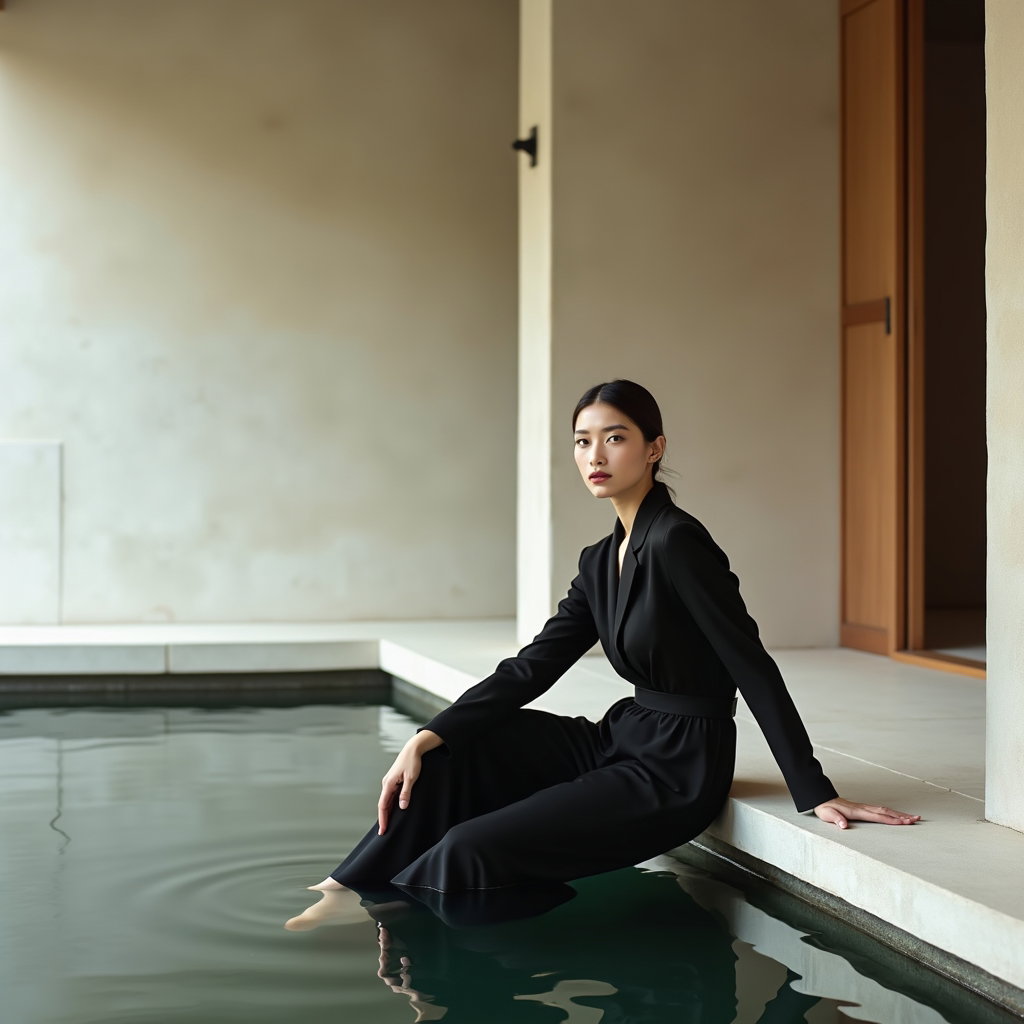
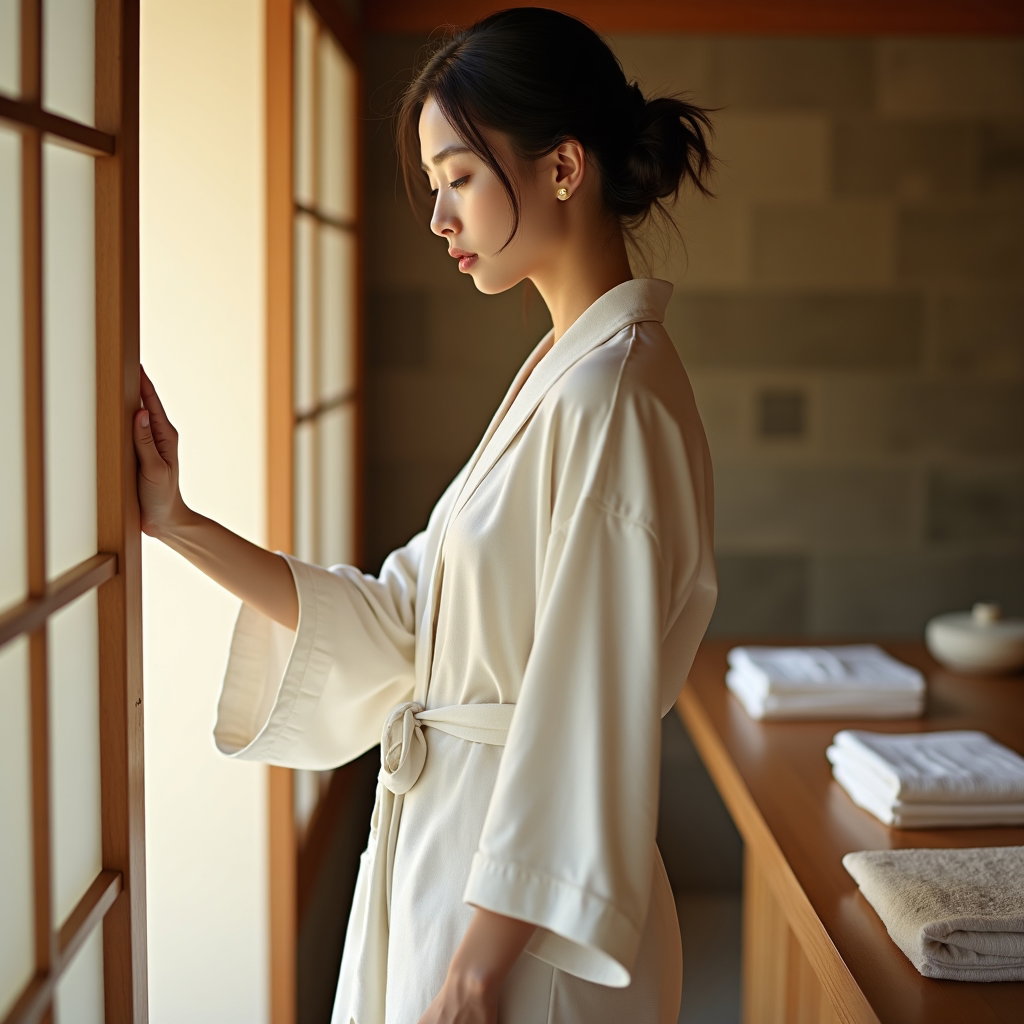
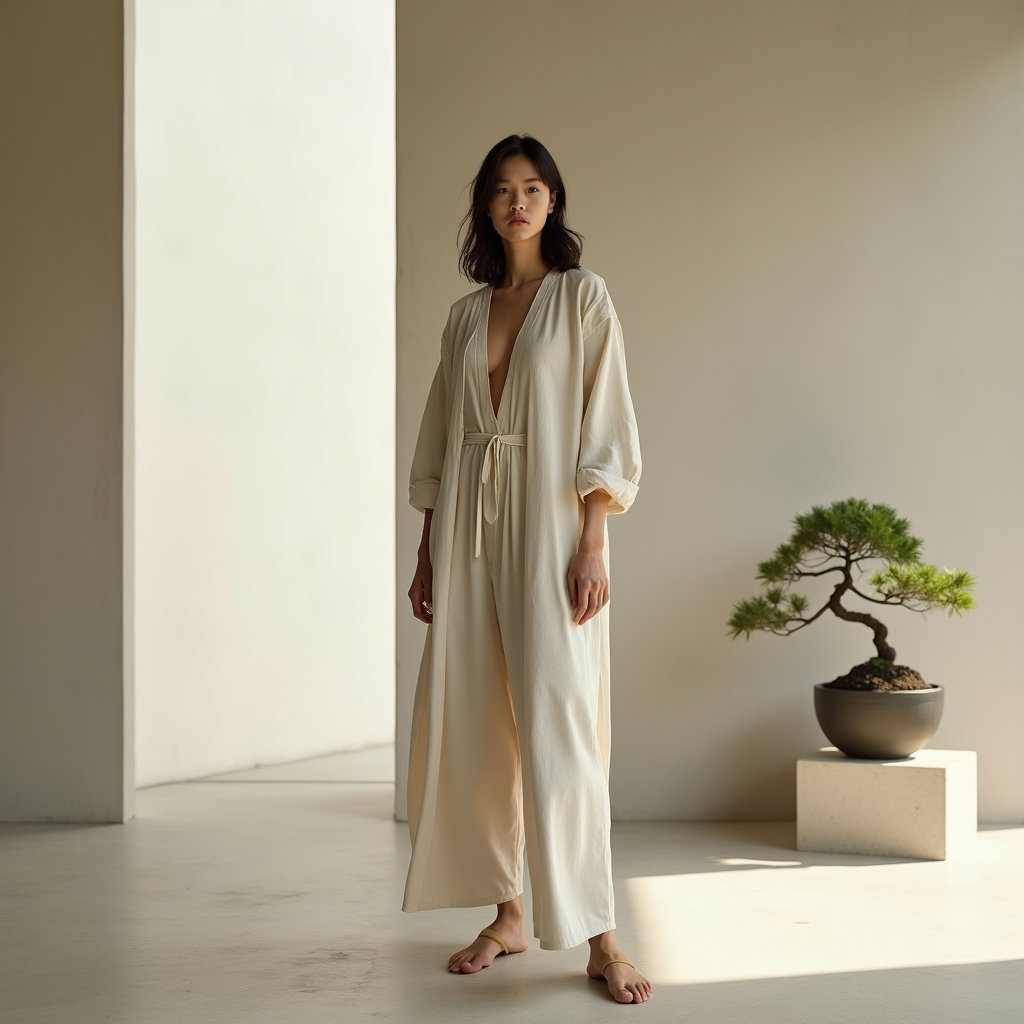
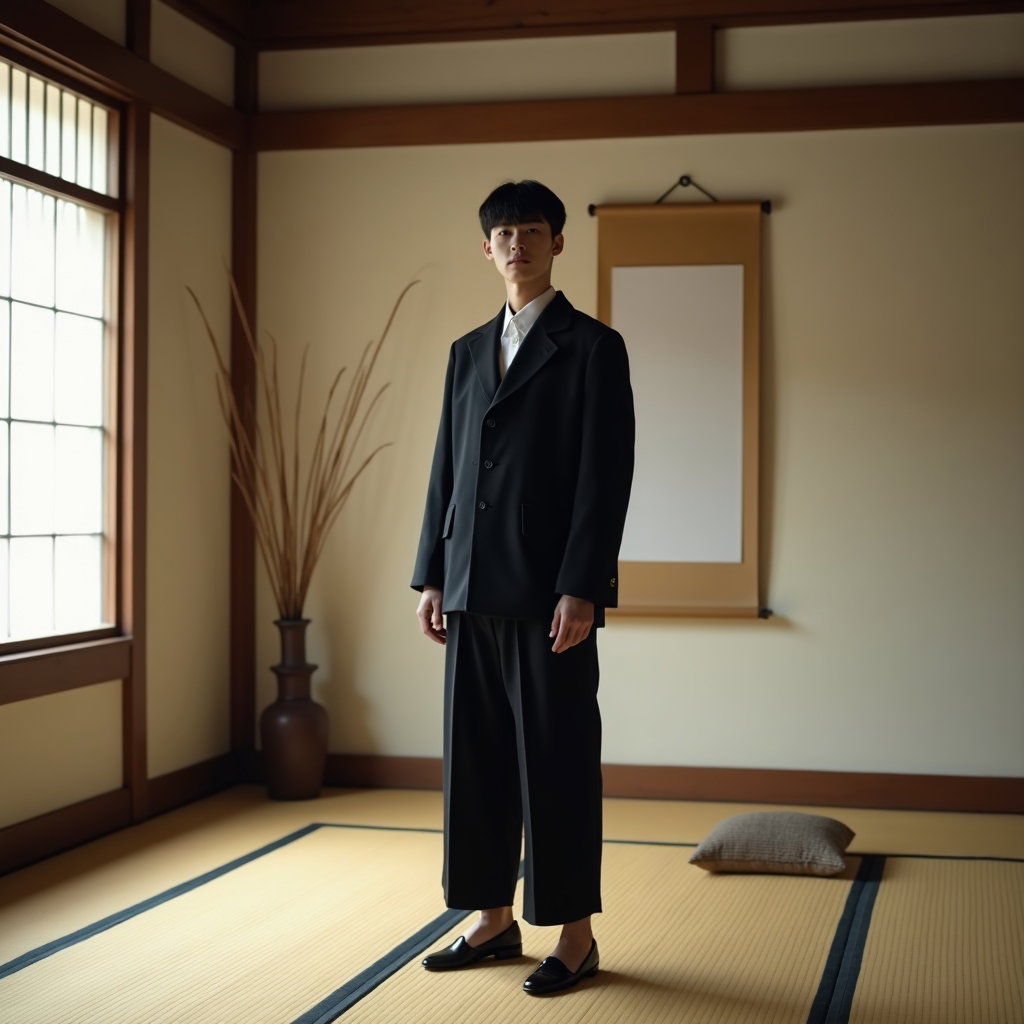
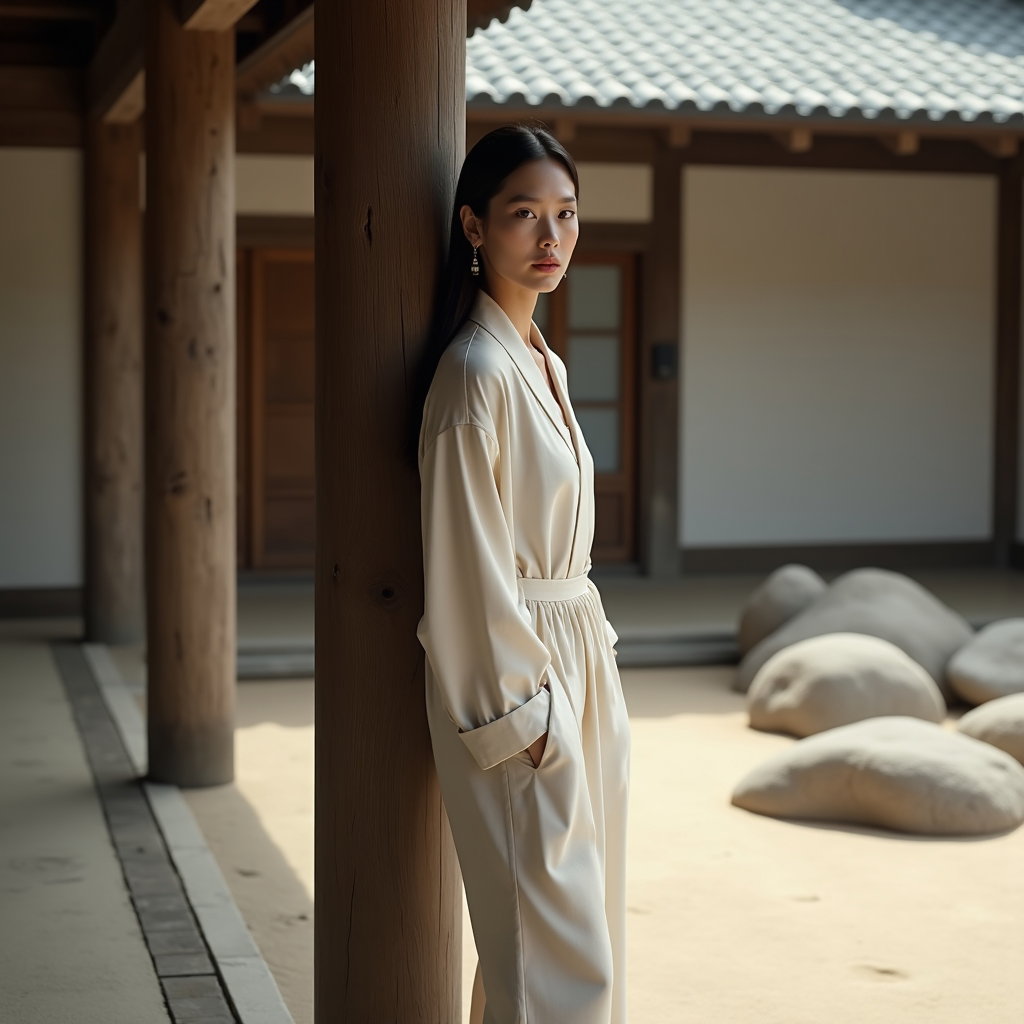
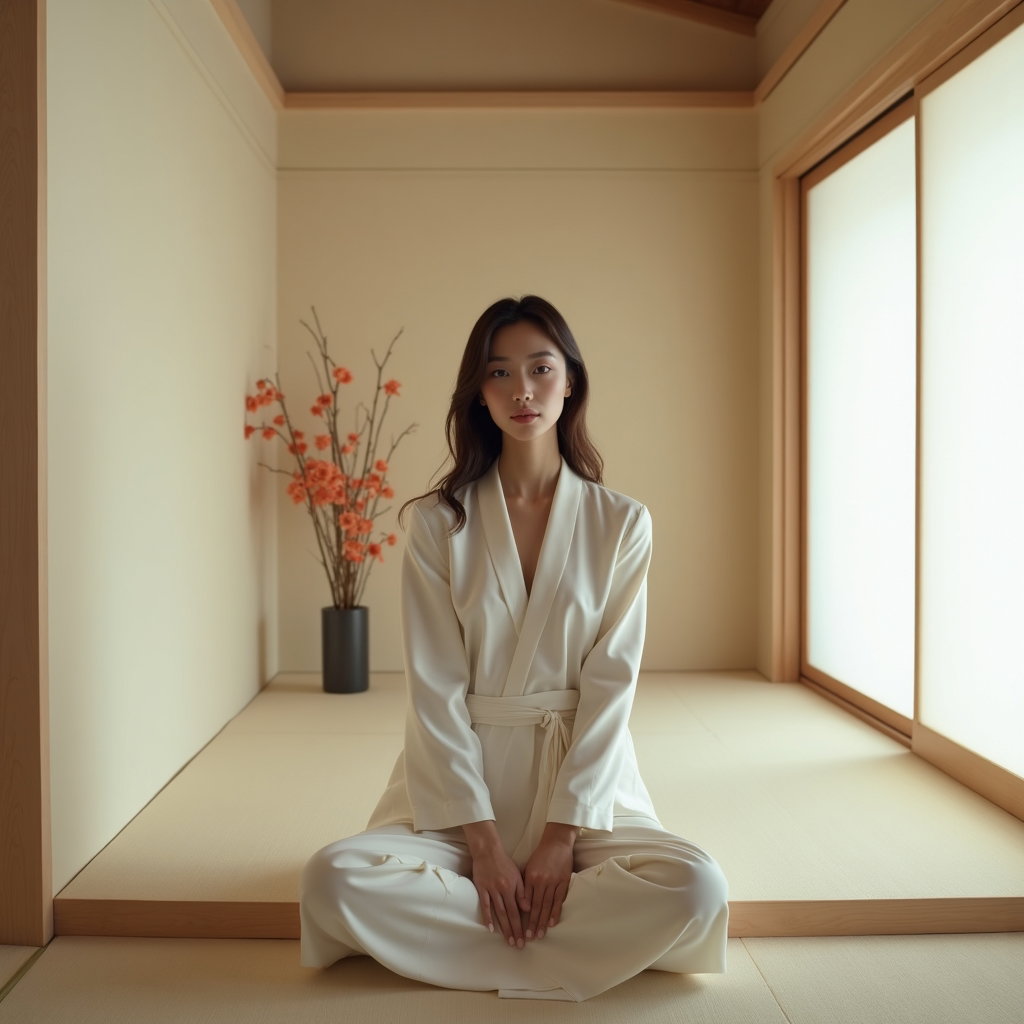
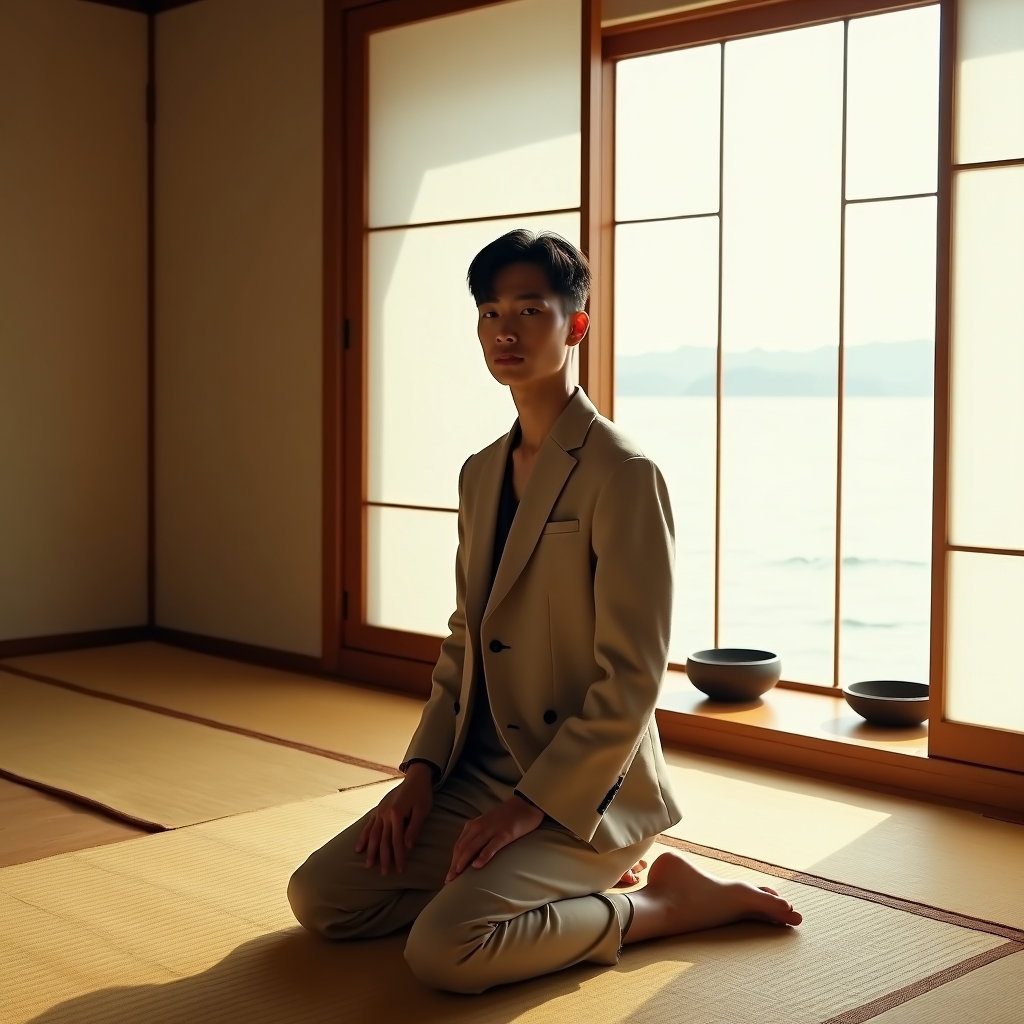
Click on a photo to try this look
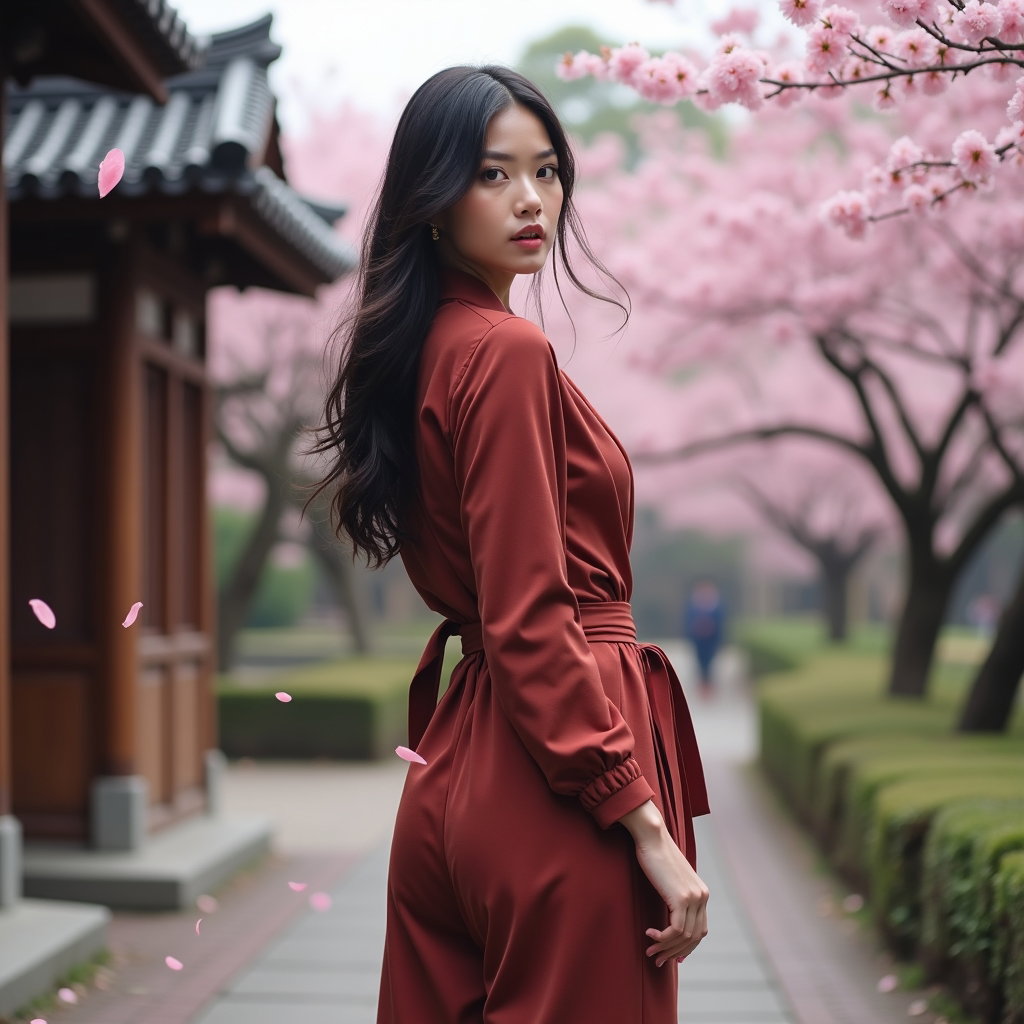
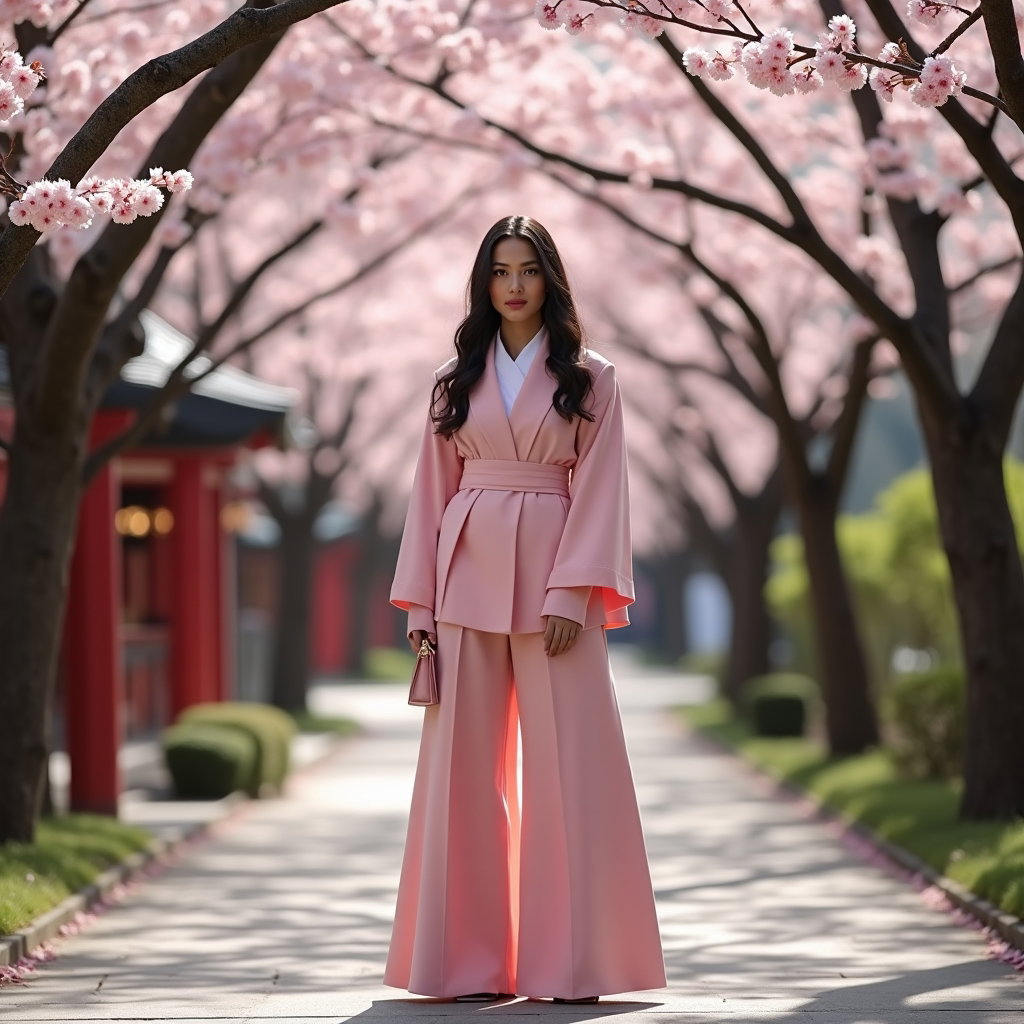
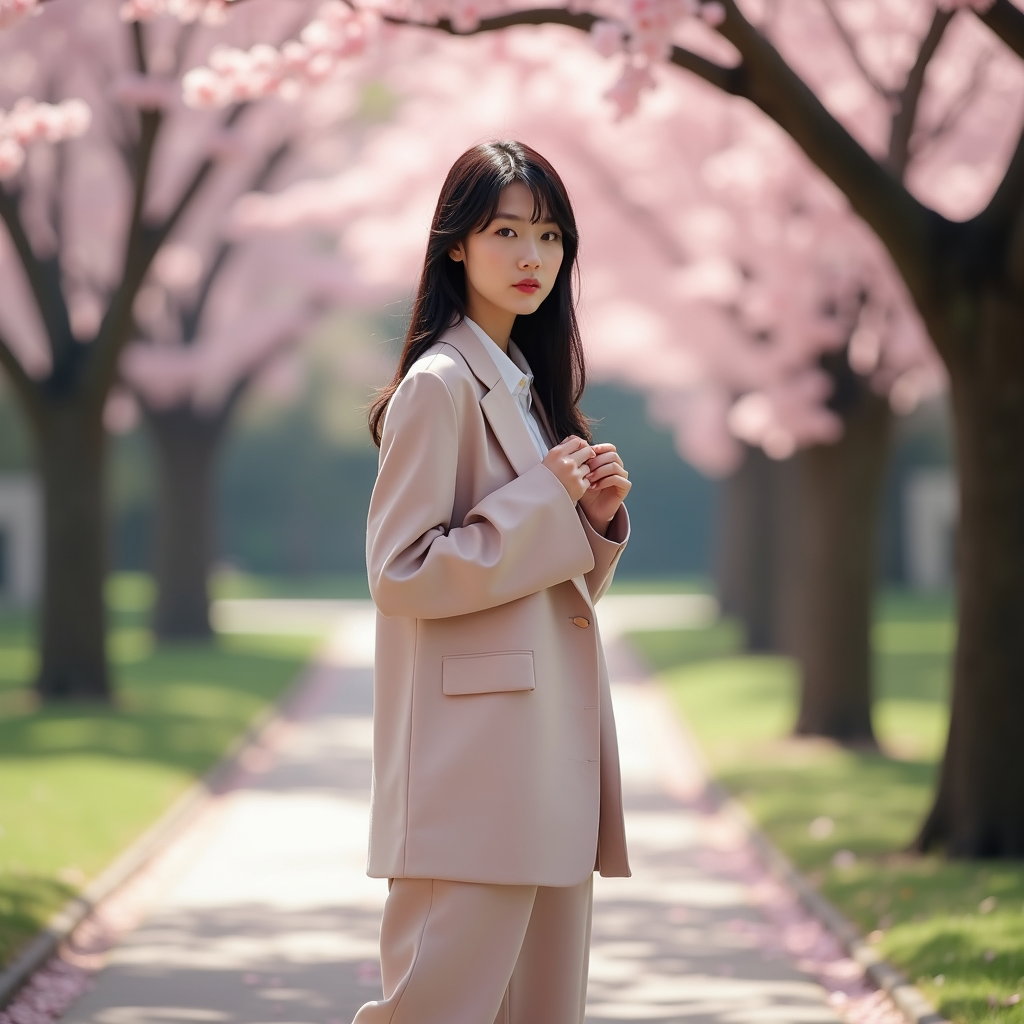
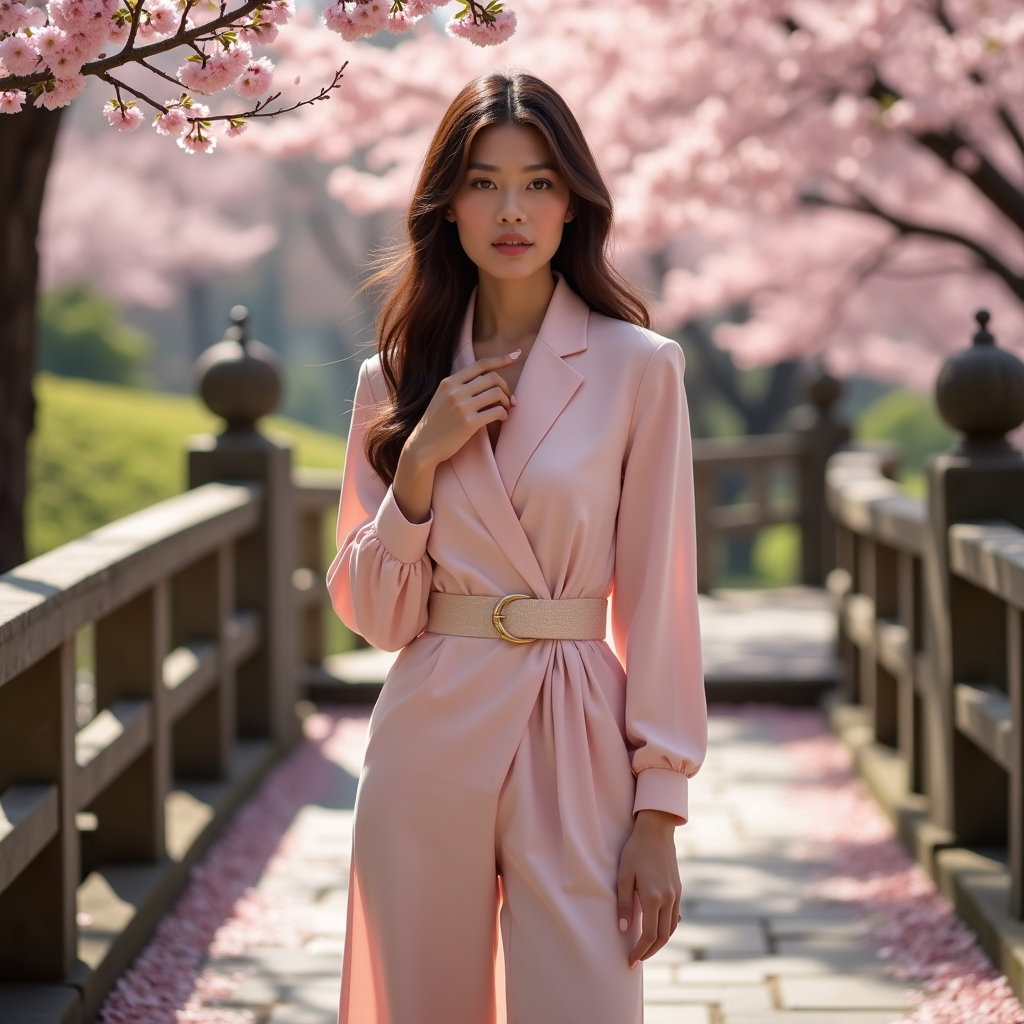
Cherry Blossom Solo Shots
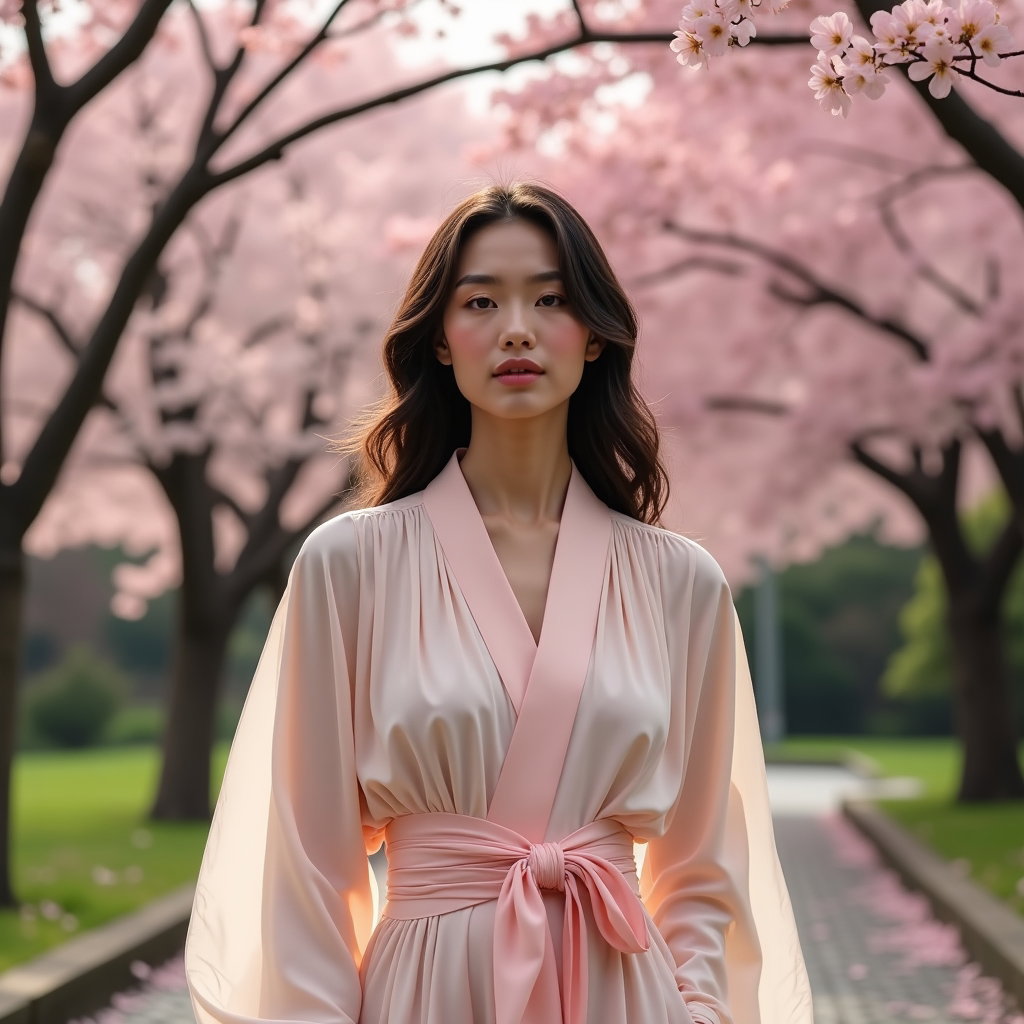
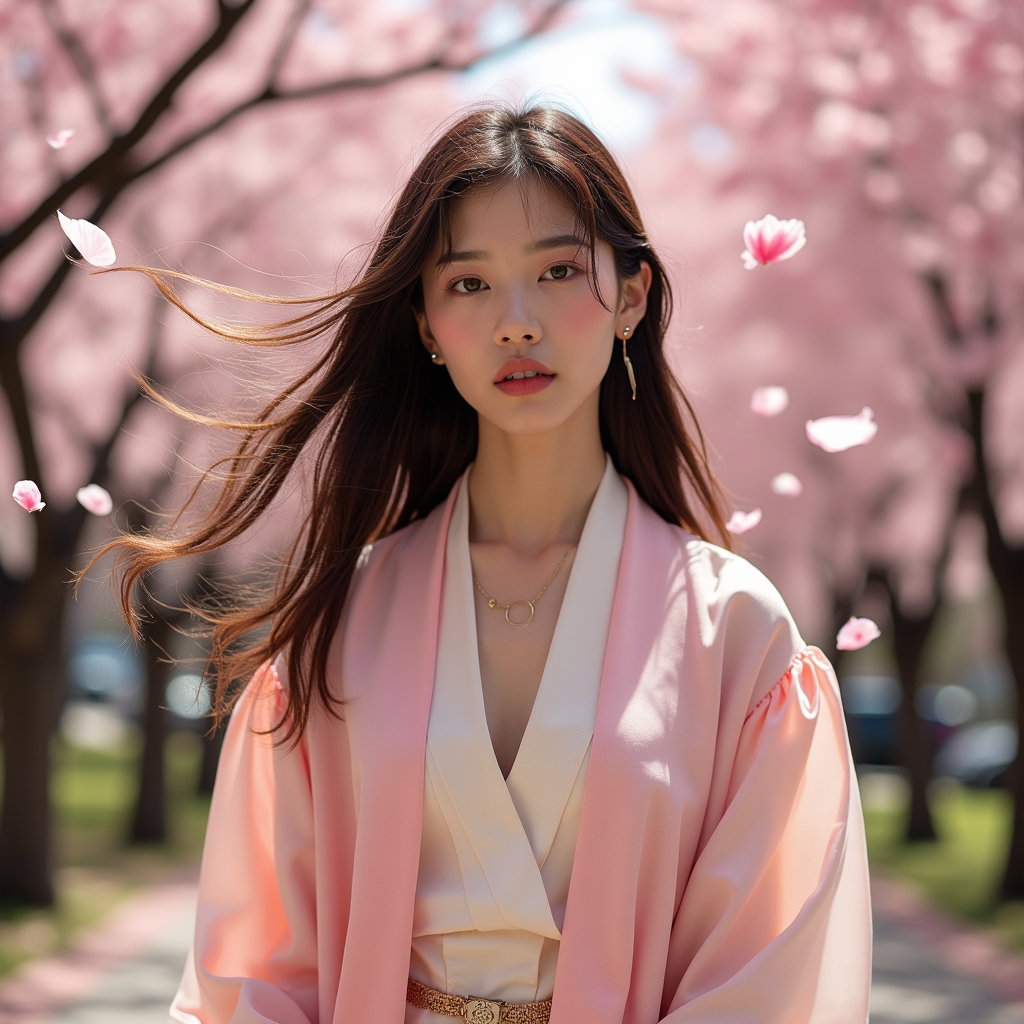
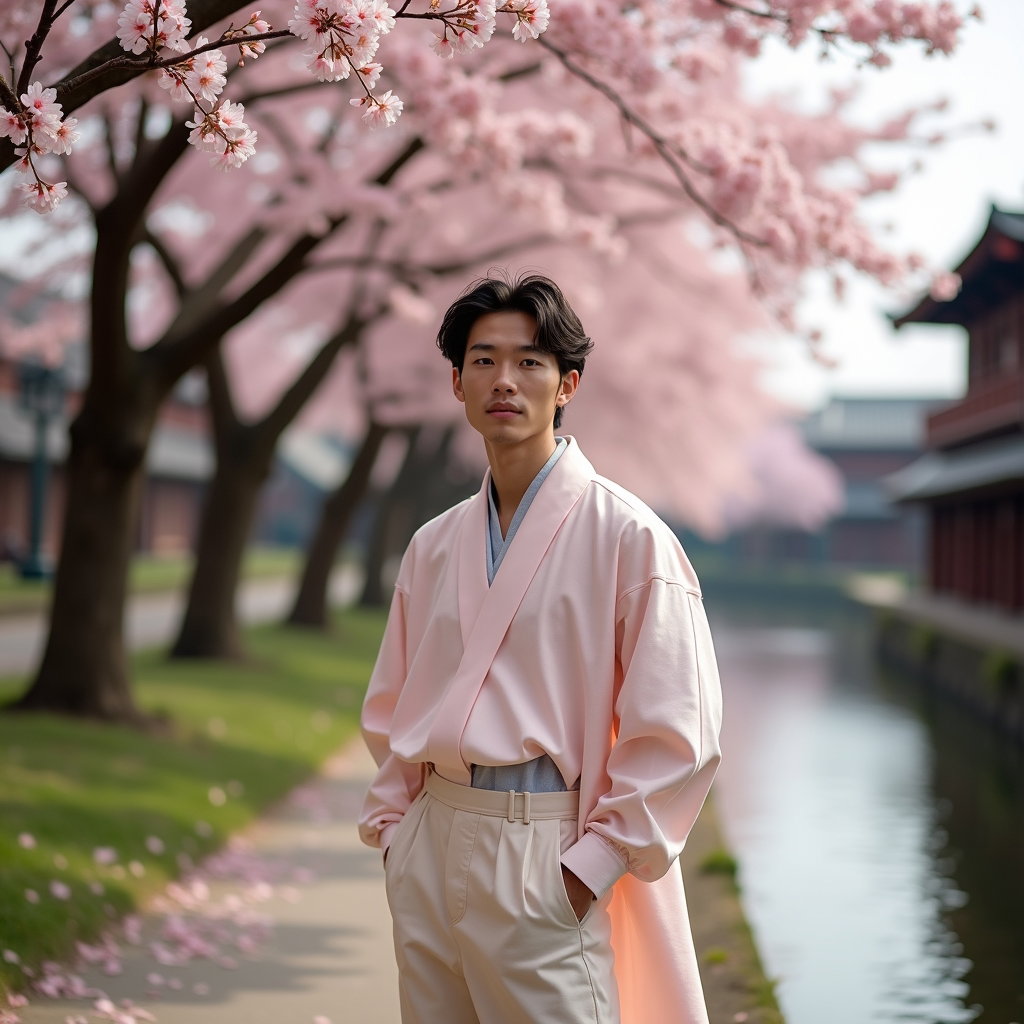
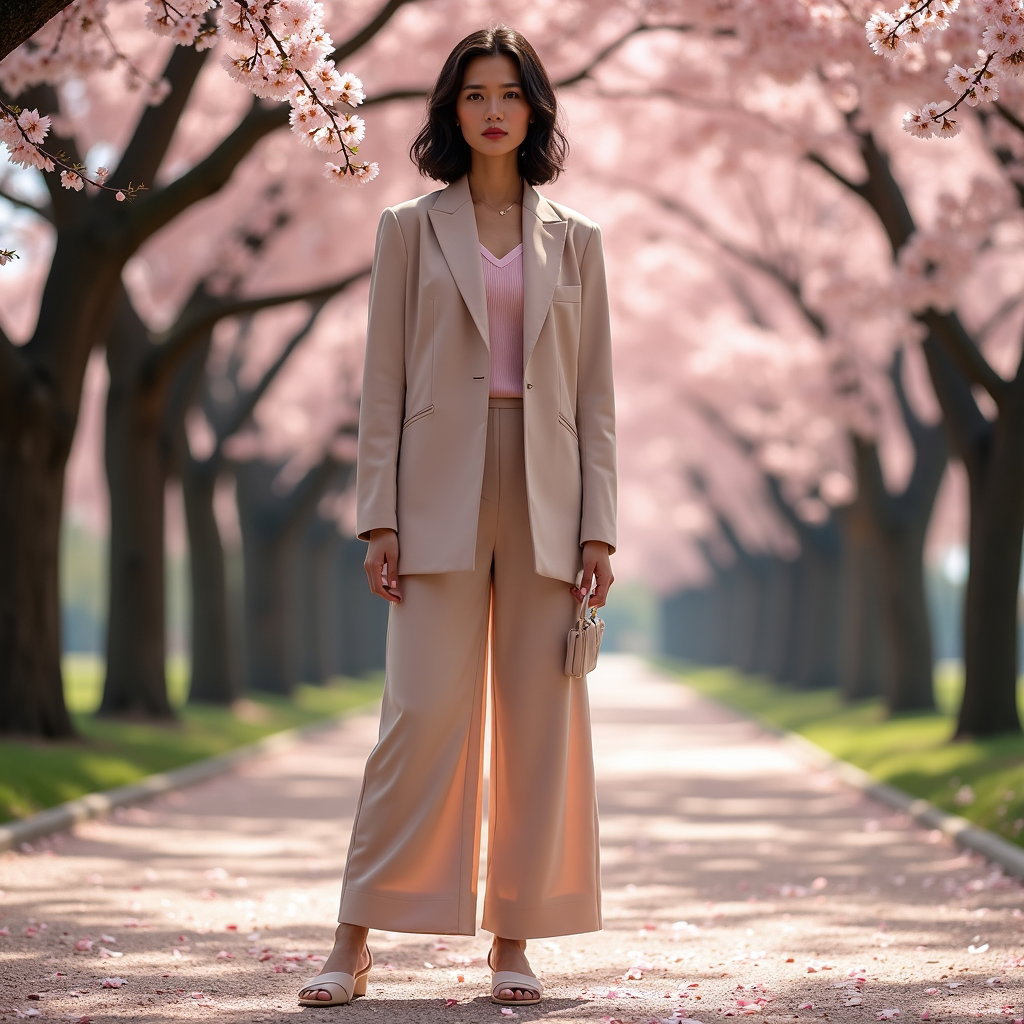
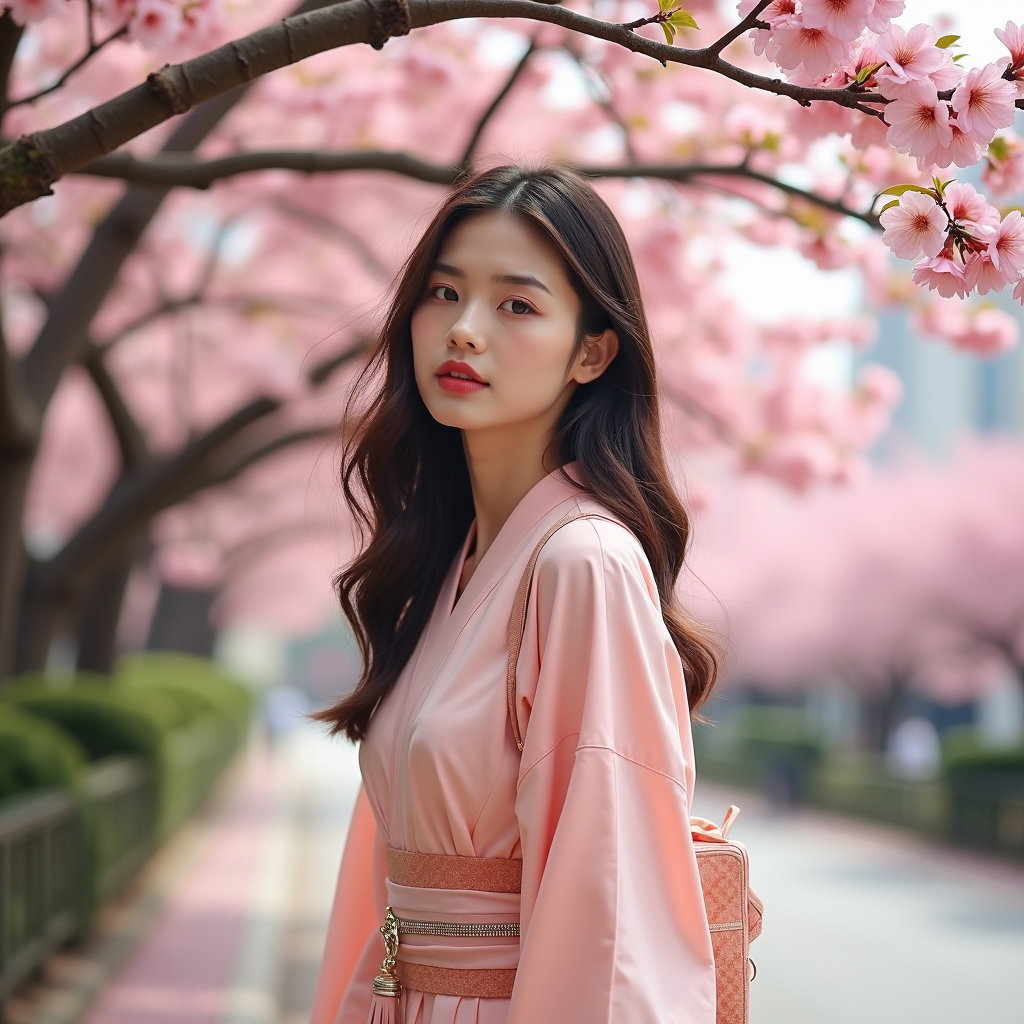
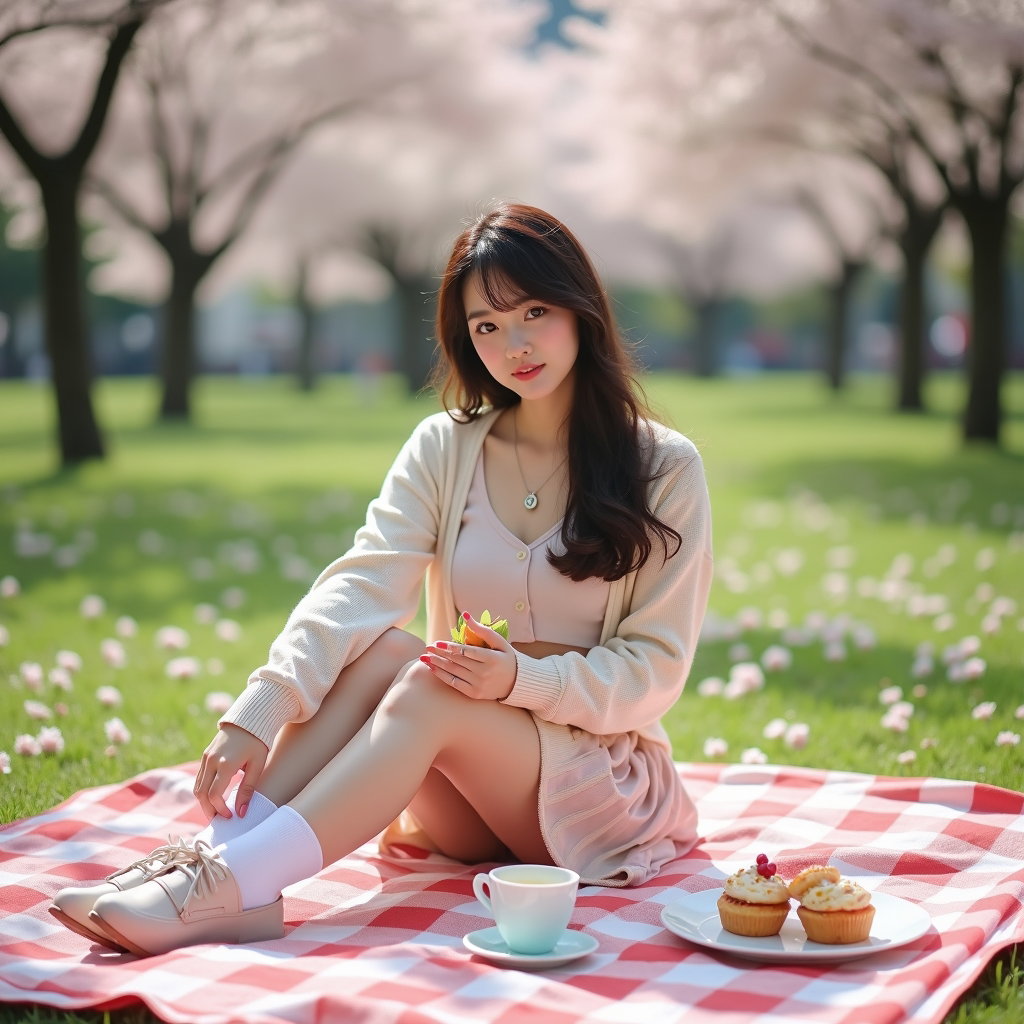
If you want instant visual recognition, this is one of the hardest-working ideas on the list. A single person under cherry blossoms creates immediate Japanese atmosphere. It is soft, poetic, and visually rich without needing heavy styling.
The real key is restraint. A gentle expression, light breeze, upward gaze, and soft color palette make the image feel graceful instead of staged. This concept works especially well for spring themes, feminine portraits, and dreamy personal images with emotional warmth.
Click to create your version
Traditional Kimono Portraits
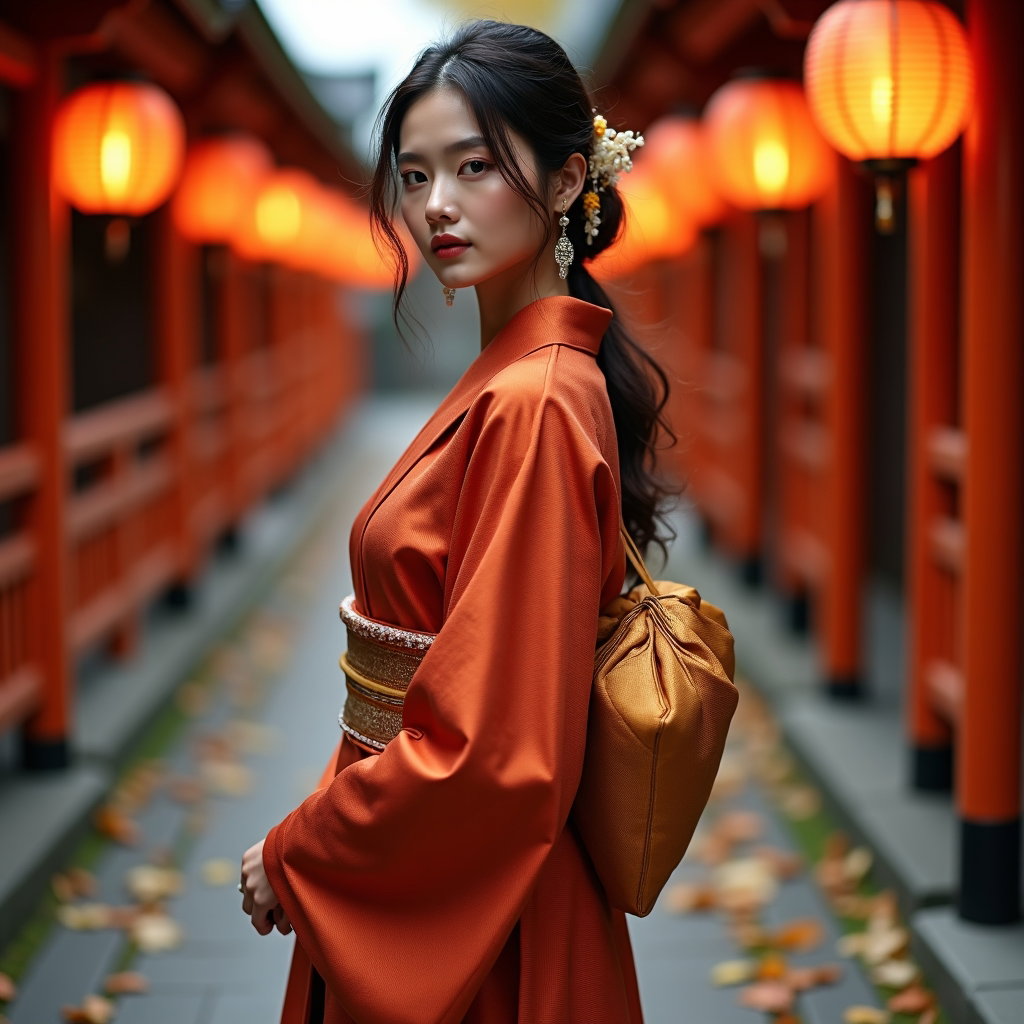
This is the fast lane to unmistakable Japanese style. Kimono or yukata styling gives the image clear identity right away. If you want one concept that signals the theme with zero confusion, this is it. The look is structured, elegant, and highly recognizable.
What actually makes it work is posture. Calm expression, straight back, clean hand placement, and controlled movement matter more than dramatic posing. AI images in kimono look far better when the pose is simple and composed. This creates dignity and stops the image from looking cheap or costume-like.
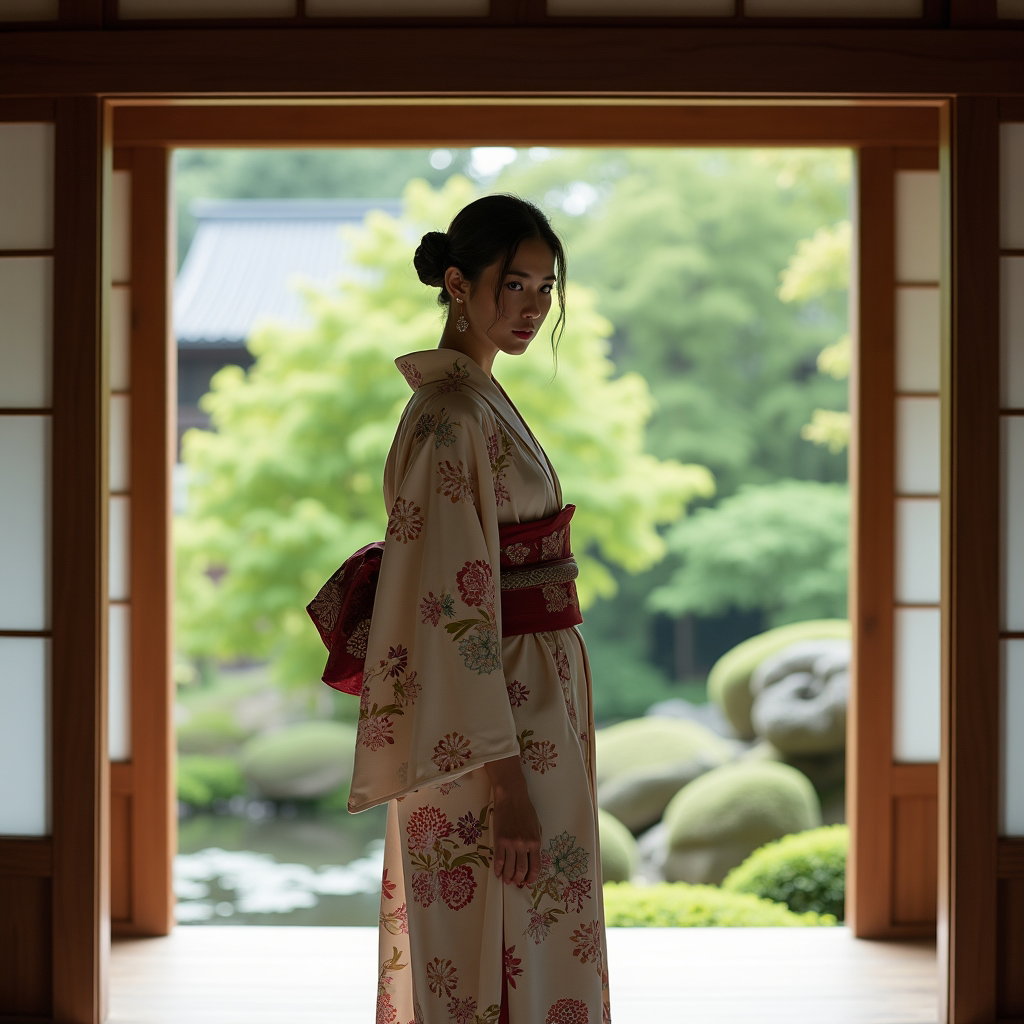
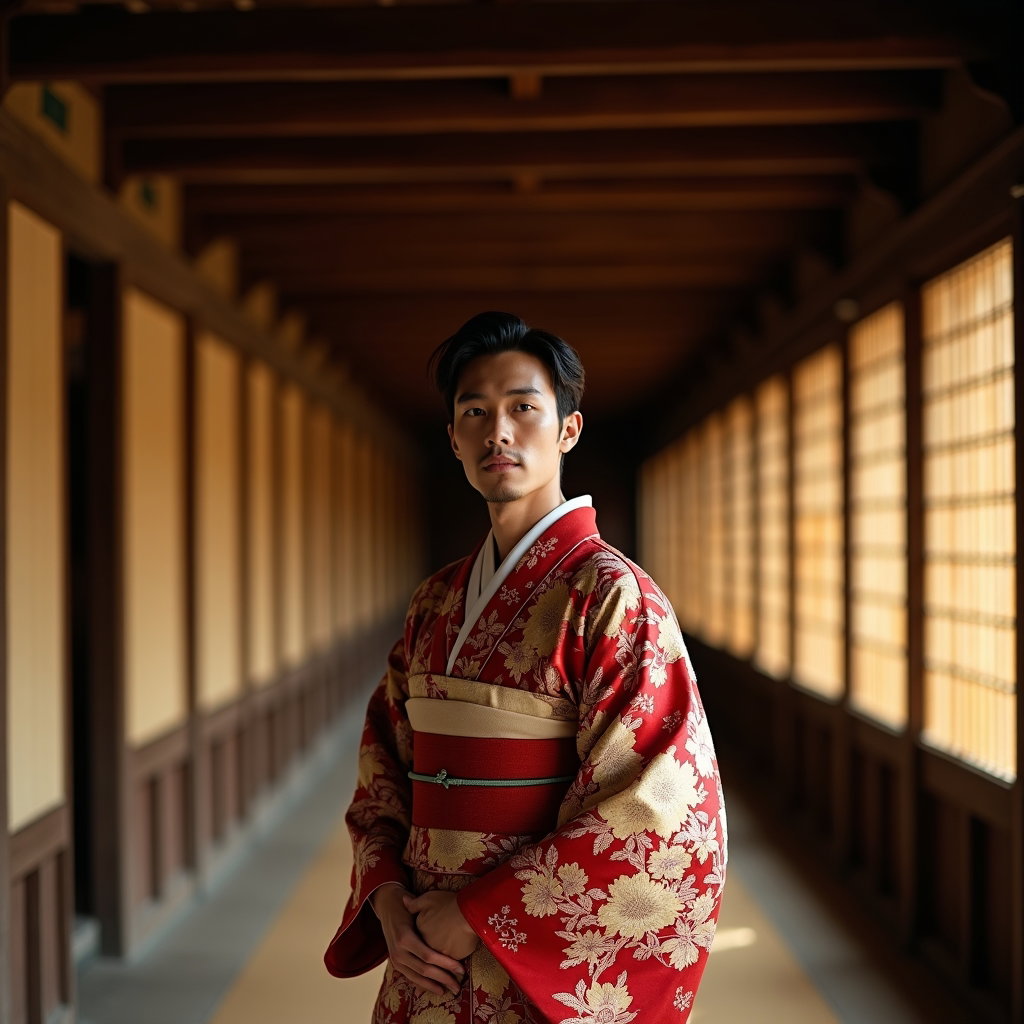
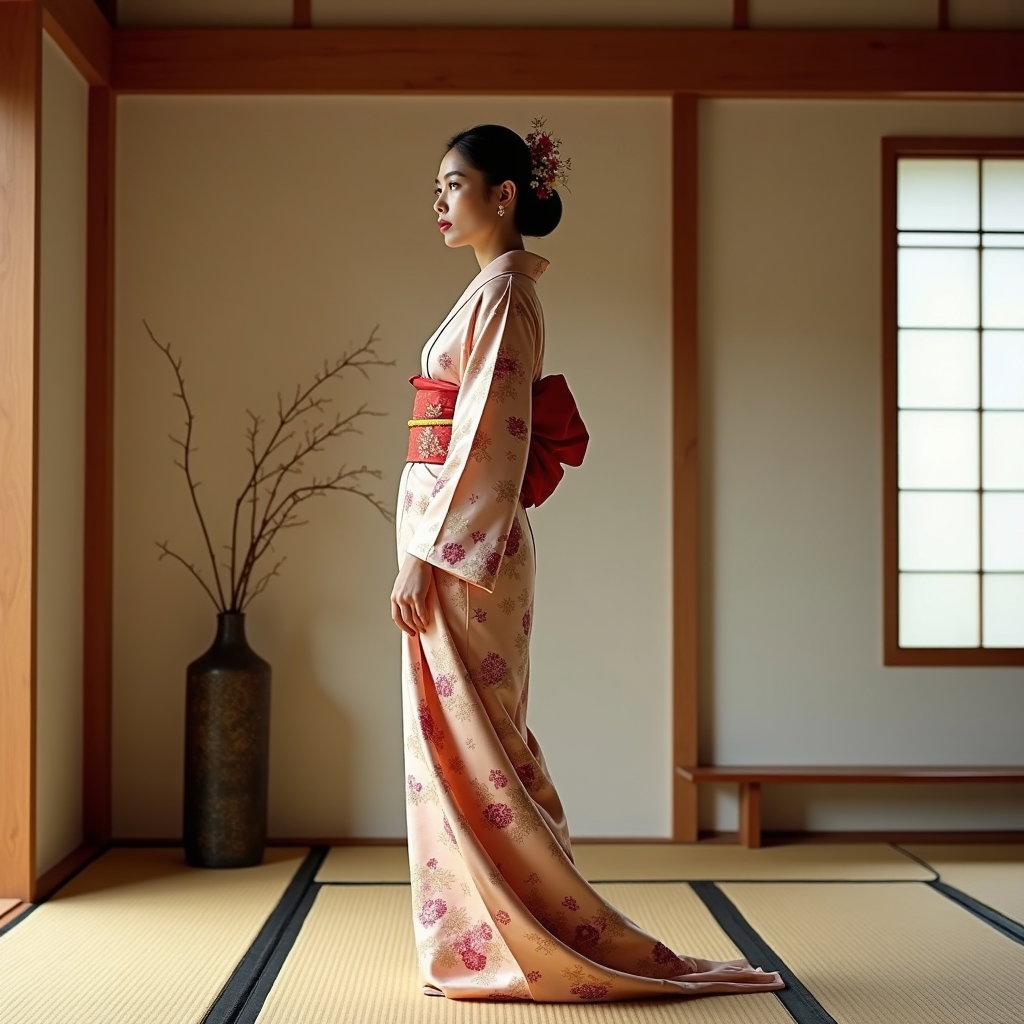
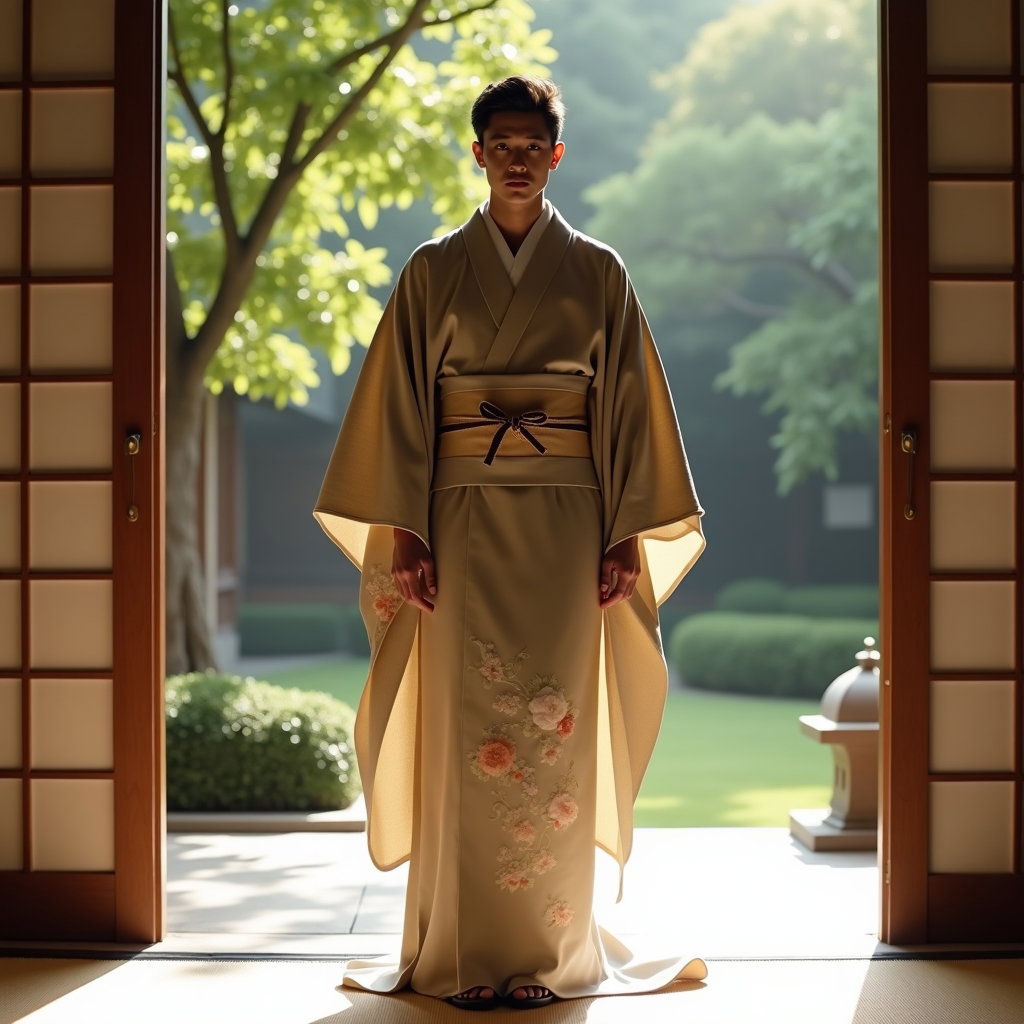
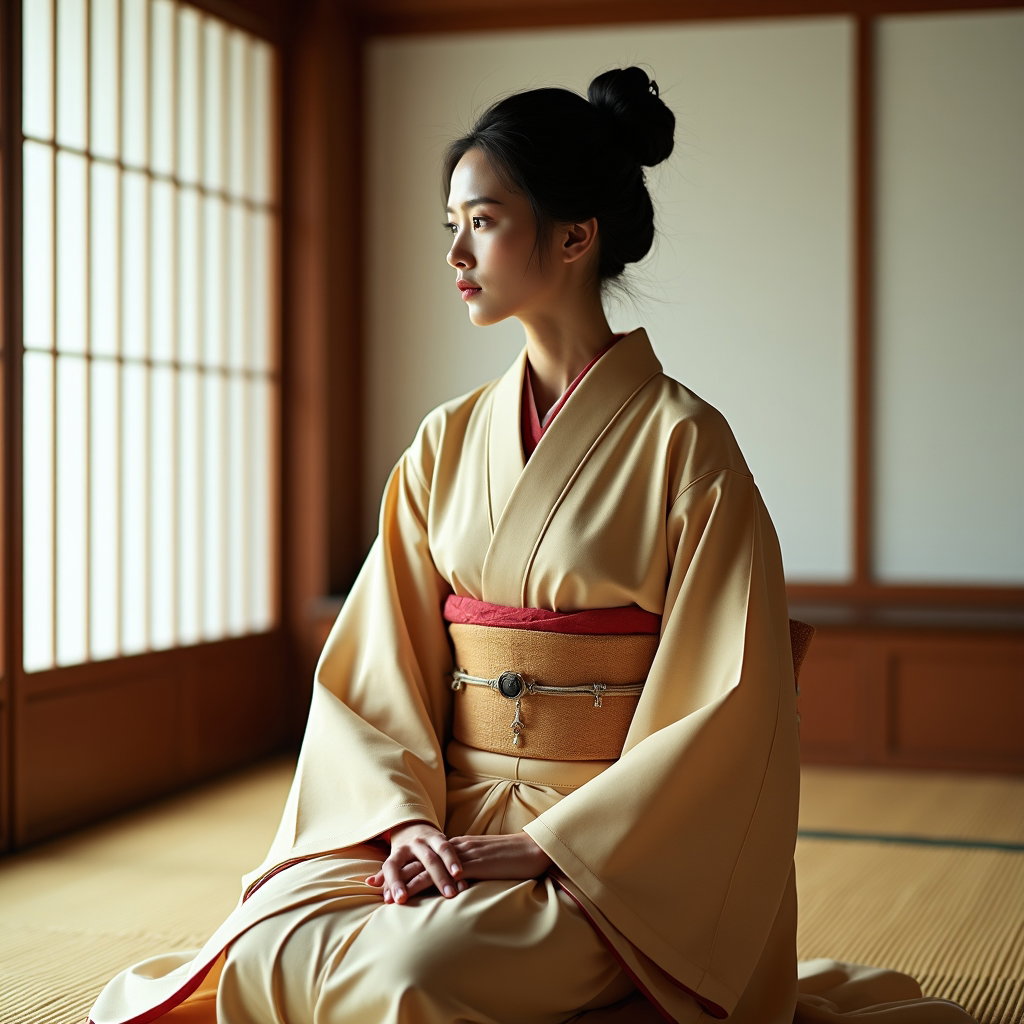
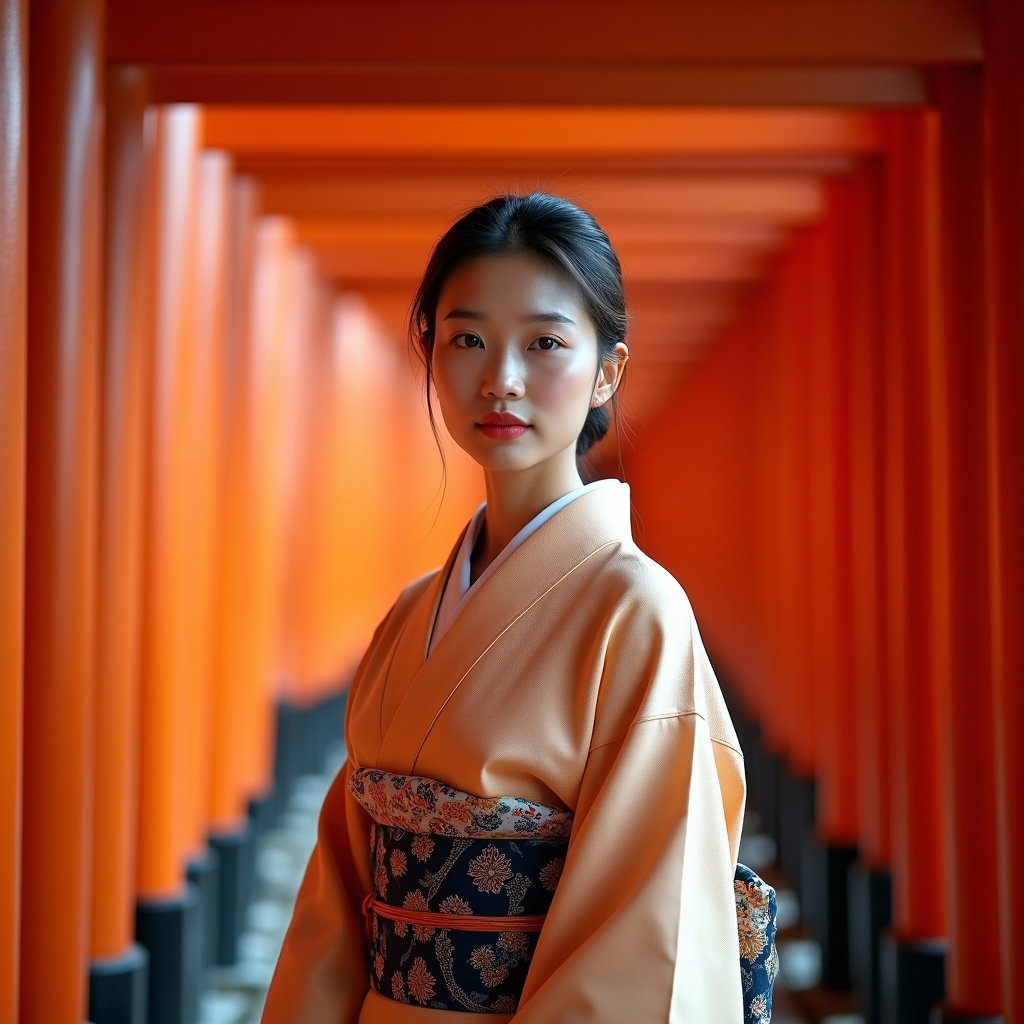
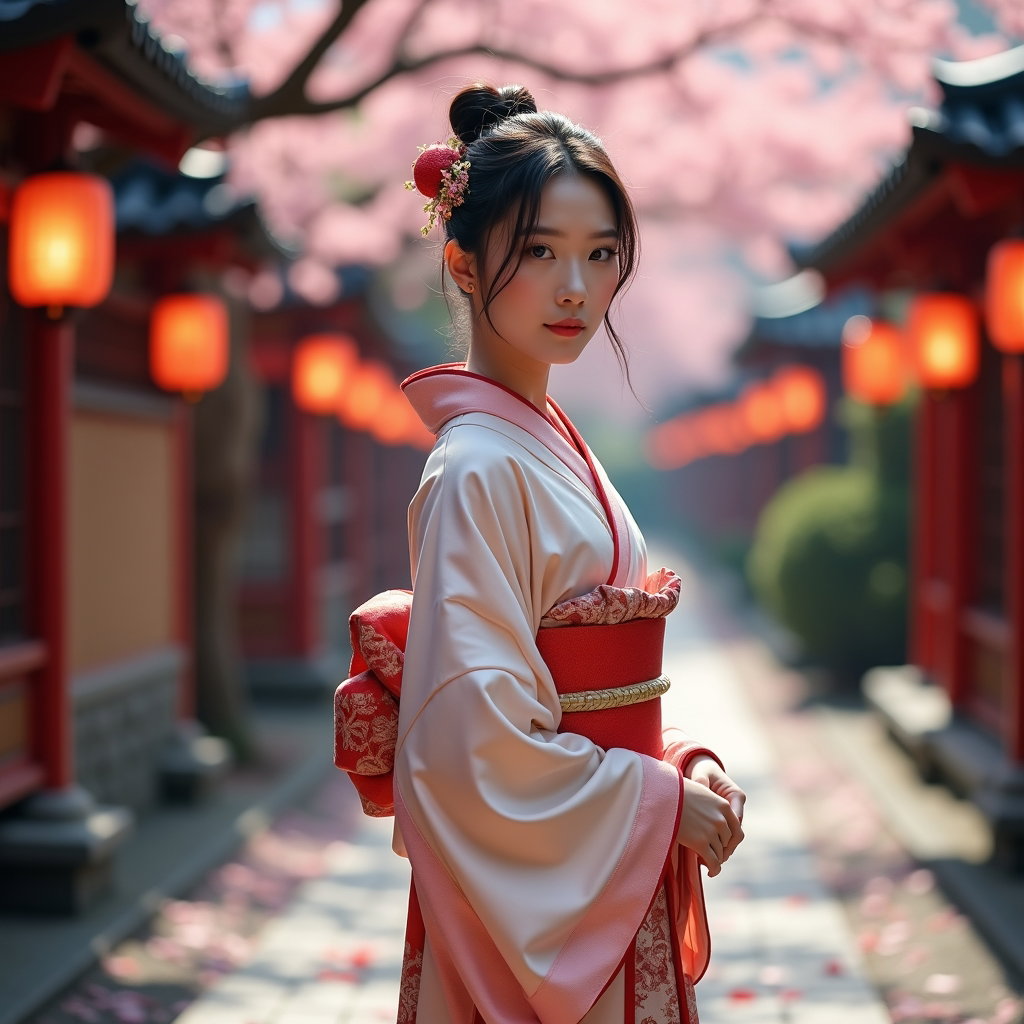
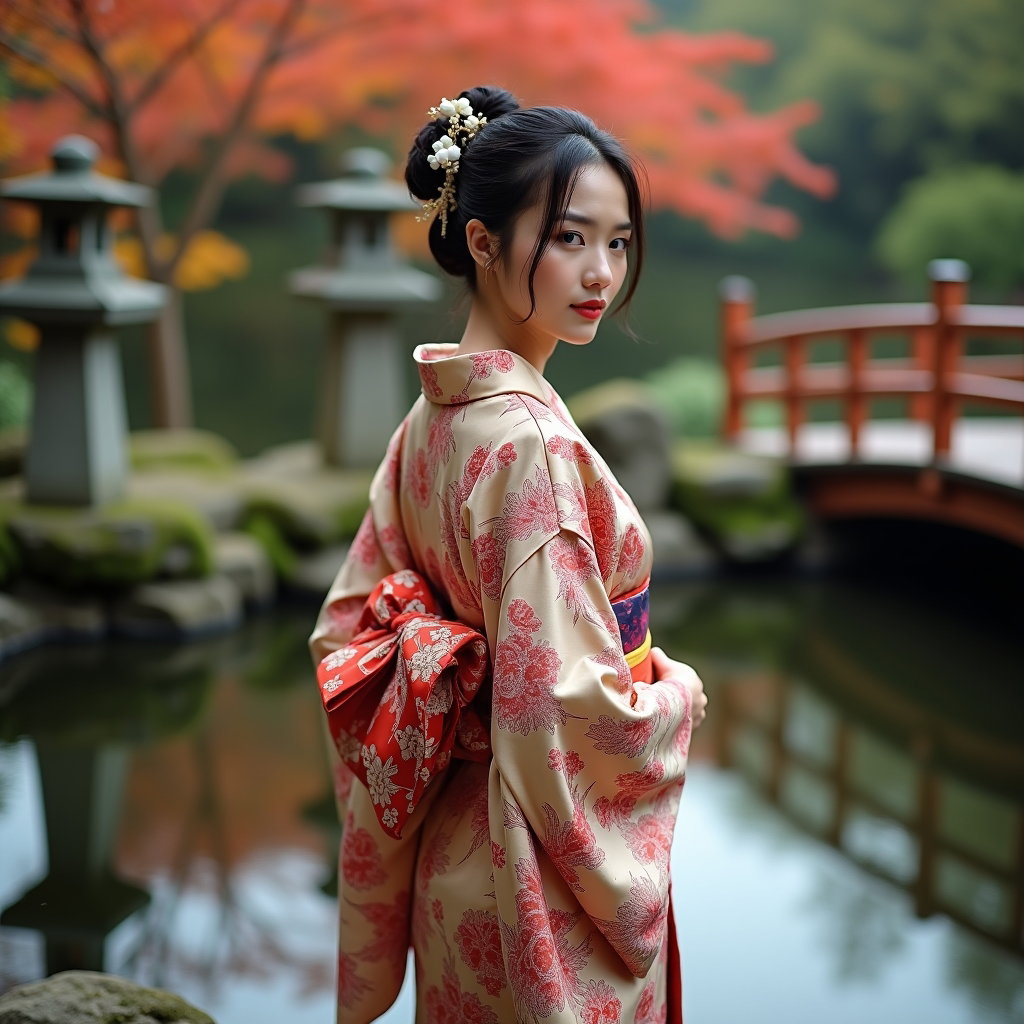
Click on a photo to insert your face
Japanese School Uniform-Inspired Looks
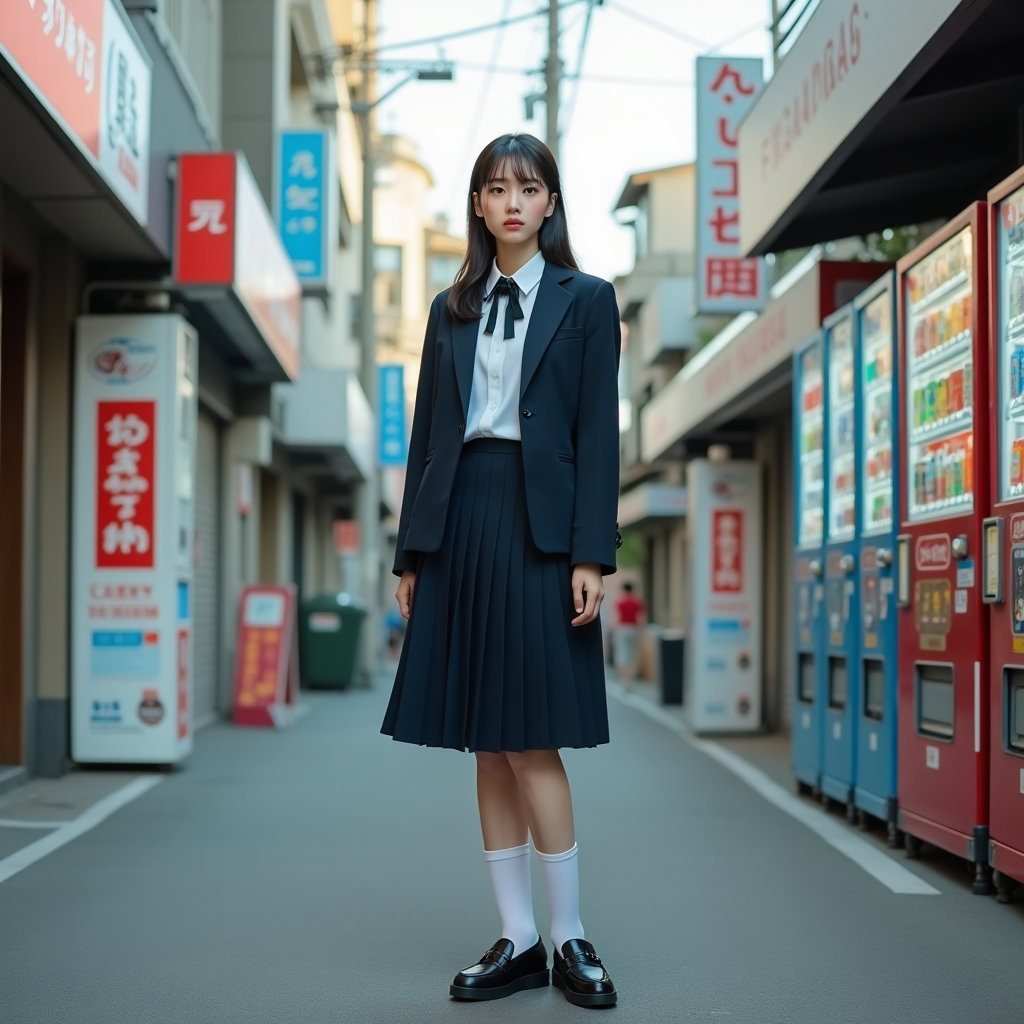
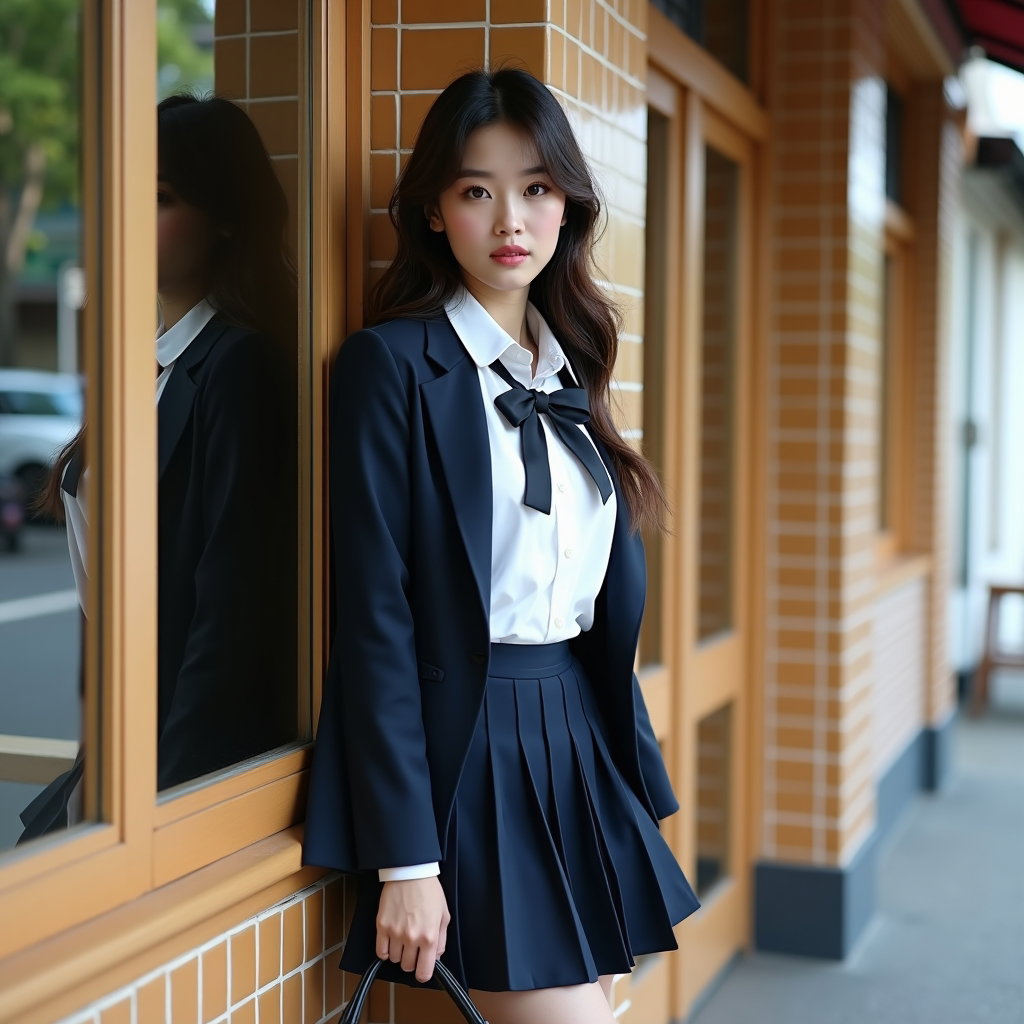
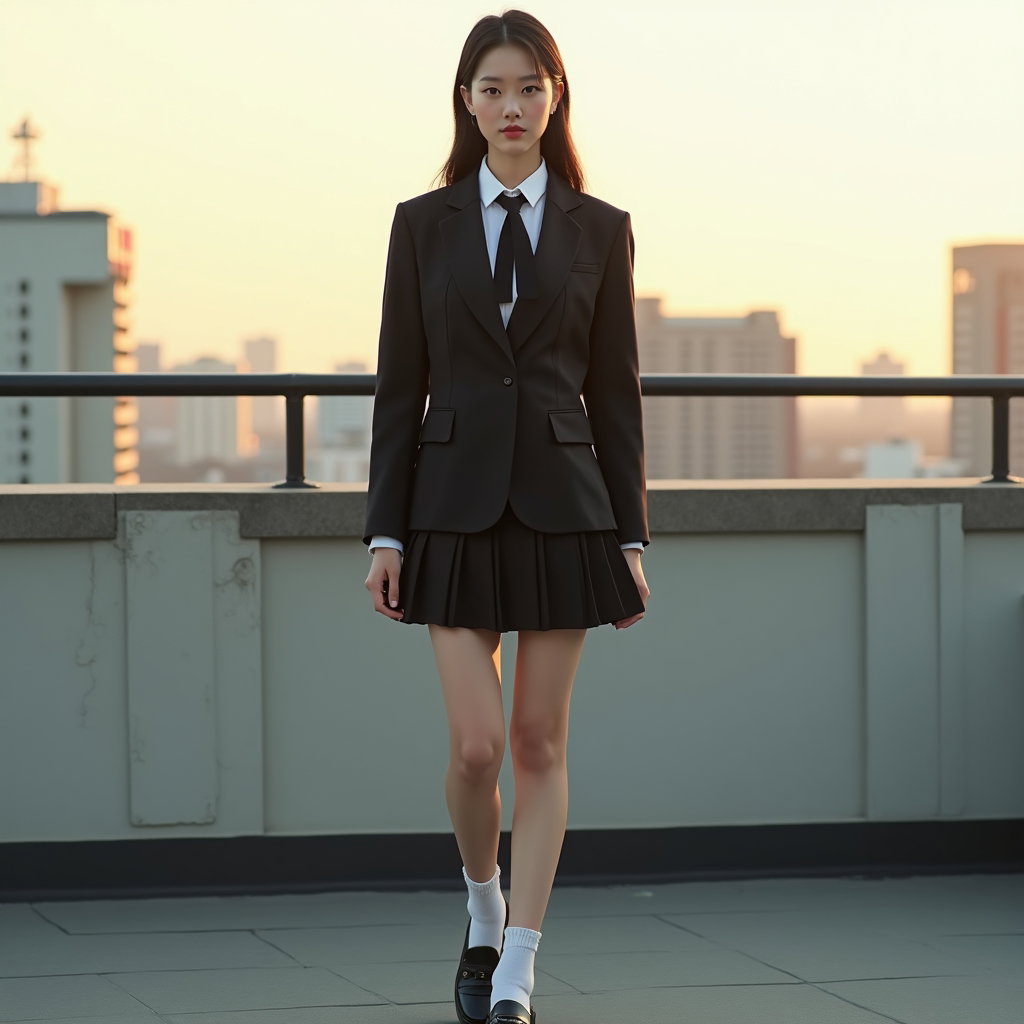
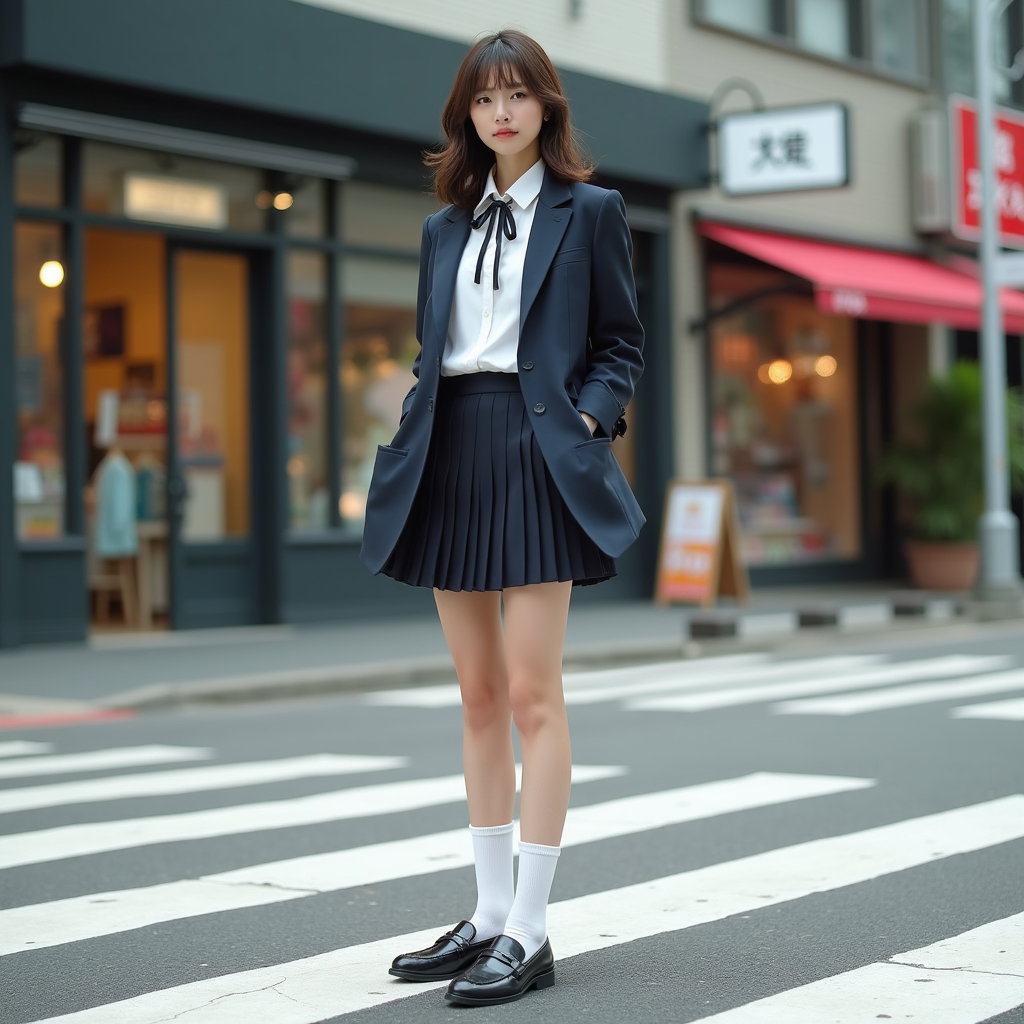
This style is highly recognizable and visually direct. It gives you a youthful, playful, character-driven look with strong structure. The outfit itself already does a lot of the work, so the image becomes easier to guide.
The most effective results come from expressive body language. Slight head tilt, bag in hand, seated classroom pose, walking pose, or clean front-facing portrait all work well. The point is not complexity. The point is a clear visual identity that reads fast and feels intentional.
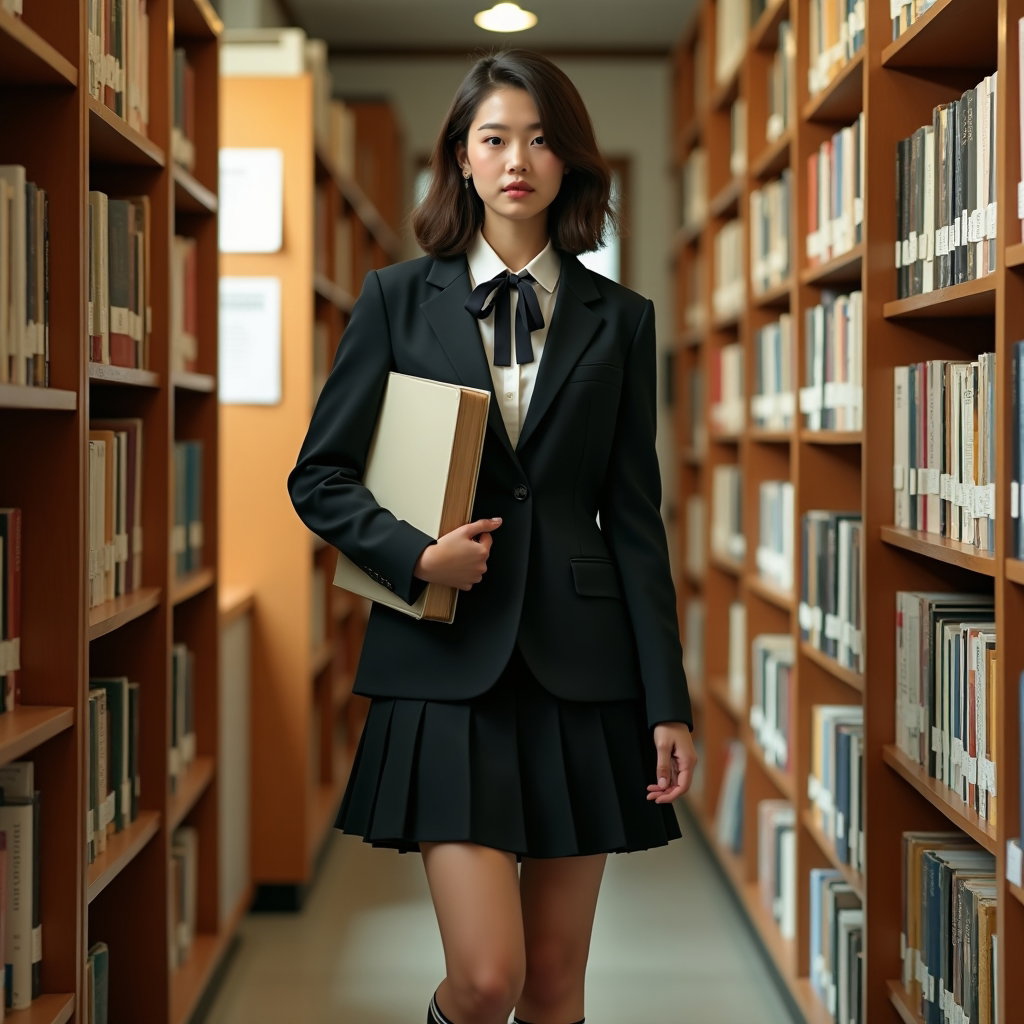
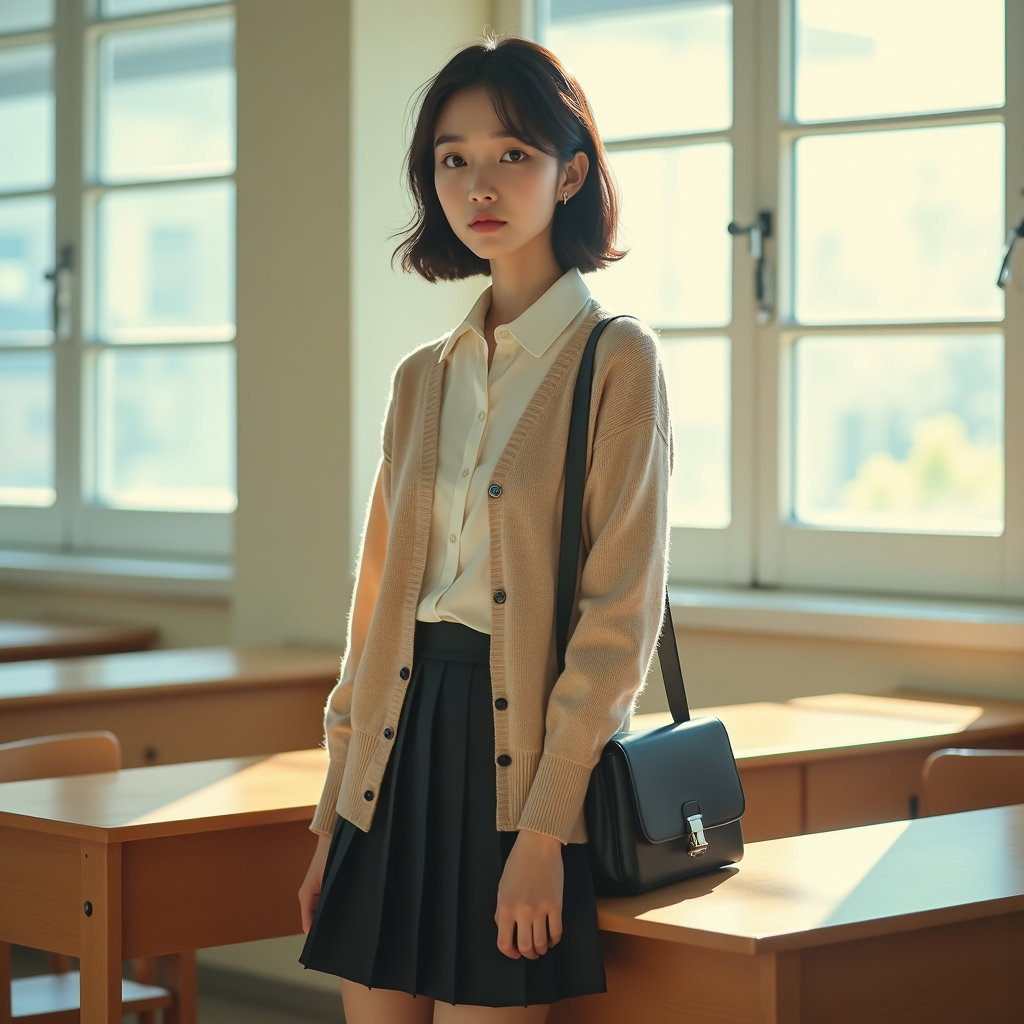
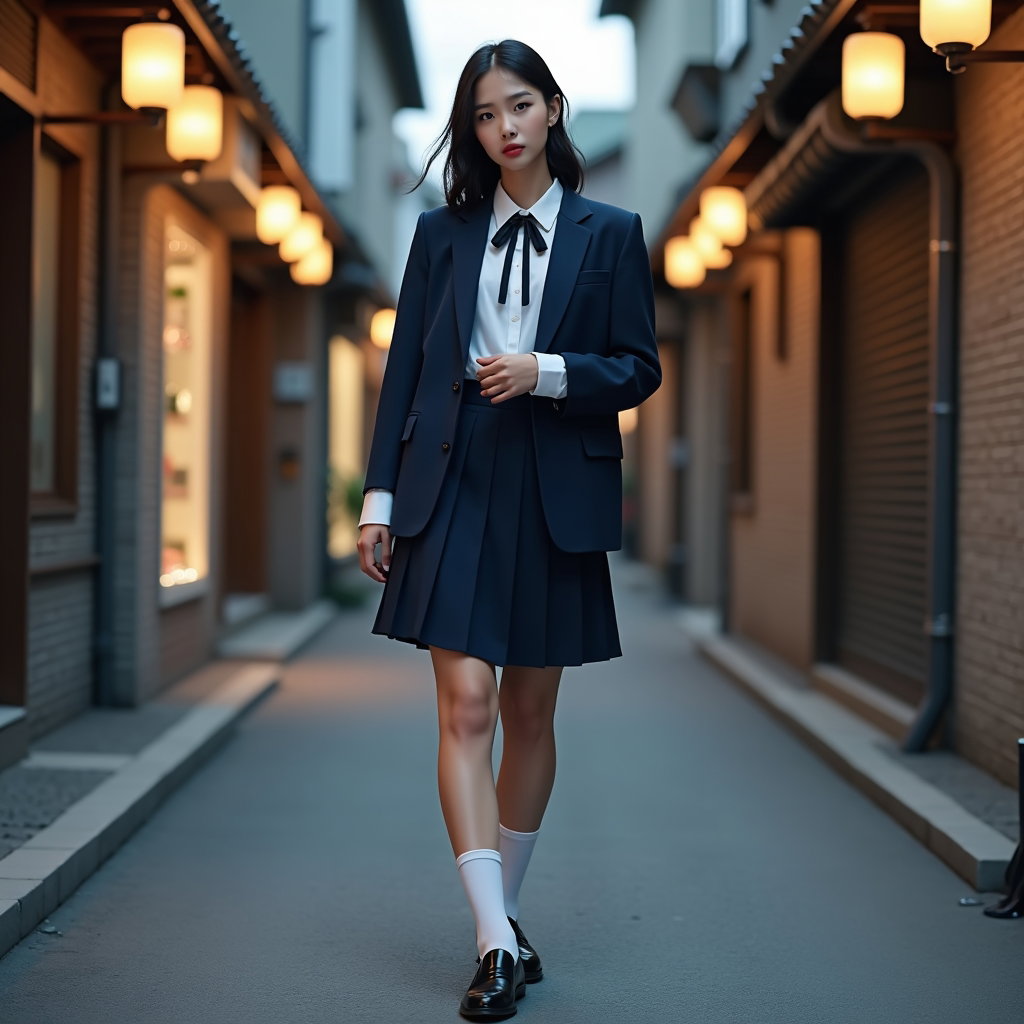
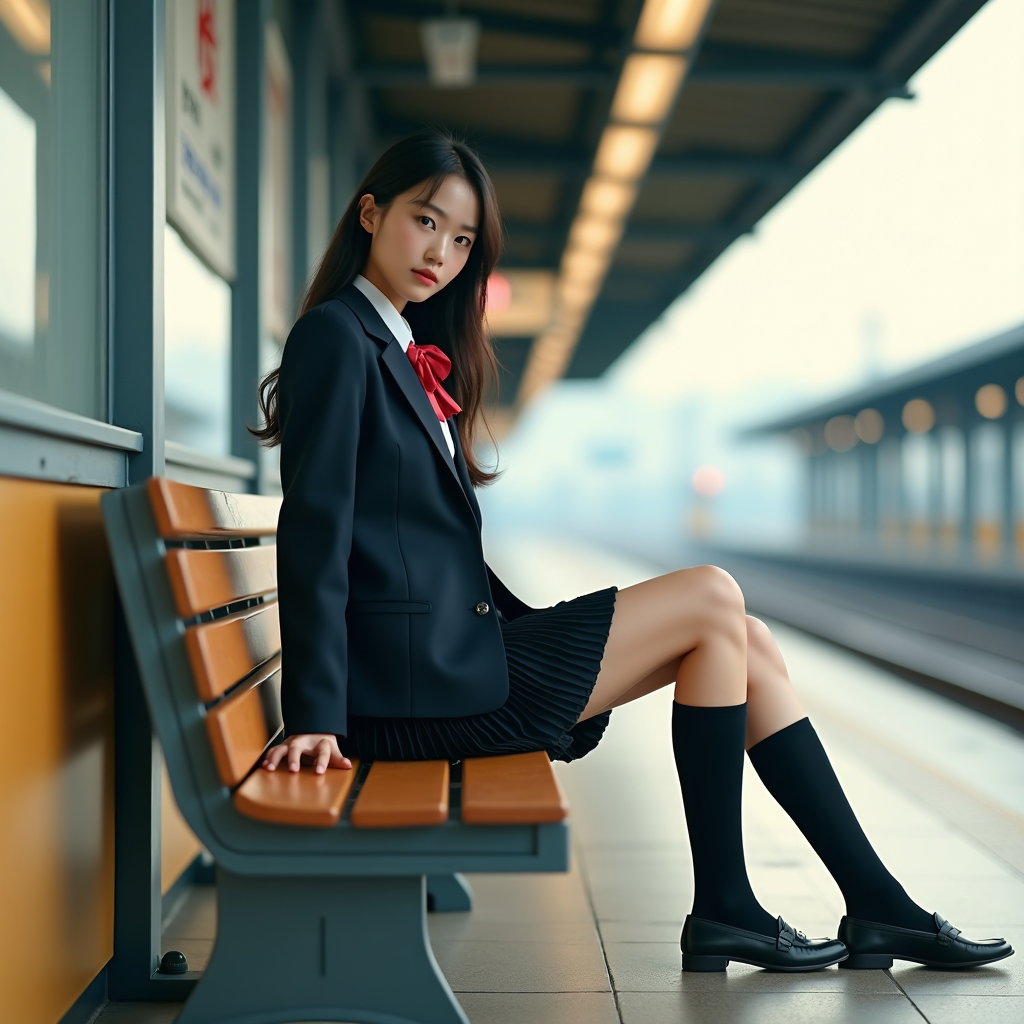
Click on any photo to make it yours
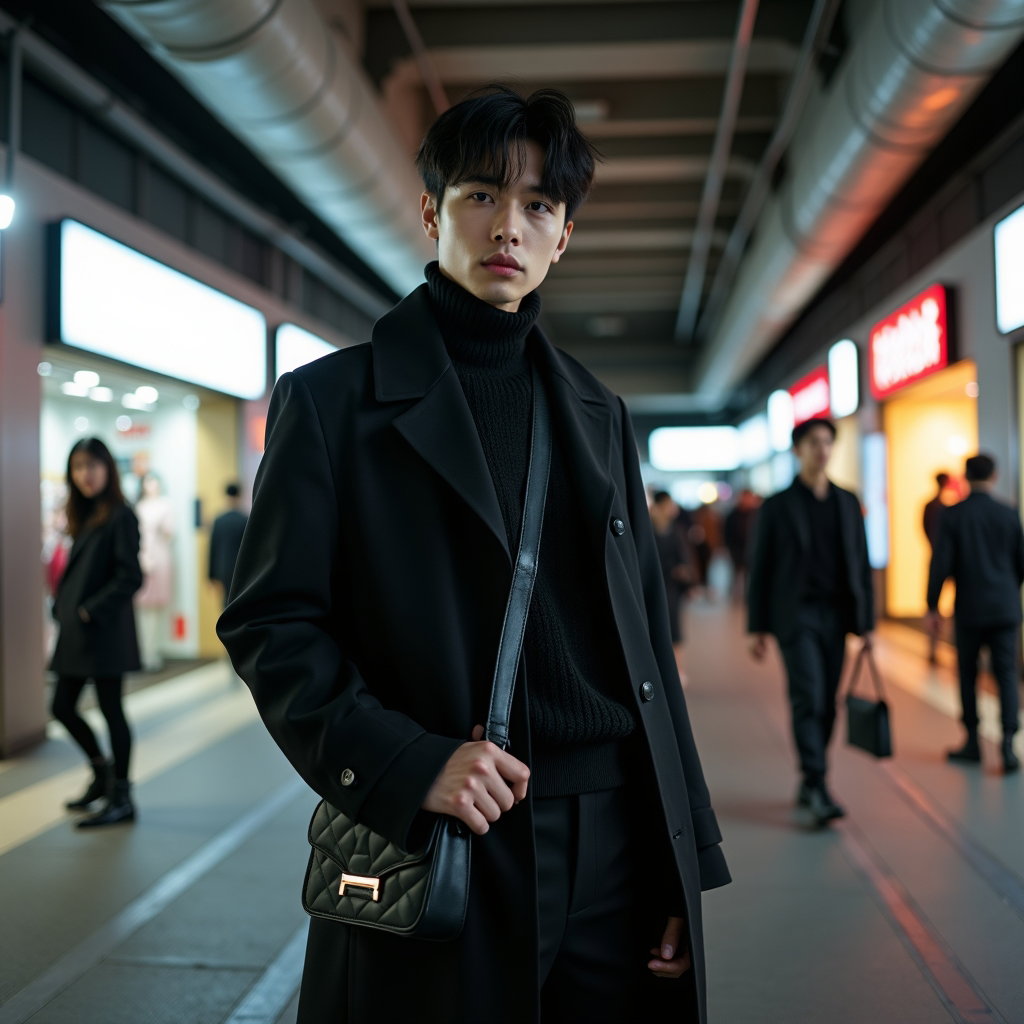
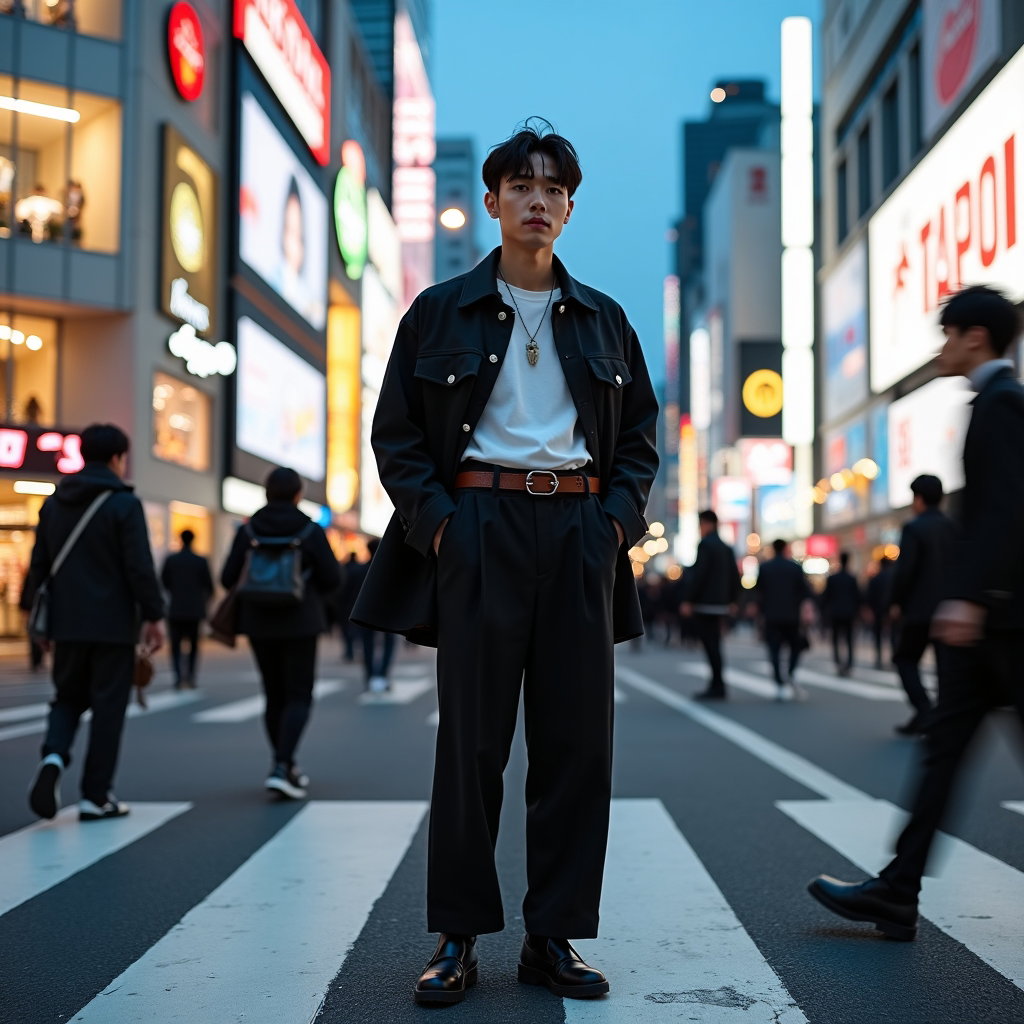
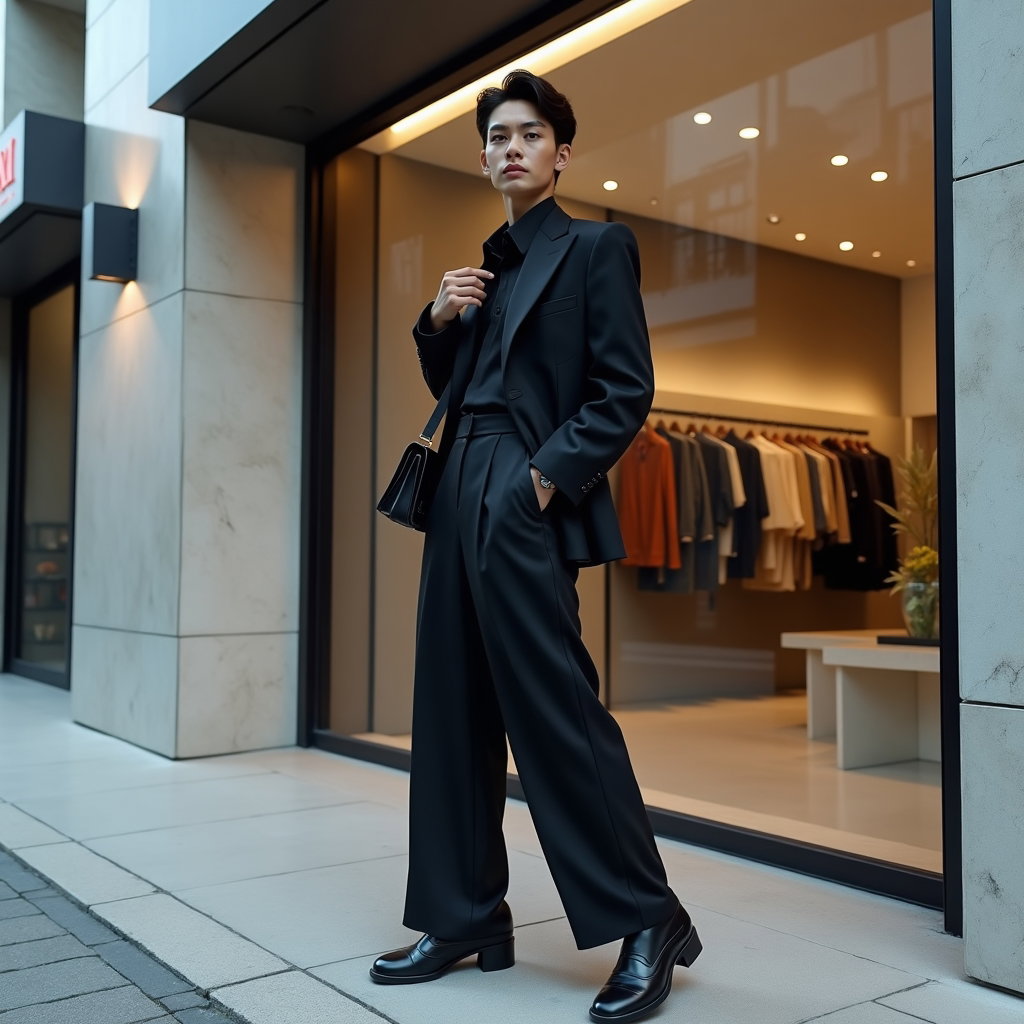
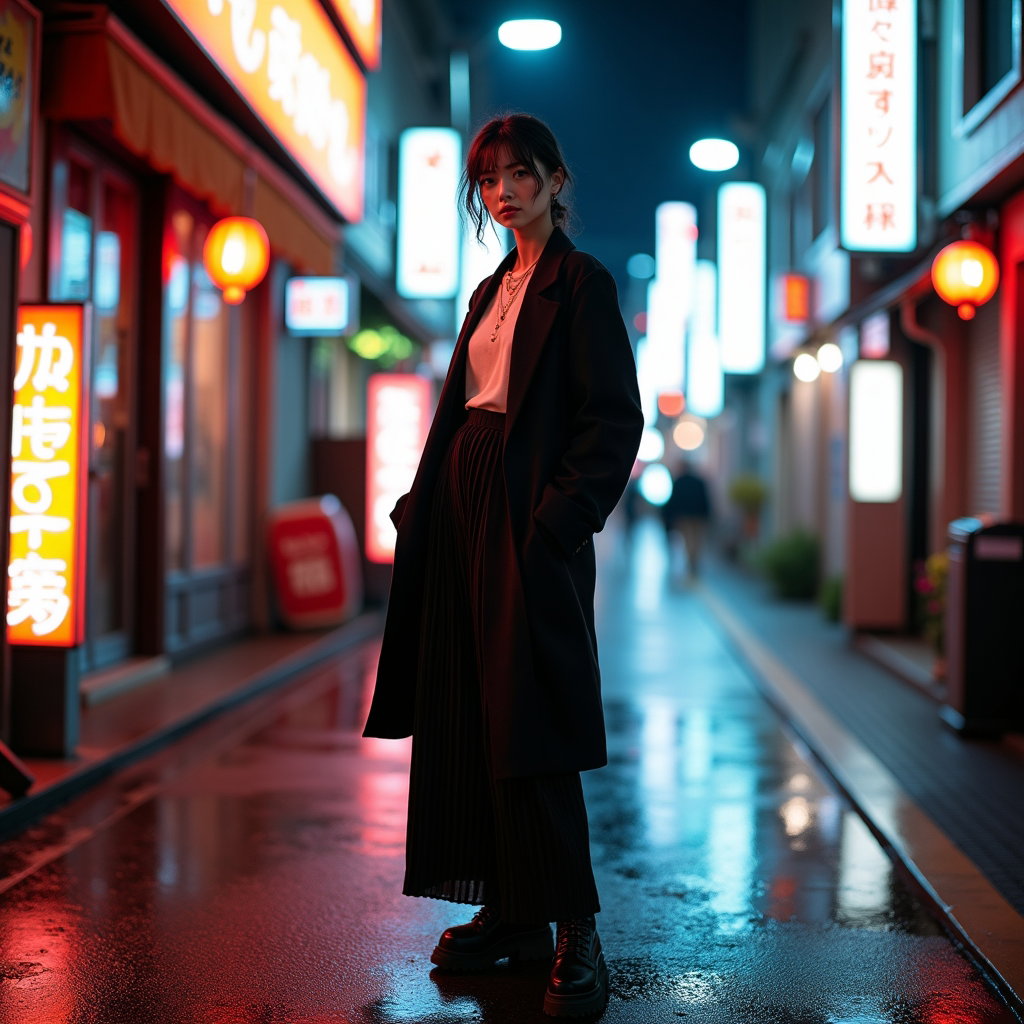
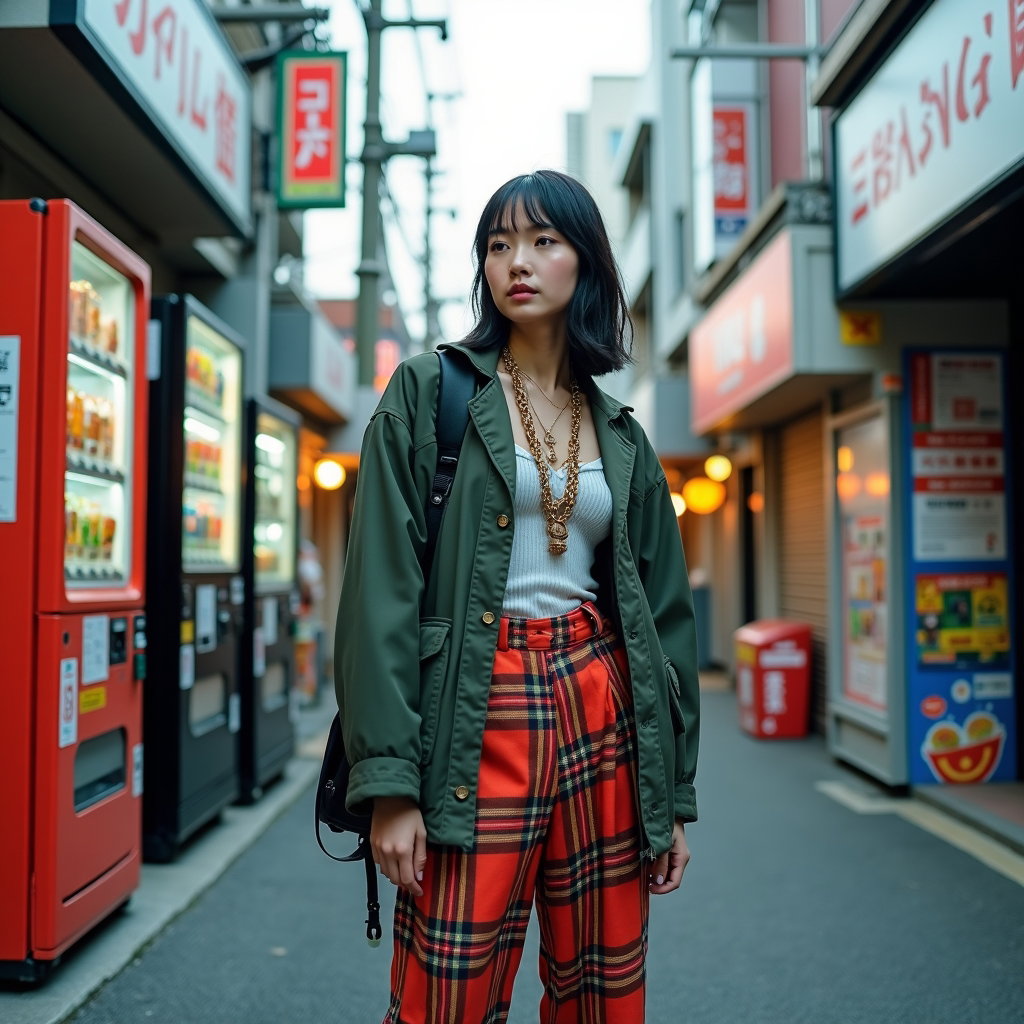
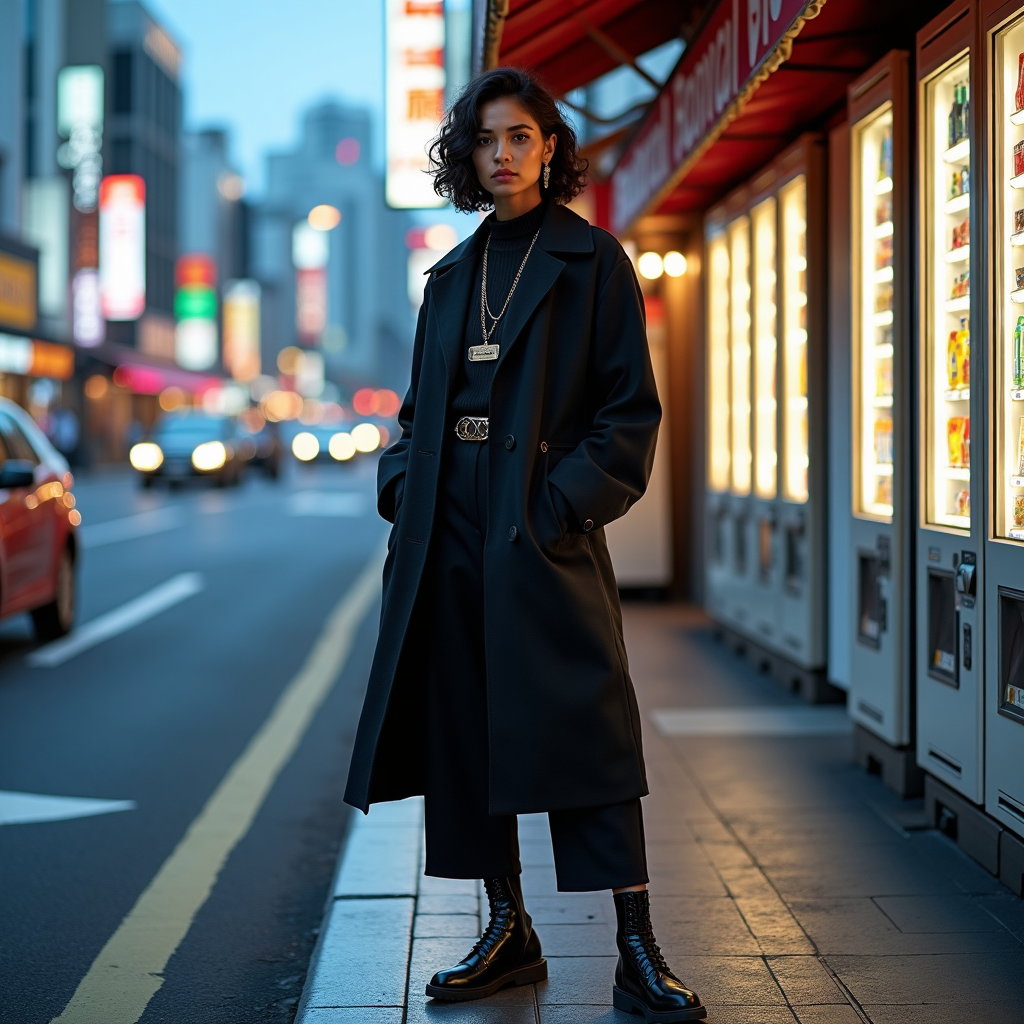
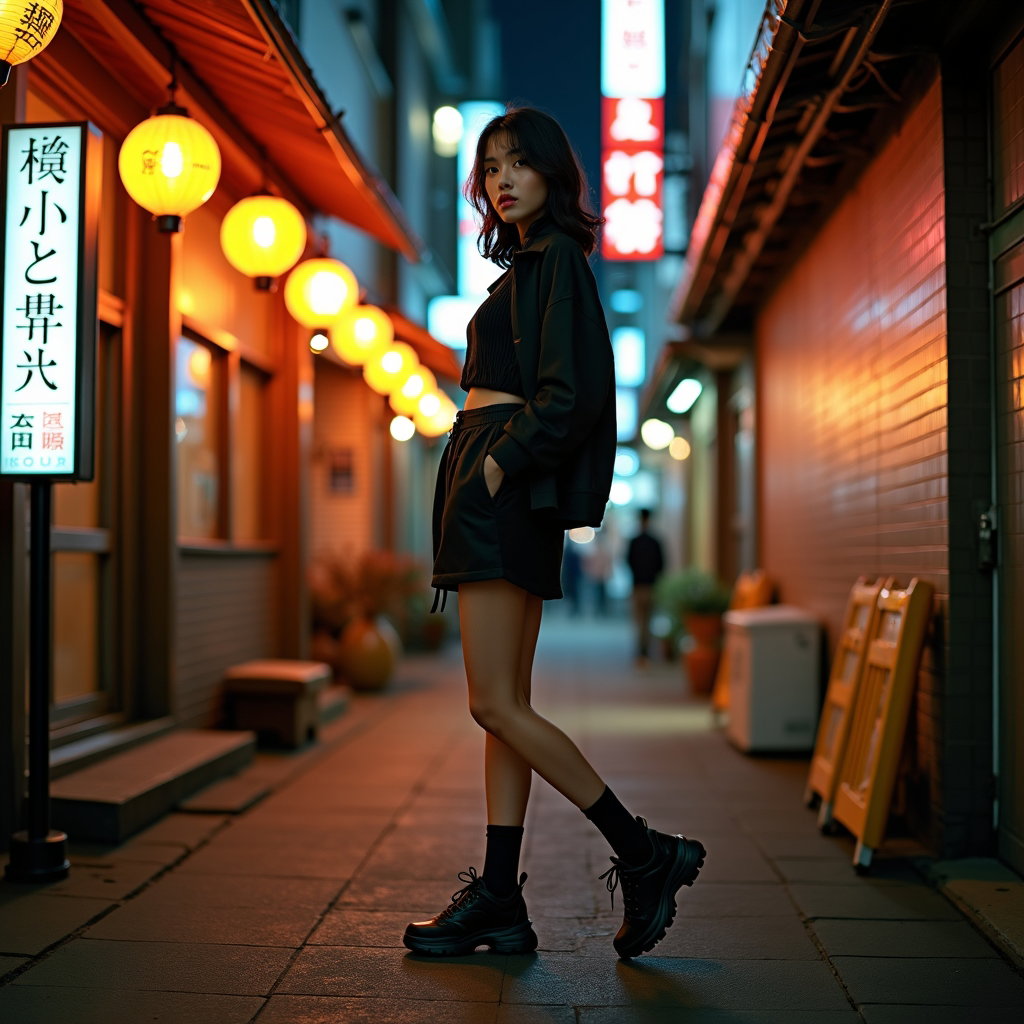
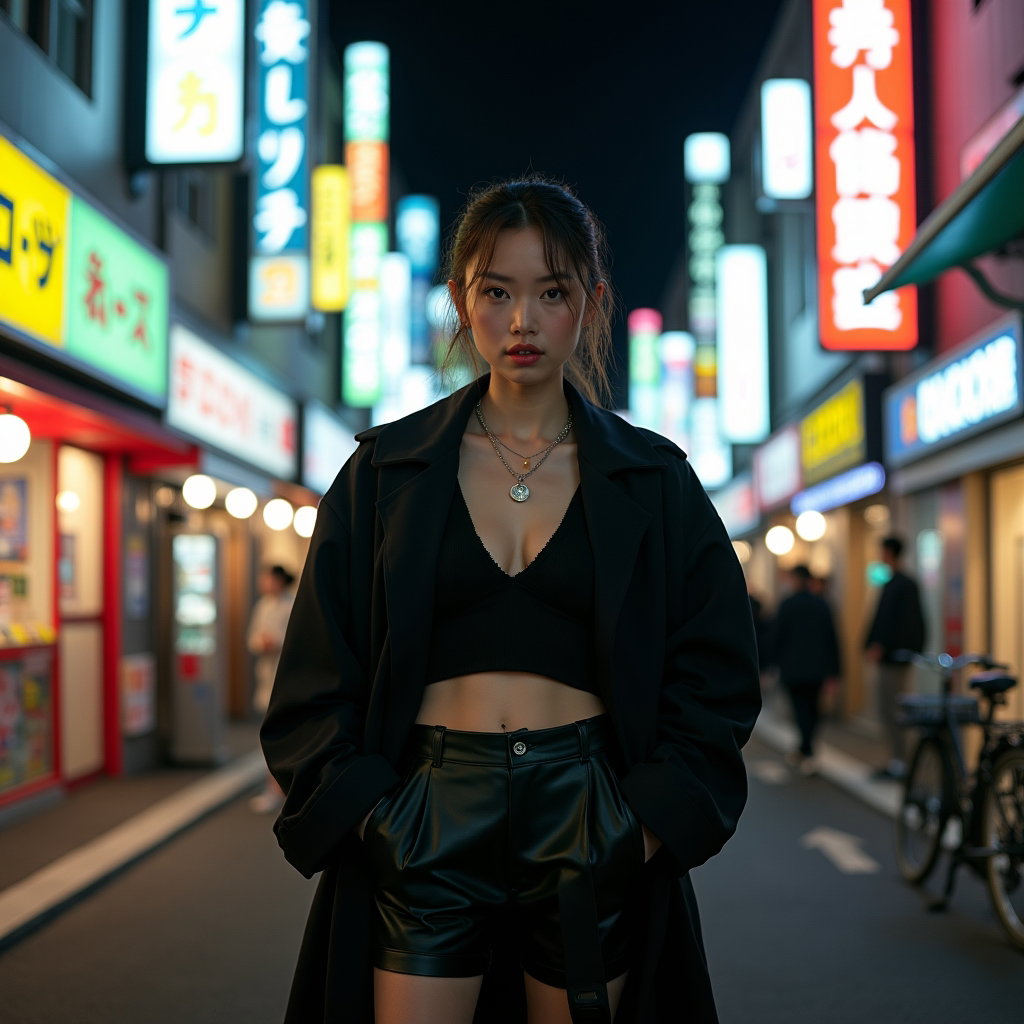
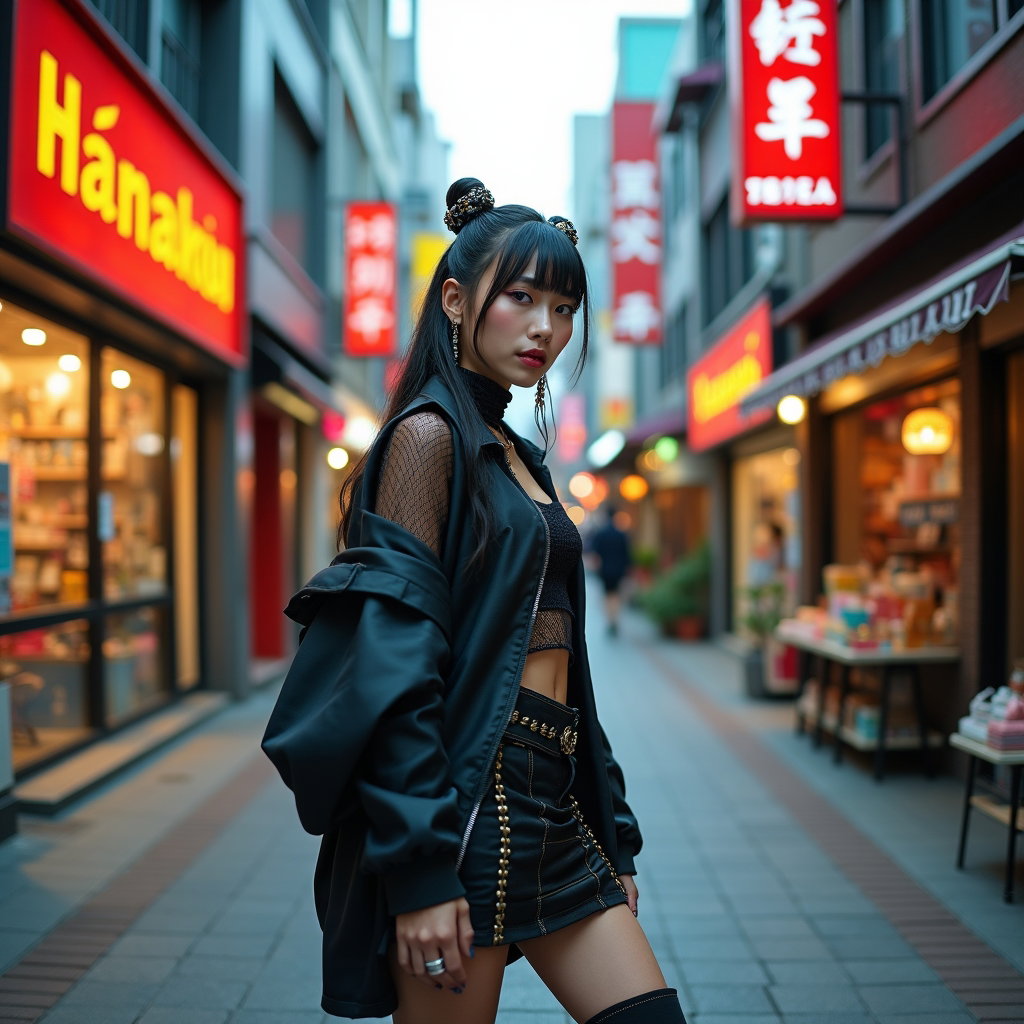
Street Style in Tokyo-Inspired Fashion
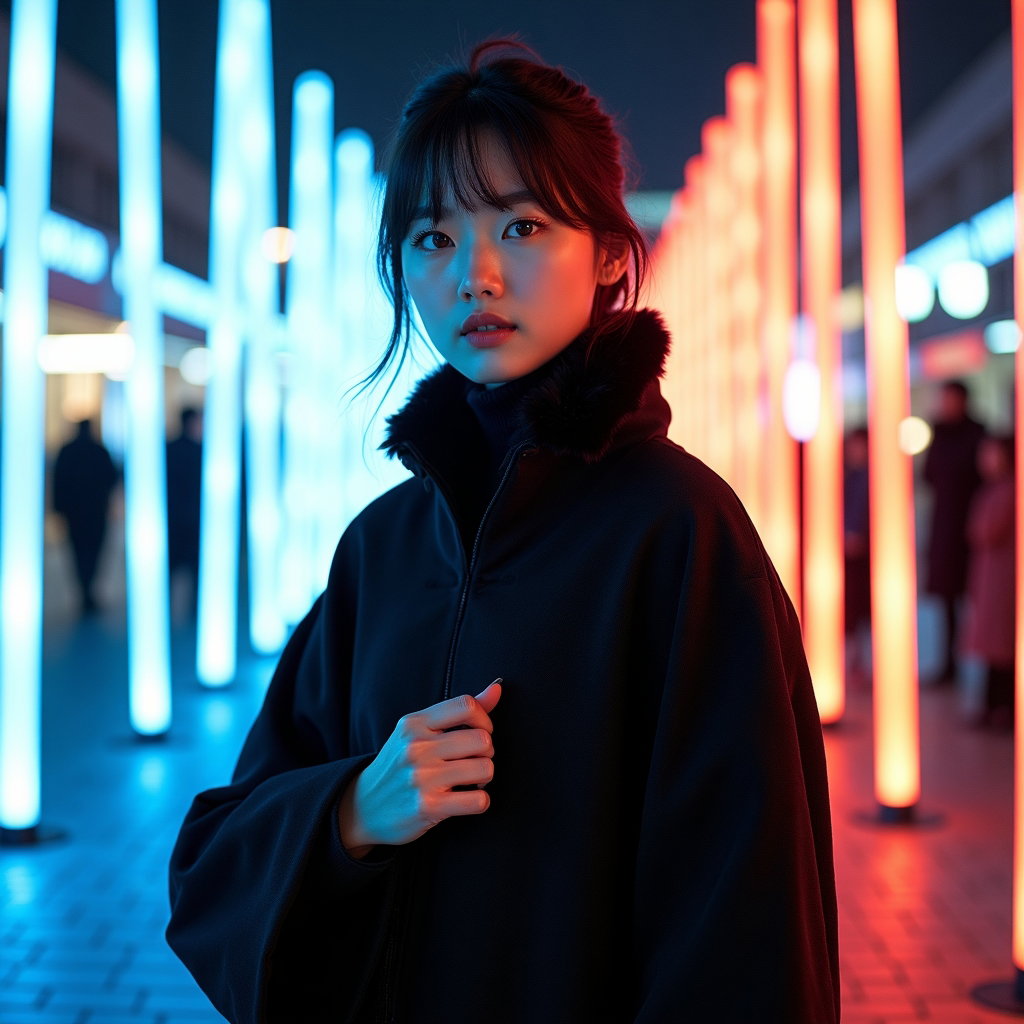
Japanese style is not only traditional. It is also urban, clean, layered, and fashion-forward. This photo type gives you modern range. It works well for people who want confidence, motion, edge, and stronger styling detail.
Layered outfits, oversized jackets, boots, monochrome looks, bold accessories, and walking poses are what push this concept forward. Busy city backgrounds help, but the outfit is the main weapon. If the clothing silhouette is strong, the image feels current and sharp. This is one of the best options for high-impact modern portraits.
Click to create your version
Soft Indoor Tatami Room Portraits
This is one of the easiest ways to create immersive Japanese atmosphere without needing a complex outdoor scene. Tatami flooring, shoji screens, floor seating, and soft indoor light build cultural context fast. The result feels intimate, calm, and elegant.
This concept works best with quiet poses. Sitting, kneeling, looking down, holding tea, or resting hands on lap all create a natural mood. It is especially effective when you want warmth and tradition without visual overload. AI handles this style well because the setting is structured and balanced.
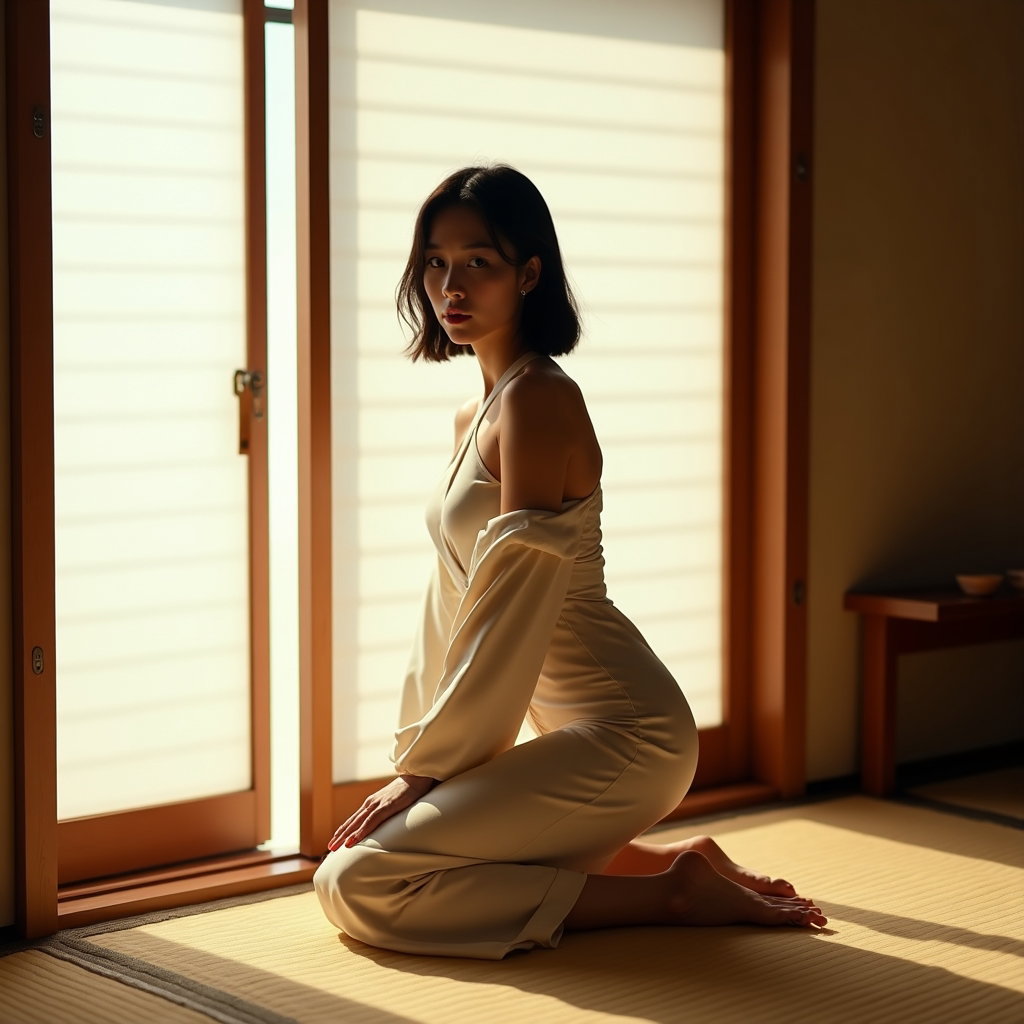
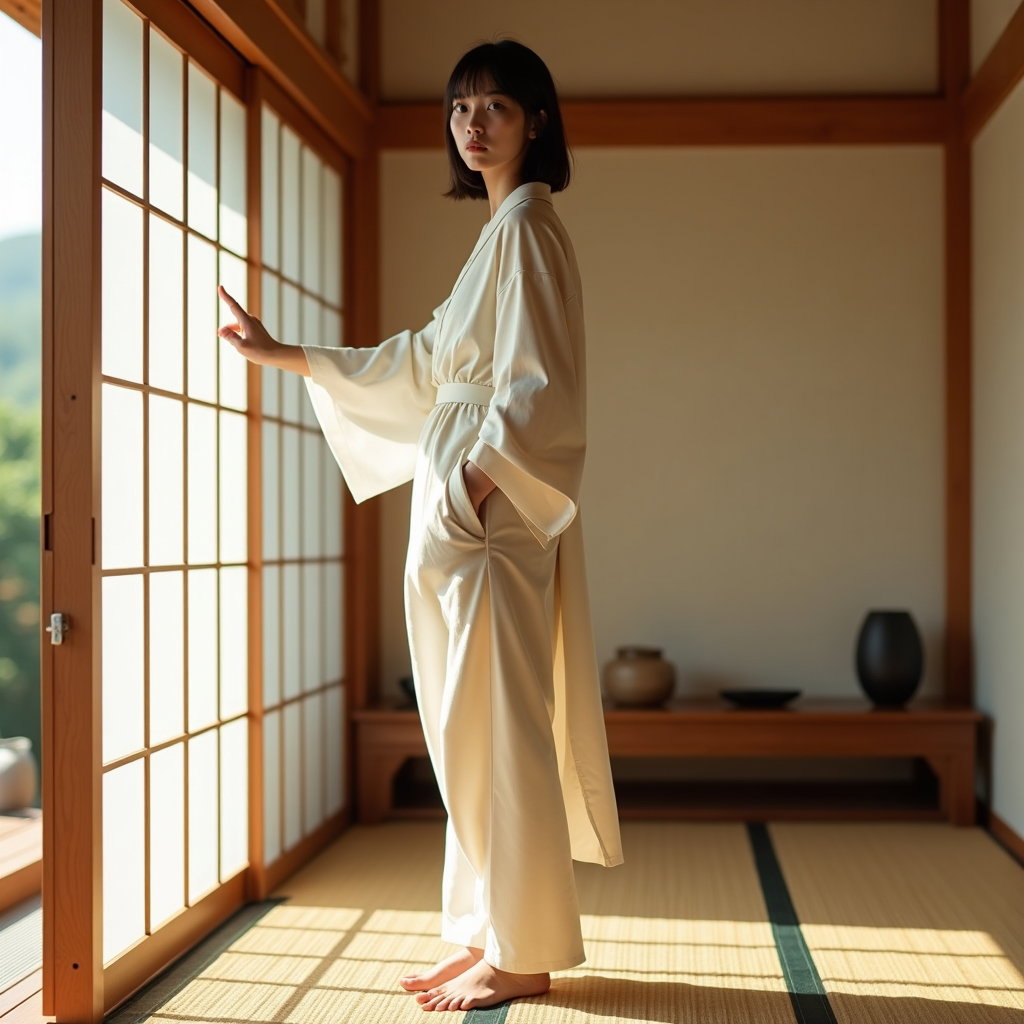
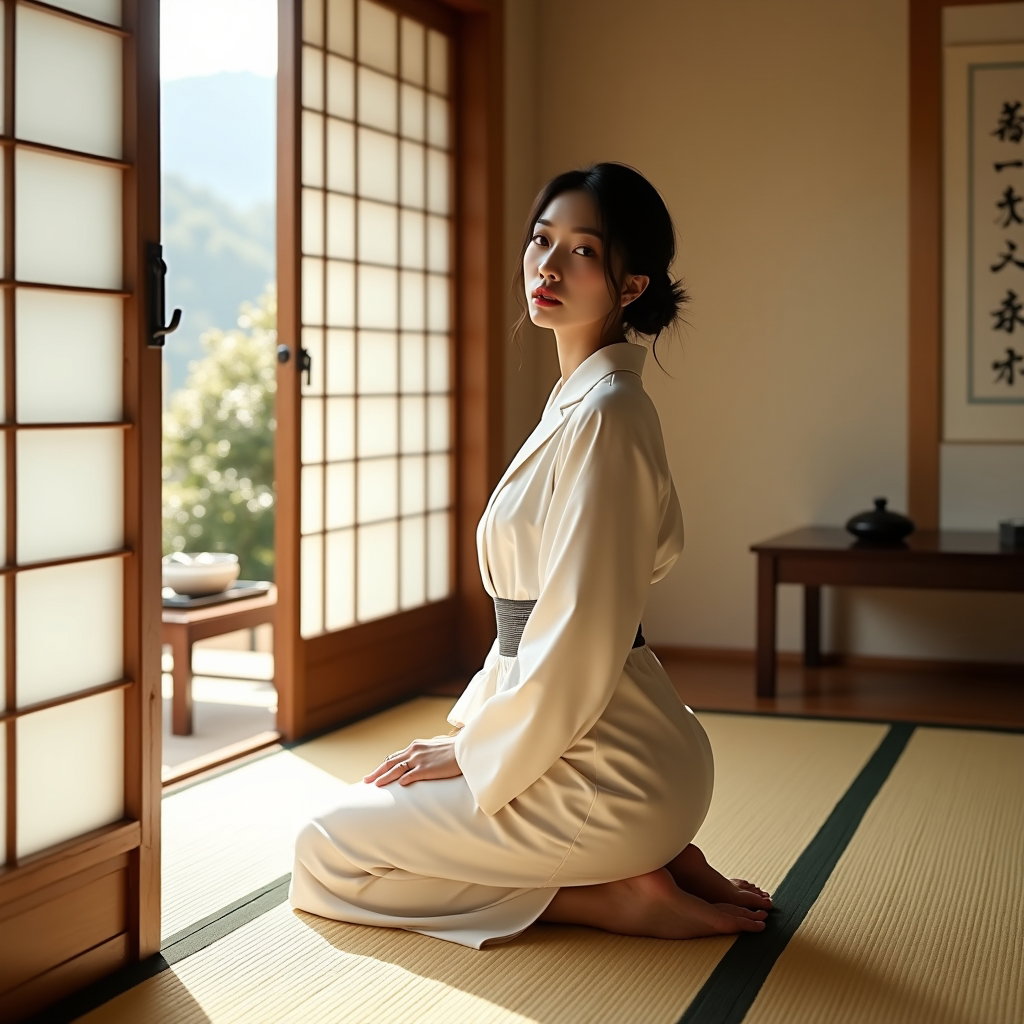
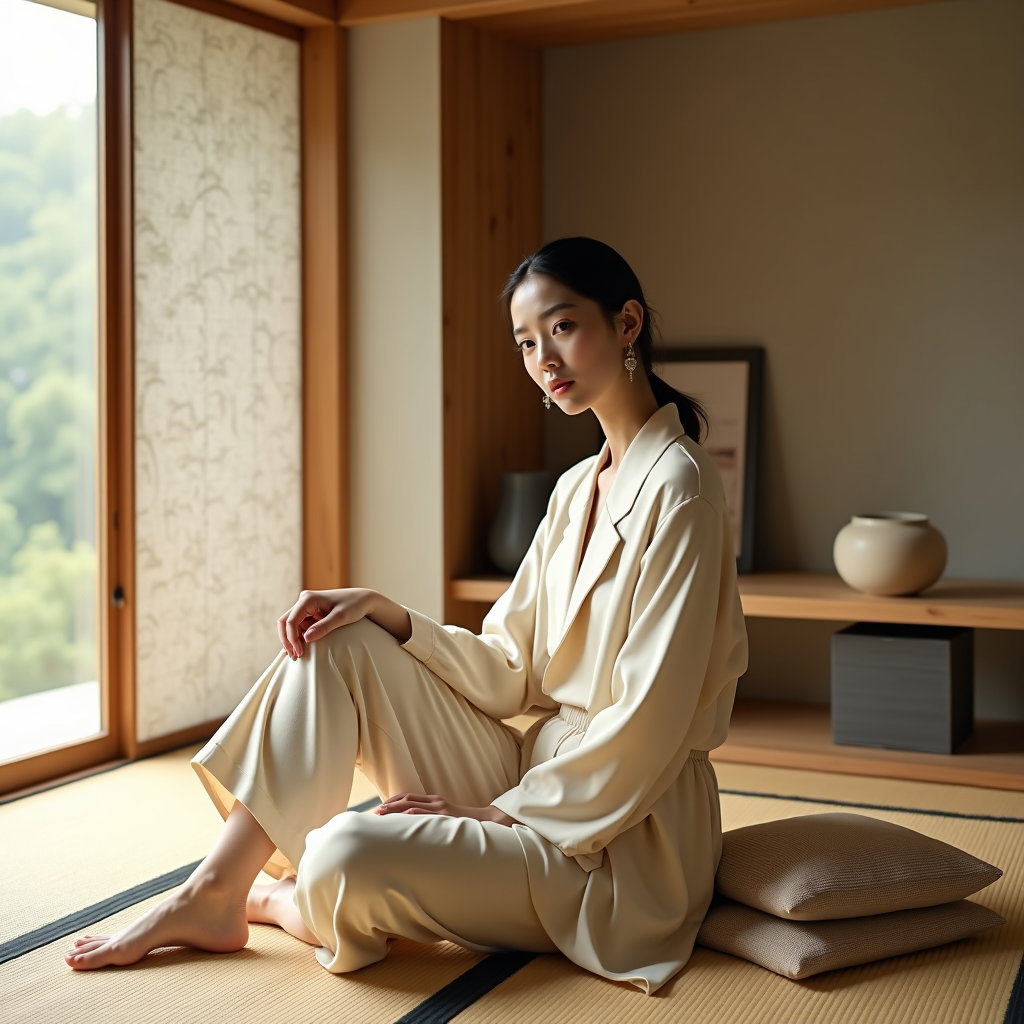
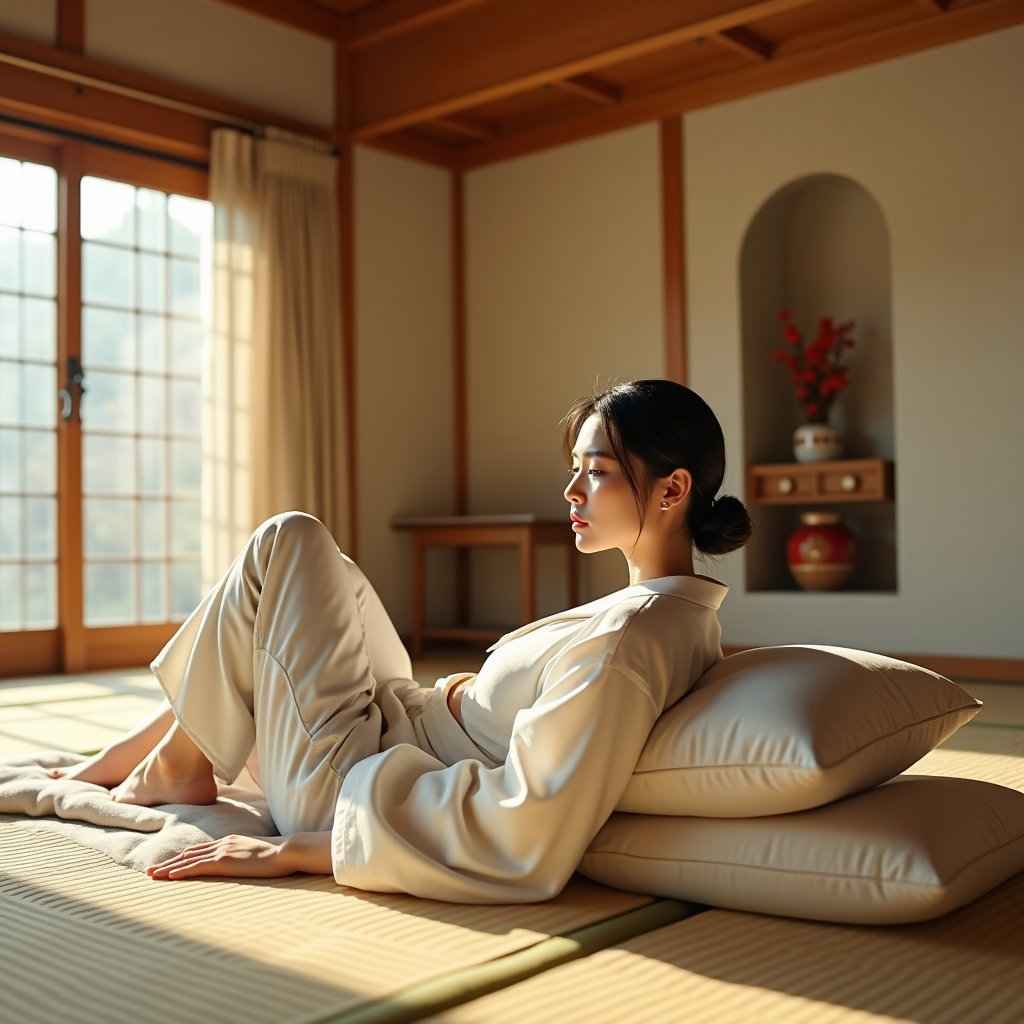
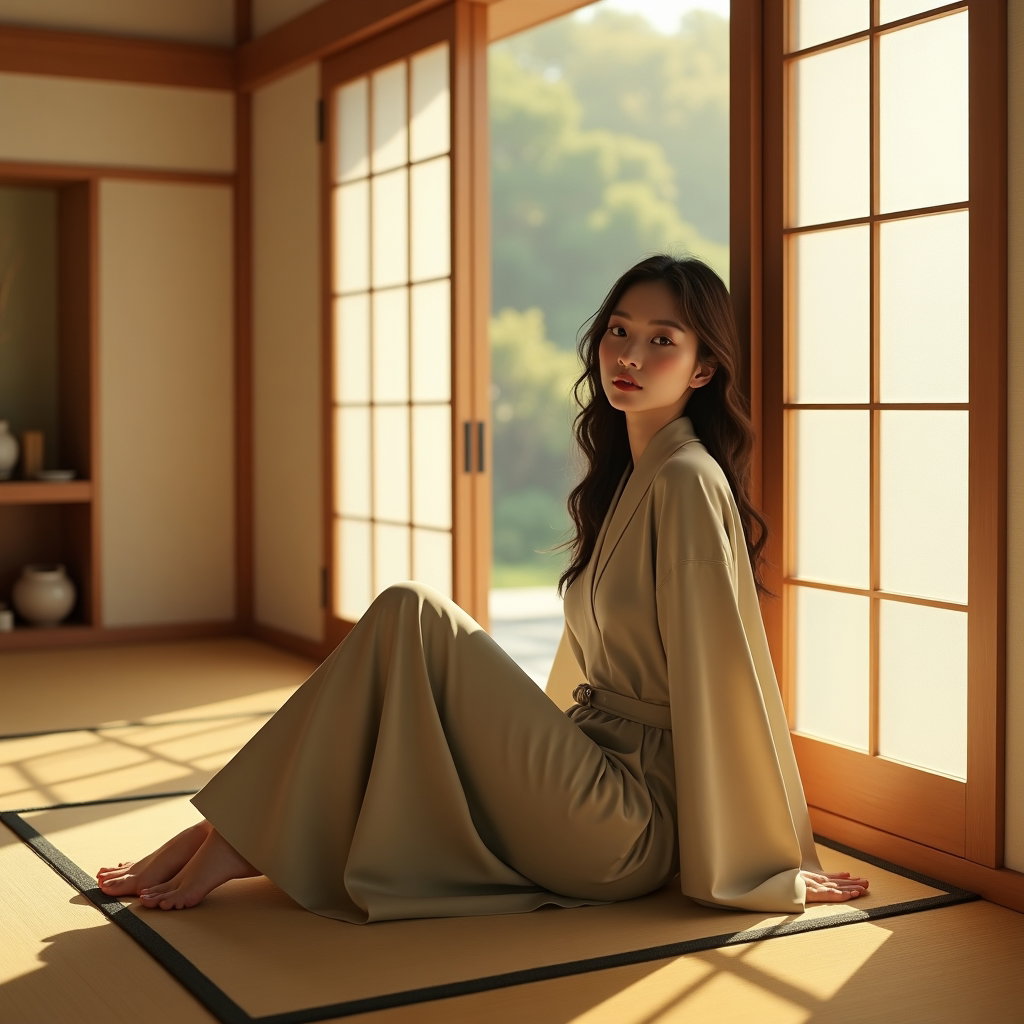
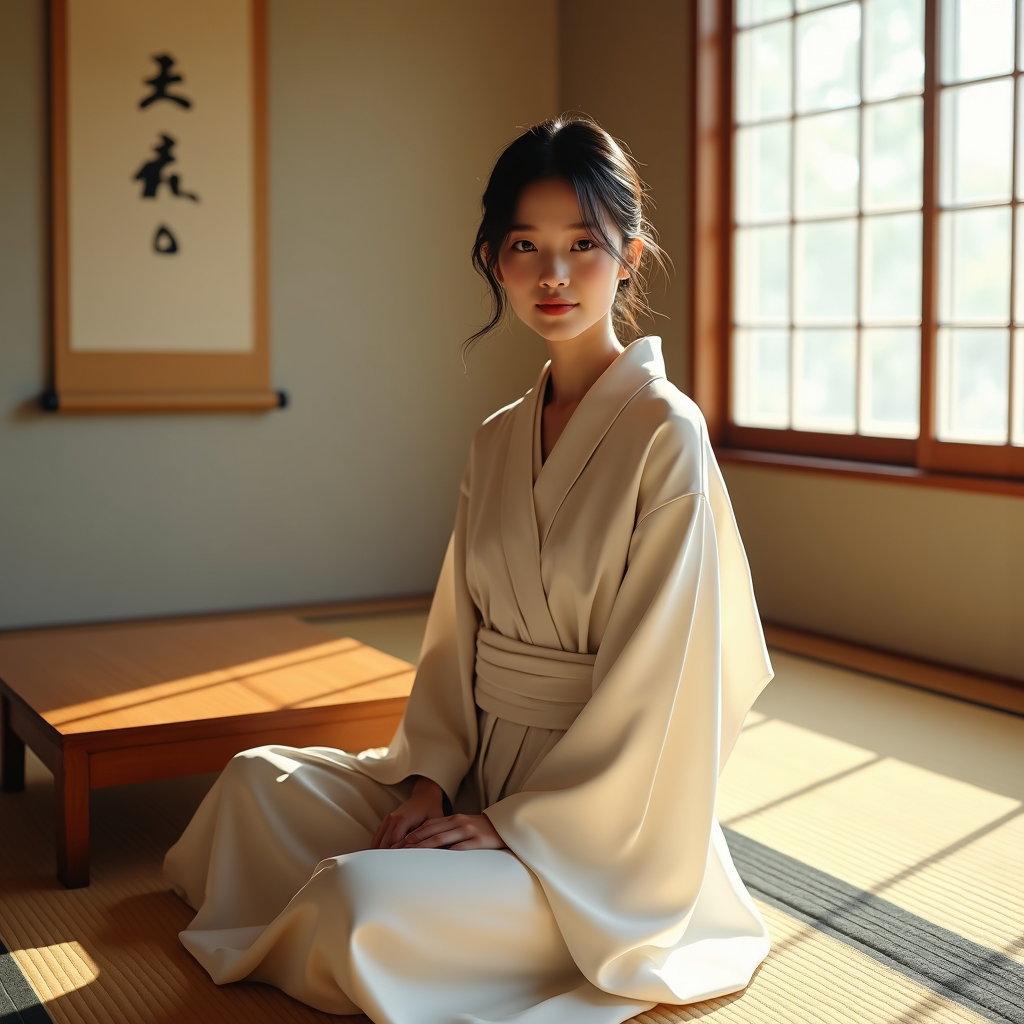
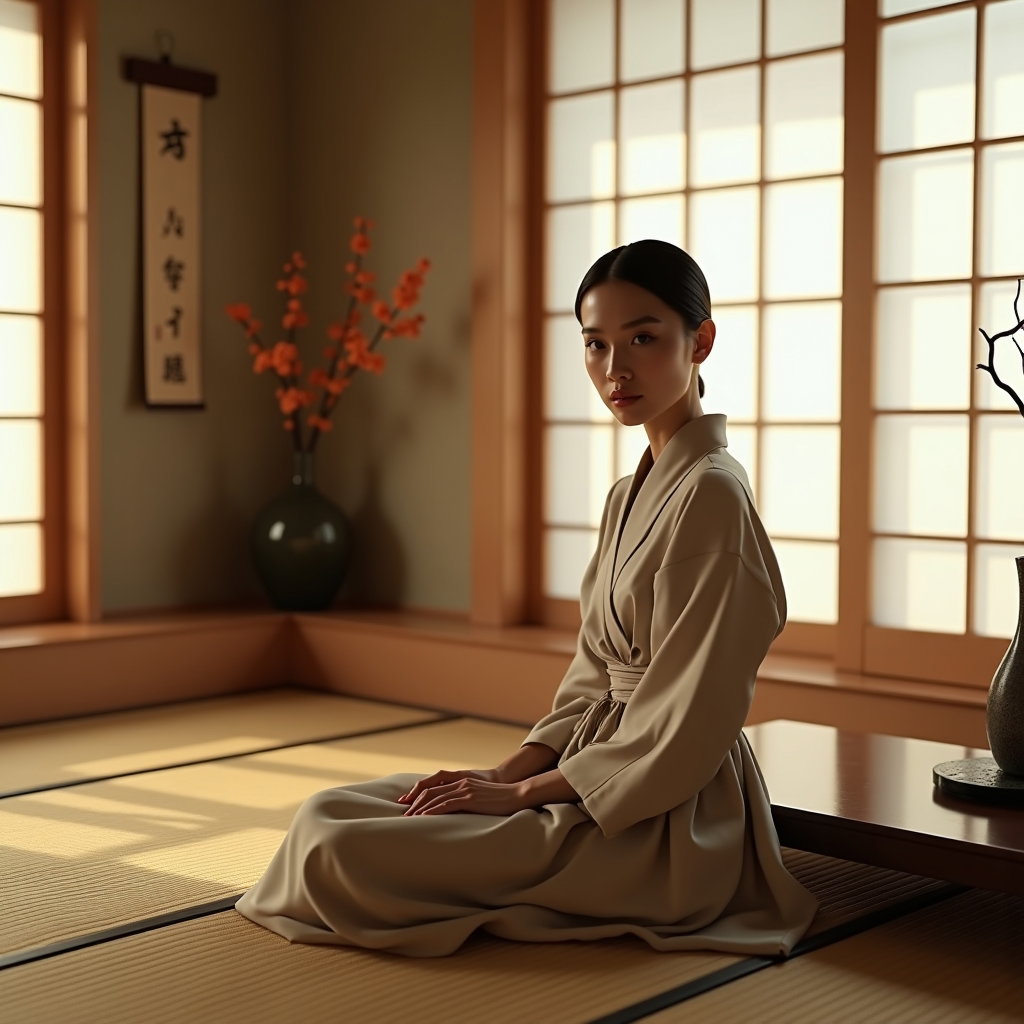
Click on any photo to step into the scene
Anime-Inspired Character Portraits
This style hits hard because it is built on personality. Strong pose, dramatic expression, stylized fashion, and vivid mood make the portrait feel alive. If you want more attitude and visual energy, this is one of the most effective directions.
What works in practice is clear character design. Strong color choices, signature accessories, assertive posture, and focused facial emotion give the image purpose. Weak anime-inspired portraits fail when they are too vague. Strong ones look like a complete character, not a random person in themed clothing.
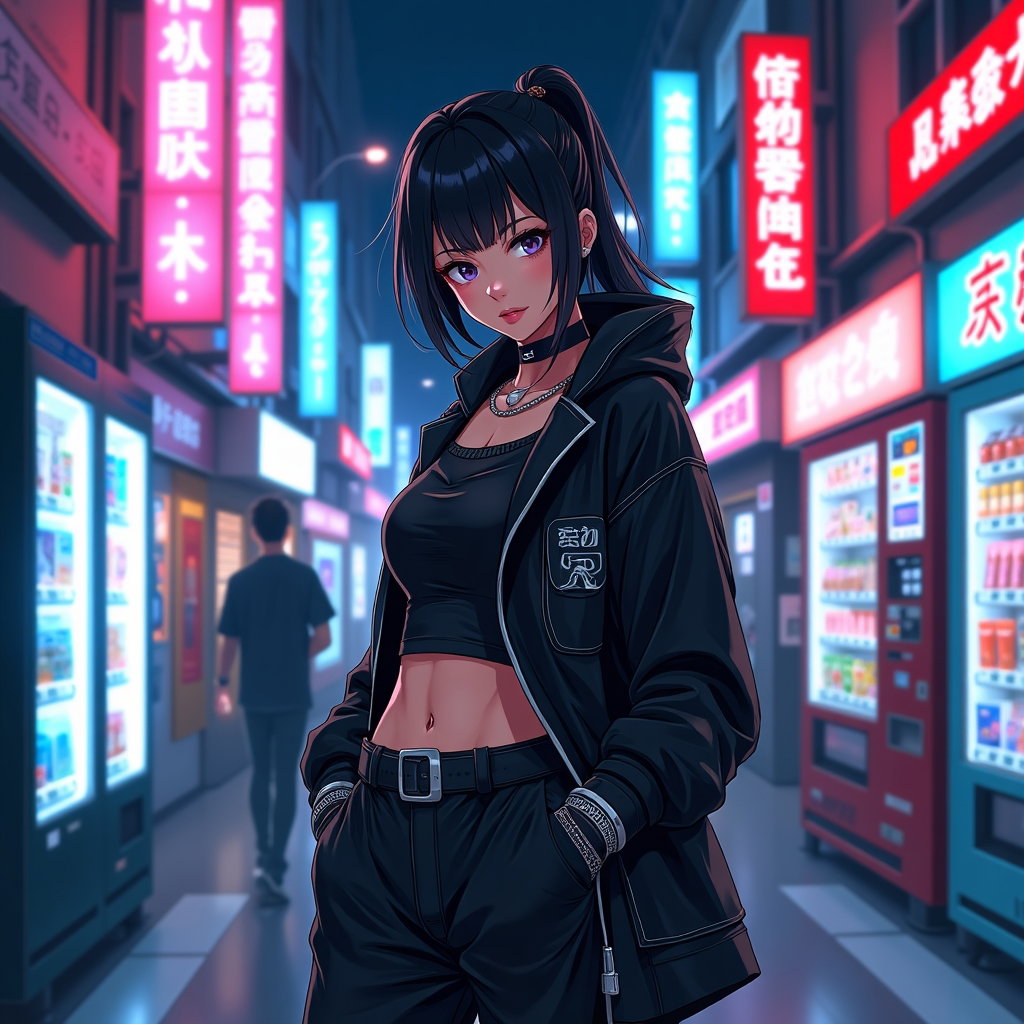
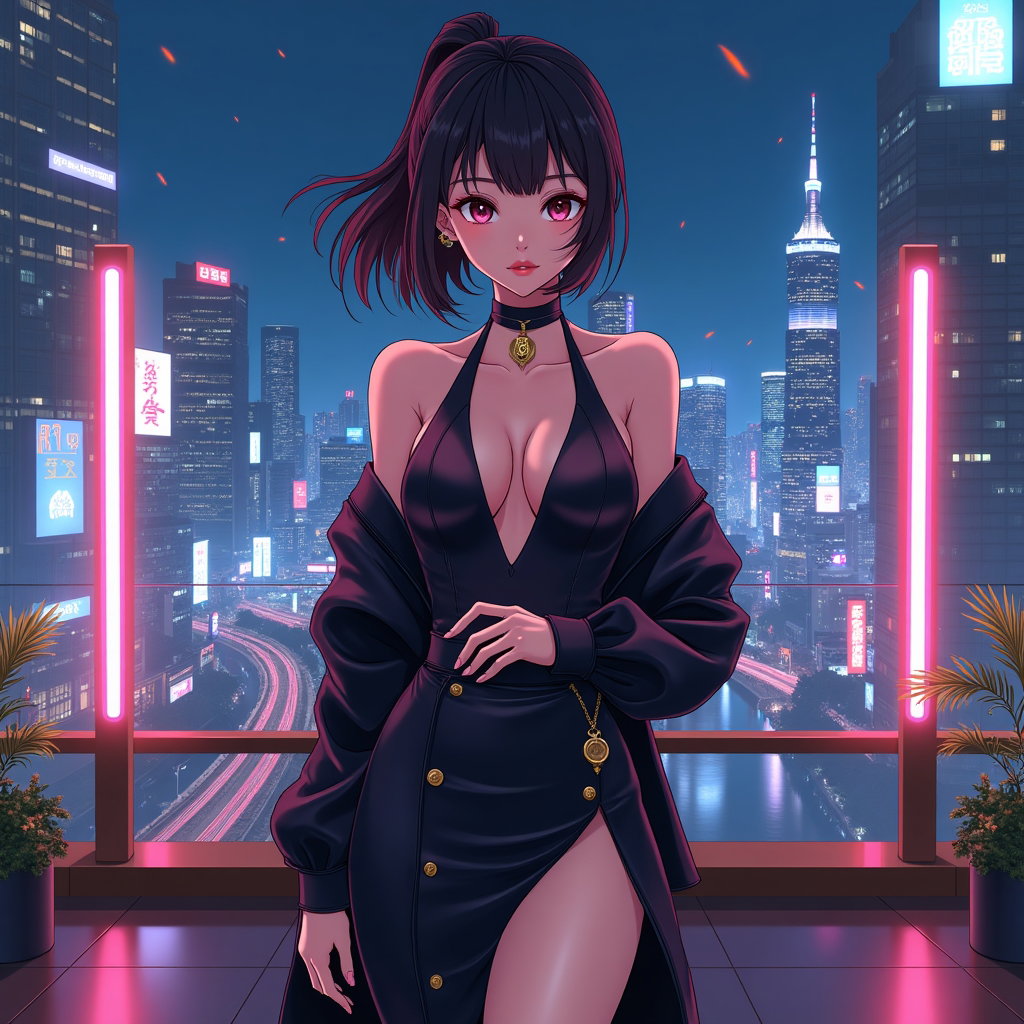
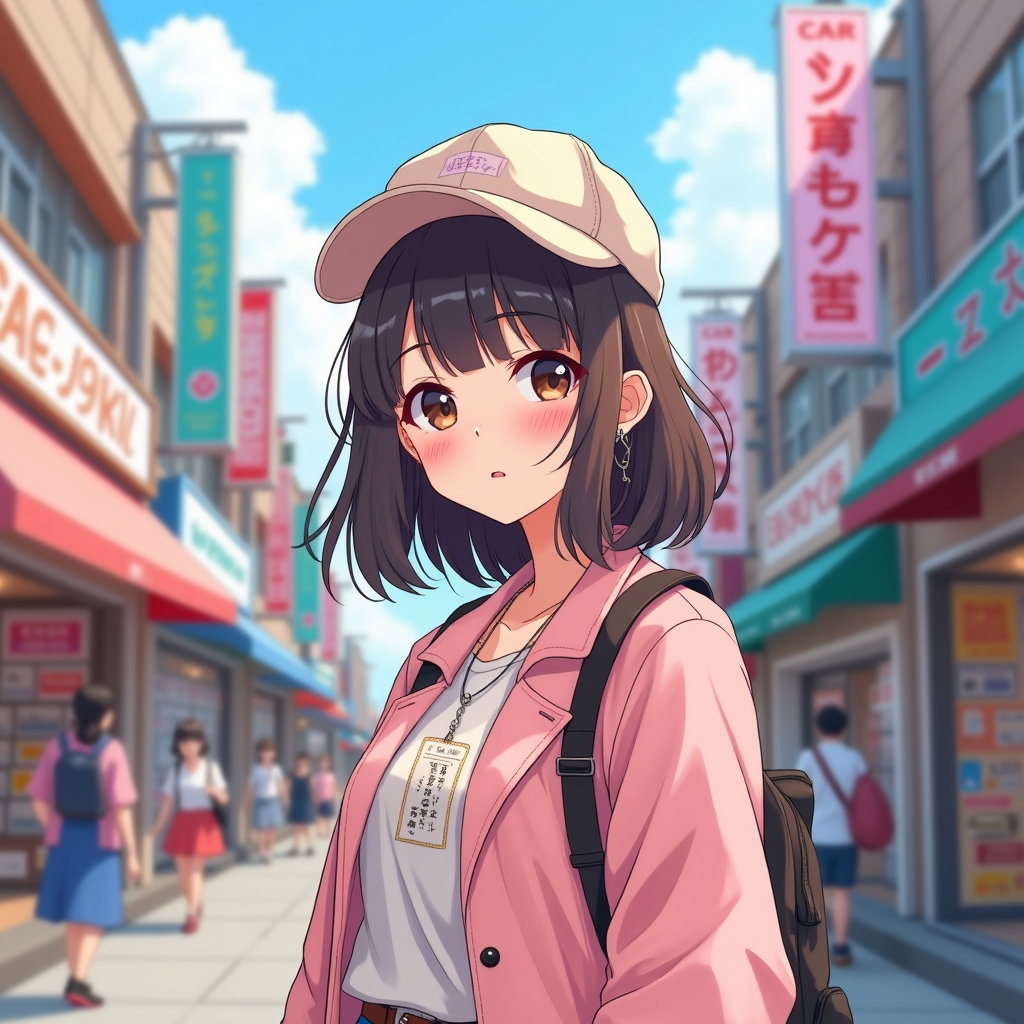
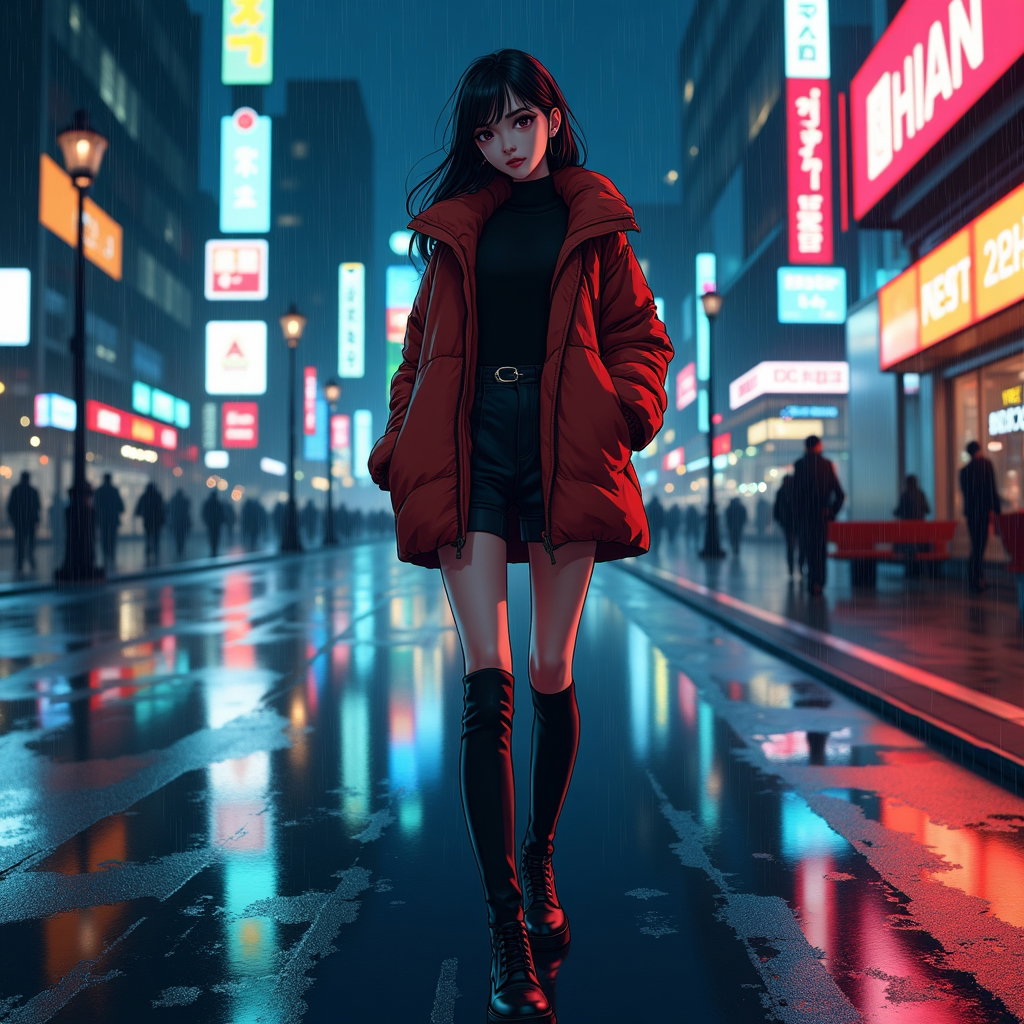
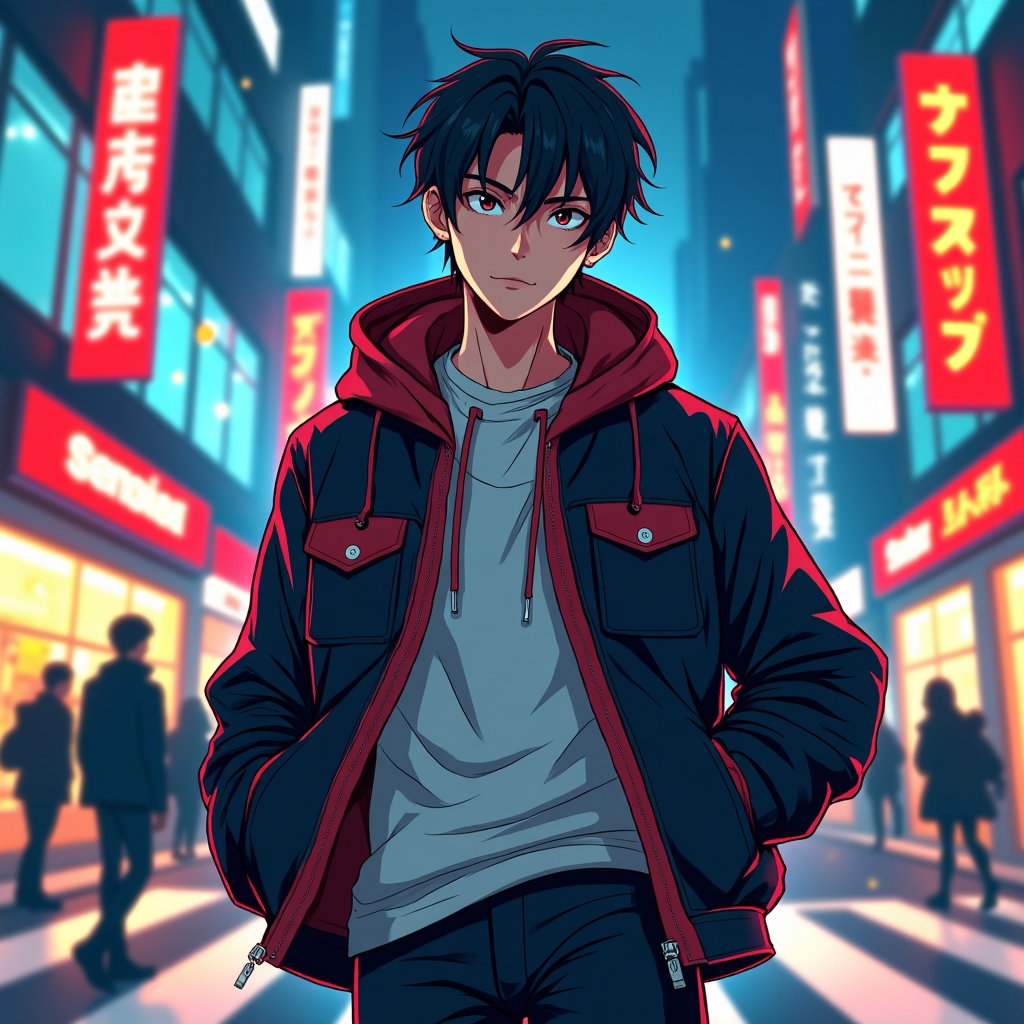
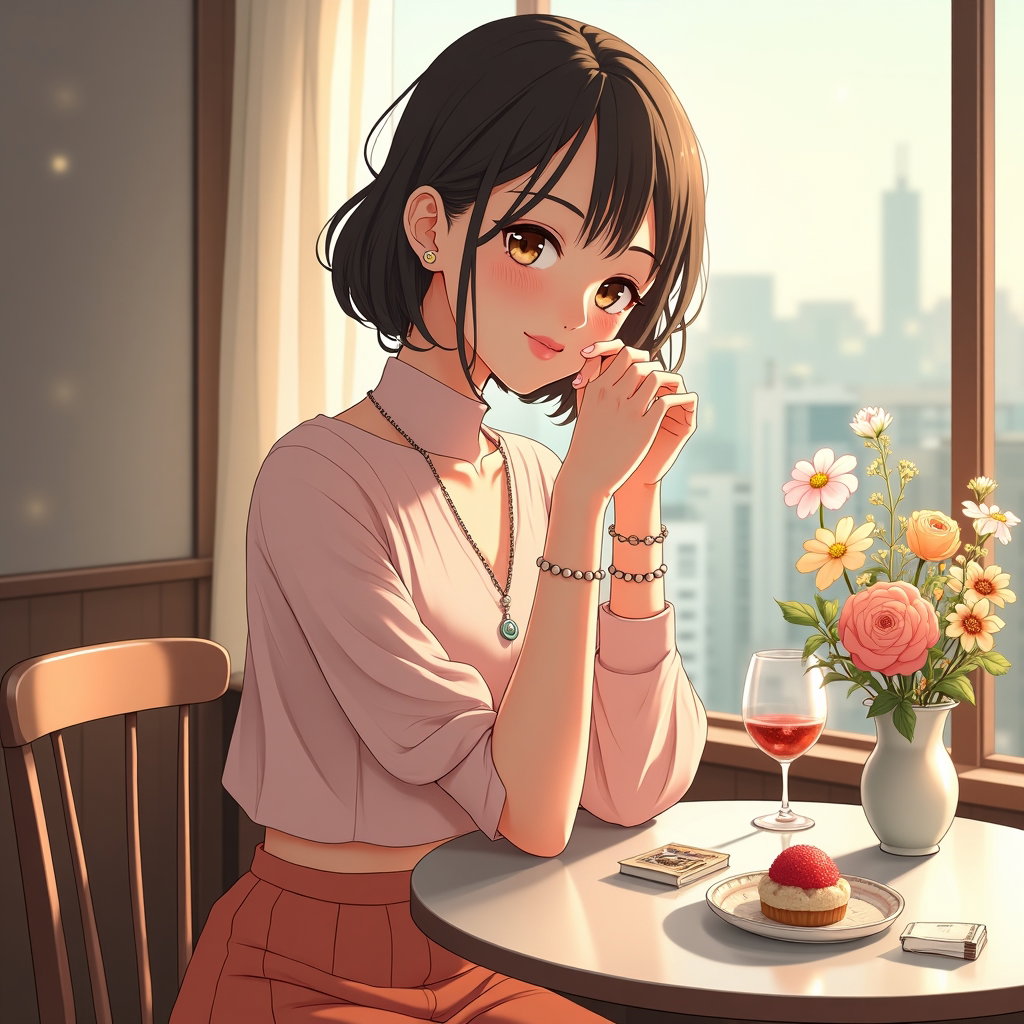
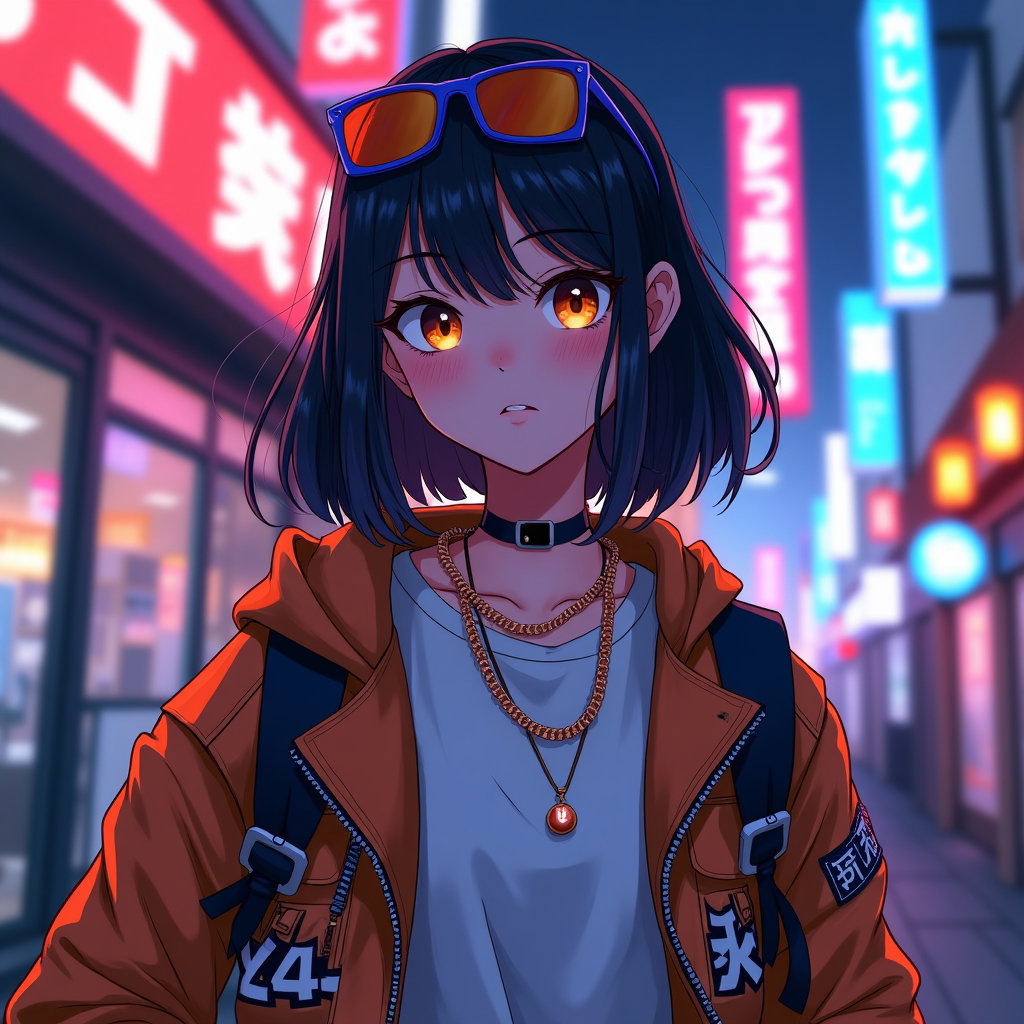
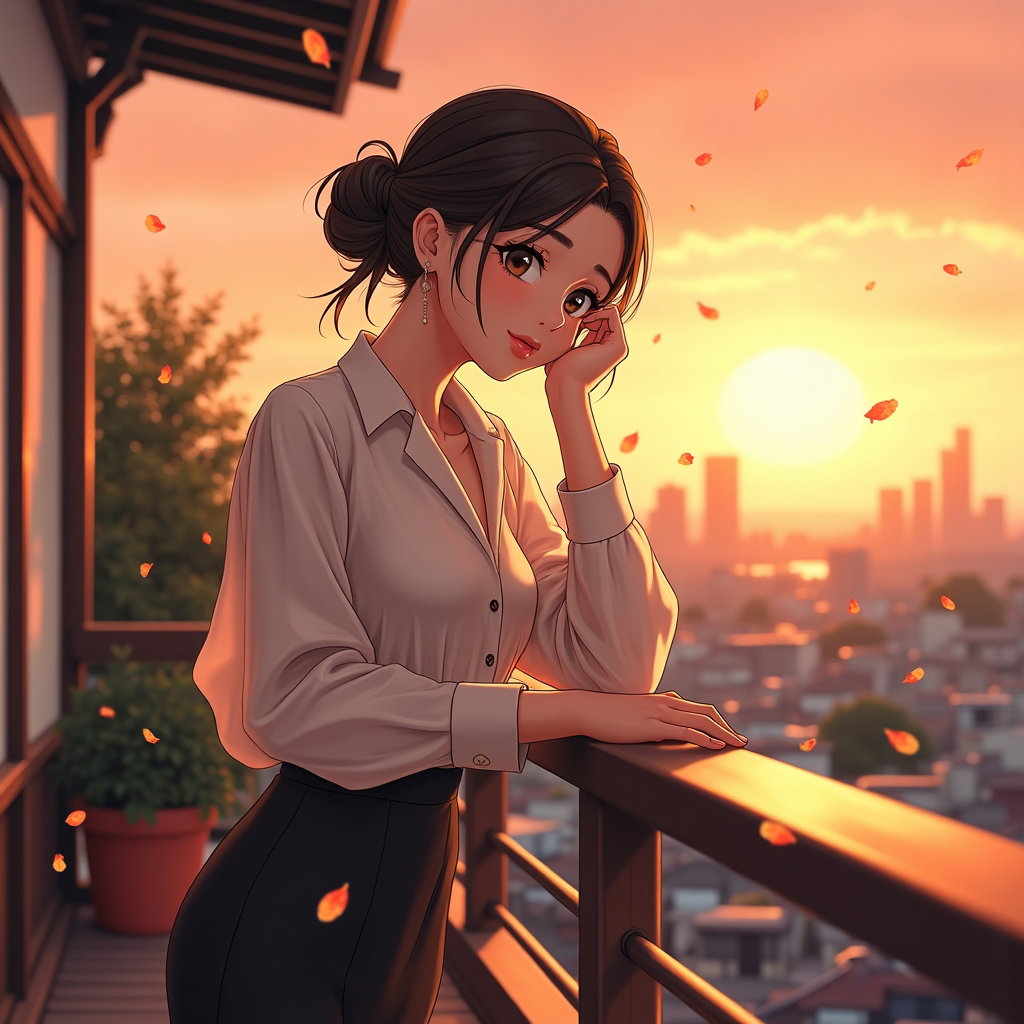
Click on a photo to make it real with your face
Seasonal Japanese Festival Looks
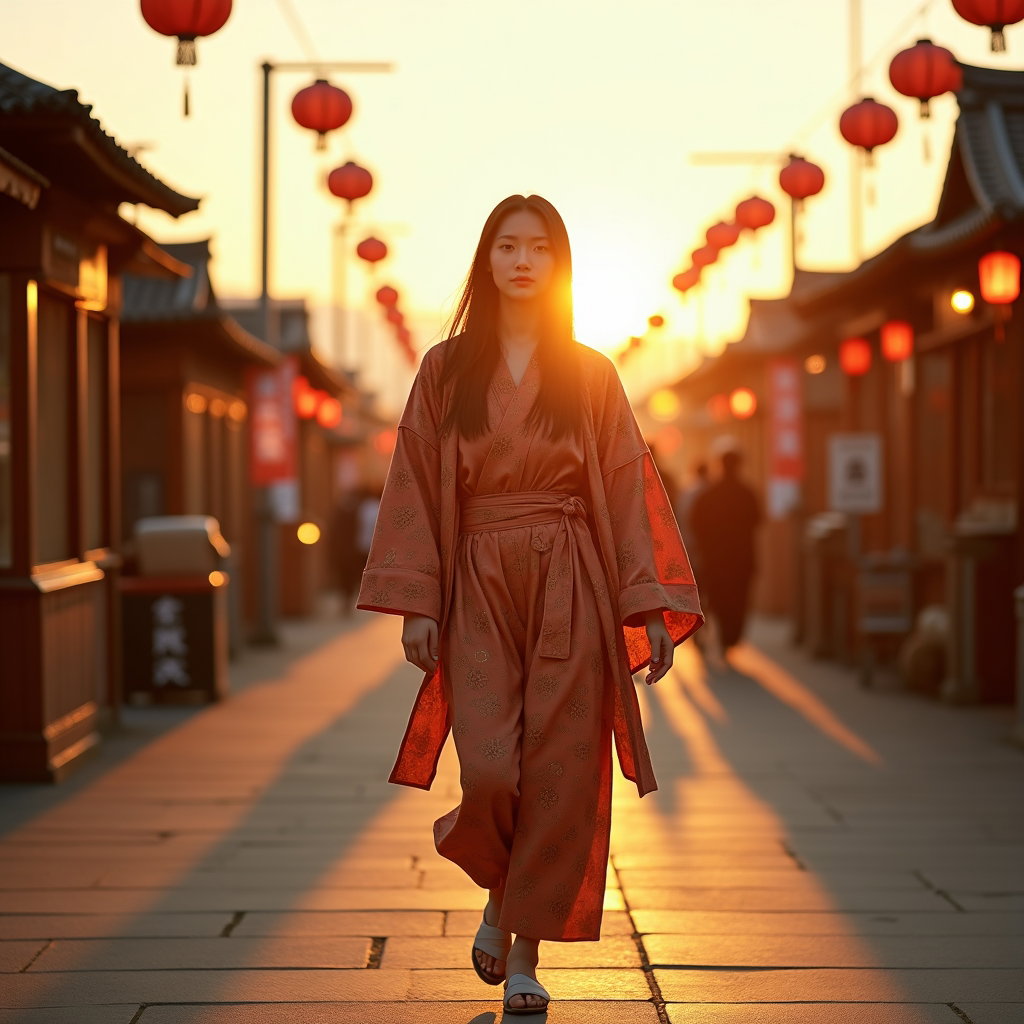
This concept adds movement, light, and celebration. Festival styling gives your AI portrait energy that many static concepts lack. Yukata, lanterns, food stalls, summer night lighting, and festive accessories create a rich visual scene.
This works because it combines outfit and environment in a very clear way. The best results use active but controlled poses, such as holding a lantern, turning slightly, or walking through the scene. It feels alive without becoming chaotic. This is a strong choice when you want color, warmth, and a more event-based mood.
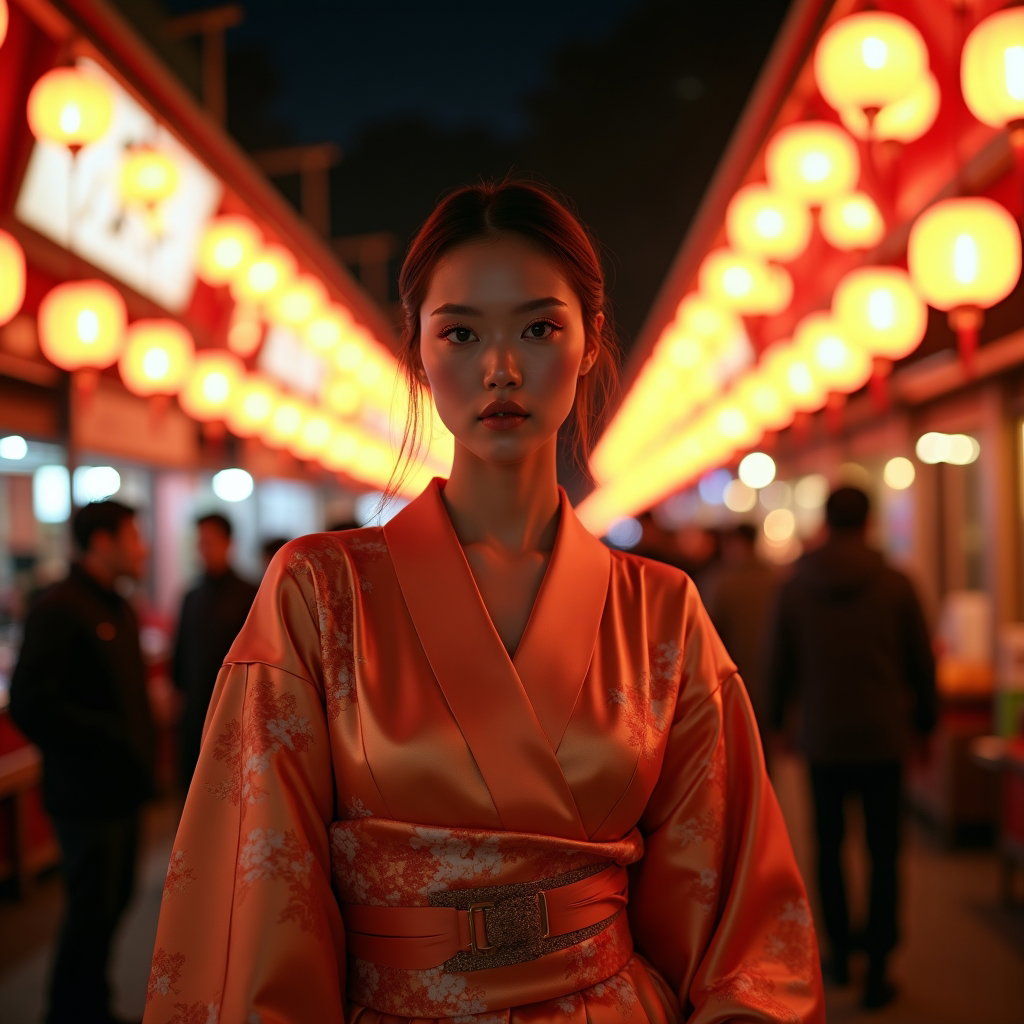
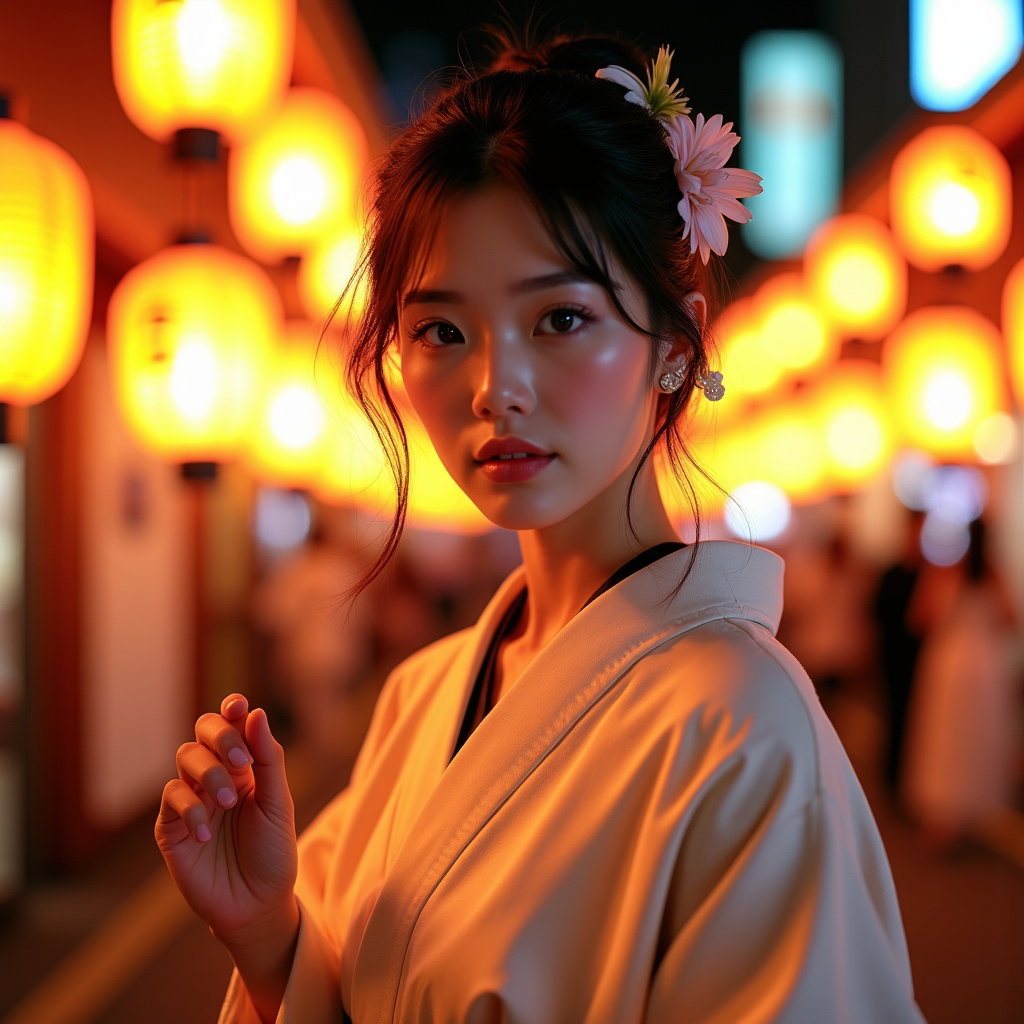
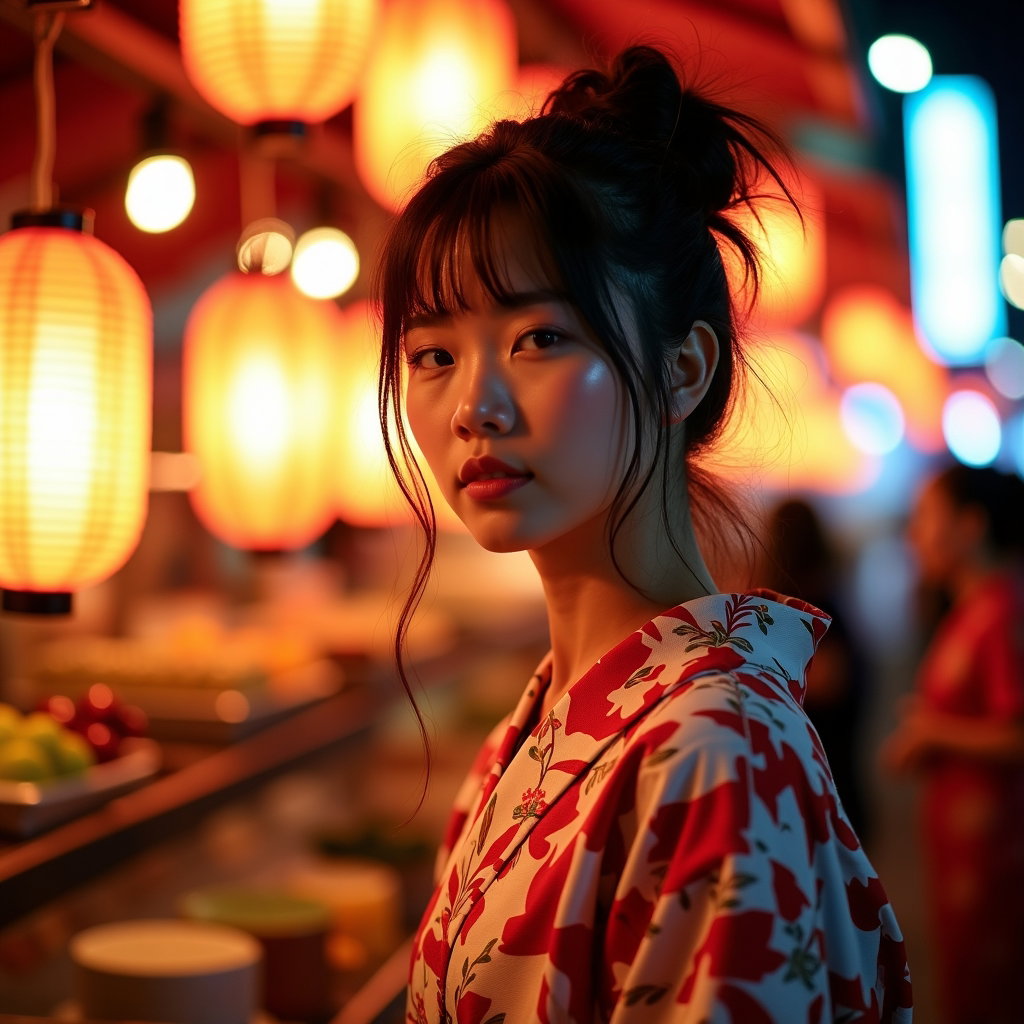
Click on a photo to insert your face
Quiet Contemplative Nature Portraits
This is the slow, meditative side of Japanese visual style. Bamboo paths, garden stones, water edges, and open natural space create emotional depth. It works extremely well for people who want a serious, reflective, calm image.
The power here comes from stillness. Looking away from camera, slow walking, standing near water, or sitting in a garden gives the portrait a thoughtful tone. This style balances the louder concepts in this list and gives you a more grounded, emotionally controlled result.
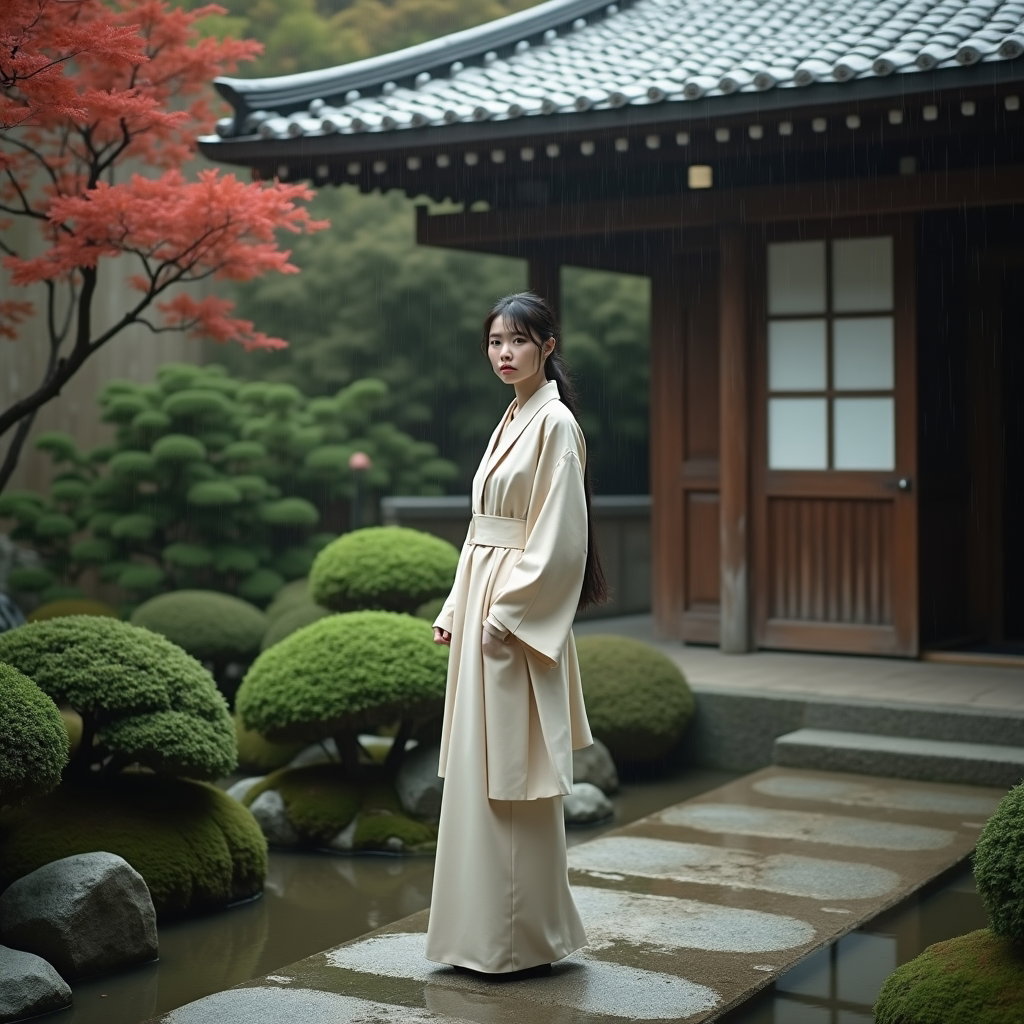
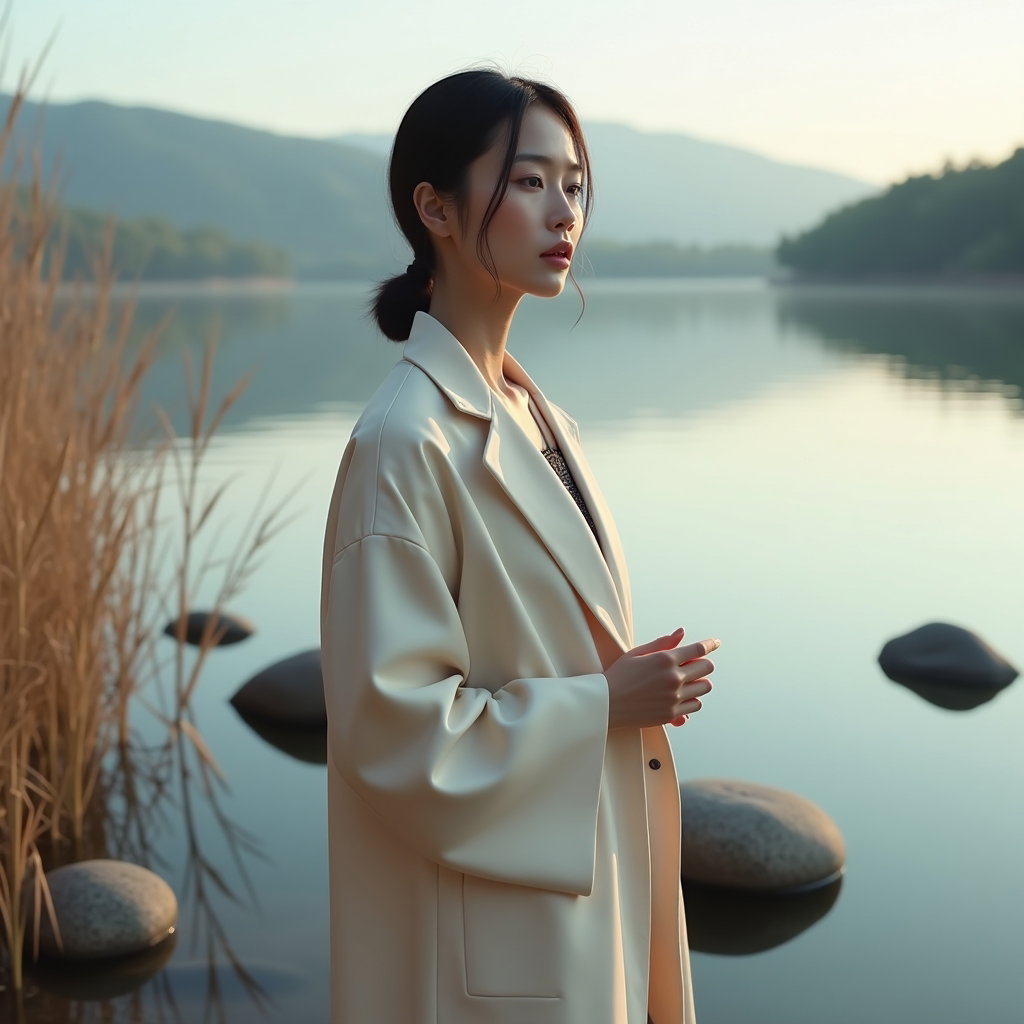
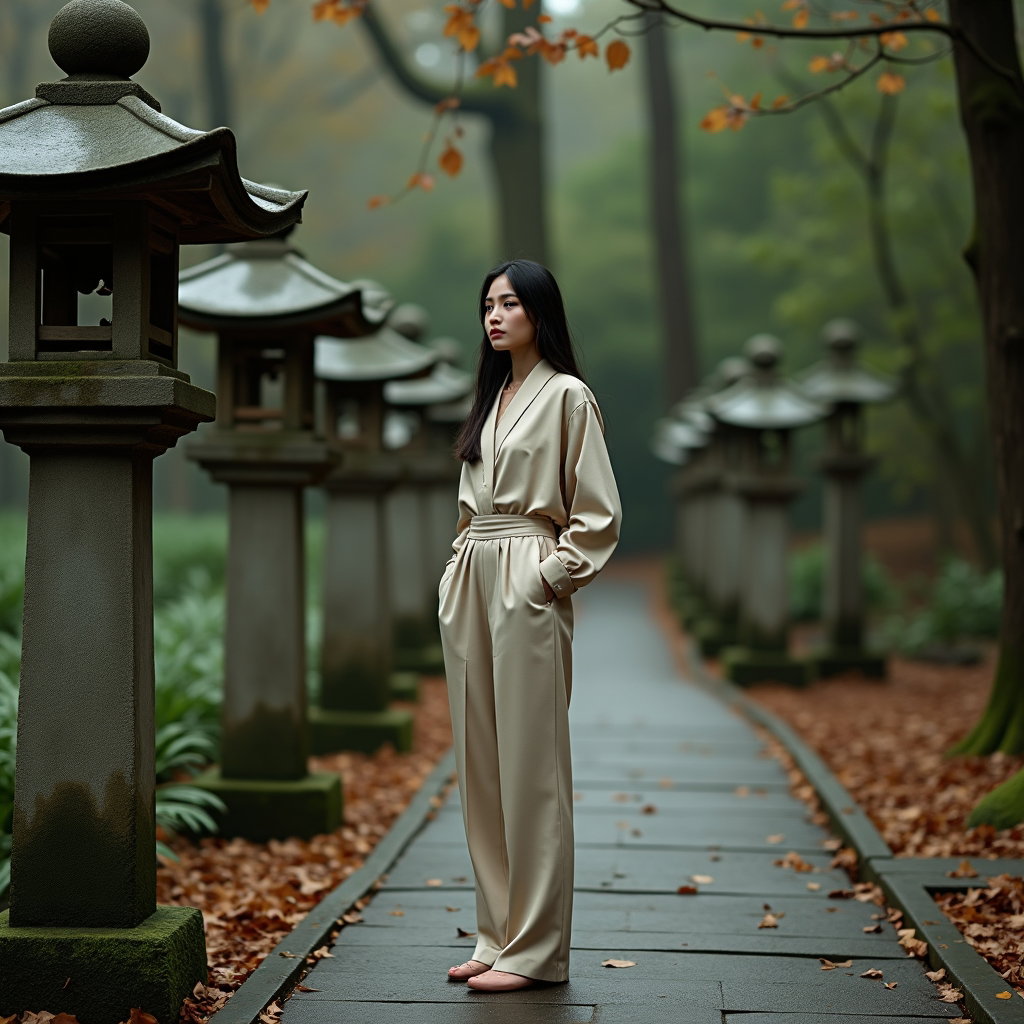
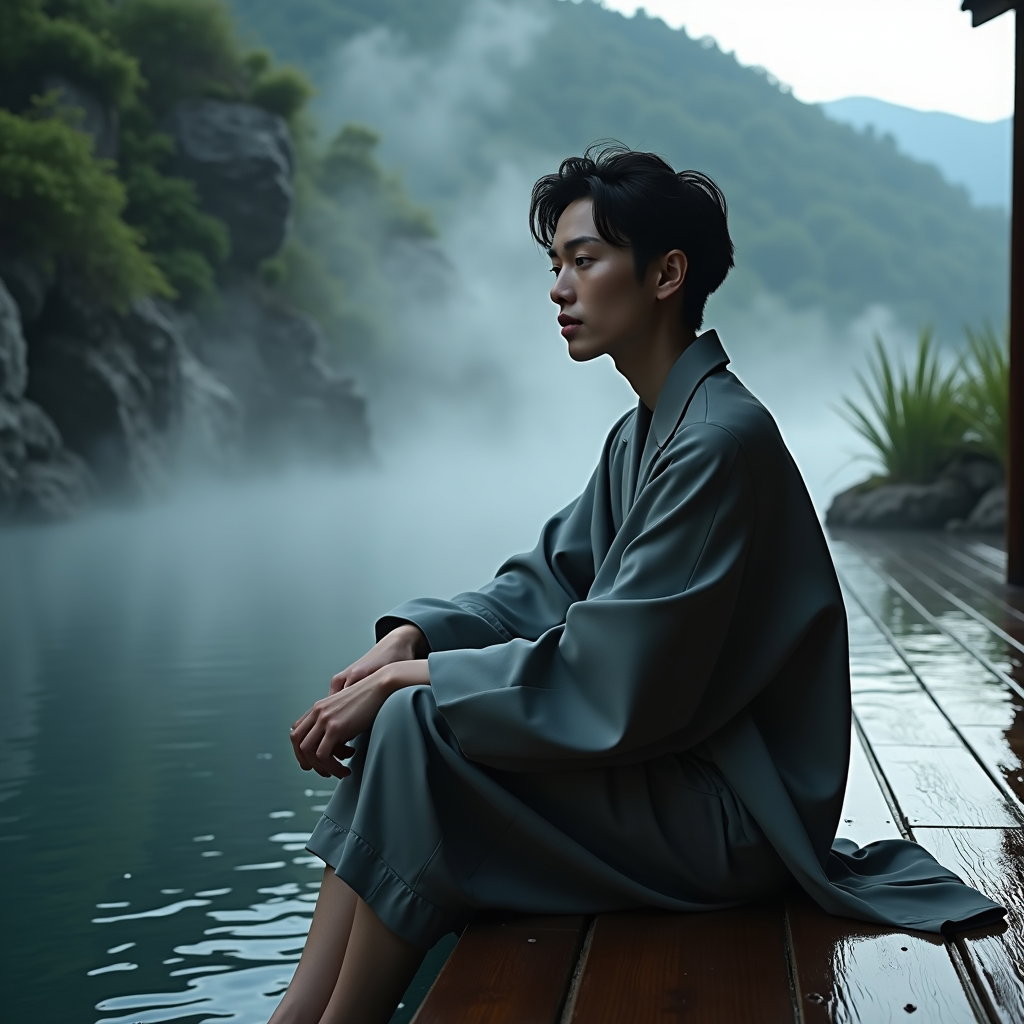
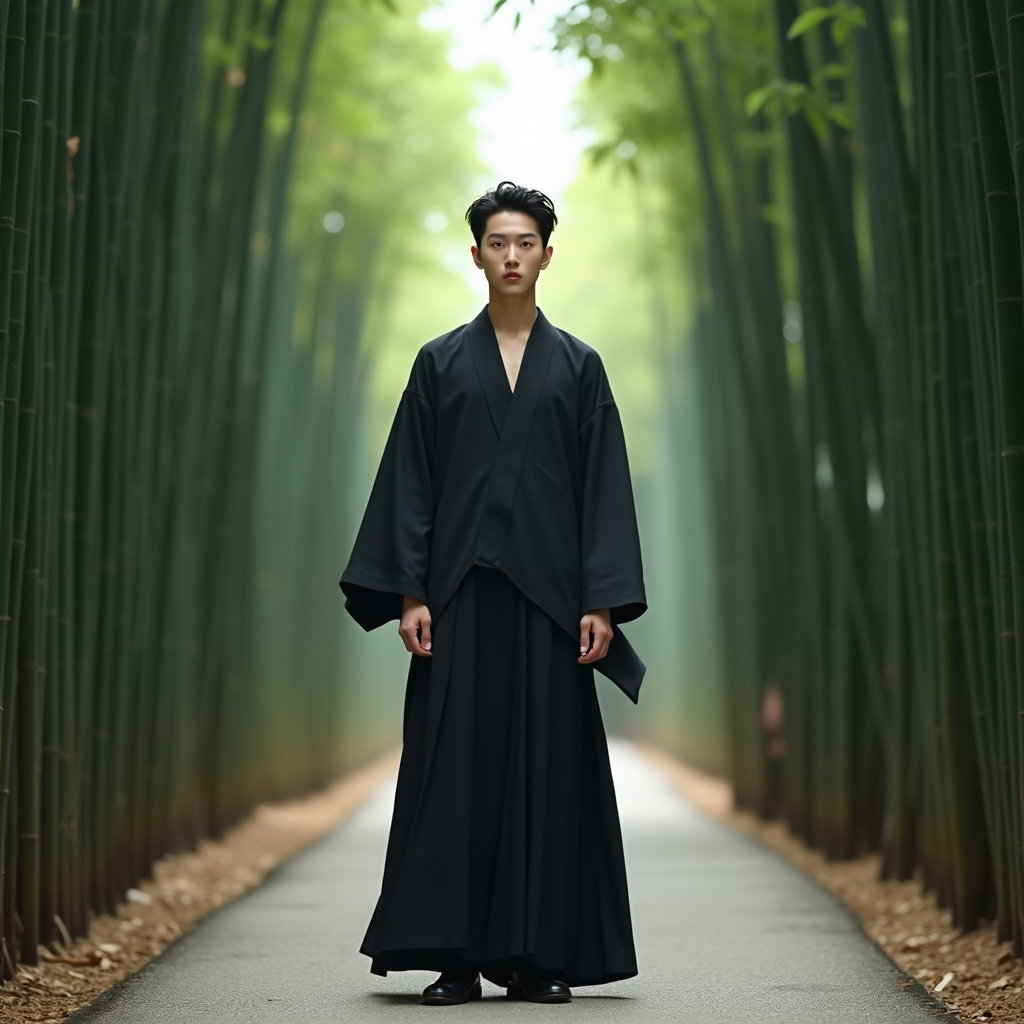
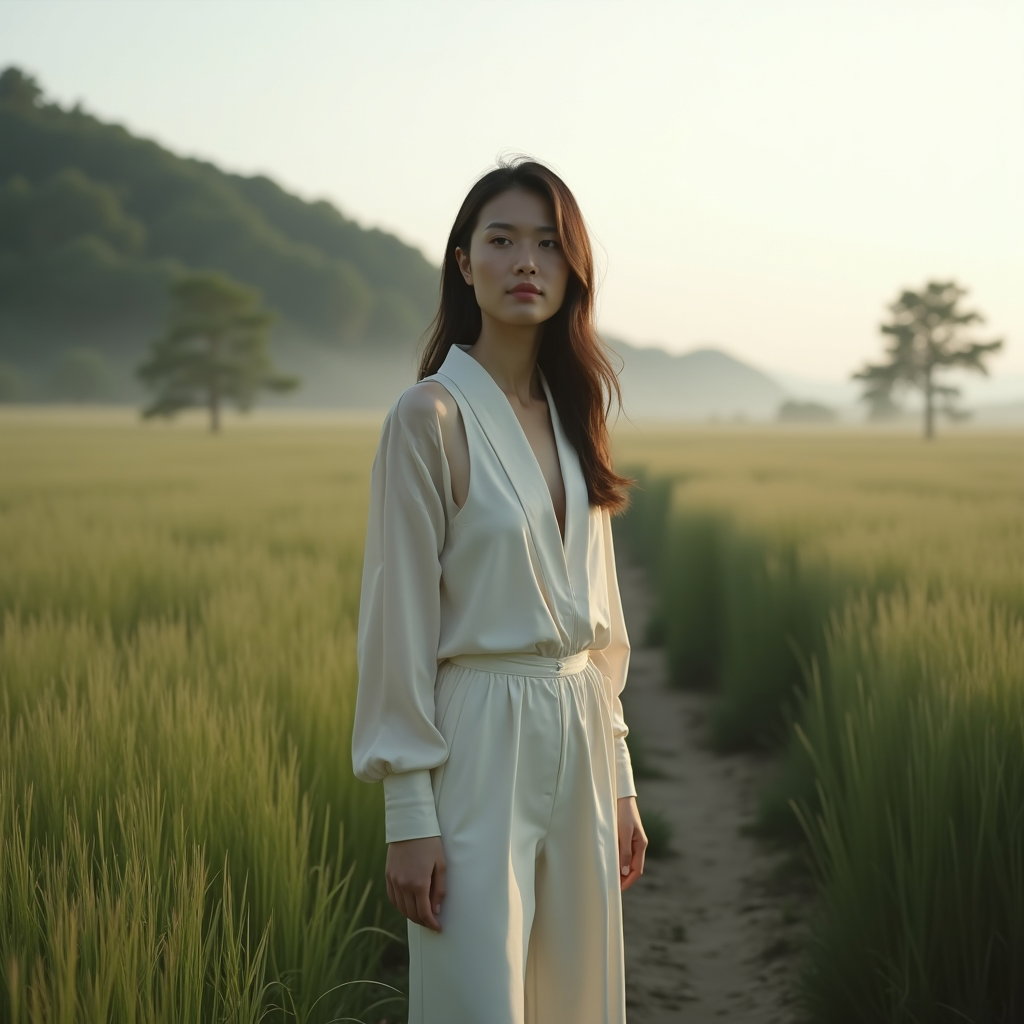
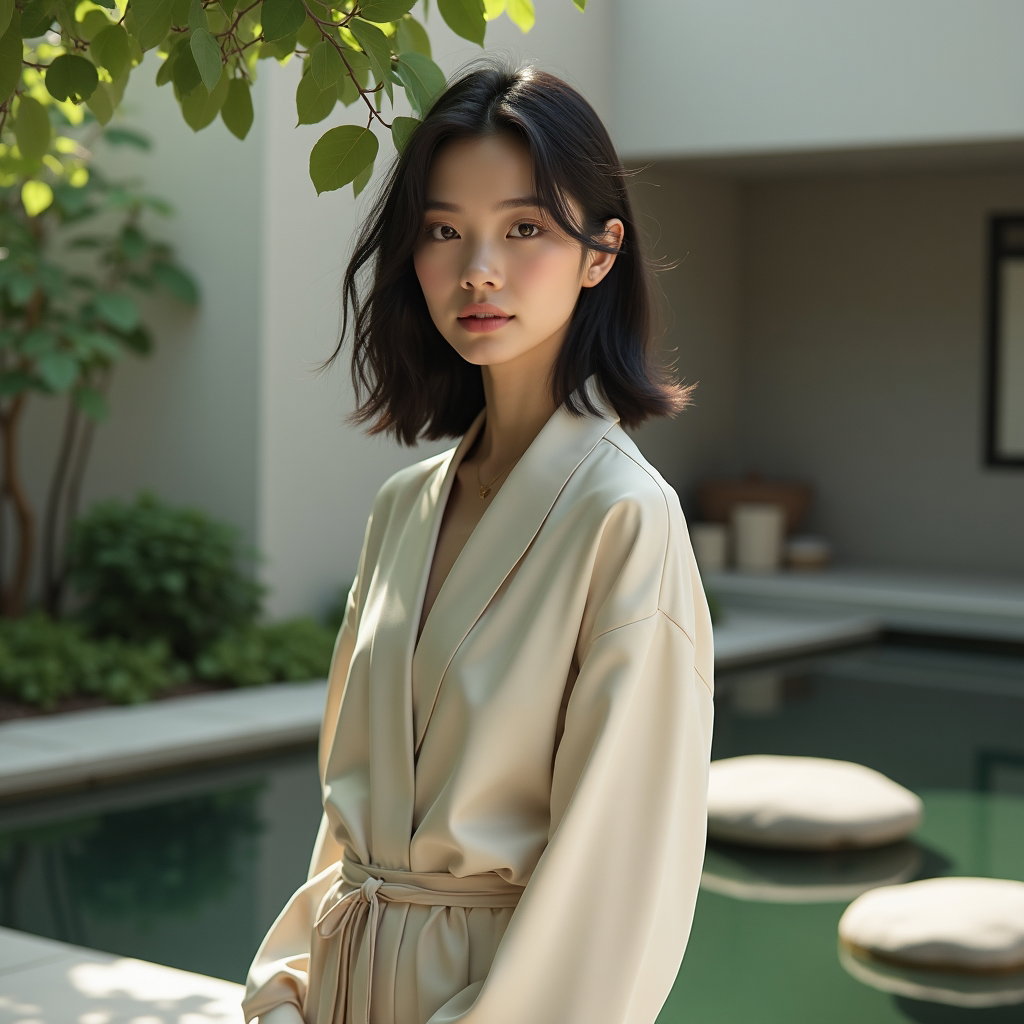
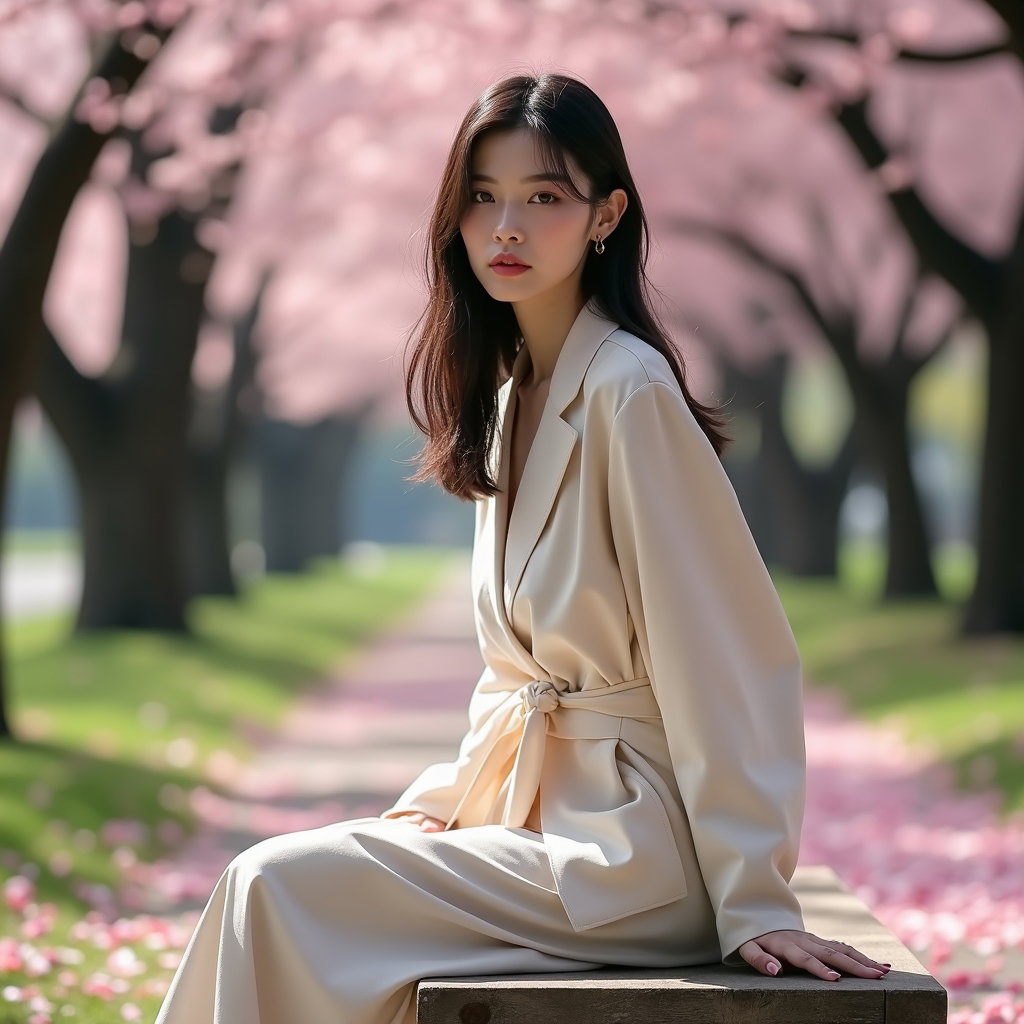
Click on any photo to see yourself in it
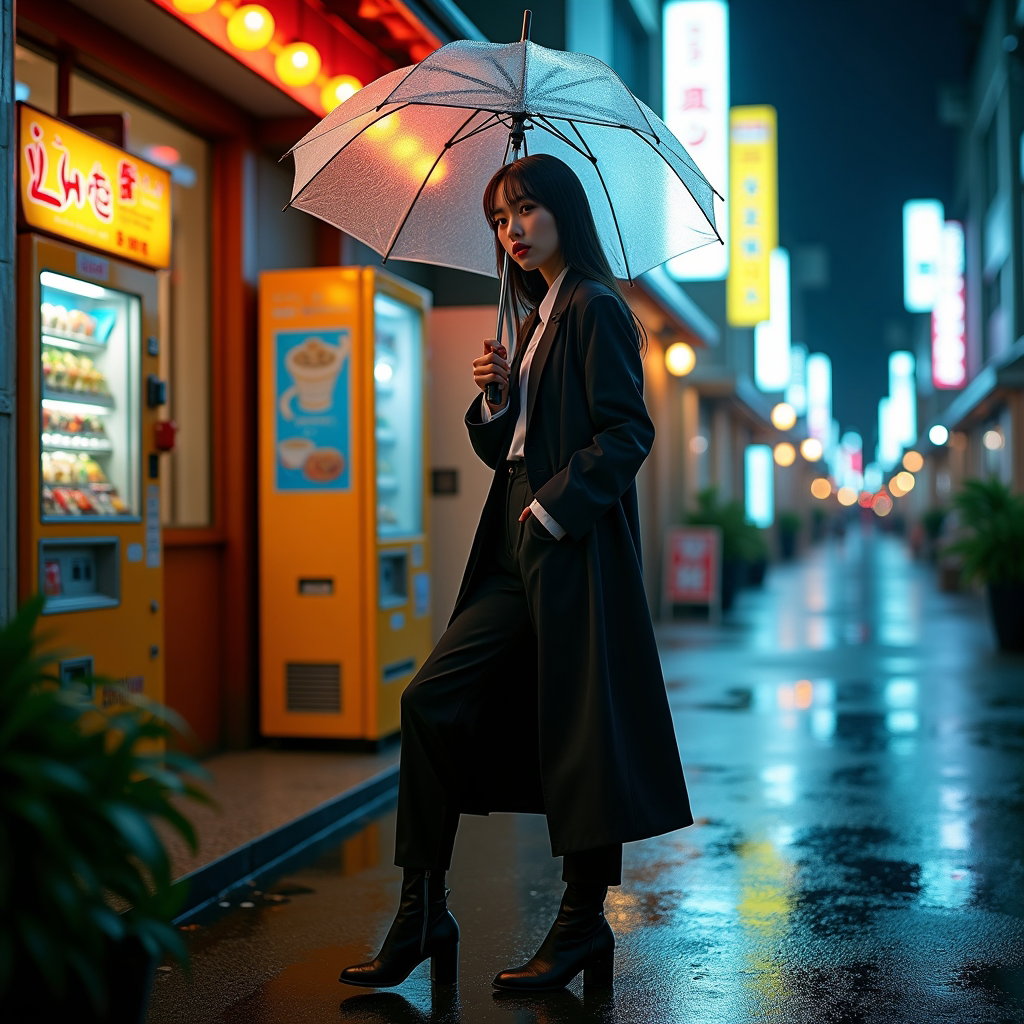
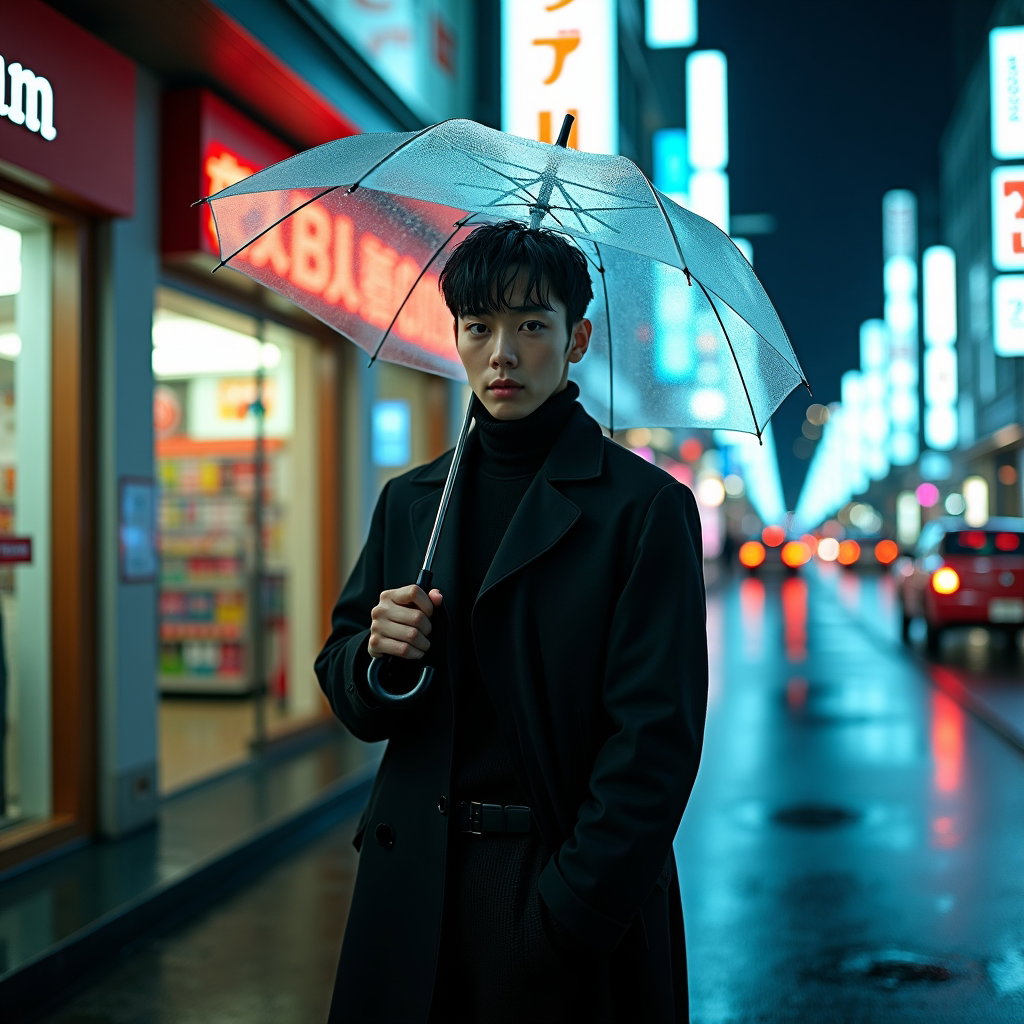
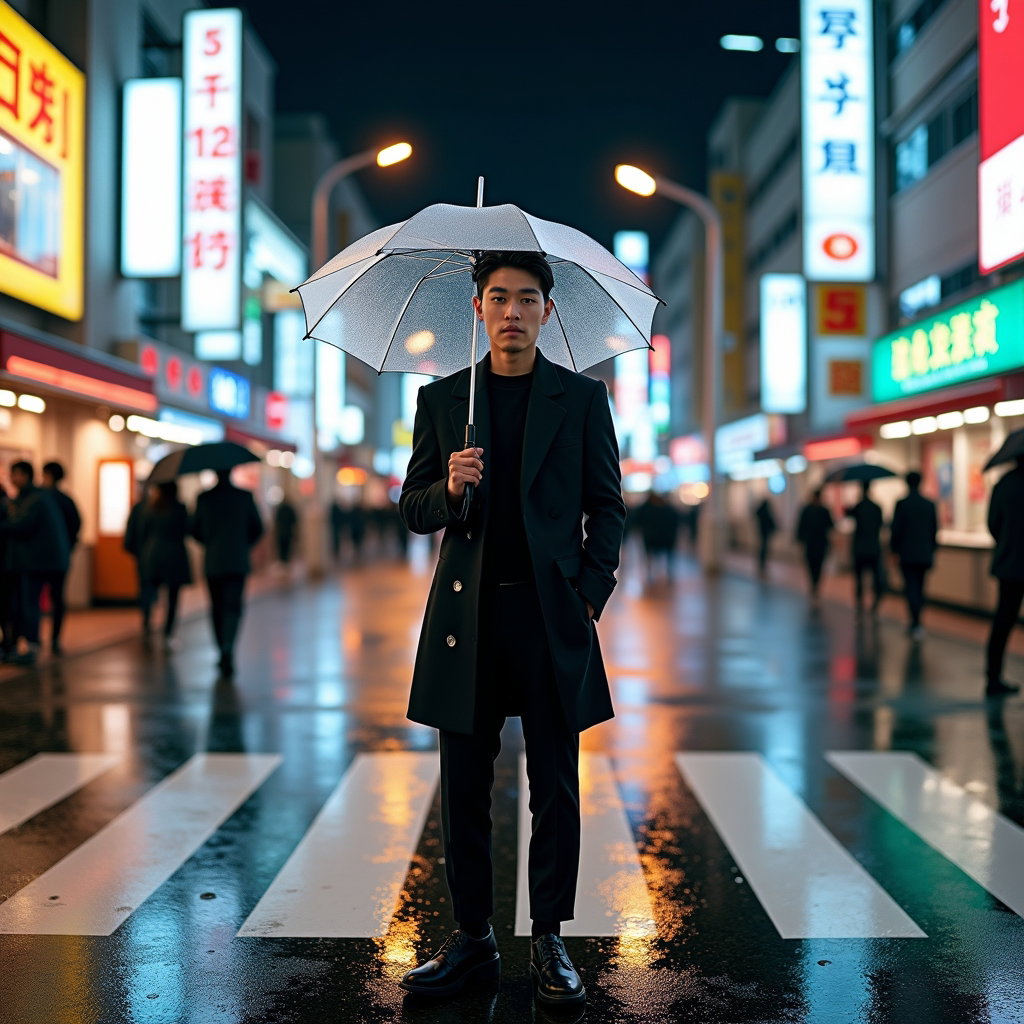
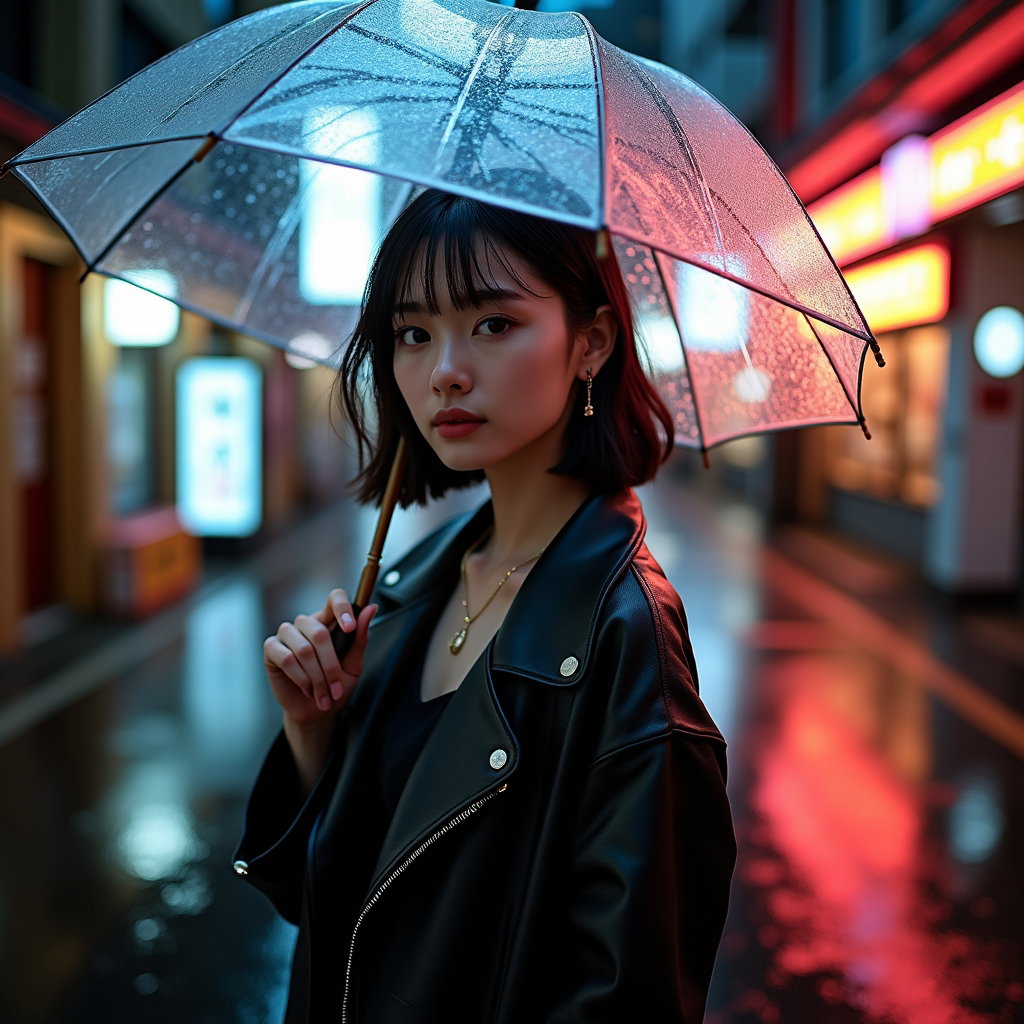
Rainy Umbrella Street Portraits
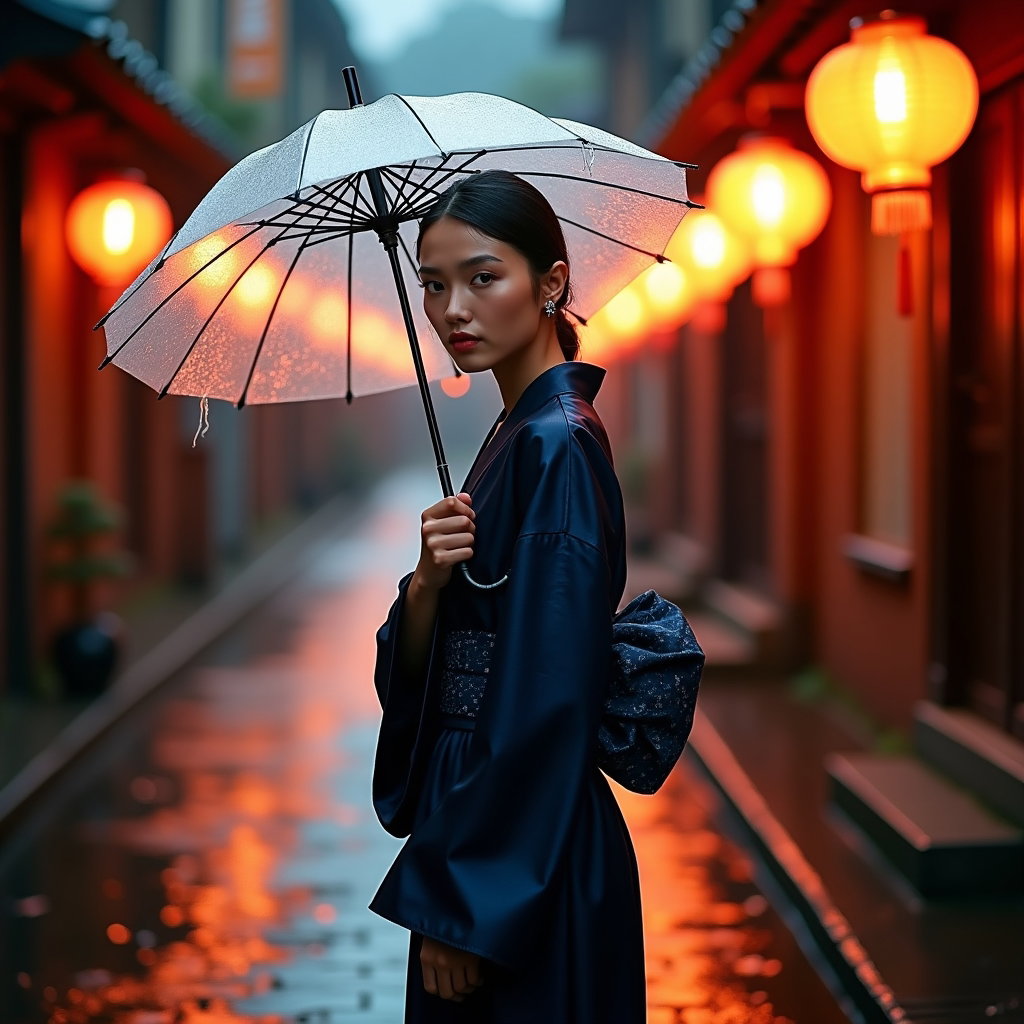
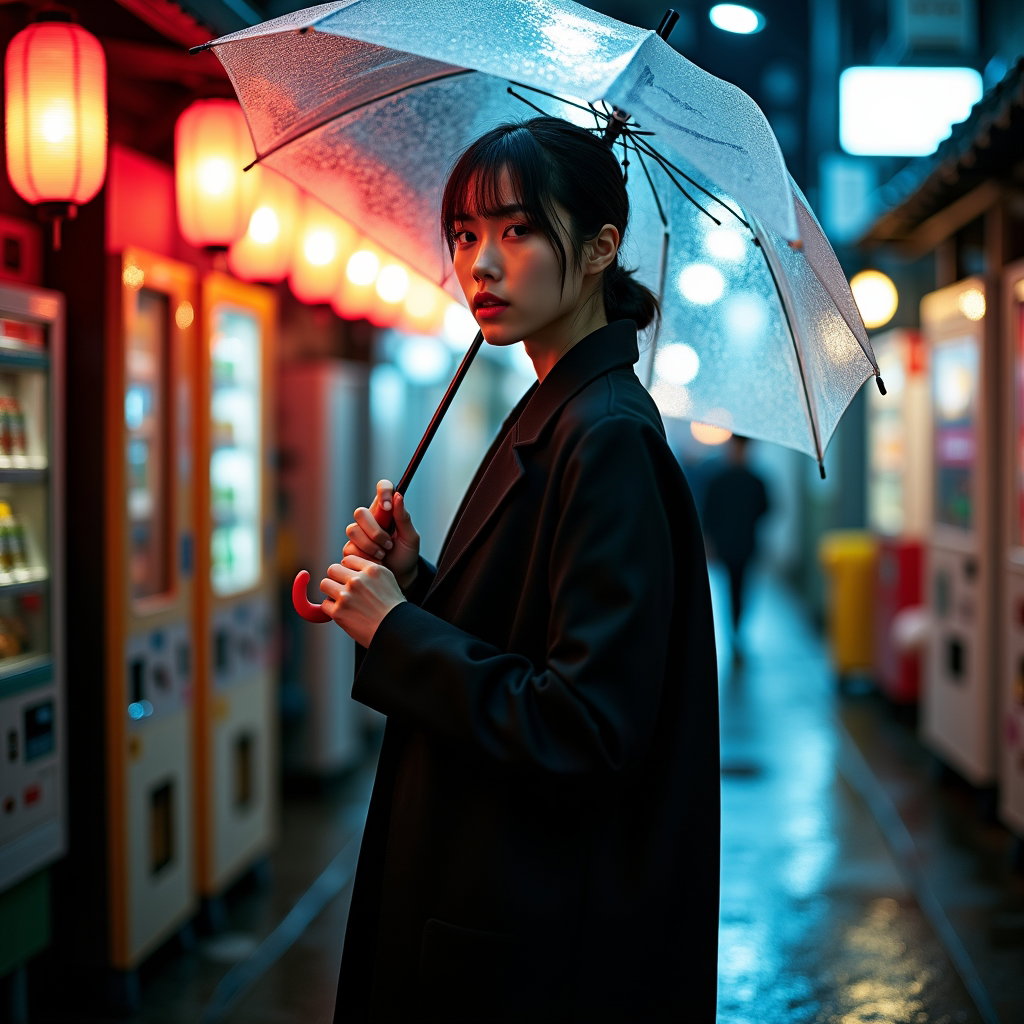
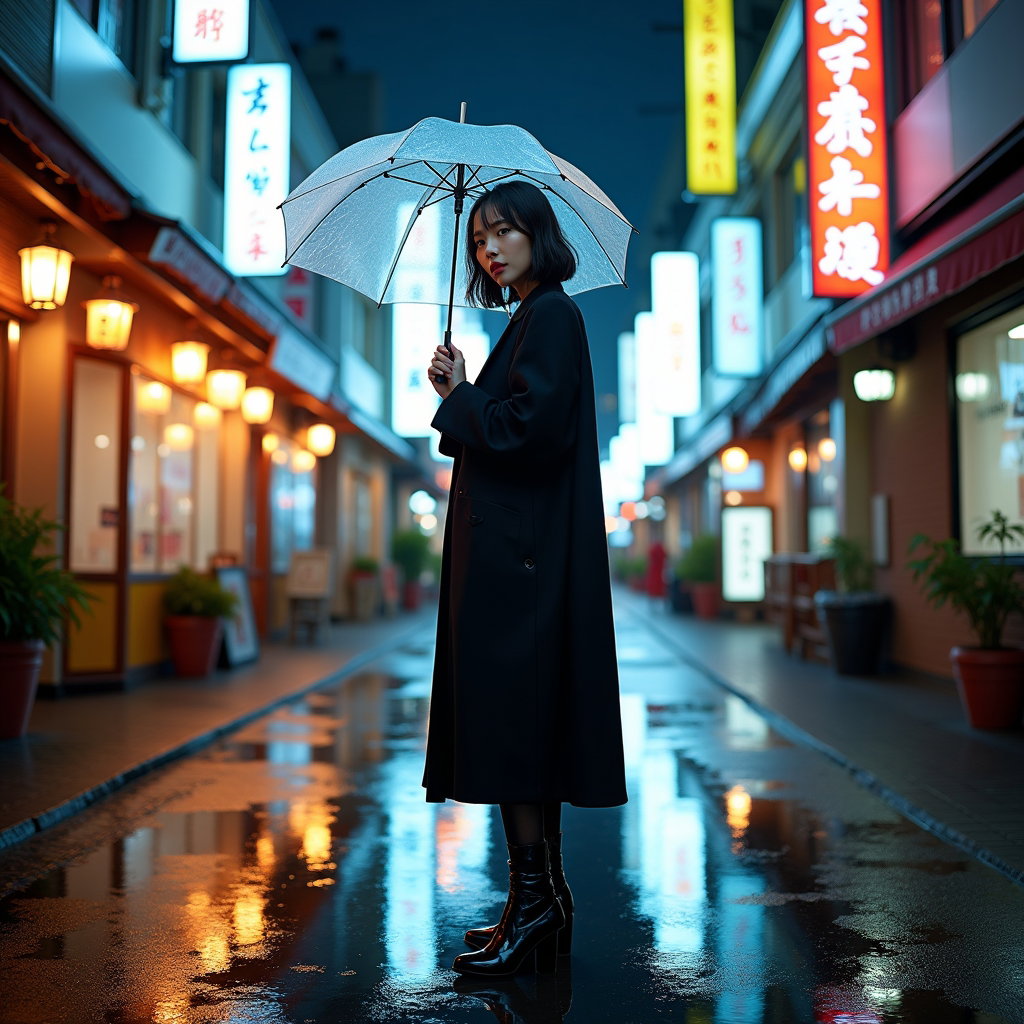
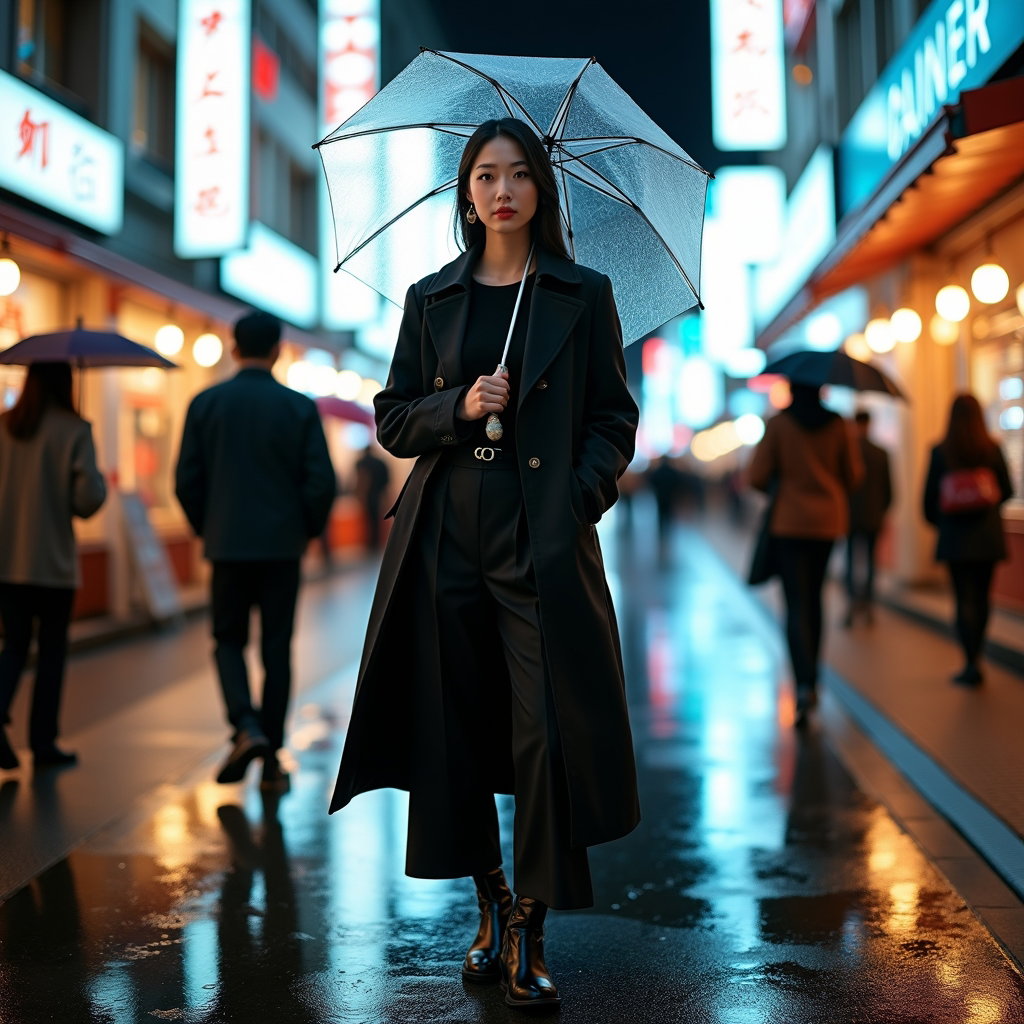
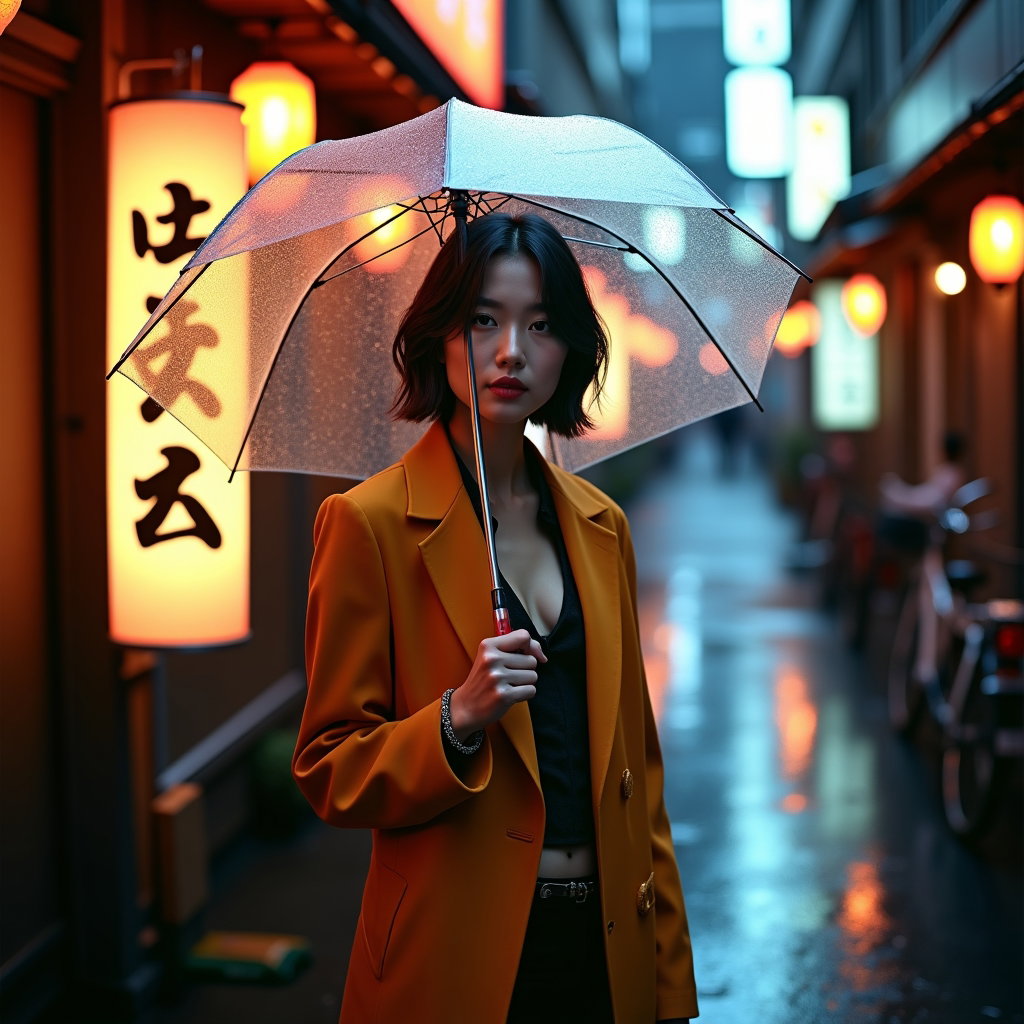
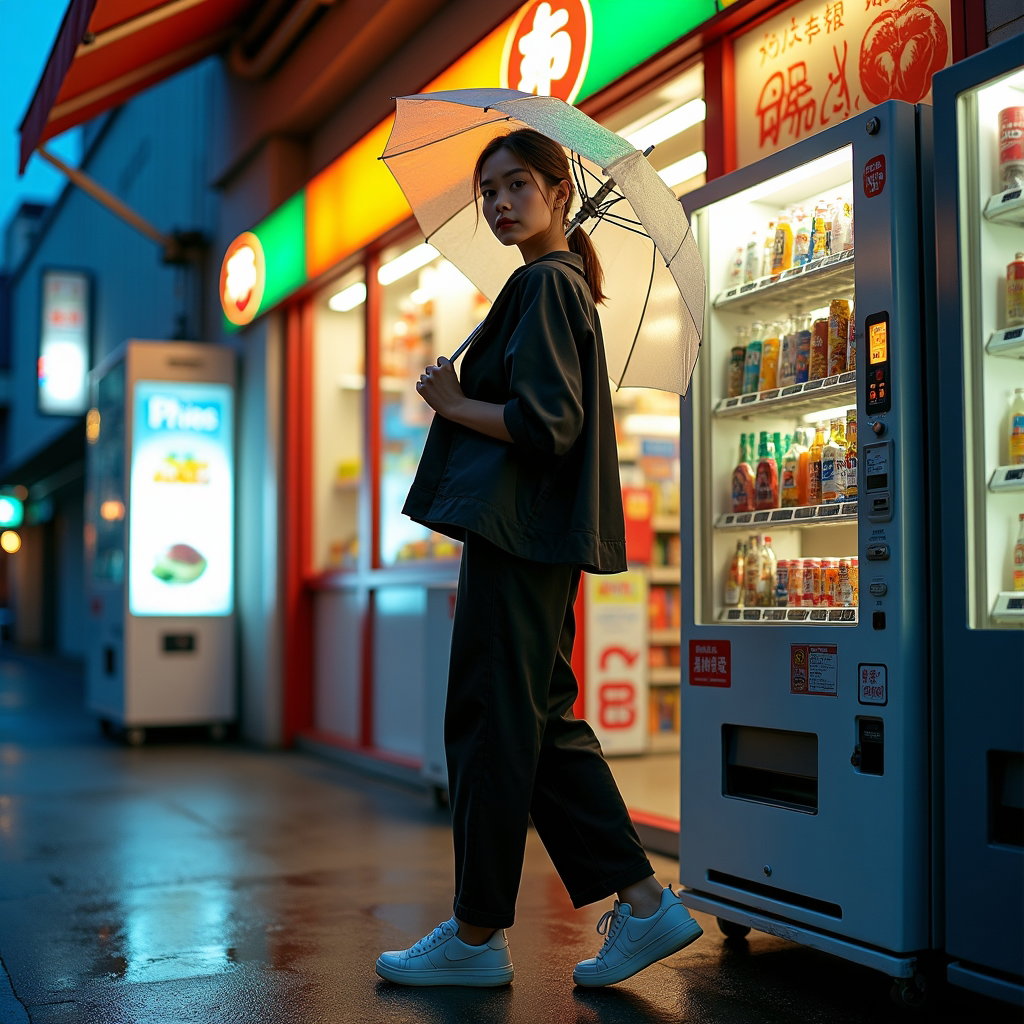
This is one of the most cinematic options you can use. Wet pavement, reflected lights, soft rain, and a clear or traditional umbrella create mood fast. It gives depth, atmosphere, and visual texture with very little effort.
The reason this works so well is contrast. The person stands out against reflections, mist, and darkened streets. A still pose under the umbrella looks strong. A walking pose looks even stronger if the motion is clean. If you want Japanese style with emotion and drama, this is one of the most reliable concepts.
Click to create your version
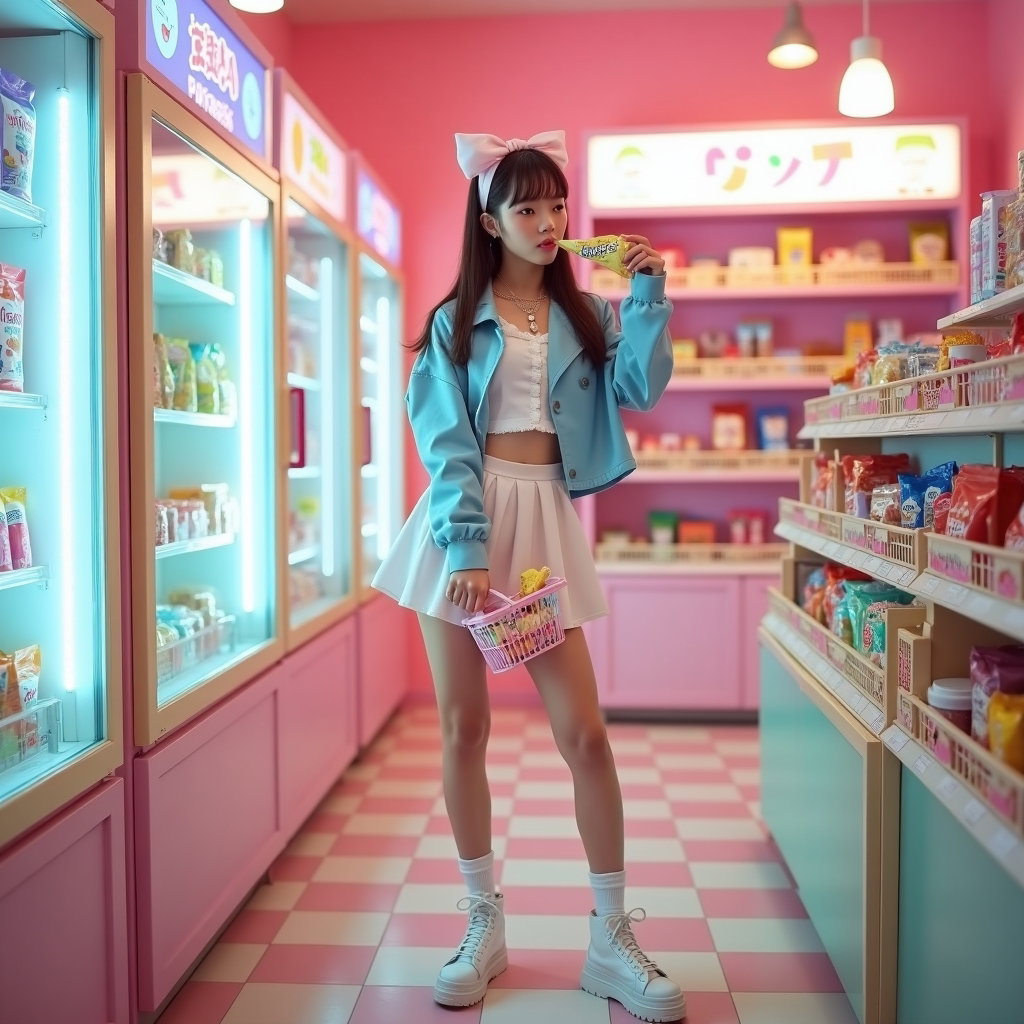
Japanese Café and Convenience Store Lifestyle Portraits
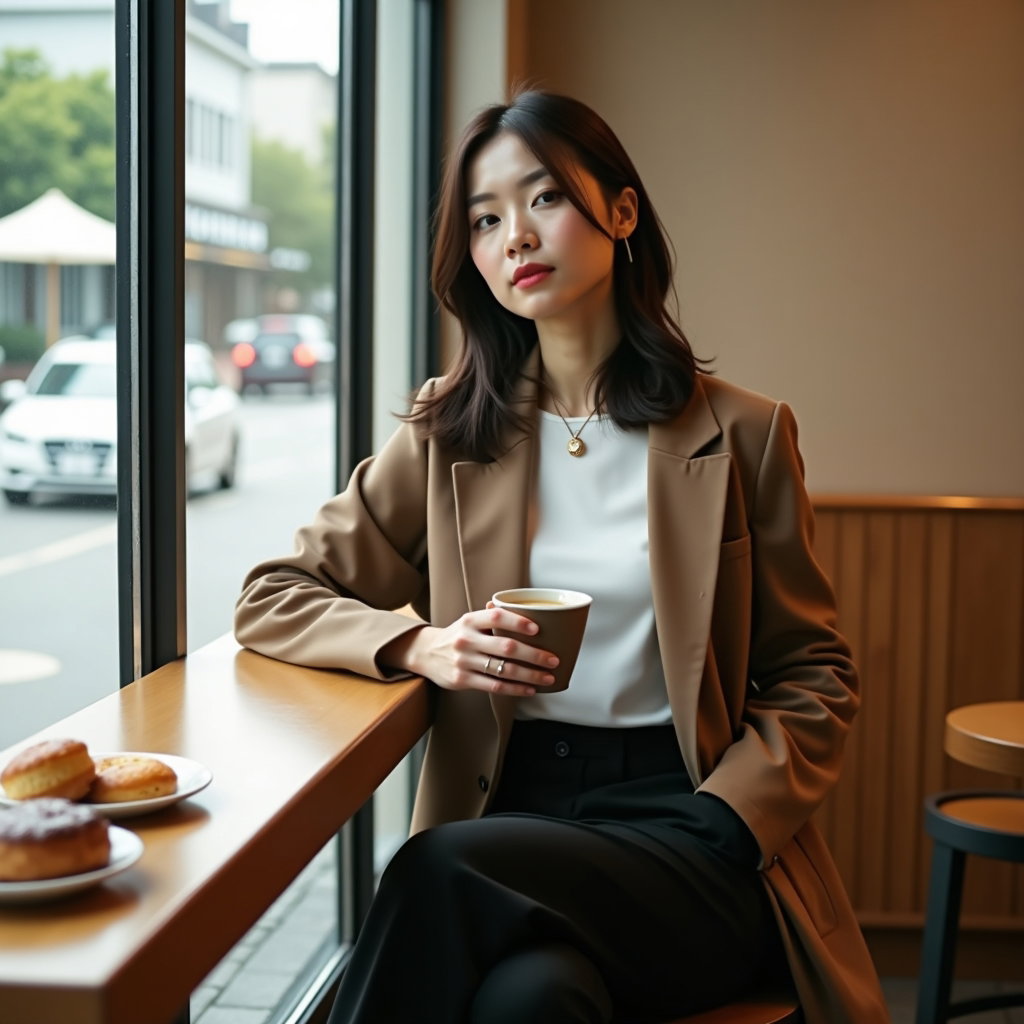
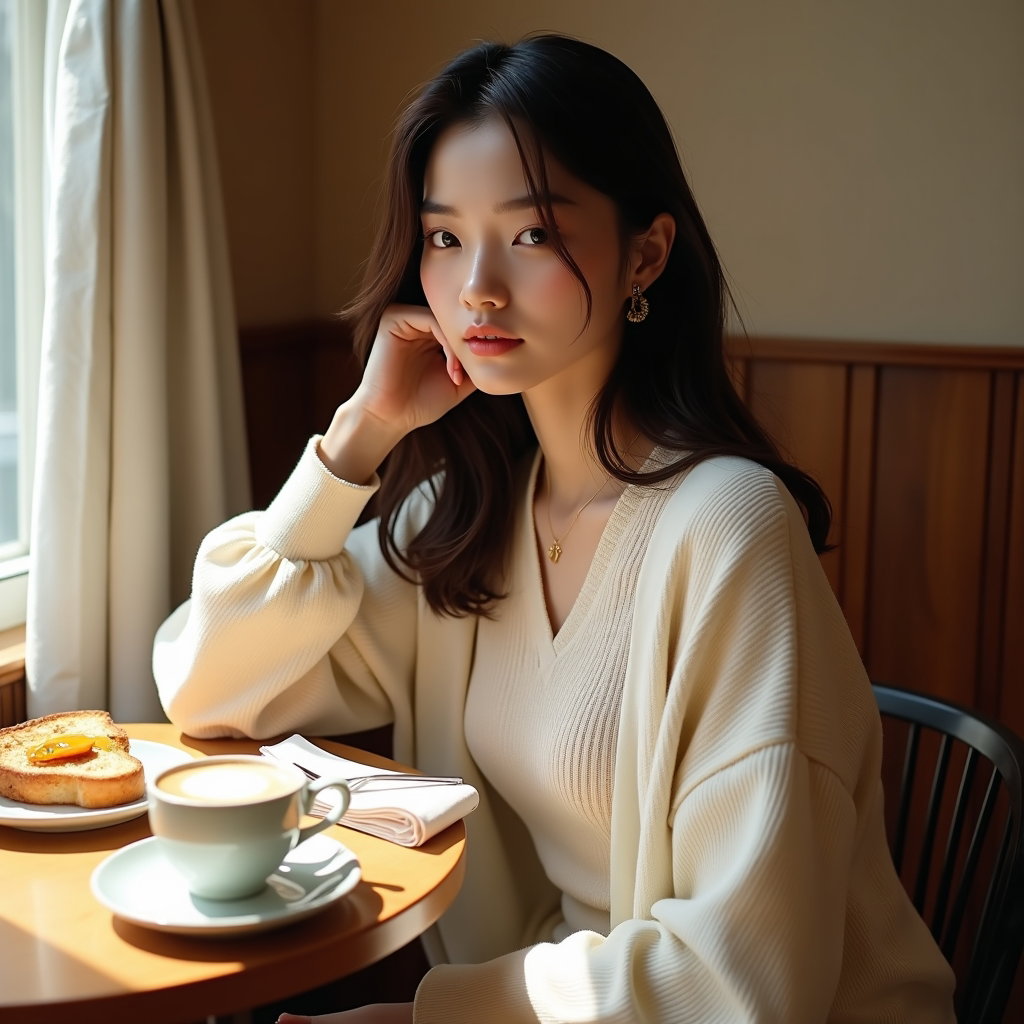
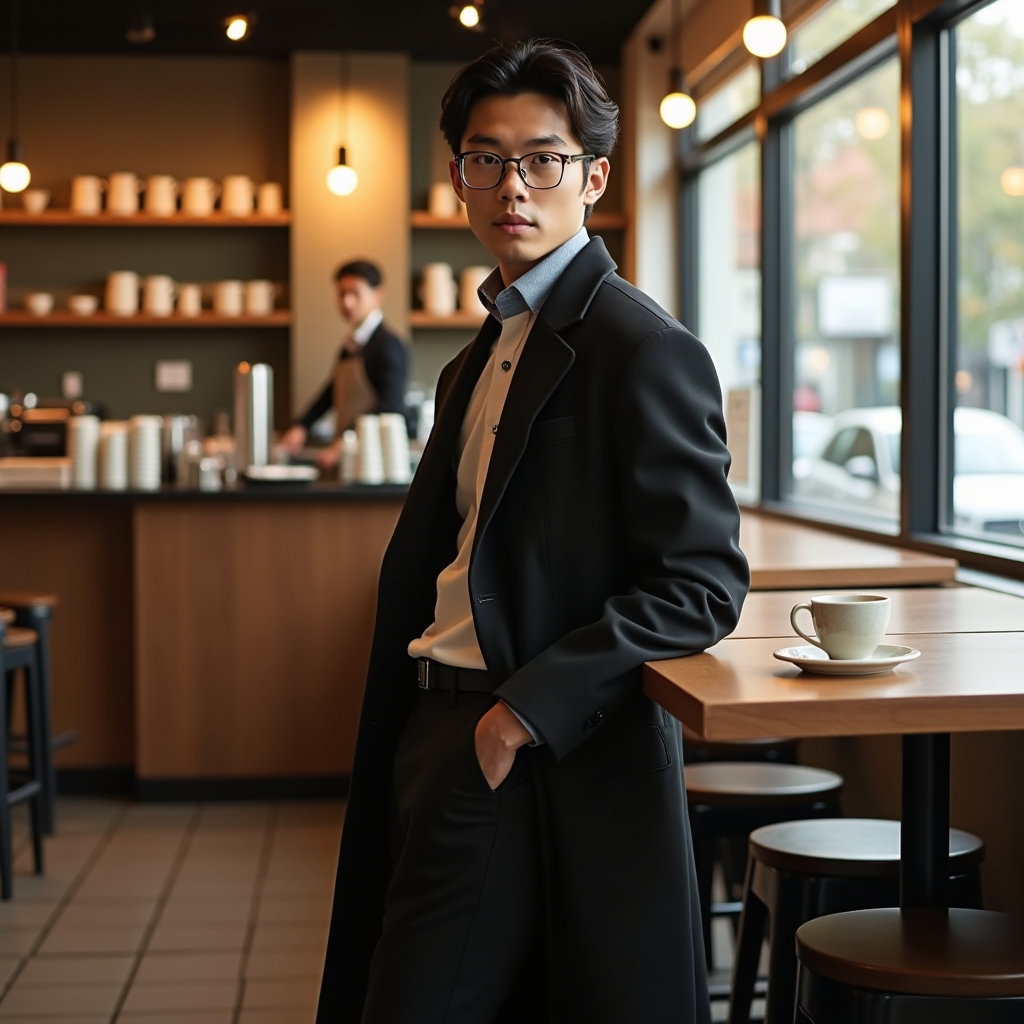
This style feels modern, casual, and believable. It is excellent for people who want Japanese-inspired images that look lived-in instead of formal. A café seat, a drink in hand, store aisle lighting, or a simple snack moment creates a grounded everyday scene.
This concept works because it lowers the pressure. You do not need heavy costume or dramatic environment. Small actions do the job. Sitting by a window, choosing an item from a shelf, holding a coffee, or standing near a fridge creates a natural portrait with clear lifestyle appeal.
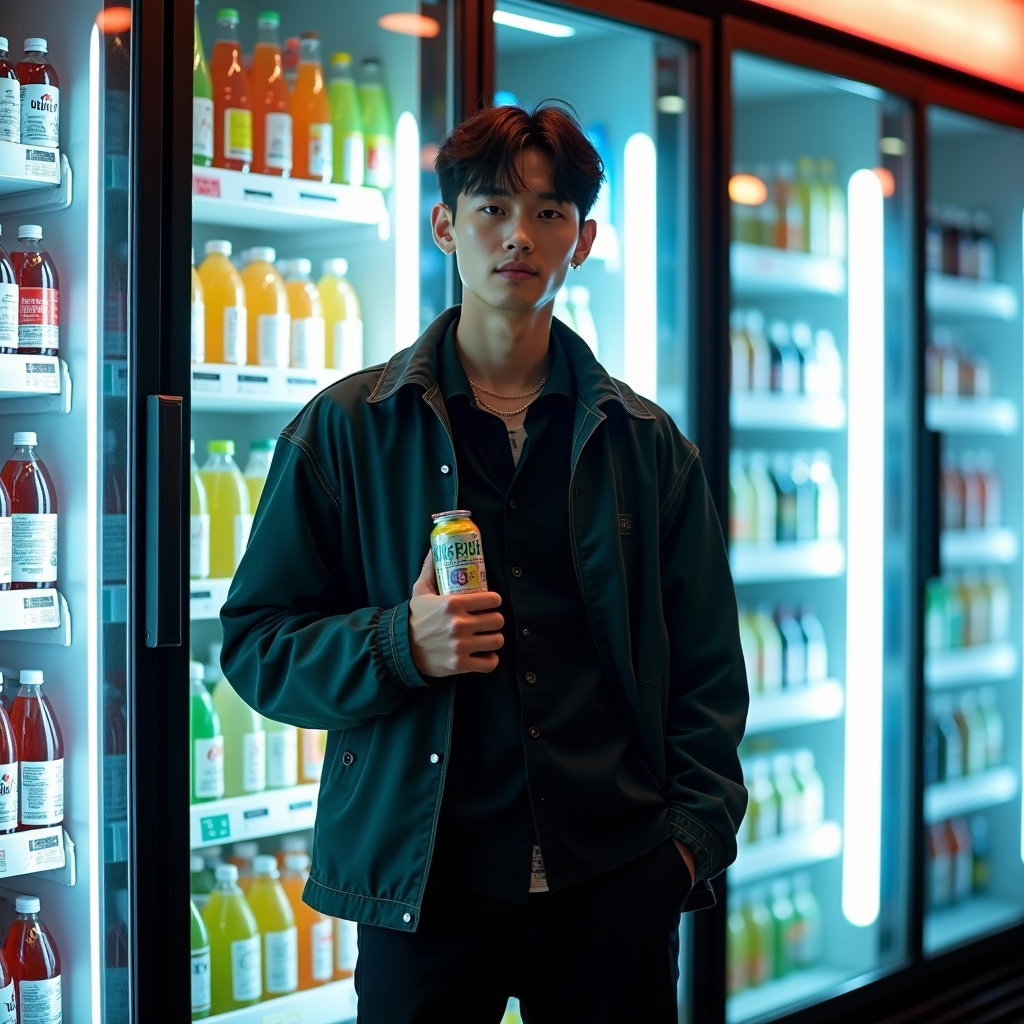
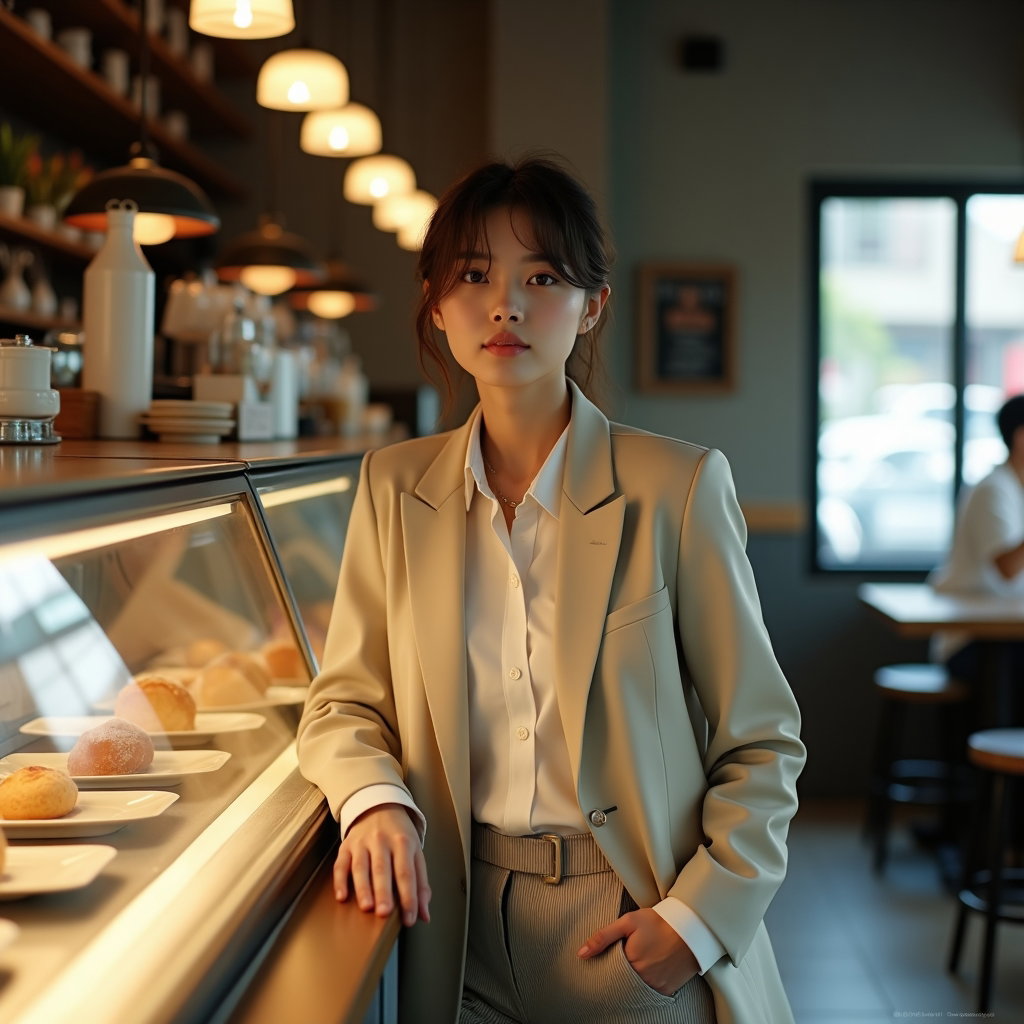
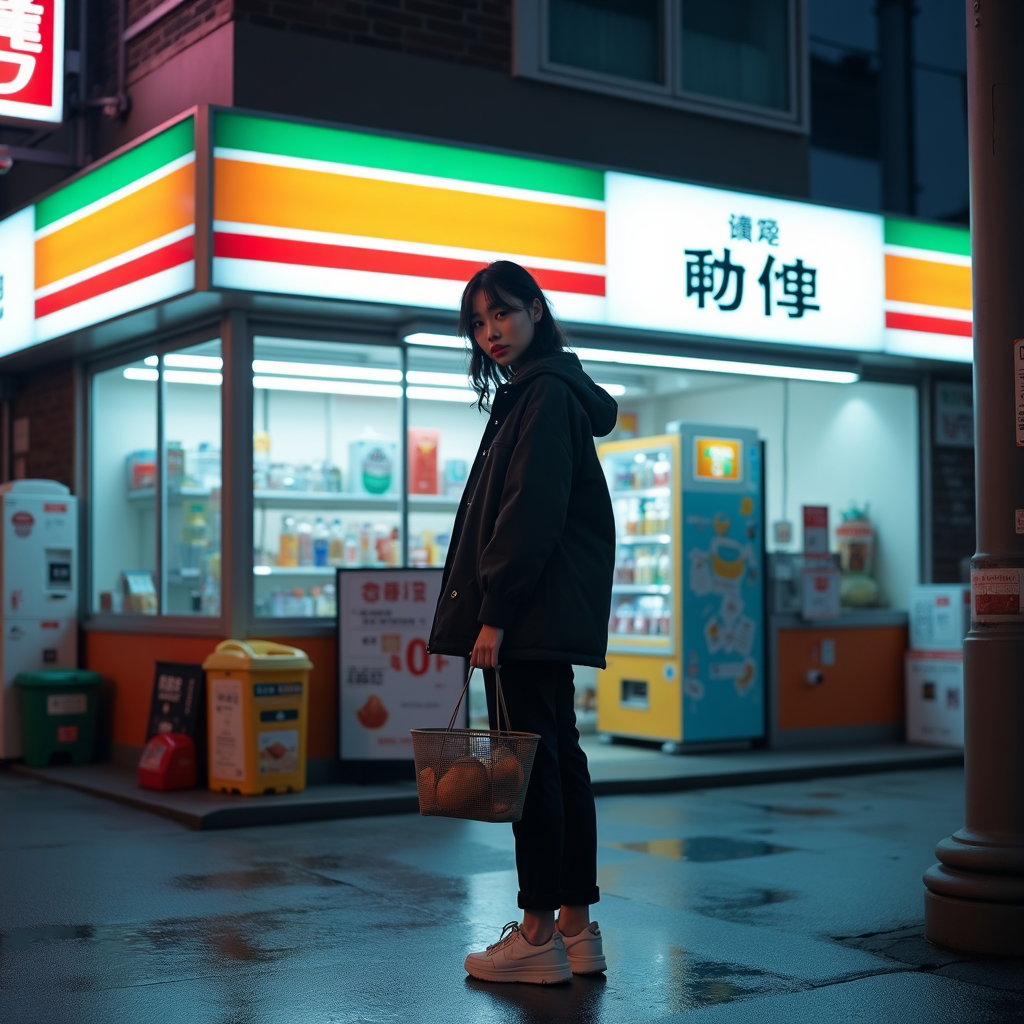
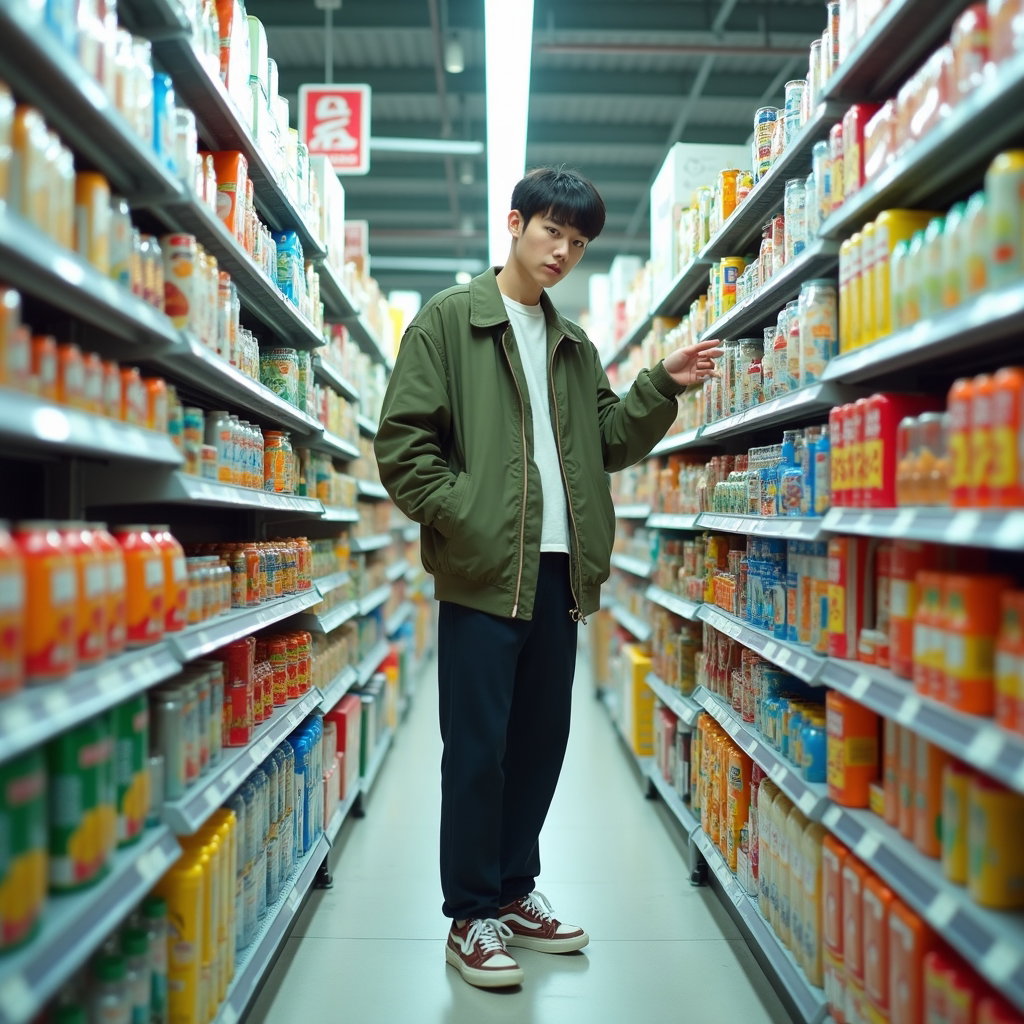
Click on any photo to see how you'd look
Elegant Geisha-Inspired Styling Portraits
This look is precise, controlled, and visually dramatic. It works best when the styling is clean and the expression is composed. The goal is grace, not chaos. Every detail should feel intentional.
In practice, hand placement, head angle, hairstyle, and fabric detail matter a lot. Controlled movement sells the image. If the pose is too casual, the effect breaks. When done right, this concept creates one of the most refined and theatrical Japanese-style portraits you can generate.
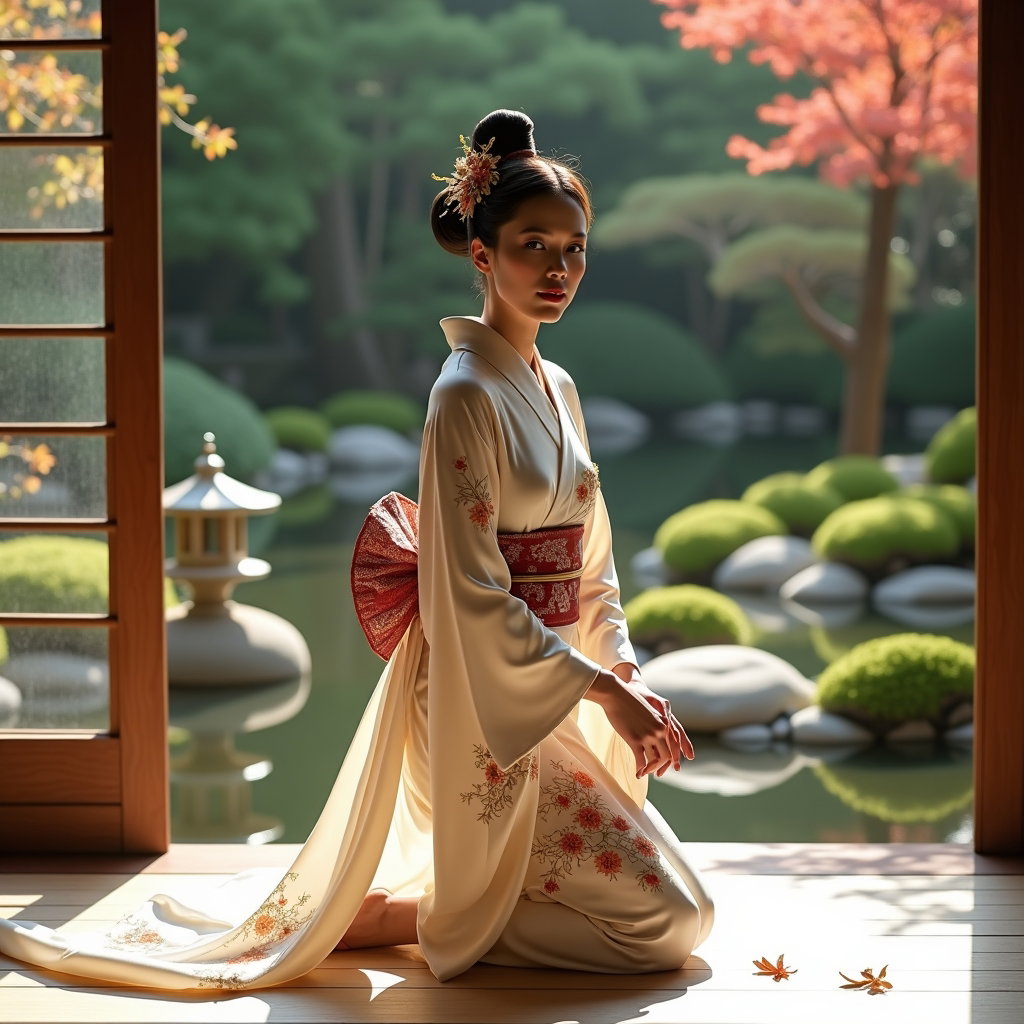
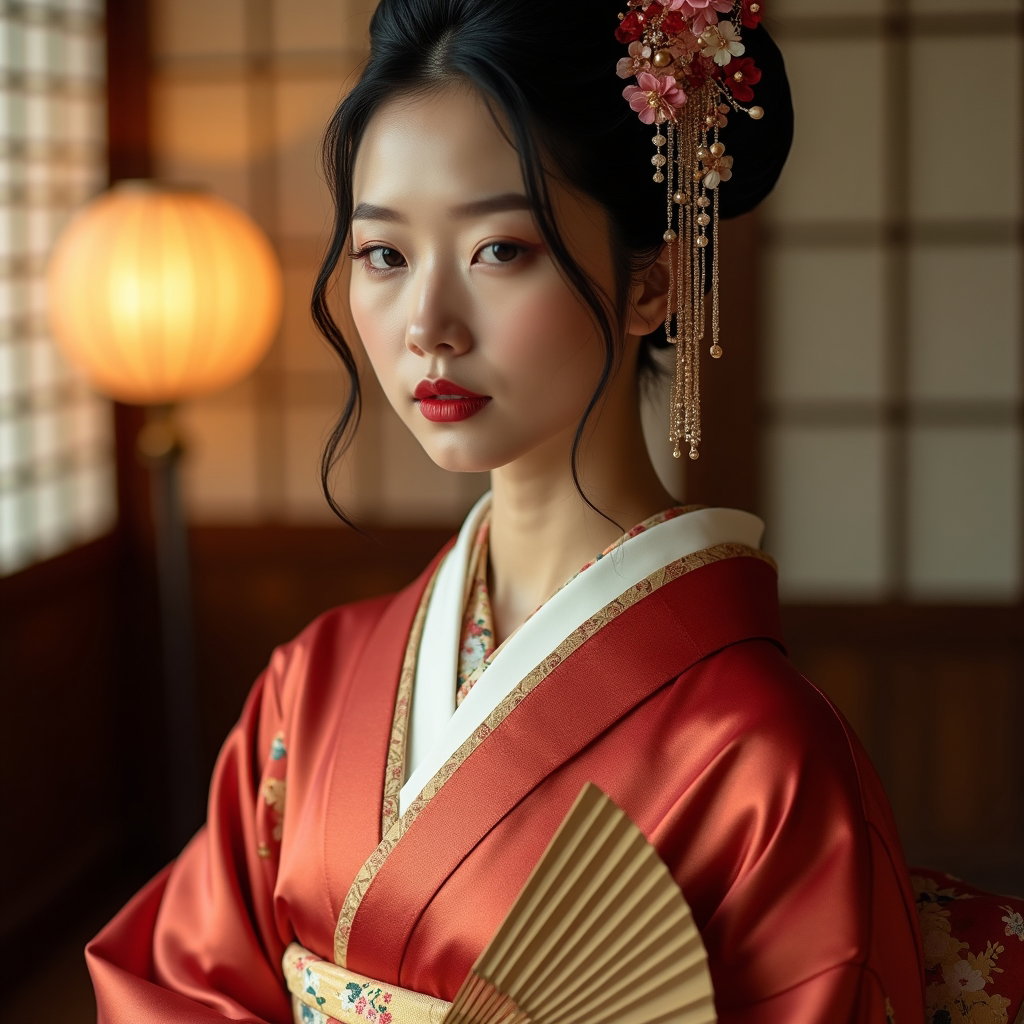
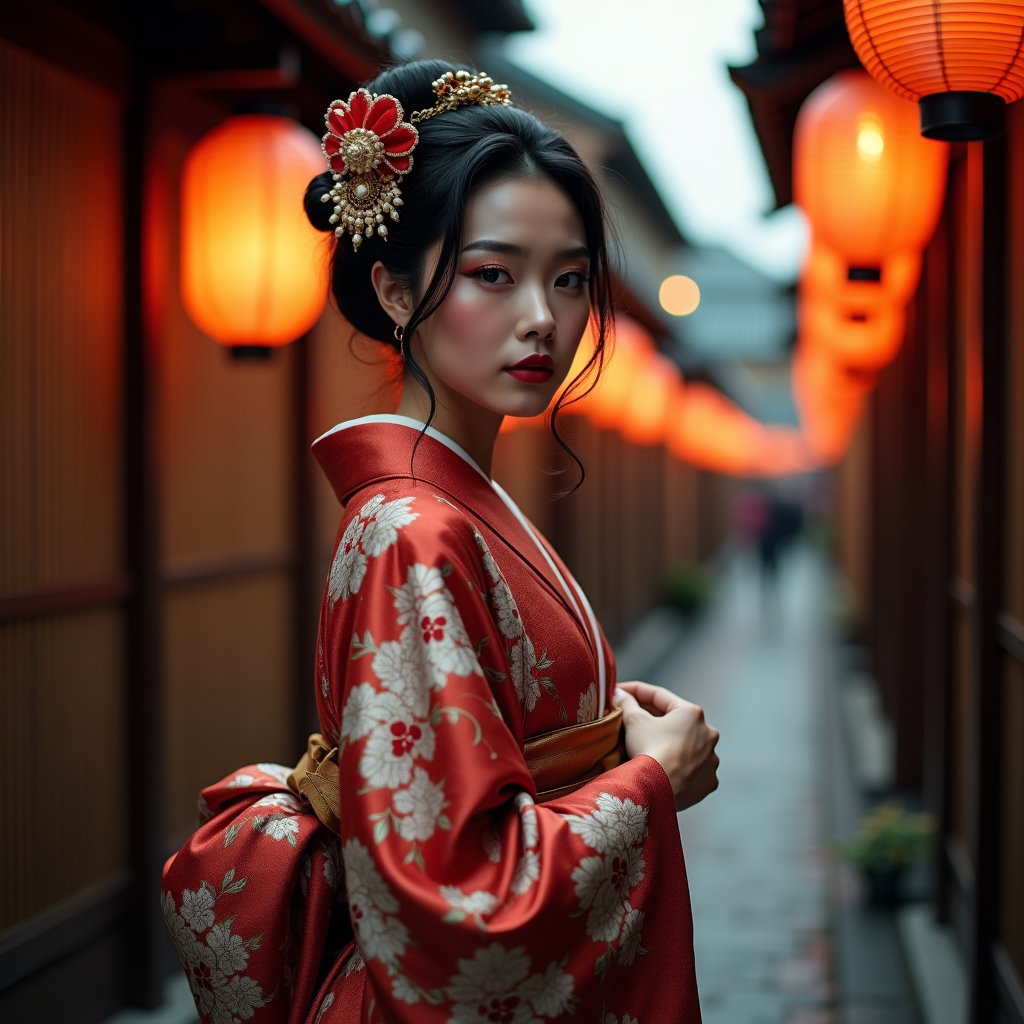
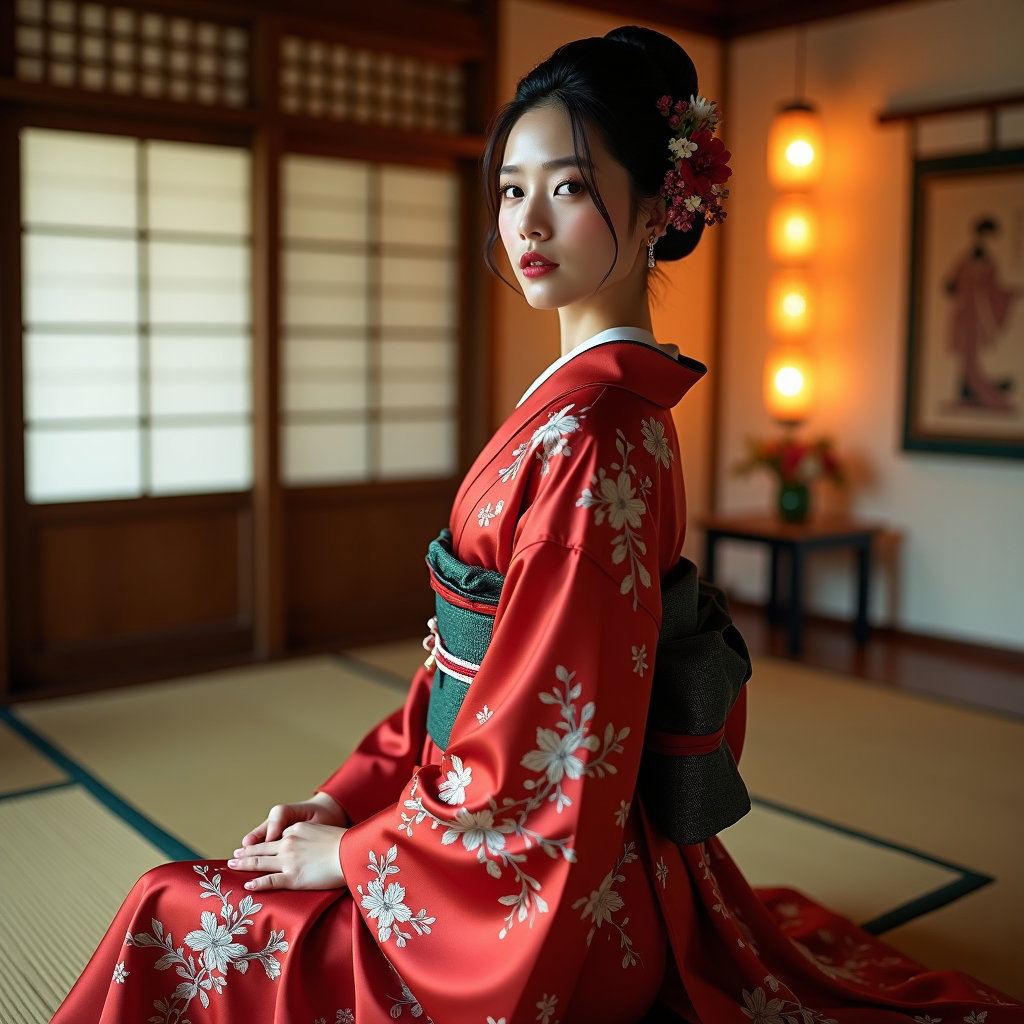
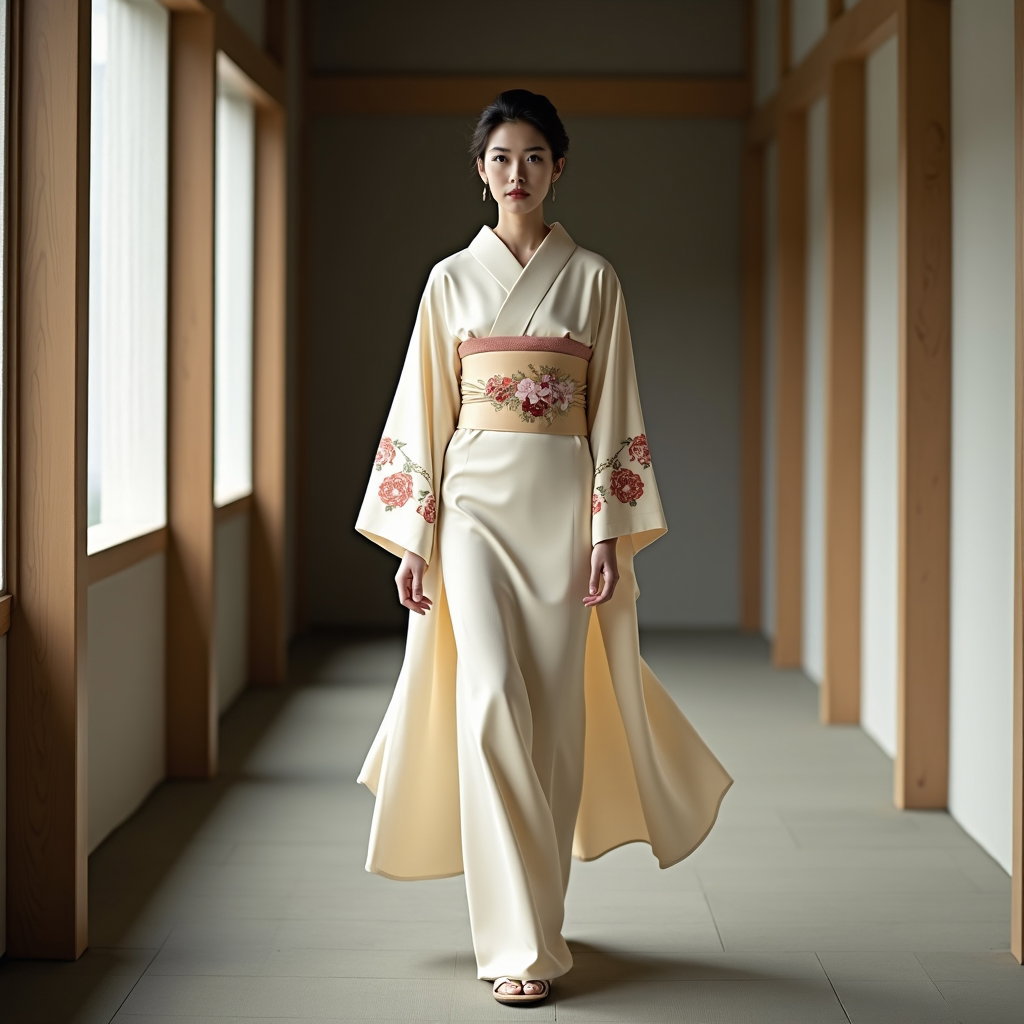
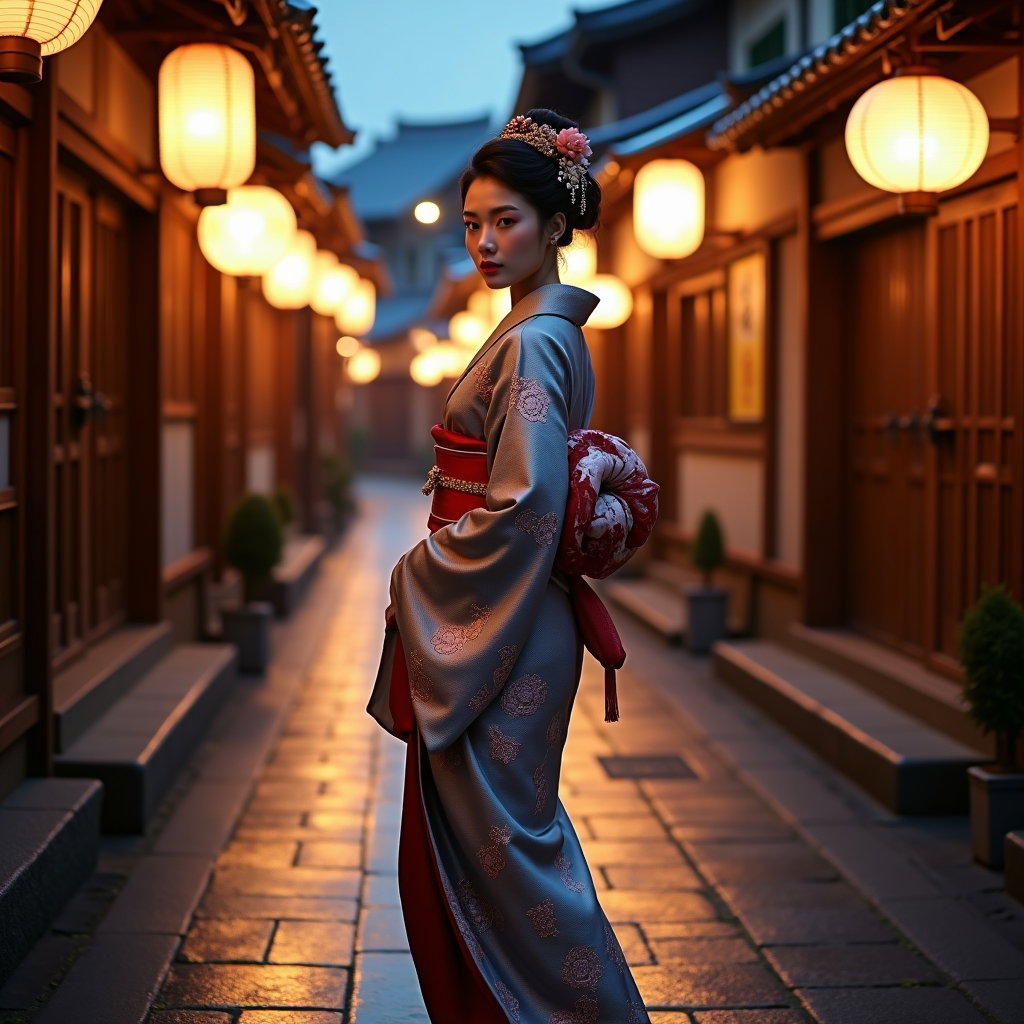
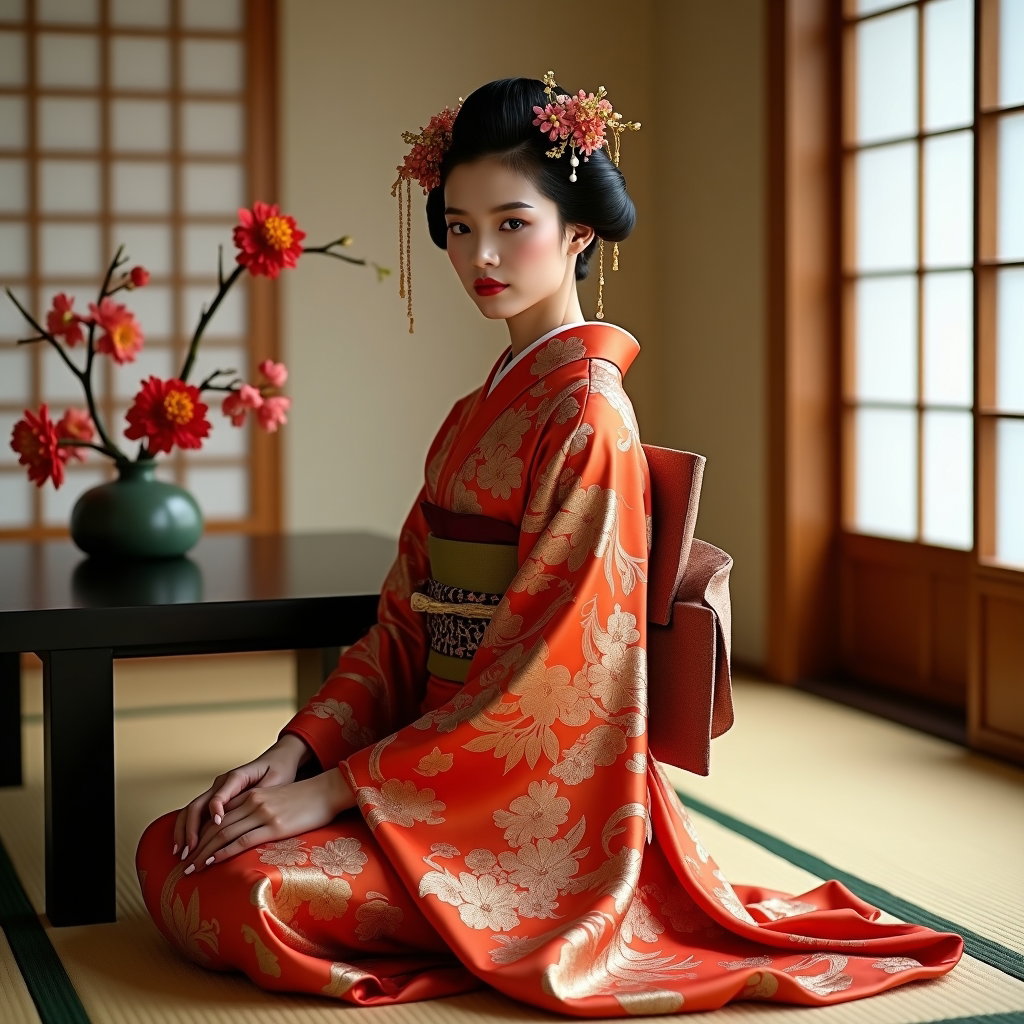
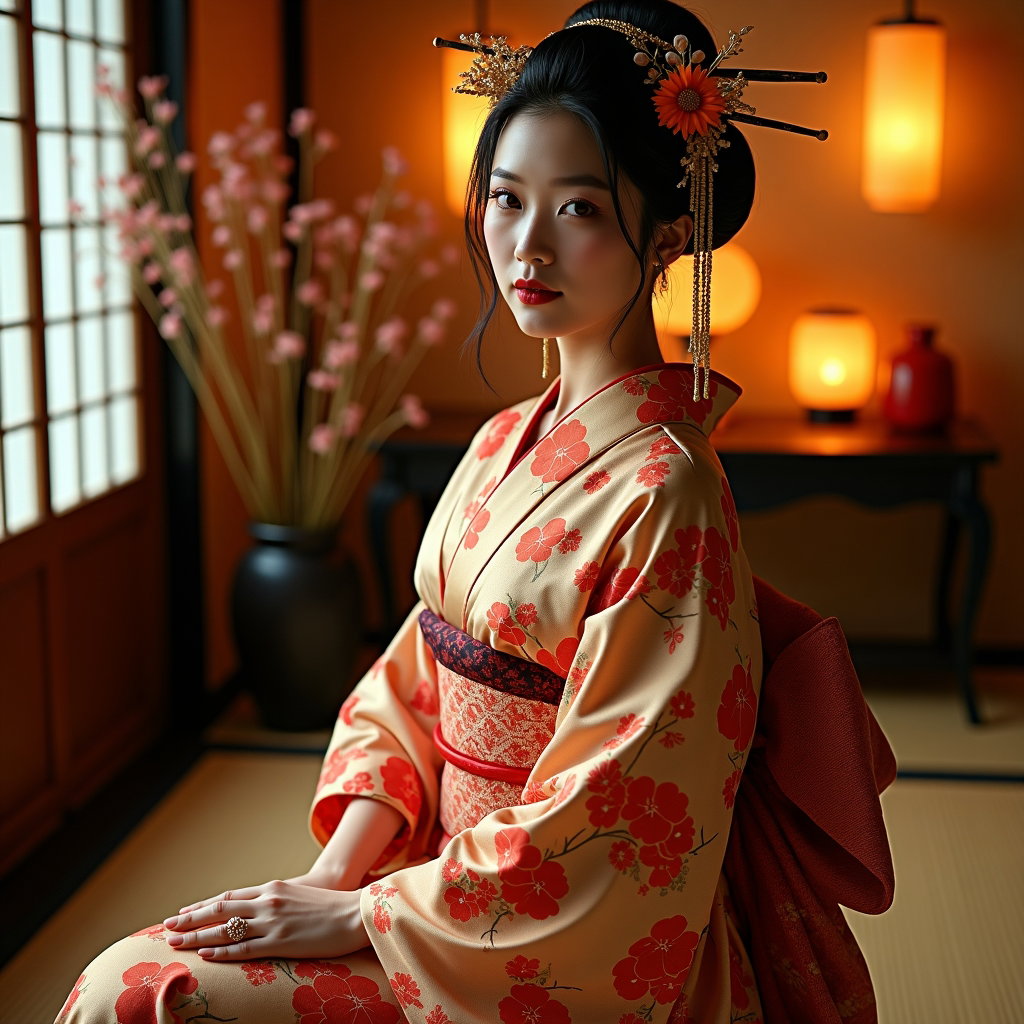
Click on a photo to make it real with your face
Harajuku-Inspired Bold Fashion Portraits
This is where you go all-in on individuality. Bright color, layered patterns, heavy accessories, oversized shapes, and fearless attitude make this style stand out hard. It is not subtle, and that is exactly why it works.
The most effective images push the styling without apology. Strong front-facing poses, exaggerated body language, and loud fashion choices create high visual impact. If you want AI portraits that do not disappear into the background, this is one of the best concepts on the list.
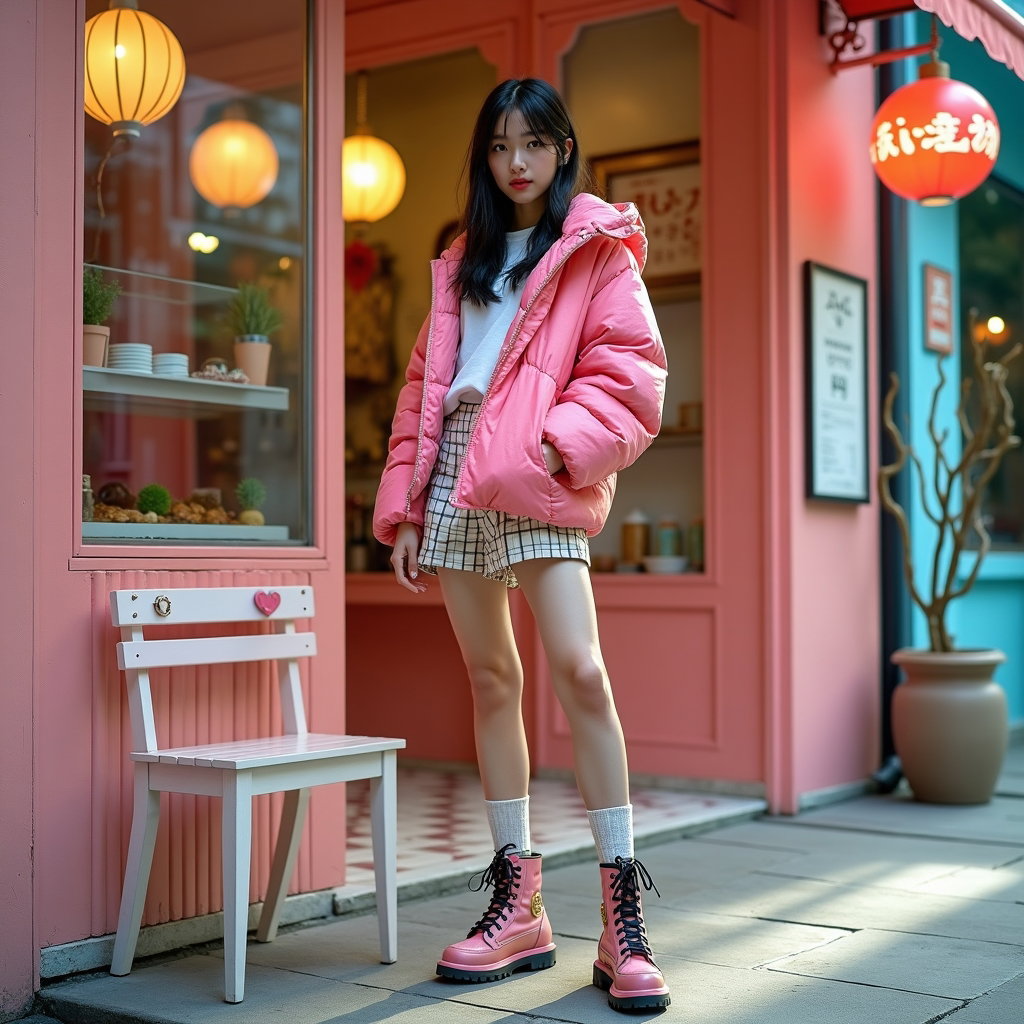
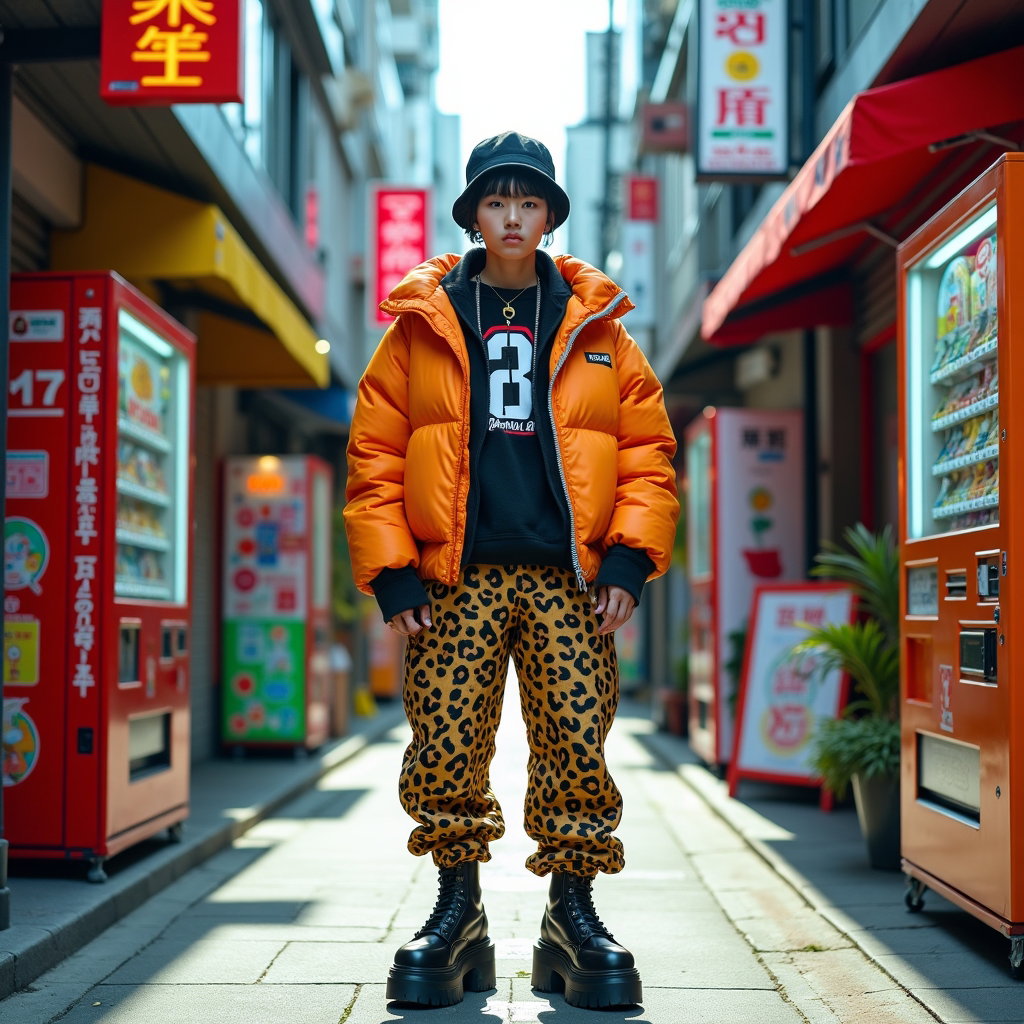
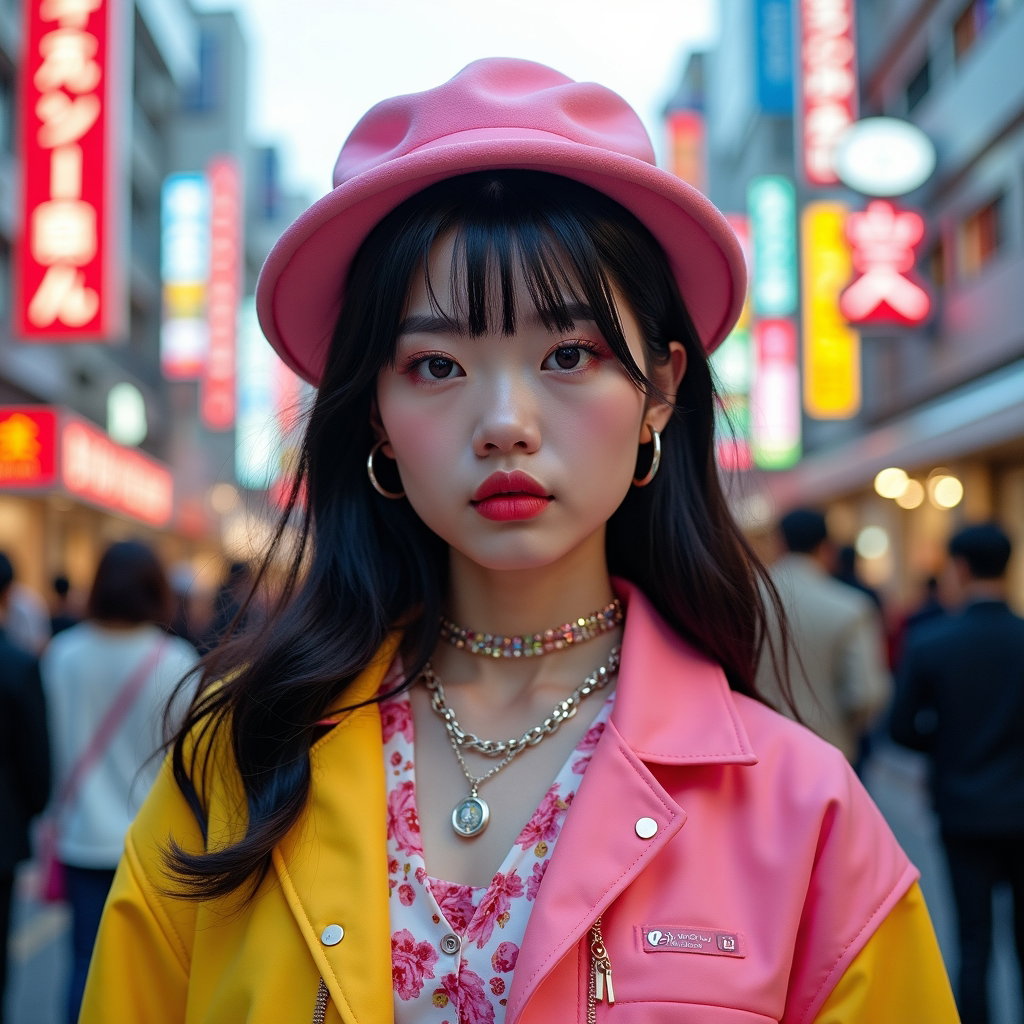
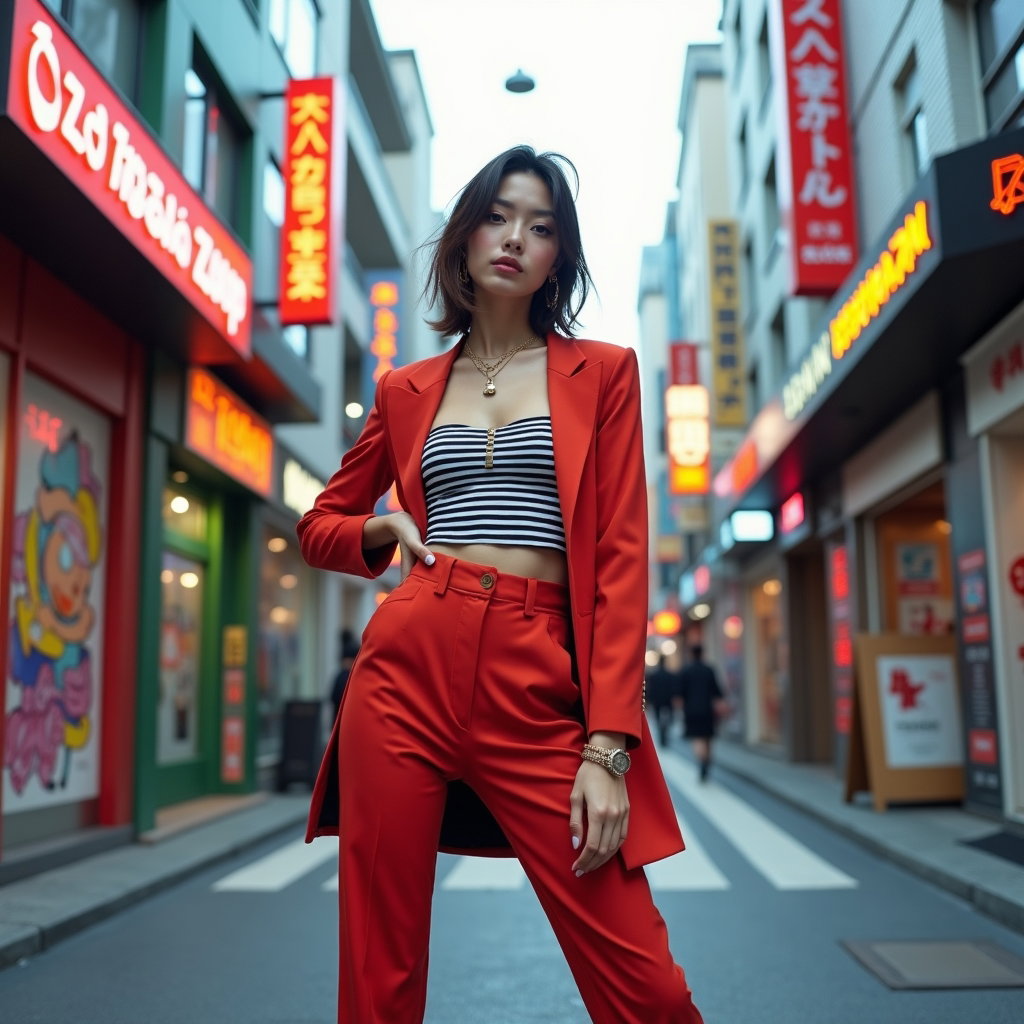
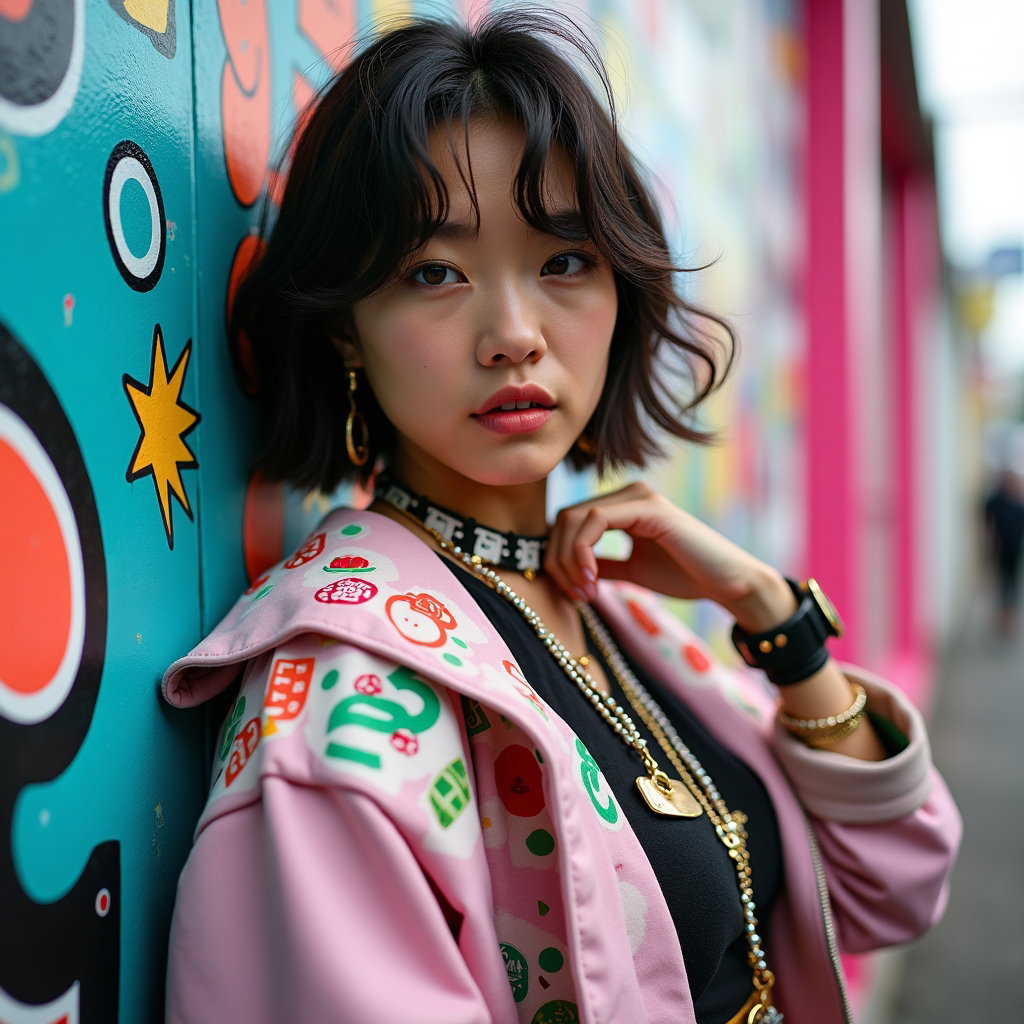
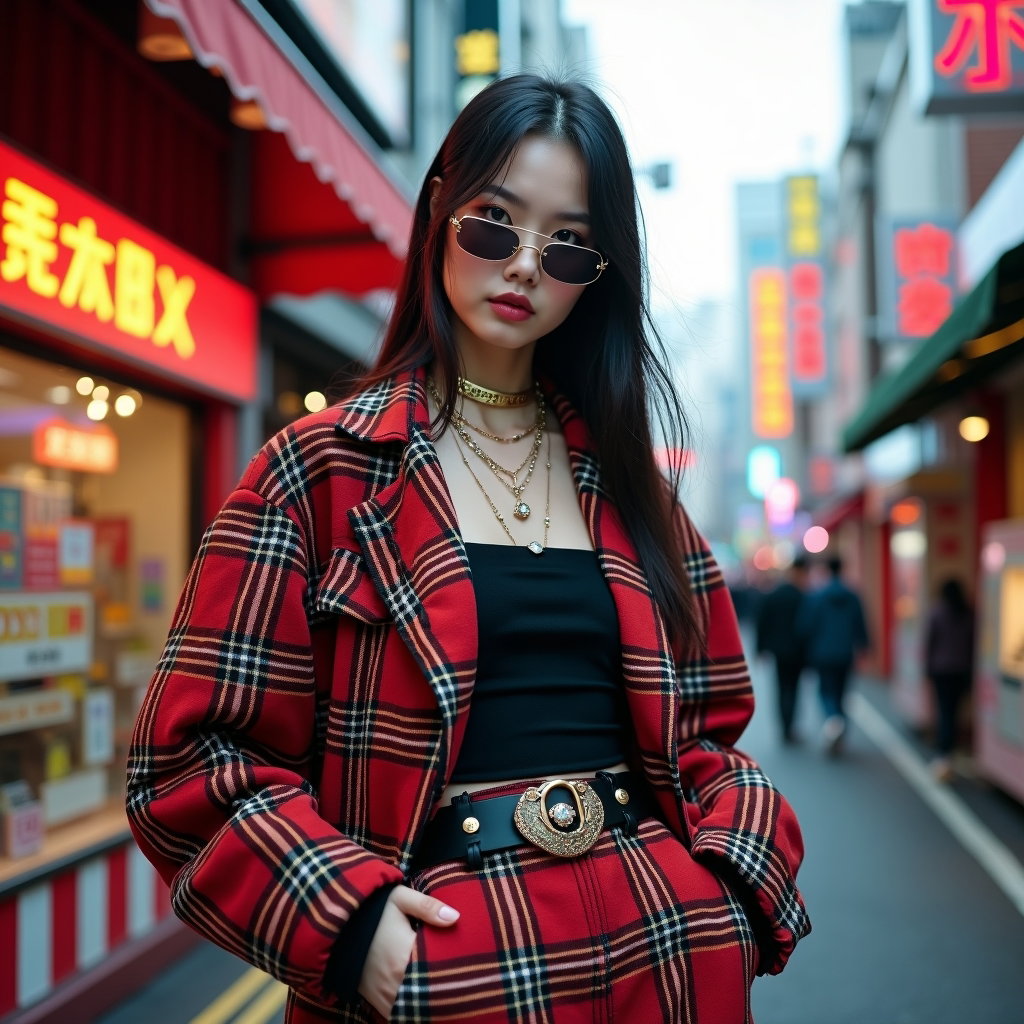
Click on a photo to make it real with your face
Cute Kawaii Solo Concepts
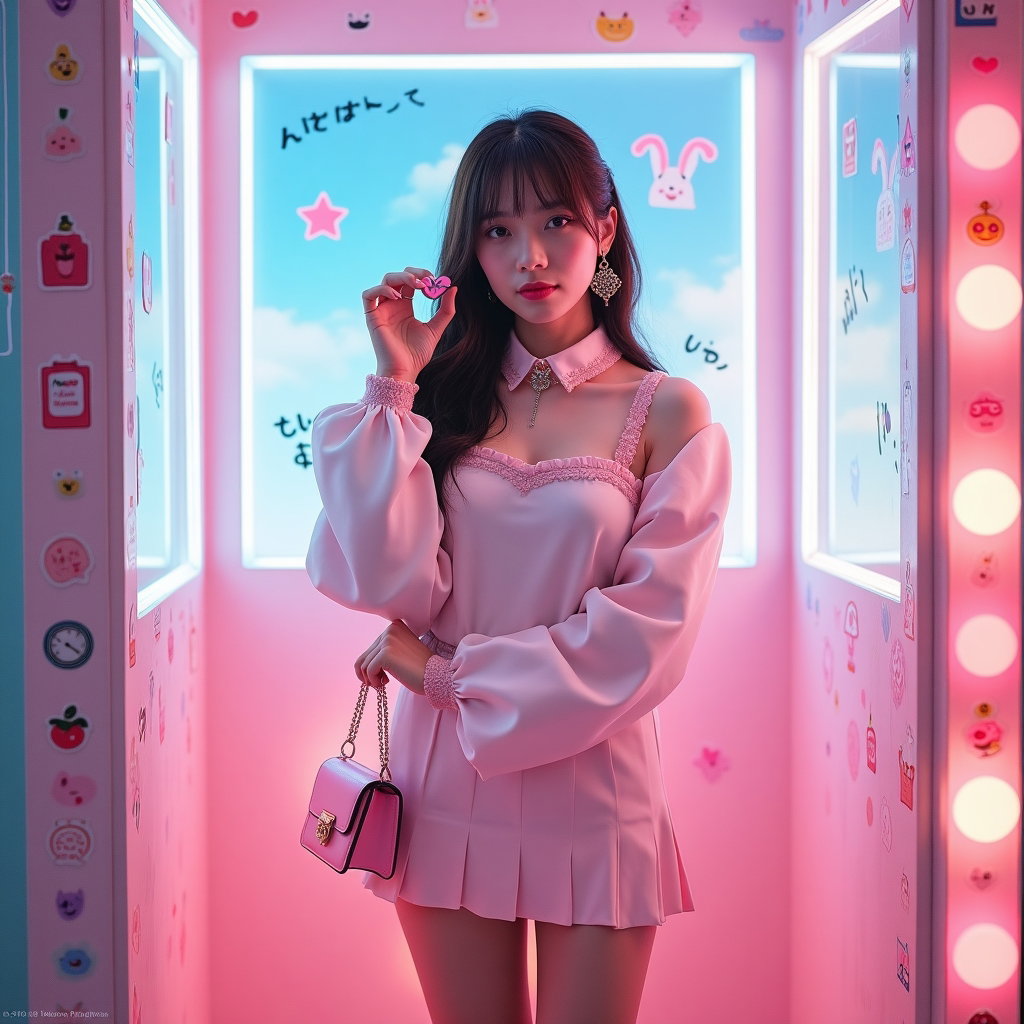
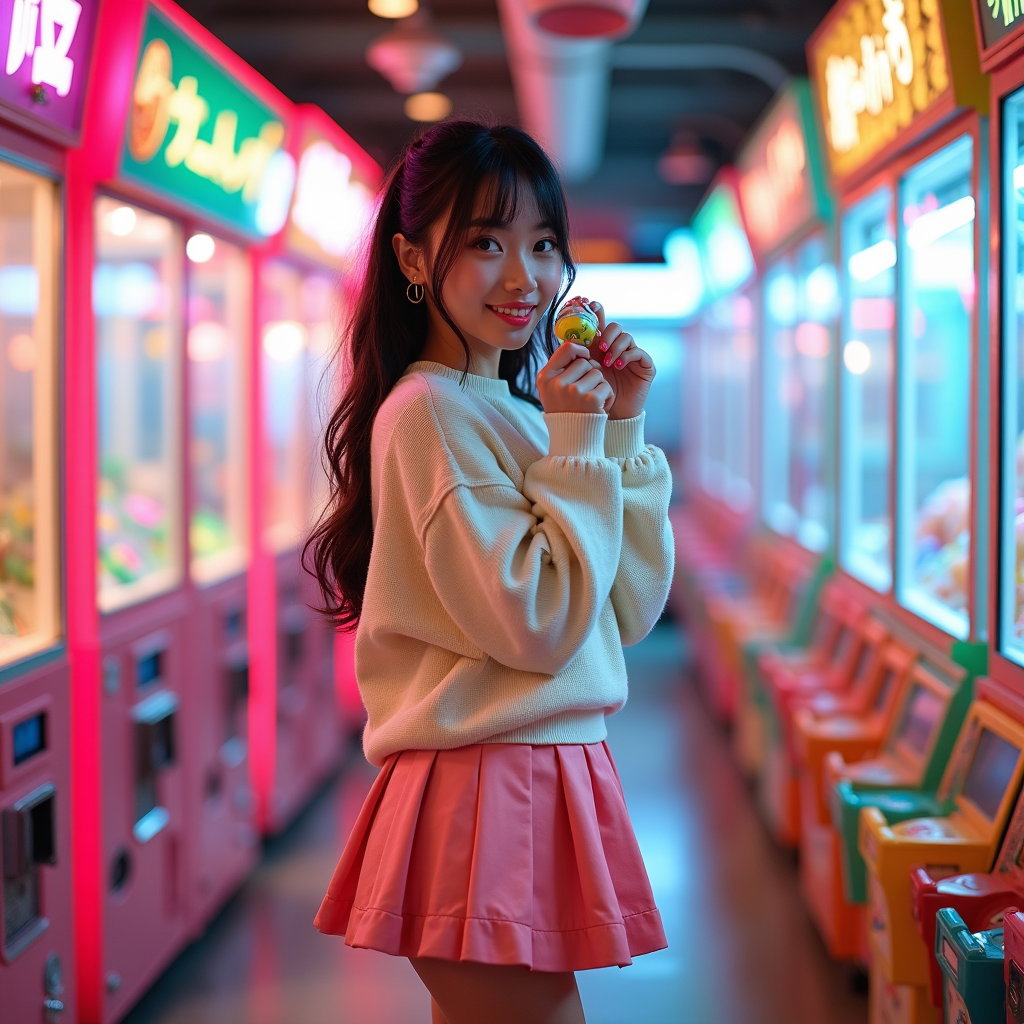
This style delivers softness, charm, and immediate visual appeal. Pastel colors, sweet fashion details, playful poses, and bright expression create a very clear aesthetic. It is simple, but it works because the visual message is direct.
The strongest results use clean color control and expressive posing. Heart-shaped hand pose, seated toy-filled setting, soft smile, oversized sleeves, and cute accessories all help. If you want a gentle and appealing Japanese-style concept, this one is extremely effective.
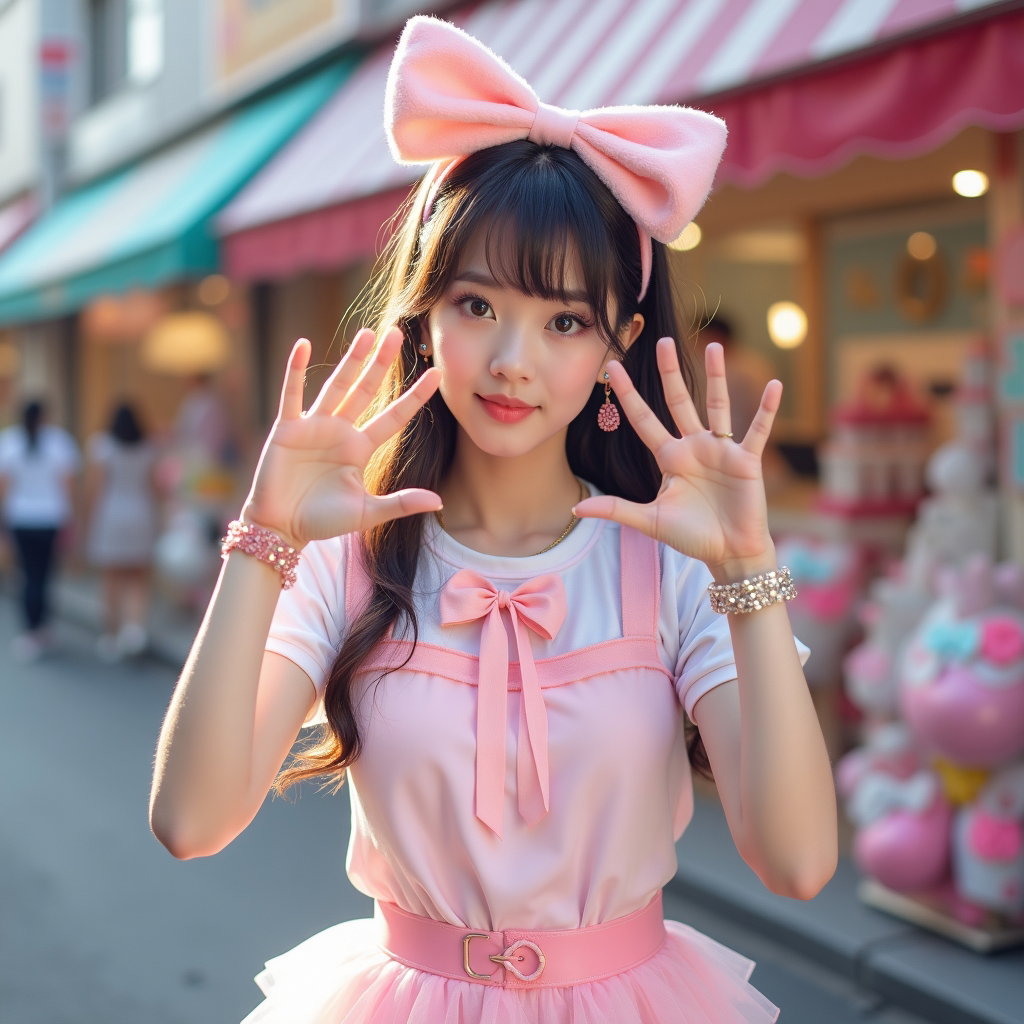
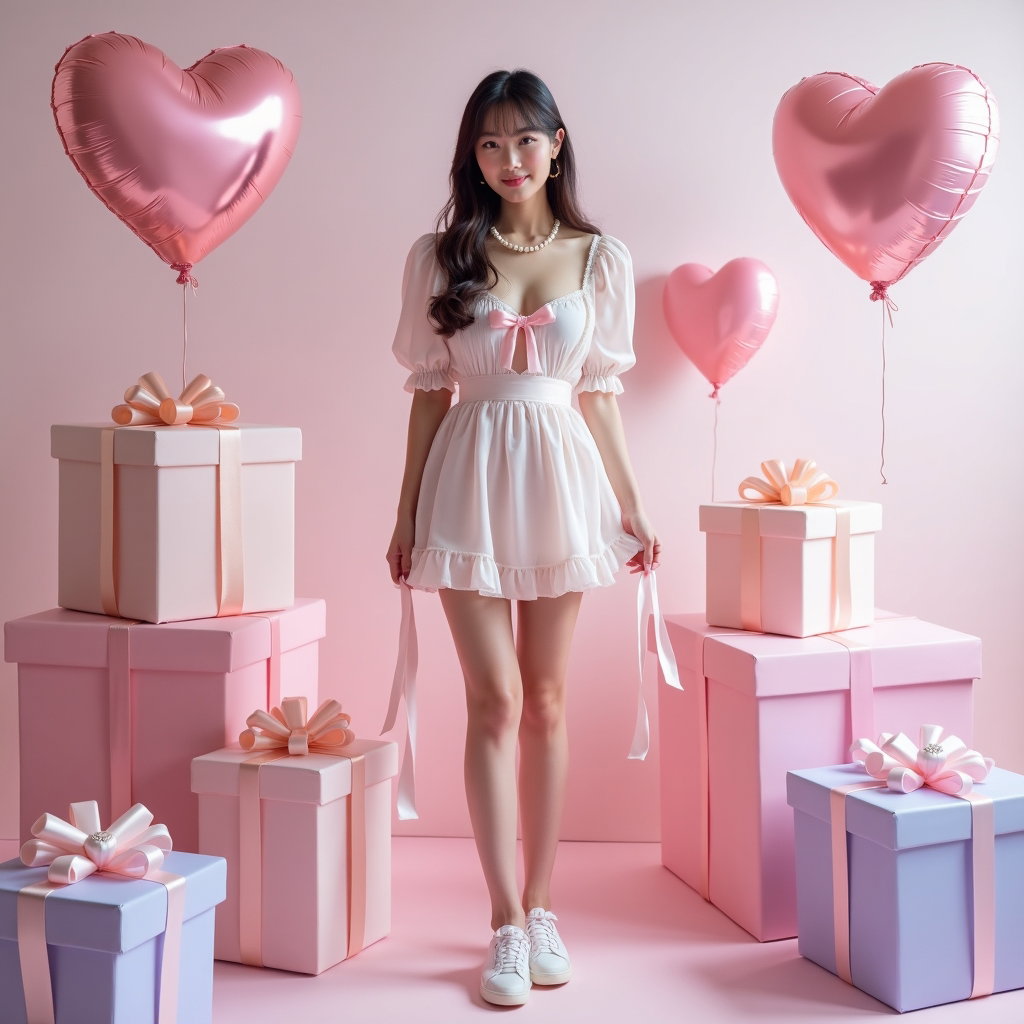
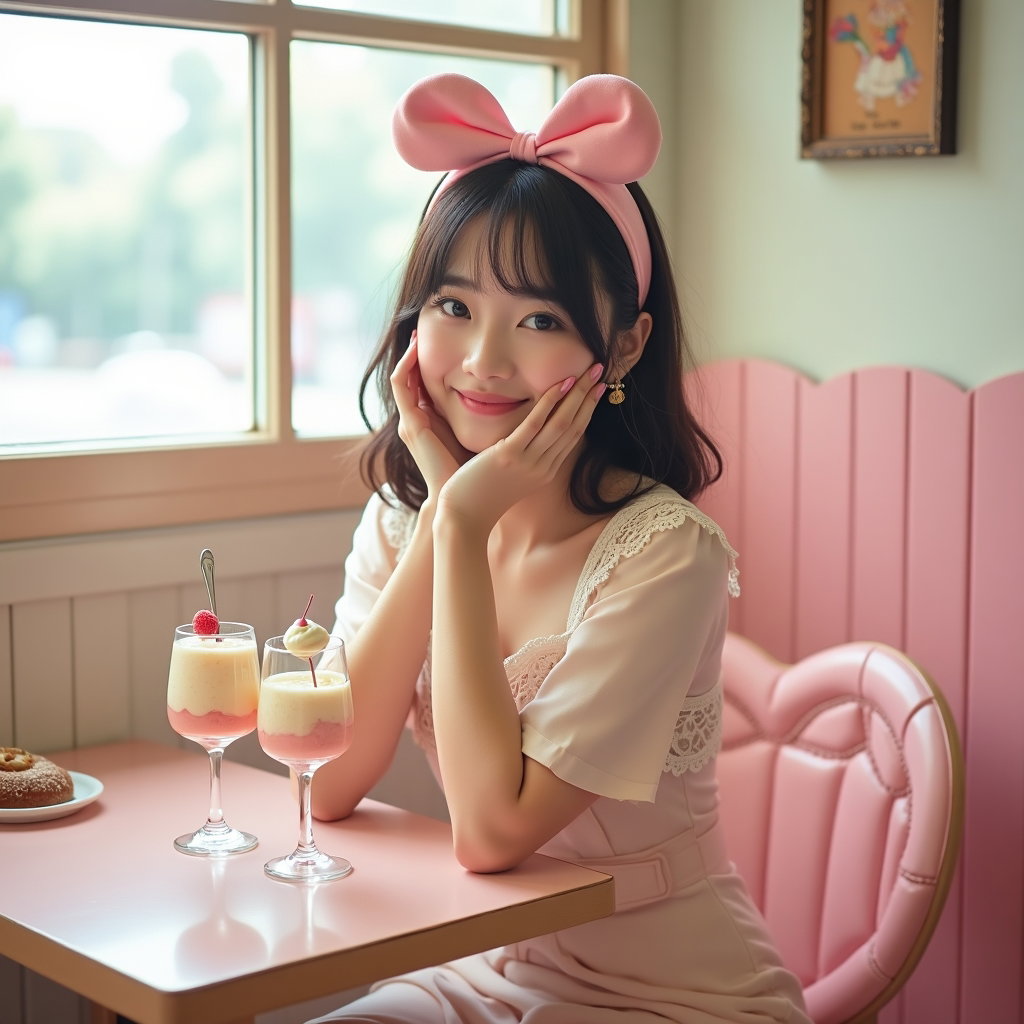
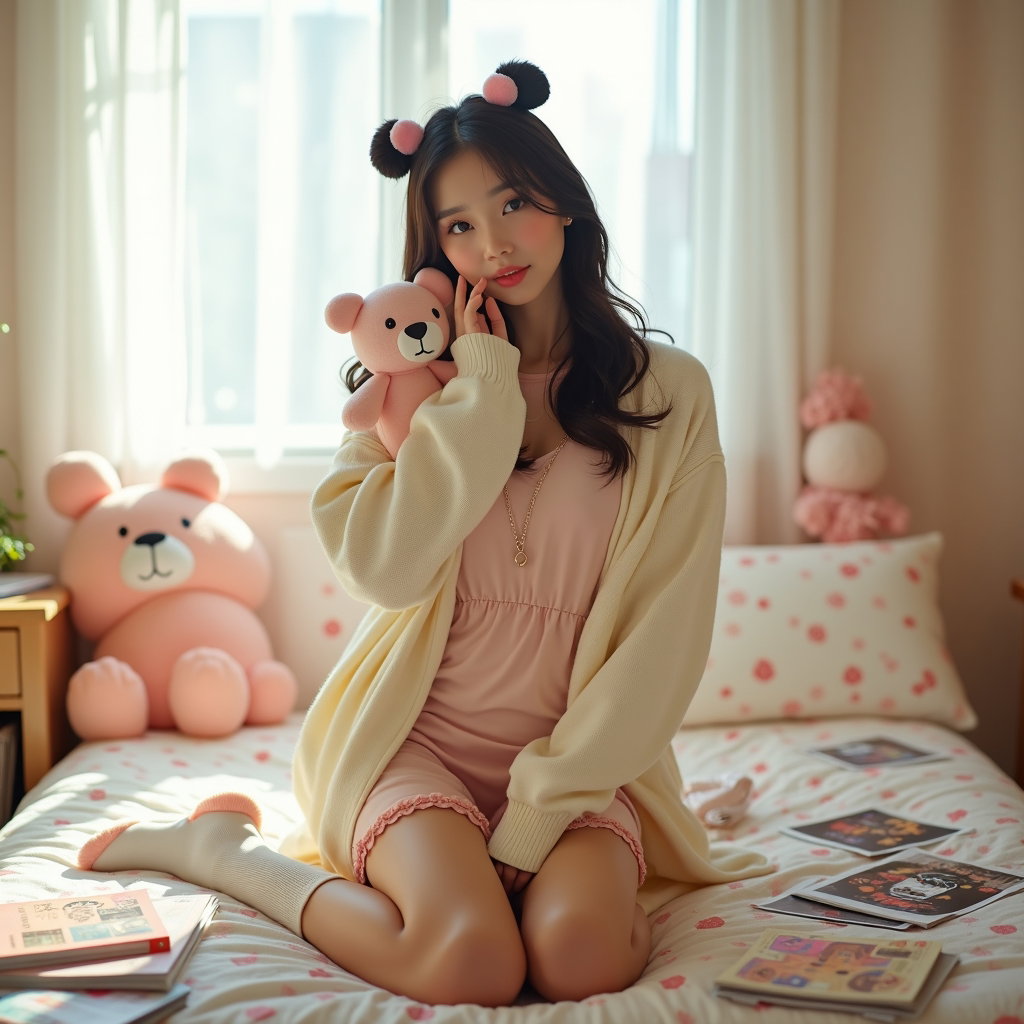
Click on a photo to transform it with your face
Shrine and Temple Respectful Portraits
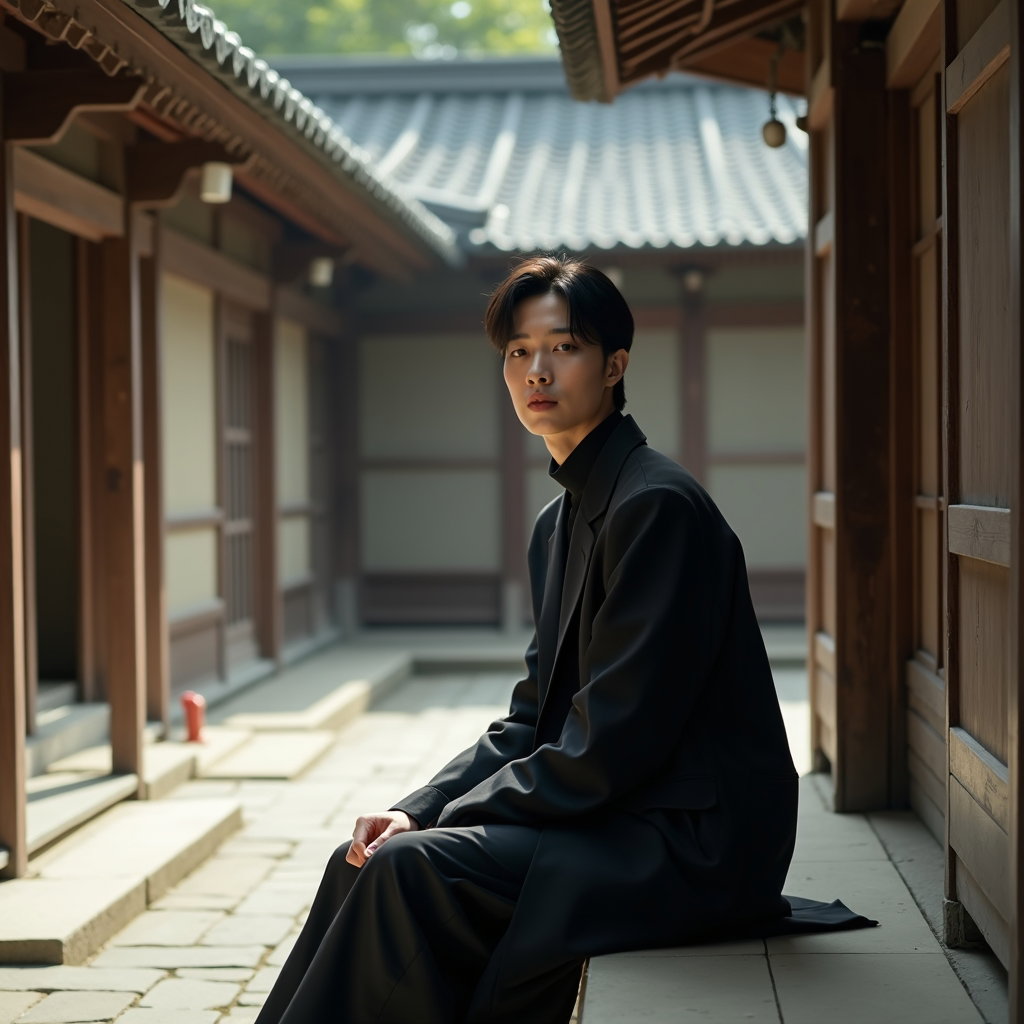
This is one of the strongest location-based concepts because the setting instantly anchors the image. Torii gates, temple steps, stone paths, and quiet shrine spaces give immediate Japanese context. The result feels grounded and visually clear.
The key is calm presentation. Straight posture, composed face, and simple gesture work far better than dramatic action. This photo type is effective because the environment already carries strong meaning. The person does not need to overperform. A respectful, steady portrait gets the best result.
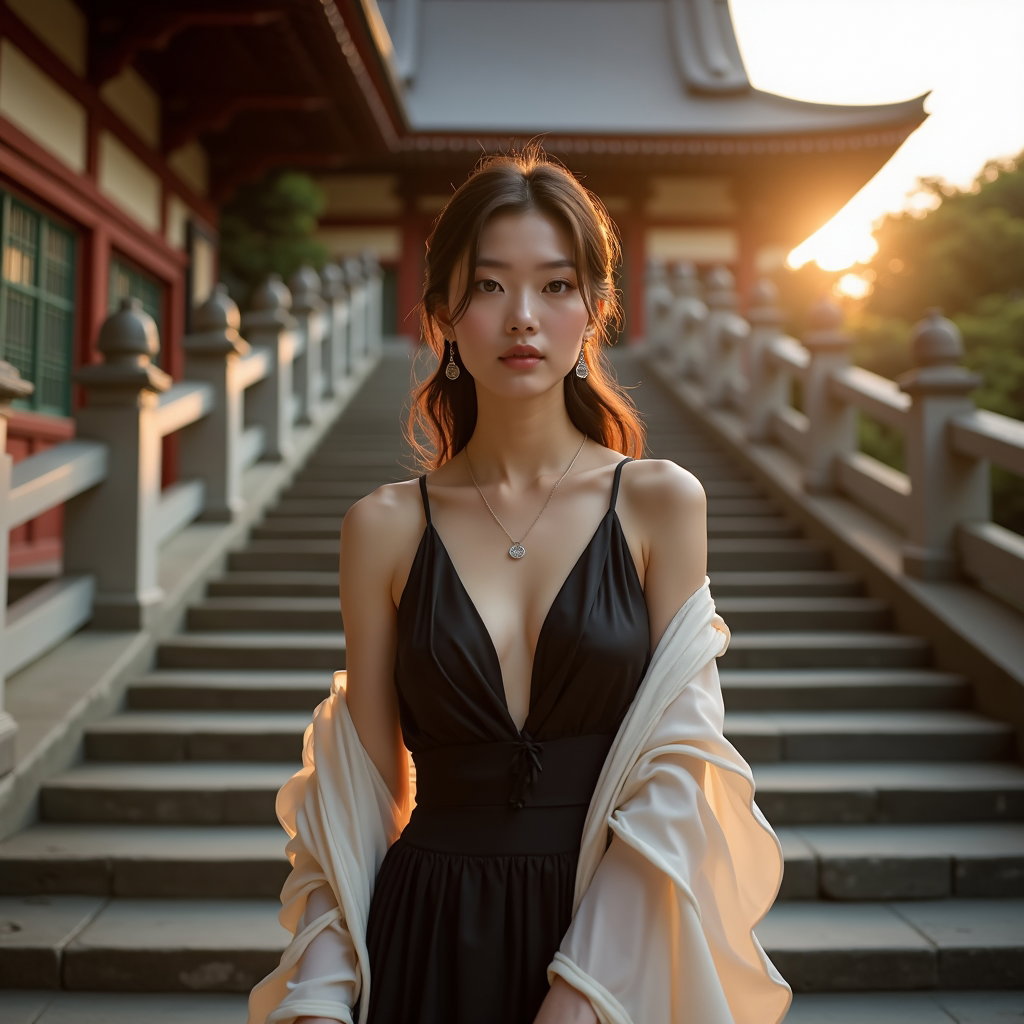
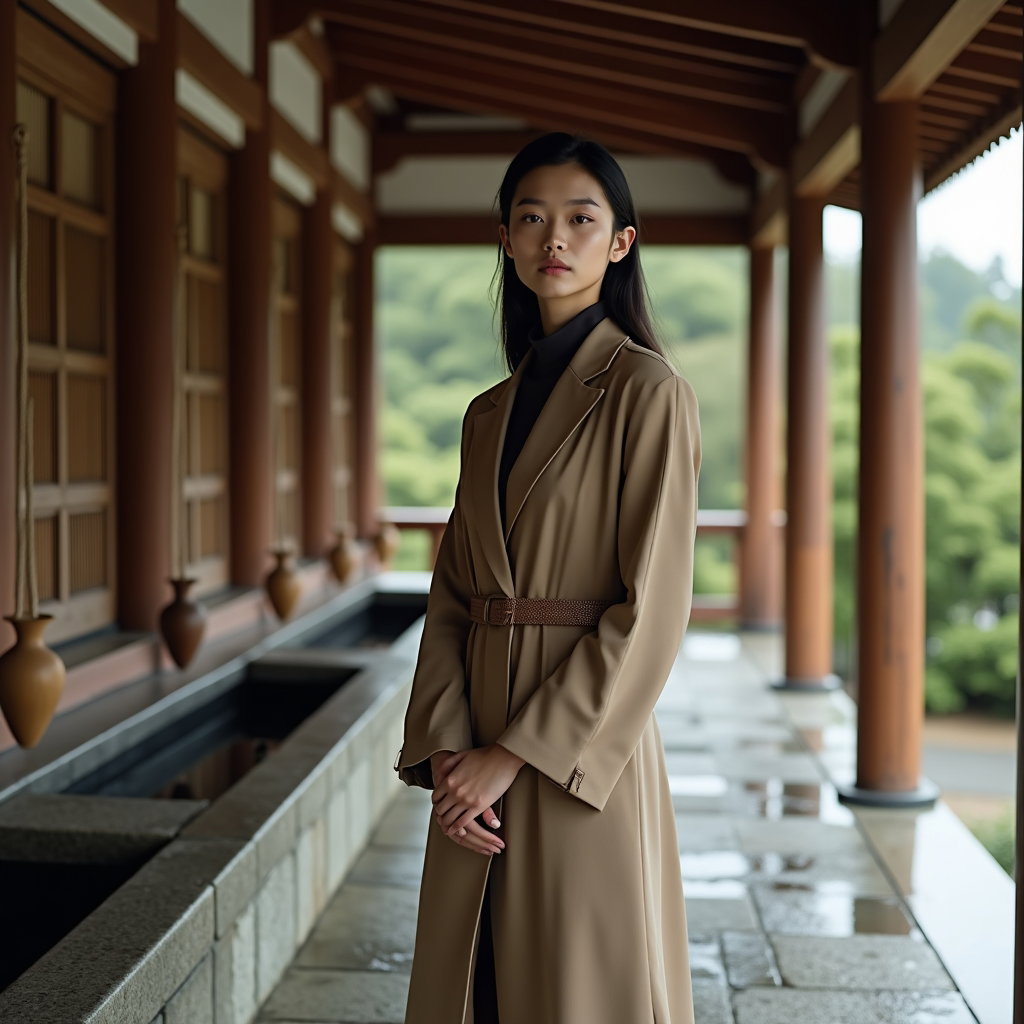
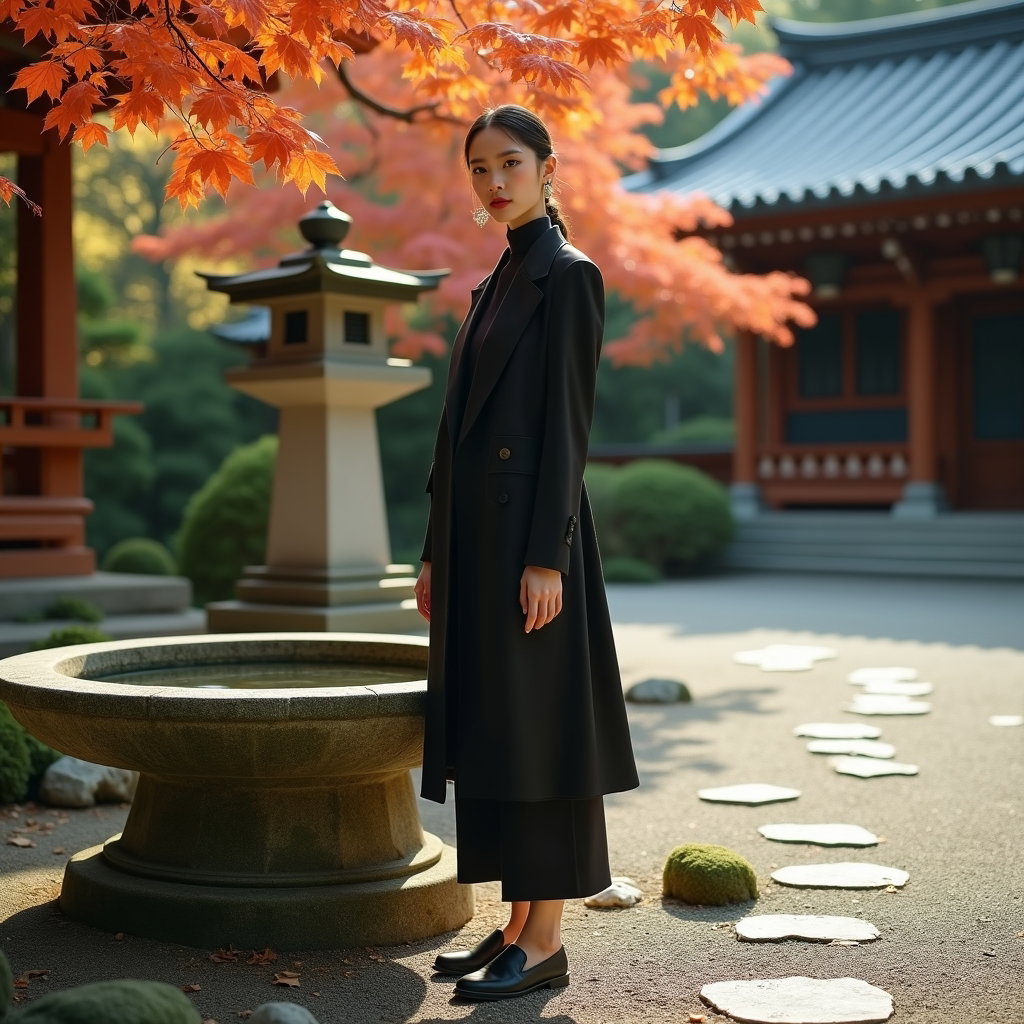
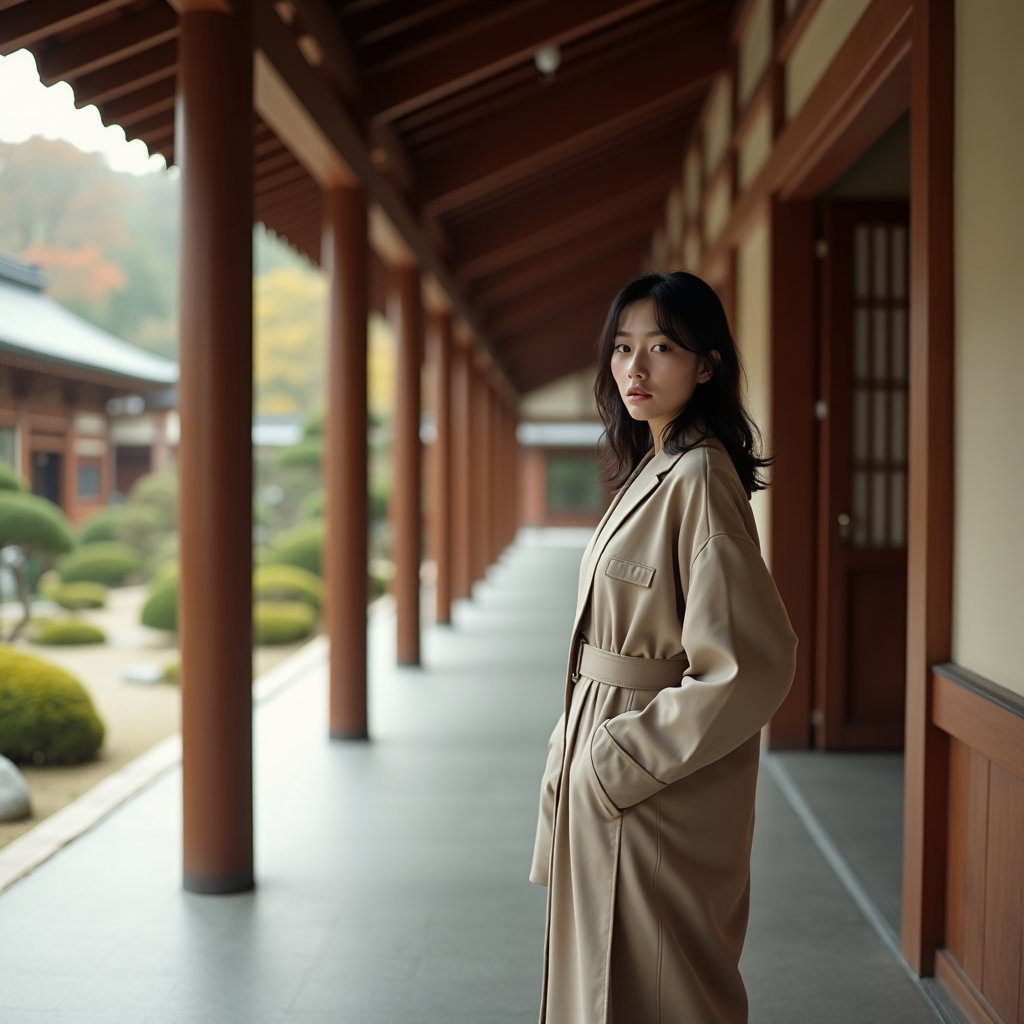
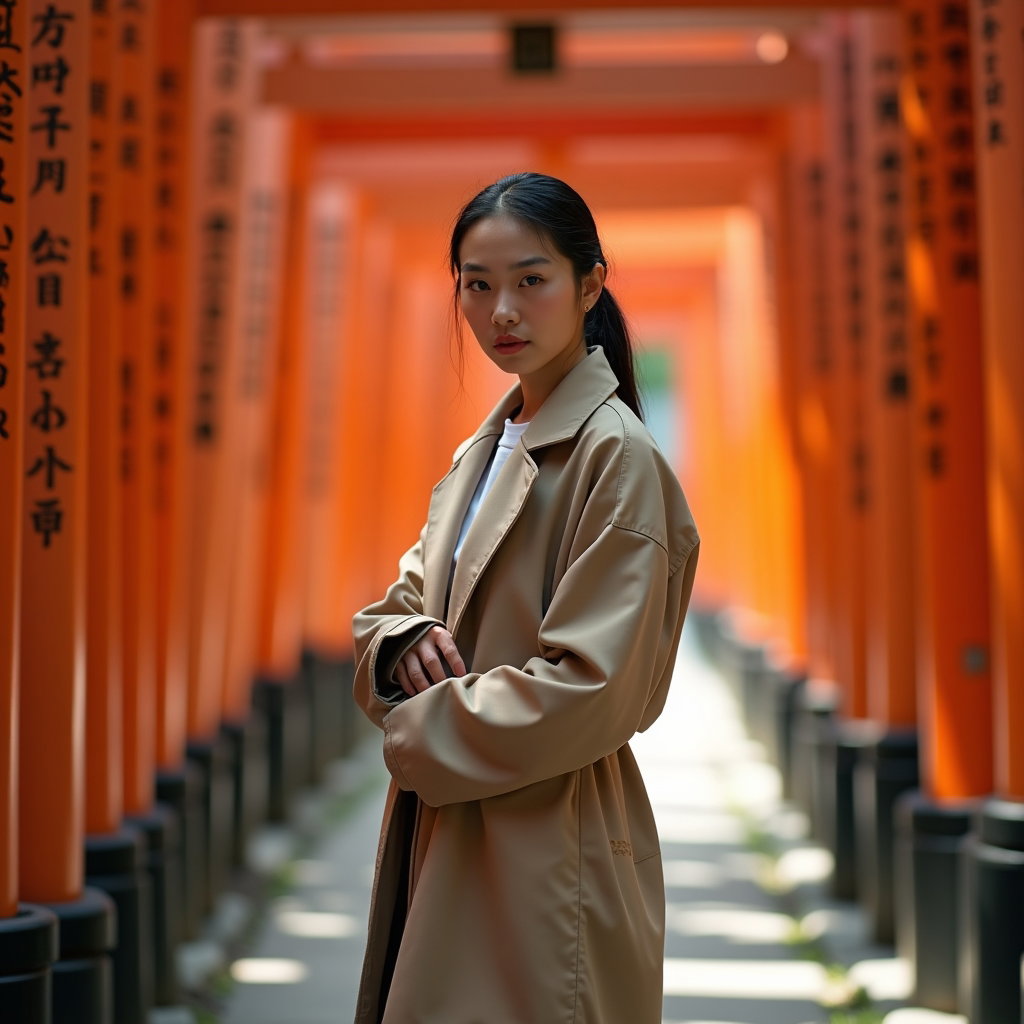
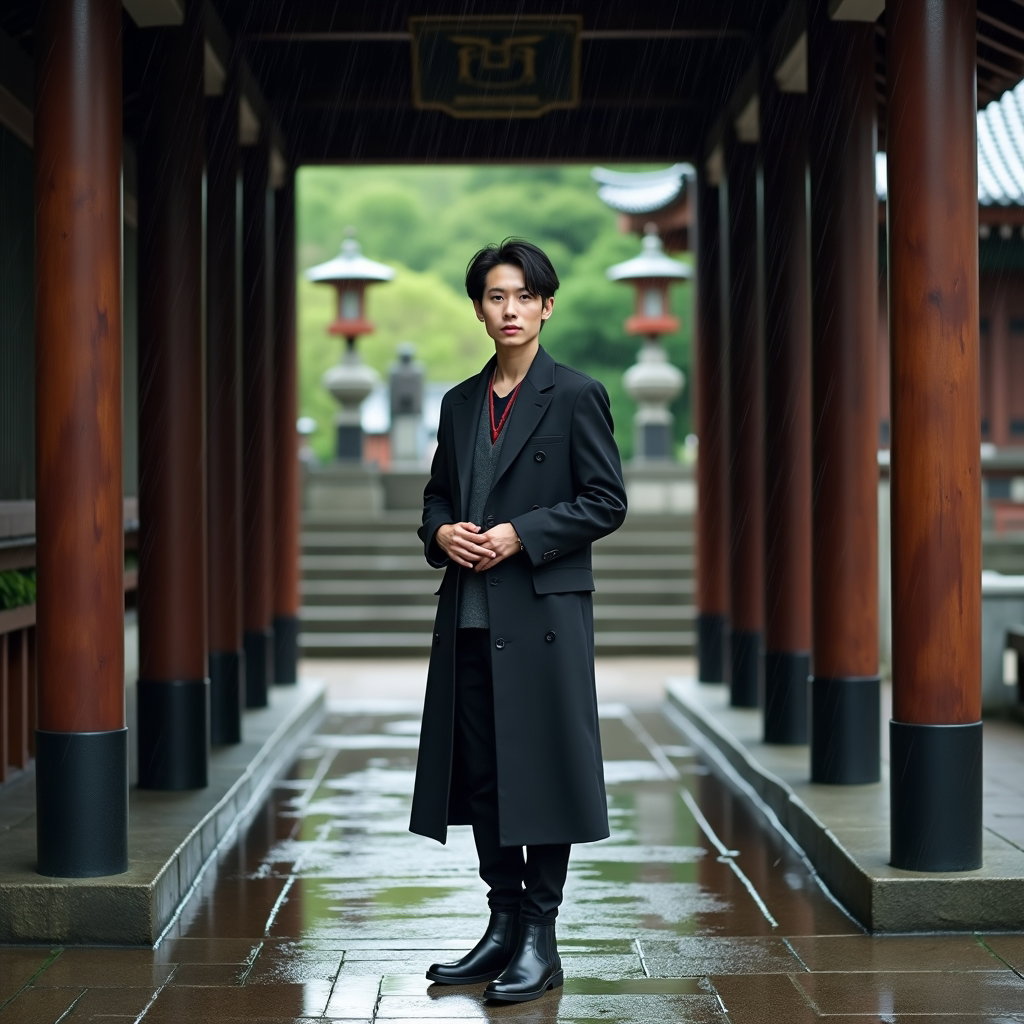
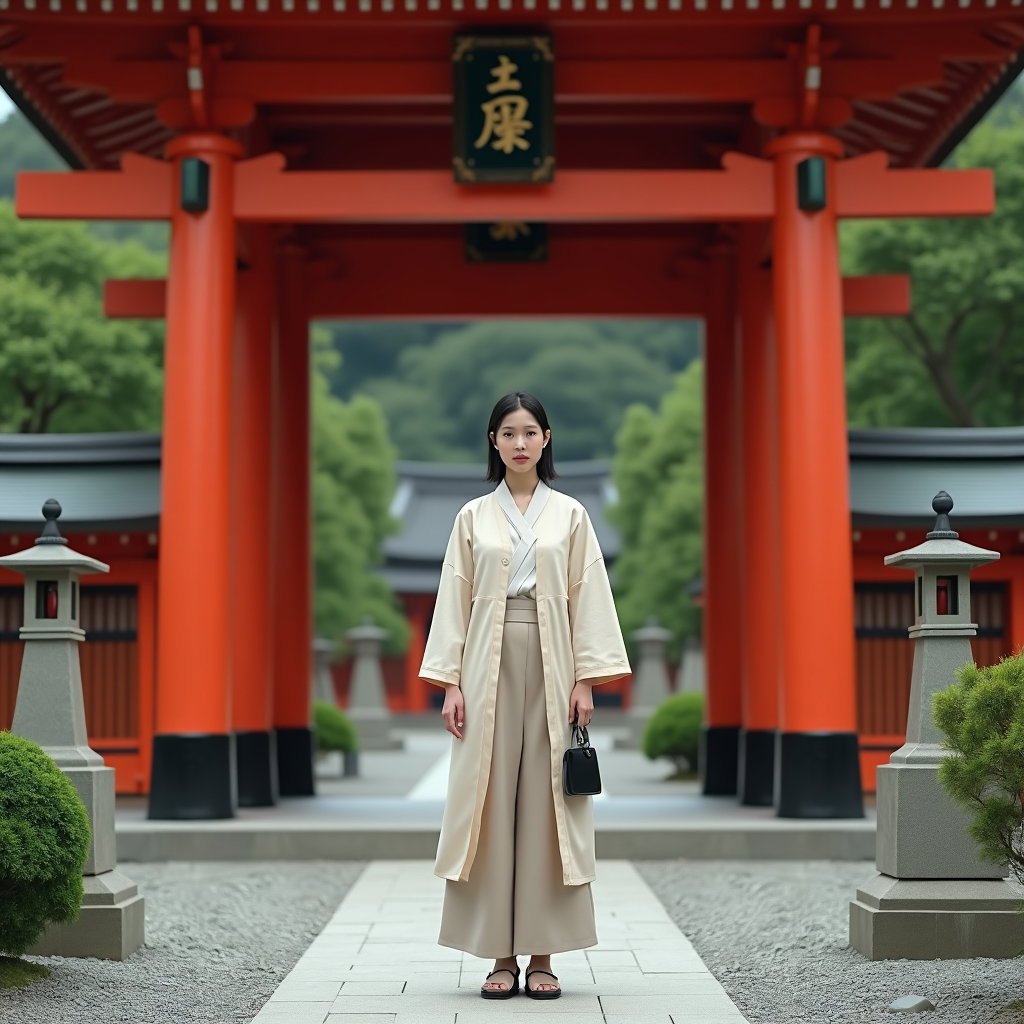
Click on any photo to see yourself in it
Japanese Style Photo Ideas That Deliver Better AI Results
The strongest Japanese-style AI portraits use clear signals. Outfit, setting, pose, and mood must point in the same direction. That is what makes the image feel intentional instead of random. Traditional kimono shots give instant recognition. Zen portraits give calm polish. Street fashion gives modern edge. Rain, festivals, cafés, and nature add variety and depth.
If you want better results, stop trying to cram everything into one image. Pick one strong concept and push it fully. Keep the styling clear. Keep the mood focused. Use the photo ideas in this guide as direct visual frameworks. That is what actually works when you want Japanese-style AI photos that look convincing, useful, and visually strong.