Dark Academia Style Guide
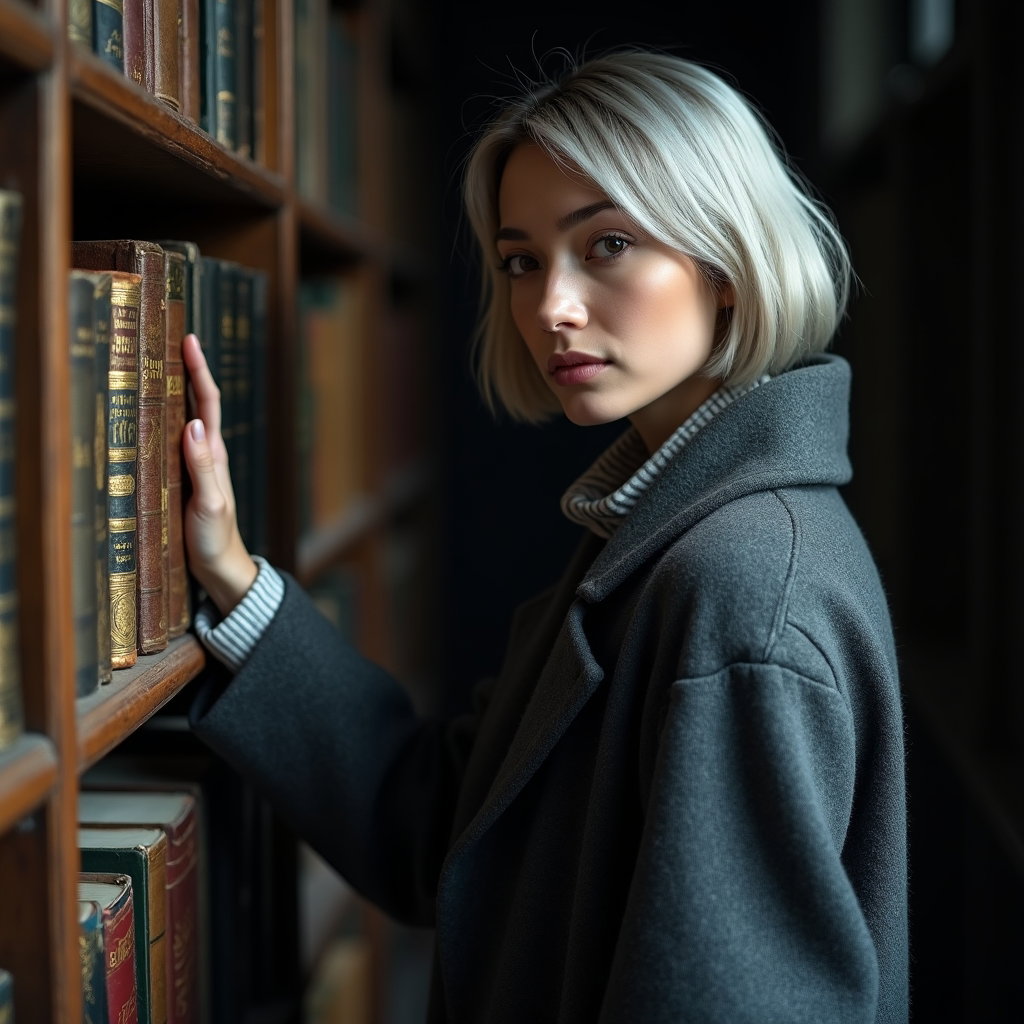
Dark academia style works best when you look thoughtful, layered, and a little hard to read. The goal is not to wear a costume. The goal is to build an old-world scholarly mood with clothes, light, and settings that feel lived in.
Start with a narrow color range. Charcoal, espresso brown, black, cream, olive, oxblood, and faded navy all work well. Choose natural textures when you can: wool, tweed, cotton, leather, linen, and worn paper. One sharp piece, like a blazer or long coat, should meet one soft piece, like a knit, scarf, or rumpled shirt.
Your pose matters as much as your outfit. Look absorbed, not frozen. Hold a book, pen, folder, cup, or umbrella with purpose. Keep the expression quiet. Dark academia looks strongest when it suggests a private thought, a late deadline, or a secret tucked inside the next page.
Library Stacks
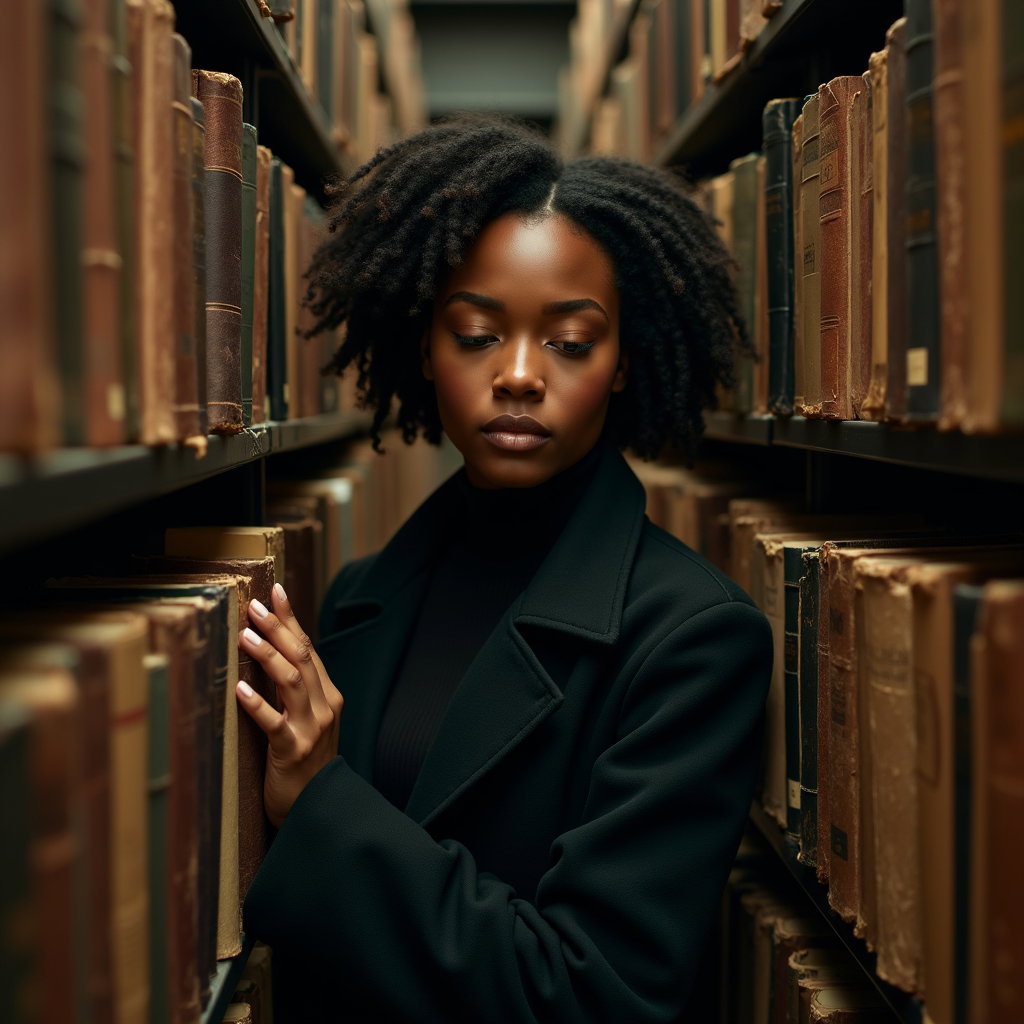
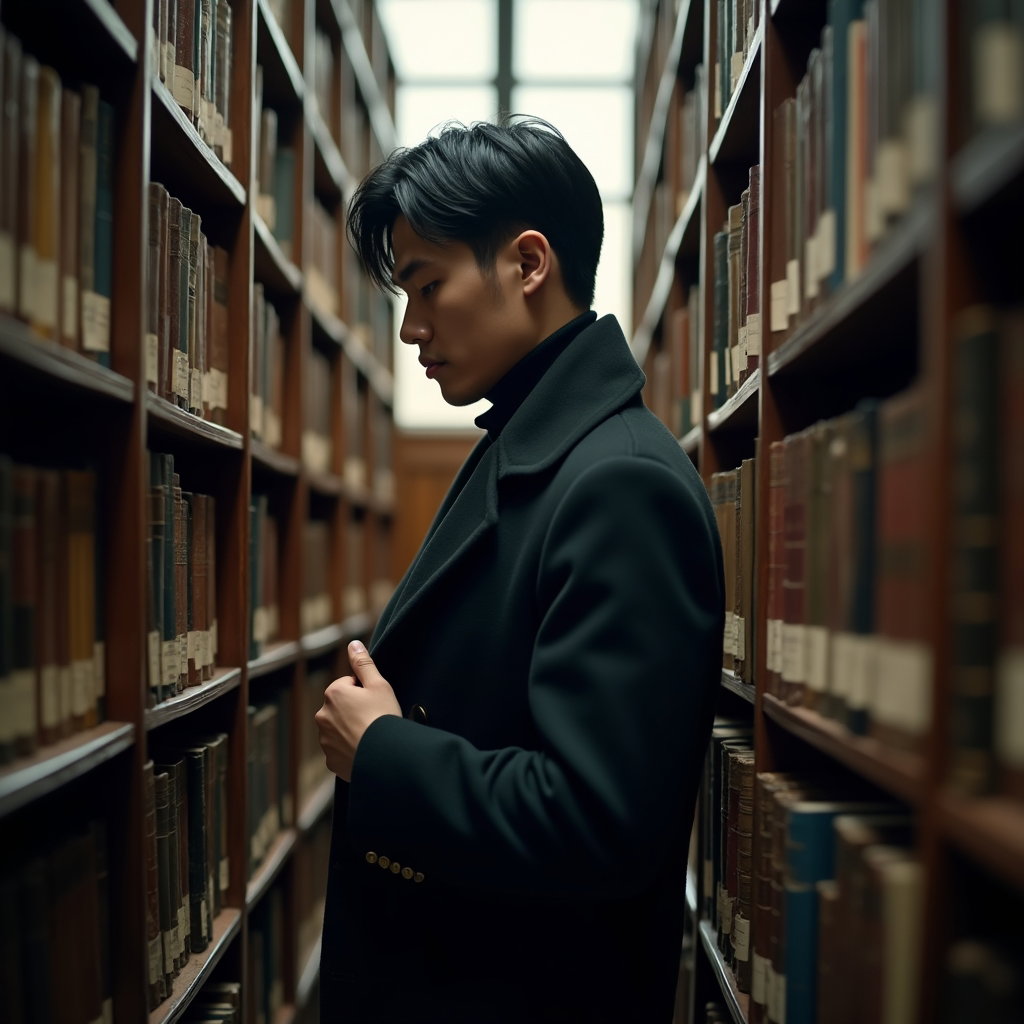
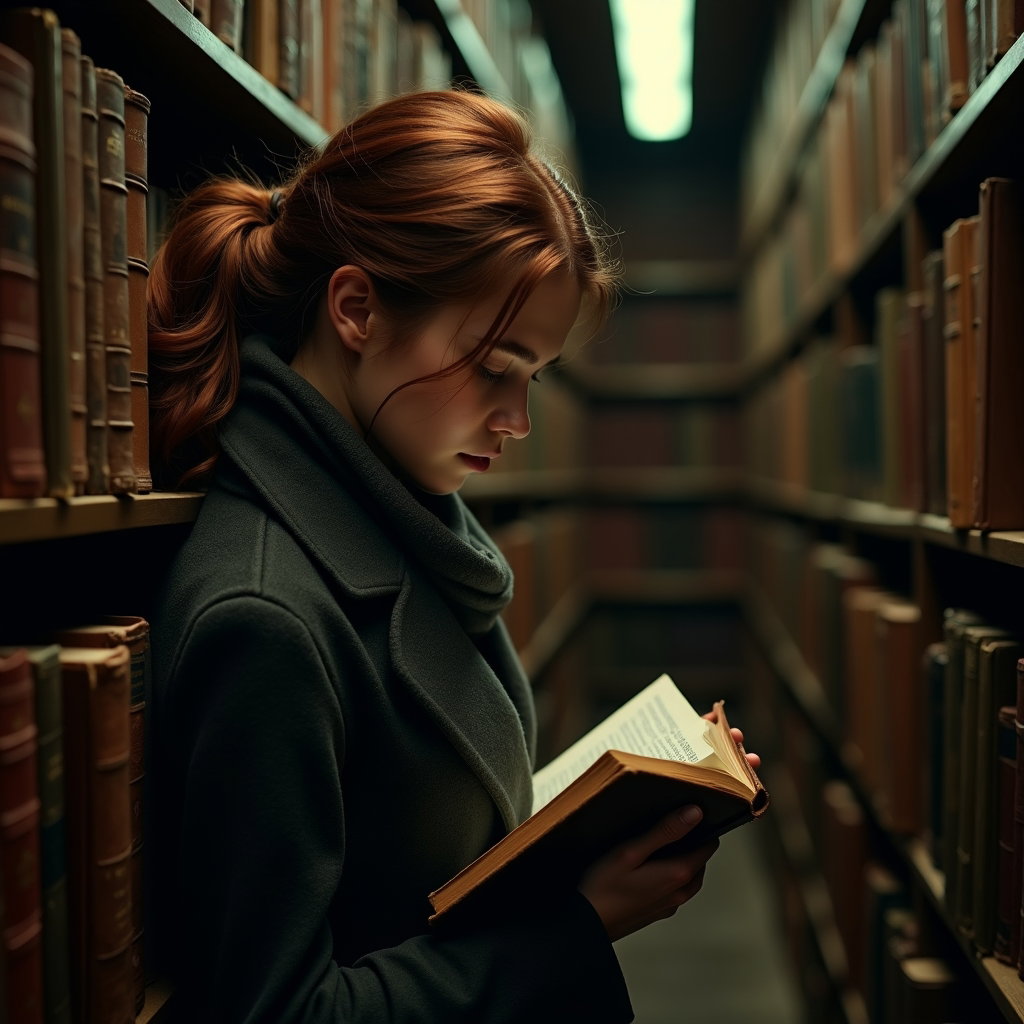
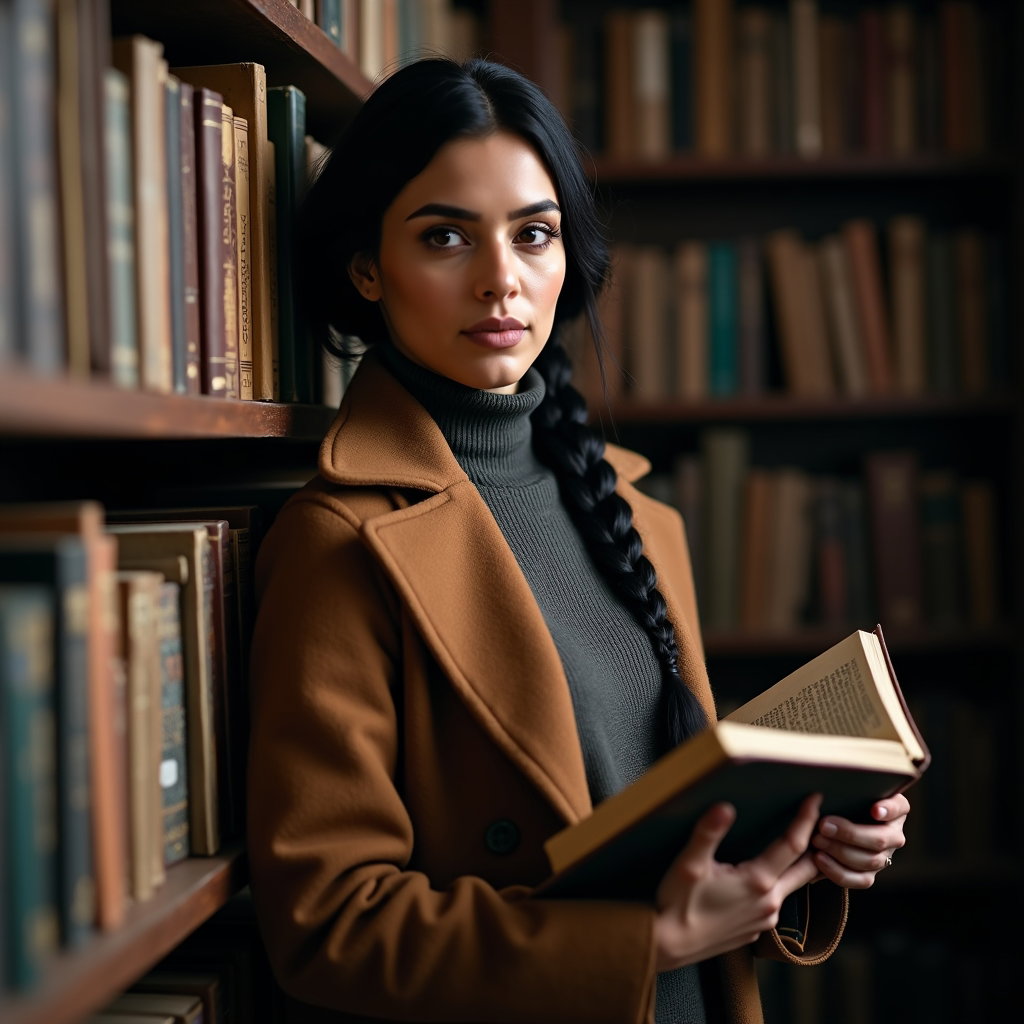
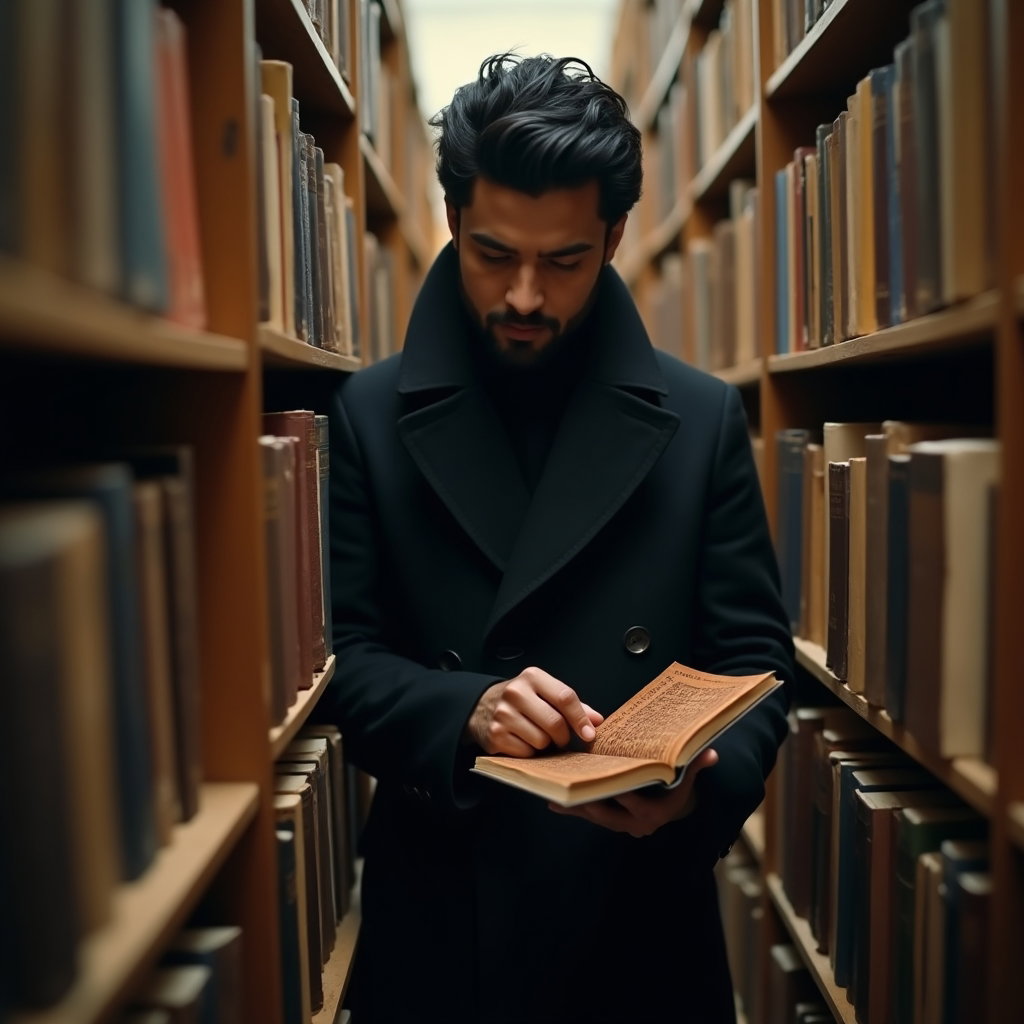
A portrait between tall shelves gives you the clearest dark academia setting. The tight frame makes the books feel like walls, so you look surrounded by knowledge and hidden stories. It is a strong choice when you want one hero image that says “mysterious scholar” without needing many props.
Keep the outfit simple so the shelves do not fight with it. A wool coat, dark knit, white shirt collar, or narrow scarf will read better than a busy pattern. Let one hand rest on a cracked book spine or hover near the shelf, as if you just found something important.
Pose with your body angled slightly toward the shelves and your gaze lowered. Use soft side light or dim overhead library light. Wear a dark coat, neat layers, and simple shoes. Avoid smiling too brightly or pulling out too many books, because the mood should feel focused, not messy.
Choose a photo to create your version
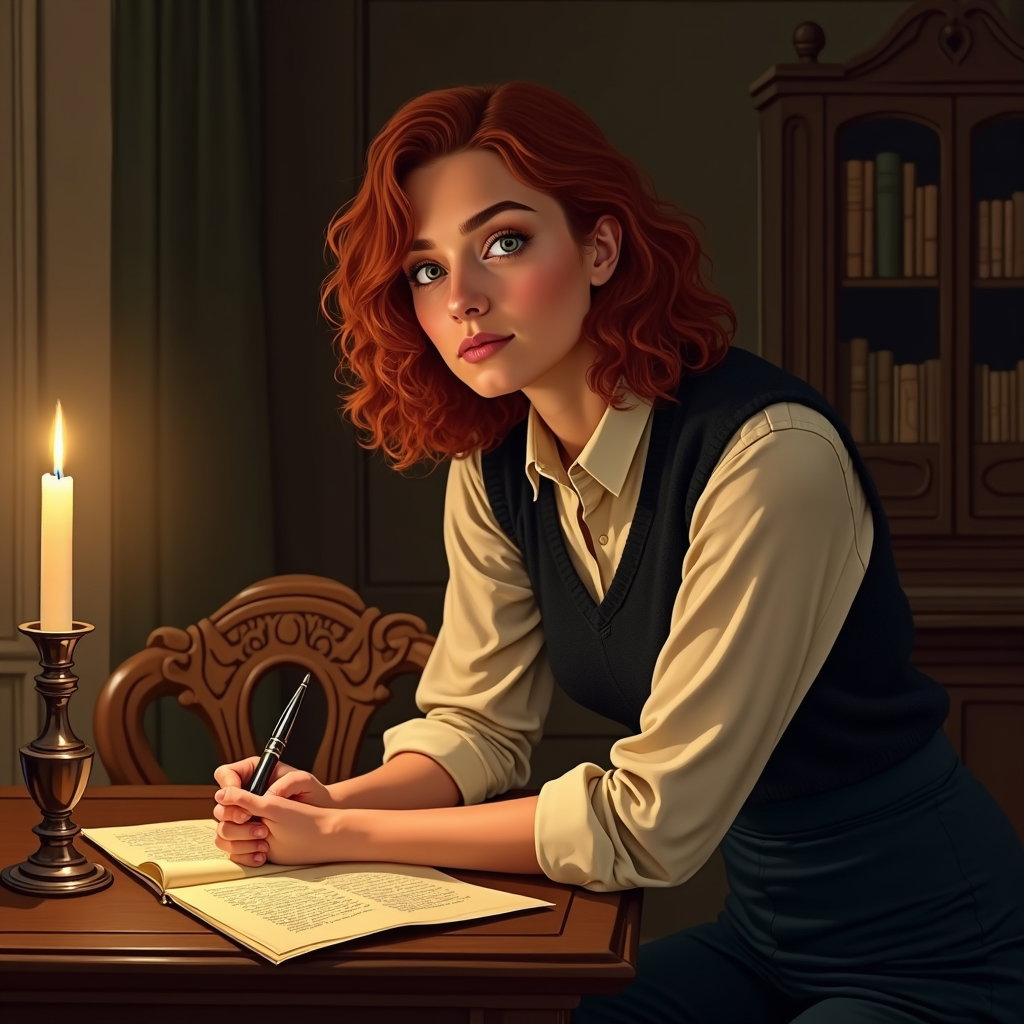
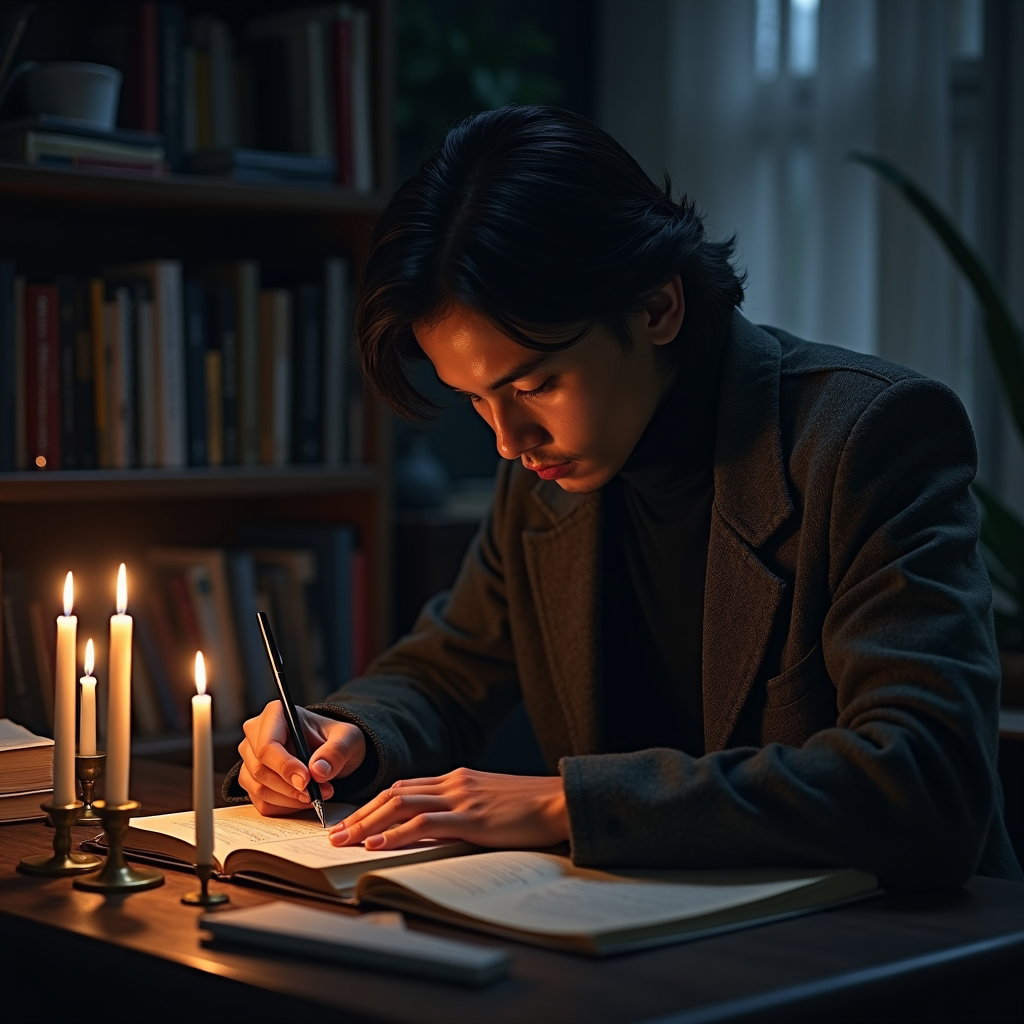
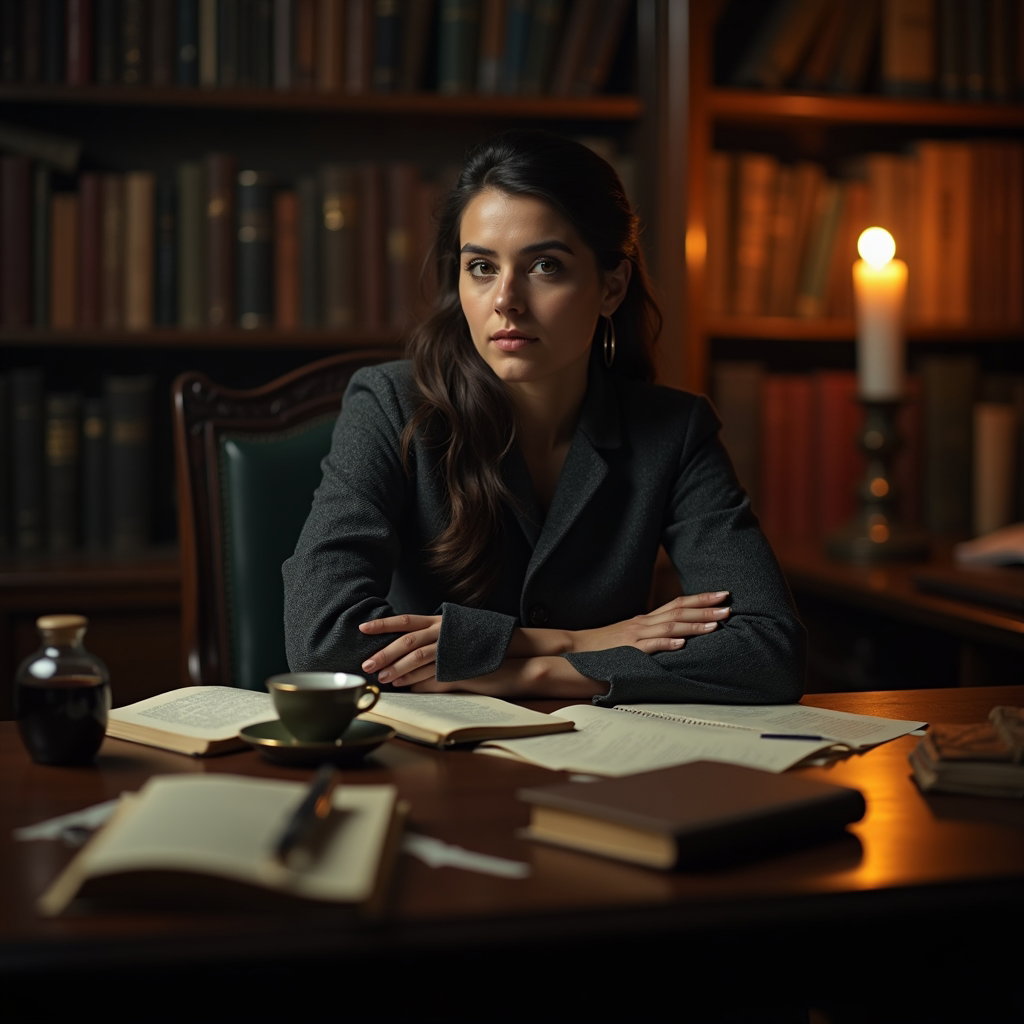
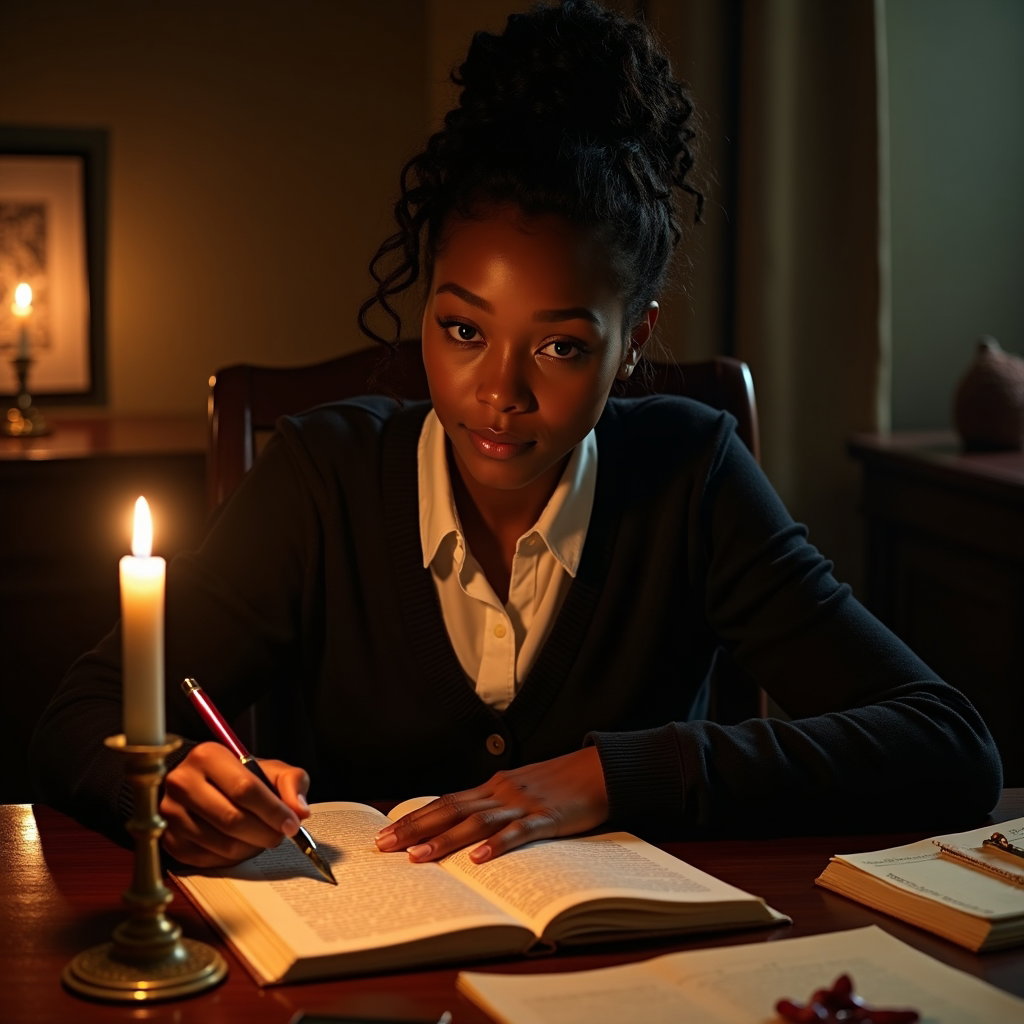
Candlelit Desk
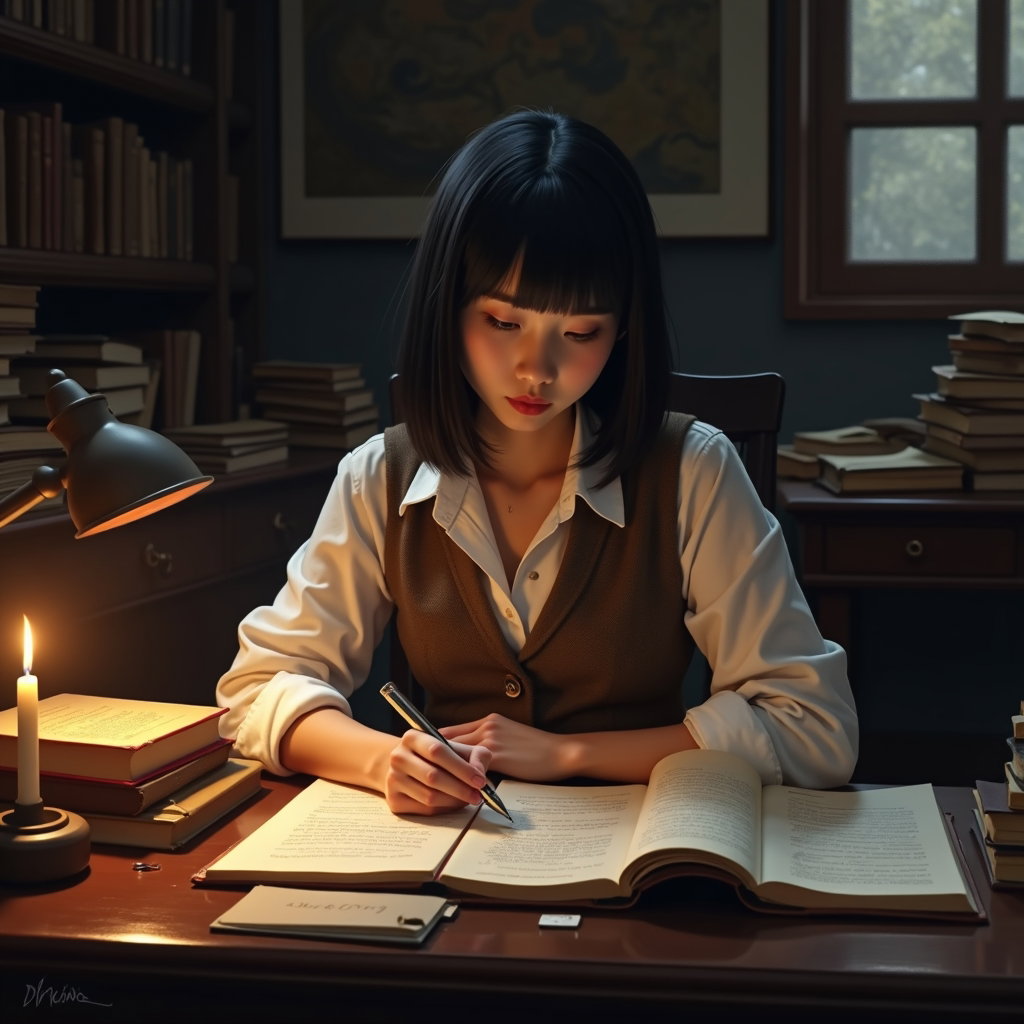
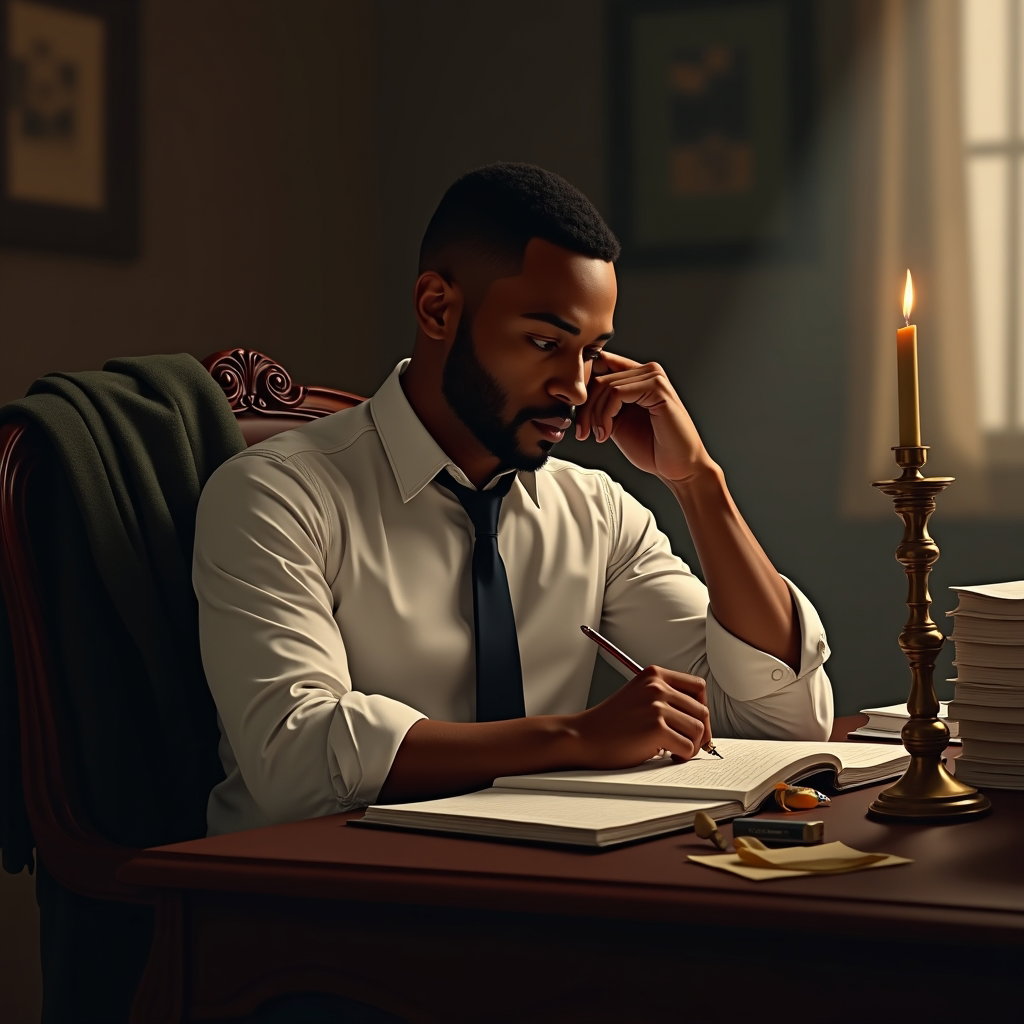
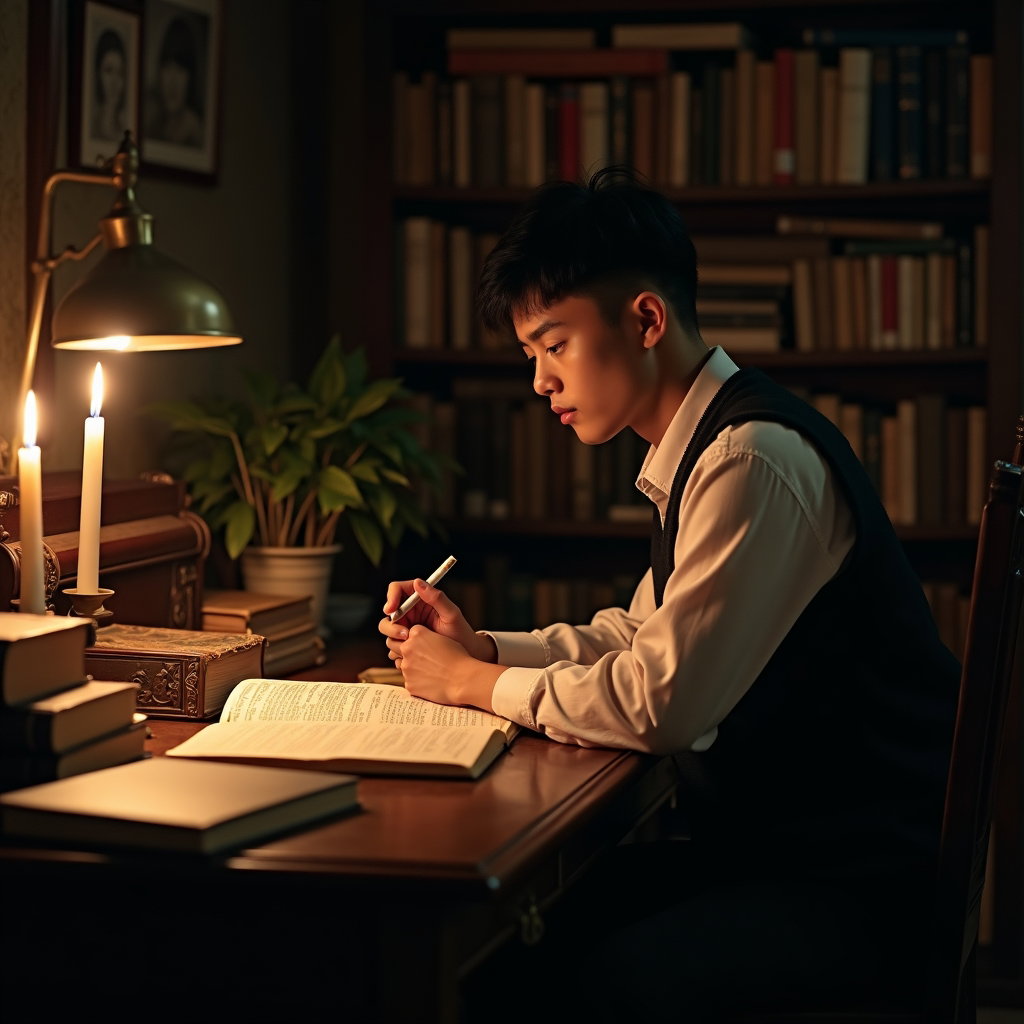
A candlelit desk turns studying into drama. Warm light on your face, paper around your hands, and a cluttered wooden surface create an intimate scene. This works well when you want the style to feel brilliant, private, and a little sleepless.
The trick is controlled clutter. Use a notebook, loose pages, a fountain pen, one open book, and maybe a cup. Rolled shirtsleeves or a soft cardigan make the image feel active, as if you are in the middle of work, not posing after the work is done.
Sit three-quarter to the camera with one elbow on the desk and your hand near your notes. Let warm light hit one side of your face. Wear a white shirt, waistcoat, knit, or dark turtleneck. Avoid too many candles near your face, because the scene can become theatrical instead of thoughtful.

Choose a photo to create your version
Rainy Courtyard
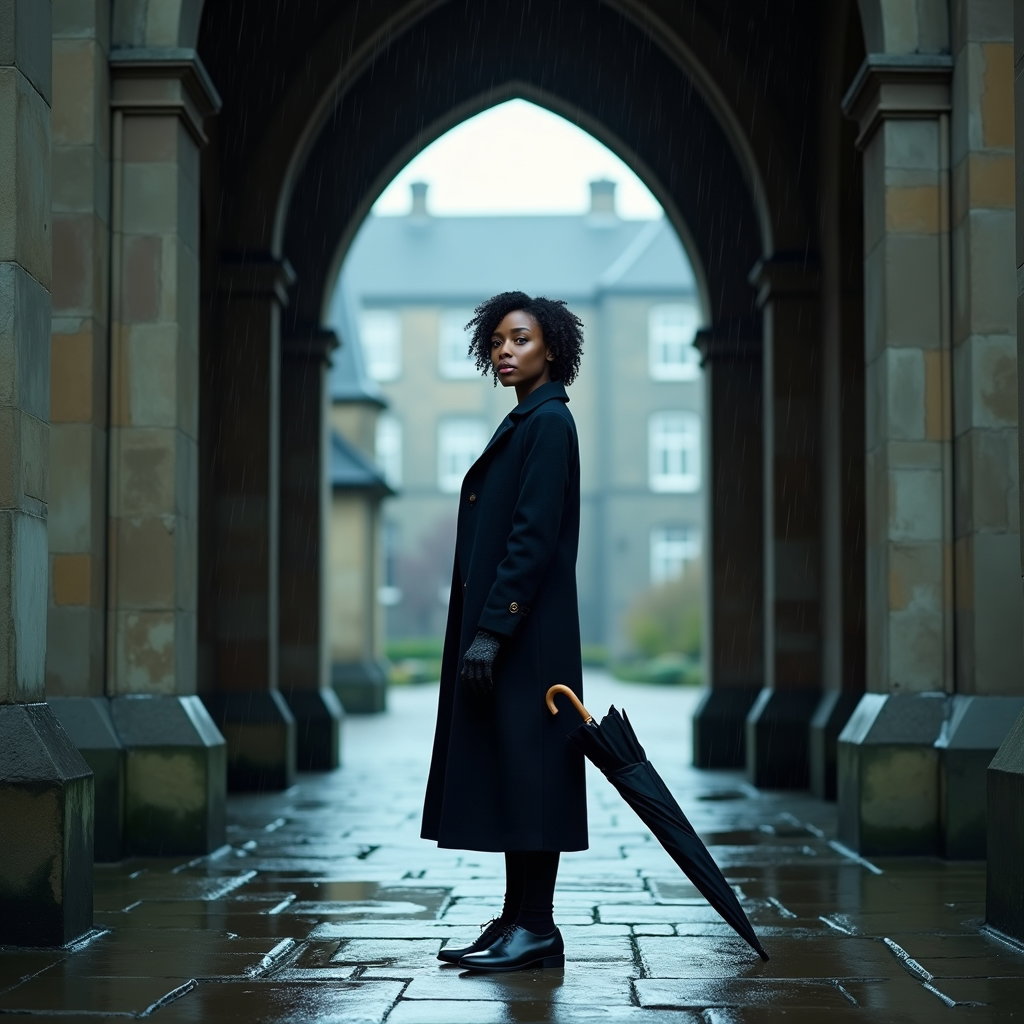
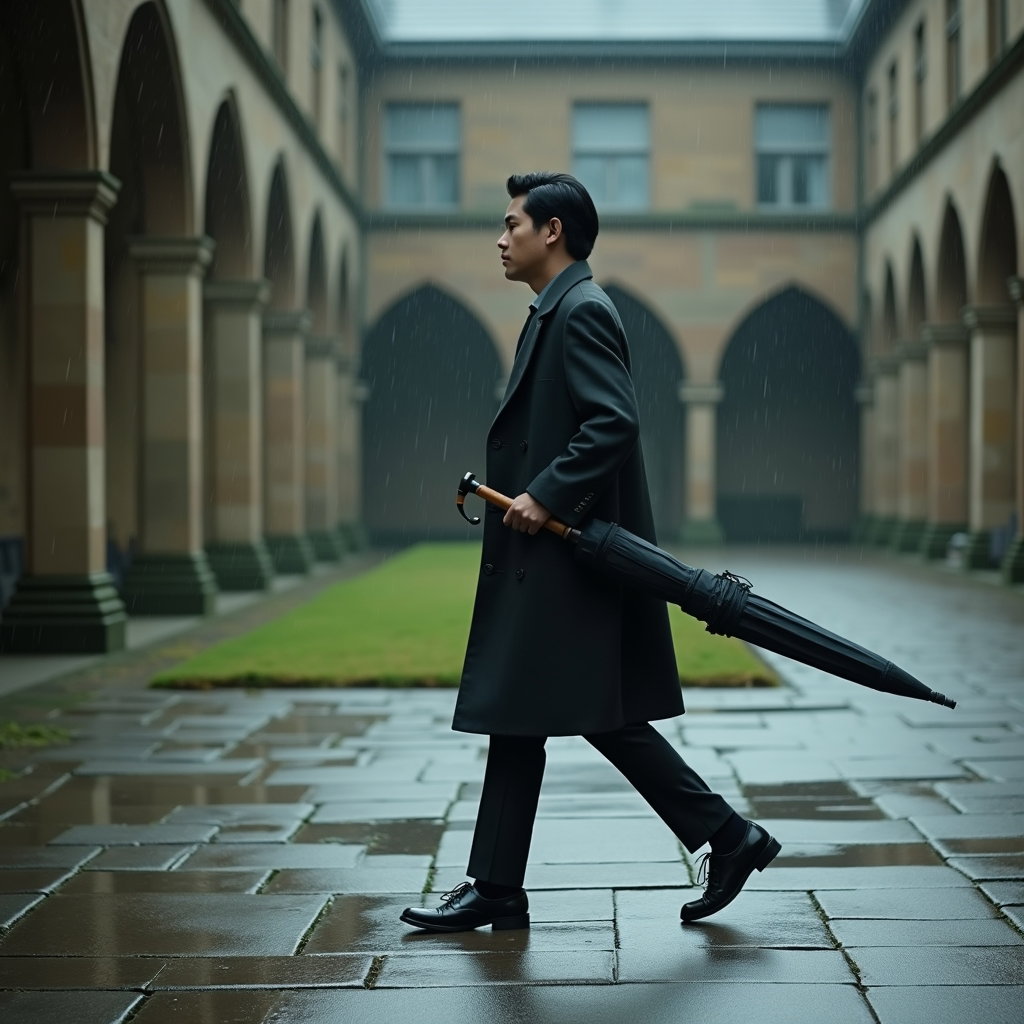
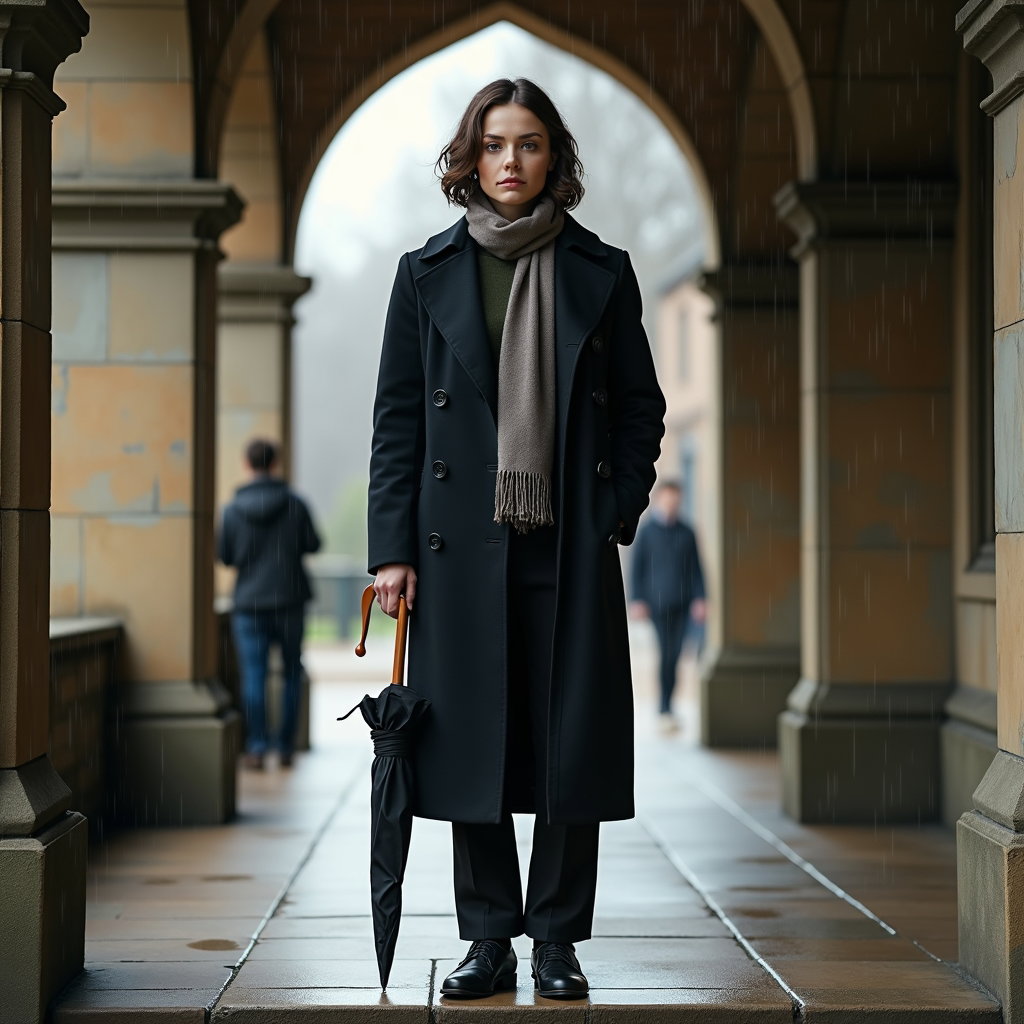
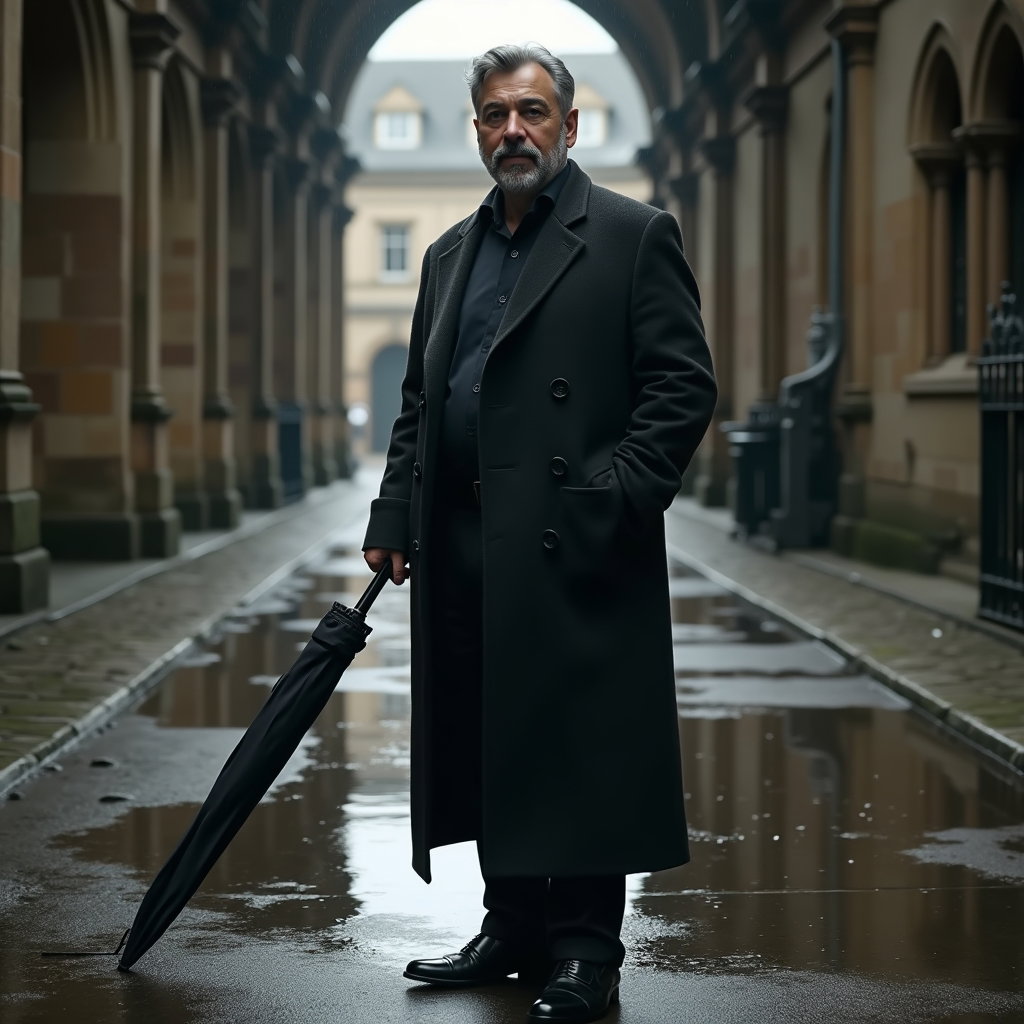
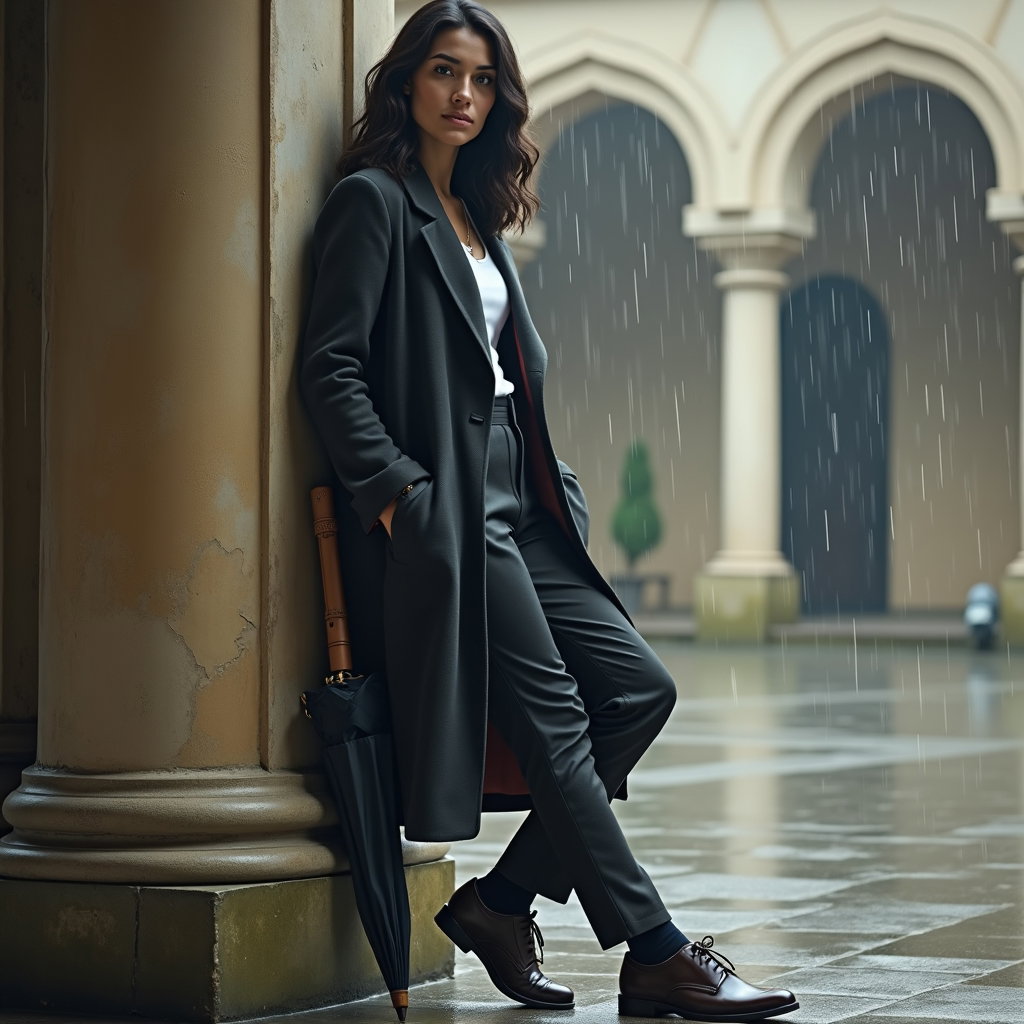
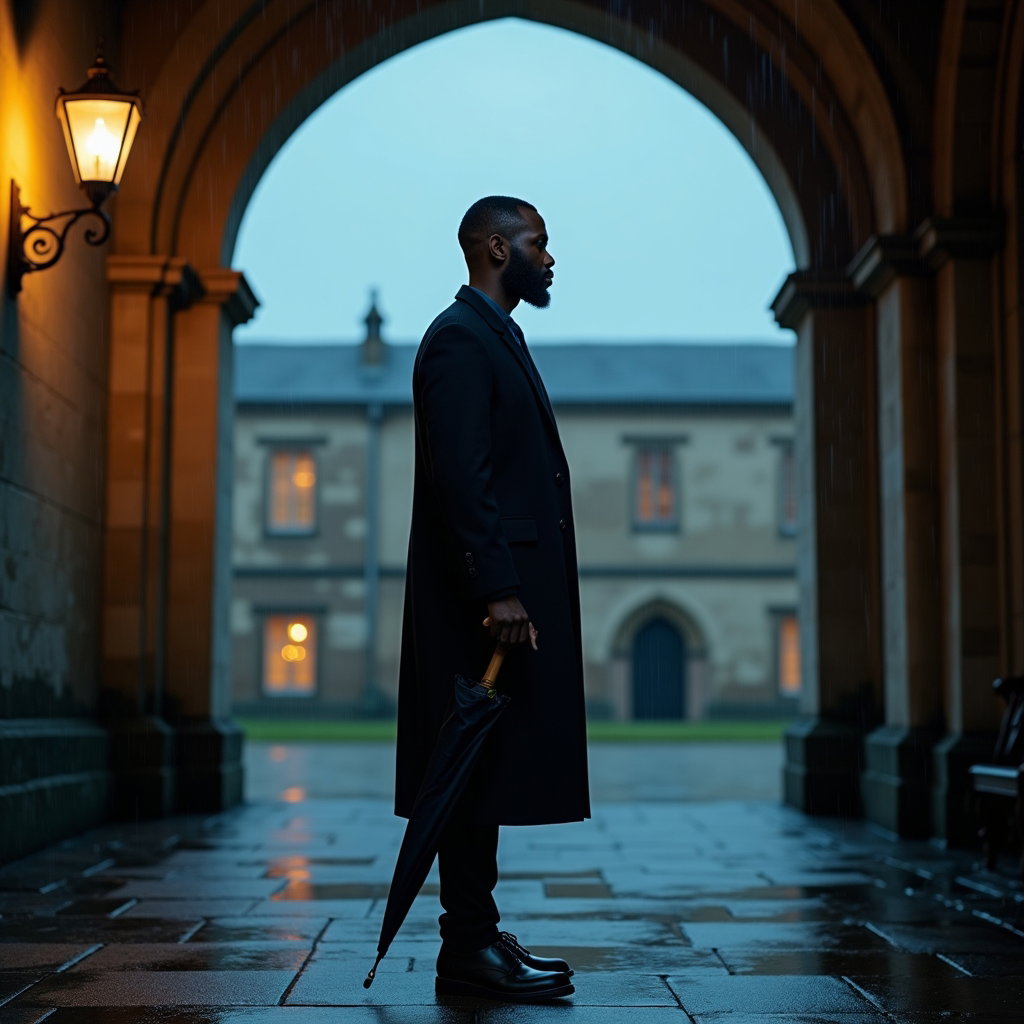
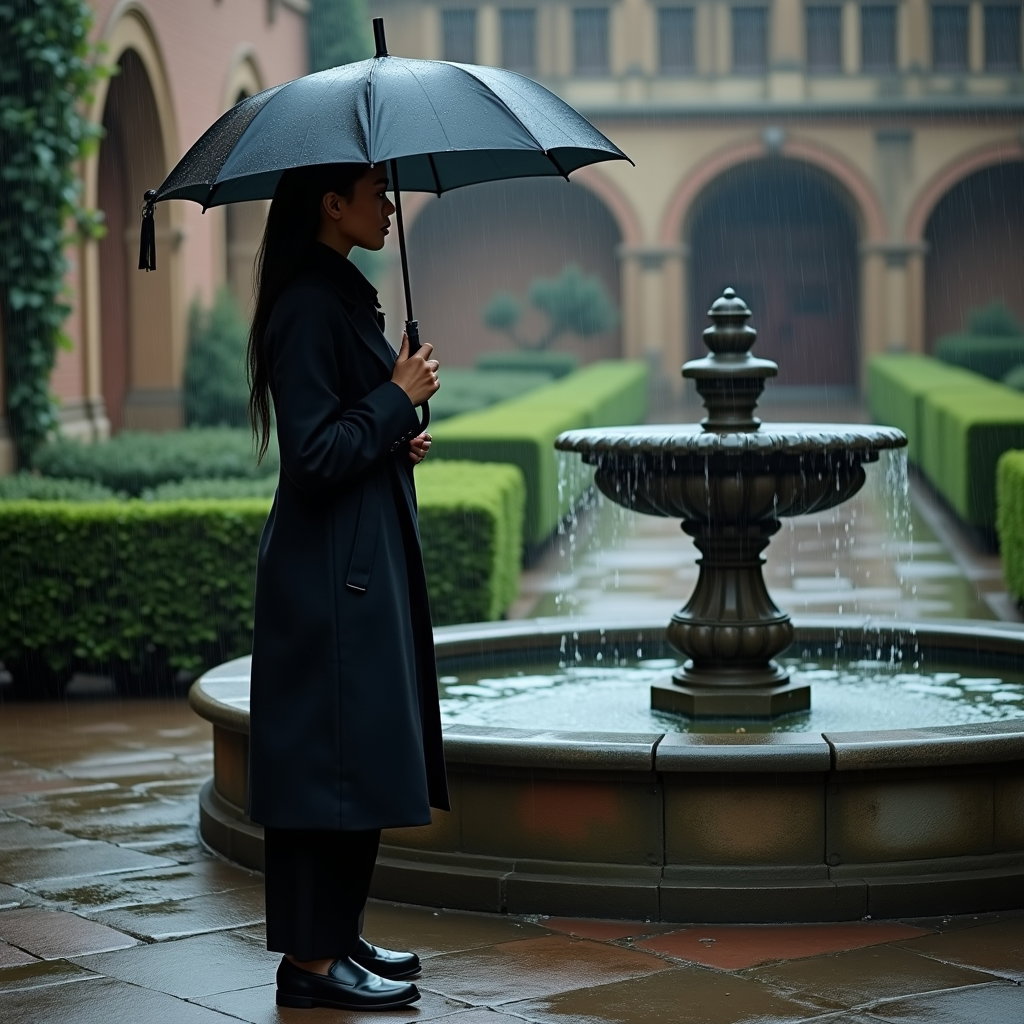
Rain gives dark academia its romantic edge. A stone courtyard, wet pavement, and a long coat add movement and melancholy. This is the best choice when you want a full-body look that shows the outfit and the setting at the same time.
Use the weather as part of the style, not a problem to hide. A closed umbrella, damp hair, or a scarf caught by wind can make the pose feel cinematic. Choose shoes that look grounded, like oxfords, loafers, or ankle boots, because light sneakers can break the mood.
Stand under arches or near old stone, with your coat falling straight and the umbrella angled at your side. Use grey daylight and wet ground for reflection. Wear a long dark coat, trousers or a skirt, and leather shoes. Avoid a huge colorful umbrella, because it pulls attention away from the academic mood.
Choose a photo to create your version
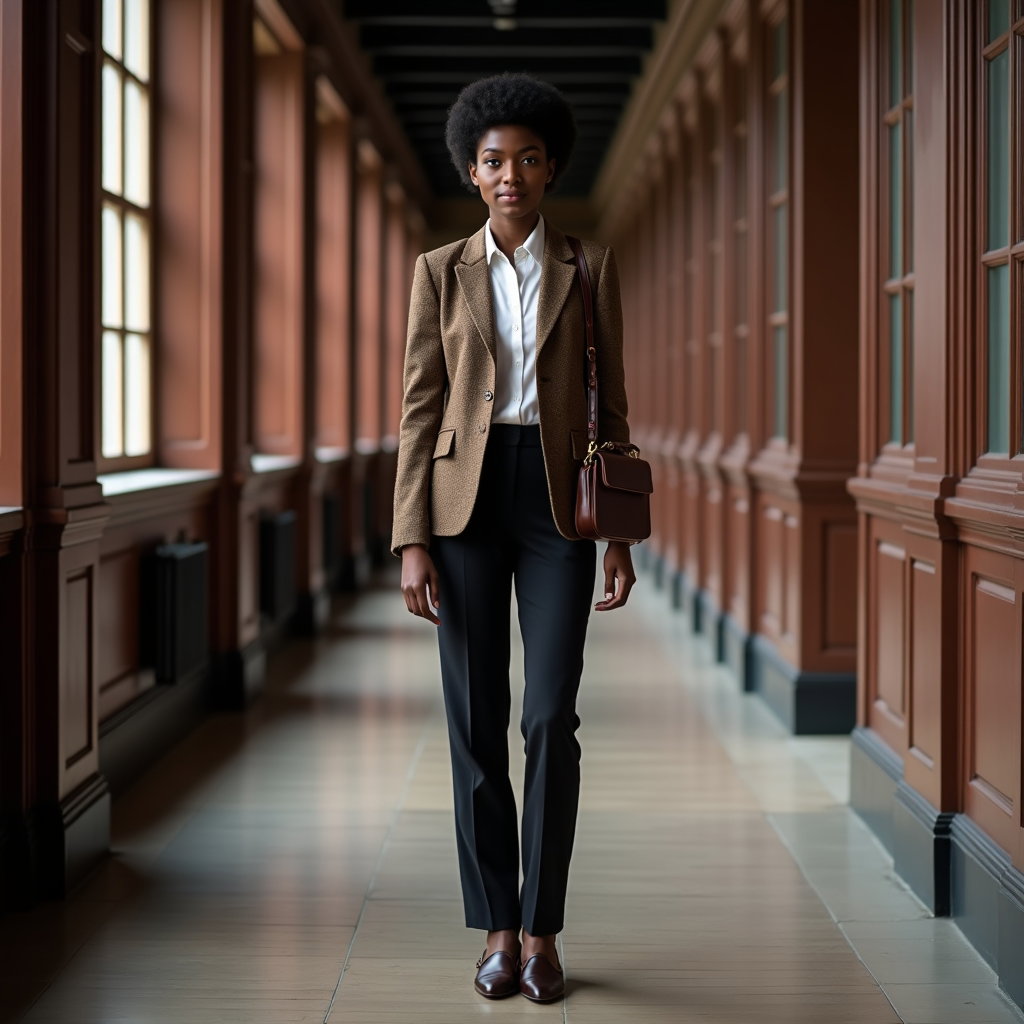
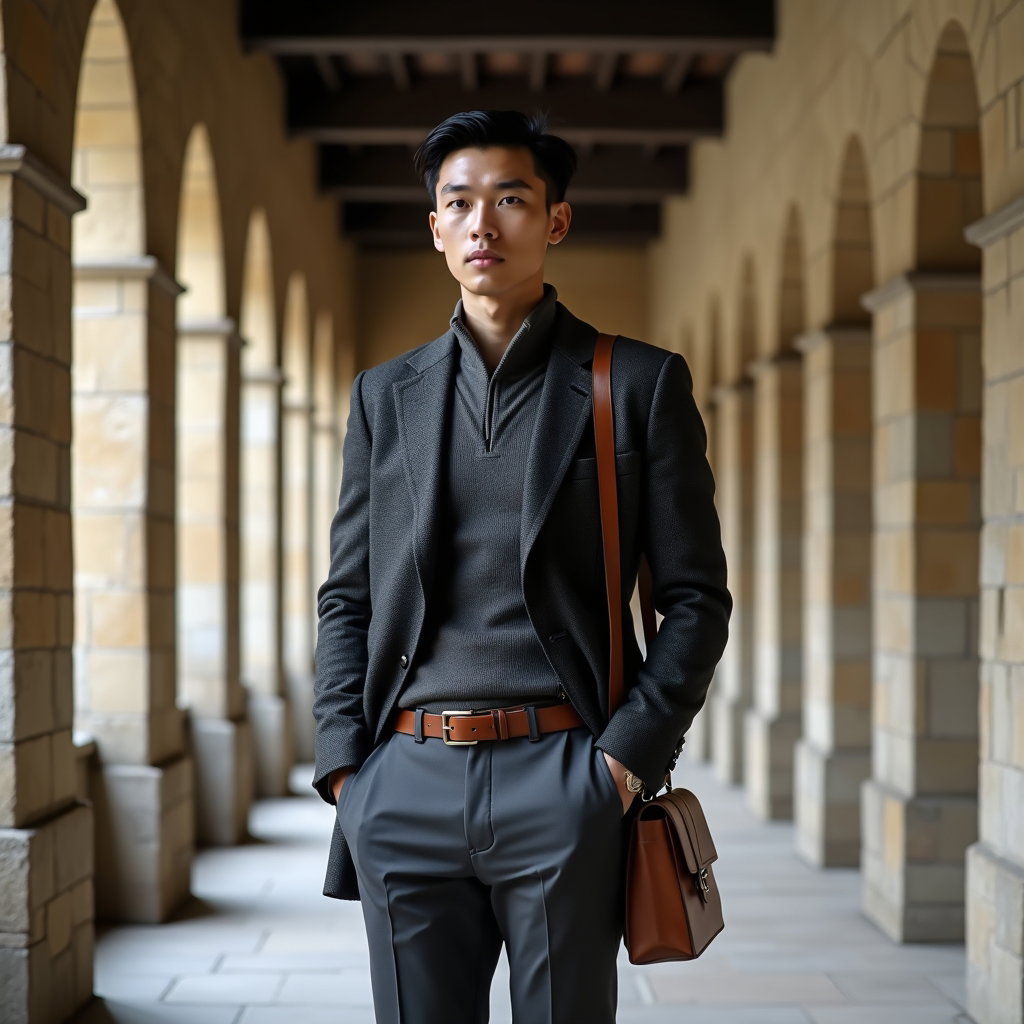
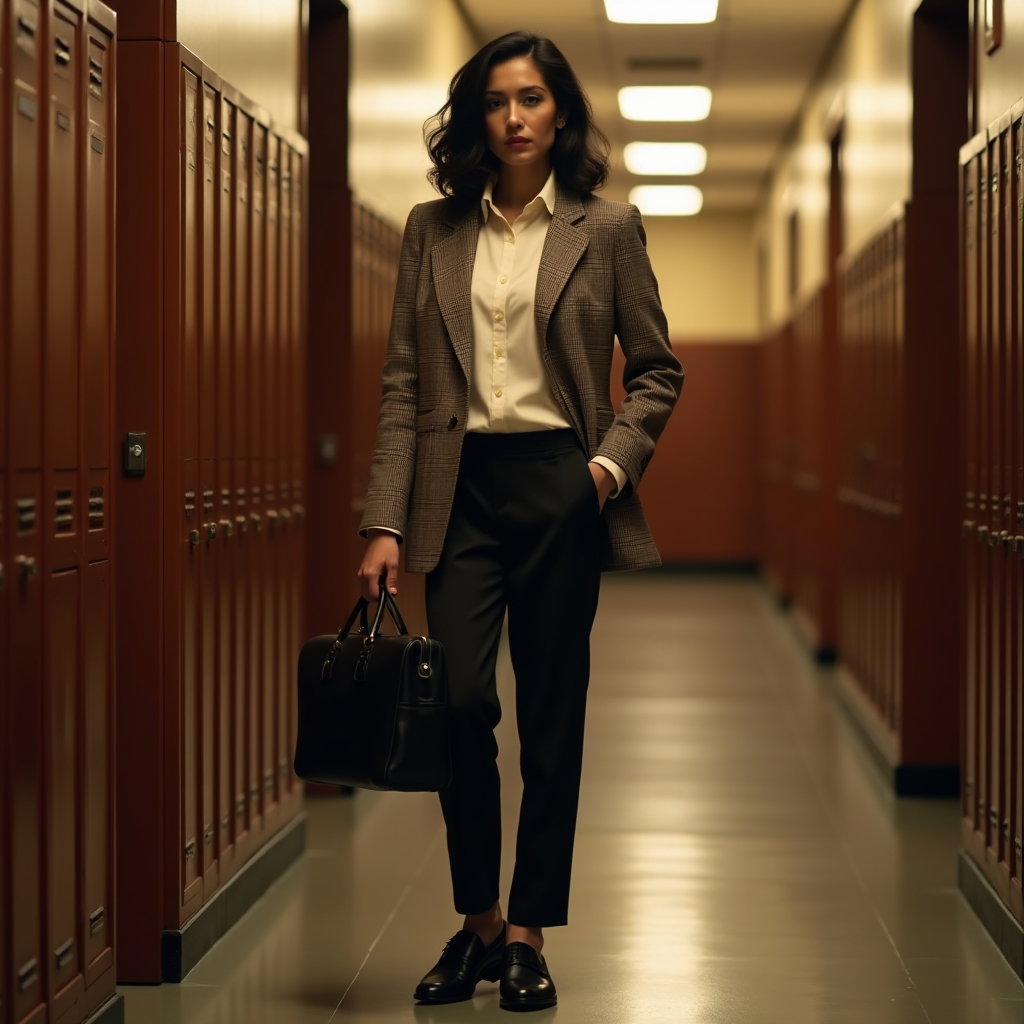
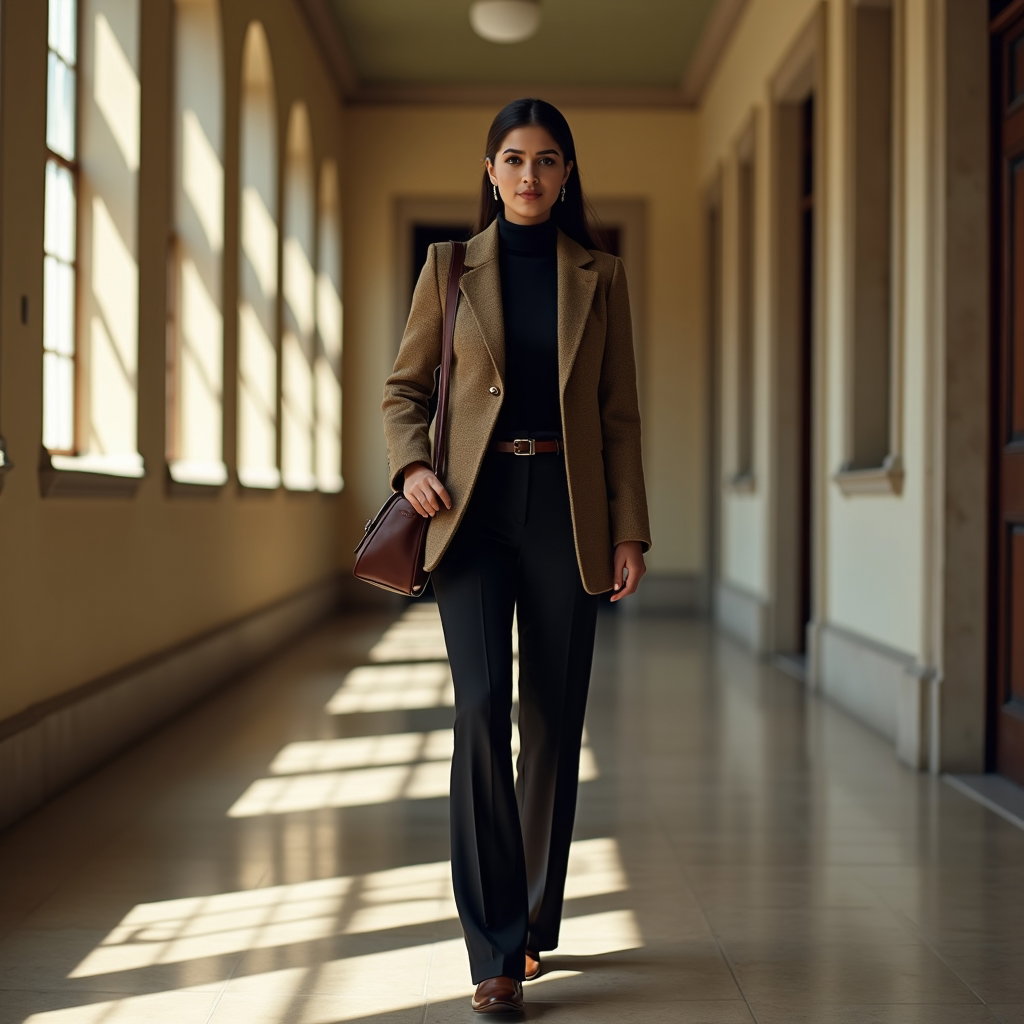
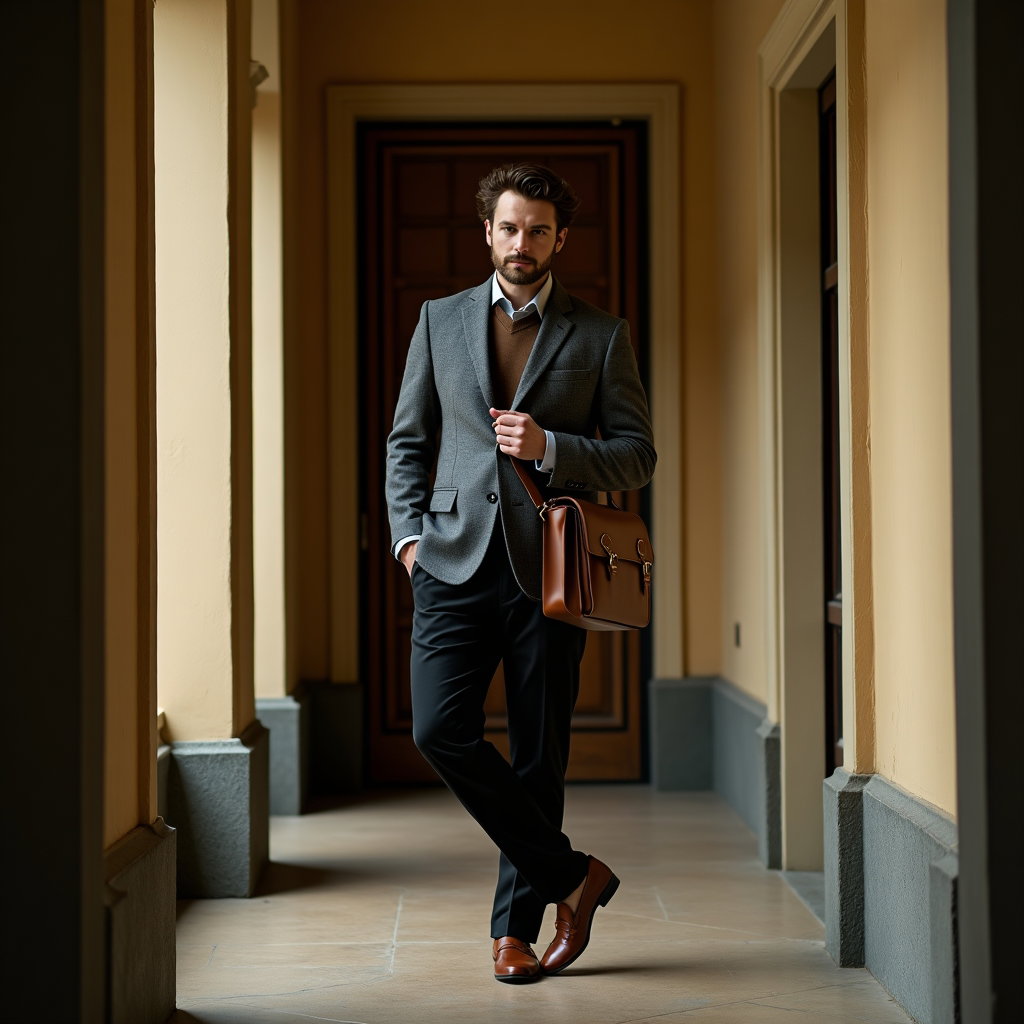
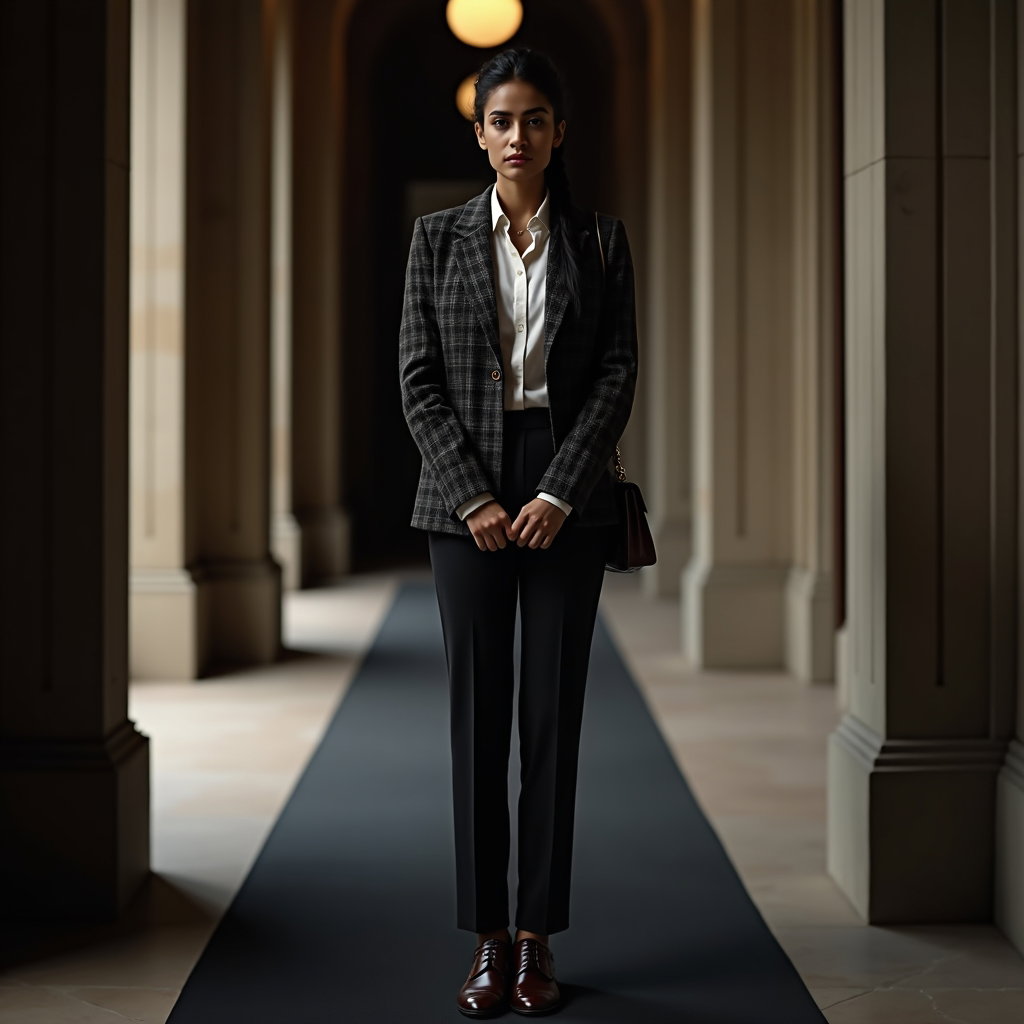
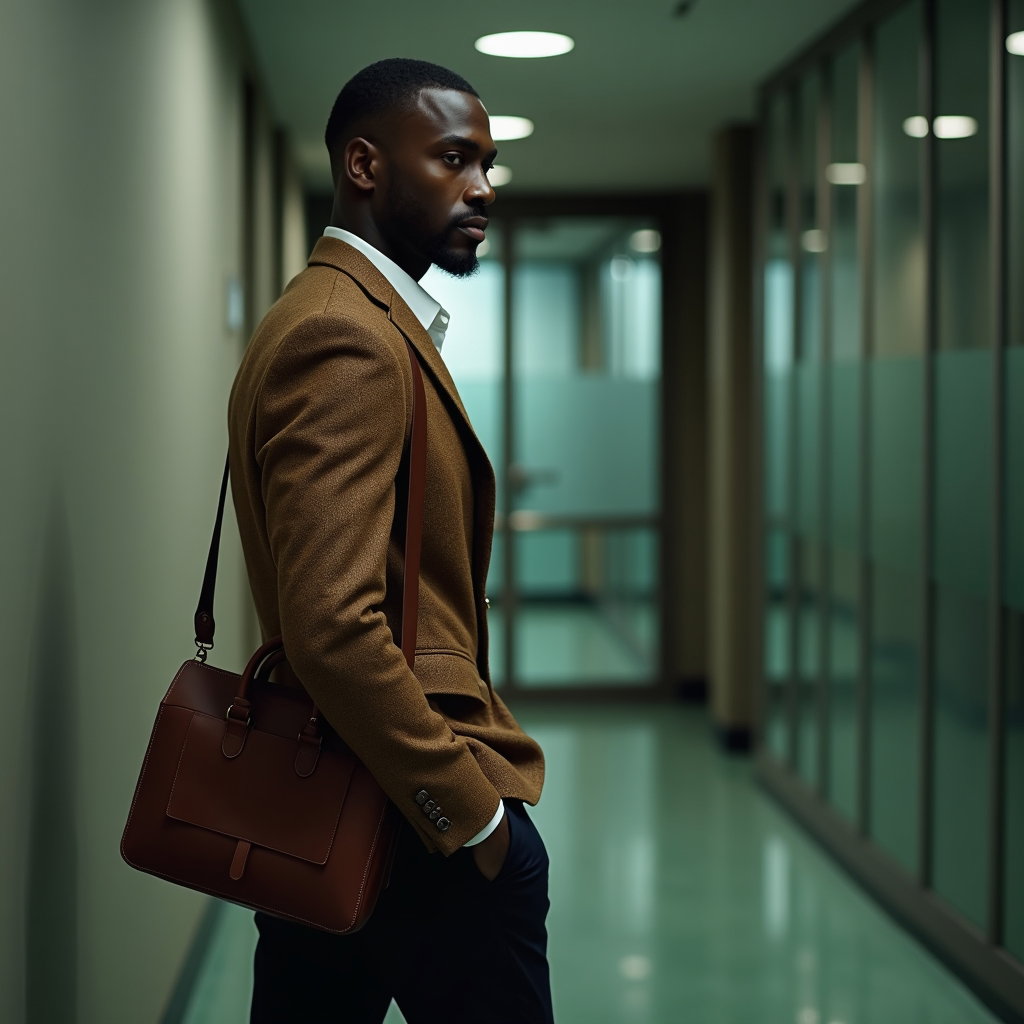
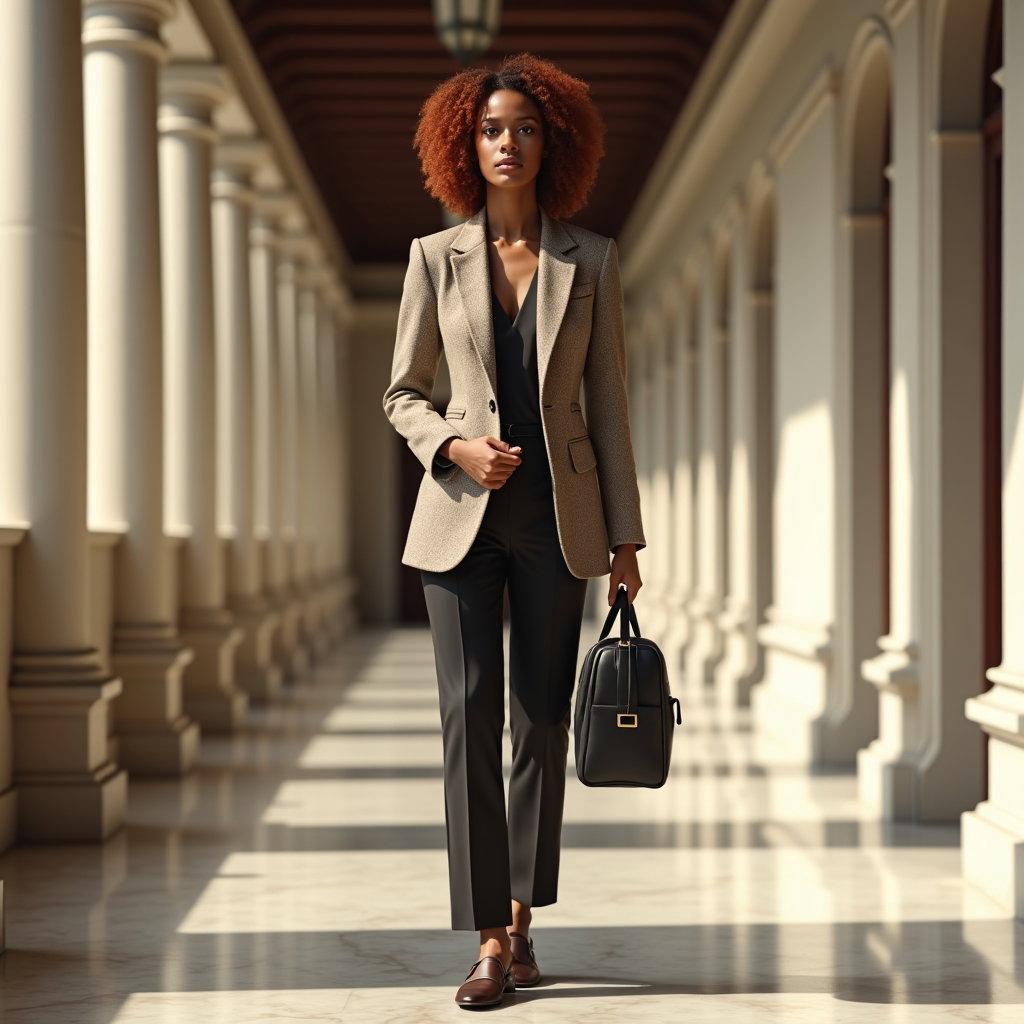
Tweed Corridor
A corridor portrait makes the outfit the main subject. Strong vertical lines, dark wood, old doors, or plain walls give structure to your look. This setting is ideal when you want dark academia to feel sharp, tailored, and wearable.
Tweed can look elegant or too costume-like, depending on fit. Keep the blazer close to your shoulders and pair it with pressed trousers, a plain shirt, or a fine knit. A leather satchel adds purpose, but it should look used, not brand new and stiff.
Stand tall with your shoulders relaxed, one hand holding a satchel strap or resting at your side. Use hallway light from one end to shape your face. Wear a tweed blazer, dark trousers, loafers, and a clean shirt. Avoid overloading the look with bow ties, pocket watches, and novelty props.
Choose a photo to create your version
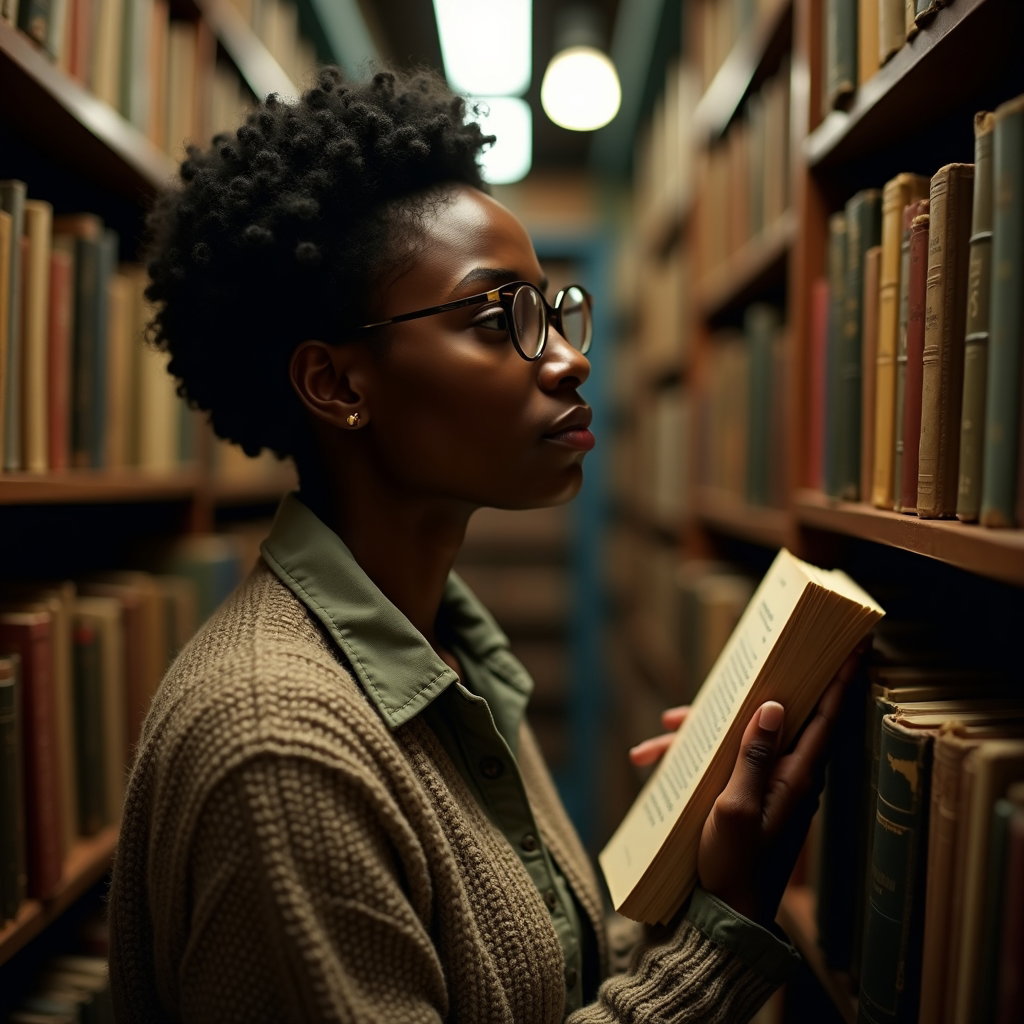
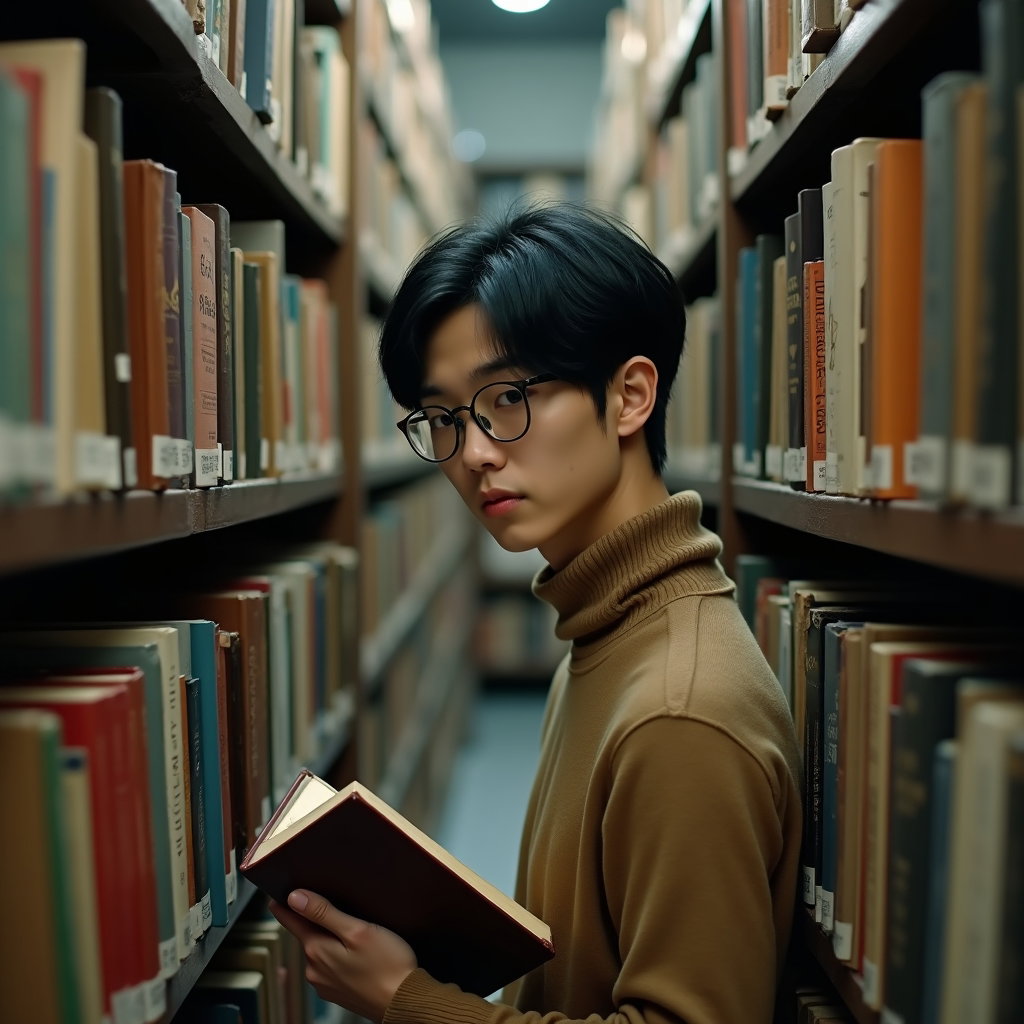
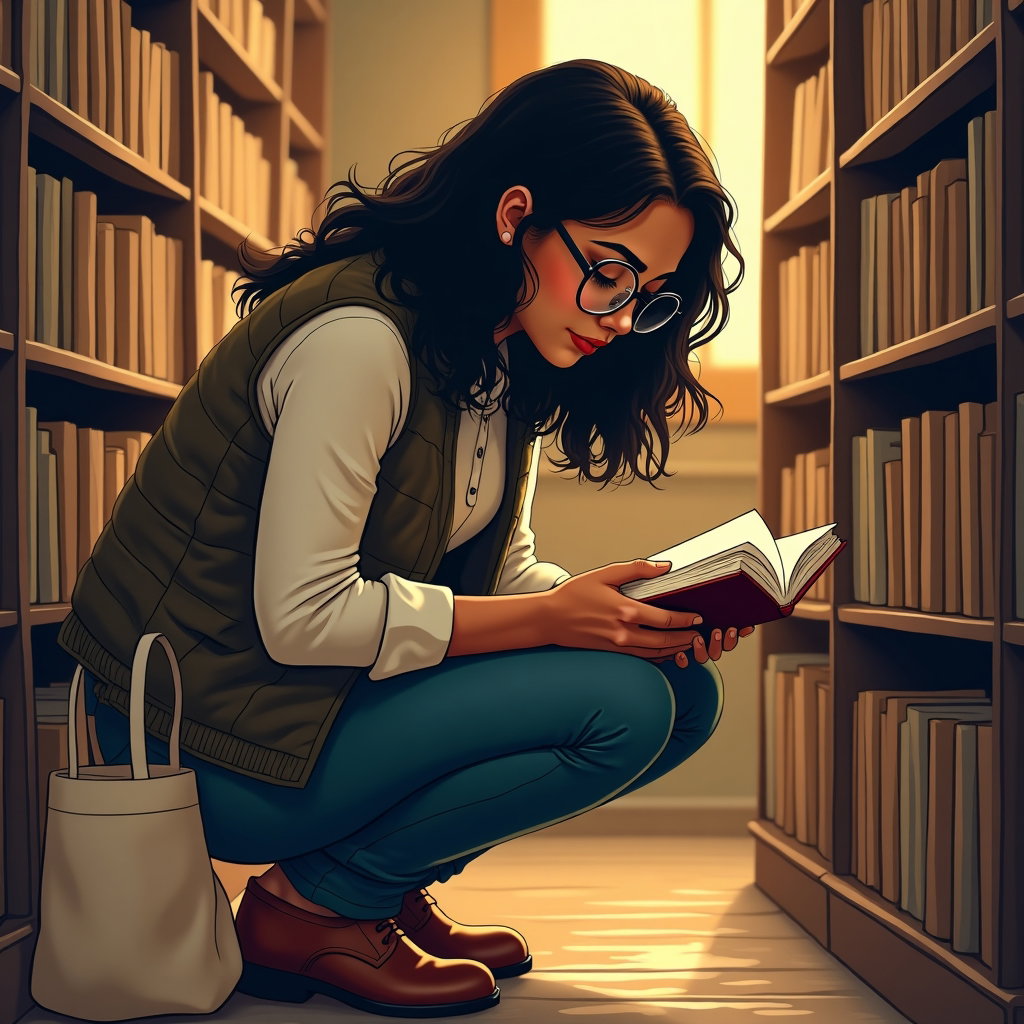
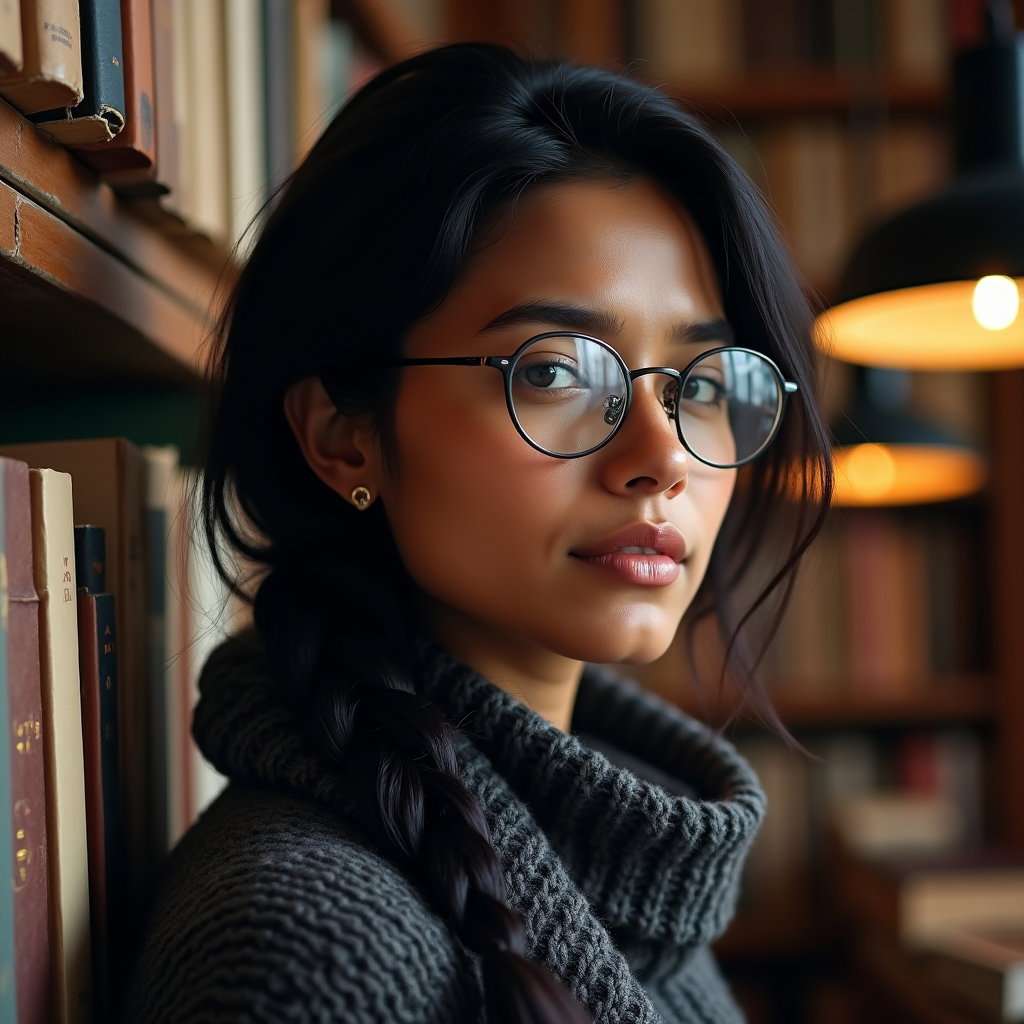
Bookstore Browse
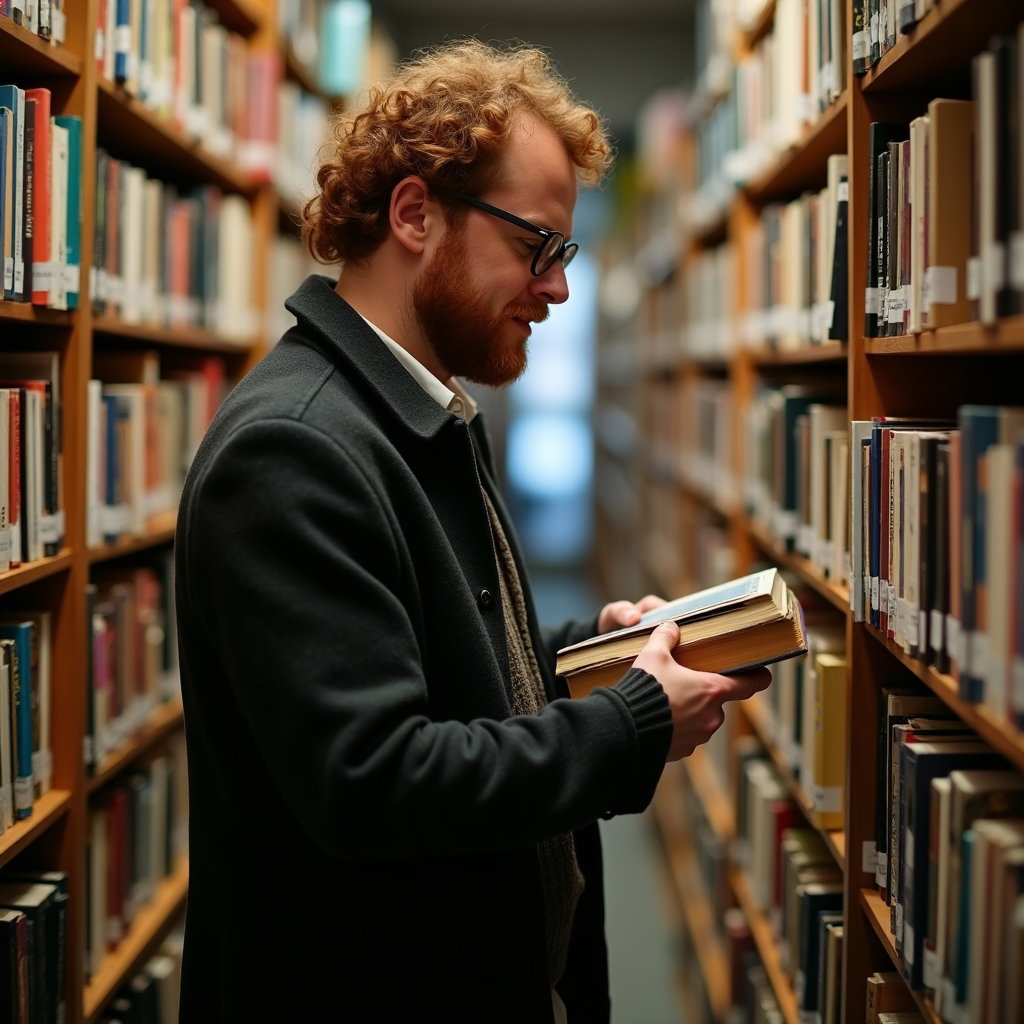
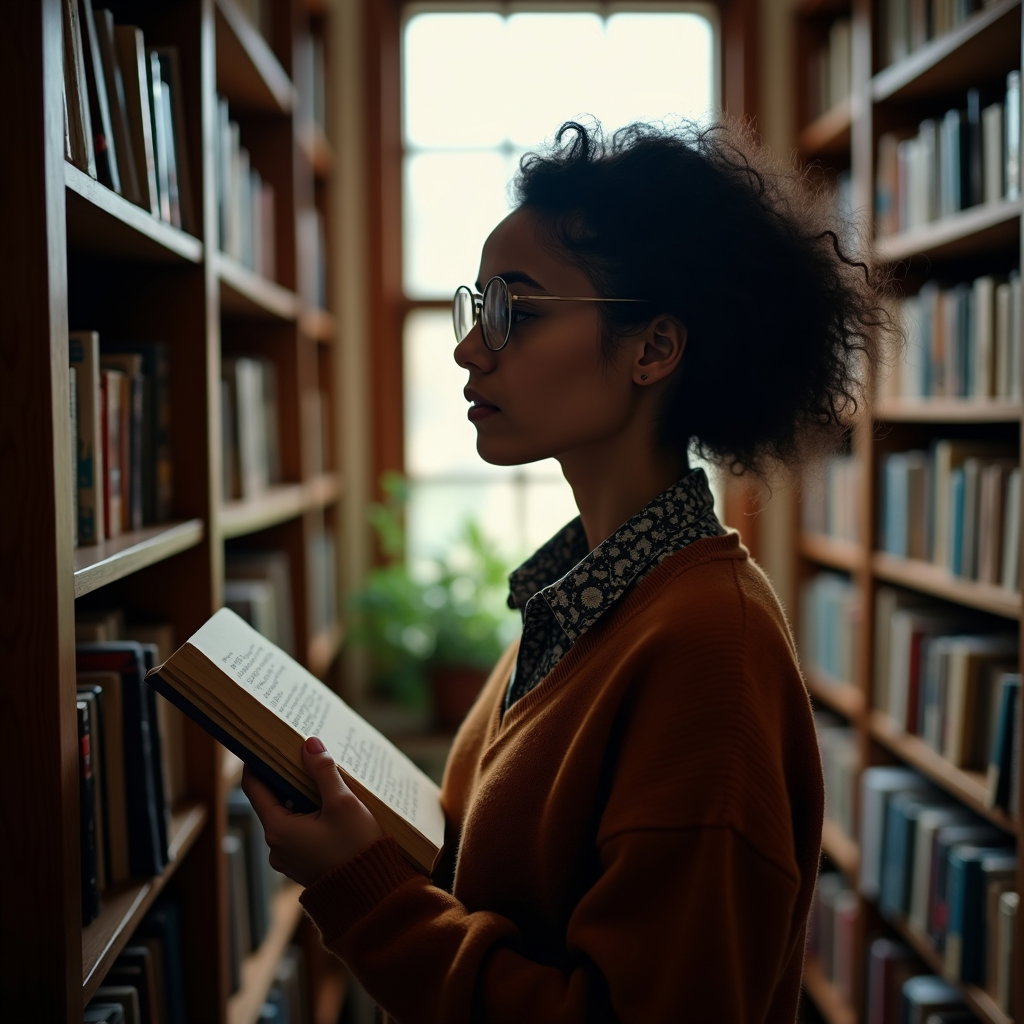
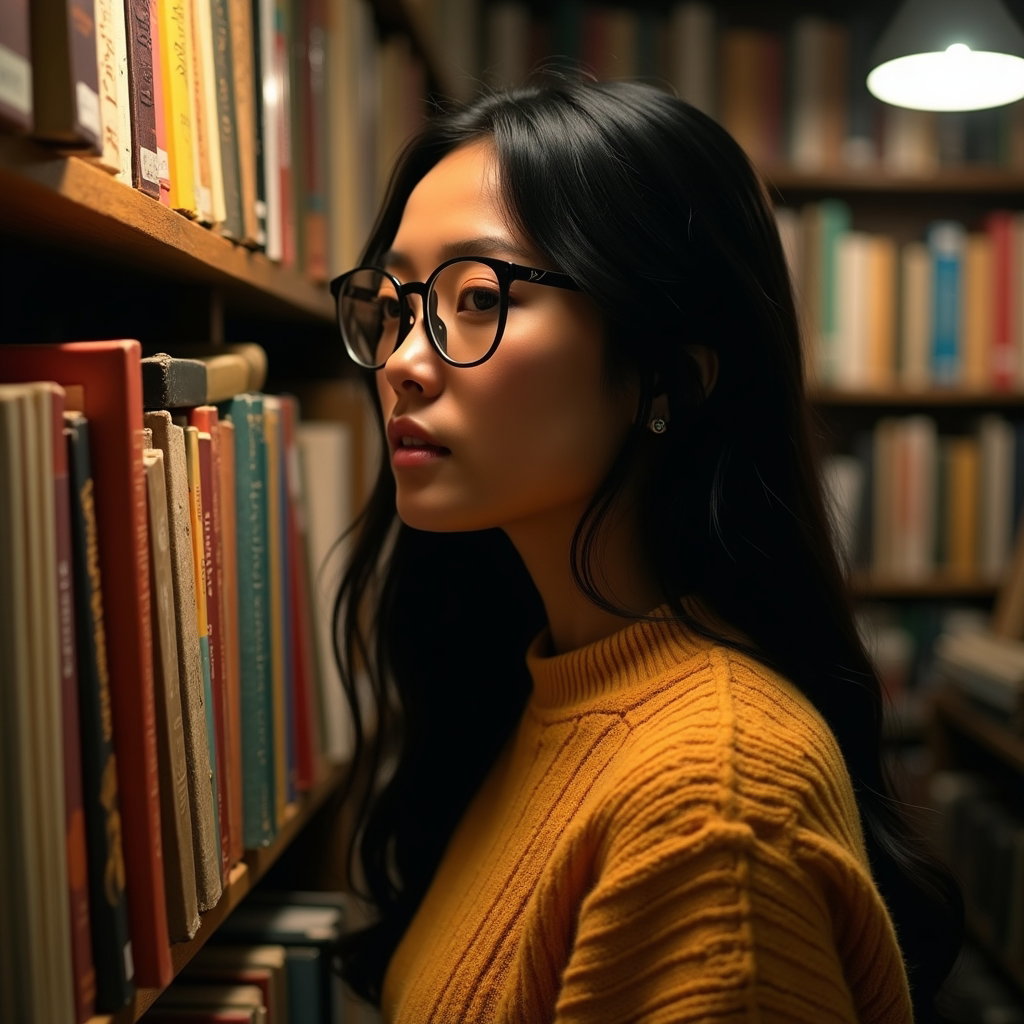
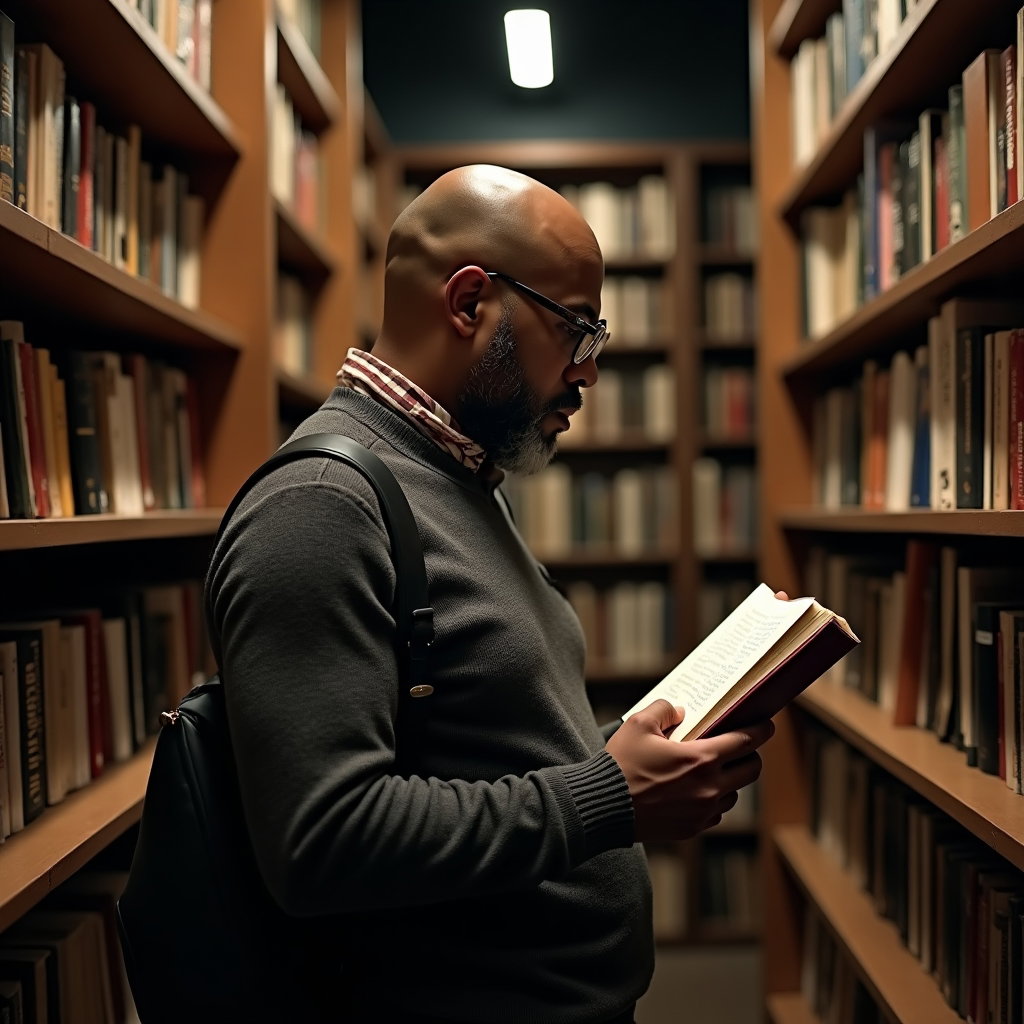
An old bookstore makes the style feel softer and more everyday. Narrow aisles, stacked shelves, and uneven light create a cozy version of the academia aesthetic. It works when you want a thoughtful portrait that feels candid instead of grand.
Side profile is very useful here. It lets the shelf, your glasses, and the book in your hand tell the story. Layer knitwear under a coat or blazer, and keep the colors warm and muted so the book spines can add detail without making the image loud.
Face the shelf in profile and pull one book halfway out with a light grip. Use warm shop light or window light from the aisle. Wear round glasses, a cardigan, scarf, or wool jacket. Avoid staring directly at the camera if you want the moment to feel natural and absorbed.
Choose a photo to create your version
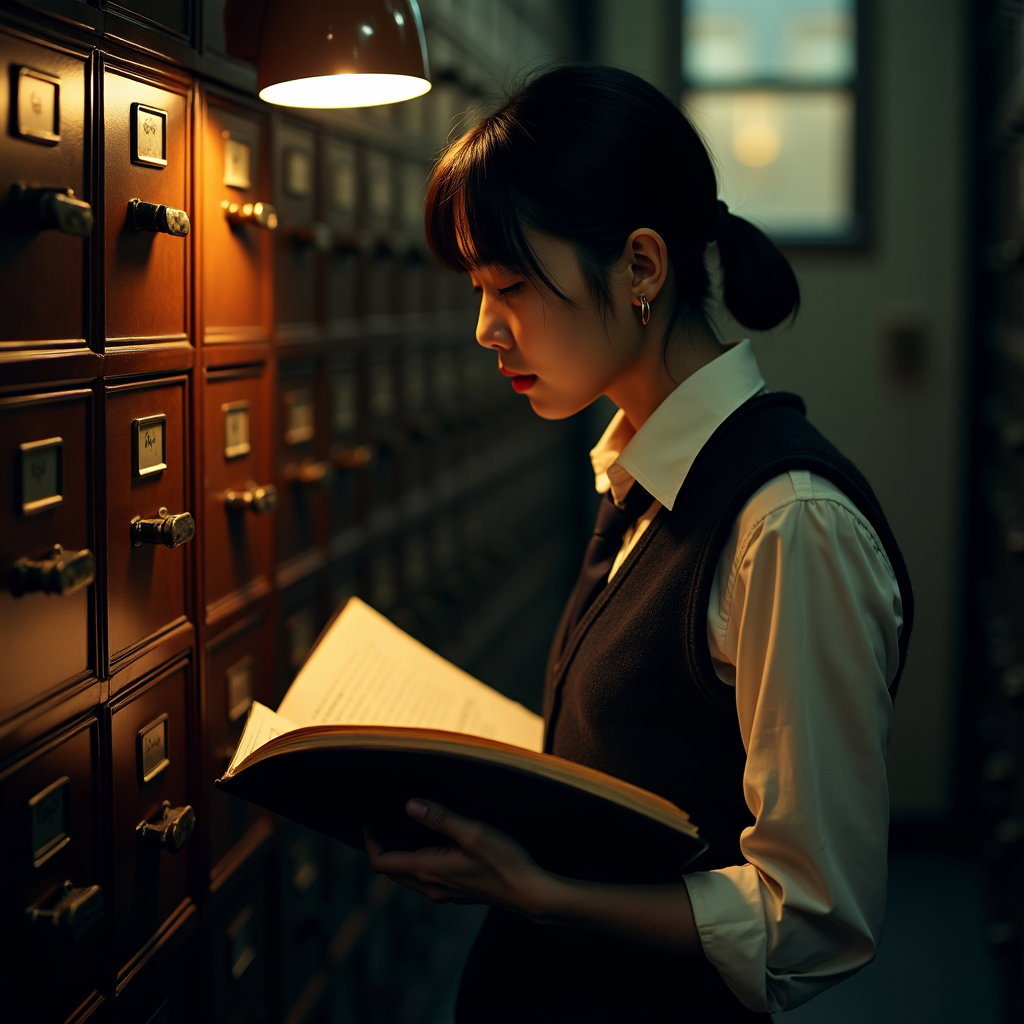
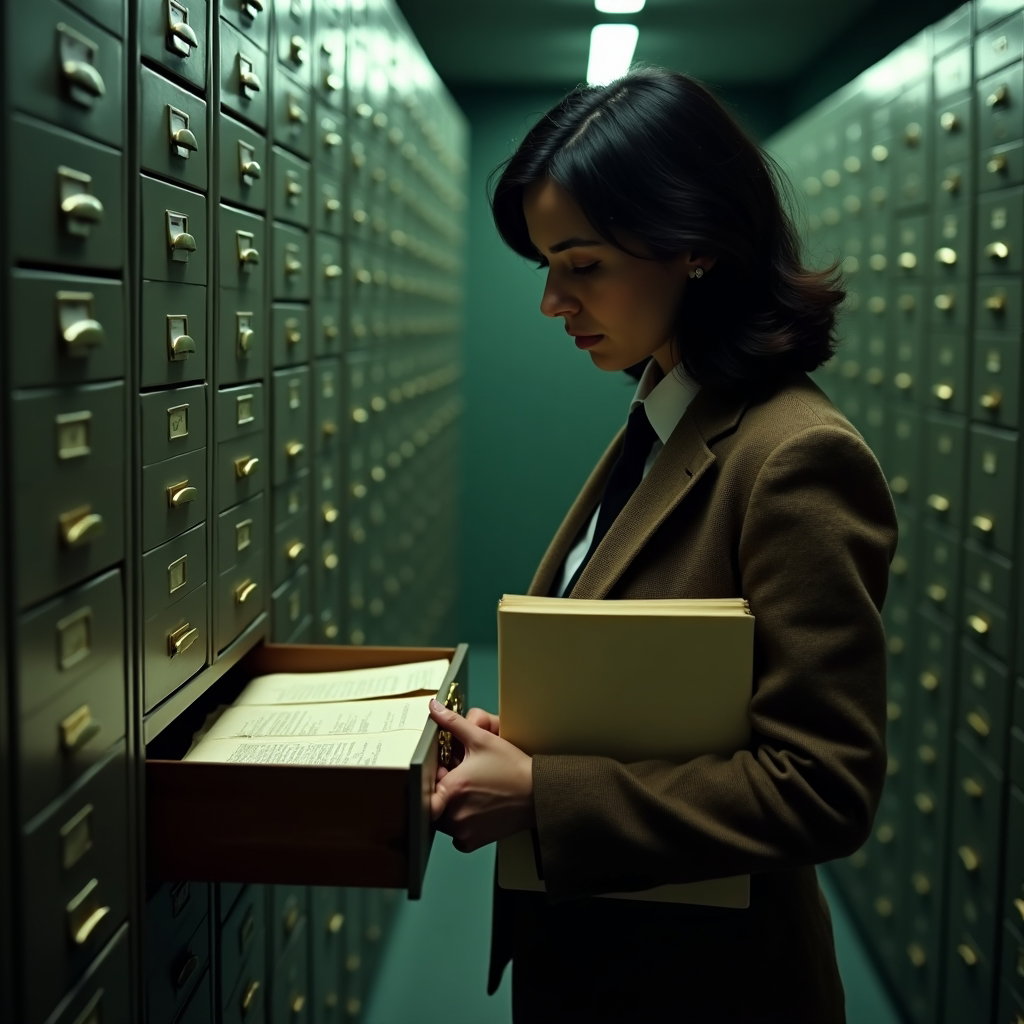
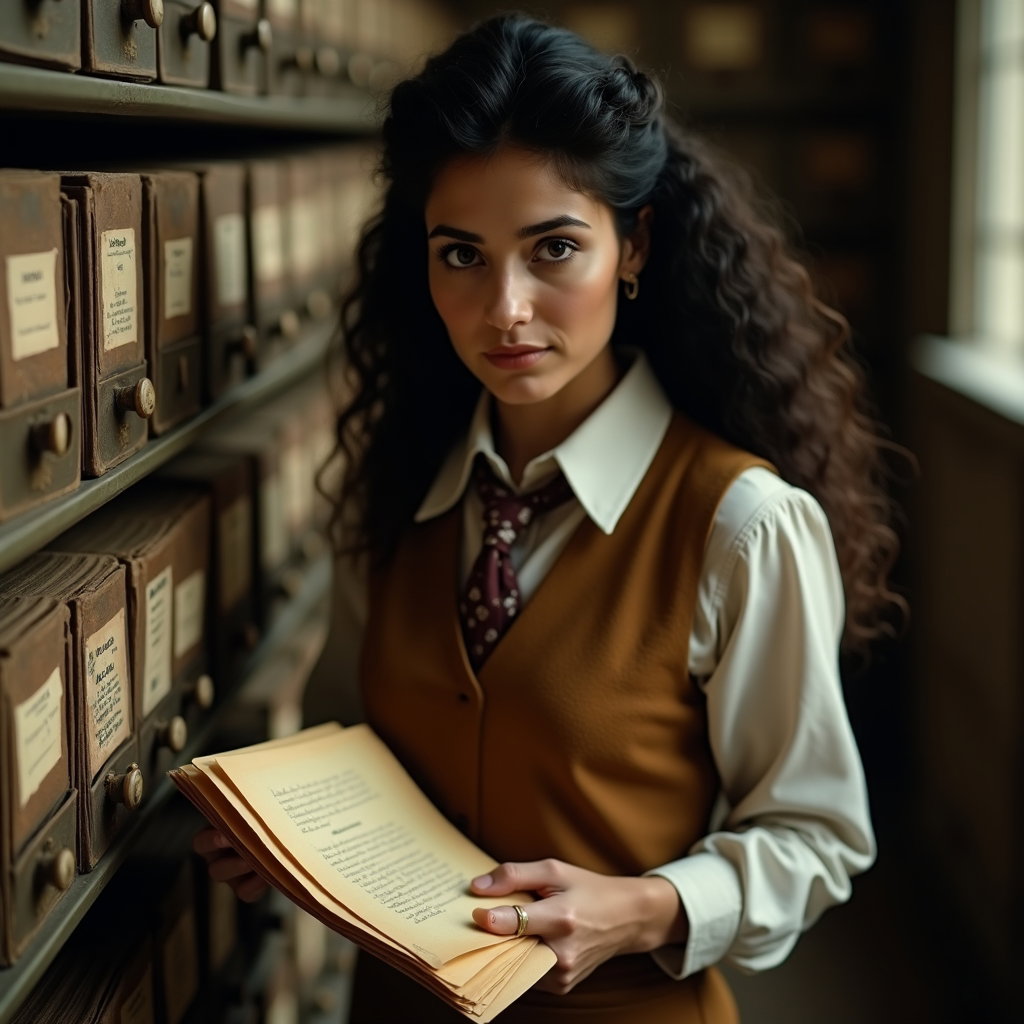
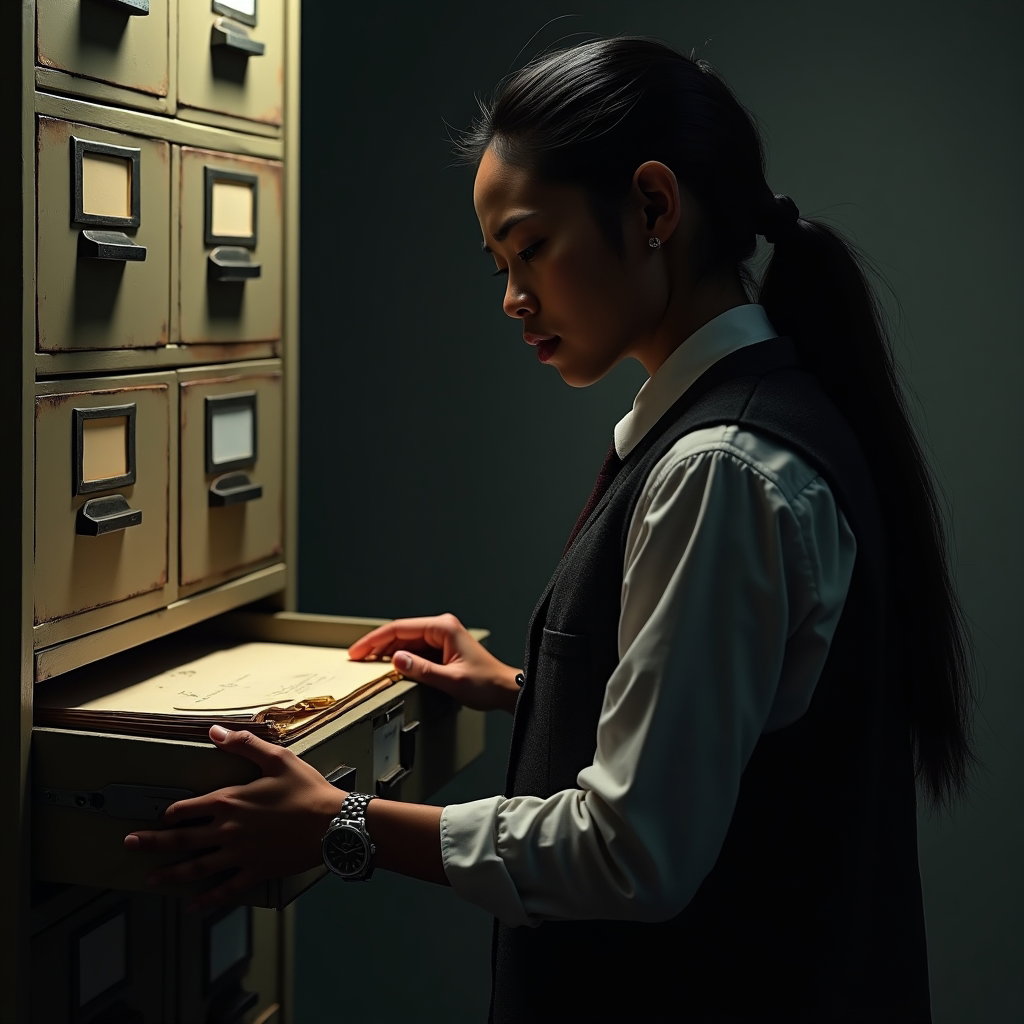
Archive Drawer
An archive drawer adds a secret-research mood. It makes you look like you are looking for a missing letter, a hidden record, or a clue in an old case. This idea is stronger and more mysterious than a simple study portrait.
The best details are close to your hands. A paper folder, loosened tie, waistcoat, or rolled cuff gives the scene action. Keep your expression focused. You should look like you just found a name you were not supposed to see.
Lean slightly toward an open drawer with one hand on a file and your eyes fixed on the papers. Use narrow side light or a desk lamp. Wear a waistcoat, shirt, tie, or dark jacket. Avoid scattering papers everywhere, because one important folder feels more believable than chaos.




Choose a photo to create your version
Lecture Hall Silence
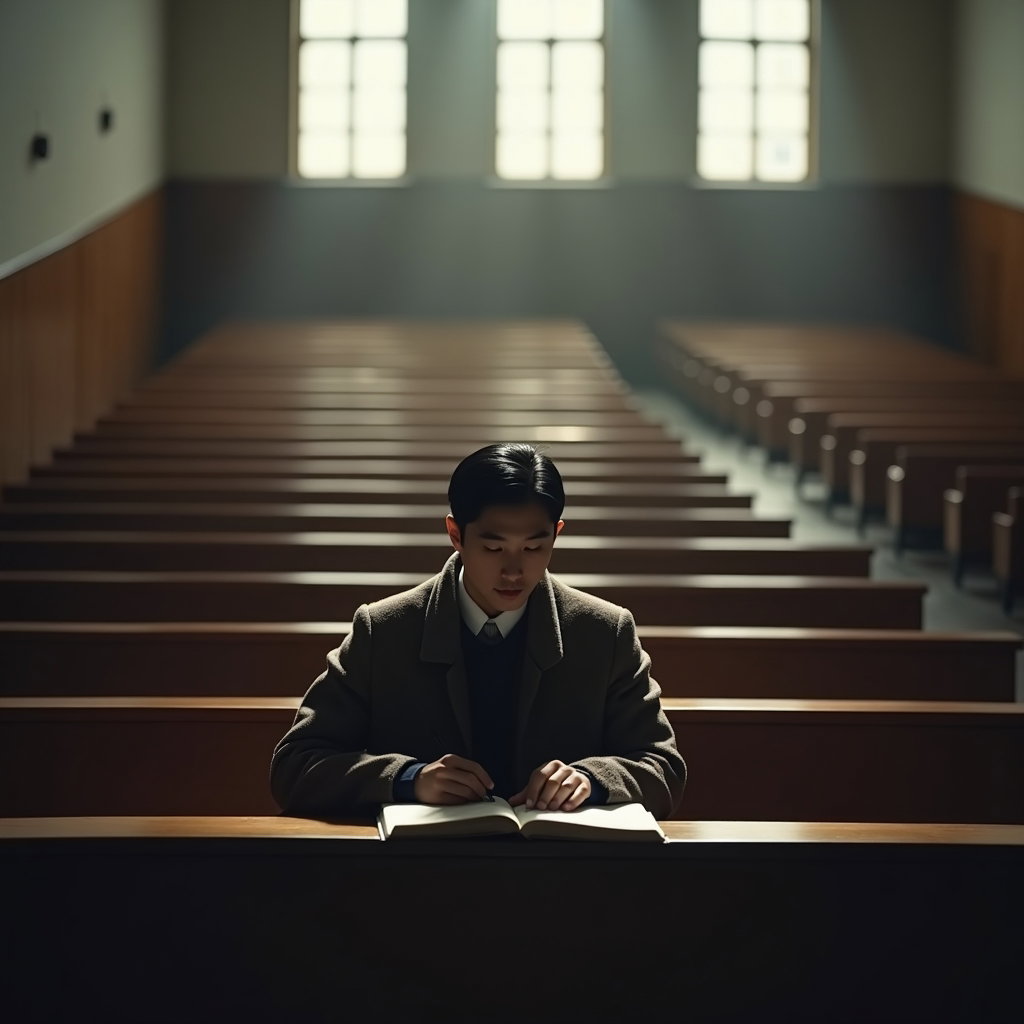
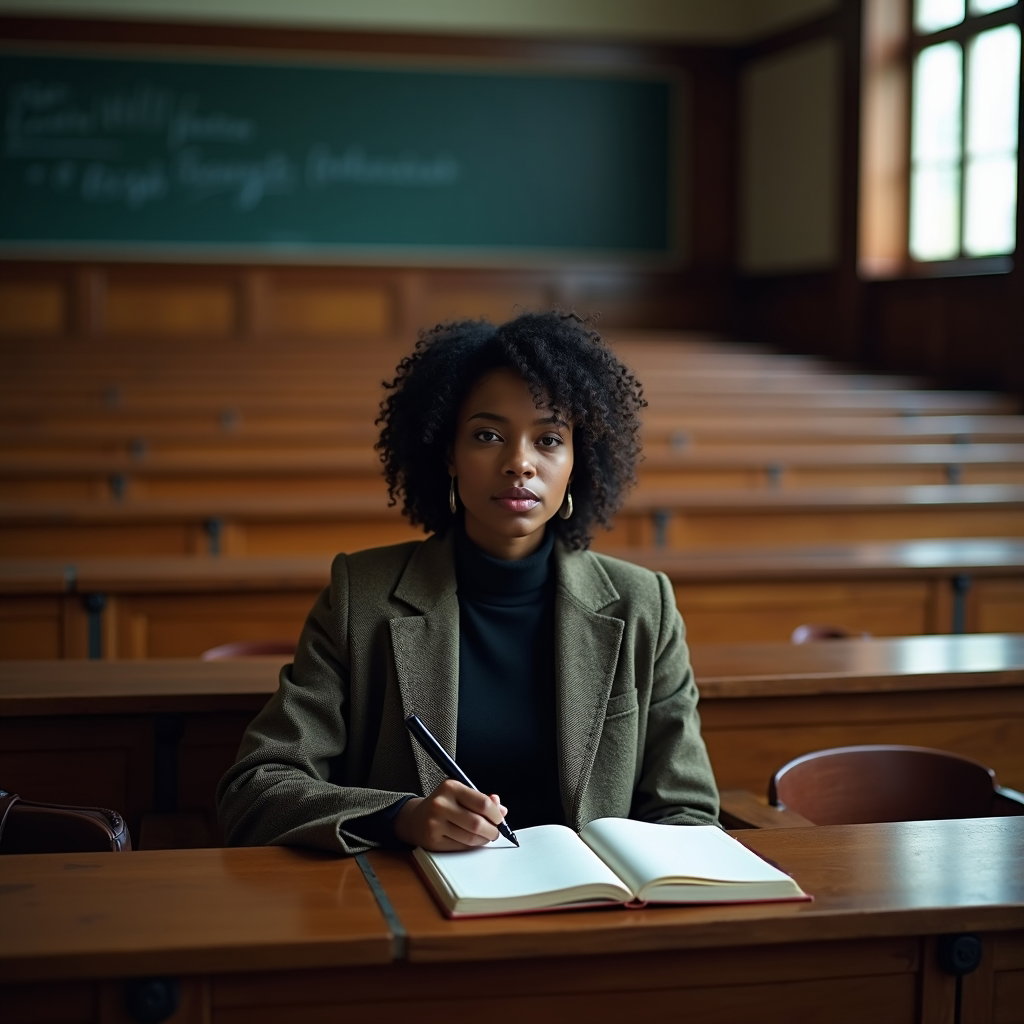
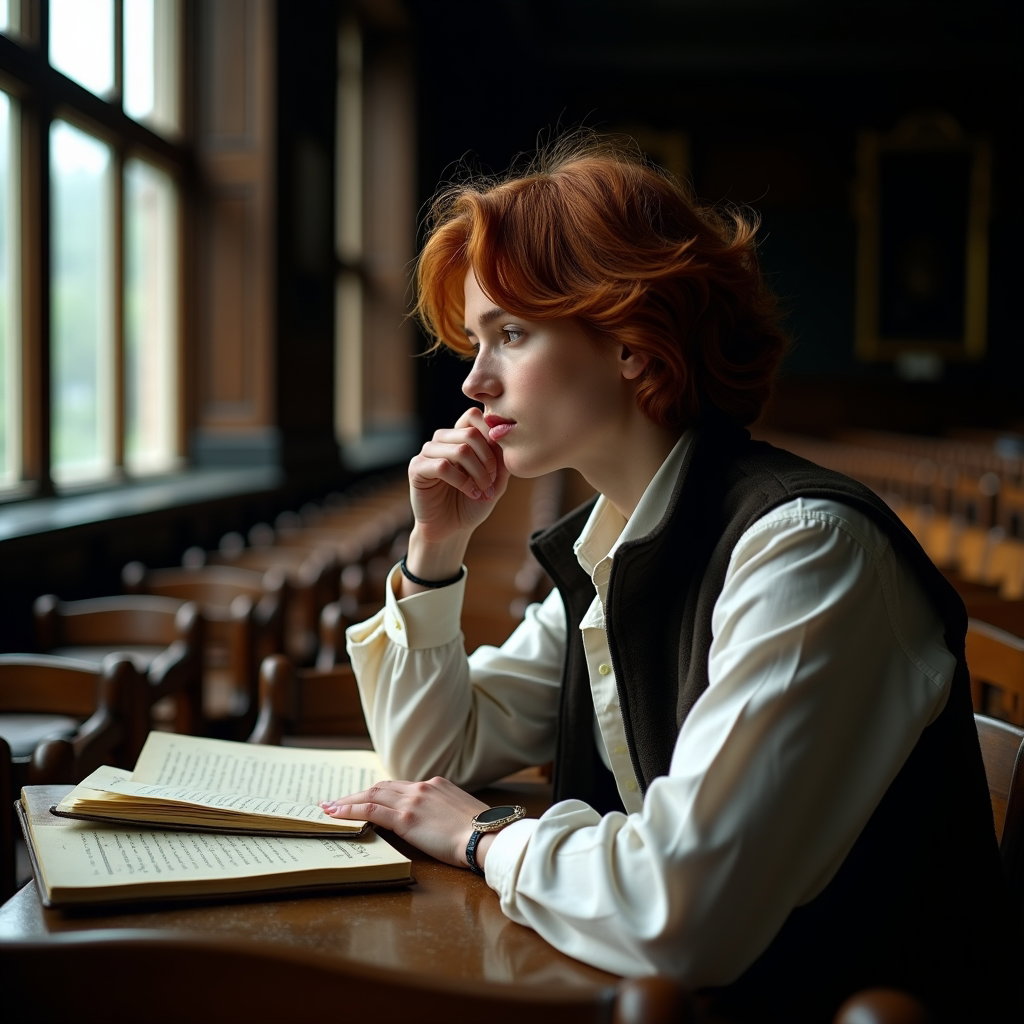
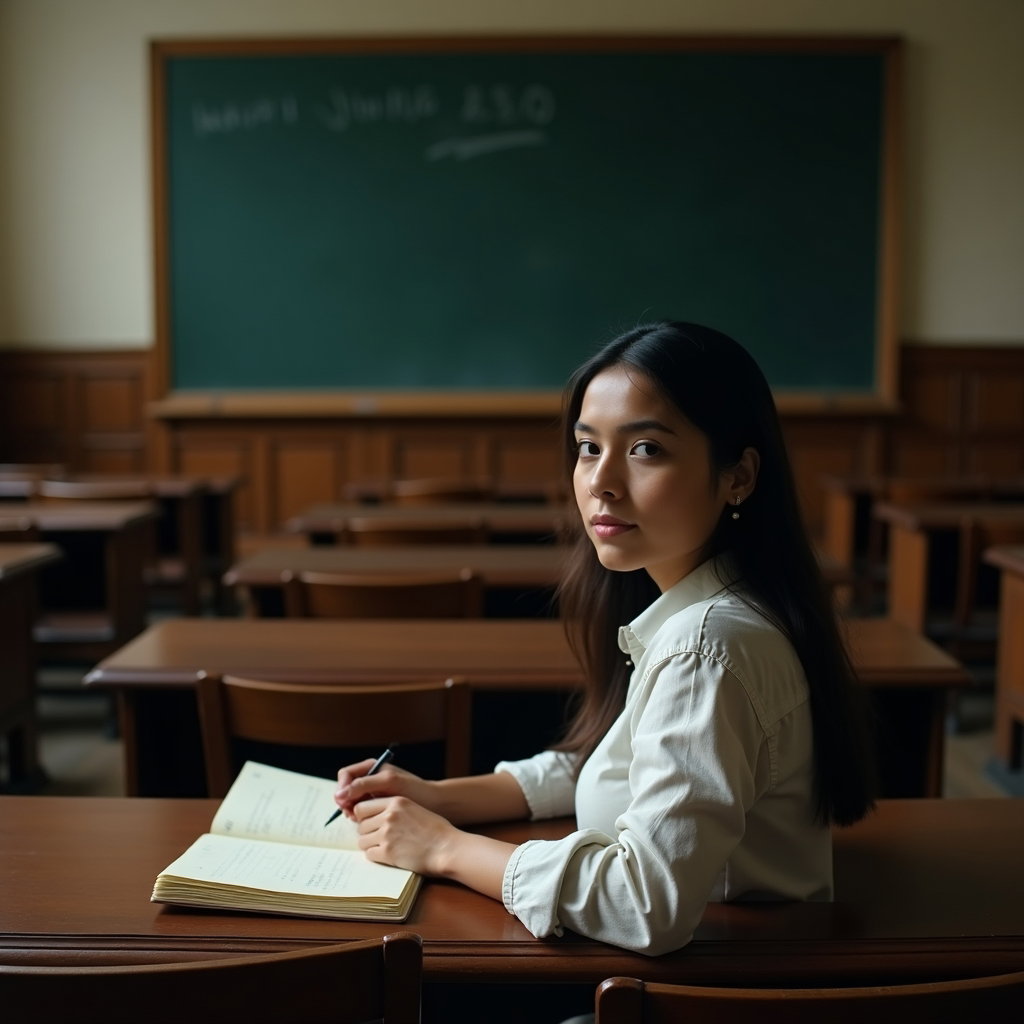
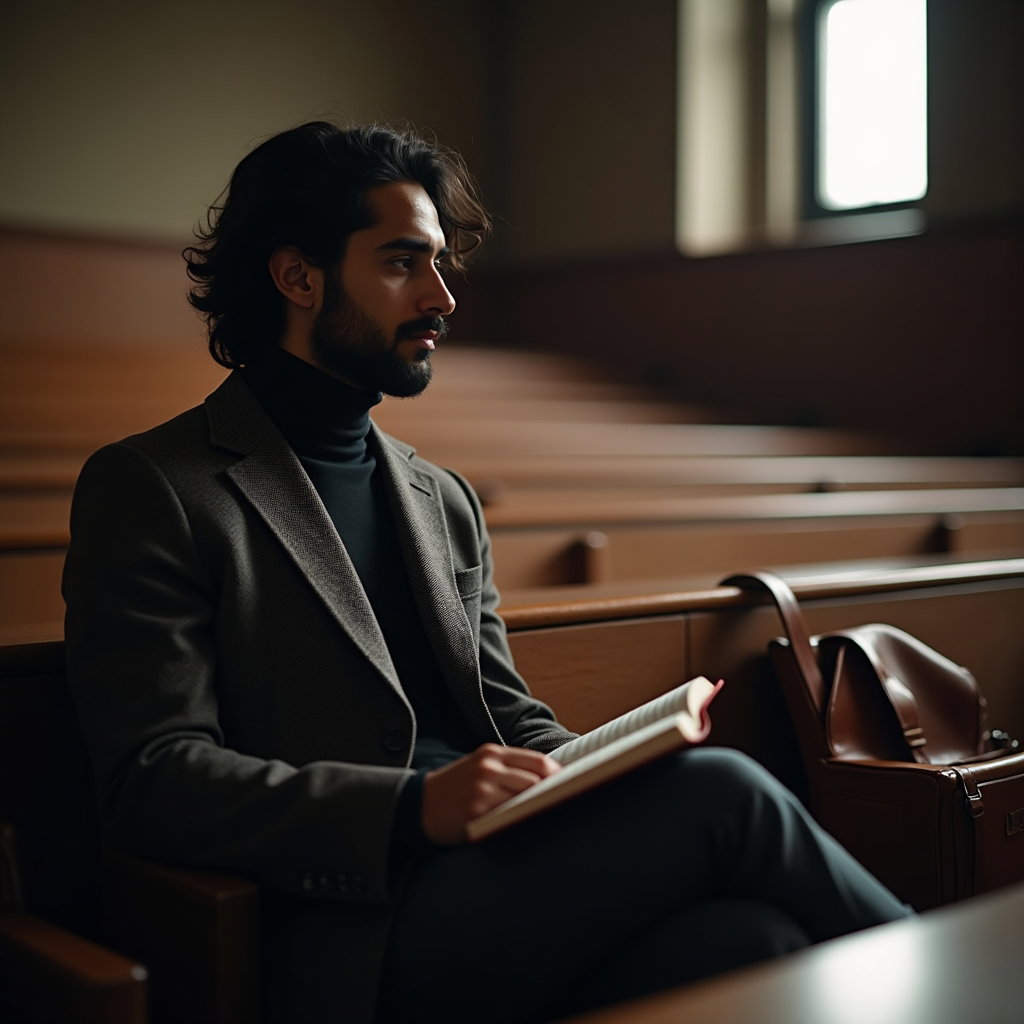
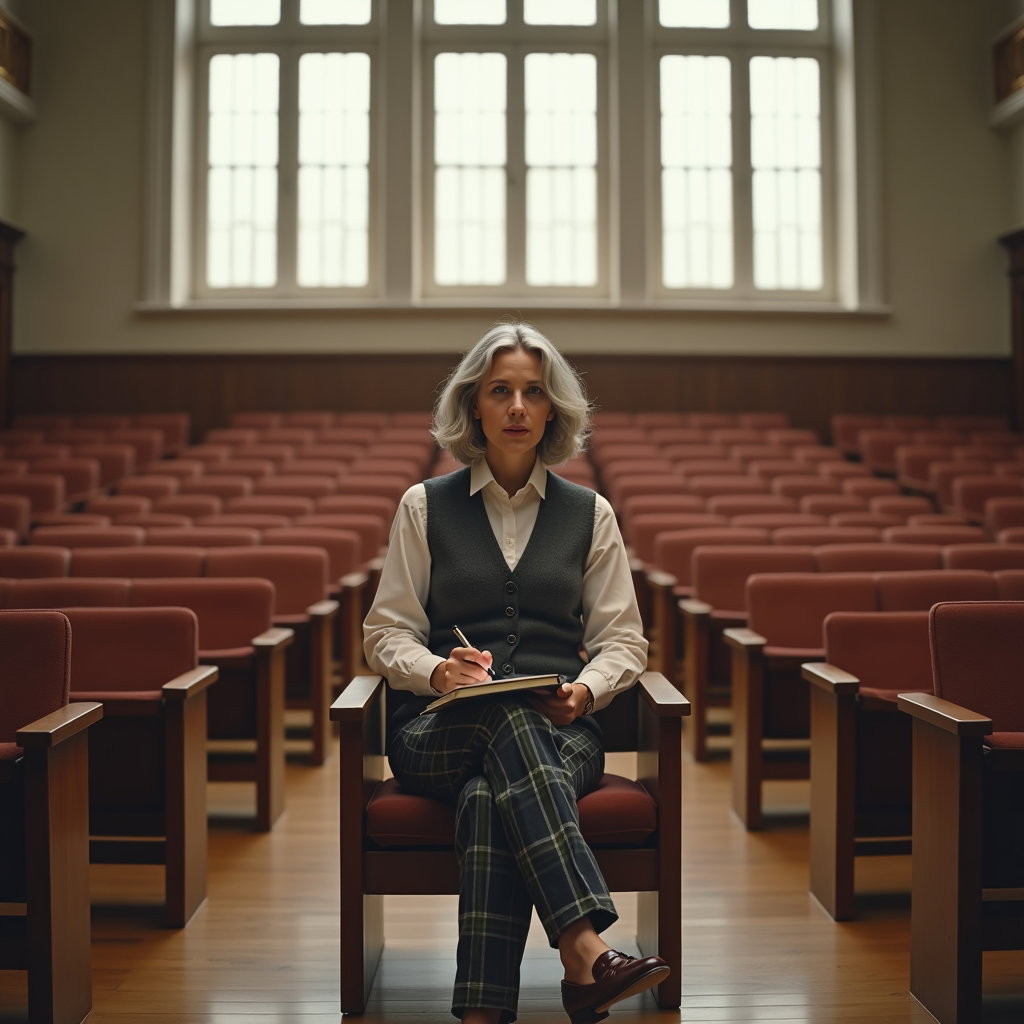
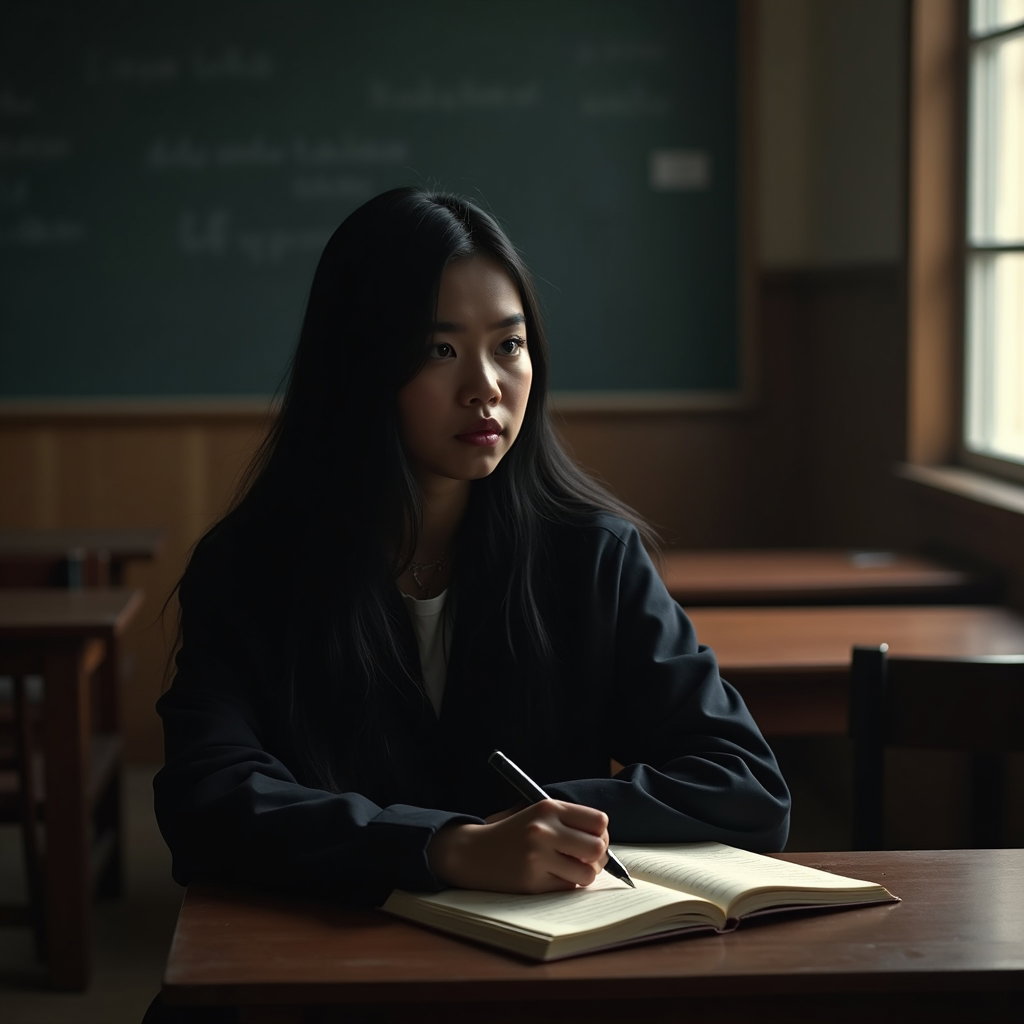
An empty lecture hall gives dark academia scale. Wooden benches, high windows, and a single seated figure create a quiet feeling of pressure and thought. This works when you want the image to feel lonely, grand, and intellectual.
Because the space is wide, your silhouette must be clear. Sit where the light reaches you, not lost in a dark corner. An open notebook, crossed legs, or a coat draped over the bench can make the scene feel lived in without making it busy.
Sit alone among rows of benches, angled slightly away from the camera, with a notebook open in front of you. Use window light cutting across the room. Wear a blazer, long coat, or dark knit. Avoid a slumped posture, because the mood should be quiet and serious, not tired.
Choose a photo to create your version
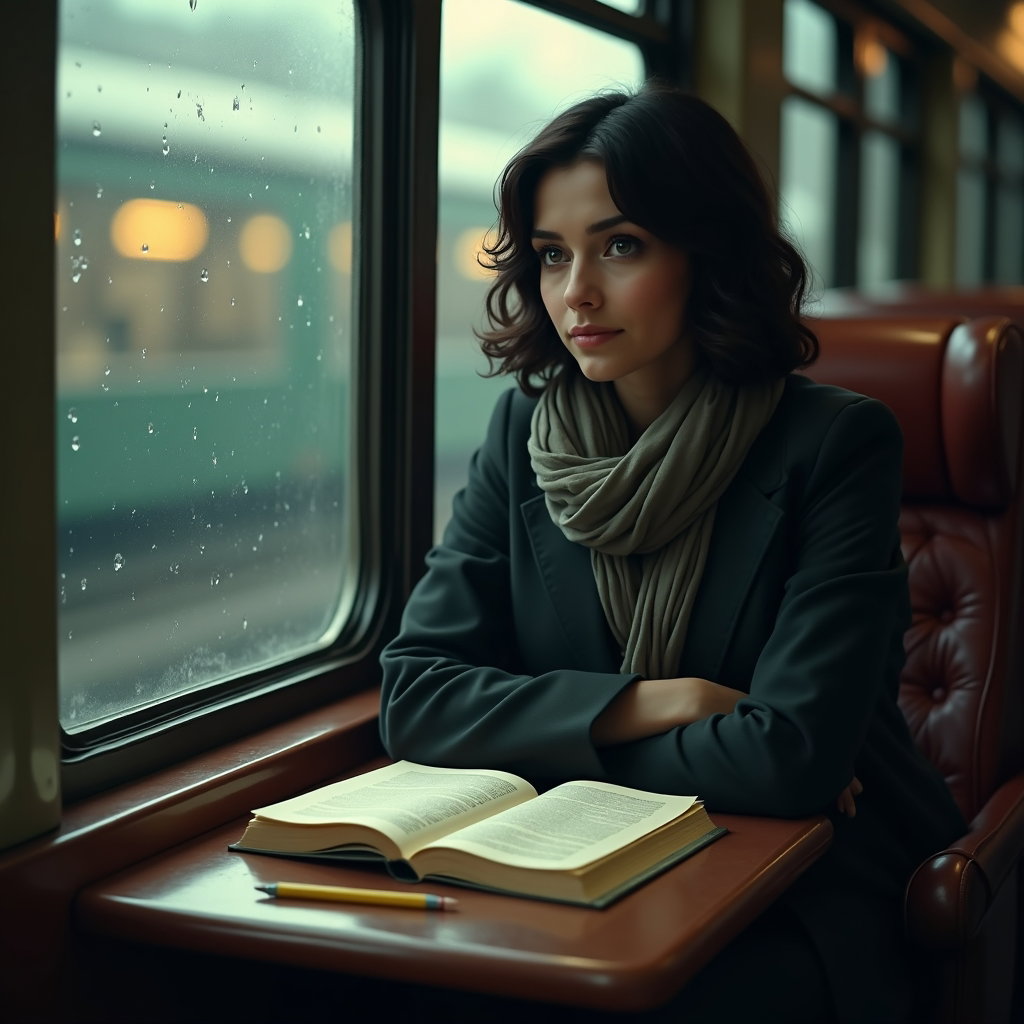
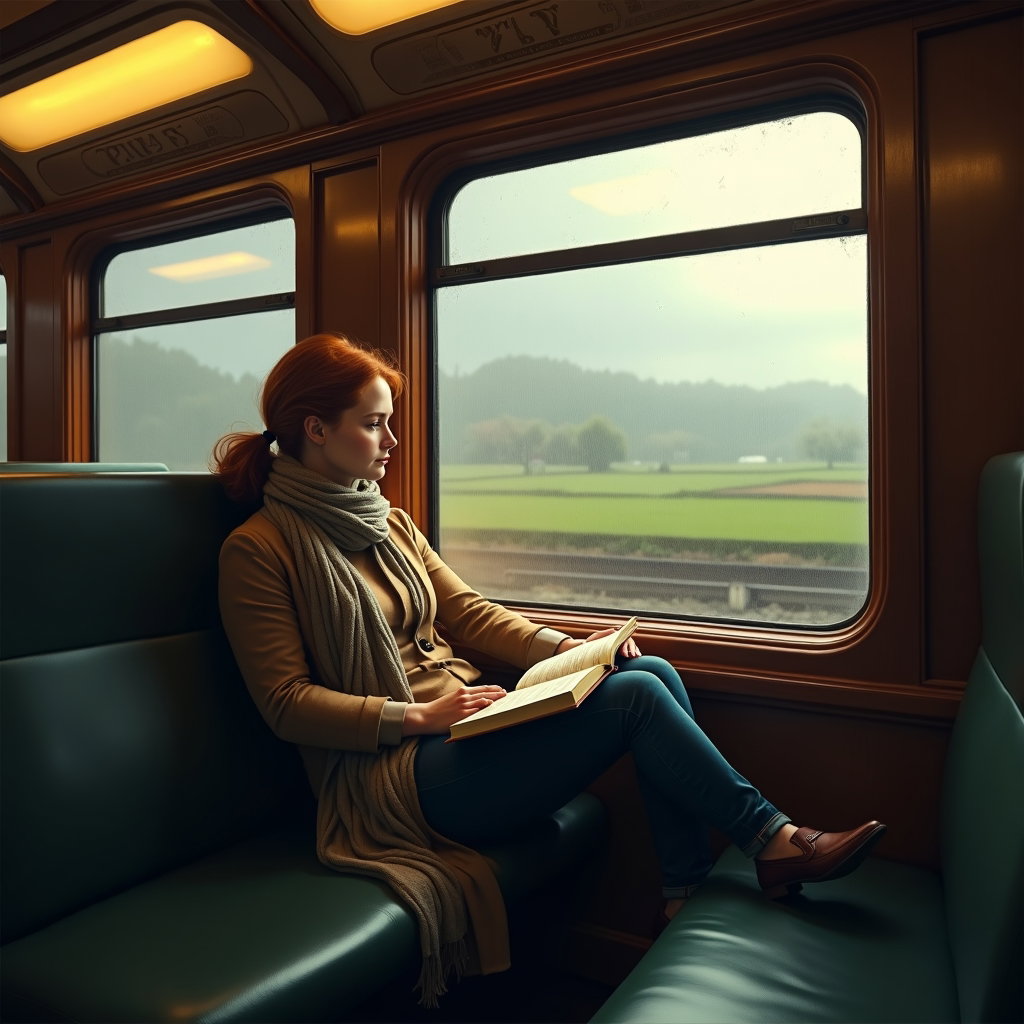
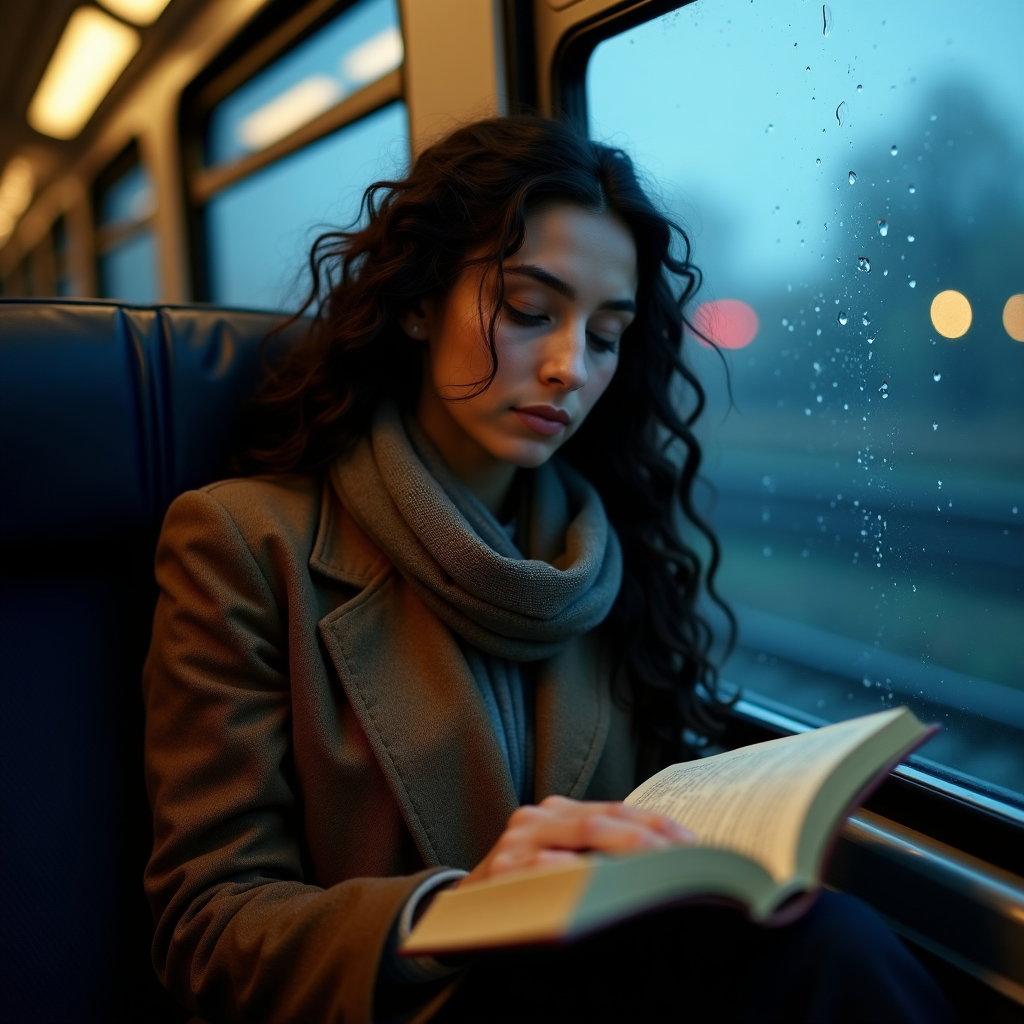
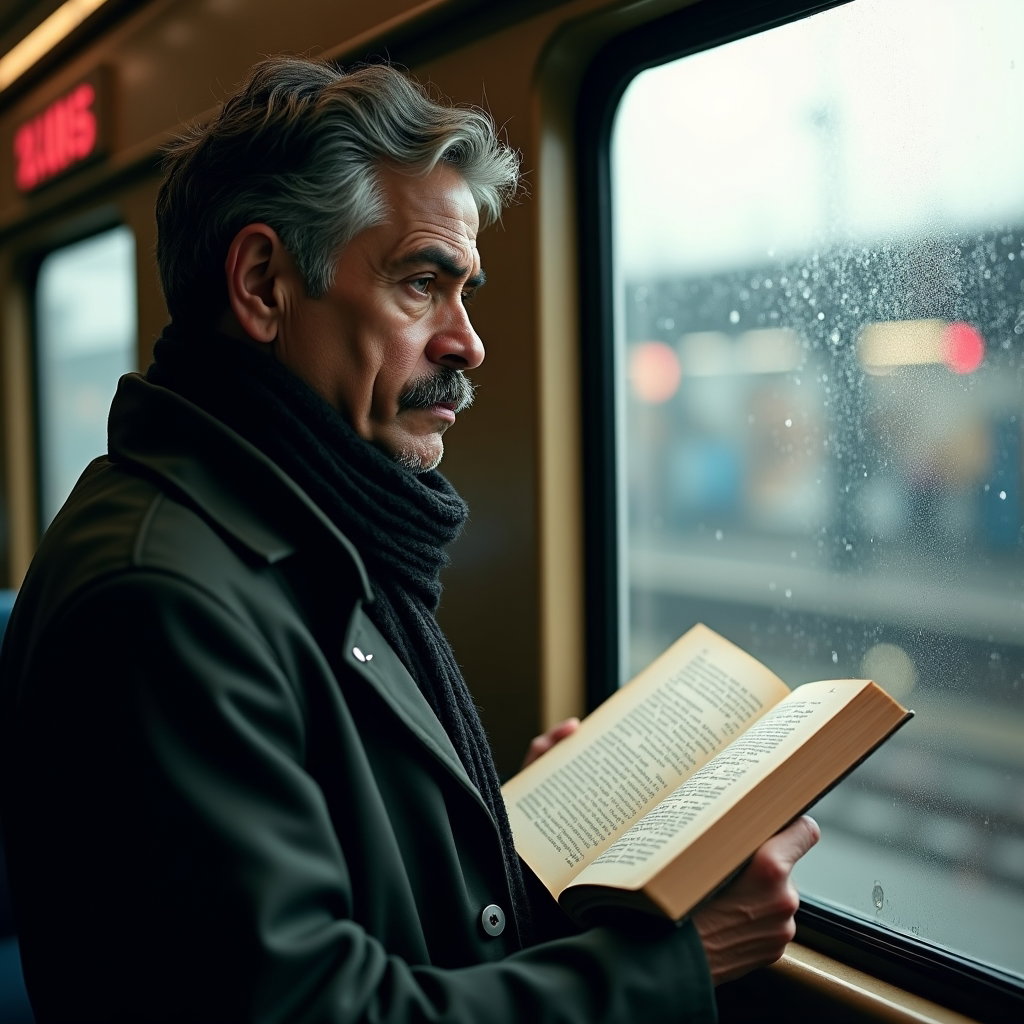
Train Window Study
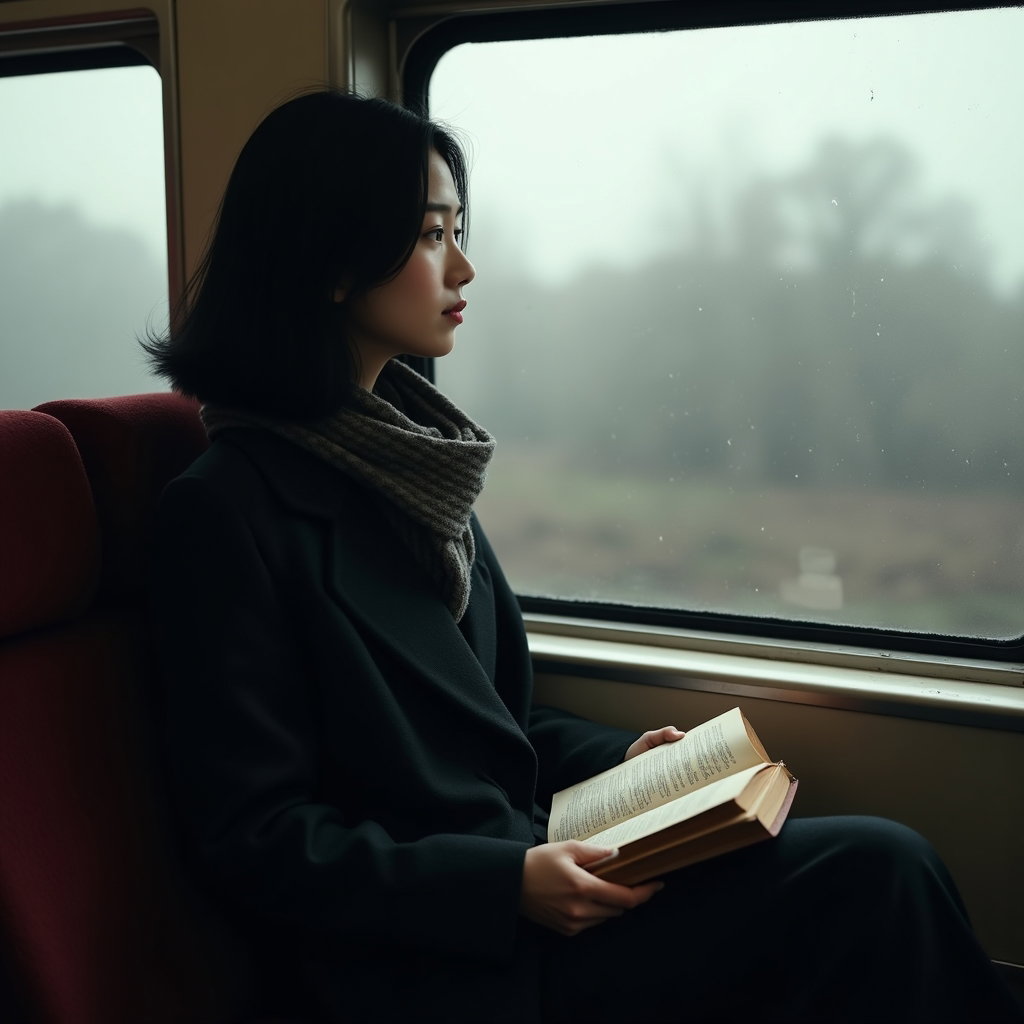
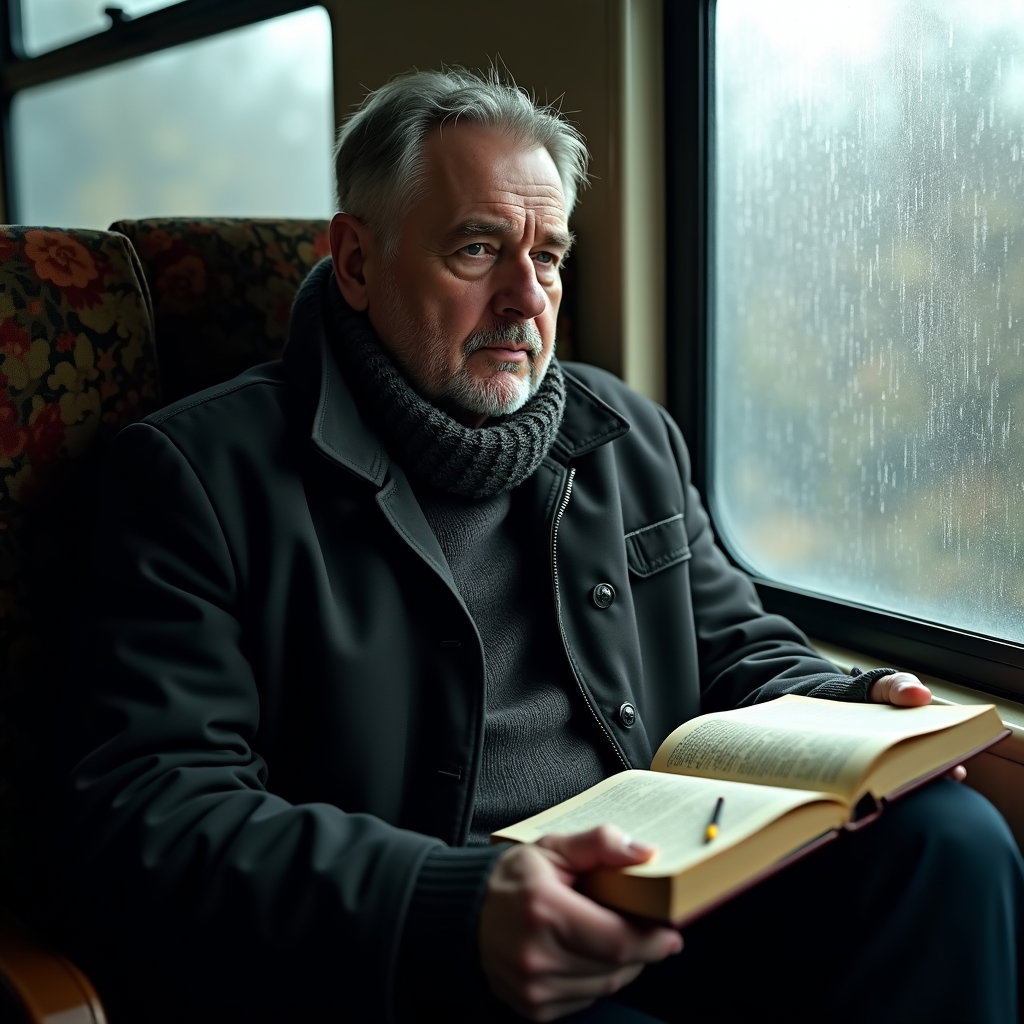
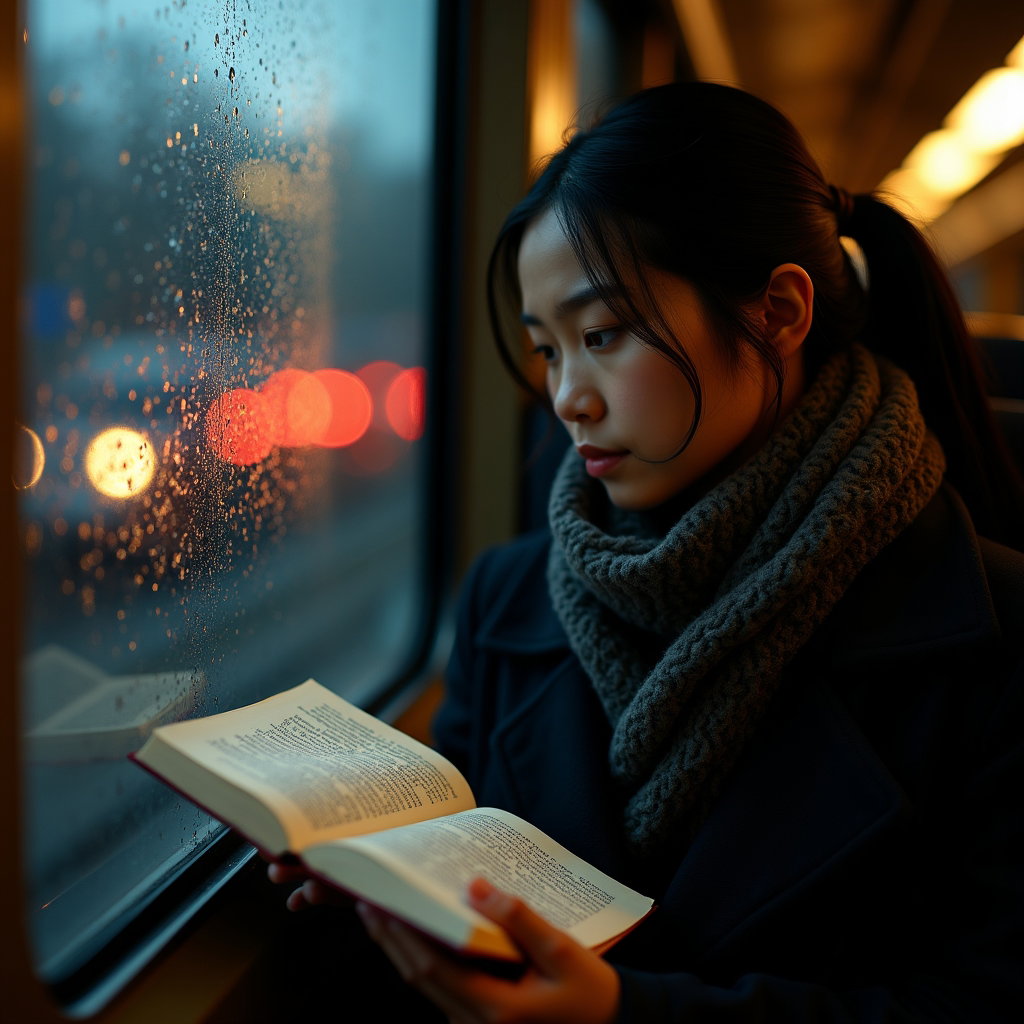
A train window gives the style a restless, novel-like feeling. Rain on glass, a marked paperback, and a faraway gaze suggest that your mind is moving faster than the train. This is a strong option when you want dark academia with travel and longing.
Reflection is the key detail. Sit close enough to the window for your face to catch soft light, but not so close that the glass hides you. A scarf, coat collar, and worn book will do more than a large bag or too many travel props.
Sit by the window with a paperback open in your lap and your gaze turned outside. Use grey daylight, rain spots, or a soft reflection on the glass. Wear a scarf, wool coat, and simple dark layers. Avoid bright phone screens or modern clutter in your hands, because they break the old-story mood.

Choose a photo to create your version
Coffee-and-Notes Corner
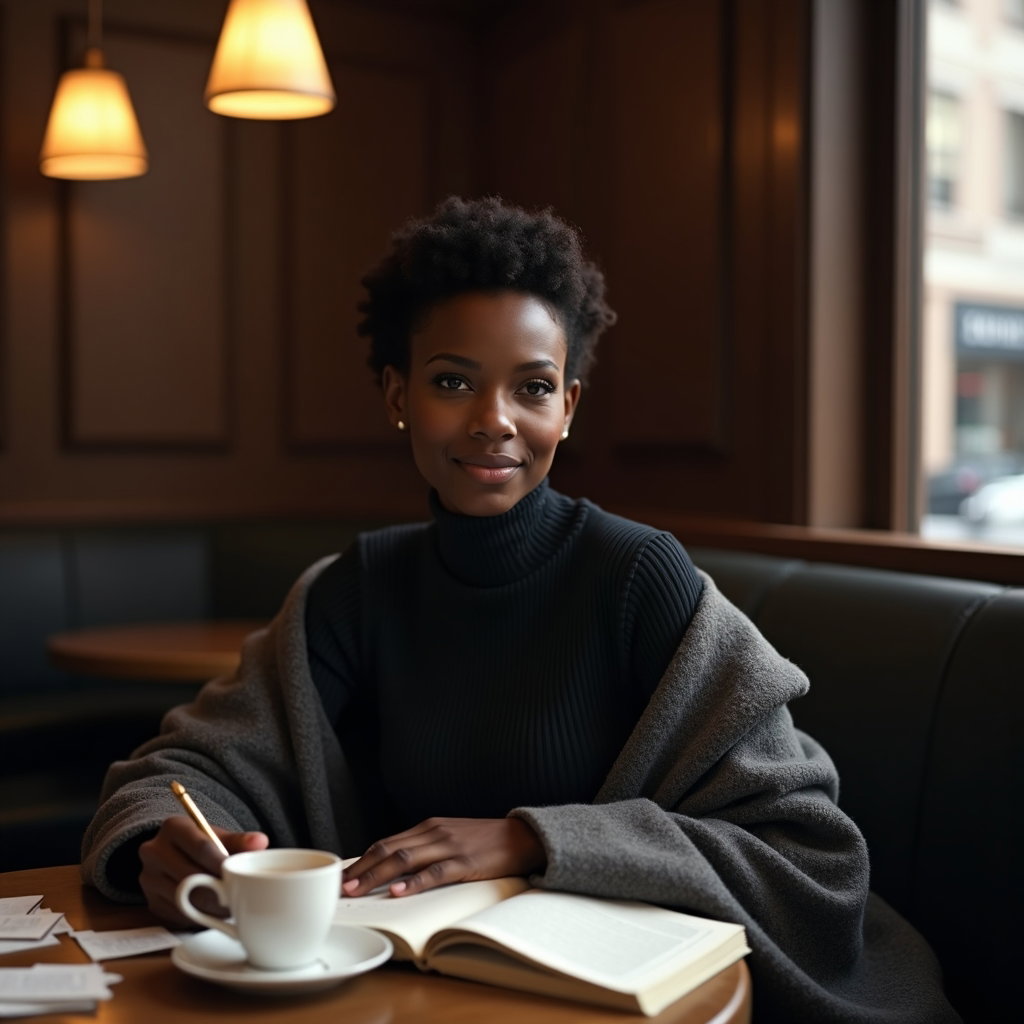
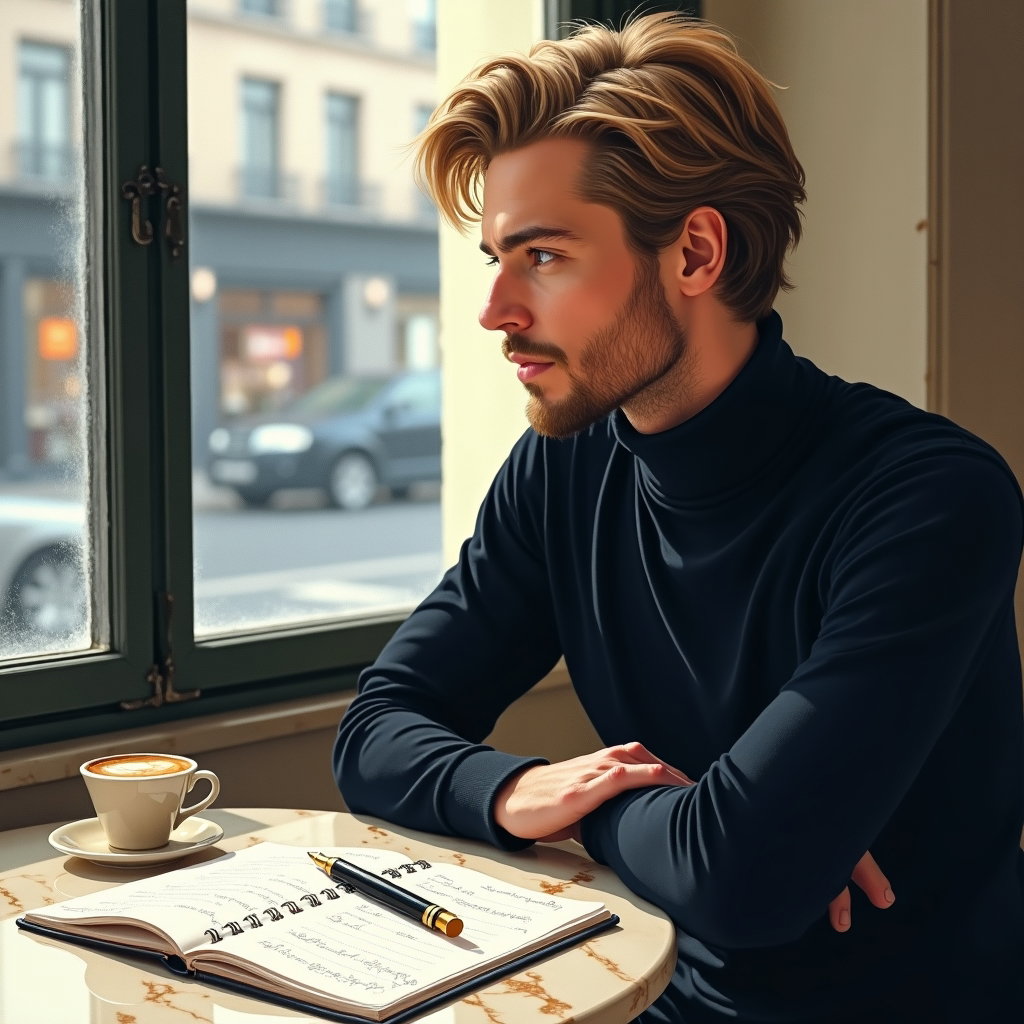
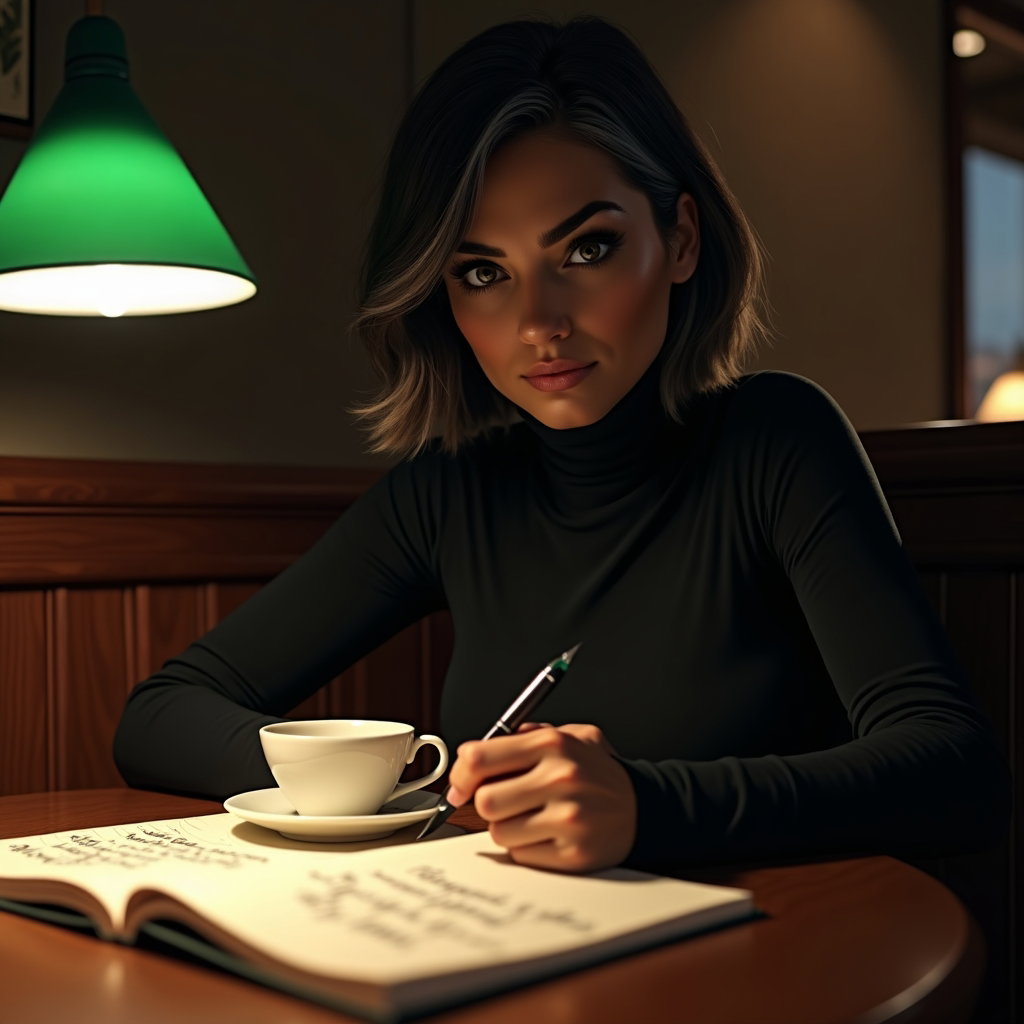
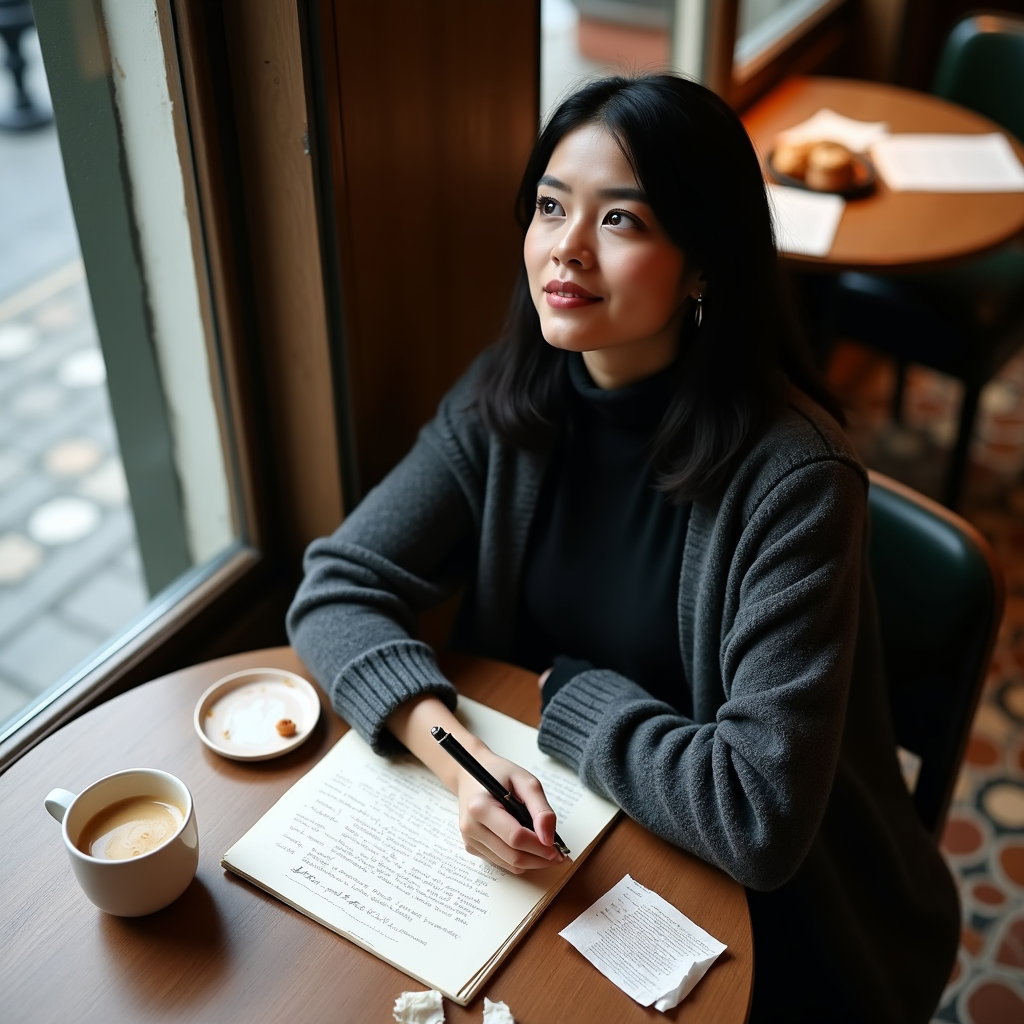
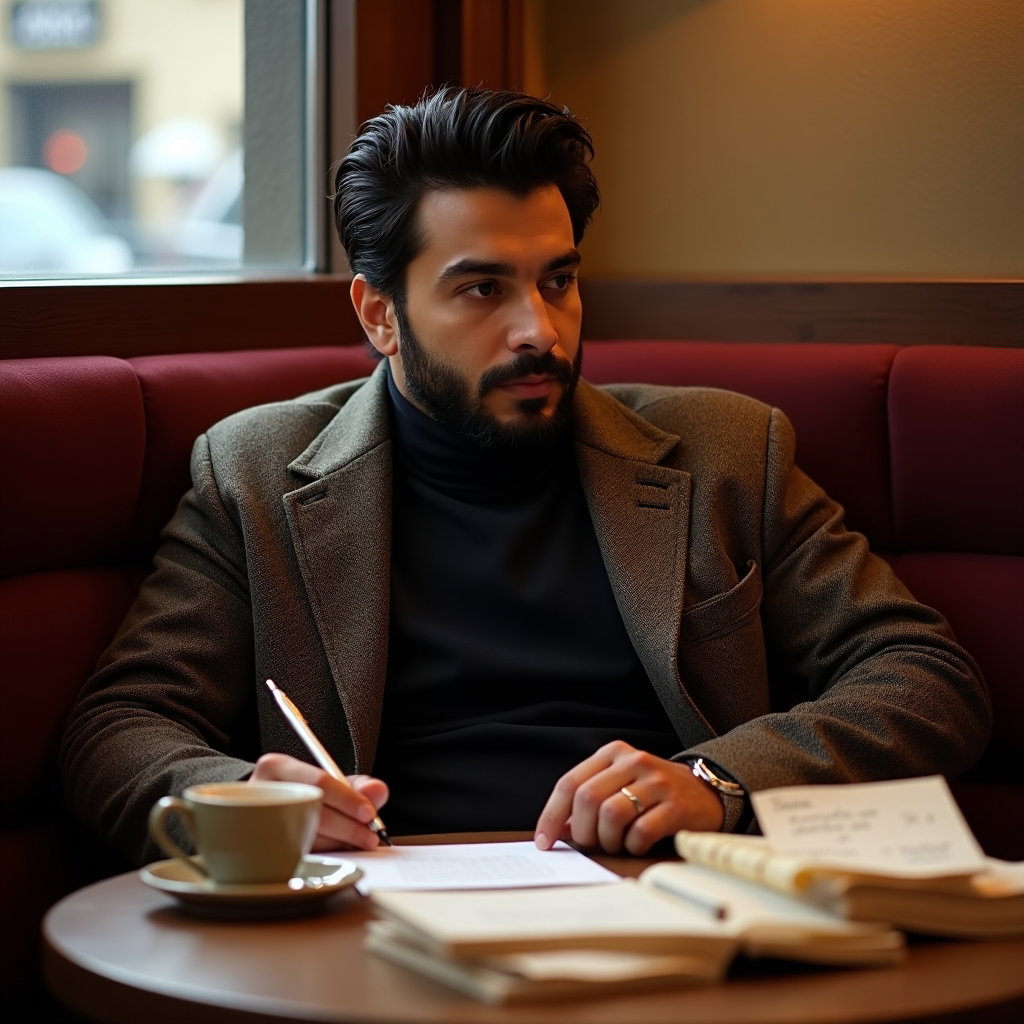
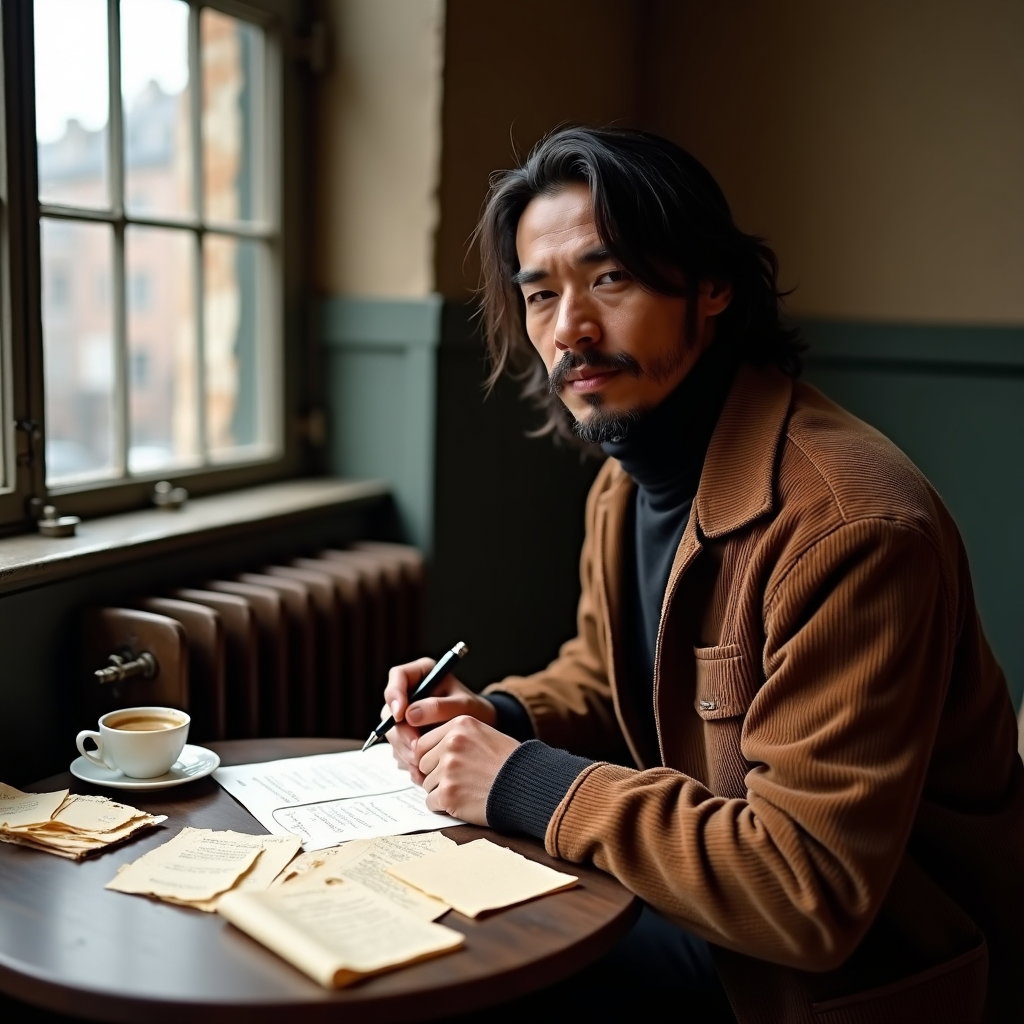
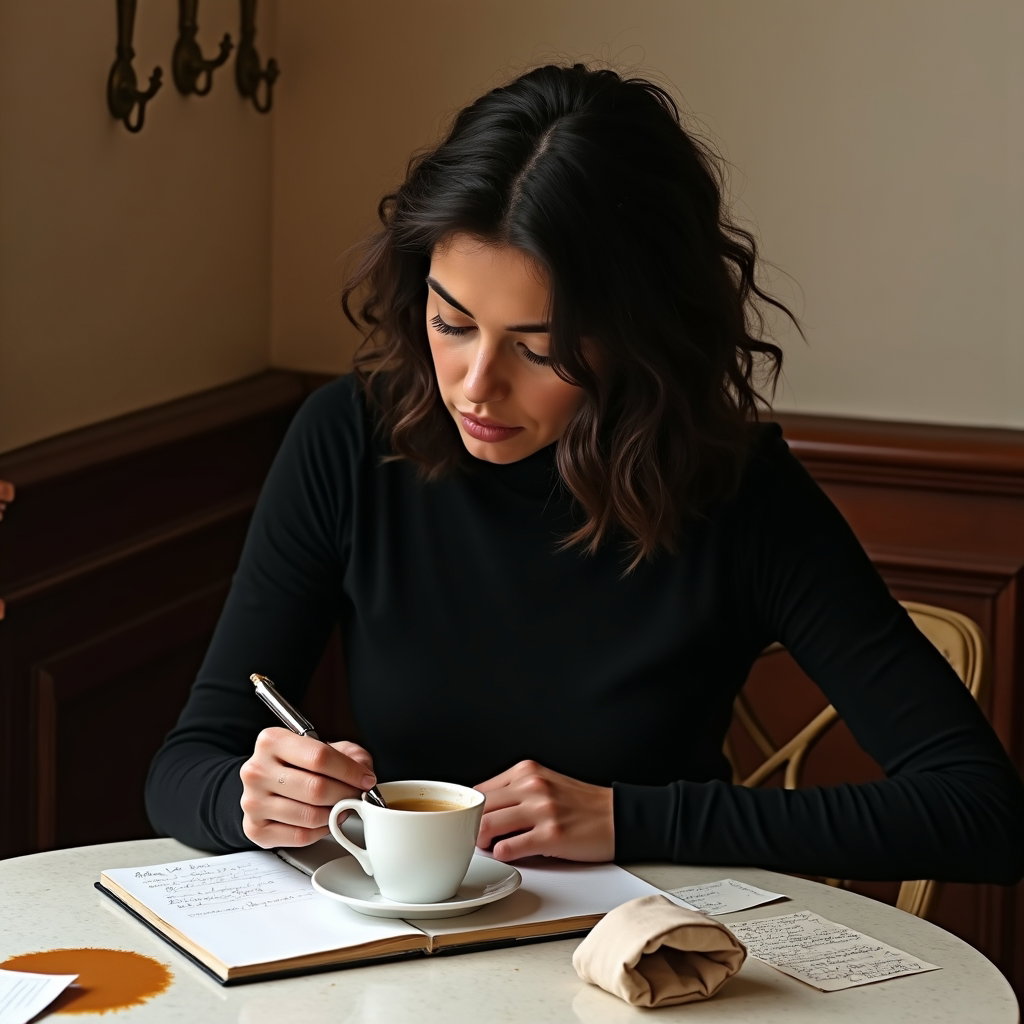
A café table makes dark academia feel easy to wear in real life. Espresso, handwritten notes, and a fountain pen create a grounded study-session mood. It is less dramatic than a library or lecture hall, but often more personal.
Keep the table slightly messy, not dirty. One cup, one notebook, one pen, and a book with underlines are enough. A dark turtleneck or soft sweater works well because it frames your face and leaves the notes as the main detail.
Sit near a window or small lamp, leaning over your notes with one hand near the cup. Use soft café light and a close frame. Wear a dark turtleneck, cardigan, or simple blazer. Avoid a table crowded with food, bags, and wrappers, because the study mood needs a clear center.
Choose a photo to create your version
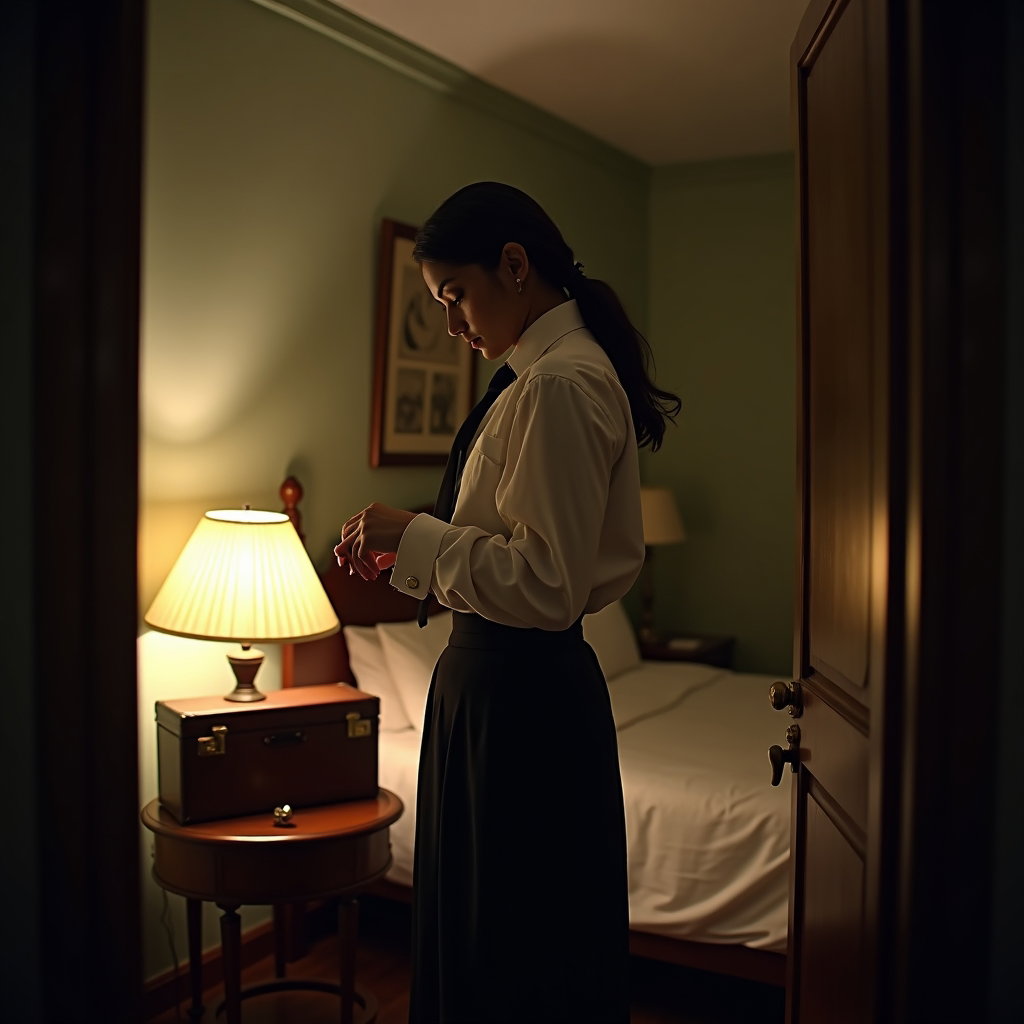
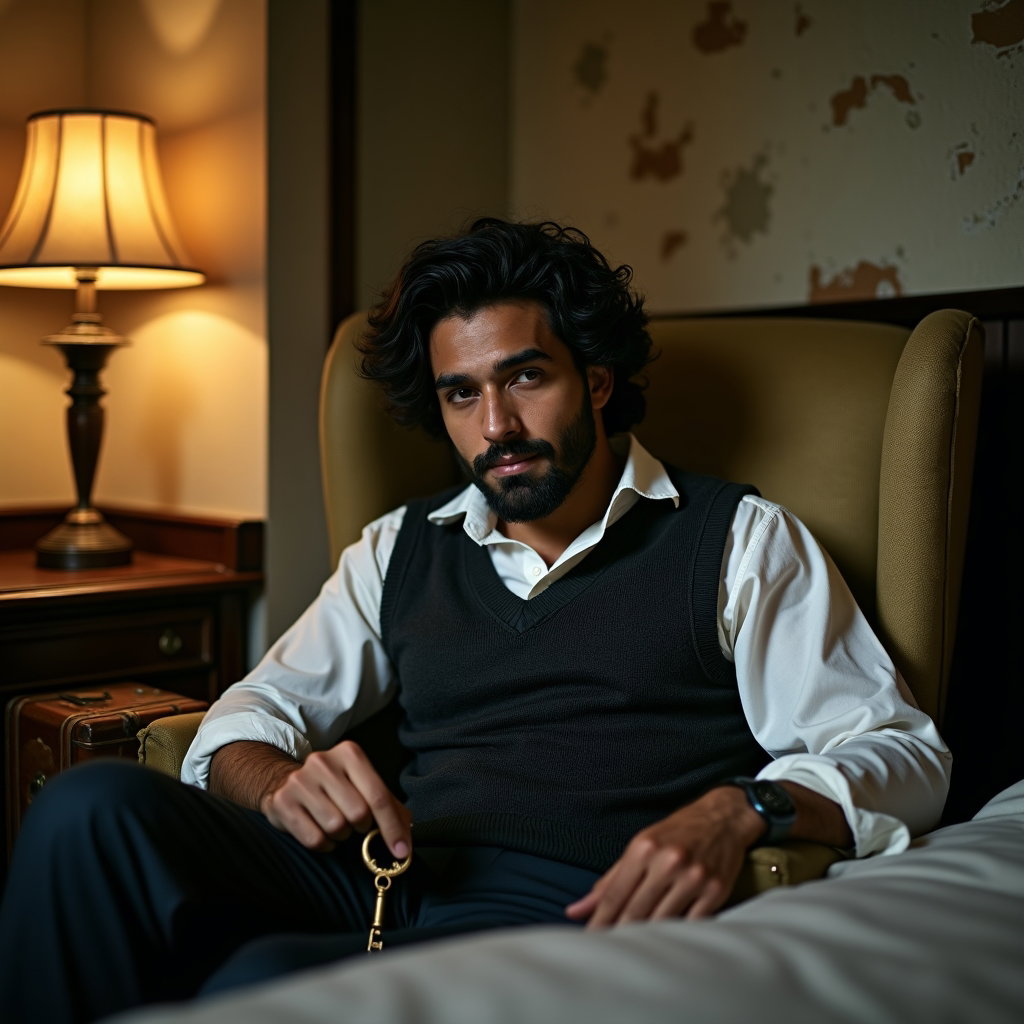
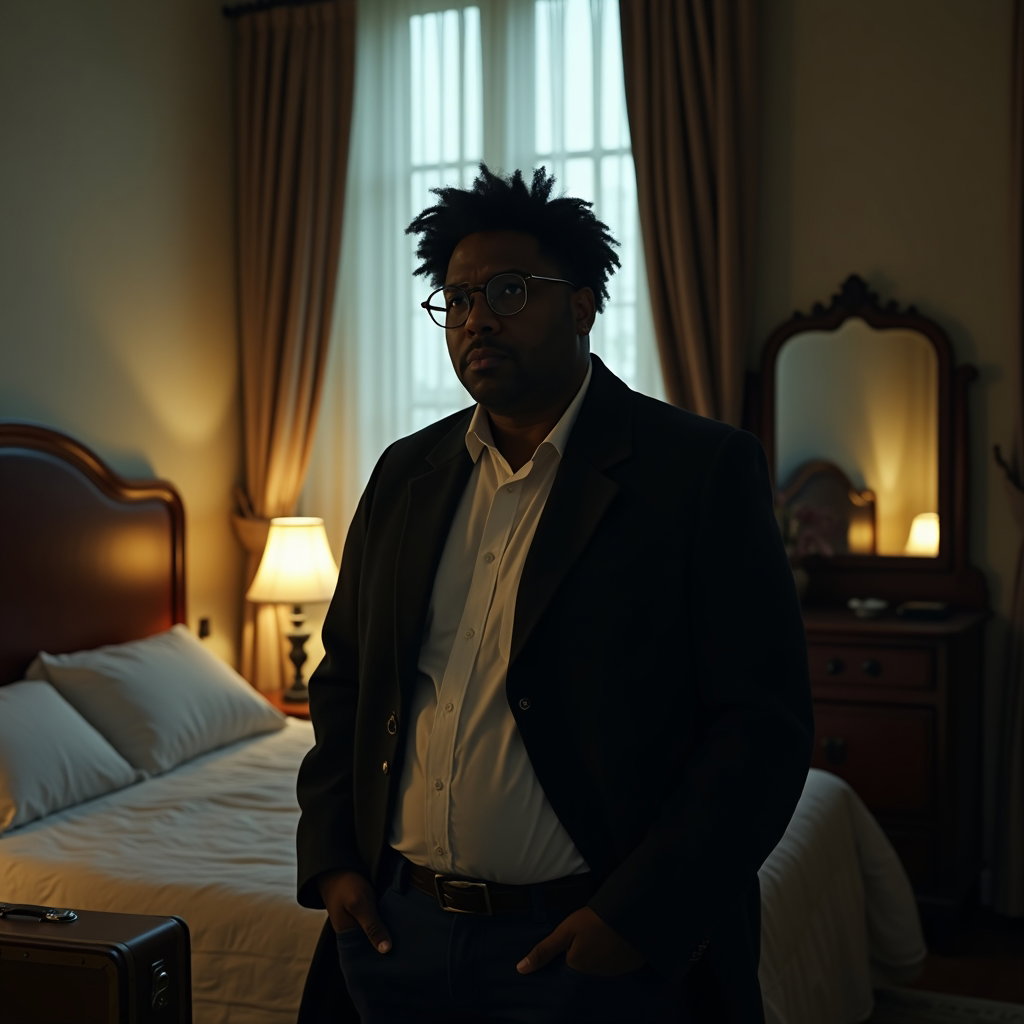
Old Hotel Room
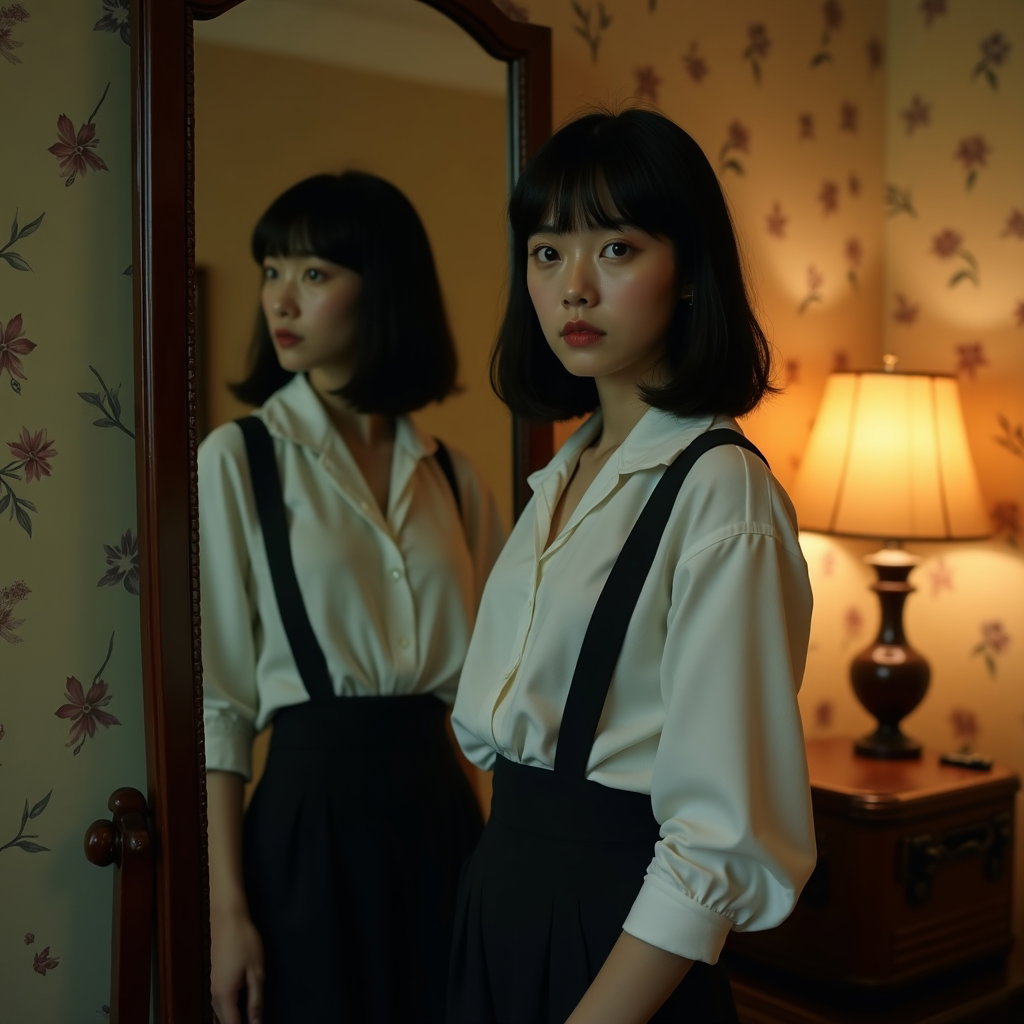
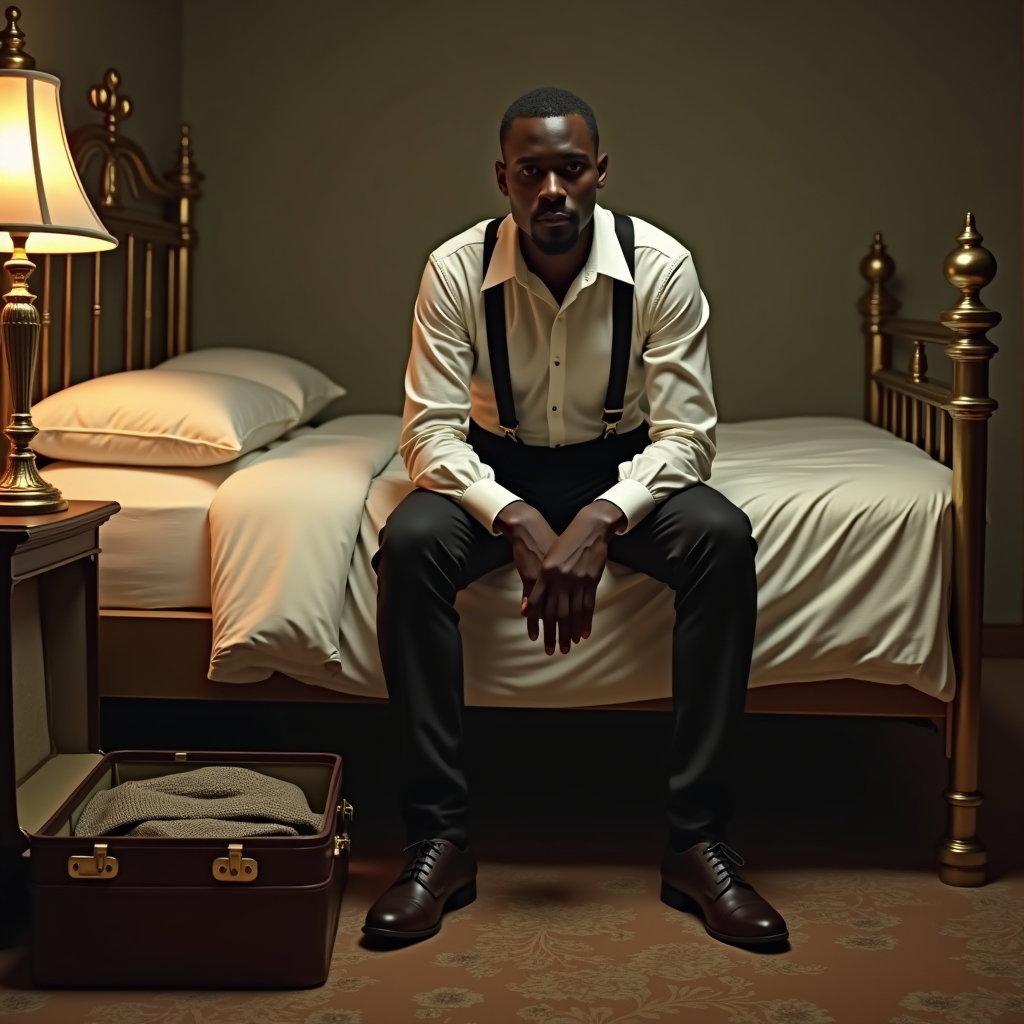
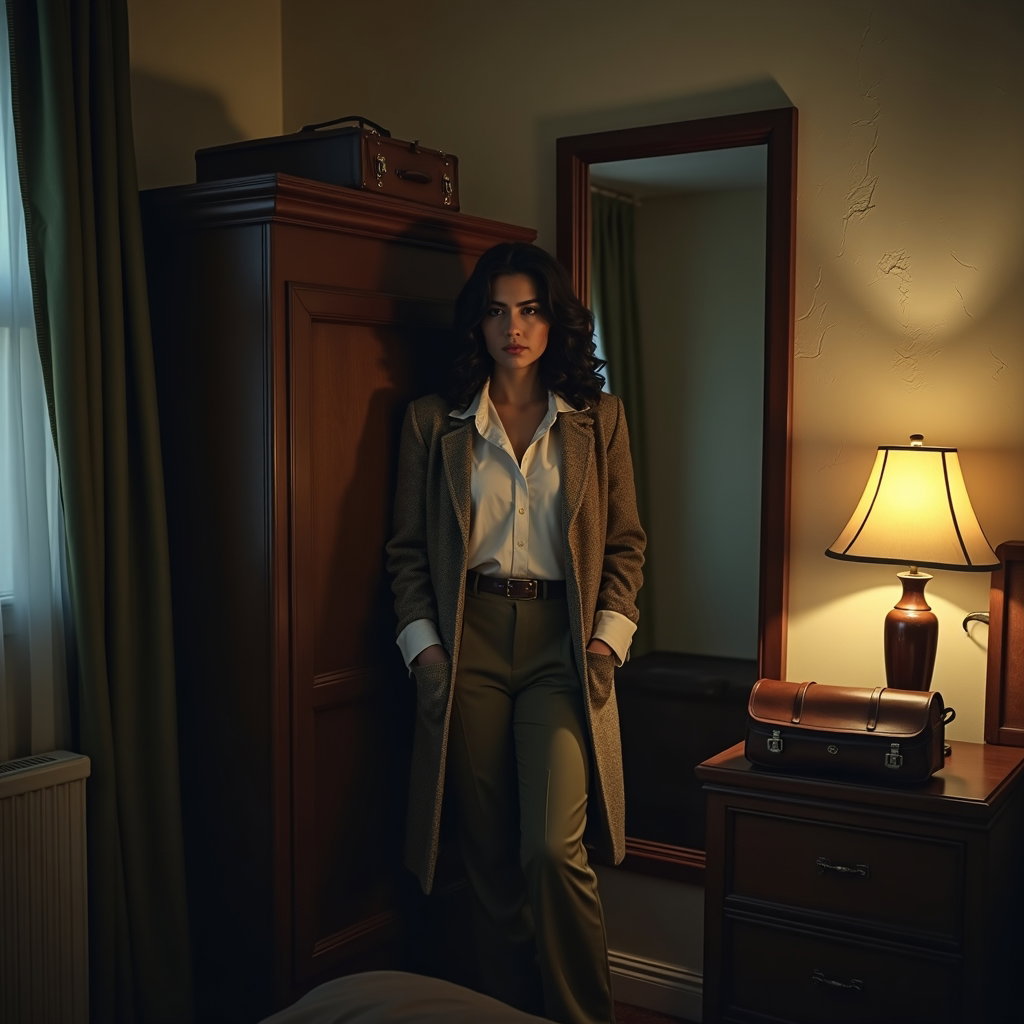
A faded hotel room creates a more private dark academia mood. It feels nocturnal, cinematic, and slightly secretive. A dim lamp, vintage suitcase, mirror, and rumpled shirt can suggest the end of a long journey or the start of a hidden plan.
This setting can become too gloomy if every detail is dark. Add one pale element, like a white shirt, cream pillow, or open page, so your face and hands do not disappear. Let the room look worn, but keep the pose composed.
Stand or sit near a mirror with a suitcase nearby and a bedside lamp as the main light. Keep your expression calm and distant. Wear a rumpled white shirt, dark trousers, loose tie, or long coat. Avoid making the bed and props too perfect, because this scene needs a little lived-in tension.
Choose a photo to create your version
Choose Your Dark Academia Mood
Choose the setting that matches the feeling you want first, then build the outfit around it. Library stacks, archives, and lecture halls feel serious and intellectual. Candlelight, cafés, and bookstores feel warmer and more personal. Rain, trains, and hotel rooms add movement, romance, and mystery.
If you are starting with one idea, keep it simple. Pick a dark base layer, add one textured piece, choose one useful prop, and use soft light. A strong dark academia image does not need many details. It needs the right details, placed with care.