Acting Headshots: Styles for Every Casting Type
Your acting headshots need to look like you and suggest roles you can play. If every shot has the same smile, your range is hard to see. If every shot looks like a costume, your face gets lost.
Start with a clear, current portrait: visible eyes, natural skin, and hair that matches how you arrive at an audition. Then choose a few looks that fit your casting range. Send the look that suits the role, not every version you have.
Small changes in expression, posture, light, and setting can do a lot of work. The looks below show how to make those changes while keeping the person in every frame unmistakably you.
Bright Commercial Close-Up
Use this look when you want warmth and energy to register at a glance. A genuine smile and direct gaze can suit upbeat ads and friendly, everyday roles. Keep the crop close enough for your eyes to carry the shot.
Think of something that makes you smile before the camera starts. A held grin can look tense around the eyes. Keep hair off your face and skip busy patterns that compete with your expression.
Face the camera with relaxed shoulders and a natural smile. Use soft, bright front light, a solid-color top, and a plain background. Avoid an overexposed face or a forced grin.







Choose a photo to create your version
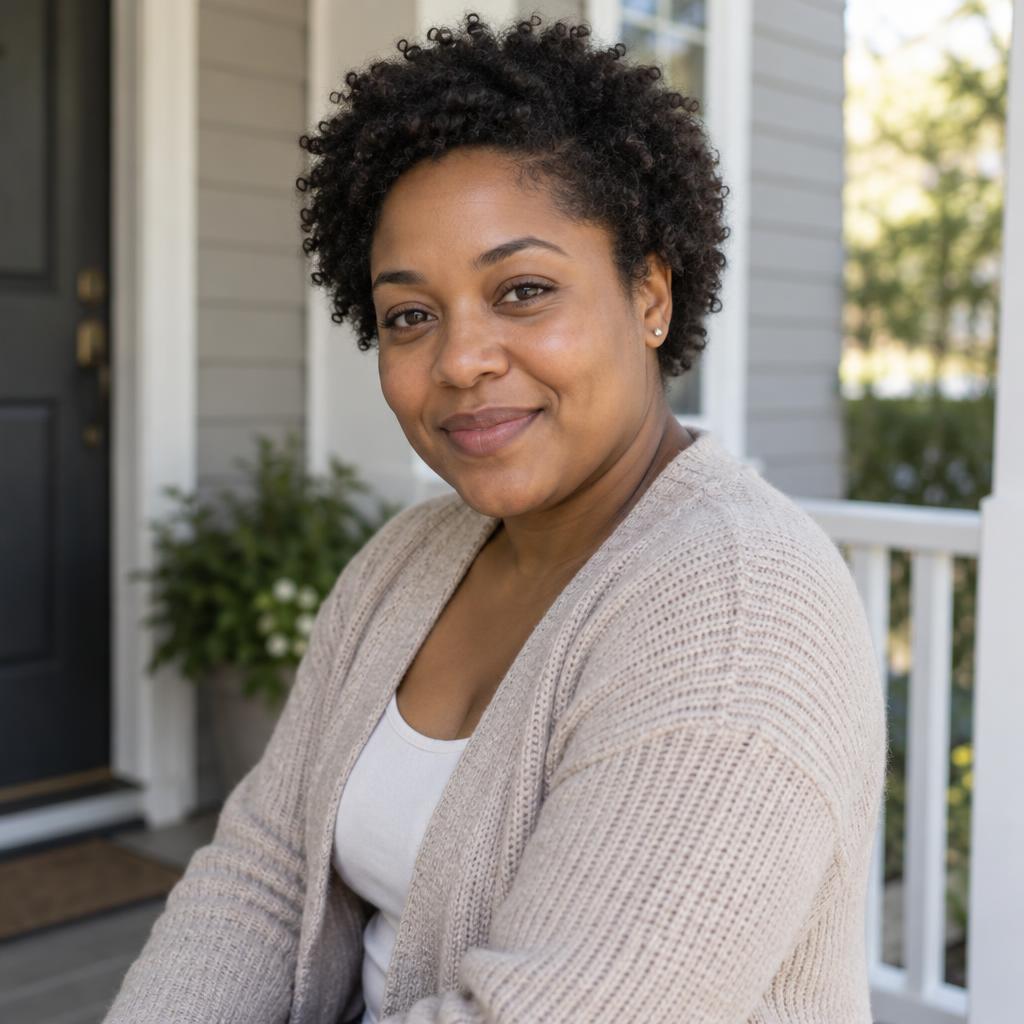
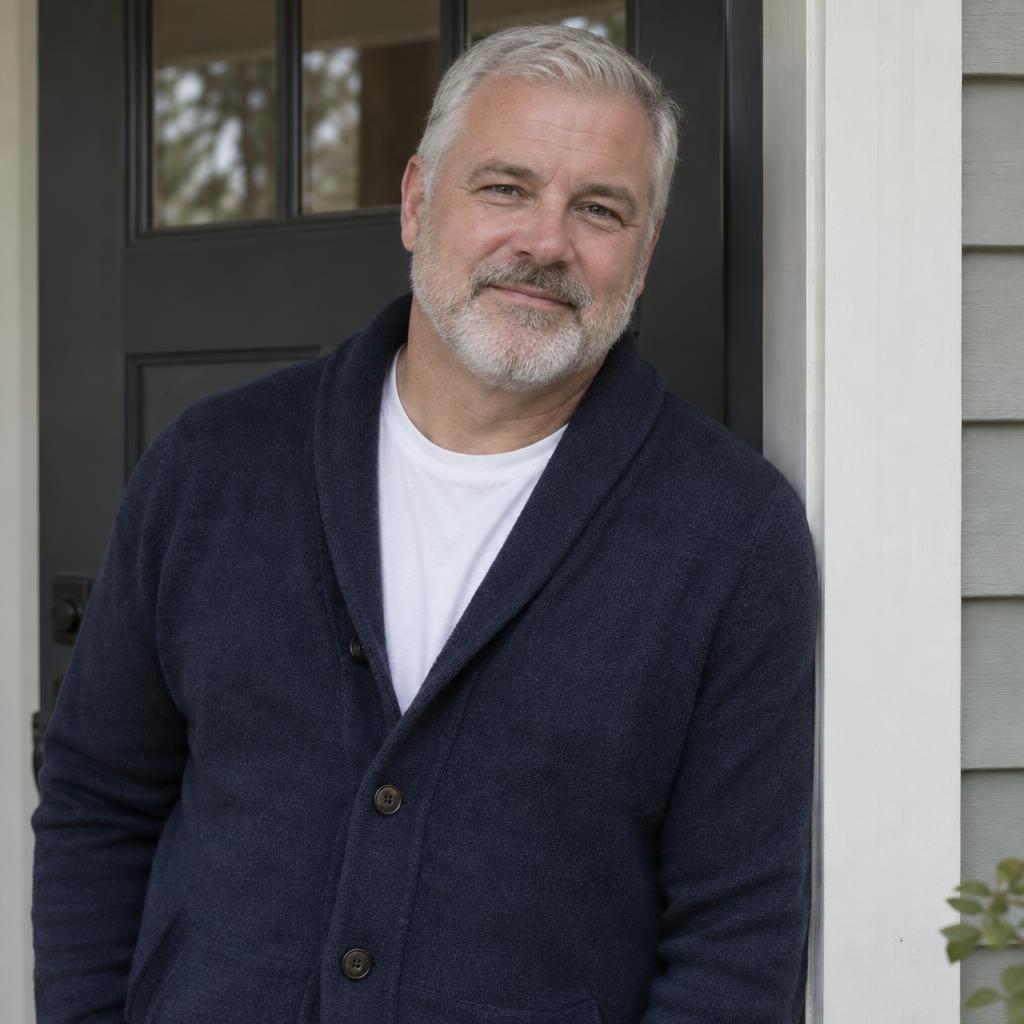
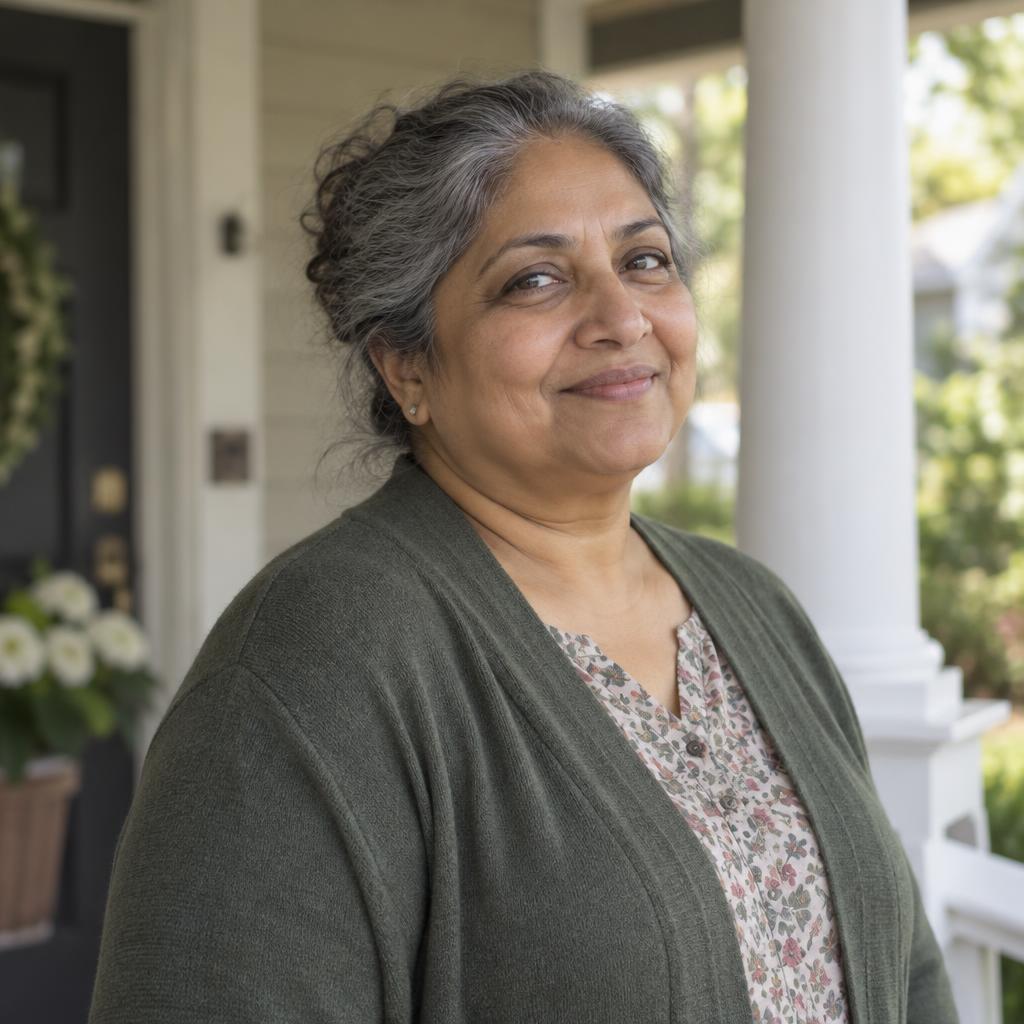
Warm Neighborly Character
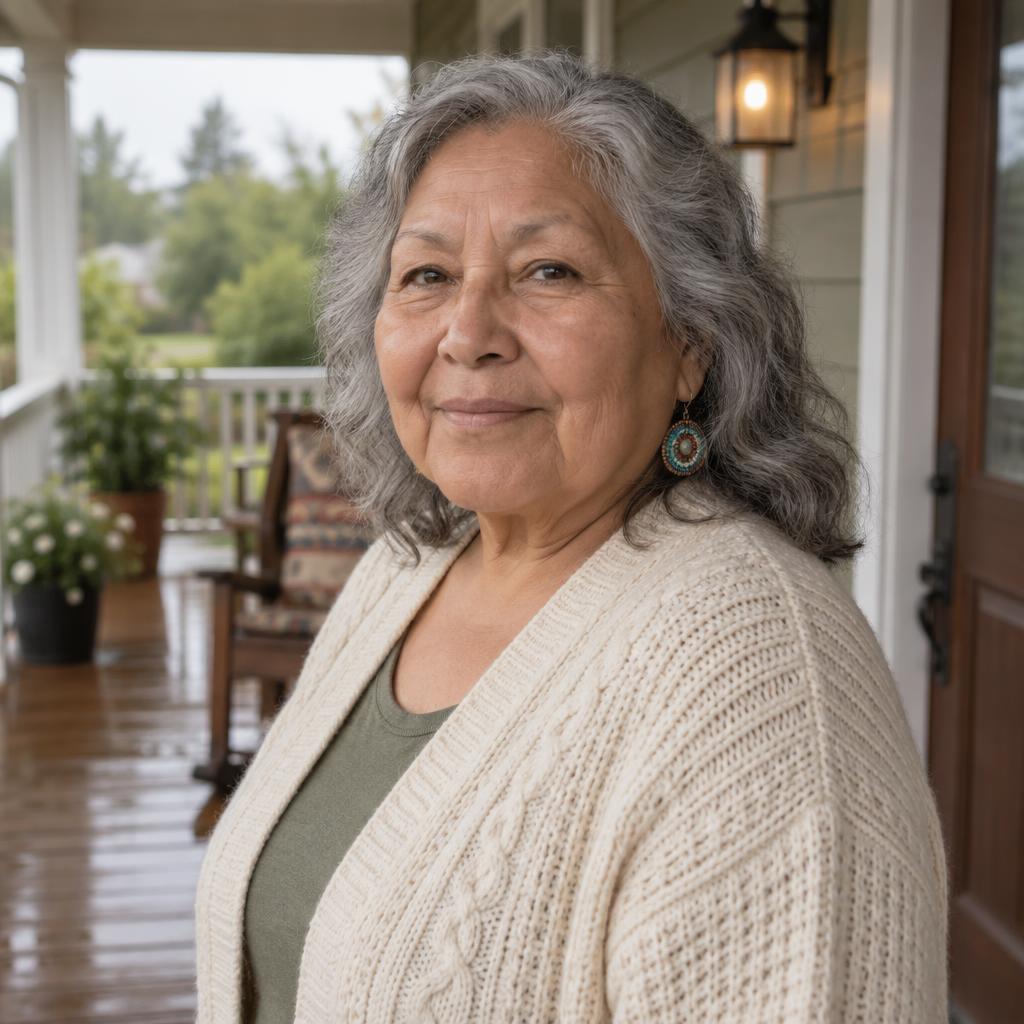
A neighborly portrait feels less polished than a commercial close-up. It suggests someone familiar and easy to trust. Choose it when a relaxed, everyday presence is closer to the role than high energy.
A front porch gives context without needing props. Turn slightly away, then bring your eyes back toward the camera. Let your half-smile feel like the start of a conversation, not a pose for an ad.
Stand at a gentle three-quarter angle in soft daylight. Try a simple cardigan against a quiet porch background. Keep your posture loose; avoid a broad stock-photo smile.




Choose a photo to create your version
Polished Authority Role
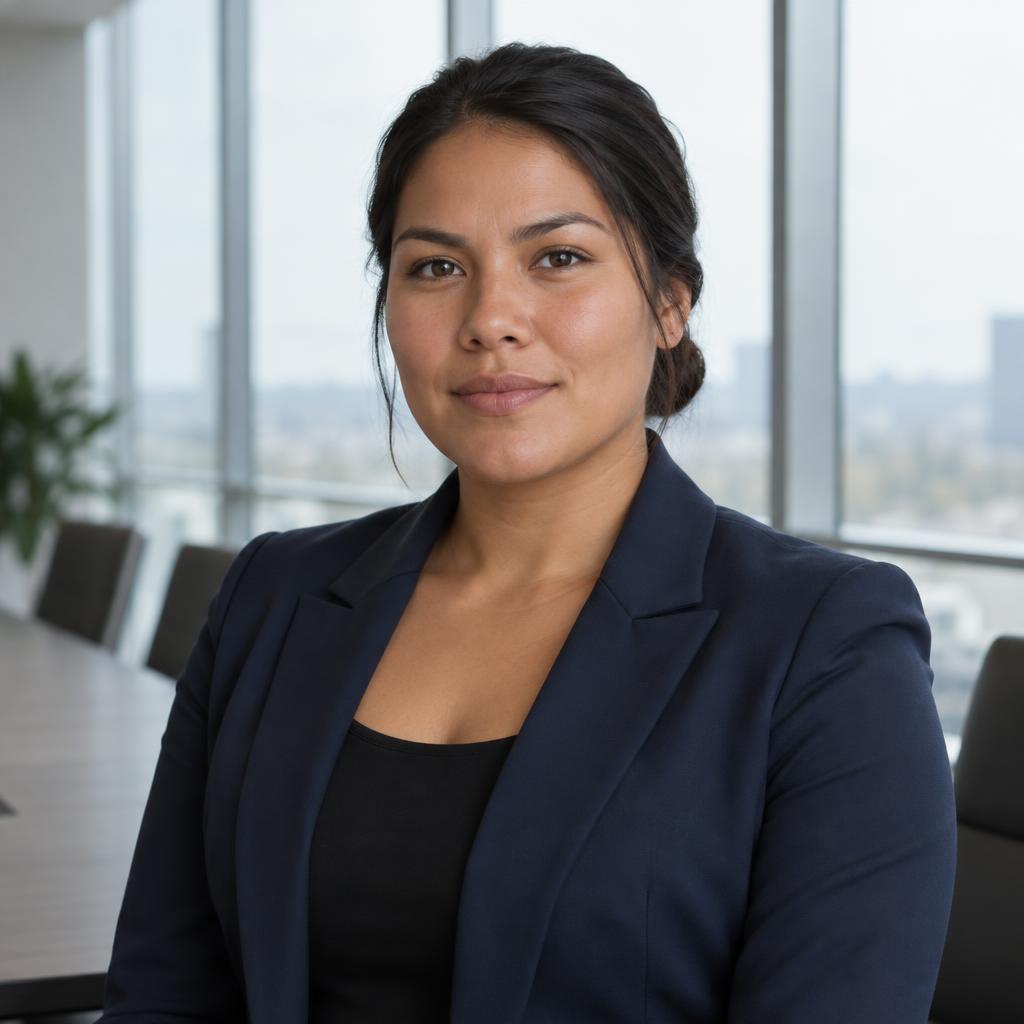
For an executive, attorney, or other leader, you need to look steady before you look stern. An upright posture and level gaze give the portrait confidence. A chest-up frame keeps both your face and bearing visible.
A tailored blazer can help, but it should fit and let you move. Clean office lines add context. Too much desk, glass, or formal styling can make the image feel like a company portrait rather than a headshot.
Sit or stand tall with your chin level. Use even window light, a well-fitting blazer, and a simple office background. Avoid crossed arms or a rigid expression.







Choose a photo to create your version
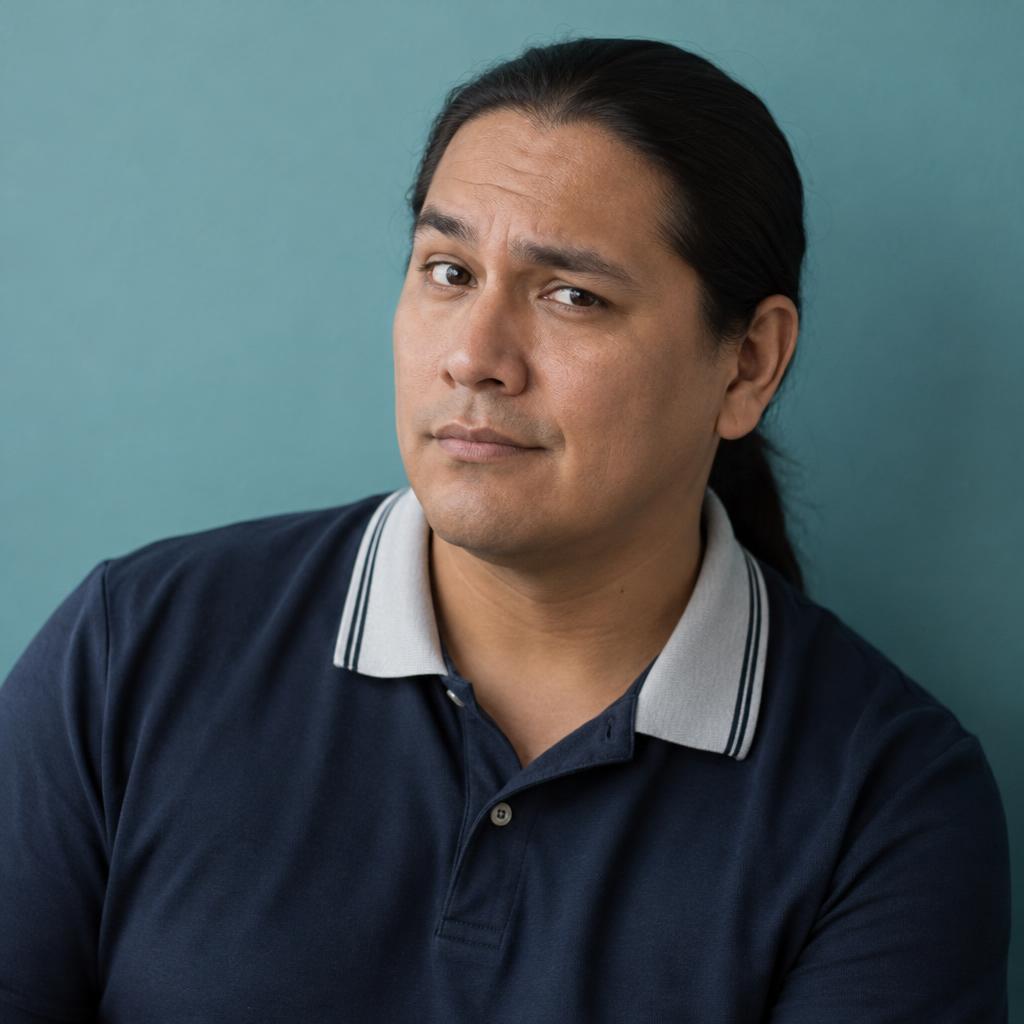
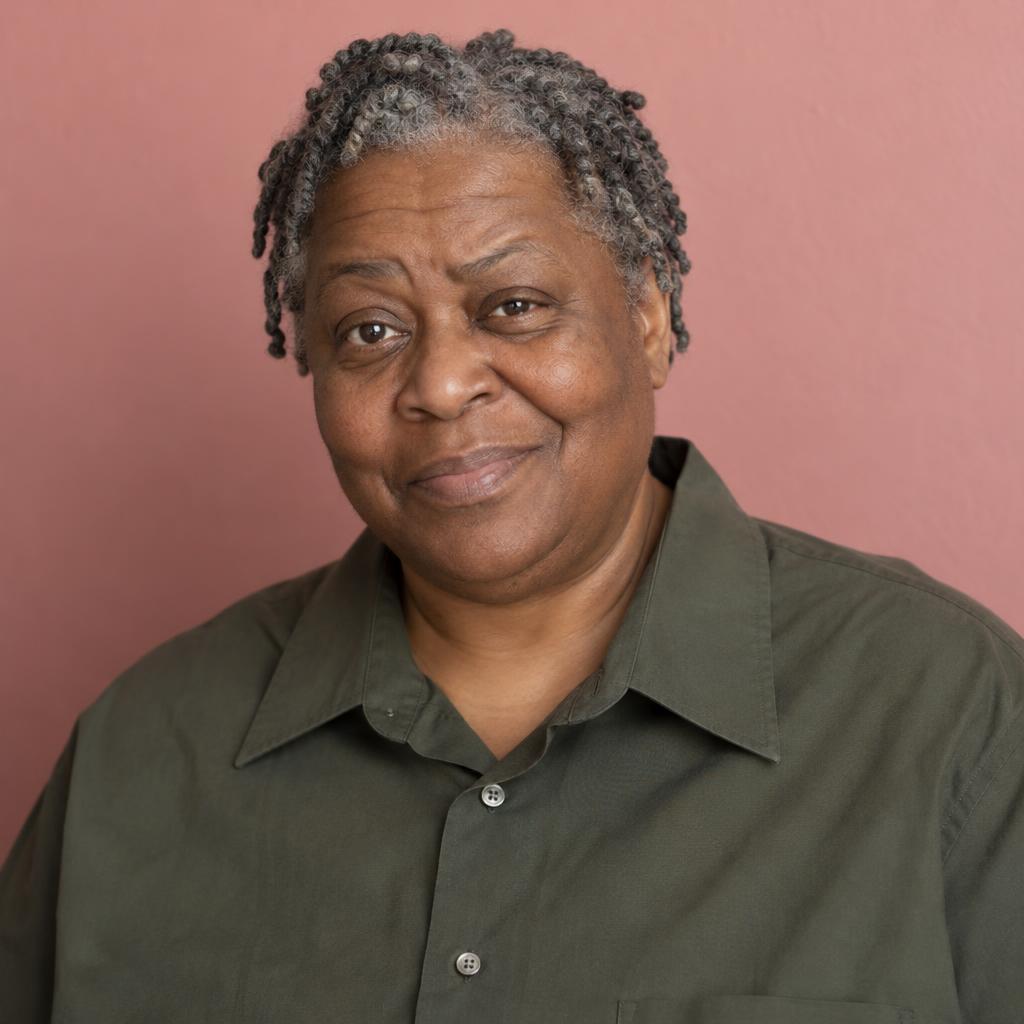
Quirky Comedy Casting Look
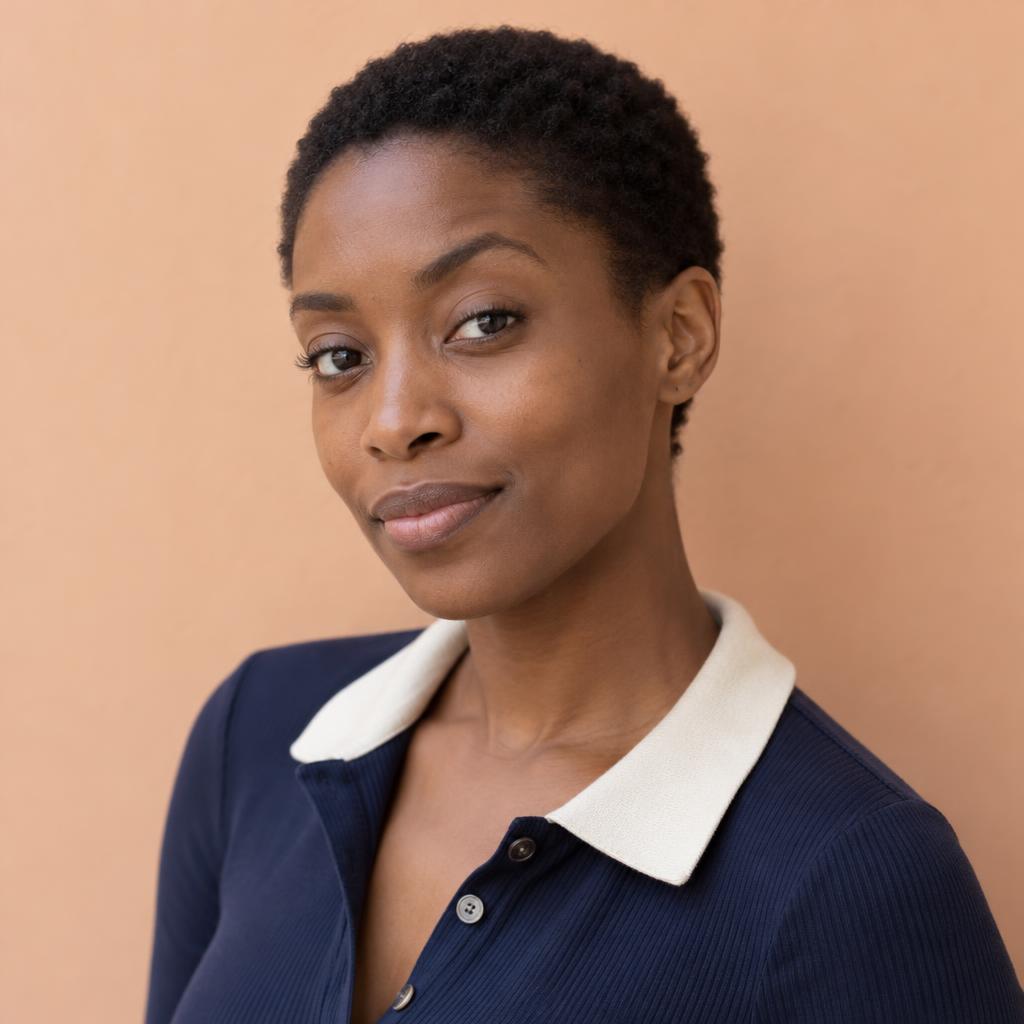
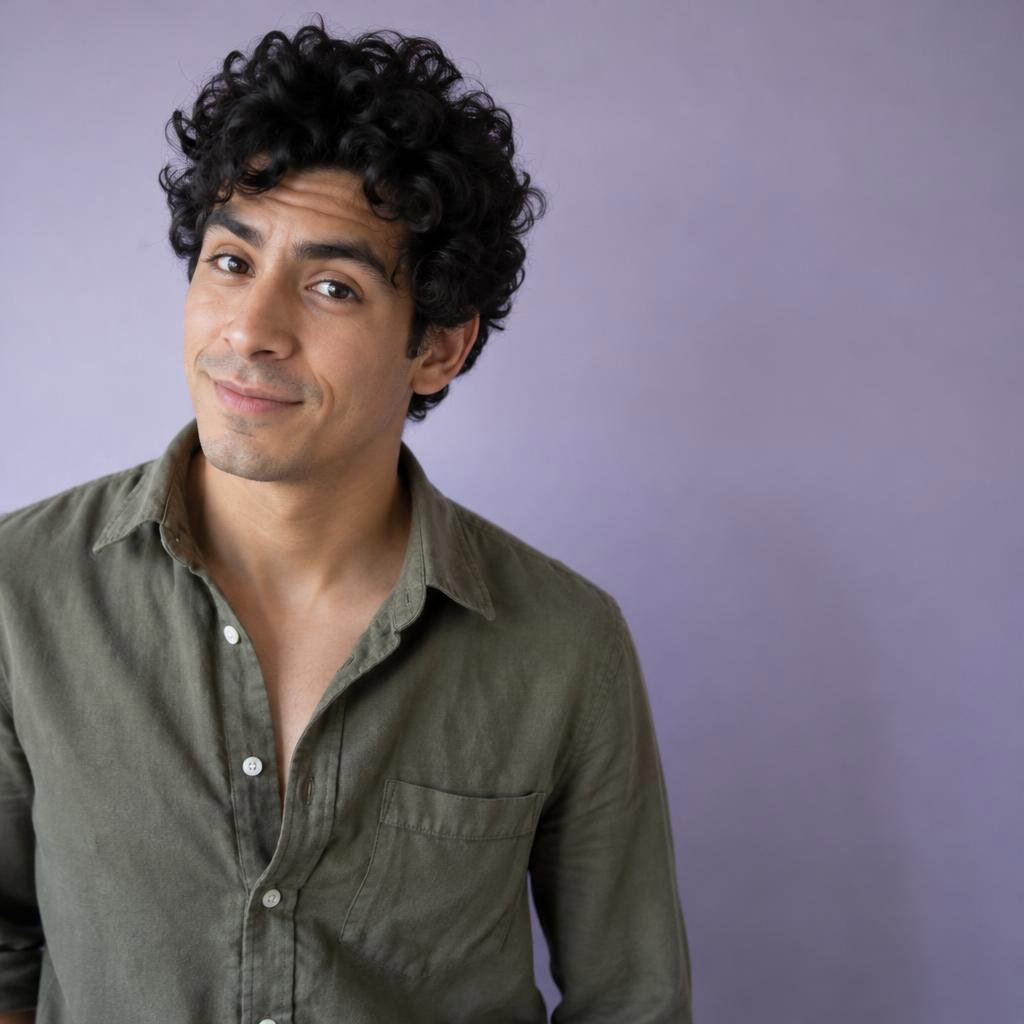
Comedy does not require a funny face. One raised eyebrow or a slightly off-center stance can show that you understand a playful beat. Keep the expression small enough that your features remain clear.
Choose one detail with character, such as an unusual collar. A colorful wall can lift the mood, but the color should not overpower your face. If the image looks like a joke before you enter the room, pull it back.
Shift your shoulders a little off-center and let one eyebrow react. Use soft, even light, one distinctive clothing detail, and a plain colored wall. Avoid props and exaggerated faces.




Choose a photo to create your version
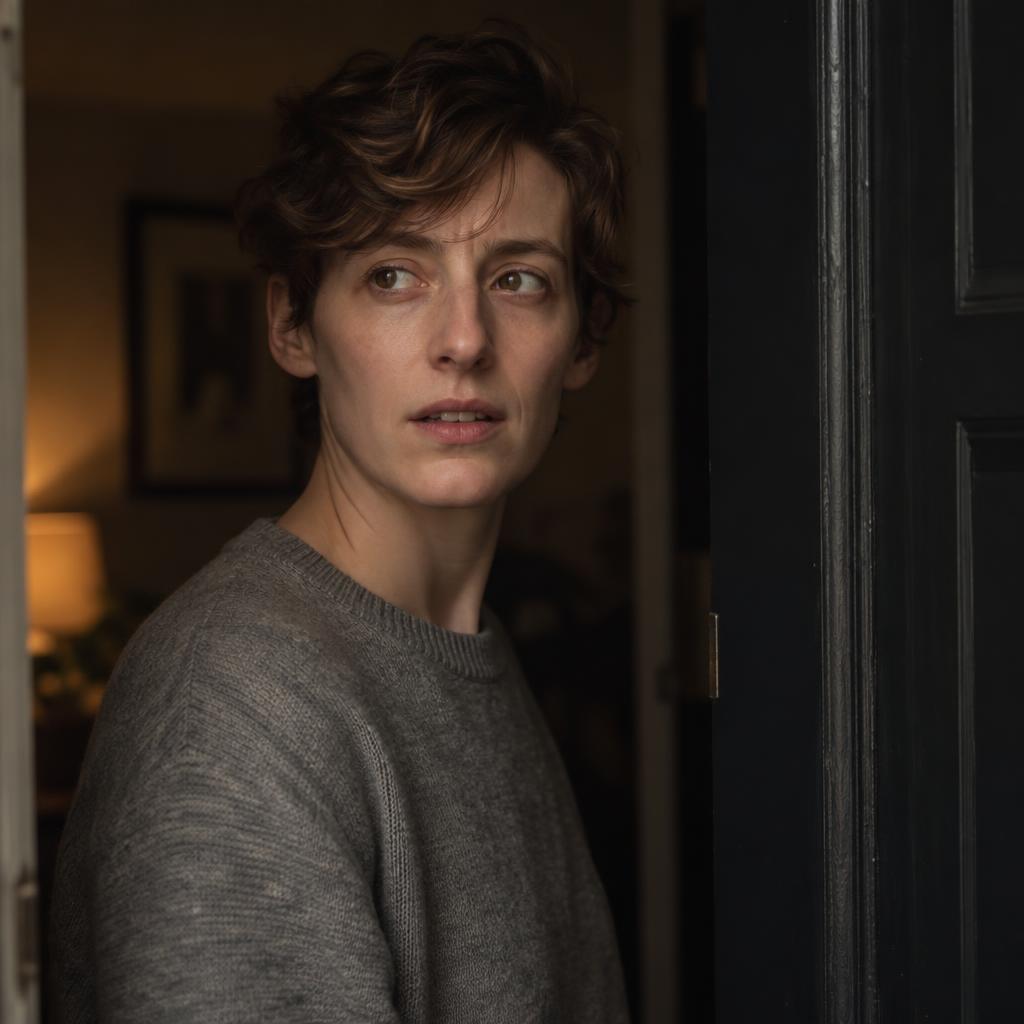
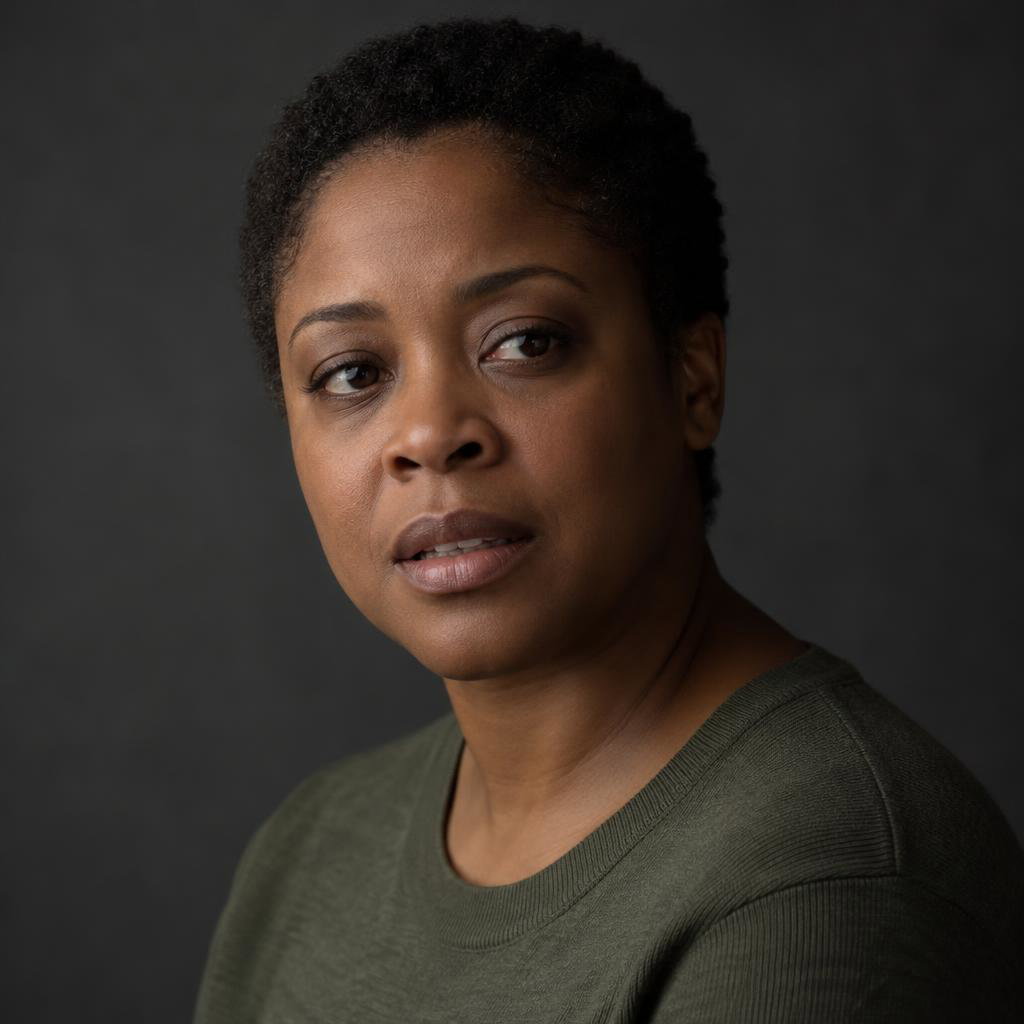
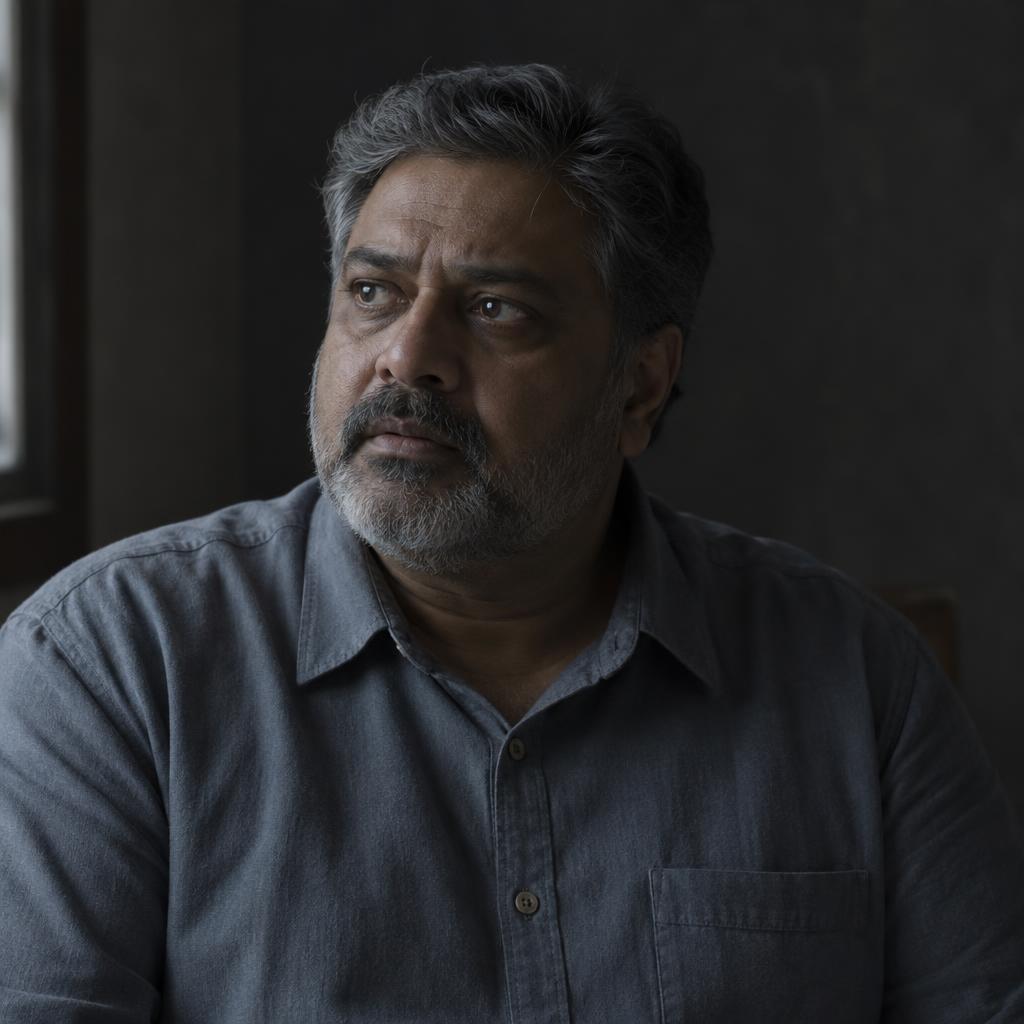
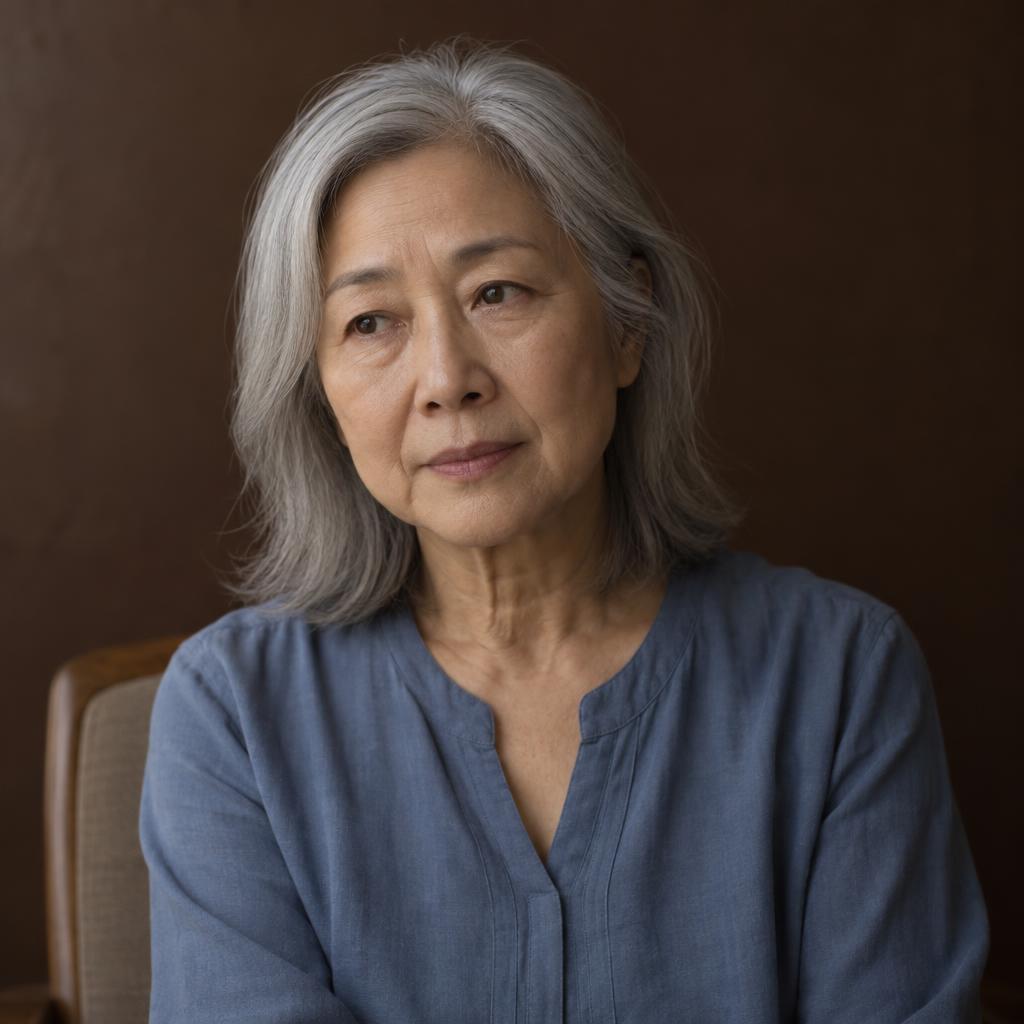
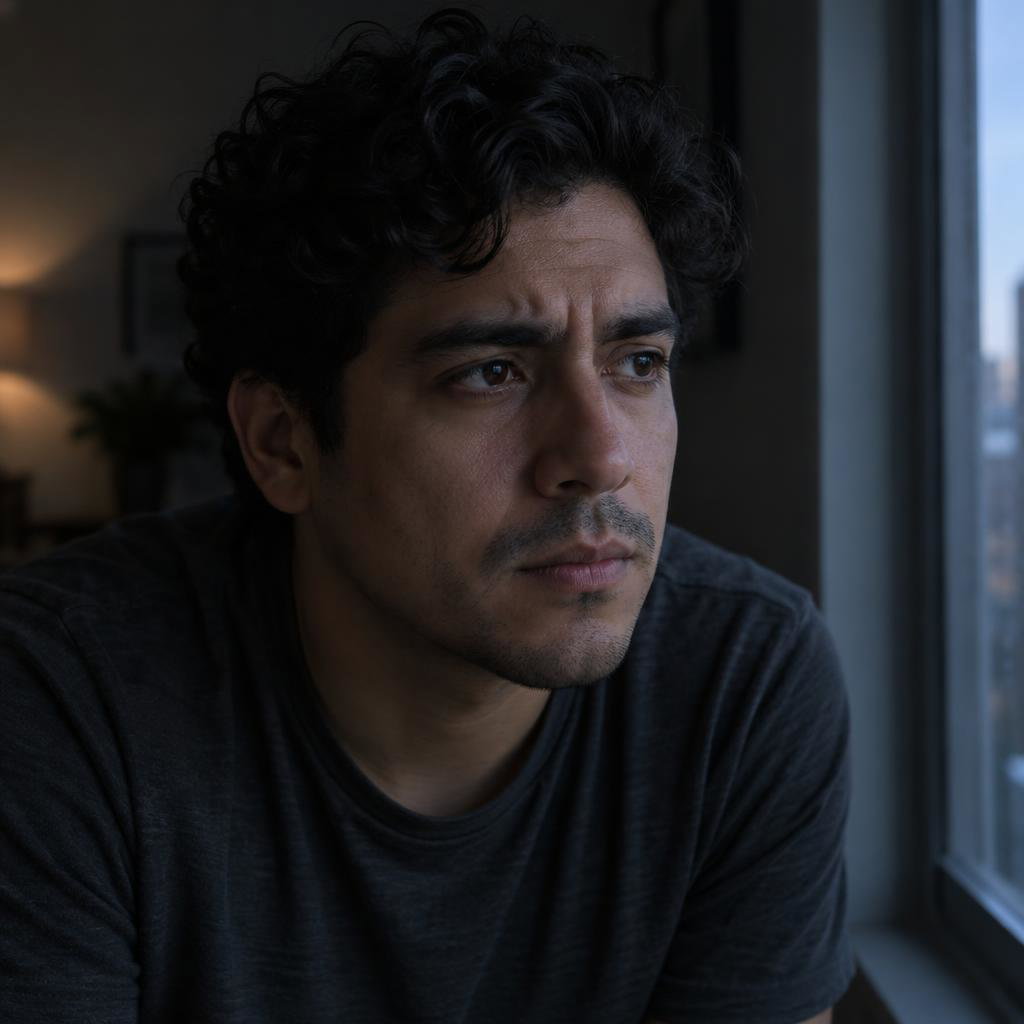
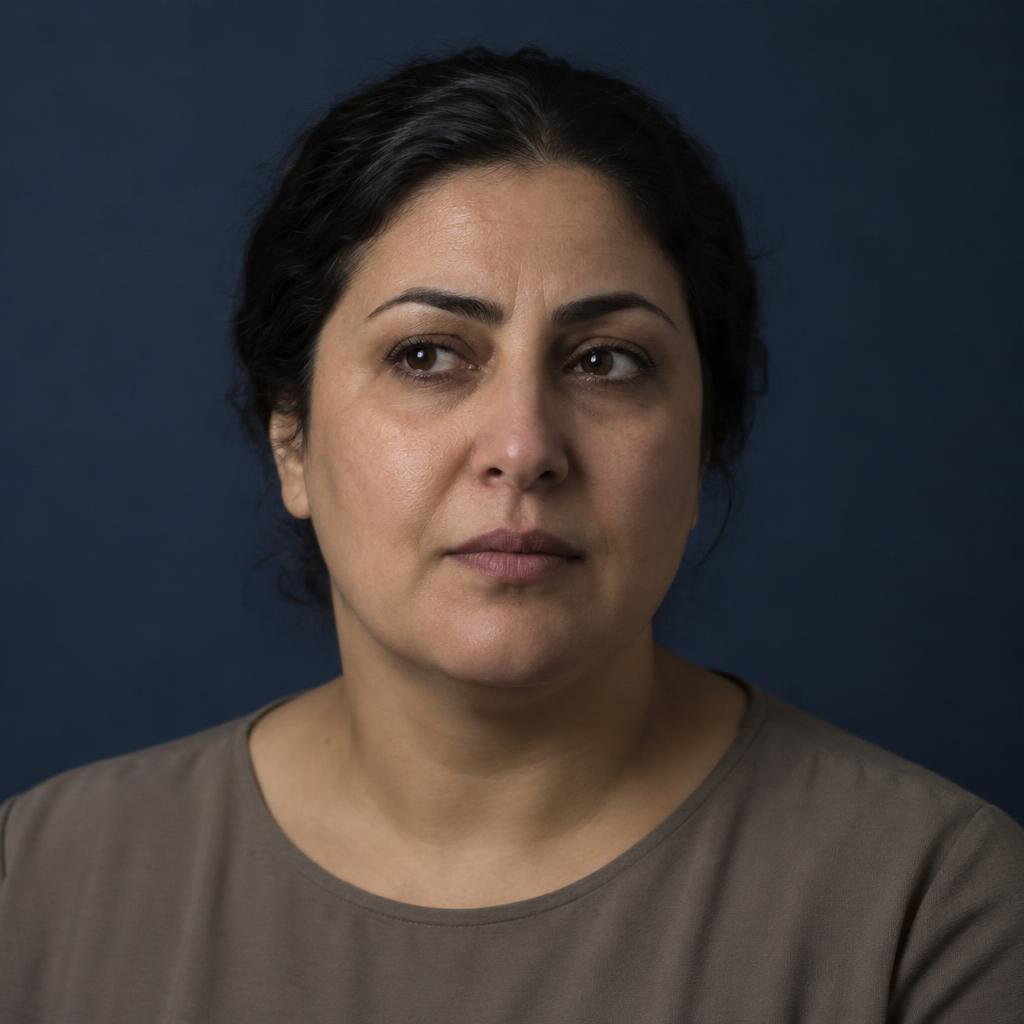
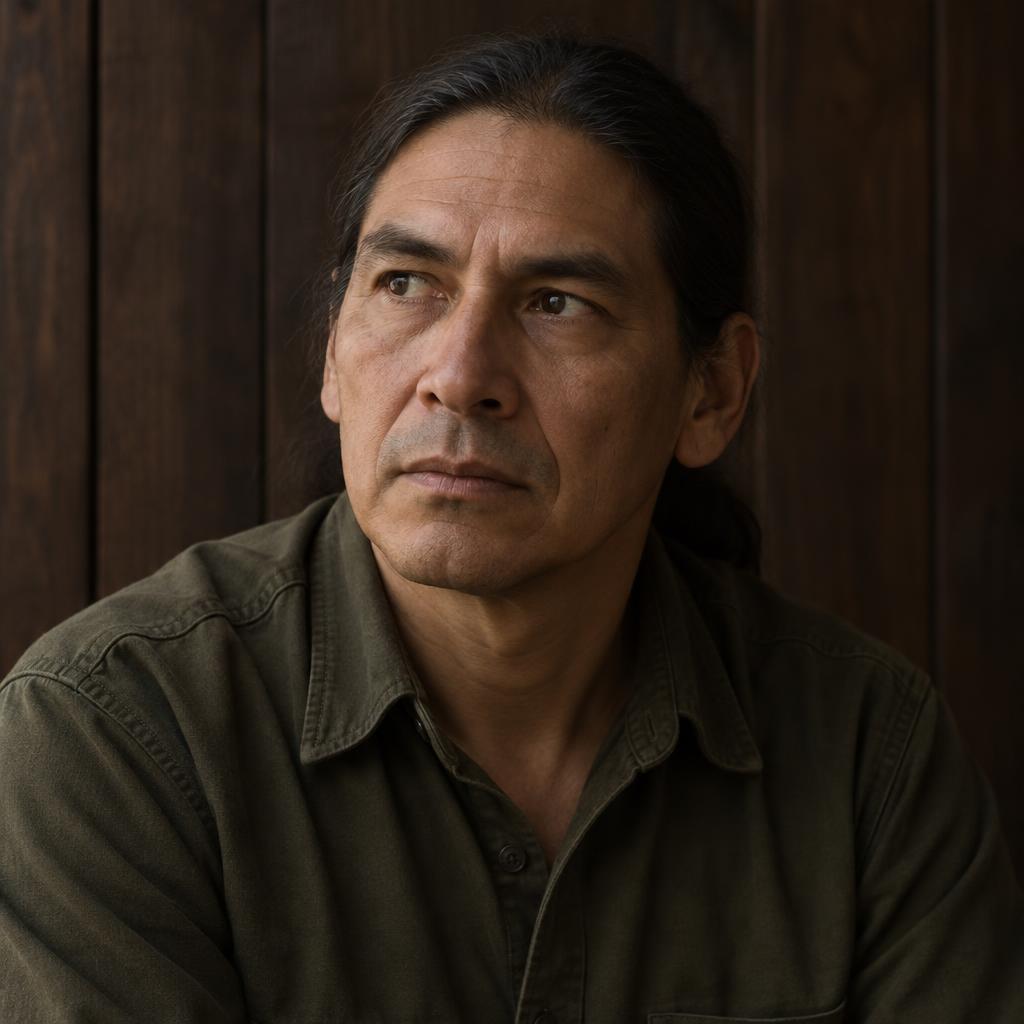
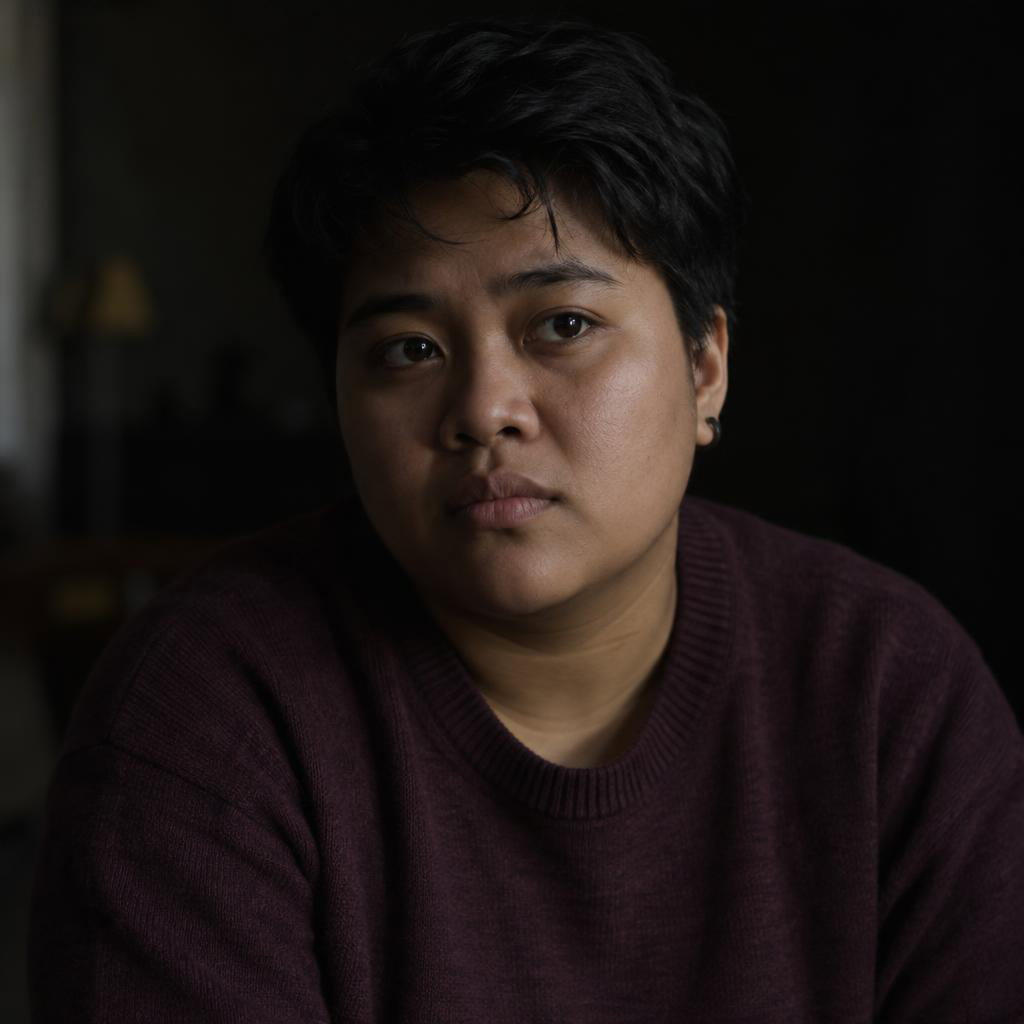
Intimate Dramatic Monologue
A quiet dramatic headshot can suggest a thought you have not said aloud. Looking just off-camera gives your eyes somewhere to land. This works when you want to show vulnerability without acting out a whole scene.
Bring the frame close, but leave enough room for your face to breathe. A dark background and muted clothing reduce distractions. Do not chase tears; a restrained expression is often easier to read.
Hold still, with your gaze just beside the lens. Use soft side light, muted clothing, and a dark, simple background. Avoid shadow that hides an eye or a forced look of pain.
Choose a photo to create your version
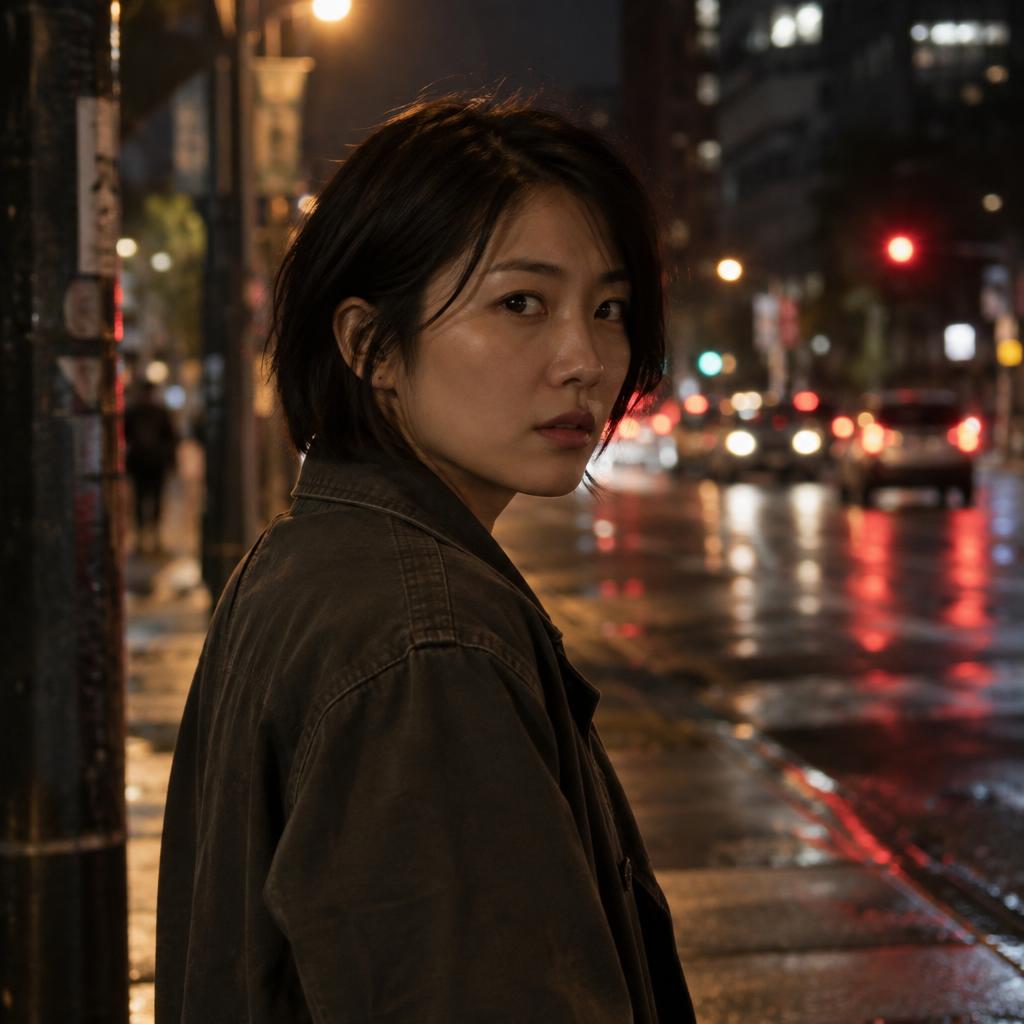
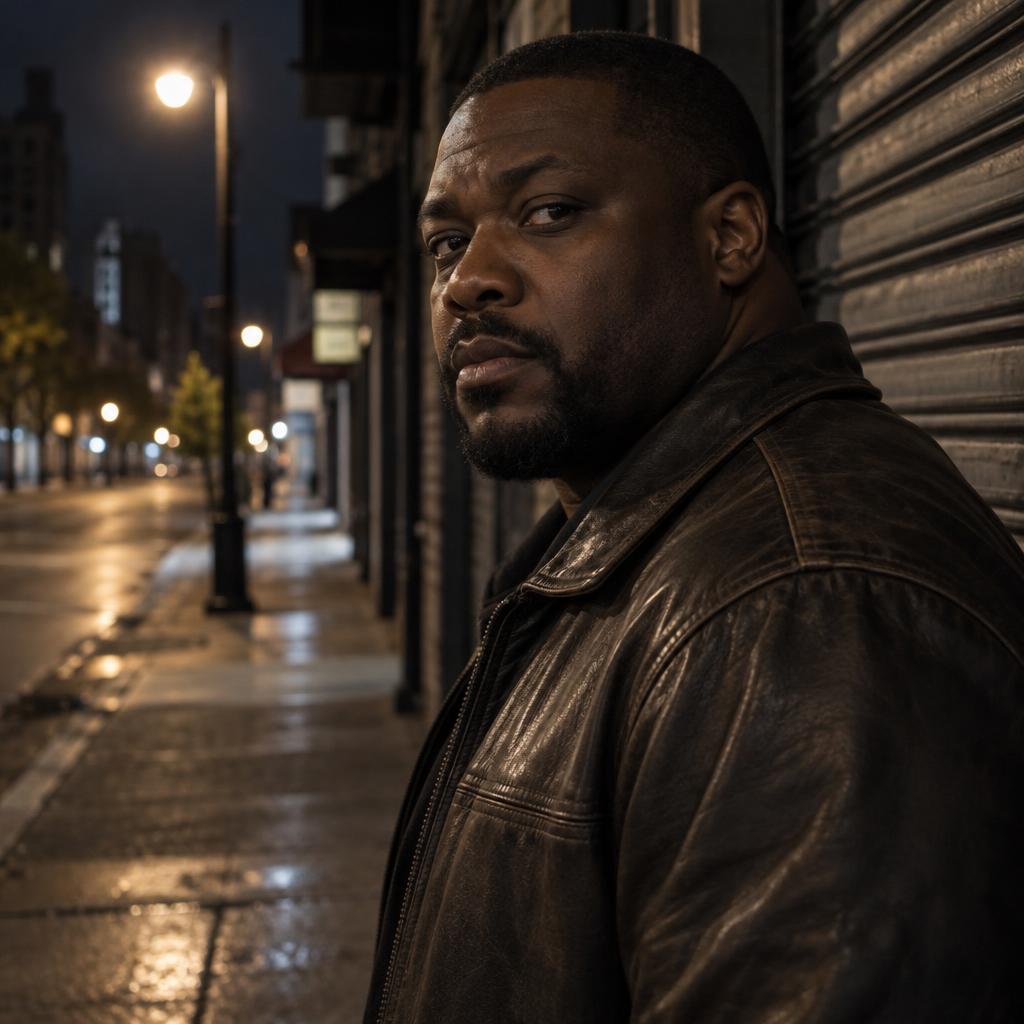
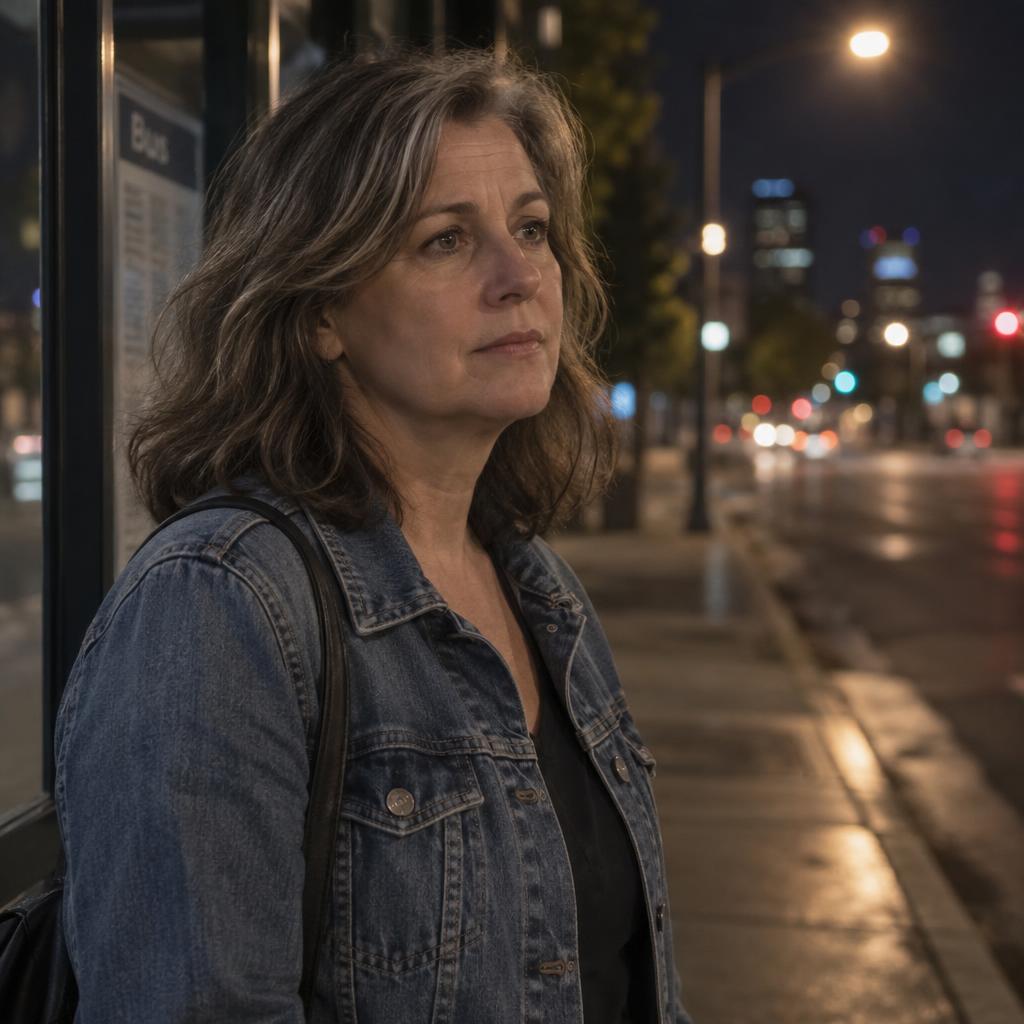
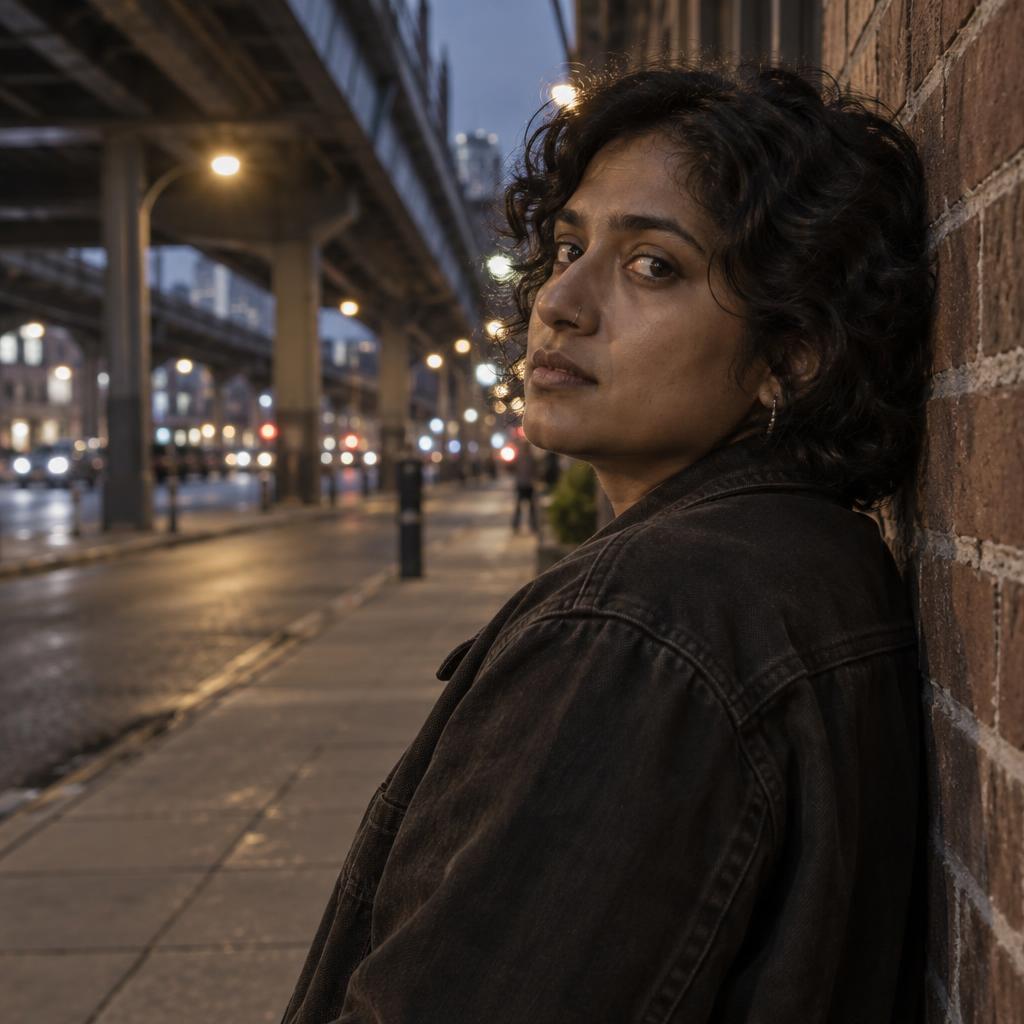
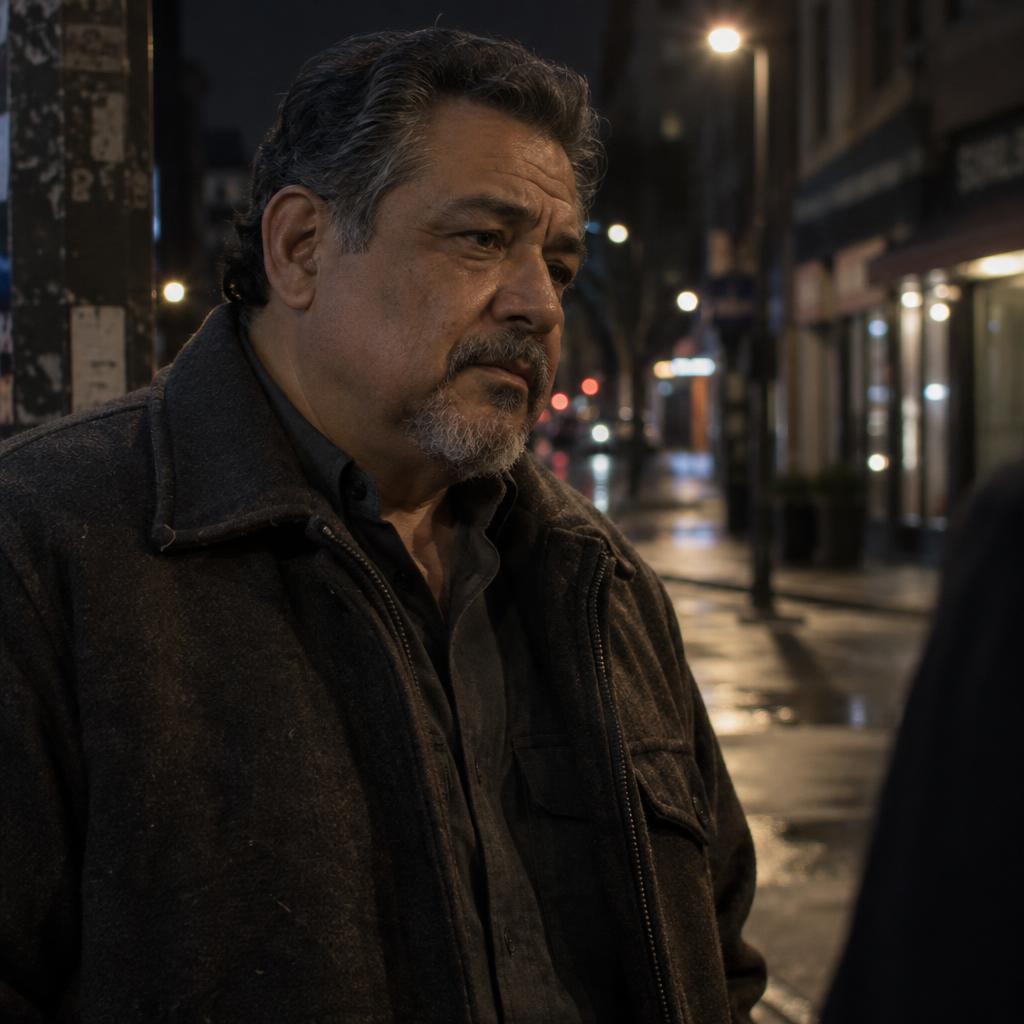
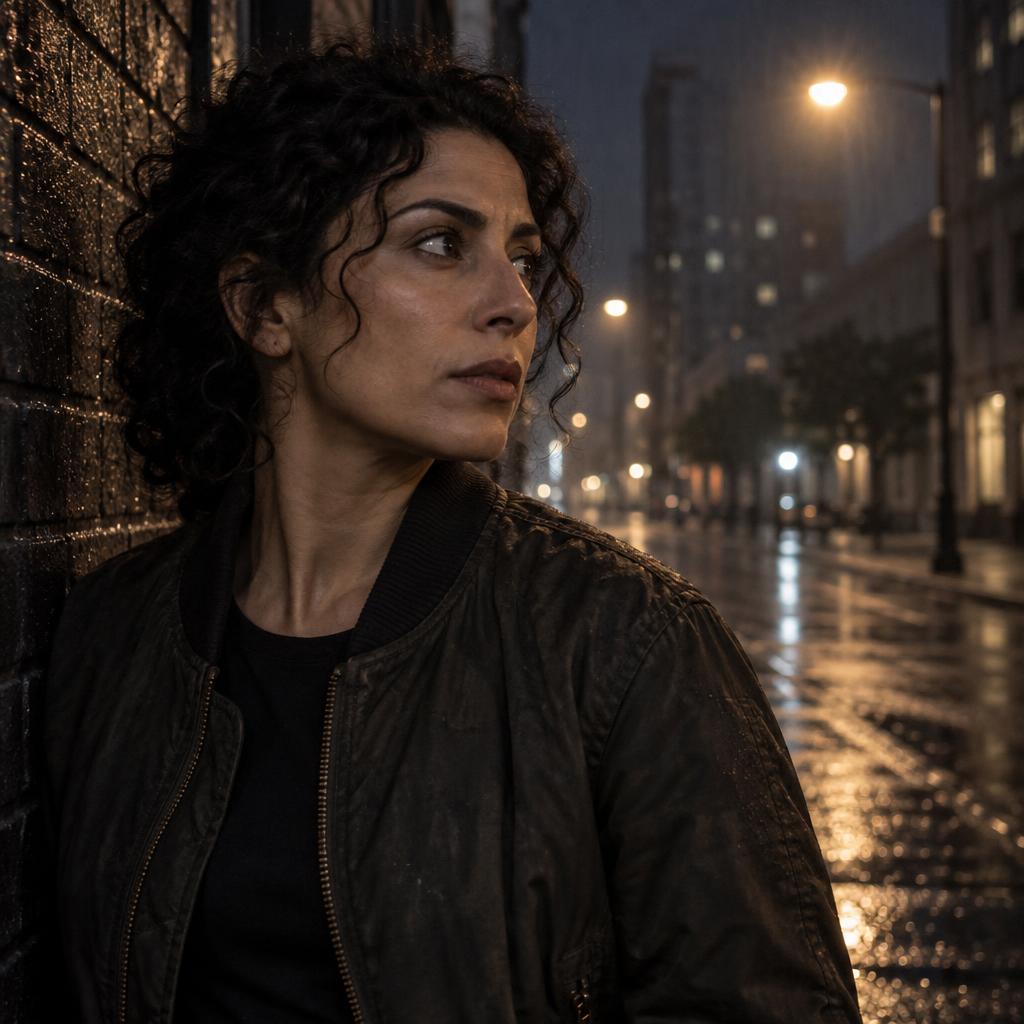
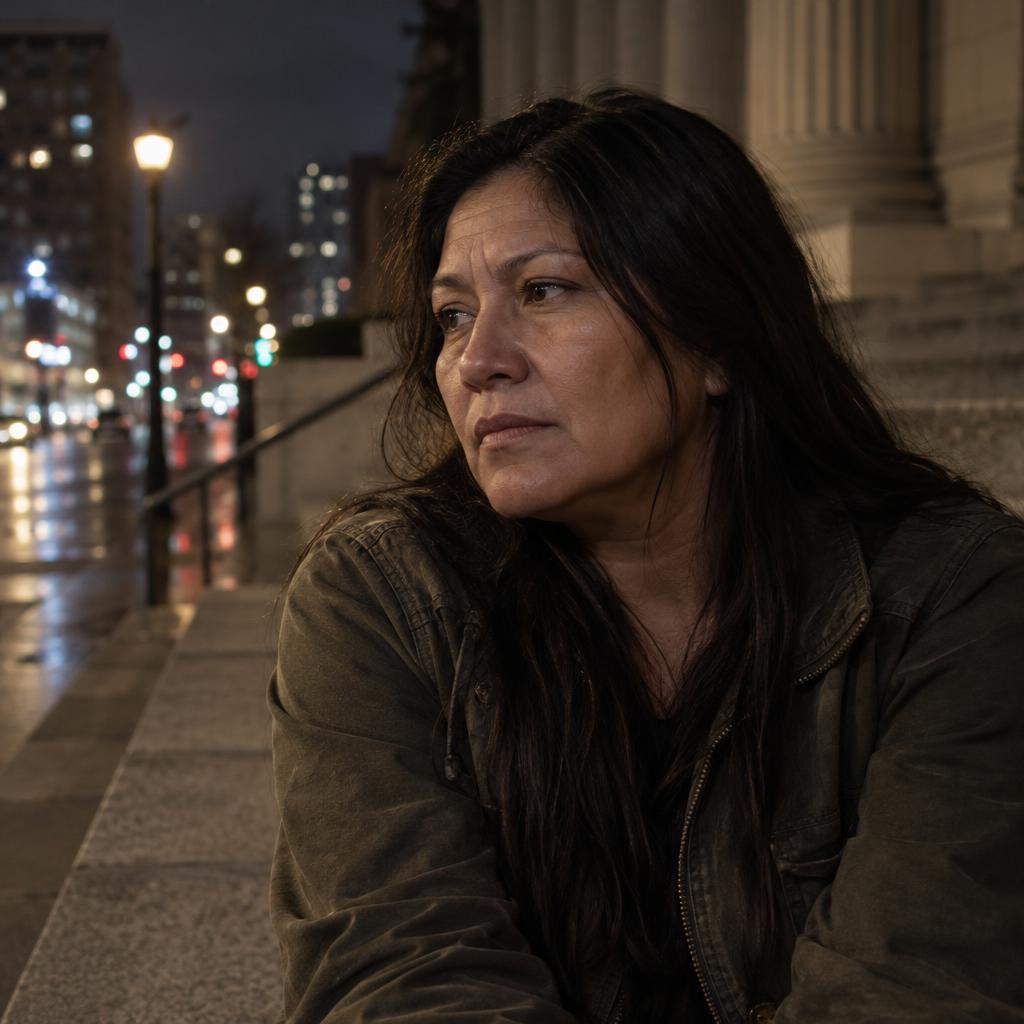
Gritty Crime-Drama Profile
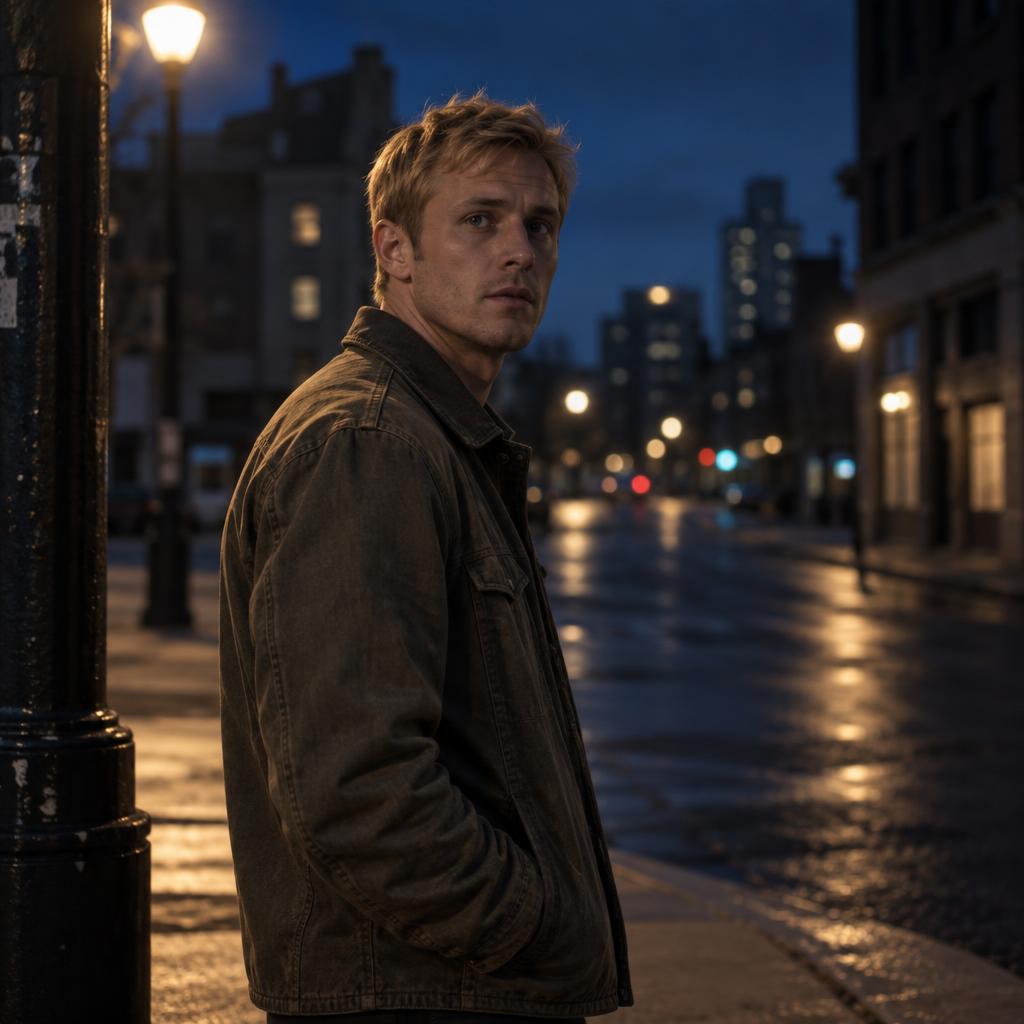
A streetlight and a near-profile angle can add tension to a crime-drama look. Use it as a more specific option, not your only headshot. Casting still needs to see what you look like from a useful angle.
Turn only as far as you can while keeping your eye, nose, and face shape readable. A worn jacket and blurred street suggest a rougher world. Weapons, uniforms, and a hard scowl make the image too narrow.
Angle your face toward profile and keep one eye visible. Use a soft streetlight, a plain worn jacket, and a blurred city background. Avoid a full silhouette that hides your features.
Choose a photo to create your version
Romantic Period-Drama Lead
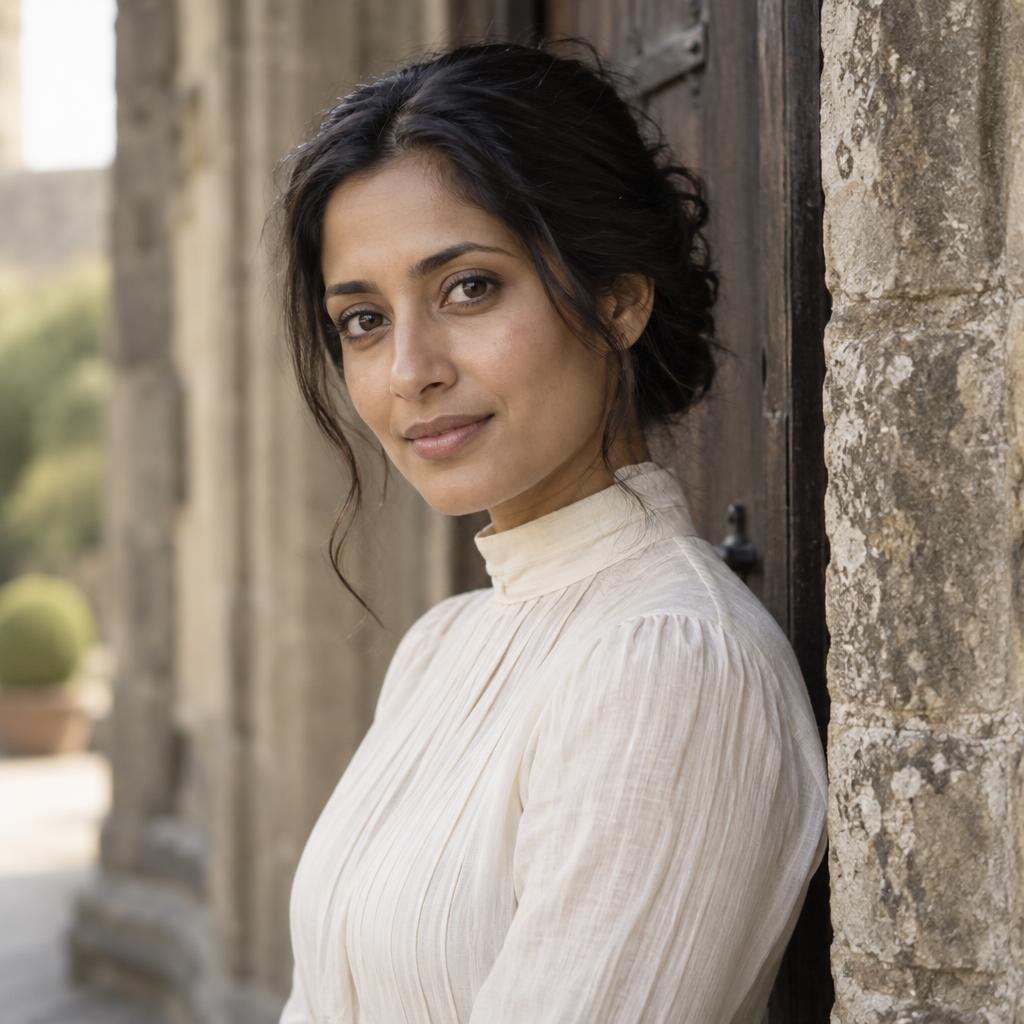
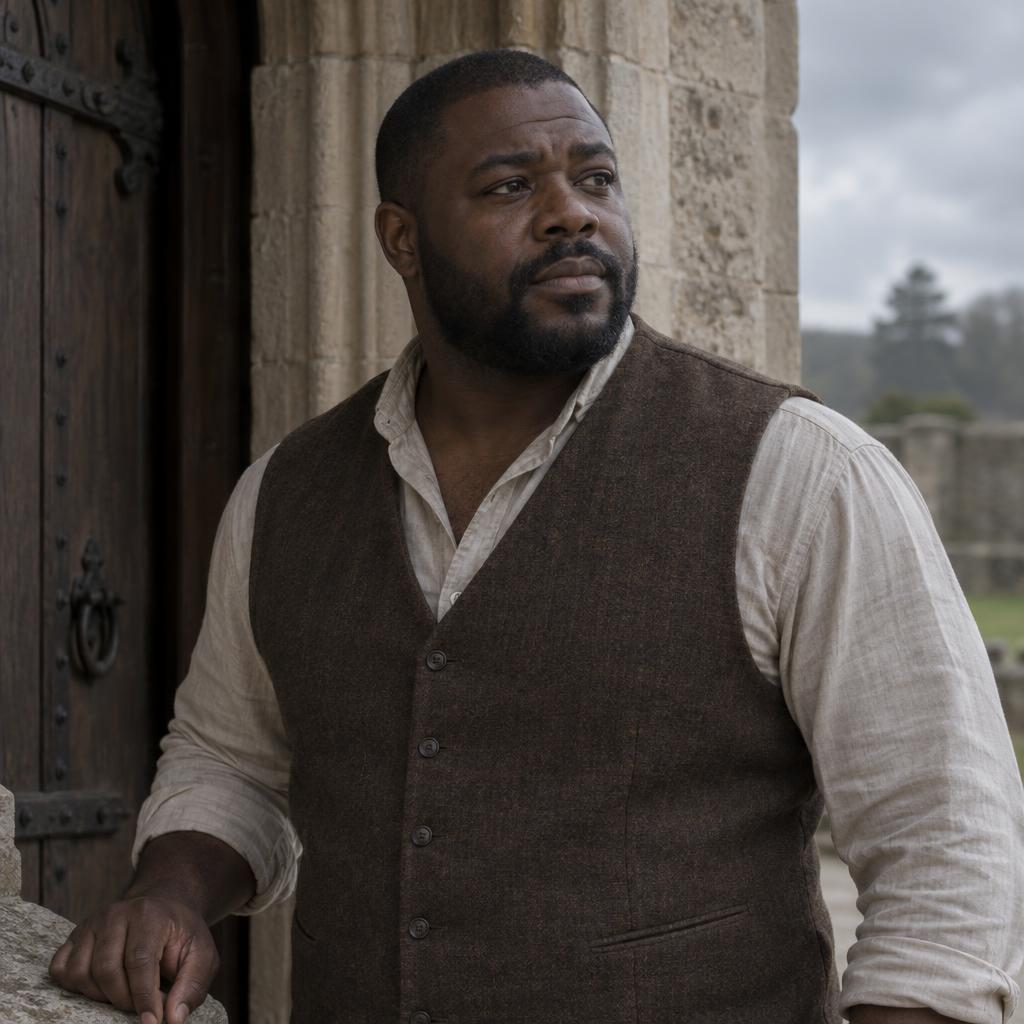
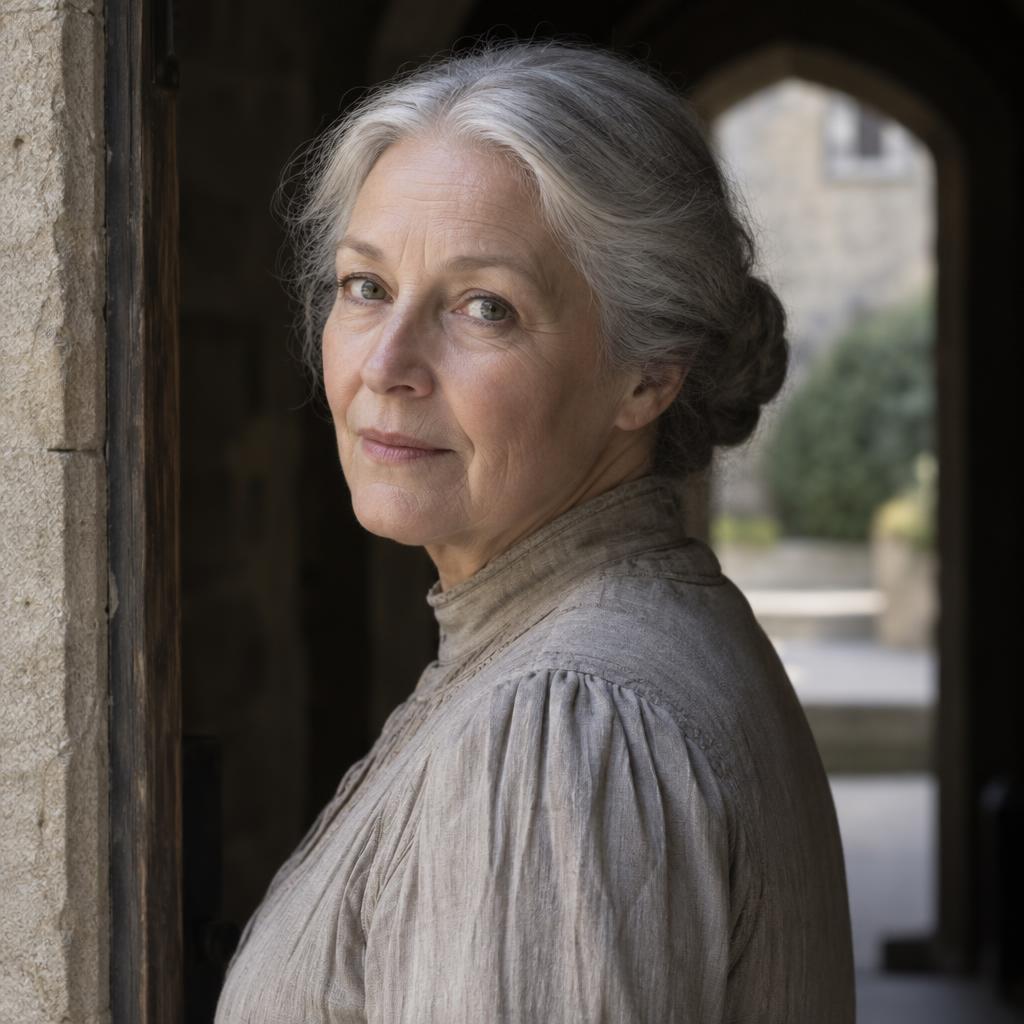
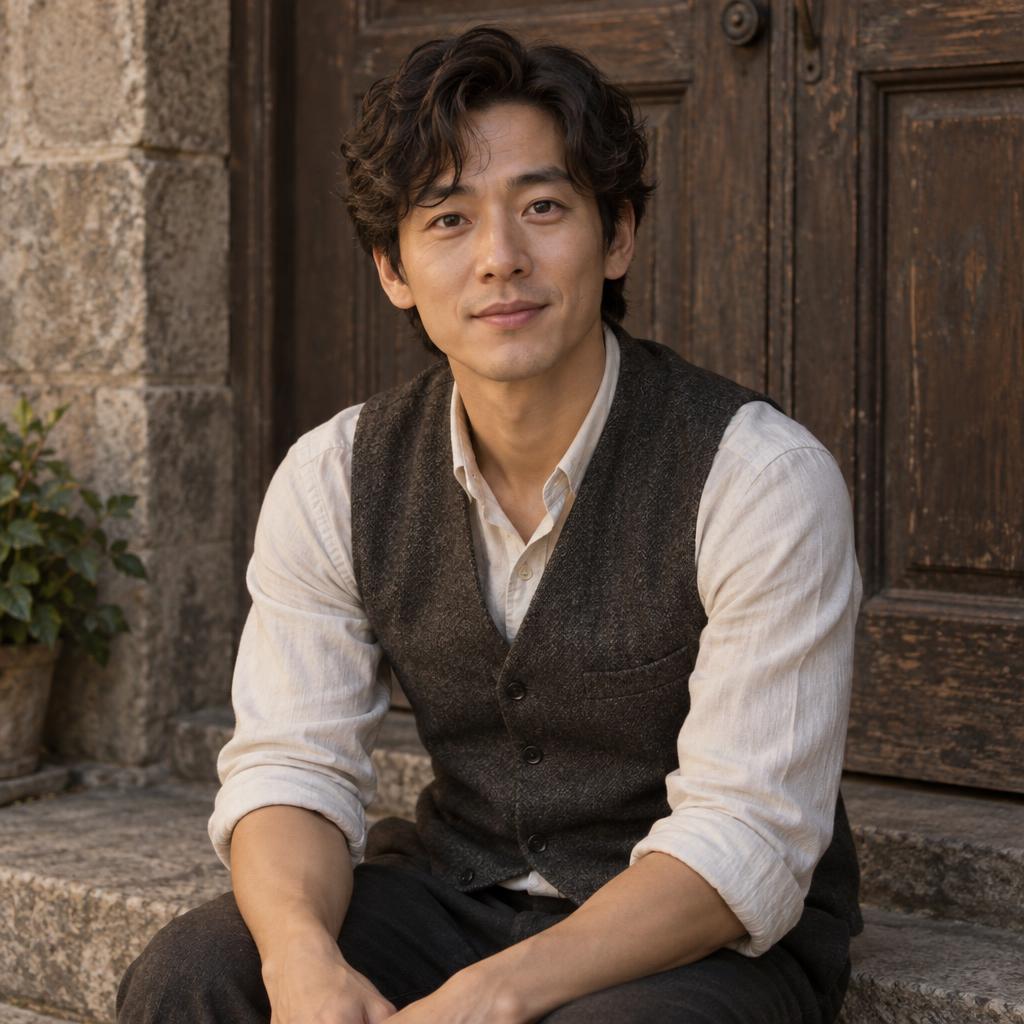
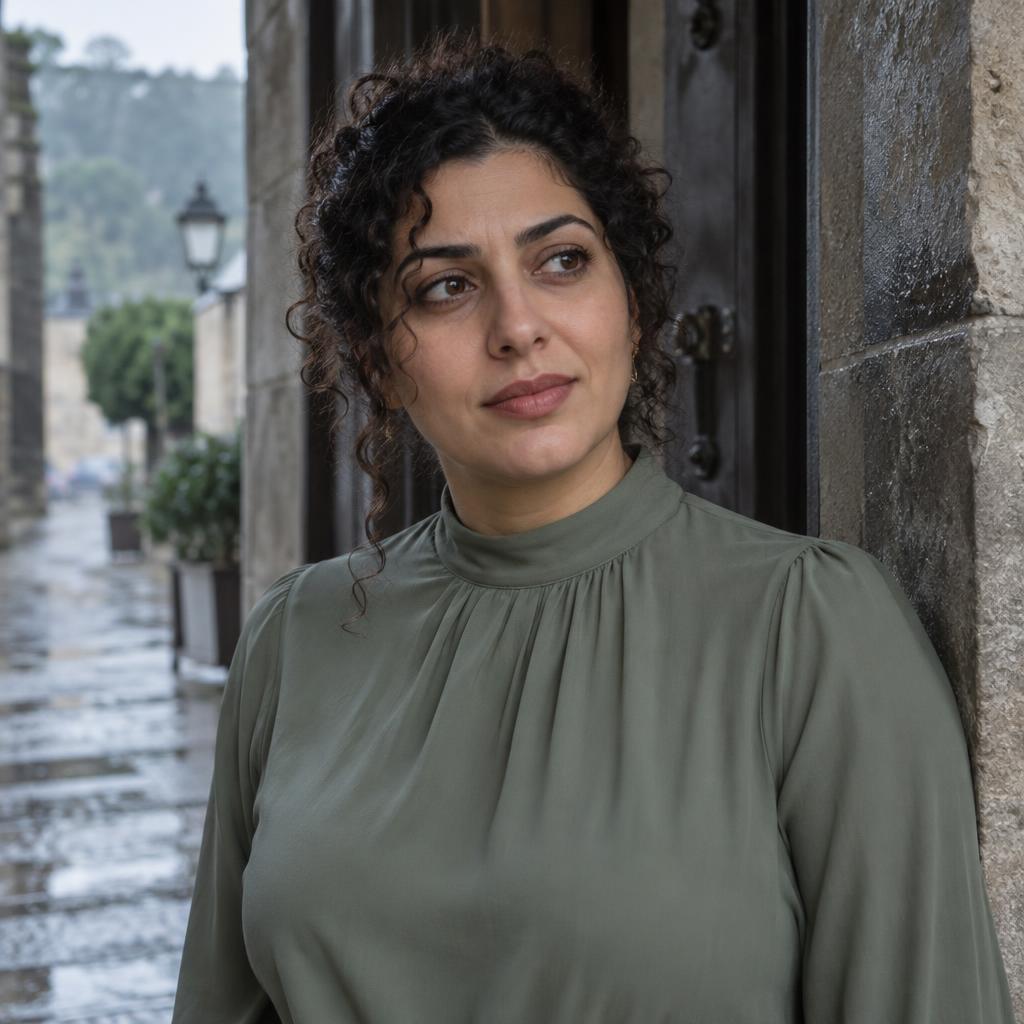
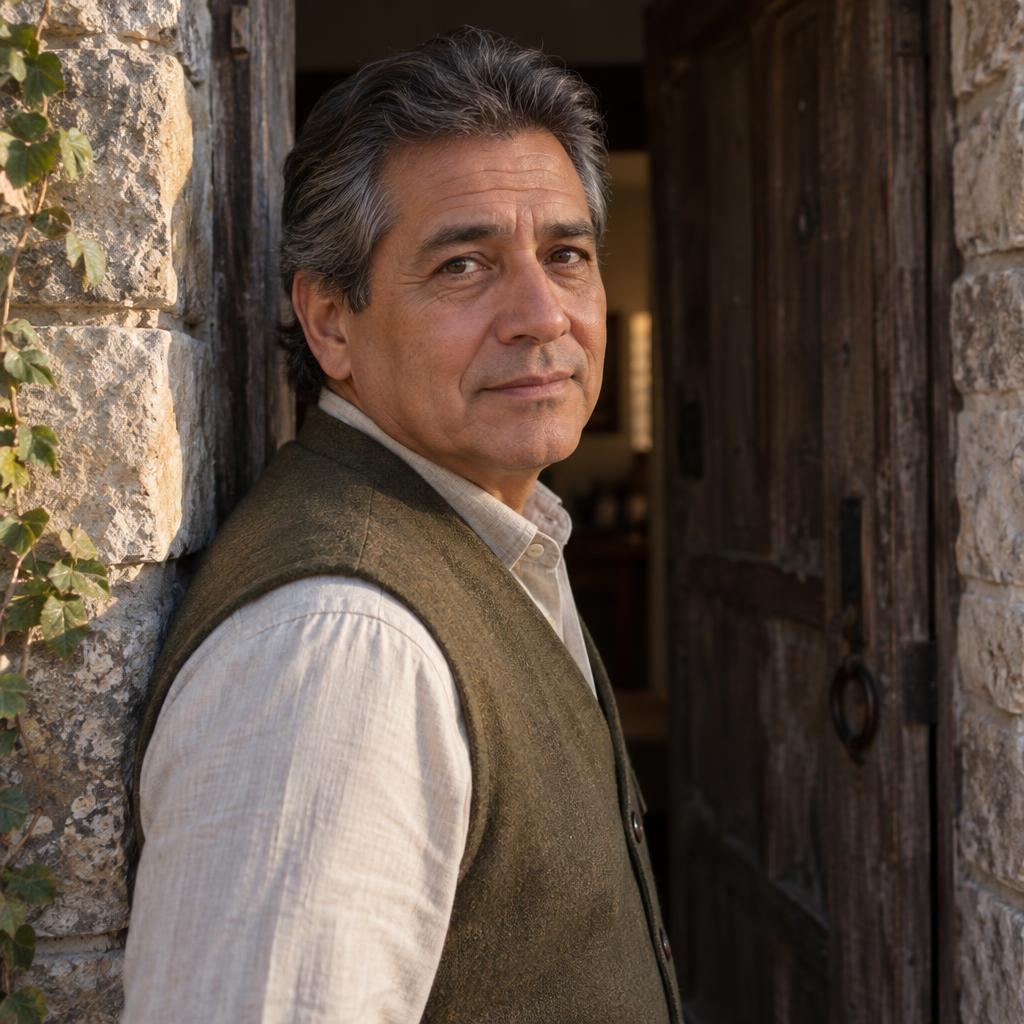
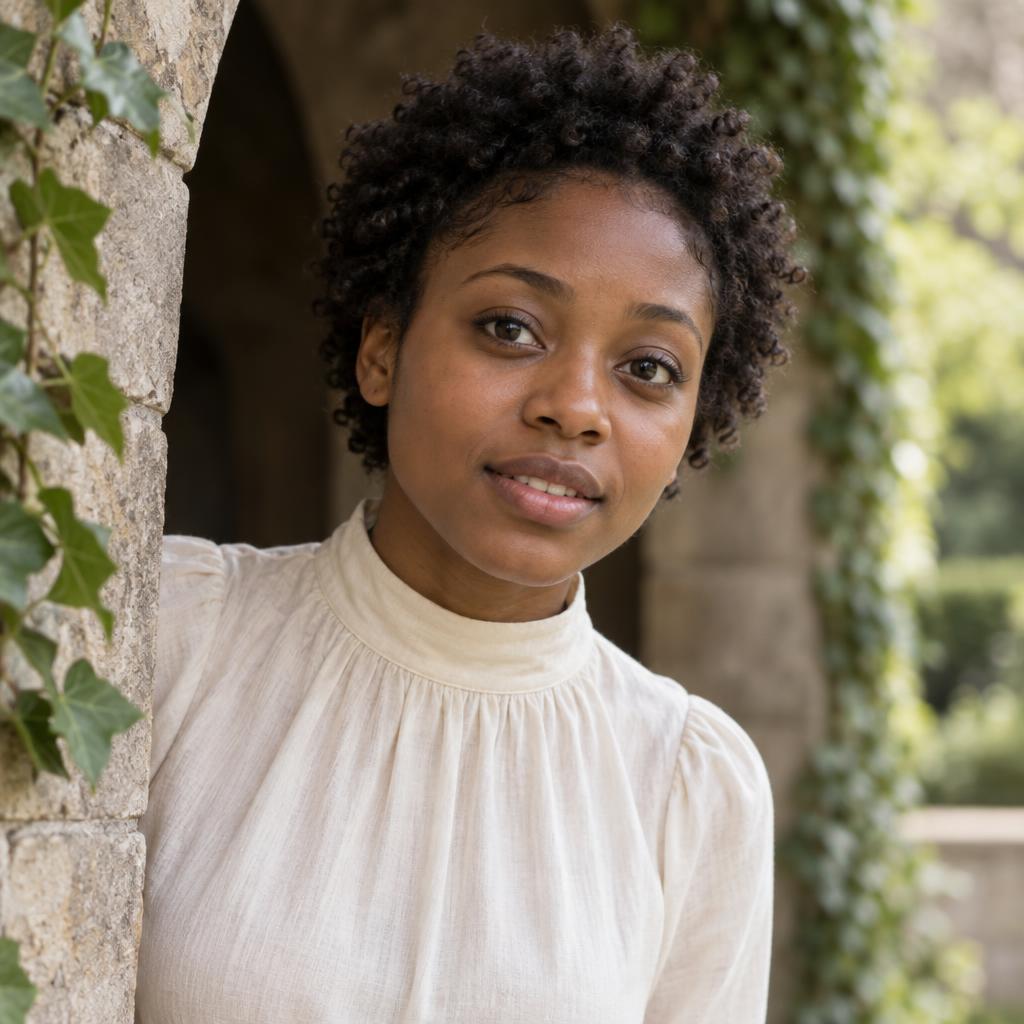
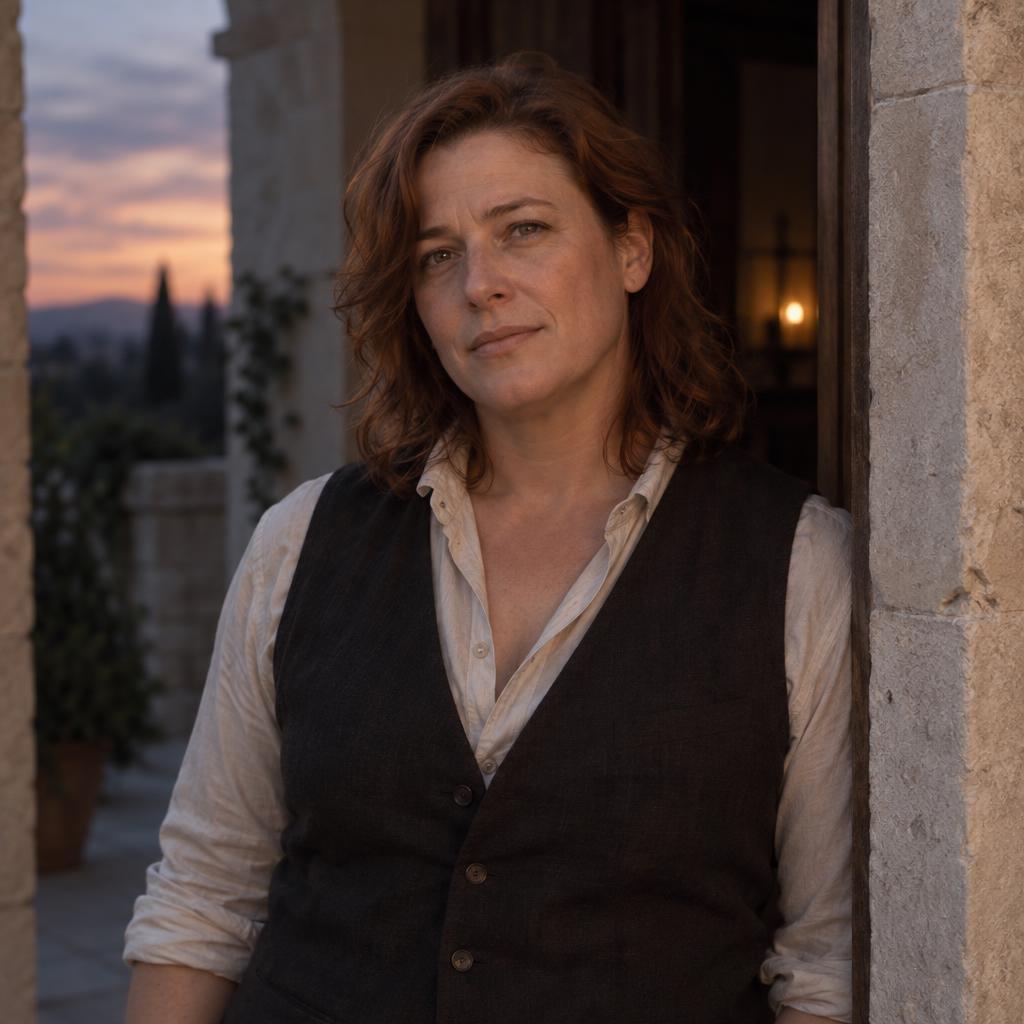
For a period-drama look, a hint of another era is enough. A soft gaze beside a stone doorway can suggest longing and elegance while your face remains the focus.
Choose a simple high-neck blouse or waistcoat rather than a full costume. Keep your hair close to how you wear it for casting. If styling changes your appearance too much, the image is less useful as a headshot.
Stand near a stone doorway with relaxed shoulders and a softly held gaze. Use gentle daylight and one simple period-inspired garment. Avoid elaborate accessories or heavy makeup.
Choose a photo to create your version
Speculative-Fiction Character
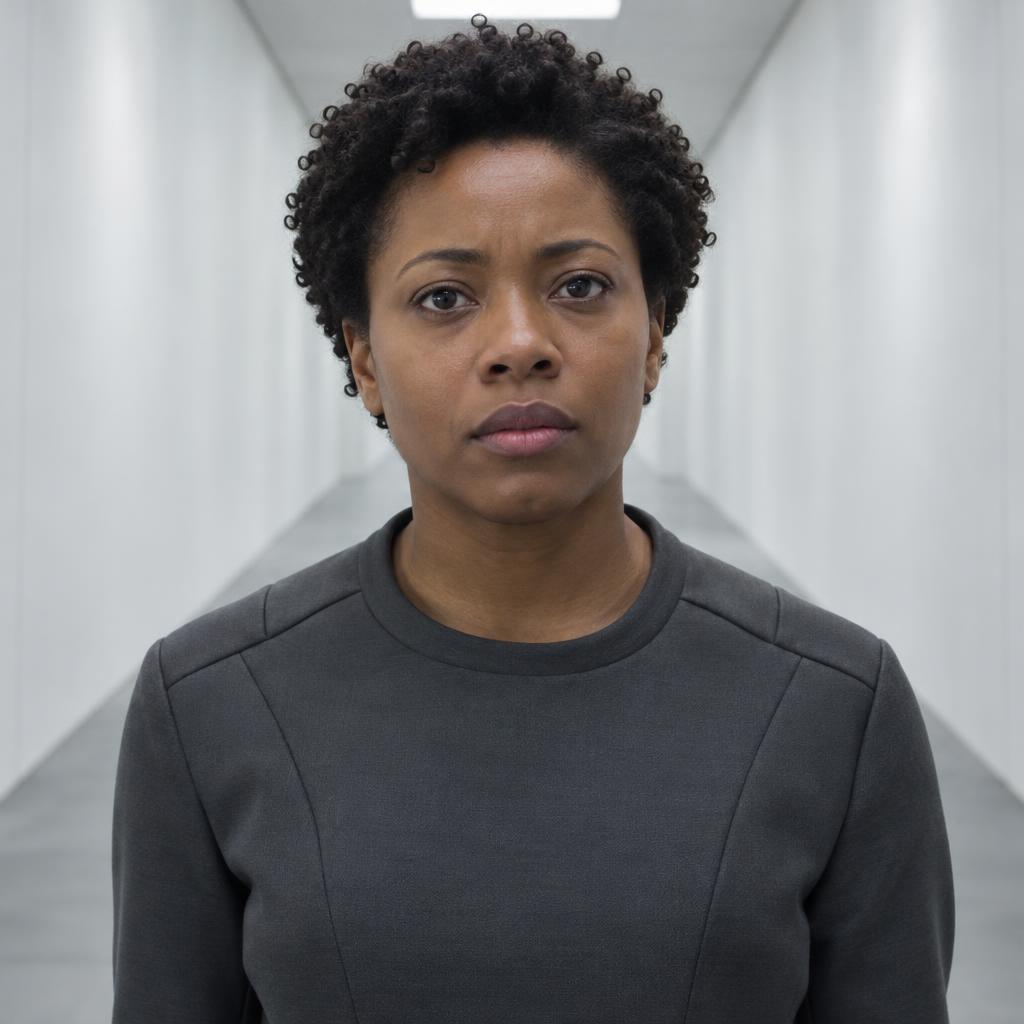
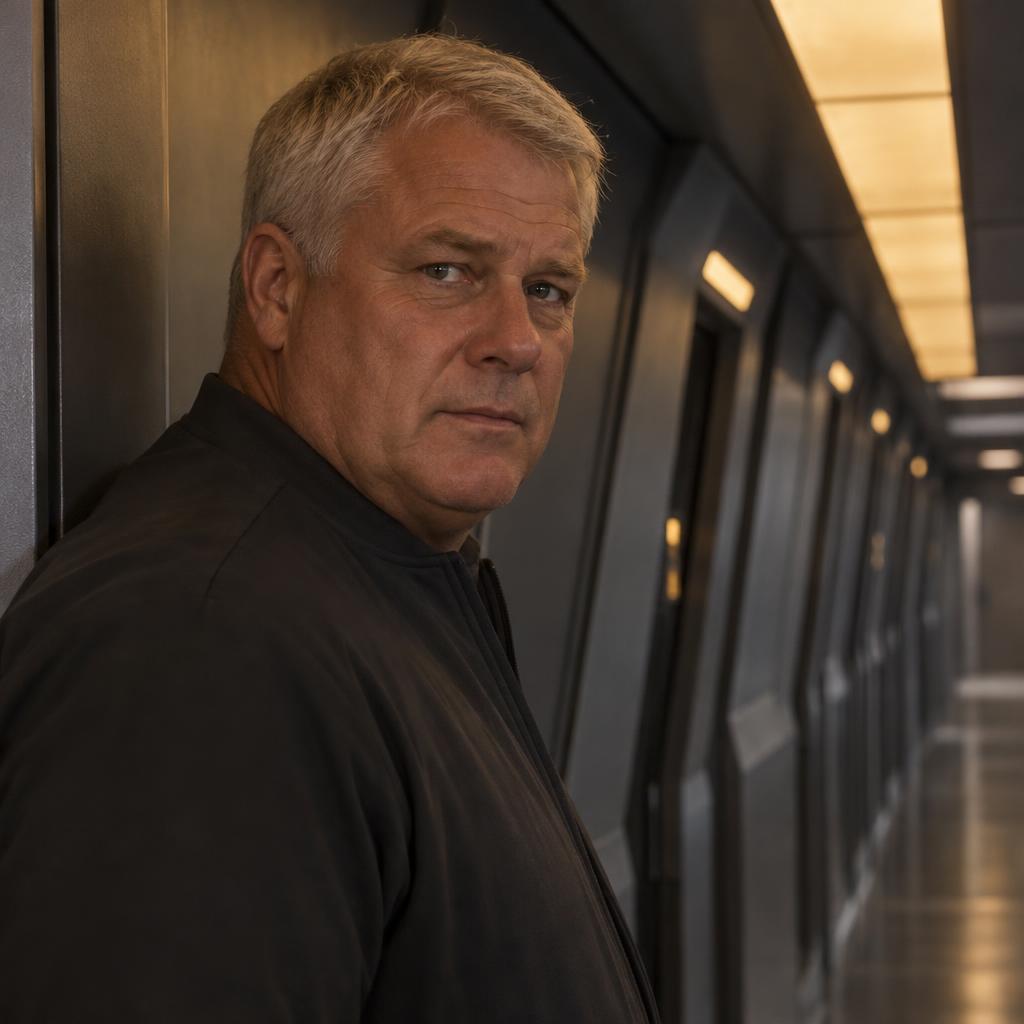
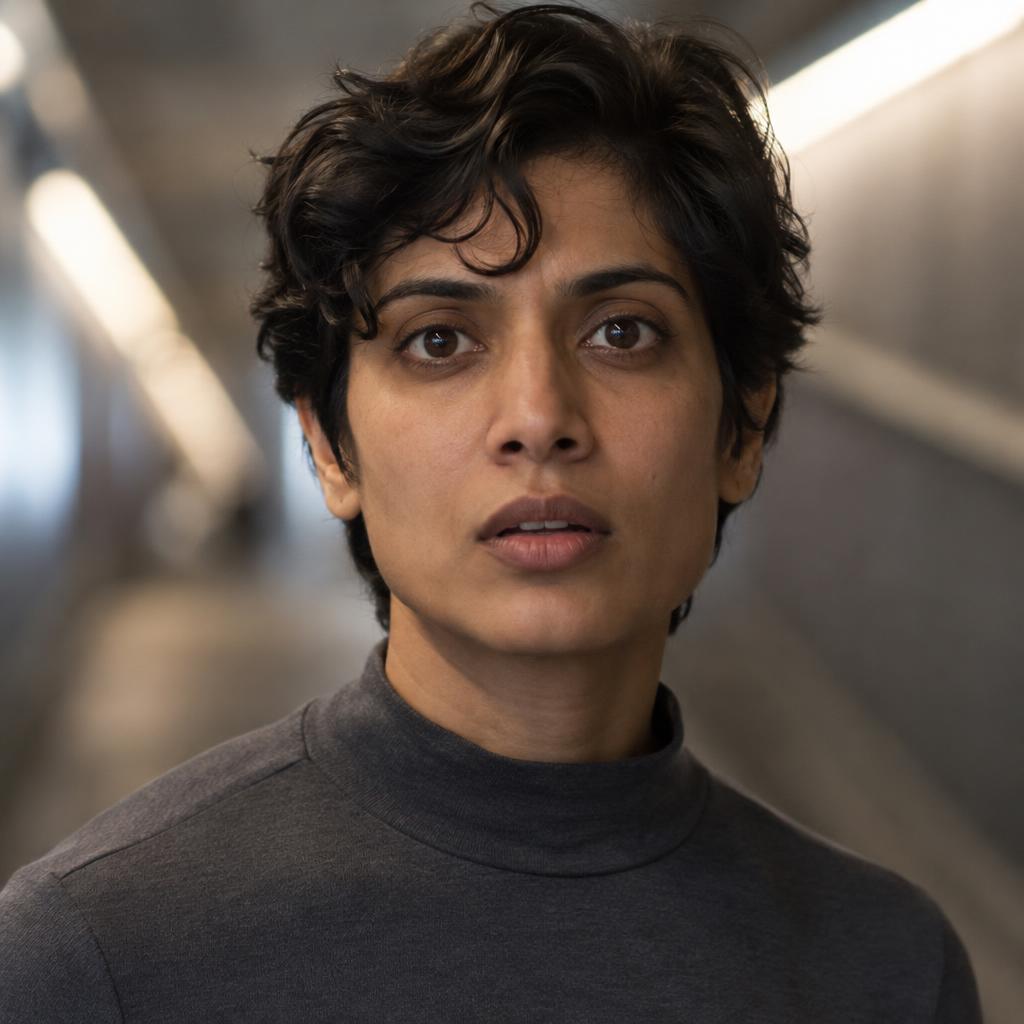
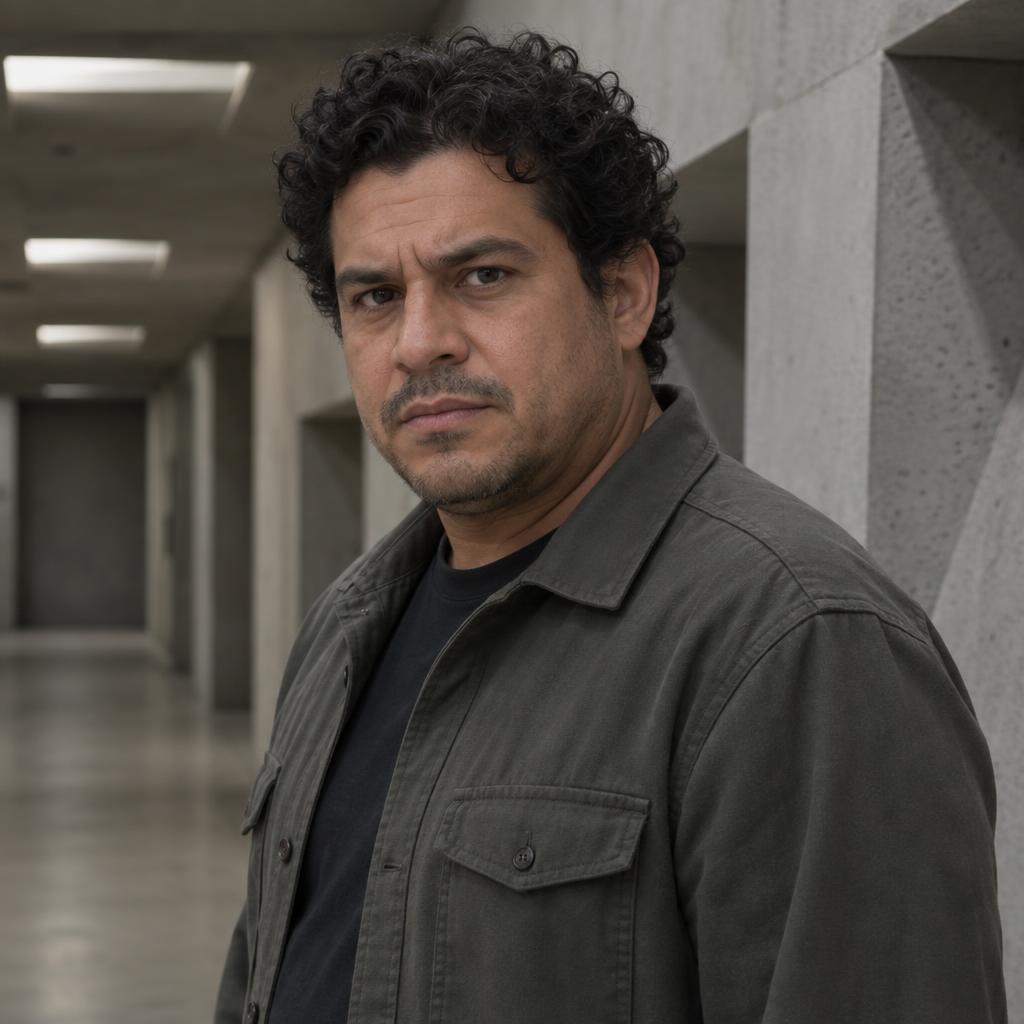
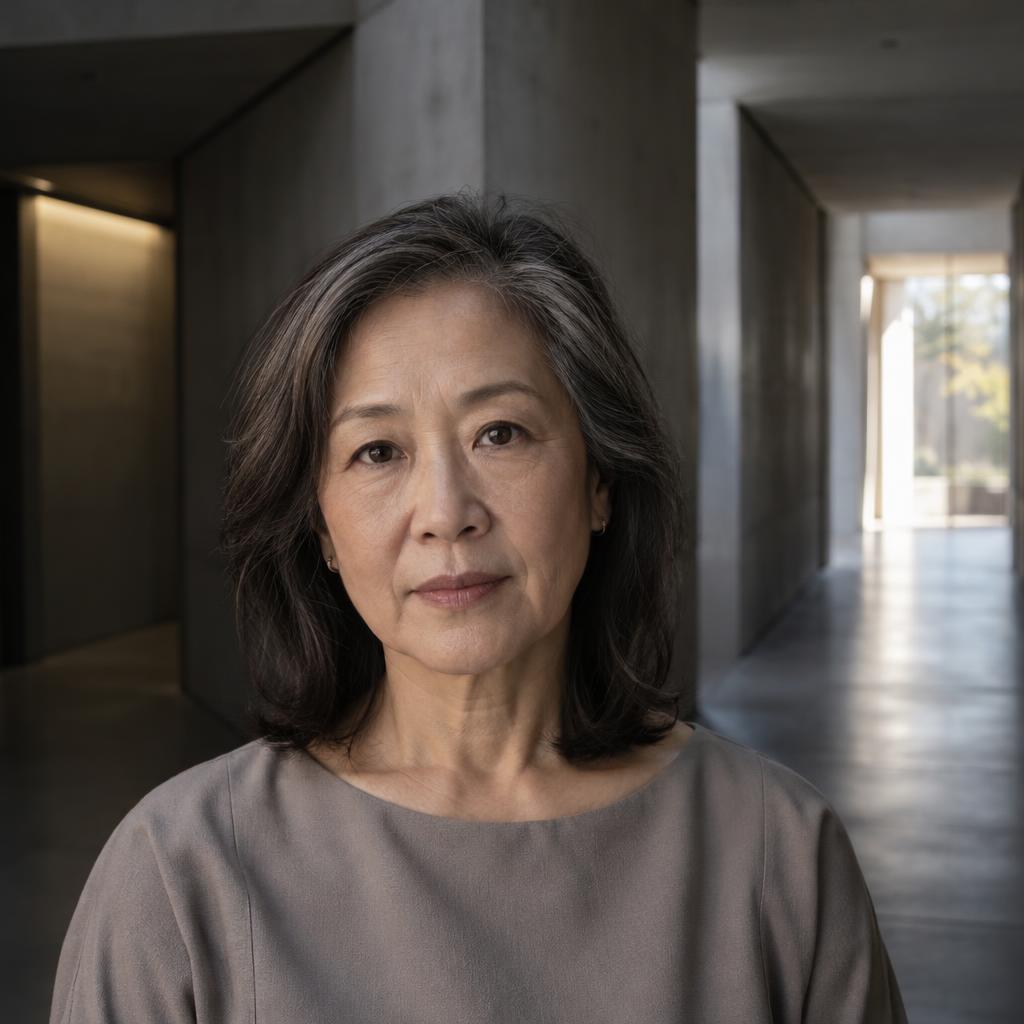
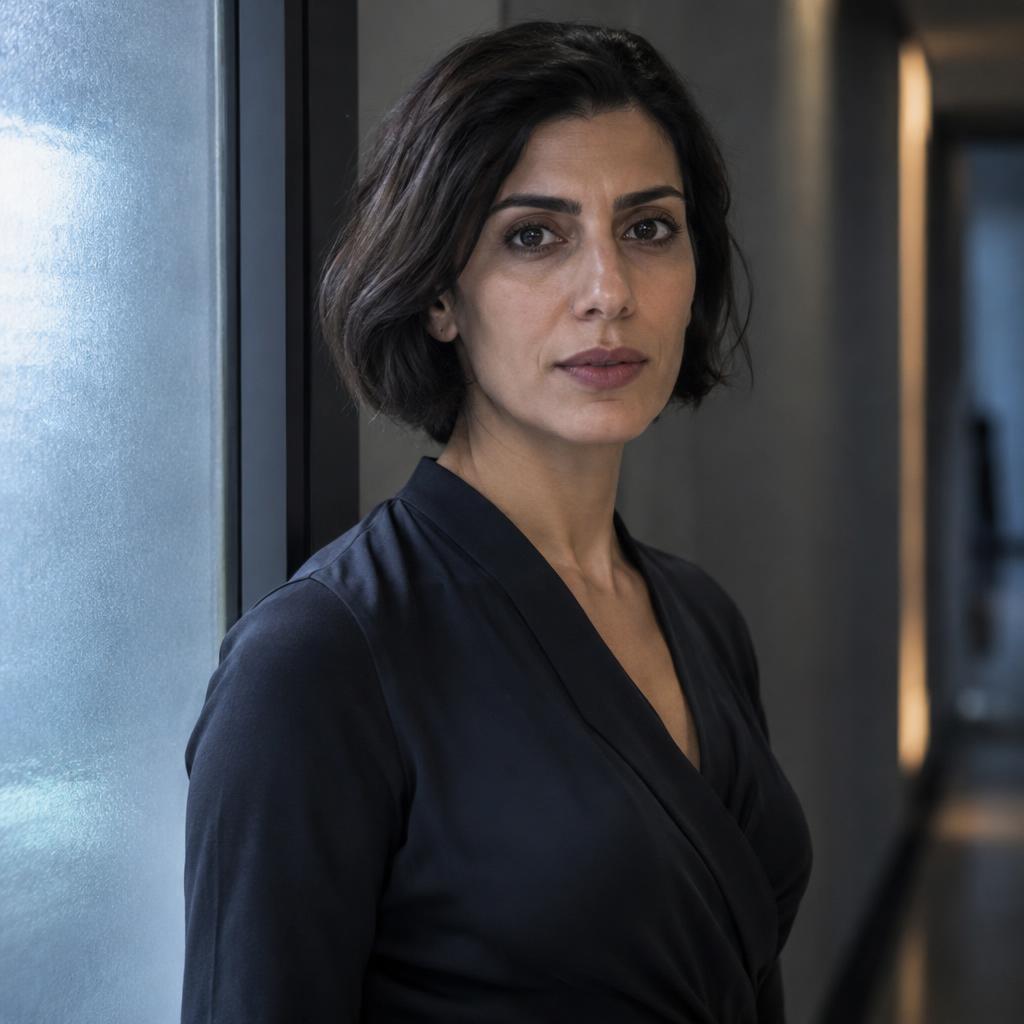
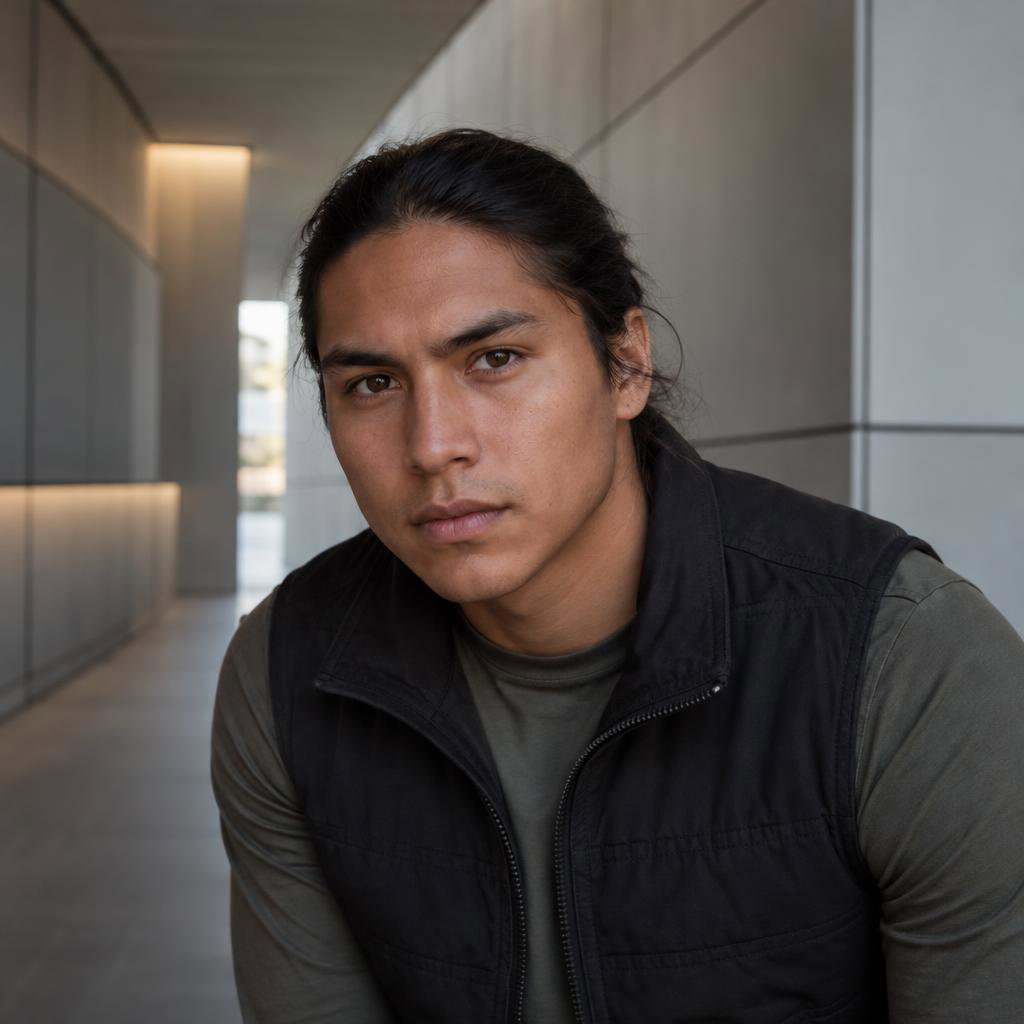
You can suggest an unfamiliar world without covering your face. A spare, angular corridor and a direct, searching stare give a speculative-fiction portrait its mood. Your expression should feel alert, not blank.
Structured clothing helps shape the look. Keep it minimal so the setting does not turn the photo into a costume test. This is a useful extra option when it fits the role; a clear, neutral headshot still gives you more flexibility.
Face the camera with a still posture and focused eyes. Use clean light, simple structured clothing, and an uncluttered corridor. Avoid masks, heavy effects, or shadows across your face.

Choose a photo to create your version
Grounded Indie-Film Portrait
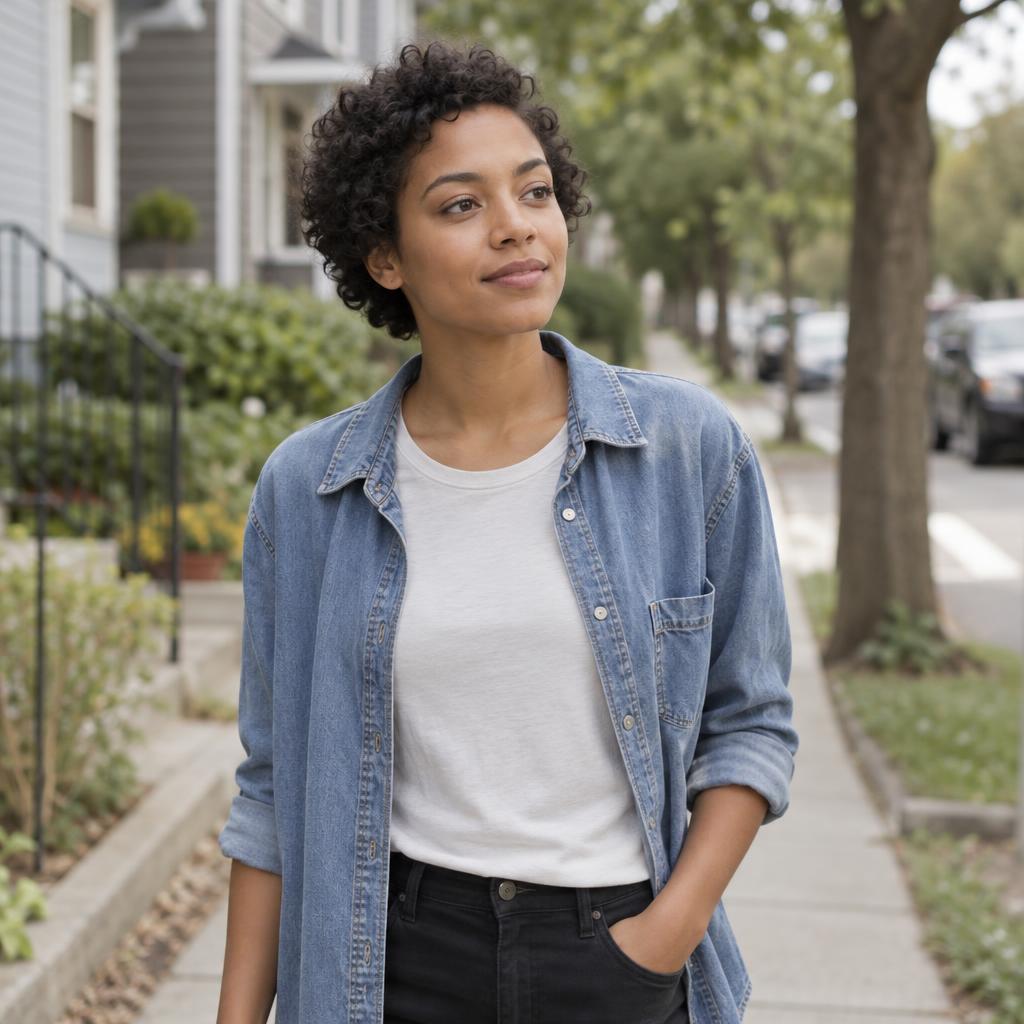
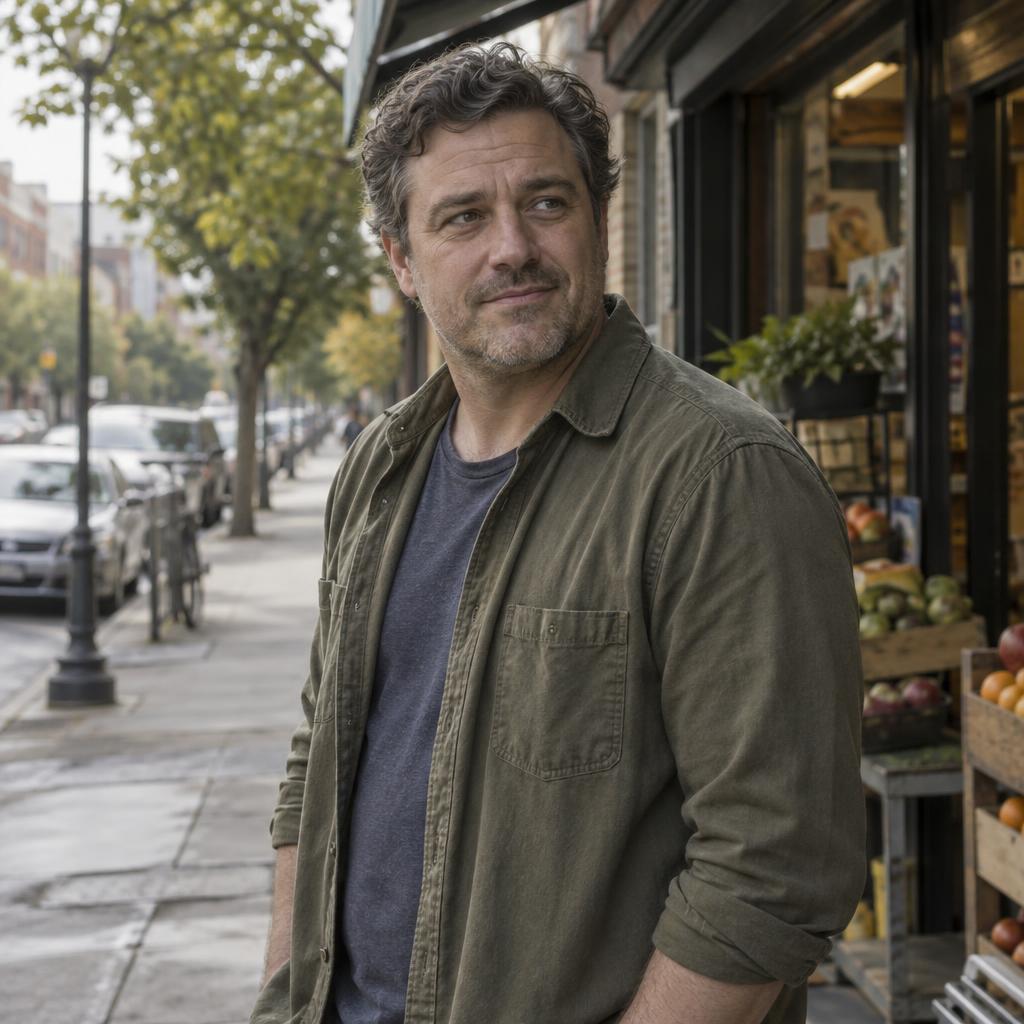
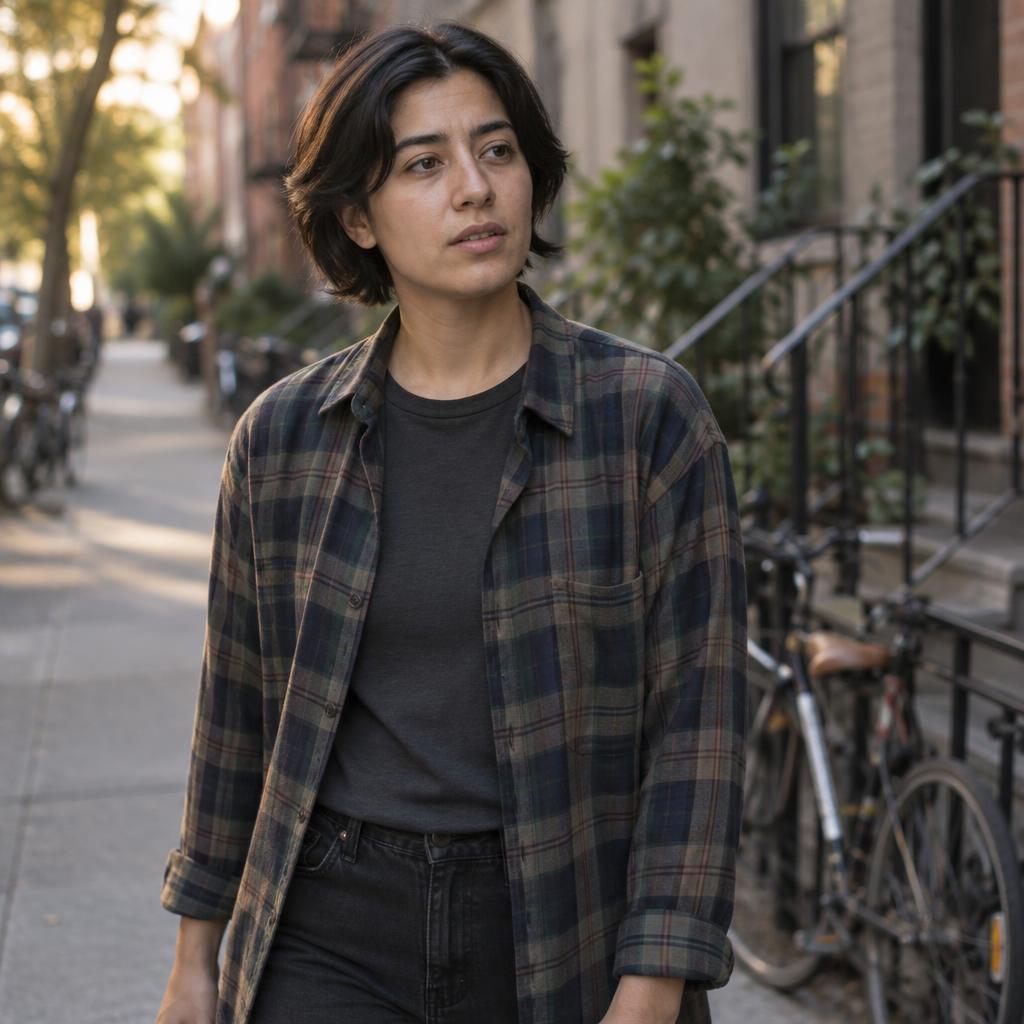
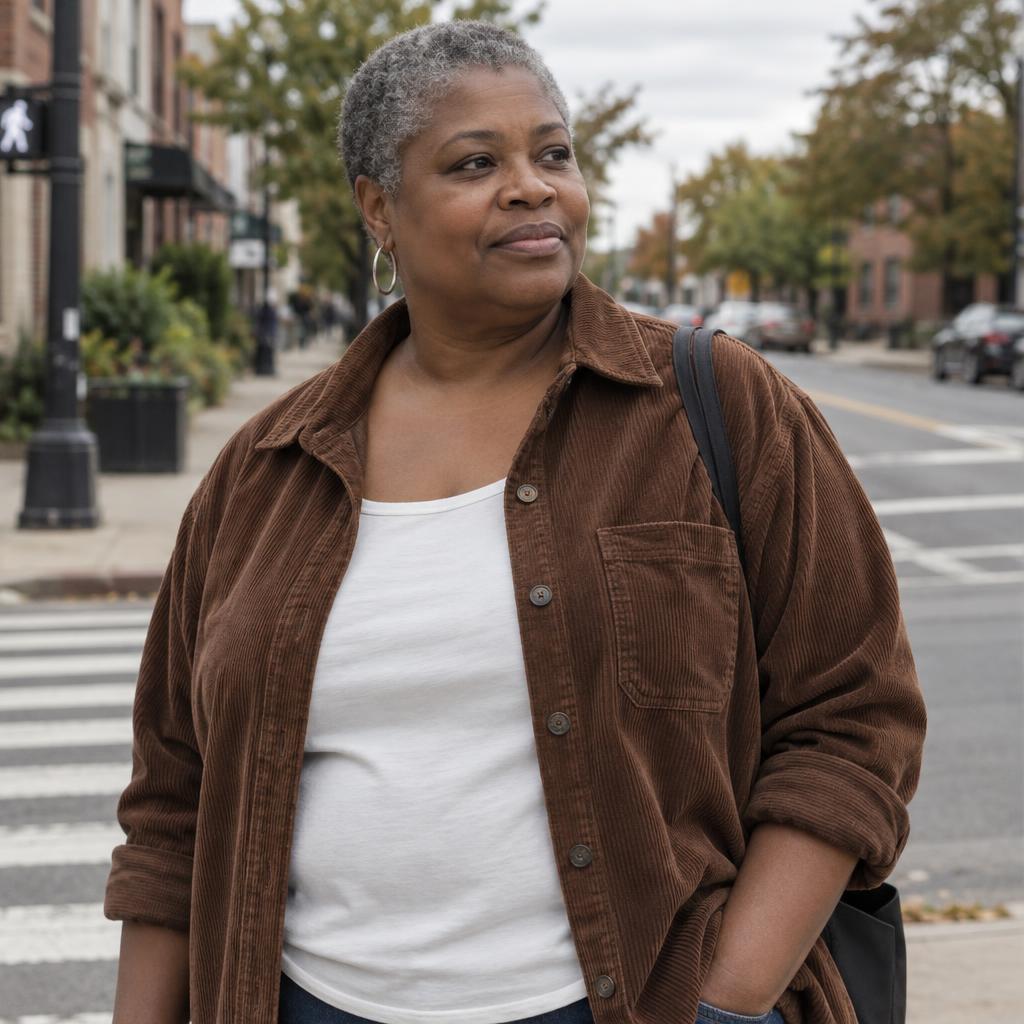
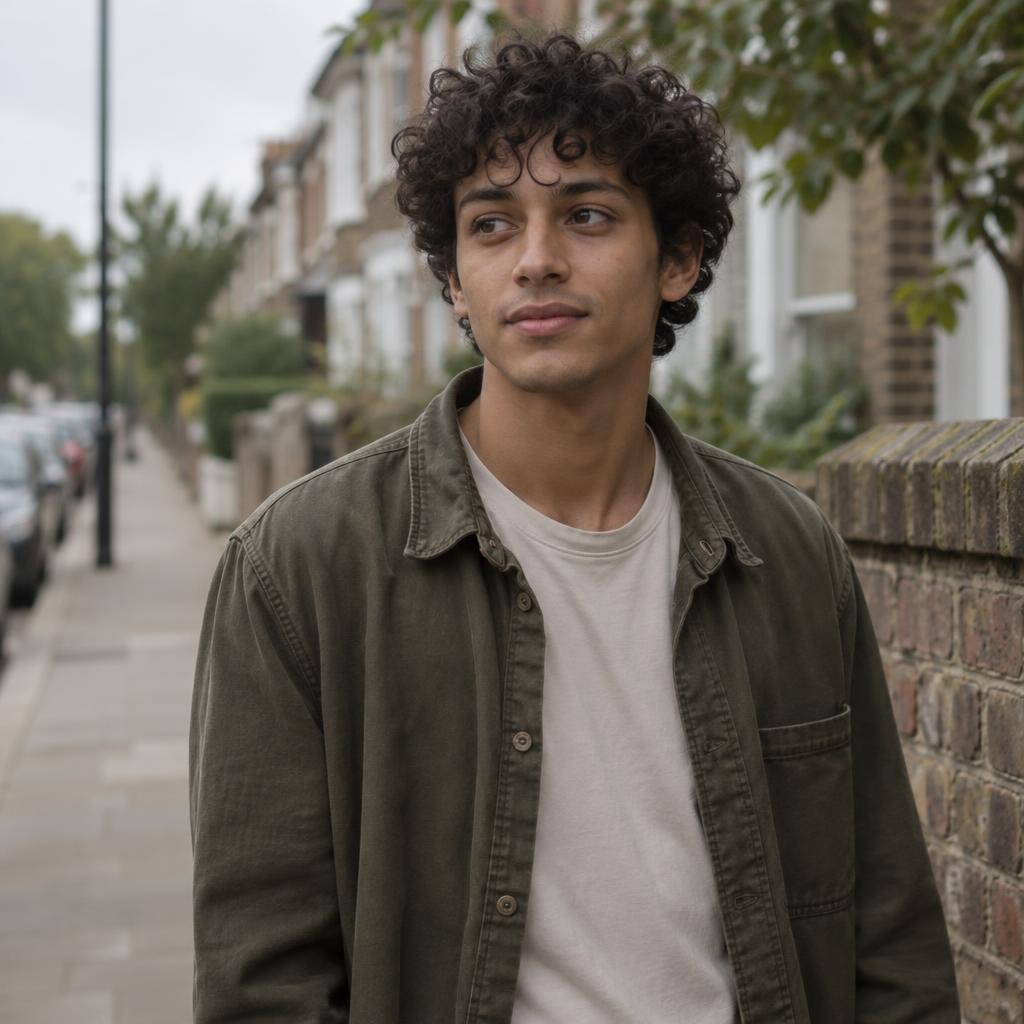
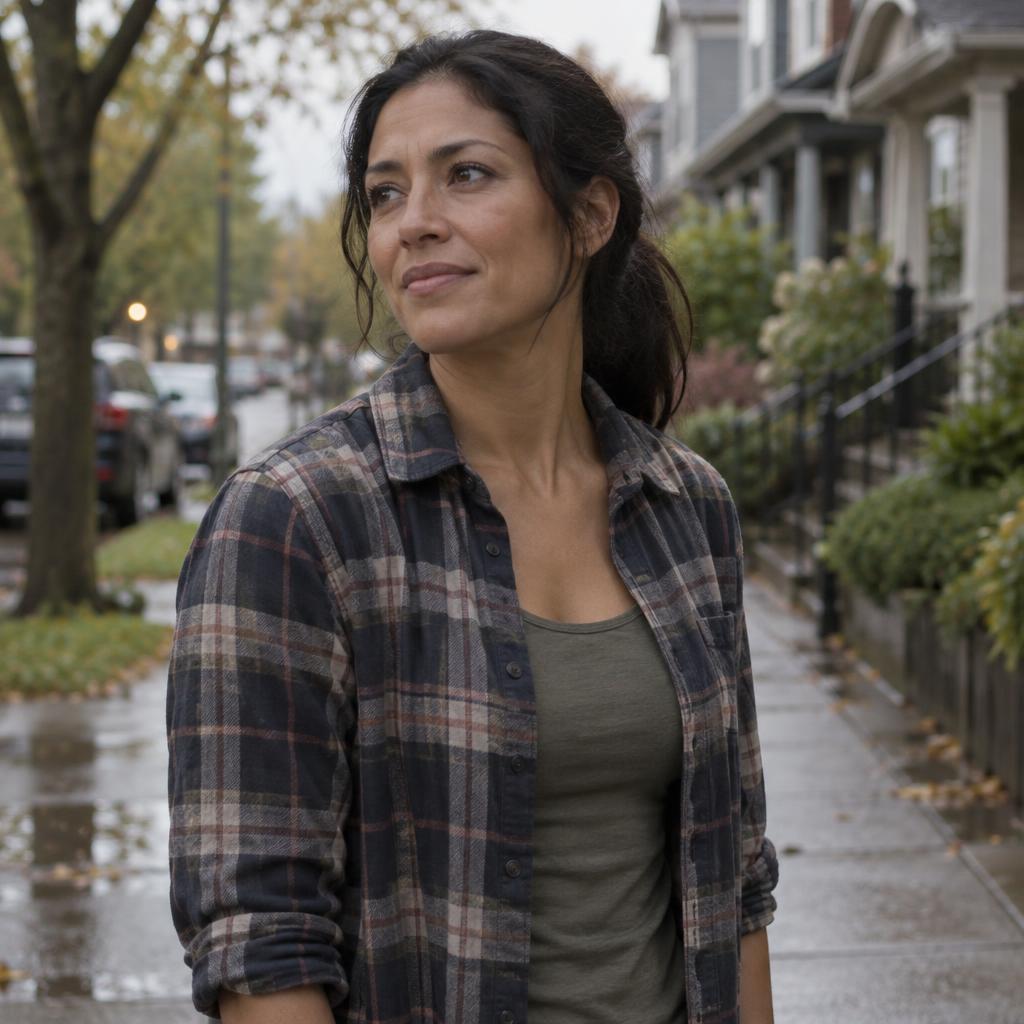
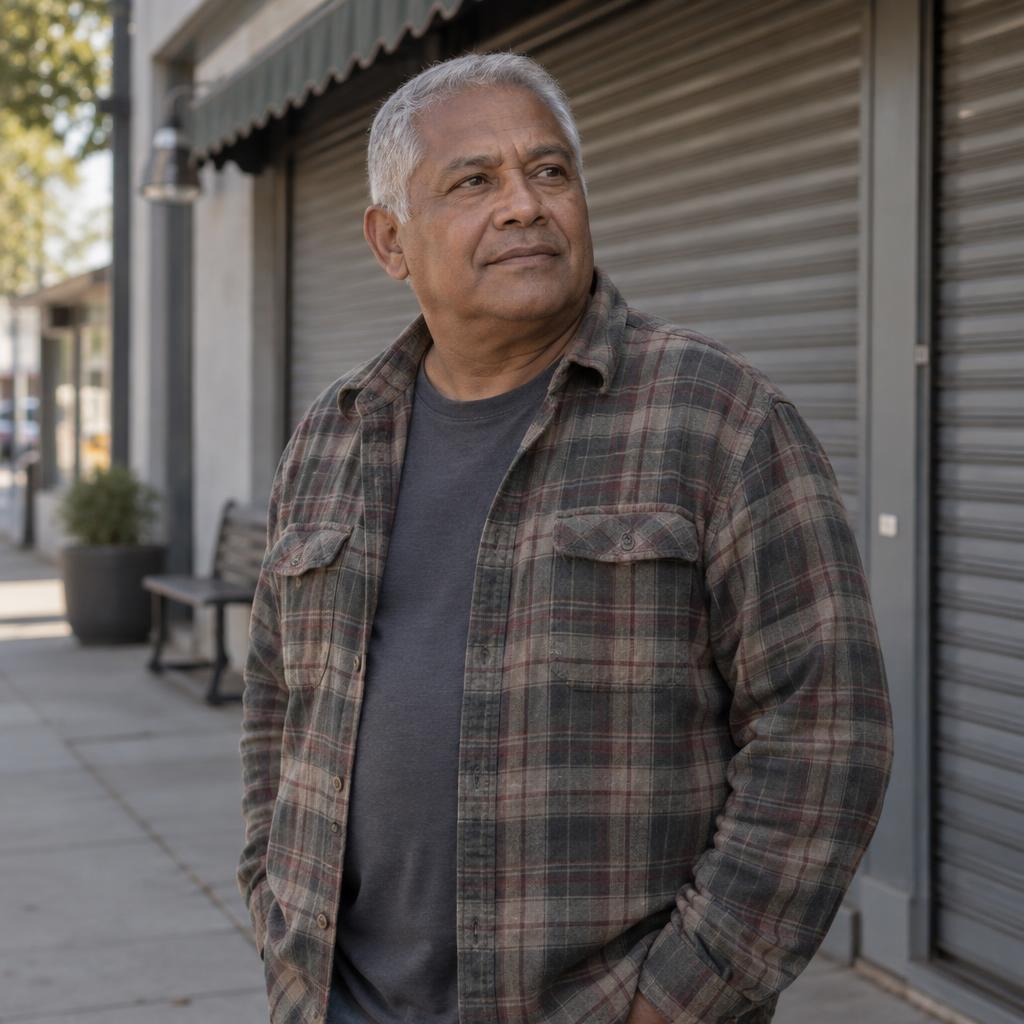
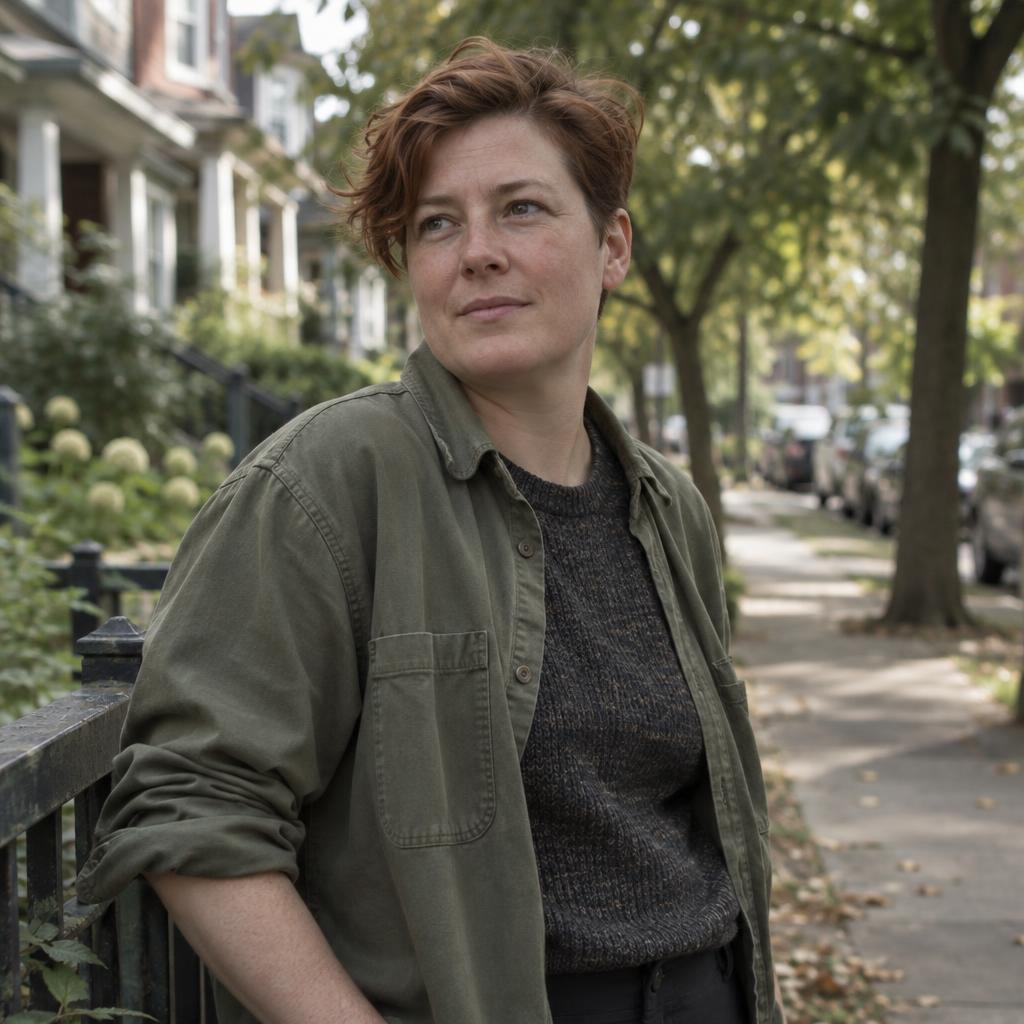
This look gives you room to seem like a person with a life beyond the frame. A waist-up crop on an ordinary street shows more body language than a tight headshot. It can suit a quiet, lived-in character.
Wear an overshirt you would reach for in real life and let your stance settle. Look just past the camera, as if you noticed something. The background should feel familiar but stay soft enough that your expression leads.
Stand naturally and leave your shoulders loose. Use open-shade daylight, a familiar overshirt, and a softly blurred neighborhood street. Avoid posing like a fashion shoot.
Choose a photo to create your version
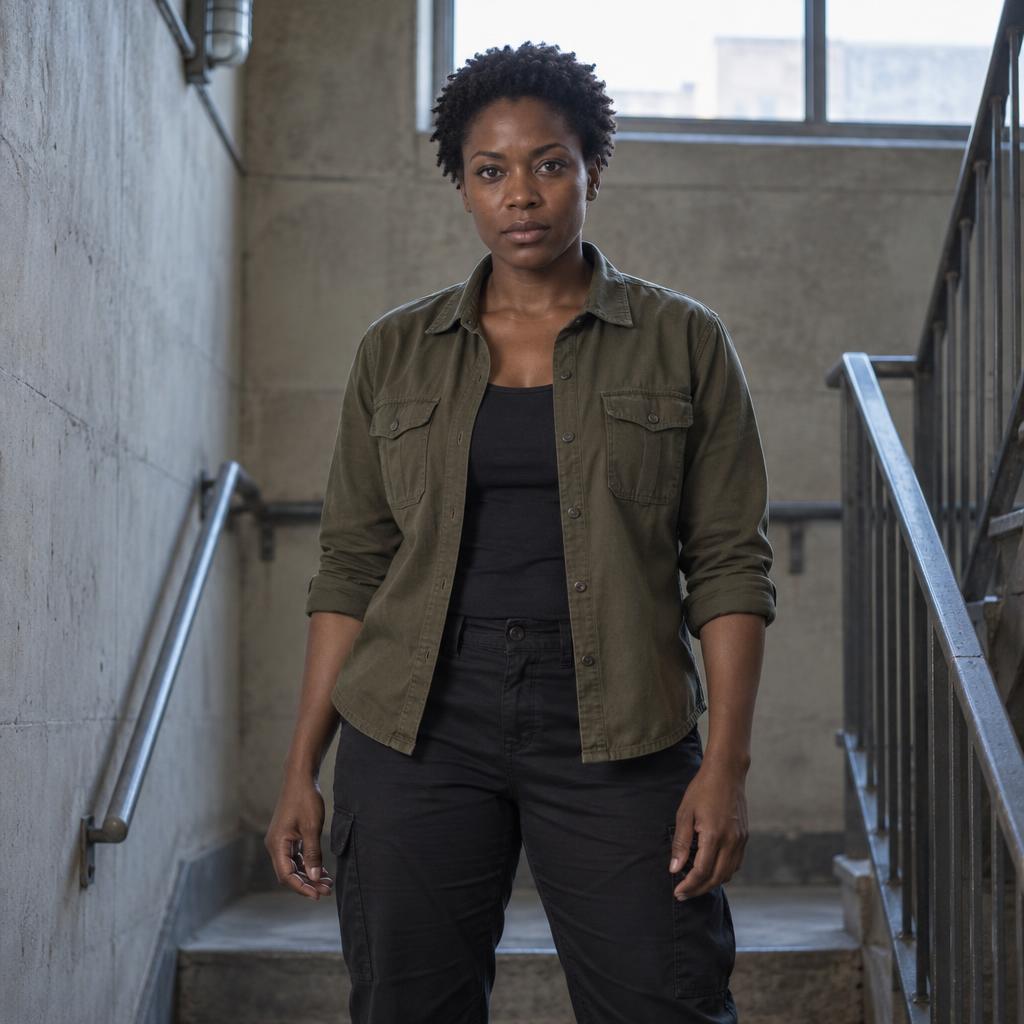
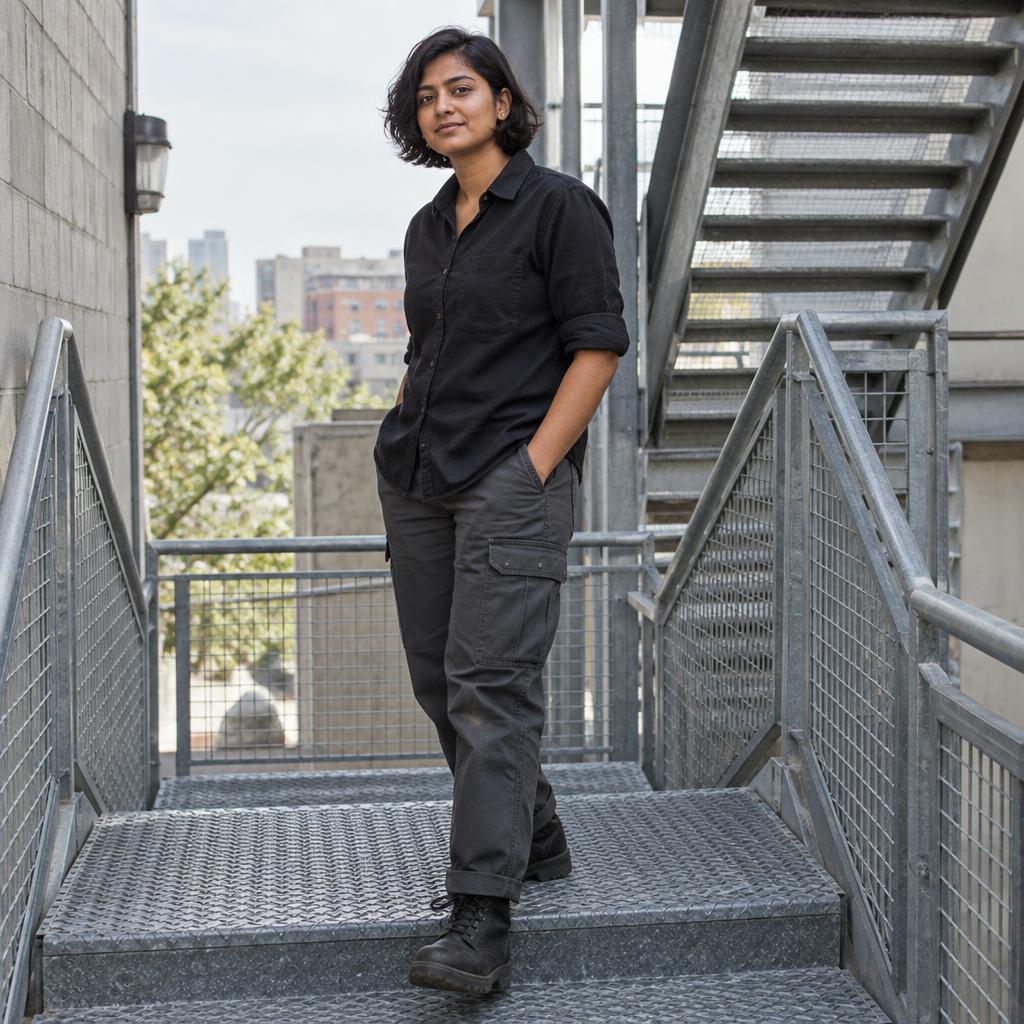
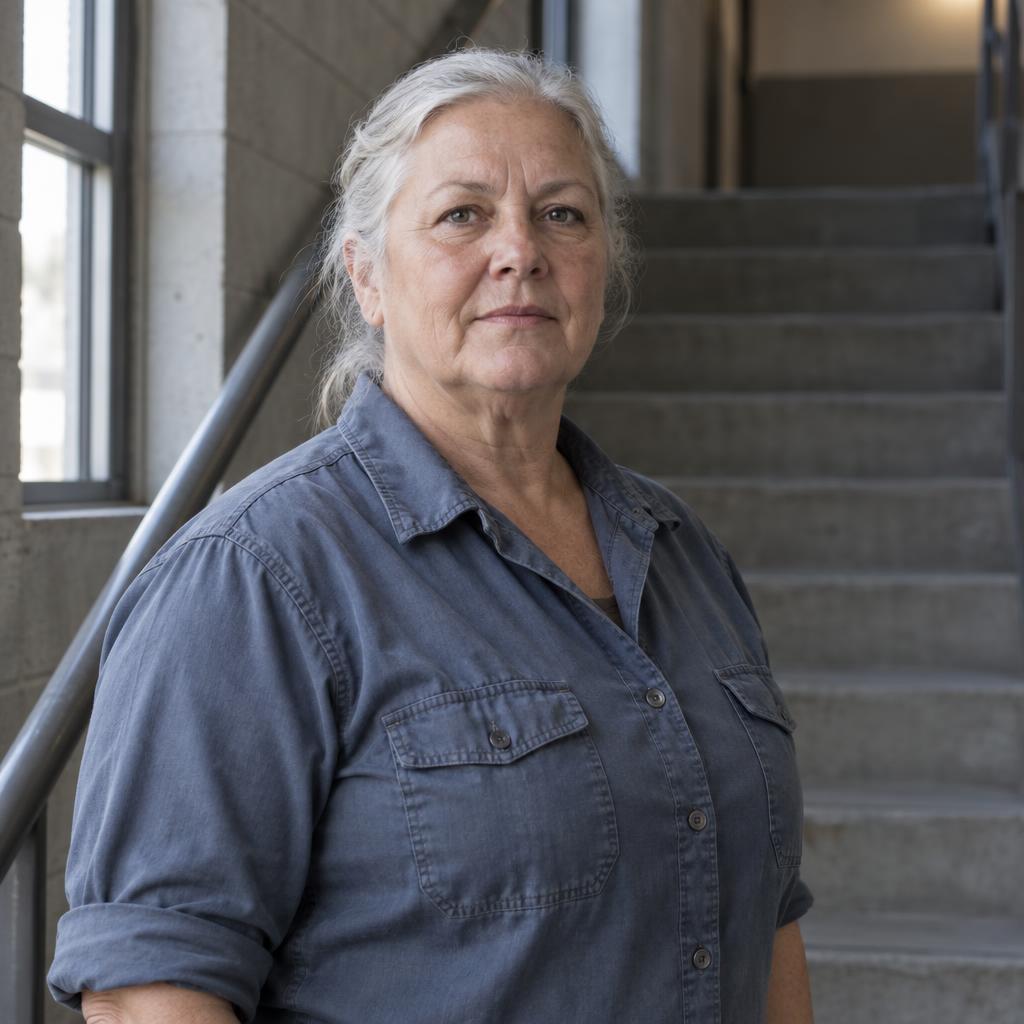
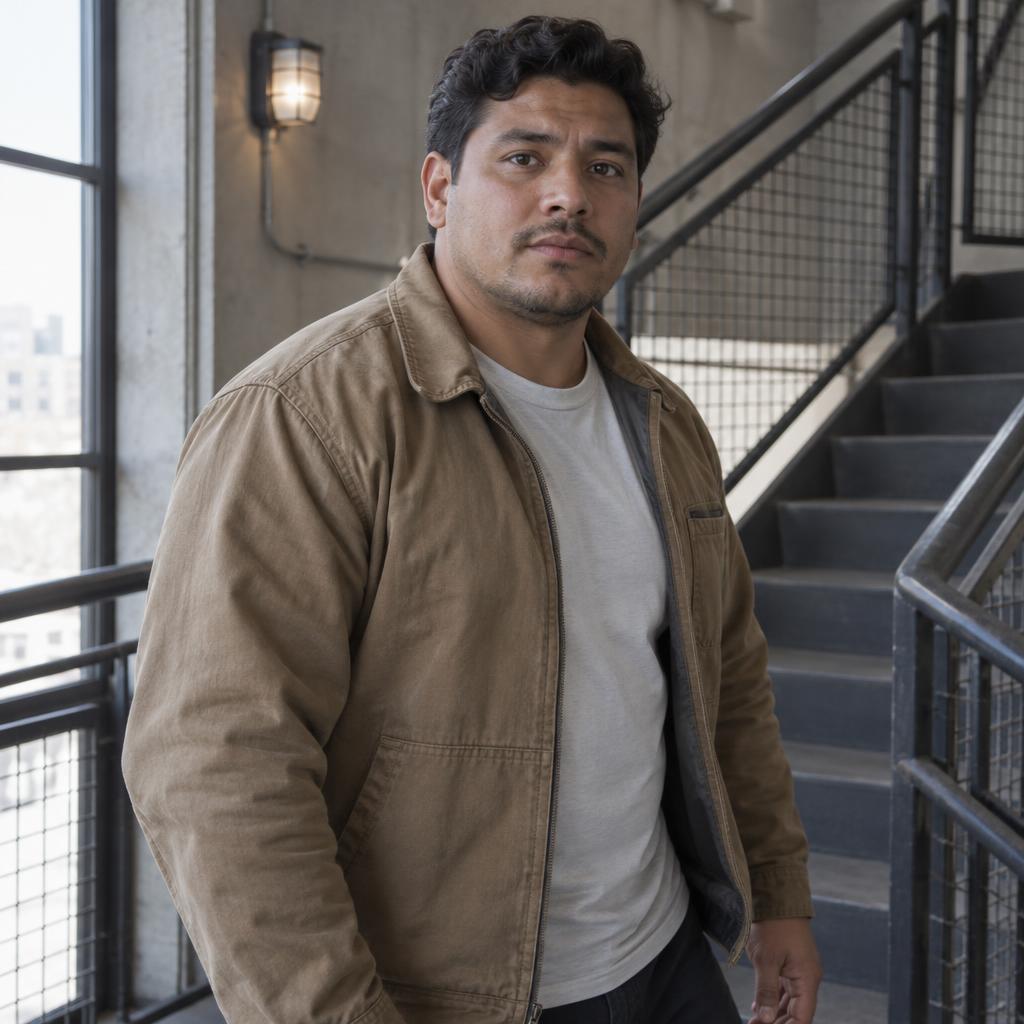
Action-Ready Performer
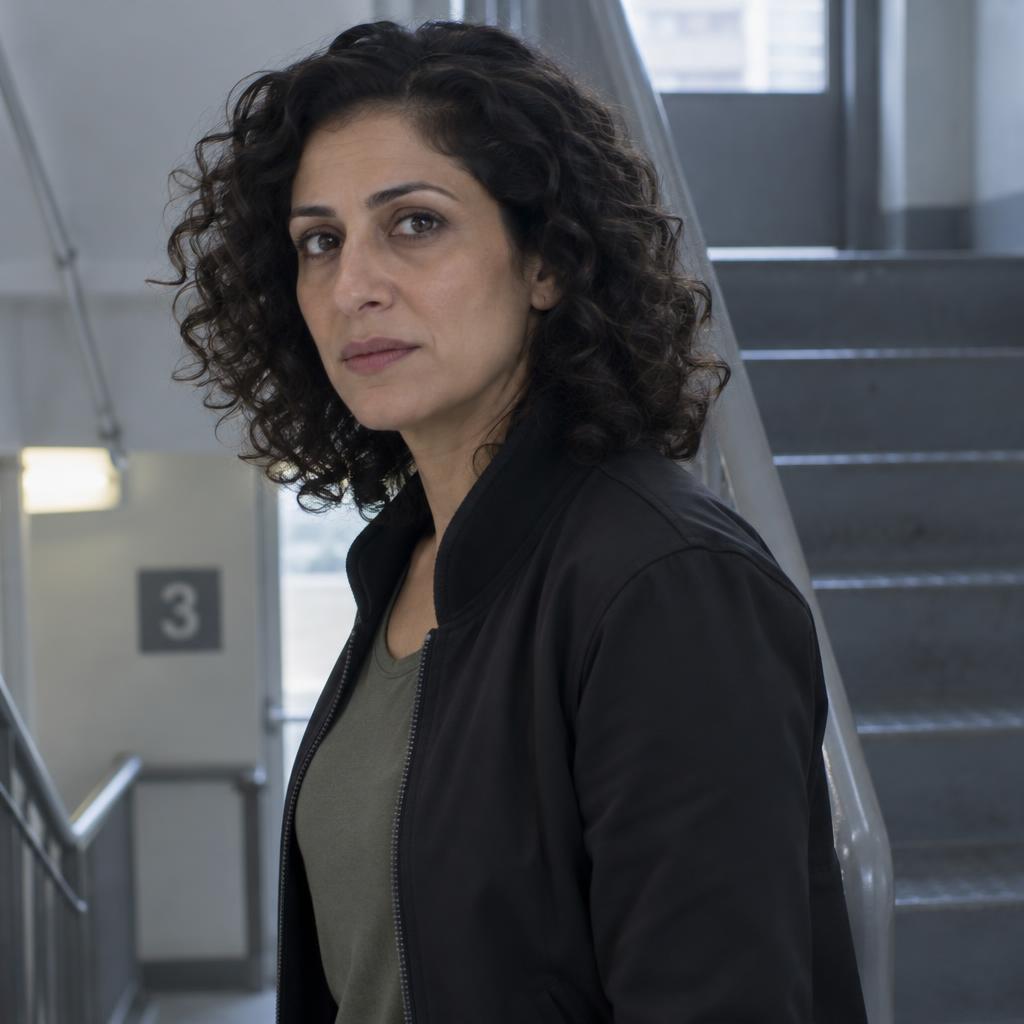
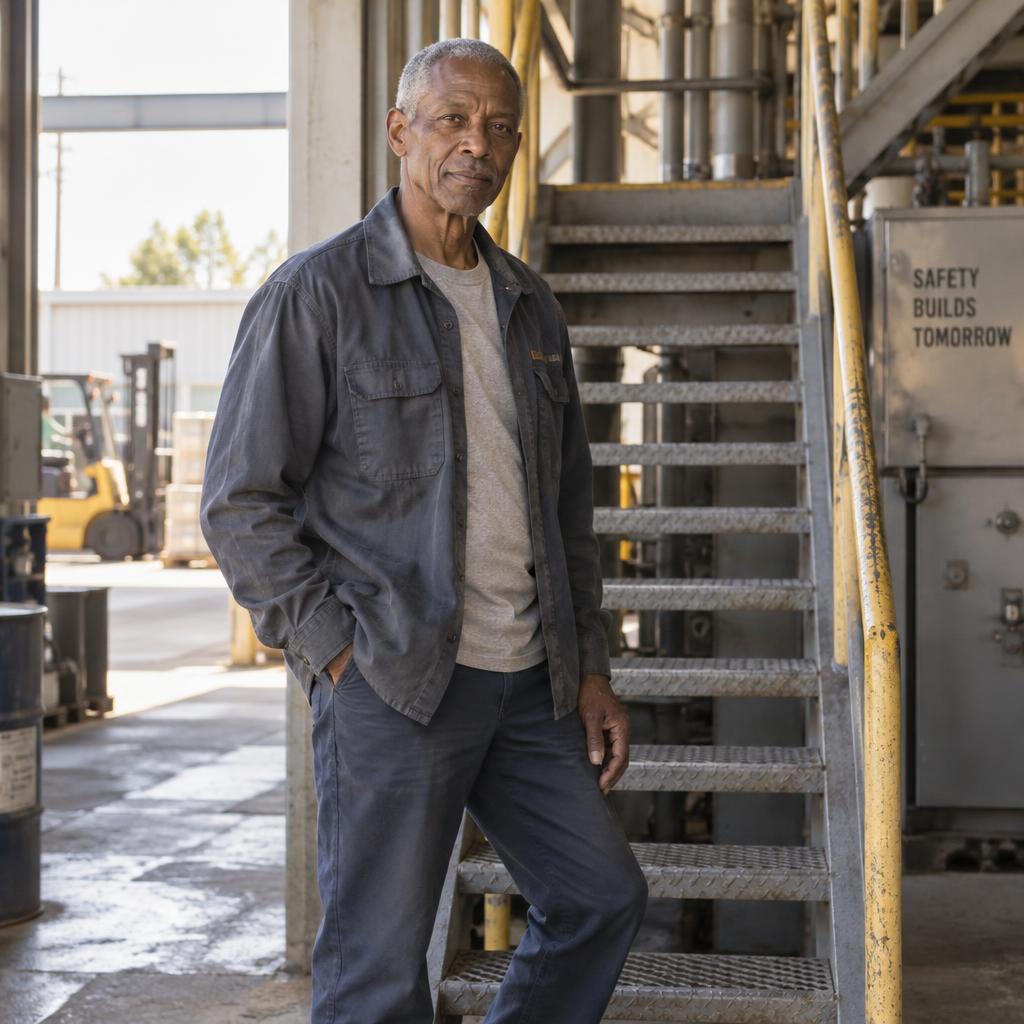
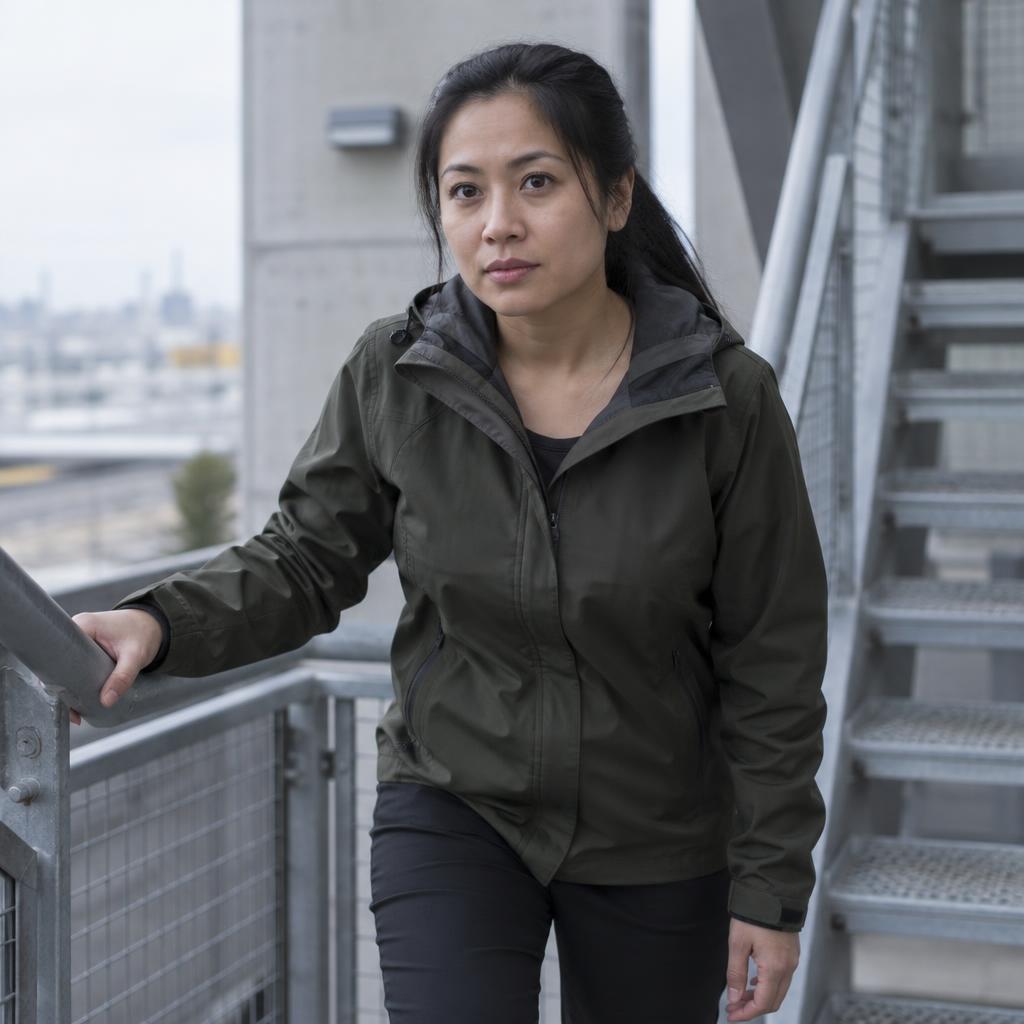
For an active role, show readiness rather than a fight. A forward stance and engaged shoulders suggest you can move with purpose. Keep your face clear; your physical presence should support recognition, not replace it.
An industrial stairwell gives the frame strong lines without needing action props. Practical clothing makes more sense here than a dramatic outfit. Check that your stance looks balanced, not like you are about to lunge at the lens.
Plant your feet and lean forward only slightly. Use clear side light, practical clothing, and a simple stairwell. Avoid fists, weapons, or a pose that hides your face.

Choose a photo to create your version
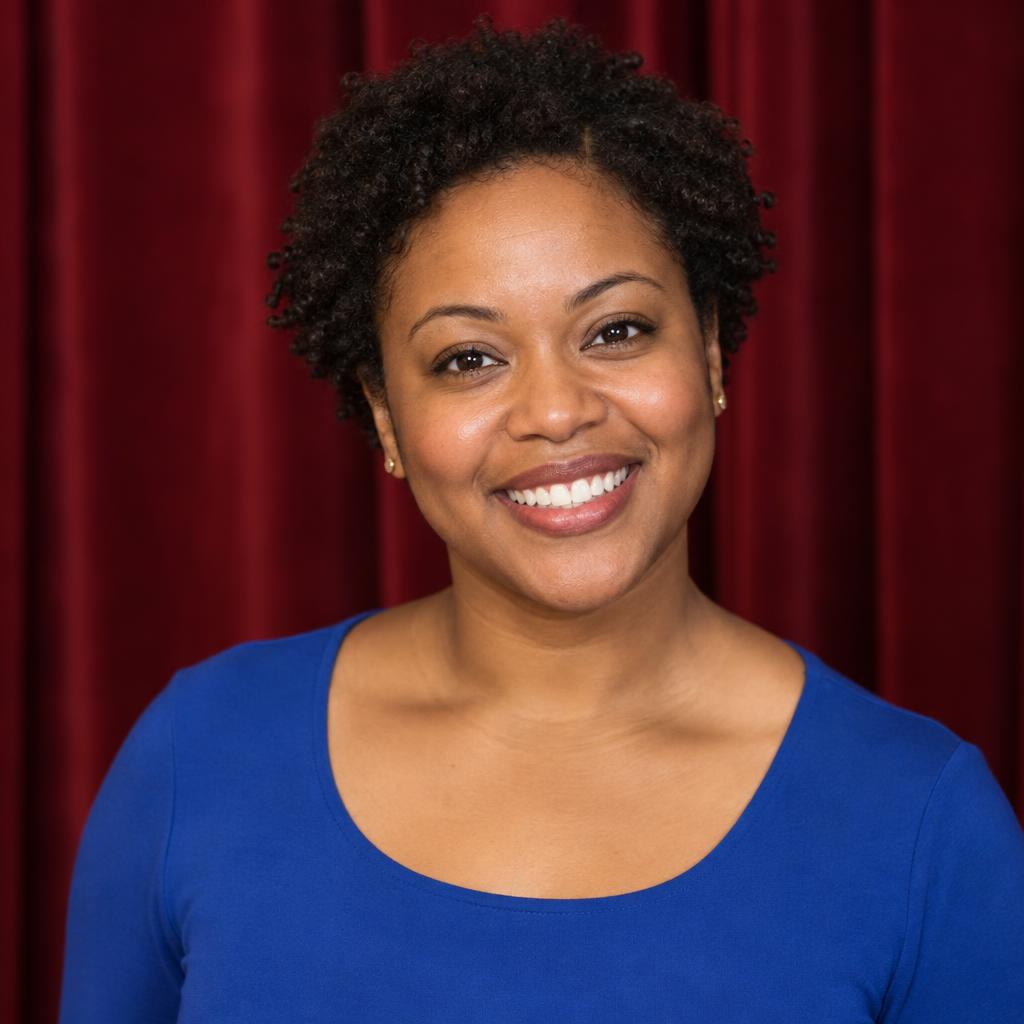
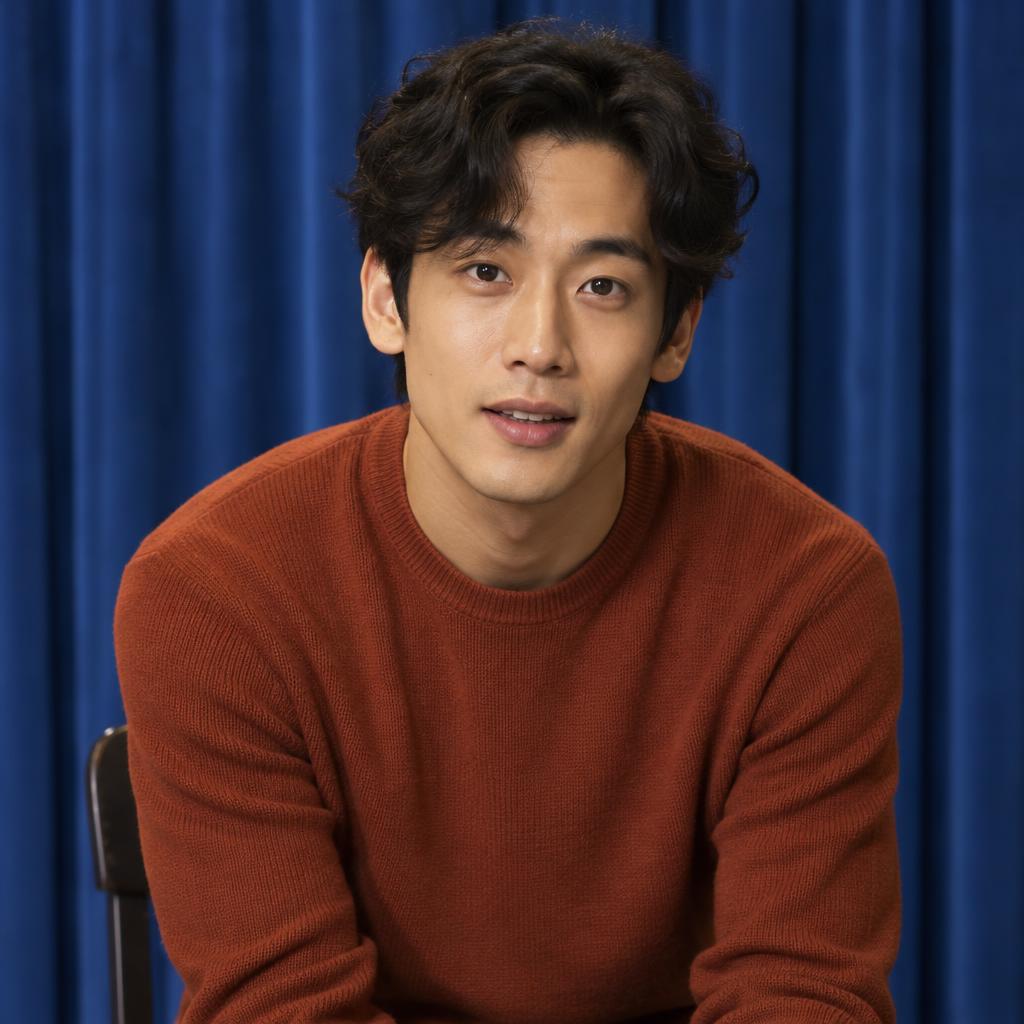
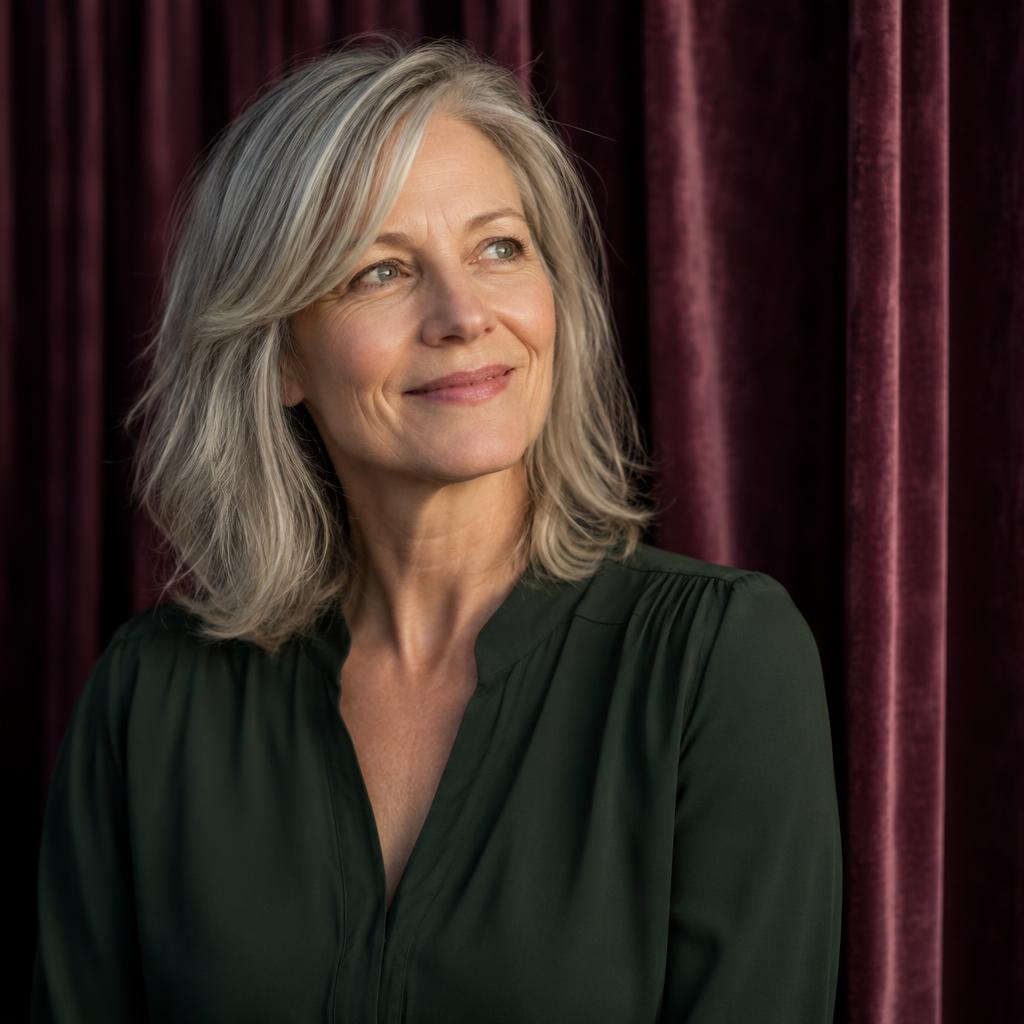
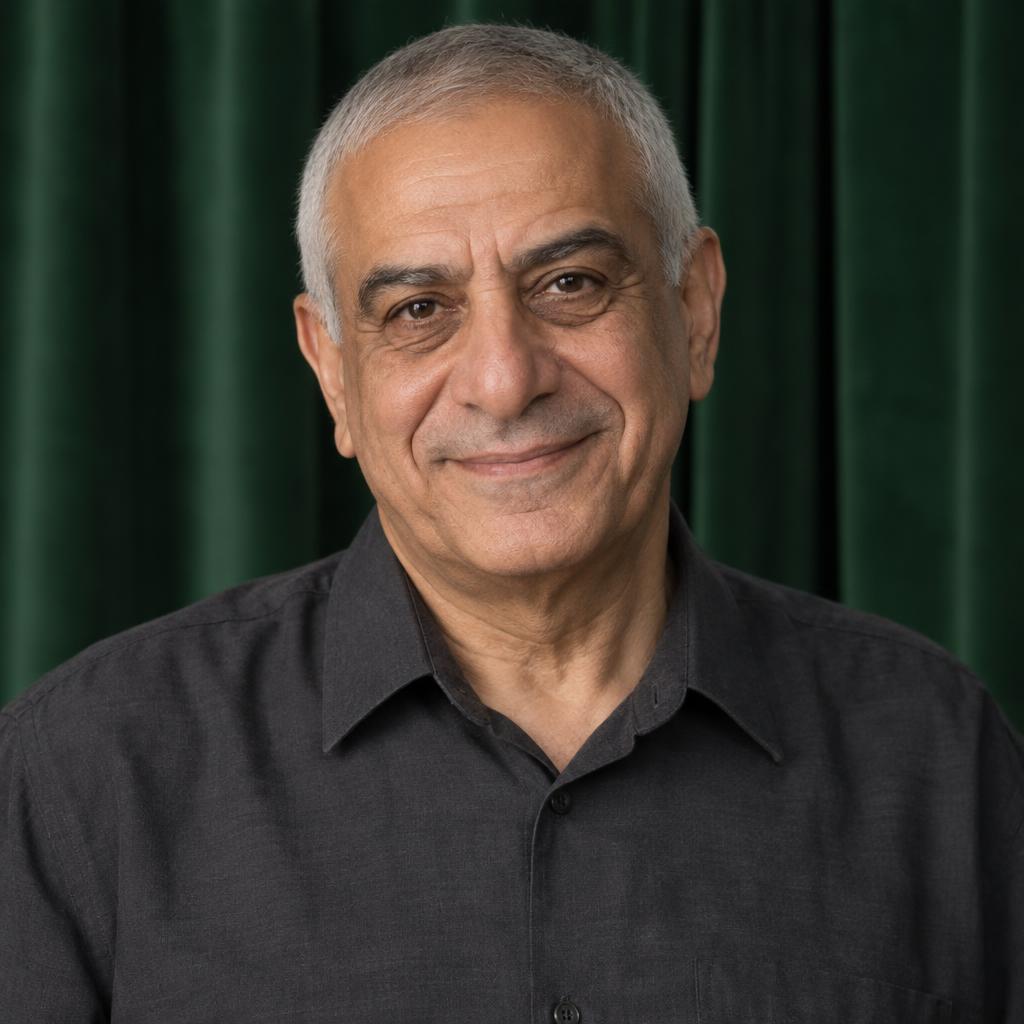
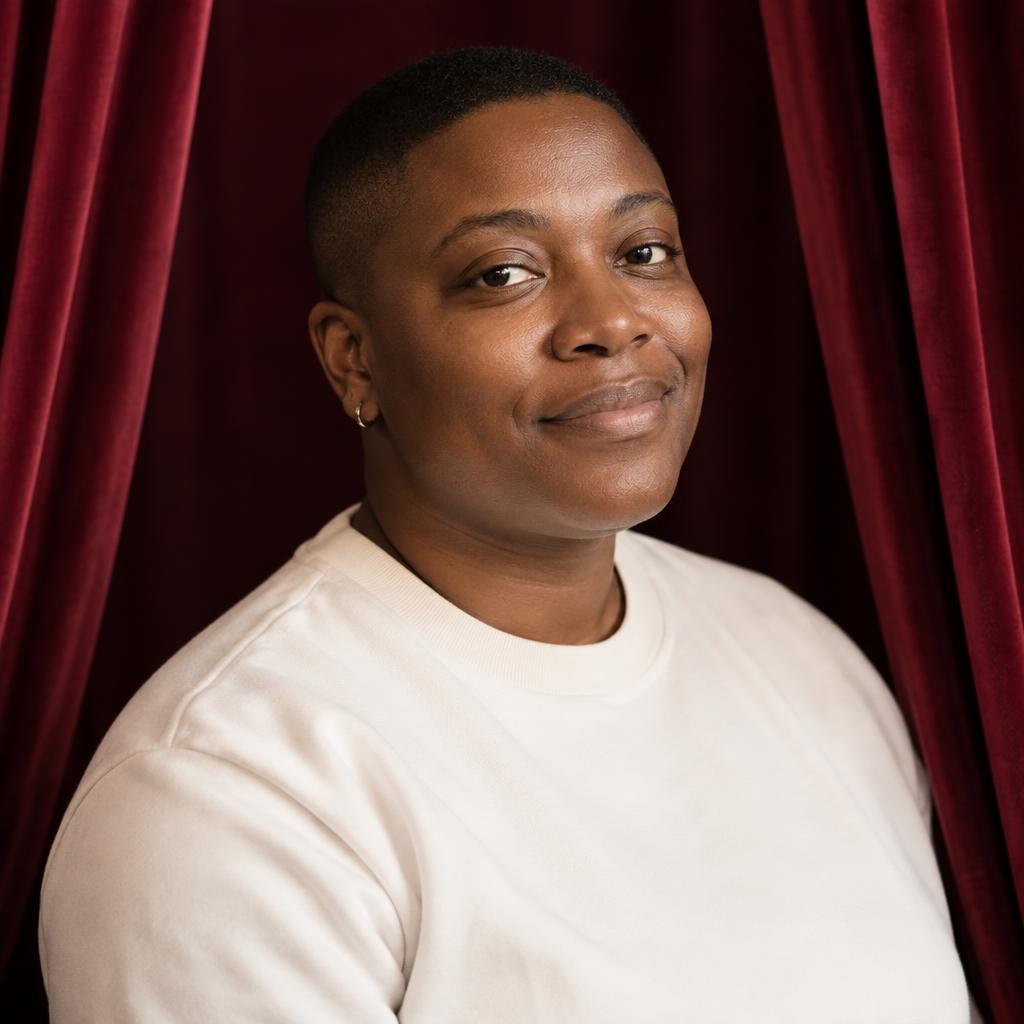
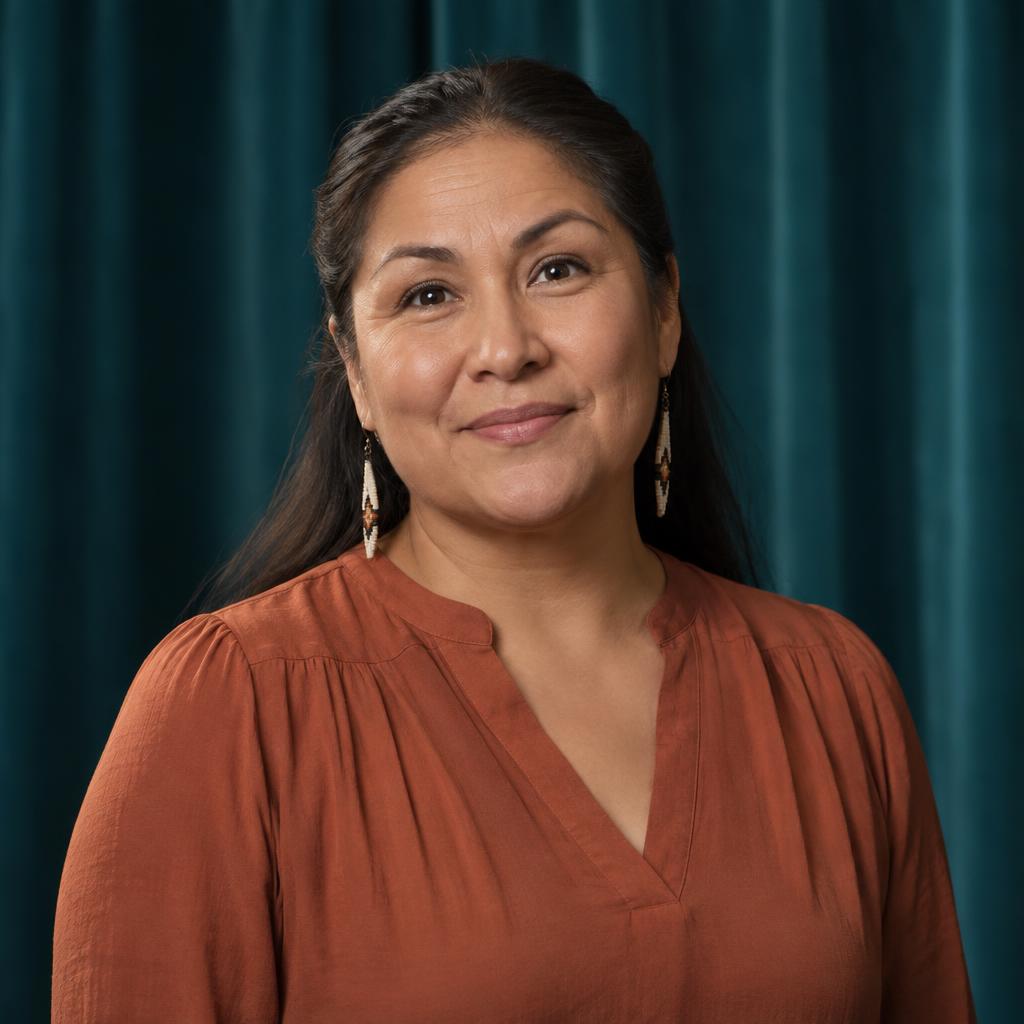
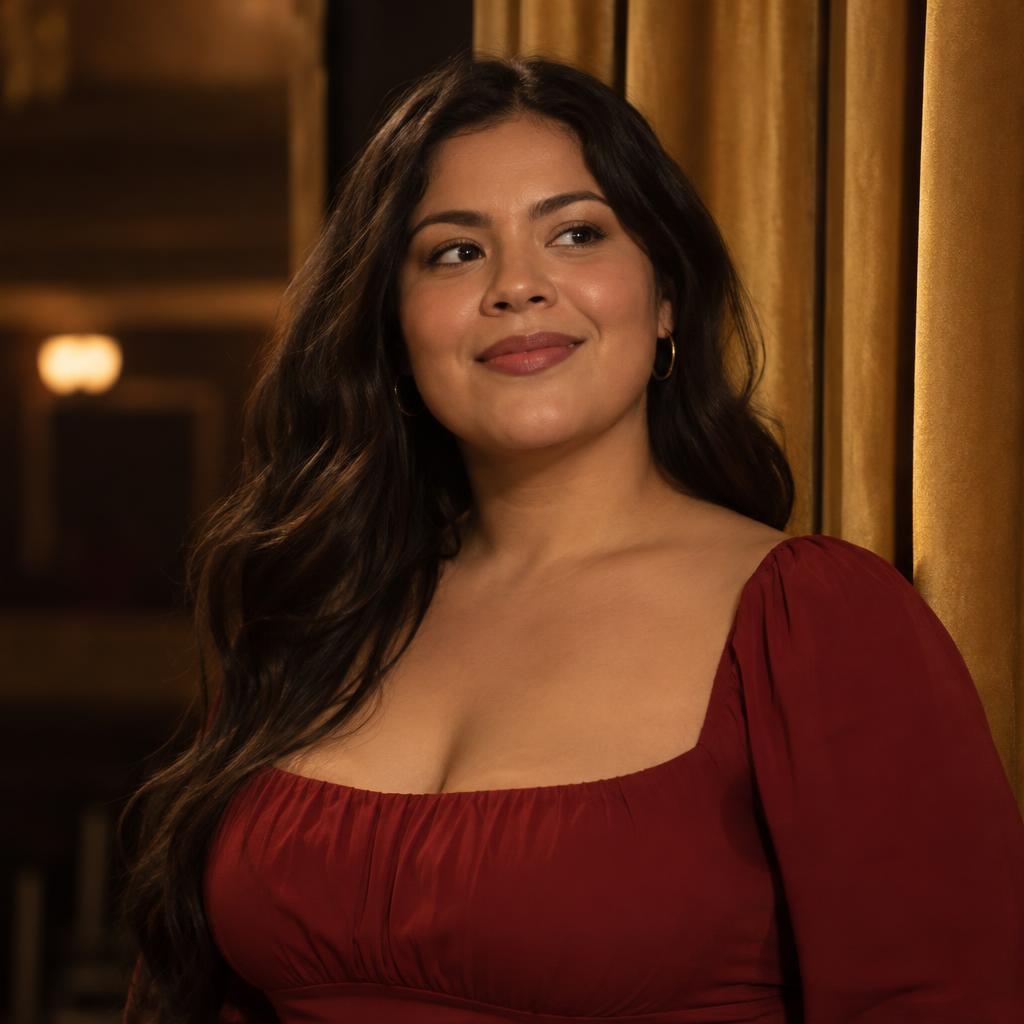
Musical-Theater Presence
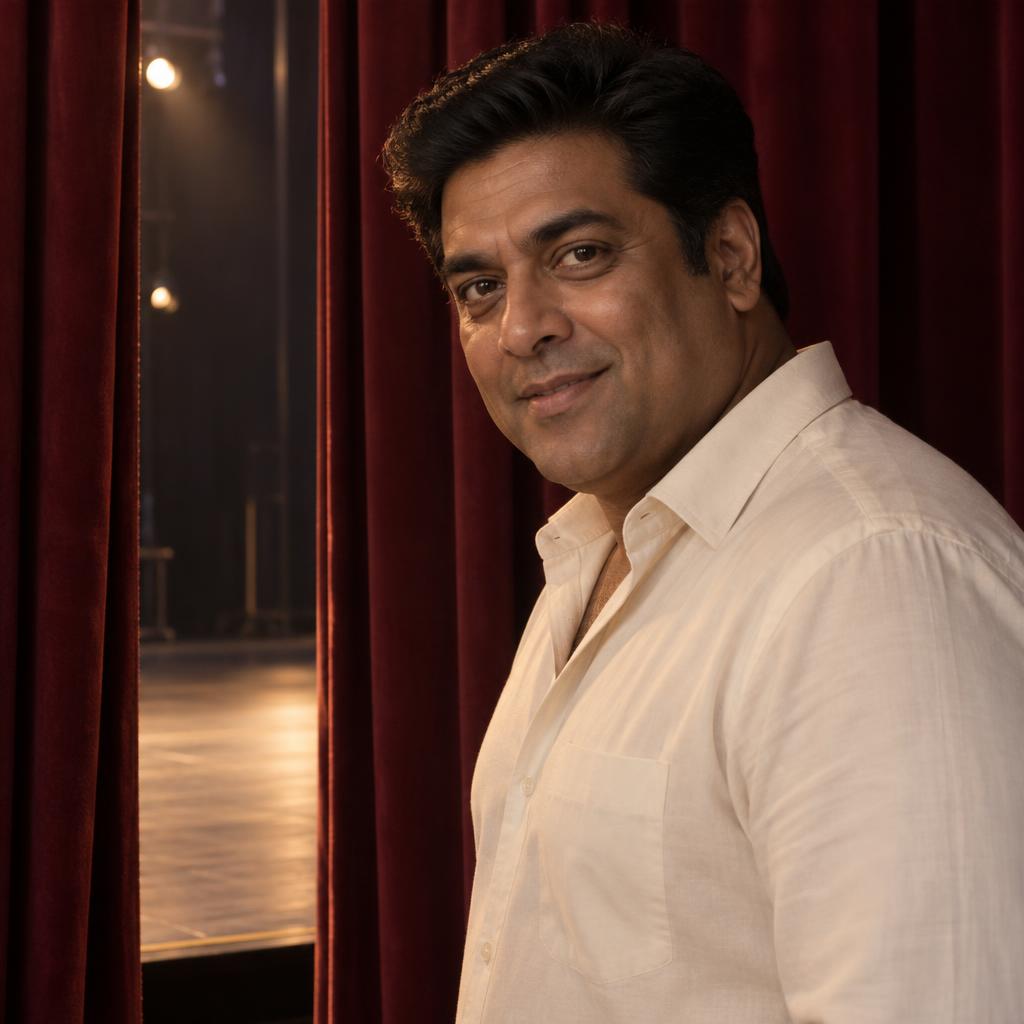
A musical-theater headshot can carry more lift and expression while staying natural. Bright eyes and upright posture suggest stage presence in a chest-up frame. You do not need to sing for the camera.
A rich curtain adds color and a sense of occasion. Choose a moment between lines, when your face is open and energized. If your mouth is wide in mid-song, it may be harder to see the expression you can bring to an audition.
Lift your posture and meet the camera with lively eyes. Use bright, soft light, a simple top, and a rich curtain behind you. Avoid a strained singing face.
Choose a photo to create your version
Choose Your Next Look
Start with the roles you can play now. Pick a clear, approachable look for warmth, a steadier one for authority, or a quieter one for drama. Add a genre look only if it serves a role you plan to submit for.
Compare your choices side by side. Can you see the same person in each? Are the eyes clear, and does each expression say something different? If one image needs a prop or heavy styling to explain it, simplify it and let your face do the work.