Say Freeze: Snow Pics
Want snow photos that hit hard? Want AI images that look real, bold, and sharp? Want exact steps that work in practice?
AI photo generation turns text into images. You write the scene. The model builds light, texture, and mood. You control style, lens, wardrobe, and weather with words. When you use strong light logic and clean styling, winter scenes become easy.
This guide shows 10 snow photo setups that deliver. You get what to prompt, what to avoid, and how to make your subject stand out. Use these sections as templates. Edit for your face, body, outfit, and goal.
Backlit Falling Snow Halo
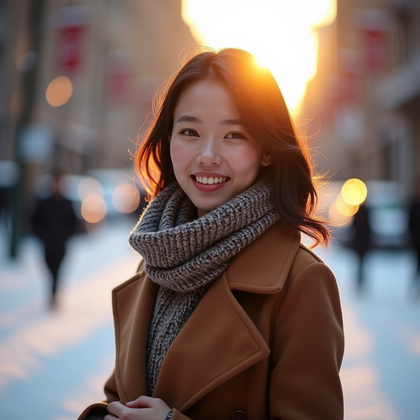
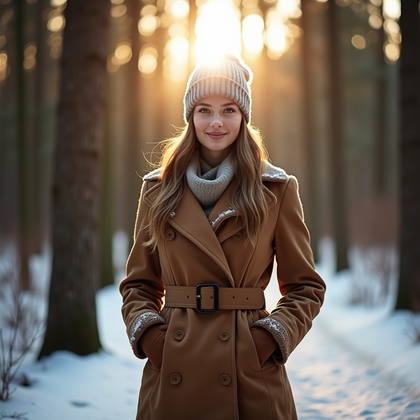
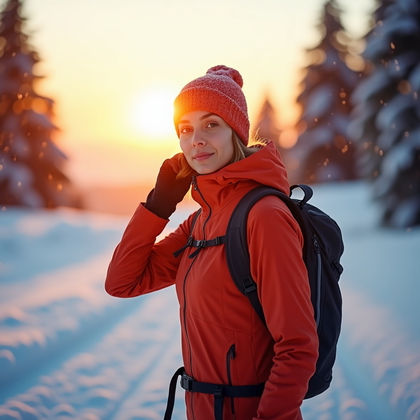
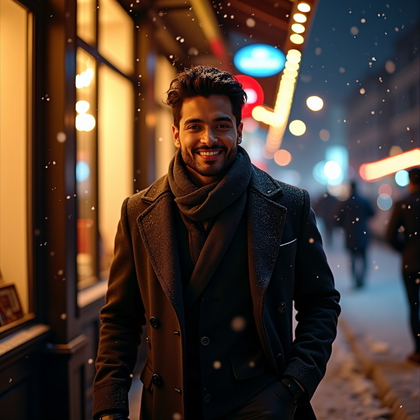
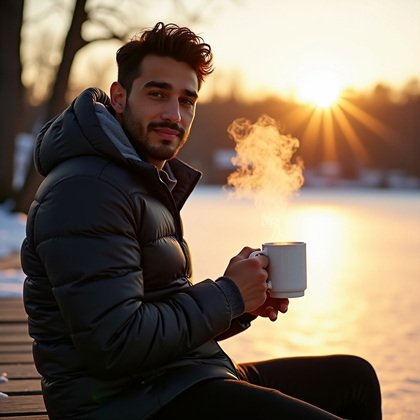
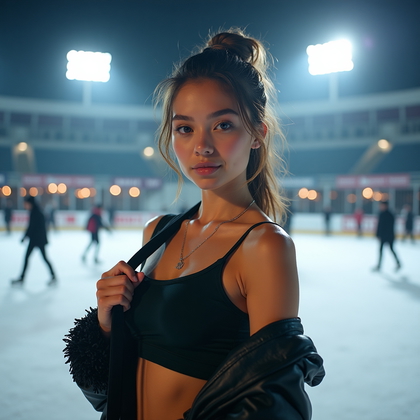
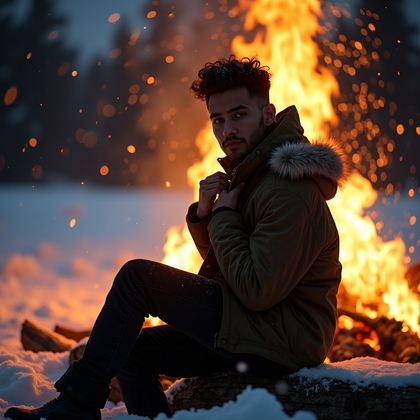
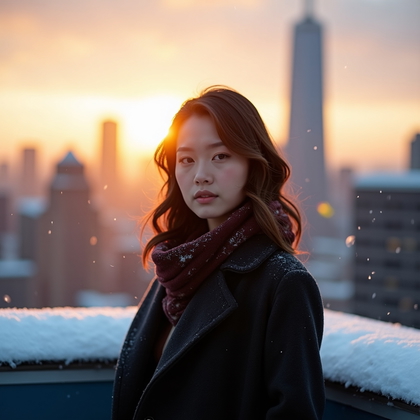
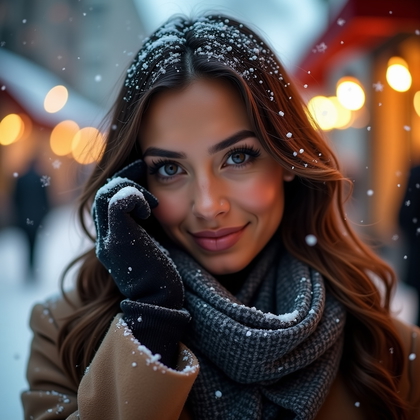
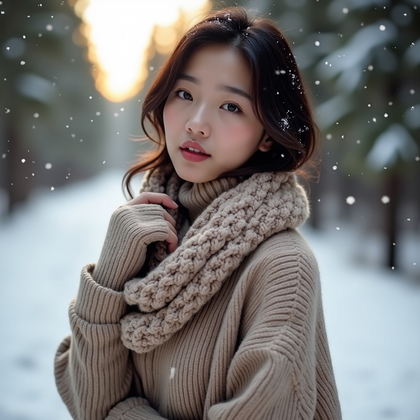
Backlight the snow. Always. It makes flakes glow and frames the face with a bright rim. Use dusk, streetlights, or a fake sun behind the head. Ask for rim light, volumetric light, and shallow depth. This crushes flat, gray snow and gives instant pop. It hides clutter and adds magic without noise.
Prompt cues: backlit snow, rim light halo, glowing flakes, golden hour or blue hour, soft haze, 85mm look, f/2 style, breath vapor. Negative cues: flat front light, muddy snow, gray smudge, low detail. Result: a clean subject, bright hair halo, and believable winter air.

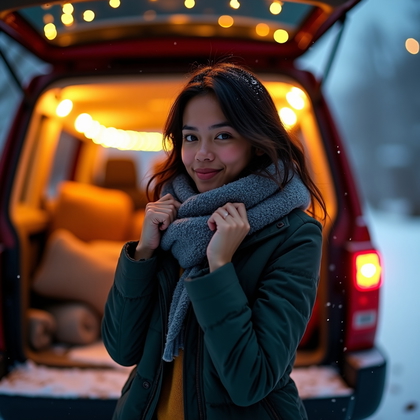
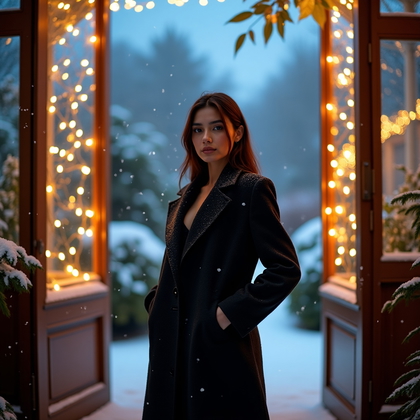
Click on a photo to swap your face in
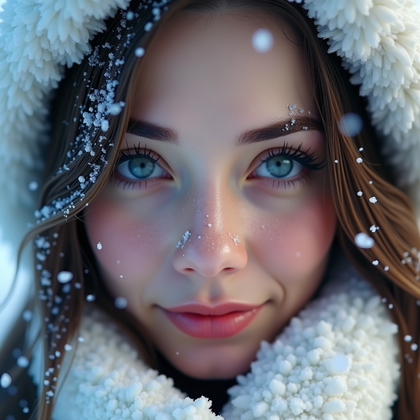
Fur-Hood Face Framer
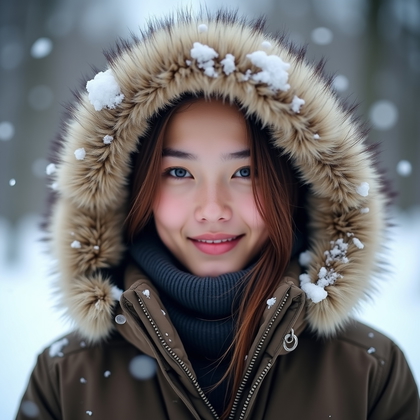
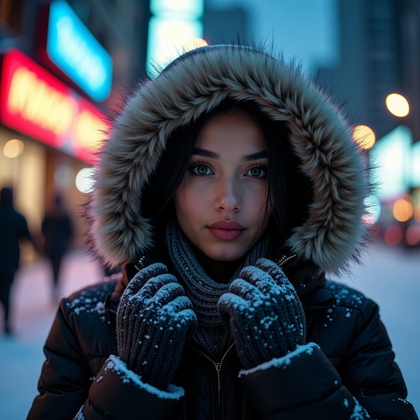
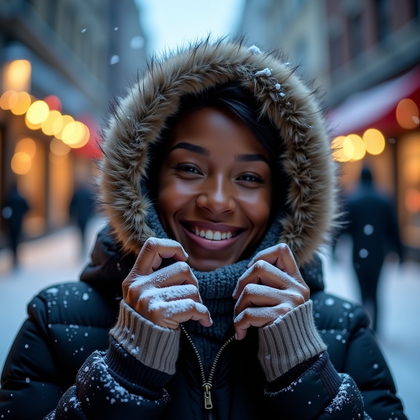
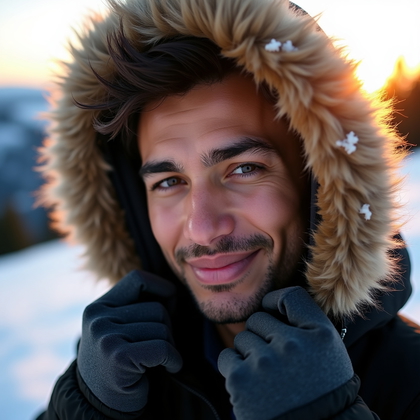
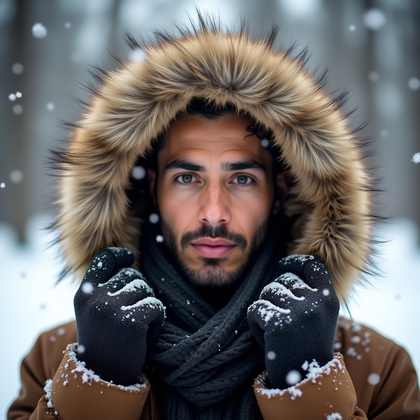
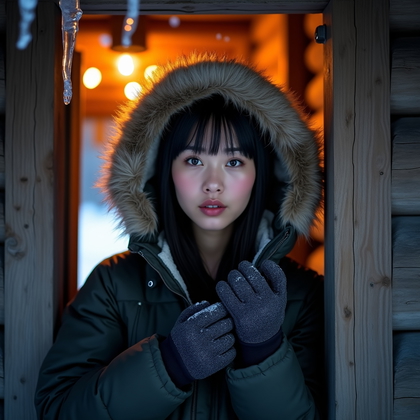
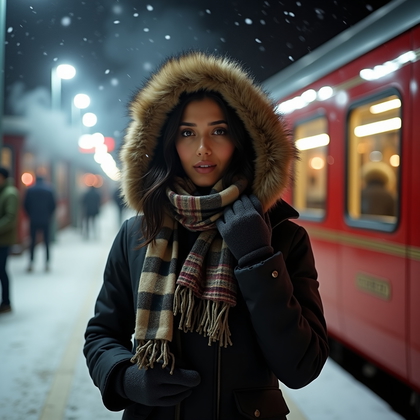
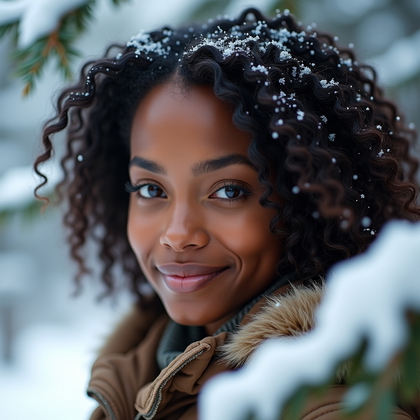
Use a big fur hood to frame the face. It shapes the jaw, hides messy hair, and creates soft shade on skin. Snow bounces light back into eyes. Add catchlights. Keep the crop tight. Ask for crisp eyes, fine skin texture, and flakes on fur. This is fast, flattering, and consistent.
Prompt cues: close-up portrait, fur hood framing face, snow dust on fur, sharp eyes, natural skin texture, subtle freckles, soft bounce light. Negative cues: plastic skin, over-smooth face, messy background. Use warm skin against cool snow for contrast. It works every time.
Click on any photo to see how you'd look
Color-Pop in Whiteout
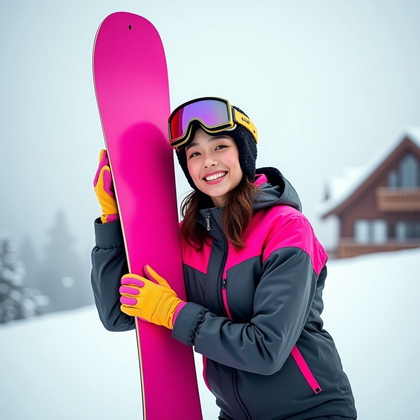
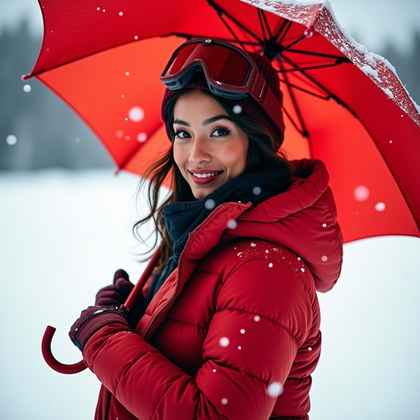
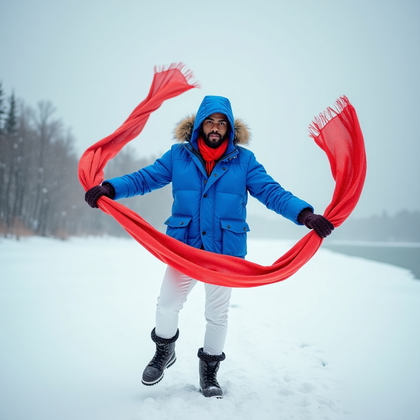
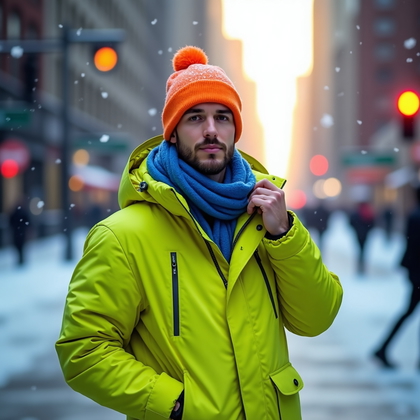
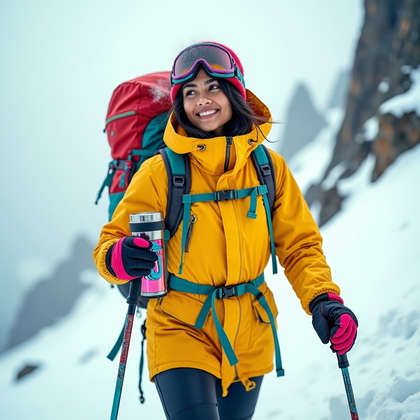
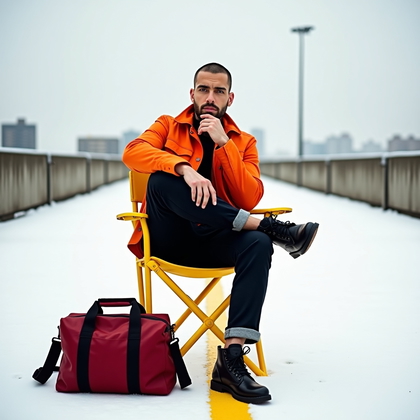
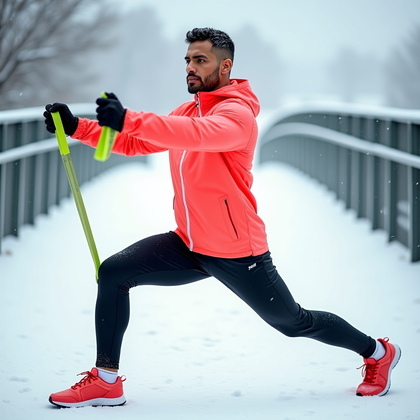
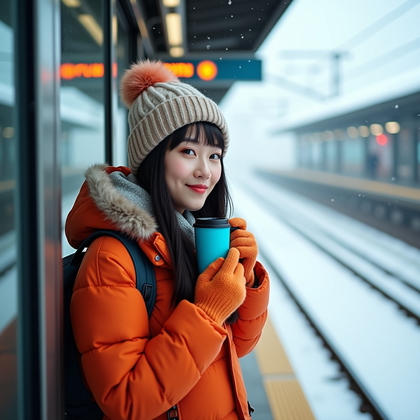
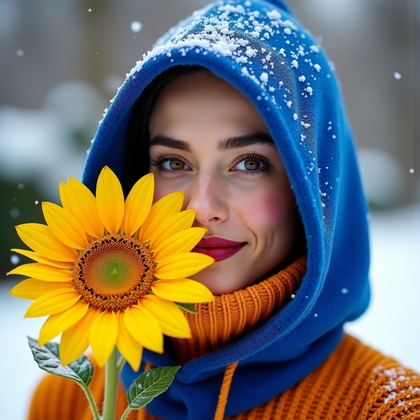
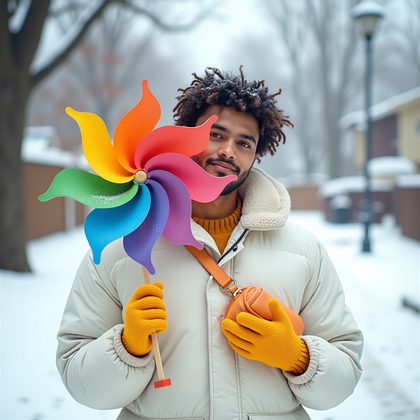
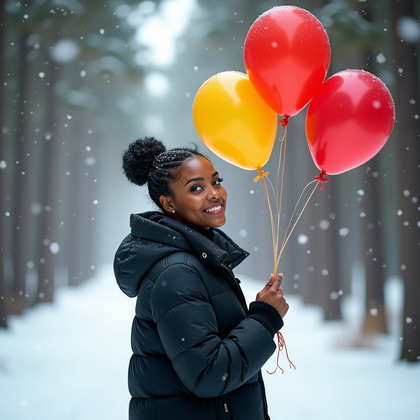
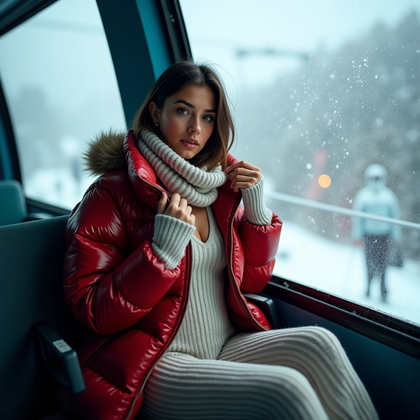
Pick one loud color. Everything else stays white or neutral. Red parka. Cobalt scarf. Neon beanie. That single color cuts through the whiteout and grabs focus. Keep lines simple. Keep the frame clean. This is a thumbnail beast and a fast win when the scene is bright and empty.
Prompt cues: high-key snow, whiteout, dominant single color wardrobe, clean background, minimal composition, soft fog. Negative cues: multi-color outfit, busy patterns, clutter. Ask for slight bloom and soft shadows so the color stays bold.
Click on any photo to make it yours
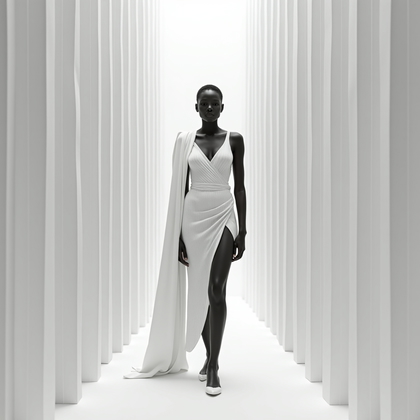
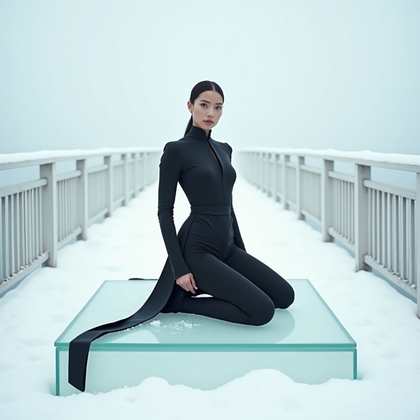
White-on-White Minimalist Editorial
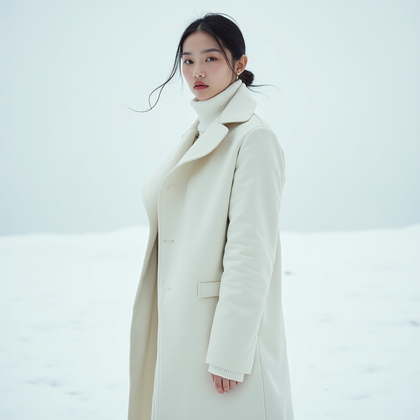
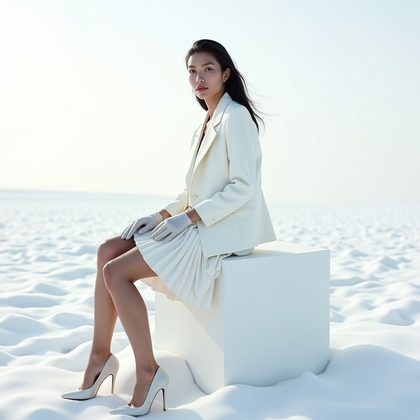
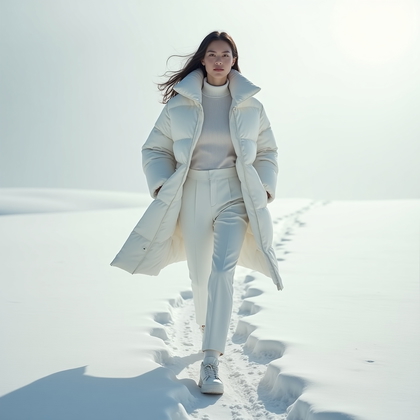
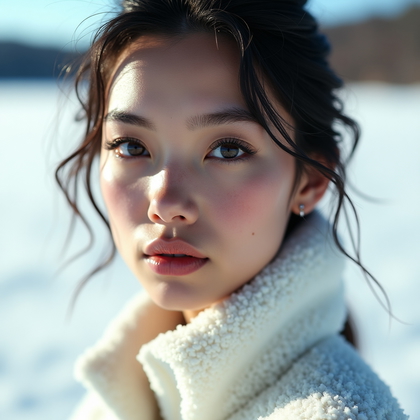
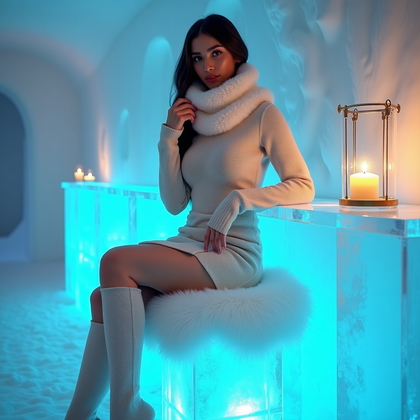
Go white outfit on white snow. Aim for tonal separation, not color. You want fabric texture, seams, and soft shadow lines. Slight overexposure is good. Keep makeup natural. Keep hair clean. The look feels premium and modern.
Prompt cues: high-key editorial, white outfit on snow, gentle softbox light, fabric texture, subtle contour shadows, clean background, 50–85mm look. Negative cues: harsh contrast, heavy makeup, busy props. Add gentle grain for finish. It sells the luxury vibe fast.
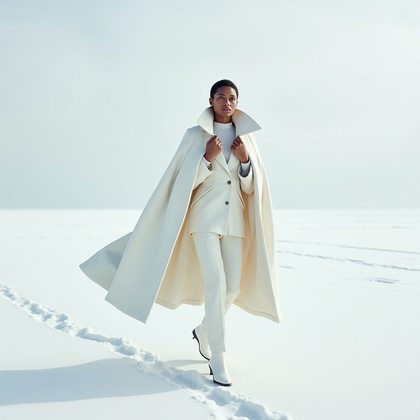
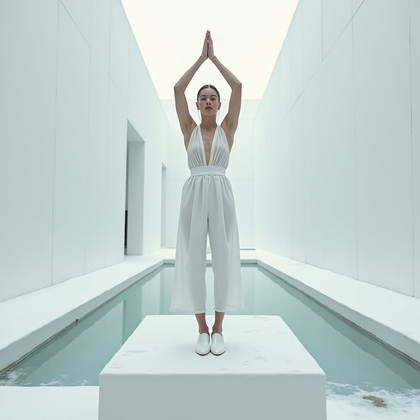
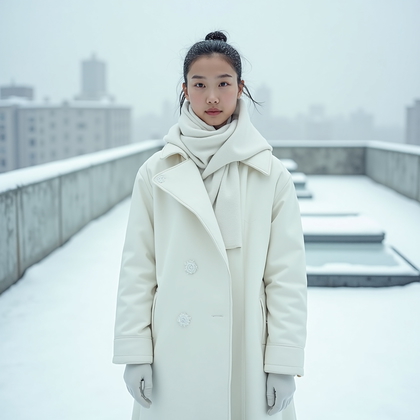
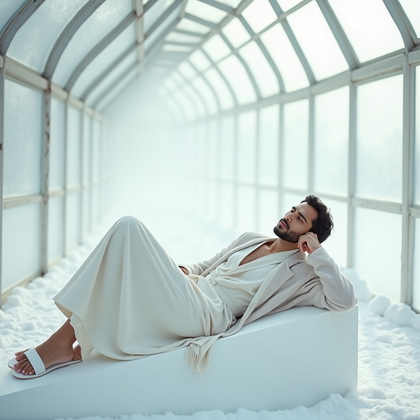
Click on a photo to try your face in it
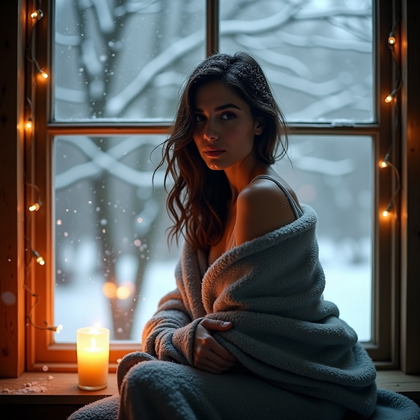
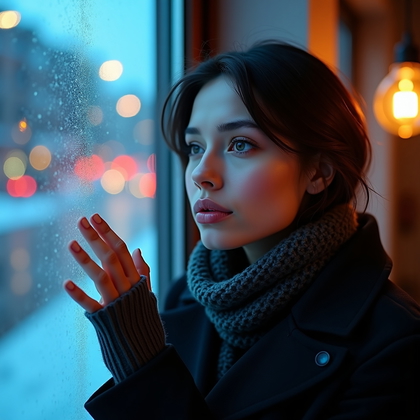
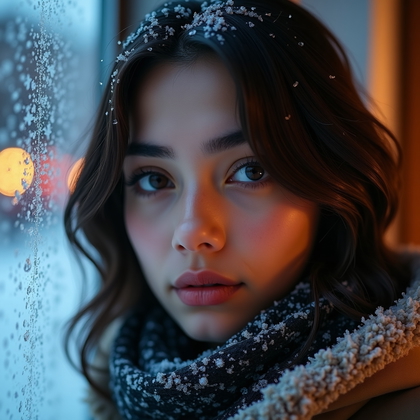
Window Frost Daydream
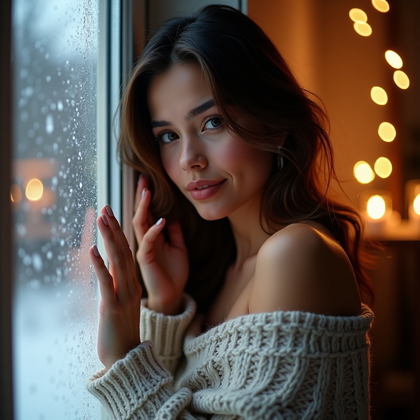
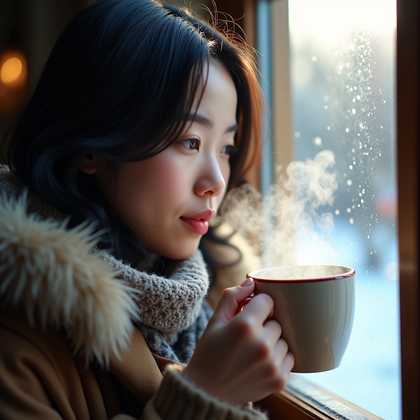
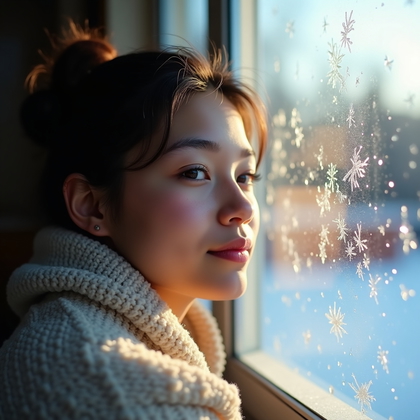
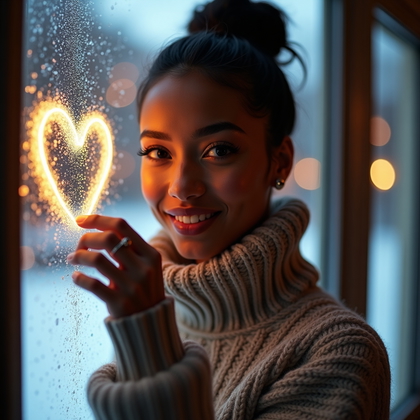
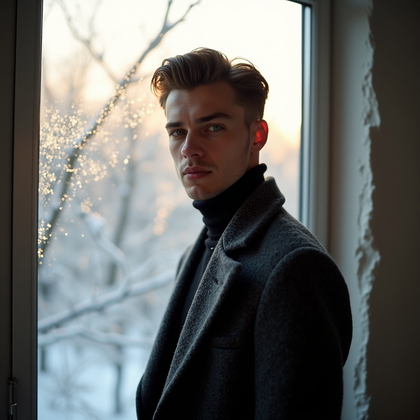
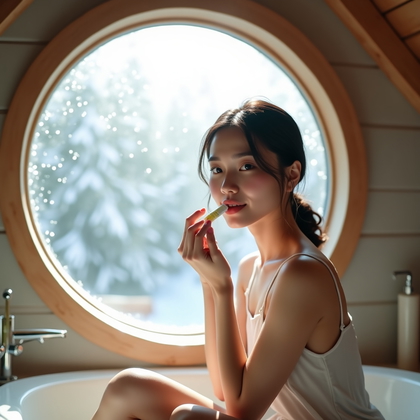
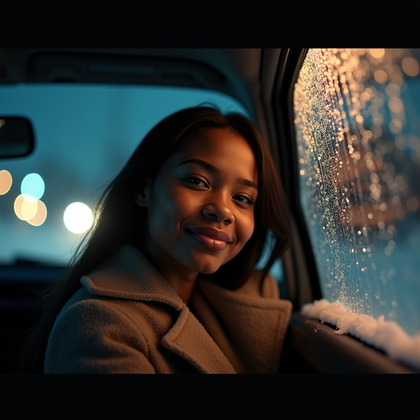
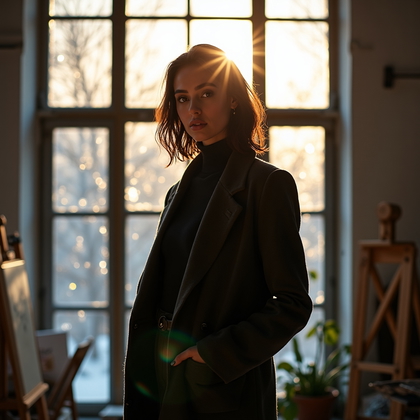
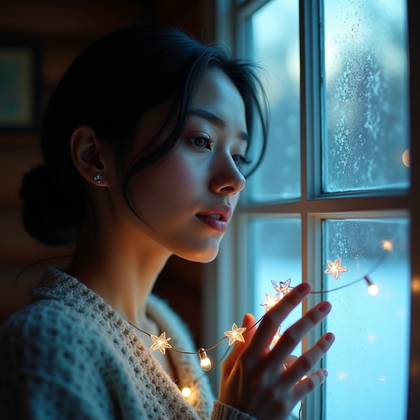
Place the subject behind frosted glass. Add condensation, finger trails, and soft reflections. Warm indoor light meets cool outdoor blue. This hides flaws, slims the face, and adds depth. It looks intimate without being close.
Prompt cues: frosted window, condensation beads, soft reflections, warm indoor light, cool outdoor snow, shallow depth, dreamy bokeh. Negative cues: harsh glare, dirty smear, strong distortion. Ask for soft backlight and gentle film grain for a calm mood.
Click on any photo to make it yours
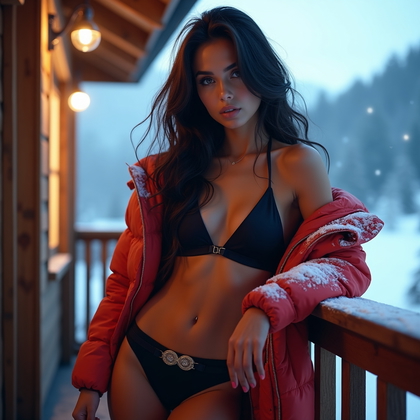
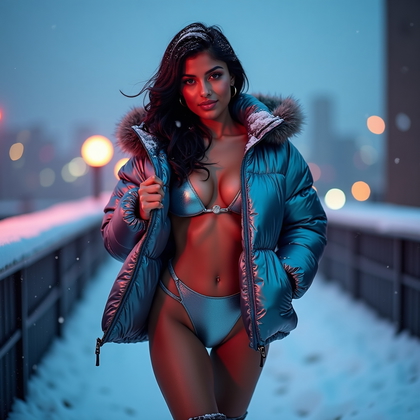
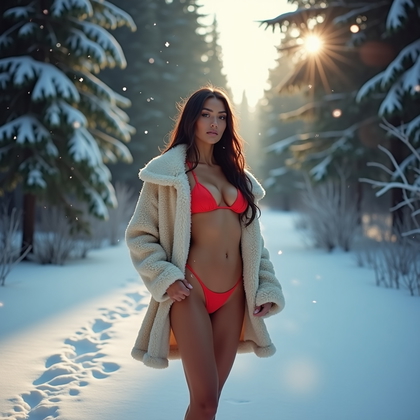
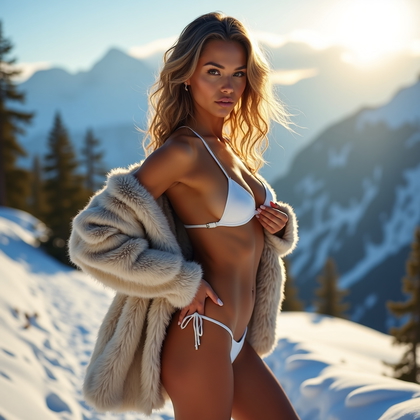
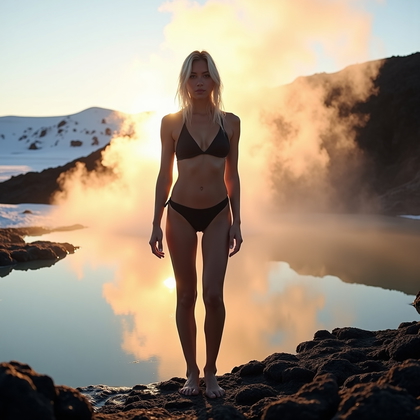
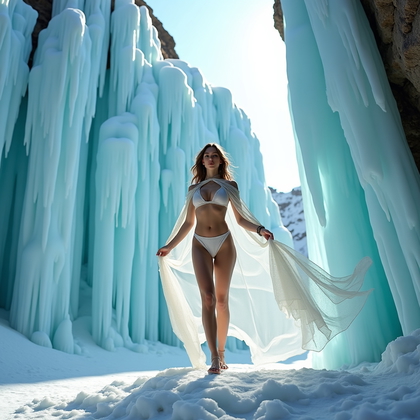
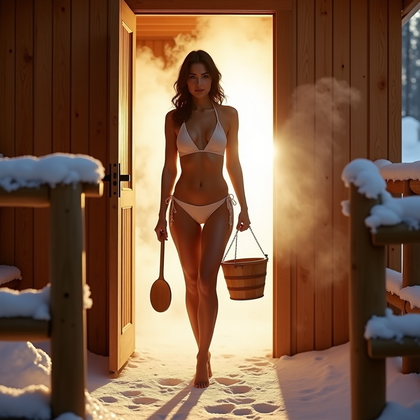
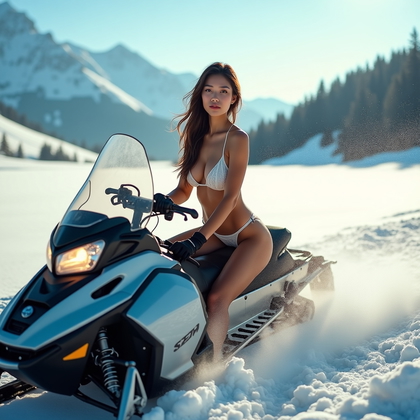
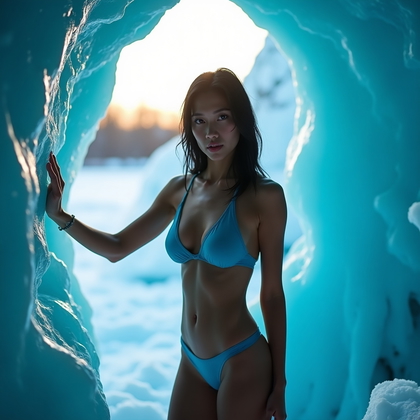
Steamy Contrast: Bikini-in-Snow Power Move
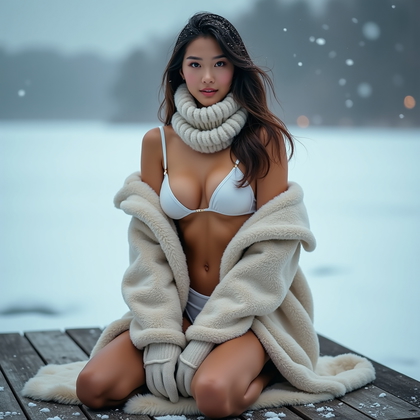
Use a confident adult model in swimwear against cold snow. The skin tone against white ground is pure contrast. Add warm key light and cool ambient blue. Include breath vapor and light steam for realism. This is bold, graphic, and simple to execute.
Prompt cues: adult model, bikini in snow, warm key light, cool fill, high contrast, skin highlights, subtle goosebumps detail, clean composition. Negative cues: nudity, explicit, wardrobe malfunction, plastic skin. Keep poses strong and angular. Let the snow do the work.
Click on any photo to make it yours
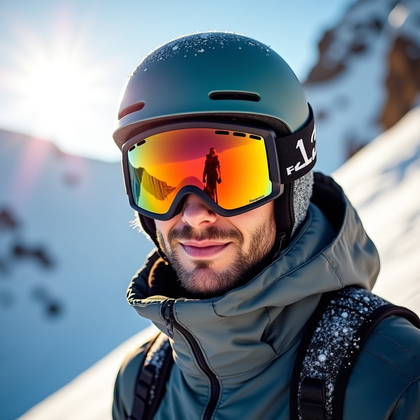
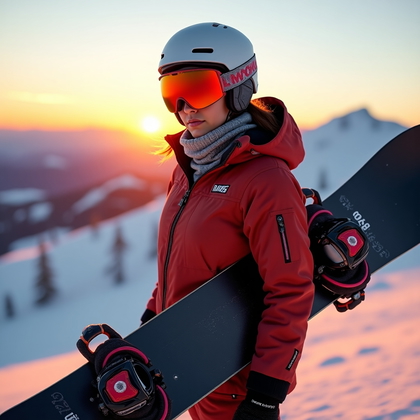
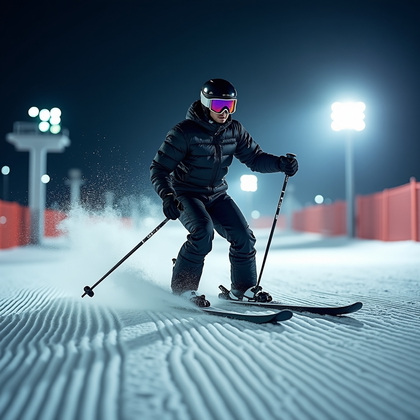
Power Slope Stance
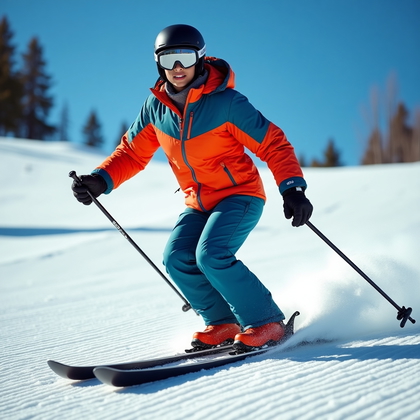
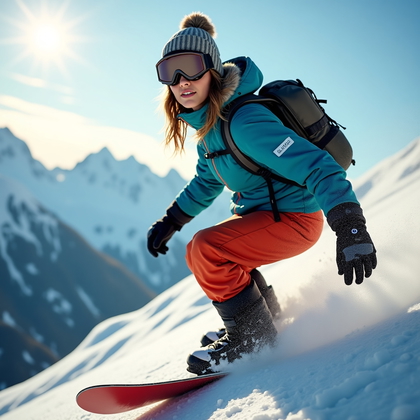
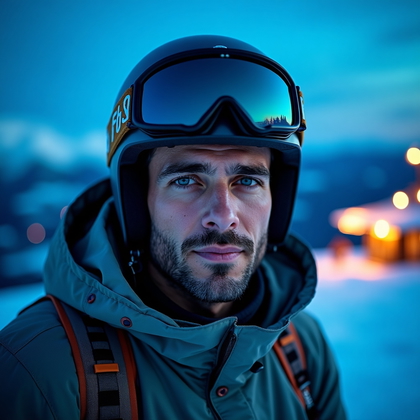
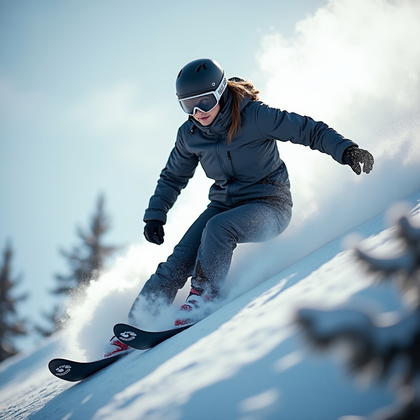
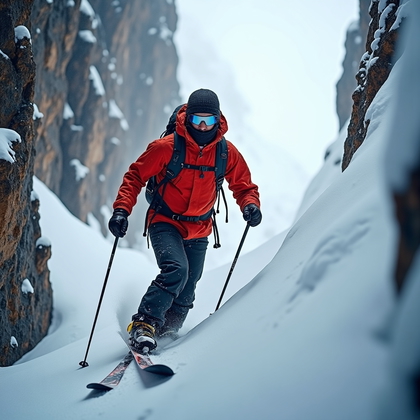
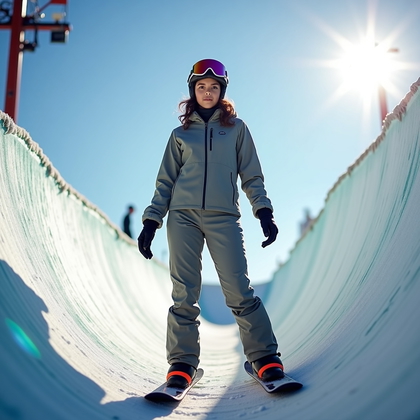
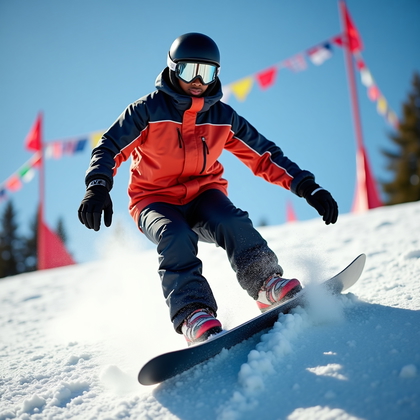
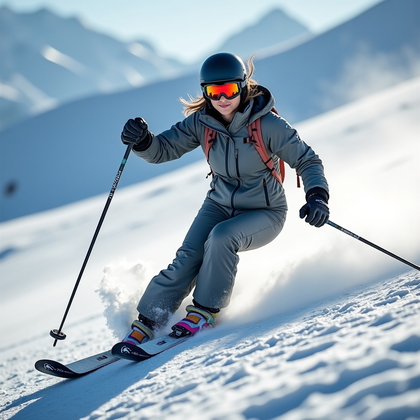
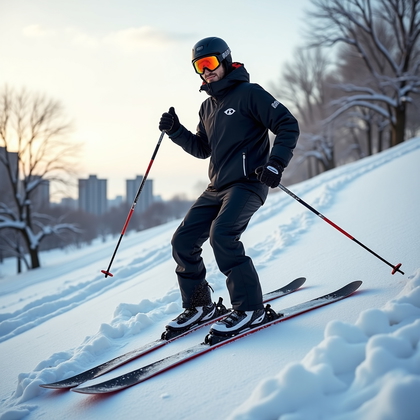
Put the subject on a slope with a wide, low angle. Use leading lines from the hill and boards or skis. Add snow spray and backlight for action, even if static. This reads as strength and control. It is a fast header image for any winter theme.
Prompt cues: low angle, wide lens 24–35mm look, slope lines, stance triangle, backlit snow spray, dynamic wind, sharp edges. Negative cues: flat pose, centered and stiff, cluttered horizon. Keep horizon low and stance wide. Authority achieved.
Click on a photo to make it real with your face
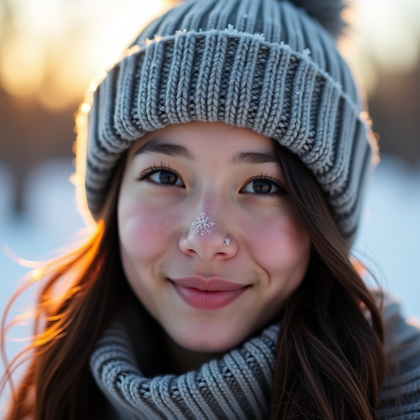
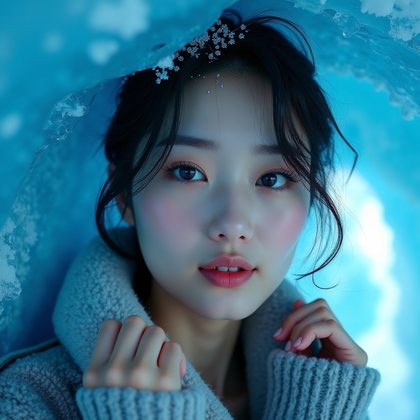
Snowflake Lash & Hair Detail
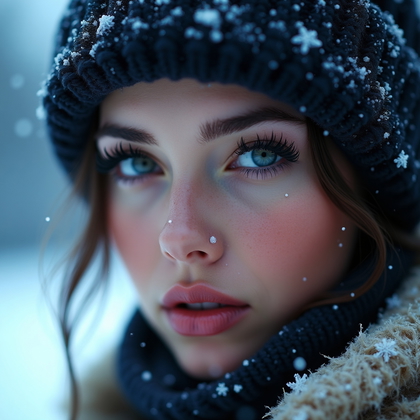
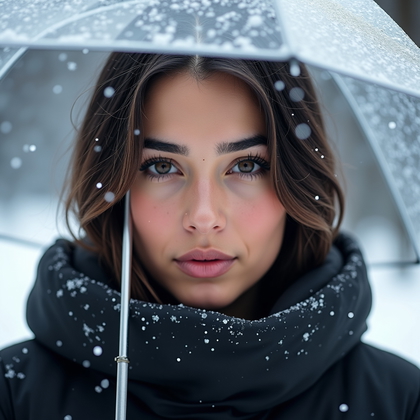
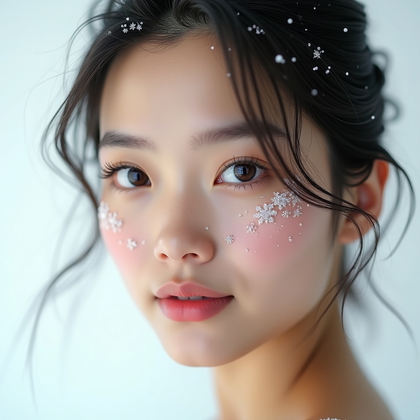
Go extreme close-up. Show snow crystals on lashes and hair. Ask for macro detail, crisp edges, and shallow depth. This proves texture. It builds trust in the image and looks expensive.
Prompt cues: macro close-up, eyelash snowflakes, hair frost, micro-contrast, skin pores, 100mm macro look, soft background blur. Negative cues: waxy skin, noise, fake glitter. Keep exposure steady so flakes stay sharp and bright.
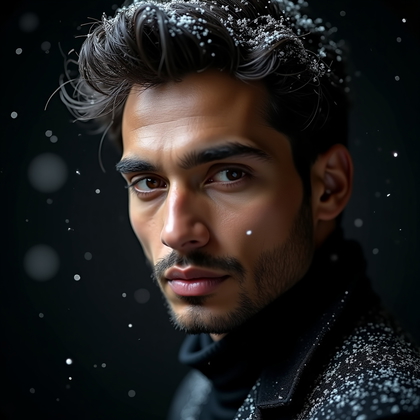
Click on any photo to add your face
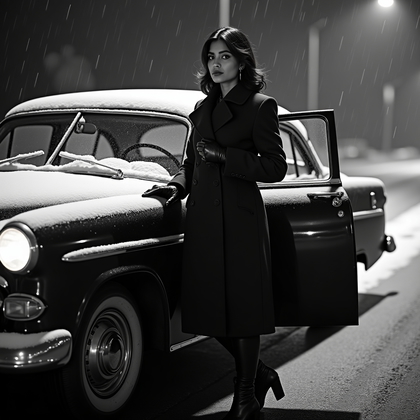
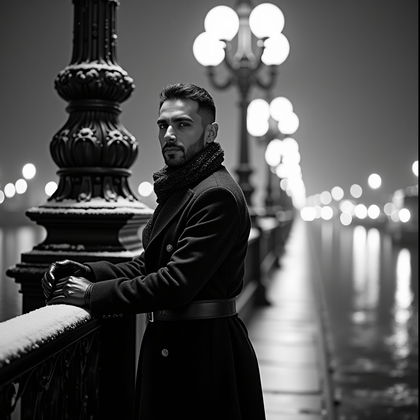
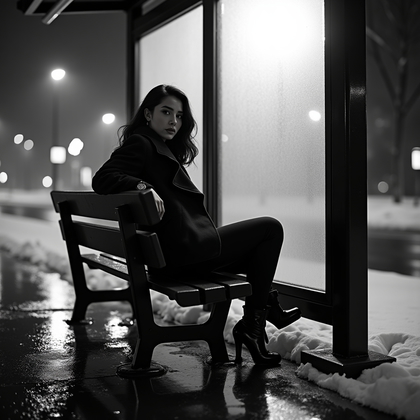
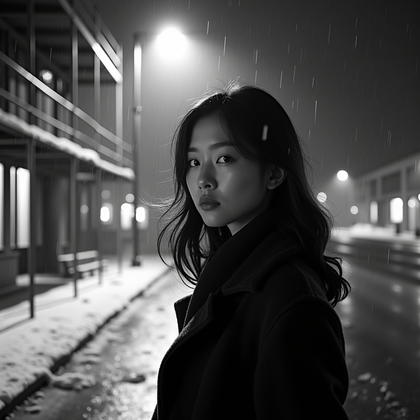
Streetlight Snowfall Noir
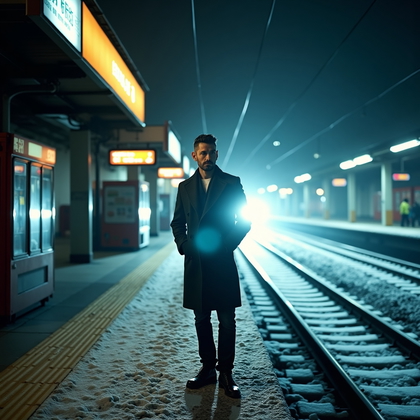
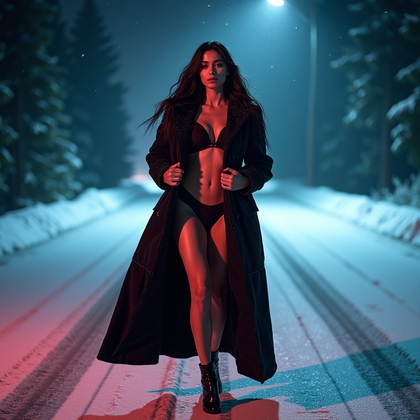
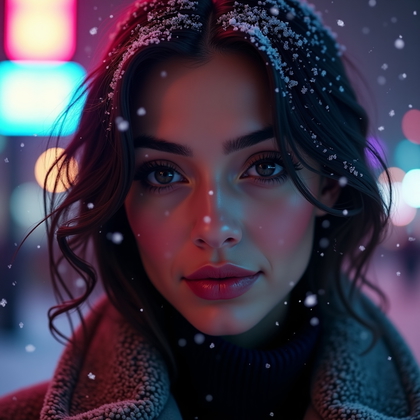
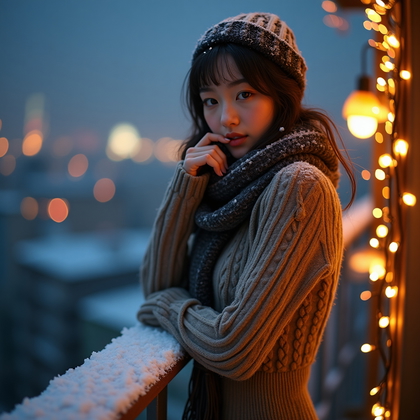
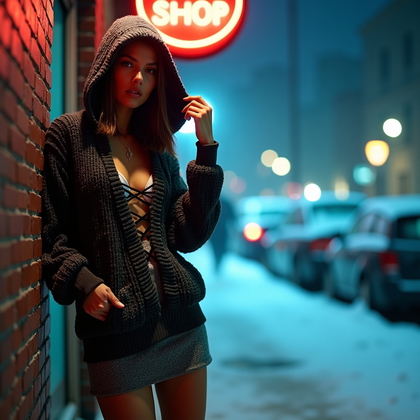
Night. Snow under a streetlight. High contrast. Silhouette or half-lit face. Add wet street reflections and film grain. This hides flaws and builds mood. It is cheap to render and looks cinematic.
Prompt cues: noir night, single streetlight cone, backlit snow flurries, silhouette or Rembrandt light, wet asphalt reflections, fine film grain, 50mm f/1.4 look. Negative cues: banding, color noise, neon overload. Keep the palette tight: tungsten warm and blue-black shadows.
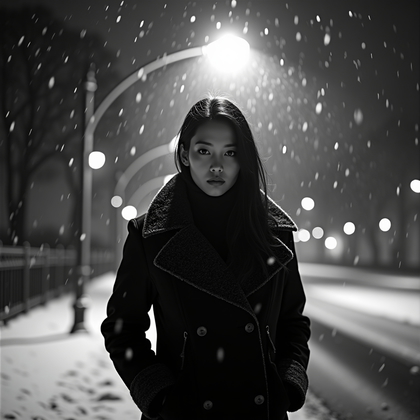
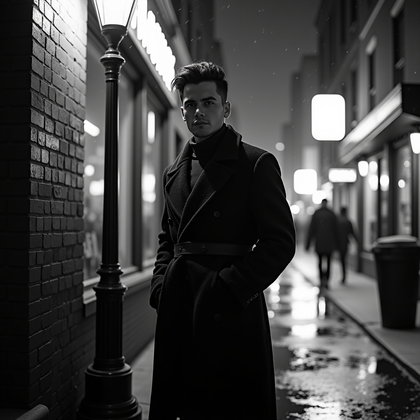
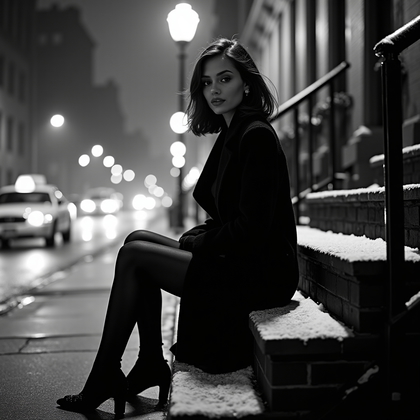
Click on any photo to see yourself in it
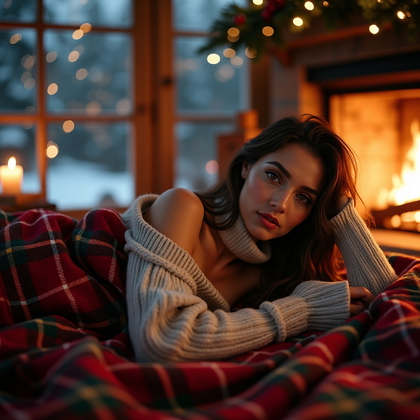
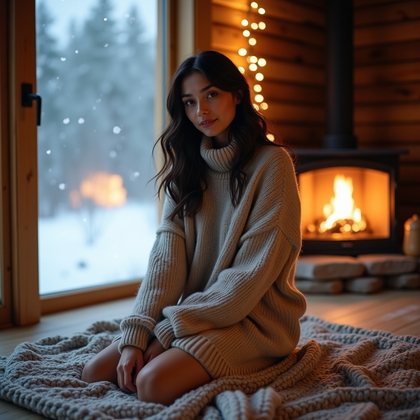
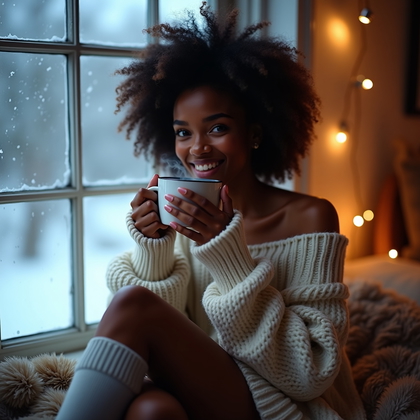
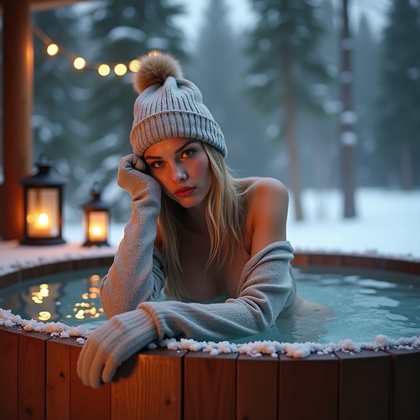
Cozy Knit Seduction
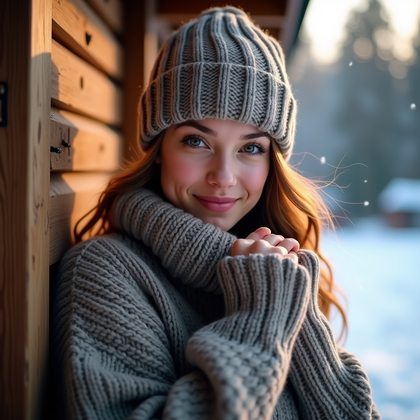
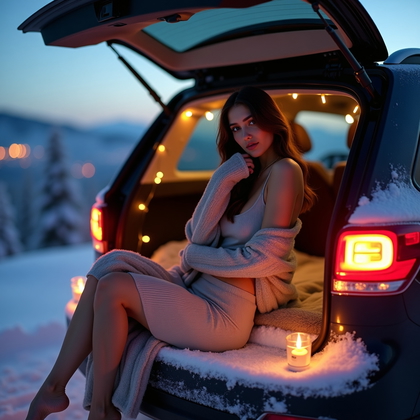
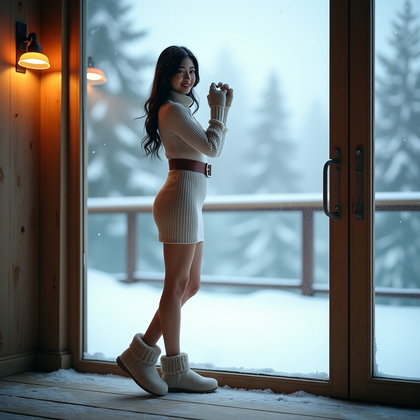
Use a heavy knit sweater, soft window light, and warm tones. Show collarbone, neckline, or hands in sleeves. It is sensual but safe. Texture sells the scene while the light flatters skin.
Prompt cues: soft morning window light, warm tones, knit texture detail, off-shoulder sweater, shallow depth, gentle grain, steam from mug optional. Negative cues: harsh contrast, plastic skin, busy patterns. Keep it simple and warm. Let texture lead.
Click to create your version
Wrap-Up: Lock Your Snow Aesthetic
Pick one idea. Drive it hard. Backlight snow for halo. Frame faces with fur. Use one bold color or go white-on-white. Add frost glass for softness. Use warm-vs-cool contrast when skin meets snow. Drop low on slopes for power. Go macro for crystal truth. At night, let one streetlight shape the scene. Indoors, let knit texture and warm light carry the mood.
Use clean prompts: subject, light, color, lens style, texture, and negative cues. Keep scenes simple. Push contrast where it counts. That is how you get snow images that look real and hit hard.