Winter Olympic Games Photo Ideas
Want Winter Olympic AI photos that look elite, not generic?
Want images that scream power, ice, speed, and pressure instead of boring “sports stock” energy?
Want prompts that actually generate strong, usable images for posters, thumbnails, covers, banners, and branding?
AI photo generation lets you build custom Winter Olympic style images without real athletes, camera crews, or travel. You control the body type, gear, lighting, angle, and emotion. You control the drama. When you know what to ask for, you get images that look like real pro sports photography, not weak simulations.
This article shows you nine Winter Olympic Games photo ideas that work aggressively well in AI. Each section explains what to focus on, what details matter, and why certain angles and moods generate powerful images. You can turn these ideas into prompts for your own use: websites, ads, covers, profile branding, or practice projects.
Use this as a blueprint. Copy the structure, then push the intensity, the clarity, and the detail. The more specific you are, the stronger your AI sports images will be.
Action shots that look like real Olympic moments
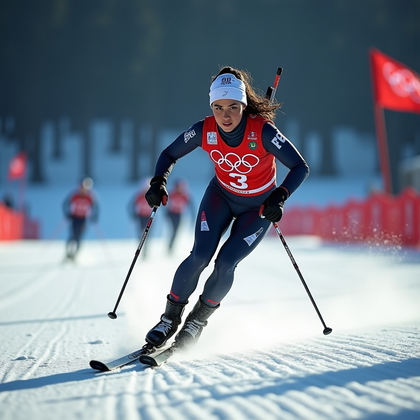
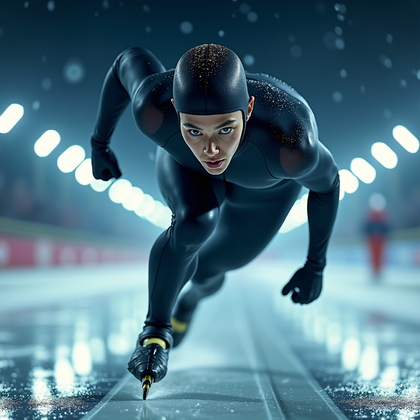
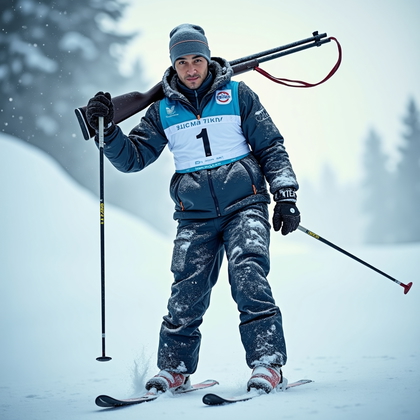
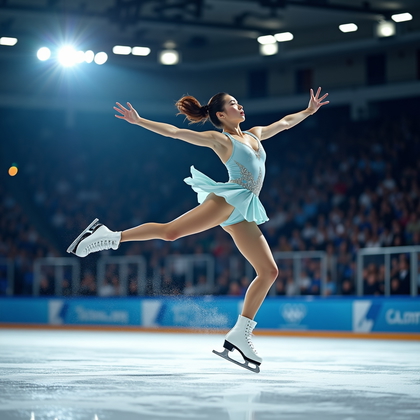
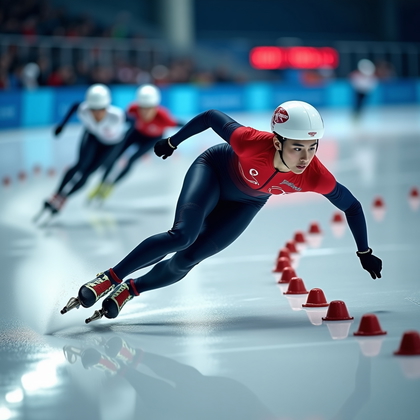
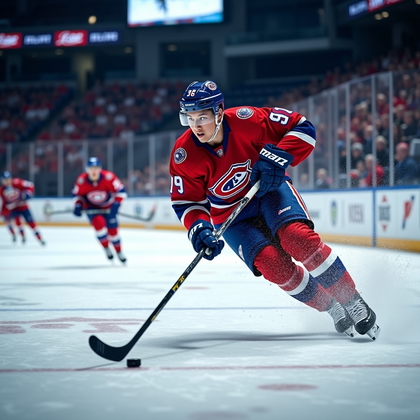
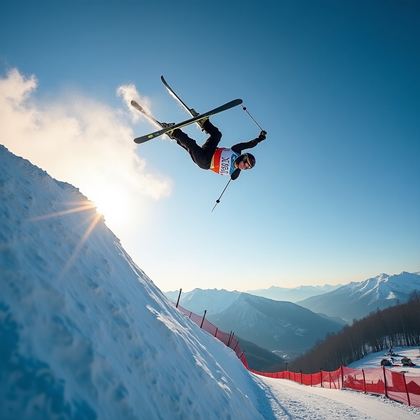
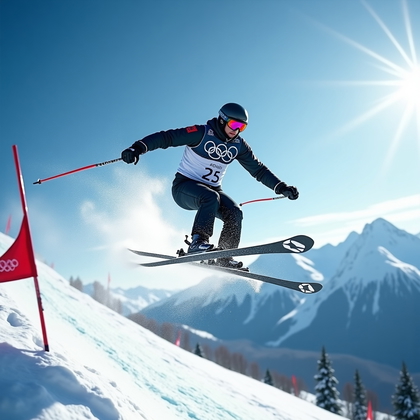
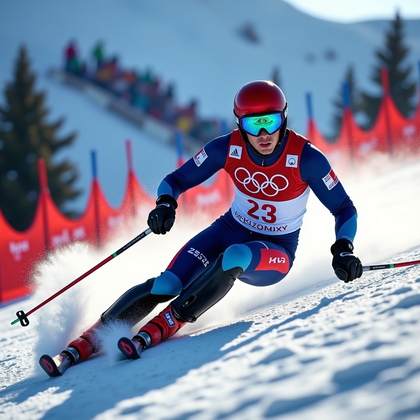
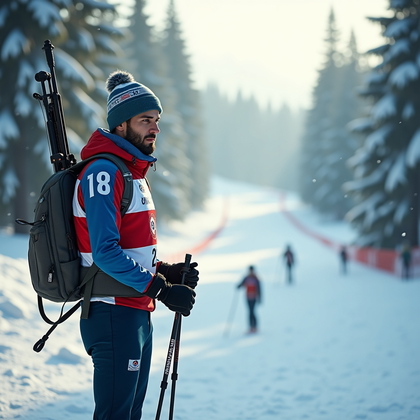
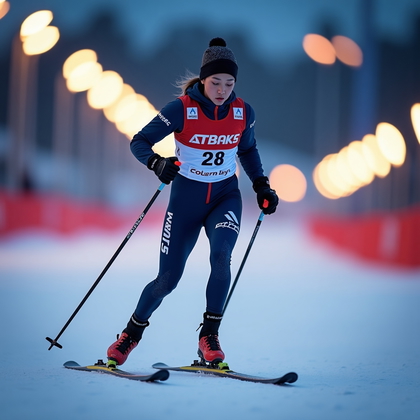
Action shots are your main weapon. One strong mid-movement frame can sell an entire sport. For AI, this means you must lock in one clear action, one clear athlete, and one clear focal point. Do not try to show everything. Pick a single move: ski jump at peak height, snowboard grab in mid-air, figure skater mid-spin, curling stone release, or biathlete aiming the rifle.
What works in practice is sharp, frozen motion with visible body tension and clean background separation. Ask for a low angle for power, or a side angle for speed. Make the limbs extended, the snow or ice flying, and the gear sharp and modern. Avoid crowded scenes. One athlete. One event. One decisive moment. This style is perfect for banners, hero images, and strong covers, because it delivers instant clarity and impact.
Click on a photo to transform it with your face
Pre-competition focus and mental intensity
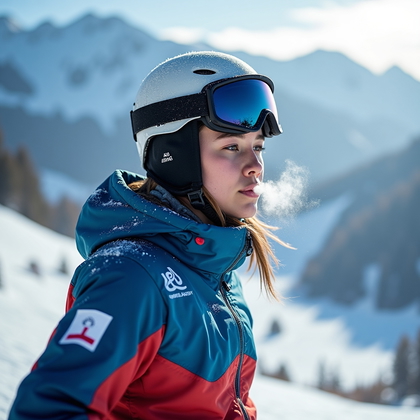
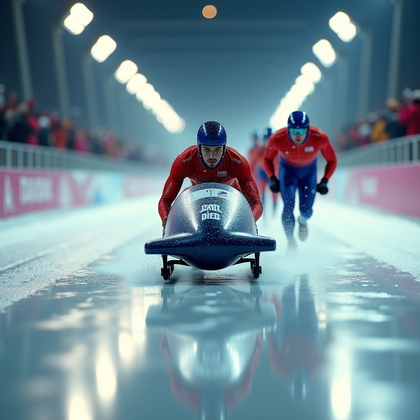
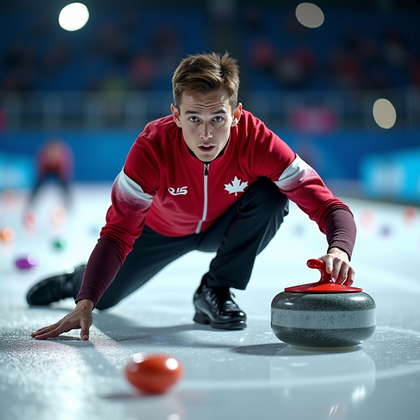
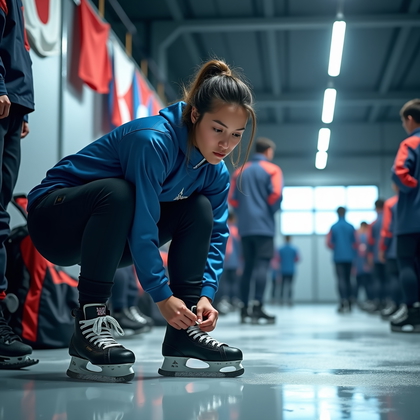
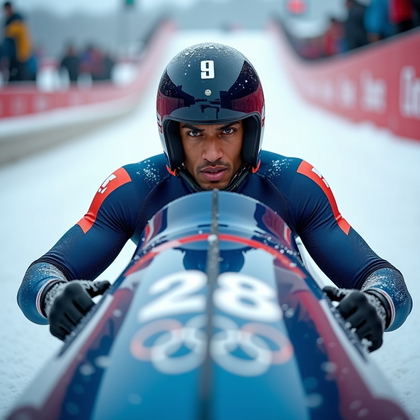
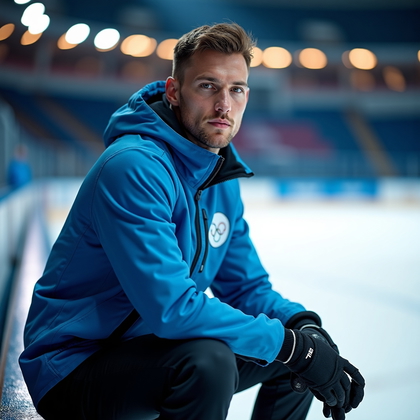
Pre-competition shots show the mental side of the Games. These are tight, close frames of a single athlete at the start gate, at the top of a slope, or standing on the ice before motion. The key is not movement. The key is tension. Jaw clenching, eyes narrowed, breathing visible, hands gripping gear. You want to show pressure and focus in one still image.
In AI prompts, push for close-up or medium close-up, shallow depth of field, and dramatic lighting. Background can be blurred slopes, gates, or rink lines. Use words like “gritty,” “serious expression,” “cold air,” “visible breath.” These photos are powerful for personal branding, profile images, and any layout where you need to show preparation, determination, and mental strength instead of pure action.
Click on a photo to try your face in it
Post-run adrenaline and raw emotion
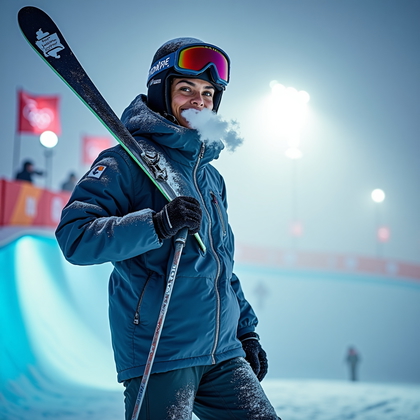
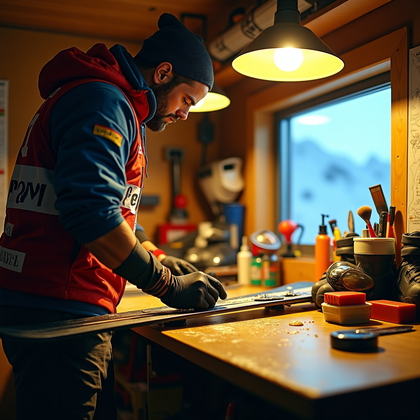
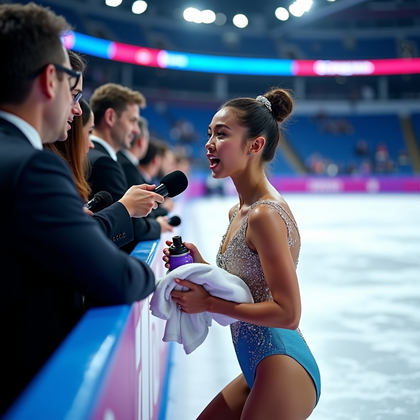
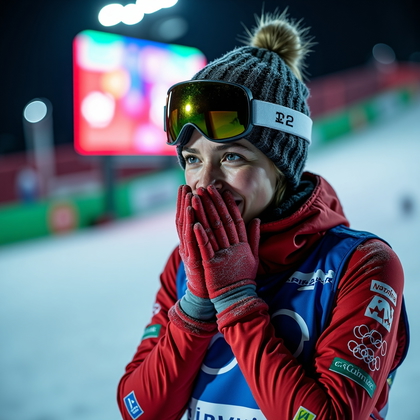
Post-run images give you emotion at full volume. The run is over. The body is burning. The athlete is breathing hard, shouting, laughing, or collapsing. For AI, this is where you push facial expression and body language to the edge: wide open mouth, clenched fists, arms raised, body half-bent, snow spraying around boots or skis.
What works is messy realism. Slight sweat on the skin, flushed cheeks from the cold, foggy breath, gear slightly askew, helmet lifted, goggles on the head. You want the AI to show relief, release, or shock. These shots work well for thumbnails and key visuals where you want maximum emotion in one frame, and they stand out in feeds and grids because they scream energy and result, not just technique.
Click on any photo to see yourself here
Hero portraits in full winter Olympic gear
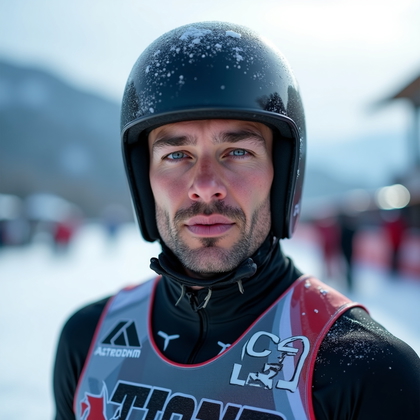
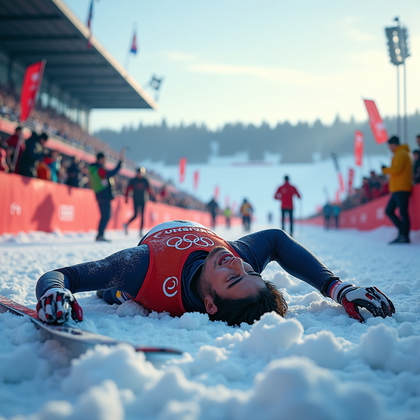
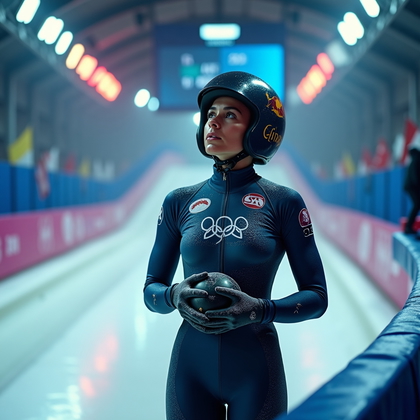
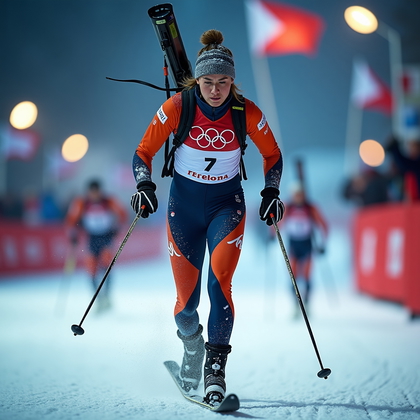
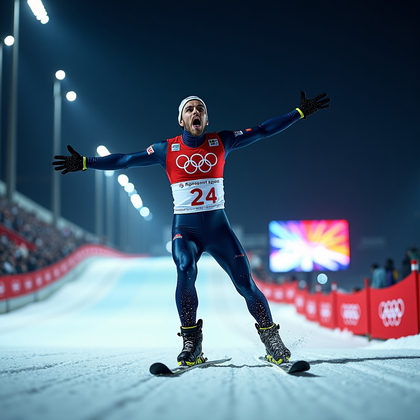
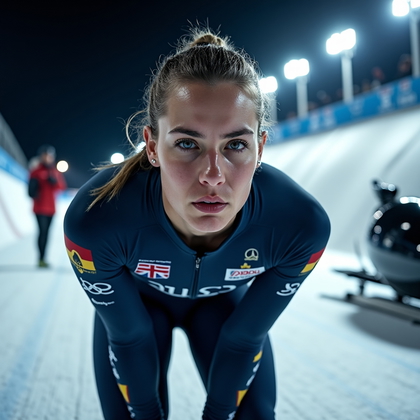
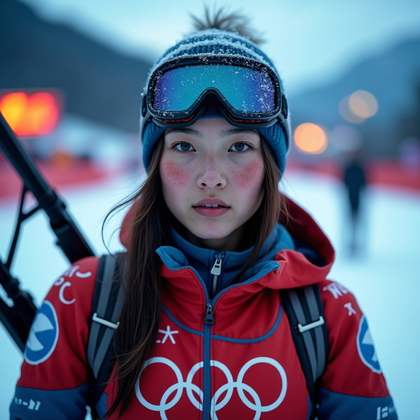
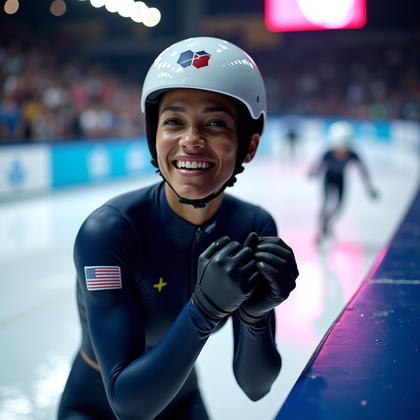
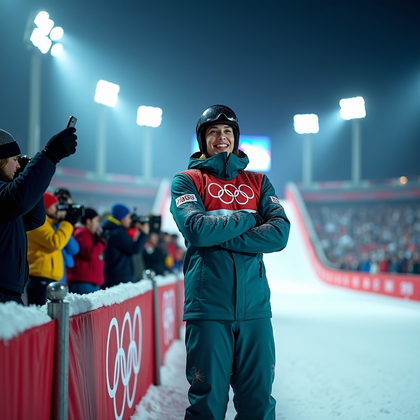
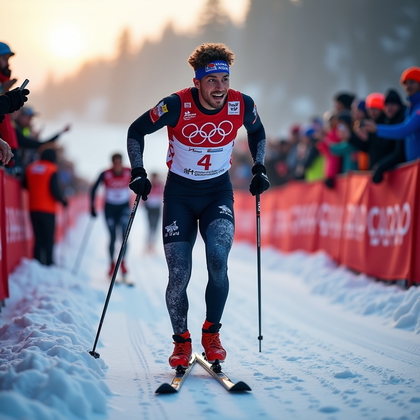
Hero portraits are your most reusable assets. One strong portrait in full winter gear can cover posters, banners, and profile images again and again. This means one athlete, sharp framing from chest-up or waist-up, full competition suit or jacket, plus helmet, goggles, or beanie. The goal is instant “Winter Olympics” identity with no confusion.
In AI prompts, focus on clean, bold lighting and simple backgrounds like snowy stadiums, mountains, or clean gradient color. Ask for “heroic pose,” “confident stance,” “looking directly at camera,” and high detail on textures: shiny helmet, reflective goggles, technical fabric. You want an image that looks like an official campaign visual, not casual. This type of photo is ideal for personal branding, posters, ads, or main website headers because it looks official and controlled.
Click on any photo to see how you'd look
Extreme weather warrior portraits
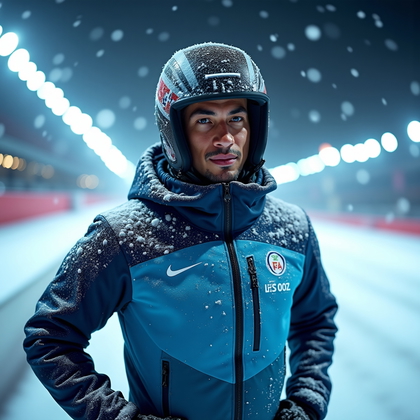
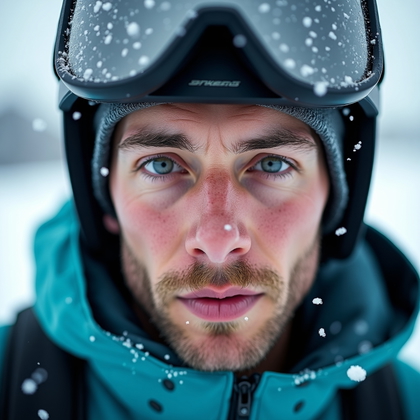
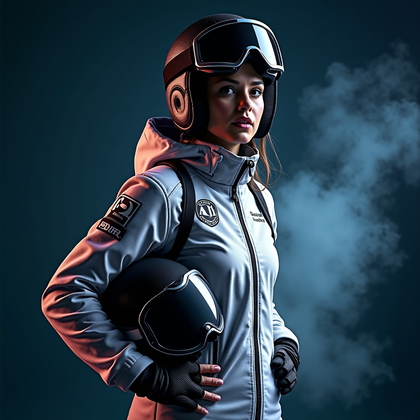
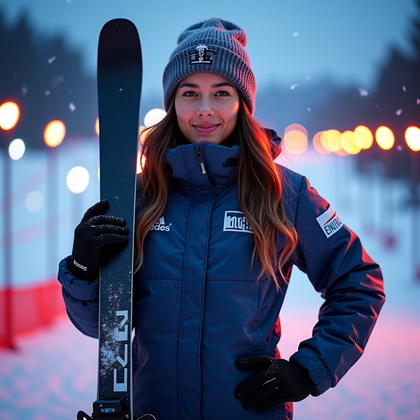
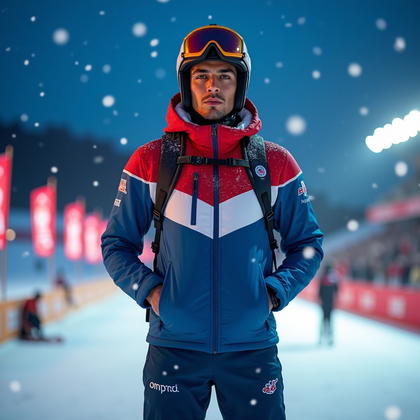
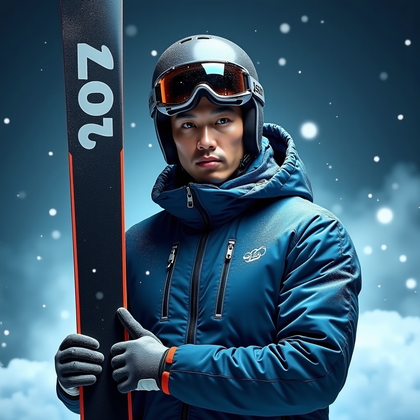
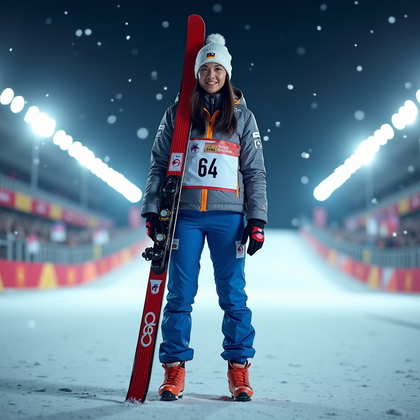
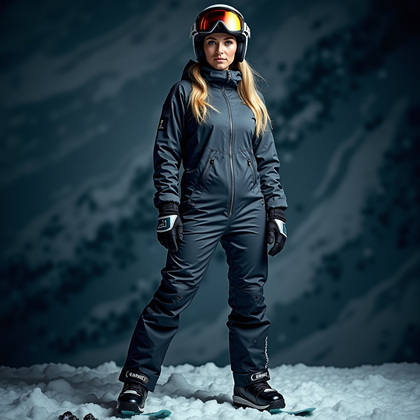
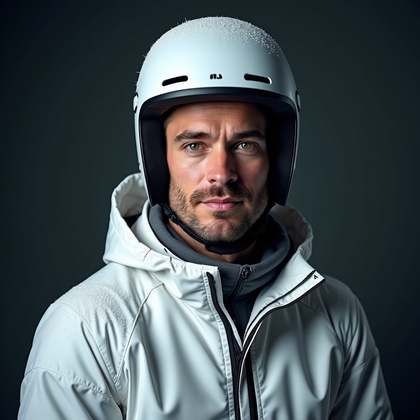
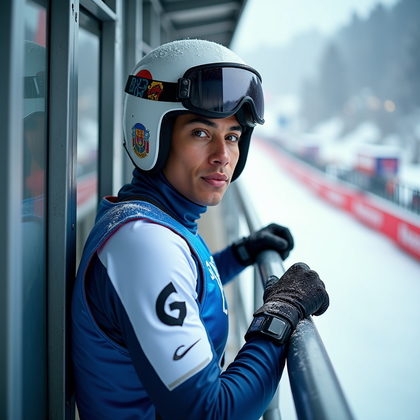
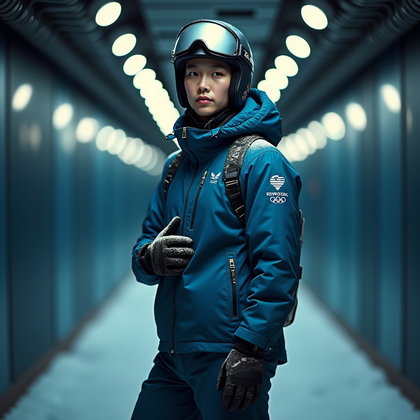
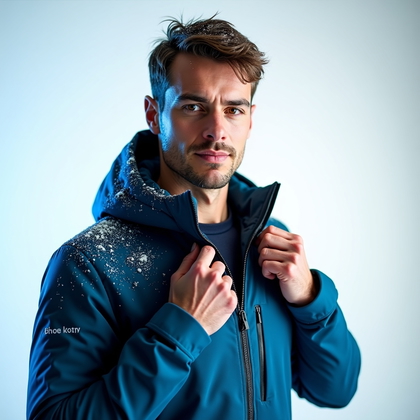
Extreme weather portraits hit harder than clean studio looks. These images focus on the fight against cold and wind. Think blowing snow across the face, frosty breath, ice crystals on eyebrows, and snowflakes stuck to lashes and gear. The athlete becomes a “winter warrior,” not just a competitor. This style makes AI outputs look dramatic and cinematic when done correctly.
To get this effect, force the conditions in the prompt: “heavy snowstorm,” “strong wind,” “snow whipping across face,” “icy wind,” “frost on helmet,” “cold red cheeks.” Ask for tight framing on the face or shoulders so the weather impact is clear. This type of shot works well for intense posters, strong covers, or any project where you want to show toughness and survival in harsh winter environments, not just clean performance.
Click on any photo to see yourself here
Legacy and reflection winter portraits
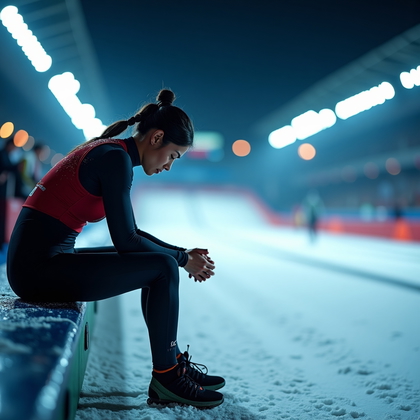
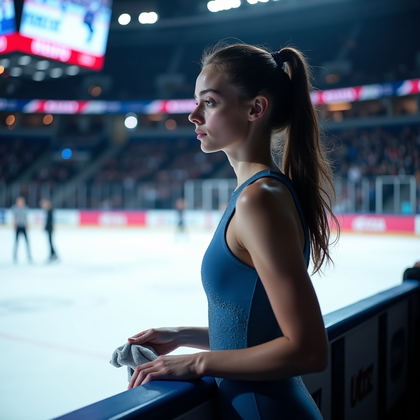
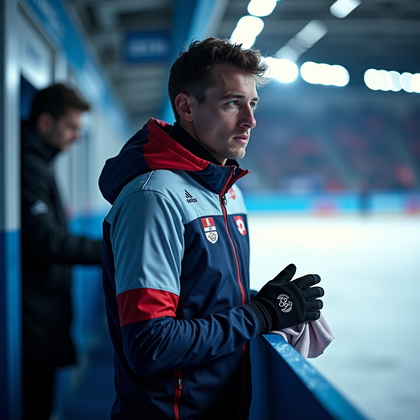
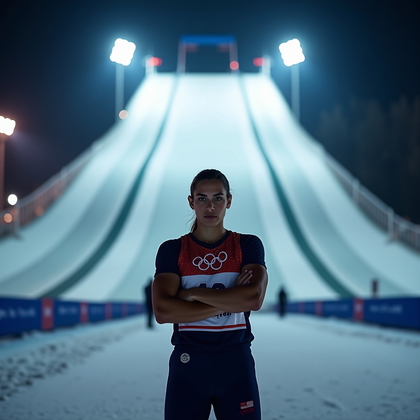
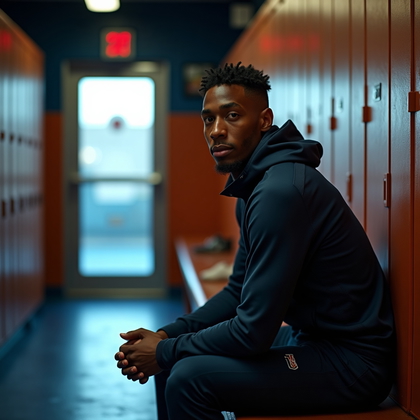
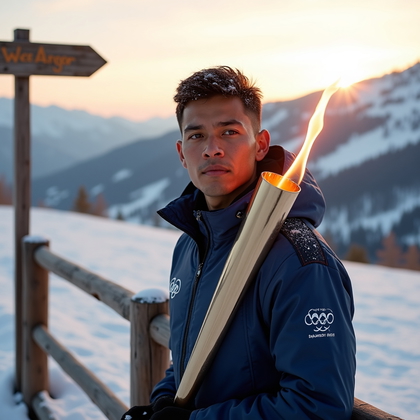
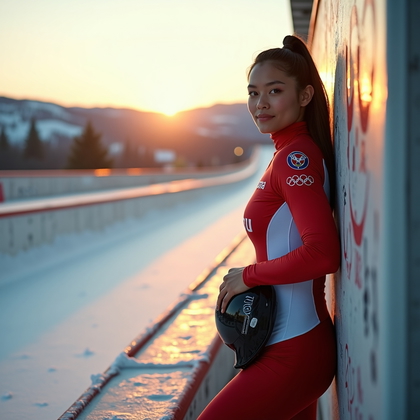
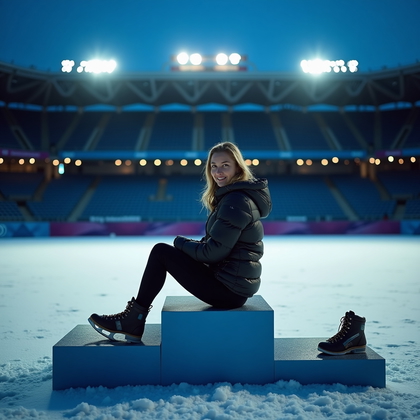
Legacy portraits slow the energy down and go more introspective. These are images of a single athlete looking at an empty track, empty rink, or distant mountain. No crowd. No noise. Just the athlete and the arena. In AI, this becomes a strong tool for “career,” “journey,” or “long-term effort” visuals. The emotion is quiet but heavy.
Ask for back view, three-quarter view, or side profile. Gear can be held over the shoulder: skis, snowboard, skates, or helmet in hand. Use words like “reflective,” “contemplative,” “dusk lighting,” “empty stadium,” or “quiet mountain.” These images are perfect for book covers, documentary style posters, career summaries, or serious portfolio pieces where you want to show meaning and weight, not just energy.
Click on a photo to make this moment yours
National pride in a cold winter setting
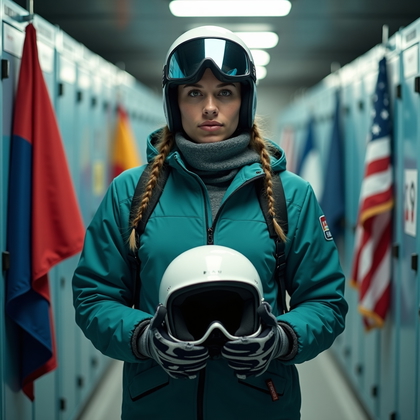
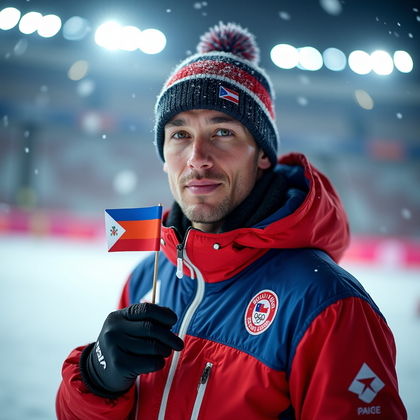
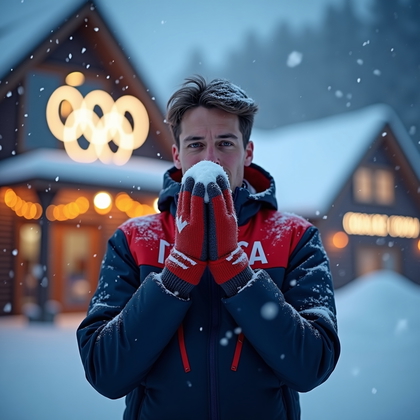
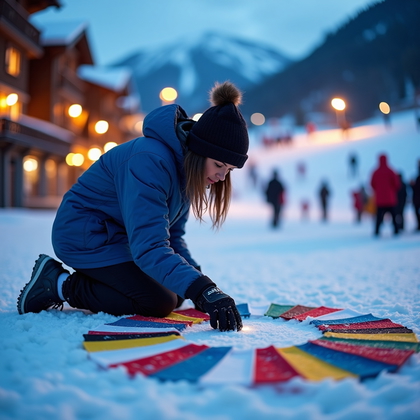
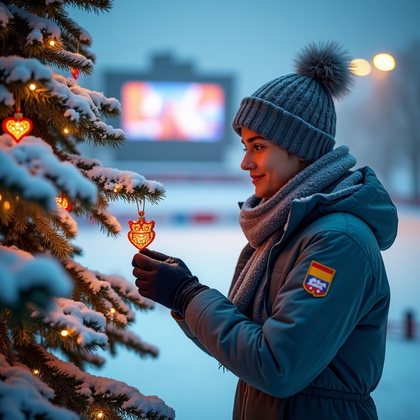
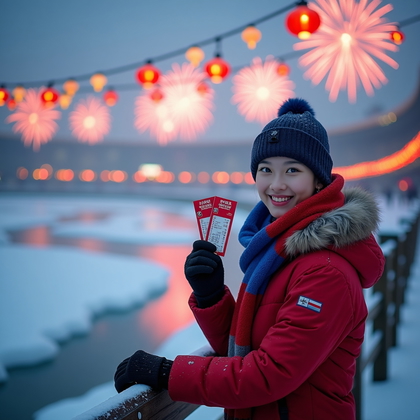
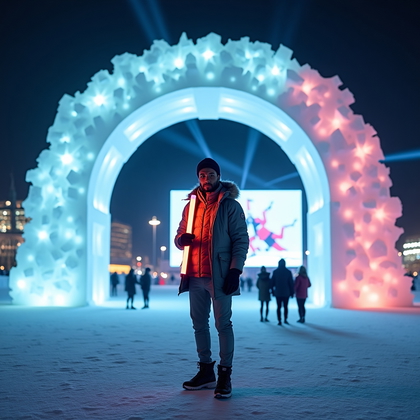
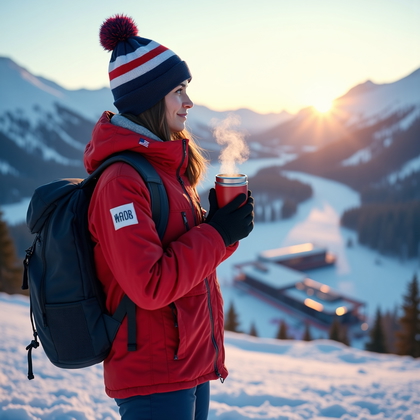
National pride shots focus on the athlete plus flag or clear national colors in a snowy environment. One athlete, one flag, clean winter backdrop. This is very effective when you want immediate association with a country or national identity without busy scenes. In AI, flags and symbols can sometimes distort, so you keep it simple and bold.
Ask for “athlete holding flag,” “flag wrapped around shoulders,” or “flag flowing behind in wind,” with snow on the ground or in the air. Emphasize strong stance, clear lighting, and a background that does not compete with the flag colors. These images are ideal for personal use when you want country-linked branding, for profile covers, event graphics, or custom graphics that feel official and direct.
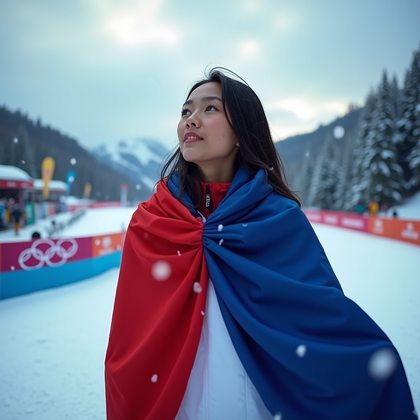
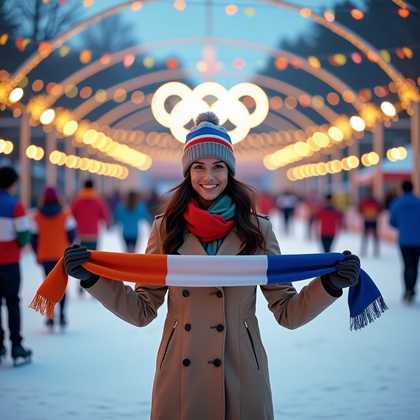
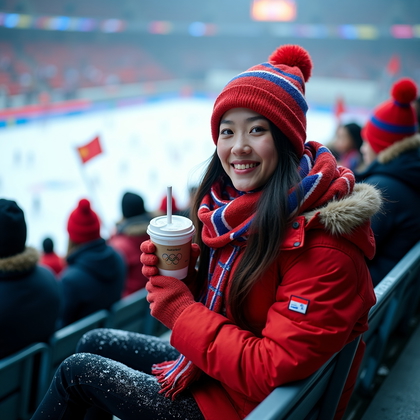
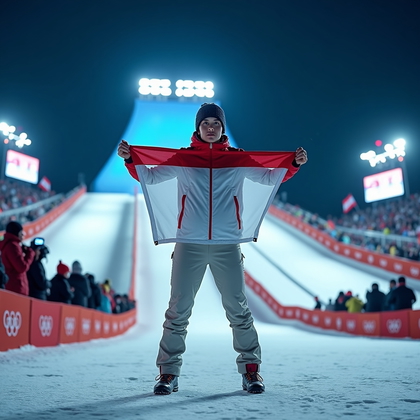
Click on a photo to replace their face with yours
Victory, medals, and solo podium-style poses
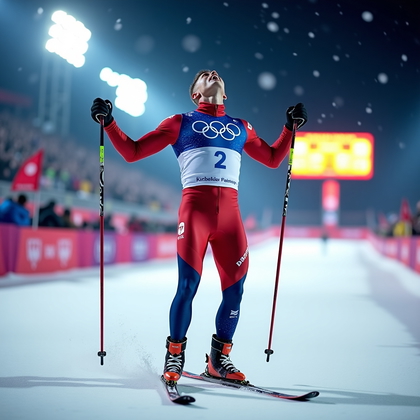
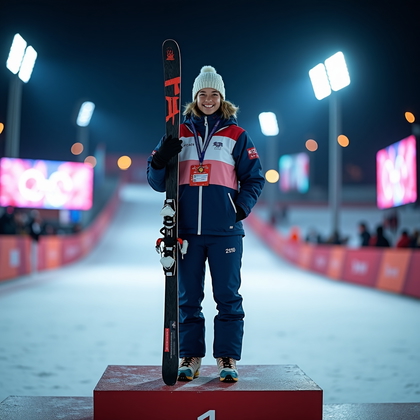
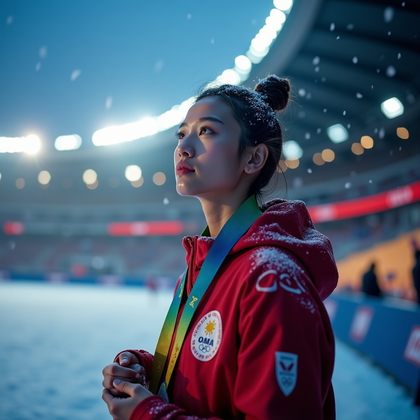
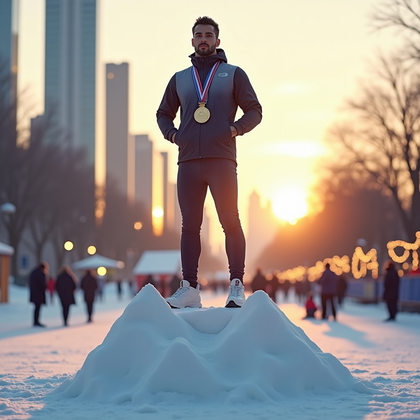
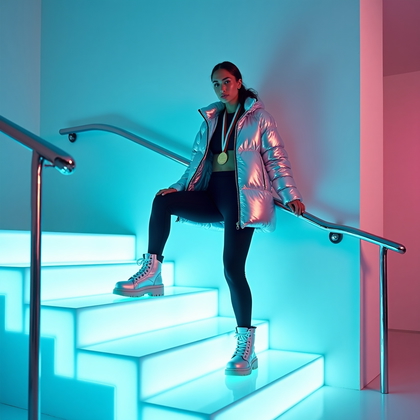
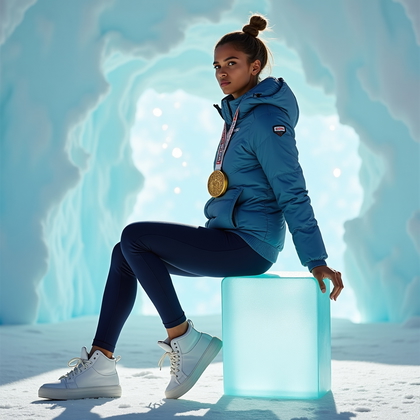
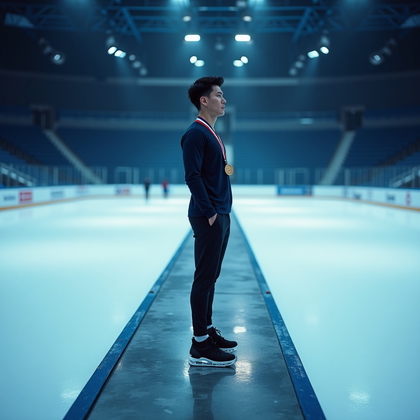
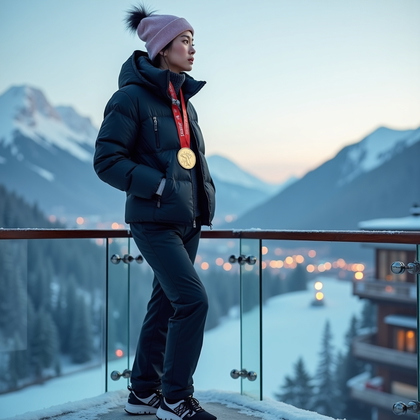
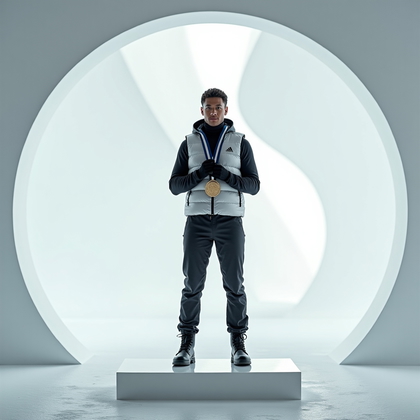
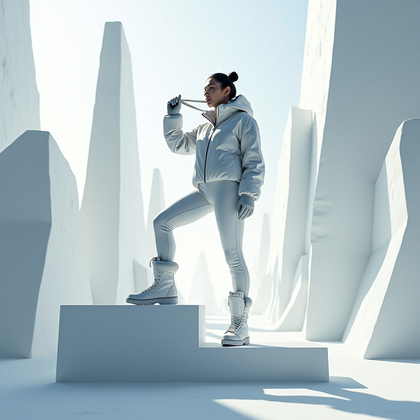
Victory and medal shots focus on the dream moment. One athlete, no crowd dependency, pure celebration. Medals, raised arms, kneeling in disbelief, crying, or shouting. These are extremely strong for AI because they combine clear props (medal) with big, readable emotion. A single frame can look like a full story of effort and success.
In prompts, push for “close-up of athlete holding medal,” “biting medal,” “tears of joy,” “arms raised on podium,” or “kneeling on snow in disbelief.” Add details like “stadium lights,” “snowflakes in air,” or “blurry audience lights” without asking for detailed crowds. These images are powerful tools for personal projects about goals, wins, and milestones, and they are very flexible for posters, slides, and banners.
Click on a photo to make this moment yours
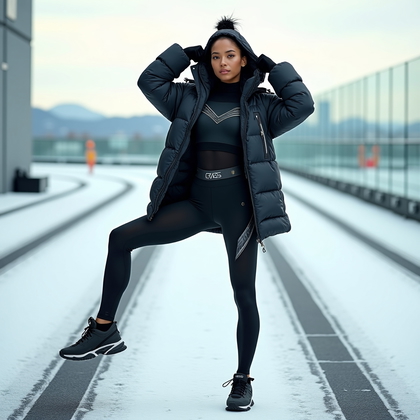
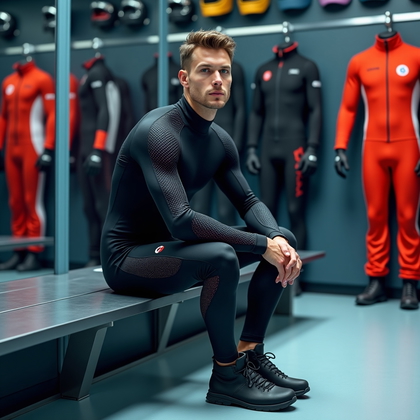
Winter performance fashion, physique, and form
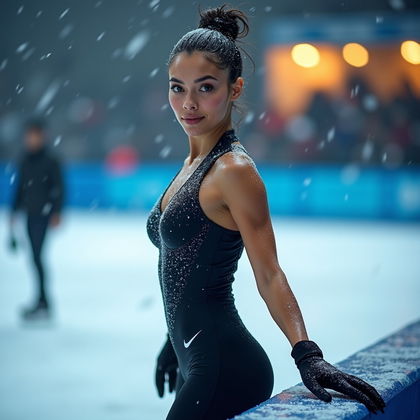
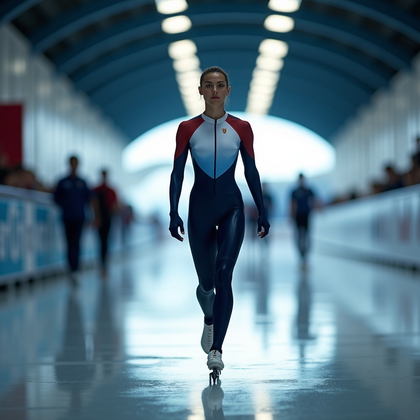
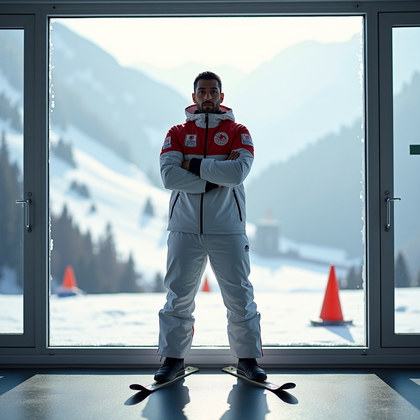
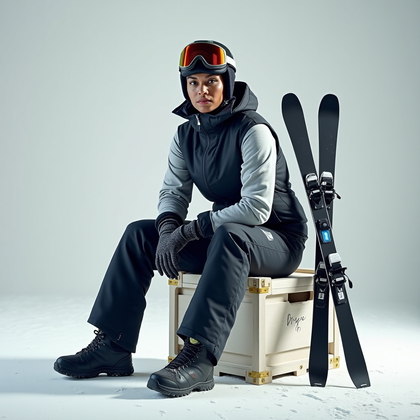
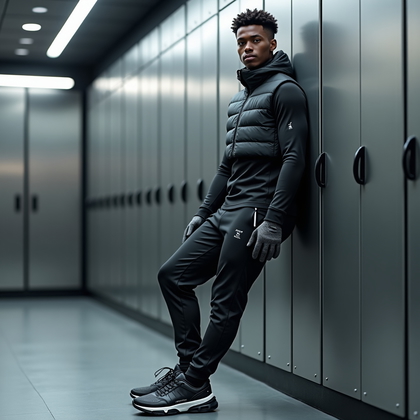
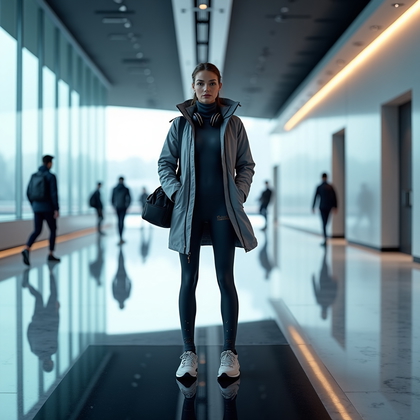
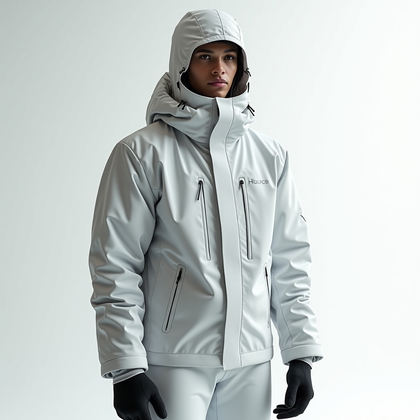
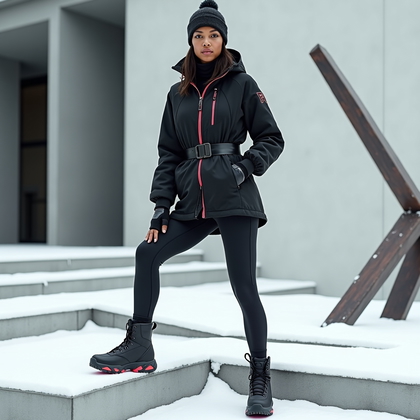
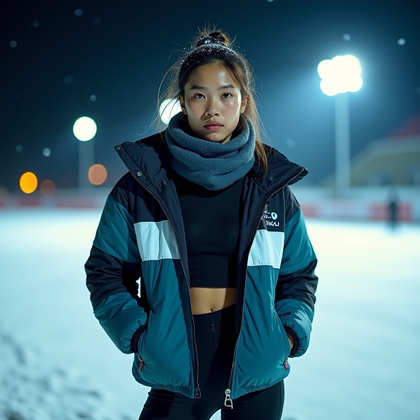
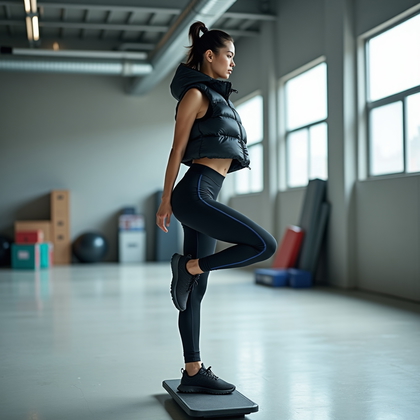
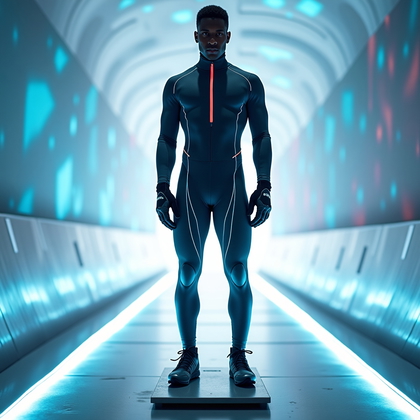
Performance fashion shots are about gear, body line, and style. These images show the full body in racing suits, speed suits, figure skating outfits, or sleek snowboard clothing. The focus is on aerodynamic shapes, fit, and movement potential. For AI, this is where you define the body type, stance, and fabric in detail to avoid generic or awkward results.
Ask for full-body framing, neutral or simple snowy backgrounds, and specific outfits: “skin-tight speed suit,” “high-tech ski racing suit,” “elegant figure skating costume with sequins,” or “baggy but sharp snowboard outerwear.” Include “dynamic pose,” “balanced stance,” or “ready to start position” so the body posture looks athletic, not casual. These images work well for fashion-focused designs, gear mockups, character concepts, and any layout where you want to show form and functionality at the same time.
Click on any photo to see yourself in it
Bring your Winter Olympic images to pro level
Winter Olympic AI photos become powerful when you stop asking for vague “athlete in snow” scenes and start targeting clear scenarios: a single action, a single emotion, a single story moment. Action shots give you speed and power. Pre-competition and post-run images show mental pressure and emotional release. Hero portraits, extreme weather, and national pride give you strong, reusable visuals for branding and design.
Legacy portraits and victory shots add depth and narrative weight, while performance fashion images showcase physique, gear, and style. Use each type with a specific purpose. Decide if you want impact, emotion, reflection, identity, or style, then build your prompt around that single goal. When you do this with clear details, your AI-generated Winter Olympic photos will look sharp, focused, and professional enough to anchor real-world projects and visuals.