Prison Photos
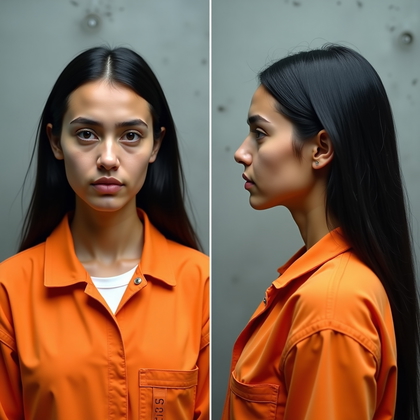
Do you want prison photos that actually hit hard and look real. Do you want AI images that feel like real intake, real time served, real release. Do you want visuals that sell a story in one frame and do not look like soft, fake stock.
AI photo generation lets you build this extreme prison narrative from zero. You control face, pose, light, emotion, and background. You can script the full arc. Arrest. Intake. Time inside. Solitary. Release. You do not wait for models or real prisons. You just design and generate.
This article breaks down the most effective prison photo types for AI generation. You see what each style communicates. You see what details matter. You see how to push prompts and composition so your images feel raw and believable, not safe and staged.
Freshly Processed Look: Disheveled And In Shock
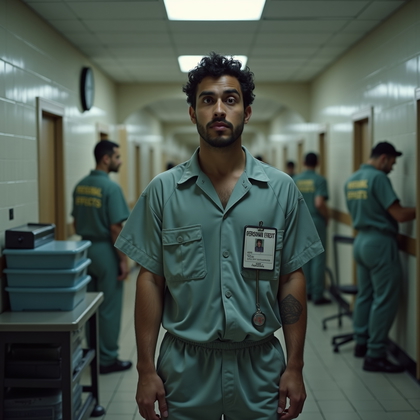
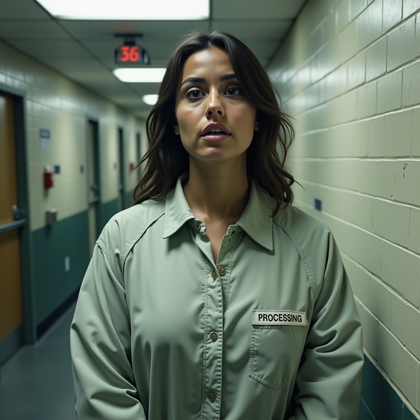
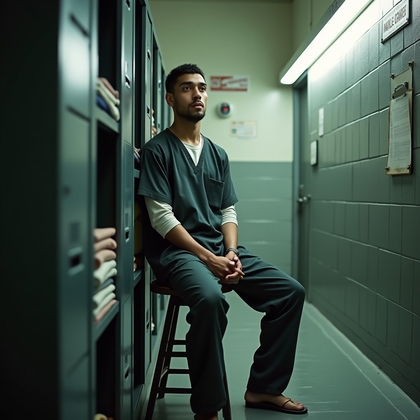
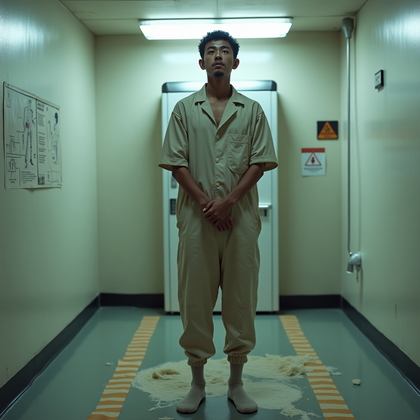
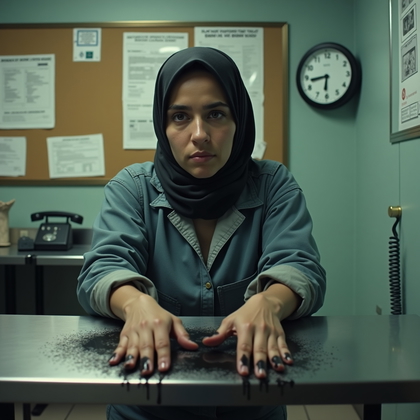
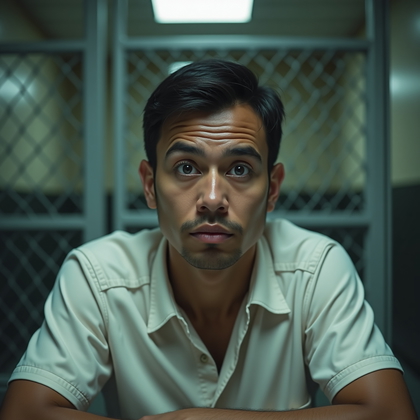
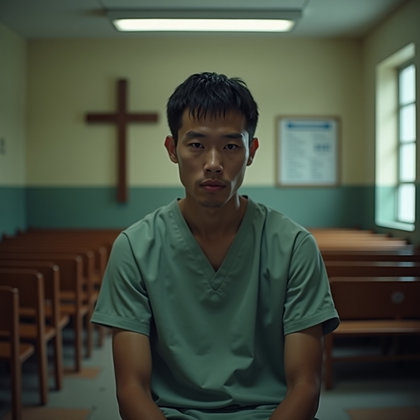
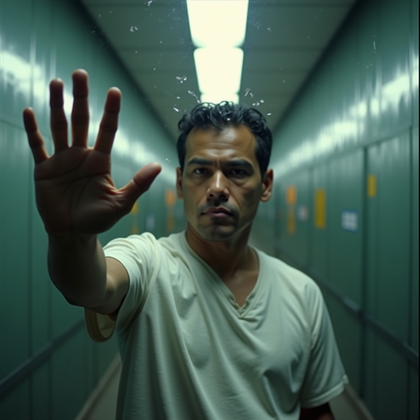
This is the first step in the prison story. It shows the moment when someone just got processed. The person is not stable. They are not tough yet. They look confused, tired, maybe scared. This contrast is powerful because it shows the “before” state.
For AI prompts, focus on plain clothing, slightly messy hair, no makeup, and harsh flat lighting. Ask for pale or uneven skin, red eyes, or light sweat to push the stress effect. Backgrounds should be simple: intake room, blank wall, or processing area. This style is perfect when you want to show shock, vulnerability, and the first hit of reality.
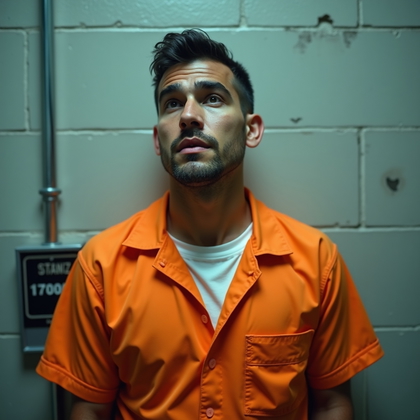
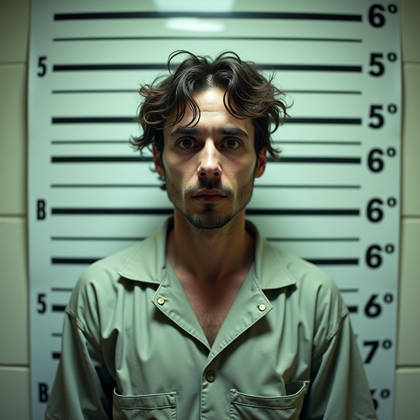
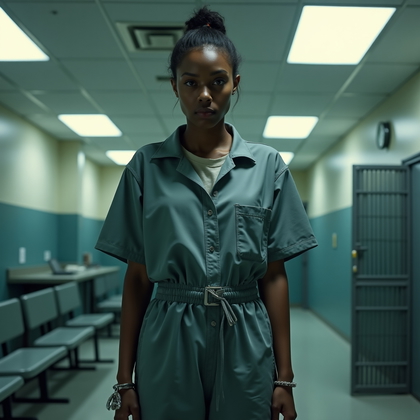
Click on any photo to see how you'd look
Dead-Eyed Stare Close-Up: Time Served In The Eyes
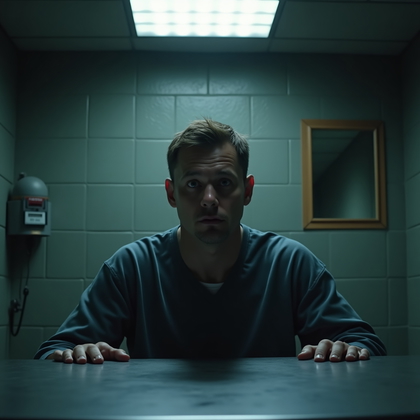
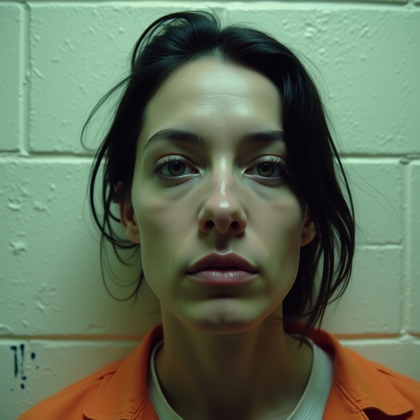
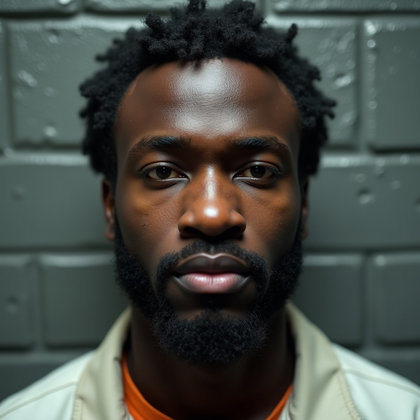
This close-up is brutal and effective. It is about the eyes and nothing else. The look is blank, cold, and tired. No big emotion. Just empty. This signals that time and pressure have done damage. It feels heavy and real when done right.
Use a tight crop on the face. Focus on eyes, wrinkles, and skin texture. Ask the AI for “vacant stare,” “emotionless expression,” “hardened eyes,” and “harsh, contrasty lighting.” Avoid smiles, tears, or dramatic faces. The power here is in the lack of visible emotion. This shot is ideal when you want to communicate numbness, loss, and the cost of years inside.
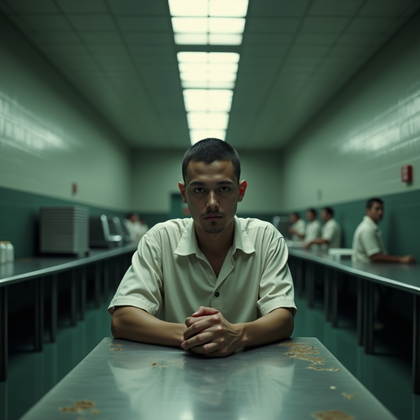
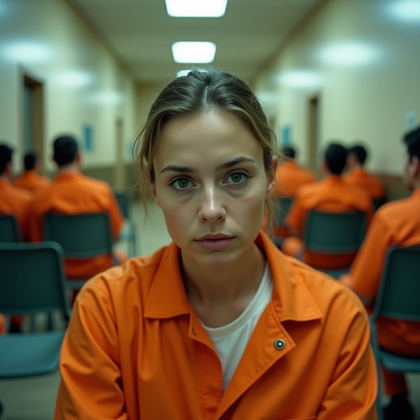
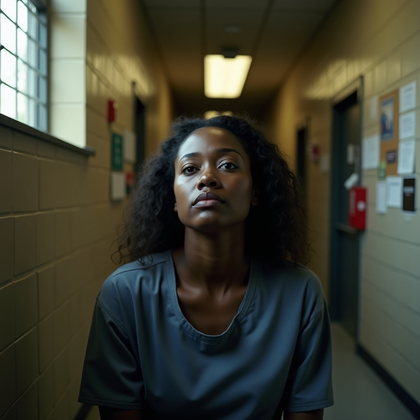
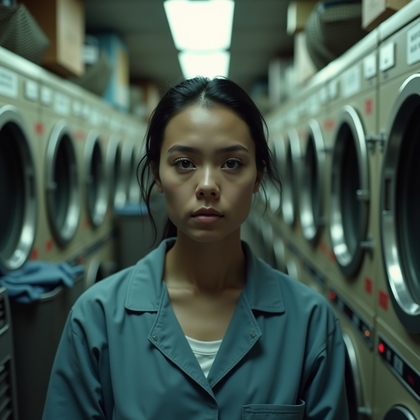
Click on any photo to make it yours
Straight-On Booking Portrait: Classic Mugshot Energy
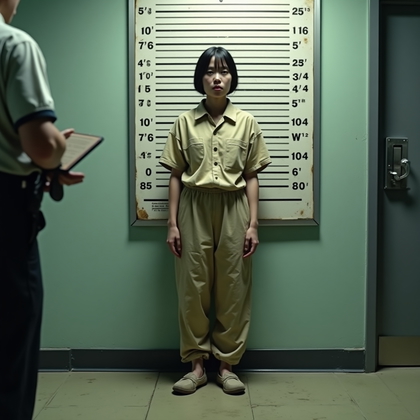
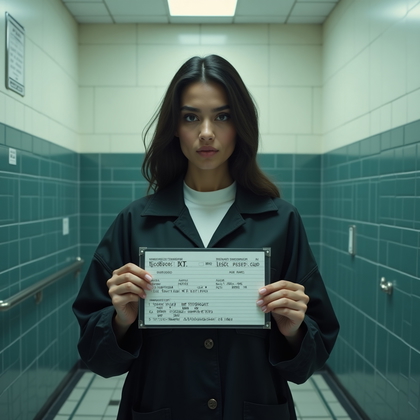
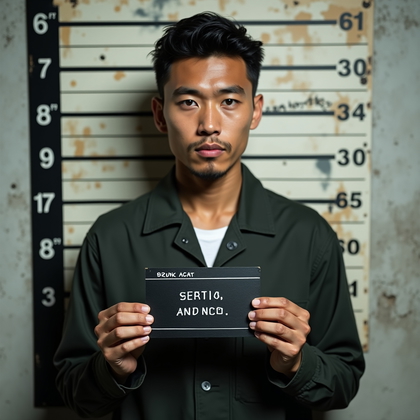
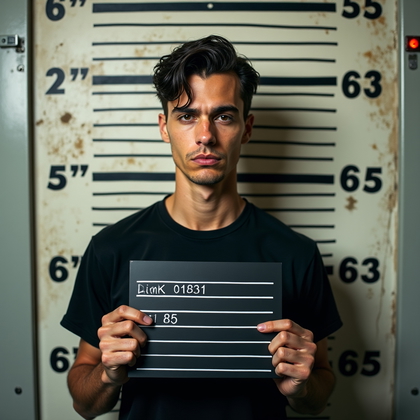
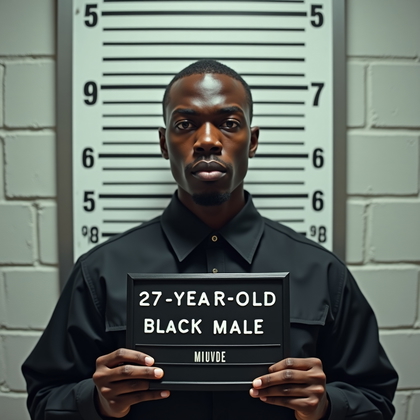
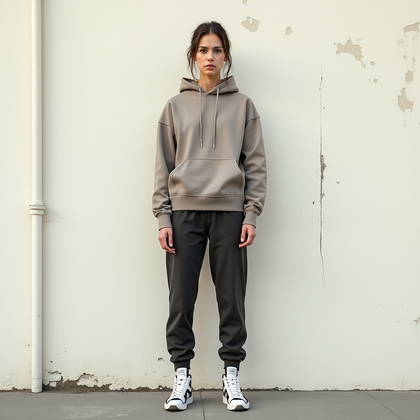
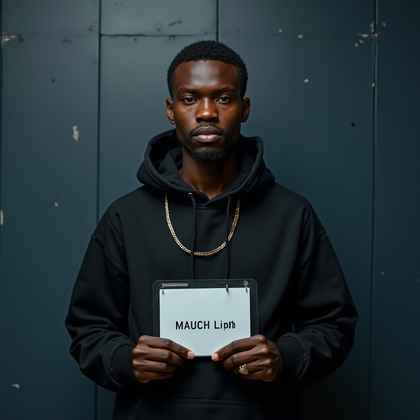
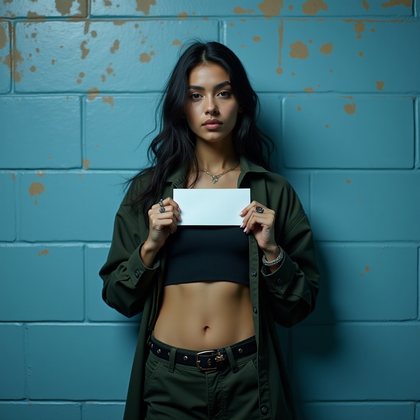
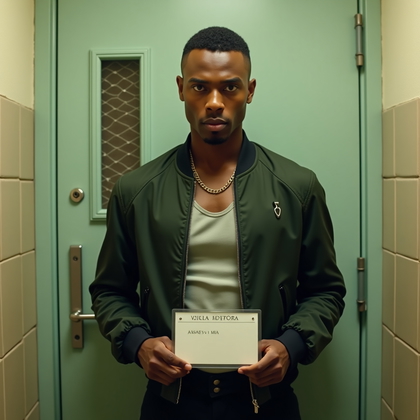
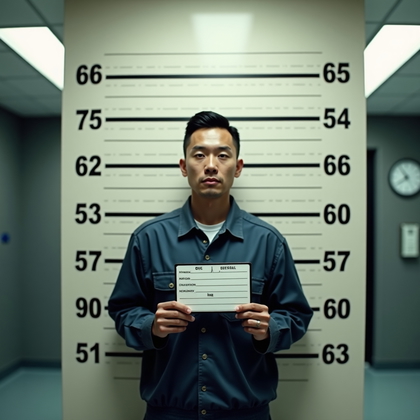
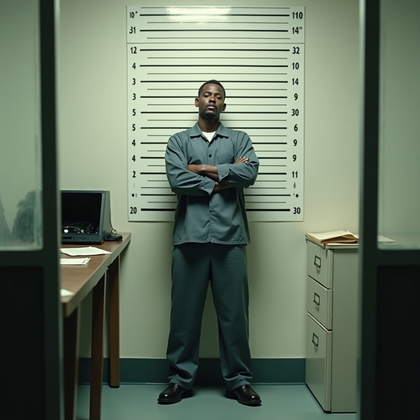
This is your anchor image. The straight-on booking style portrait makes the prison context clear in one second. Neutral face. Direct gaze. Simple background. It reads as a mugshot even at thumbnail size. You need this shot when you want clear, strong visual identity.
Tell the AI: straight-on, centered face, no smile, flat or slightly unflattering light. Use plain gray or dirty off-white walls, maybe a height chart, or a subtle ID board if allowed by your use case. This style gives you a clean, recognizable prison look that you can reuse across covers, thumbnails, and main visuals.
Click on any photo to make it yours
Side Profile Intake Shot: Institutional And Clinical
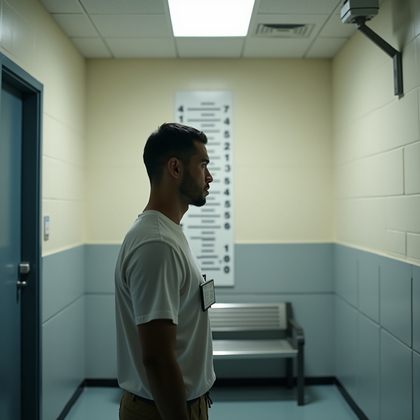
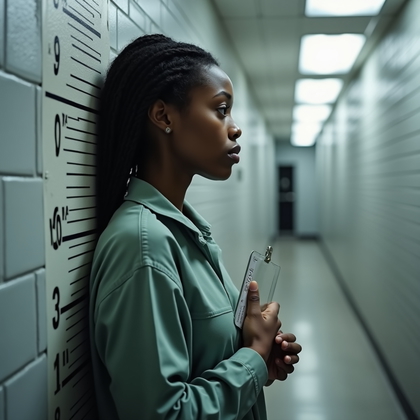
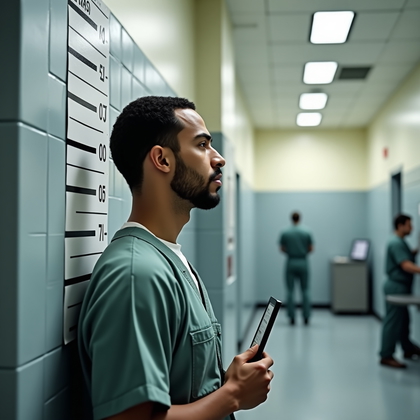
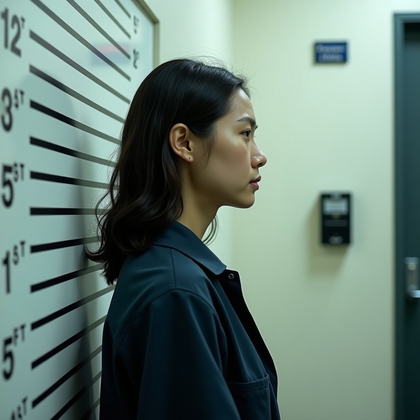
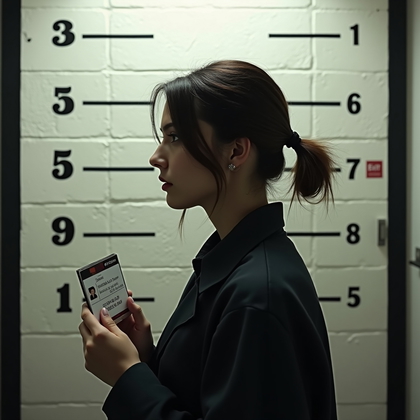
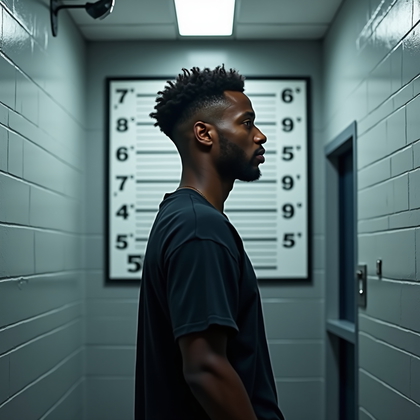
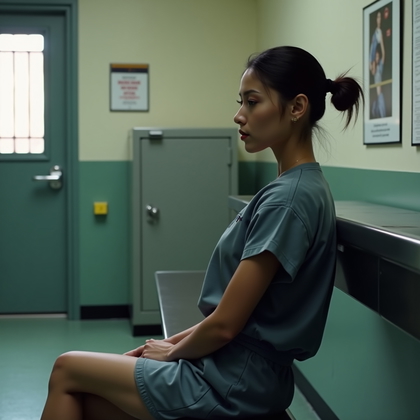
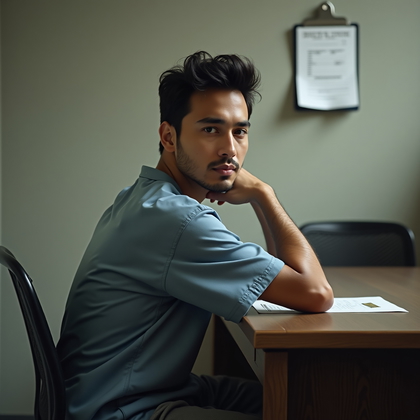
The side profile intake shot locks in the official, procedural feel. This is how systems catalog a person. No drama, just documentation. The profile angle plus harsh light looks cold and mechanical. That is exactly what makes it effective.
Ask the AI for left-profile or right-profile, chin level, neutral mouth, and strong directional light from one side. Let the shadows cut across the face to give shape and tension. Use simple backgrounds: concrete wall, cinder block, or faded paint. This shot works when you want to emphasize that the person is now an object in a system, tagged and recorded.
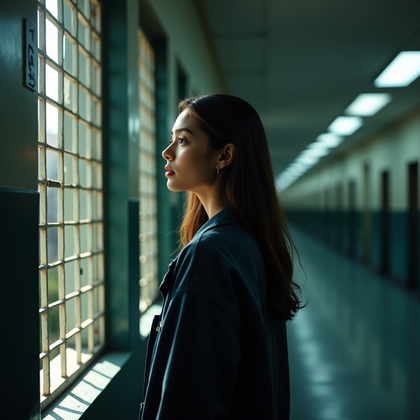
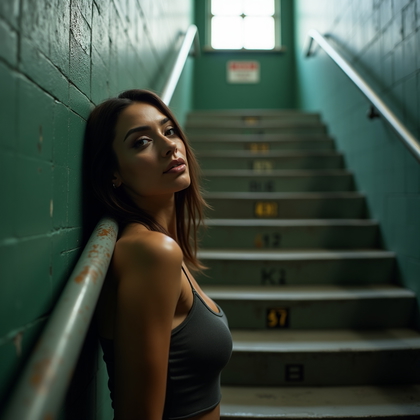
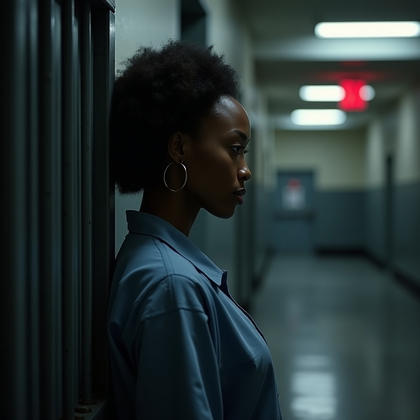
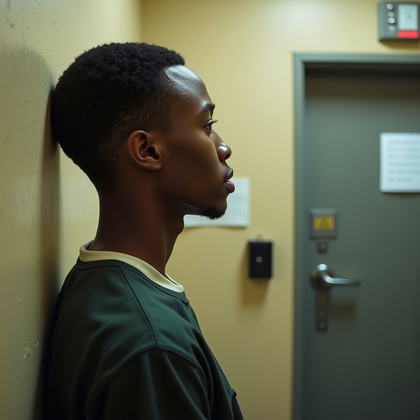
Click on a photo to make this moment yours
Cell-Bunk Sitting Portrait: Daily Prison Reality
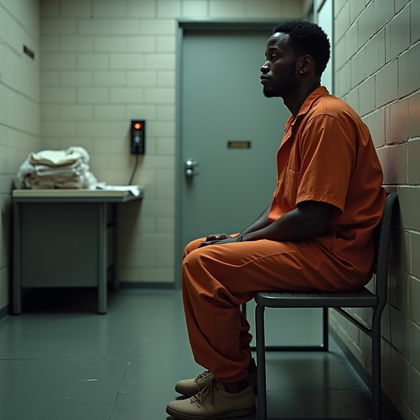
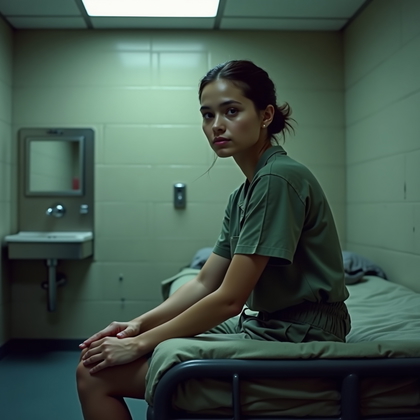
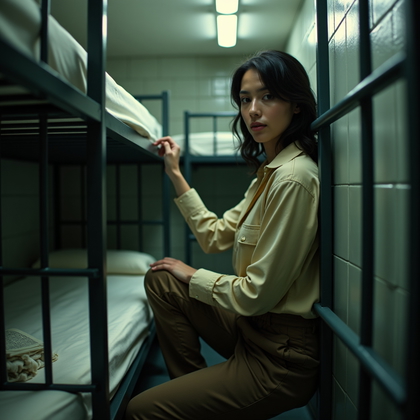
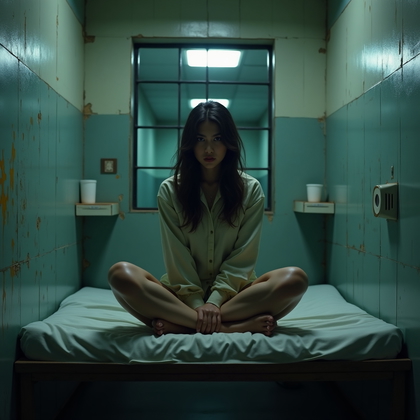
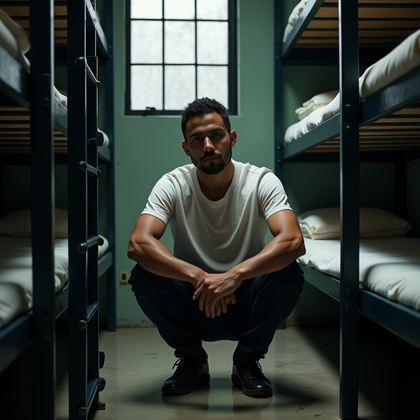
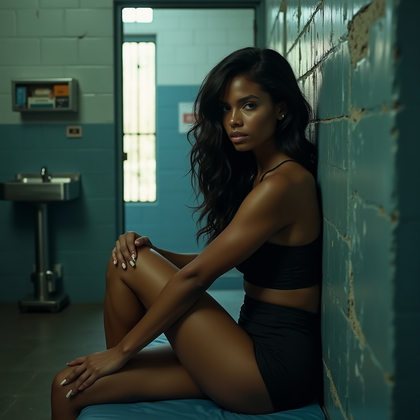
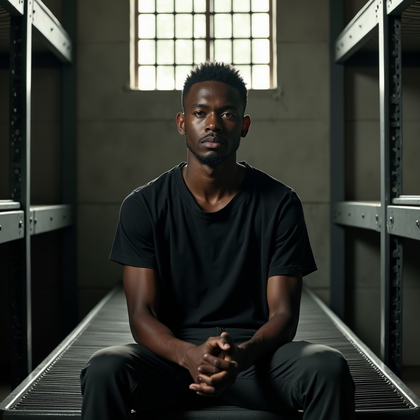
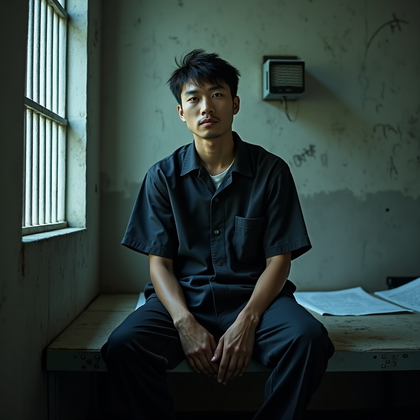
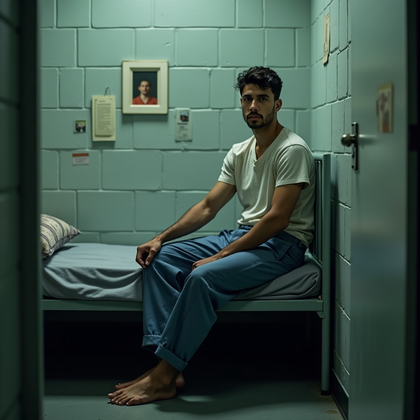
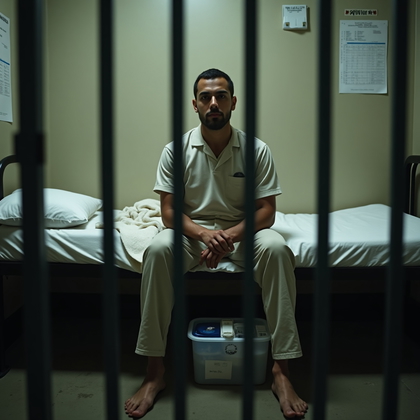
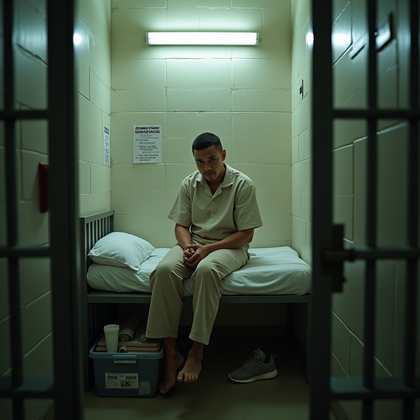
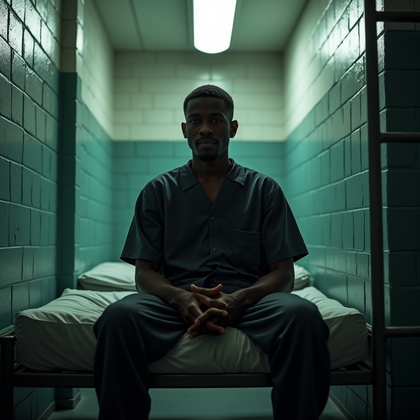
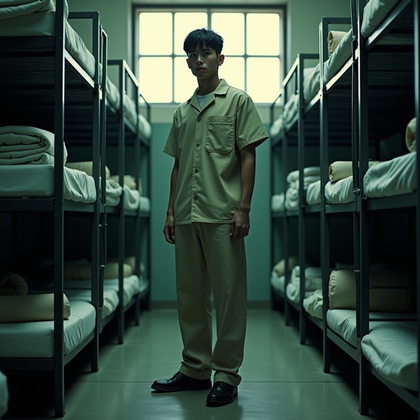
This style shows life inside the cell. It is less about intake and more about routine and mental weight. A person sitting on a bunk or simple bed looks small against the structure. The scene feels static, slow, and confined. It is great for storytelling about long days and quiet pressure.
Prompt for a narrow cell, metal bunk, thin mattress, and minimal objects. Use slumped shoulders, hands clasped, or a distant stare. Do not overdecorate the cell. Emptiness is your friend here because it makes the feeling of boredom and confinement stronger. This type of image is ideal for showing the grind of prison time.
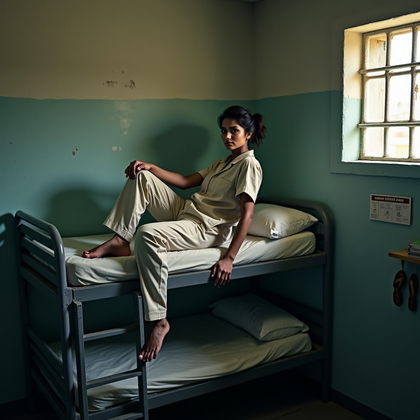
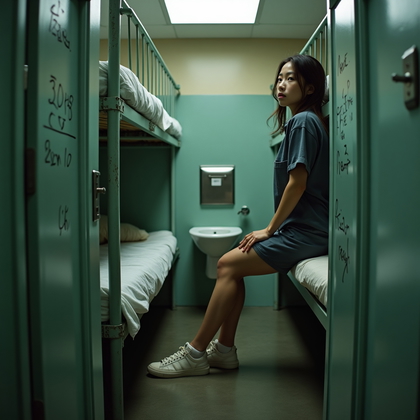
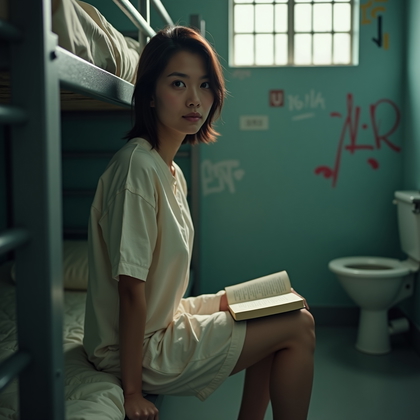
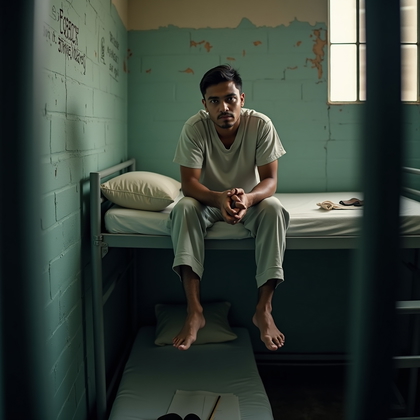
Click on a photo to try this look
Orange Jumpsuit Identity Shot: Instant Incarceration Signal
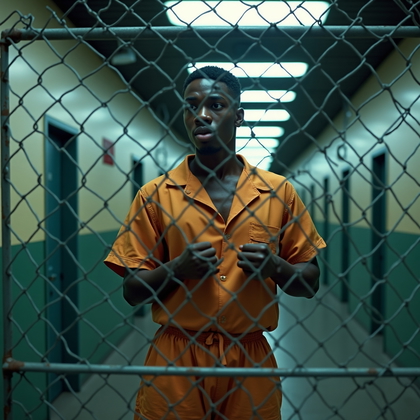
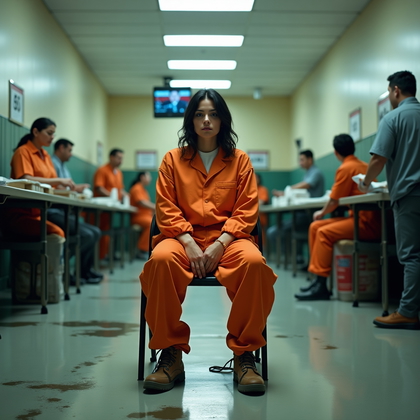
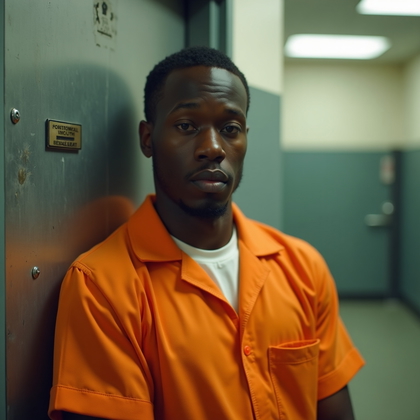
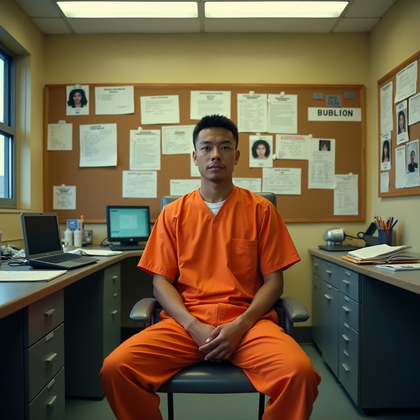
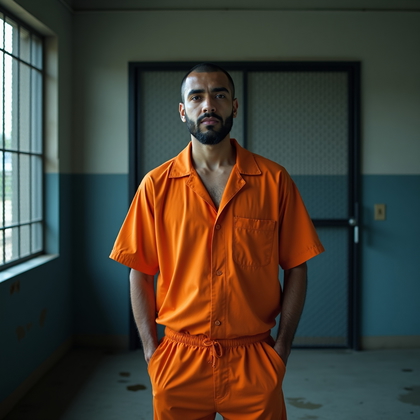
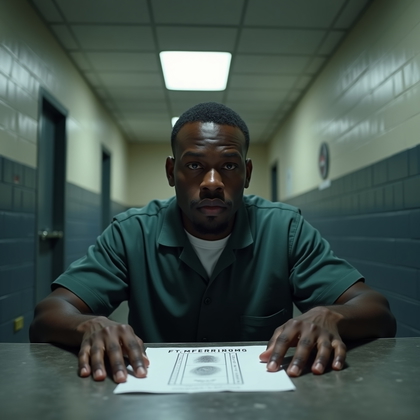
The orange jumpsuit is the fastest visual code for prison. You see it, and you know the context without any text. This shot is your go-to for covers, feature images, and any piece where you must make the prison message obvious in one glance.
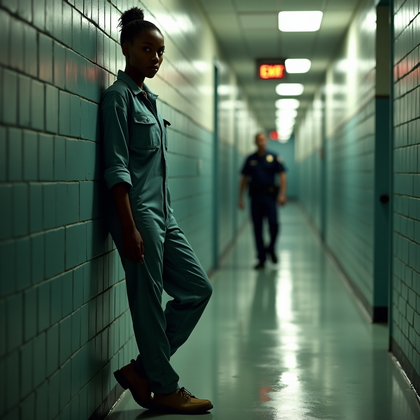
Ask the AI for a clear, visible jumpsuit. Use mid-shot or full body, with the upper body straight or slightly tense. Keep the background simple: corridor, holding area, or plain institutional wall. Avoid stylish poses. You want stiff, rigid, or resigned posture. This gives a strong, serious tone that supports realistic prison themes.
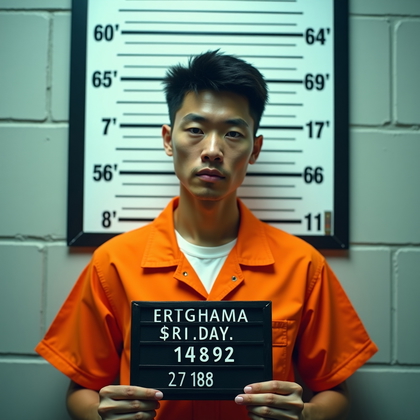
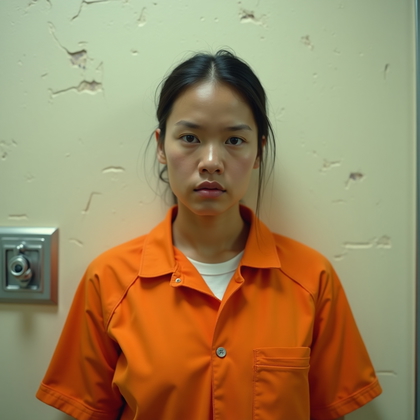
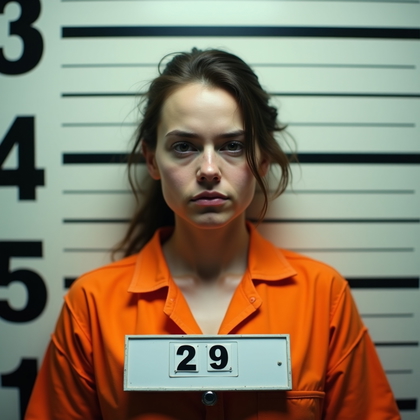
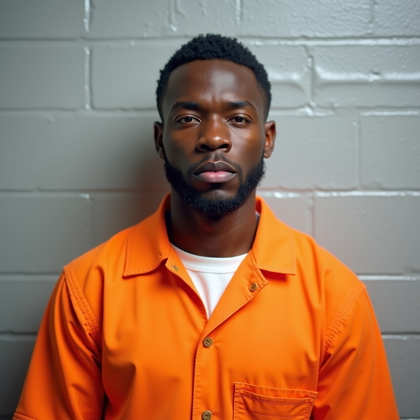
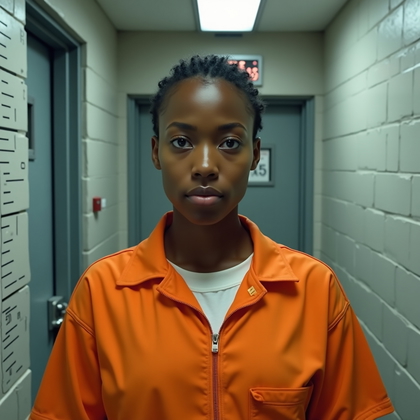
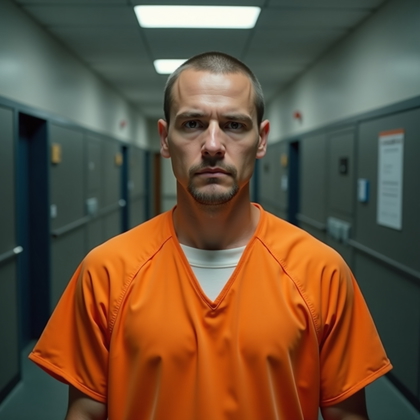
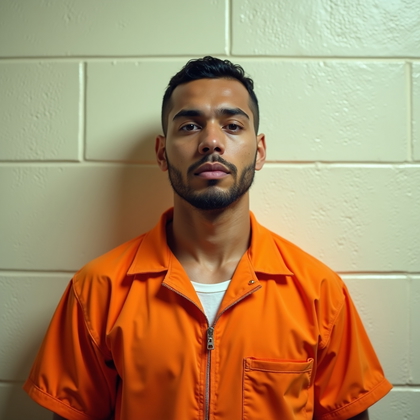
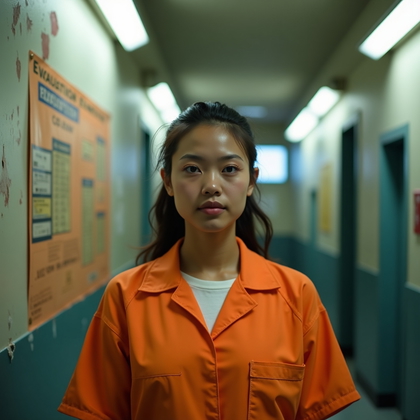
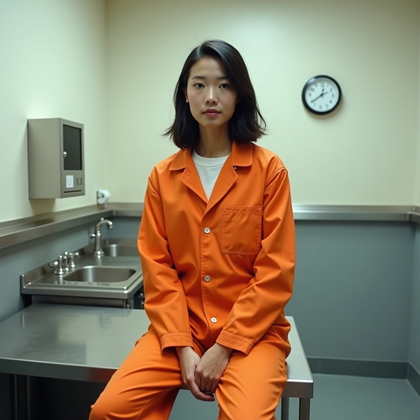
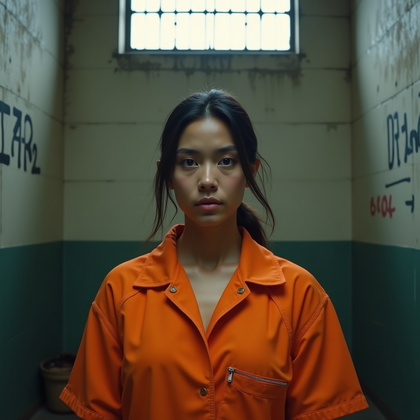
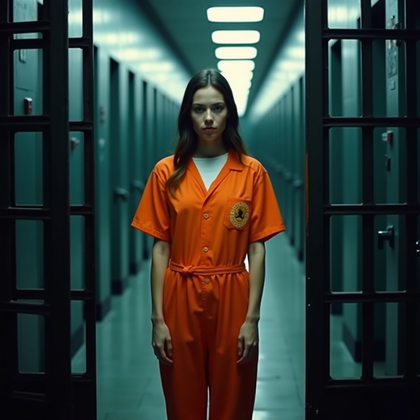
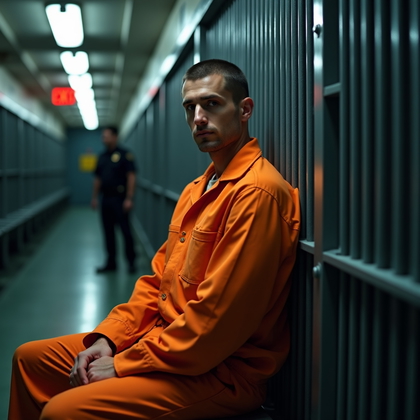
Click on a photo to try your face in it
Through-The-Bars Composition: Locked-In Perspective
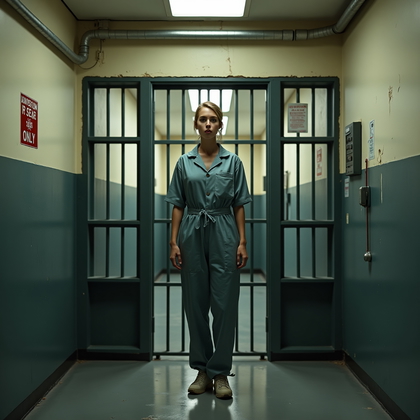
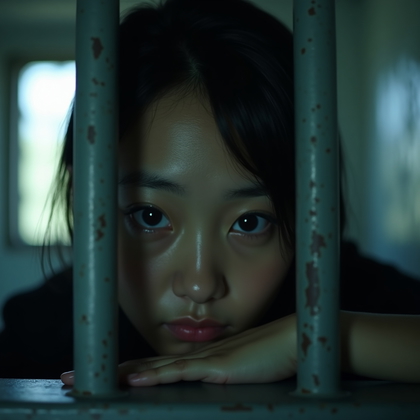
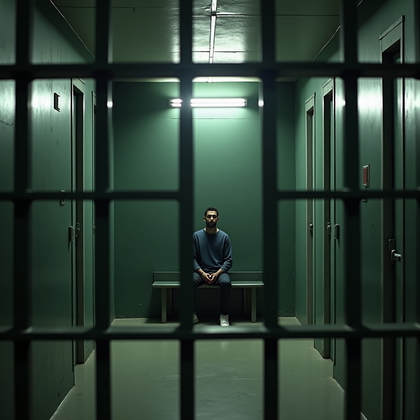
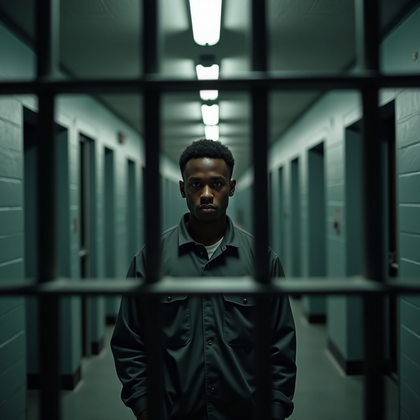
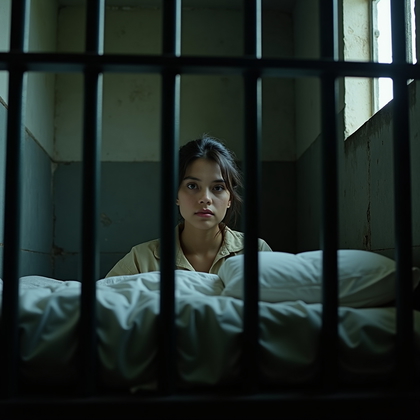
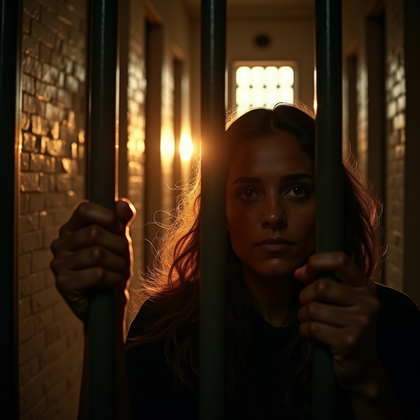
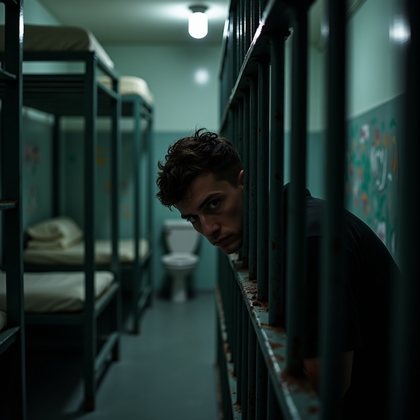
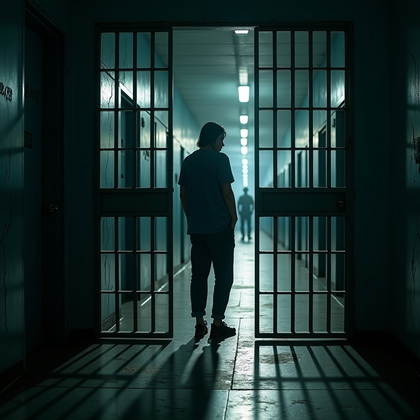
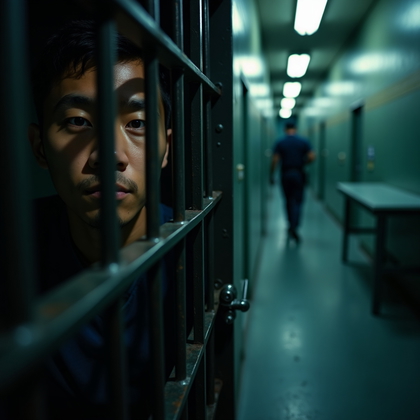
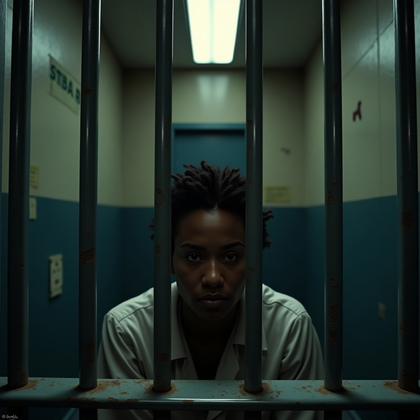
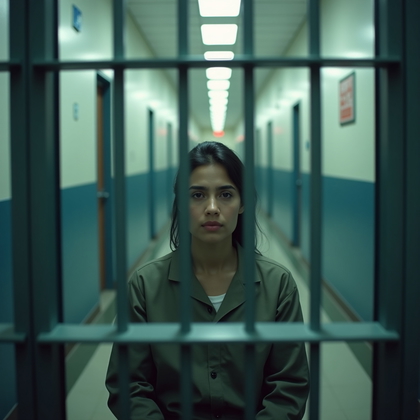
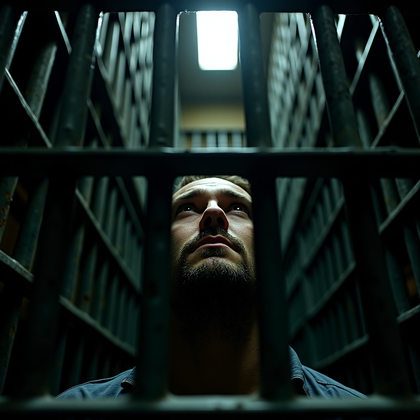
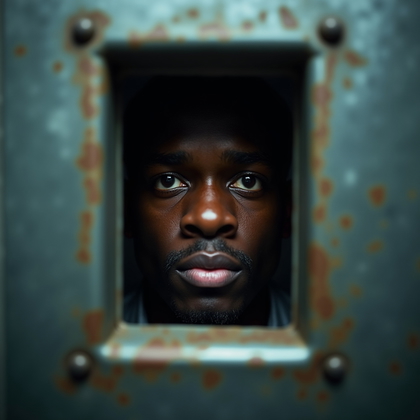
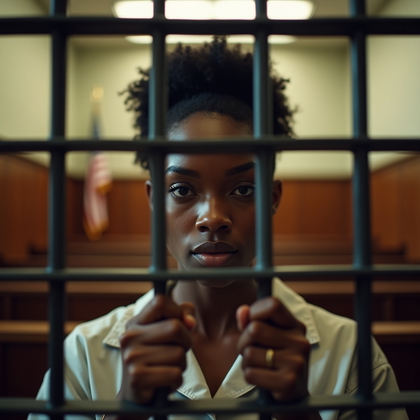
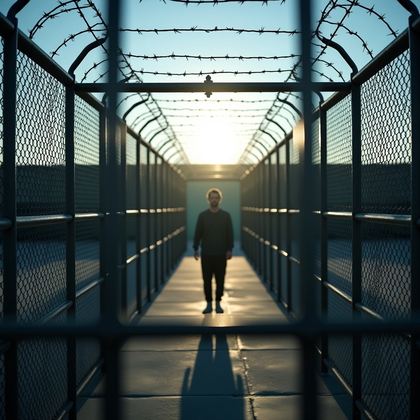
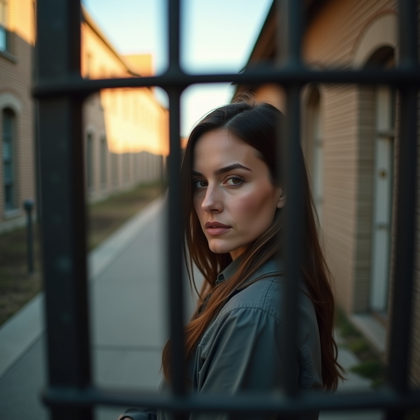
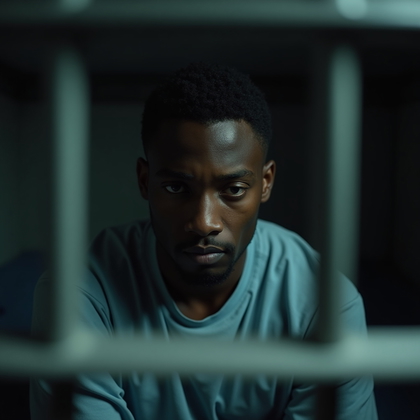
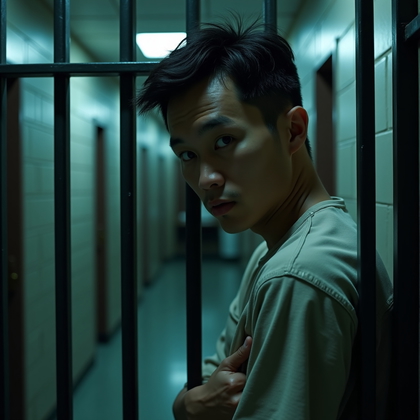
This composition hits the main idea of prison: no freedom. Bars in the foreground create instant separation between viewer and subject. It feels like you are looking in from the outside, or like the person cannot reach out. It is visually strong and easy to read.
In prompts, describe “shot through prison bars” or “face framed behind bars.” Ask for shallow depth of field if your tool allows it, so bars blur slightly but still dominate the frame. Keep the subject close enough to the bars for clear emotion, but not touching them in a dramatic way unless you want extra intensity. Use this style when you want to hammer the idea of being trapped and watched.
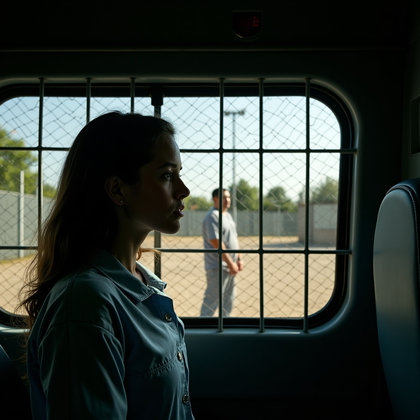
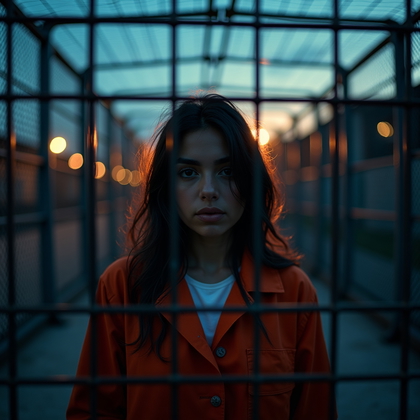
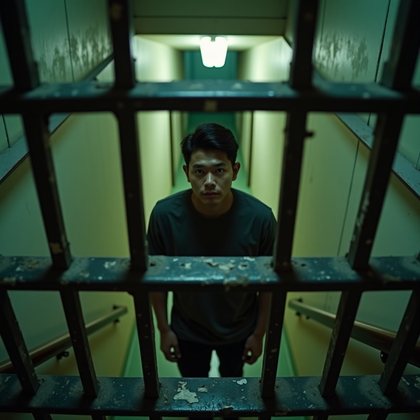
Click on a photo to replace their face with yours
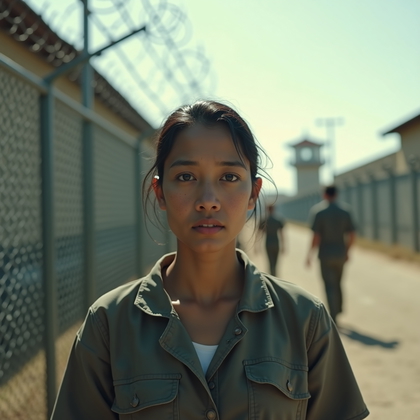
Release-Day Gate Portrait: Freedom With Edge And Doubt
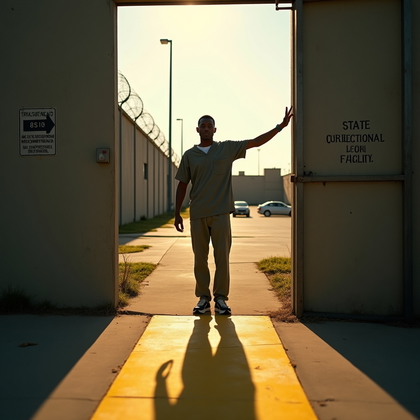
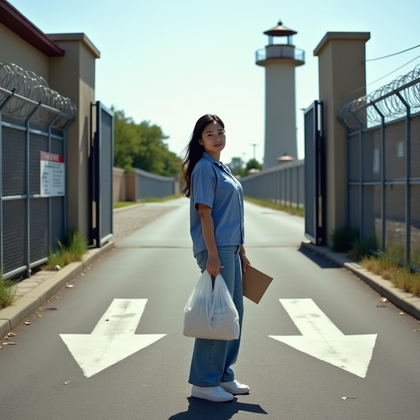
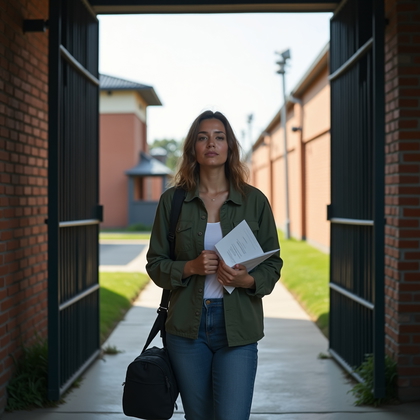
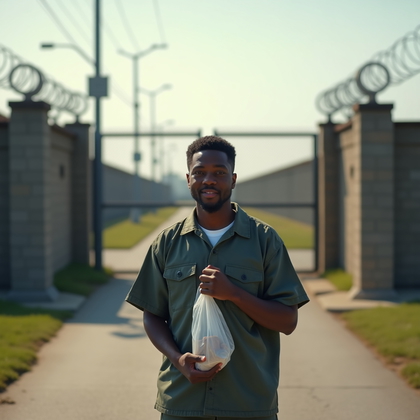
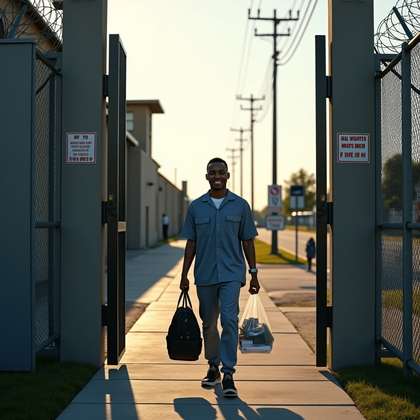
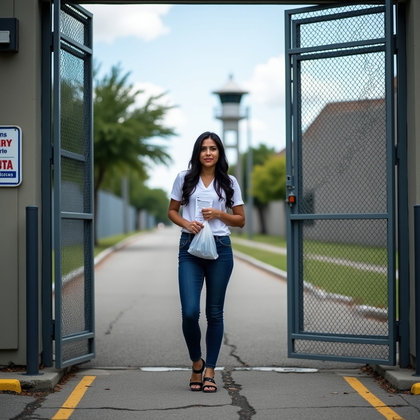
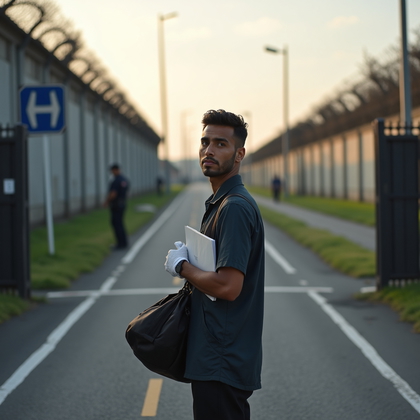
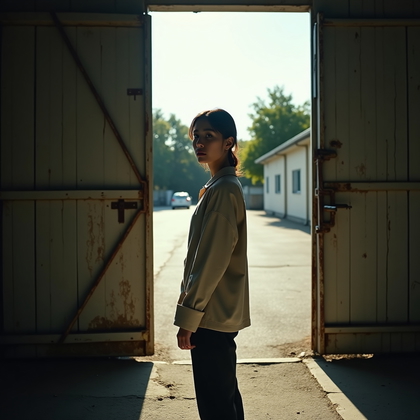
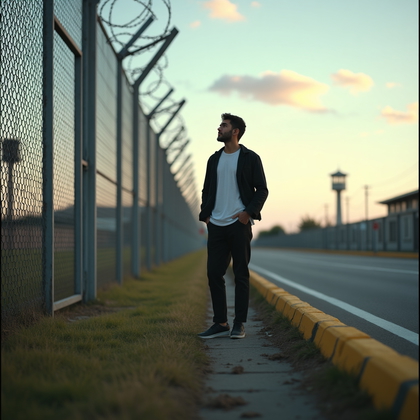
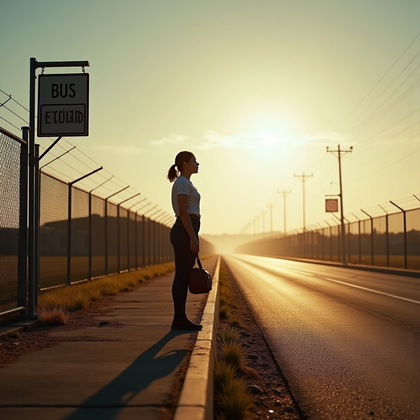
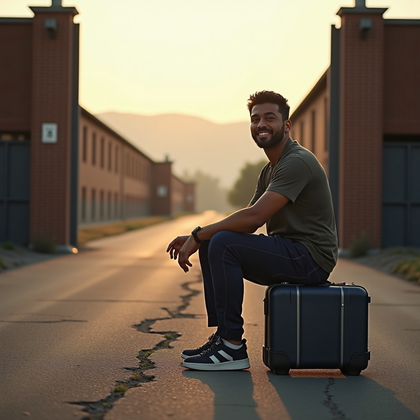
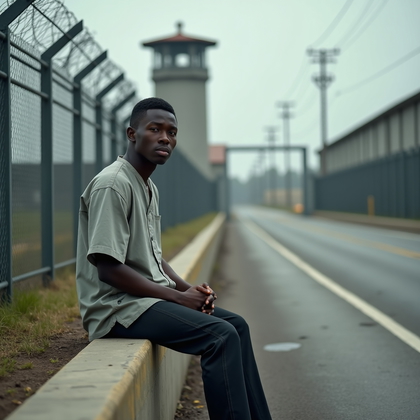
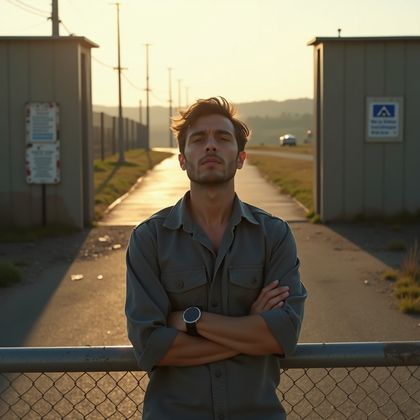
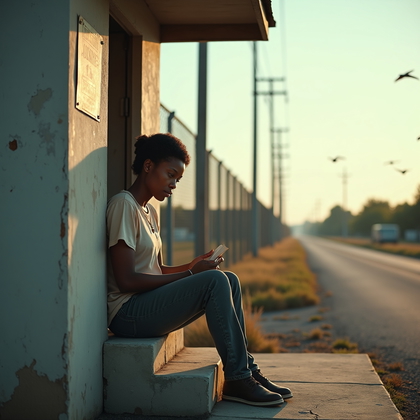
This shot completes the narrative arc. It shows leaving, not entering. The person stands just outside a gate or fence, maybe with a small bag or envelope of belongings. The expression should not be pure joy. It should be mixed: relief, worry, and tension about what comes next.
Prompt for a large metal gate or chain-link fence behind or beside the person. Ask for natural daylight, soft shadows, and neutral or muted colors. The clothing can be simple civilian clothes or leftover prison-issue items. This style is powerful for stories about change, starting again, or the weight of the past after release.
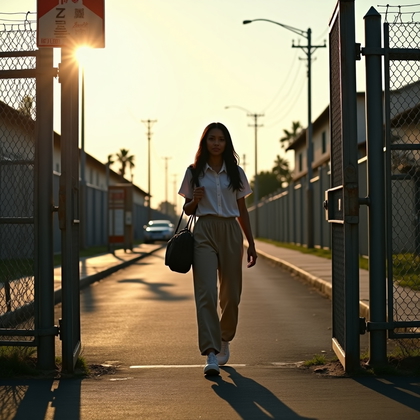
Click on a photo to swap your face in
Defiant, Unbroken Stance: Refusing To Break
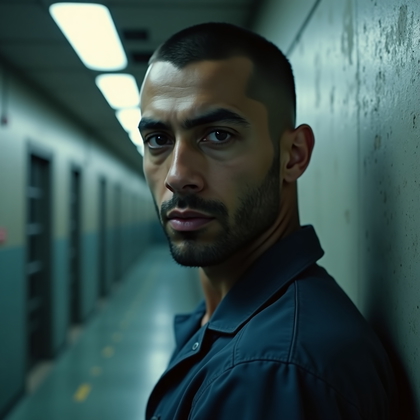
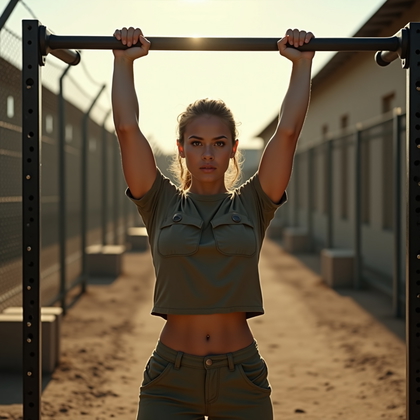
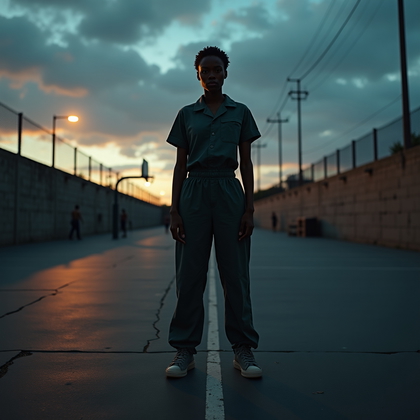
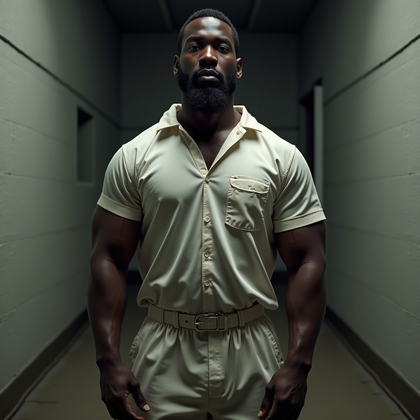
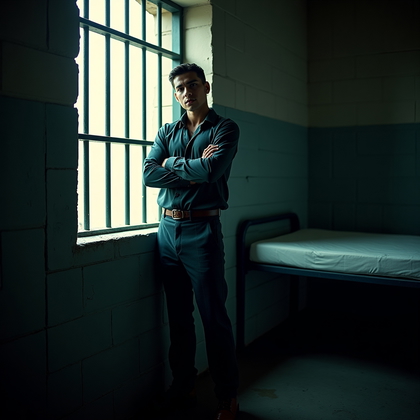
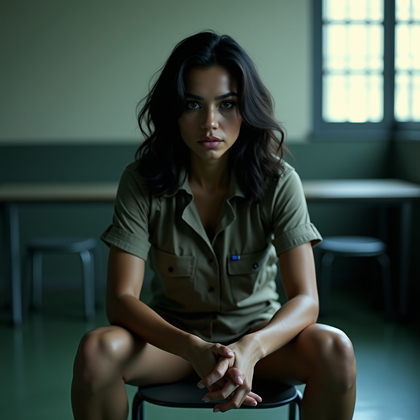
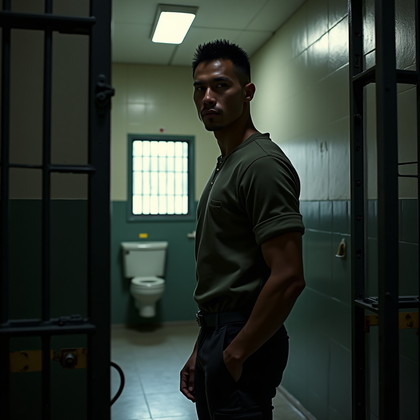
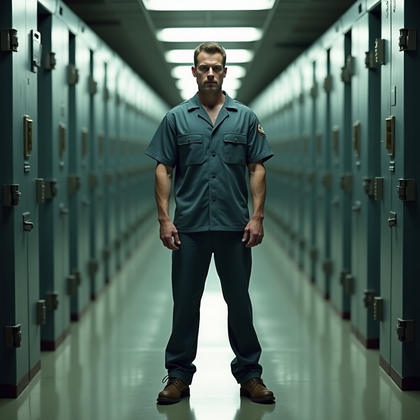
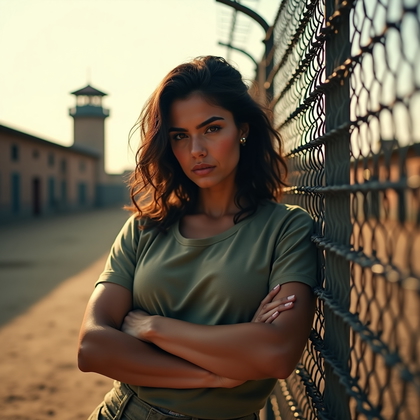
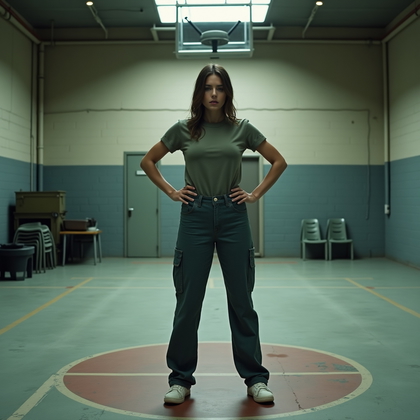
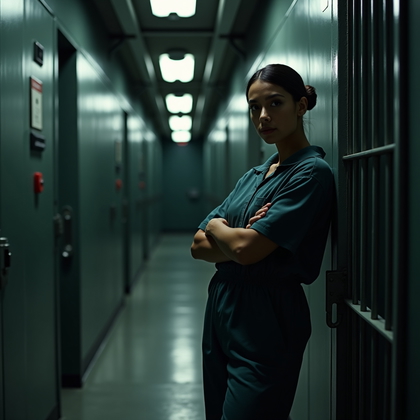
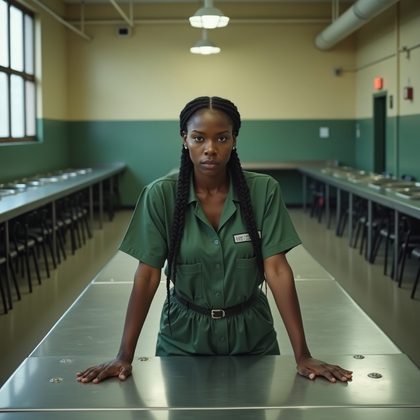
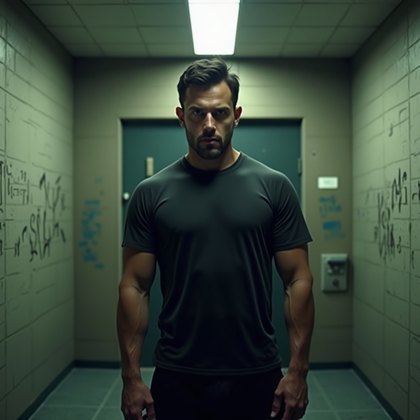
This image is all about power and resistance. The person stands tall, shoulders back, jaw set, eyes hard. They do not look beaten. They look like they survived something that tried to crush them. This is not a soft, emotional portrait. It is sharp and confrontational.
Use strong, contrasty light, maybe from above or from one side. Ask for crossed arms or fists loosely at the sides. The environment can be yard, corridor, or cell, but it should feel rough. Cracked walls, metal doors, or fences help. This shot works when you want to show inner strength, toughness, and a survival mentality, even under extreme pressure.
Click on a photo to make this moment yours
Regret And Reflection Close-Up: Human Cost And Emotion
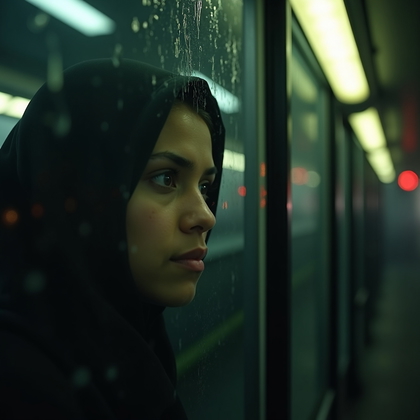
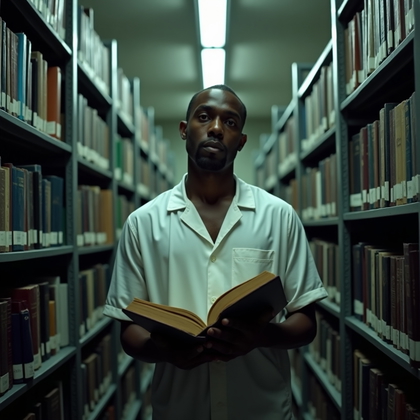
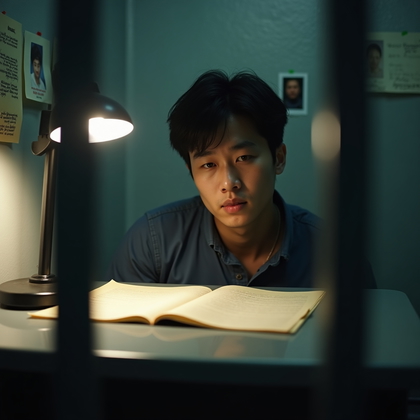
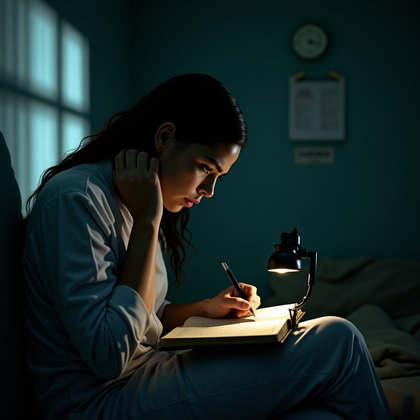
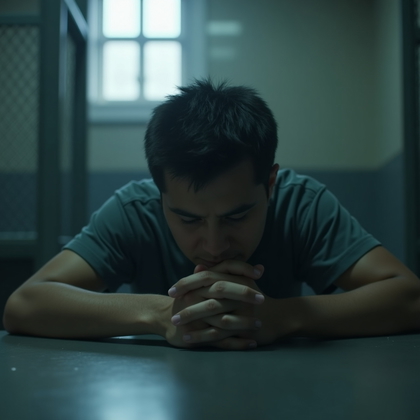
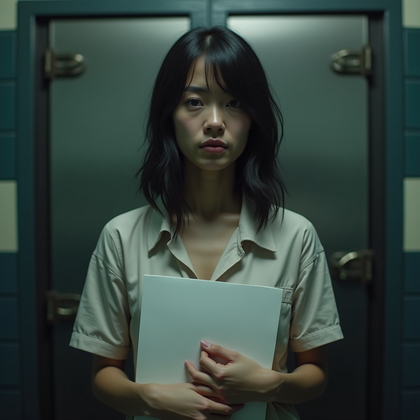
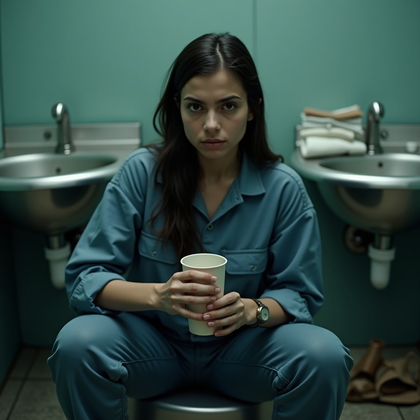
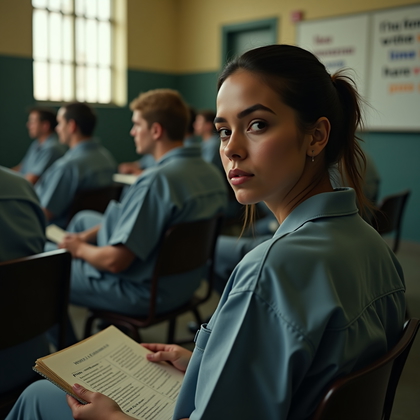
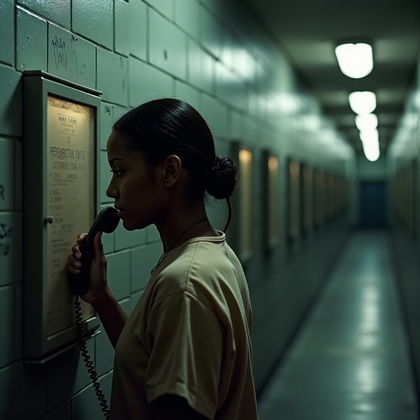
This style shows the other side of toughness. It focuses on regret, thought, and emotional damage. Head bowed, eyes closed or looking down, face tense or soft. The goal is to show that inside the prison image there is still a person who feels and thinks about what happened.
Ask the AI for a close-up or tight head-and-shoulders shot. Use soft, directional light to reveal skin texture and small details like lines, scars, or stubble. Background can be blurred or simple. This shot is very effective when you want to humanize the subject and show that prison is not just a visual style, but an experience with real internal weight.
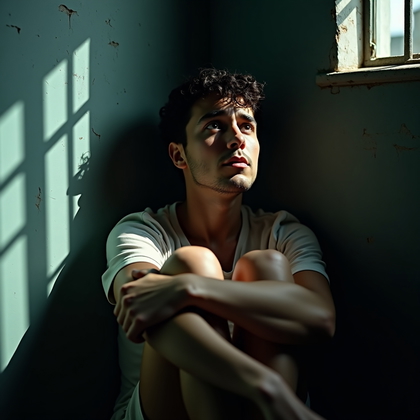
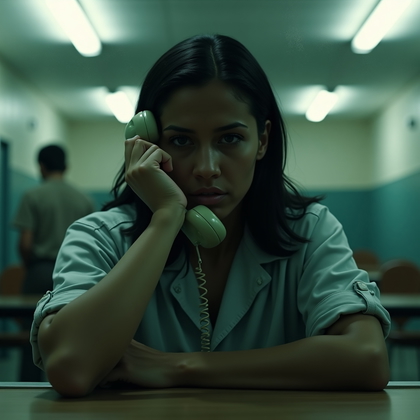
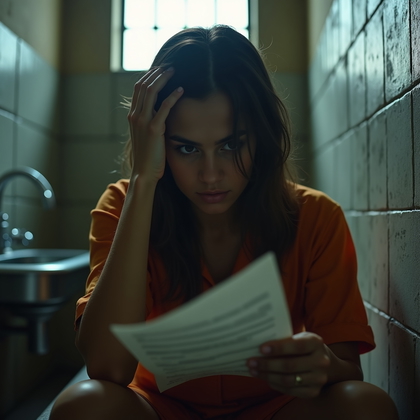
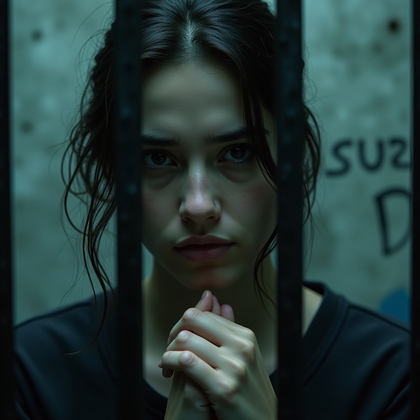
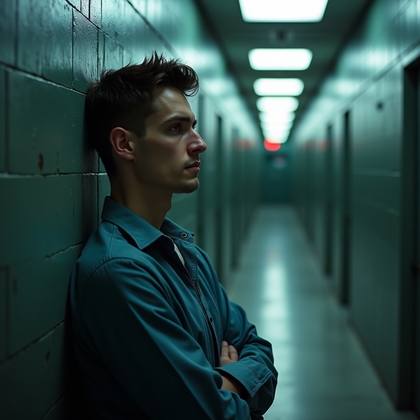
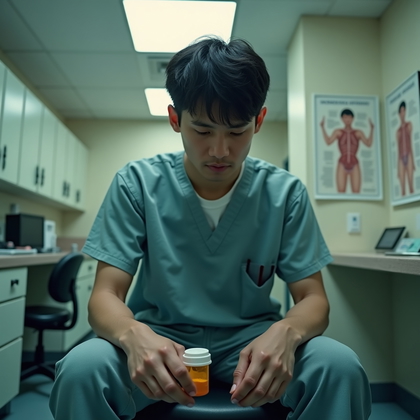
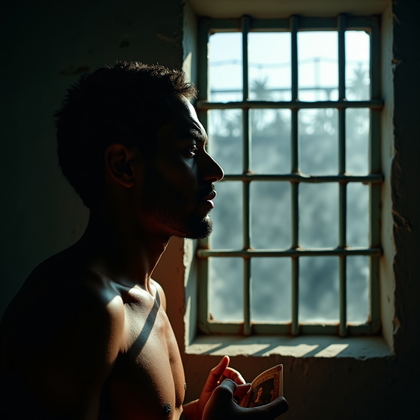
Click on any photo to see yourself here
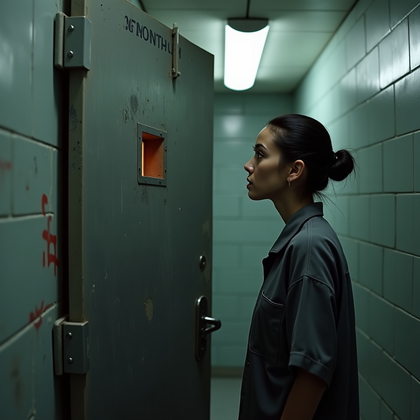
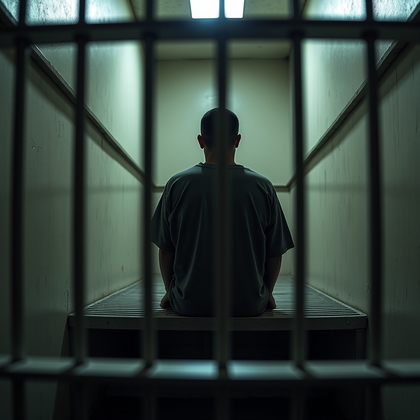
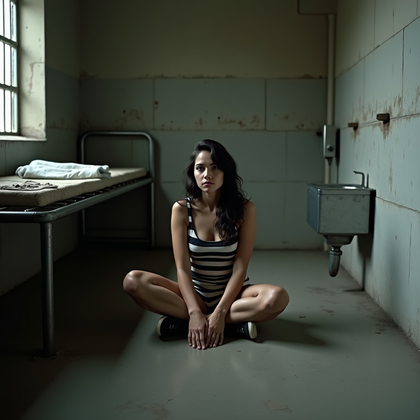
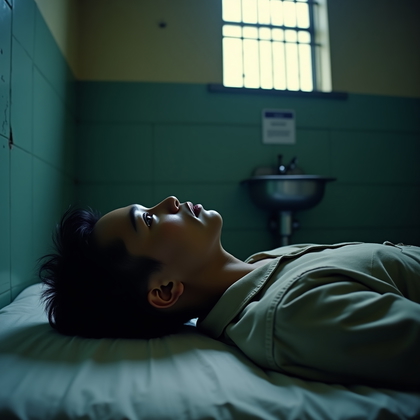
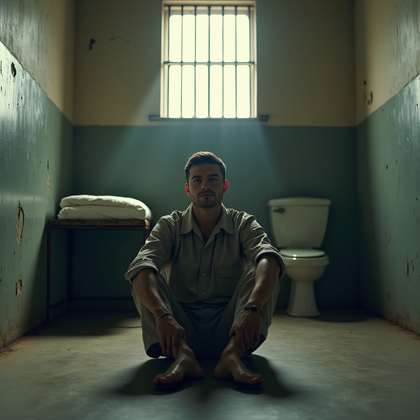
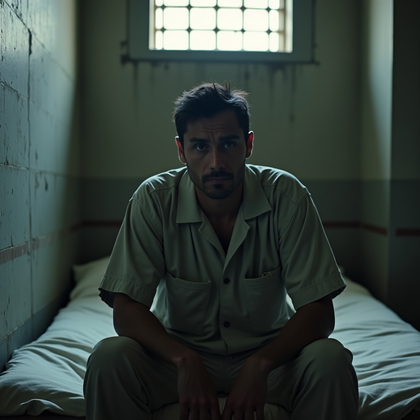
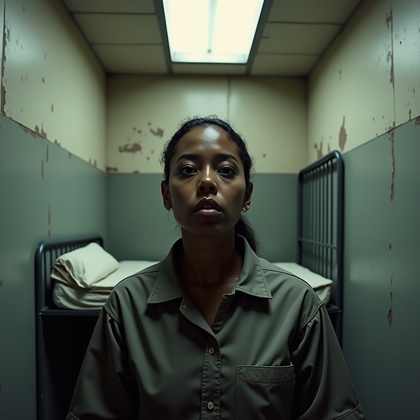
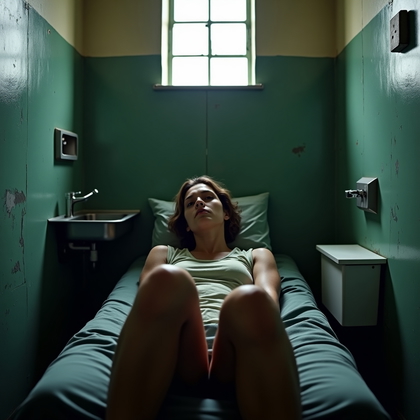
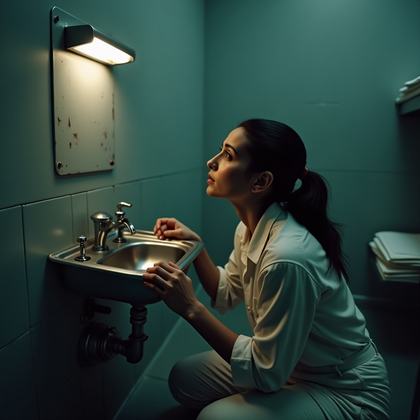
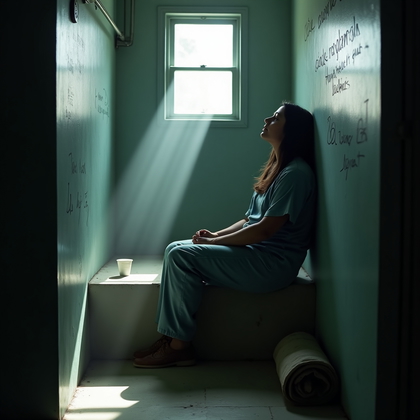
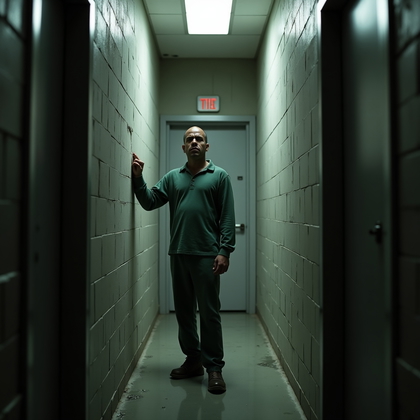
Solitary Confinement Expression: Extreme Isolation
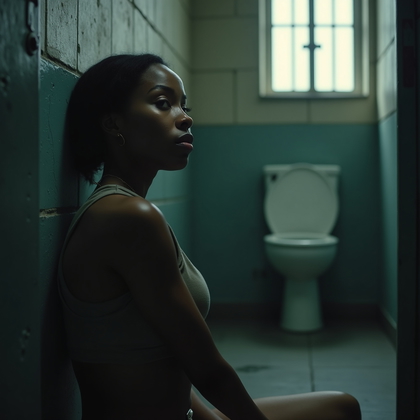
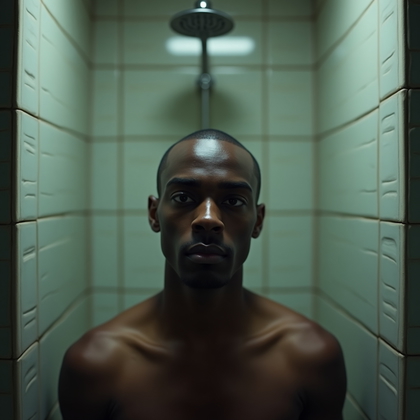
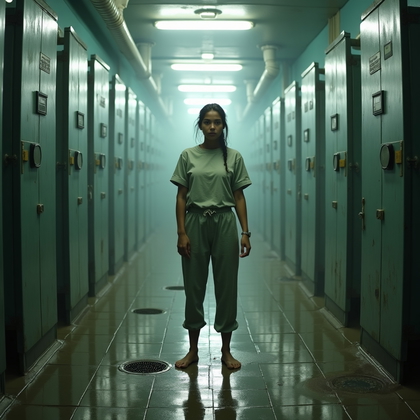
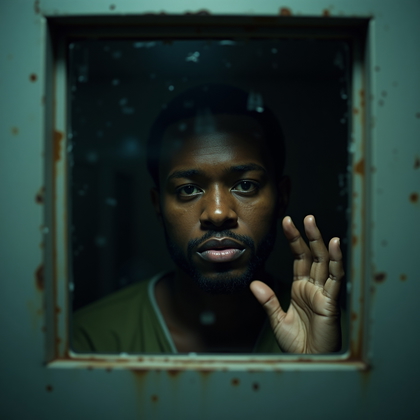
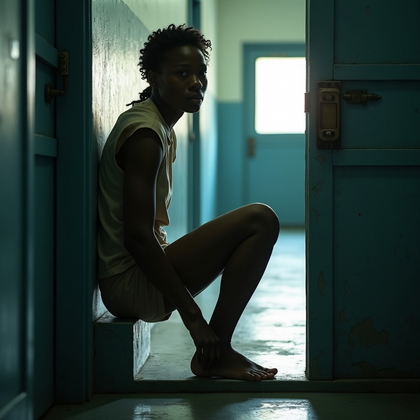
Solitary is where you push intensity to the limit. One person. Bare wall. No distractions. The emotion can be broken, enraged, or numb, but it must be strong. This type of image is perfect when you want to show psychological pressure and isolation, not just physical bars.
Prompt for a small, empty room or just a flat, pale wall. Ask for dramatic shadows, maybe one small light source from above or from a narrow window. The person can be sitting on the floor, leaning on the wall, or standing close to it. Emphasize tension in hands, jaw, or eyes. This style is effective for visualizing mental breakdown, extreme loneliness, or the impact of long-term isolation.
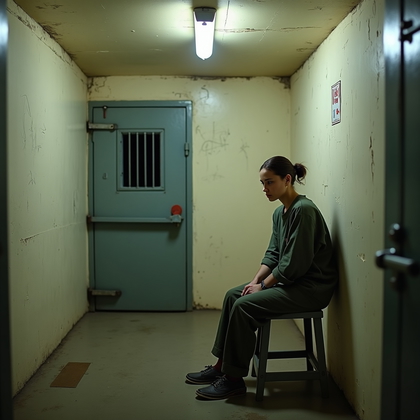
Click on any photo to see how you'd look
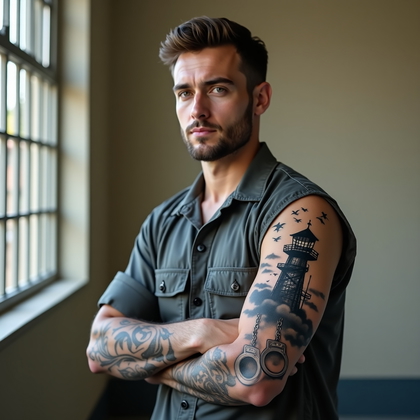
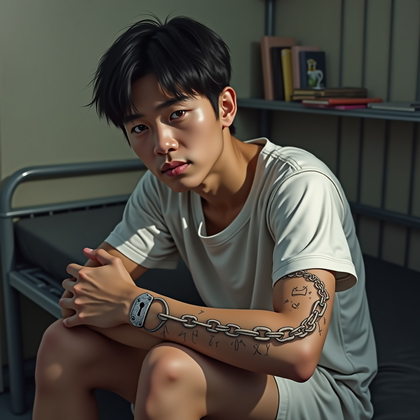
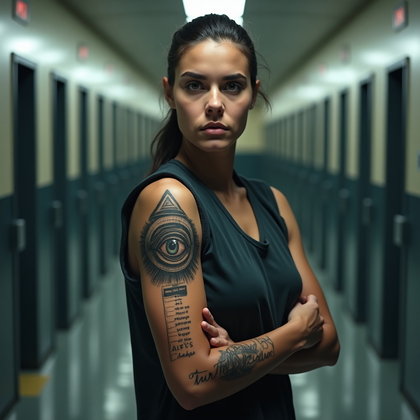
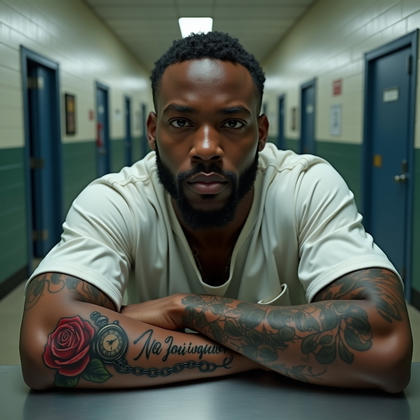
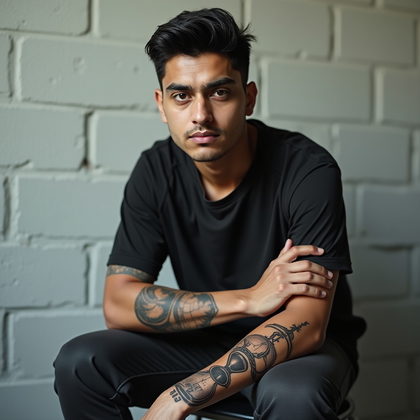
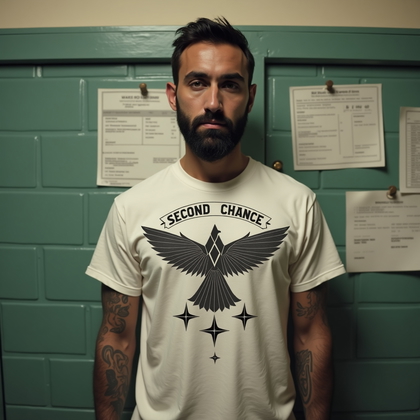
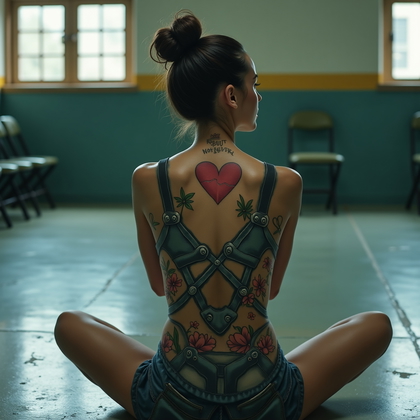
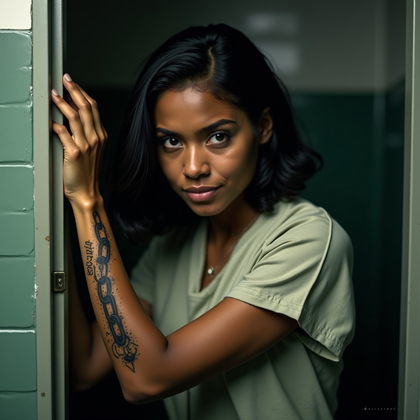
Tattoo Story Portrait: History Written On Skin
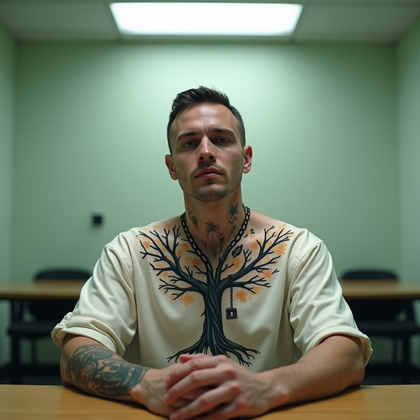
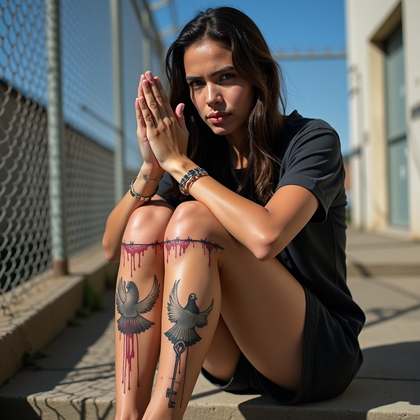
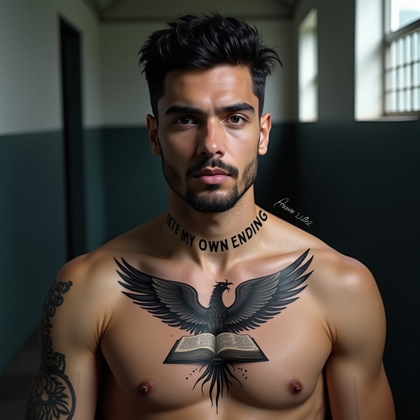
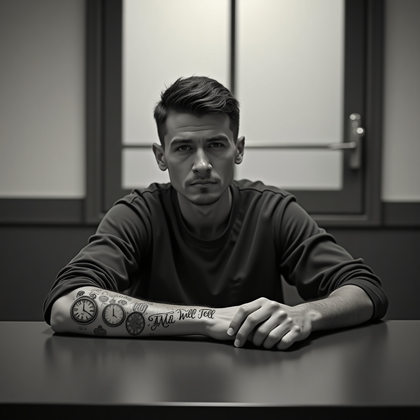
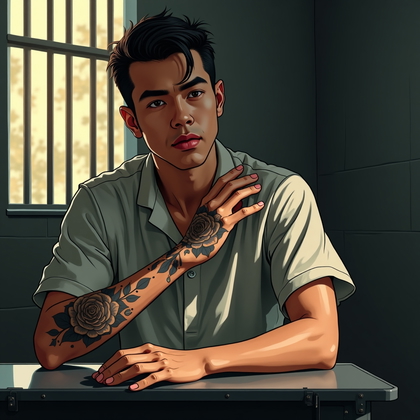
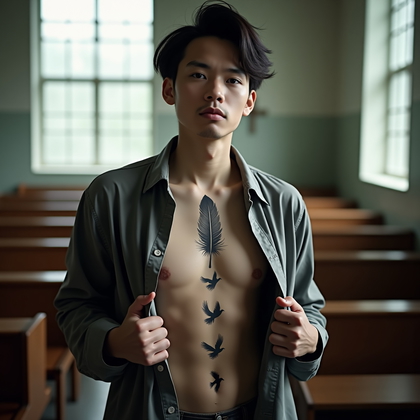
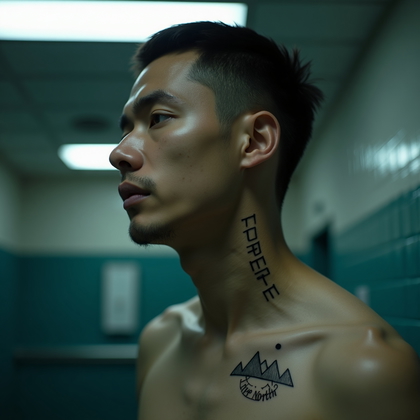
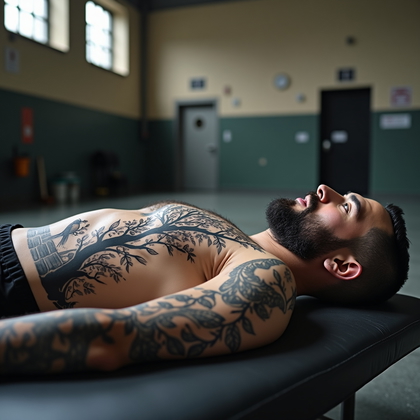
This portrait uses tattoos as narrative tools. Prison-style or symbolic tattoos tell a story about past choices, time served, or affiliations. You are not just showing ink. You are showing identity, experience, and transformation over time.
Ask the AI for clear, visible tattoos on arms, neck, hands, or face, with the face still included in the frame. Use medium-close or close-up shots so the viewer can read the patterns. Lighting should be strong enough to show detail but not glossy. The pose can be neutral or slightly guarded. This image type is very useful when you want to communicate complex backstory in a single frame without extra text.
Click to create your version
Final Takeaway: Building A Full Prison Story With AI
Each prison photo type gives you a different tool. Freshly processed shots show shock. Dead-eyed close-ups show damage. Booking and profile shots create official, institutional reality. Cell, bars, and solitary images show environment and pressure. Defiant, regretful, and tattoo portraits reveal inner life and personal history. Release-day images close the arc with uncertain freedom.
When you use AI photo generation, you can combine all of these styles into a complete visual story. You control timeline, intensity, and emotion. You choose how raw or polished each image is. Use these sections as a blueprint, push specific details in your prompts, and build prison visuals that feel real, sharp, and impossible to ignore.