Military Photos
Do you want AI military photos that look real, sharp, and high-authority every single time?
Do you want images that scream rank, skill, danger, and discipline instead of soft, fake-looking cosplay?
AI military photos can be brutally effective when you give the model clear, direct instructions. You control the rank, the gear, the mood, and the environment. You can create images that feel like real operations, real training, and real responsibility.
This article shows how to build strong AI prompts for different military photo types. You will see what actually works in practice: what to specify, what to avoid, and how to push the model toward realism and credibility. Each section focuses on personal and professional benefits for your own images, portfolios, and projects.
Use these structures as bases for your own prompts. Keep words simple, but be very specific about uniform, gear, pose, and lighting. That is how you get serious, believable military photos from AI.
Formal Service Portrait in Dress Uniform
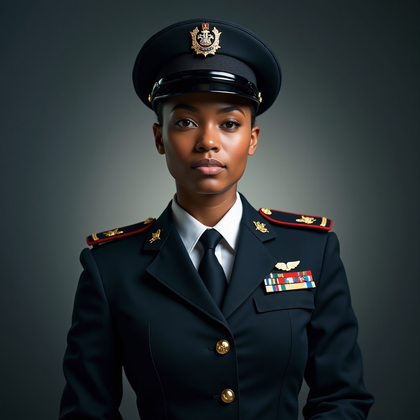
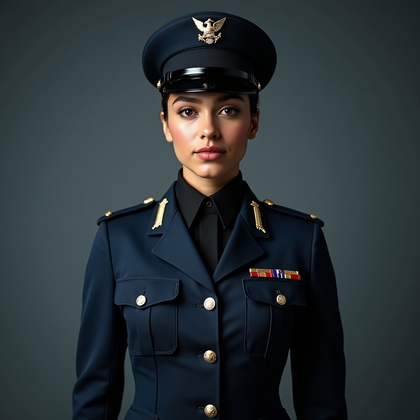
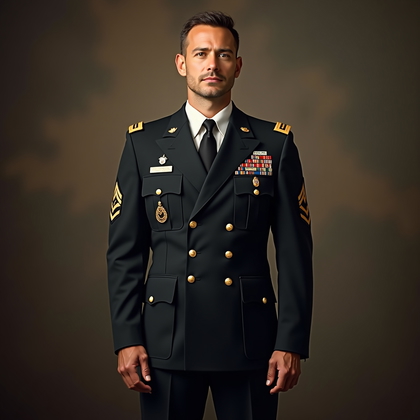
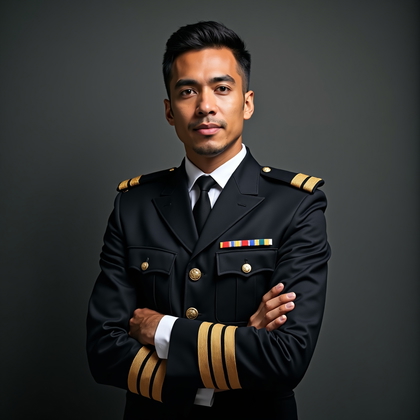
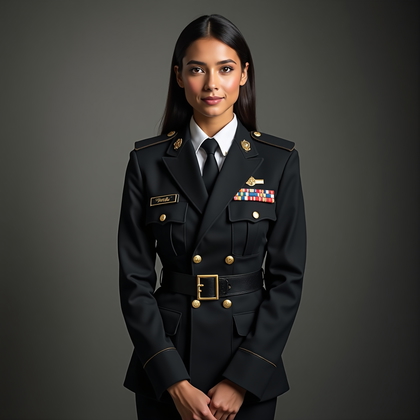
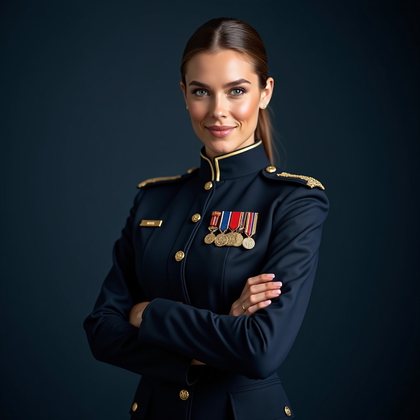
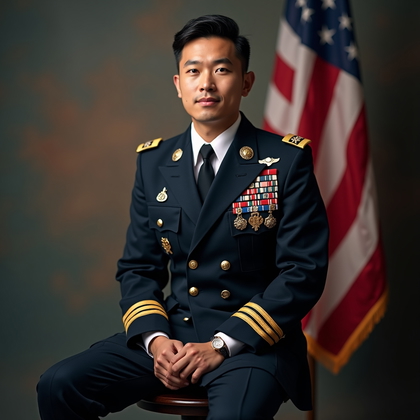
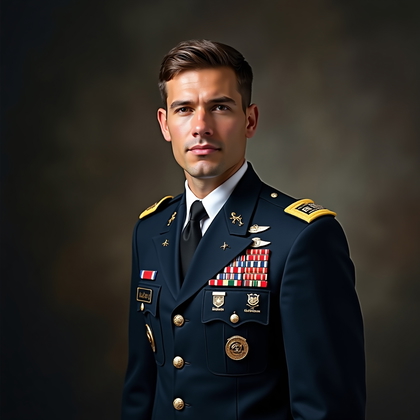
This photo type is about authority and clean structure. The goal is a sharp head-and-shoulders portrait in full dress uniform. It must show rank, decorations, and a composed face. This kind of image is ideal for profiles, presentations, books, training material, or personal branding where you want maximum professionalism.
In practice, the model responds well to clear rank, branch, and environment. Use phrases like “studio lighting,” “neutral background,” and “high-detail decorations.” Ask for a direct gaze into the camera and a calm, serious expression. Avoid clutter in the background. Focus on symmetry, pressed uniform, and polished details. This is about control and discipline, not action.
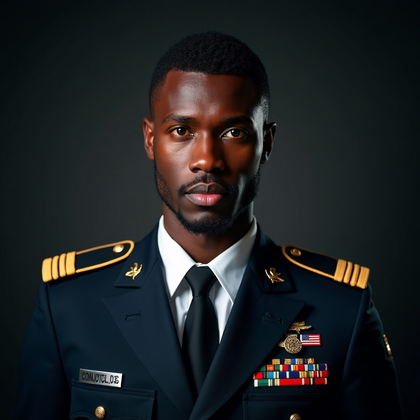
Click on a photo to make it real with your face
Combat-Ready Field Portrait in Full Gear
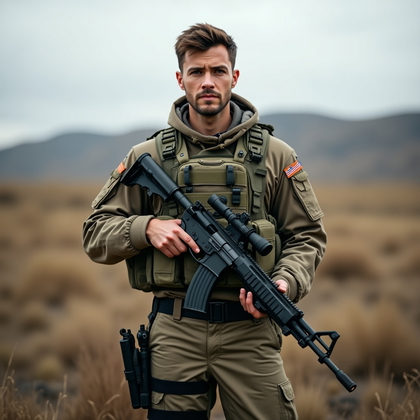
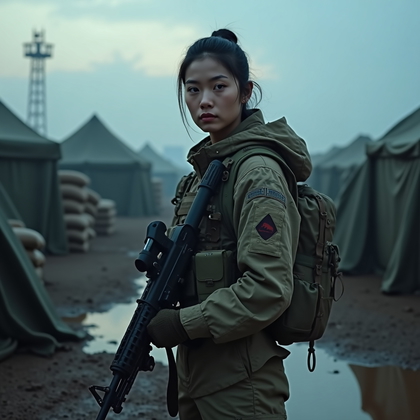
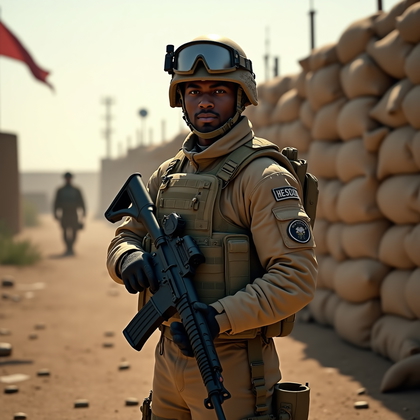
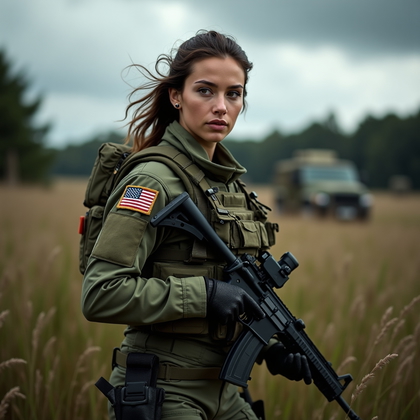
This photo type shows you as a real operator in a real field environment. The focus is on full combat kit: helmet, plate carrier or vest, gloves, rifle or carbine slung safely, dust, sweat, and harsh light. This is the image you use if you want to show operational edge, toughness, and readiness.
Ask the AI for “full combat gear,” “field environment,” “dust on uniform,” “sweat on face,” and “hard sunlight or overcast sky.” Specify weapon type and how it is held or slung. Demand a serious, focused expression and a shallow depth of field that blurs the background but keeps the gear sharp. Avoid clean, shiny, fashion-style looks. You want wear, texture, and small imperfections. That is what makes the image feel like real deployment, not a costume.
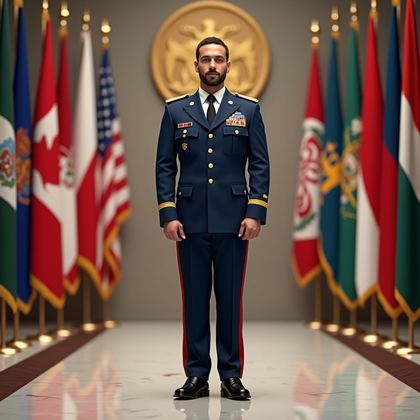
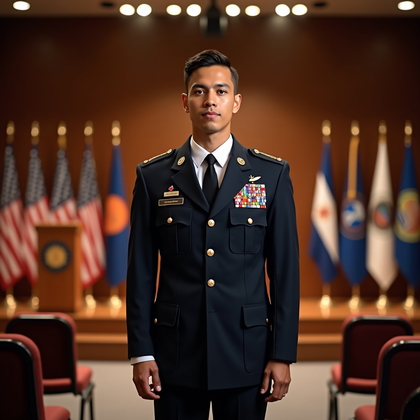
Click on a photo to swap your face in
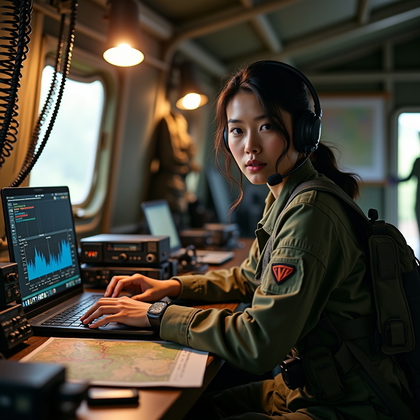
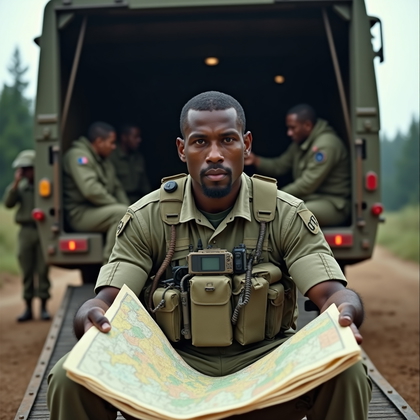
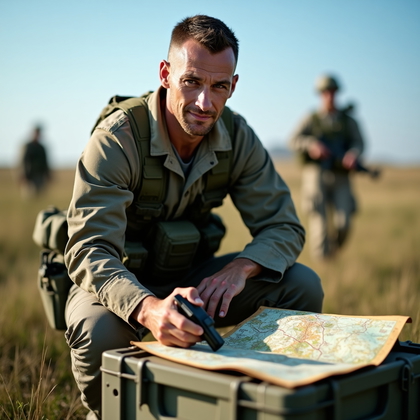
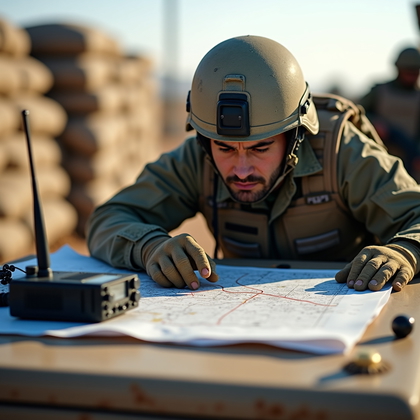
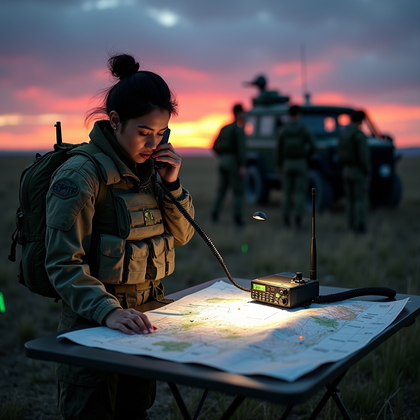
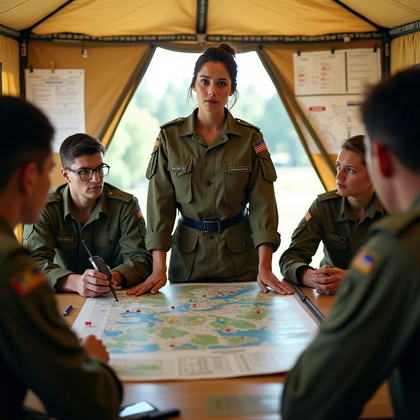
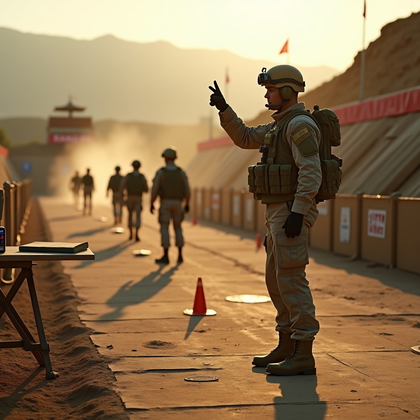
Field Leadership Moment with Radio or Map
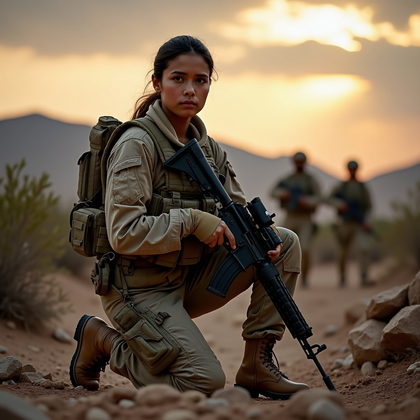
This photo type shows responsibility and decision-making. It is not about raw aggression. It is about control, awareness, and leadership under pressure. Usually the subject is kneeling or standing, holding a map, tablet, or radio, with a clear tactical environment behind them.
Tell the AI to show “soldier kneeling with map,” or “leader holding radio, looking to the side,” “field command moment,” “tactical planning,” and “serious focused expression.” Add “background: vehicles, rough terrain, or forward operating area.” Make the hands active: pointing at the map, pressing the radio, or scanning the area. This type of image is strong for personal branding in security, leadership consulting, or tactical training material, because it visually ties you to decision and control.
Click on a photo to make this moment yours
Formal Promotion or Award Portrait
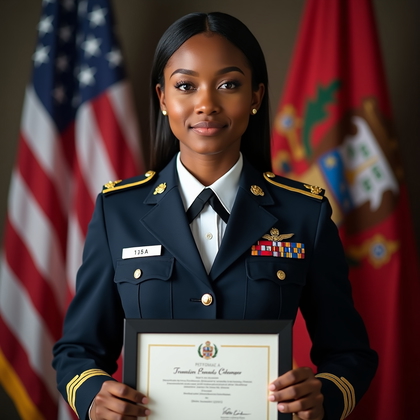
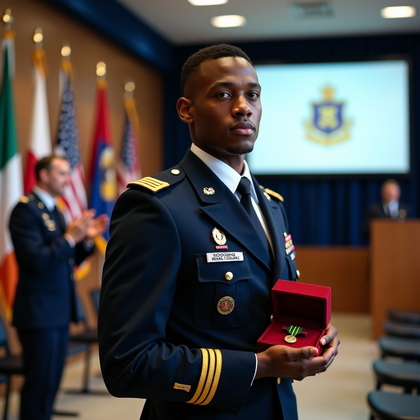
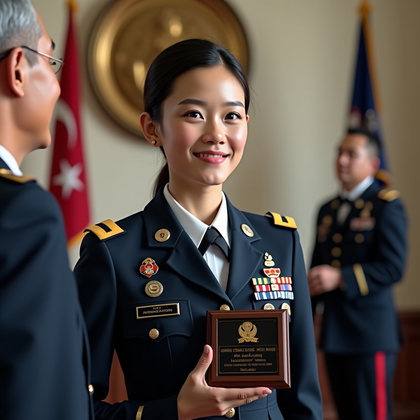
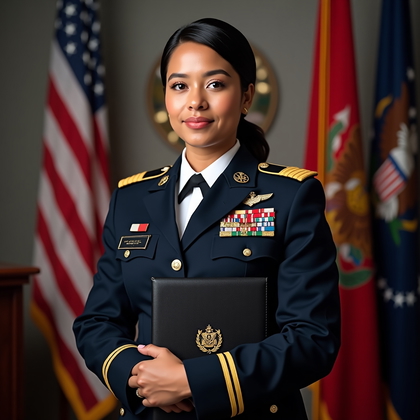
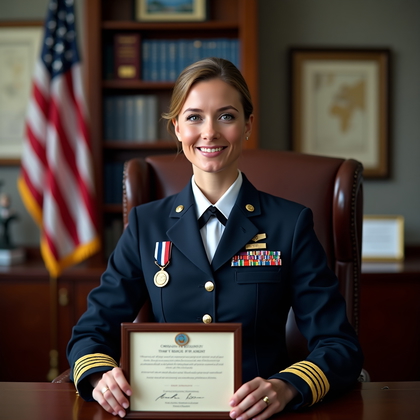
This photo type shows achievement and progression. The core element is the visible award, medal, or new rank insignia. The face should be composed, proud, and controlled. Not smiling too wide. Not casual. This image is ideal when you want to highlight milestones, timelines, or career progression in your materials.
Ask the AI for “formal portrait,” “dress uniform,” “award or medal clearly visible in hands or on chest,” and “soft studio lighting” or “indoor ceremony lighting.” Make the pose stable: standing straight, shoulders back. You can include a blurred flag or official backdrop, but keep it secondary. The viewer must see the award and the rank first. This type works best when the uniform and decorations are accurate and detailed, so be specific about branch, era, and level of formality.
Click on a photo to make it real with your face
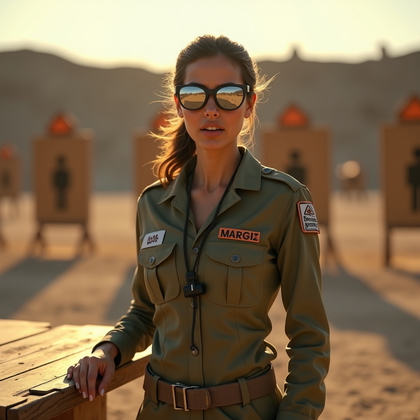
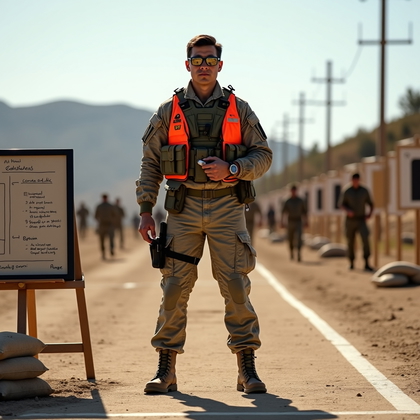
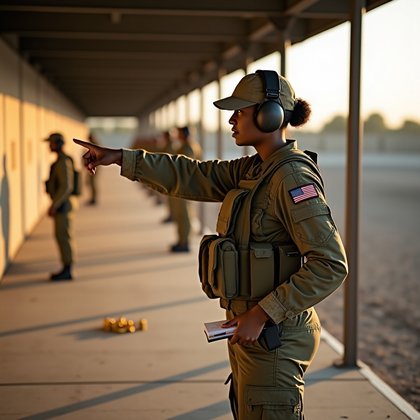
Instructor or Leader Stance on Range or Training Area
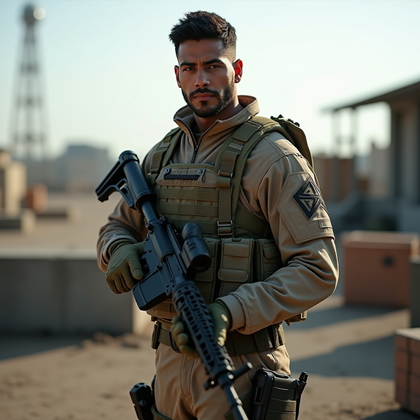
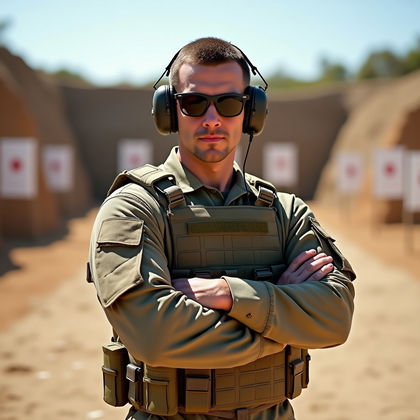
This photo type sends a simple message: you know what you are doing and you are in charge. The stance is usually strong and open: arms crossed, hands on hips, or hands lightly at the sides. The background shows a range, training ground, or obstacle course. This works well for online courses, coaching pages, or training products.
For the AI, use prompts like “instructor on shooting range,” “arms crossed,” “confident neutral expression,” “outdoor training ground in background,” and “clear daylight.” Gear can be lighter here: training uniform, plate carrier without full pack, or range belt. Ask for clean composition with you in the center. Avoid busy groups or chaotic backgrounds. You want one clear subject who looks like the person people listen to and learn from, even if the image is only for your own material.
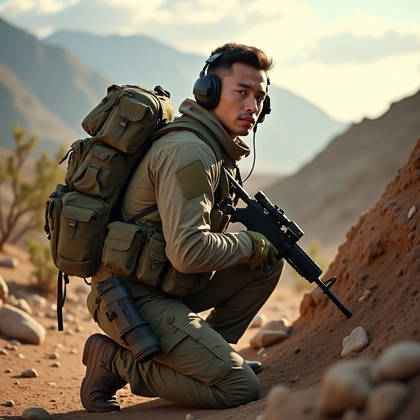
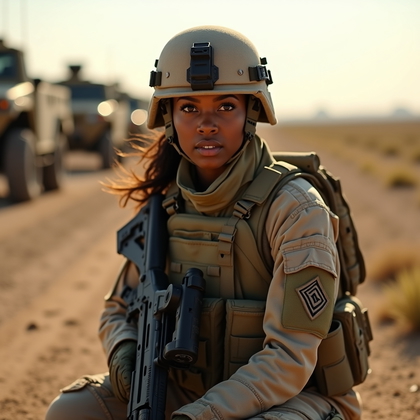
Click on any photo to step into the scene
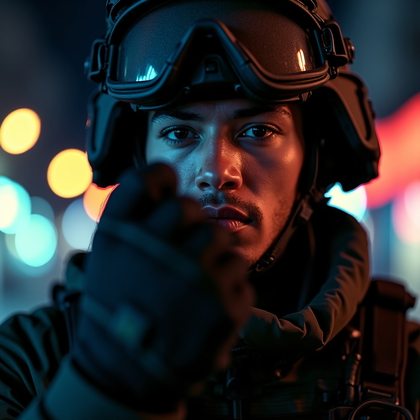
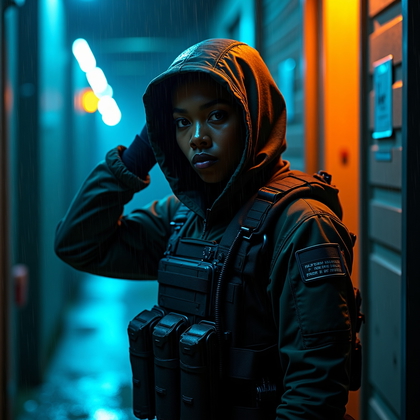
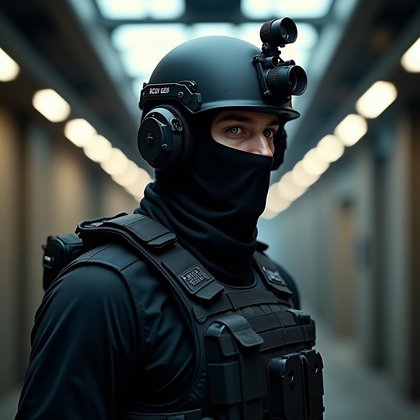
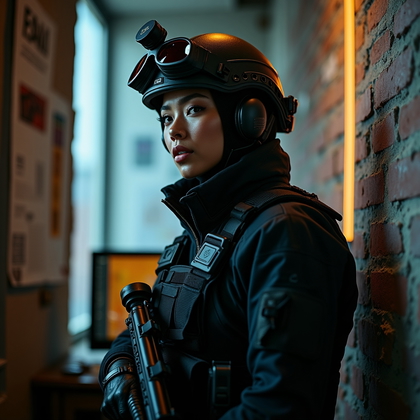
Special Operations or Elite Unit Style Portrait
This photo type is about mystery, precision, and intensity. The face is partly hidden by gear, mask, goggles, or shadows. The lighting is often low, dramatic, and directional. This style is effective when you want to show high-level capability, risk, and focus without full identity exposure.
Tell the AI “special operations operator,” “night-time,” “low-key lighting,” “face partially obscured by helmet and goggles or mask,” and “high-end tactical gear.” Add details like “IR strobes,” “NVG mount,” “modern plate carrier,” and “weapon held close to body, muzzle pointed safely.” Ask for a dark background with a few small light sources or glows. This type of image is powerful in security-related materials, tactical manuals, or any project where you want a hard, elite feel without a clear face.
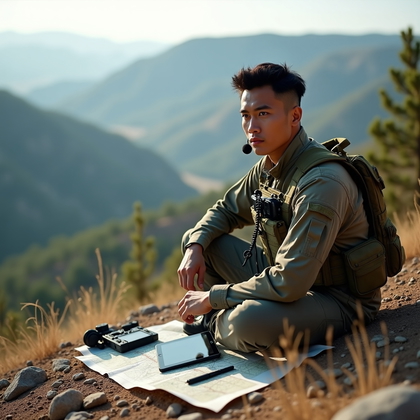
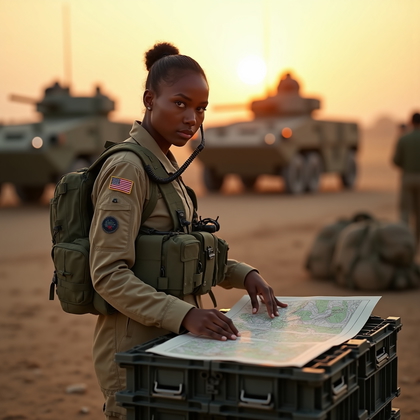
Click on any photo to make it yours
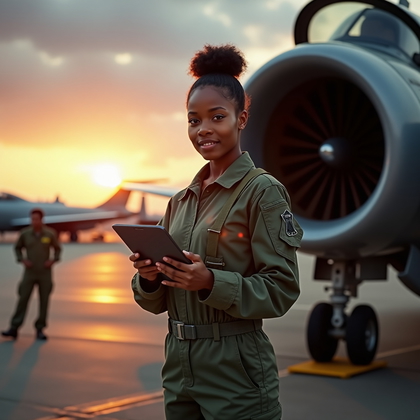
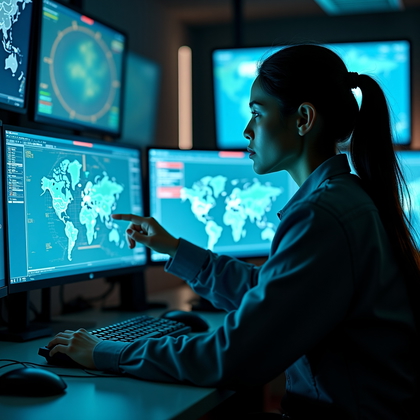
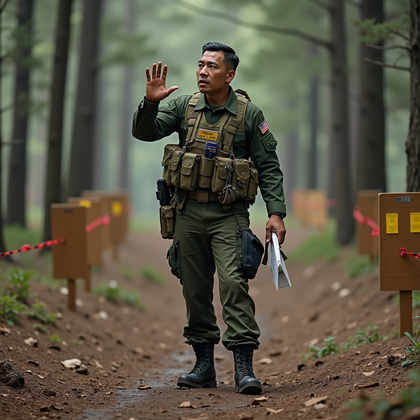
Technical Specialist at Work
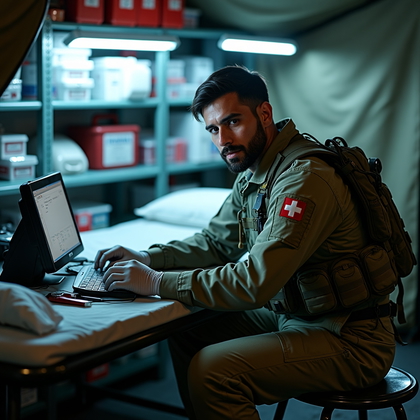
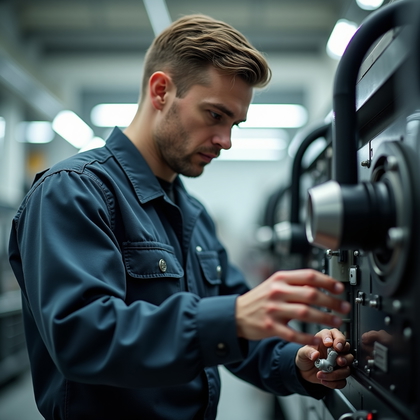
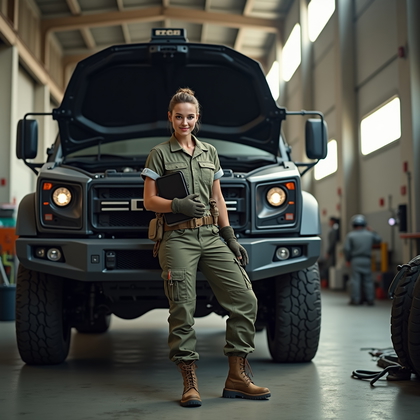
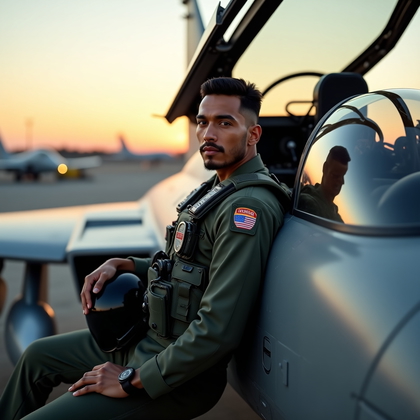
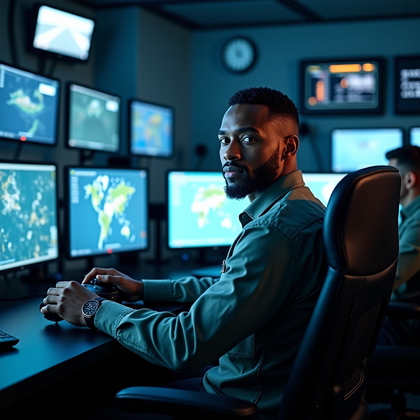
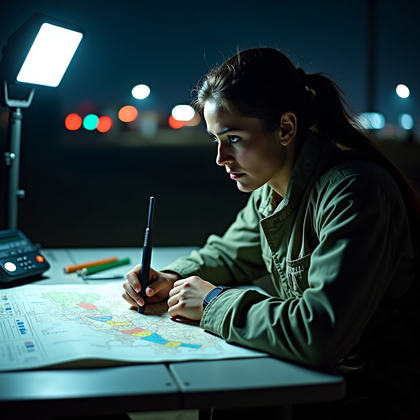
This photo type shows skill, not just force. It is perfect if you want to highlight a specific profession: mechanic, medic, pilot, cyber specialist, EOD, communications, or intelligence. The focus is the subject working on a clear task, with tools or equipment visible and believable.
For strong results, be direct with the role. For example: “military aircraft mechanic working on engine,” “combat medic treating patient,” “military cyber operator at workstation with multiple screens,” or “pilot in cockpit pre-flight checks.” Ask for “intense concentration,” “hands interacting with tools,” and “detailed equipment.” The background should support the role: hangar, field clinic, server room, cockpit, or motor pool. This type of image is very useful if you want to present yourself as a specialist with real technical value, not just a generic soldier.
Click on a photo to make this moment yours
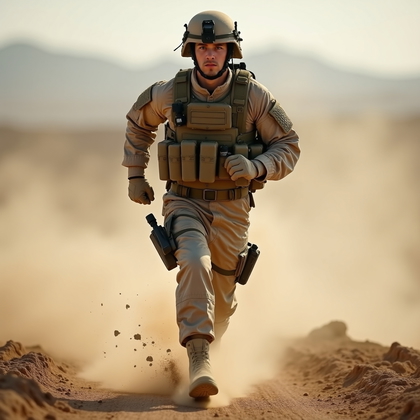
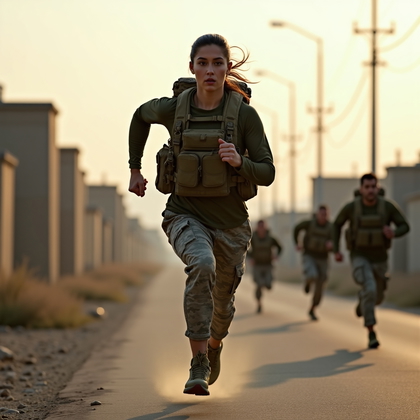
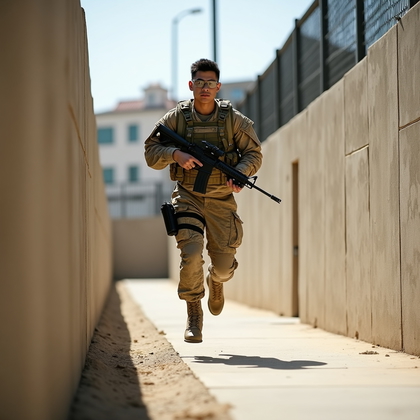
Action Shot in Motion
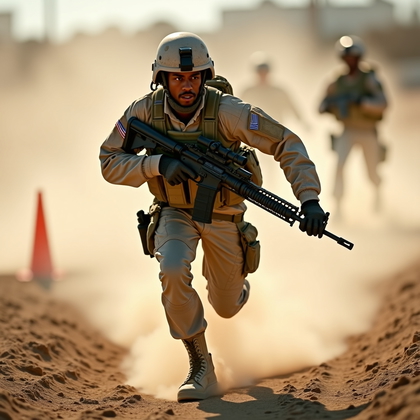
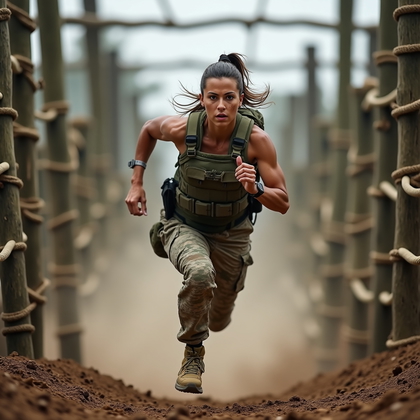
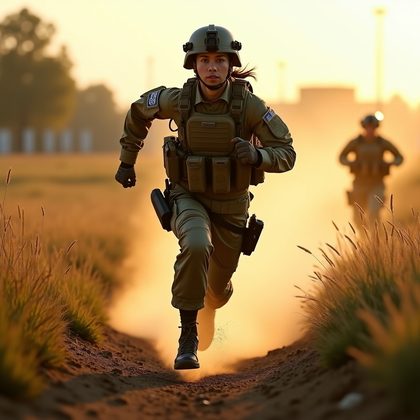
This photo type shows physical demand and discipline. The subject is in motion: running, bounding, low crawling, or moving through an obstacle. The goal is to capture effort, tension, and form. This is ideal for fitness-focused branding, training guides, or any material where you want to show that you move, not just pose.
Tell the AI to create “soldier running with full gear,” “mid-stride,” “muscles tense,” “dust kicked up from boots,” or “bounding between cover with weapon held safely.” Ask for “motion blur in background,” but keep the face and gear sharp. Use “strong daylight” or “overcast field exercise lighting” to keep the scene real, not cinematic fantasy. This type of image works when you show strain, sweat, and correct handling of equipment. If the movement looks safe and realistic, the image feels legitimate.
Click on a photo to transform it with your face
Bringing Your Military AI Photos Together
Each of these photo types serves a clear personal purpose. Formal service portraits and promotion images give you strong, clean visuals for serious profiles and professional material. Combat-ready, action, and special operations styles project toughness, risk, and direct experience. Field leadership, instructor stance, and technical specialist images show control, knowledge, and skill in specific settings.
To get real-world effective AI military photos, be specific about rank, uniform, gear, pose, and environment. Use simple words, but do not be vague. Decide what you want to say about yourself in each image: authority, readiness, precision, leadership, or technical skill. Then push the model toward that outcome with clear, concrete details. This is how you move from generic “soldier picture” to a sharp, believable visual asset that actually supports your goals.