Pride Month Portrait Ideas
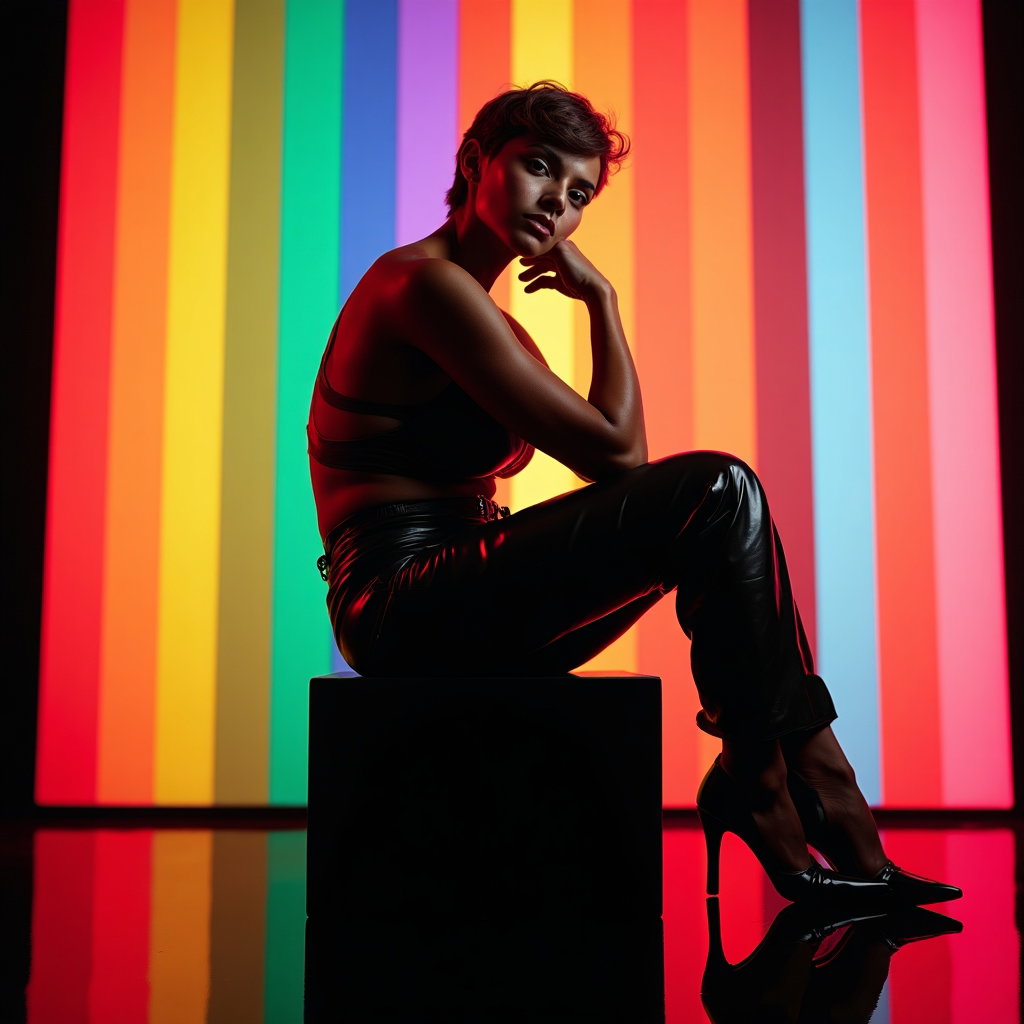
You want Pride Month portrait ideas that feel personal, clear, and useful, not like a random pile of rainbow props. A strong Pride portrait should show identity, mood, and style in one clean image. It should also work for the place you plan to use it, such as a profile photo, a creator bio, a personal announcement, a dating profile, or a keepsake image.
The best Pride portraits usually have one main idea. That idea may be bold color, confident posing, soft joy, nightlife energy, fashion styling, cultural detail, or a simple natural look. Weak images often try to include everything at once. Too many flags, props, colors, poses, and backgrounds can make the person feel secondary.
These Pride Month portrait ideas are written as visual recipes. Each one explains the mood, framing, styling, lighting, and common mistakes to avoid. If you use My AI Photo Shoot, you can treat each section as a prompt direction for your next generation. Choose the style that matches how you want to be seen first, then build the image around that one idea.
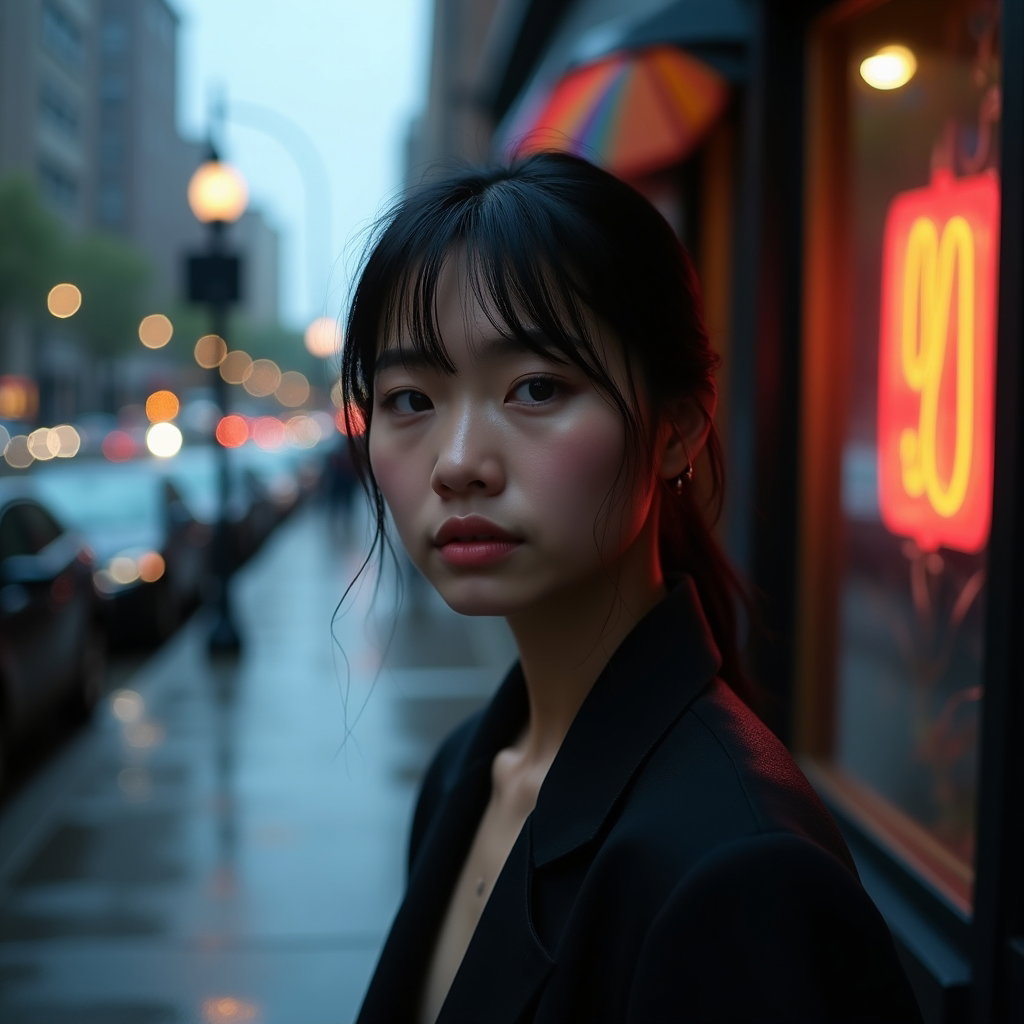
Nighttime Neon Pride Portraits With Club-Inspired Color
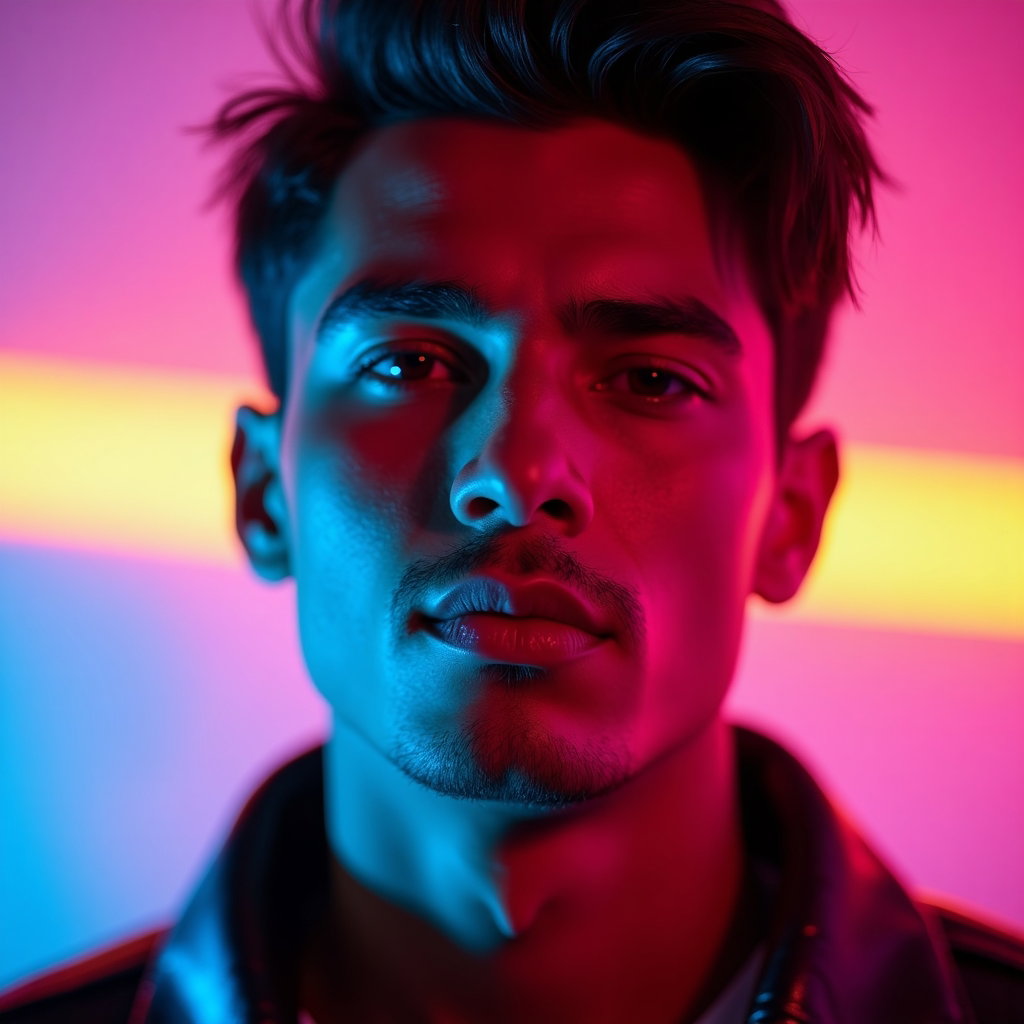
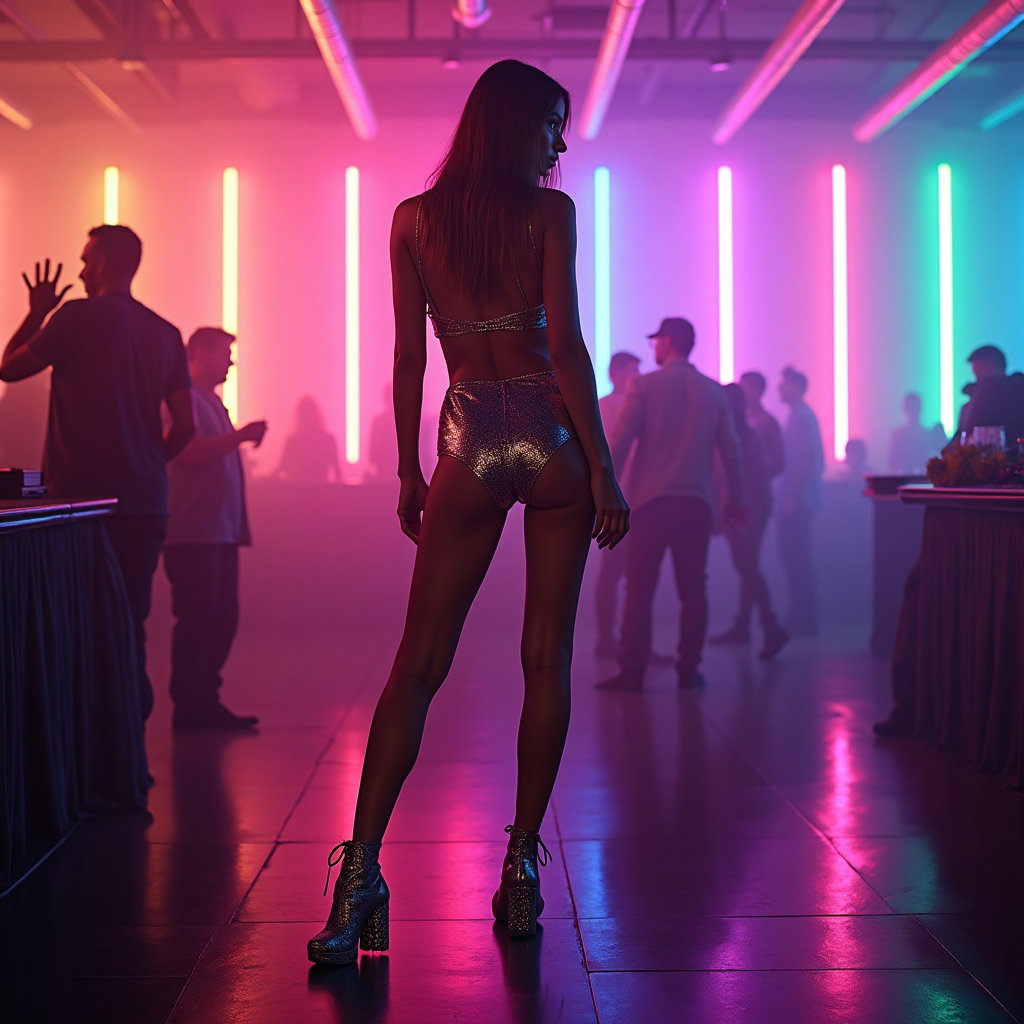
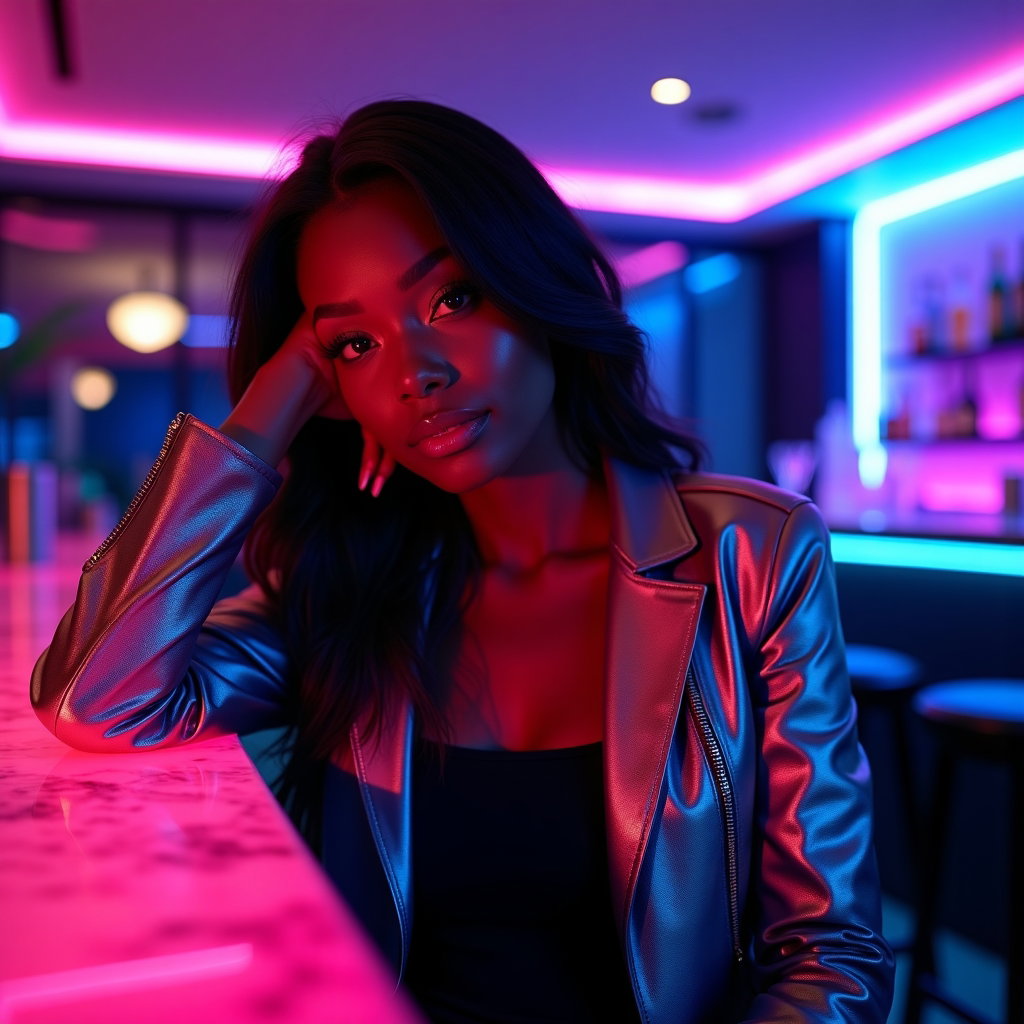
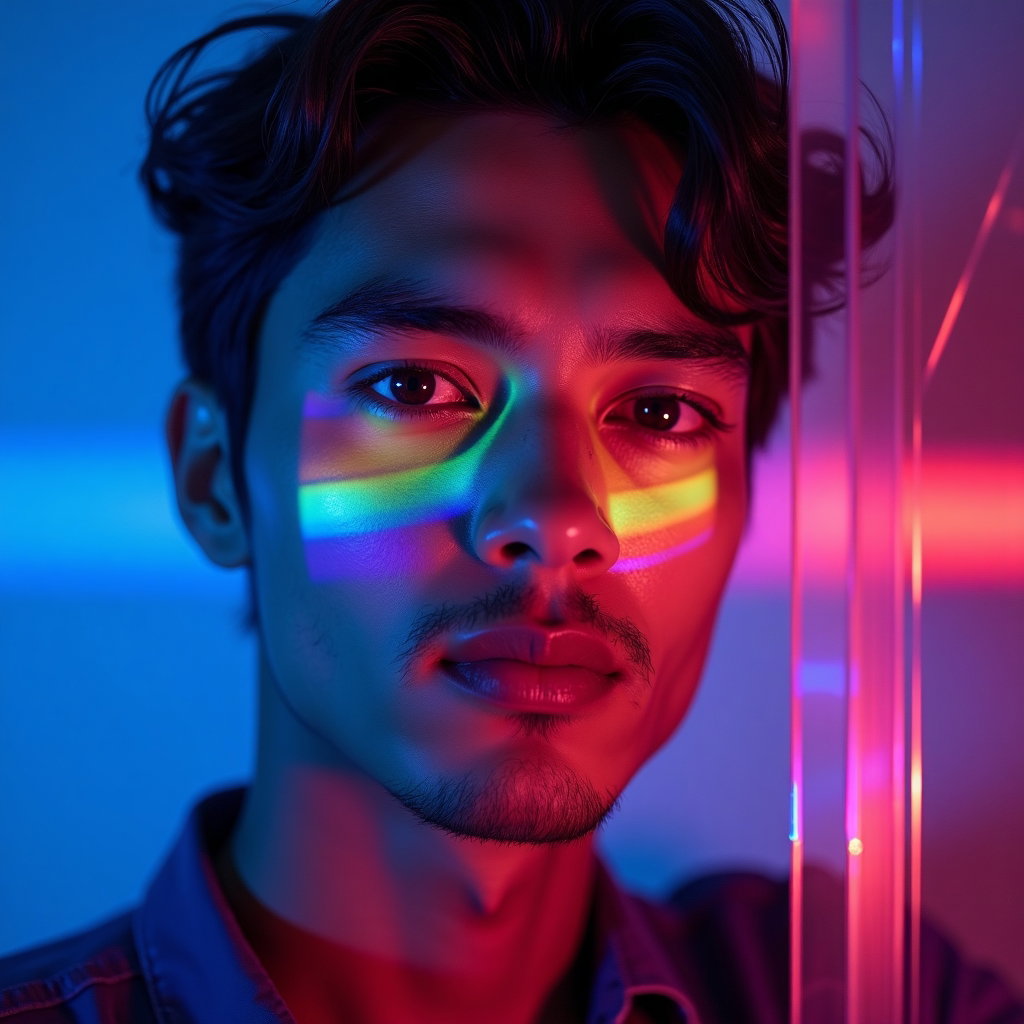
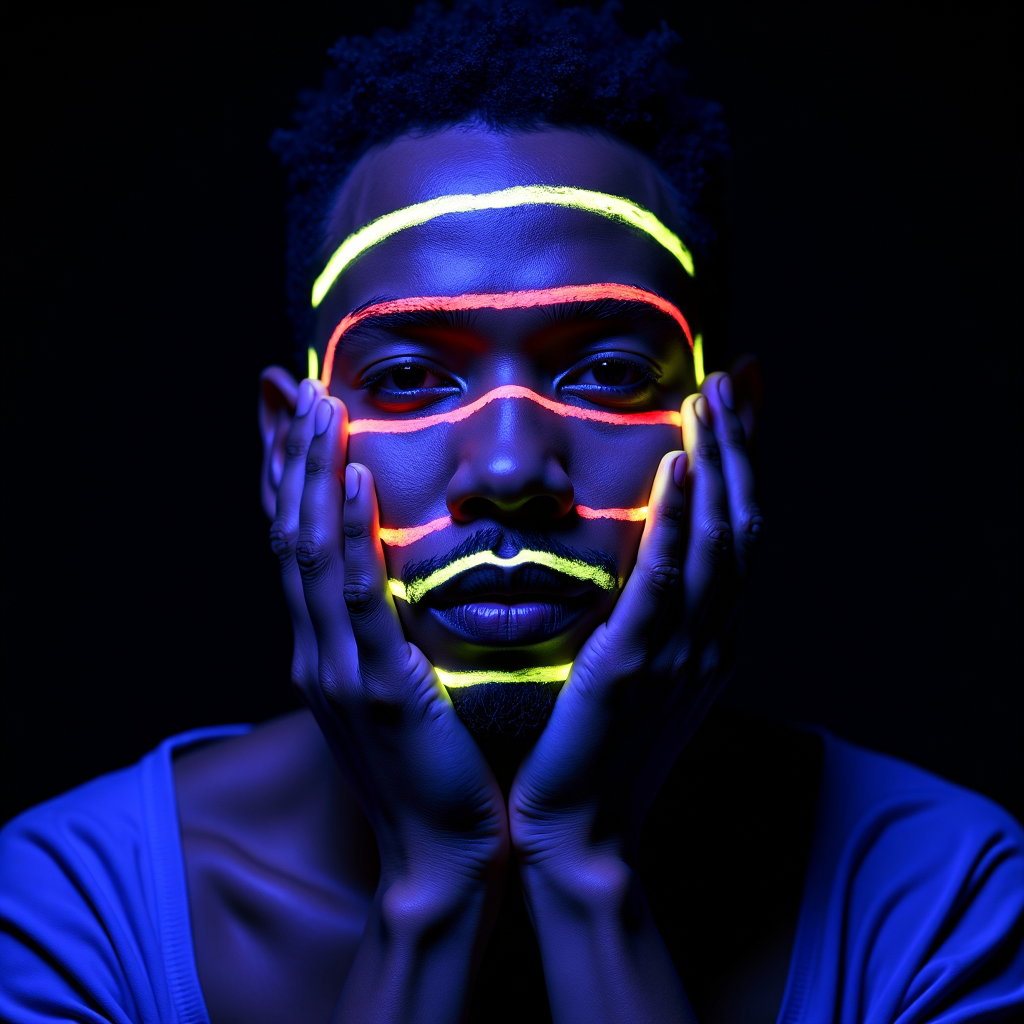
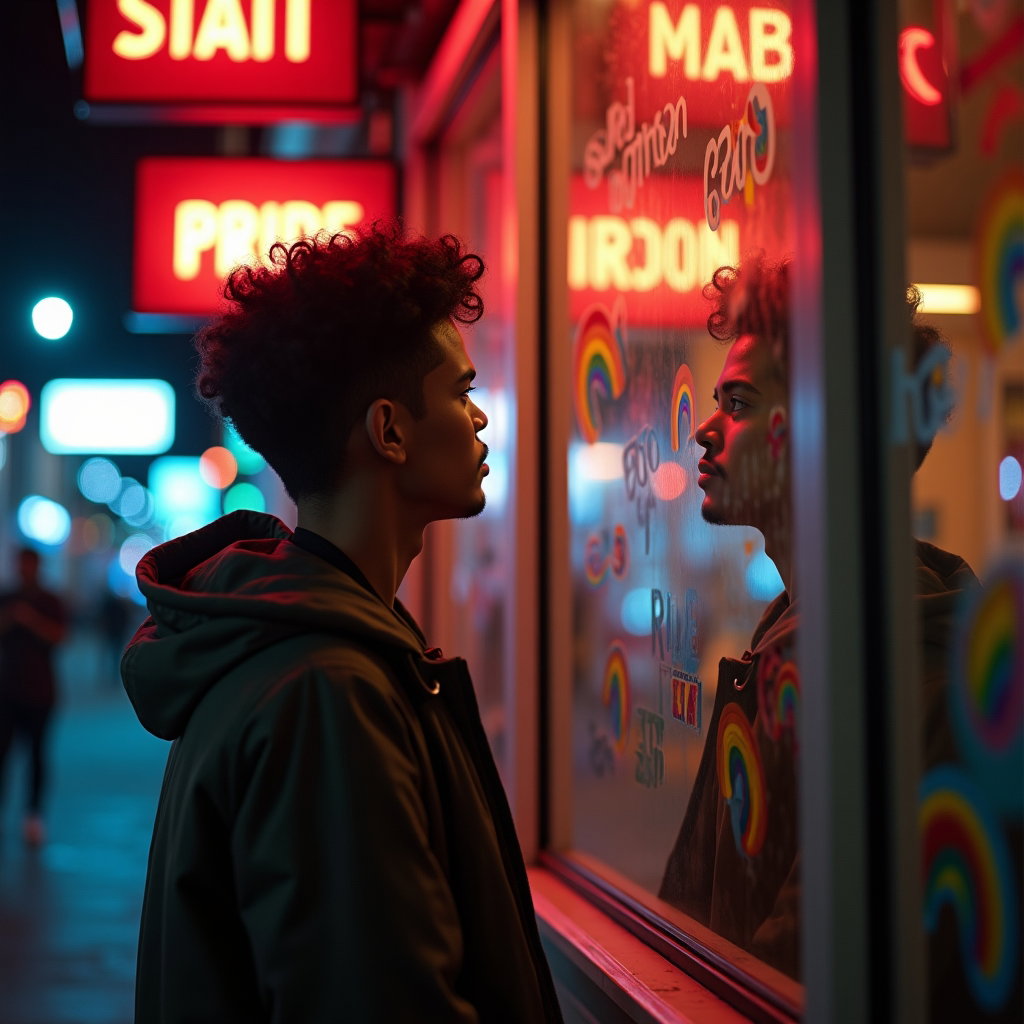
Nighttime neon Pride portraits are a strong choice if you want a modern image with energy and edge. This style uses colored light, deep shadows, and a nightlife mood. It works well for solo portraits, music profiles, party announcements, dating photos, and images that feel less formal than a studio headshot.
The key is contrast. Let the face catch pink, blue, violet, or green light while the background stays darker. A wet street, black wall, club doorway, or blurred city light can add depth without taking attention away from the person. The expression can be calm, serious, flirtatious, or confident. It does not need a big smile to feel like Pride.
For app users, this is a useful style to generate when you want color without using obvious props. Ask for a close-up or three-quarter portrait with neon side light, glossy highlights, and a dark urban background. The image works because the lighting carries the Pride mood while the subject stays the center.
Pose: turn the body slightly away from the camera and look back with steady eye contact. Light: use neon pink, blue, violet, or green from one side, with soft shadow on the other side. Wardrobe/background: choose black, metallic, leather, mesh, satin, or a simple dark outfit against a club entrance, alley, or blurred city lights. Mistake to avoid: do not use too many neon colors at once, or the face can look muddy.
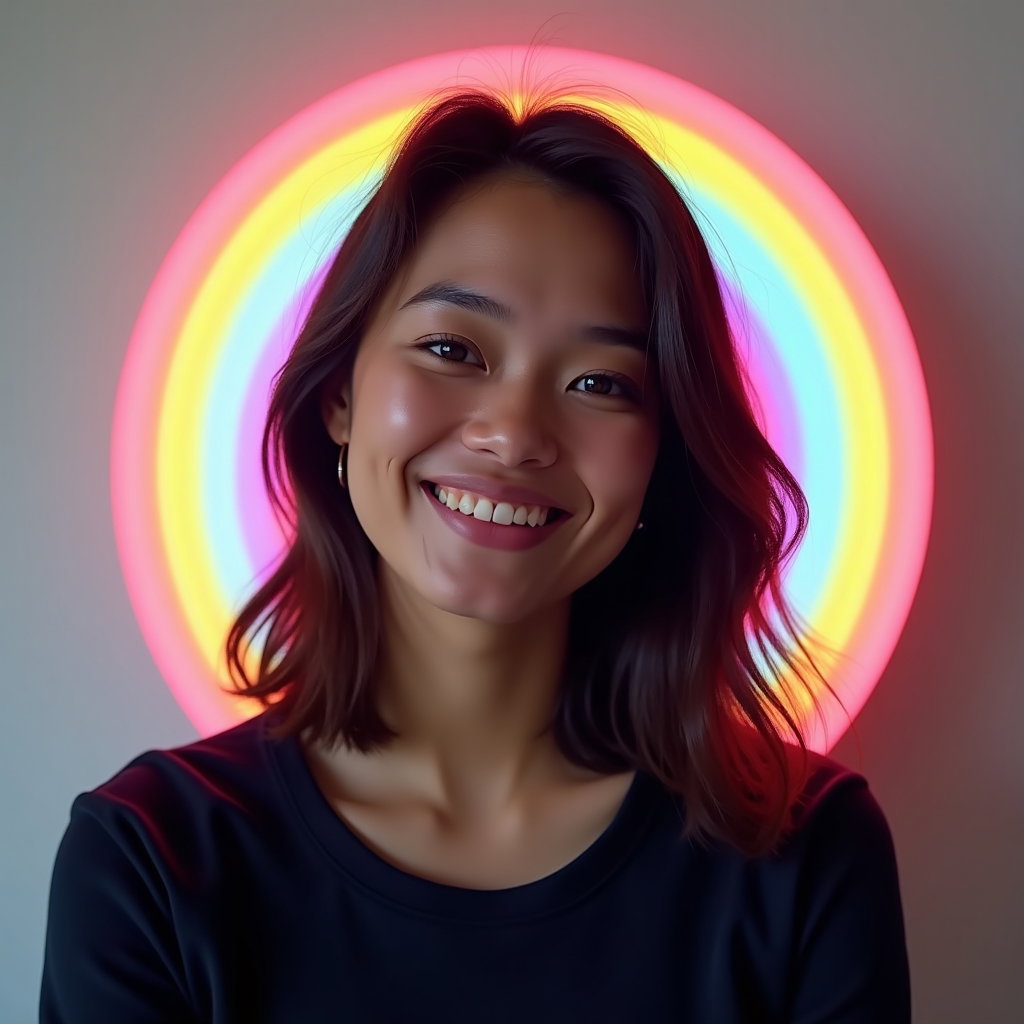
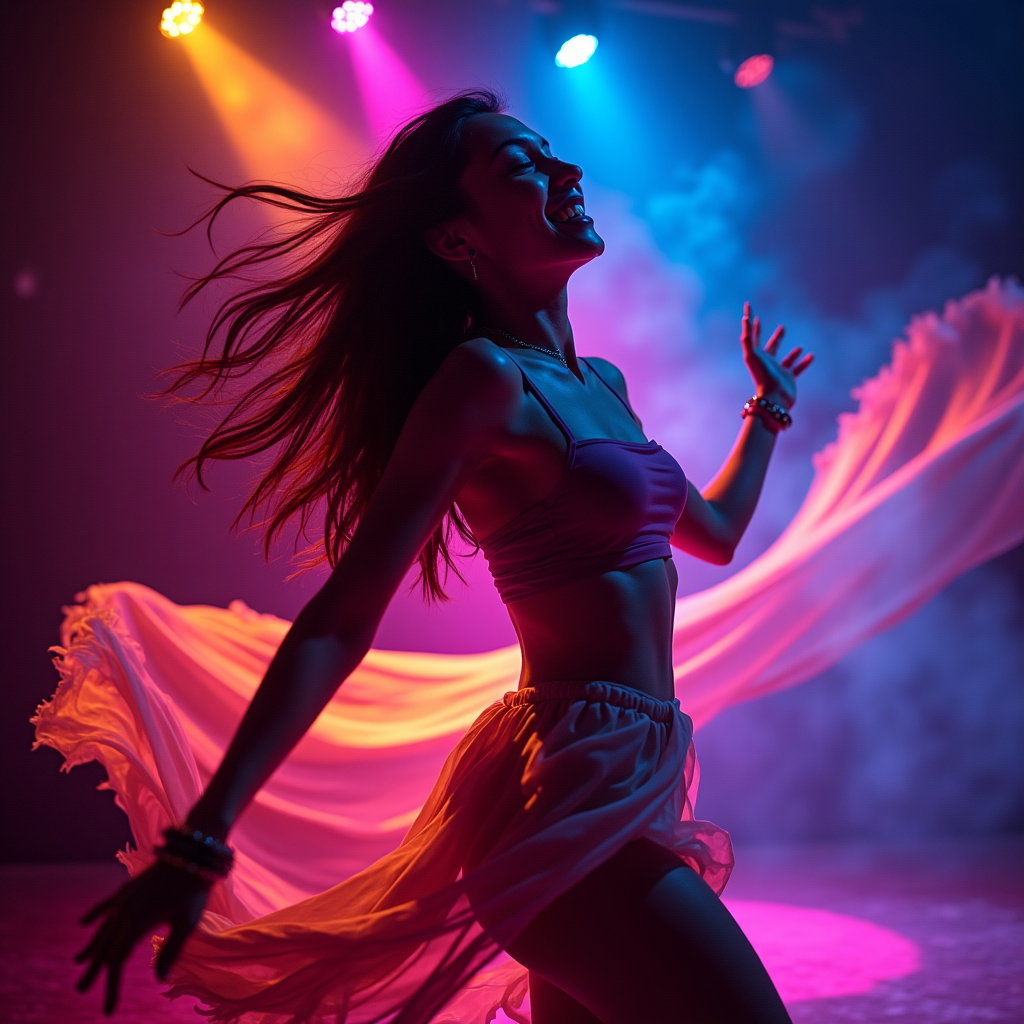
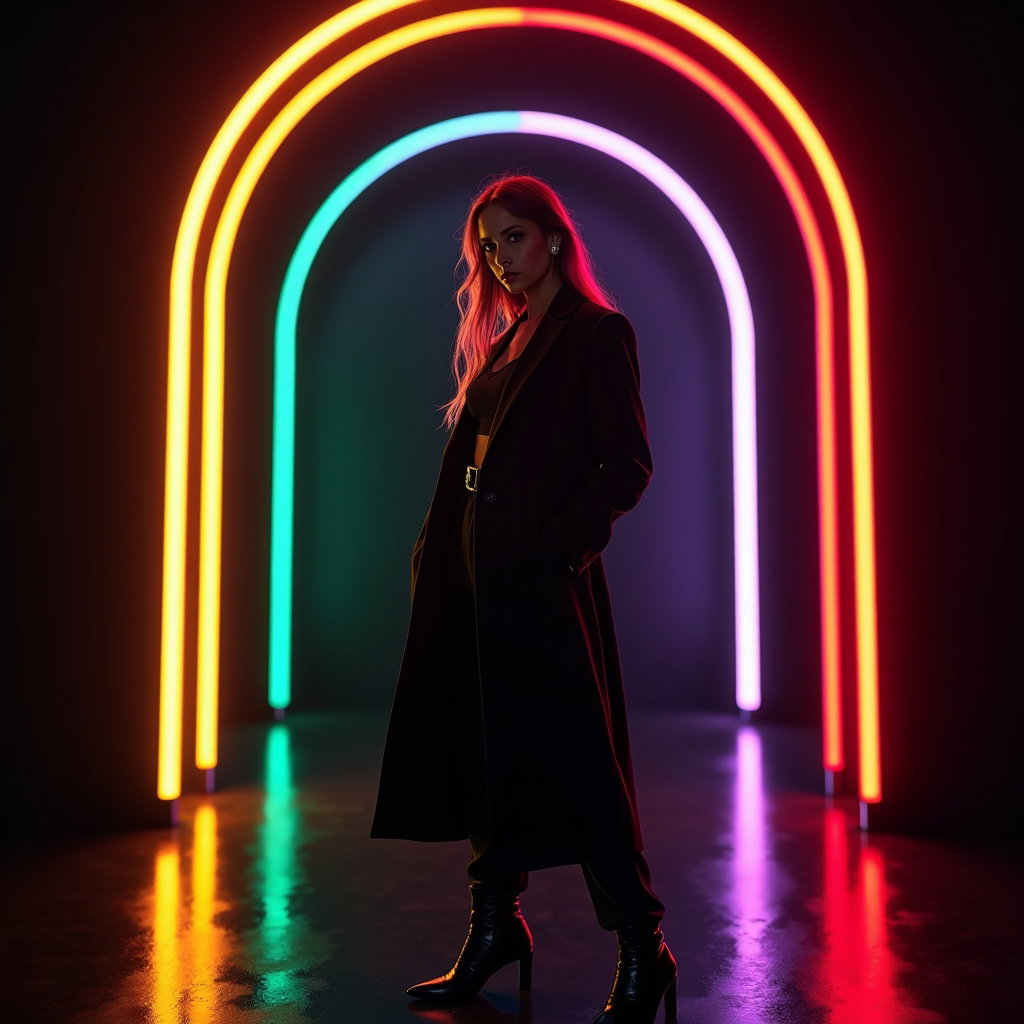
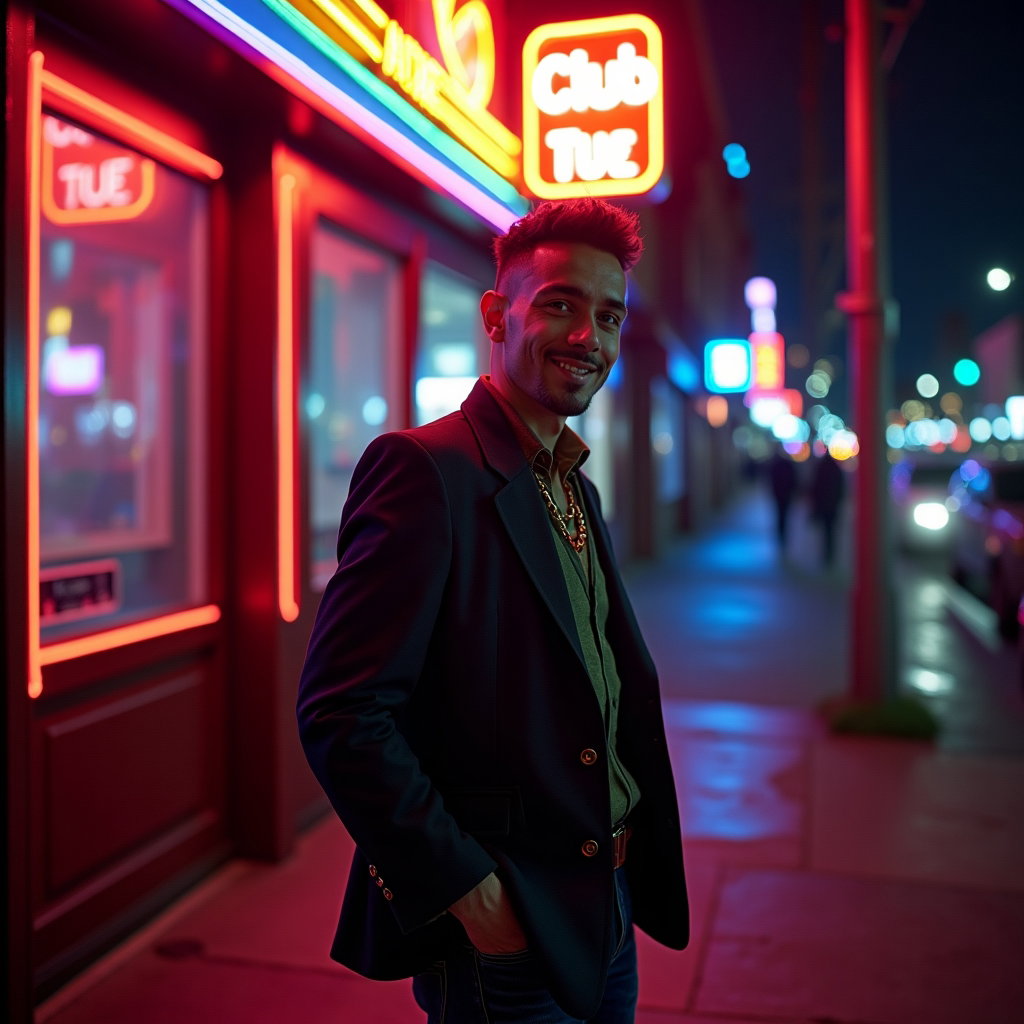
Click on any photo to see yourself here
Close-Up Pride Makeup and Face Paint Portraits
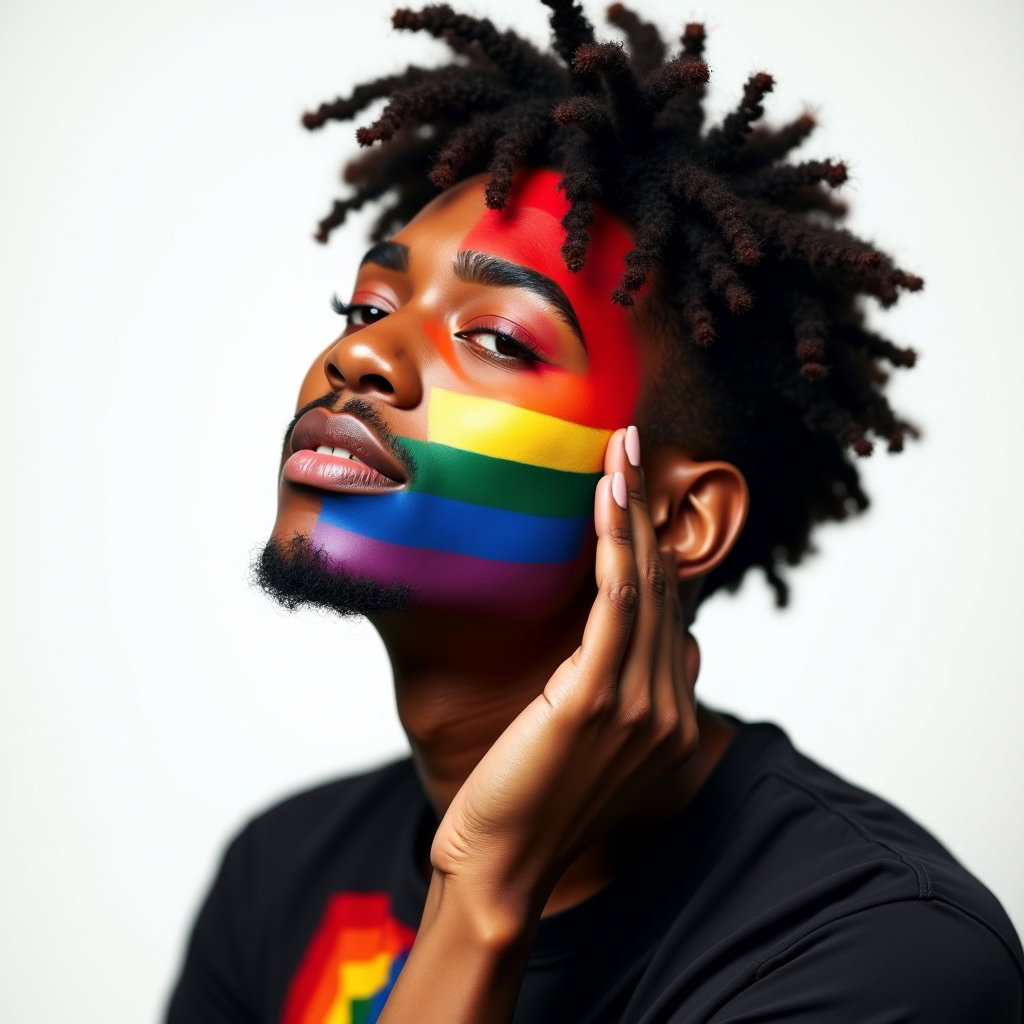
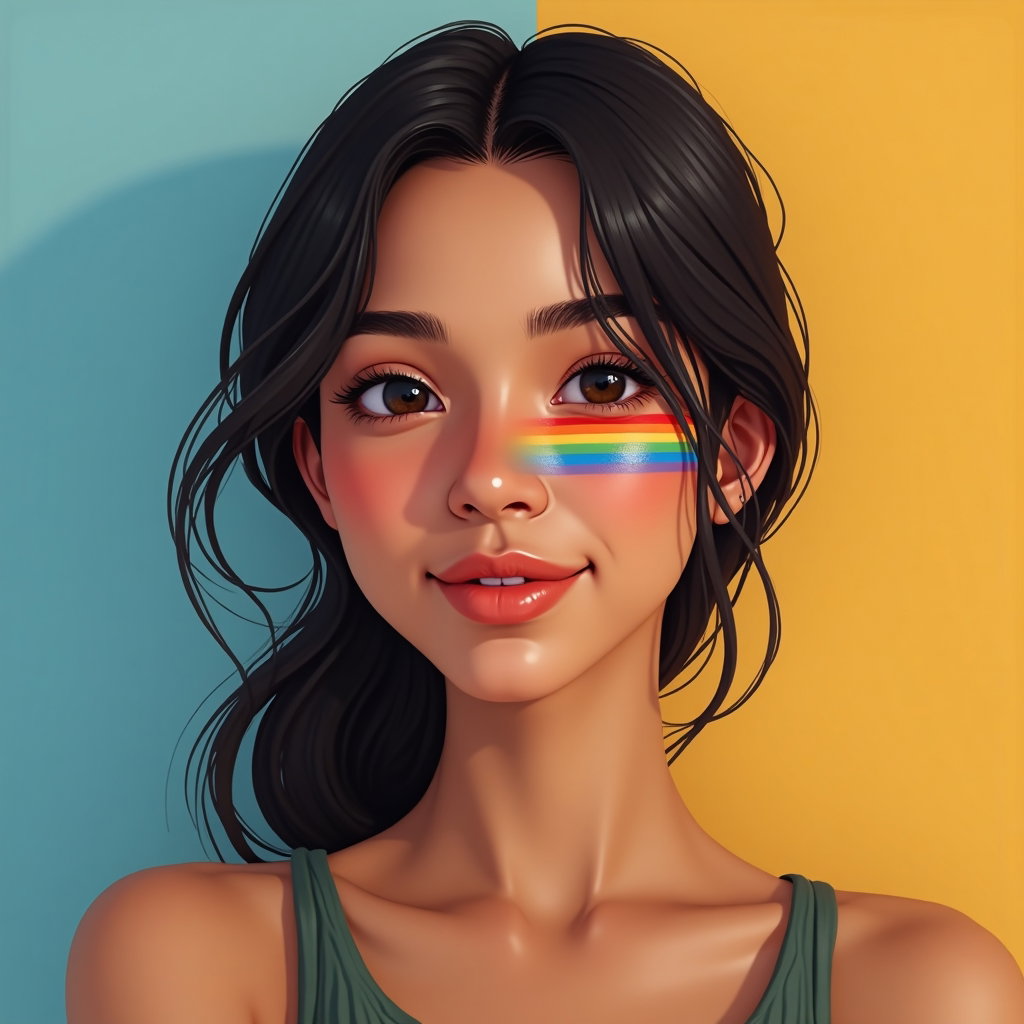
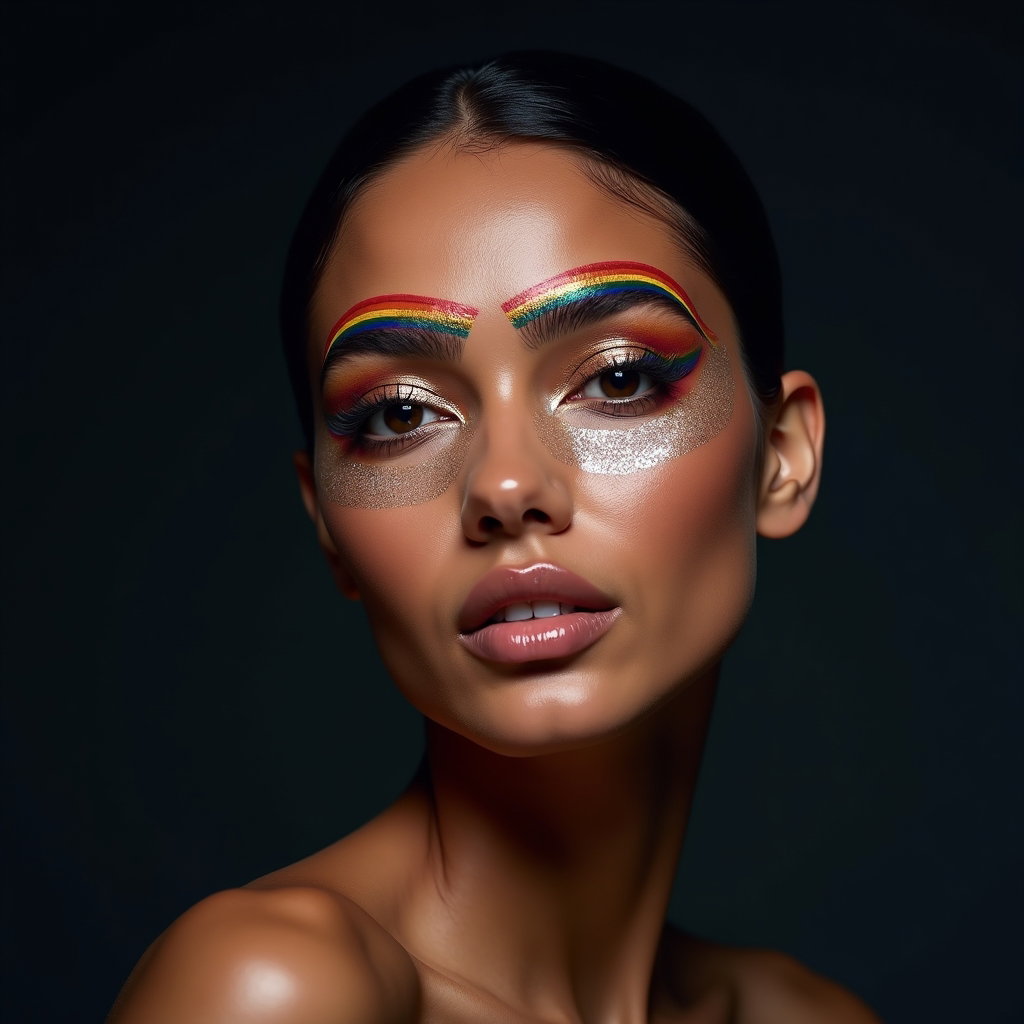
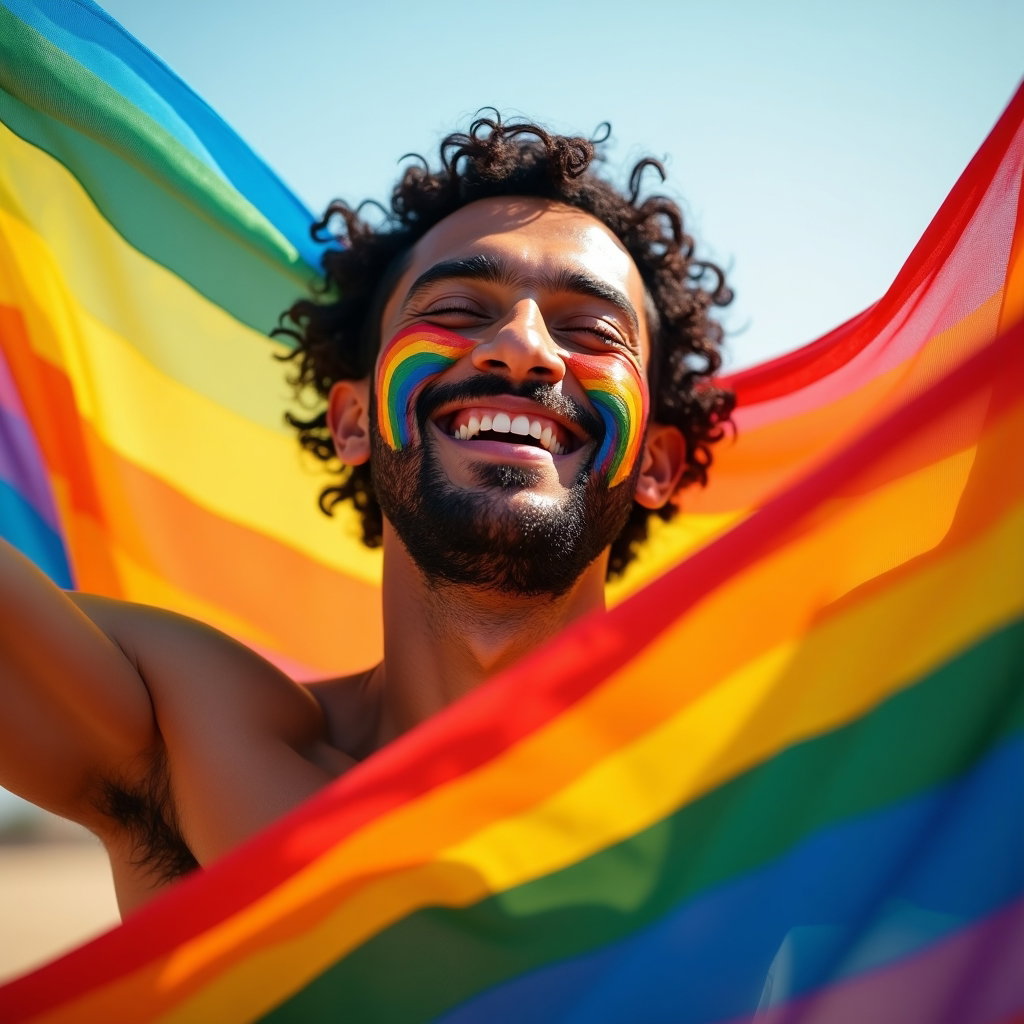
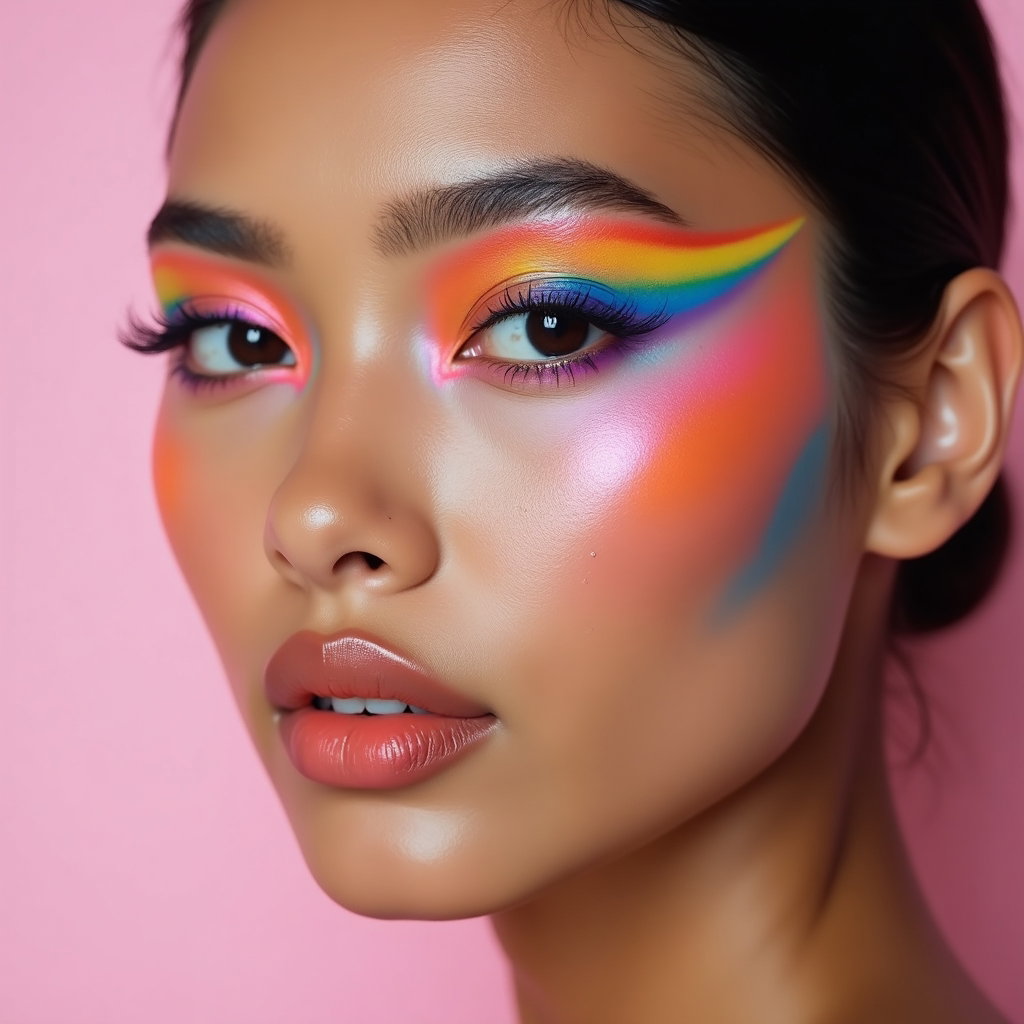
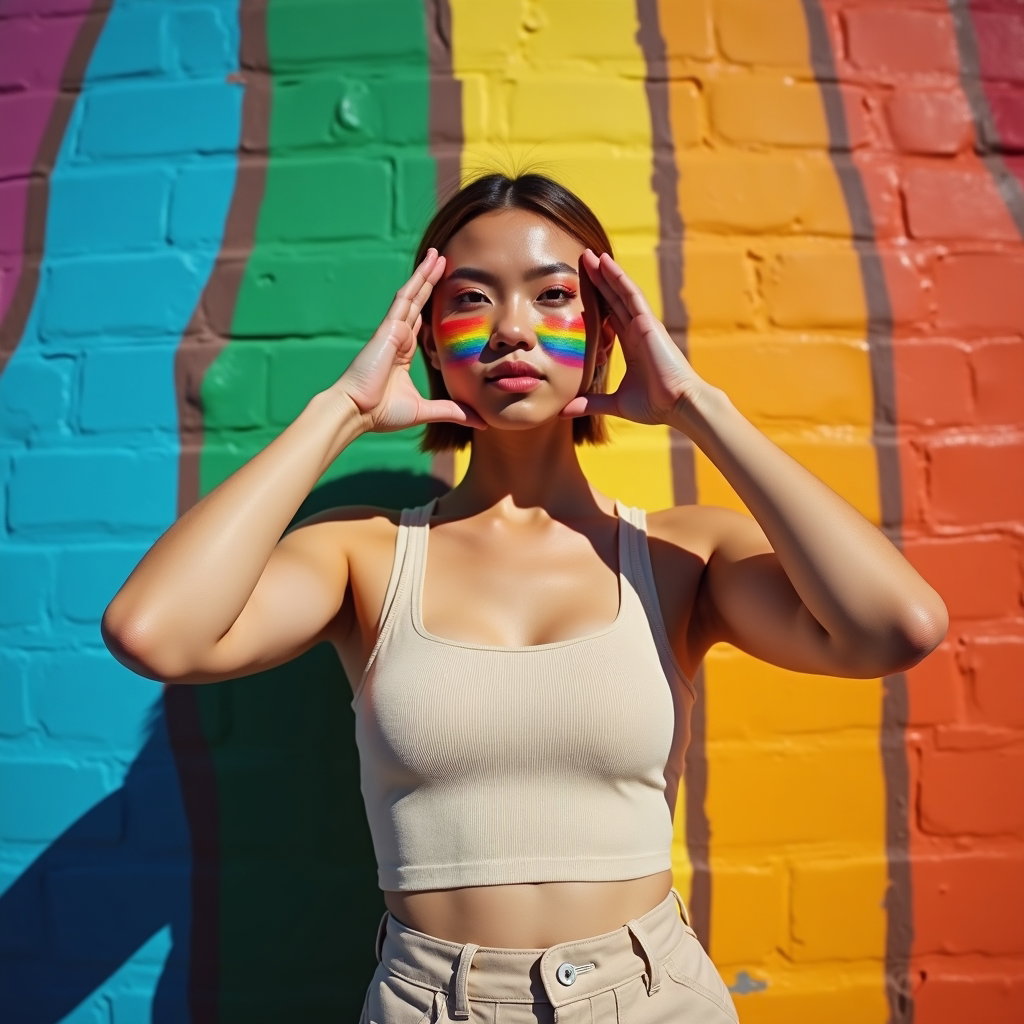
Close-up Pride makeup portraits are ideal when you want color, detail, and personal style to lead the image. The Pride theme can appear through eyeliner, glitter, lip color, graphic shadow, painted stripes, rhinestones, or small face paint details. This style is useful for beauty portraits, profile images, event announcements, and creative self-expression.
The strongest close-ups keep the background simple. A clean studio wall, soft gradient, or blurred color field helps the viewer focus on the eyes, skin texture, paint, and expression. Framing matters. A tight crop from the shoulders up makes color feel intentional. A direct gaze creates power. A soft side glance can feel more intimate.
When generating this style, describe the makeup with care. Instead of asking for “rainbow makeup,” specify placement. Try “rainbow graphic eyeliner,” “small Pride flag cheek paint,” “glitter tears in pink and blue,” or “bold lip with clean skin.” This gives the portrait a clear beauty concept instead of a random color splash.
Pose: use a close crop with the face angled slightly toward the light and the eyes sharp. Light: choose soft beauty lighting with a gentle highlight on the cheekbones. Wardrobe/background: keep clothing simple, such as a plain top, bare shoulders, or one matching color; use a neutral or soft gradient background. Mistake to avoid: do not cover the whole face with heavy paint unless that is the main concept, because small precise details often look more polished.
Click on a photo to swap your face in
Gender-Expressive Pride Portraits With Confident Posing
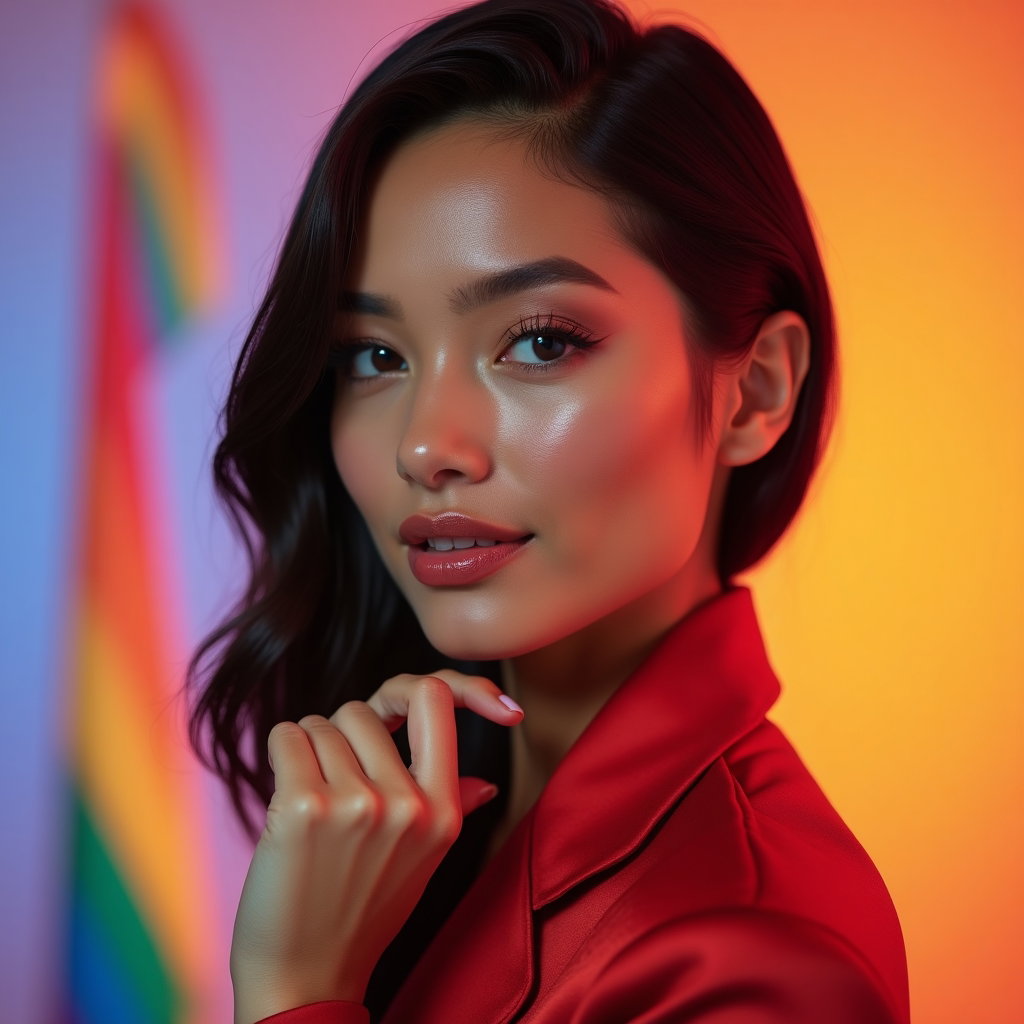
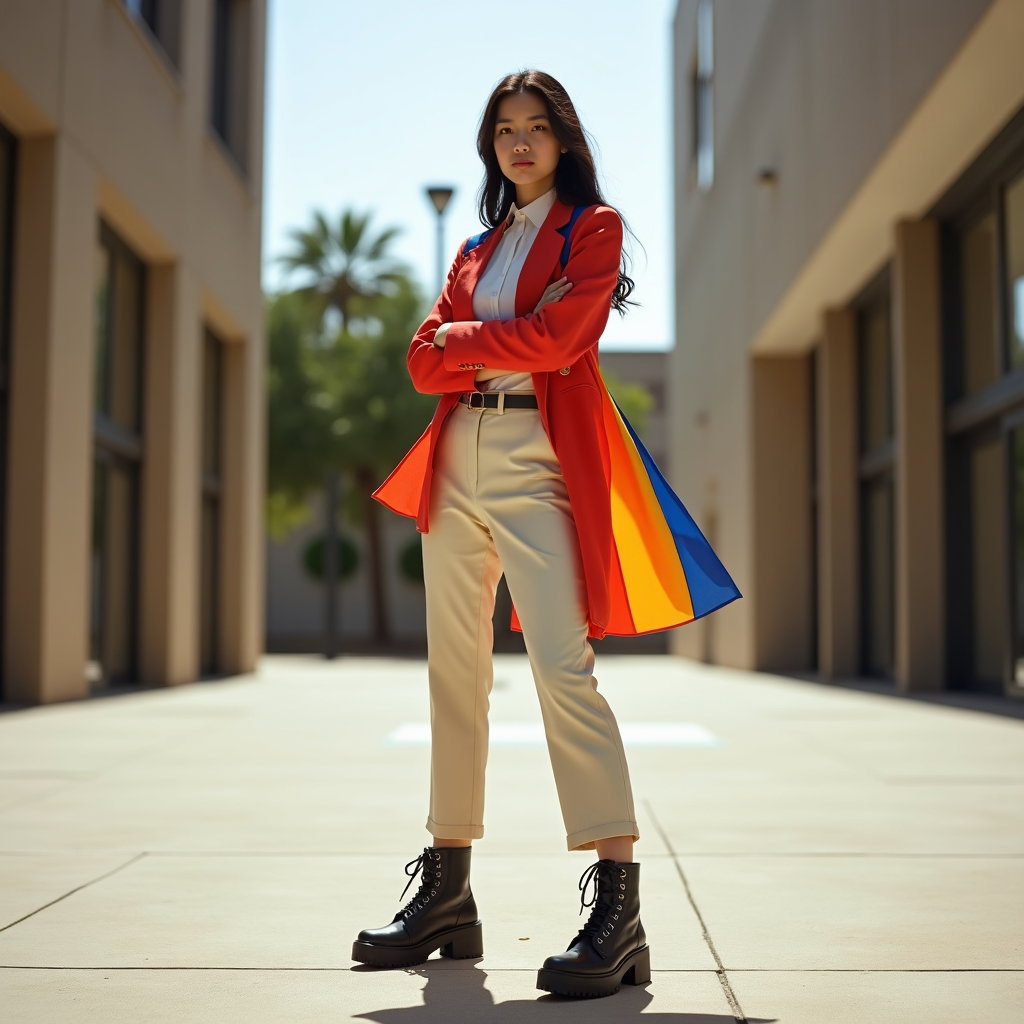
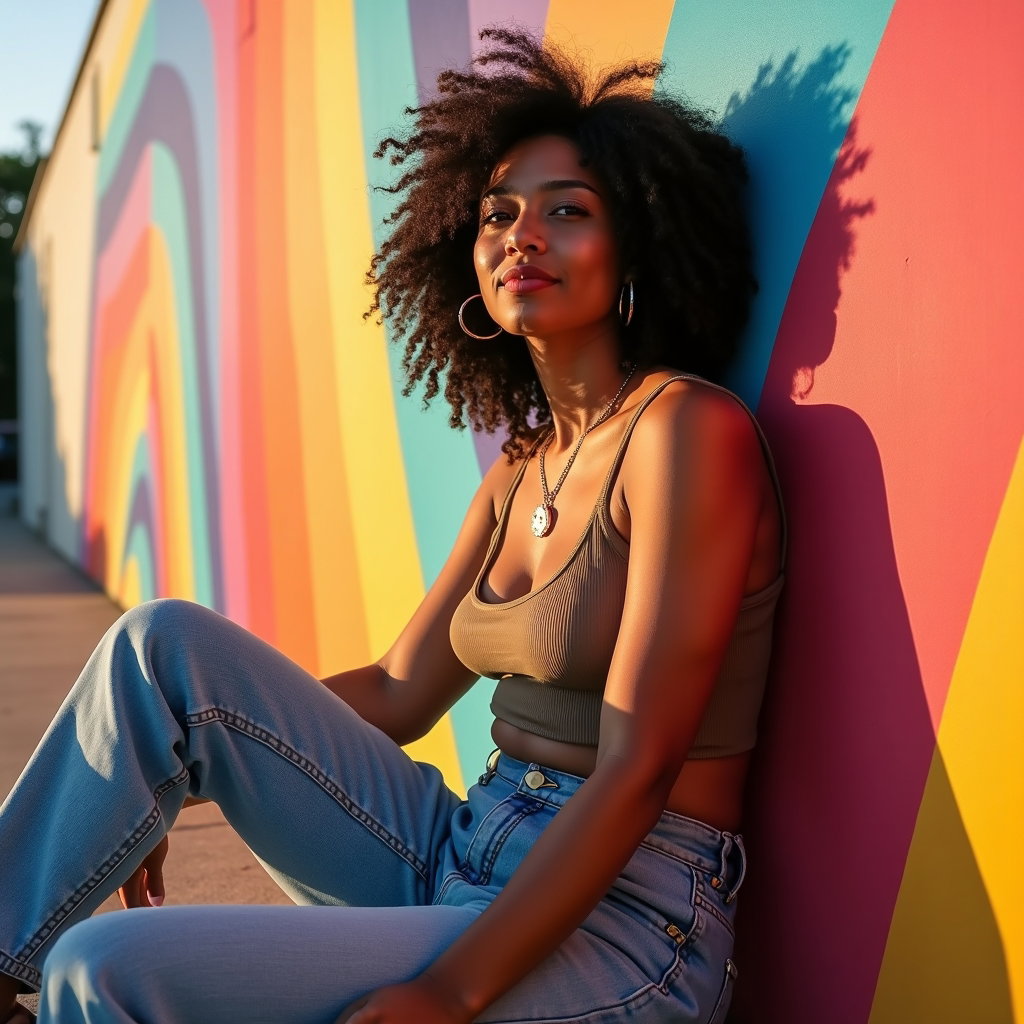
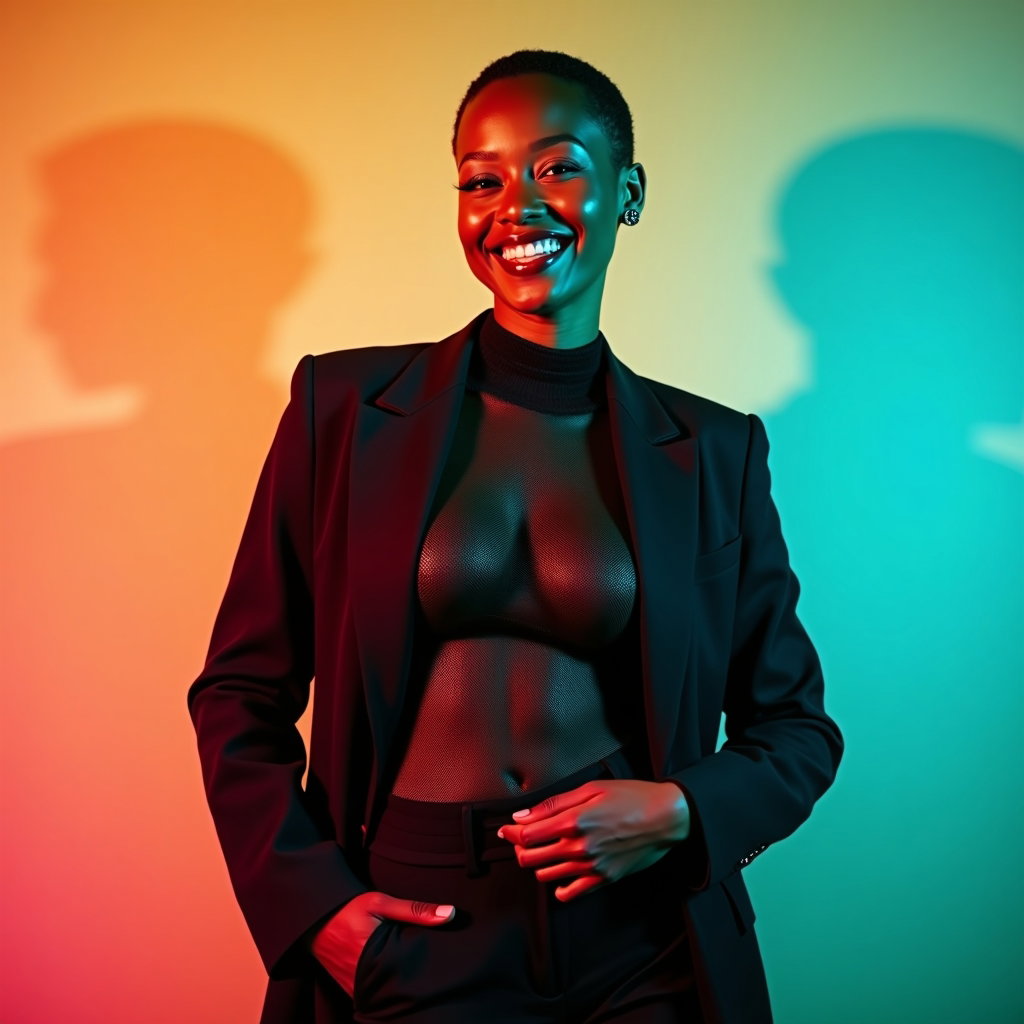
Gender-expressive Pride portraits should start with how the person wants to be seen. The focus is not only rainbow styling. It is posture, clothing, hair, expression, and presence. This type of portrait works well for anyone who wants a photo that feels affirming, clear, and aligned with their chosen presentation.
Confident posing is the visual anchor. A strong stance, lifted chin, relaxed shoulders, or direct gaze can say more than props. Wardrobe can be soft, sharp, glamorous, minimal, masc, femme, androgynous, fluid, or mixed. The best image does not explain the person. It simply shows them with care and control.
For AI portrait generation, be specific about the presentation and mood. You might ask for “androgynous tailored suit with soft eye makeup,” “femme portrait with shaved head and satin shirt,” “masc streetwear portrait with pearl details,” or “fluid styling with layered textures.” This helps the image feel intentional instead of generic.
Pose: use a grounded stance, one hand in a pocket, shoulders open, and direct eye contact. Light: use clean studio light or soft outdoor light that defines the face and clothes. Wardrobe/background: choose pieces that match the identity and mood, such as tailoring, lace, denim, jewelry, boots, soft fabrics, or sharp lines; keep the background simple or urban. Mistake to avoid: do not let rainbow props replace personal styling, because the portrait should center the person first.
Click on a photo to try your face in it
Queer Joy Laughing Portraits
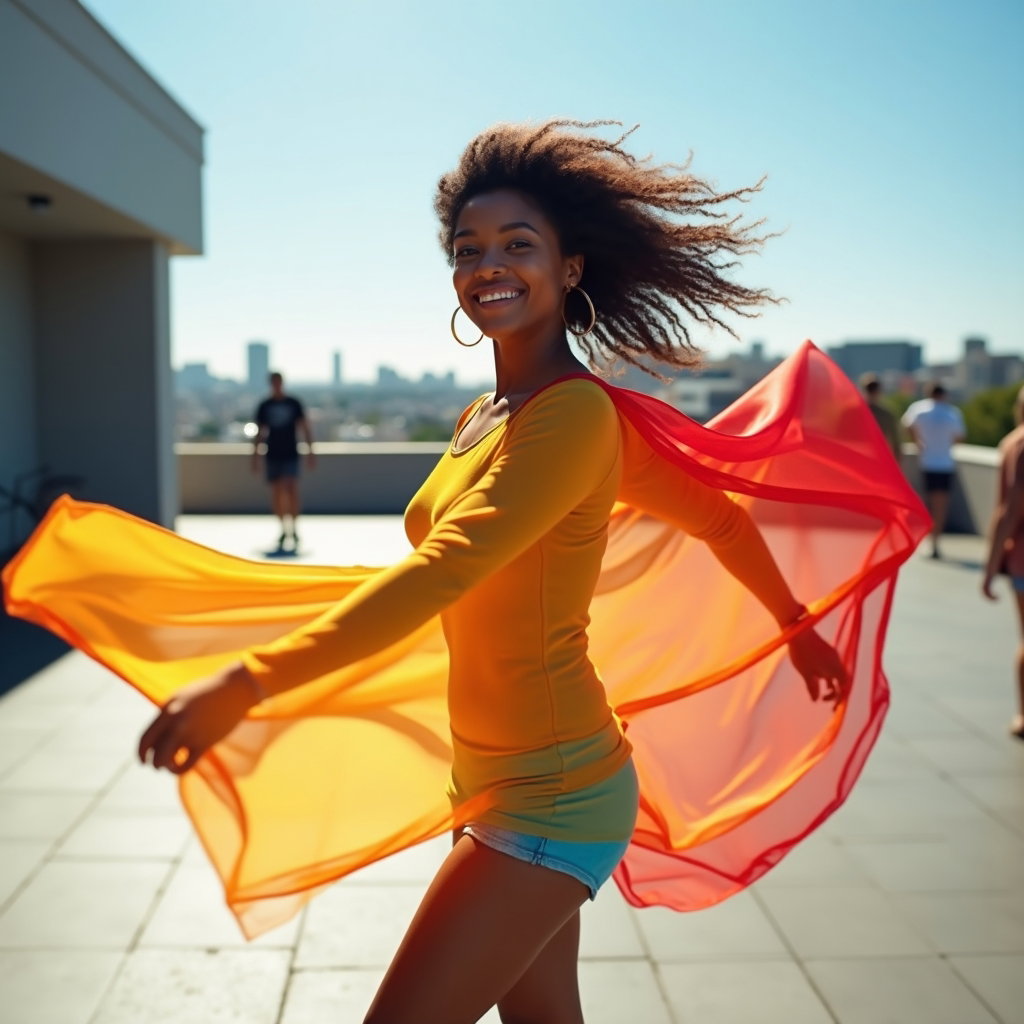
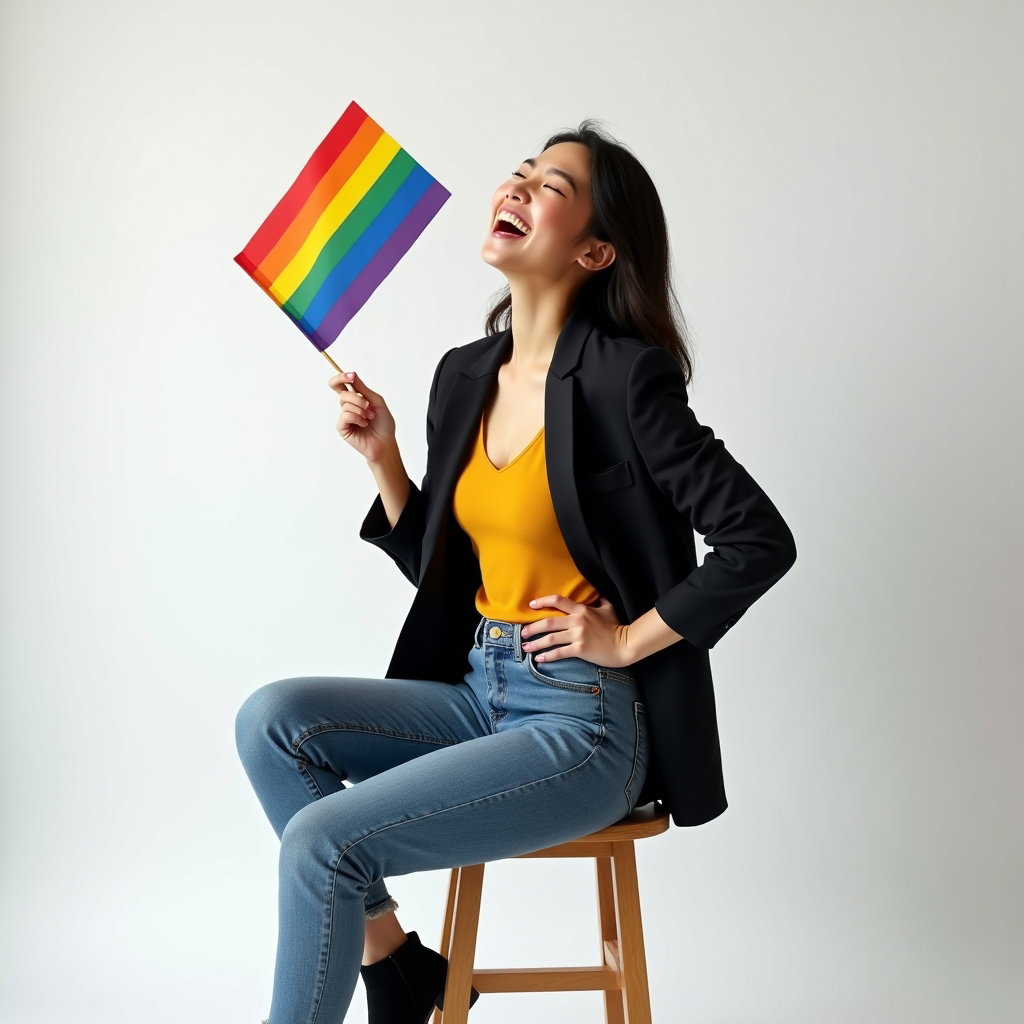
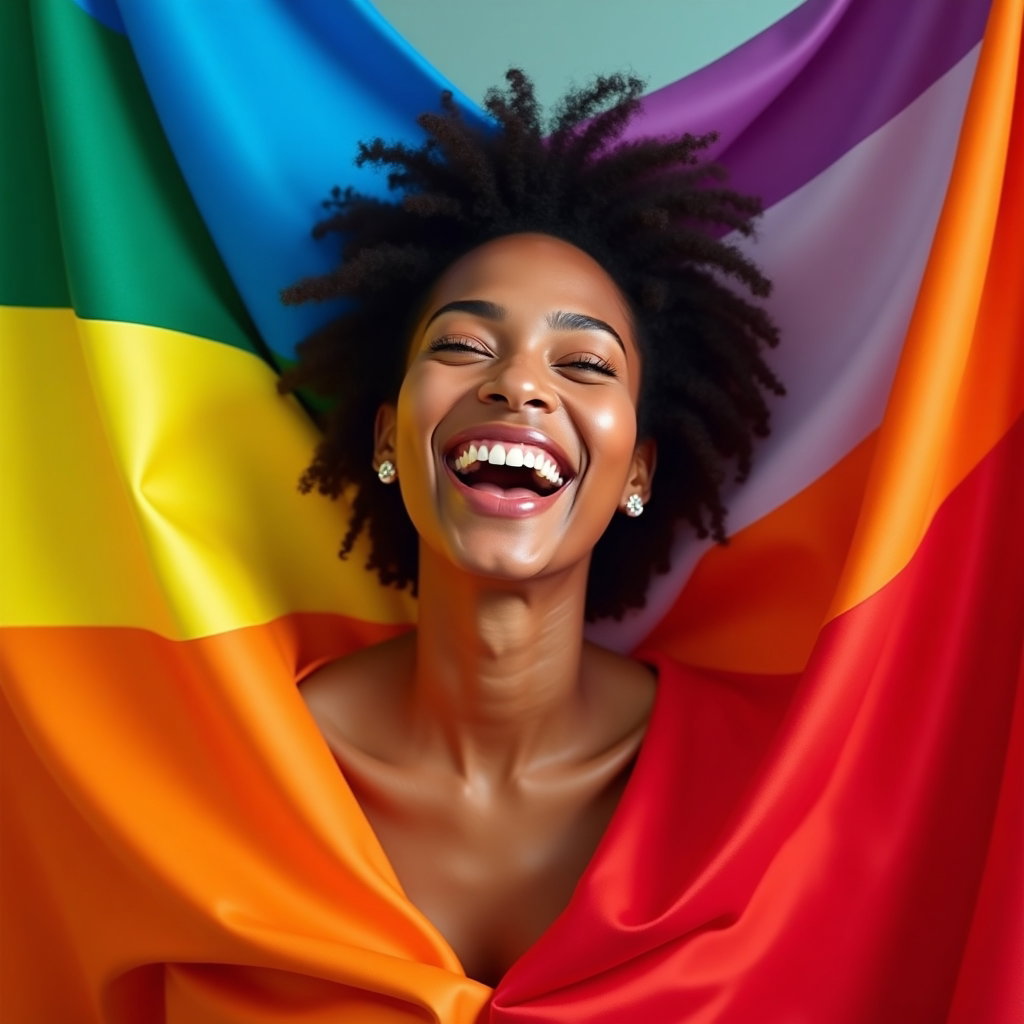
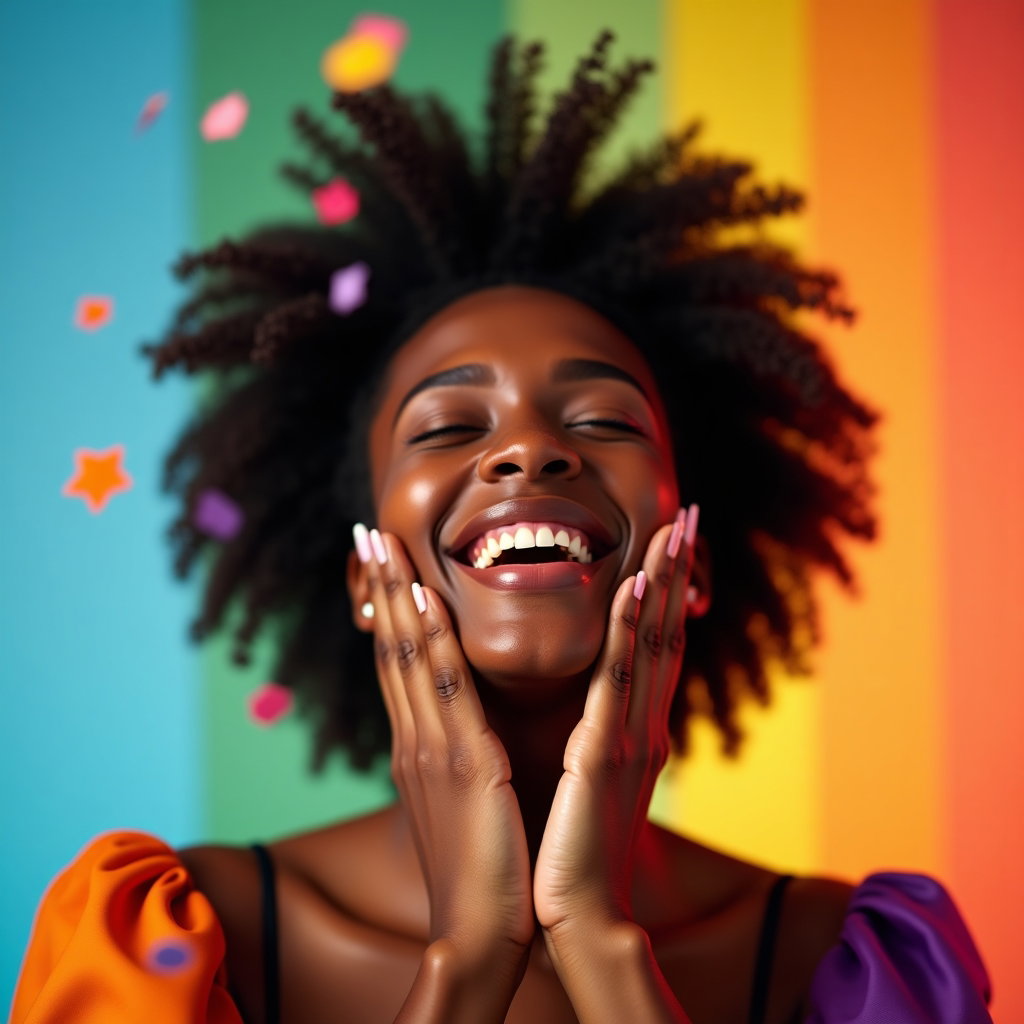
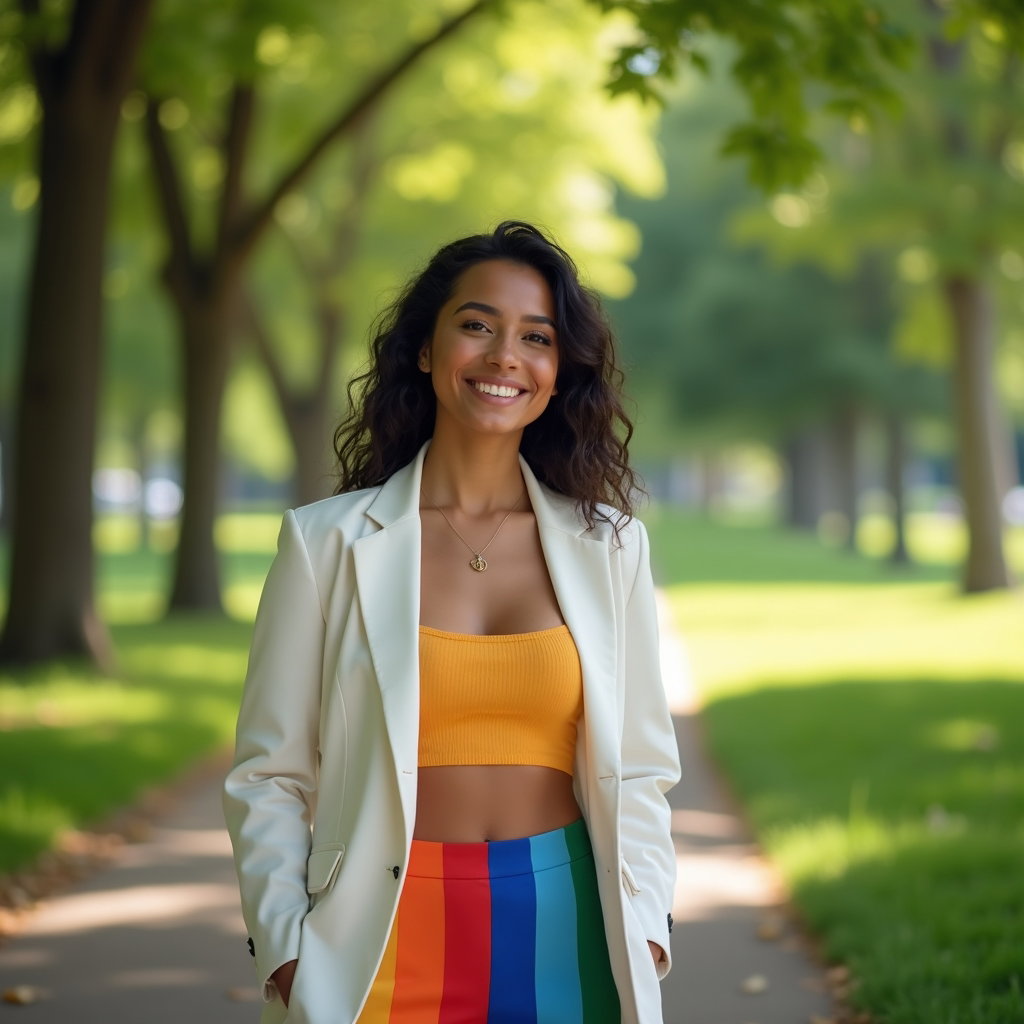
Queer joy laughing portraits are a strong choice when you want a Pride image that feels warm, easy, and real. Not every Pride portrait needs a dramatic pose or intense styling. A natural laugh, a soft grin, or a playful expression can make the photo feel more personal and less staged.
This style works well for casual profile photos, personal posts, dating images, and portraits that need a friendly mood. The setting can be a sunny street, a simple studio, a bedroom, a rooftop, or a park. The image should feel like a real moment, even if it is carefully composed.
To generate this type of image, focus on expression and movement. Ask for “genuine laugh,” “eyes slightly closed from smiling,” “head tilted back,” or “hands relaxed near the face.” Keep colors bright but not chaotic. The image works because the emotion is the main subject.
Pose: capture a laugh with the head turned slightly, shoulders relaxed, and hands natural. Light: use soft daylight, golden hour, or bright studio light with gentle shadows. Wardrobe/background: choose comfortable clothing with one or two Pride colors, and use a clean street, park, or simple room as the setting. Mistake to avoid: do not force a huge smile with a stiff body, because the portrait will feel less natural.
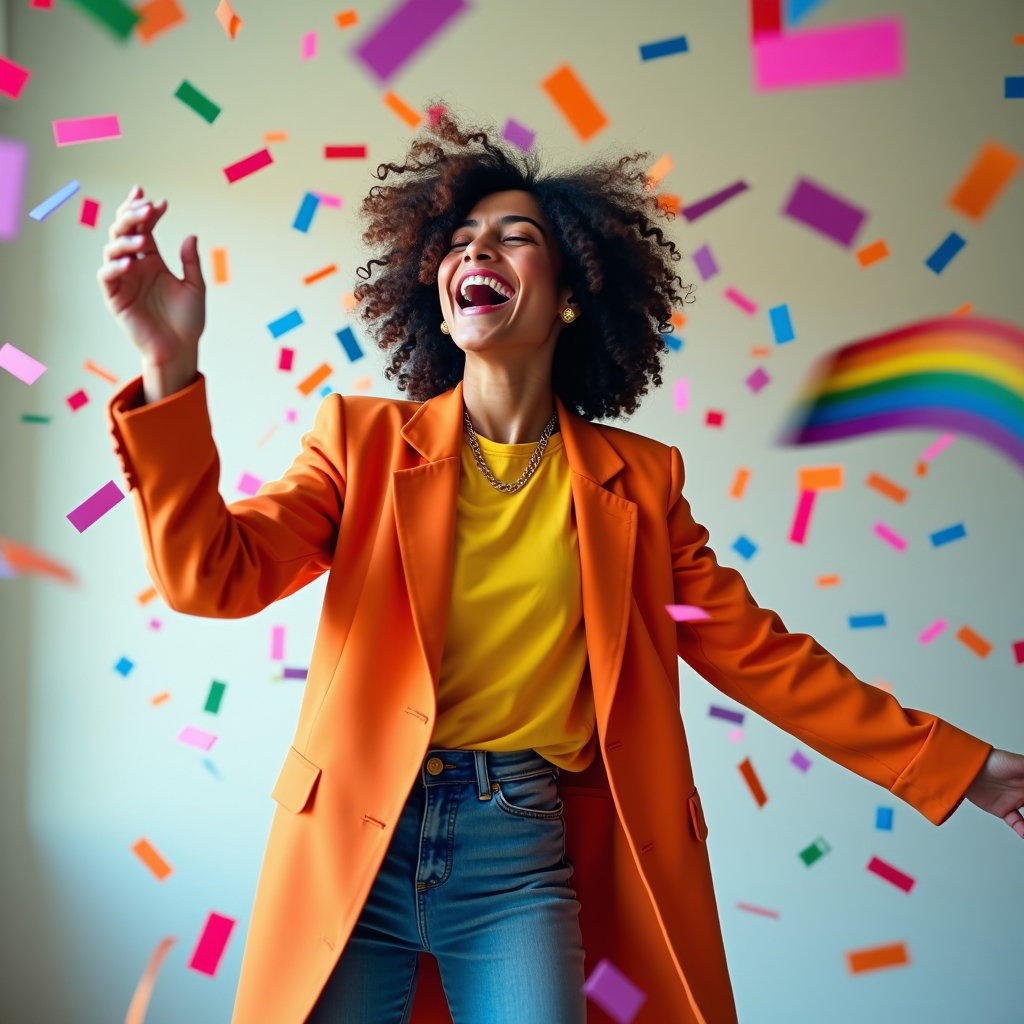
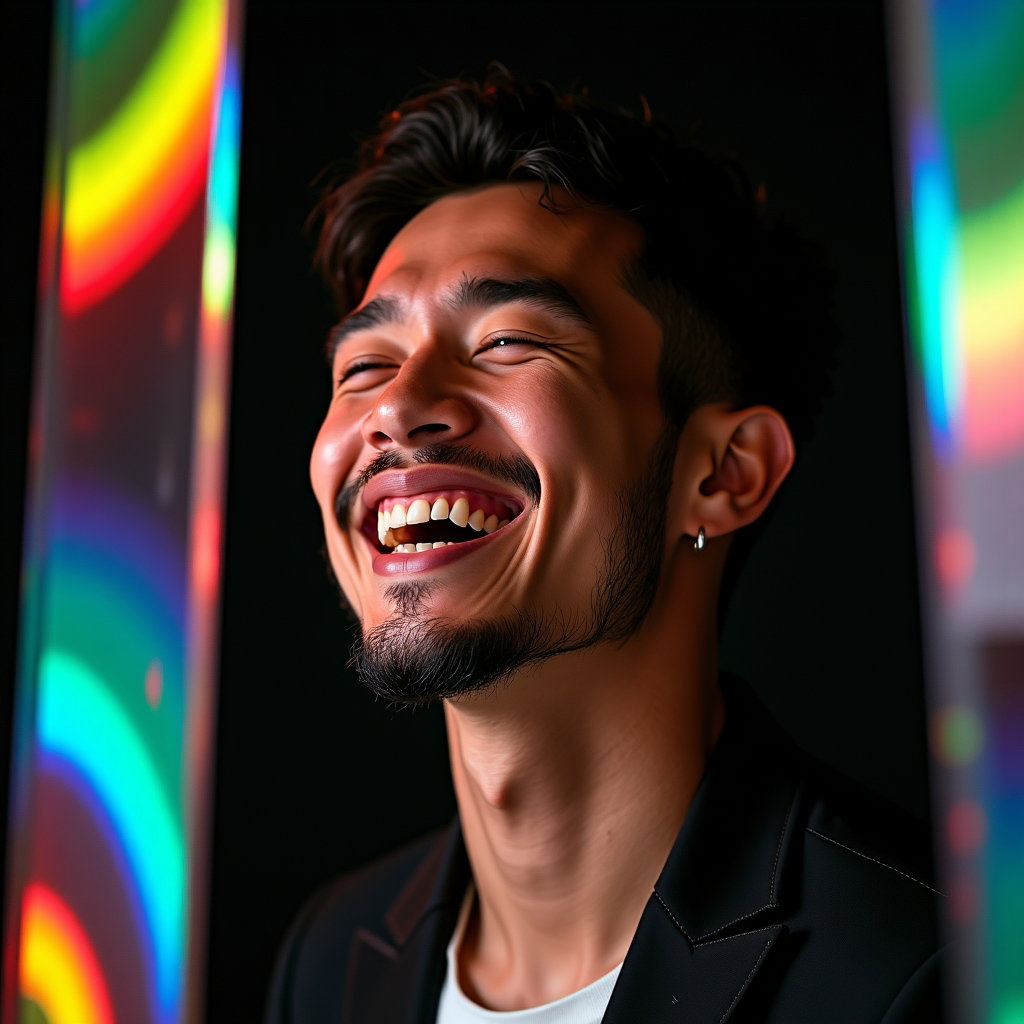
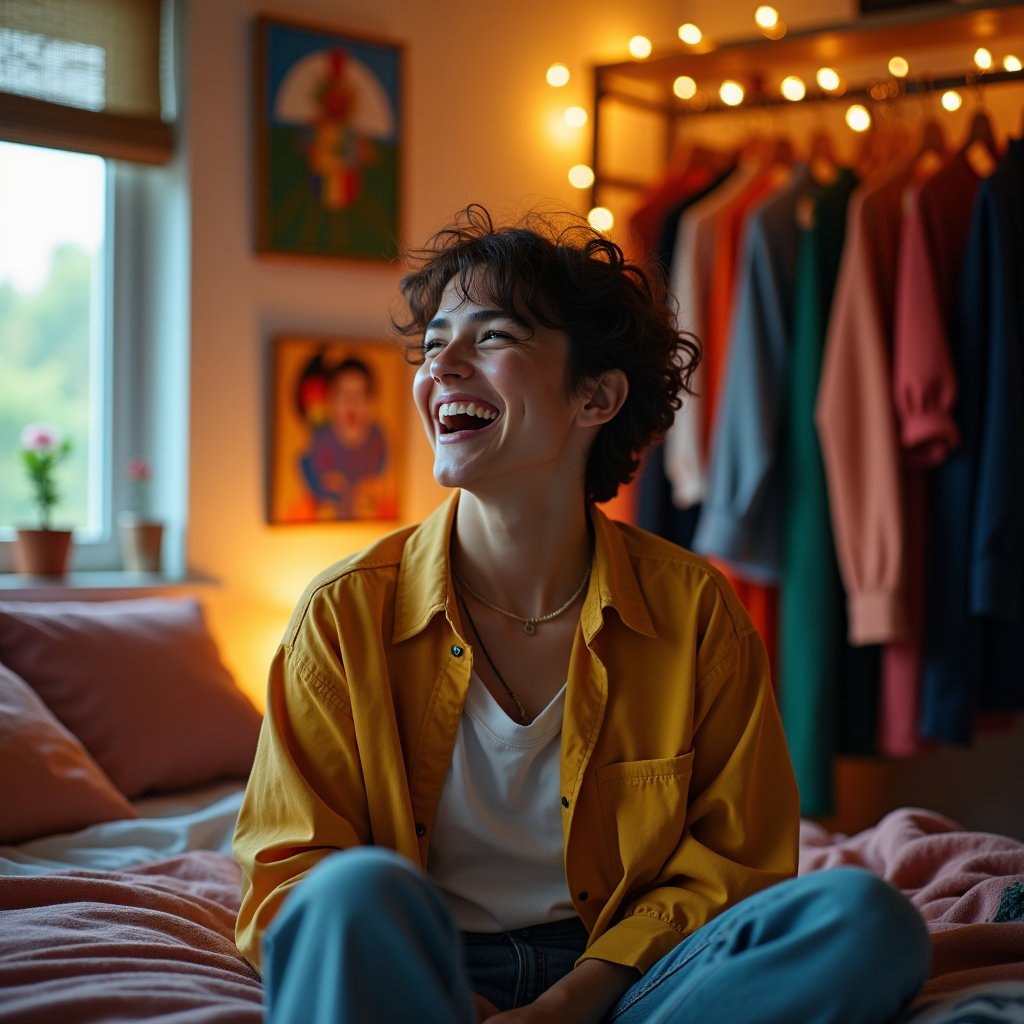
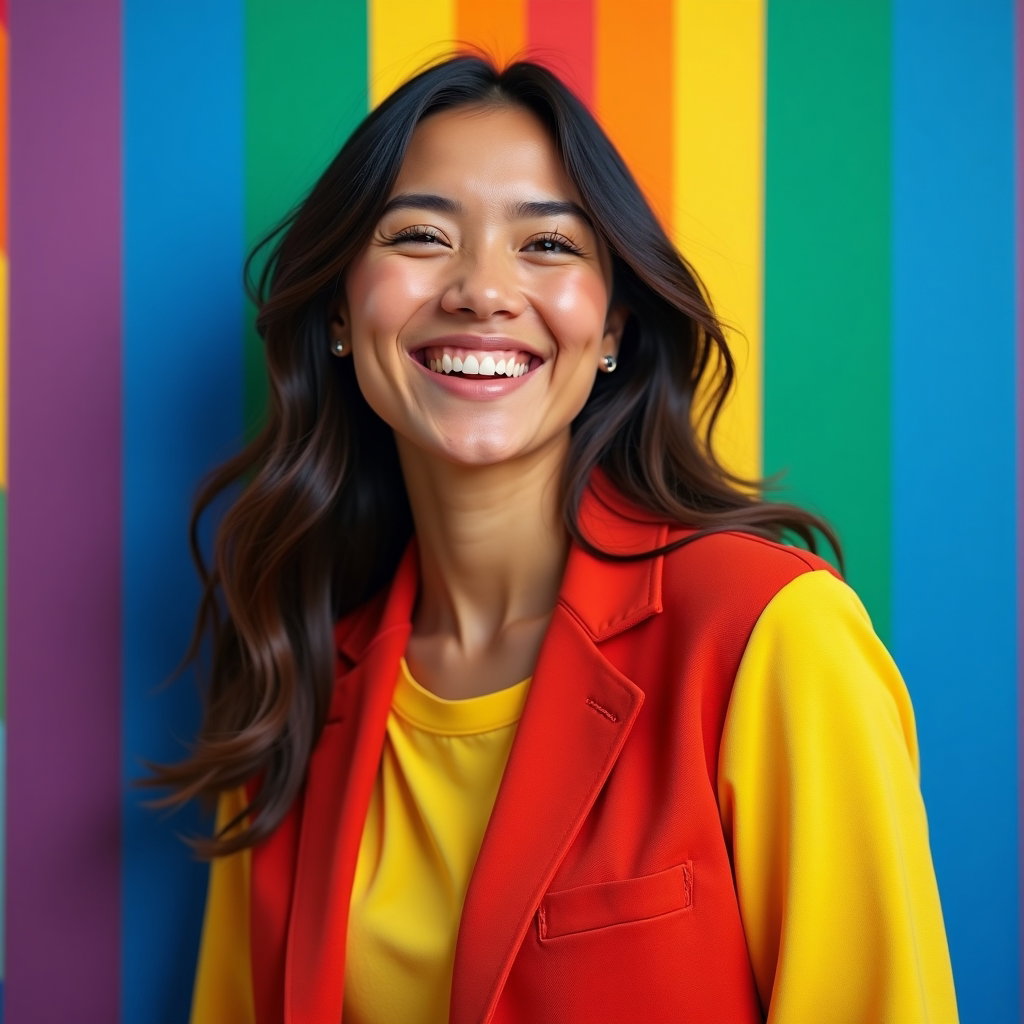
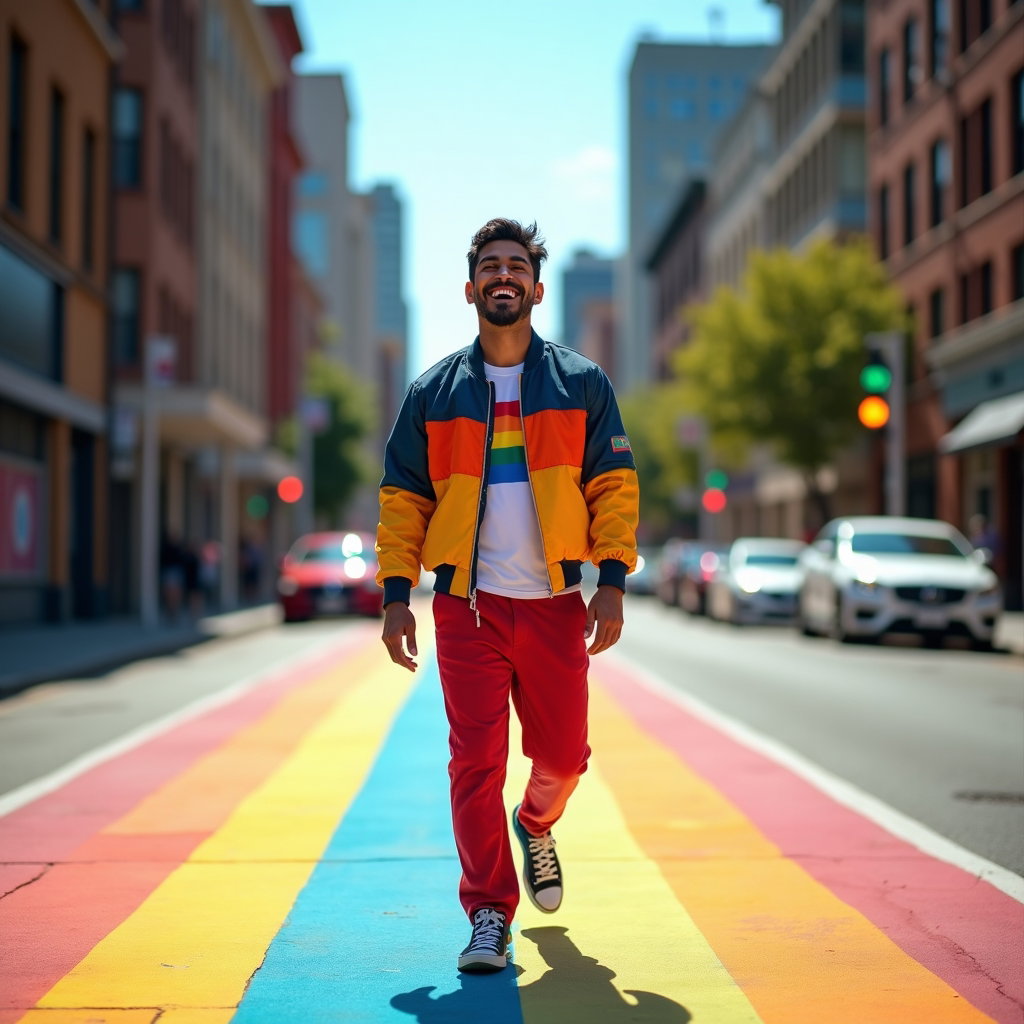
Click on a photo to replace their face with yours
Heritage-Inspired Pride Portraits That Blend Culture and Identity
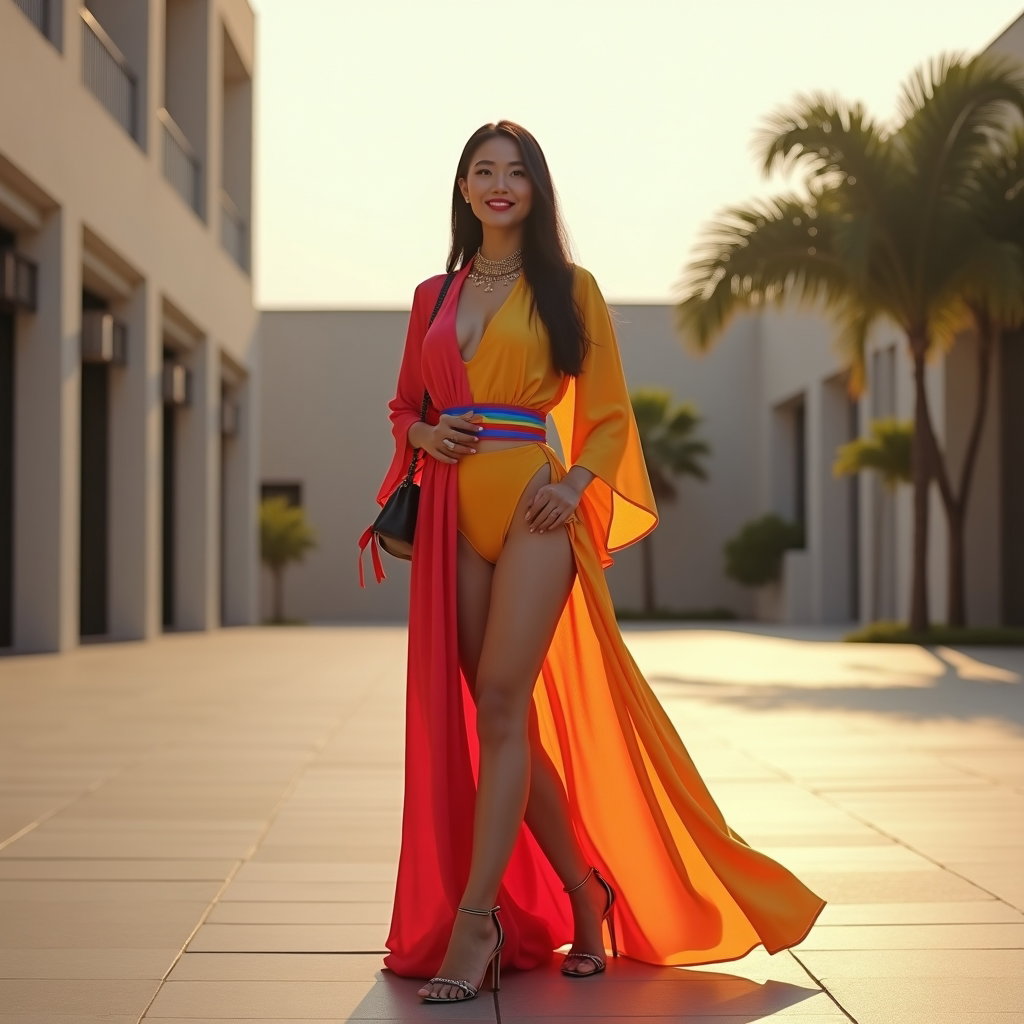
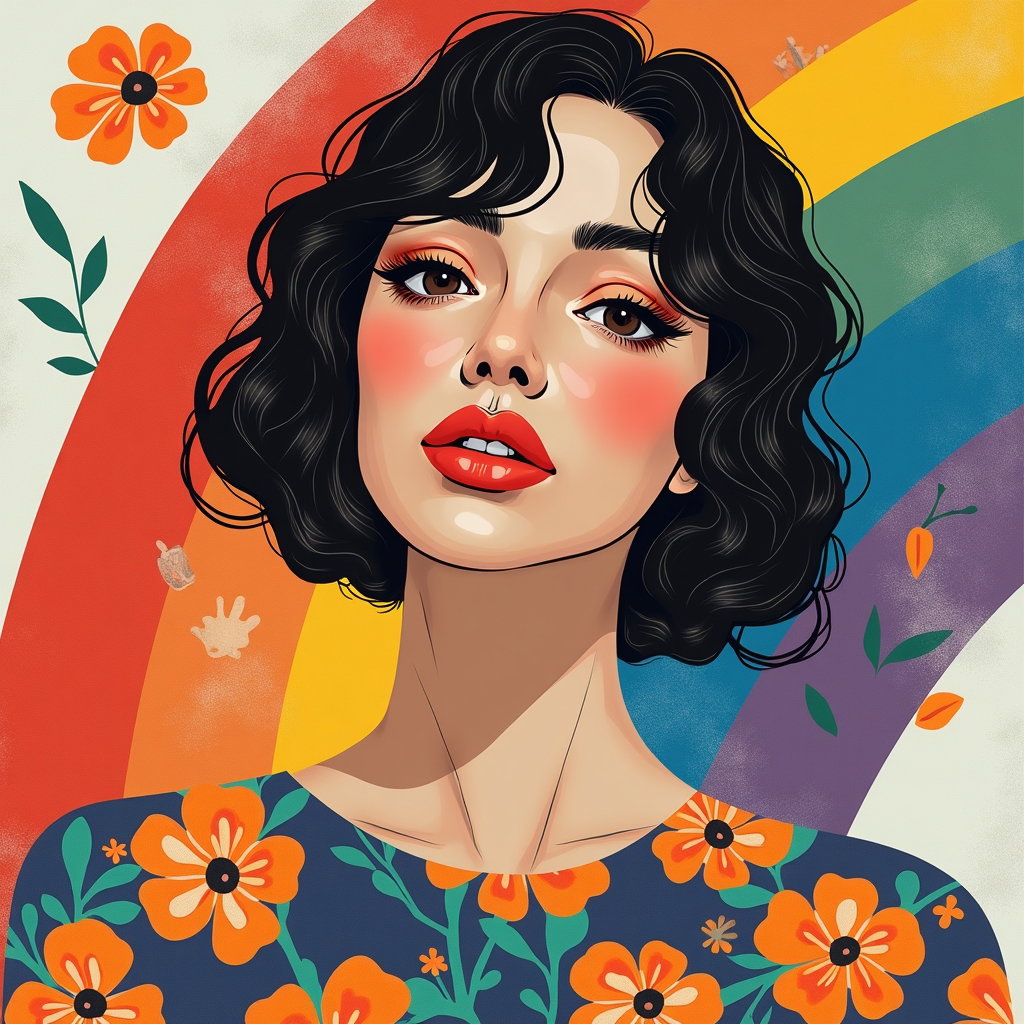
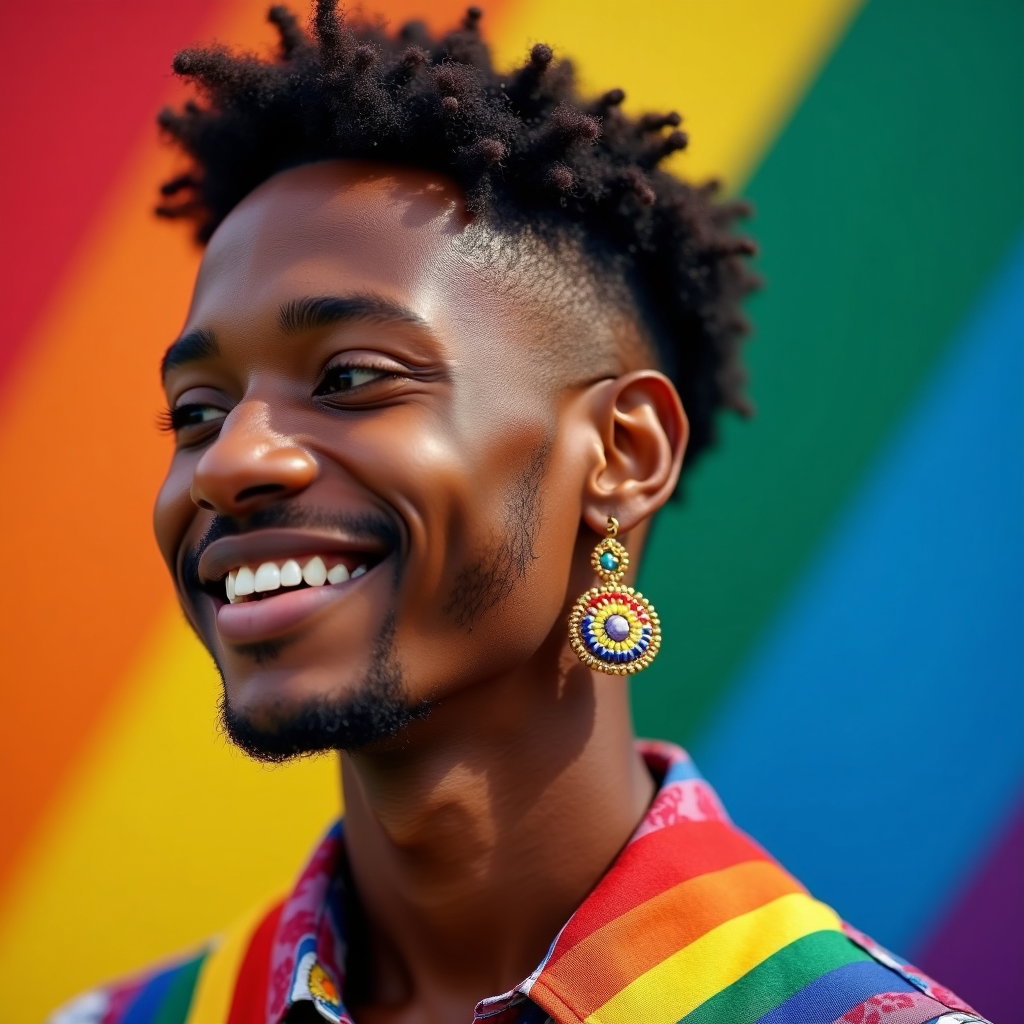
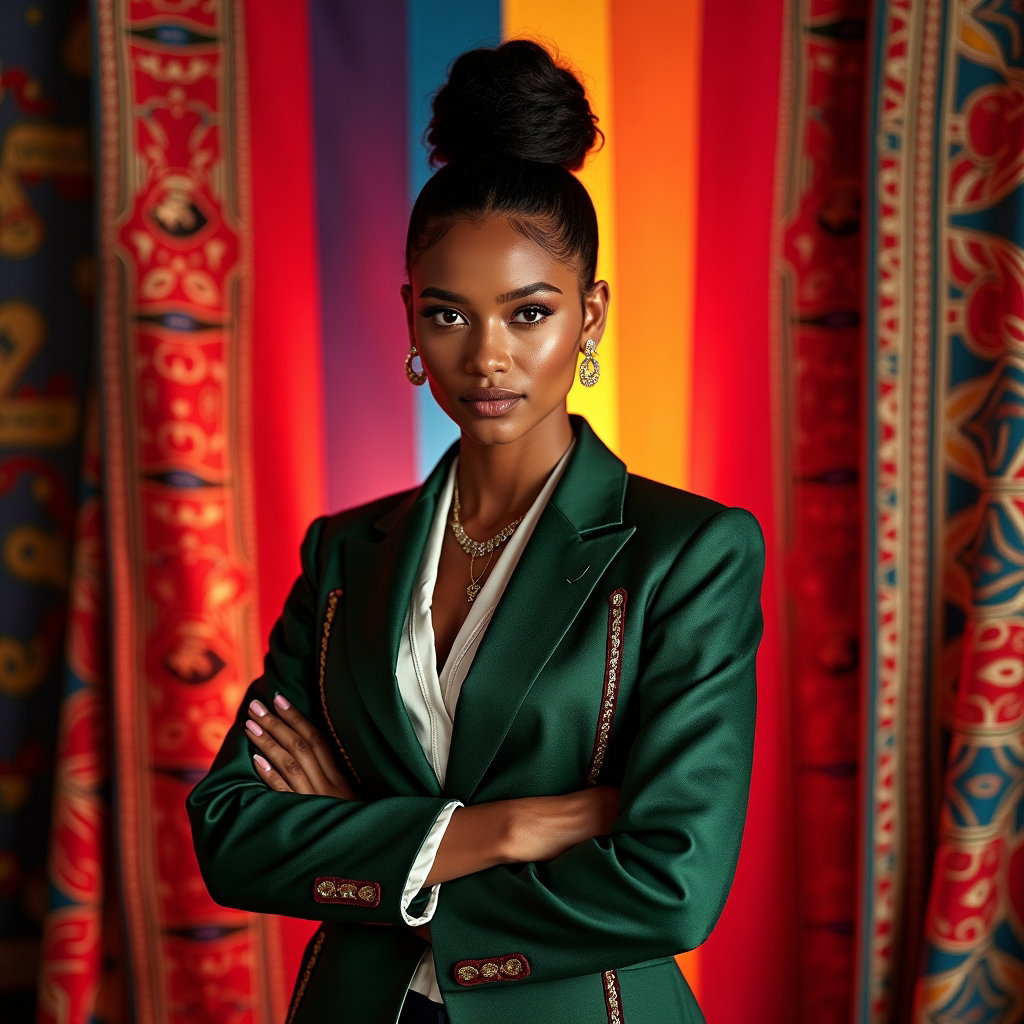
Heritage-inspired Pride portraits can make a Pride Month image feel more personal and less generic. This style brings together cultural clothing, family history, traditional textiles, meaningful colors, jewelry, hair styling, or visual symbols with LGBTQ+ identity. The goal is to show a fuller sense of self.
This portrait style needs care. Use details that belong to the person or that they have a real connection to. Avoid treating cultural clothing as a costume. If the image includes traditional garments, patterns, or accessories, make them specific and respectful. Pride elements can be subtle, such as a small pin, color accent, sash, makeup detail, or light in Pride colors.
For generation, describe both parts clearly. Try “heritage textile with subtle rainbow light,” “traditional jewelry with Pride-colored makeup,” “formal cultural outfit with a small flag pin,” or “portrait blending family ceremony clothing with modern queer styling.” The image works best when identity and heritage feel integrated, not layered as separate props.
Pose: use a calm, dignified pose with open shoulders and a steady gaze. Light: choose soft portrait light that shows fabric, skin, and jewelry clearly. Wardrobe/background: include personal cultural clothing, textiles, accessories, or colors with one subtle Pride detail; use a plain studio, home interior, or meaningful outdoor setting. Mistake to avoid: do not mix random cultural symbols, because accuracy and personal connection matter.
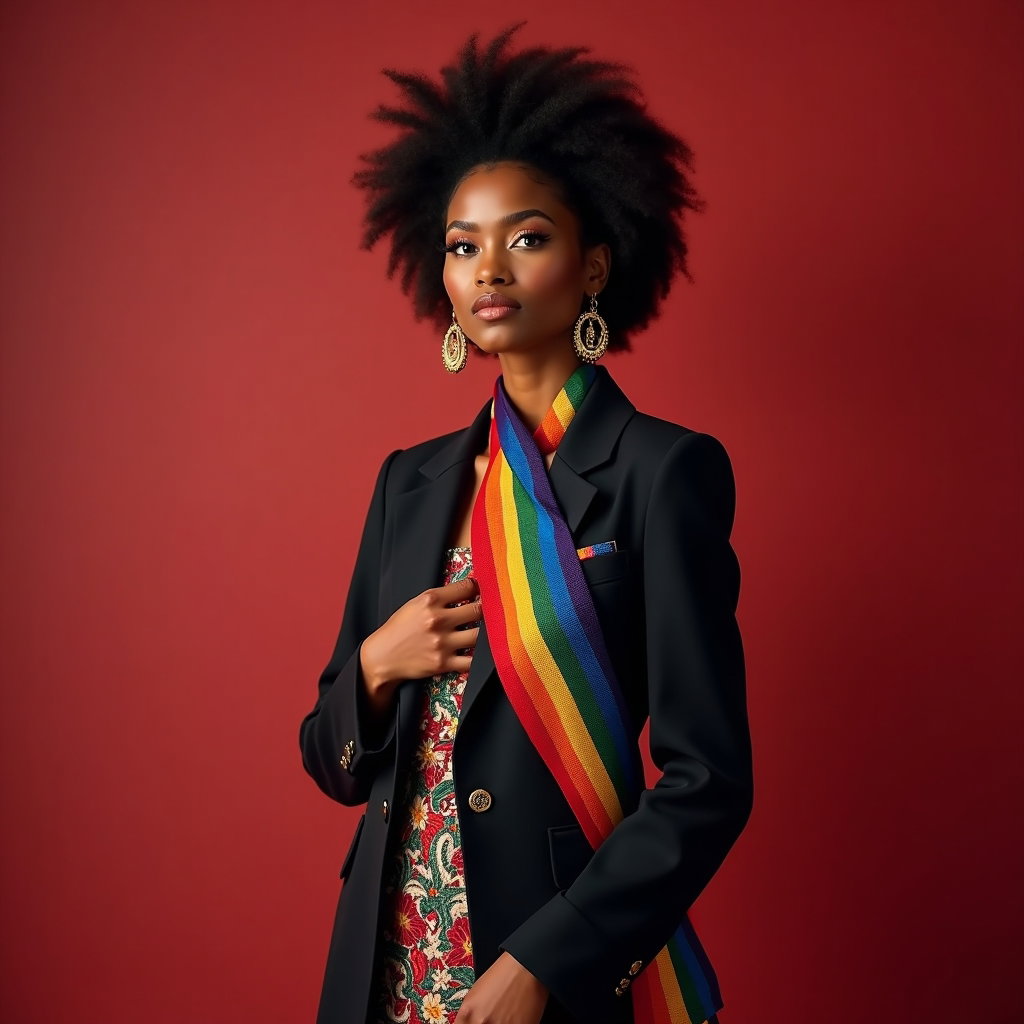
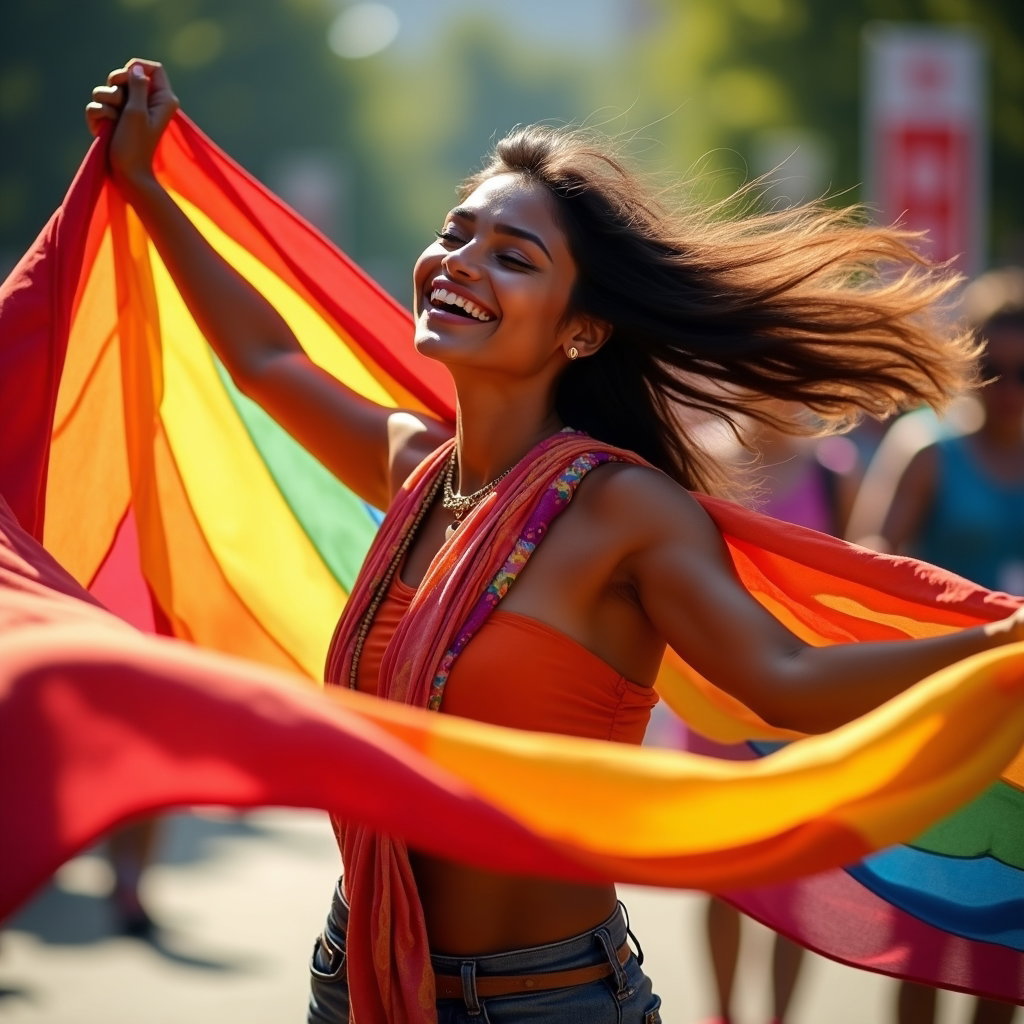
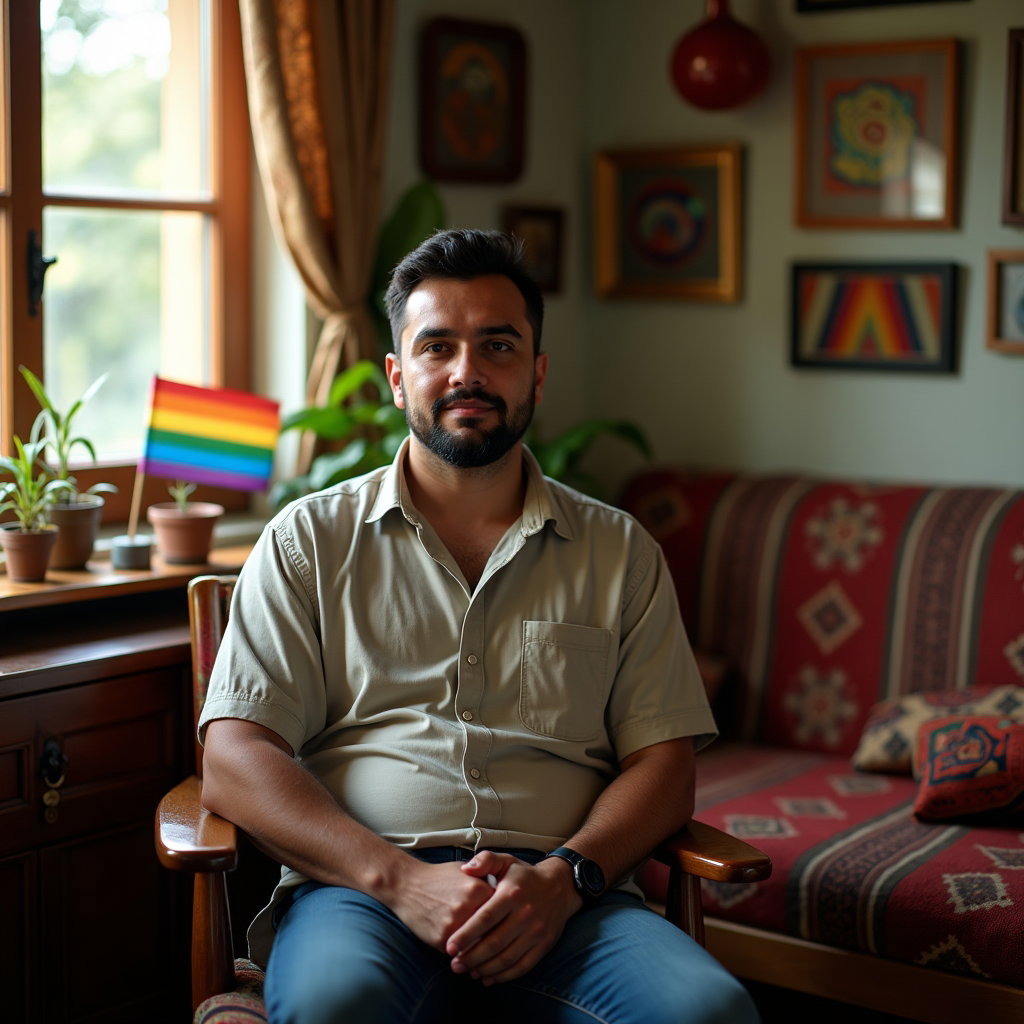
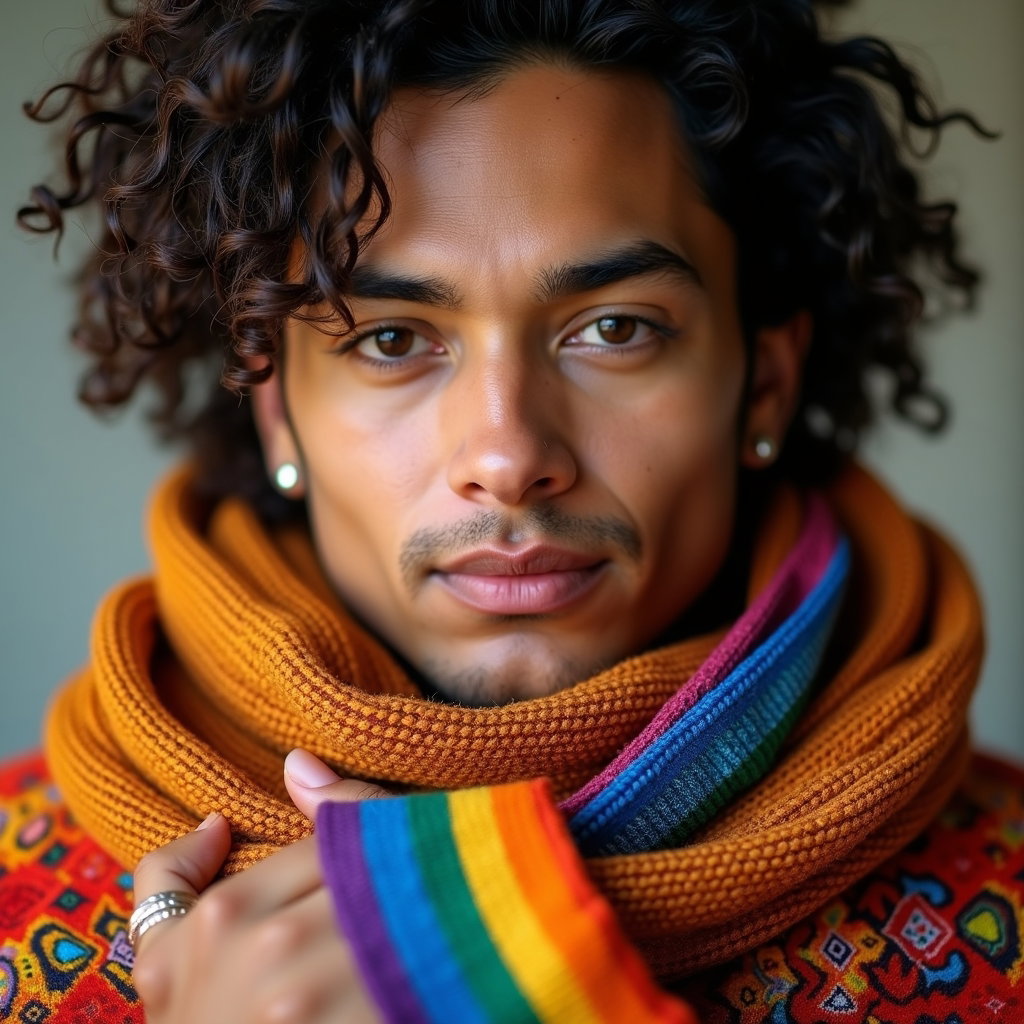
Click on a photo to transform it with your face
Rainbow Flag Cape Hero Portraits
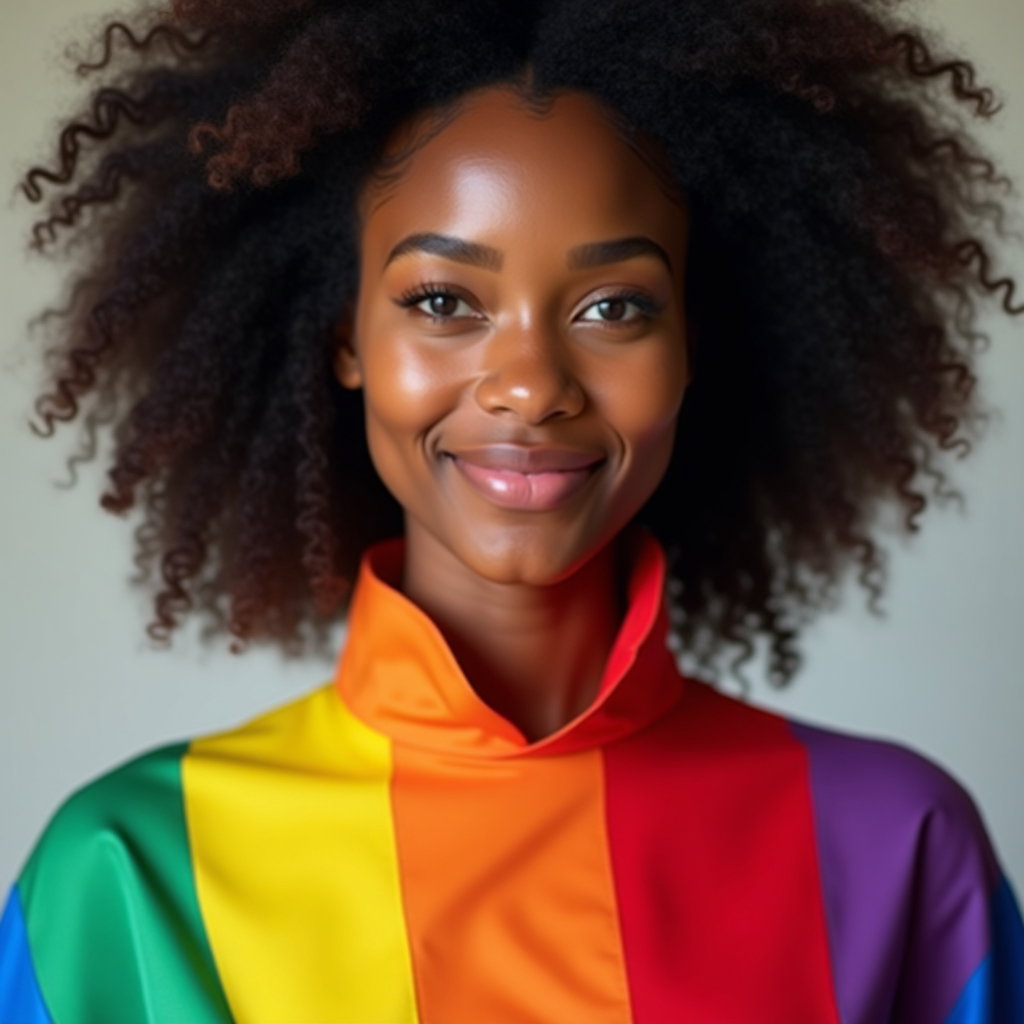
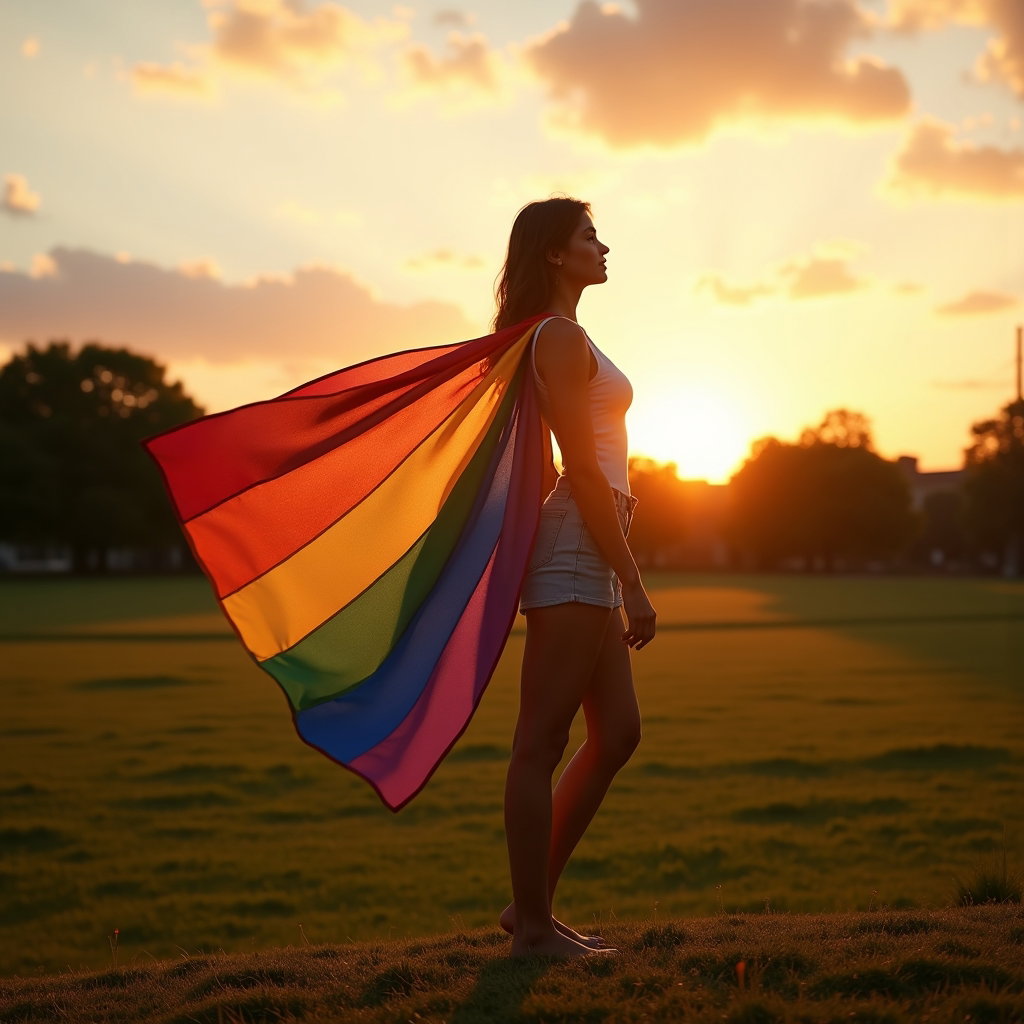
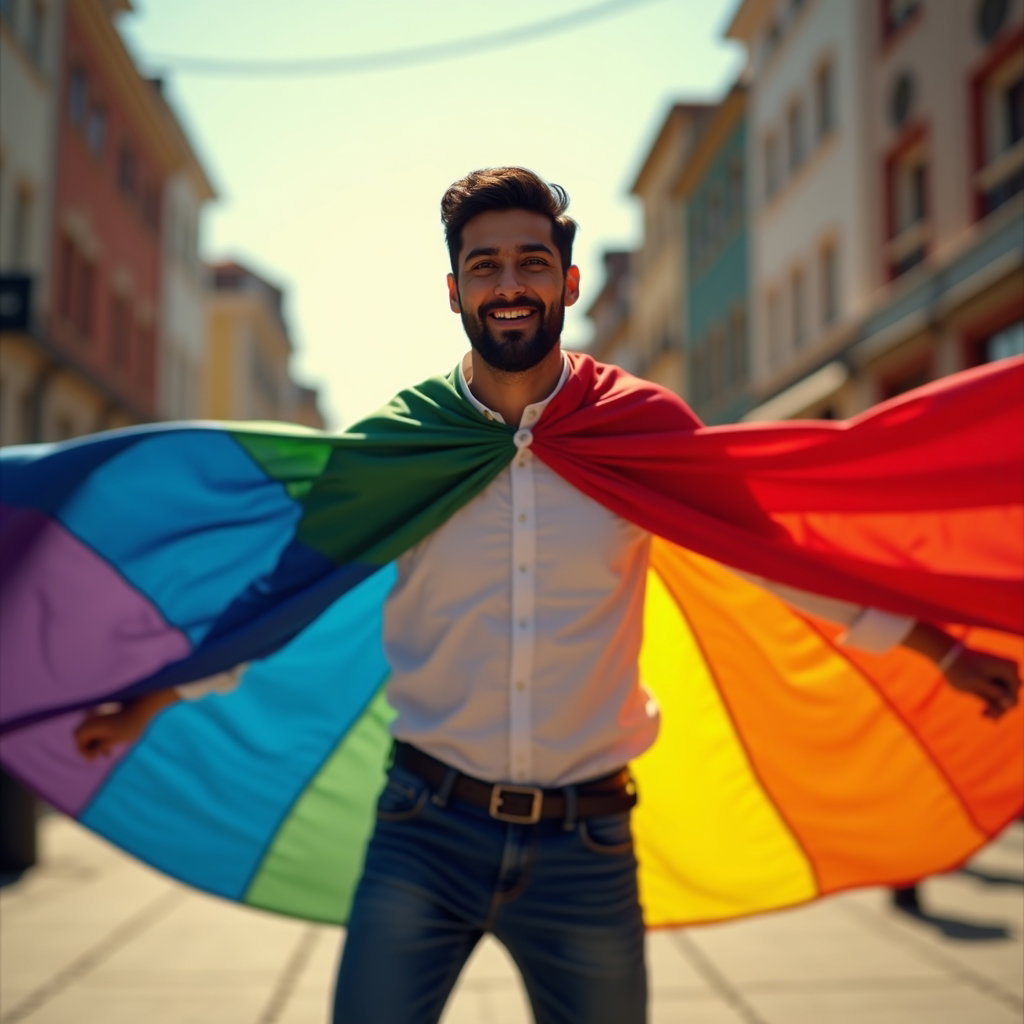
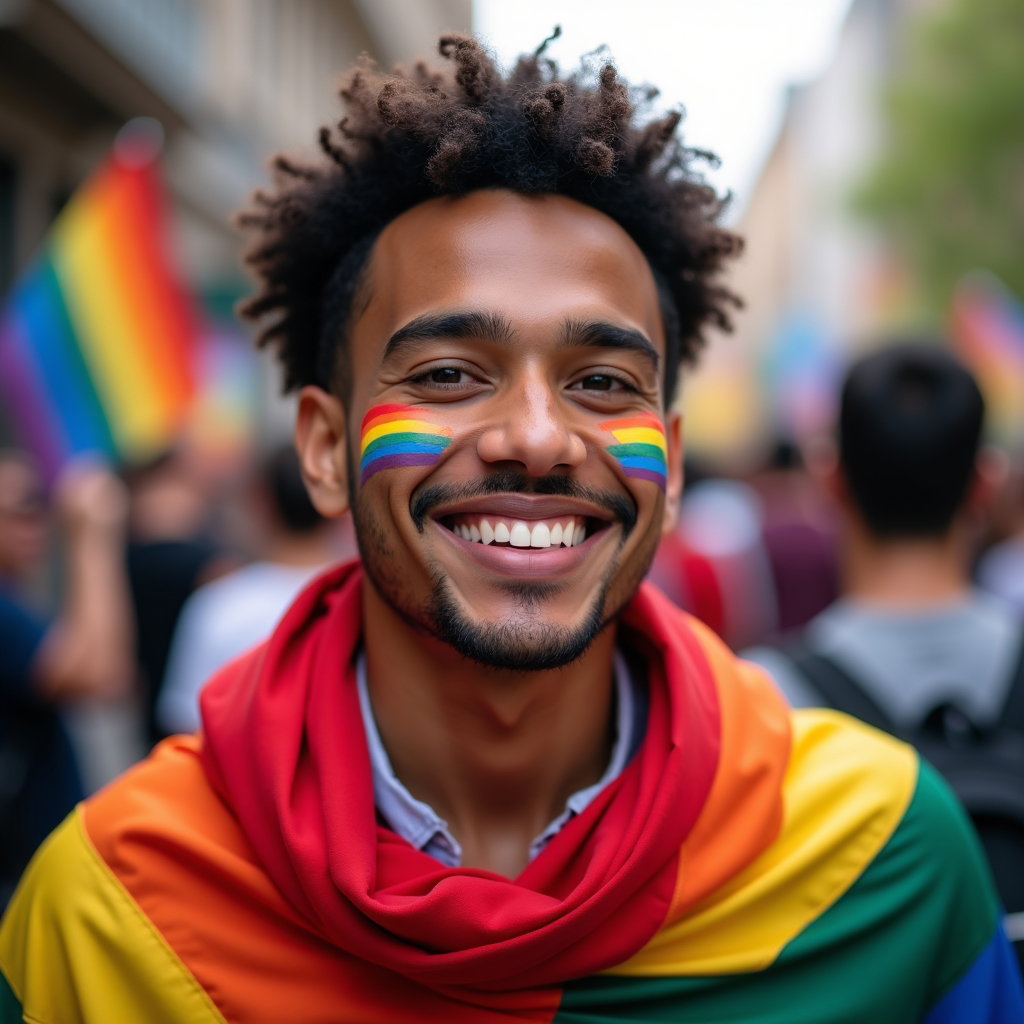
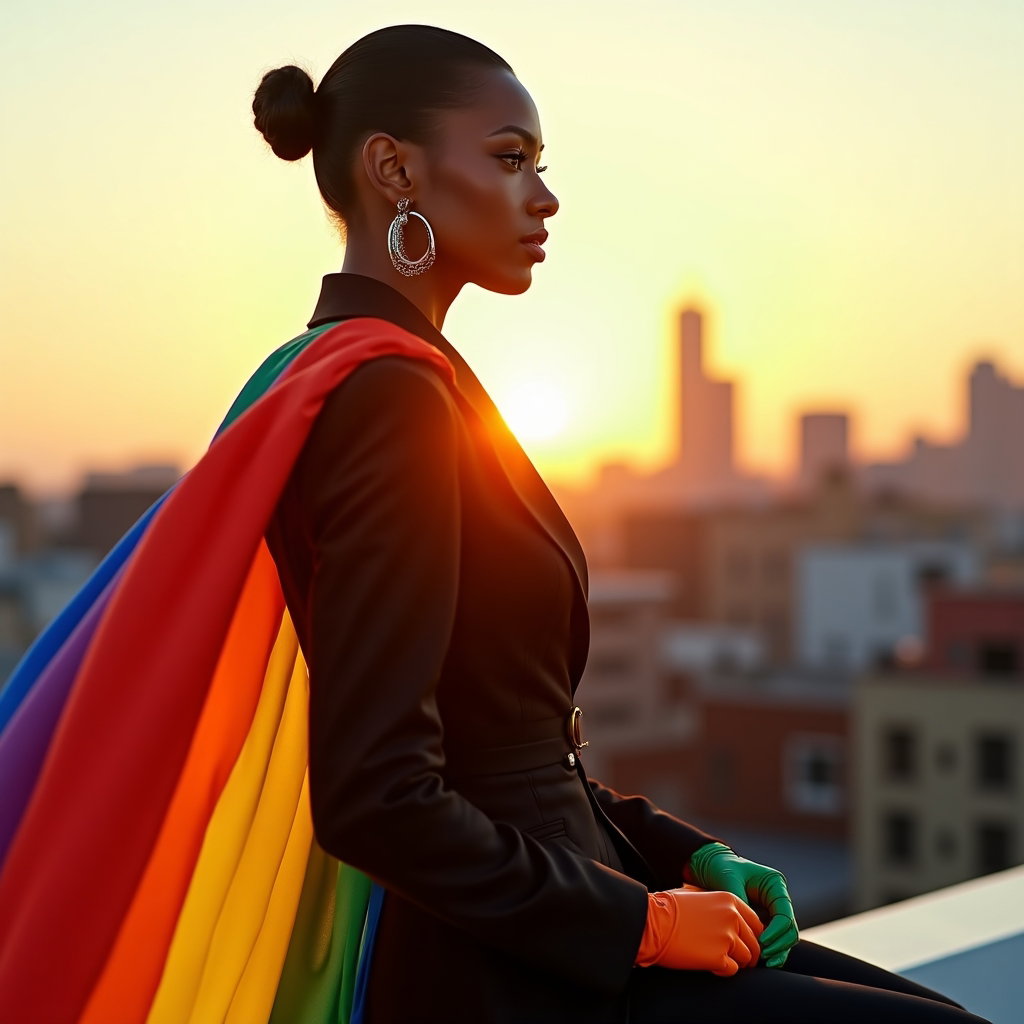
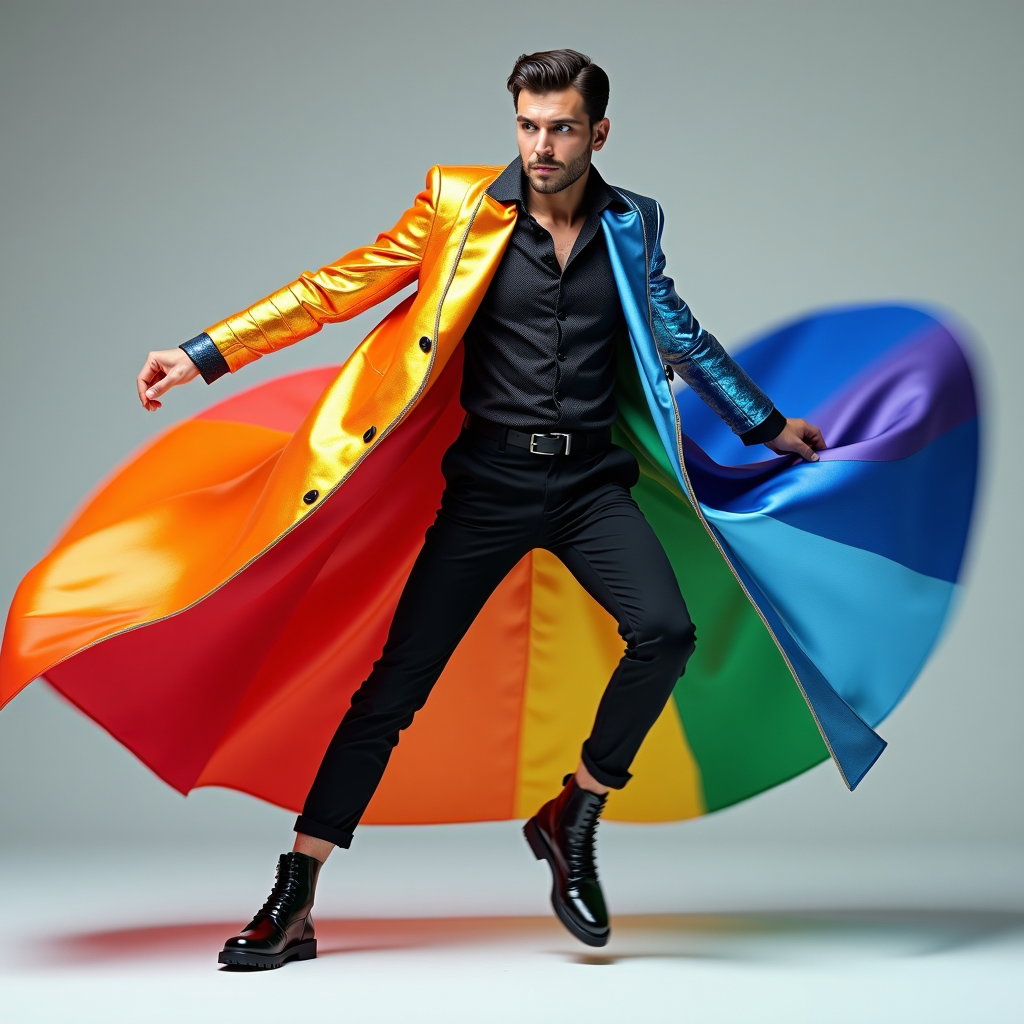
A rainbow flag cape portrait is one of the clearest Pride Month portrait ideas. It reads fast. It feels celebratory, bold, and easy to use for a banner, announcement image, profile update, or personal keepsake. The cape shape also adds motion, which makes a solo portrait feel larger and more dynamic.
The flag should work like fabric, not like clutter. Let it frame the body or move behind the shoulders. A low camera angle can make the pose feel heroic. A slight wind effect can add drama. Strong posture matters here. If the person stands tall and holds the cape with intention, the image feels confident instead of costume-like.
In My AI Photo Shoot, this is a good style to generate when you want one high-impact Pride image. Ask for a full-body or three-quarter portrait with a rainbow flag worn as a cape, bright outdoor light, and a strong stance. The photo works because the shape, movement, and color tell the story at once.
Pose: stand tall, hold the flag open at both sides, or let it fly behind the shoulders. Light: use bright daylight, golden hour, or clean studio light with strong separation from the background. Wardrobe/background: choose simple clothing under the flag, such as denim, white, black, or one bold color; use sky, street, rooftop, or plain studio space. Mistake to avoid: do not hide the face behind the flag, because the person should stay the focus.
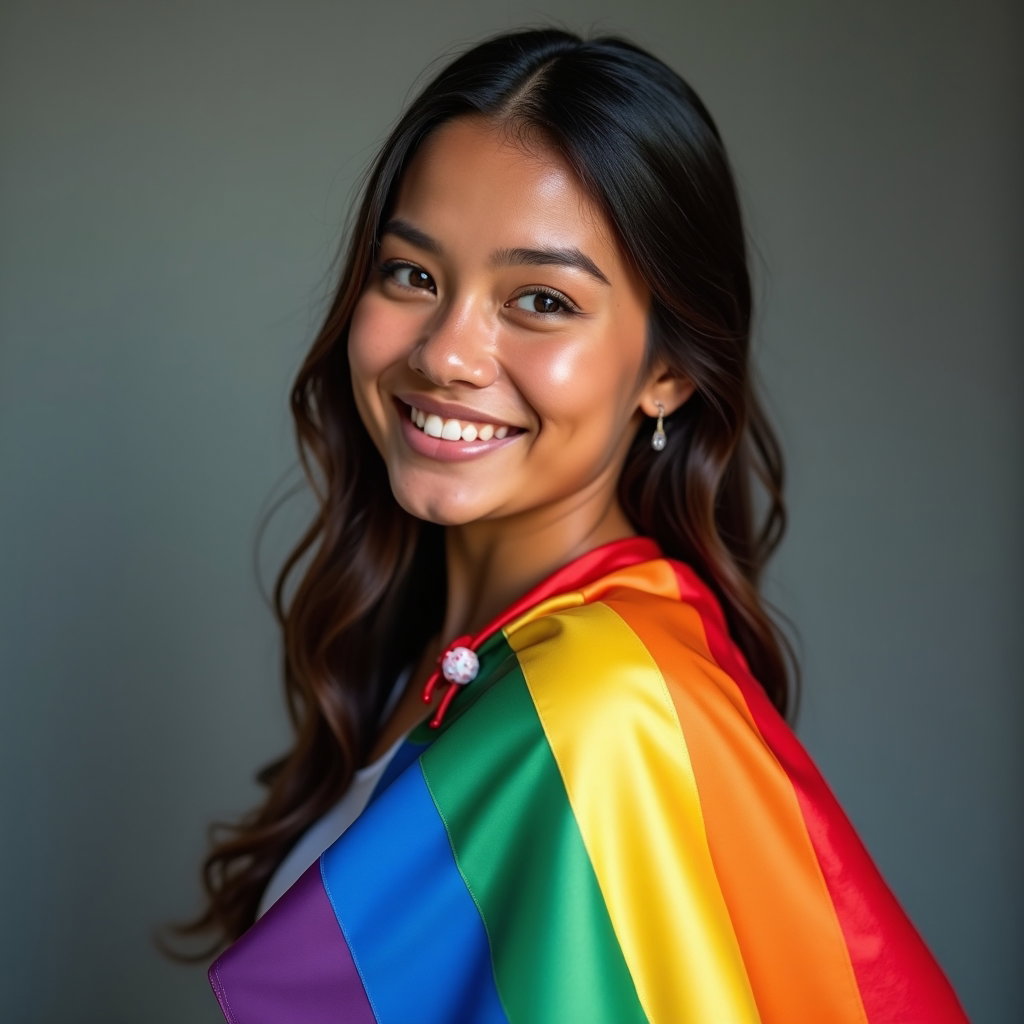
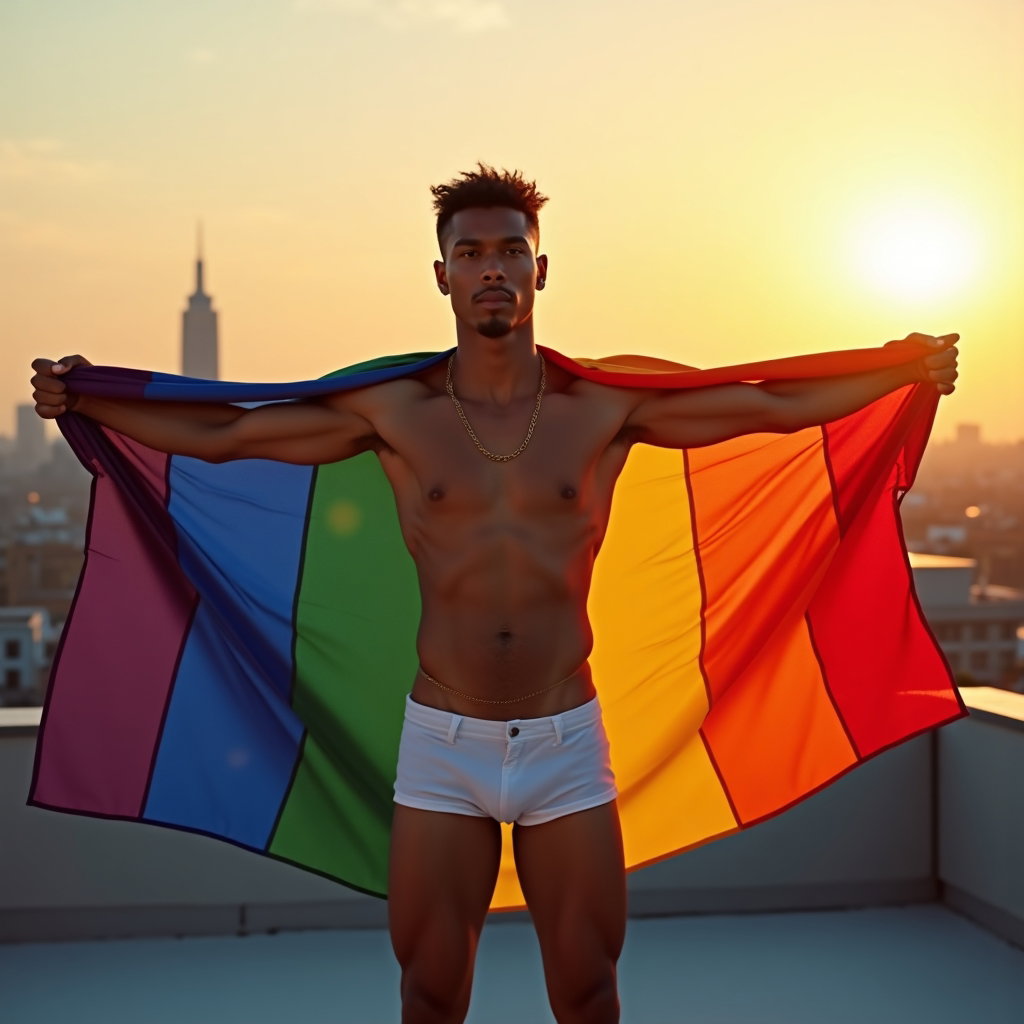
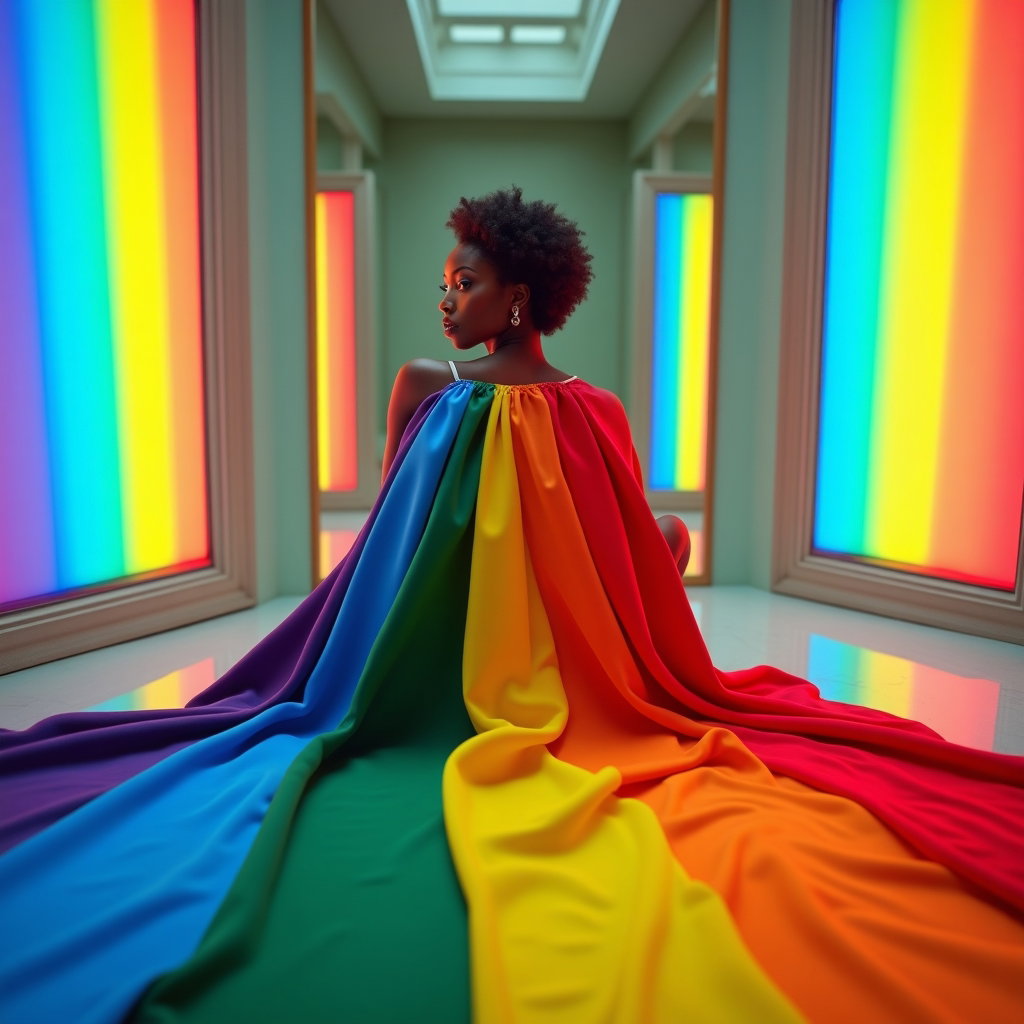
Click on any photo to make it yours
Solo Pride Parade Street Portraits
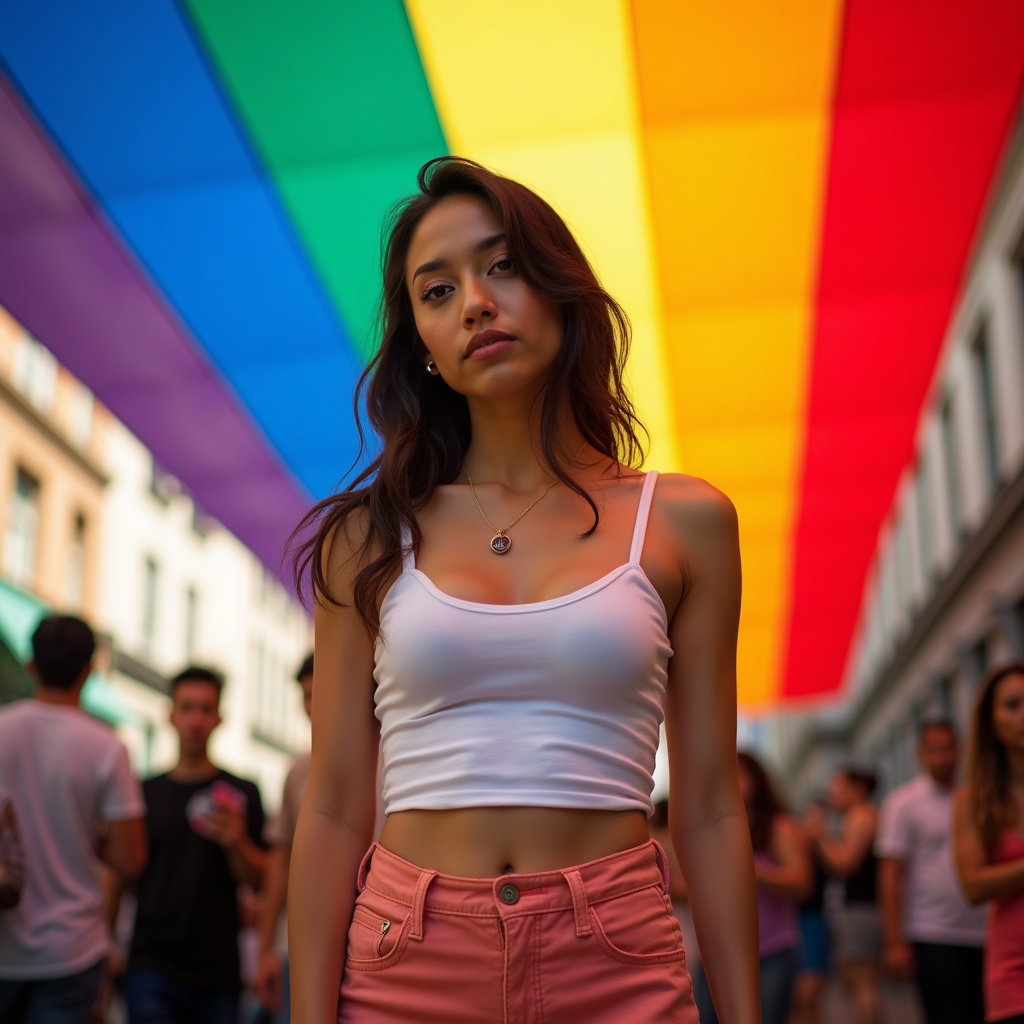
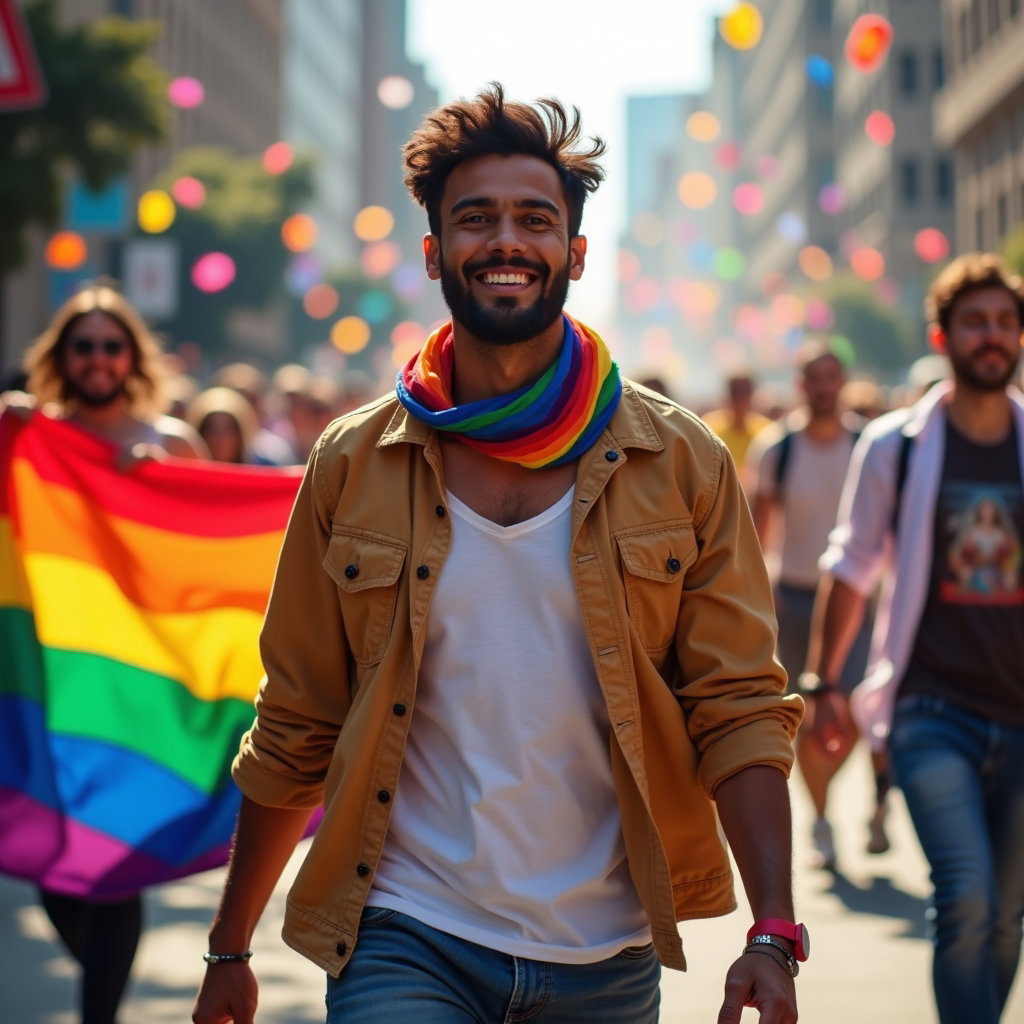
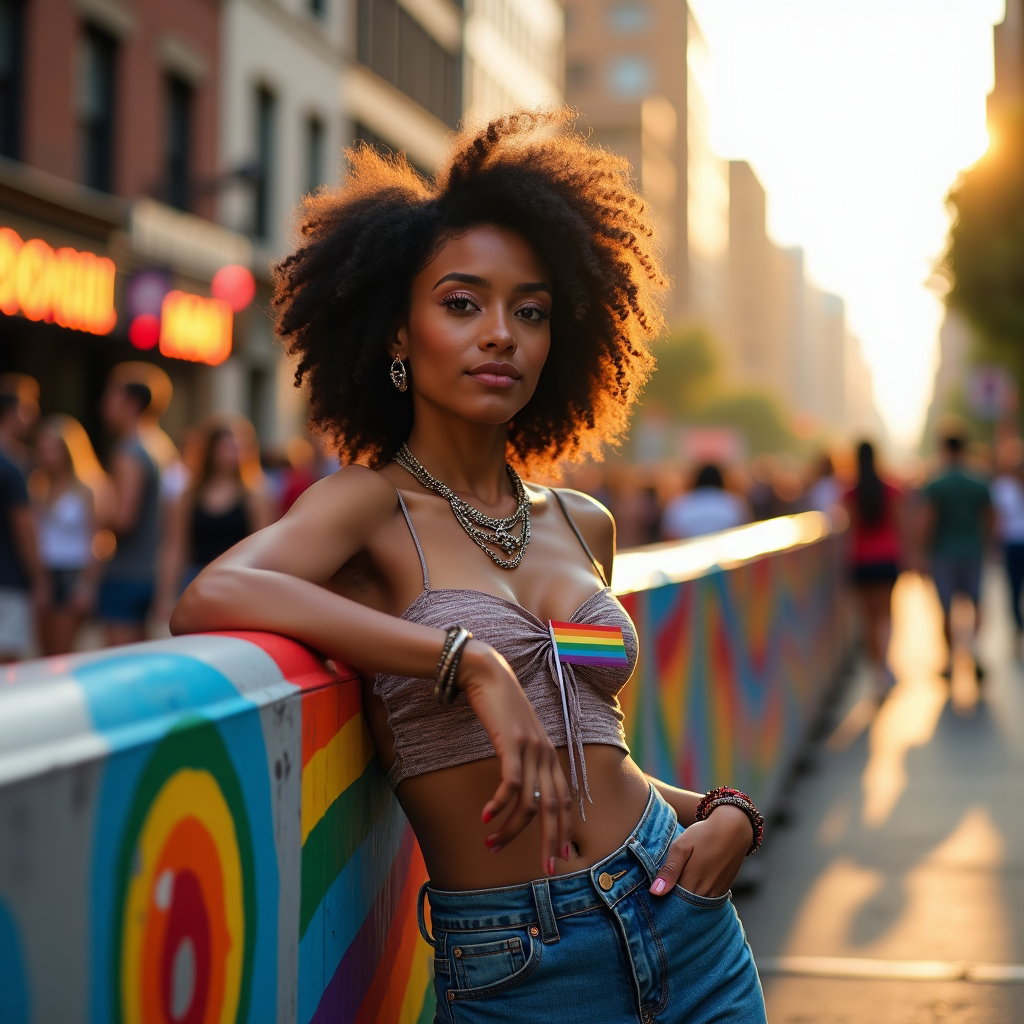
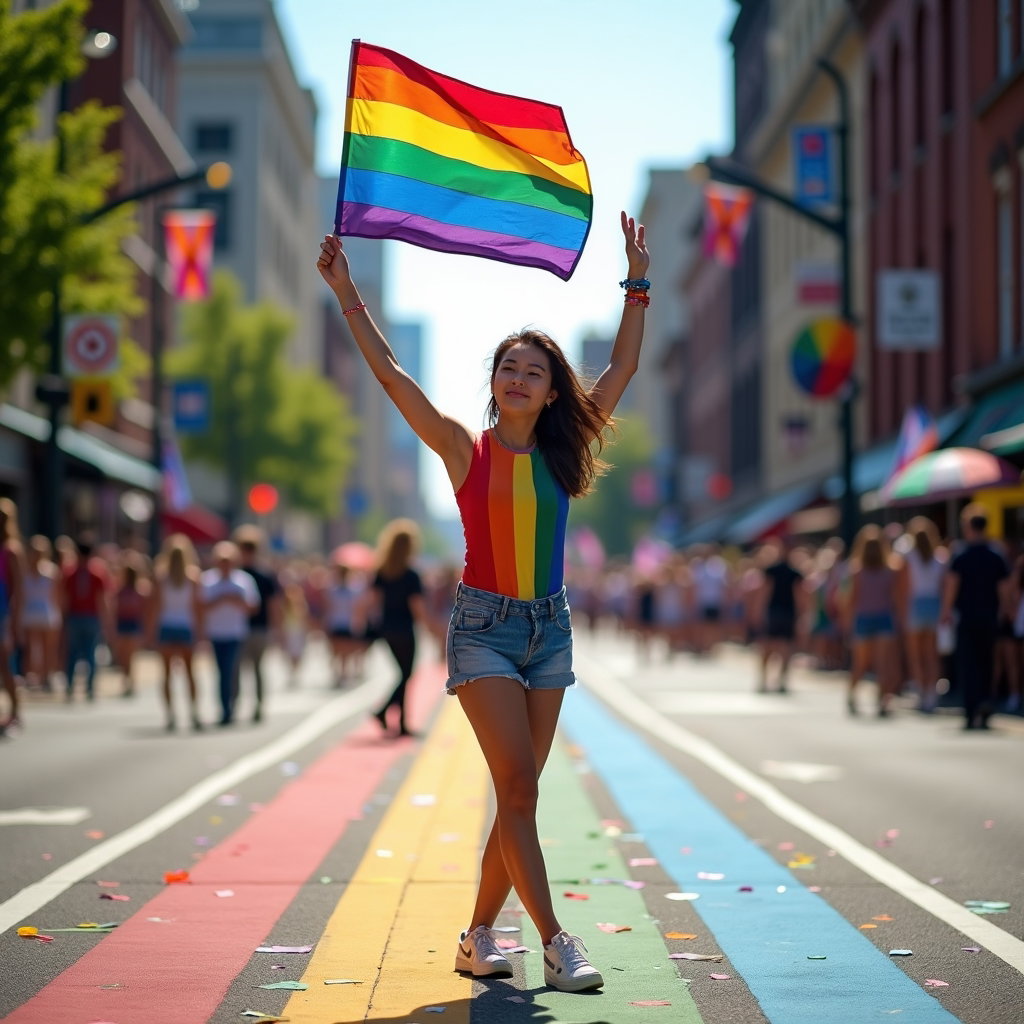
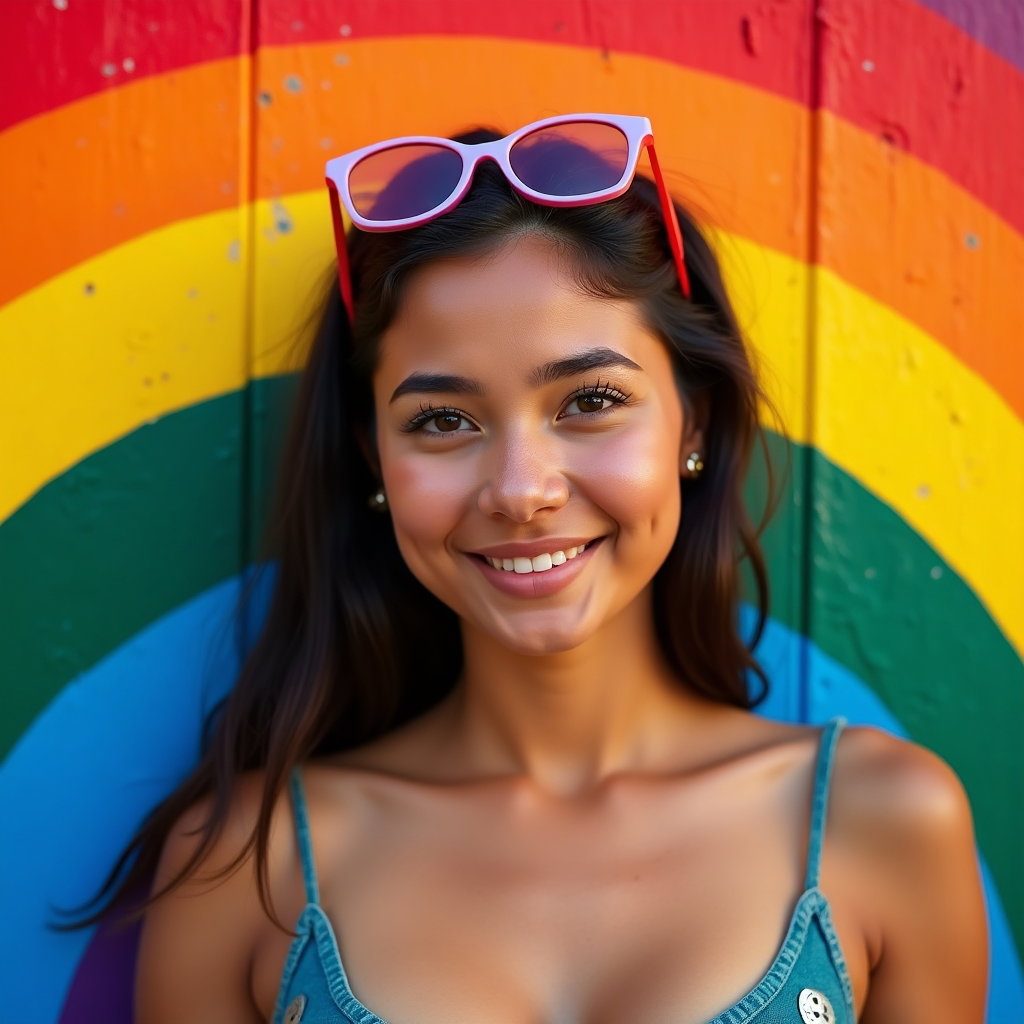
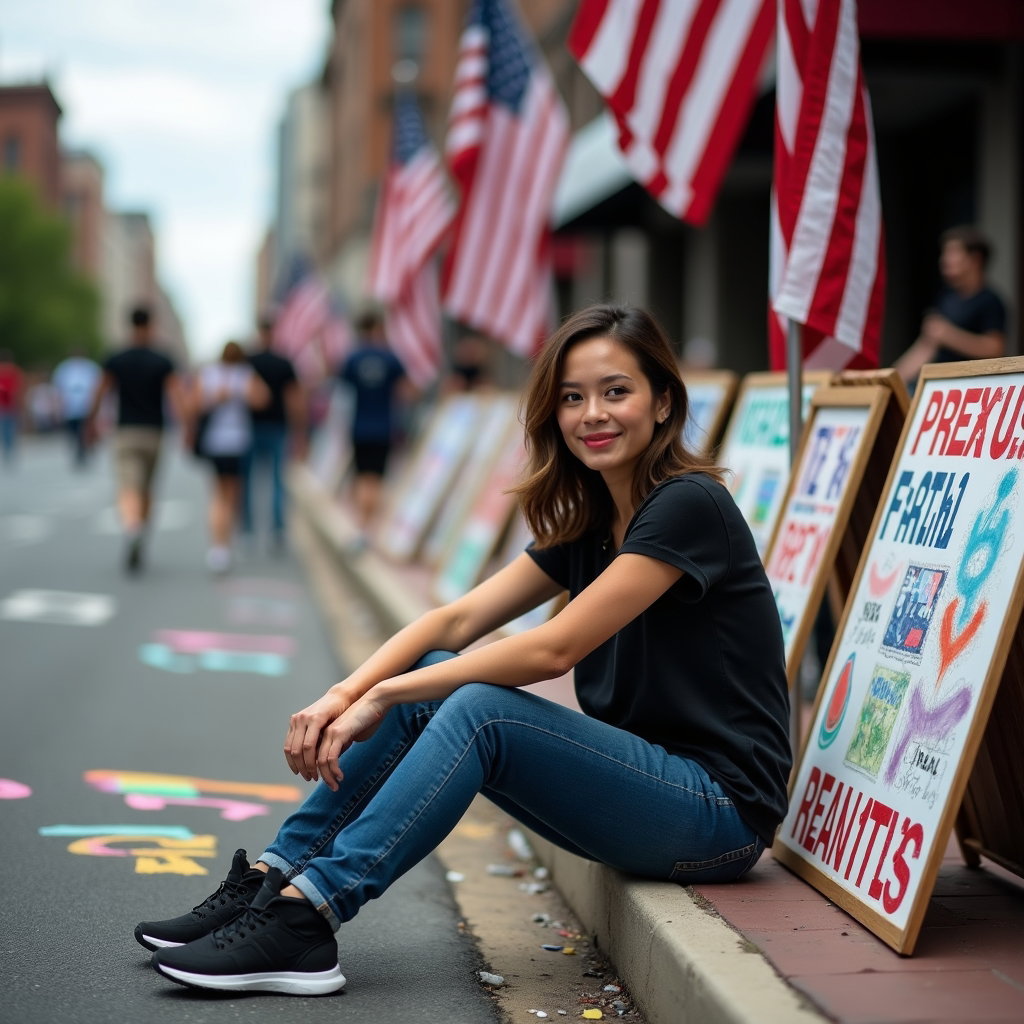
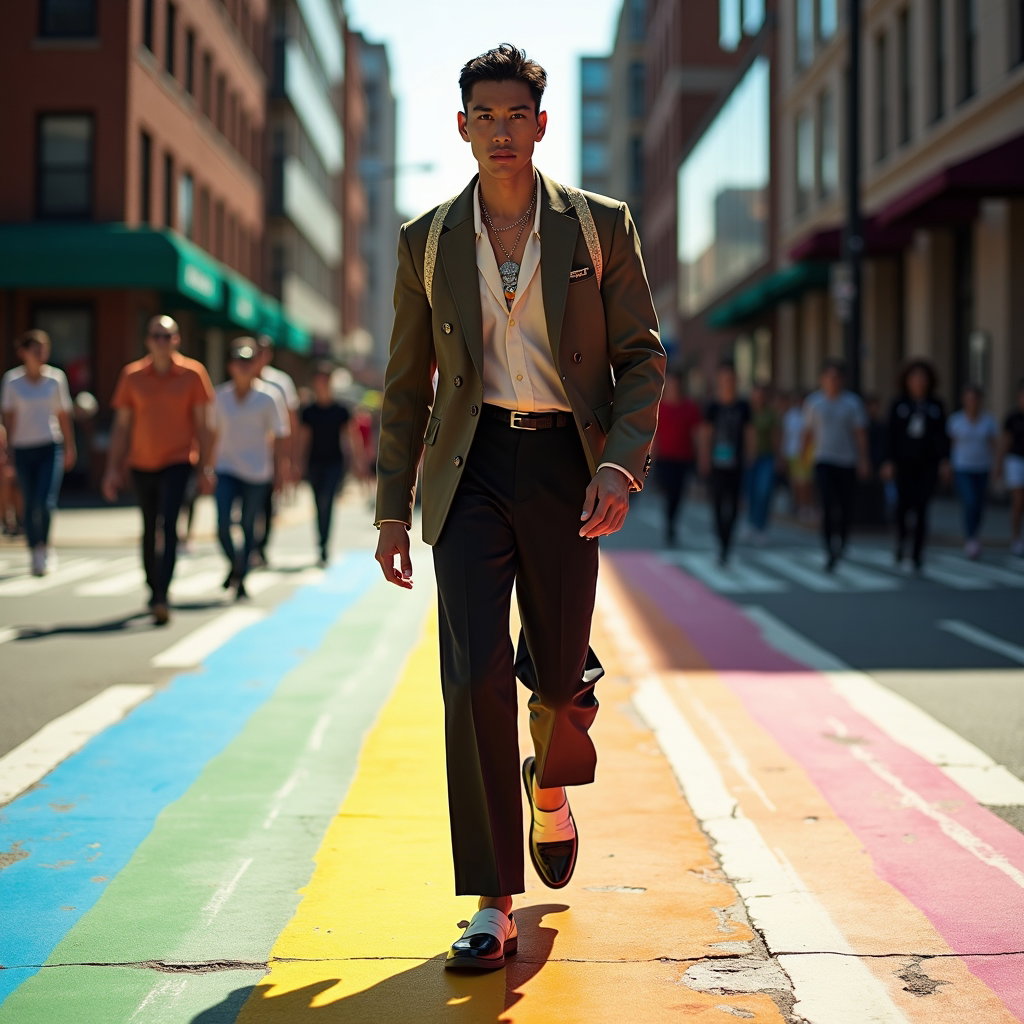
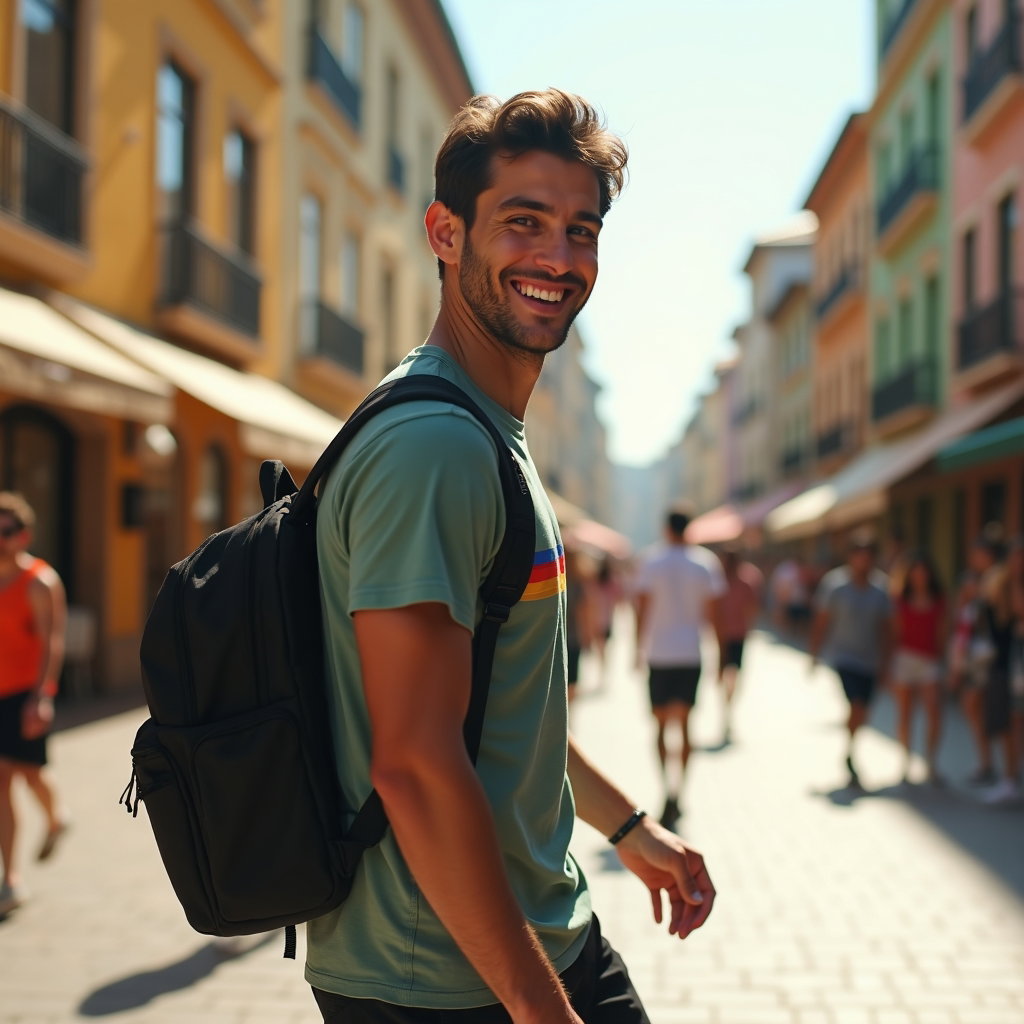
Solo Pride parade street portraits capture public celebration without needing a group photo. They are practical because one person can still carry the energy of the setting. Colorful outfits, city streets, signs, barriers, confetti, and bright daylight can create a parade mood while the subject remains easy to see.
This style works best as a full-body or three-quarter portrait. Show the outfit, shoes, accessories, and the street around the person. A walking pose can feel natural. A still pose in the middle of a lively background can feel strong and focused. The background should give context, but it should not be so busy that the person disappears.
For generation, ask for a single subject at a Pride parade, colorful street backdrop, confident walking pose, and shallow depth of field. You can add details like sunglasses, body glitter, denim shorts, boots, a crop top, a sheer shirt, or a small flag. The image works because it gives parade energy while staying personal and simple to read.
Pose: walk toward the camera, pause with one hand on the hip, or look over the shoulder. Light: use bright outdoor daylight with clear face lighting. Wardrobe/background: choose colorful Pride styling, comfortable shoes, and a city street with blurred parade details behind. Mistake to avoid: do not make the background sharper than the subject, because the portrait should not feel like a crowd scene.
Click on a photo to try this look
Pride Profile Picture Headshots With One Bold Color
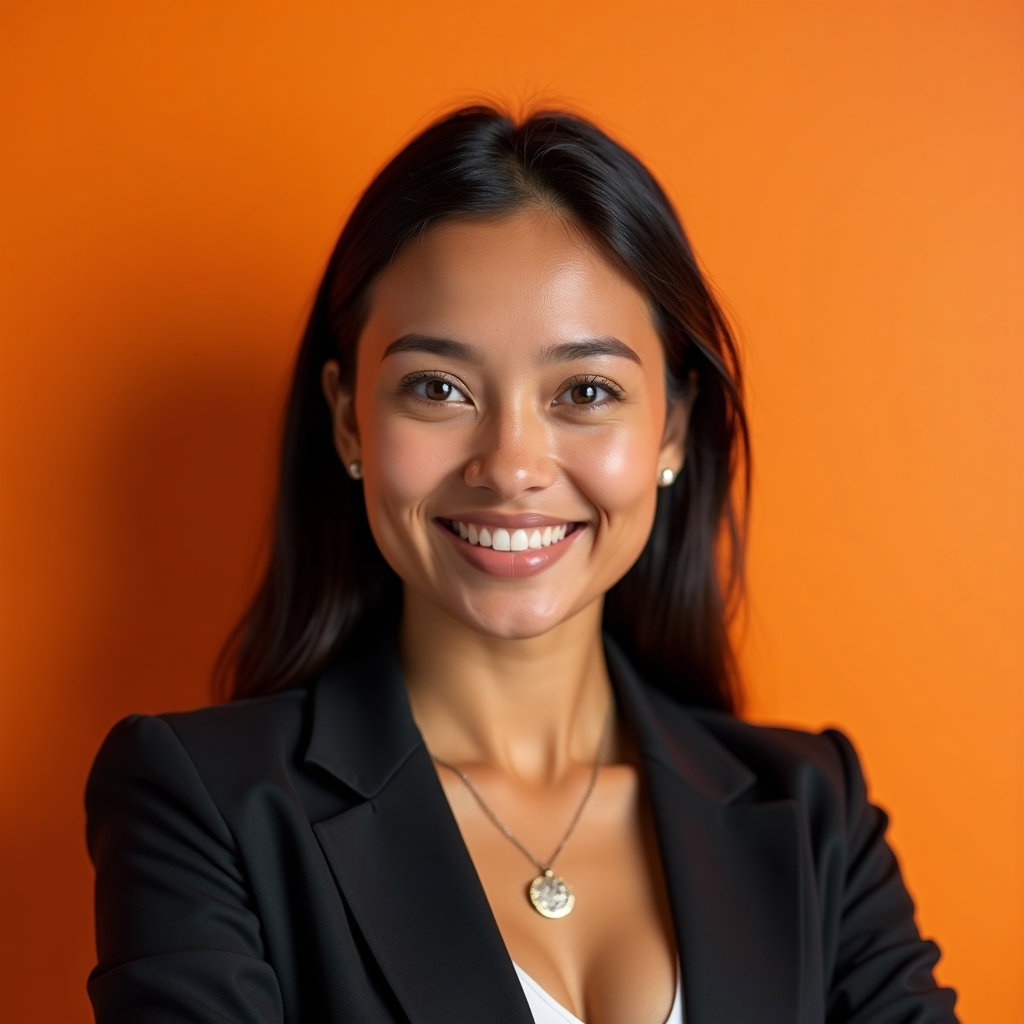
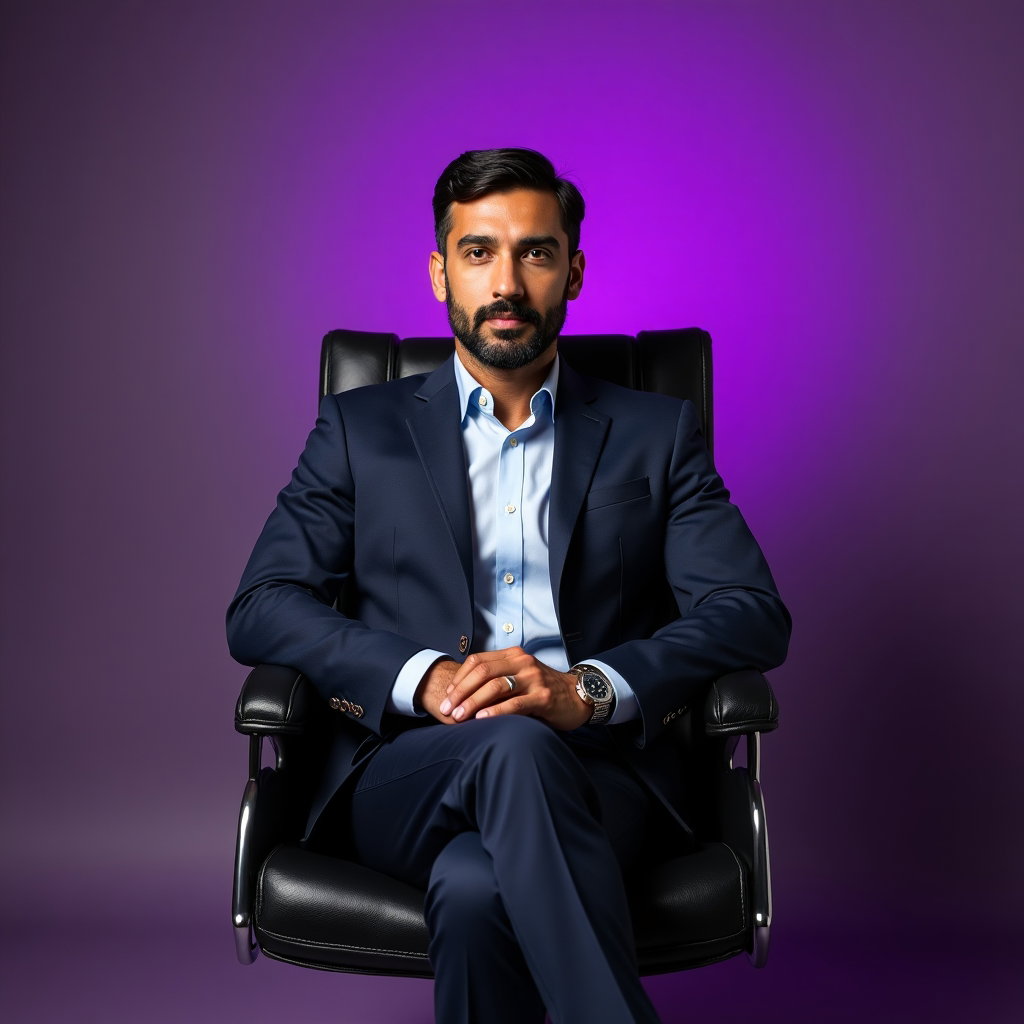
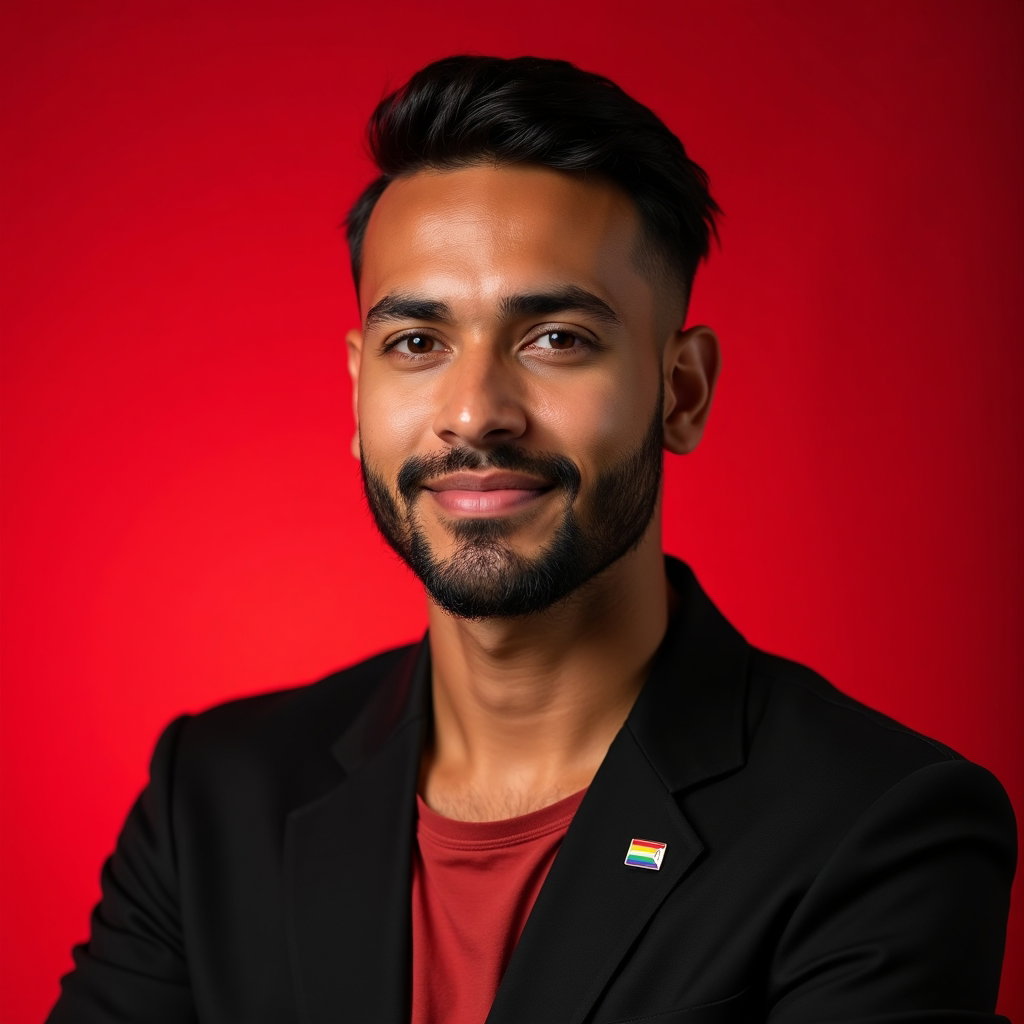
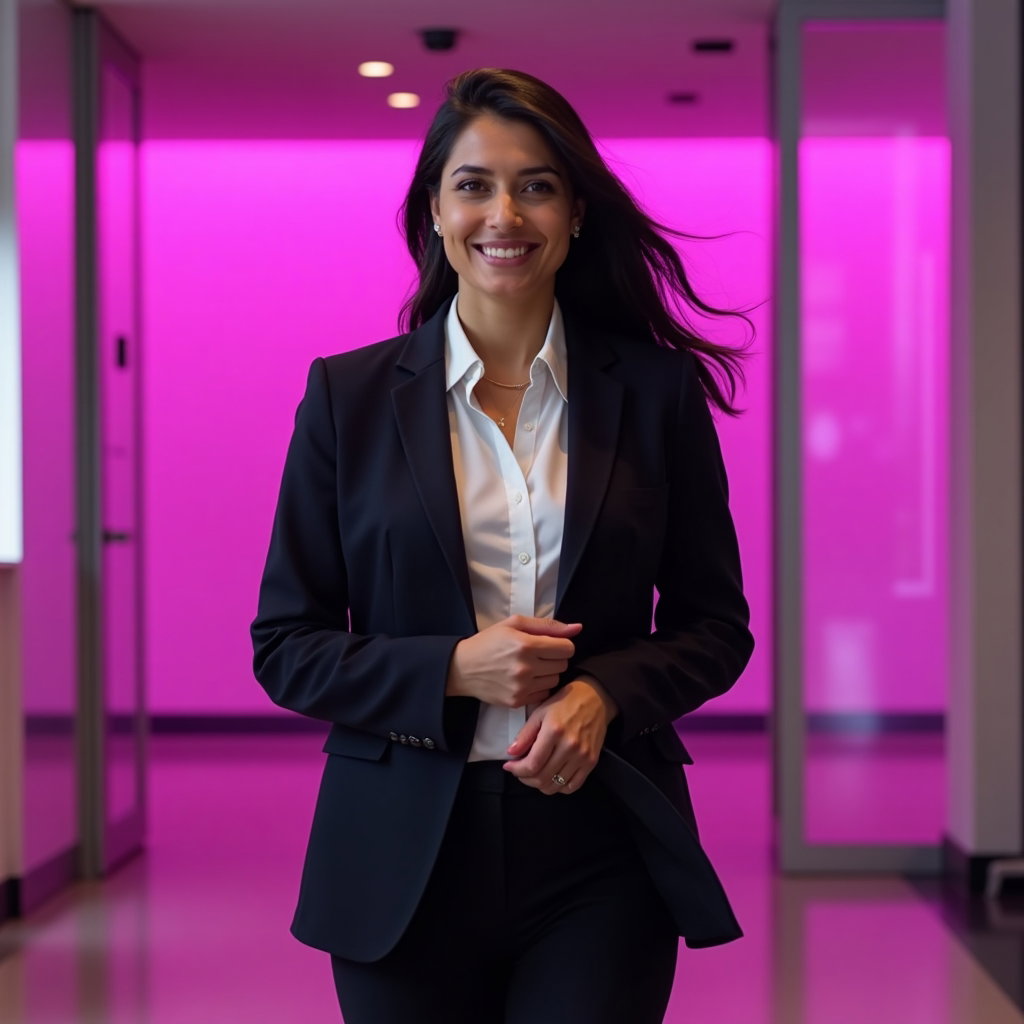
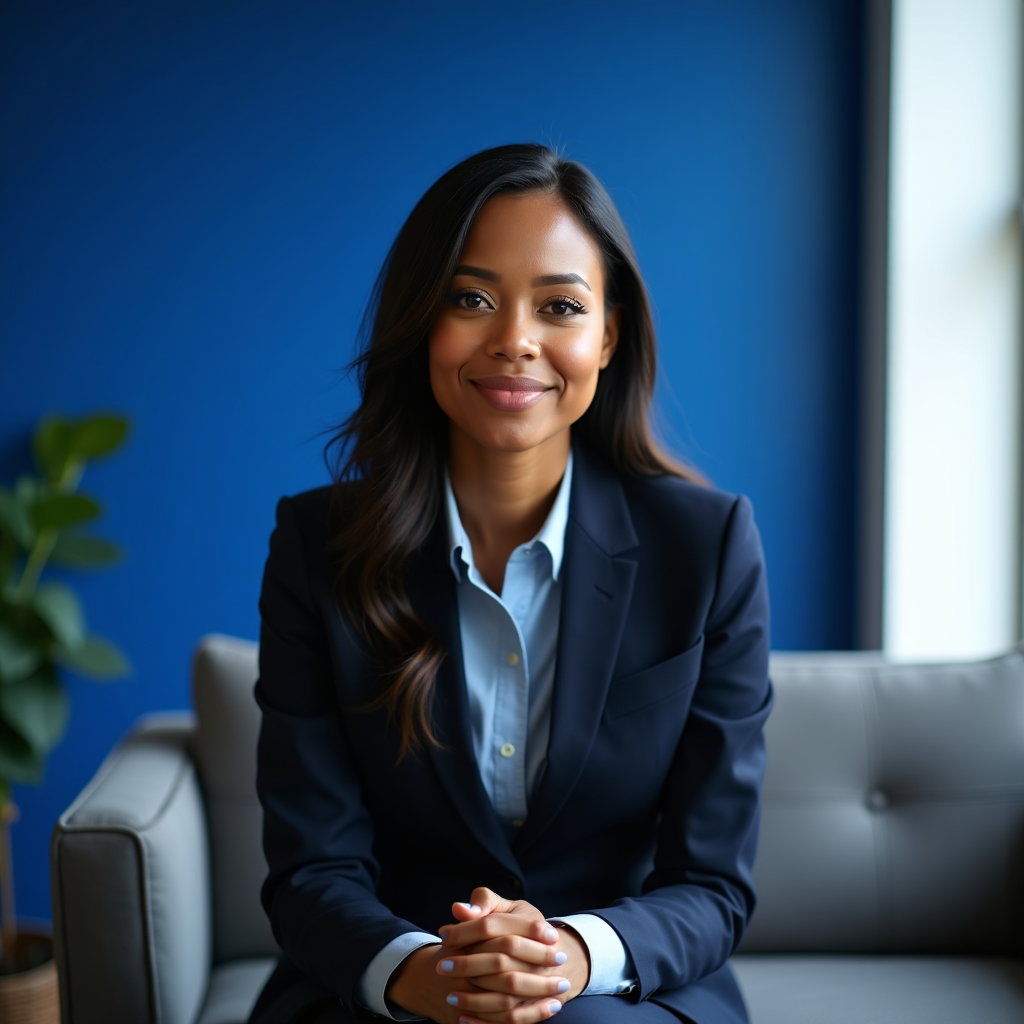
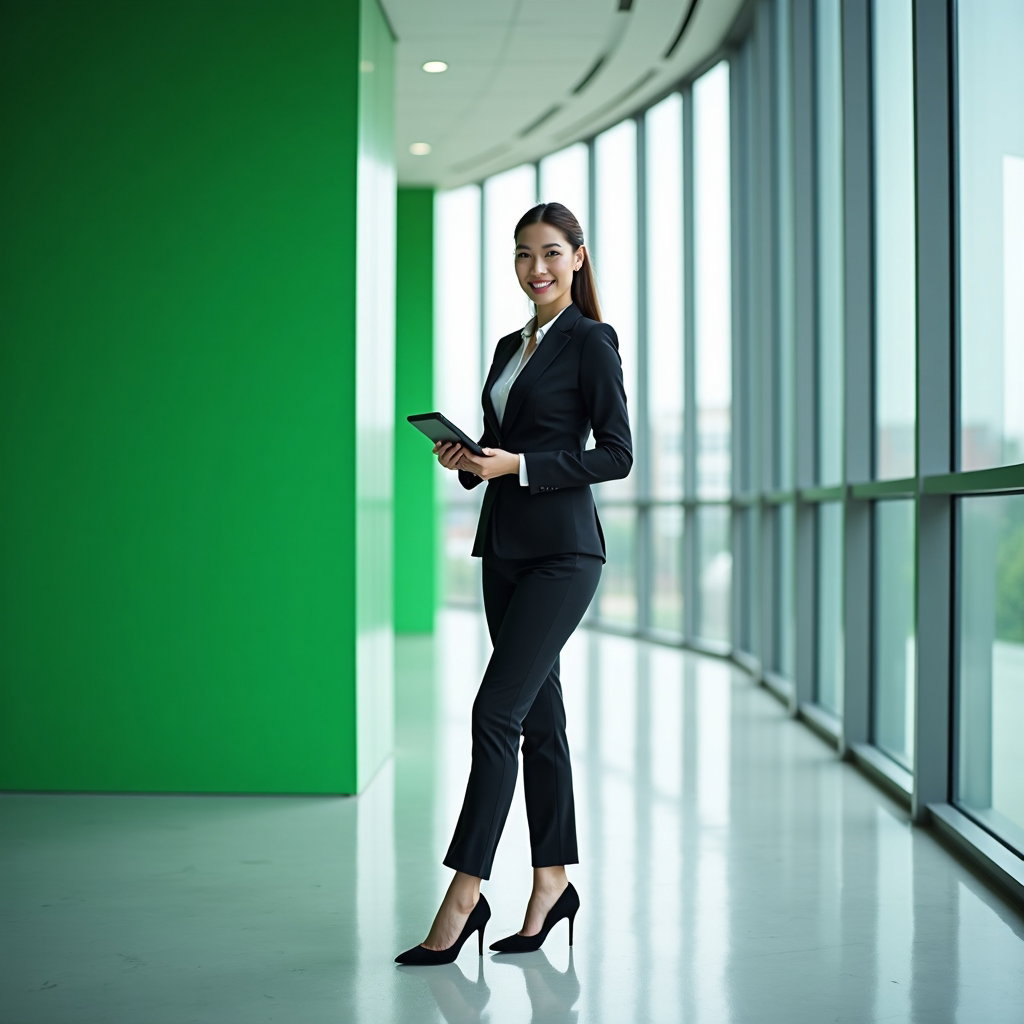
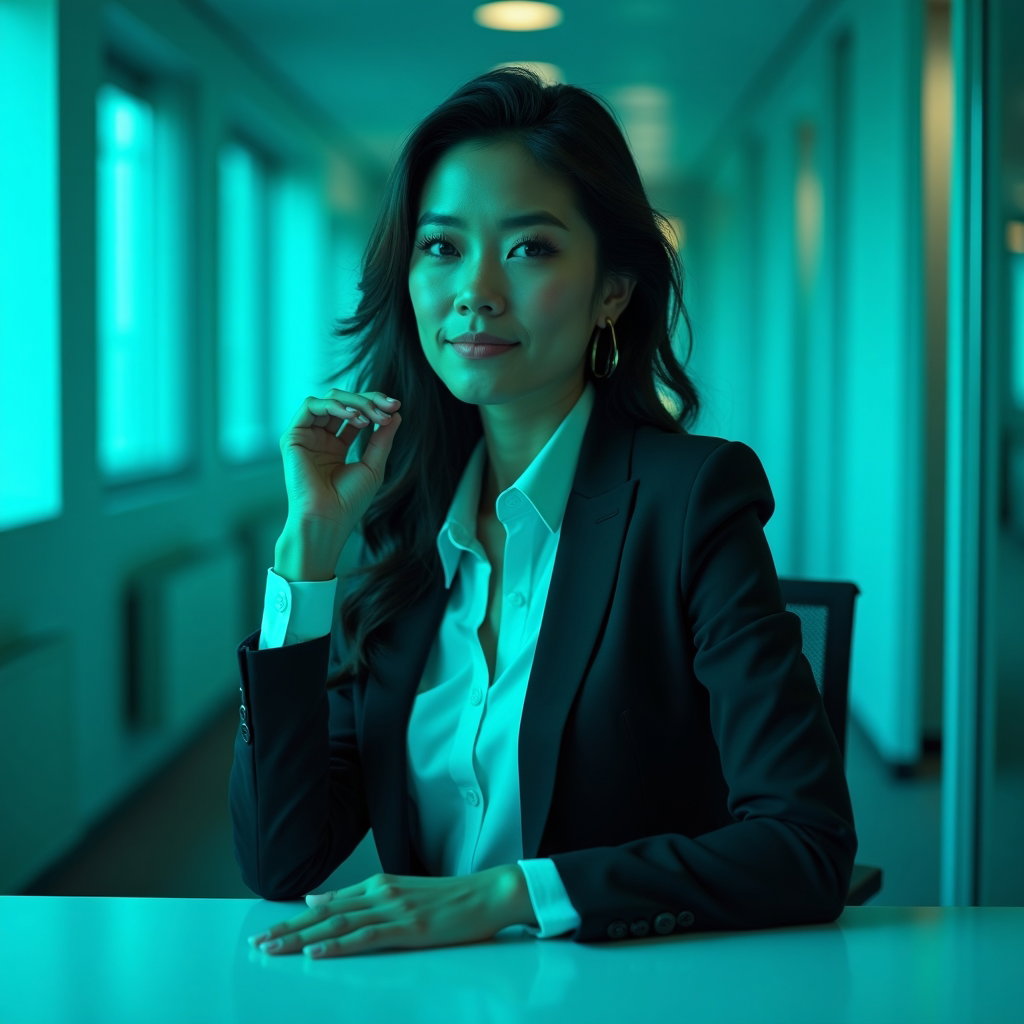
A Pride profile picture does not need a full rainbow theme. One bold color can make the image clean, modern, and easy to read at small sizes. This is a great option for social avatars, creator bios, professional pages, dating profiles, or simple Pride Month updates.
The best profile headshots use a tight crop, clear eye contact, and one strong visual choice. That choice may be a bright background, a colored blazer, bold eyeliner, a vivid lip, a colored light, or a single Pride flag color. Because profile photos are small, simple choices often work better than detailed props.
When generating this style, choose the color first. Try “solid cobalt blue background,” “hot pink blazer,” “lavender studio light,” “red lip with white shirt,” or “green backdrop with clean headshot lighting.” The image works because it feels polished and personal without looking overdone.
Pose: use a head-and-shoulders crop with relaxed shoulders and direct eye contact. Light: choose even studio light or one soft colored side light. Wardrobe/background: pick one bold color for the background, outfit, or makeup; keep everything else simple. Mistake to avoid: do not add small props near the face, because they may not read well in a tiny profile image.

Click on a photo to make it real with your face
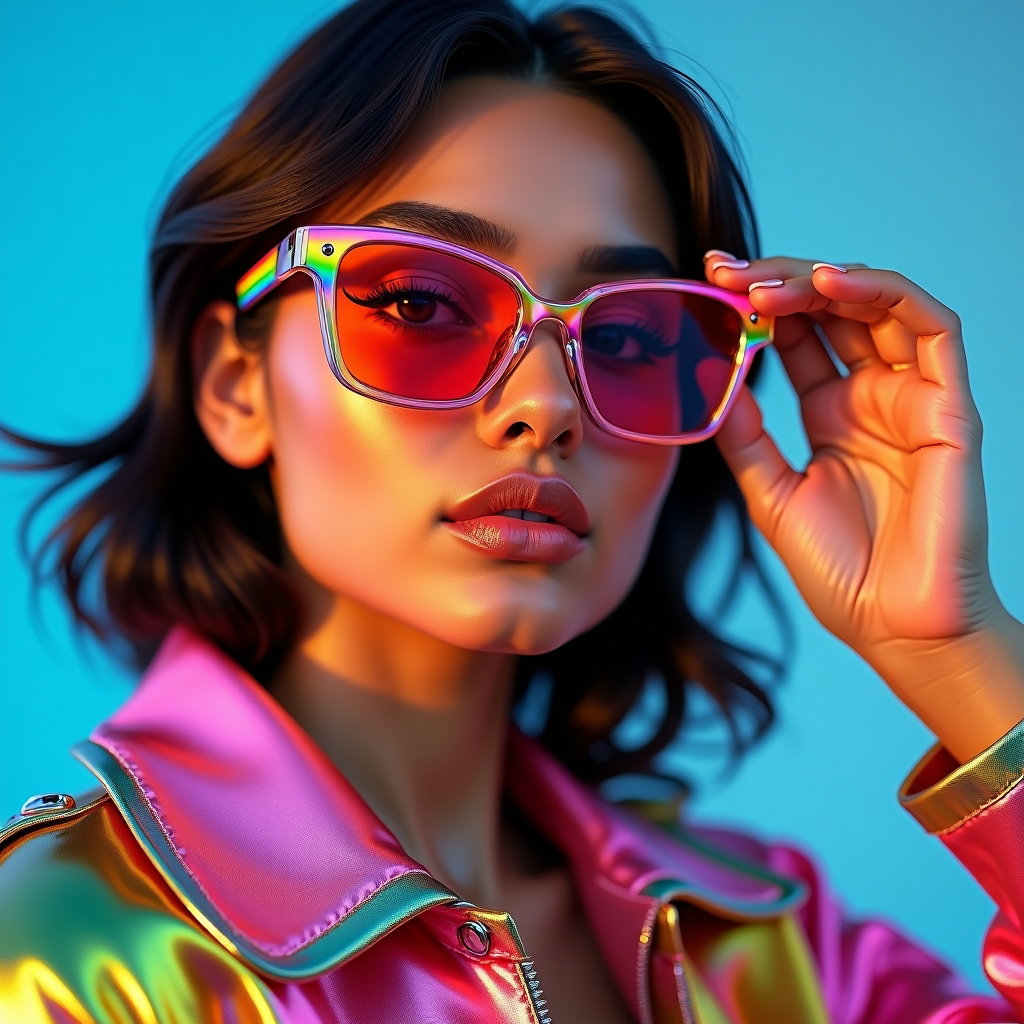
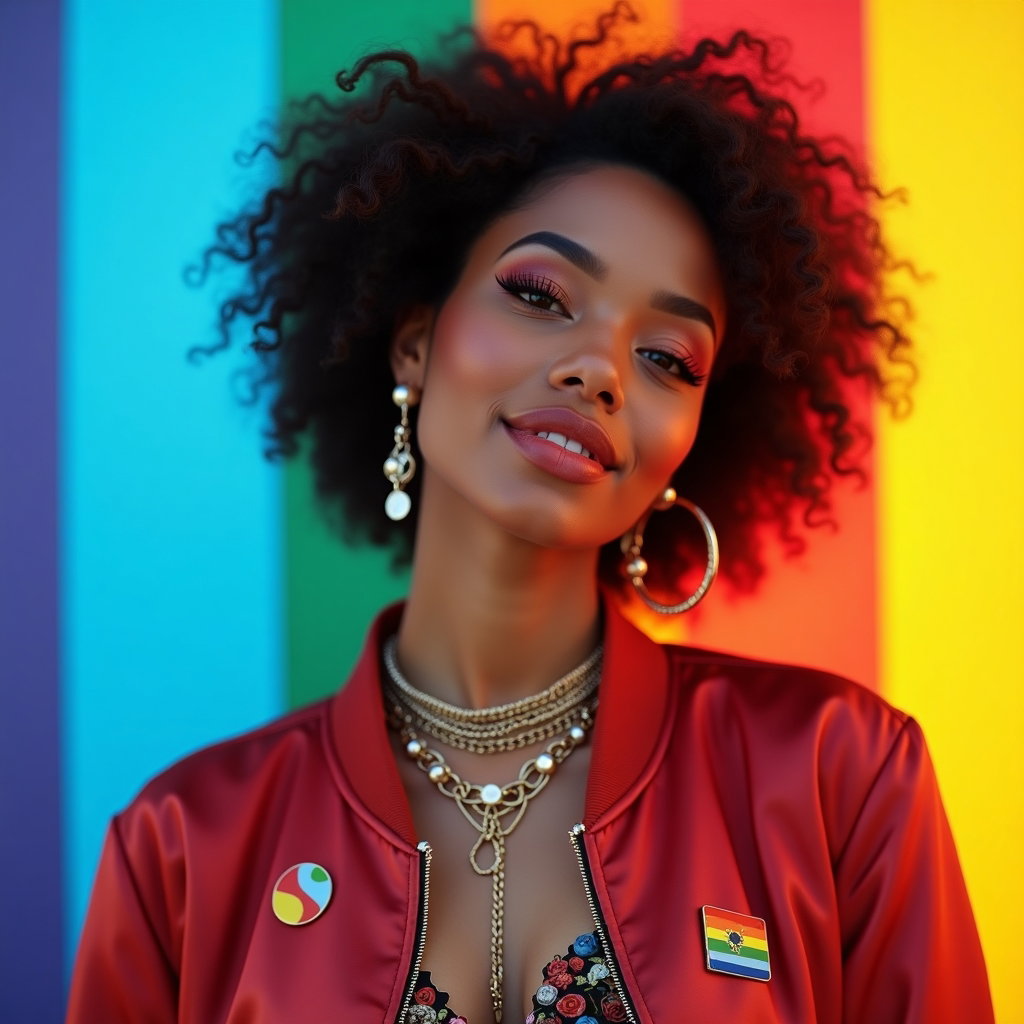
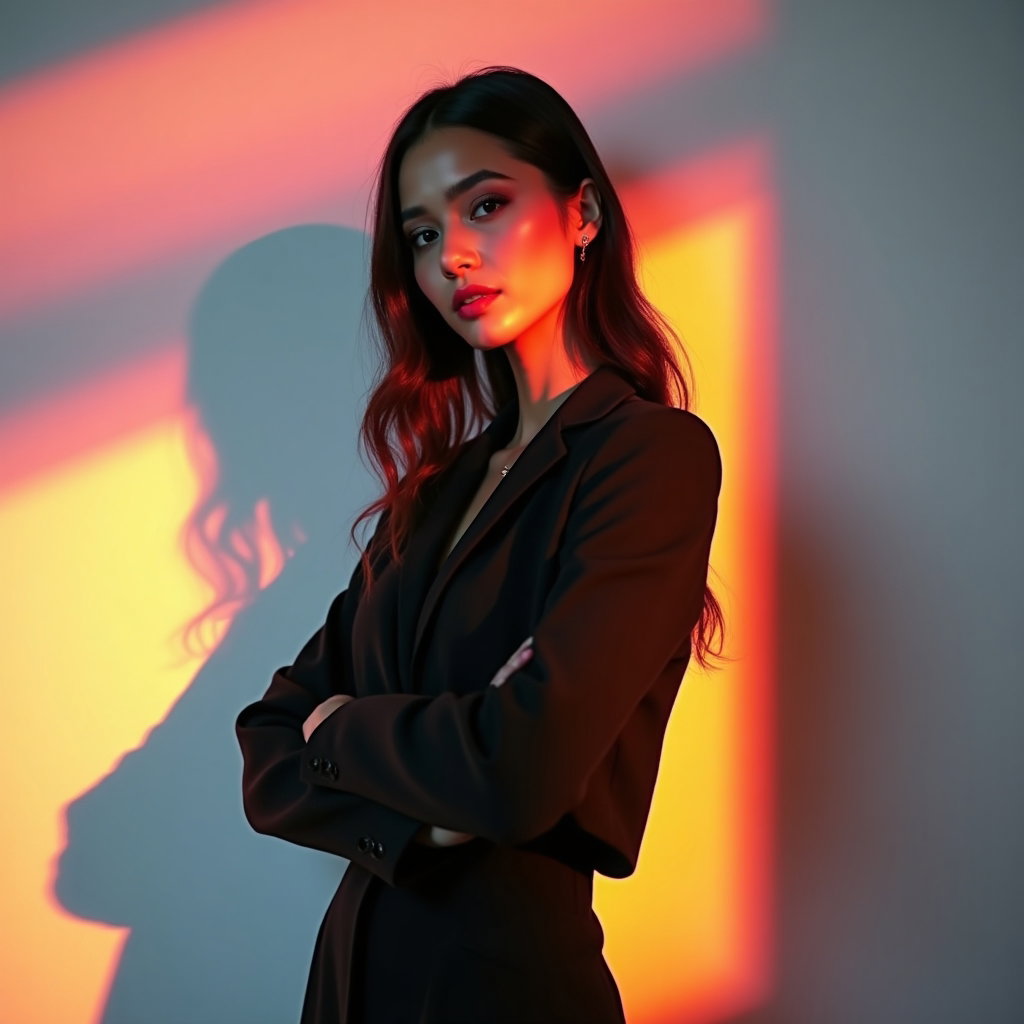
Bold Pride Fashion Editorial Portraits
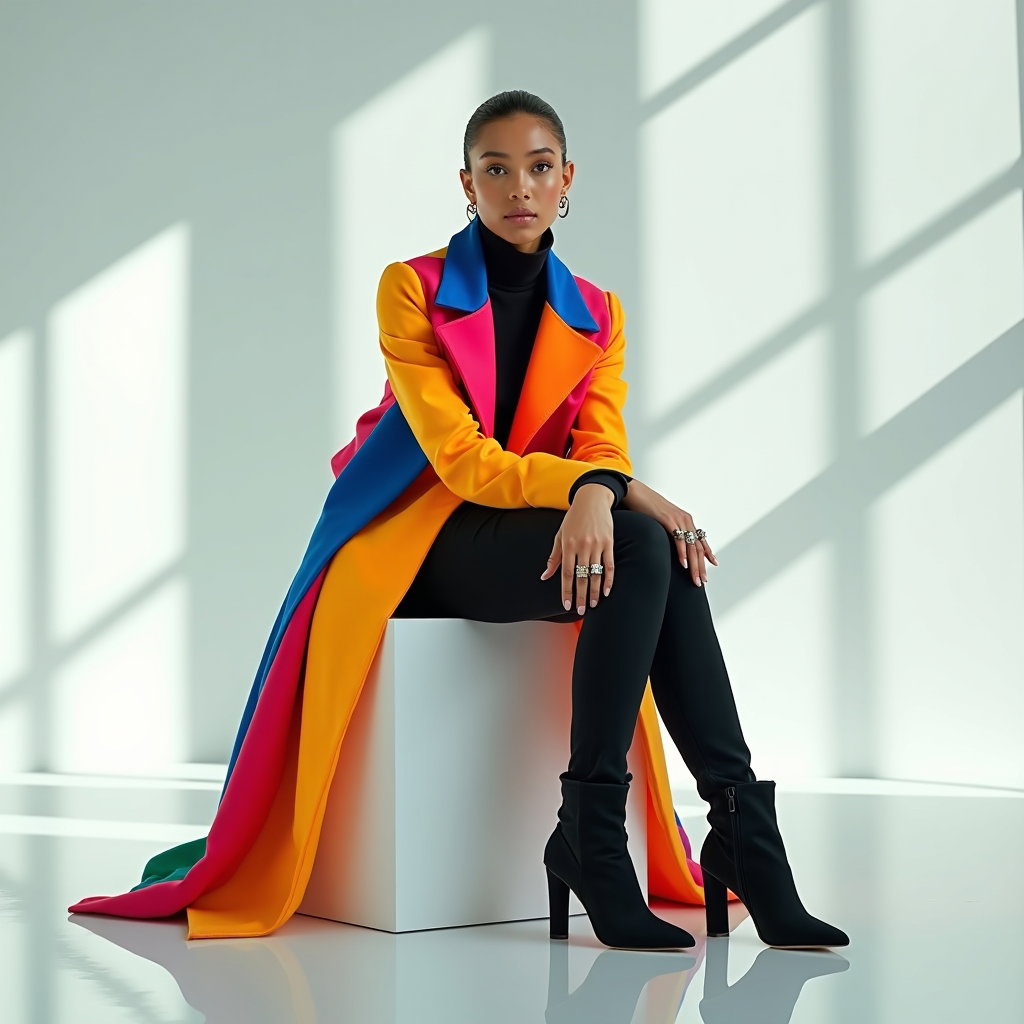
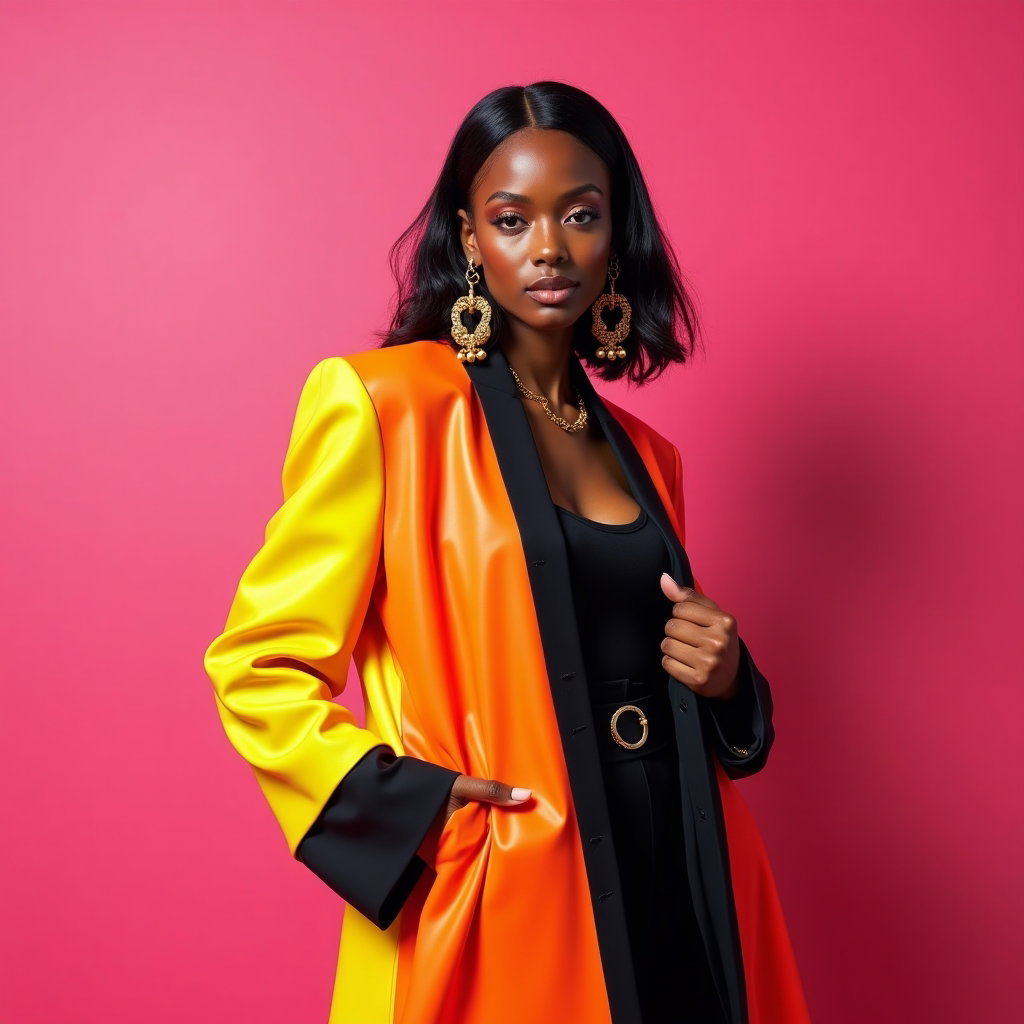
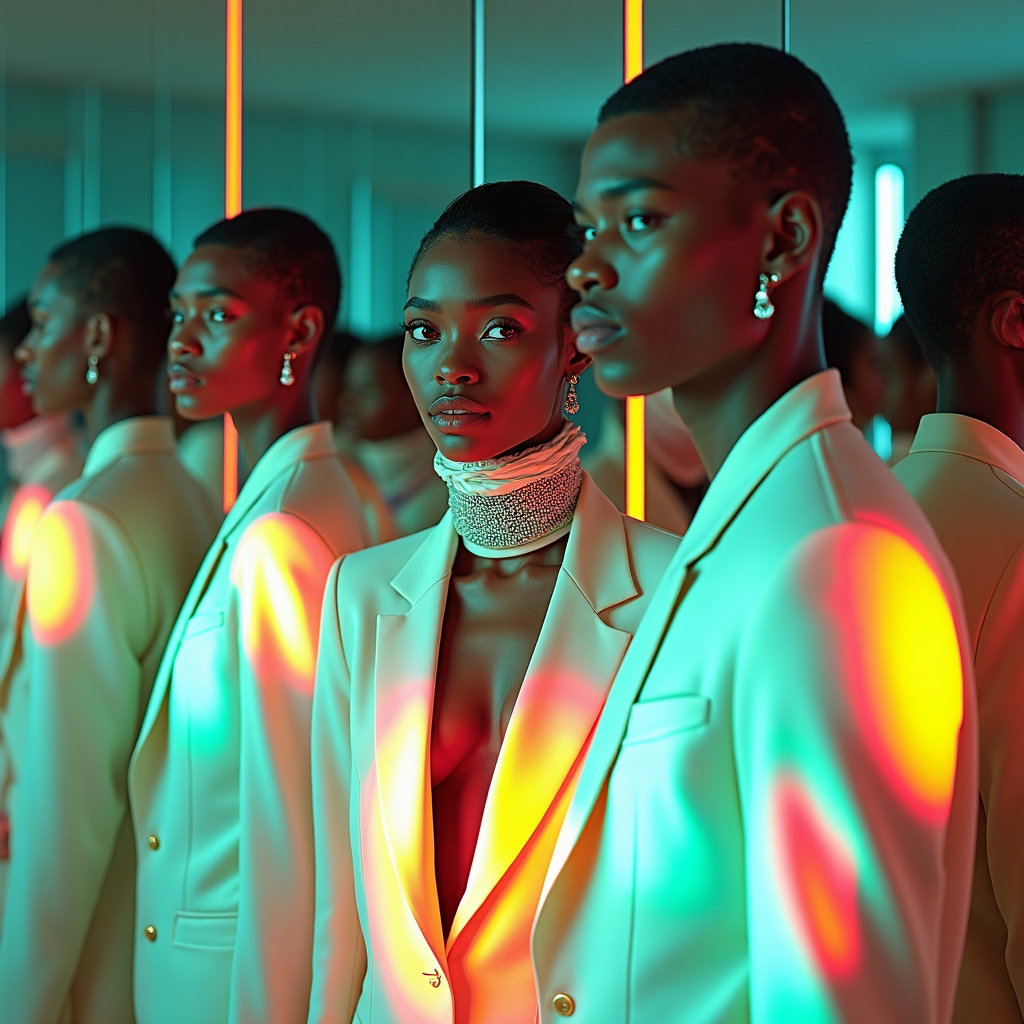
Bold Pride fashion editorial portraits are for a more dramatic look. This style feels styled, posed, and magazine-like. It works well when you want a portrait with statement clothing, strong lines, and a high-impact mood. It is useful for portfolios, creative profiles, personal branding images, and standout visual sets.
The clothing should lead the concept. Think oversized suits, sheer layers, bright monochrome outfits, metallic fabrics, platform boots, sculptural jackets, corsets, wide-leg pants, gloves, or dramatic jewelry. The pose can be angular, tall, seated, leaning, or in motion. The goal is to create a portrait that feels designed from head to toe.
For generation, use fashion language. Ask for “editorial studio portrait,” “high-fashion Pride styling,” “dramatic pose,” “sharp silhouette,” “colored backdrop,” or “magazine cover lighting.” The portrait works because the fashion and body shape create a clear visual structure.
Pose: use a strong stance, long neck, sharp arm shape, seated power pose, or slow walking motion. Light: choose studio lighting with clean shadows, spotlight effect, or bold colored background light. Wardrobe/background: use statement clothing, strong accessories, and a simple studio, rooftop, or architectural background. Mistake to avoid: do not combine too many statement pieces, because the outfit needs one main focal point.
Click to create your version
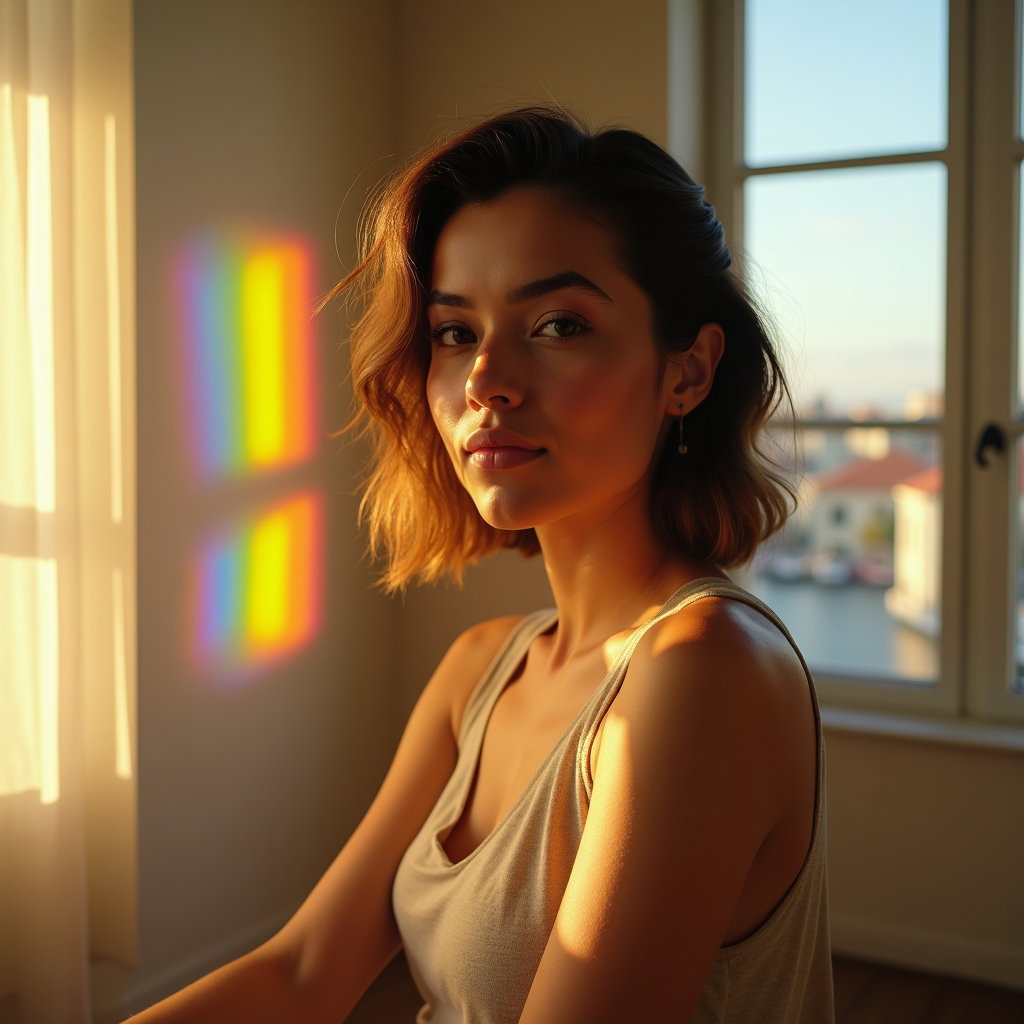
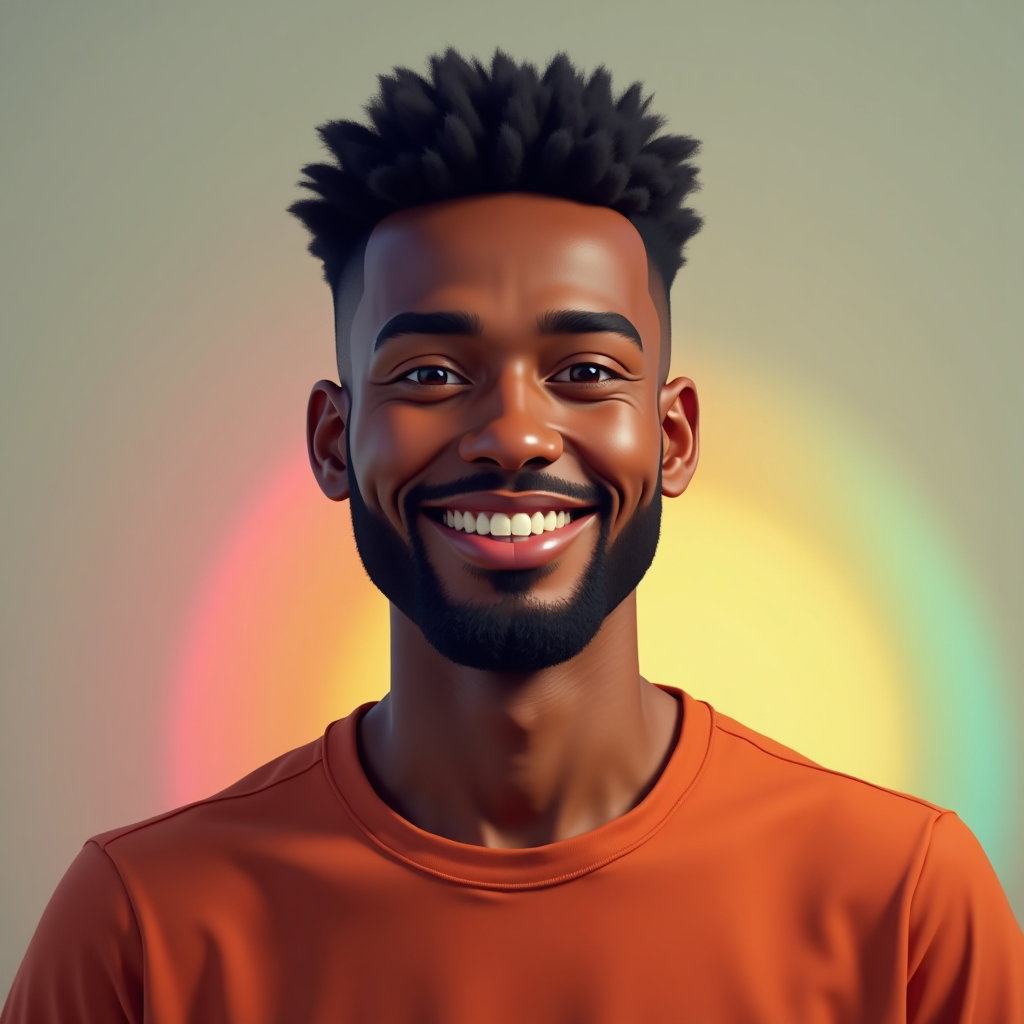
Natural Pride Portraits That Avoid Prop Overload
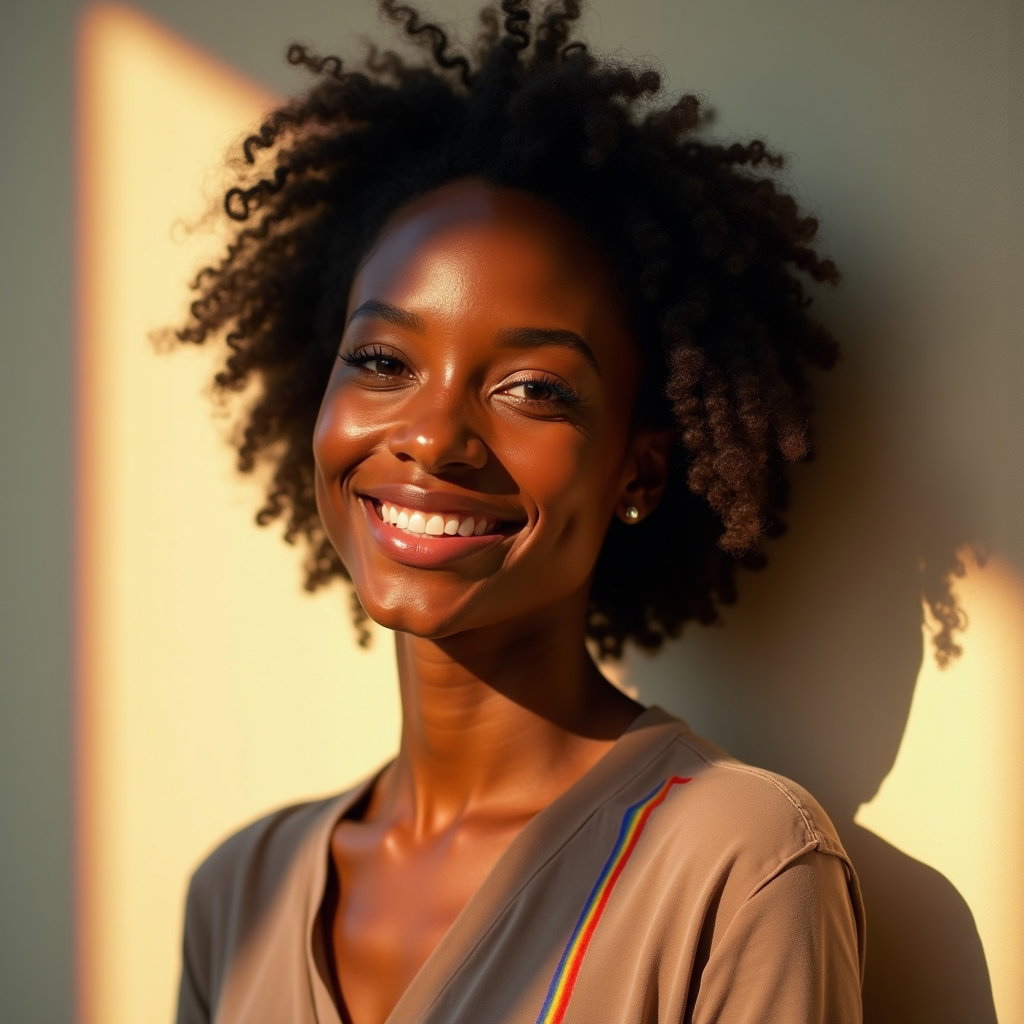
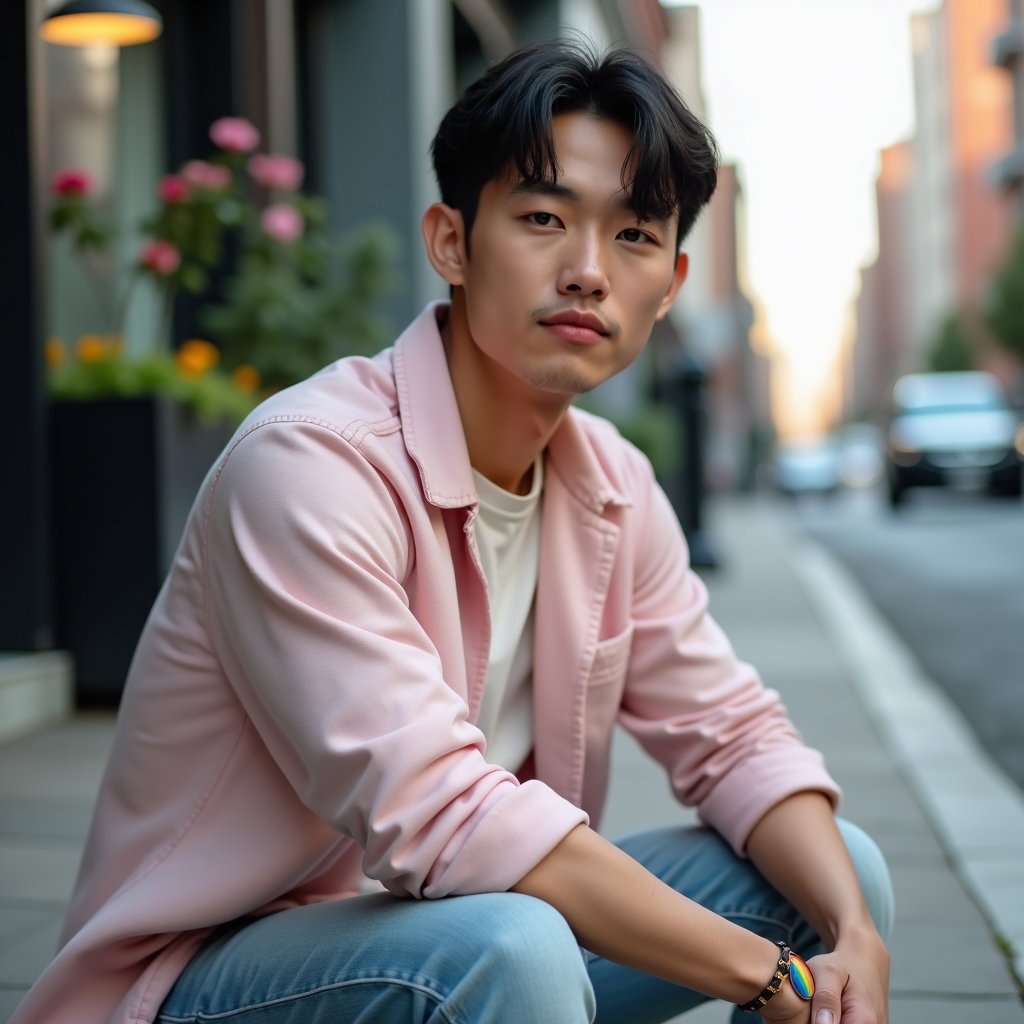
Natural Pride portraits are a good choice when you want the image to feel honest, calm, and not overly styled. This approach keeps the person at the center. Pride can appear through a small color detail, a simple accessory, a soft light choice, or a relaxed expression instead of many props.
This style is useful for people who do not want a loud image but still want a Pride Month portrait with meaning. It works for everyday profile photos, personal albums, professional pages, and simple announcement images. A natural portrait can be taken indoors, outside, in a bedroom, near a window, on a quiet street, or in a simple studio setup.
For generation, ask for restraint. Use phrases like “minimal Pride styling,” “natural daylight portrait,” “simple rainbow pin,” “soft smile,” “clean background,” or “one subtle color accent.” The image works because it feels believable. The viewer sees the person first, then the Pride detail.
Pose: sit or stand in a relaxed way, with soft eye contact or a small smile. Light: use window light, open shade, or soft studio light. Wardrobe/background: choose everyday clothing with one Pride detail, such as a pin, bracelet, nail color, scarf, or small makeup accent; use a calm background. Mistake to avoid: do not add flags, confetti, sunglasses, glitter, and signs all at once, because too many props can weaken the portrait.
Click on any photo to add your face
Choose One Clear Pride Portrait Idea First
The strongest Pride Month portraits usually start with one clear visual direction. Choose neon nightlife if you want drama. Choose close-up makeup if color and detail matter most. Choose gender-expressive posing if presence and identity are the focus. Choose laughing portraits if you want warmth. Choose heritage-inspired styling if personal history is important.
If you need an easy first image, start with a one-color profile headshot or a natural portrait with one Pride detail. If you want a high-impact image, try a rainbow flag cape, a solo parade street portrait, or a bold fashion editorial look. In each case, keep the person as the main subject. Let pose, light, wardrobe, and background support that choice.
Pick the style that matches your goal, then generate one focused set before adding more ideas. A clear portrait is easier to use, easier to recognize, and more likely to feel like you.