Olympic Athlete Style Photos
Want AI photos that actually look like Olympic athletes and not generic fitness models? Want images that scream speed, power, and elite status the moment they load? Want shots that sell a serious, high-performance identity, not soft lifestyle content?
AI photo generation lets you build this exact Olympic-level visual identity fast. No stadium. No cameras. No perfect body. The AI does the heavy lifting. Your job is to give the model the right structure, the right angles, and the right details that read as “Olympic athlete” in one second or less.
This article breaks down the six most effective Olympic athlete photo types you can generate with AI. Each one has a clear purpose. Each one hits different needs: profile images, websites, portfolios, brand decks, cover art, and personal documentation of your “elite” version. You will see what works, what details matter, and what to avoid if you want results that look high-level and believable.
Mid-Stride Action Shot on Track
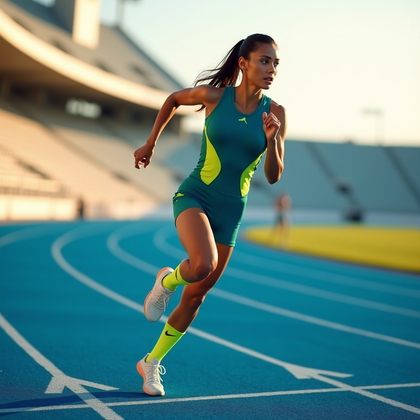
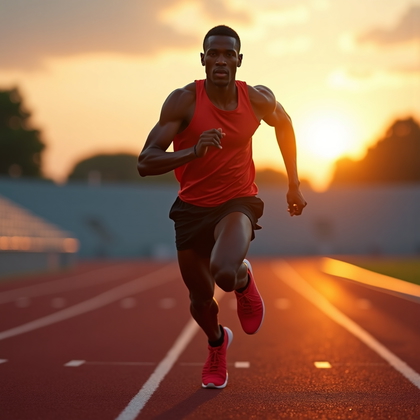
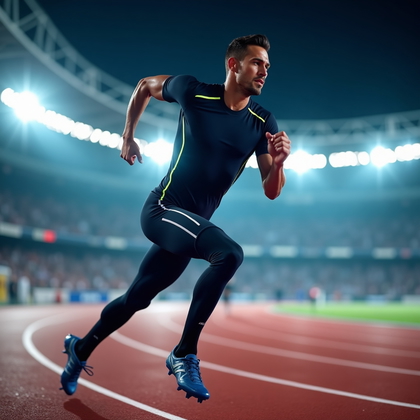
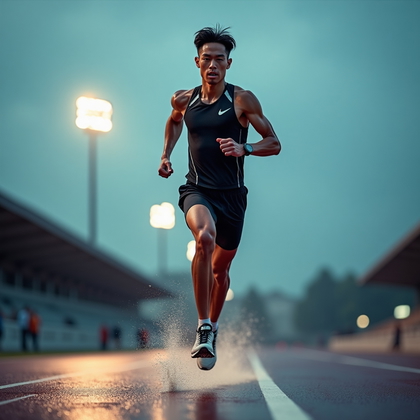
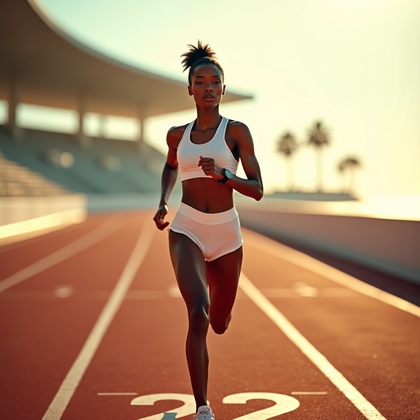
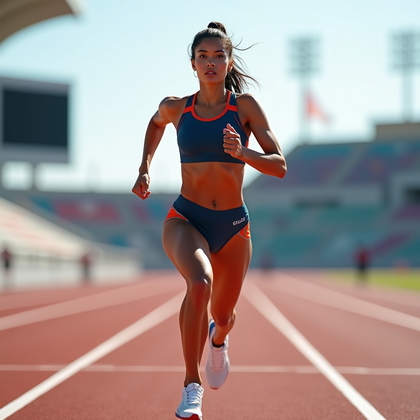
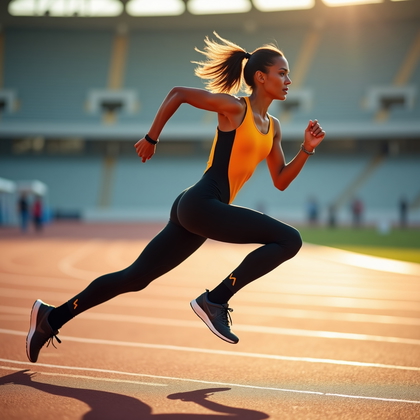
This is the single strongest format if you want your AI images to look like real elite athletes. A mid-stride sprint shot sells speed, power, and serious training in one frame. No gym selfie can compete with this. The key is full-speed motion, high knees, hip drive, and aggressive arm action. The body must look like it is moving forward hard, not jogging or posing.
For AI prompts, you want clear elements: outdoor track, lane lines, spikes, forward lean, and intense facial focus. Use words like “full speed sprint,” “muscles tensed,” “dynamic motion blur,” and “Olympic sprinter on track.” The legs should be fully extended or in a powerful drive phase. Hands relaxed but driving. This is the shot you use when you want to show that your body is built for performance, not just size. It makes you look fast, committed, and dangerous in competition, even if the image is fully AI-generated.
Click to create your version
Track Start Power Pose (Blocks or Sprint Stance)
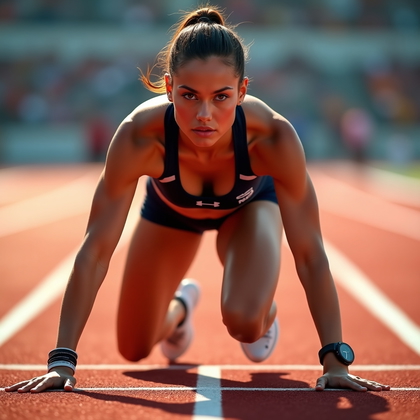
The start position is pure explosive energy. This angle is perfect when you want to highlight legs and glutes as power engines, not just visual decoration. The stance is low, coiled, and ready to launch. The quads, hamstrings, calves, and glutes are under tension. This reads as “Olympic sprinter” more clearly than almost any other pose.
In your AI prompts, lock in “starting blocks” or “sprint start stance,” “low explosive posture,” “strong glute and quad definition,” and “focused eyes looking down track.” The uniform needs to be a proper sprint outfit, not random gym clothing. Think tight sprint suit or short shorts with a fitted top, spikes on feet, and lane numbers visible. This photo type is extremely effective for showing strength without flexing, and for making your lower body look like a weapon. It works very well for portfolios, training pages, and any place where you want the image to say: this body is built to launch hard and fast.
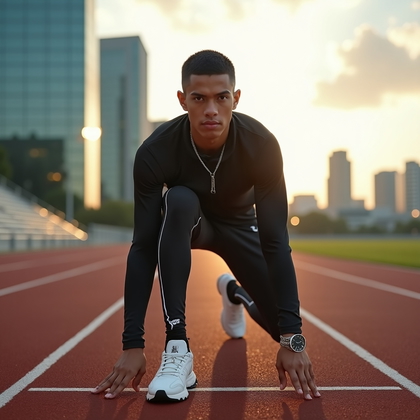
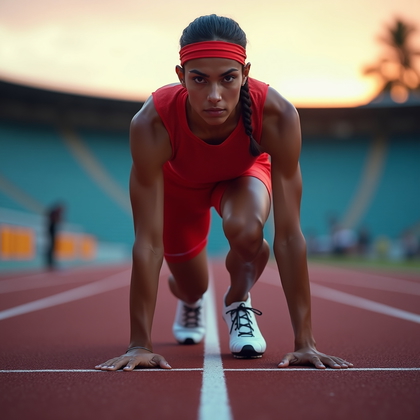
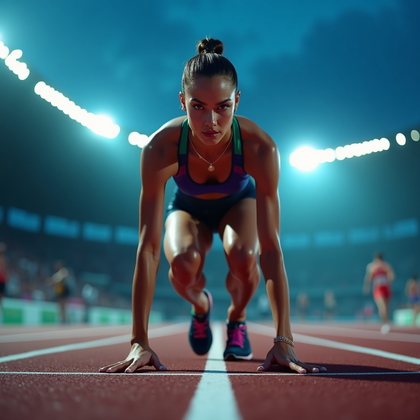
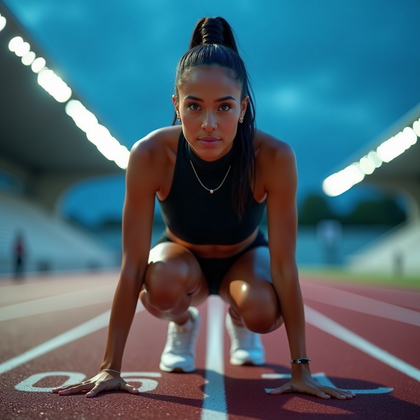
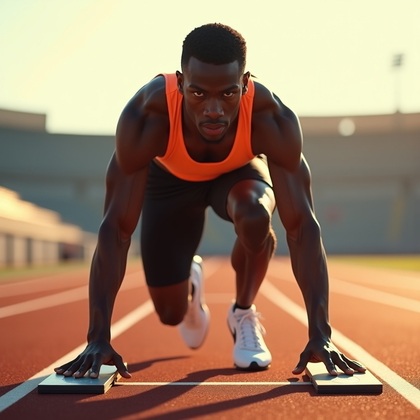
Click on a photo to make this moment yours
Calm Champion Studio Portrait
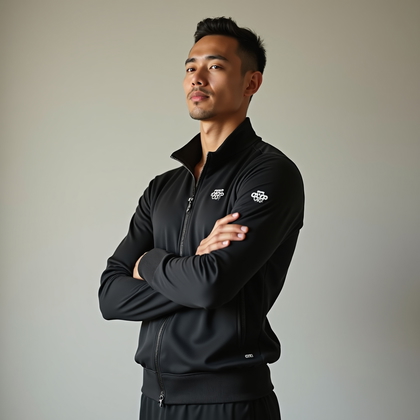
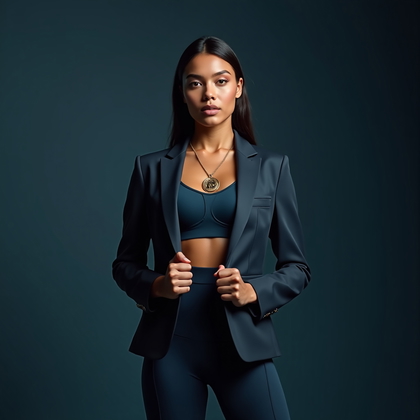
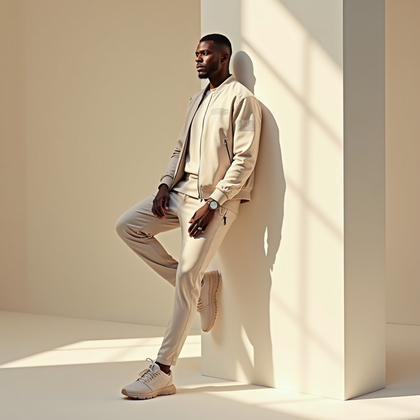
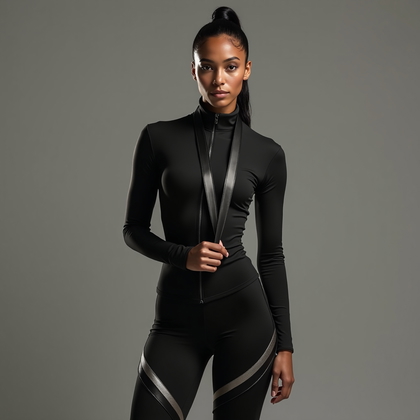
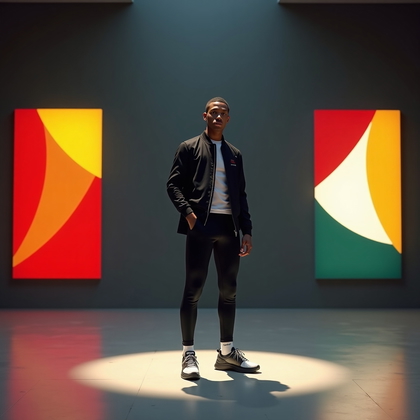
This is your official, serious profile image. No chaos, no motion, just clean control. A calm champion portrait in a studio look makes you appear reliable, disciplined, and professional. Brands and media-style layouts expect this type of shot, because it is easy to use on websites, brochures, thumbnails, and covers without visual clutter.
For AI prompts, use “studio lighting,” “neutral background,” “simple athletic wear,” “arms crossed” or “hands on hips,” and “confident, calm expression.” The face must not try too hard. No big smile, no fake hype. Just a steady, unshakable look. This type of photo is excellent for profile pictures, about pages, and any context where you want to look like an established, serious high performer. It signals that you are not just energy and motion, but also control and stability.
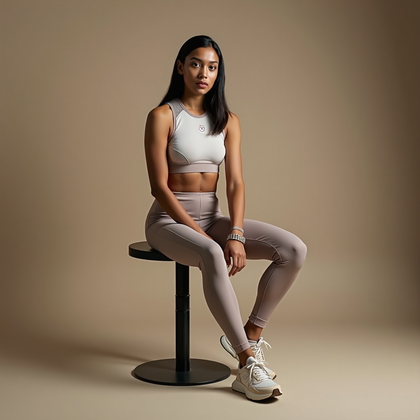
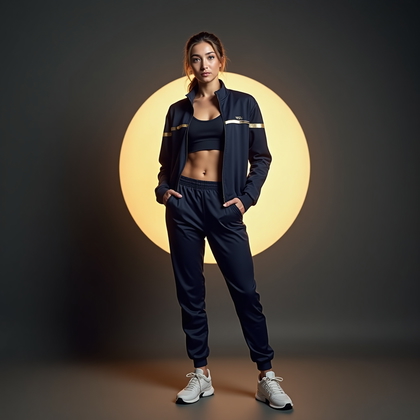
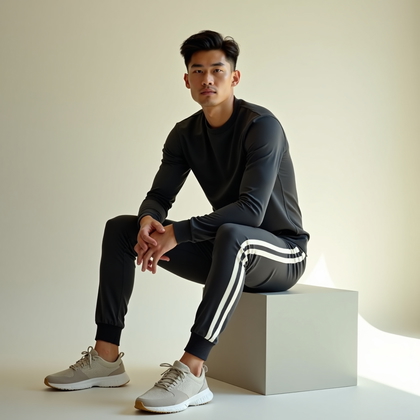
Click on any photo to see yourself in it
National Pride Athlete Portrait
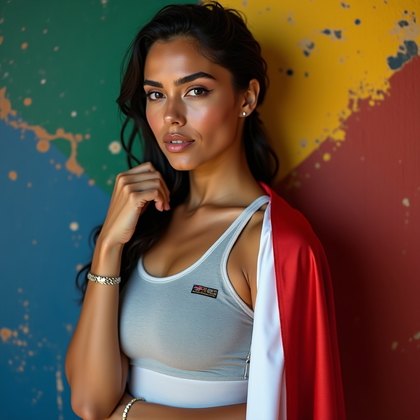
This image type focuses on identity and purpose. The flag or national colors instantly make your character look like a selected representative, not just a random fit person. It adds weight to the image. When someone sees an athlete holding a flag with direct eye contact, they read dedication and responsibility, even if the entire image is AI-made.
In your AI prompts, be specific: “athlete holding national flag,” “wearing uniform with national colors,” “confident eye contact,” “serious or subtle proud expression,” and “Olympic-style portrait lighting.” Avoid exaggerated smiles or exaggerated flag waving. You want strong posture, centered body, and controlled emotion. This type of image is powerful for personal websites, digital posters of your “national team” self, or visual identity projects where you want to connect your athletic look with a specific country. It makes you look selected, trusted, and high-tier.
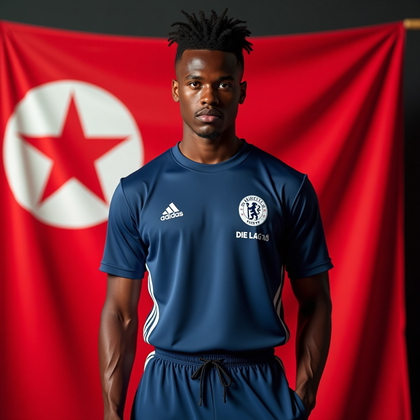
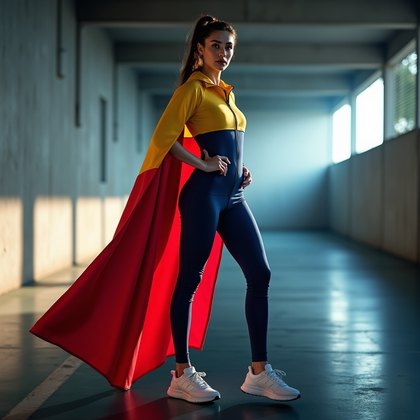
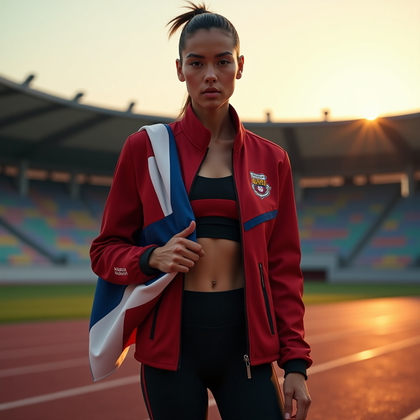
Click on a photo to make this moment yours
Physique Reveal in Competition Kit
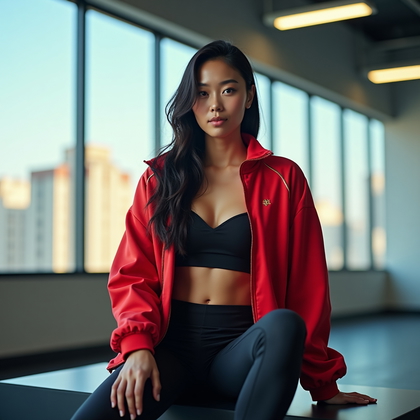
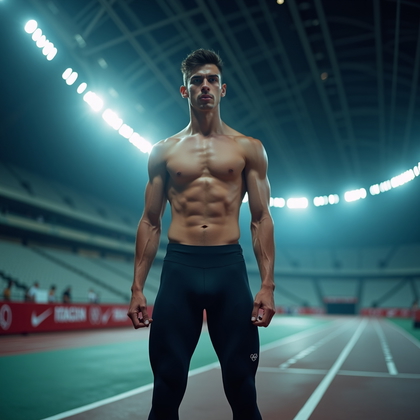
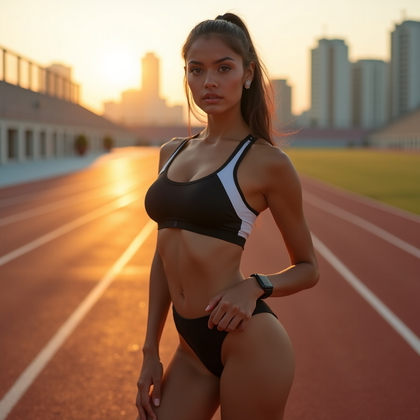
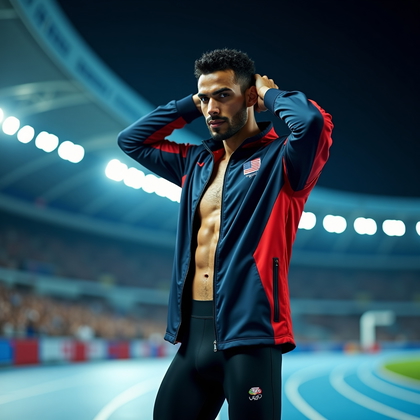
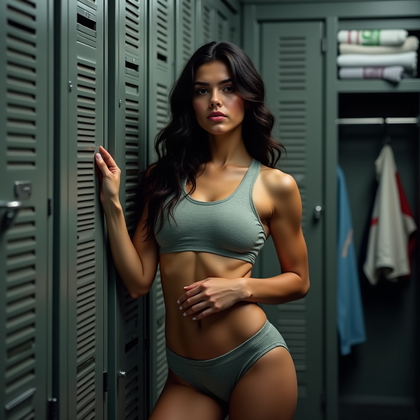
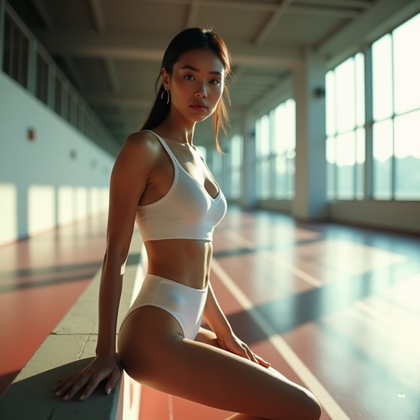
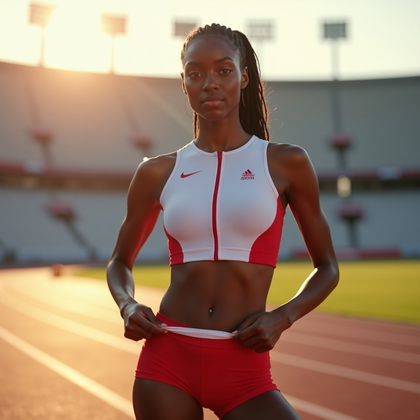
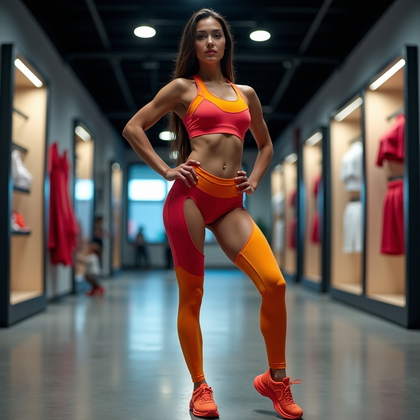
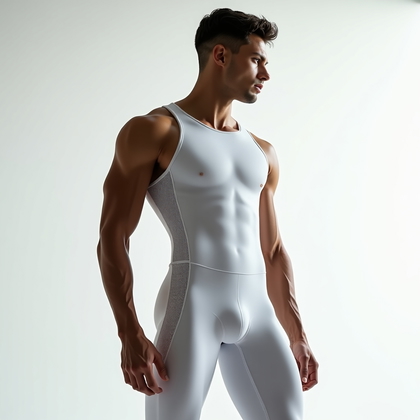
This is where you show the body like a real Olympic athlete, not a bodybuilder and not a casual gym user. The competition kit is critical. A proper sprint bodysuit, swimsuit, leotard, or singlet changes everything. It instantly shifts the viewer’s brain into “elite sport” mode. No flexing, no mirror. Just standing tall or in a strong, natural stance that shows muscle, symmetry, and leanness under a real competition uniform.
For AI prompts, use direct terms: “competition uniform,” “Olympic sprint suit,” “professional swimsuit,” or “wrestling singlet,” plus “defined lean muscle,” “athletic build,” and “neutral strong stance.” The key is not a pump or extreme pose. The body should look ready for event day. This style of image is very effective when you want to showcase physical condition in a serious way. It does not look like thirst content. It looks like readiness. It is ideal for body transformation records, portfolio covers, or any place where the visual message is: this is my competition body, and it is tuned for performance.
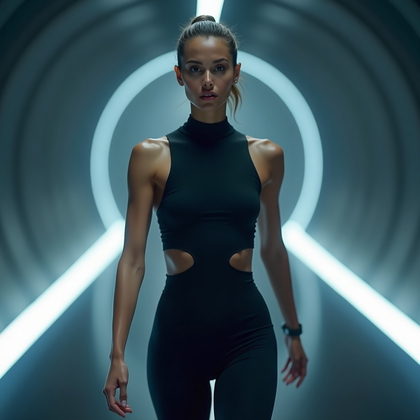
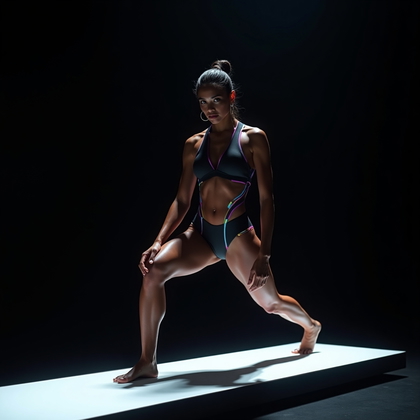
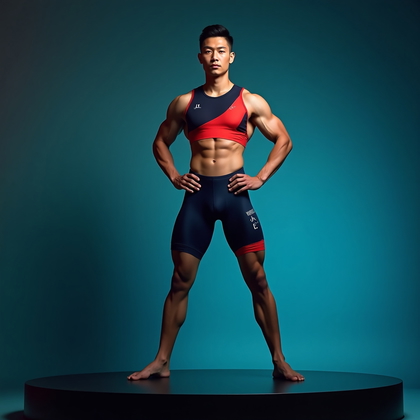
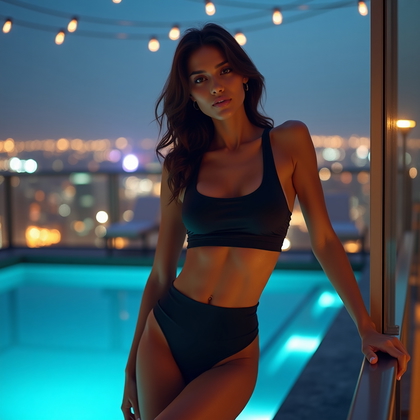
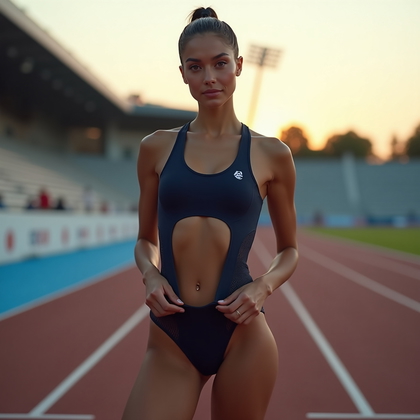
Click on any photo to see yourself here
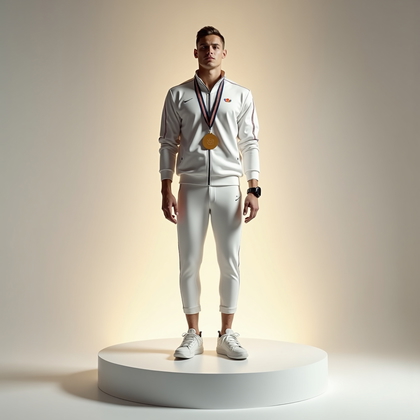
Podium-Style Victory Portrait
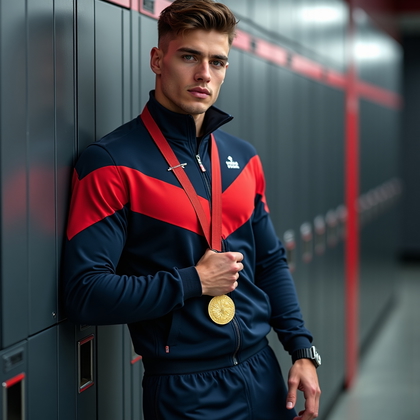
This photo type is all about status. Standing tall with a medal or medal-style prop signals one thing: you won. Even if the event is fictional, the visual story is very strong. Chest lifted, shoulders back, and a composed face give the impression of someone who just delivered under pressure on the biggest stage.
In AI prompts, focus on “podium-style portrait,” “medal around neck or in hand,” “strong upright posture,” “subtle proud smile or emotional intensity,” and “tight framing on upper body and face.” You do not need a full podium in view. The real power is in the expression and medal detail. These images are very effective for banners, hero sections, book or program covers, or any digital asset where you want your athlete version to appear victorious and proven. It is a fast way to communicate that the story is not just about training, but about winning.
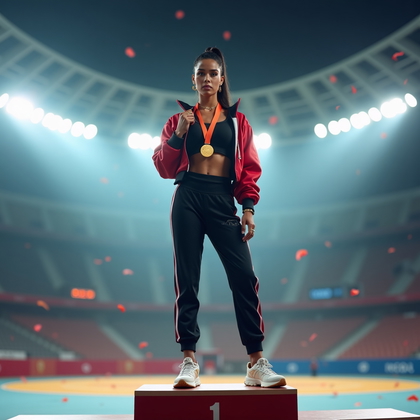
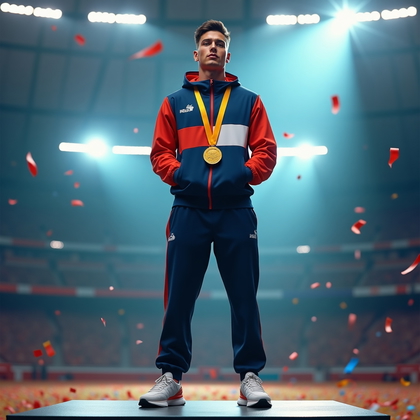
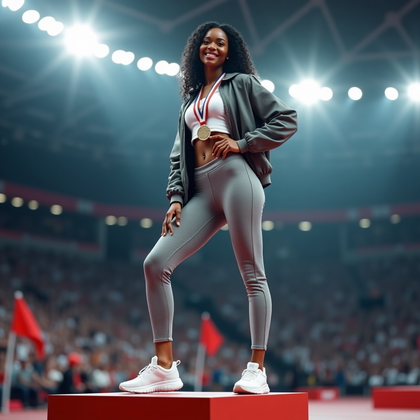
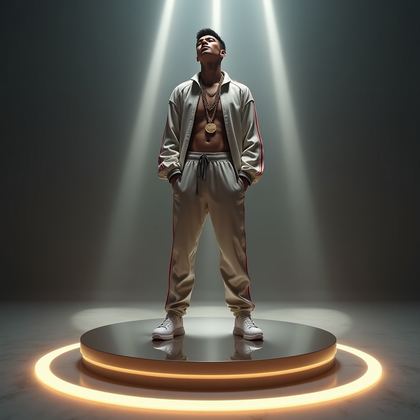
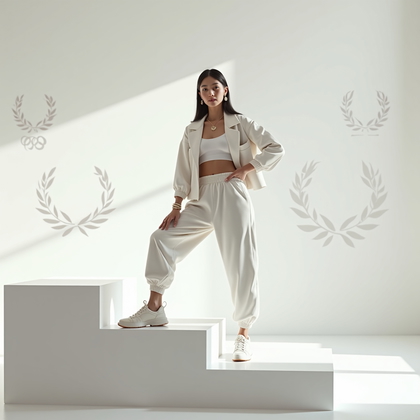
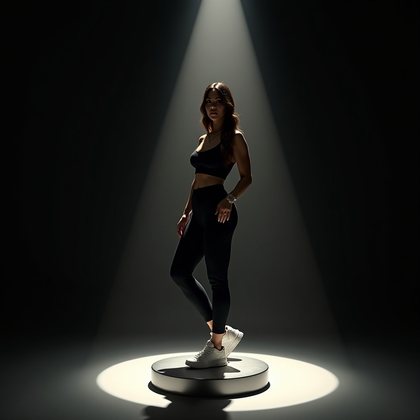
Click on any photo to step into the scene
Bringing Your Olympic Athlete Image Set Together
Each of these six photo types serves a different purpose. Mid-stride action and start poses sell power and movement. Studio and national portraits build identity and professionalism. Competition kit shots reveal your physique like a real athlete. Podium portraits lock in the image of victory and achievement.
When you combine them, you get a complete Olympic-style visual set: preparation, power, body, identity, and success. AI photo generation lets you create this without travel, without expensive shoots, and without perfect real-world conditions. What matters most is how clearly you define the angle, pose, outfit, and emotion in your prompts. Use these structures directly, adjust details to fit your ideal version, and build a library of images that look elite, serious, and high-performance every time.