Moon Base Photos
Want moon base photos that look real instead of fake sci-fi wallpaper. Want AI images that feel like life on the Moon instead of a costume test. Want results that instantly read as advanced, harsh, and believable. That is what matters.
AI photo generation lets you create images from prompts, style controls, lighting choices, camera language, and scene details. When it works, it creates a full visual world fast. When it fails, it gives you shiny nonsense. Moon base photos are one of the easiest themes to ruin because the model will often drift into generic space art, plastic suits, wrong gravity, and empty backgrounds.
This article covers the moon base photo types that actually make the concept land. Each one does a different job. Some build realism. Some add authority. Some show stress, survival, or purpose. Together, they turn a weak prompt into a complete visual story of human life on the Moon.
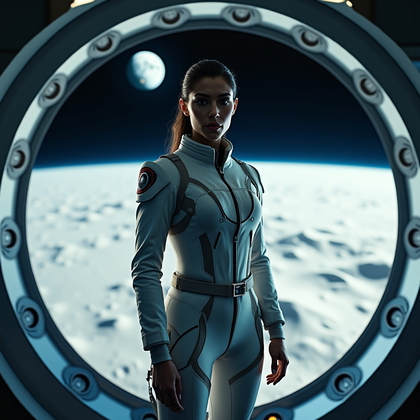
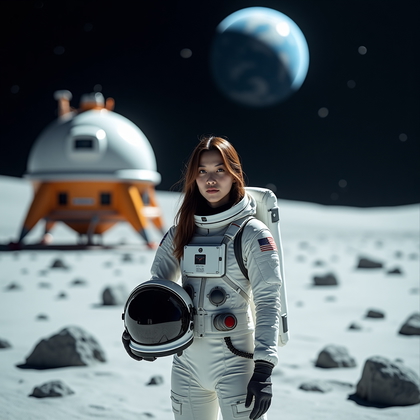
Lunar Explorer Portrait
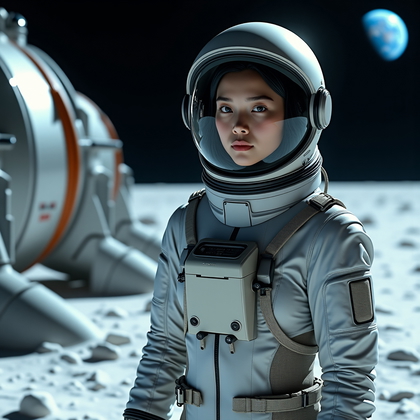
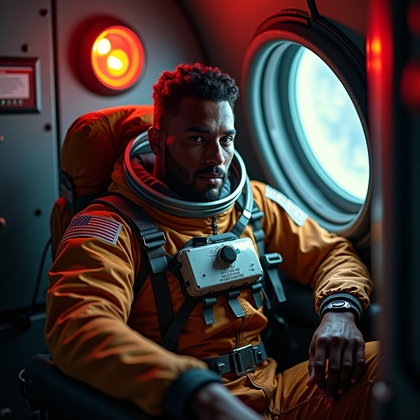
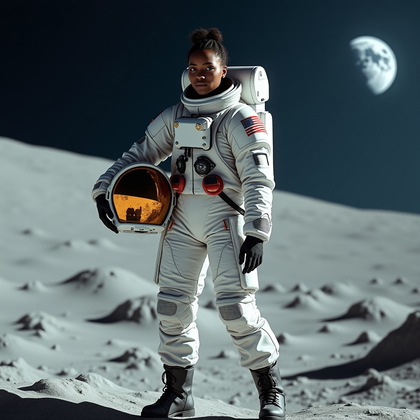
This is the anchor shot. If this image fails, the whole moon base concept collapses. A strong solo portrait in a lunar setting tells the viewer one simple fact fast. A human is here, and this place is real enough to stand in. That is the core outcome.
What works in practice is clear subject focus, visible lunar terrain or base structures, and a suit that looks used, not decorative. Keep the pose steady and confident. Make the lighting hard and directional. Add dust, surface texture, and practical gear details. Do not let the image become too wide or too cinematic. The person must stay dominant. This is the shot that proves the scene.
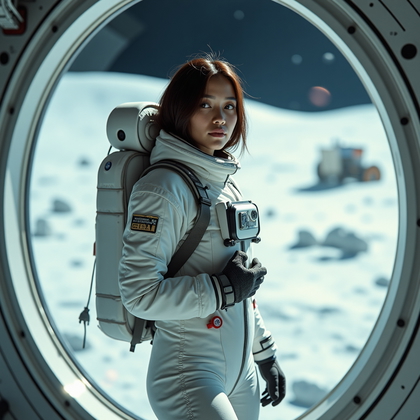
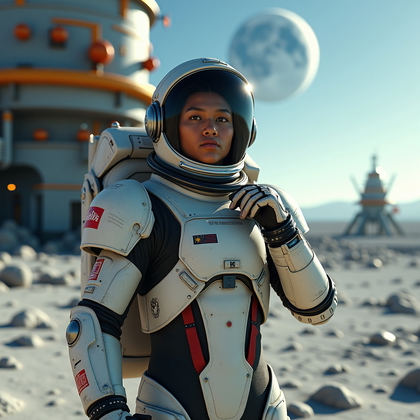
Click on a photo to try this look
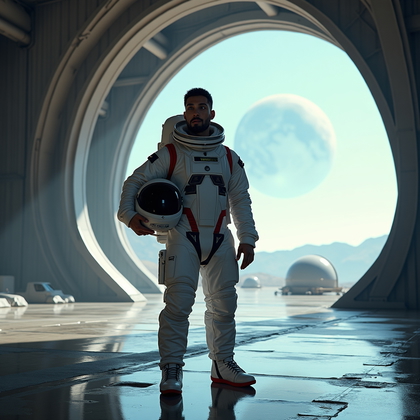
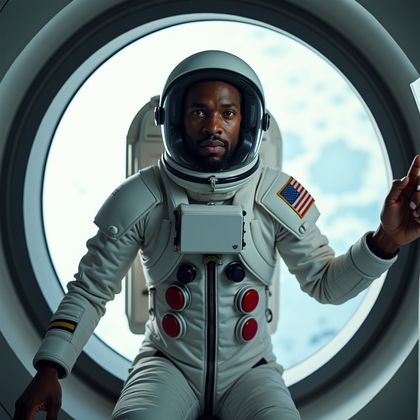
Helmet-Off Habitat Confidence Shot
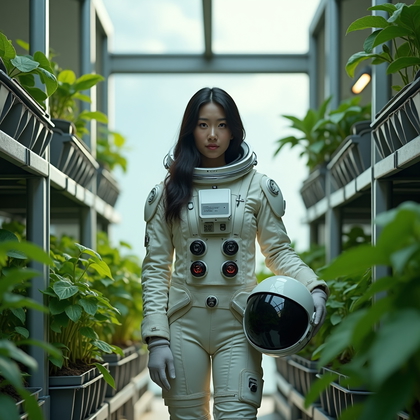
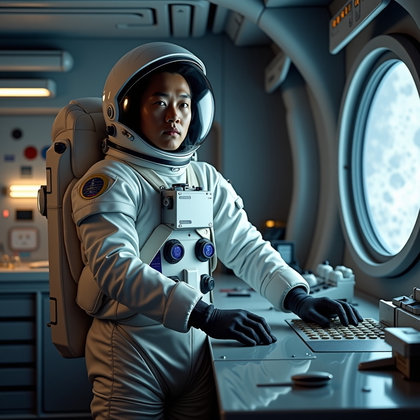
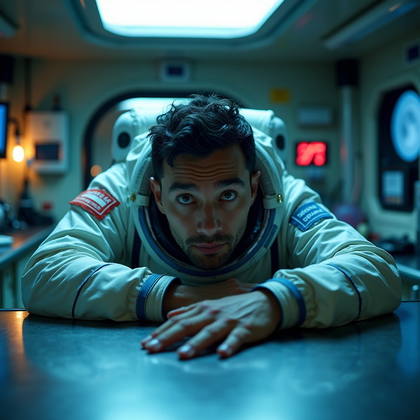
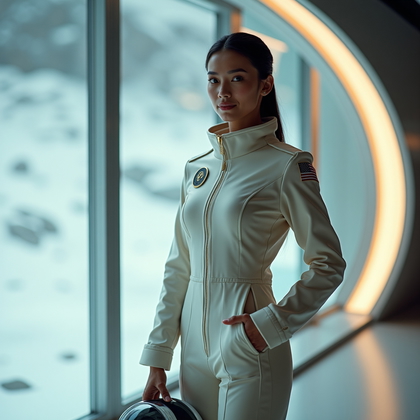
This image changes the identity from visitor to resident. Inside the base, with the helmet off, the subject becomes someone who belongs there. That shift is powerful. It makes the moon base feel inhabited, controlled, and human.
What actually works is a clean but functional habitat interior. Use windows, wall panels, equipment racks, soft artificial light, and relaxed but alert body language. The face matters here. Calm eyes and composed posture sell confidence better than a dramatic pose. This shot gives the subject ownership of the environment. It makes the whole set feel lived in instead of staged.
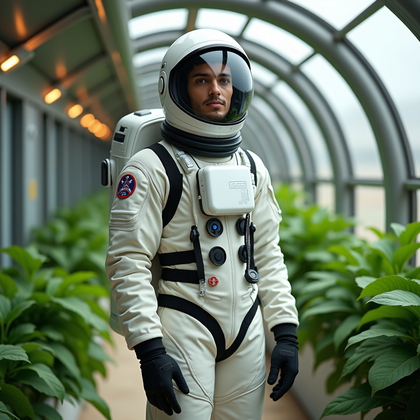
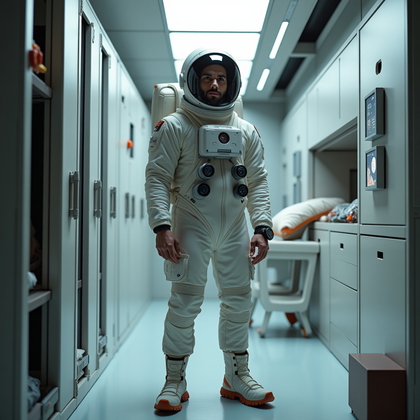
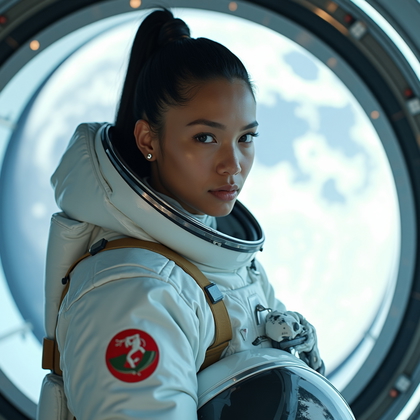
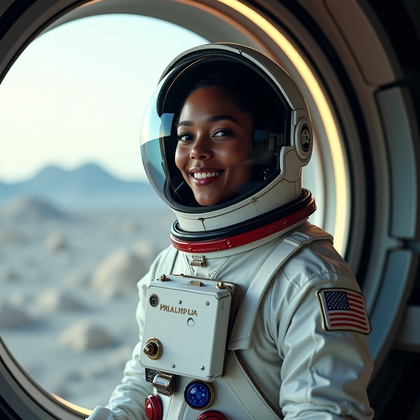
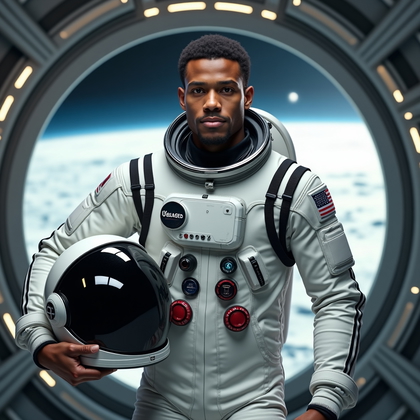
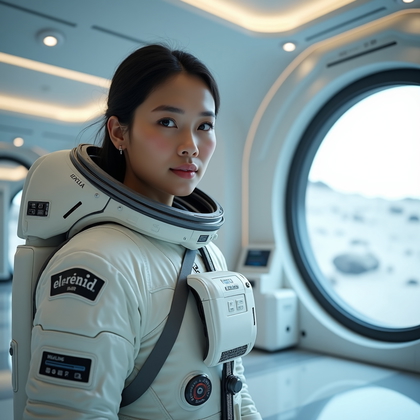
Click on any photo to step into the scene
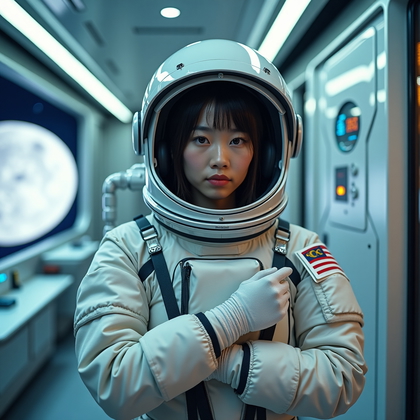
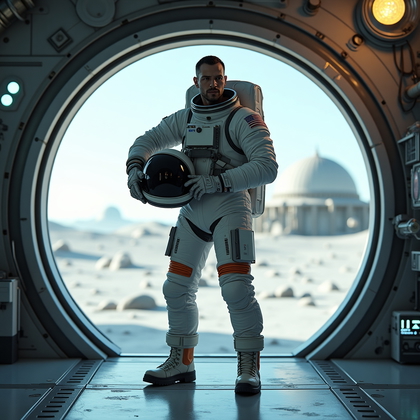
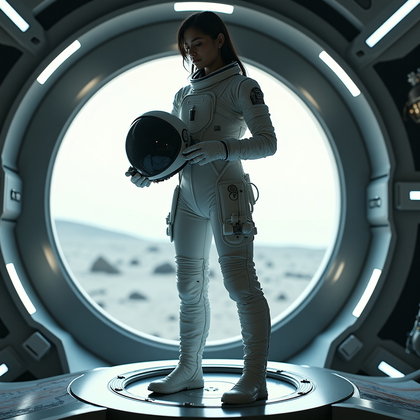
Suit-Up Readiness Photo
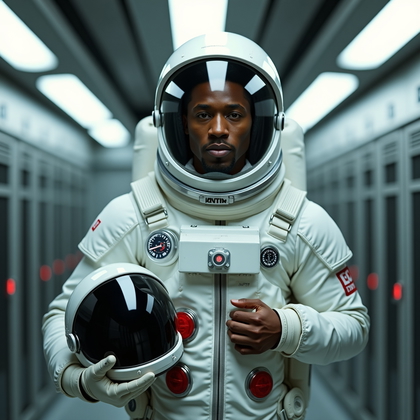
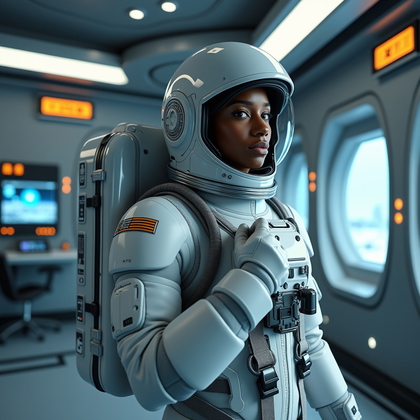
Preparation images add operational realism fast. A person checking seals, adjusting gloves, locking gear, or reviewing a wrist display makes the base feel active. It tells the viewer that life on the Moon is not fantasy. It is procedure, discipline, and risk management.
This photo type works because action before action feels real. You do not need a giant dramatic scene. You need tension in the small details. Show suit components, tools, staging areas, storage lockers, and mission equipment. Keep the expression focused. The best result is controlled readiness. That makes the subject look capable, not theatrical.
Click on any photo to see how you'd look
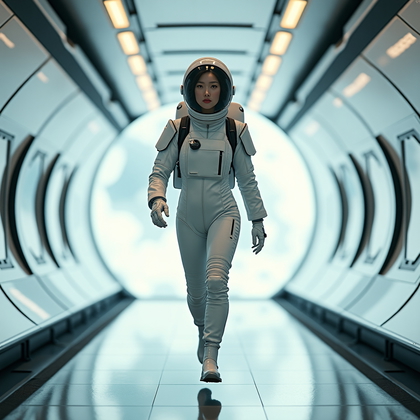
Low-Gravity Movement Pose
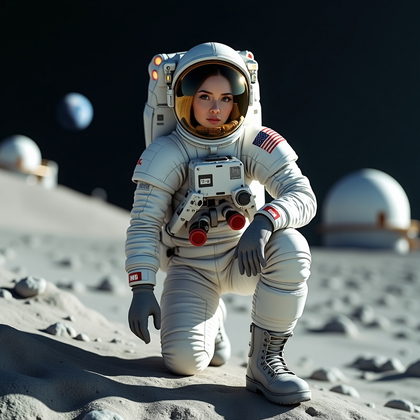
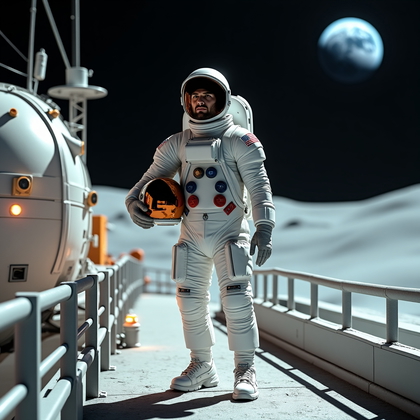
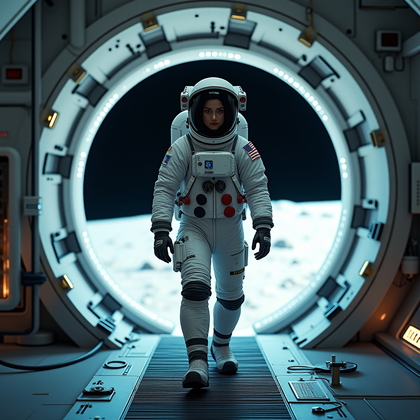
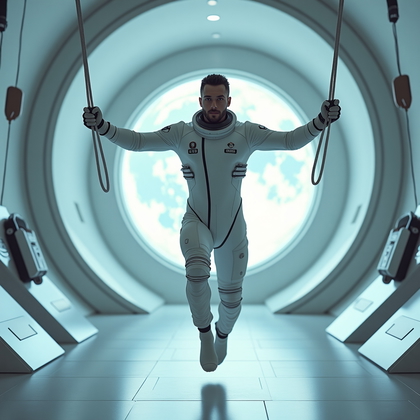
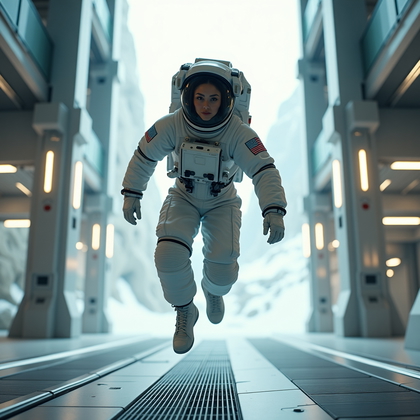
If the body moves like it is on Earth, the image is dead. This is where many AI moon base photos fail hard. The pose must suggest bounce, drag, caution, or floating momentum. Without that, the lunar setting feels fake even if the background is good.
What works is asymmetry. One foot pushing off. A slight lean. Arms balancing movement. Dust displacement. A careful stride near equipment or on a habitat platform. The body should look like it is working with reduced gravity, not walking on a city street. This one detail can make the entire image set believable in seconds.
Click on any photo to see yourself here
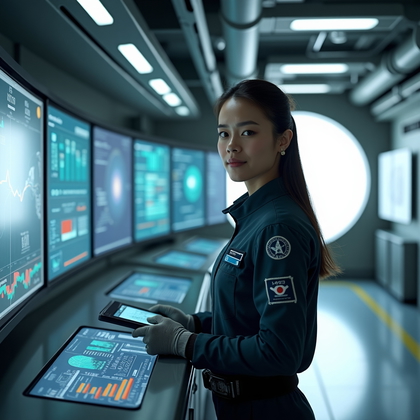
Commanding Mission Specialist Portrait
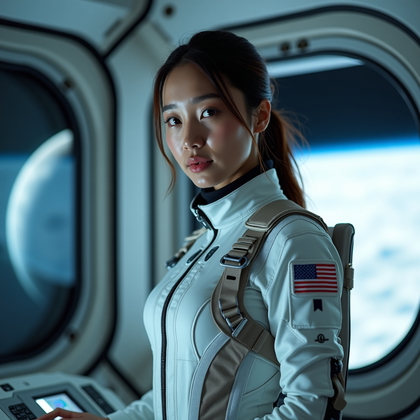
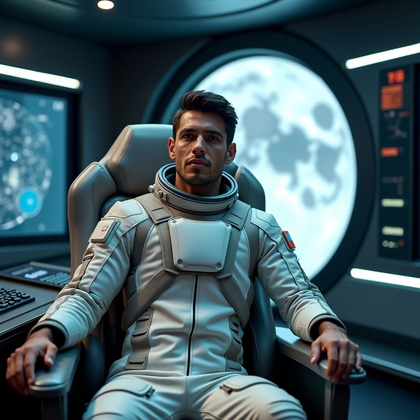
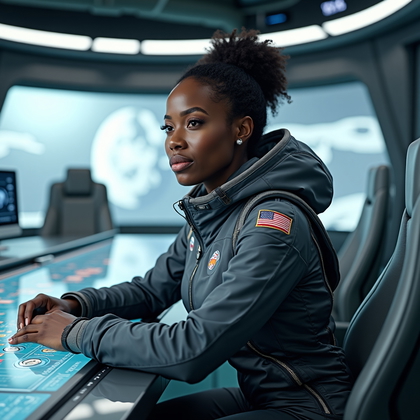
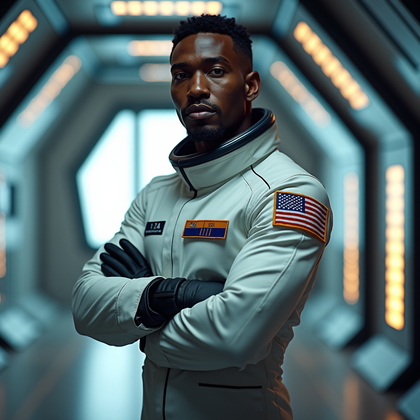
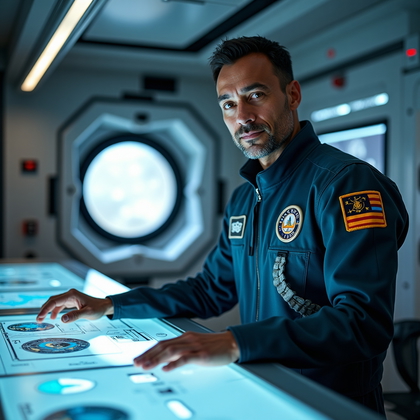
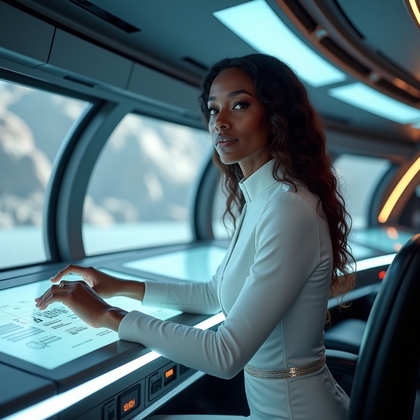
This is the authority shot. It gives the subject technical purpose and rank without needing text. Strong posture, direct gaze, and controlled framing create an image that feels serious and advanced. That is exactly what moon base imagery needs when you want it to look credible.
Use a mission console, display wall, planning surface, or command station. Keep the composition sharp and structured. Avoid loose casual energy. This is not a tourist image. It is a portrait of someone responsible for survival, systems, and decisions. That difference matters. It pushes the image out of fantasy and into operational reality.
Click on any photo to see how you'd look
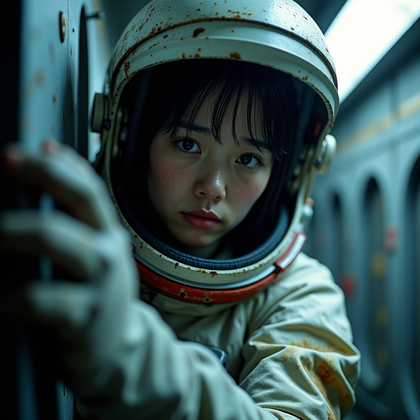
Fatigue and Survival Close-Up
Moon base photos become stronger when they show pressure. Clean perfect faces often look fake in this setting. A close-up with strain, dryness, tired eyes, or hard concentration adds truth. Remote living is not easy, and the photo should admit that.
This works best with tight framing and controlled texture. Show skin detail, slight sweat, subtle marks from equipment, and low restful light or harsh work light. Do not overdo damage. You want believable fatigue, not melodrama. This image adds psychological weight. It makes the subject feel like a real person dealing with a severe environment.
Click on a photo to replace their face with yours
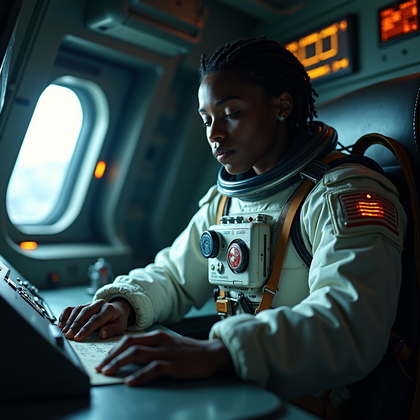
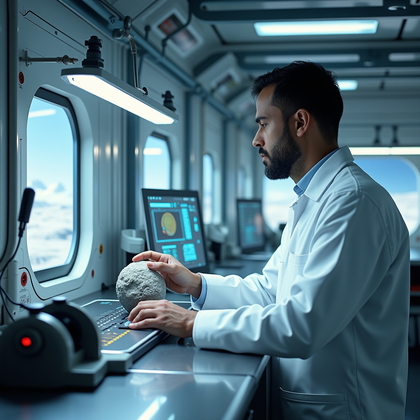
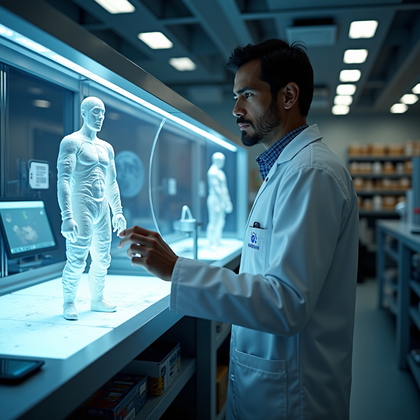
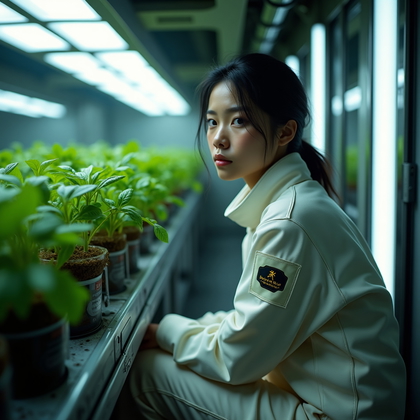
Scientist-at-Work Individual Portrait
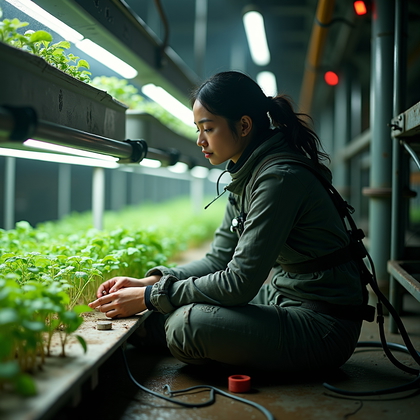
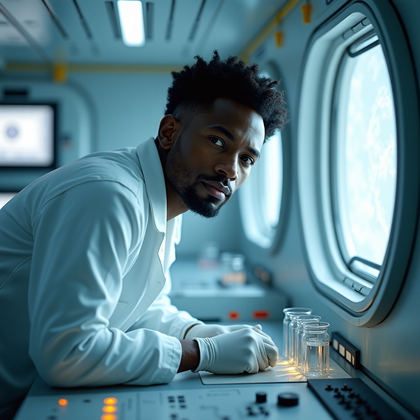
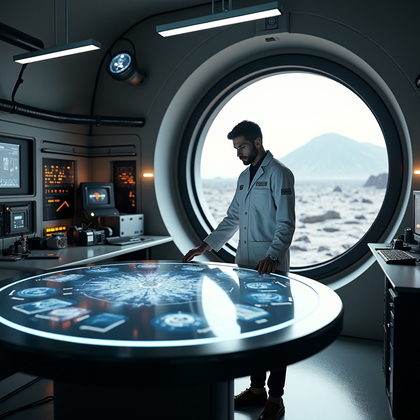
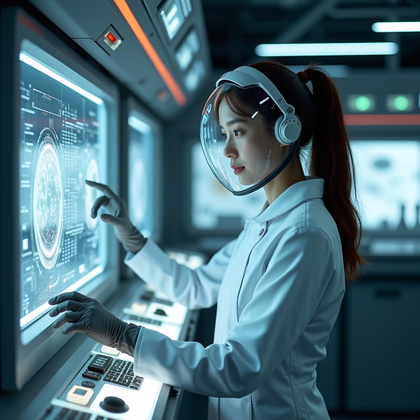
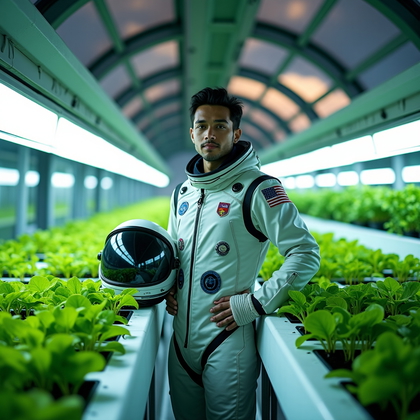
A moon base without work looks empty and pointless. This image fixes that fast. Show the subject doing analysis, sample handling, equipment checks, plant research, geology review, or system calibration. It gives the base a reason to exist.
What actually works is visible task logic. The hands should be doing something specific. The tools should match the task. The environment should support the action. This kind of image makes AI output feel functional instead of decorative. It tells the viewer that the subject is not posing in a moon base. The subject is using it.
Click on a photo to make this moment yours
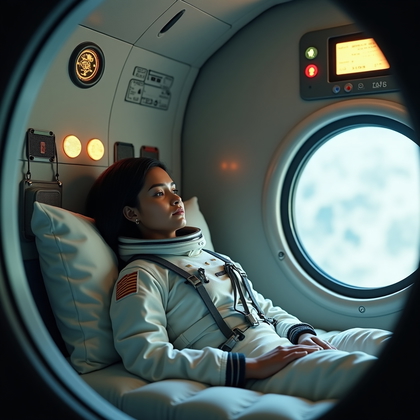
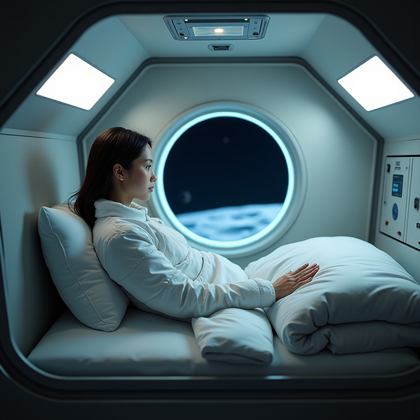
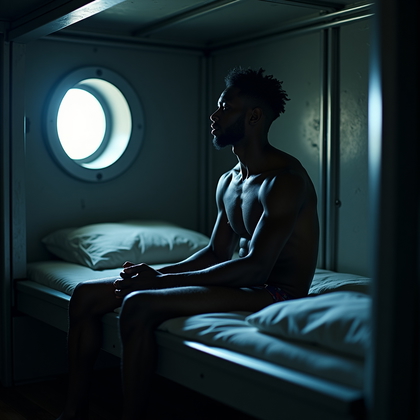
Sleeping Quarters Isolation Portrait
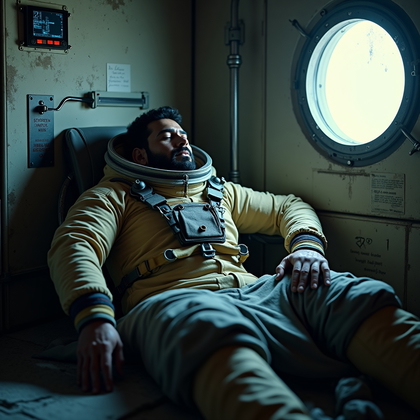
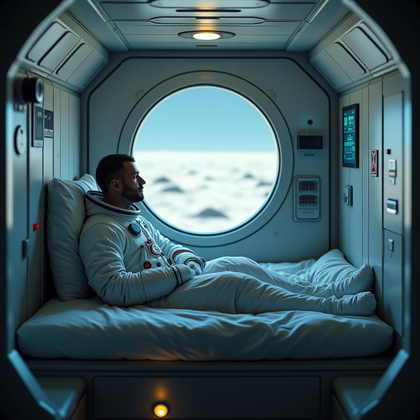
This is where the story becomes personal. A private sleeping area, small cabin, or rest pod shows confinement and adaptation. It reveals the part of moon base life that action shots hide. That makes the visual narrative fuller and more believable.
Keep the space tight. Use compact storage, soft practical lights, personal objects, folded gear, and a controlled expression. The subject should look present, not dramatic. This scene is effective because it shows routine under pressure. It gives emotional context to the rest of the images. It proves the subject does not just work on the Moon. The subject lives there.
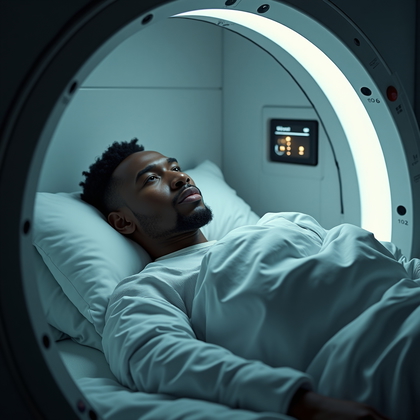
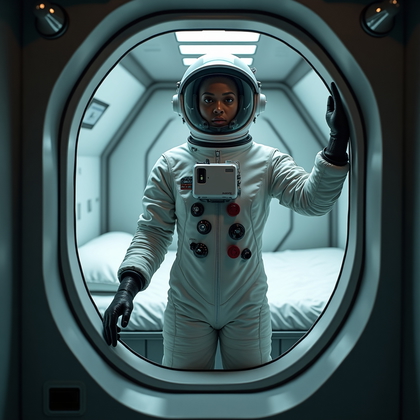
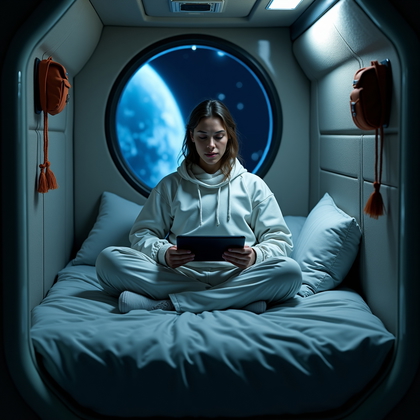
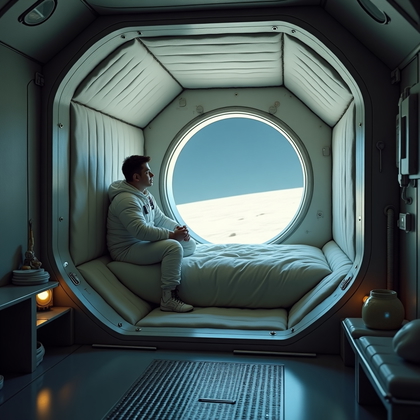
Click to create your version
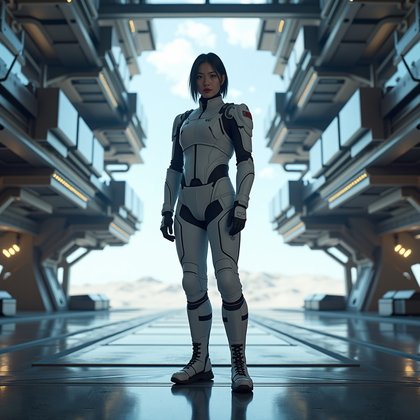
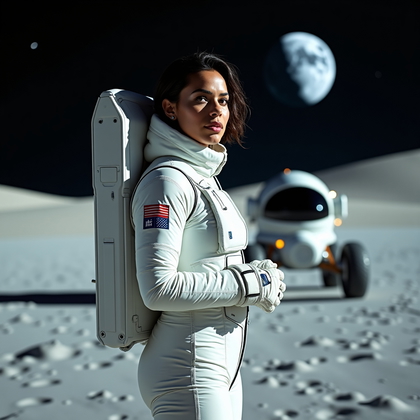
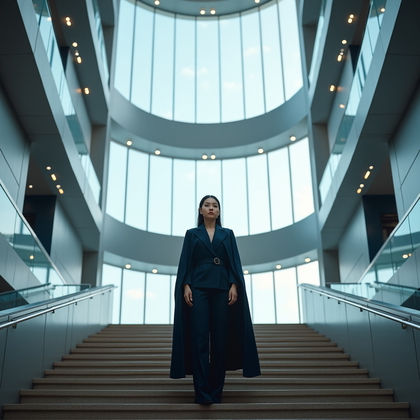
Founder of the Future Hero Shot
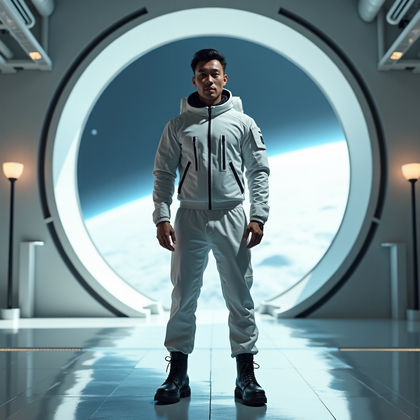
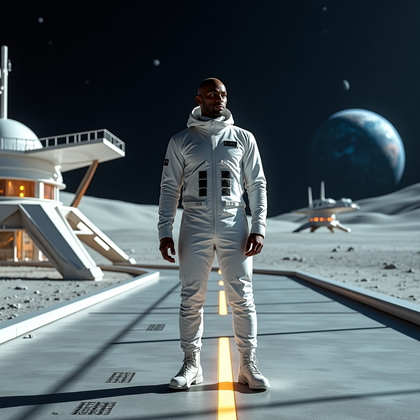
This is the myth-making image. It turns a moon base photo from technical scene to defining personal statement. The subject becomes a pioneer, a builder, a person standing at the start of something massive. That is powerful when done right.
What works is bold composition and visual control. Use a low camera angle, strong stance, horizon line, habitat structures, vehicles, or construction elements behind the subject. Keep the expression firm and forward. Do not make it soft. This shot should feel earned. It tells the viewer that the subject is not surviving the Moon by accident. The subject is shaping it.
Click on a photo to make it real with your face
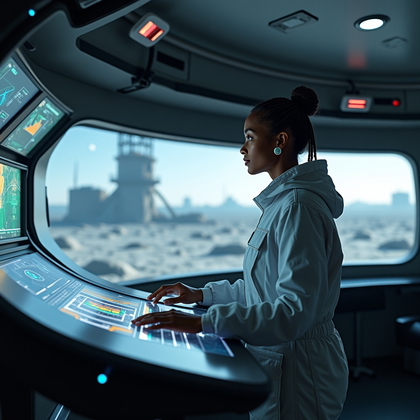
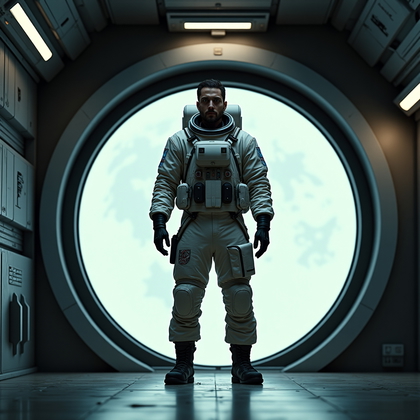
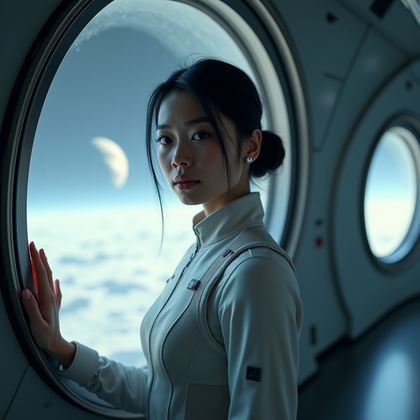
Contemplative Loneliness Portrait
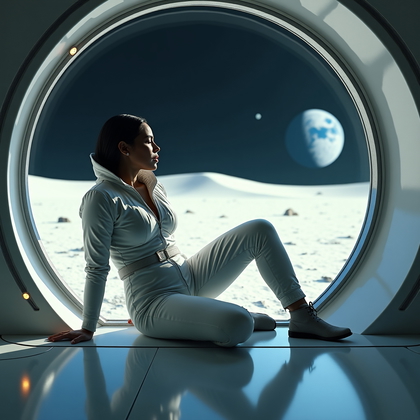
Moon base imagery gets memorable when it admits distance and silence. One person alone in a vast or sealed environment creates emotional force. This is not weakness. It is realism. Isolation is part of the setting, and good images use that instead of hiding it.
Use negative space, distant framing, window views, long corridors, or solitary exterior positioning. The subject should feel small against the environment or mentally far away inside it. This adds a psychological edge that generic space portraits never achieve. It gives the image depth and makes the viewer feel the cost of being there.
Click on any photo to see yourself in it
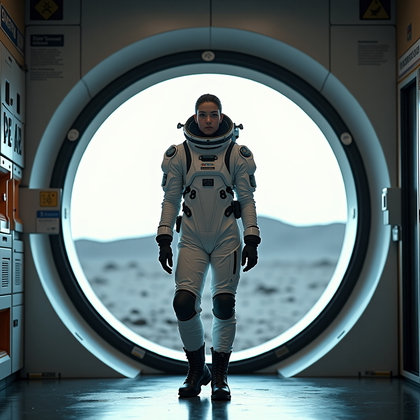
Triumphant “I Belong Here” Final Portrait
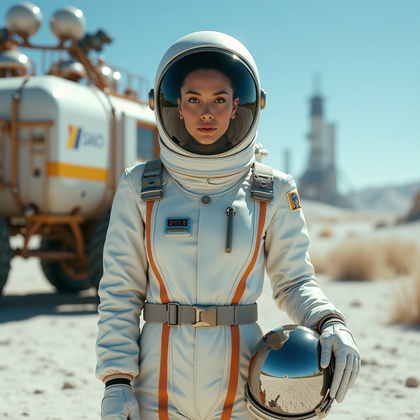
This is the closing image that seals the whole set. The subject is no longer adapting, preparing, or enduring. The subject has arrived. The body language should show control, comfort, and earned ownership. That is what makes the final portrait hit.
What works best is simple confidence. Strong stance. Stable framing. Clear face or visor. The base, the Moon, or both should support the subject without stealing attention. This image should feel final and undeniable. It proves the subject has mastered the environment. That is the strongest ending for moon base photography.
Click to create your version
What Makes Moon Base Photos Actually Work
The best moon base photos are not random cool space images. They are a system. The explorer portrait establishes presence. The habitat shot creates residency. The suit-up and movement images add realism. The mission specialist and scientist portraits add purpose. The fatigue, sleeping quarters, and loneliness images add human truth. The hero shot and final portrait deliver identity and control.
If you want strong AI results, stop relying on one perfect prompt and start building a complete visual sequence. That is what works in the real world. Moon base photos become convincing when each image has a clear job and the subject feels physically and mentally shaped by the environment. That is how you get images that look less like fantasy and more like life beyond Earth.