Cowboy Photo Ideas, Yee-Haw Style
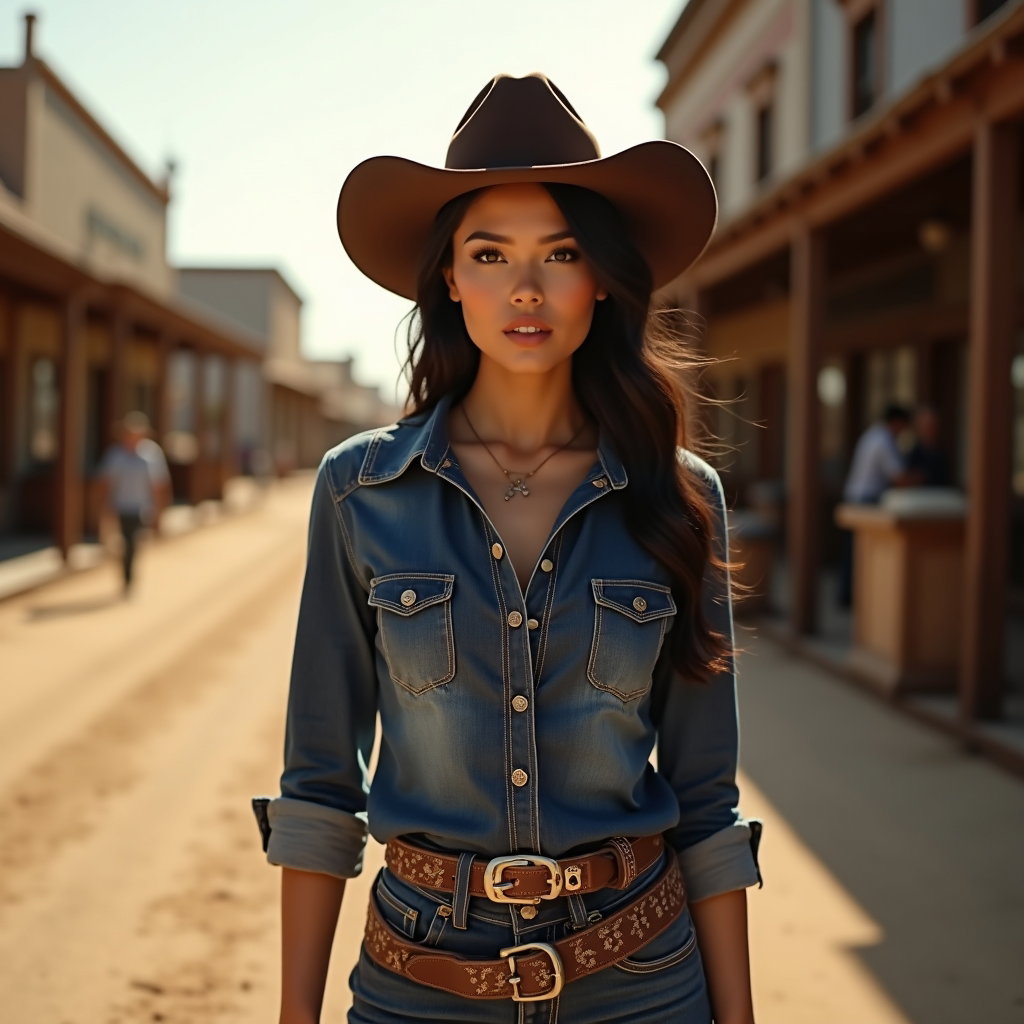
Want cowboy AI photos that look sharp instead of fake. Want western style that reads as real in one second. Want images with grit, shape, attitude, and strong visual impact. That is the goal.
AI photo generation lets you build that look with control. You can guide outfit, pose, light, camera angle, facial expression, and background. That matters because cowboy style fails fast when the details are weak. A random hat is not enough. The full visual story has to work together.
This article breaks down the cowboy photo ideas that actually perform. It covers the shots that create real western presence, not costume energy. You will see what each photo type does well, why it works, and how to use it for stronger AI-generated results.
Hat-and-Boots Full-Body Look
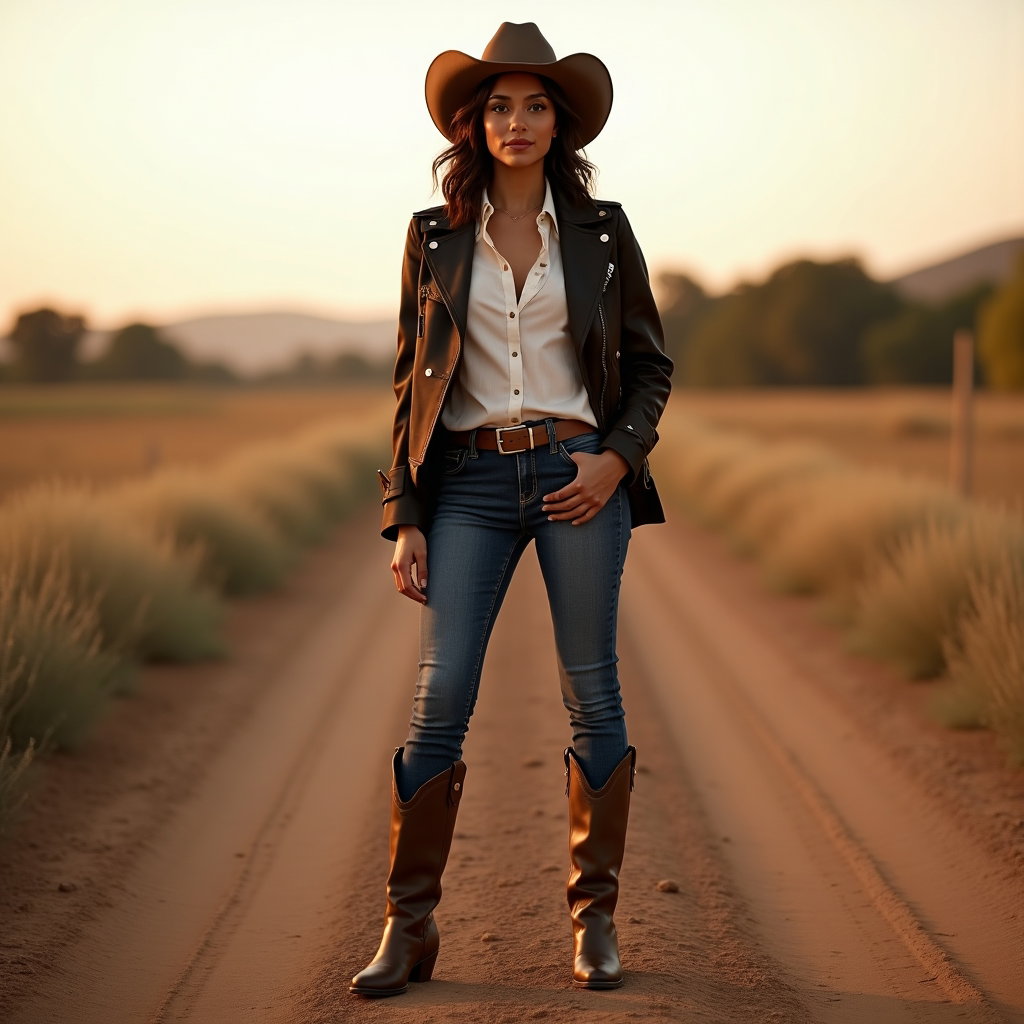
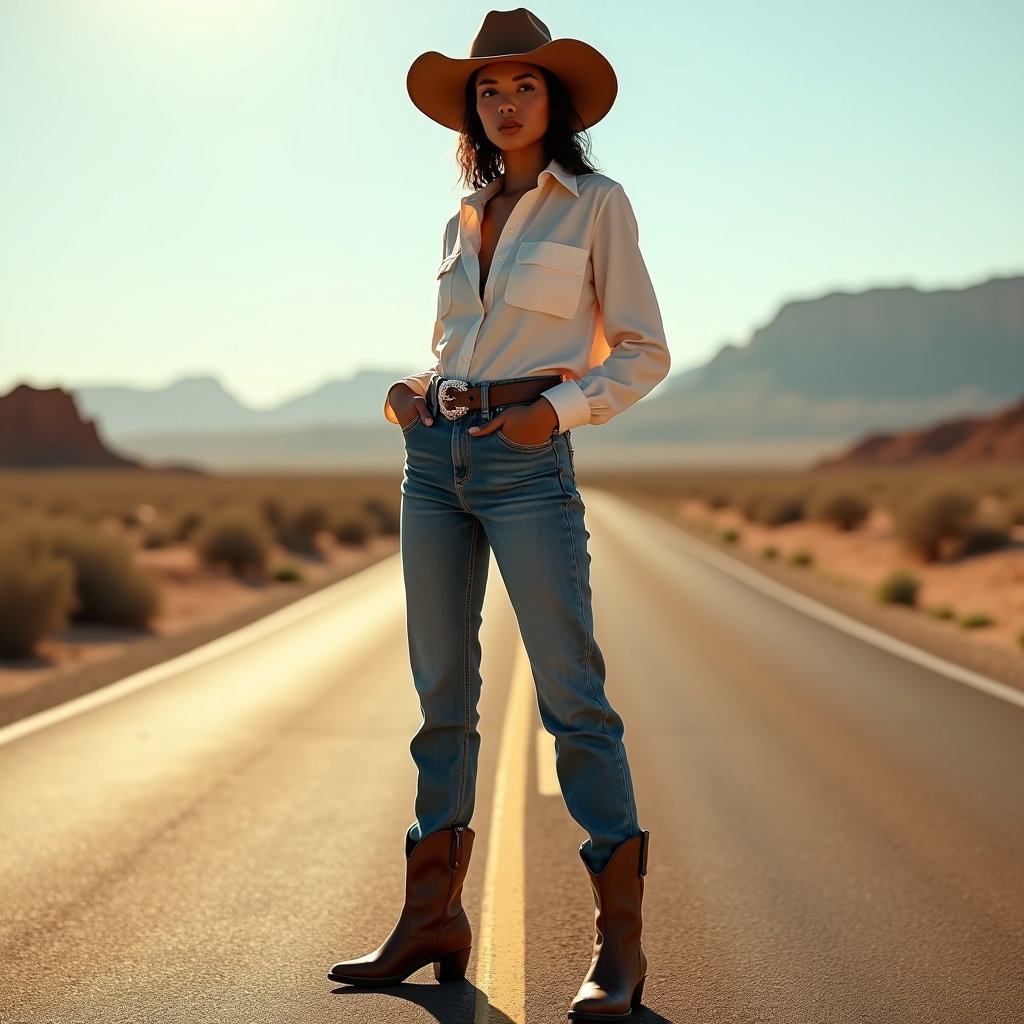
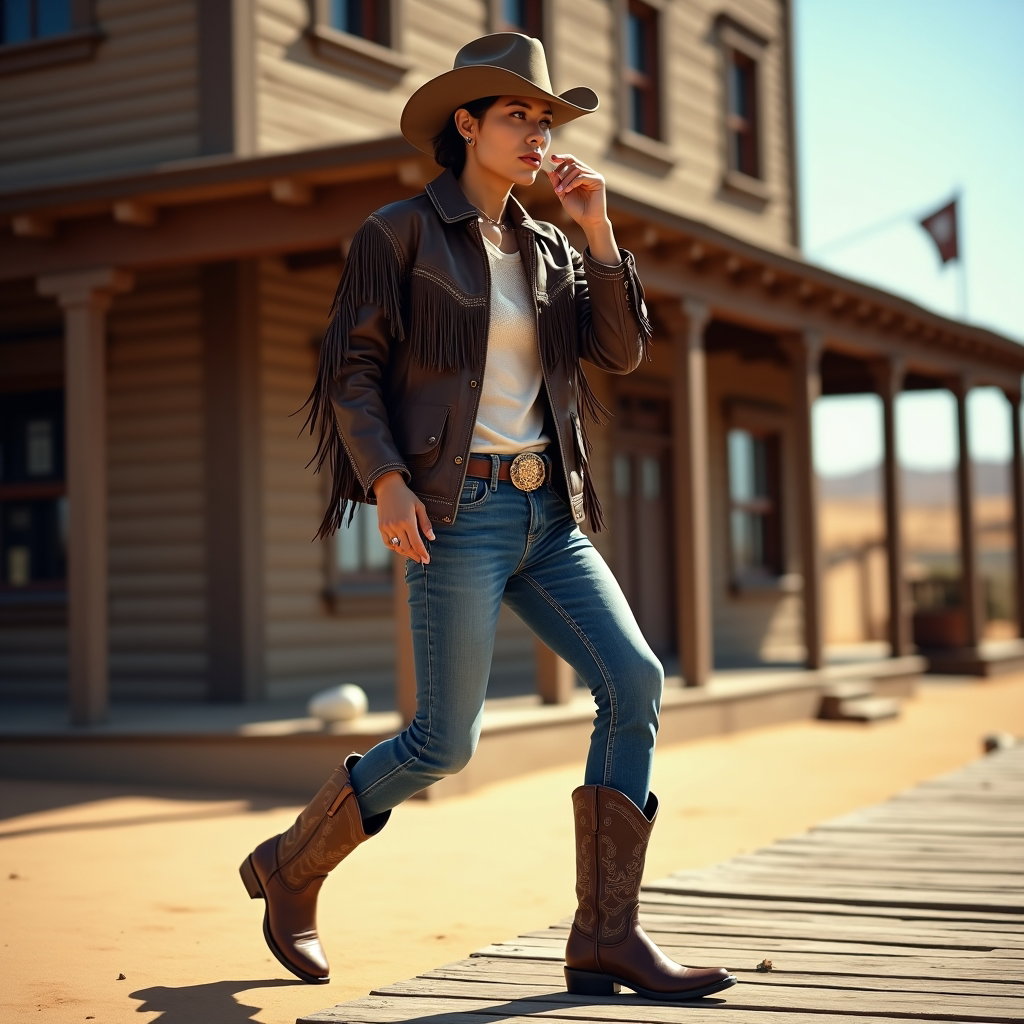
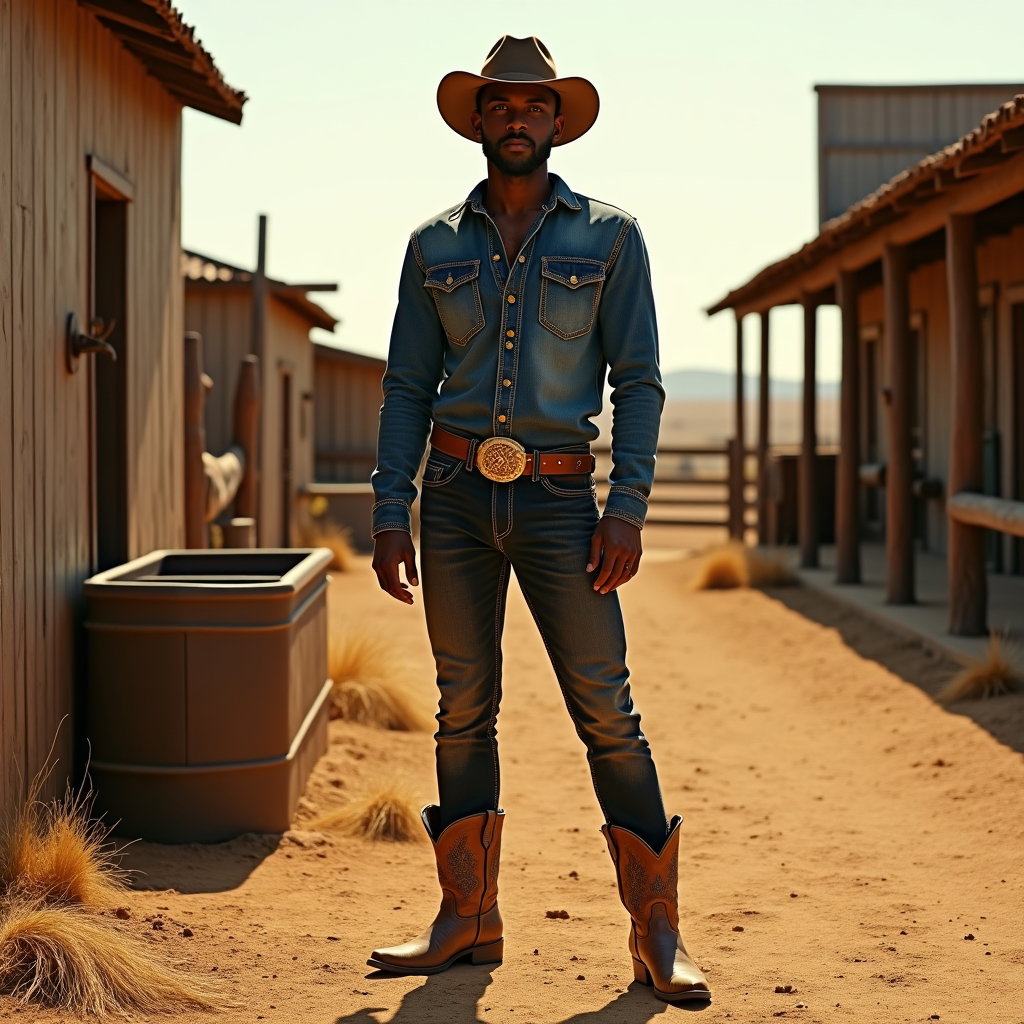
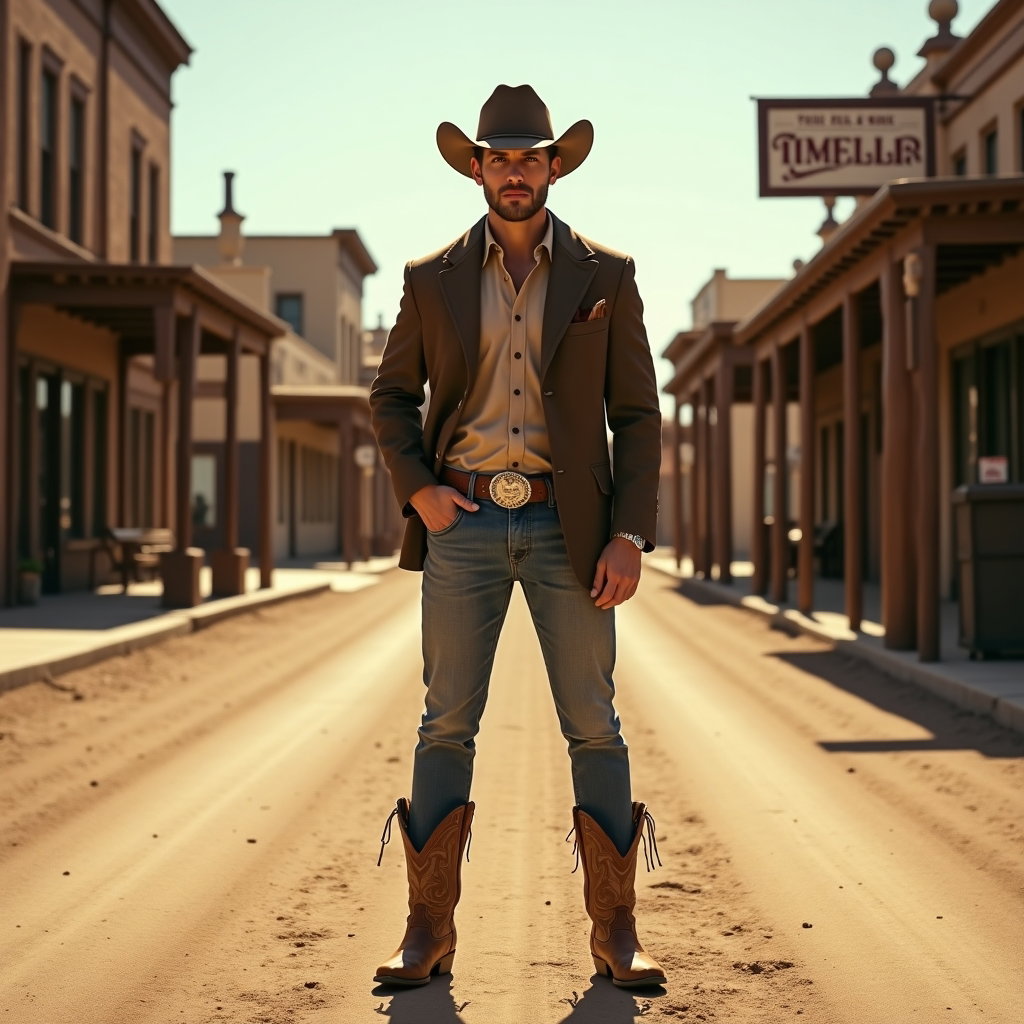
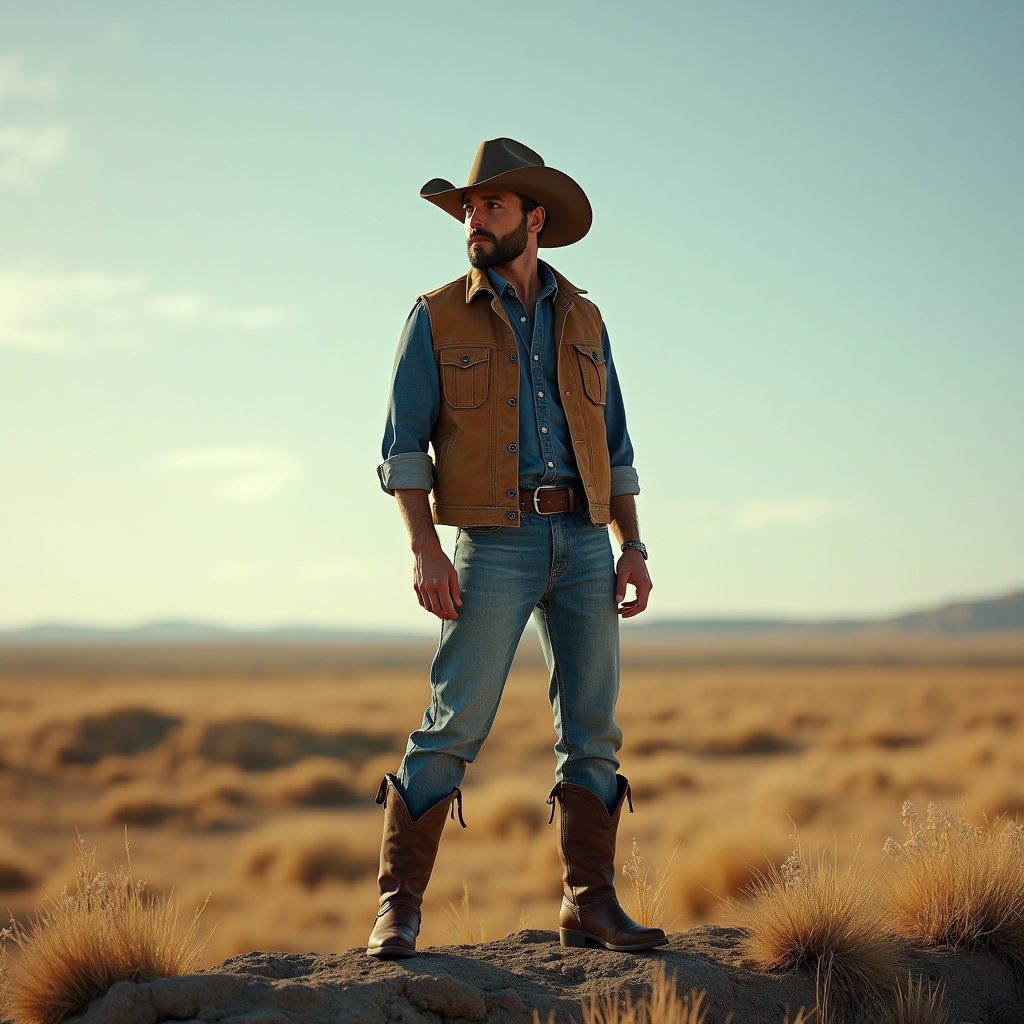
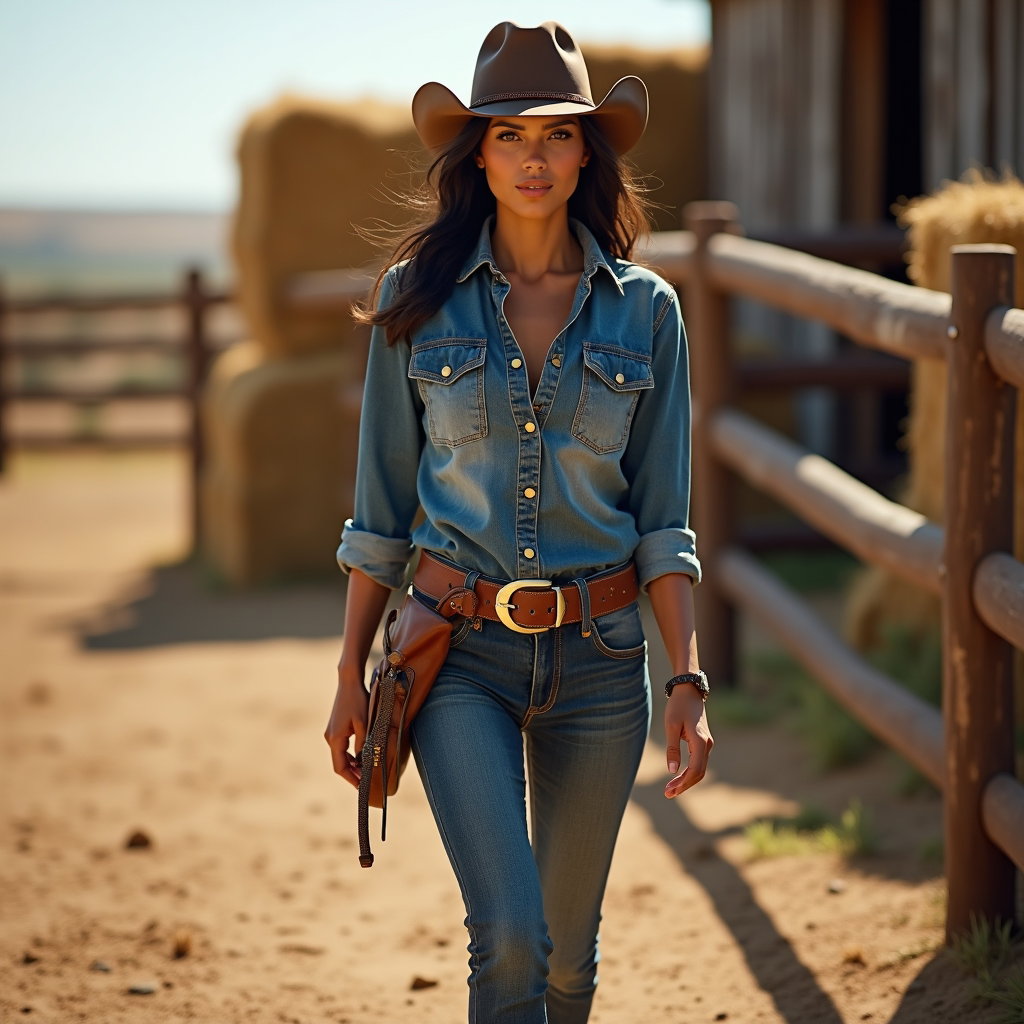
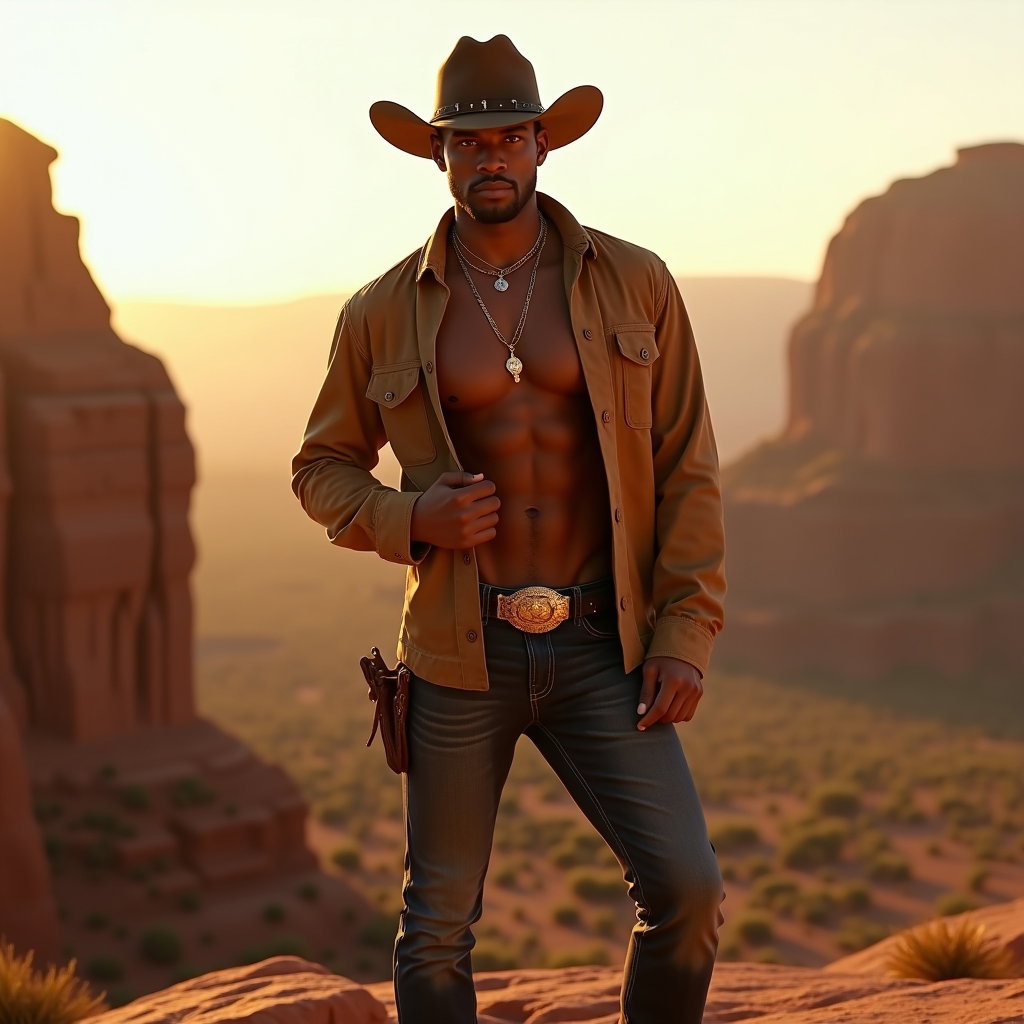
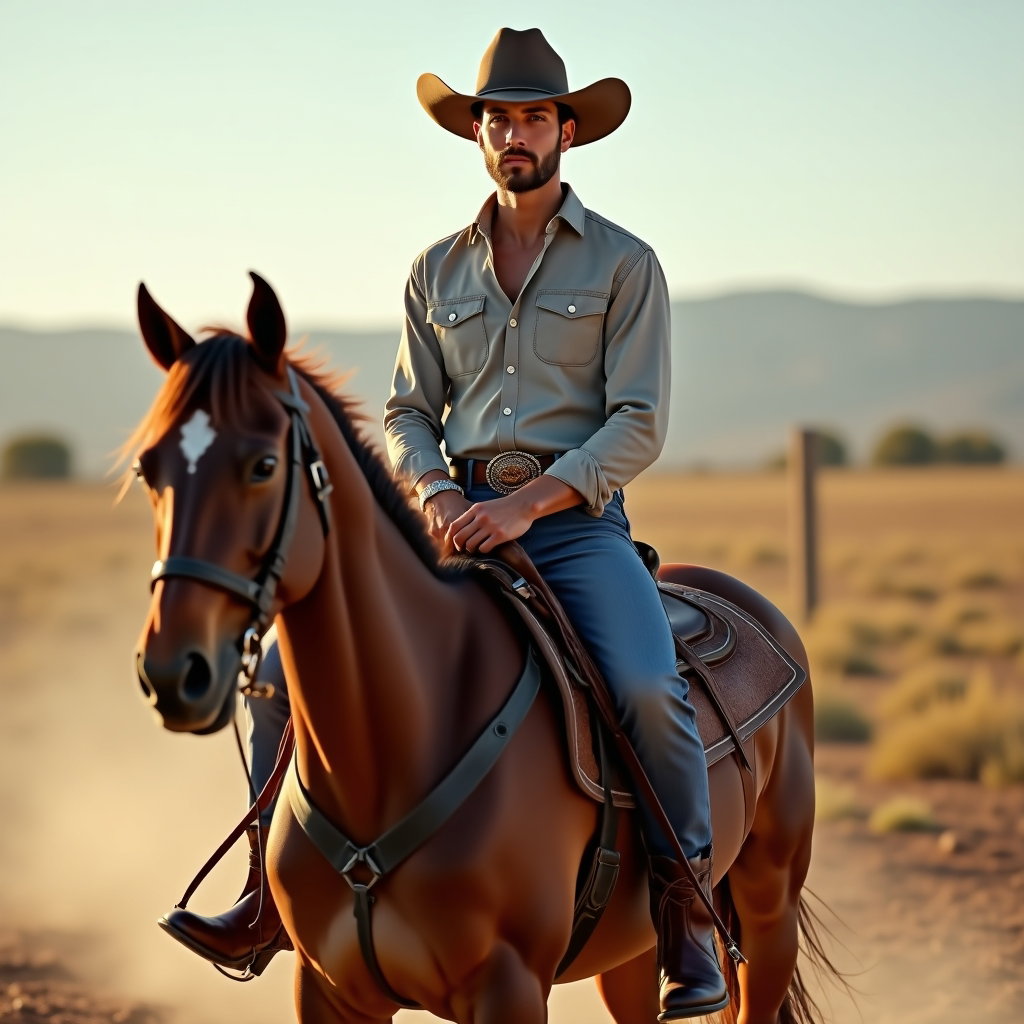
This shot is mandatory. Cowboy style lives in the full silhouette. The hat, shirt, belt, jeans, and boots need to appear together in one frame. If you crop too tight, you lose half the story. A full-body image shows posture, stance, leg shape, and clothing balance. That is what makes the look read as cowboy instead of generic country fashion.
For AI image generation, this shot gives structure. It forces the model to define the full outfit and body language. Use grounded legs, straight posture, visible boots, and clean spacing around the body. Strong full-body photos also help control proportions. If the boots look heavy and planted, the image feels tougher and more believable.
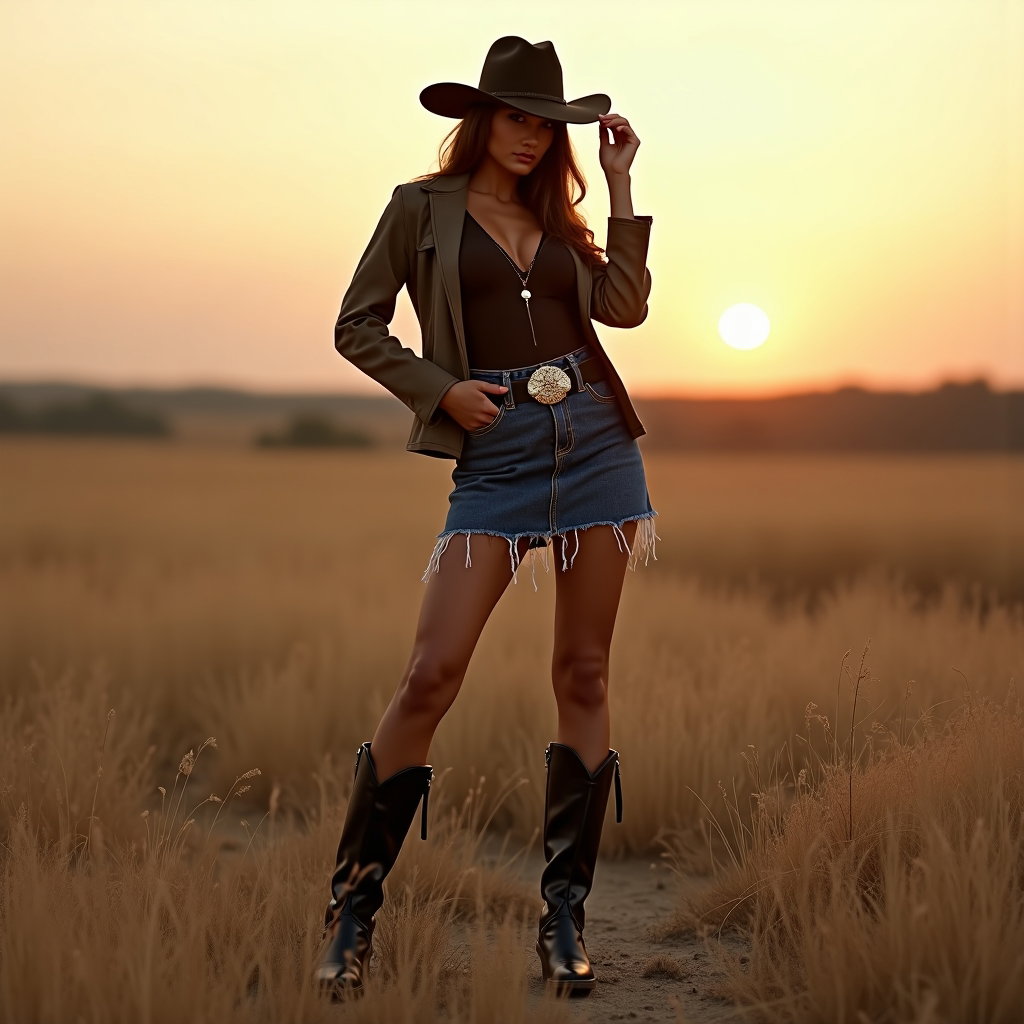
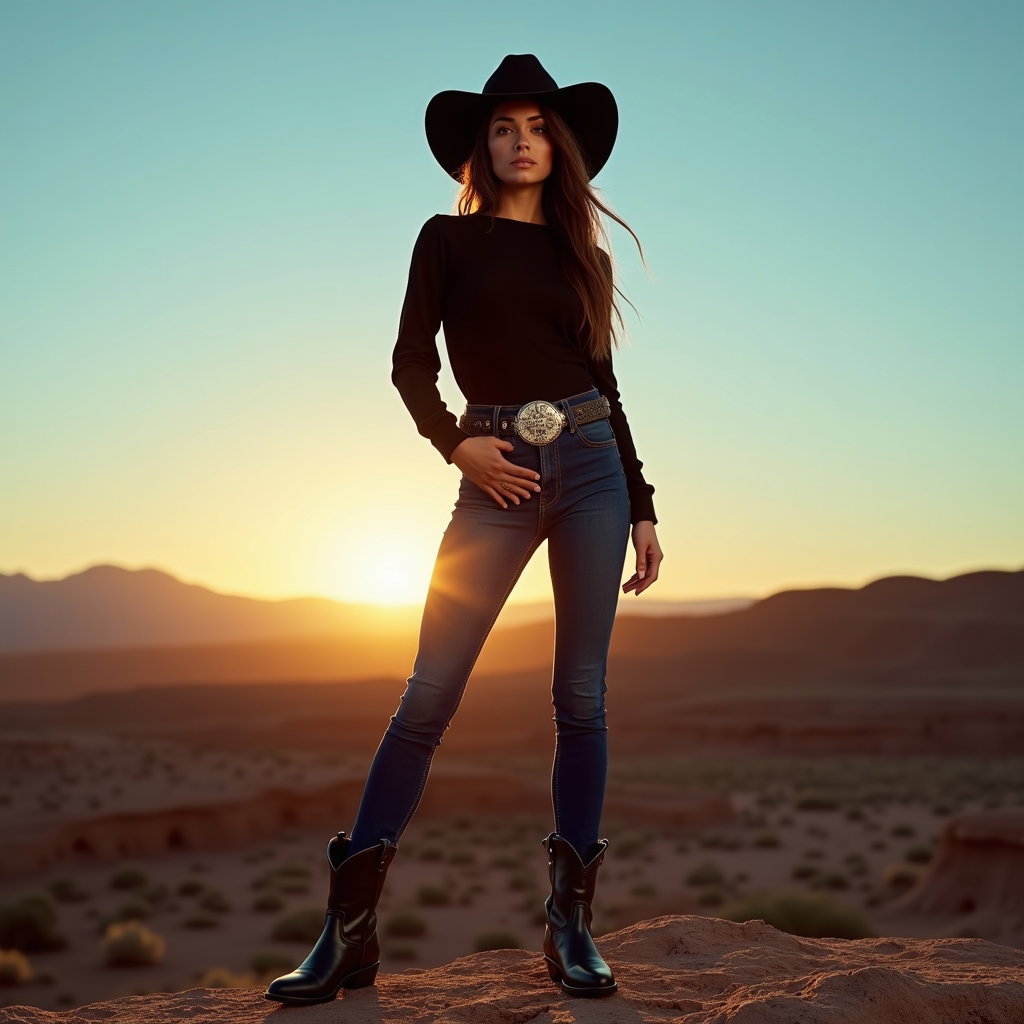
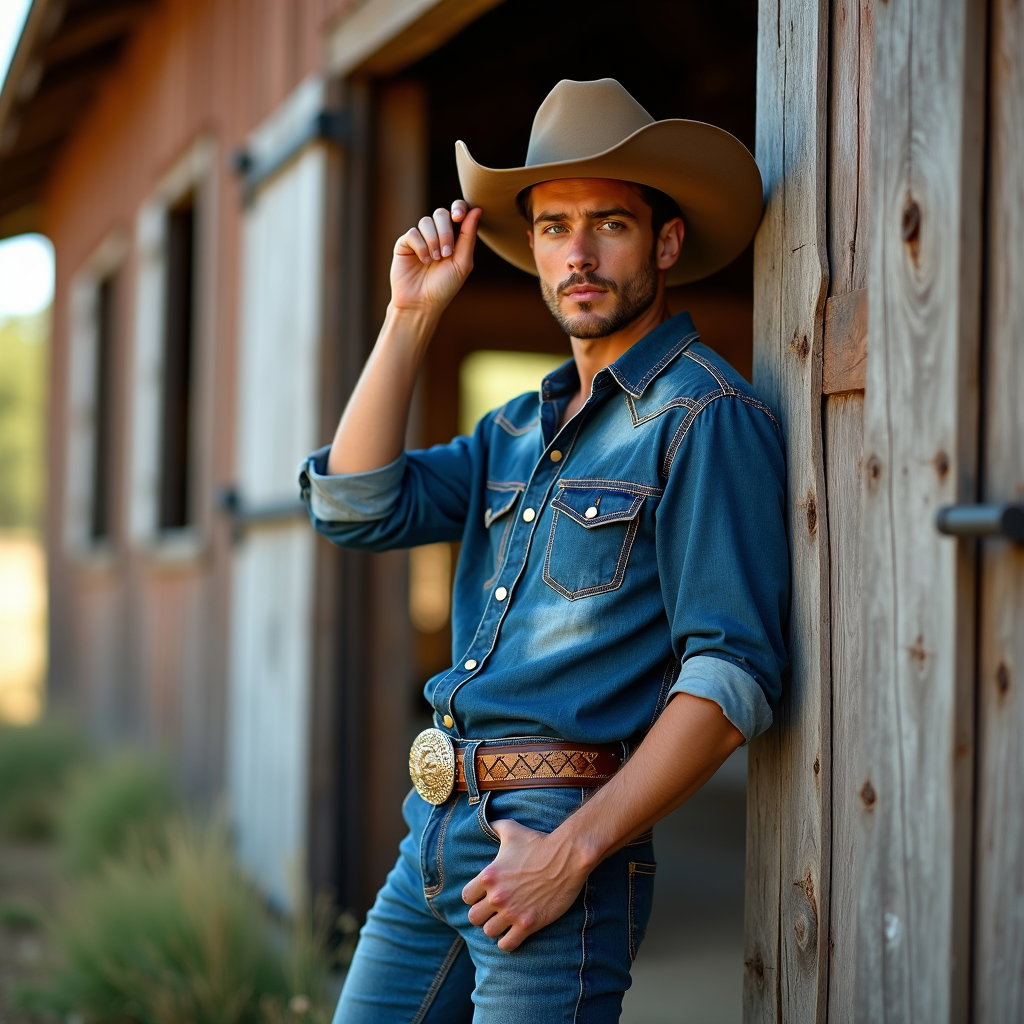
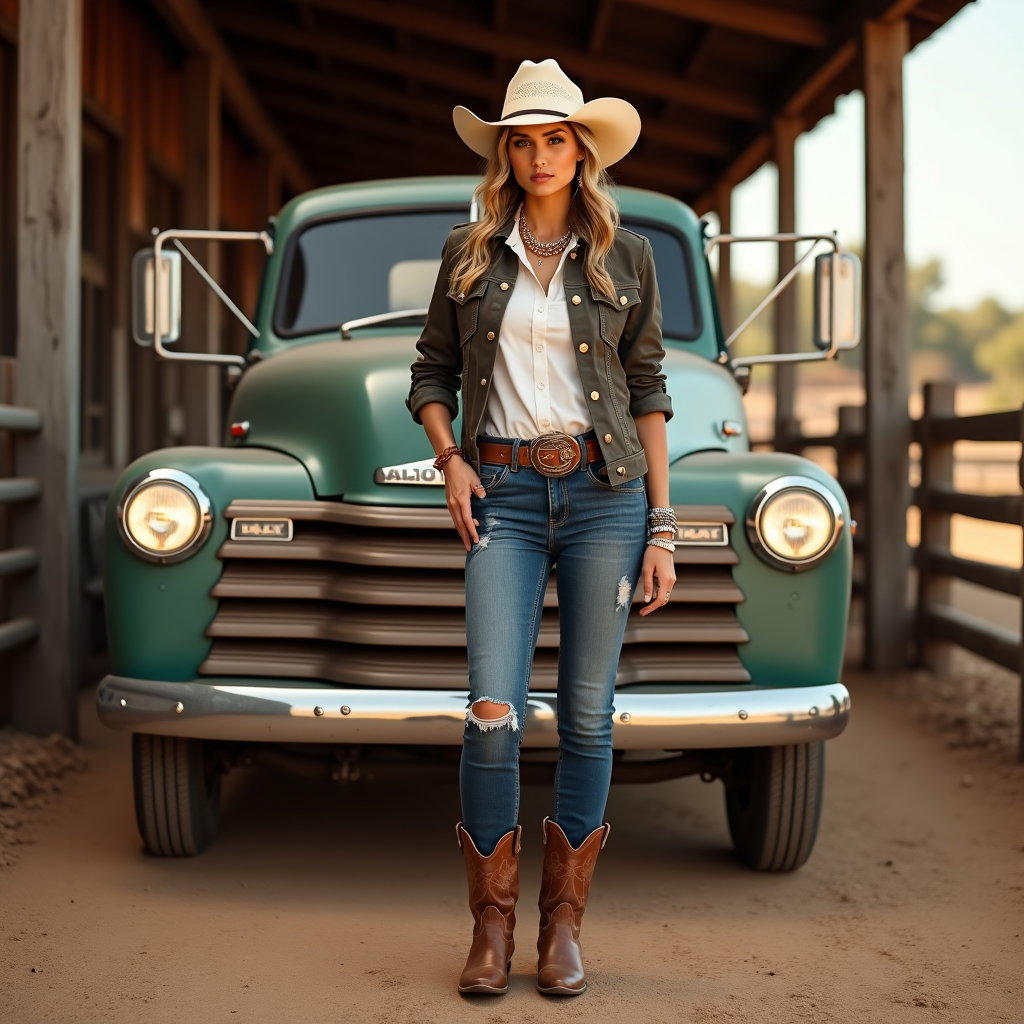
Click on a photo to transform it with your face
Hero Cowboy Portrait
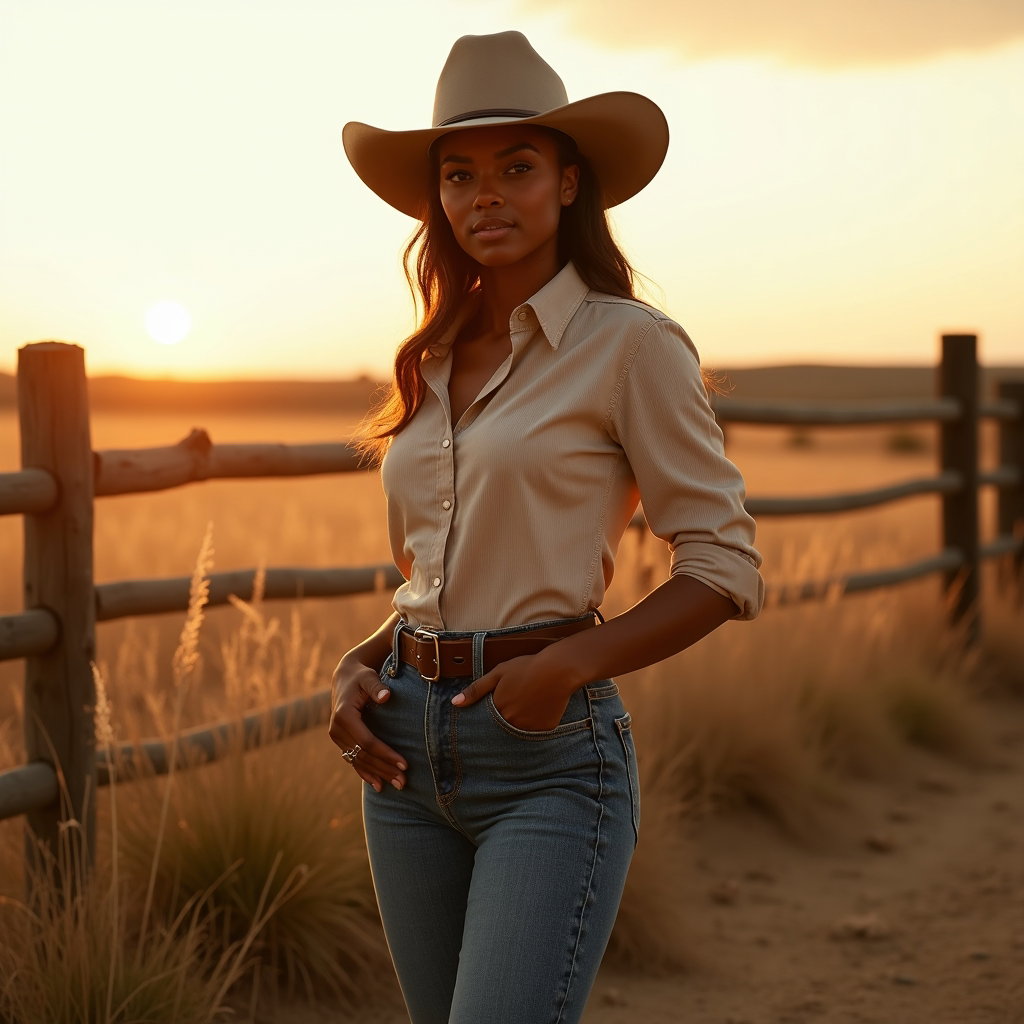
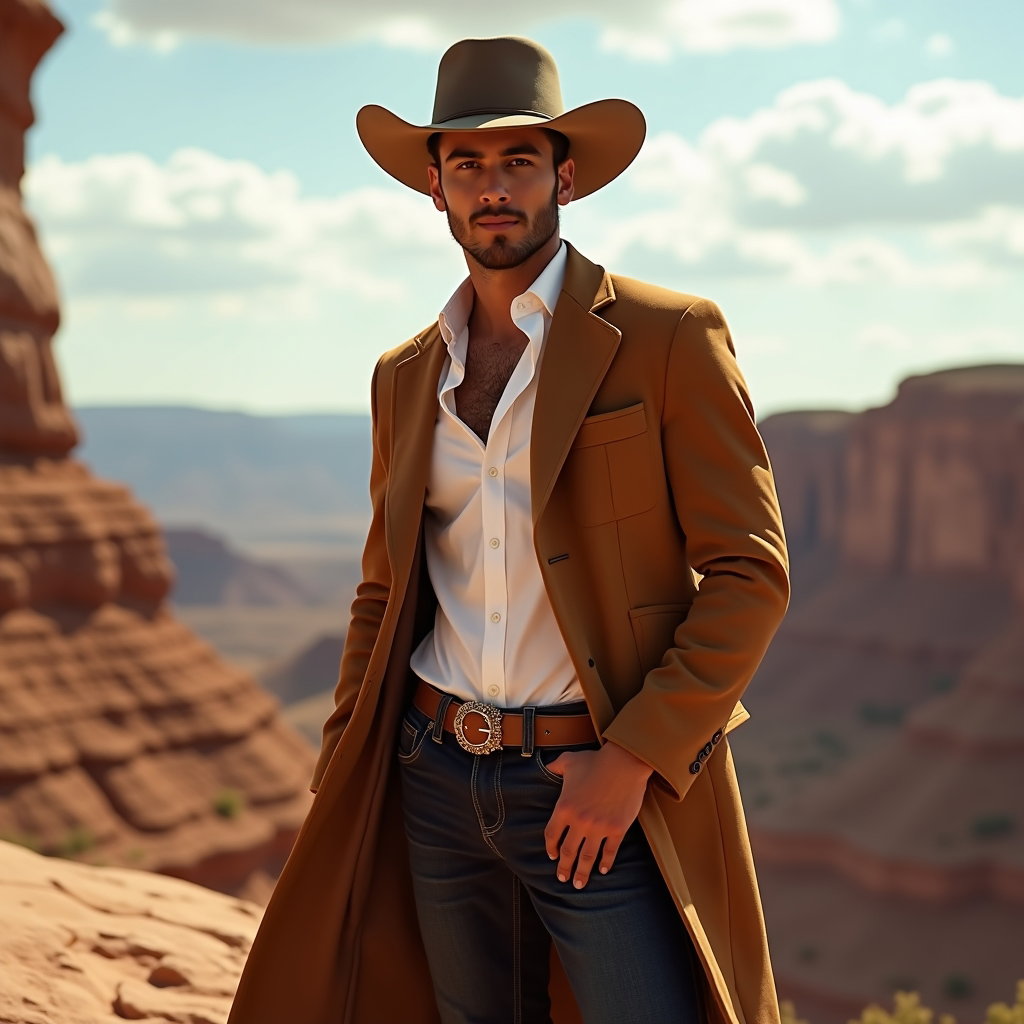
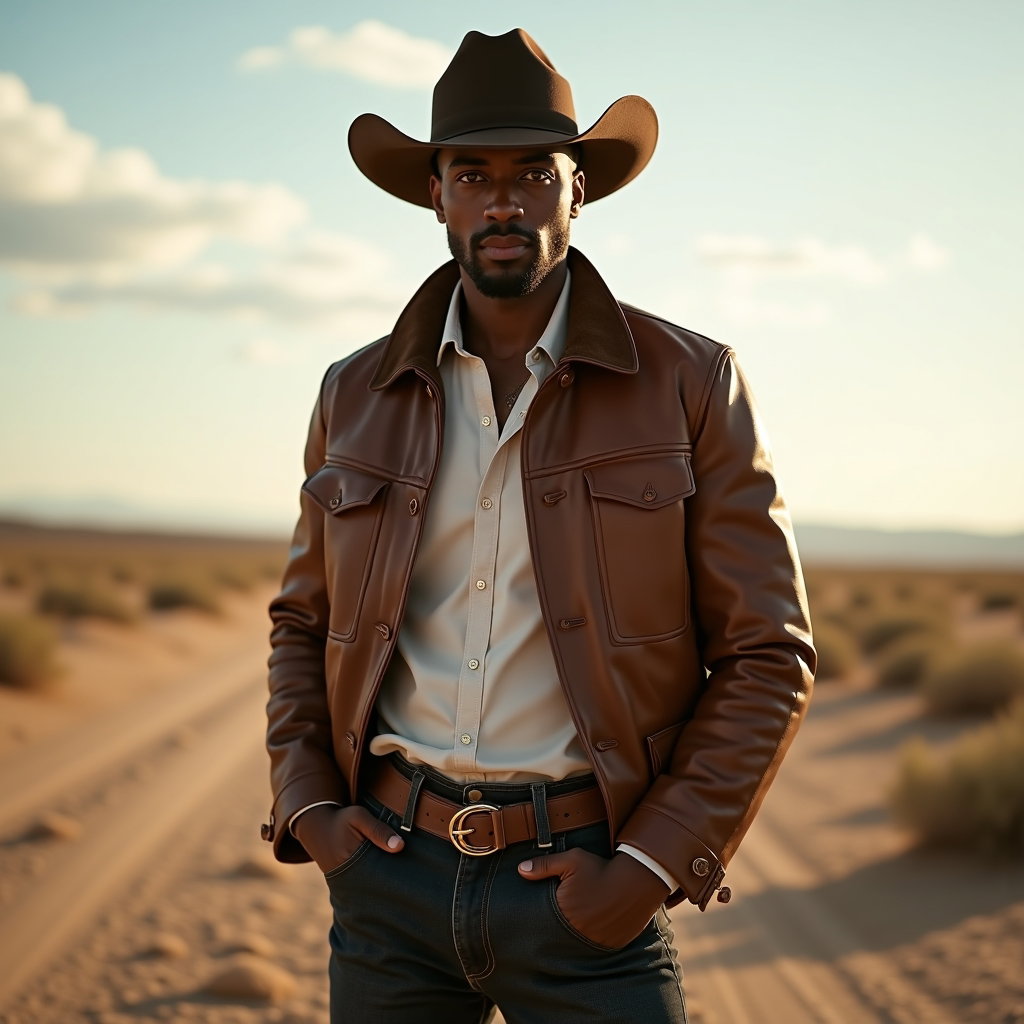
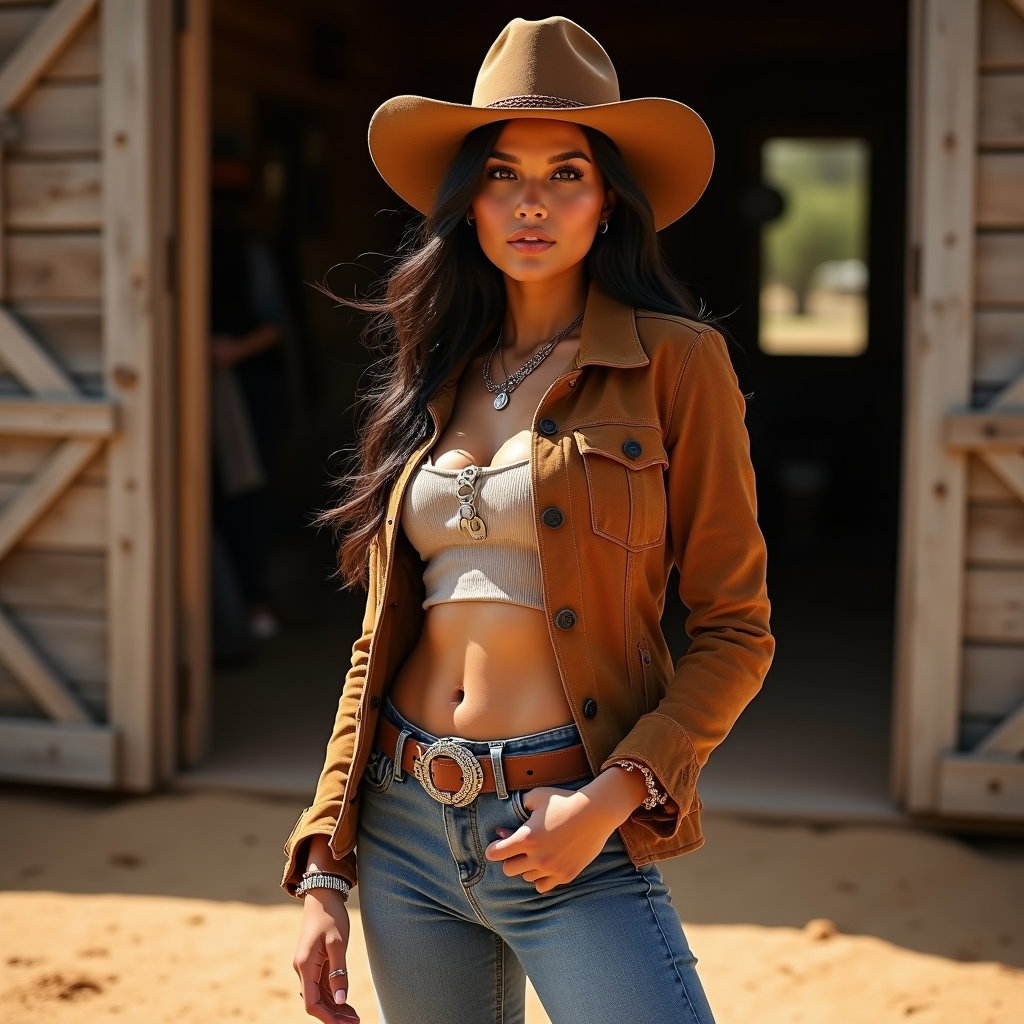
This is the anchor image. Start here if you want one photo that sells the whole idea fast. The hat should sit with intent. The gaze should be direct. The body should look still, strong, and fully in control. This shot creates identity in seconds. It tells the viewer this is the main character, not someone trying on a look.
In practice, this works because it strips away noise. You focus on face, hat, shoulders, and stance. The image gets power from certainty. Ask for a direct gaze, chin level or slightly down, boots planted, and a slight hat tip. That combination creates a strong western image with almost no wasted detail.
Click on a photo to insert your face
Hands-on-Belt-Buckle Power Pose
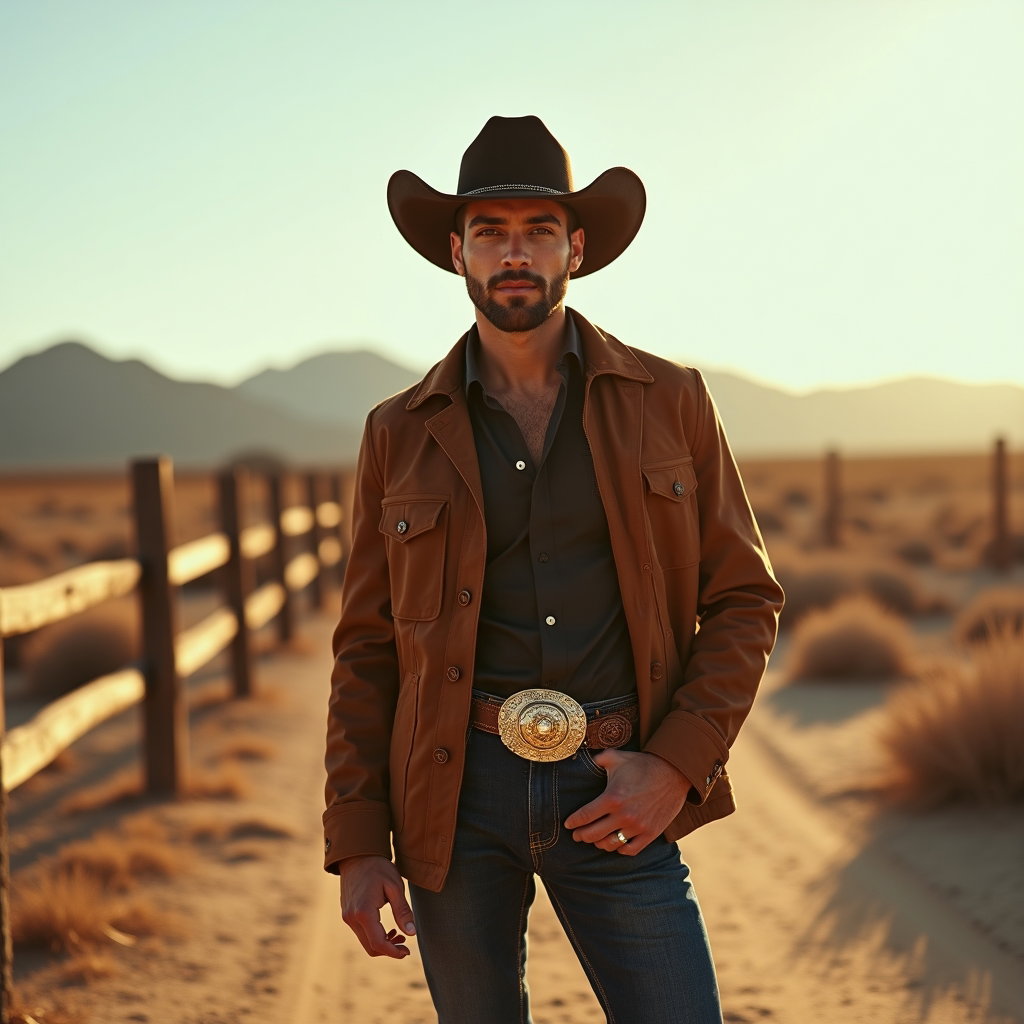
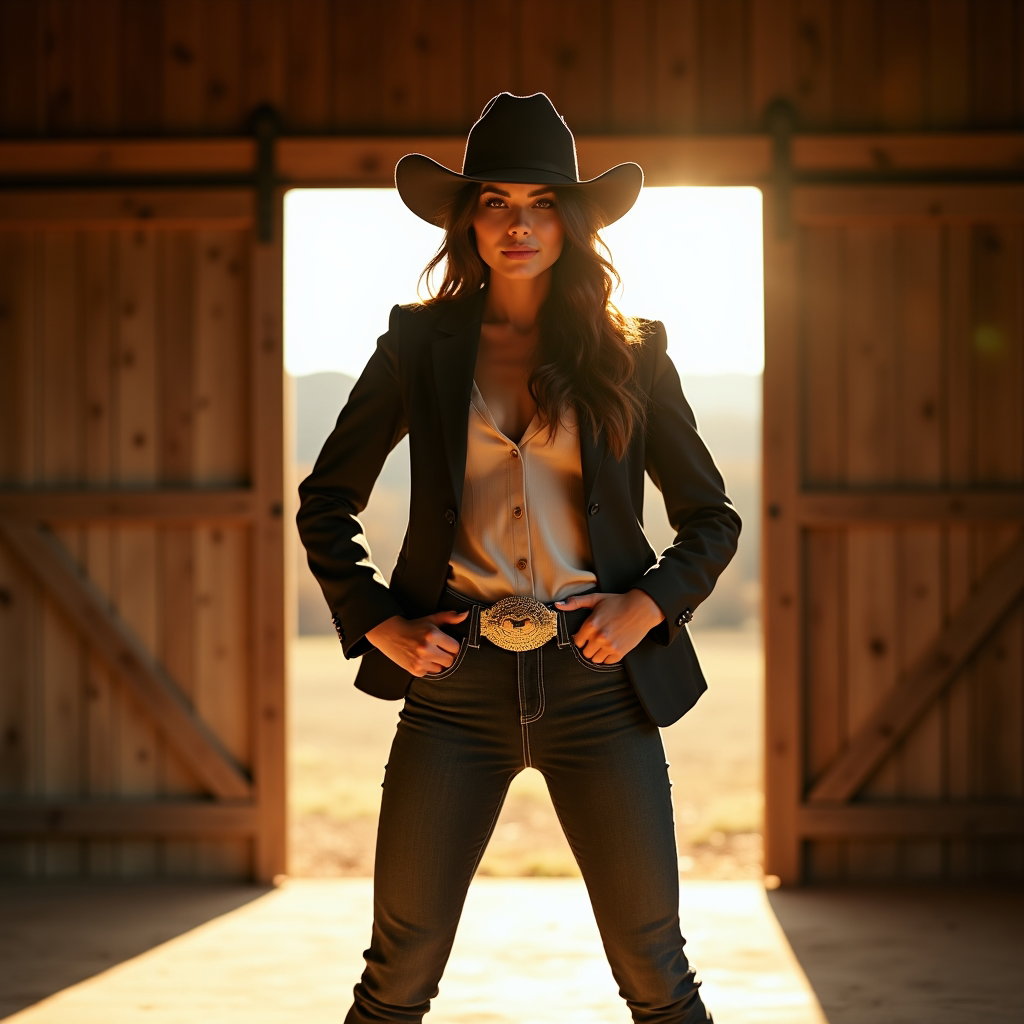
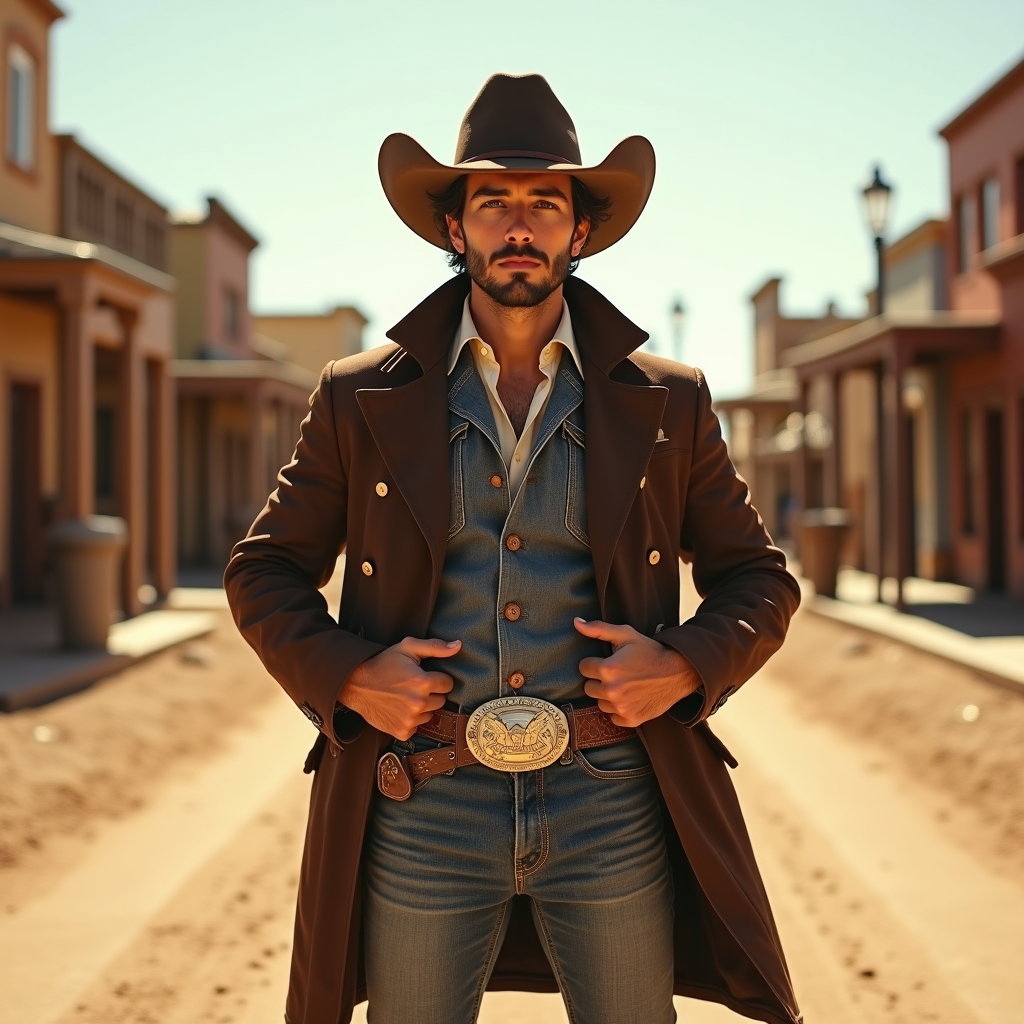
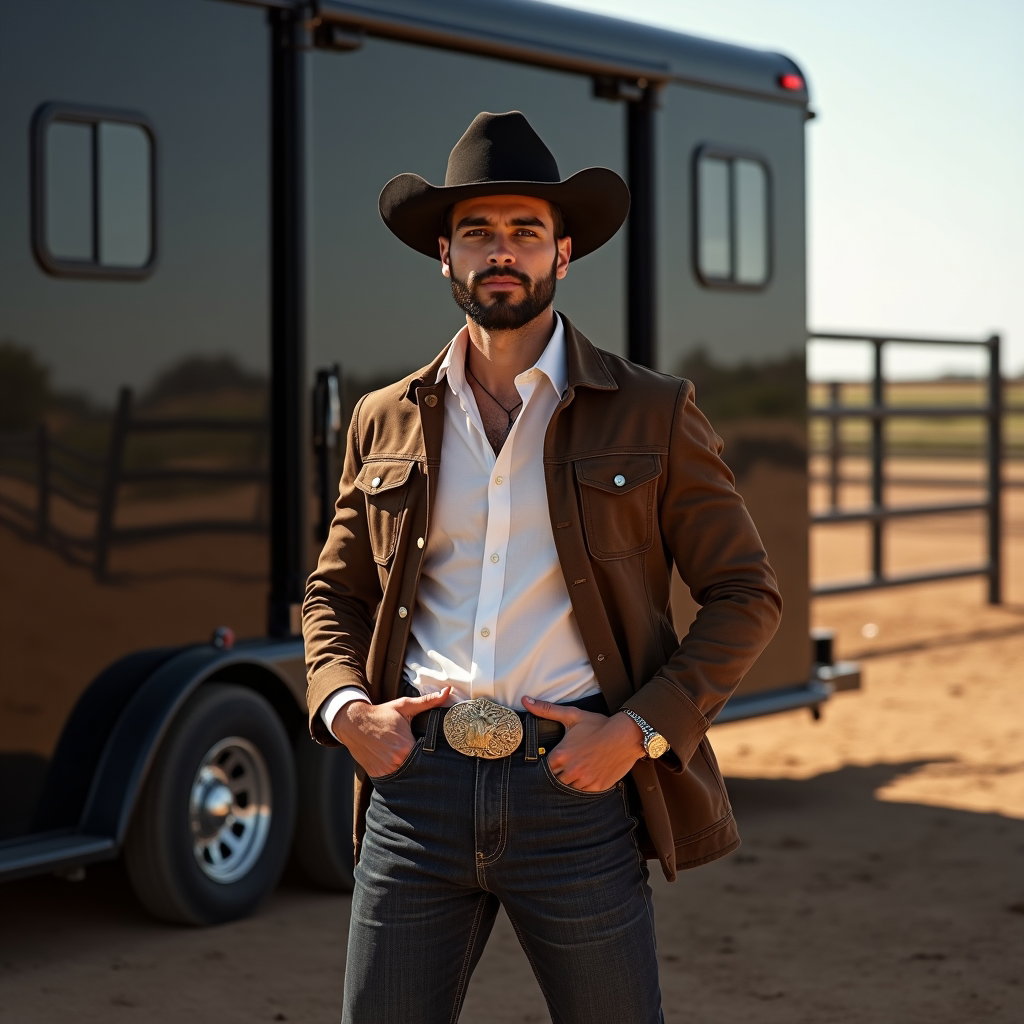
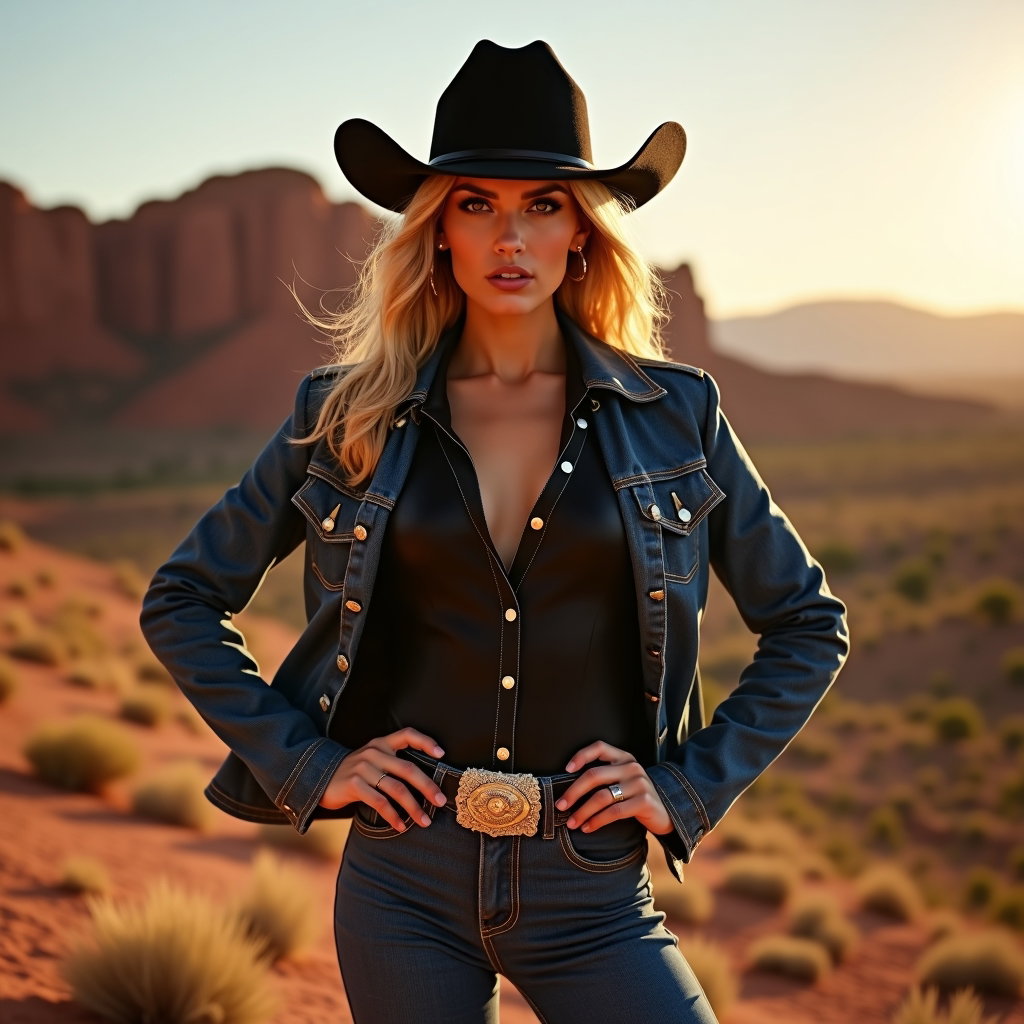
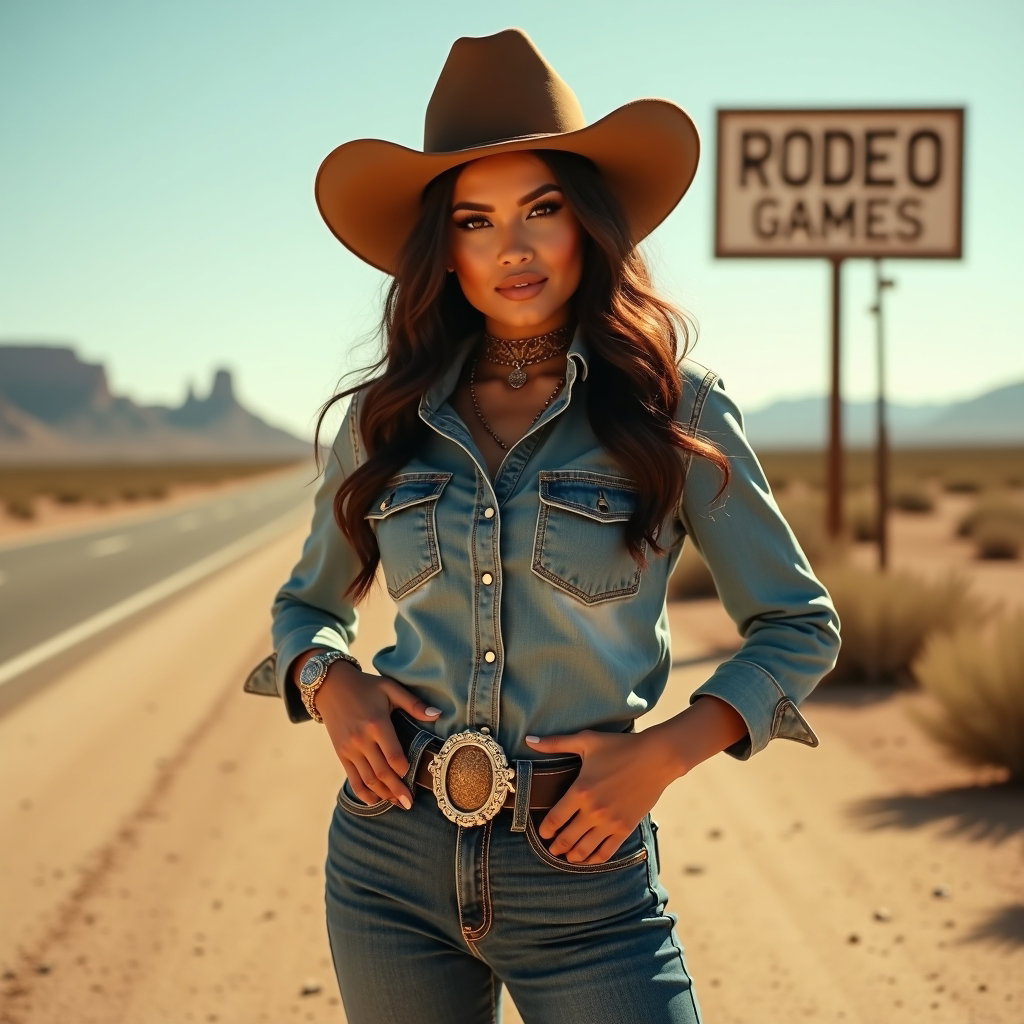
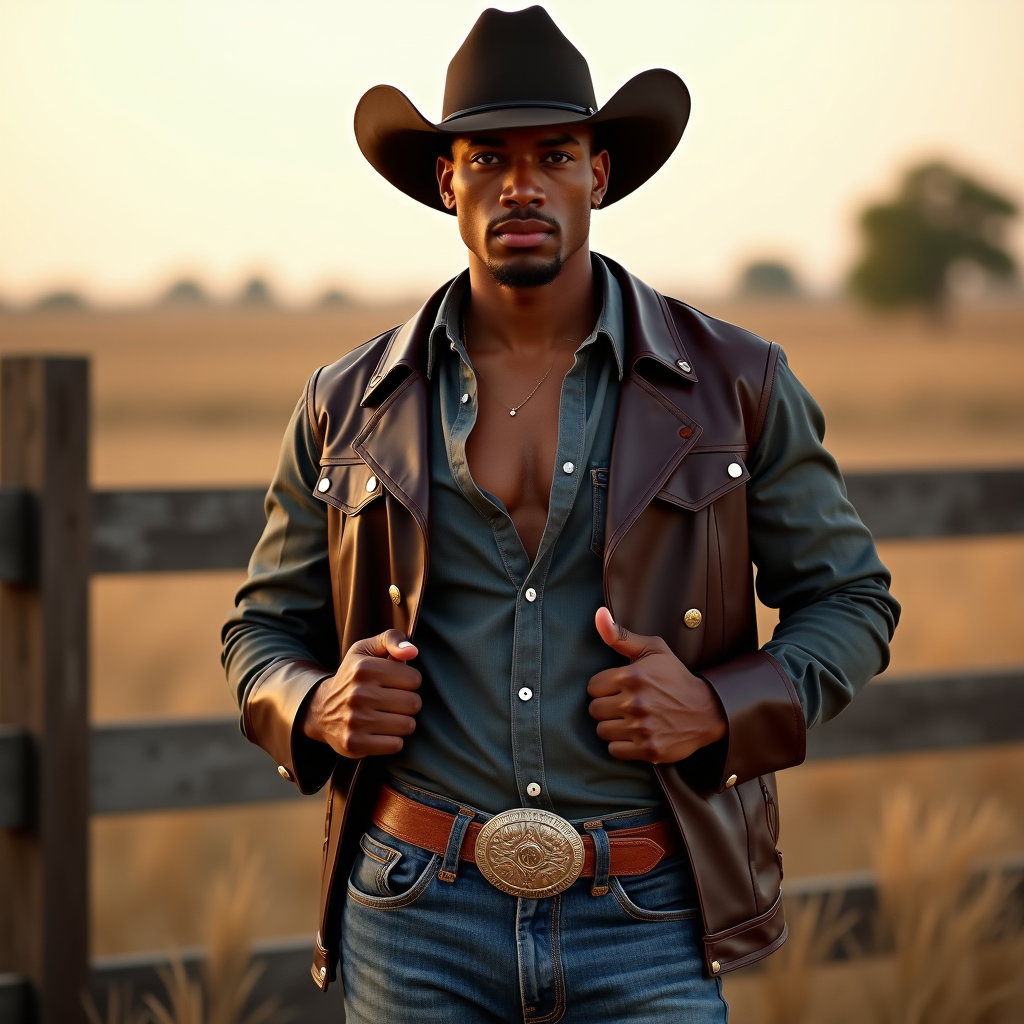
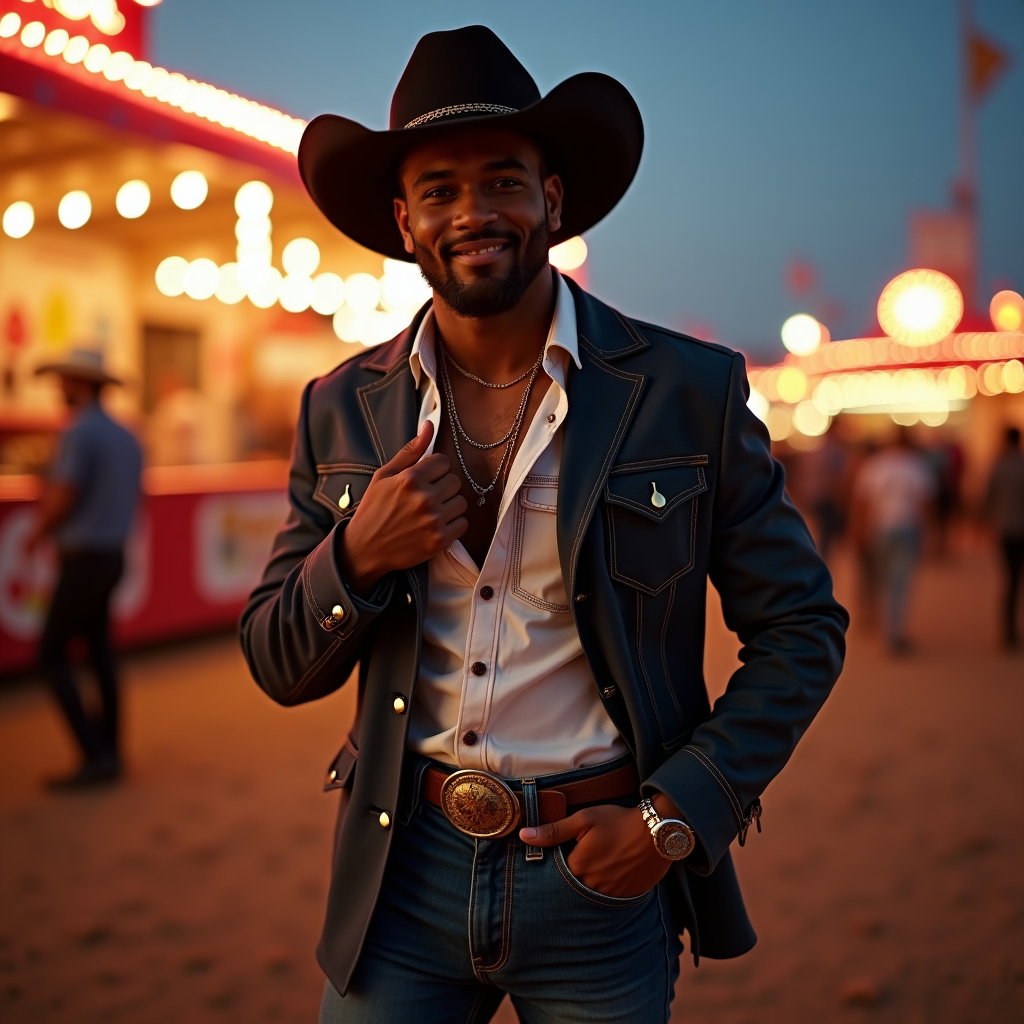
This pose works because it builds shape and dominance fast. Hands near the belt buckle frame the torso. The elbows push outward a little. The chest opens. The shoulders look wider. It is one of the easiest ways to create a bold cowboy image without relying on props, animals, or complex scenes.
For AI prompts, this pose is reliable because it gives the model a clear body action. It also solves the problem of awkward hands. Most weak AI portraits fail at hand placement. This one fixes that. Keep the stance wide, the spine straight, and the expression confident. The result feels strong, classic, and easy to read.
Click on a photo to make it real with your face
After-Dark Saloon-Style Portrait
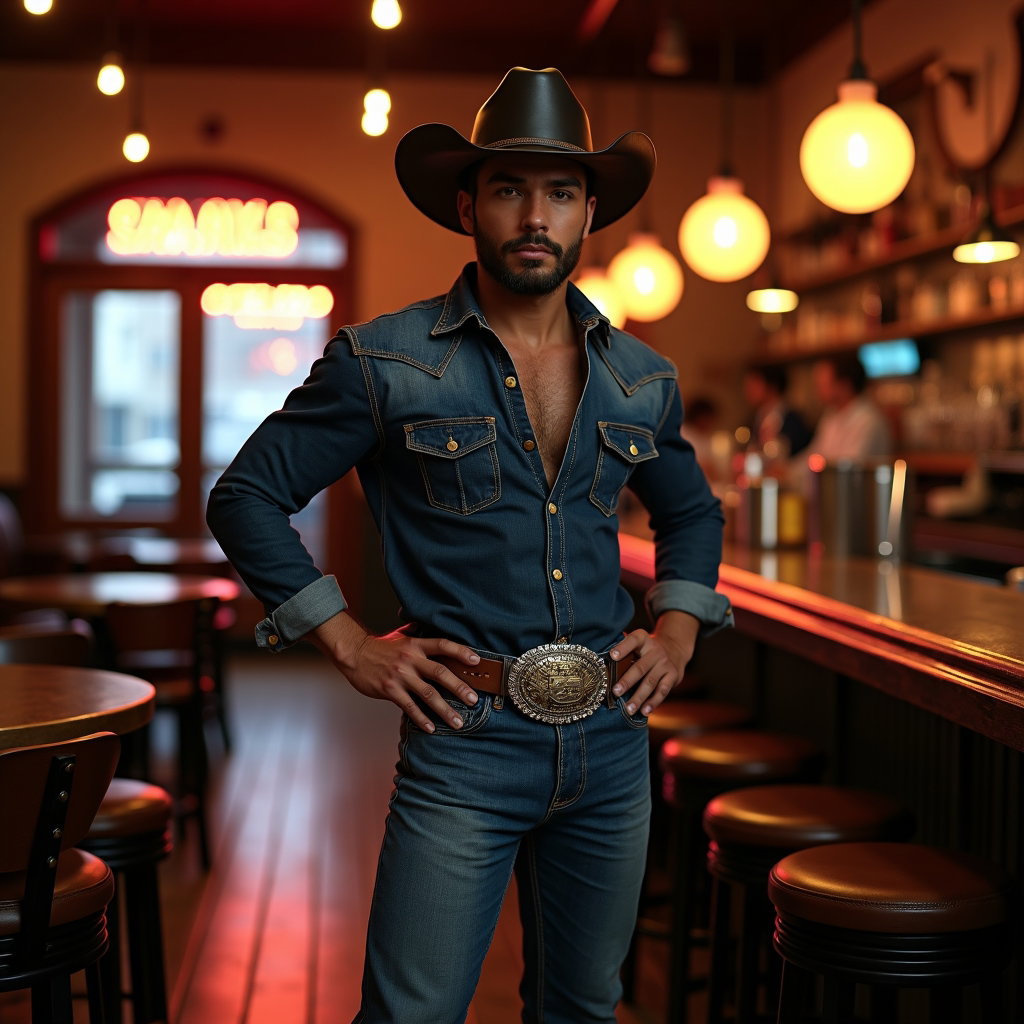
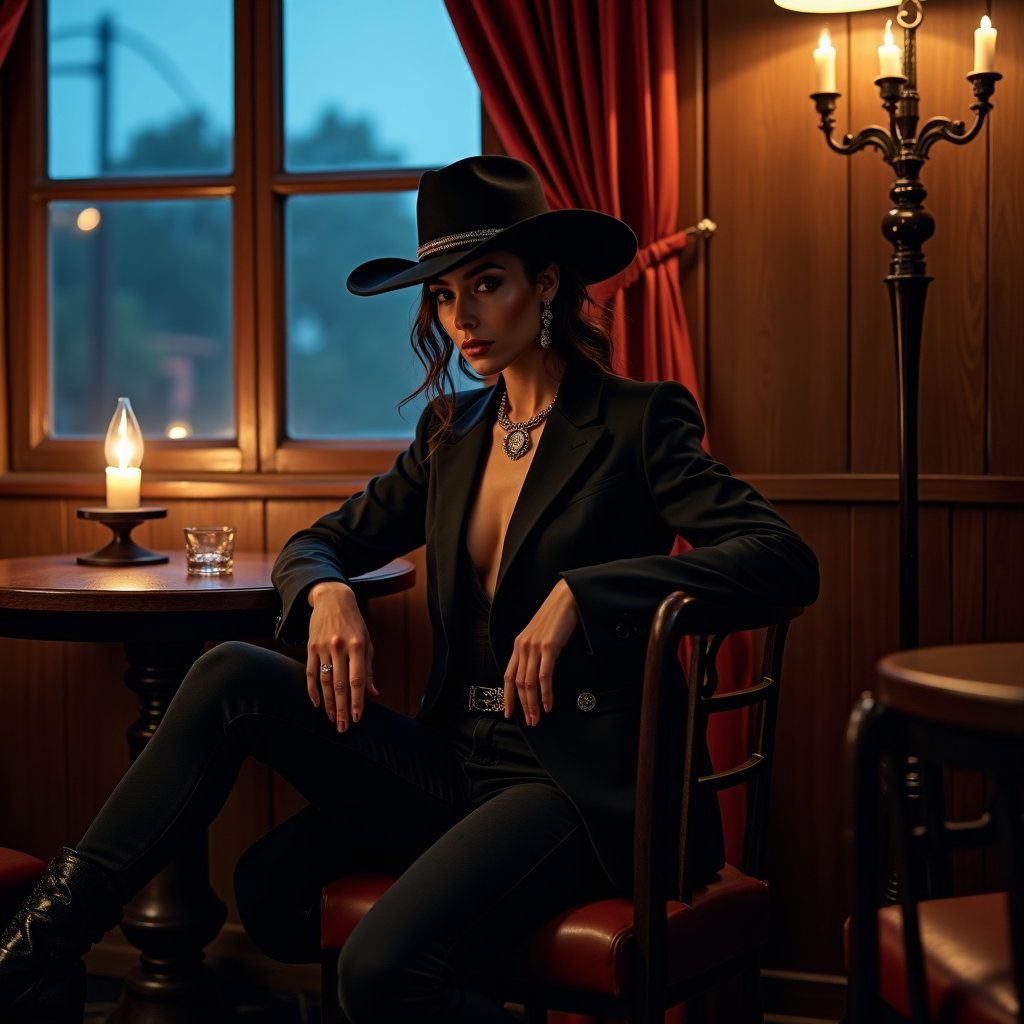
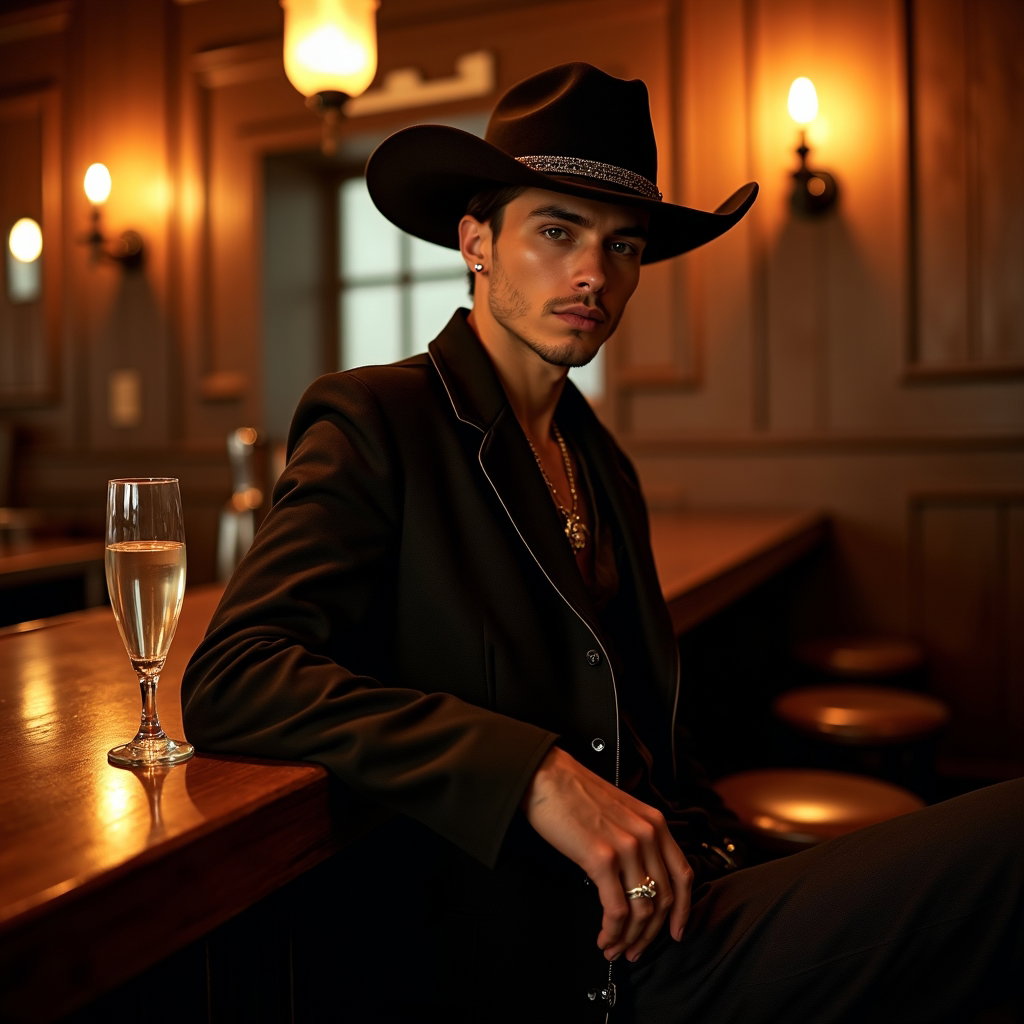
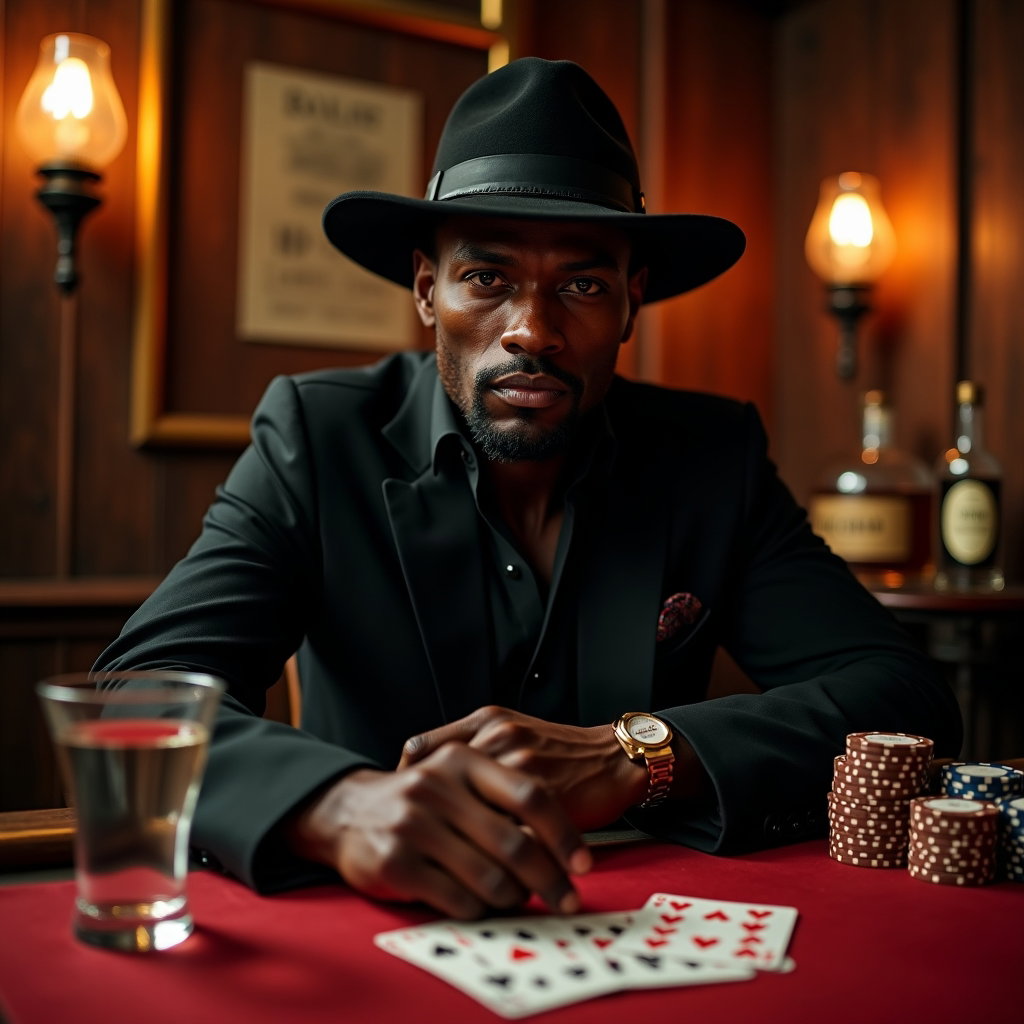
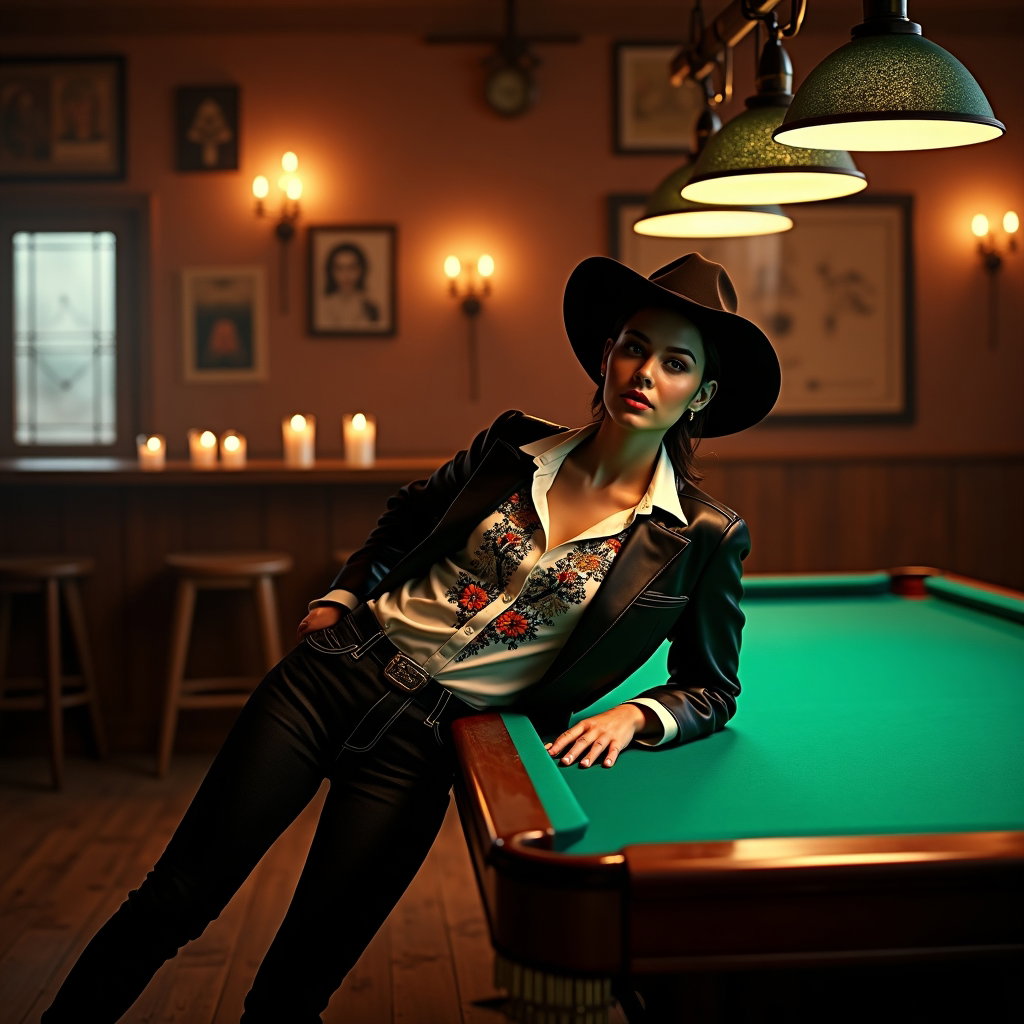
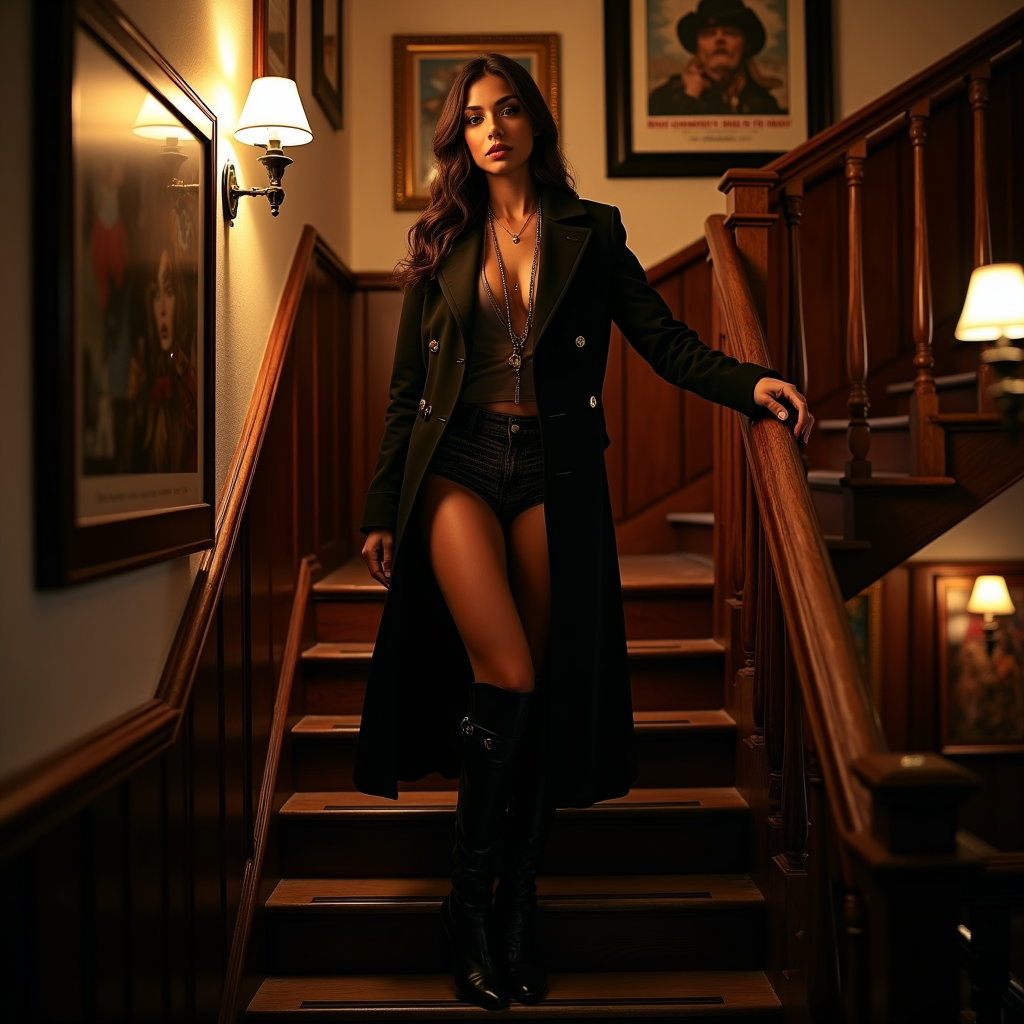
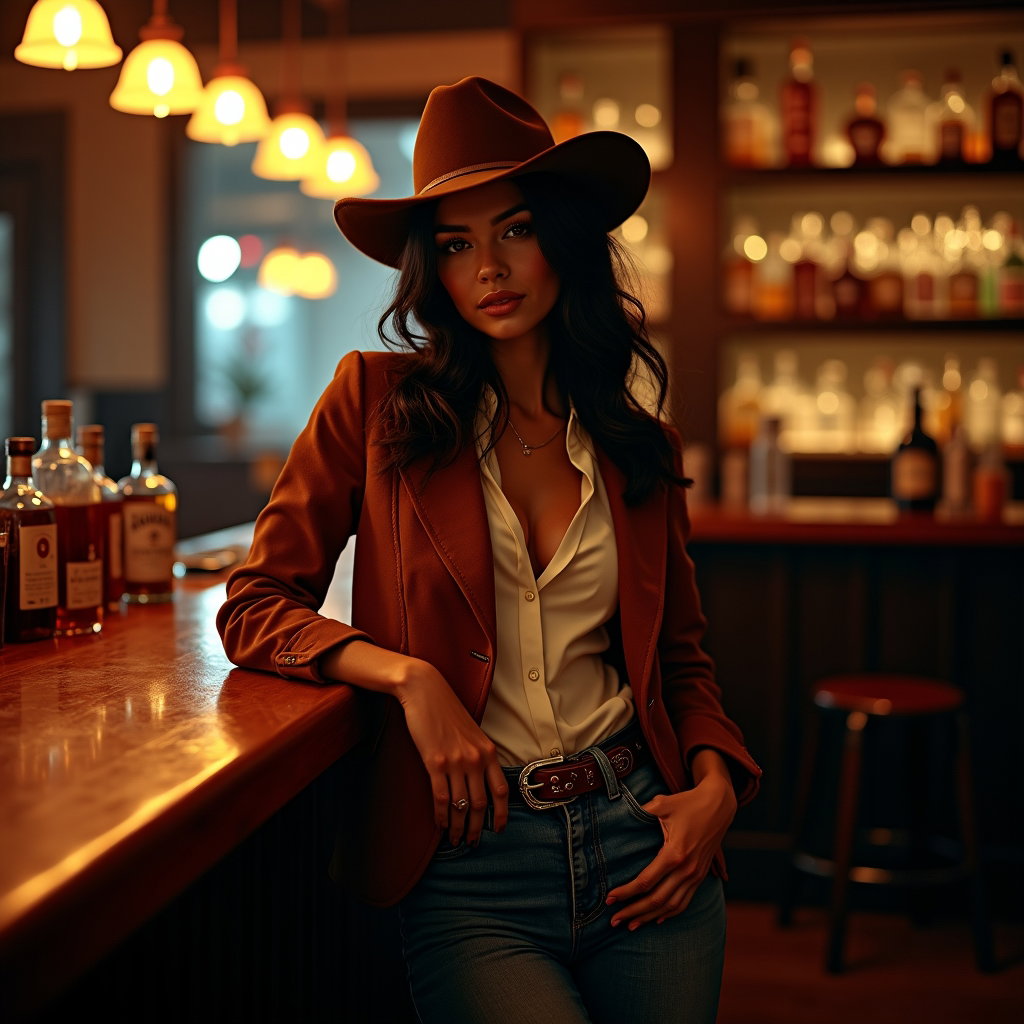
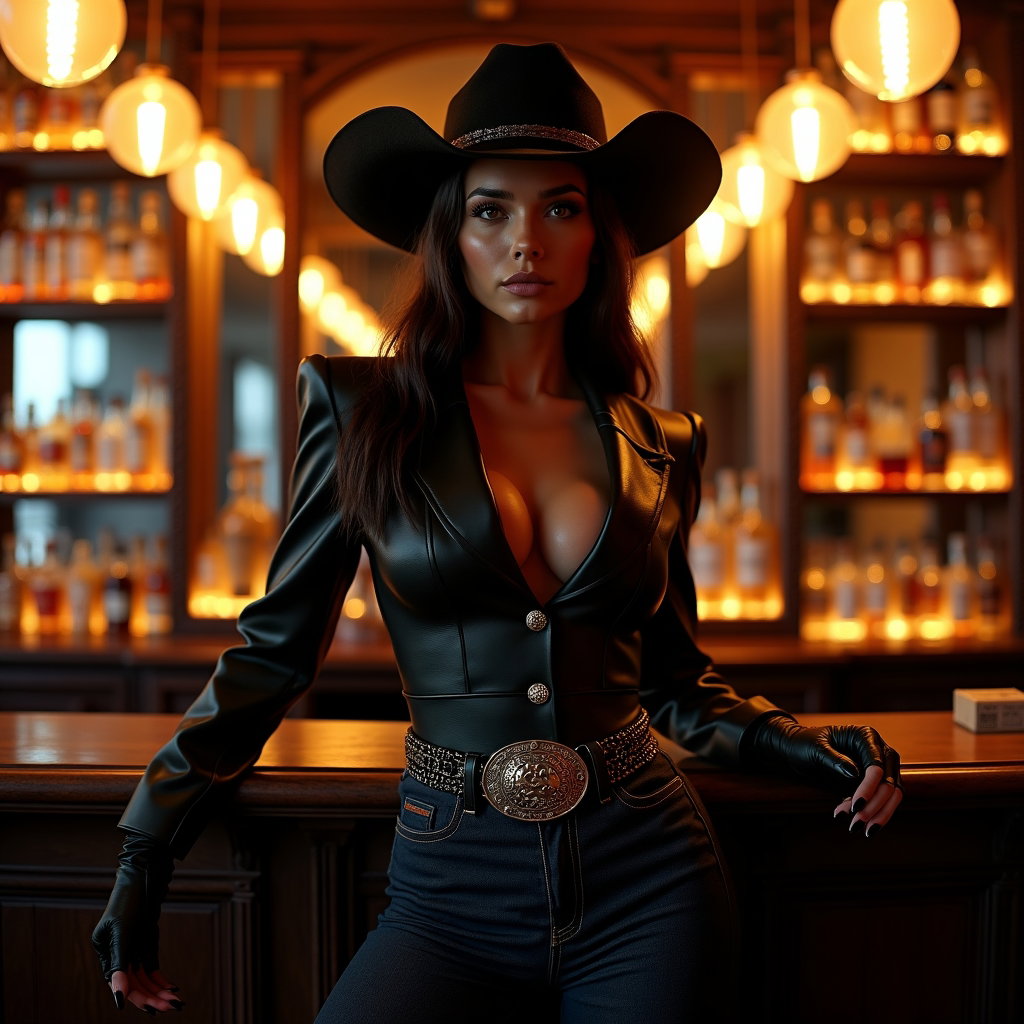
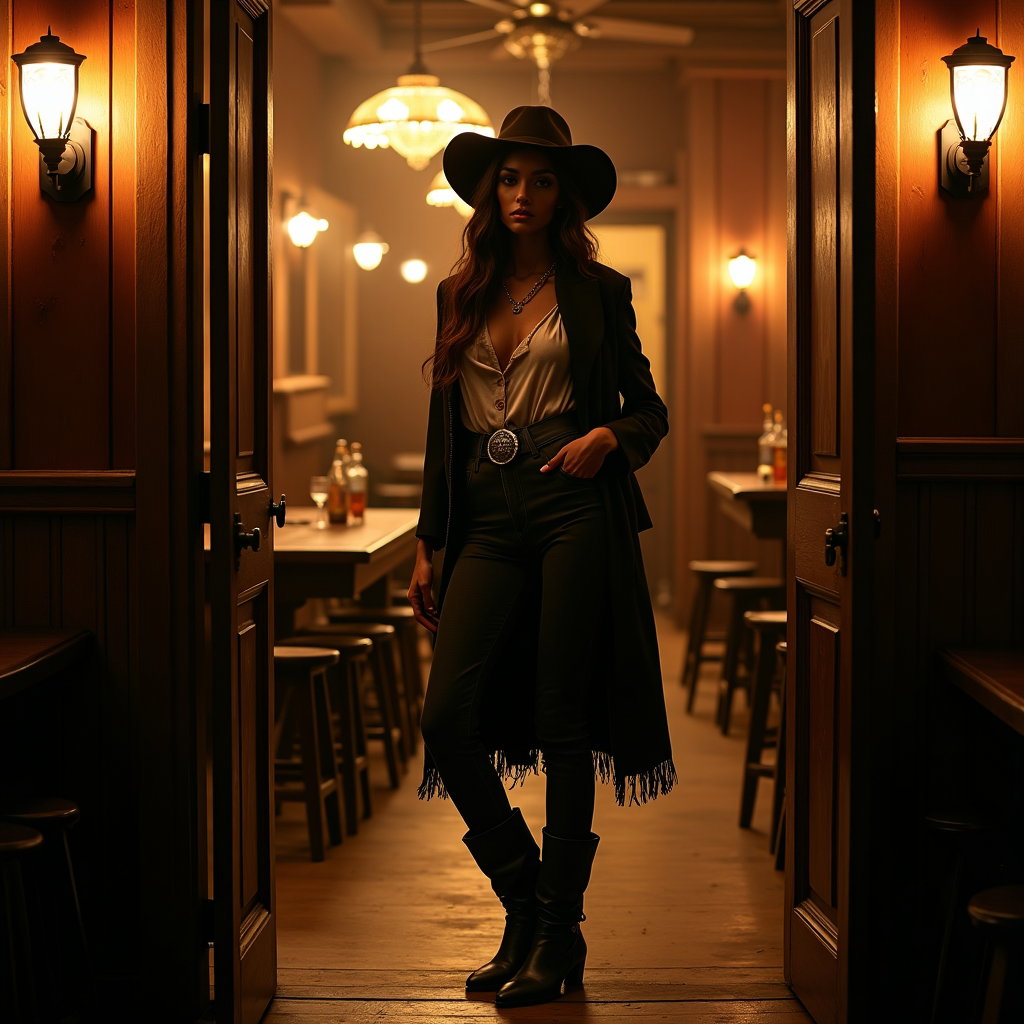
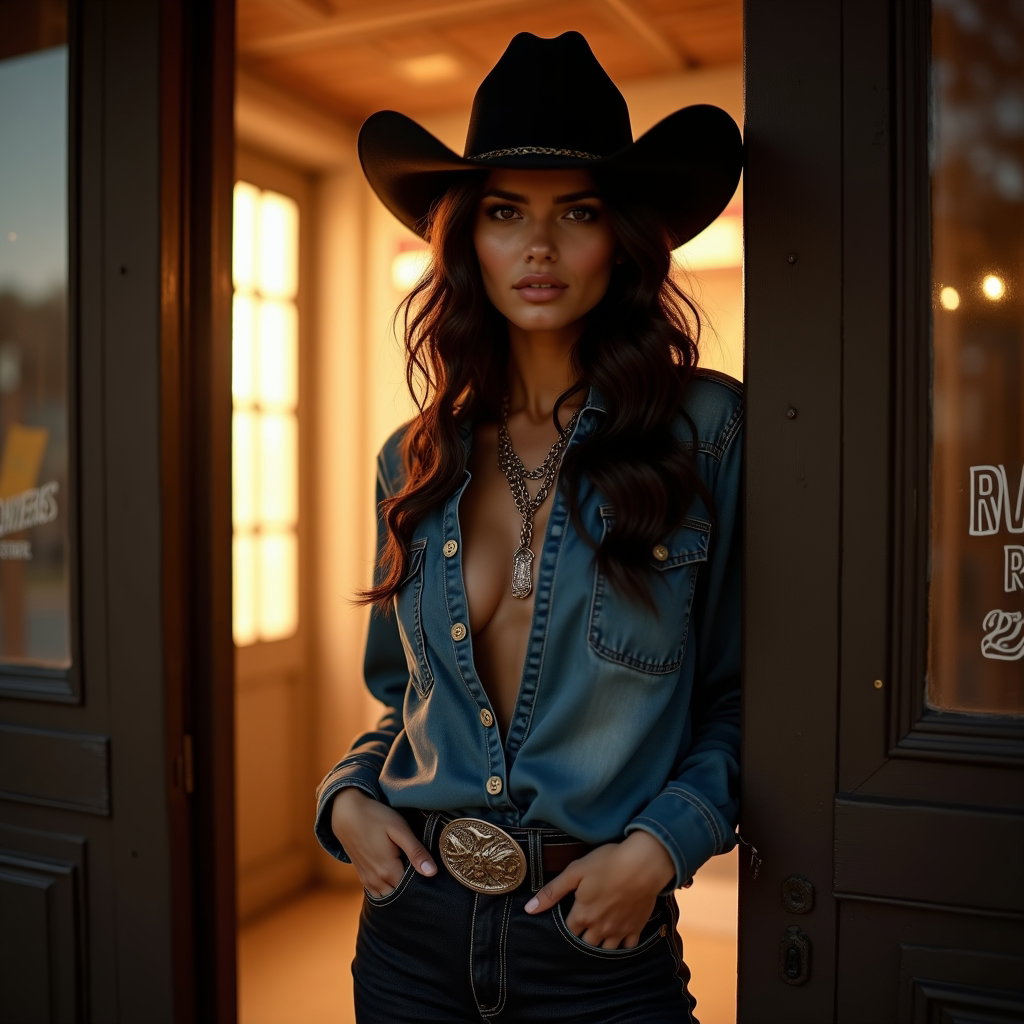
This is the mood shot. Darker light, richer shadows, and intense eye contact make the western look feel older, sharper, and more dangerous. It is effective when you want something less open and more controlled. The saloon-style setup gives instant atmosphere without needing a huge scene.
What actually works here is contrast. Dark shirt, low warm light, shadow on one side of the face, and focused eyes. That creates depth and tension. In AI generation, this style helps hide weak background detail because the lighting does the heavy lifting. It is also a strong option for people who want a more mature and polished result.
Click on any photo to make it yours
Dusty Boots and Tough Stance Shot
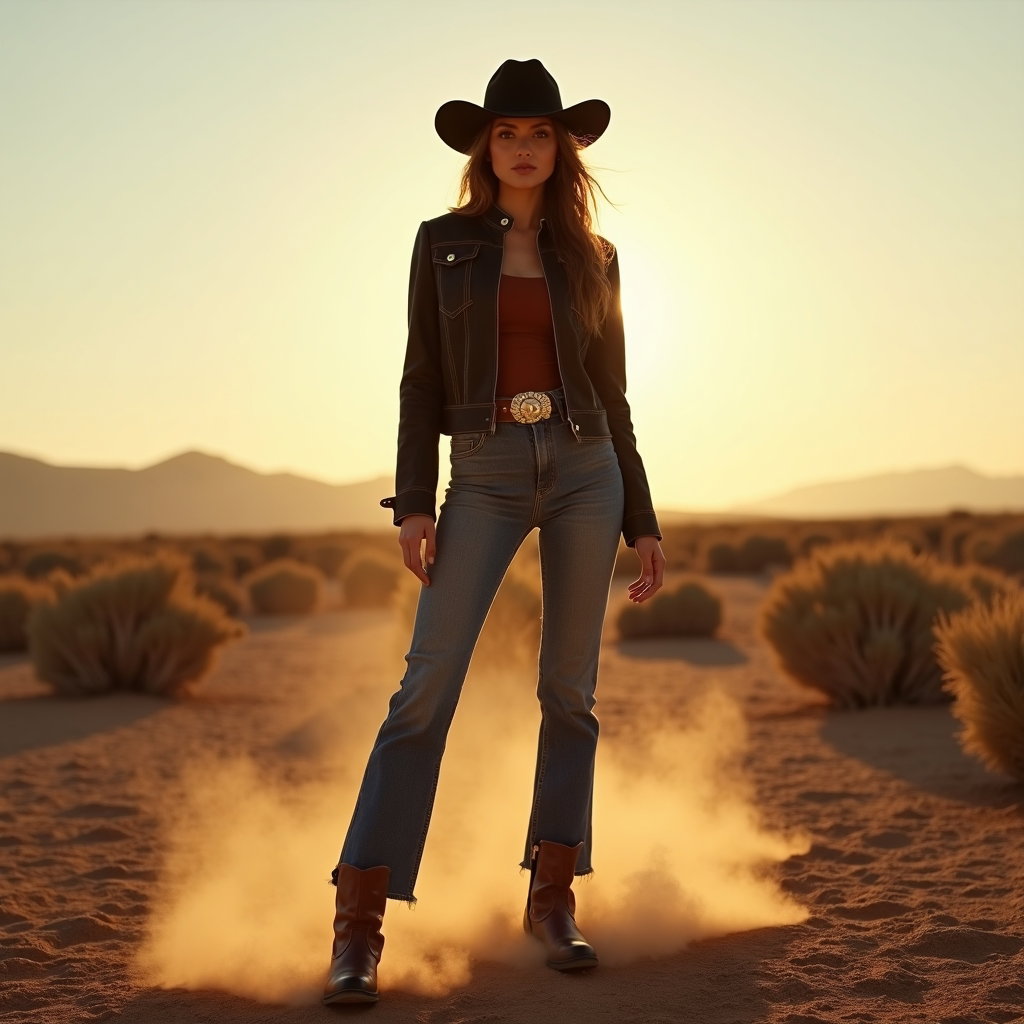
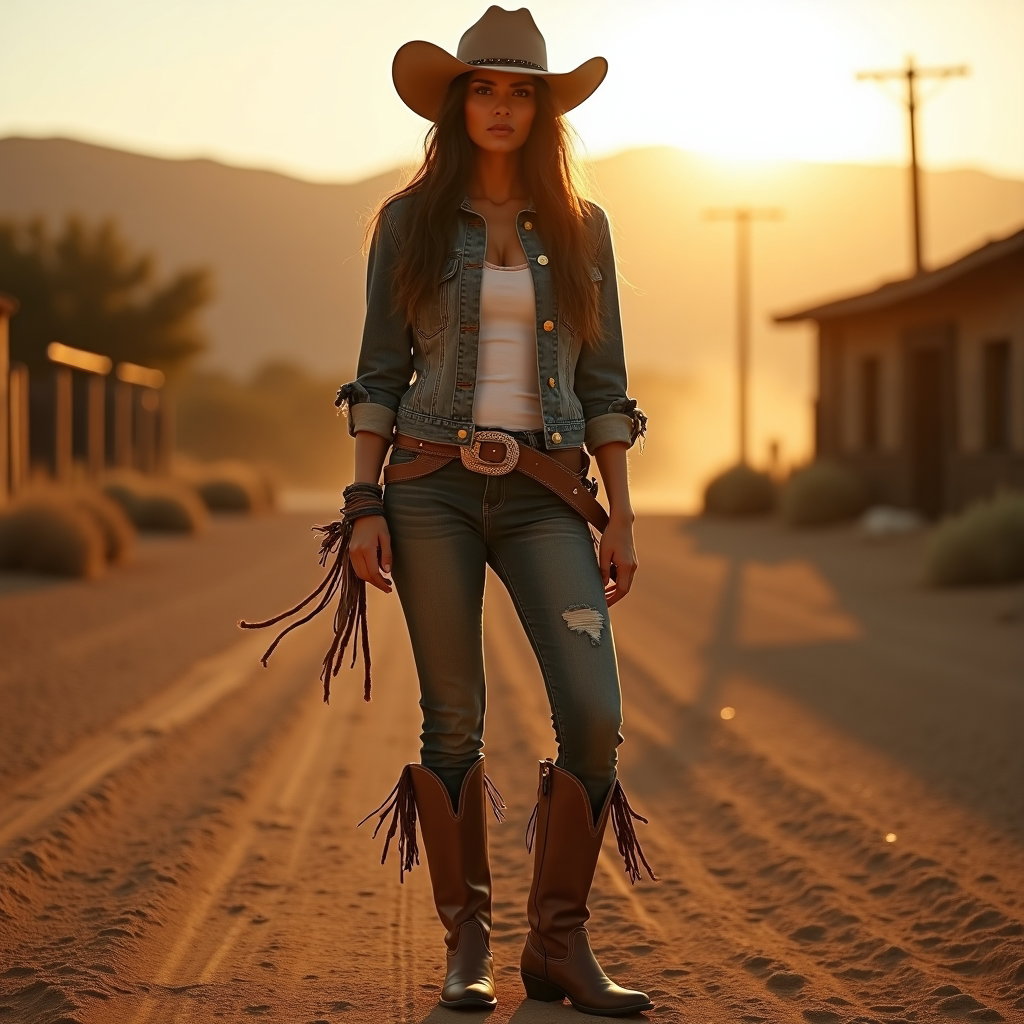
Start low. Emphasize the boots. Let the legs and ground do the work. This angle gives the subject authority. Cowboy style is not just a face and a hat. The lower half matters. Dust, worn leather, and a hard stance create the feeling of real use and real toughness.
This shot is effective because it builds physical presence. A lower camera angle makes the person look larger and more grounded. It also highlights one of the strongest western style signals: boots with weight and texture. If the boots look too clean or too hidden, the image loses force. Let them dominate the frame.
Click to create your version
Wild-Side Smirk Portrait
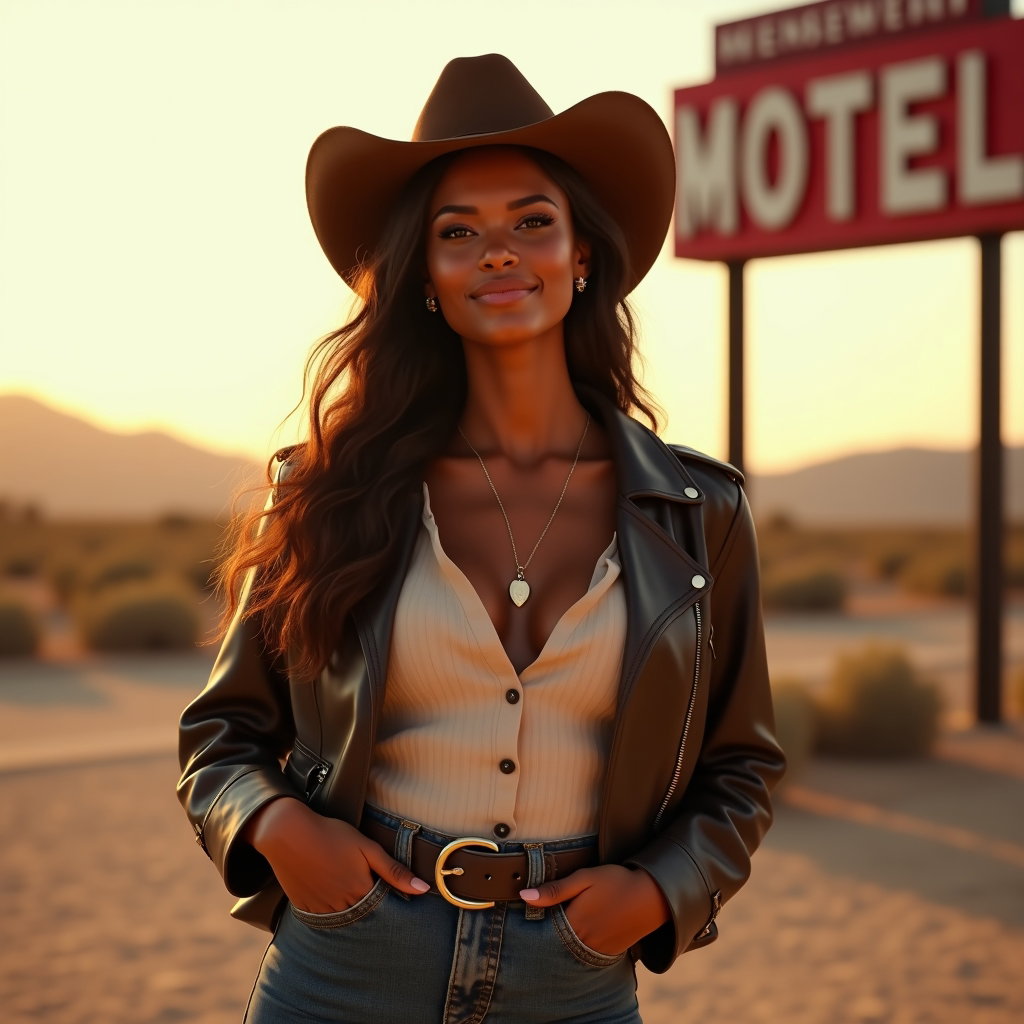
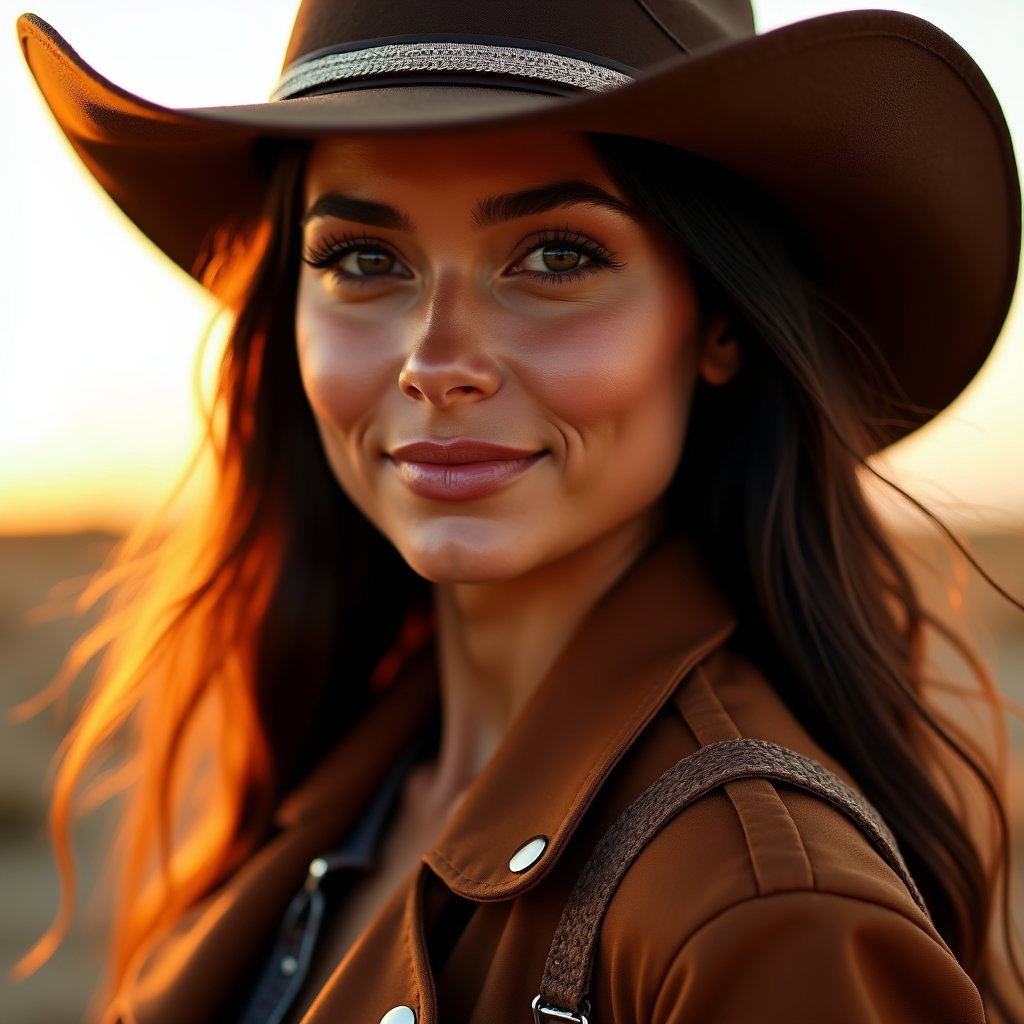
Not every cowboy photo should look severe. A slight smirk adds life, personality, and edge. It breaks the stiffness that often ruins AI portraits. A crooked smile, slight chin tilt, and calm eyes create a look that feels confident without looking forced.
This works well because it adds contrast to the rest of a cowboy photo set. If every image is hard and stoic, the set becomes flat. This one makes the person look more natural and more memorable. Keep the expression controlled. Too much smile kills the rugged effect. A small smirk is enough.
Click on any photo to add your face
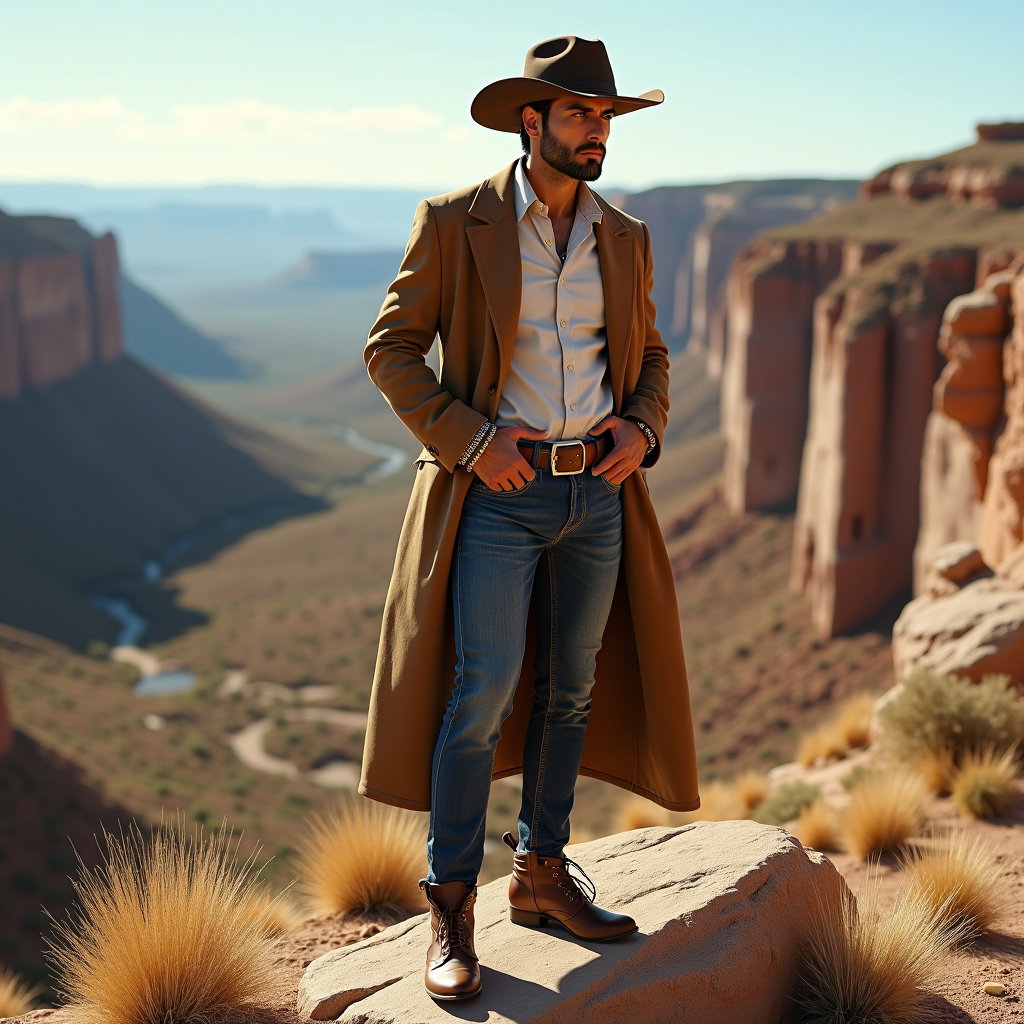
Weathered Lone Cowboy Distance Gaze
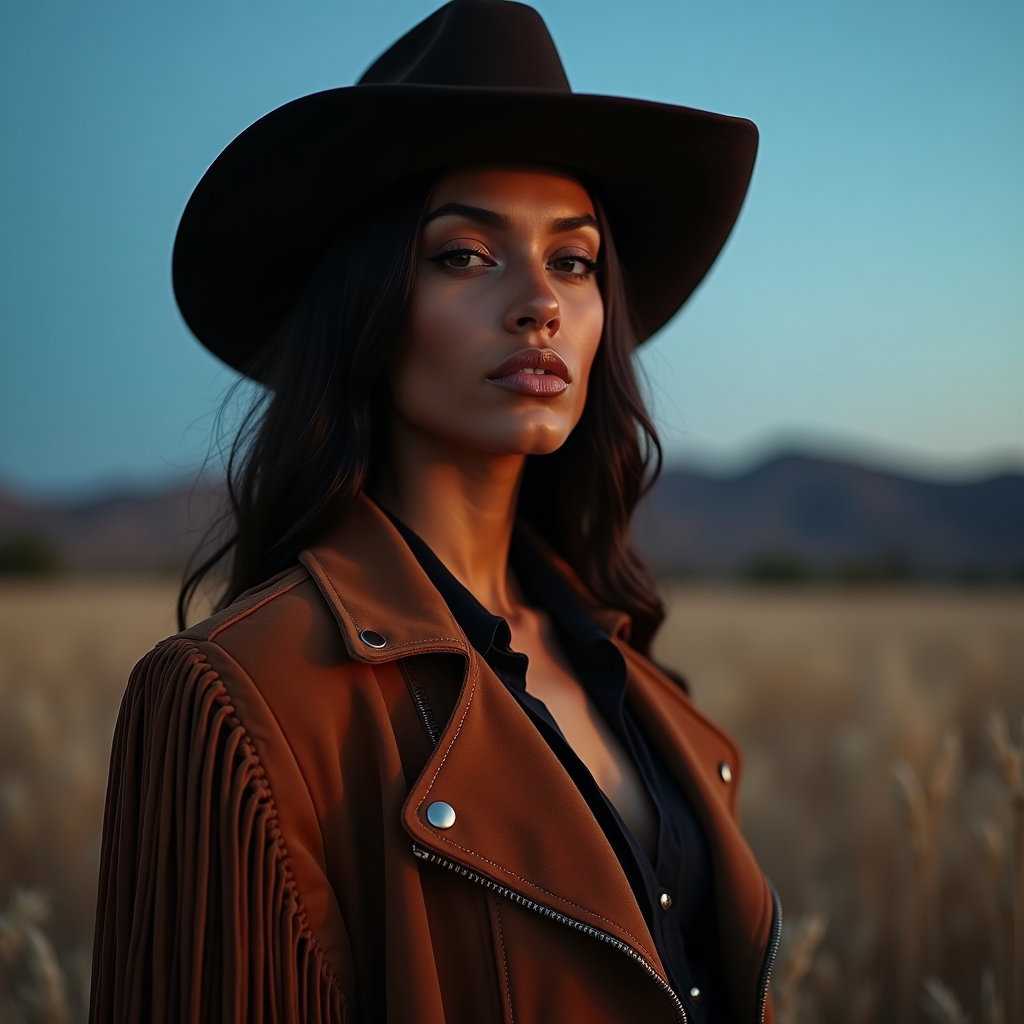
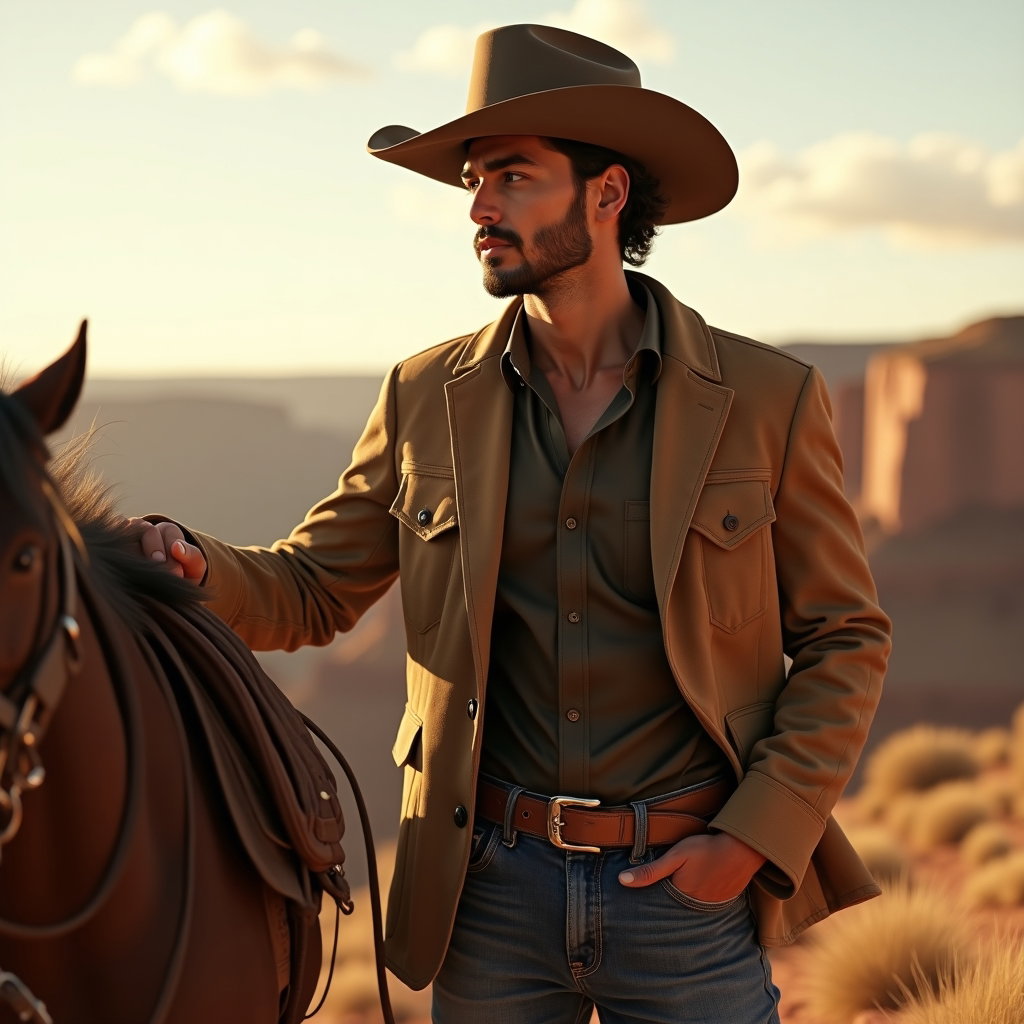
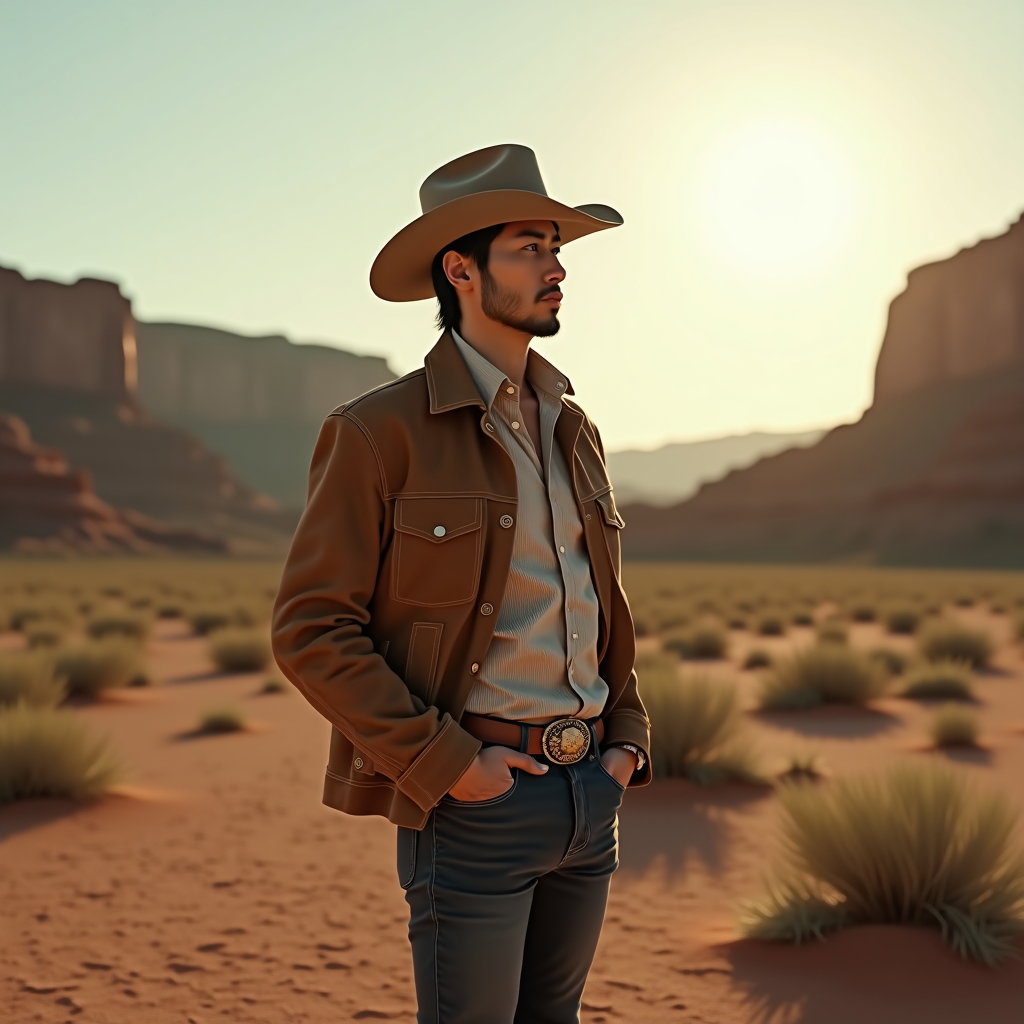
Looking away from the camera changes the whole story. It adds distance, tension, and independence. This is one of the best ways to create that untamed western feeling. The person looks like they belong in the land, not like they are posing for approval.
This photo style works because it creates narrative. The viewer reads emotion into the scene. Use weathered textures, rough fabric, dry air, and strong side light. In AI generation, this setup also helps when direct eye detail is weak. The distance gaze shifts attention to profile, jawline, hat shape, and mood.
Click on a photo to try this look
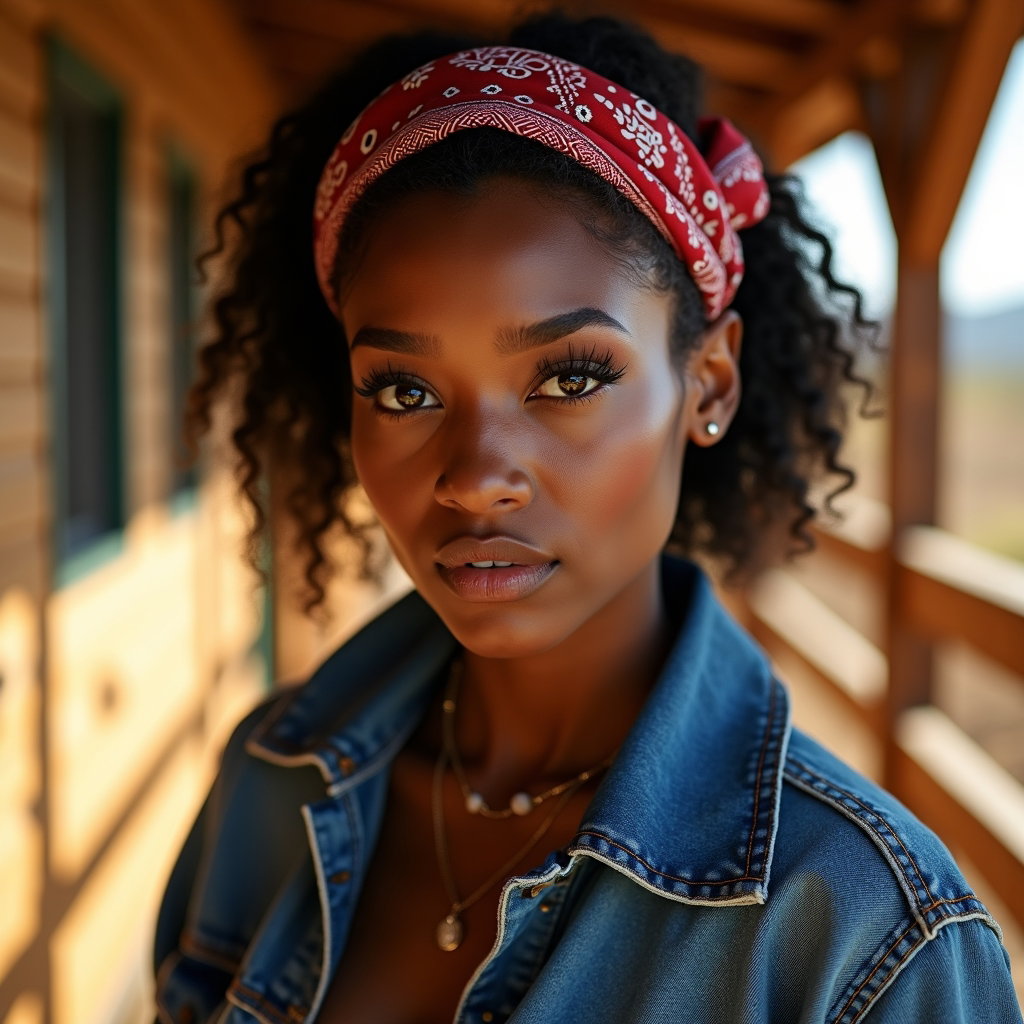
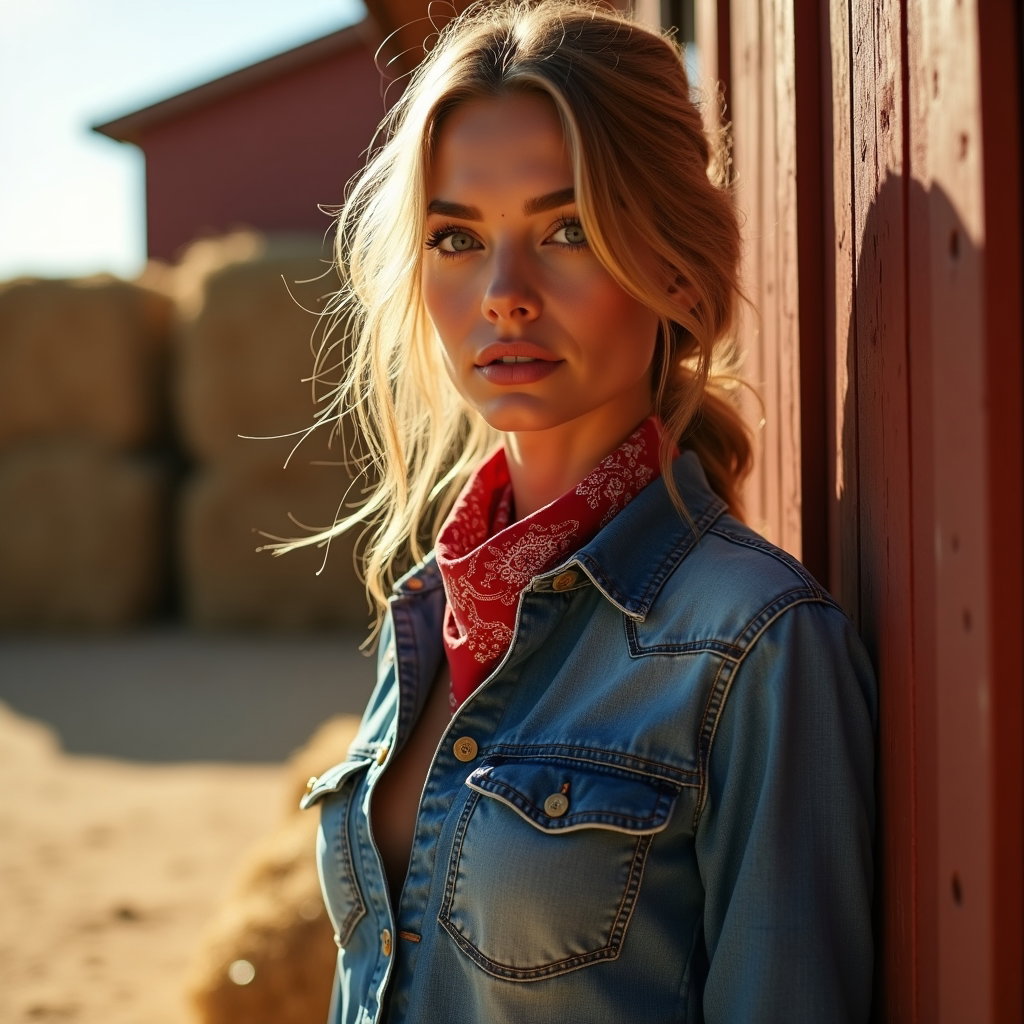
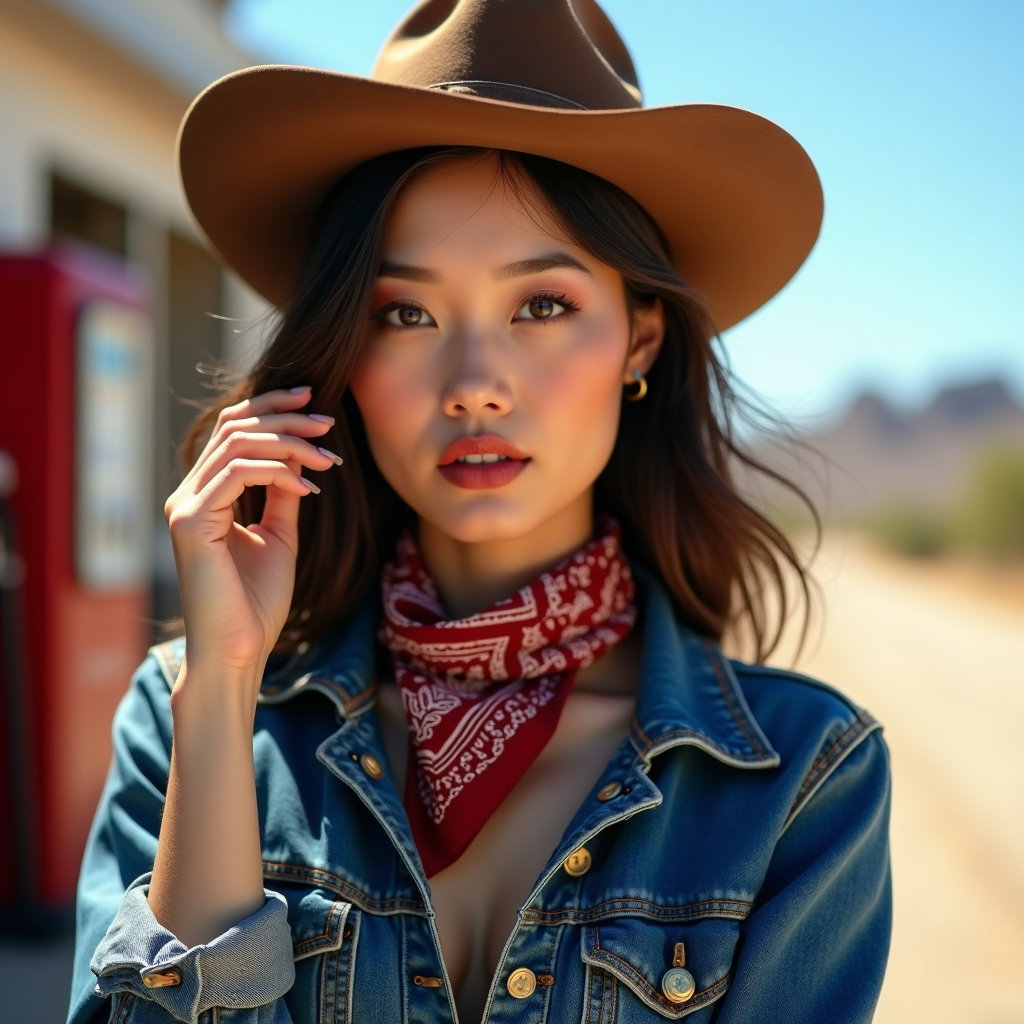
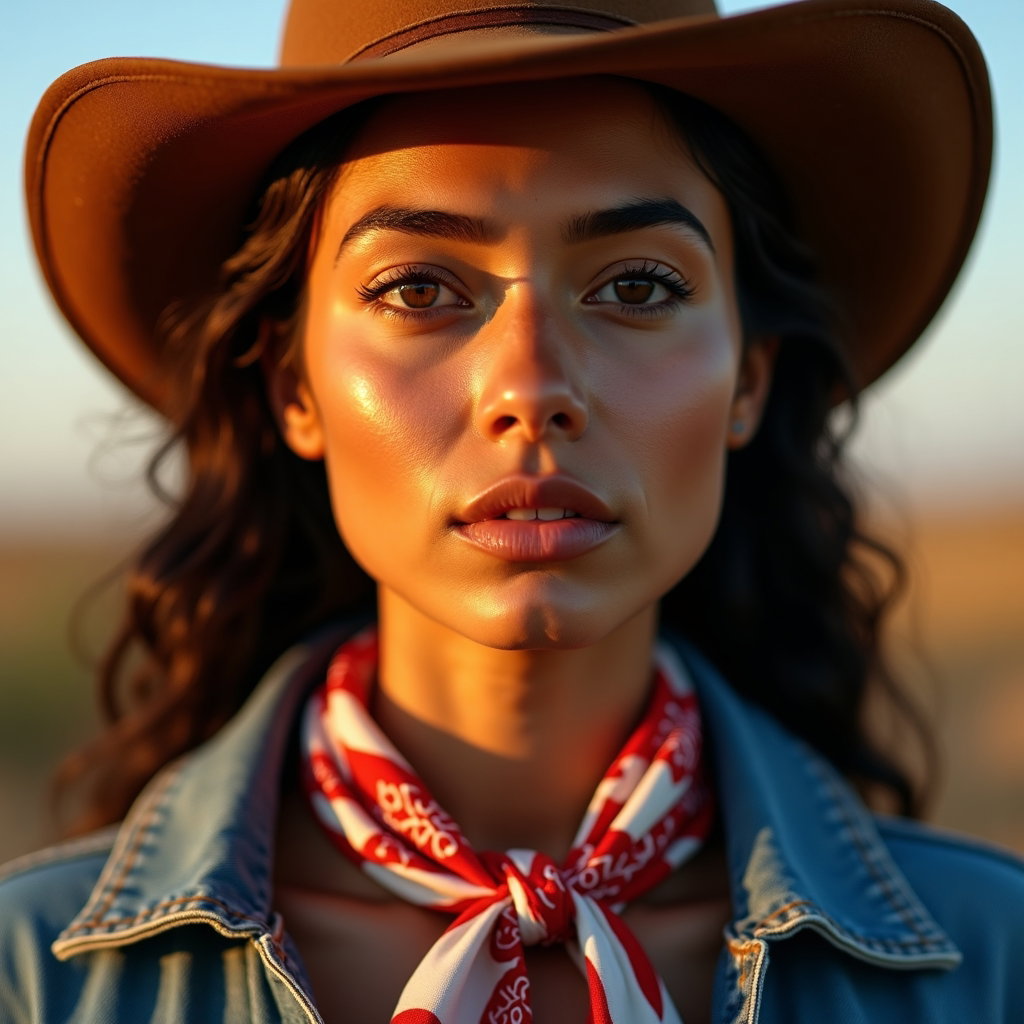
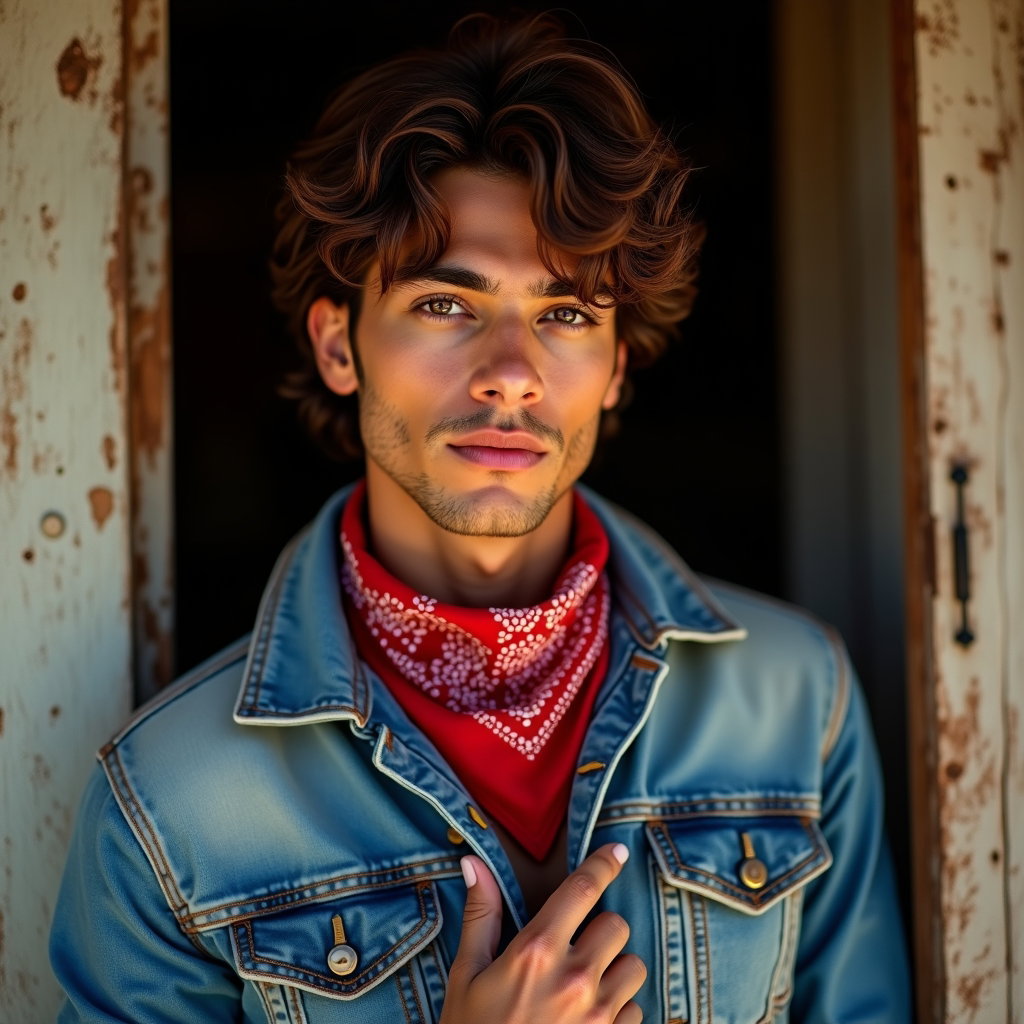
Bandana and Denim Close-Up
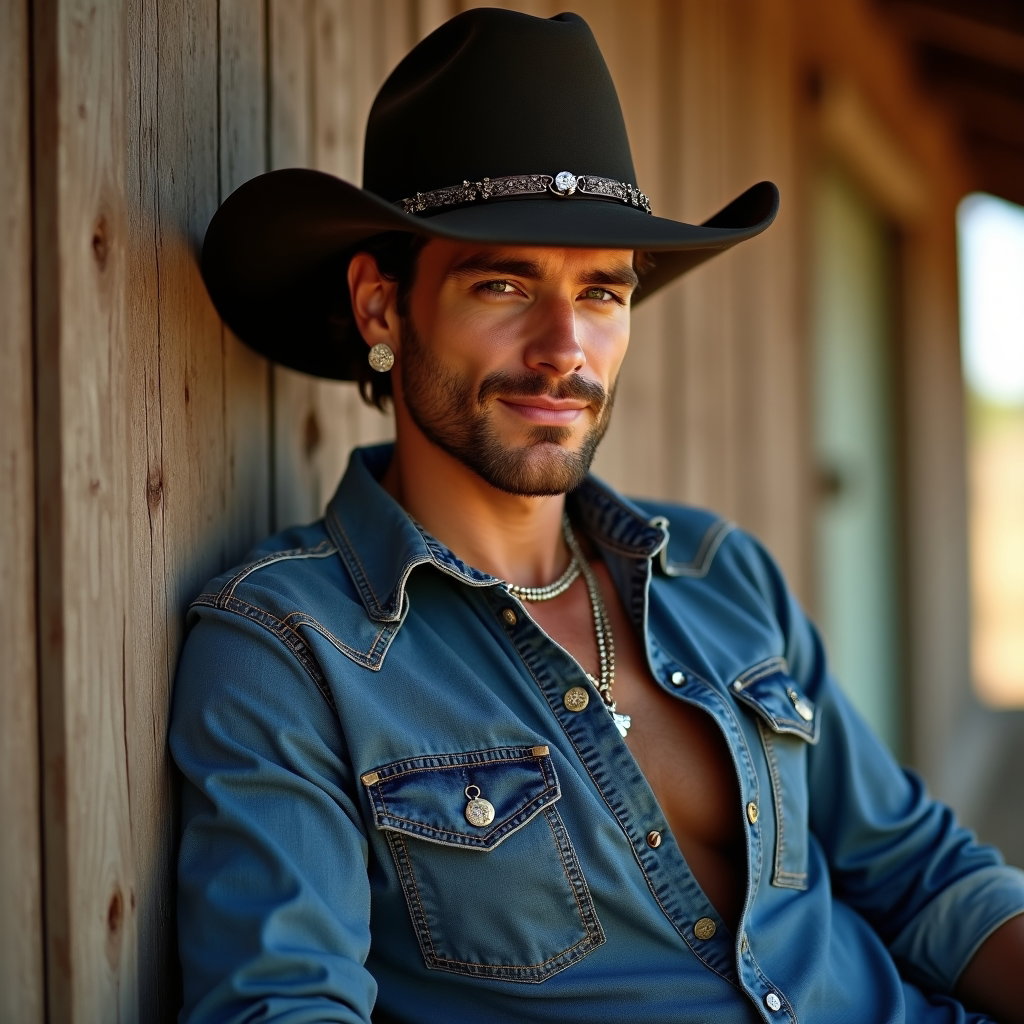
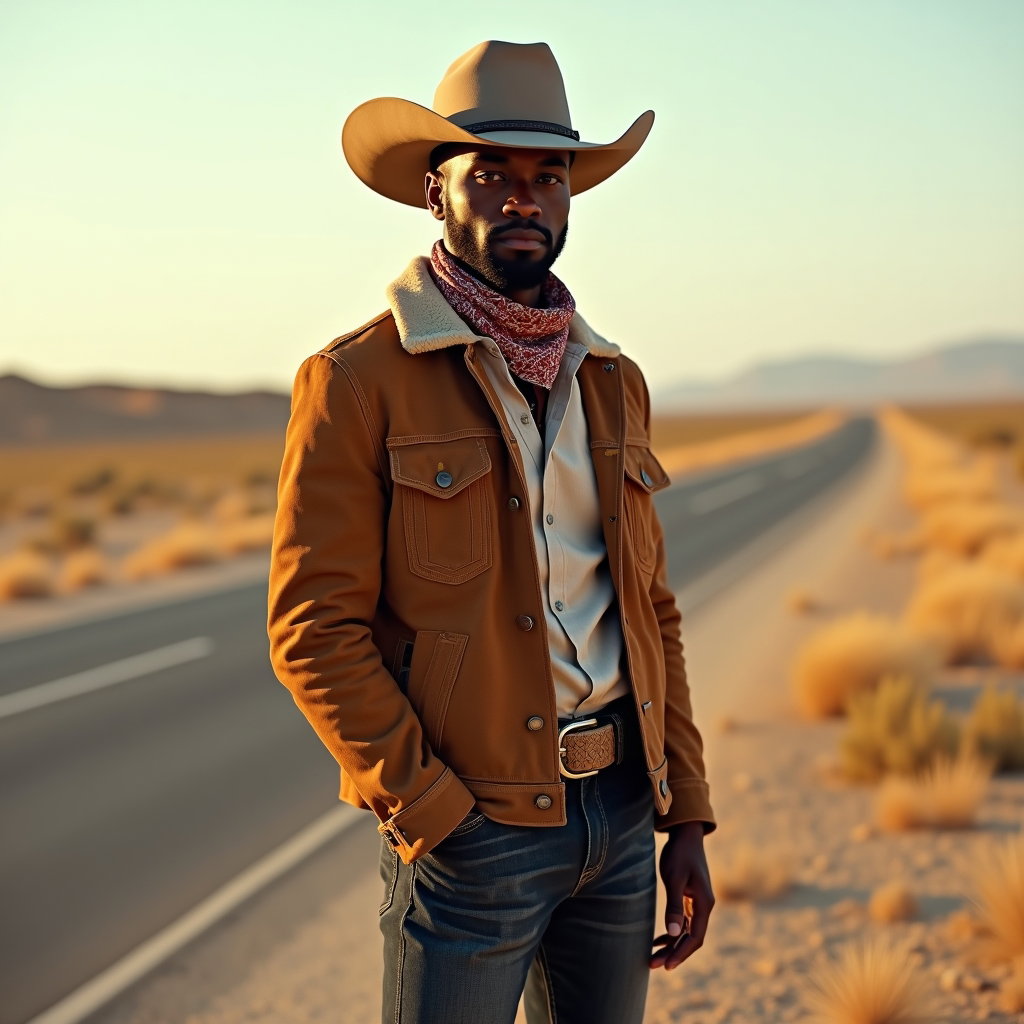
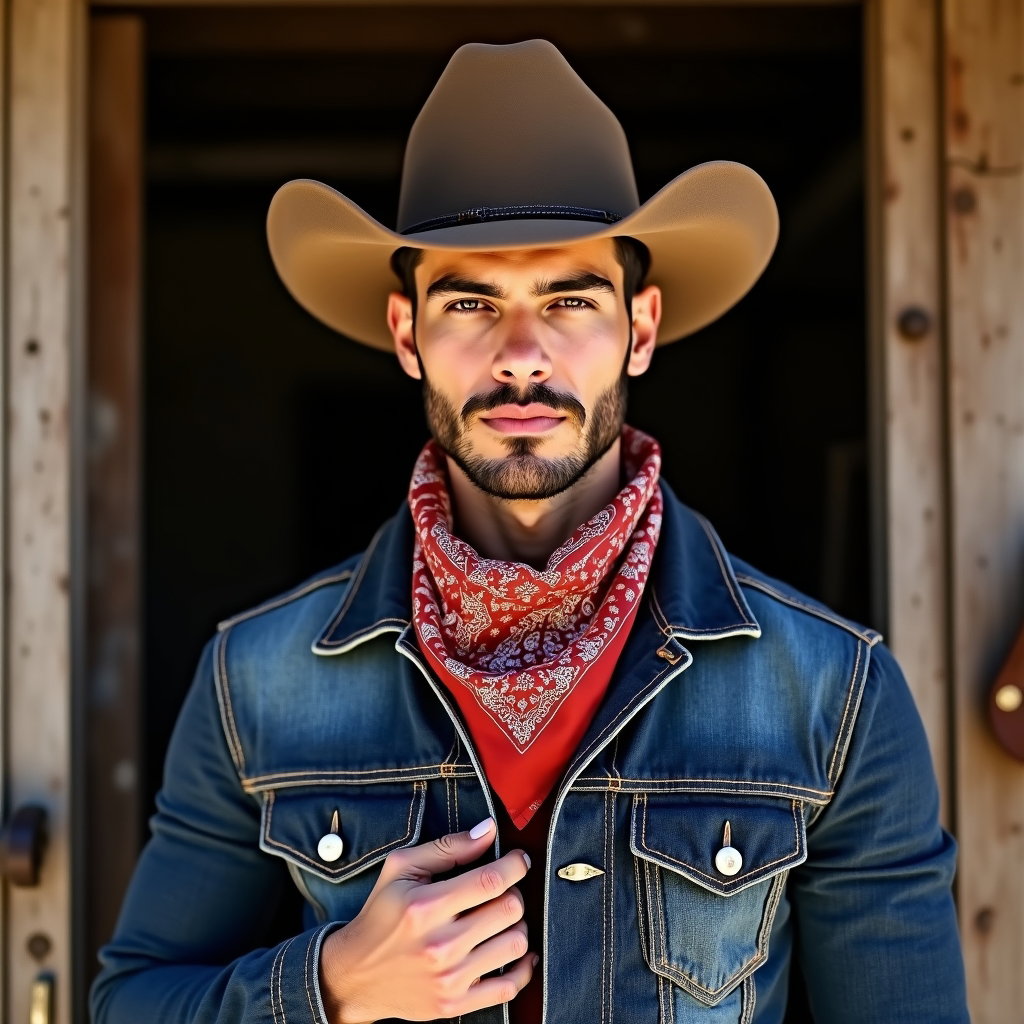
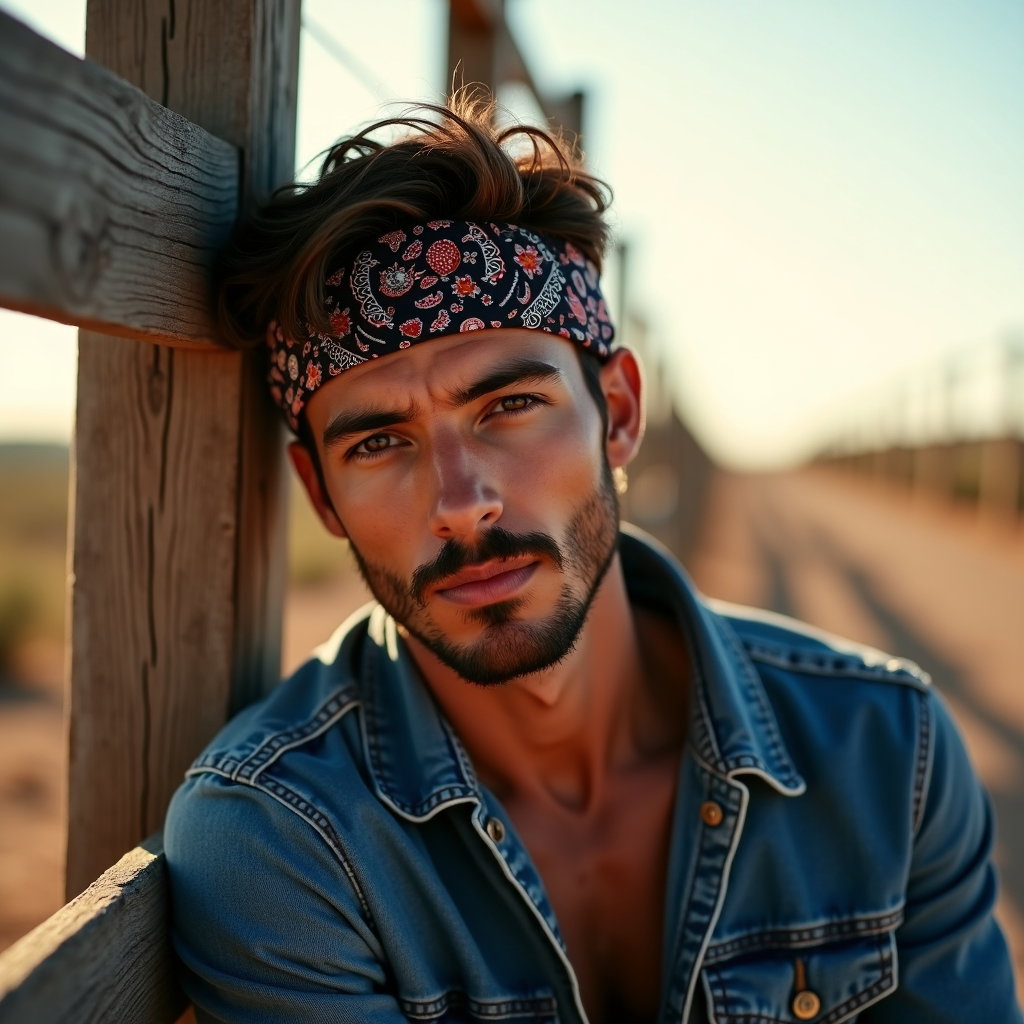
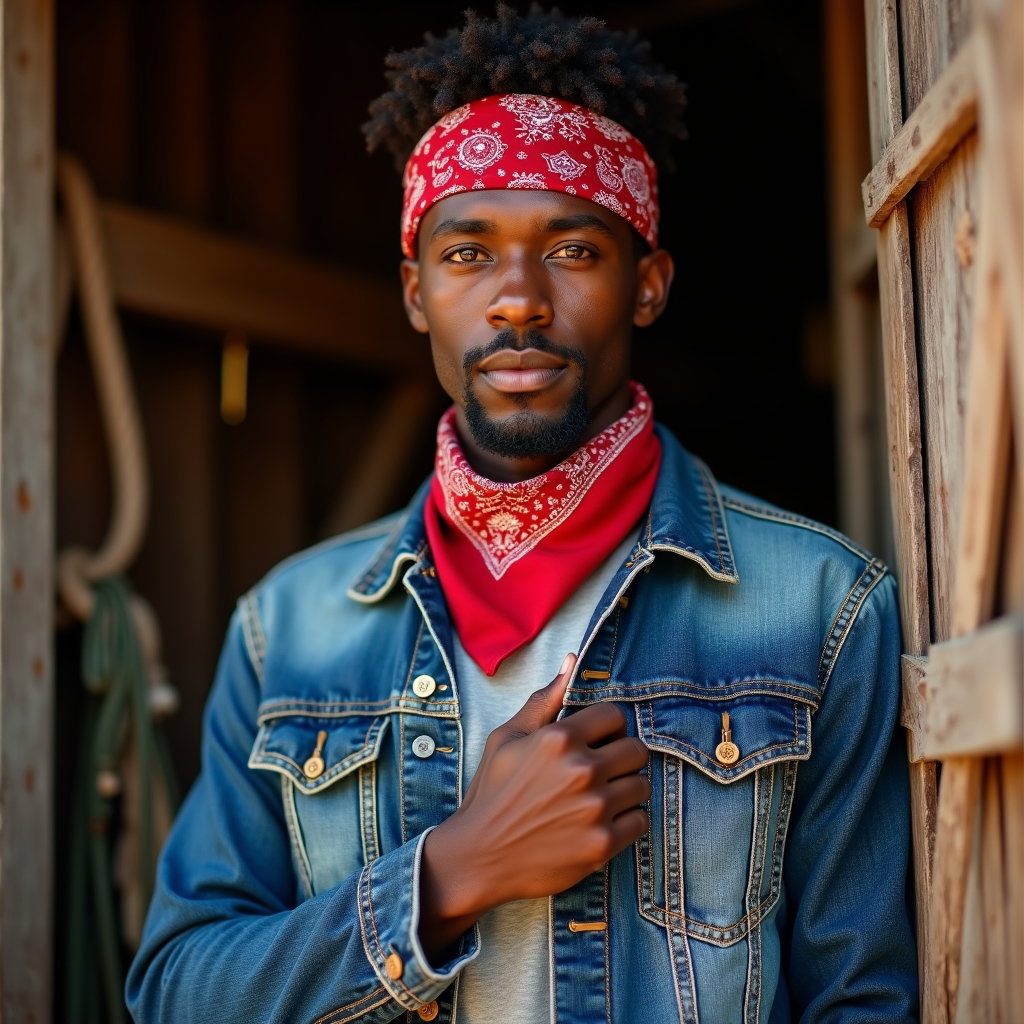
Get close and let texture lead. Denim, bandana fabric, skin detail, stubble, and hat shadow create the grit people expect from cowboy imagery. This is where small details matter most. A close-up can carry more impact than a wide shot if the face and styling are strong.
This is also a smart AI choice because tight framing reduces background problems. You can focus on what matters: expression, jawline, neck, collar, and layered western materials. Ask for visible cloth texture, natural skin detail, and subtle shadow around the eyes. That makes the image feel solid and believable.
Click on a photo to insert your face
Golden Hour Western Glow
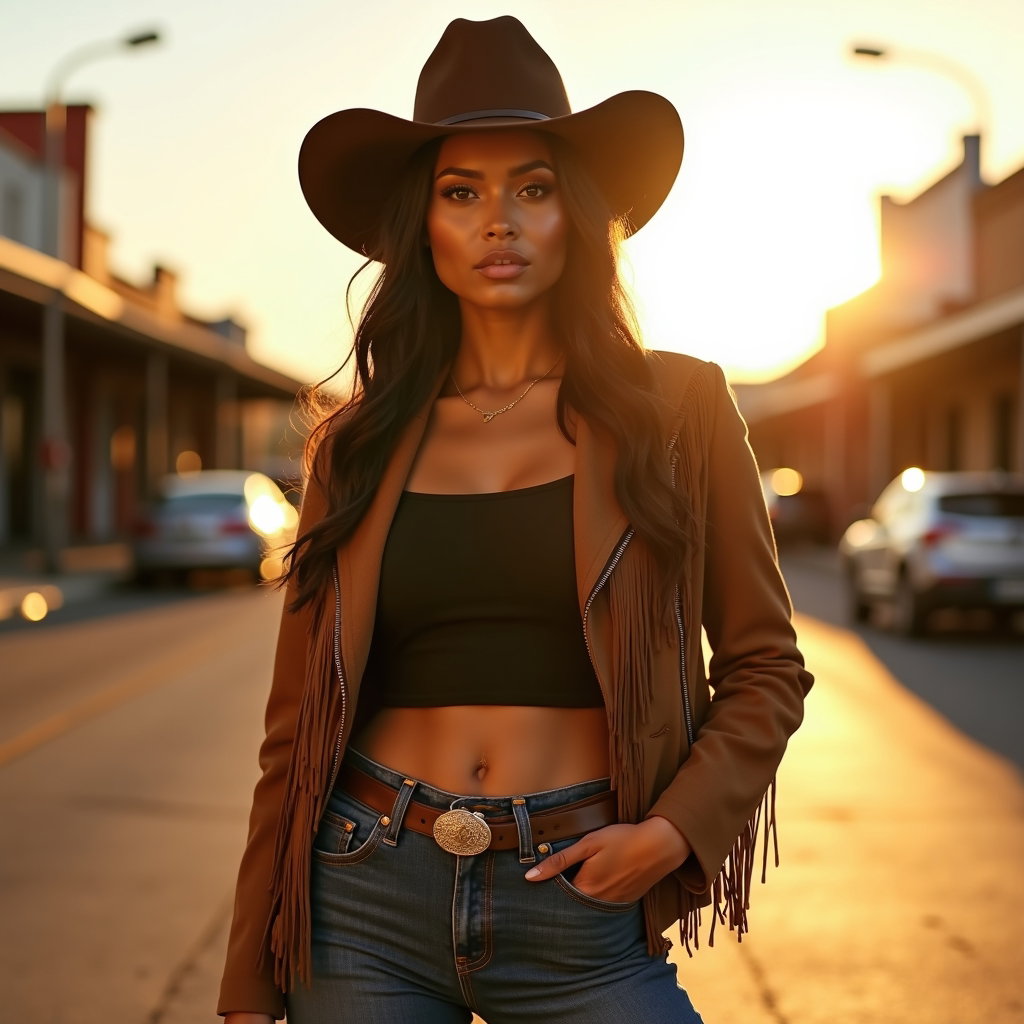
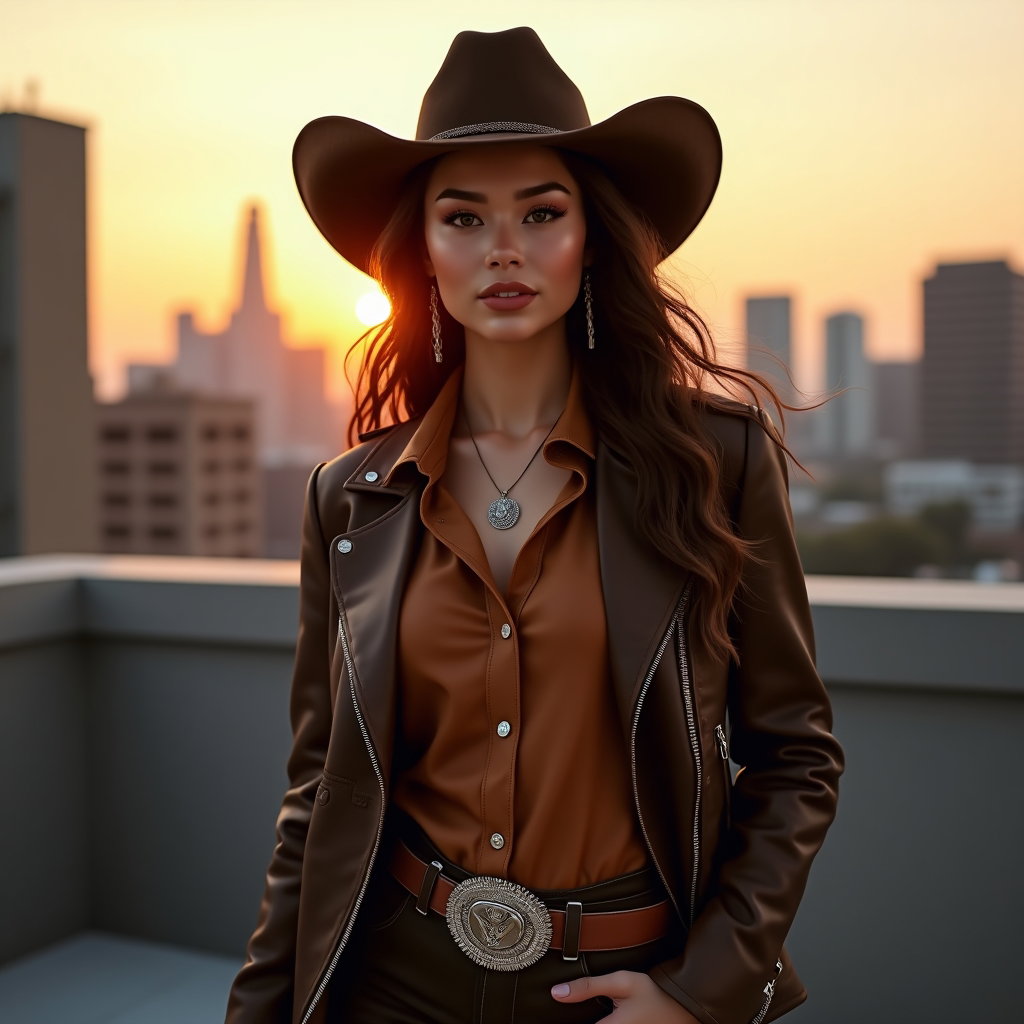
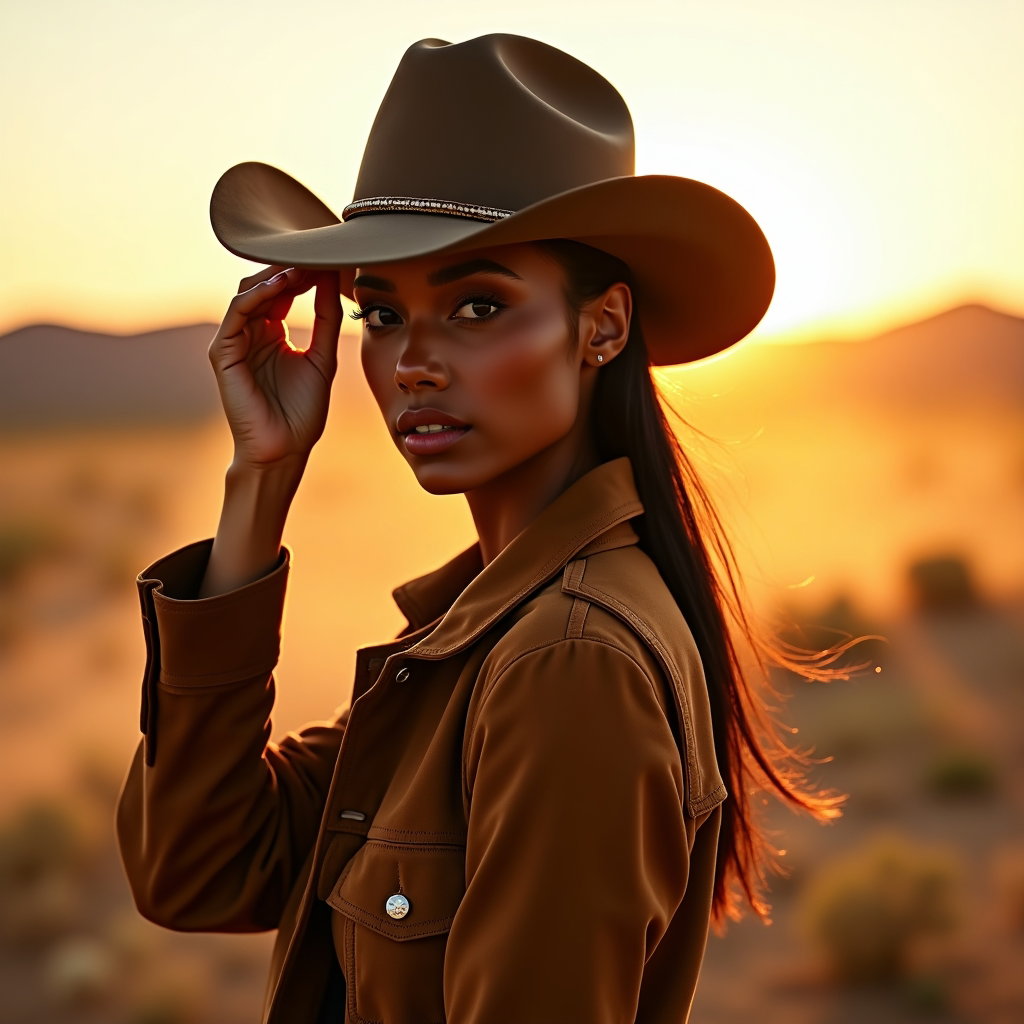
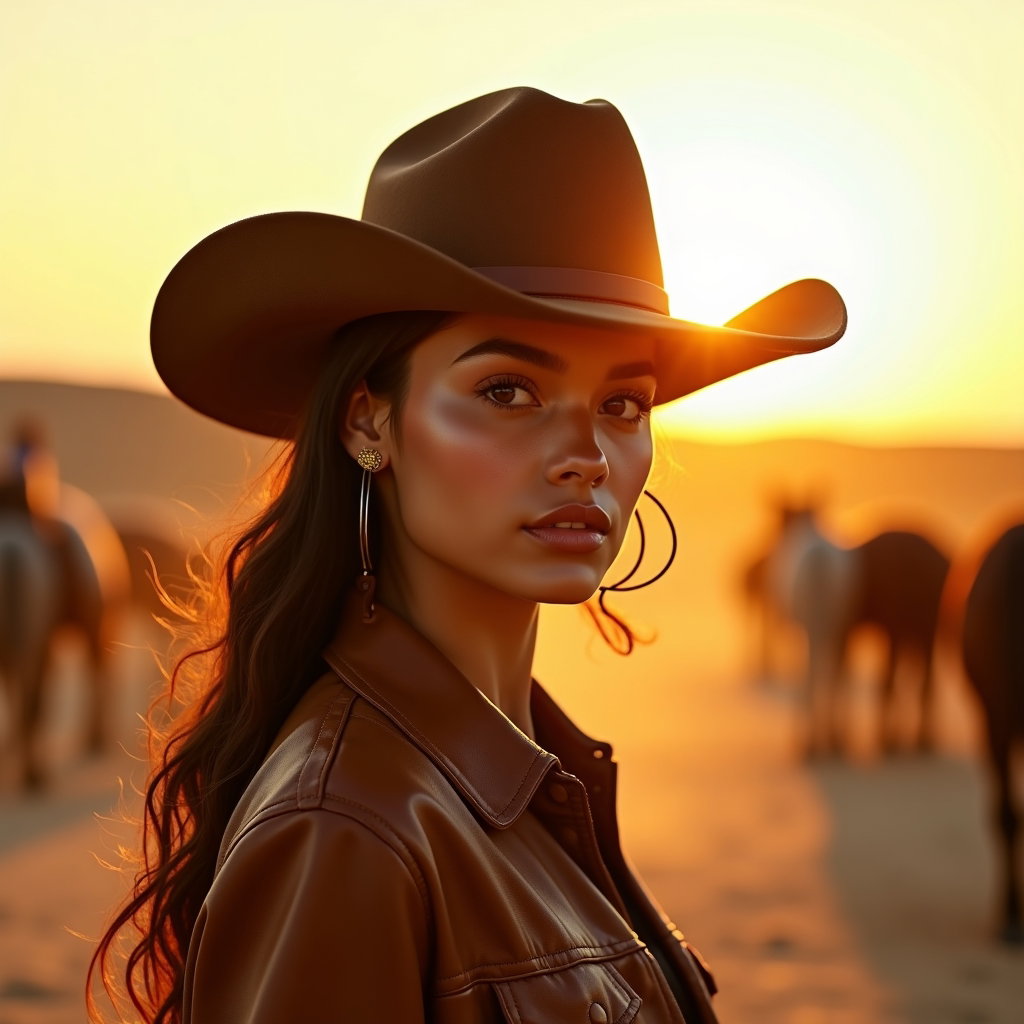
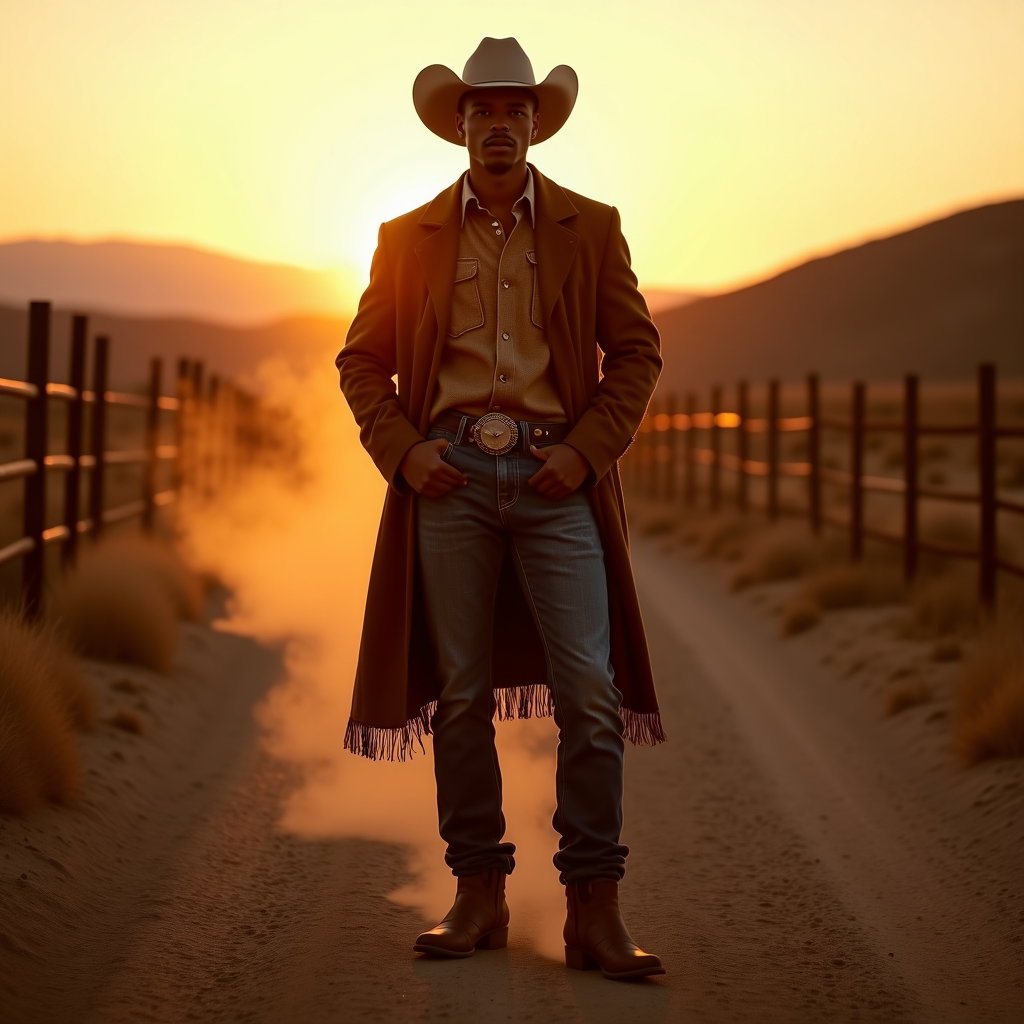
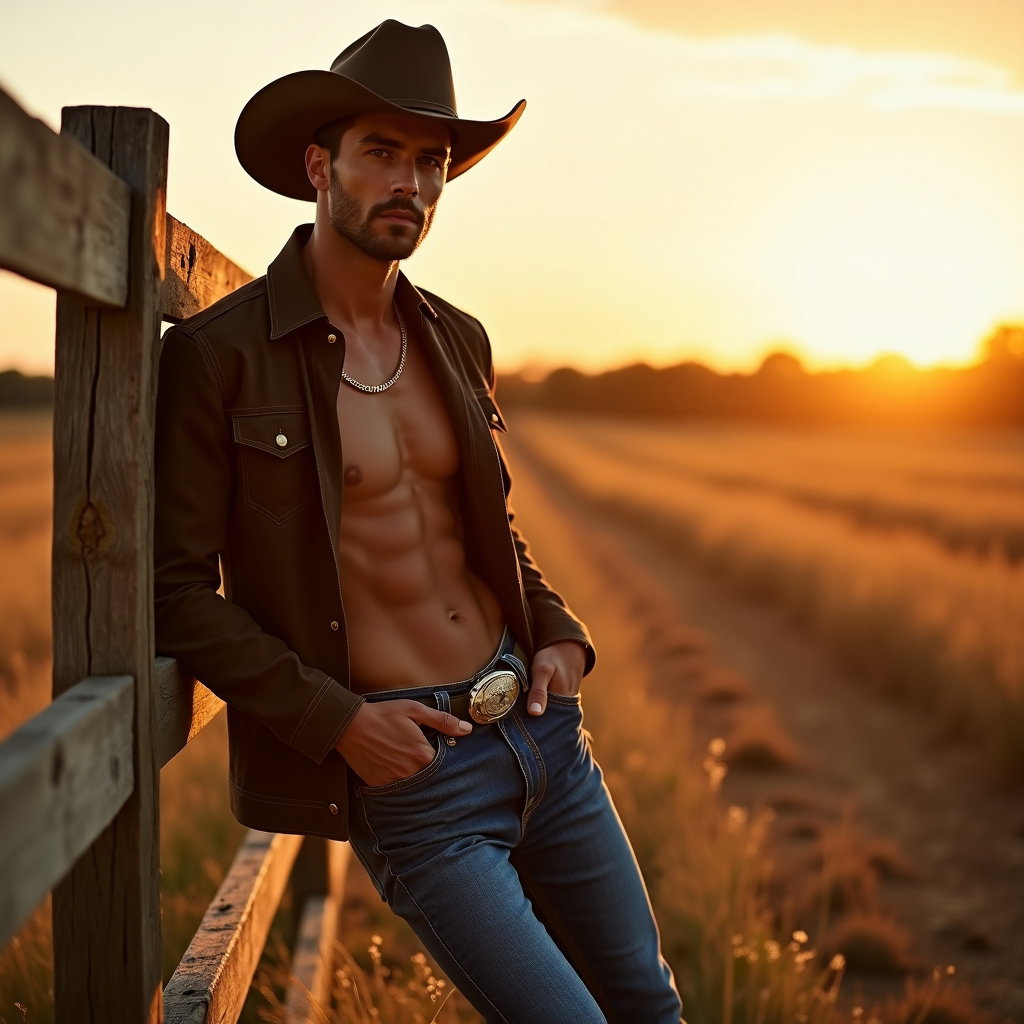
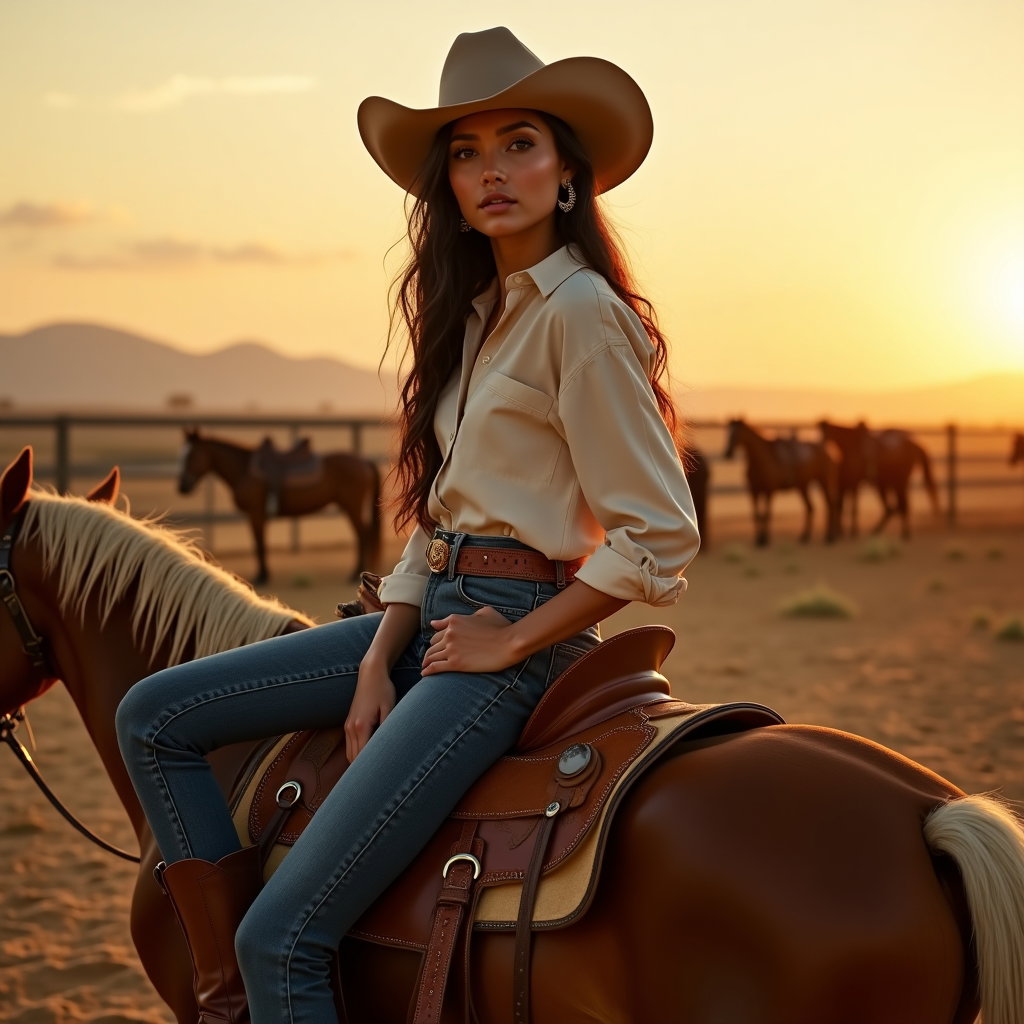
Warm sunset light is brutal in the best way. It makes denim richer. It makes skin warmer. It gives dust, hair, and fabric a glow that feels cinematic without extra tricks. If the goal is a western image with strong visual pull, golden hour is one of the easiest wins.
This look works because the light does a lot of correction for you. Harsh midday light can flatten the face and make textures ugly. Golden hour softens that. It adds depth and warmth while keeping the image strong. In AI work, this lighting setup can turn an average cowboy outfit into something that looks expensive and intentional.
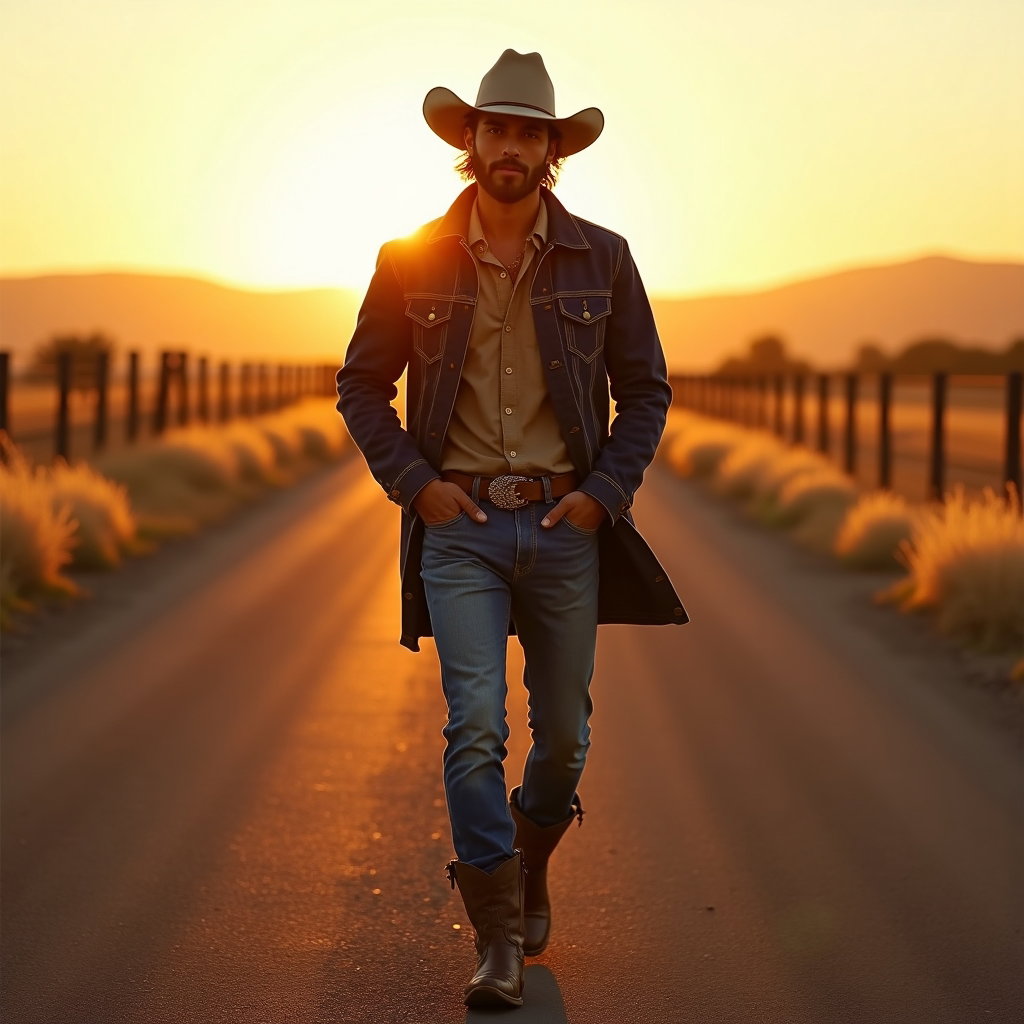
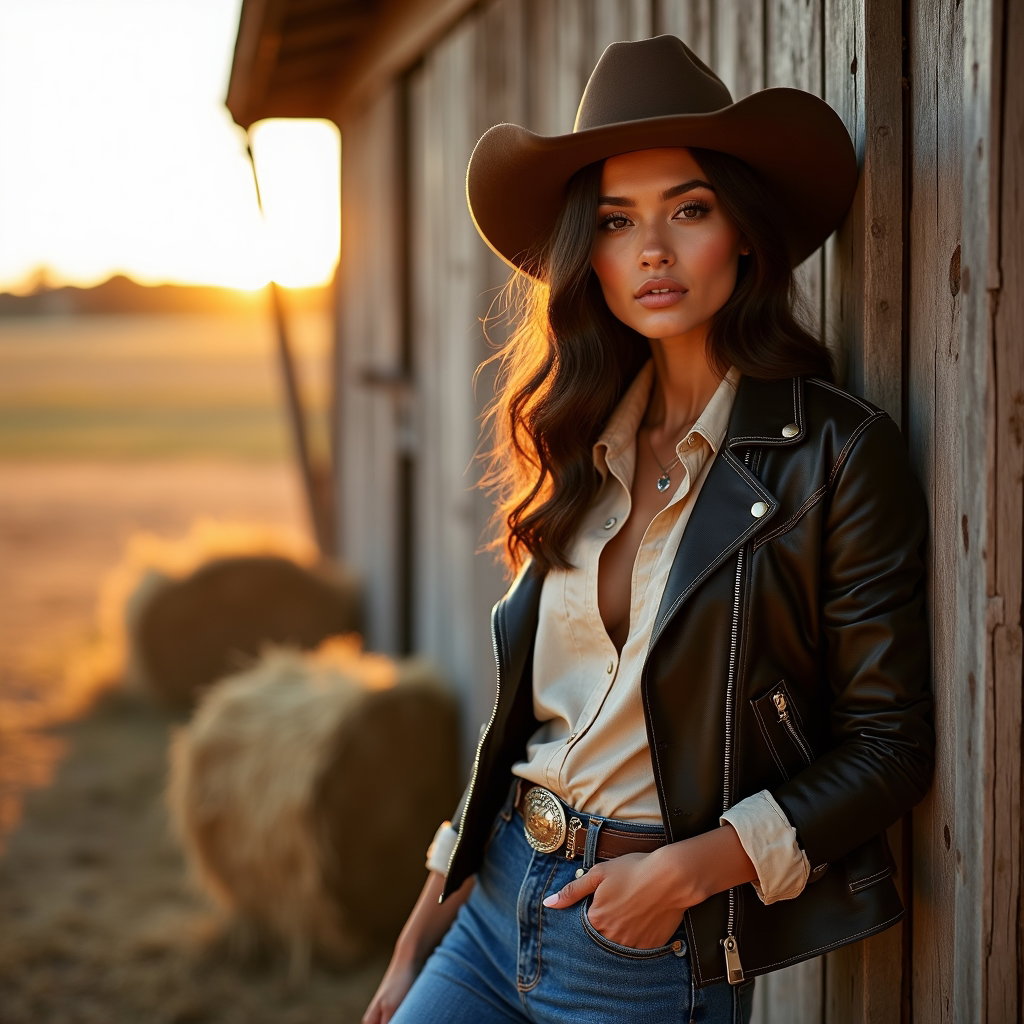
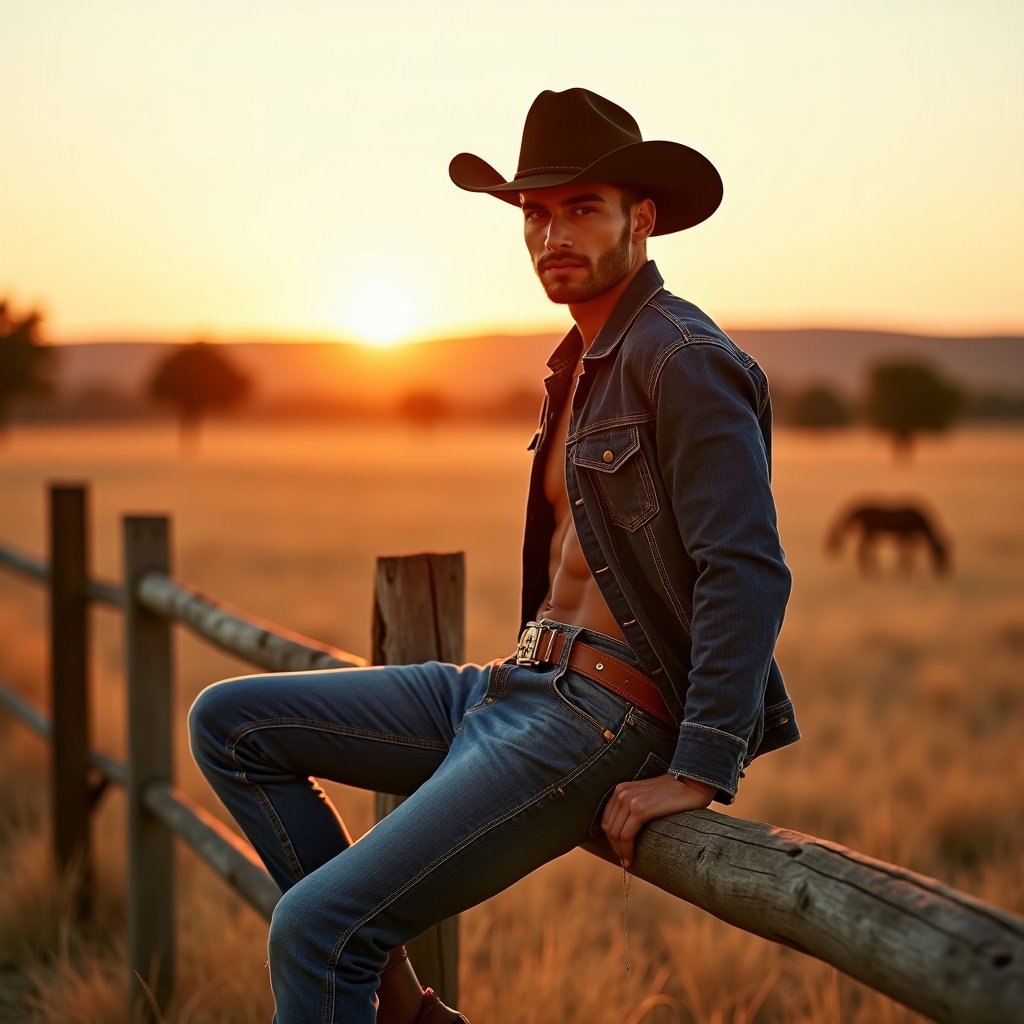
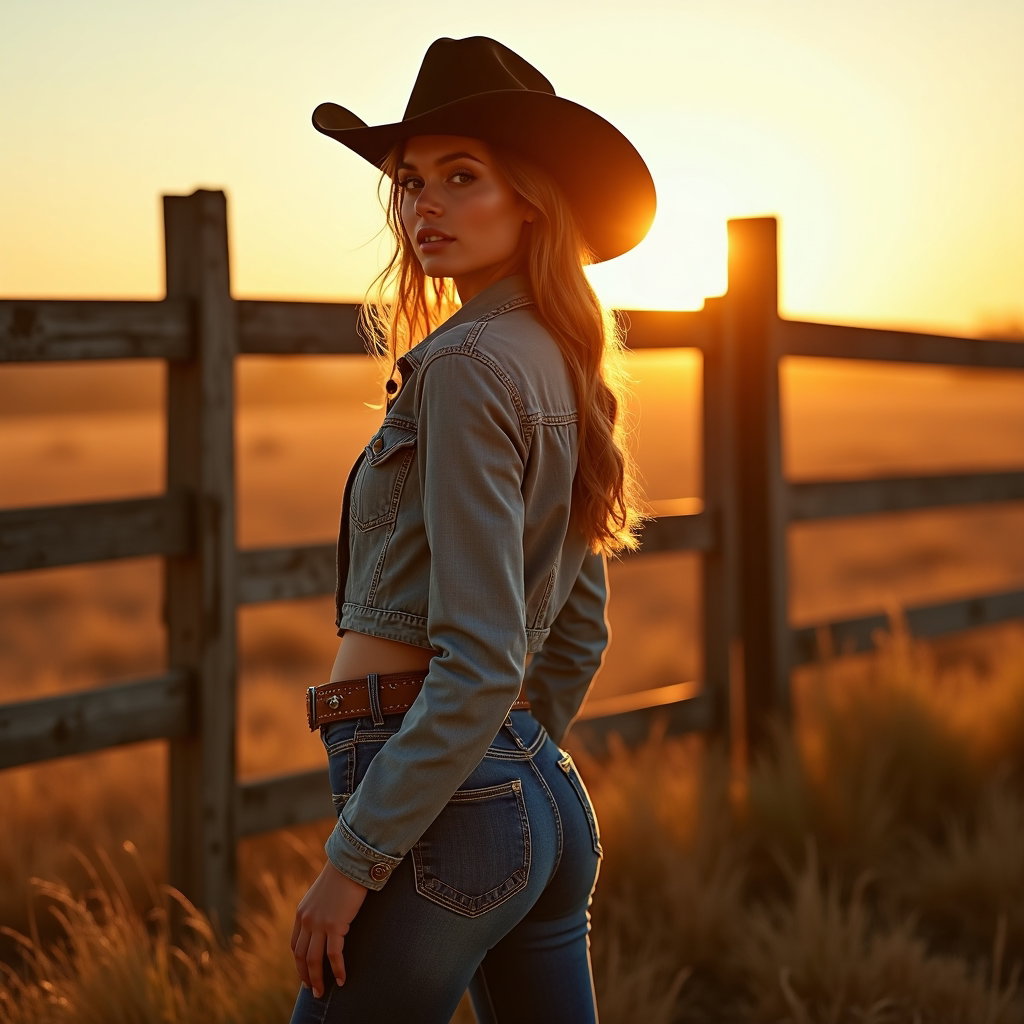
Click on a photo to make it real with your face
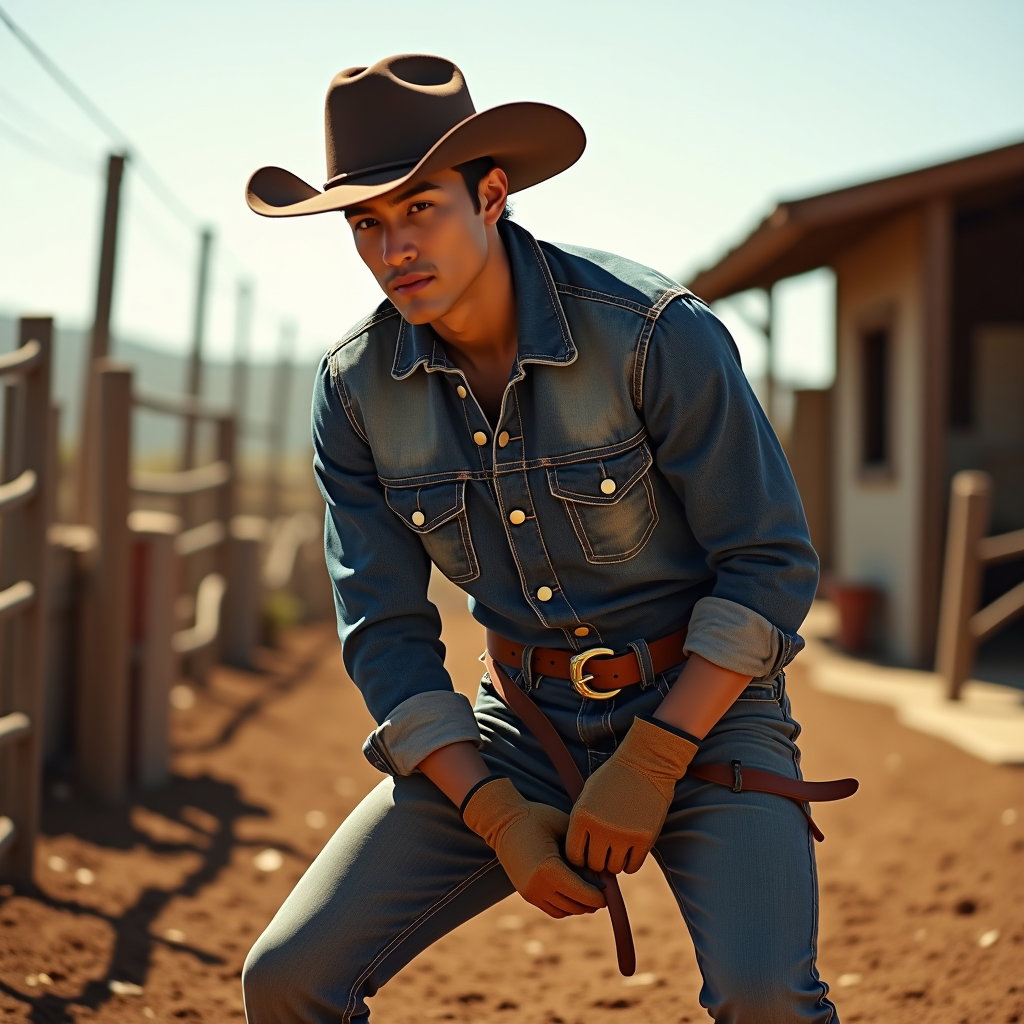
Rugged Workwear Action Portrait
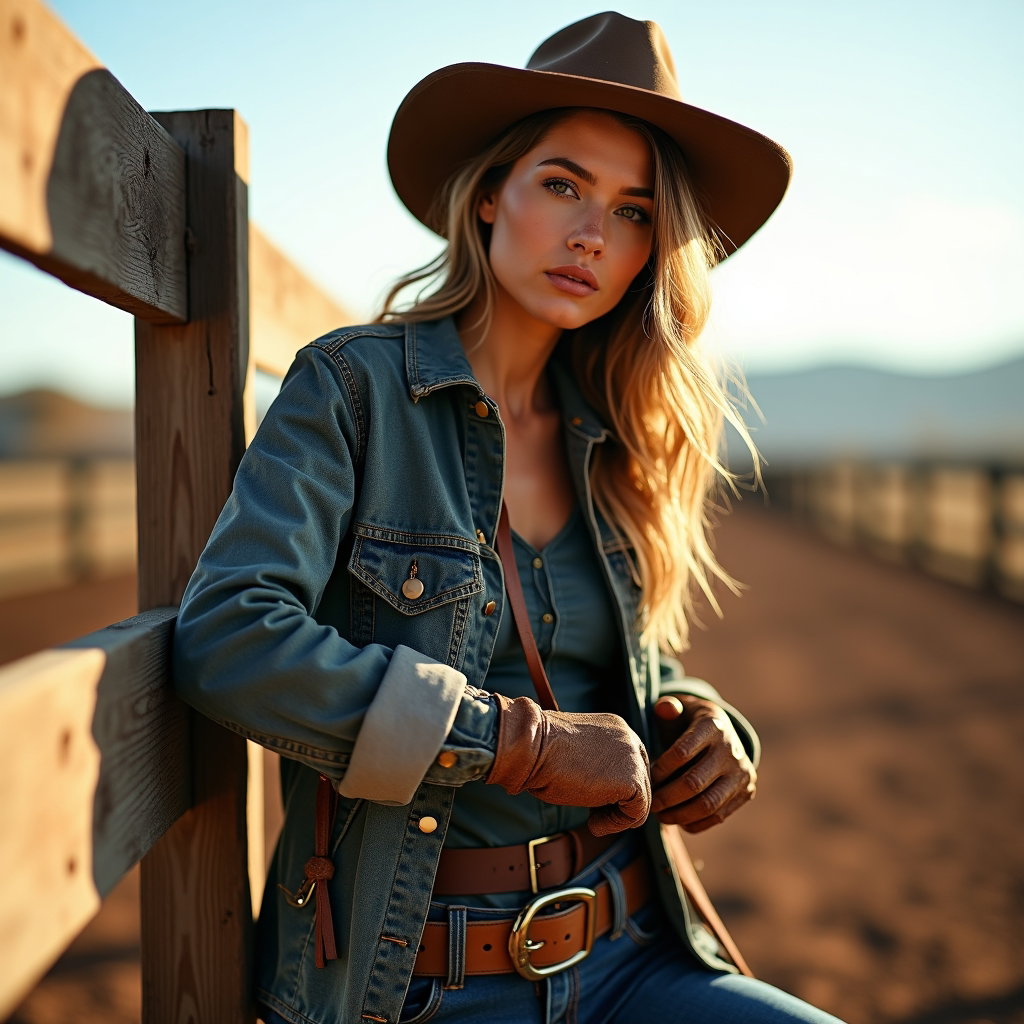
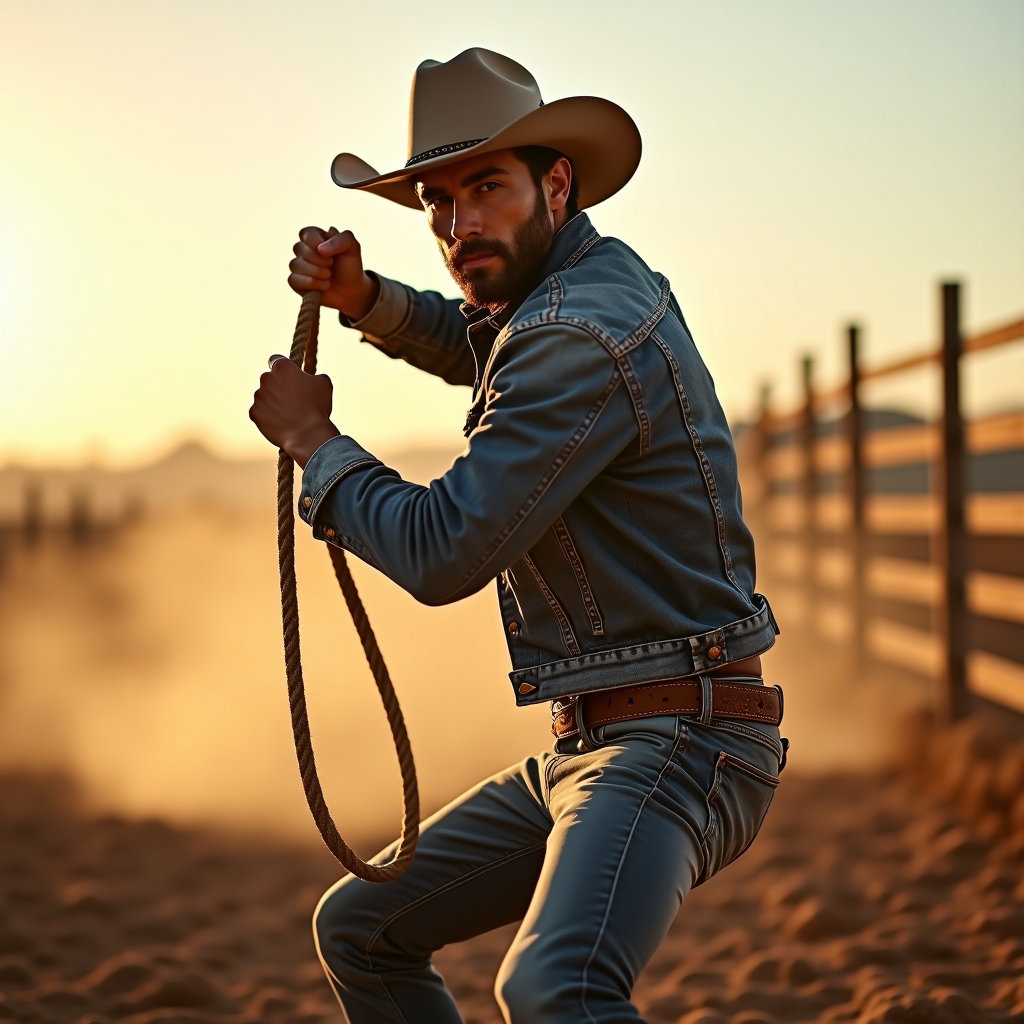
Static poses can feel fake fast. Small actions fix that. Adjusting gloves, gripping a belt, rolling sleeves, or checking the horizon adds purpose. The person looks busy, capable, and real. That is exactly what western style needs. Motion, even small motion, gives the image truth.
For AI photo generation, micro-actions are powerful because they create believable body language. They also help avoid the common “standing there doing nothing” problem. Keep the action simple and clean. Too much movement can confuse the frame. One strong action is enough to make the image feel lived-in.
Click on any photo to make it yours
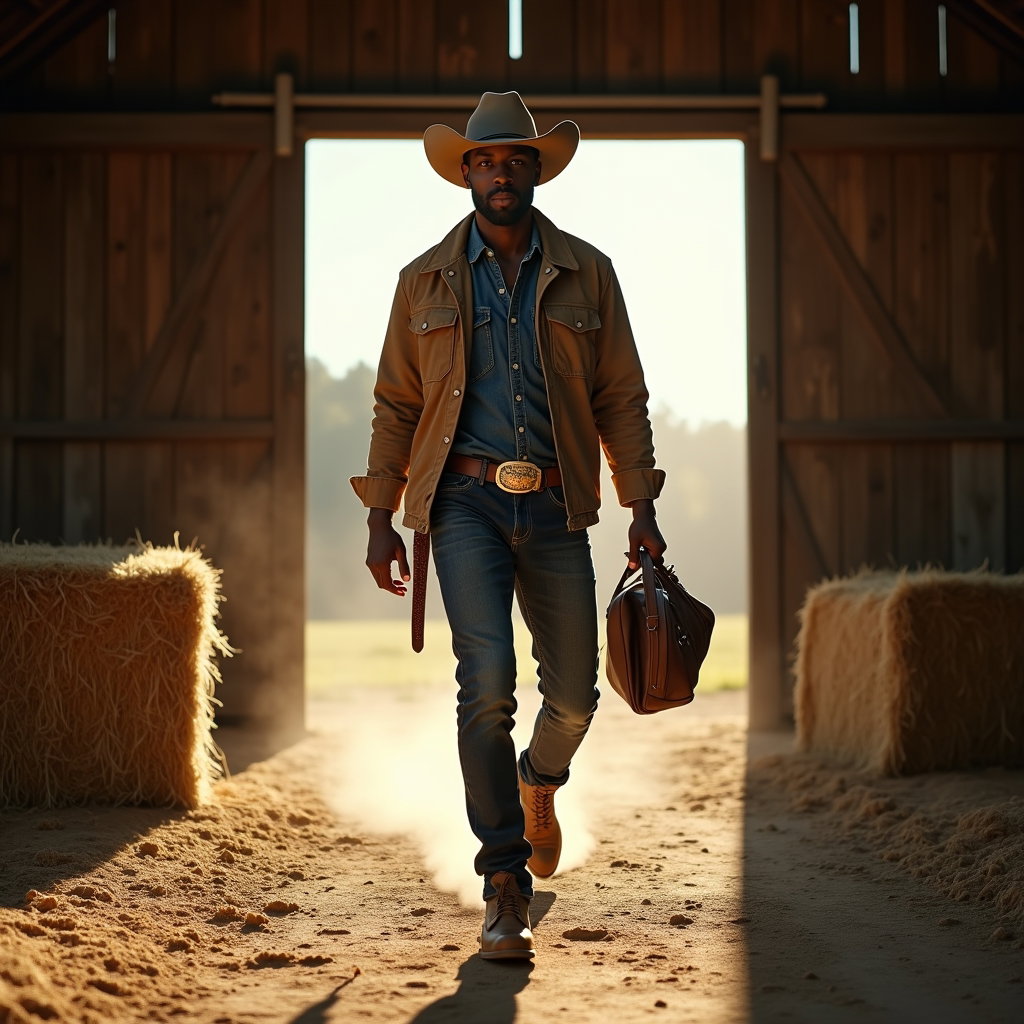
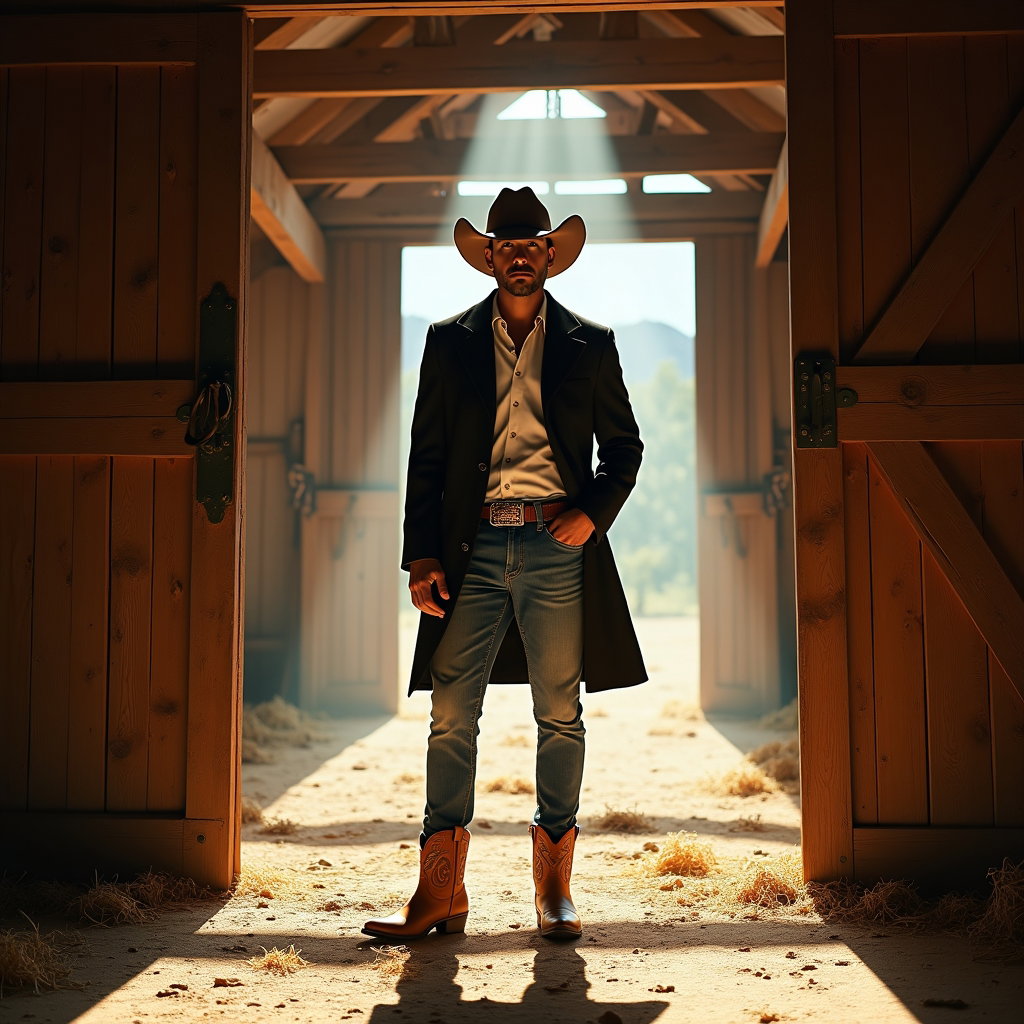
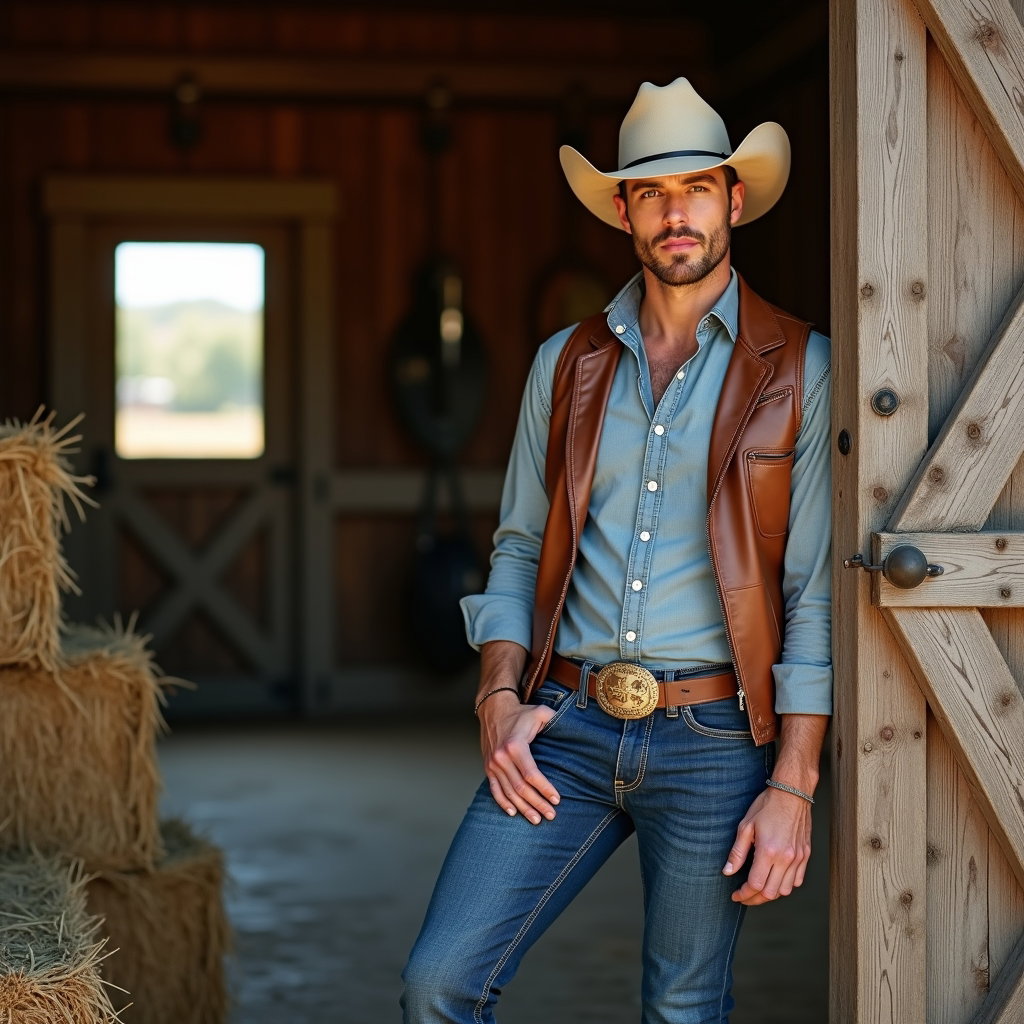
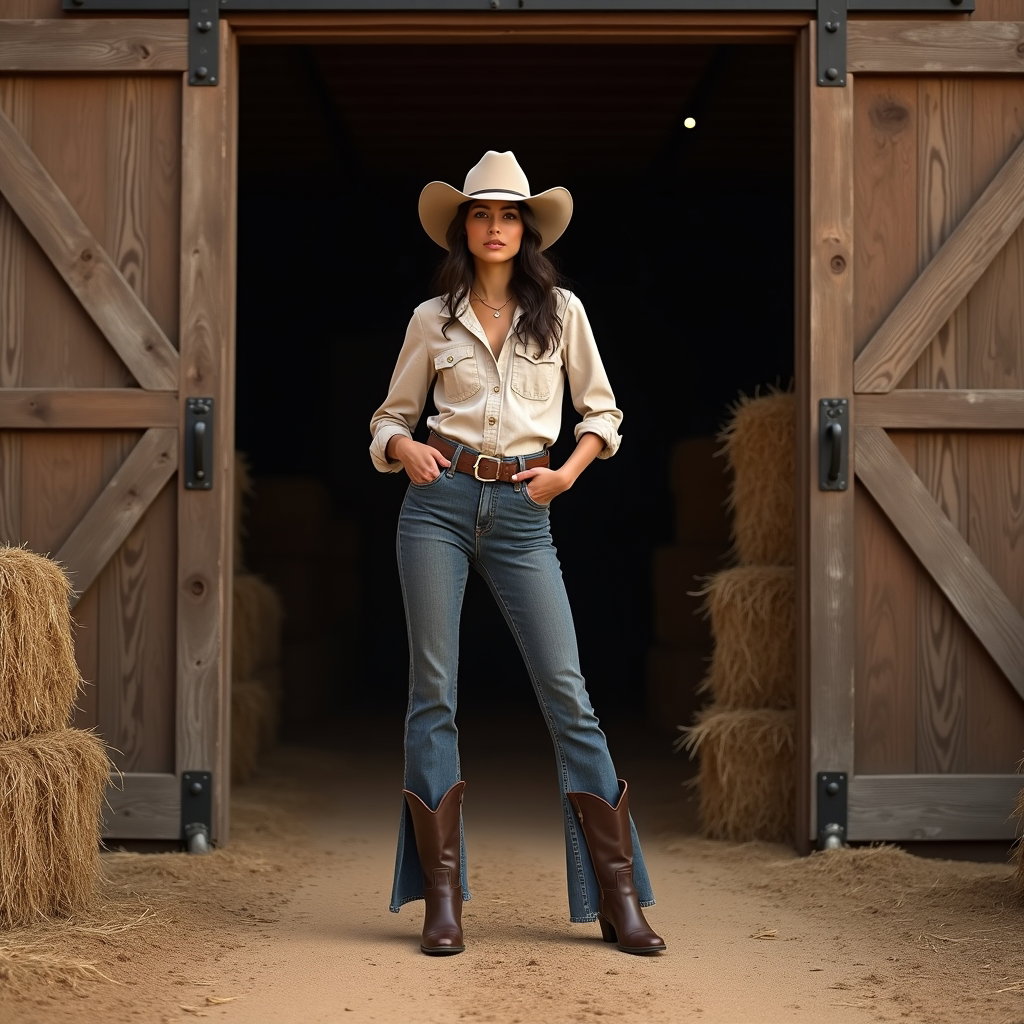
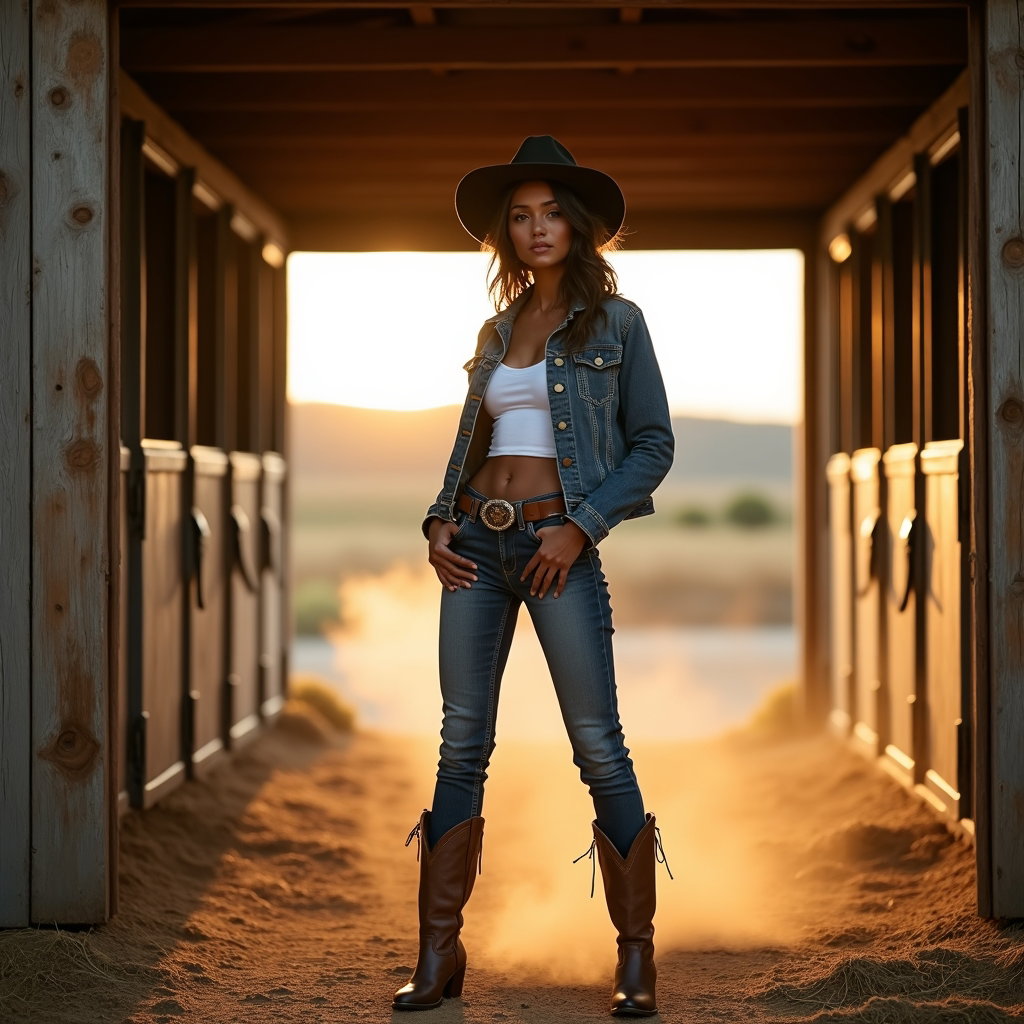
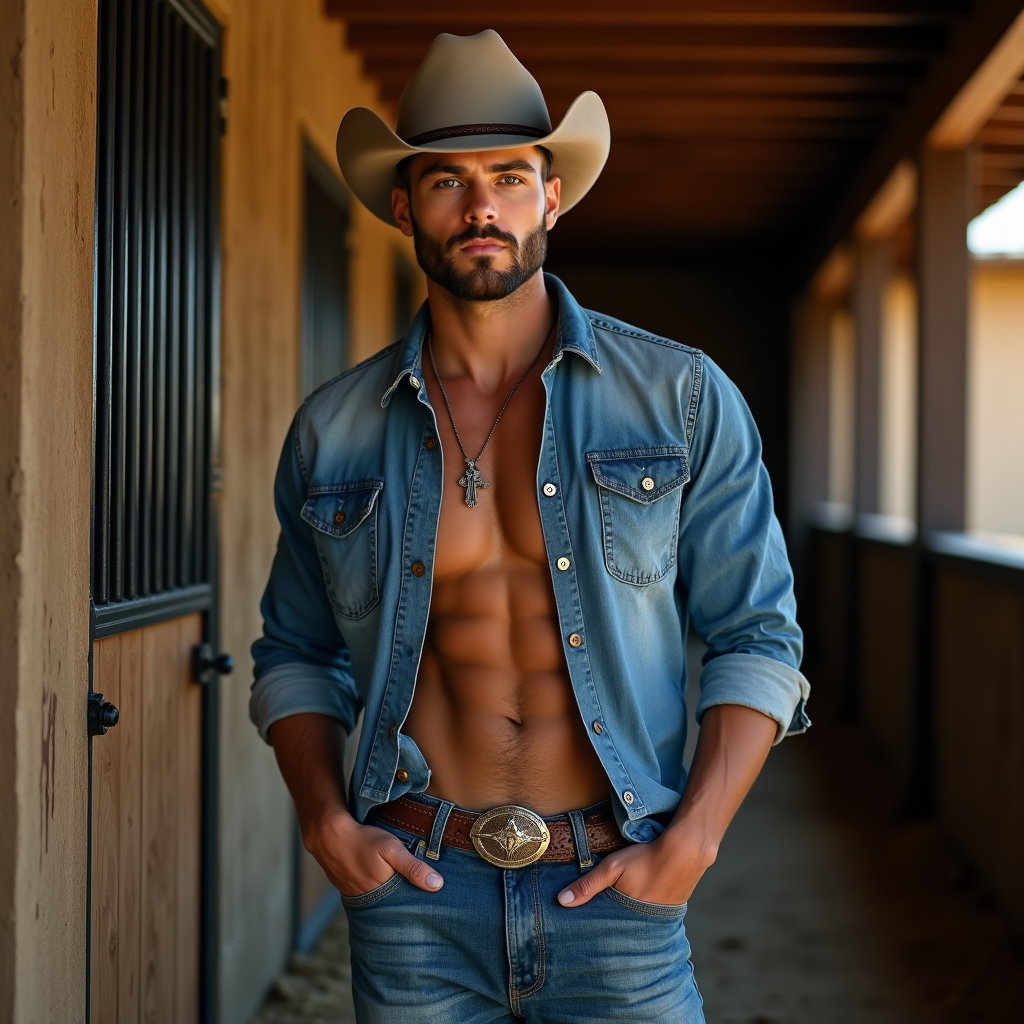
Barn Door or Stable Portrait
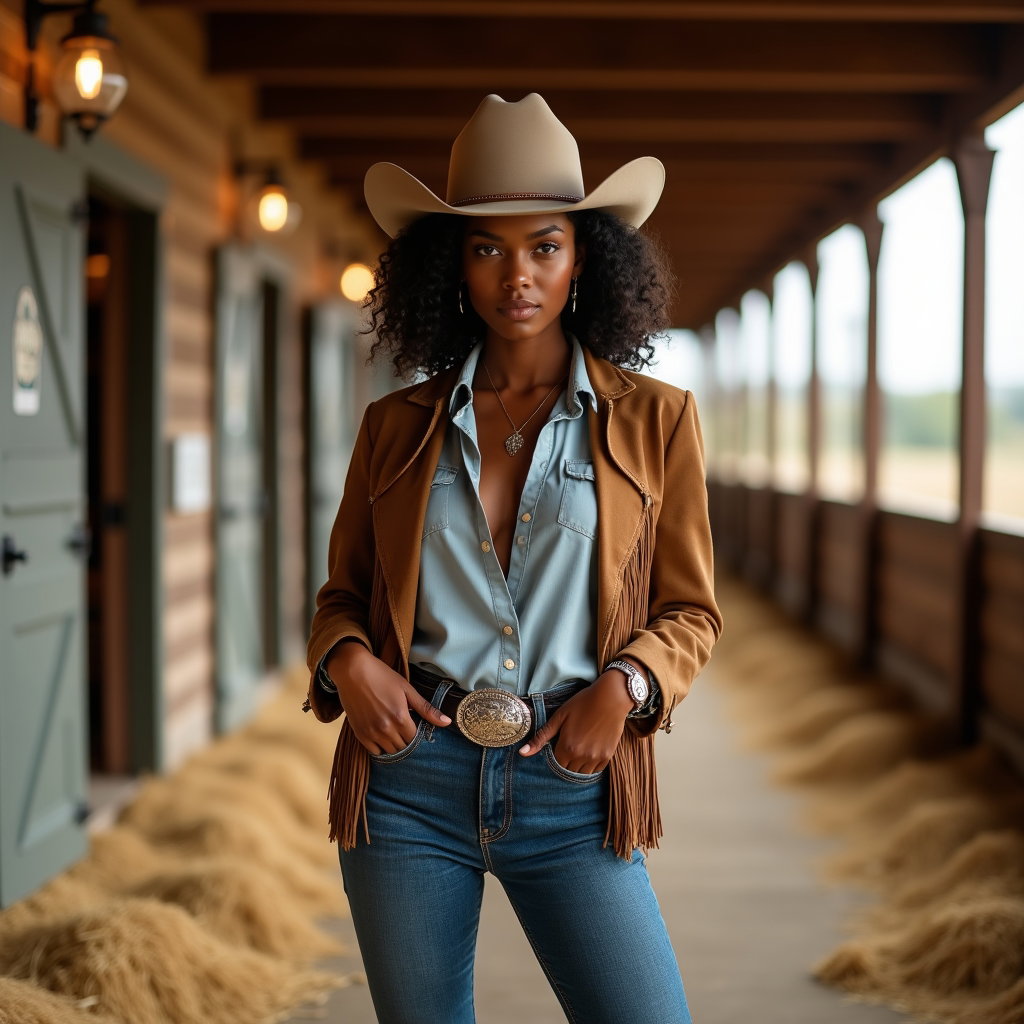
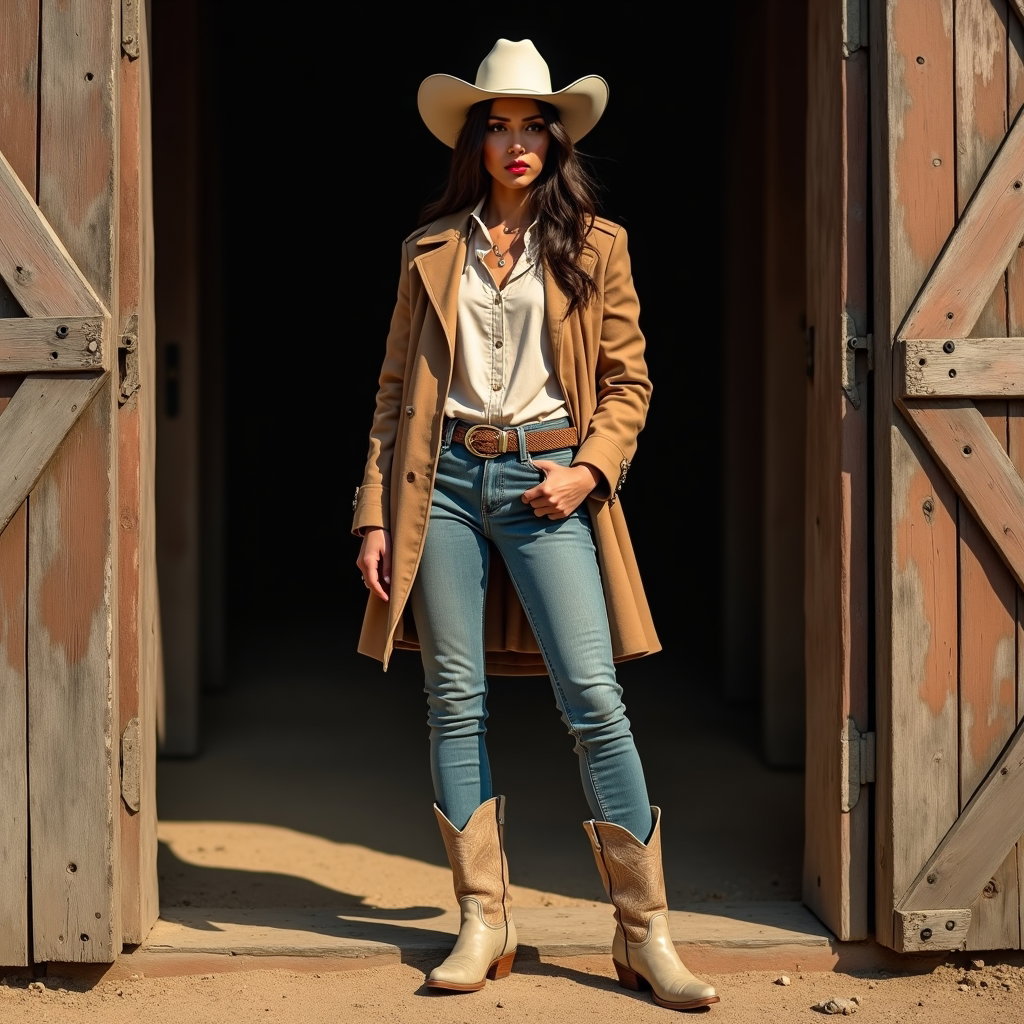
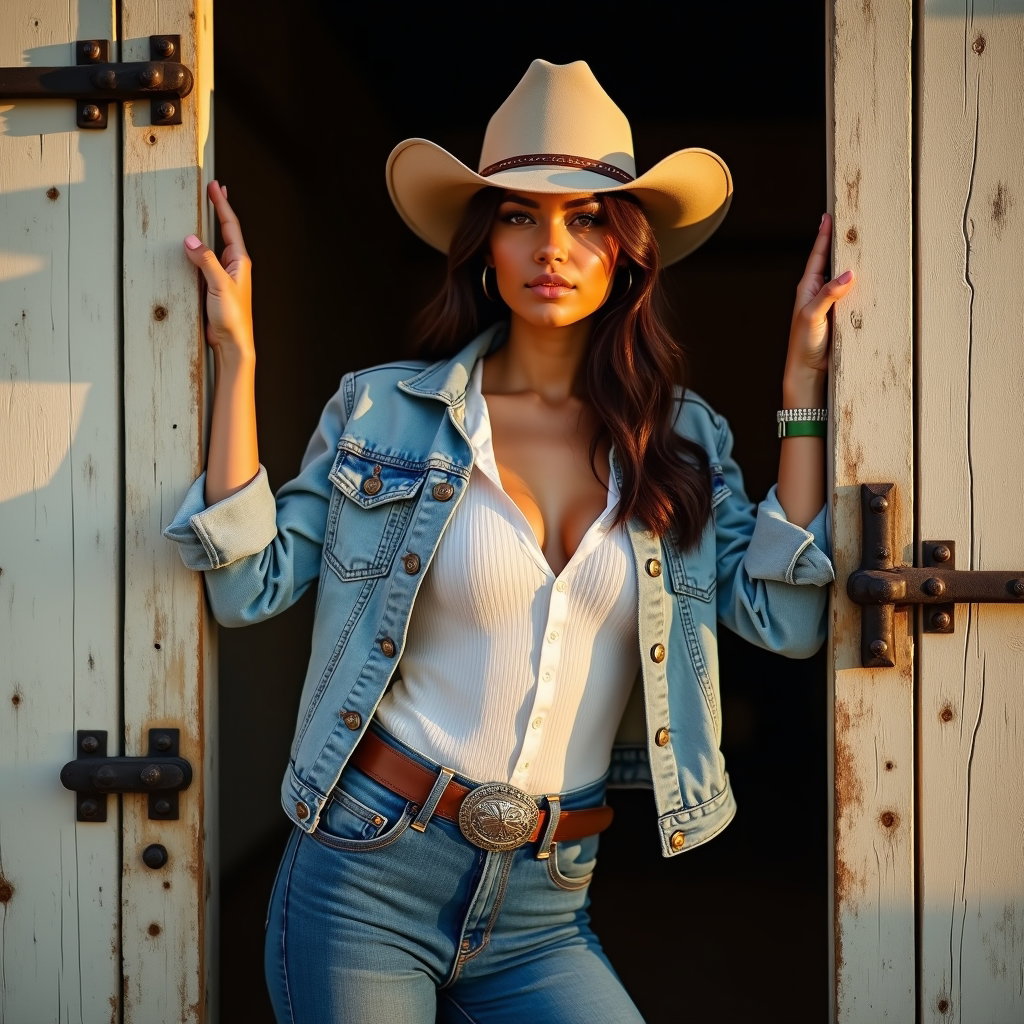
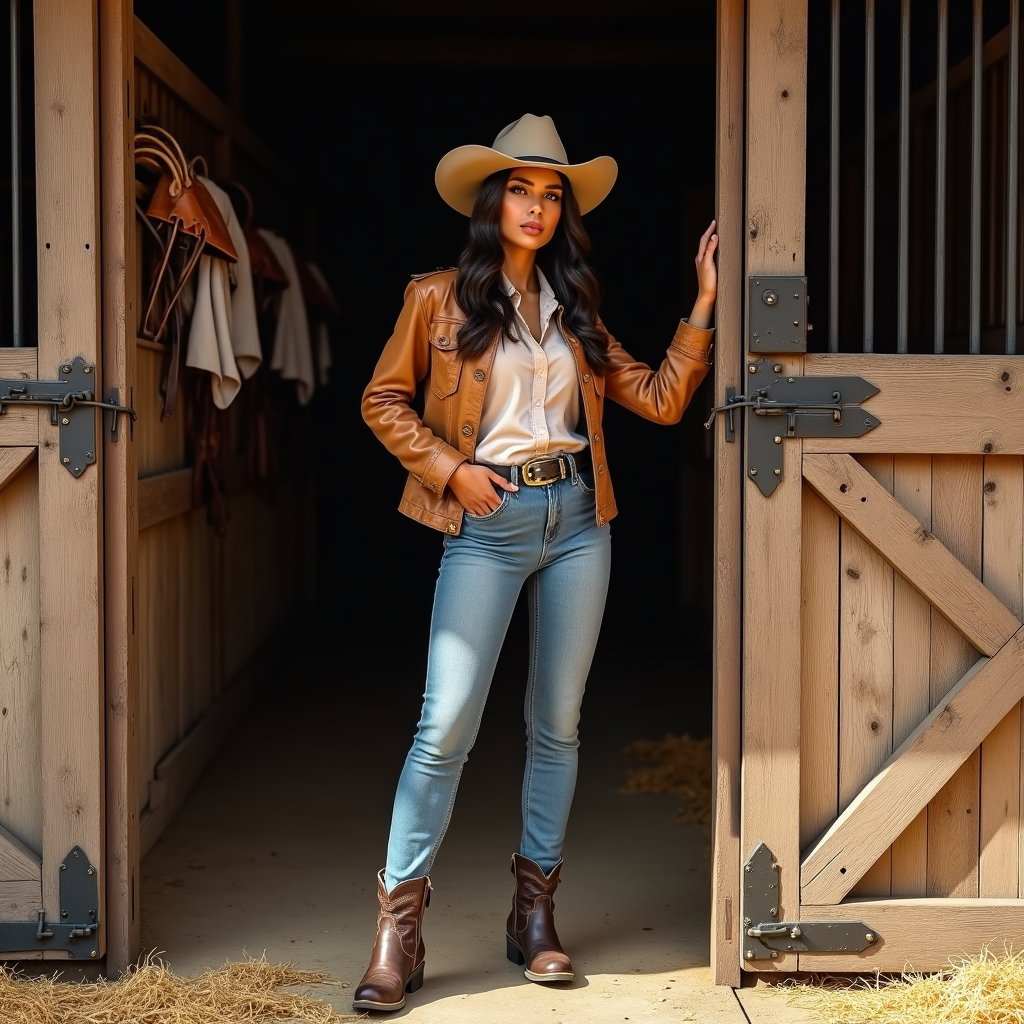
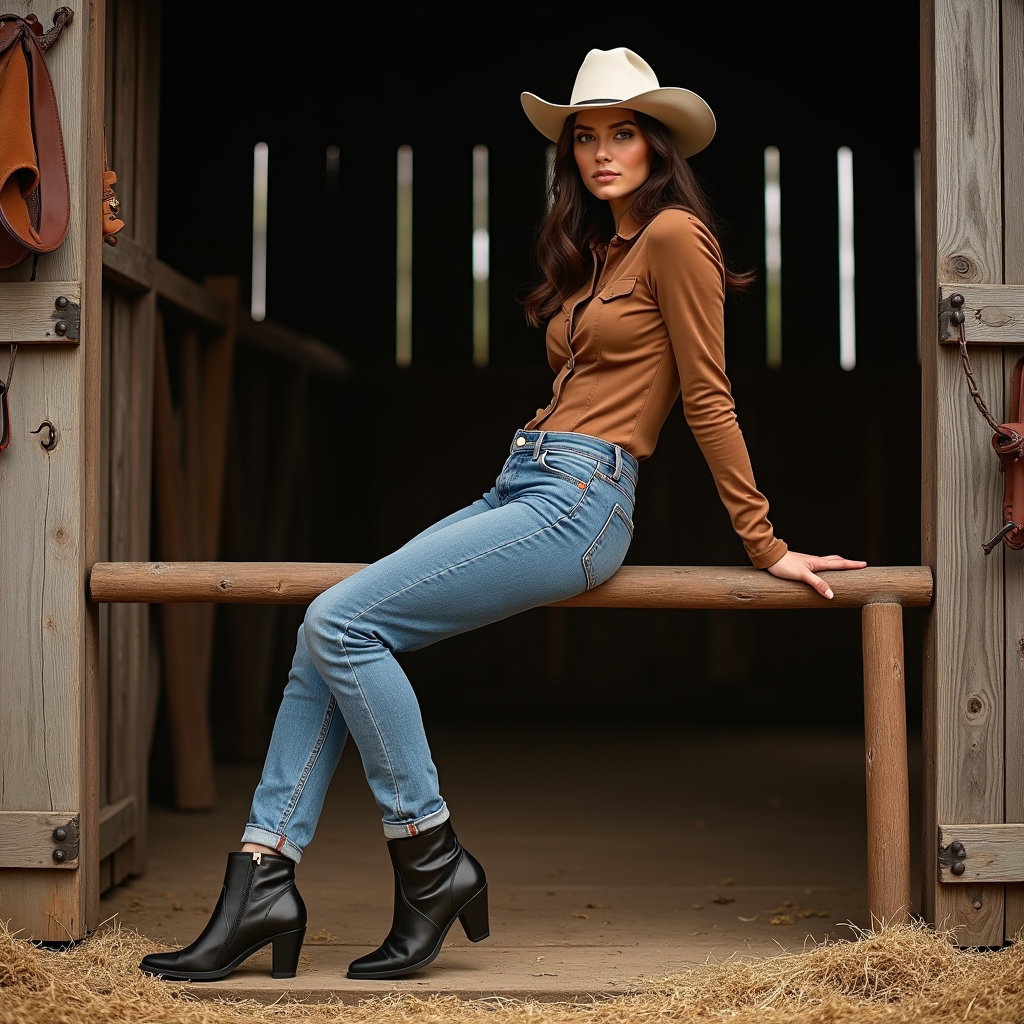
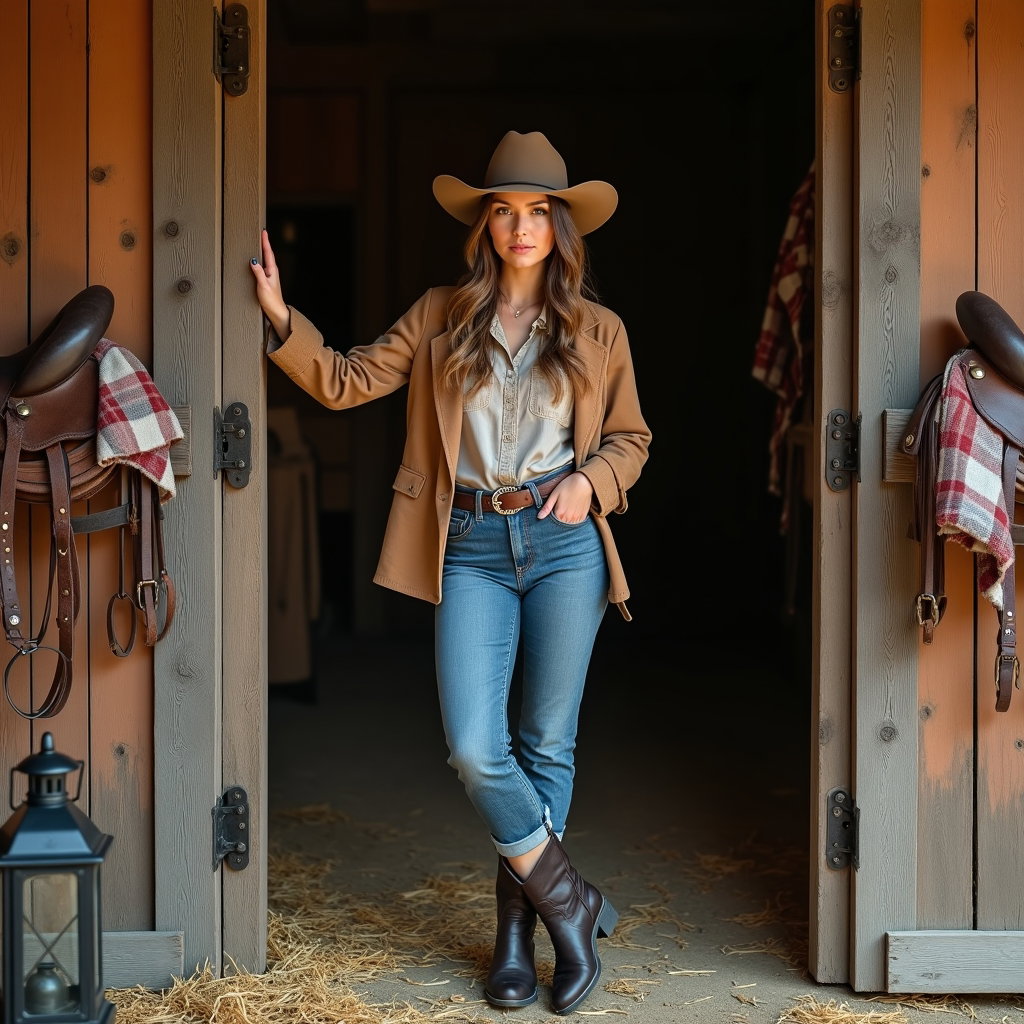
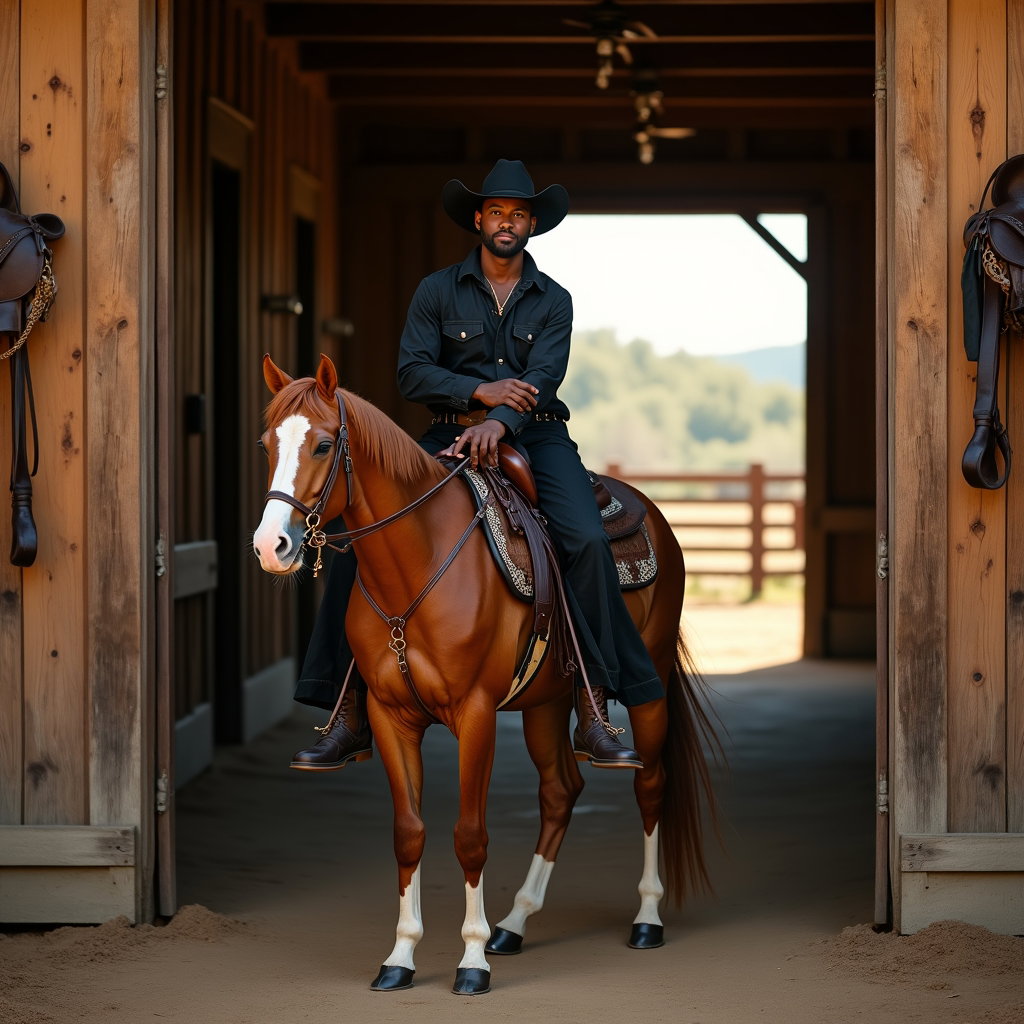
This is one of the fastest ways to lock in western context. A barn door or stable entrance frames the subject and places them in a believable setting. It gives shape around the body and keeps the viewer focused on the person. The background supports the look instead of fighting it.
This setup works because the environment is simple and readable. Wood texture, weathered boards, and open doorway shadows create instant ranch energy. In AI generation, that matters a lot. You want backgrounds that are easy for the model to render well. Barn structures are strong, clear, and visually useful.
Click on a photo to try your face in it
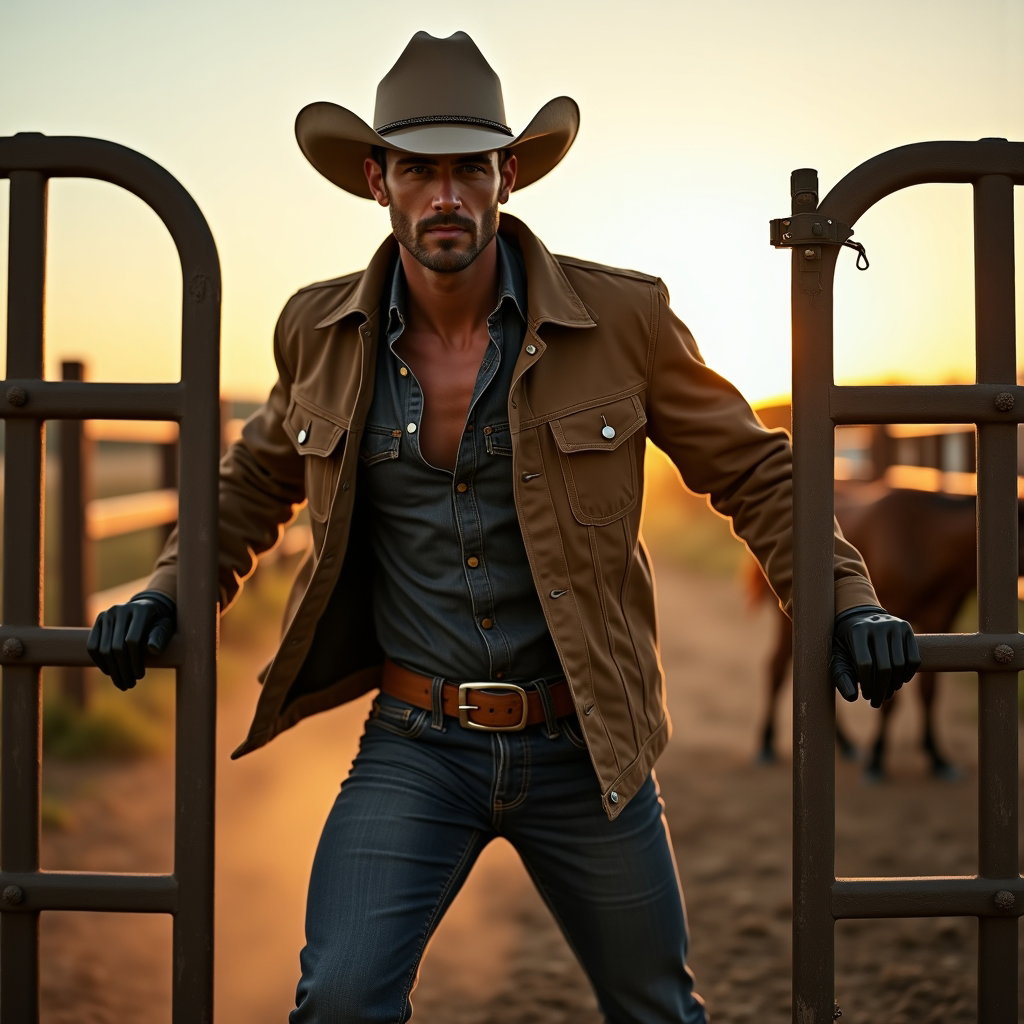
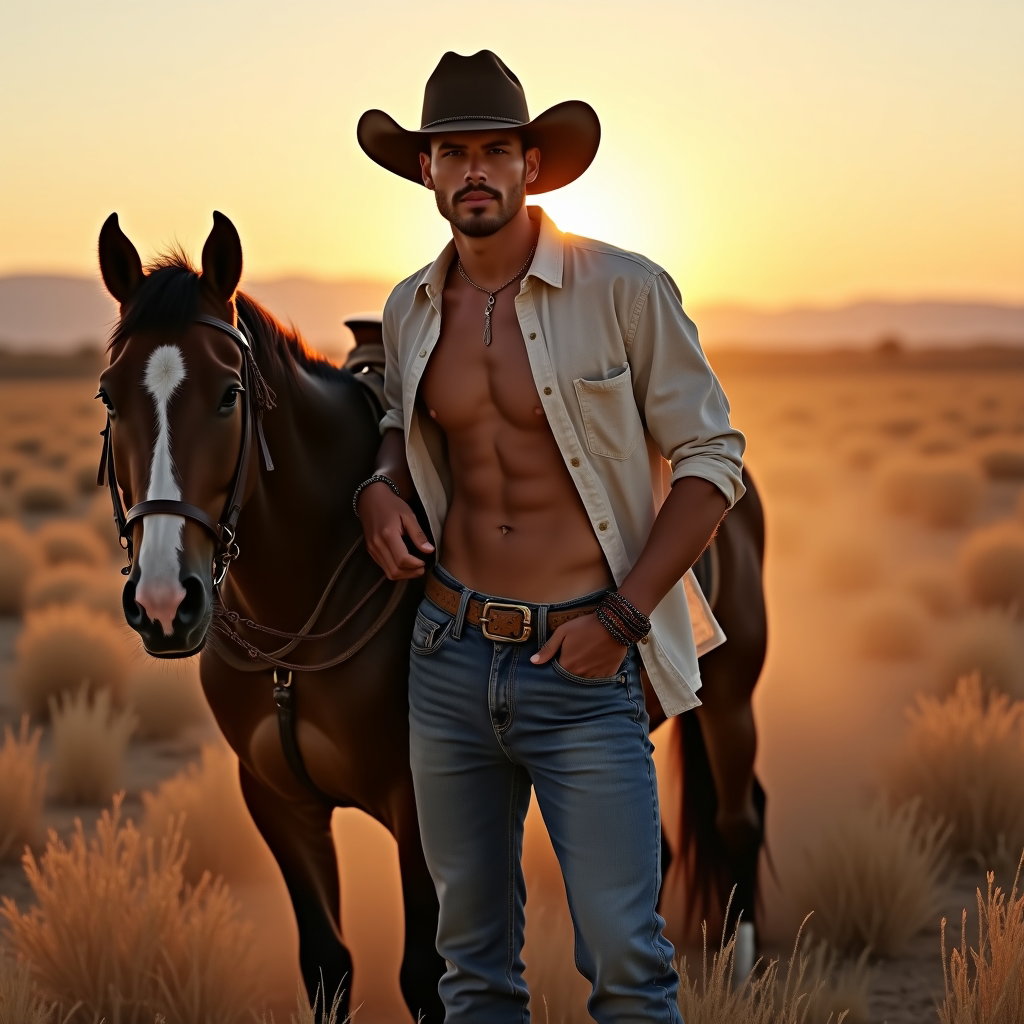
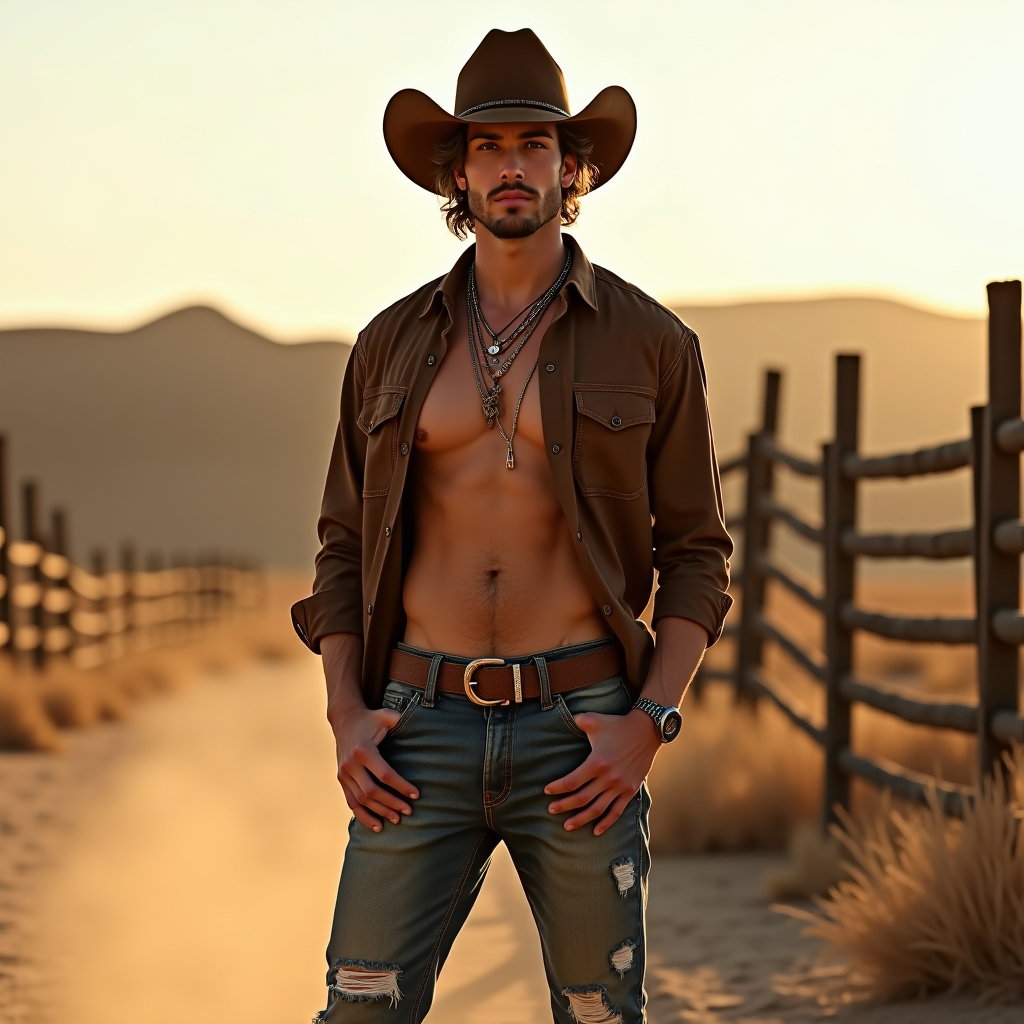
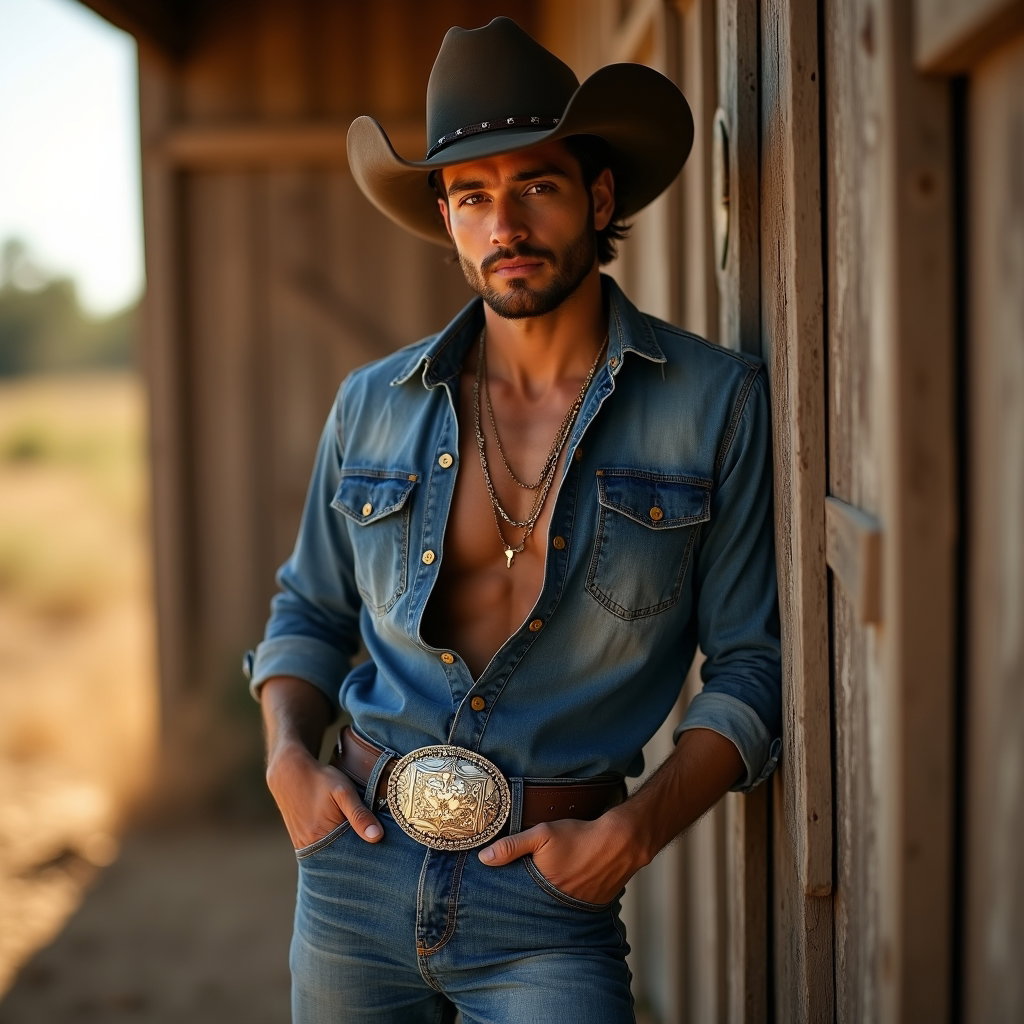
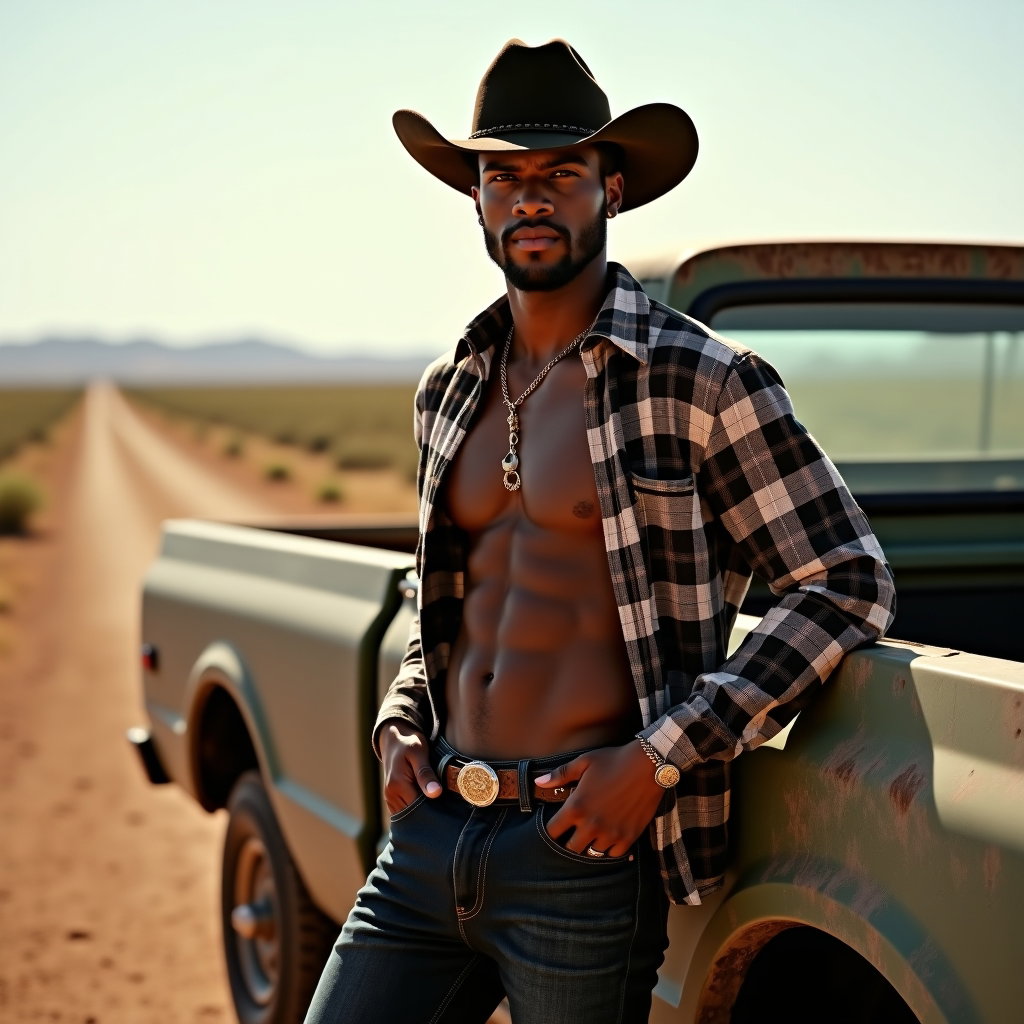
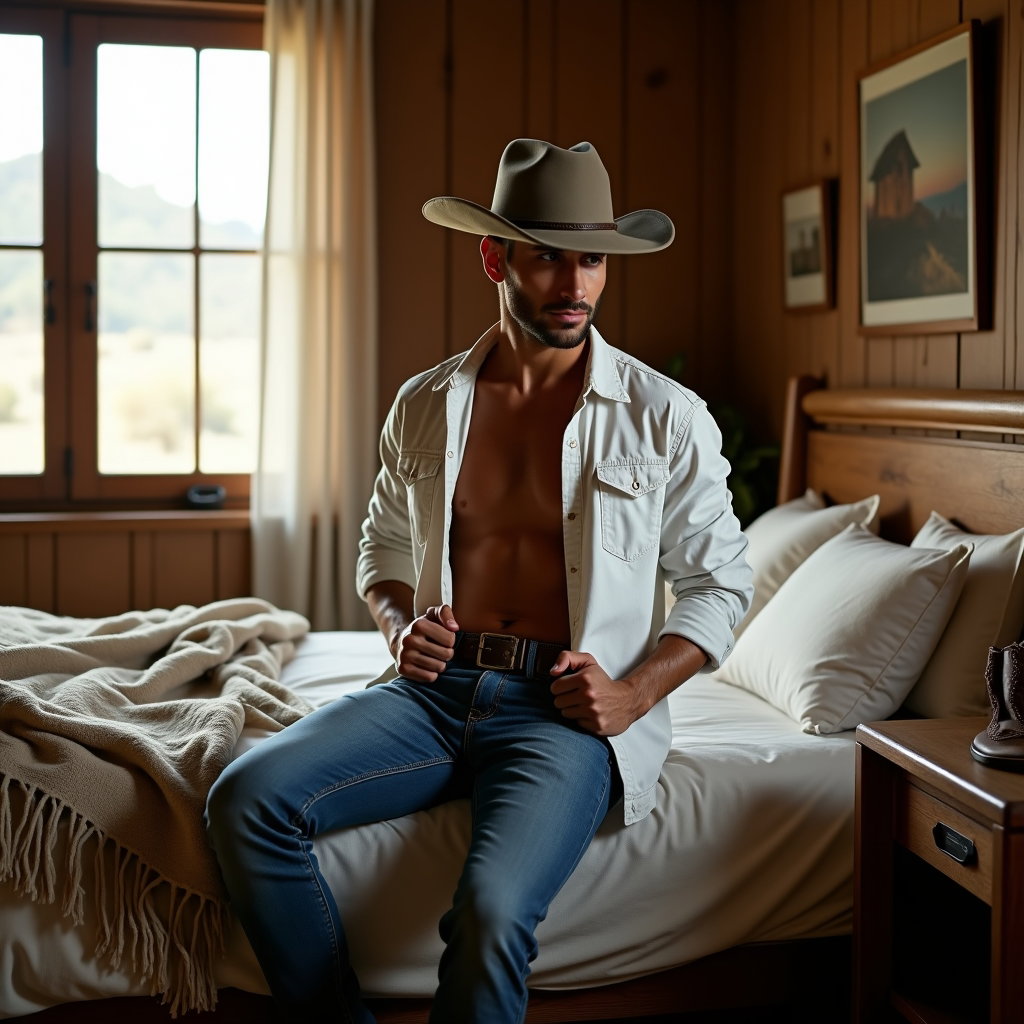
Open-Shirt or Rugged Appeal Shot
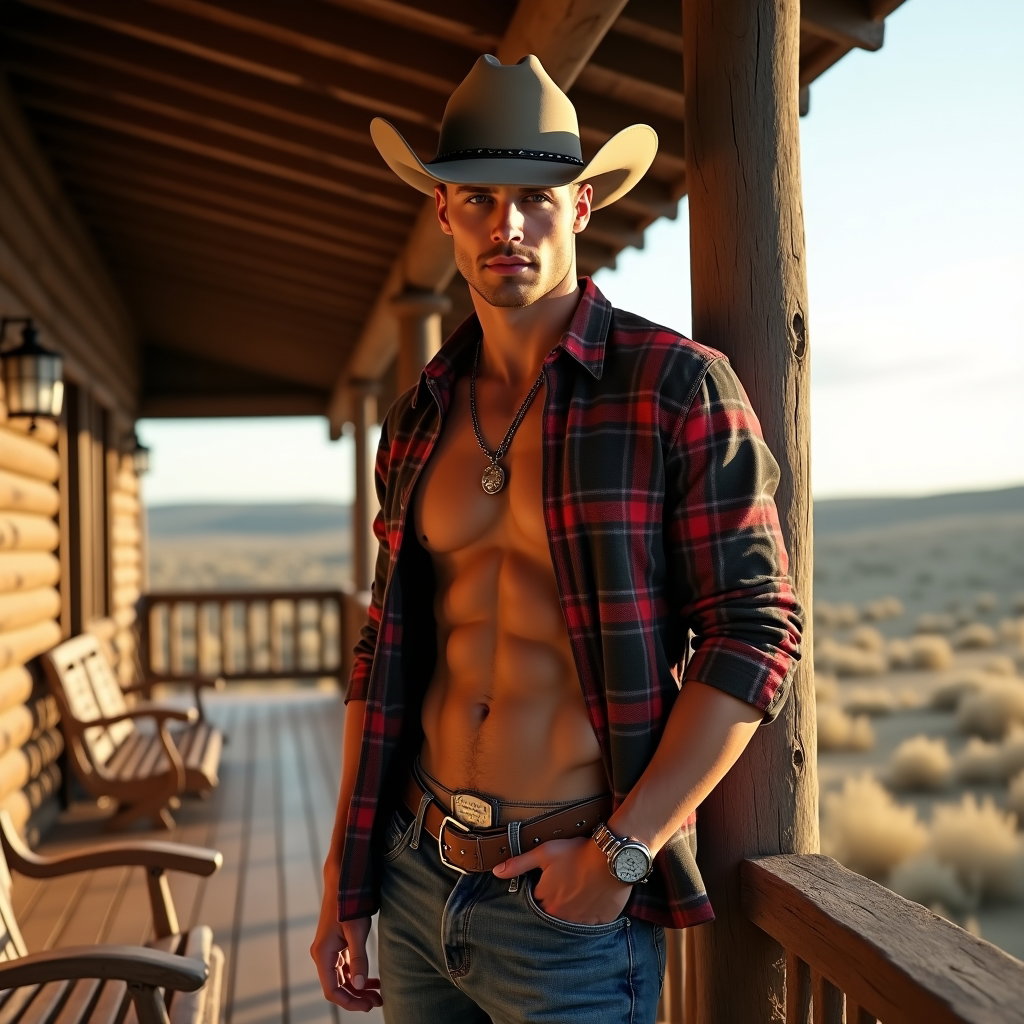
This one works when the goal includes confidence, style, and physical presence. A slightly open flannel or shirt creates shape at the chest and neck. It adds edge. It also stops the outfit from looking too stiff or overly clean. Western style gets stronger when it feels worn, relaxed, and sure of itself.
The key is control. Slightly open works. Too much exposure can break the rugged tone and make the image feel forced. Strong posture, fitted denim, and direct body language keep the shot grounded. In real-world terms, this is a high-impact option because it combines cowboy styling with clear visual attraction.
Click on any photo to make it yours
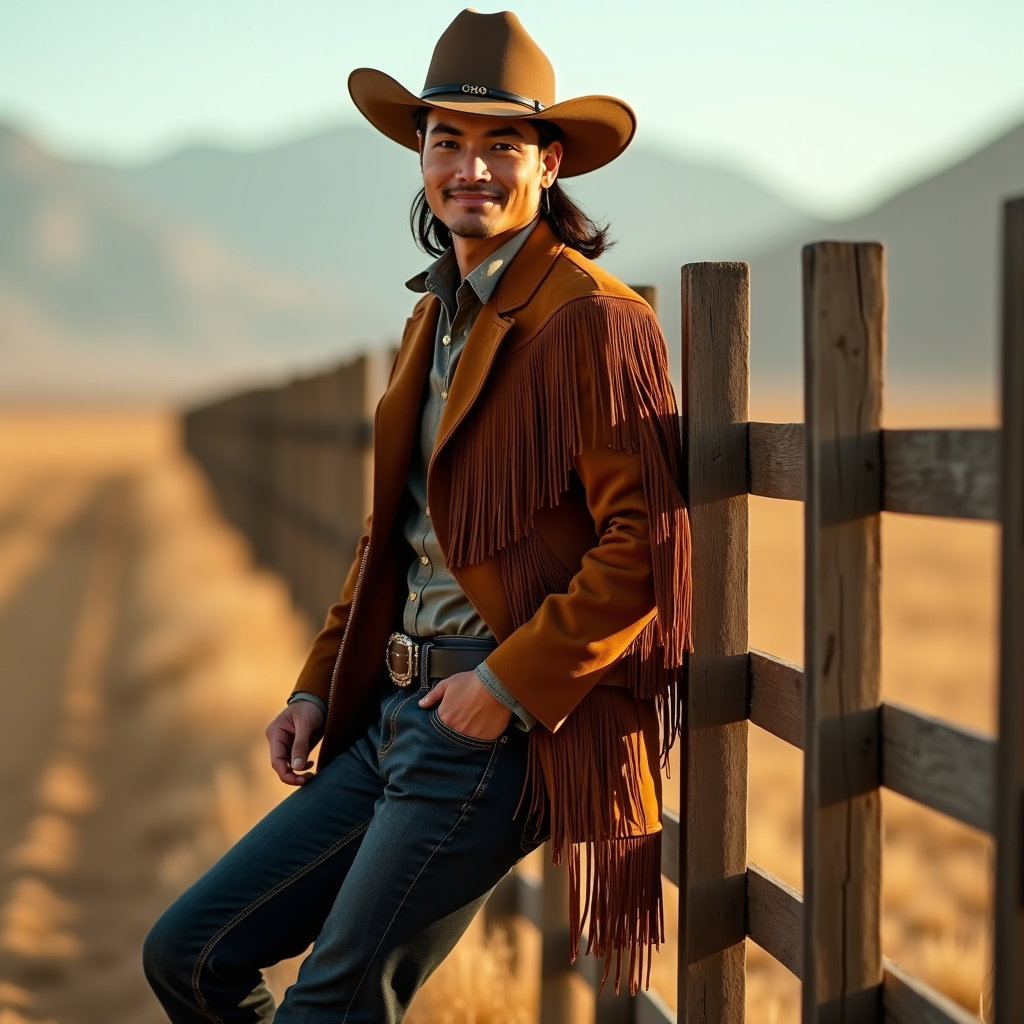
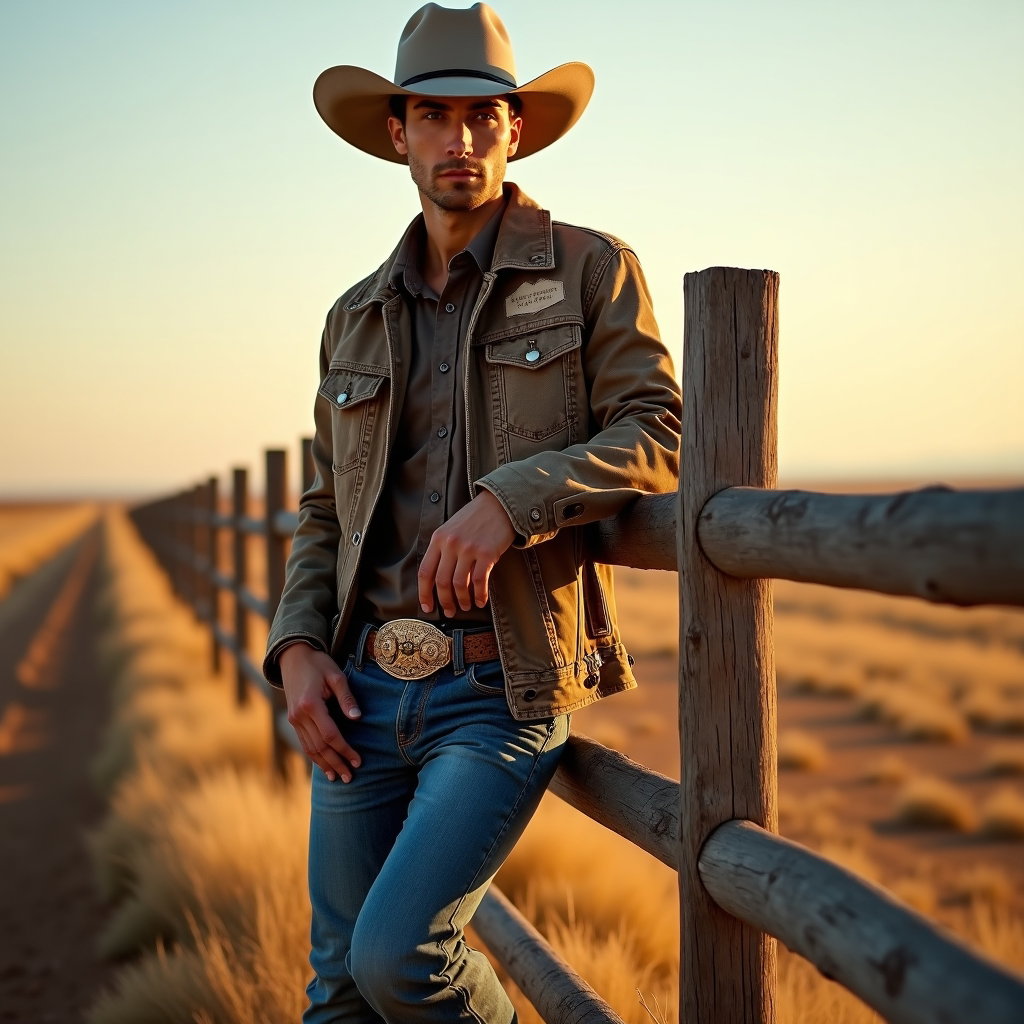
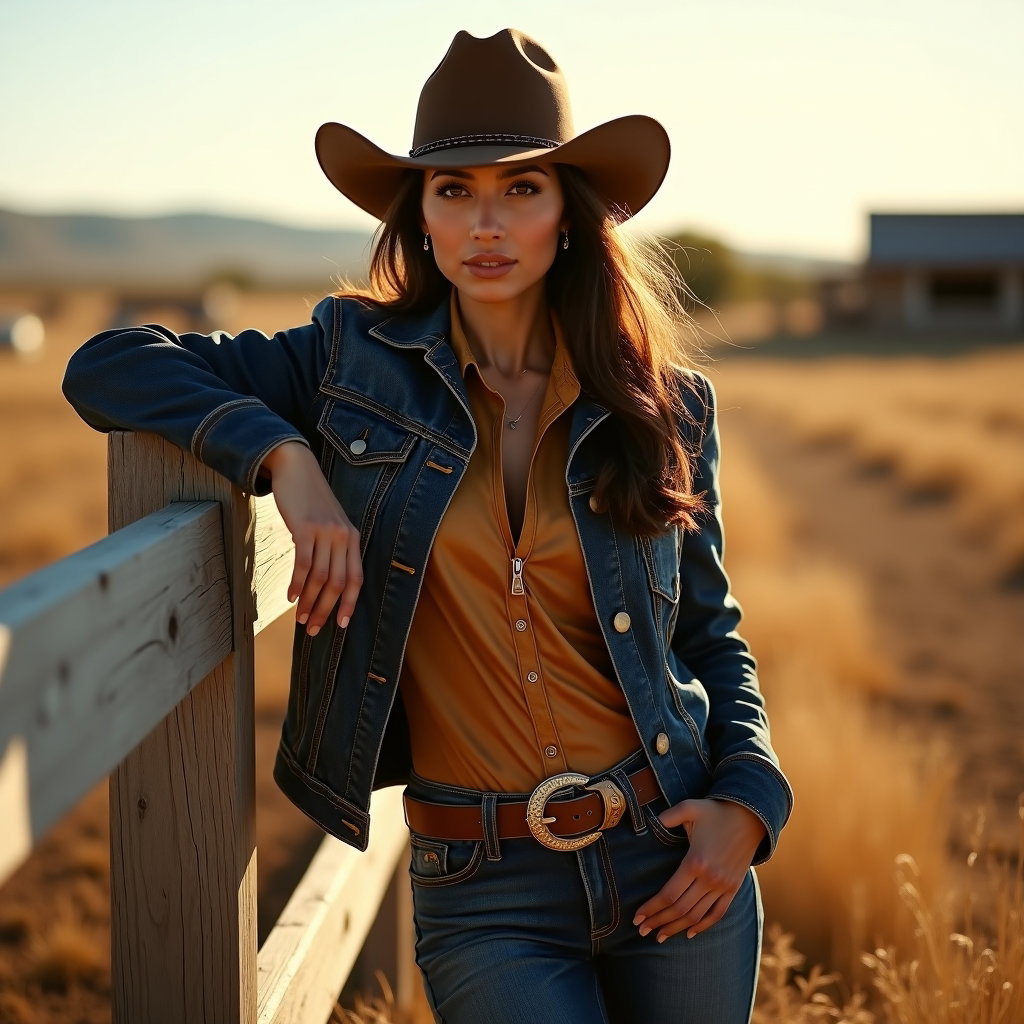
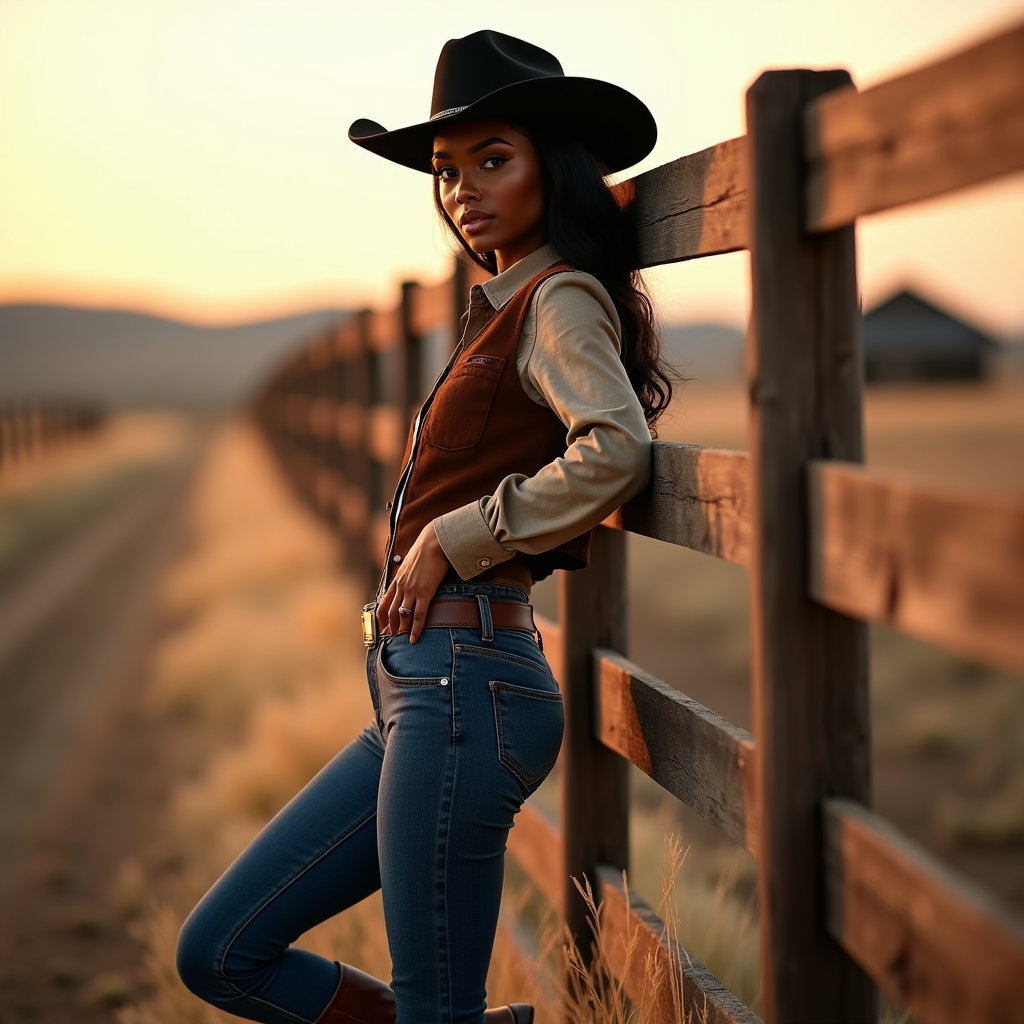
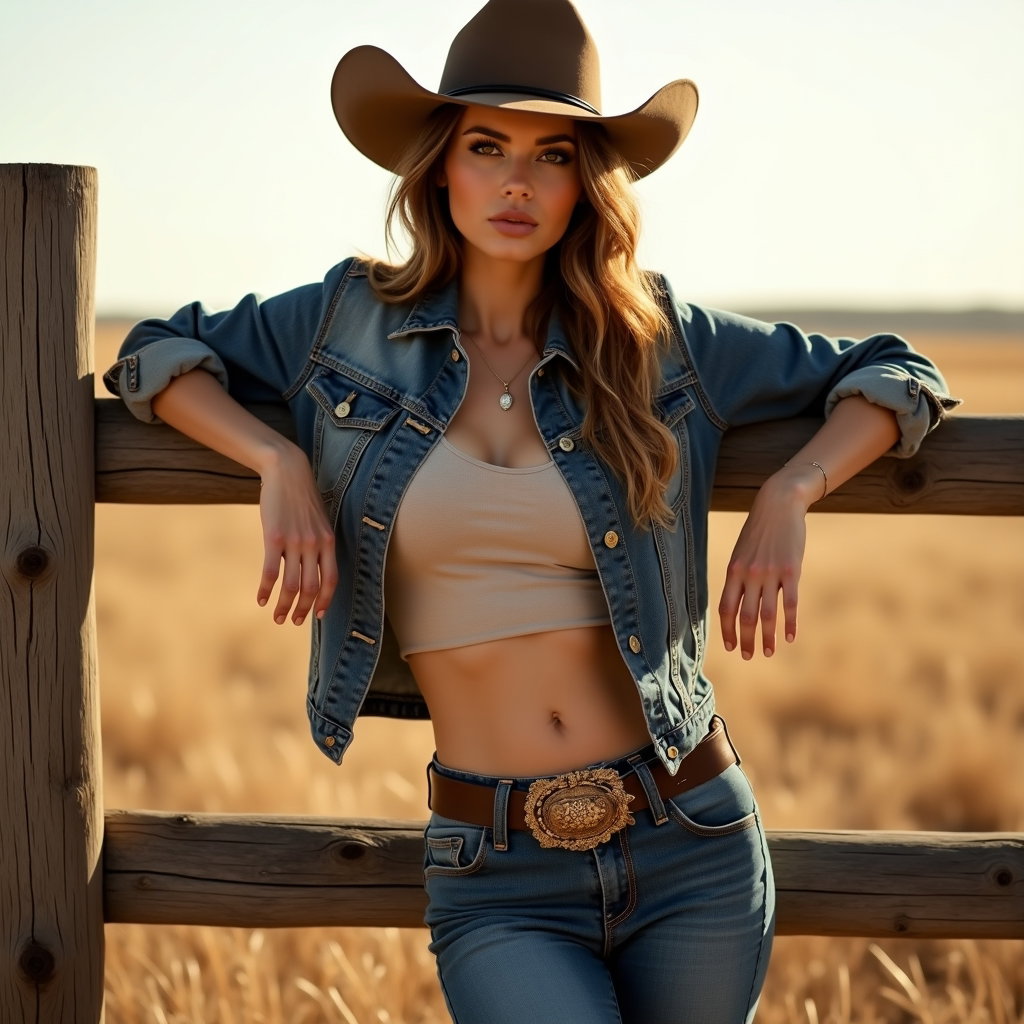
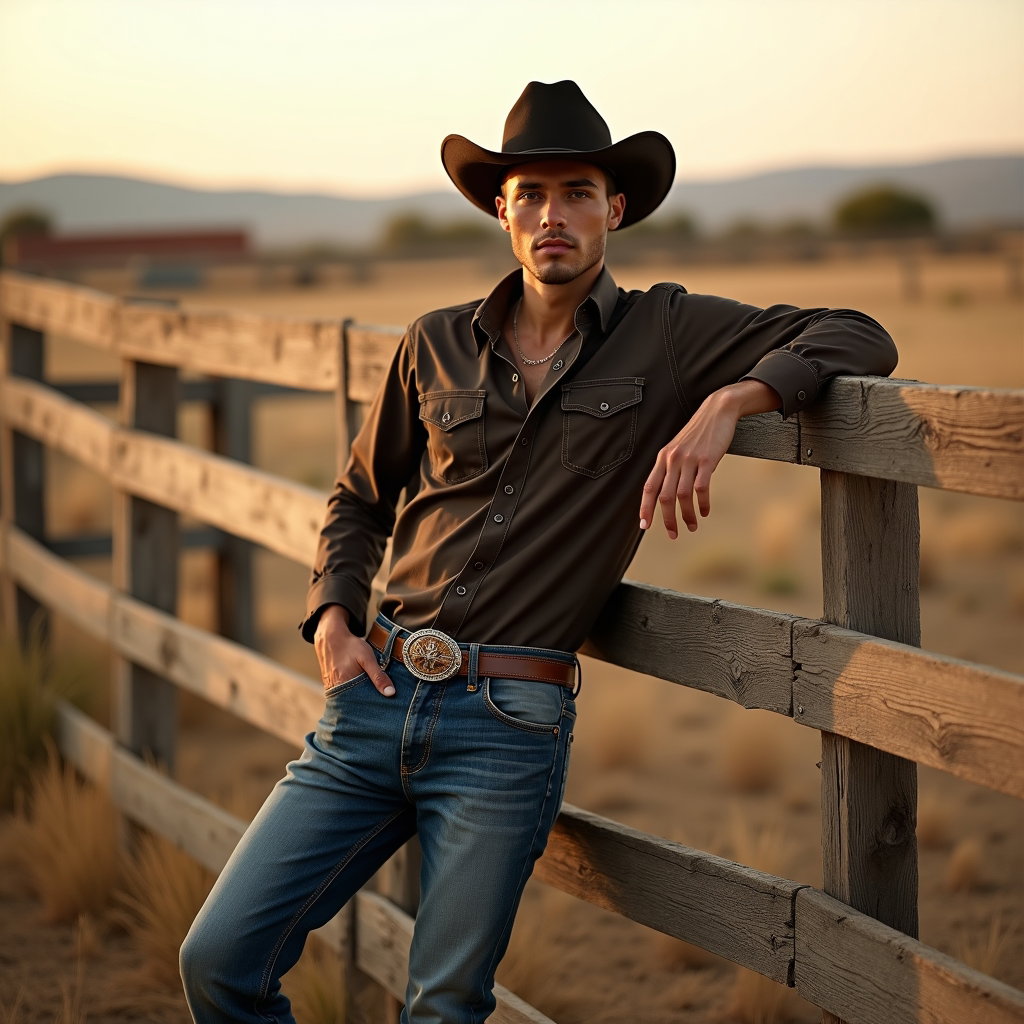
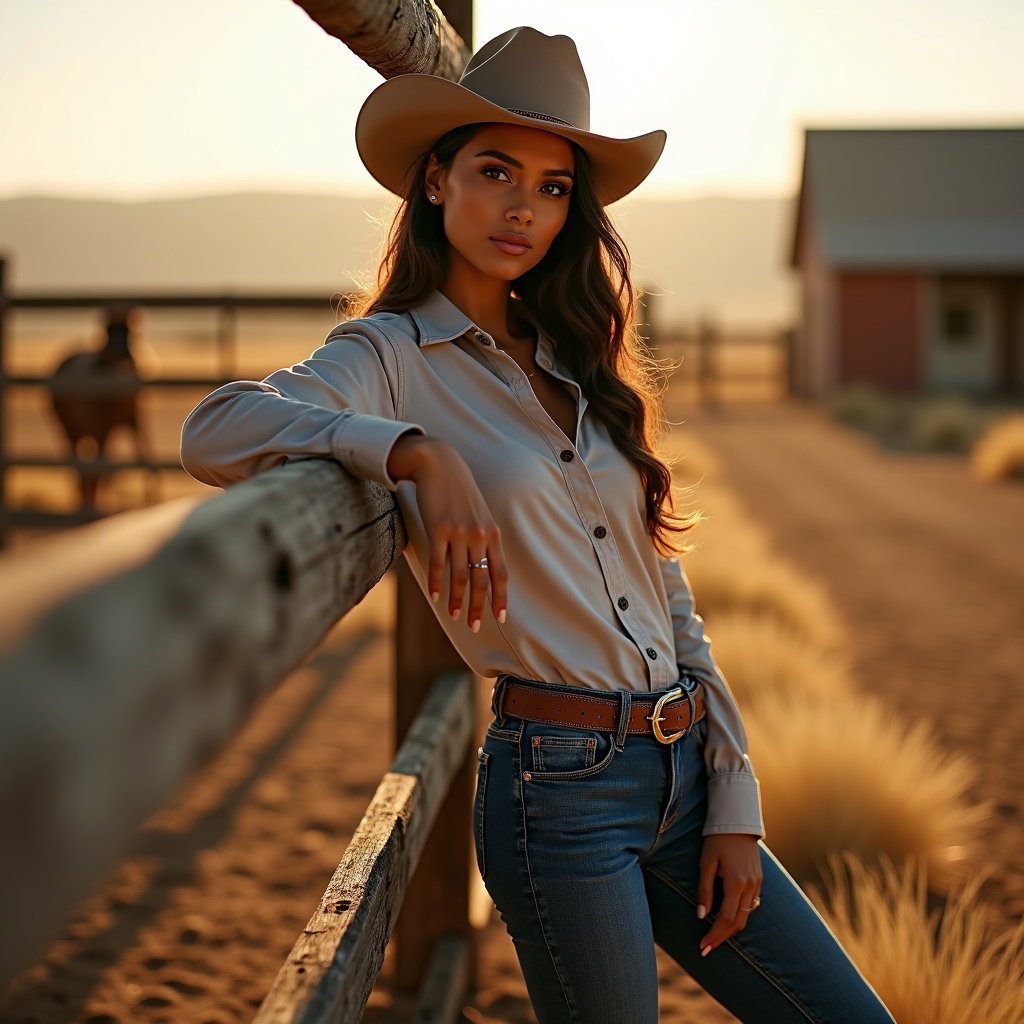
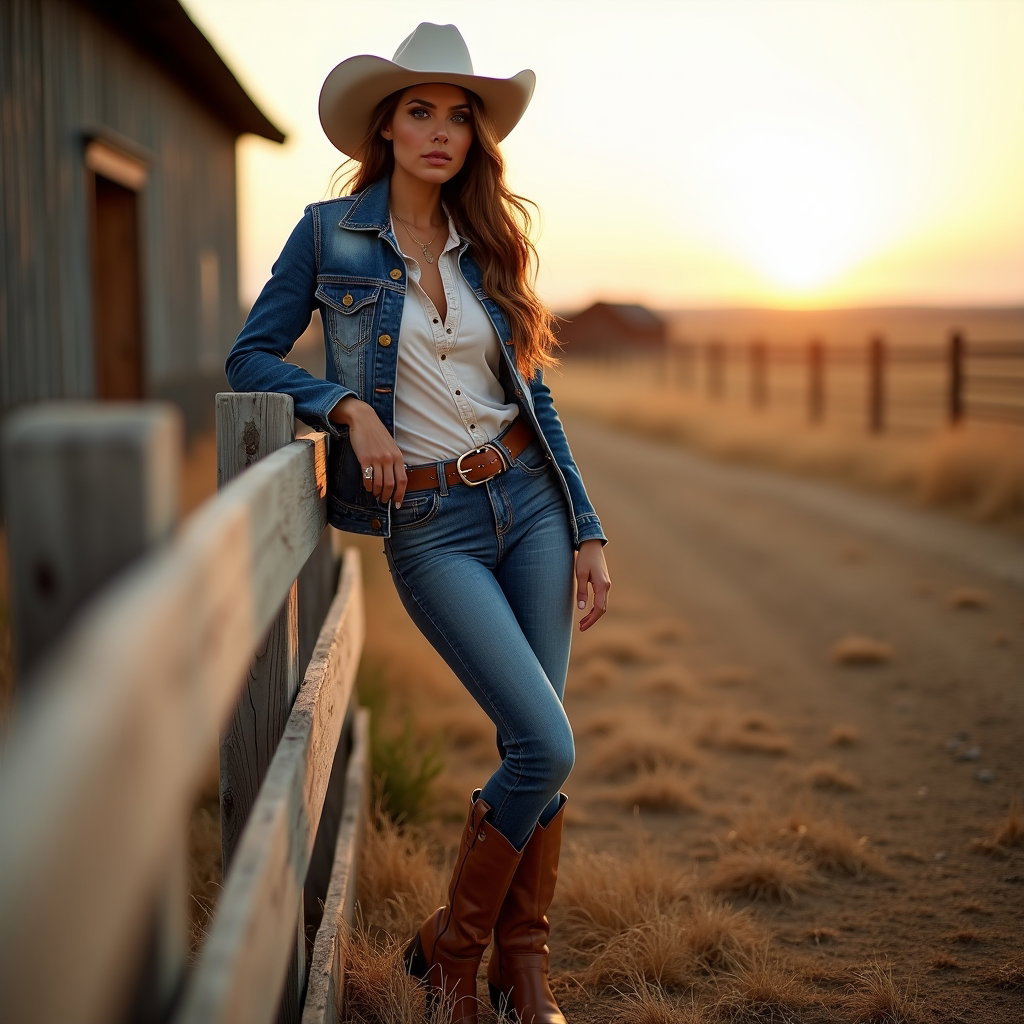
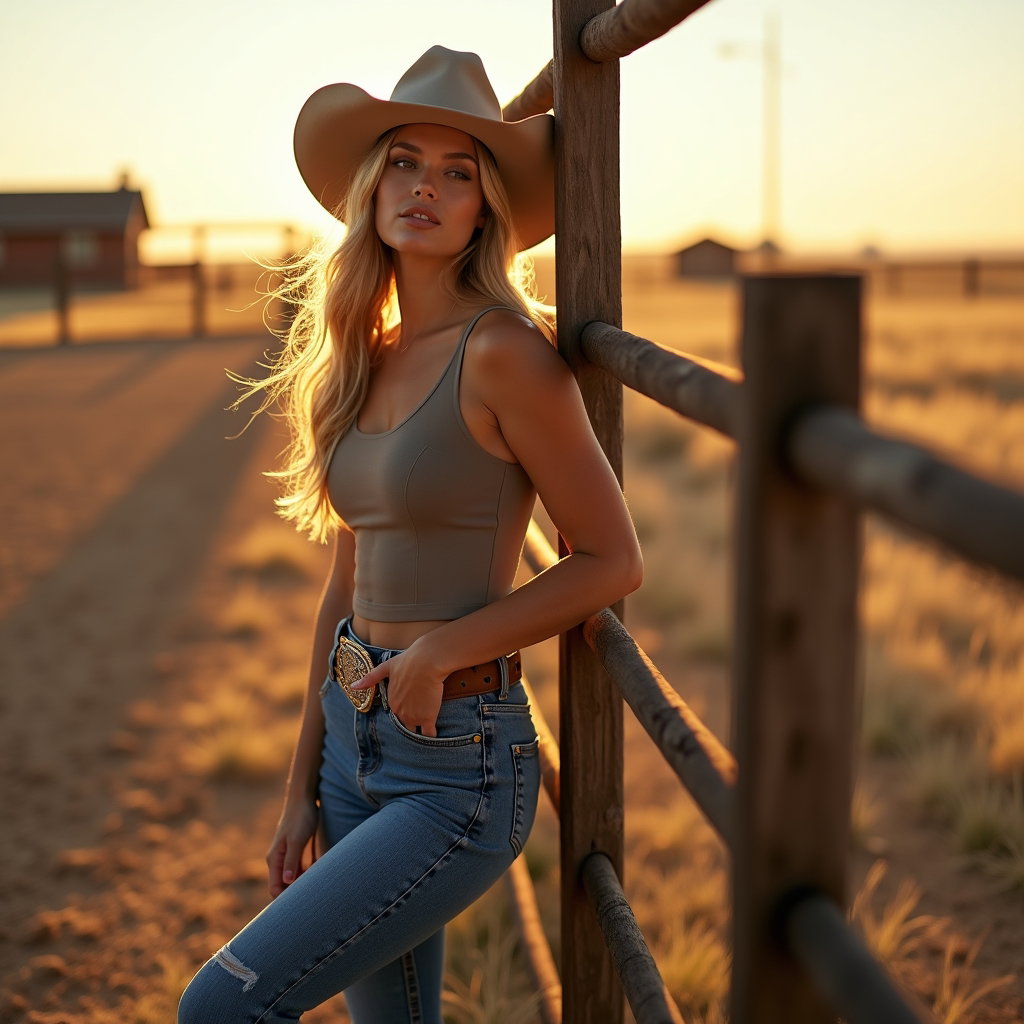
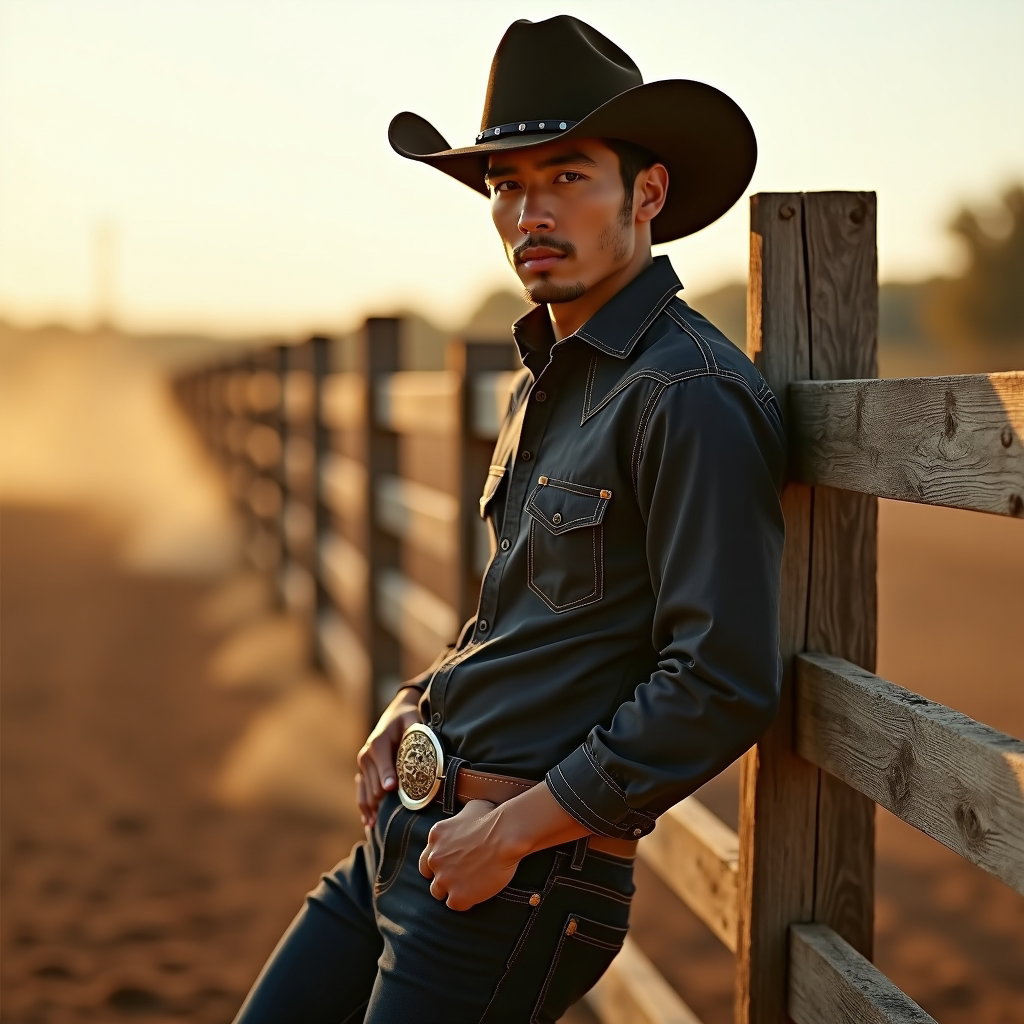
Fence-Lean Country Attitude Shot
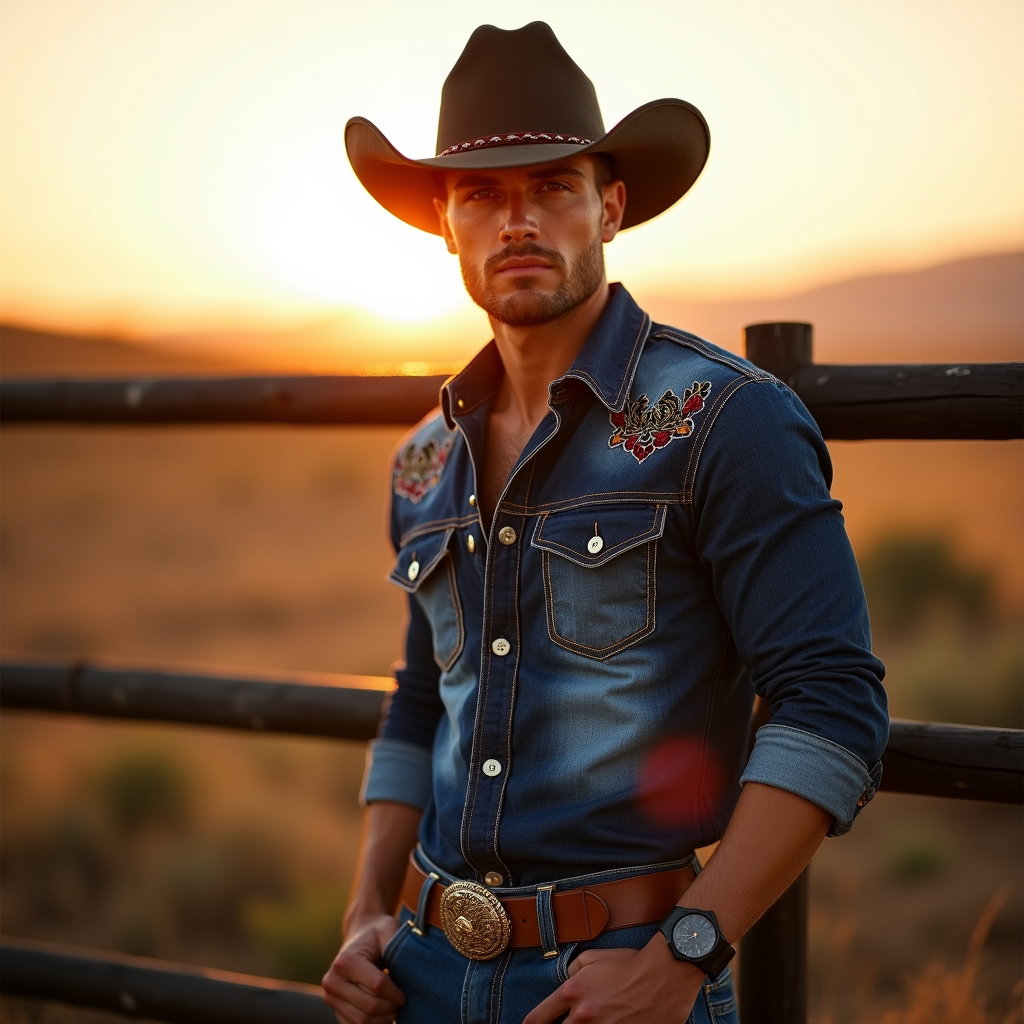
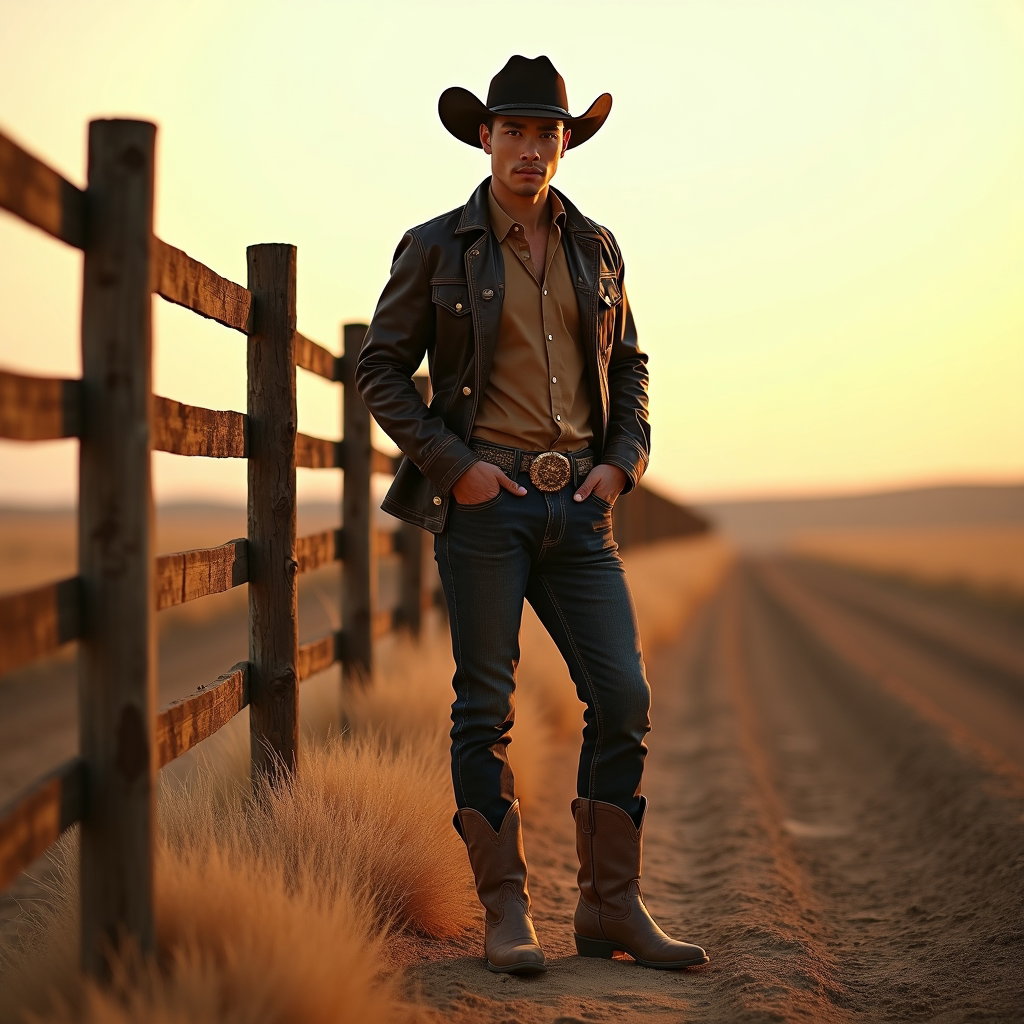
Leaning solves stiffness. That is why this shot is so useful. A fence, gate, or barn wall gives the body something to do. The pose looks relaxed without going soft. It keeps the cowboy energy but removes the rigid portrait feeling that often makes AI images look artificial.
This works especially well for people who want natural confidence. One shoulder against the wood, one foot forward, hands loose or near the belt, eyes calm. That formula creates a strong but easy image. The support from the fence also helps generate better posture and cleaner lines in AI results.
Click on a photo to swap your face in
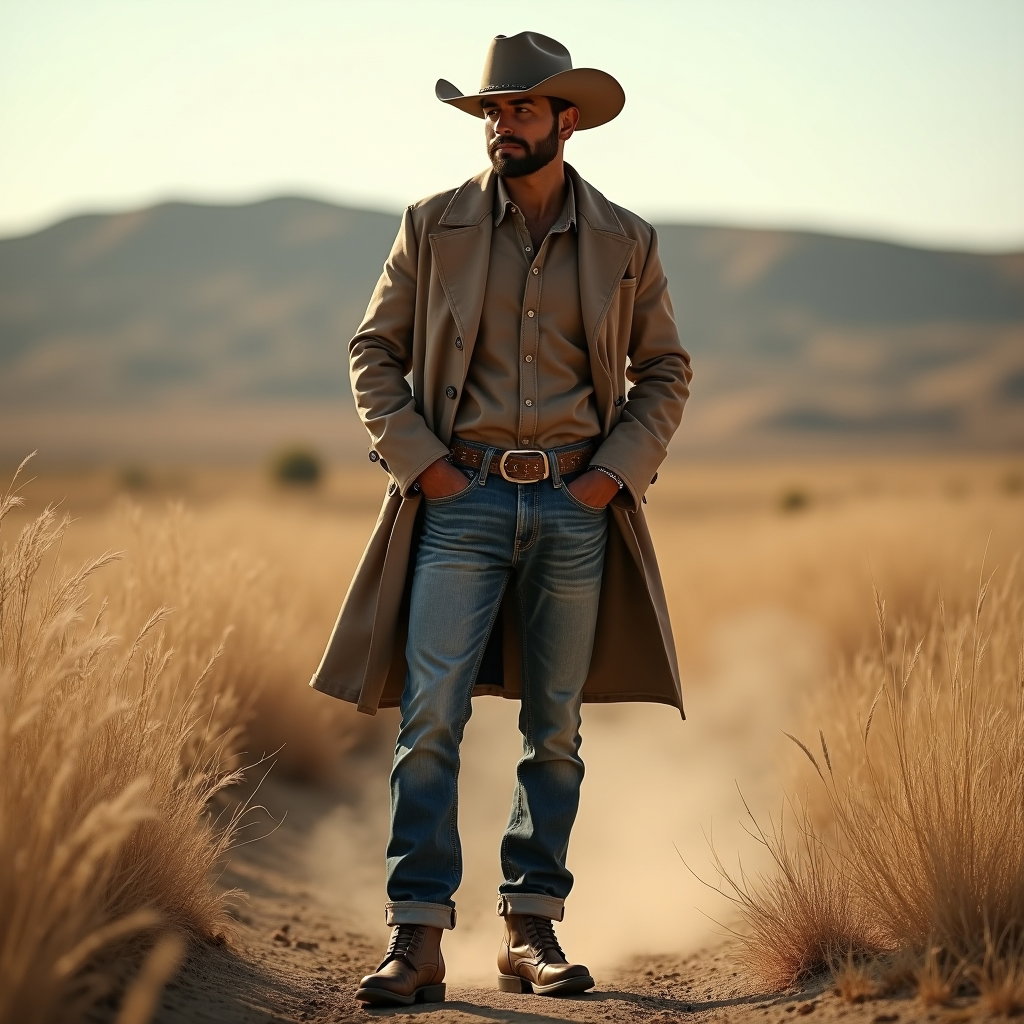
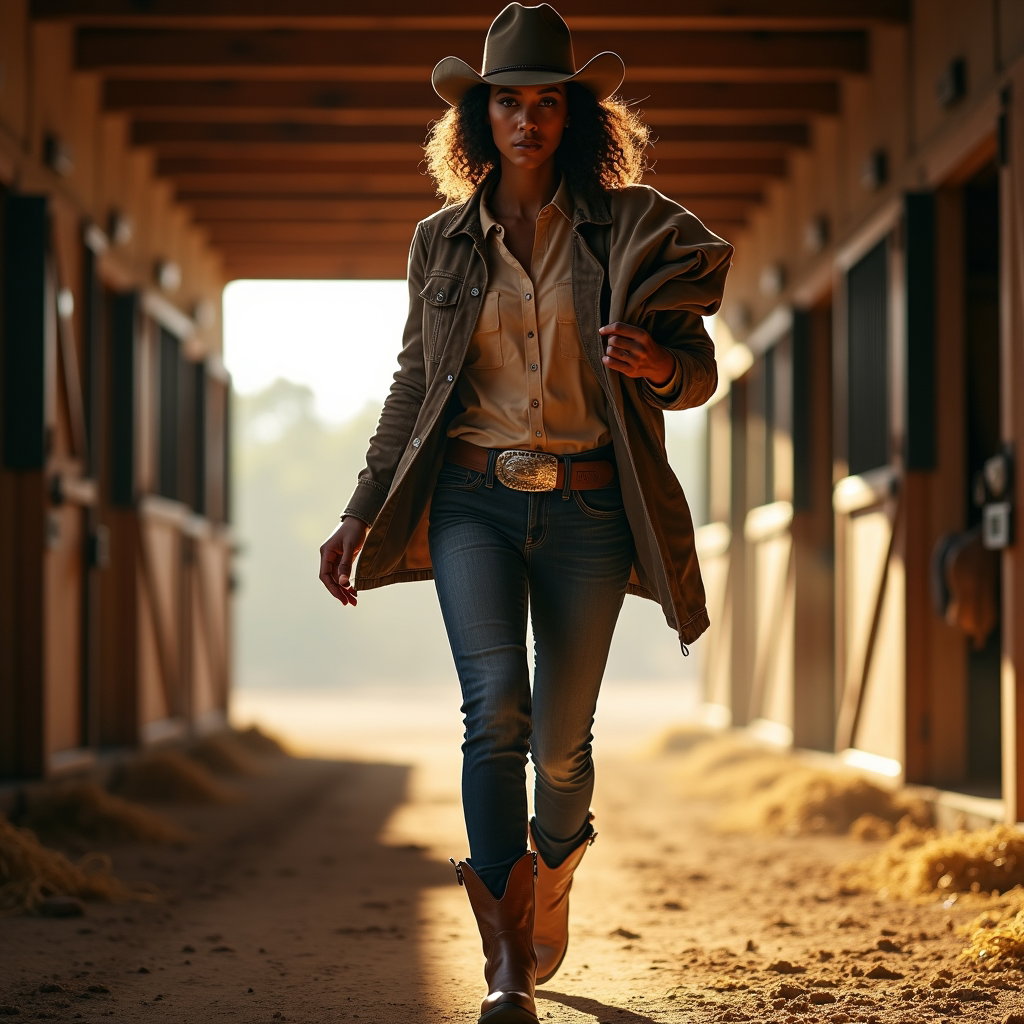
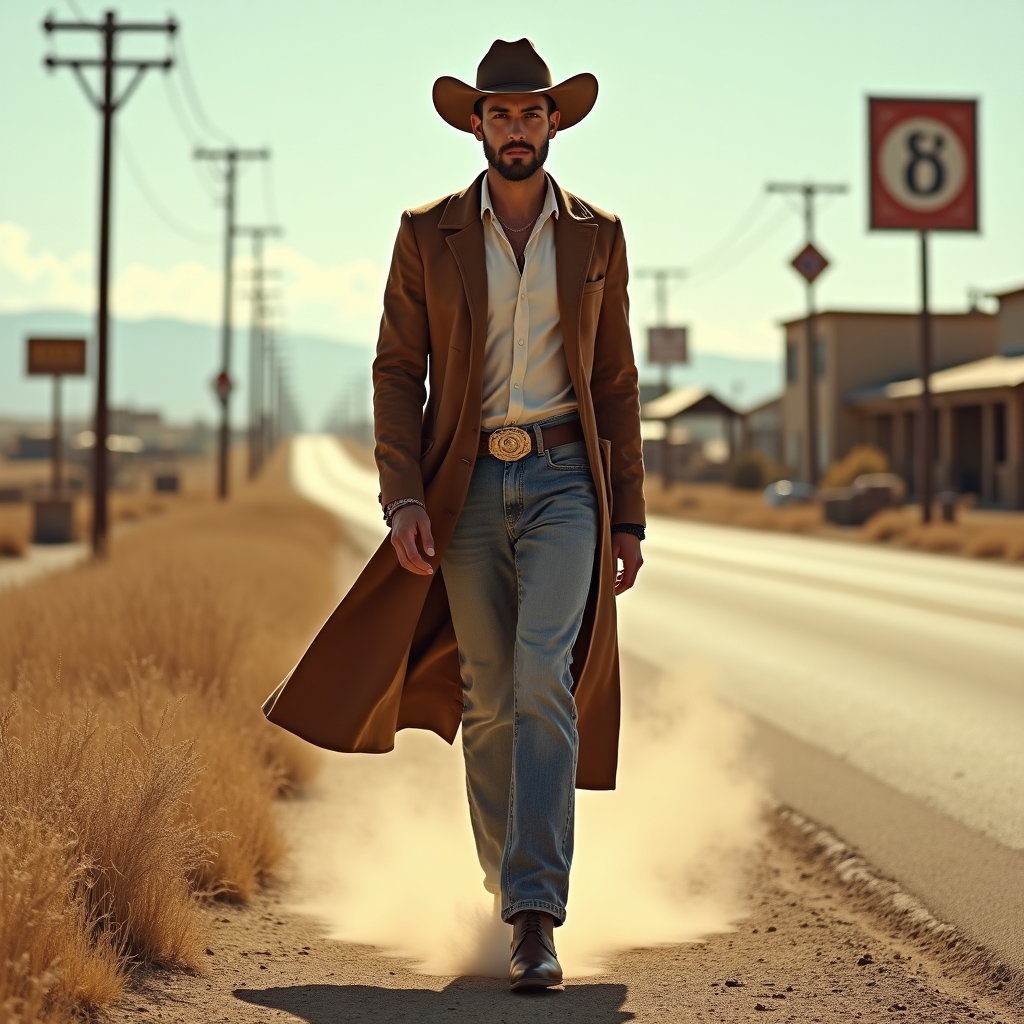
Walking Toward the Camera
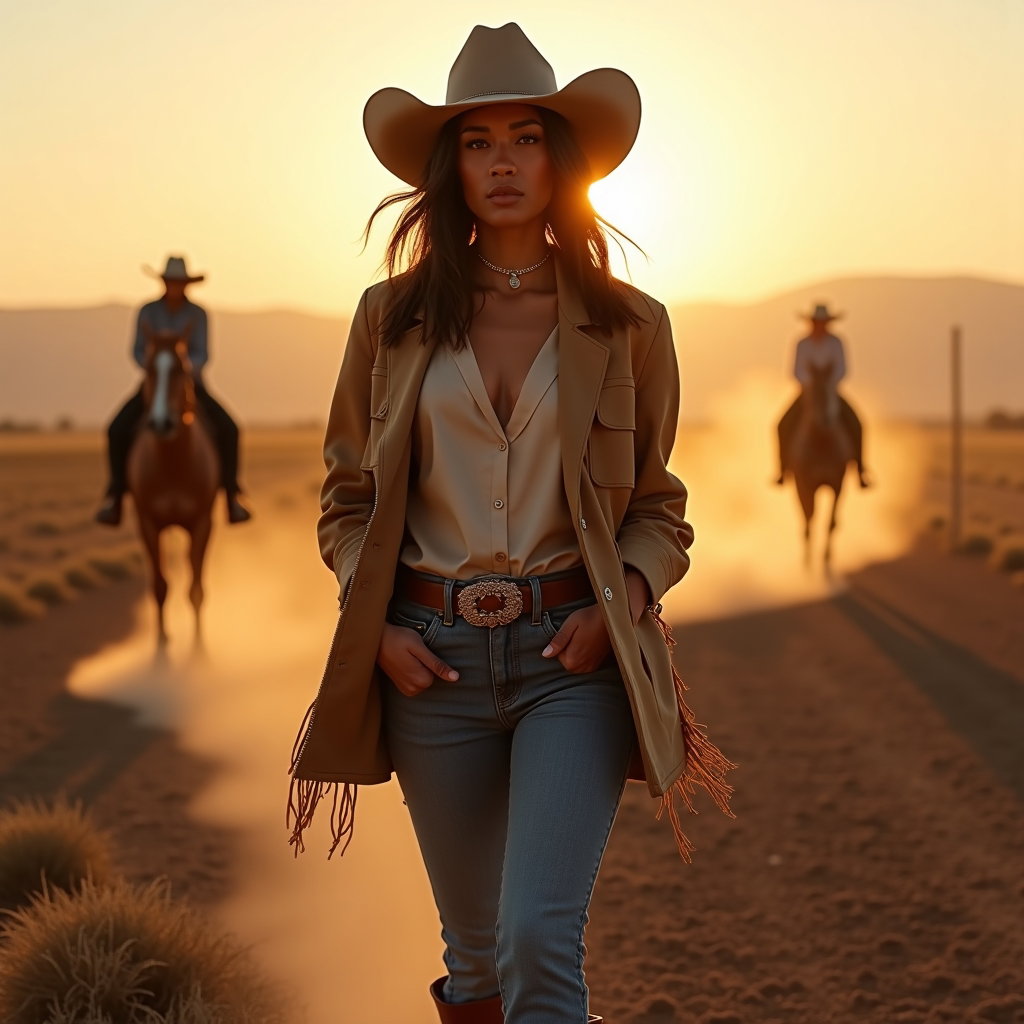
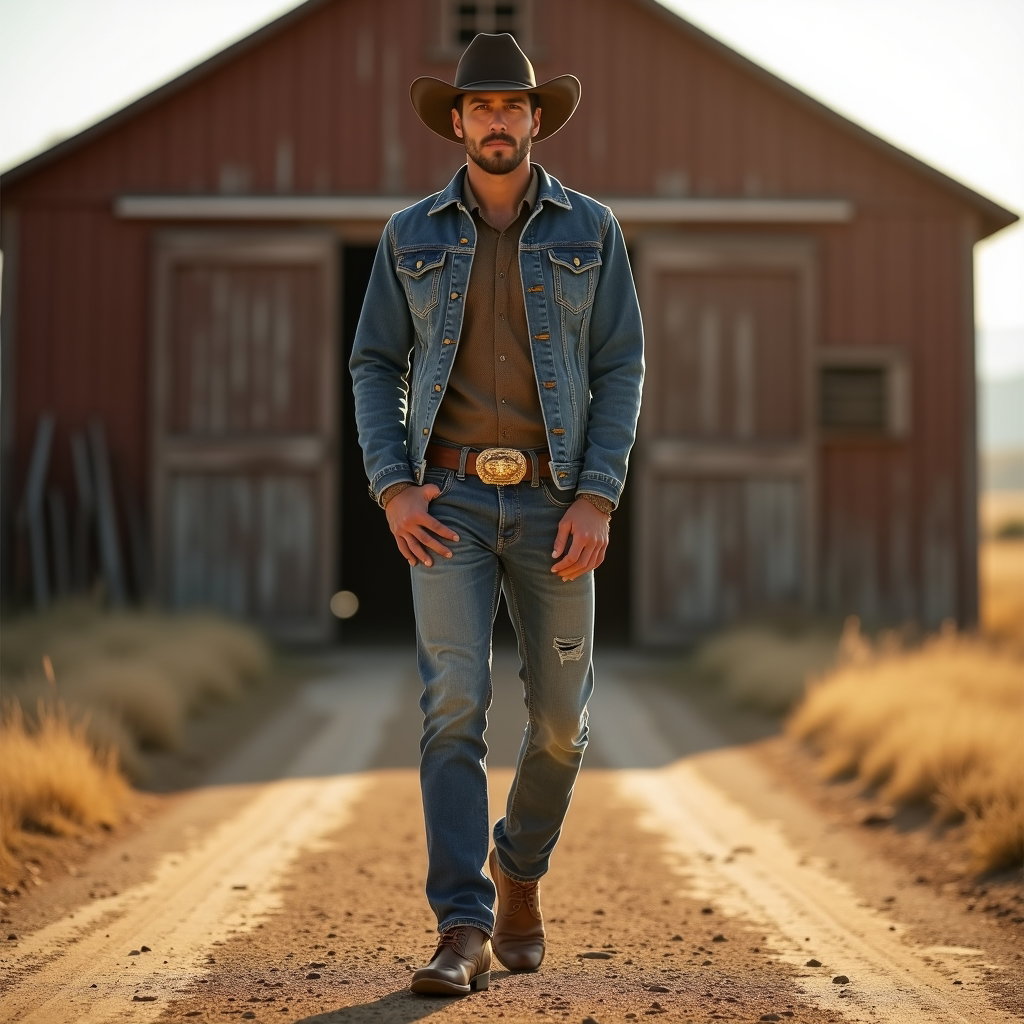
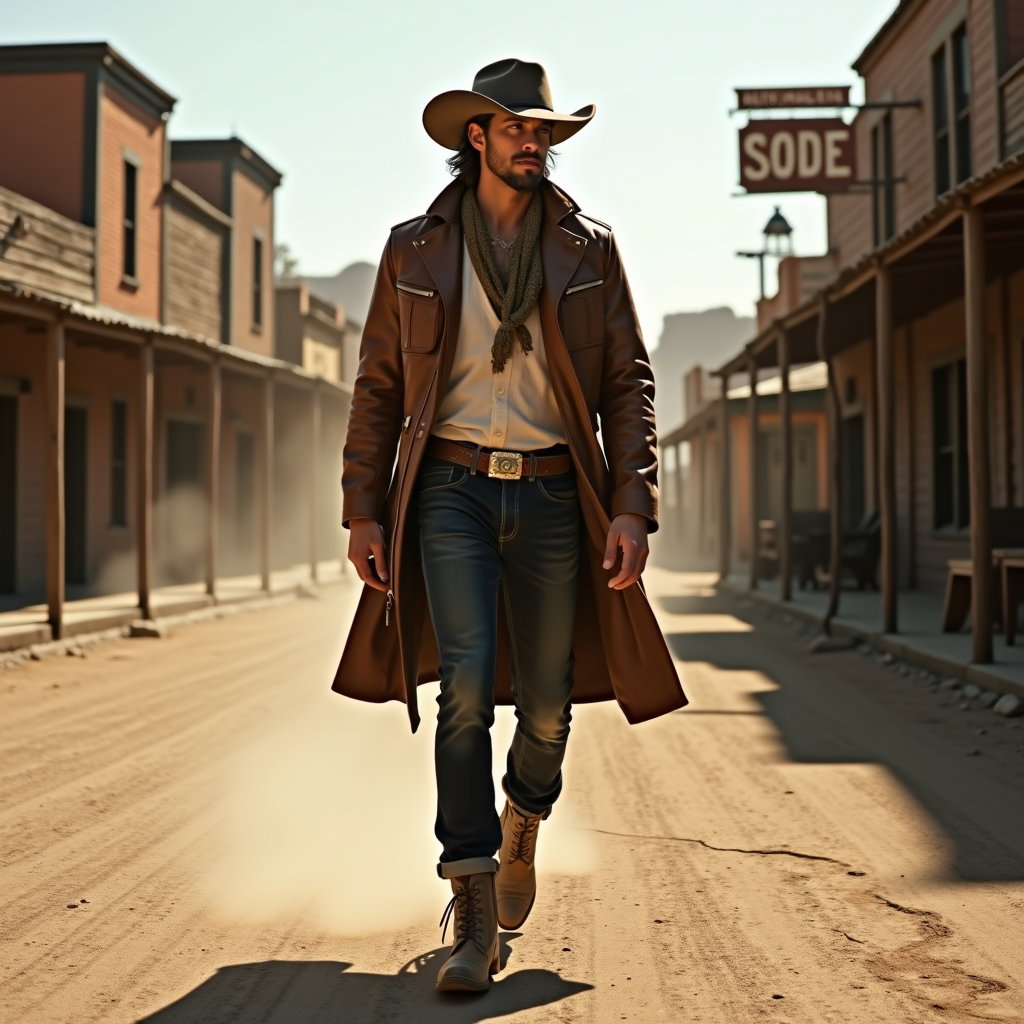
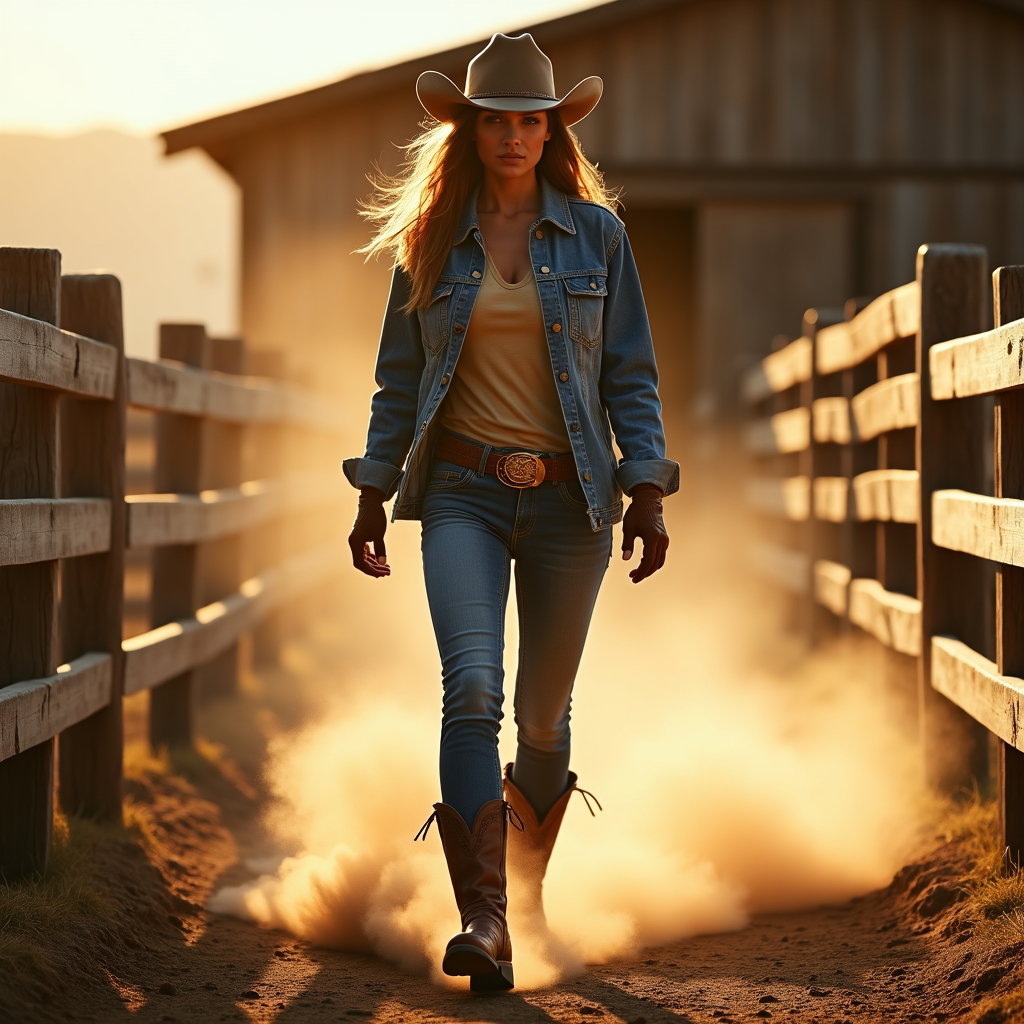
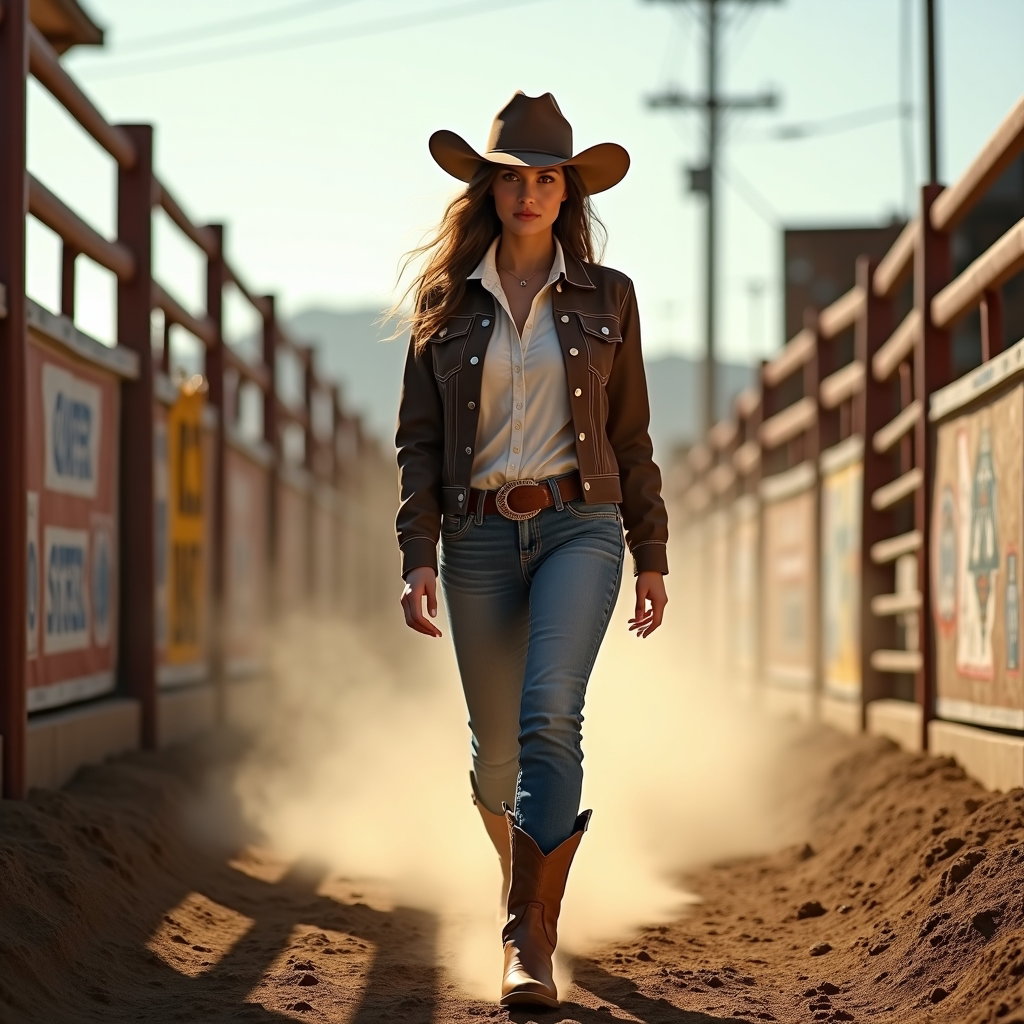
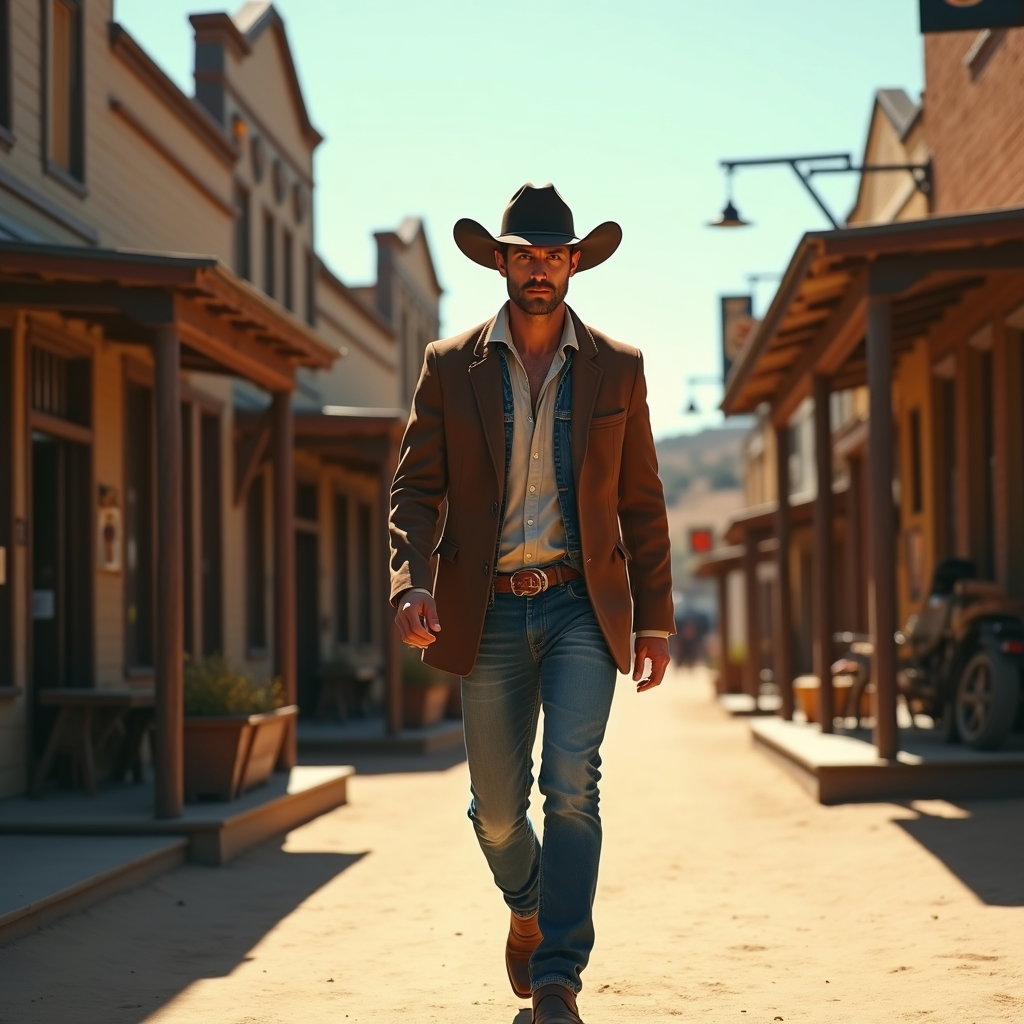
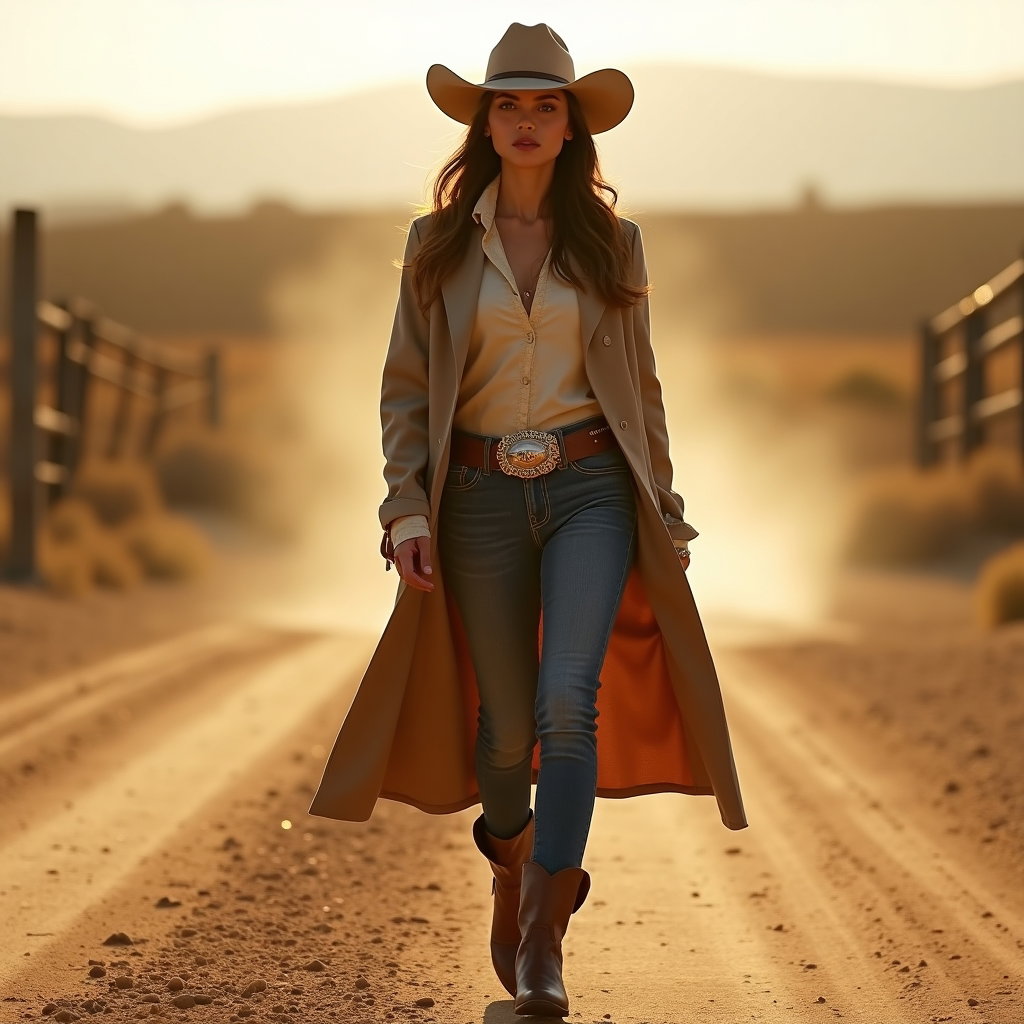
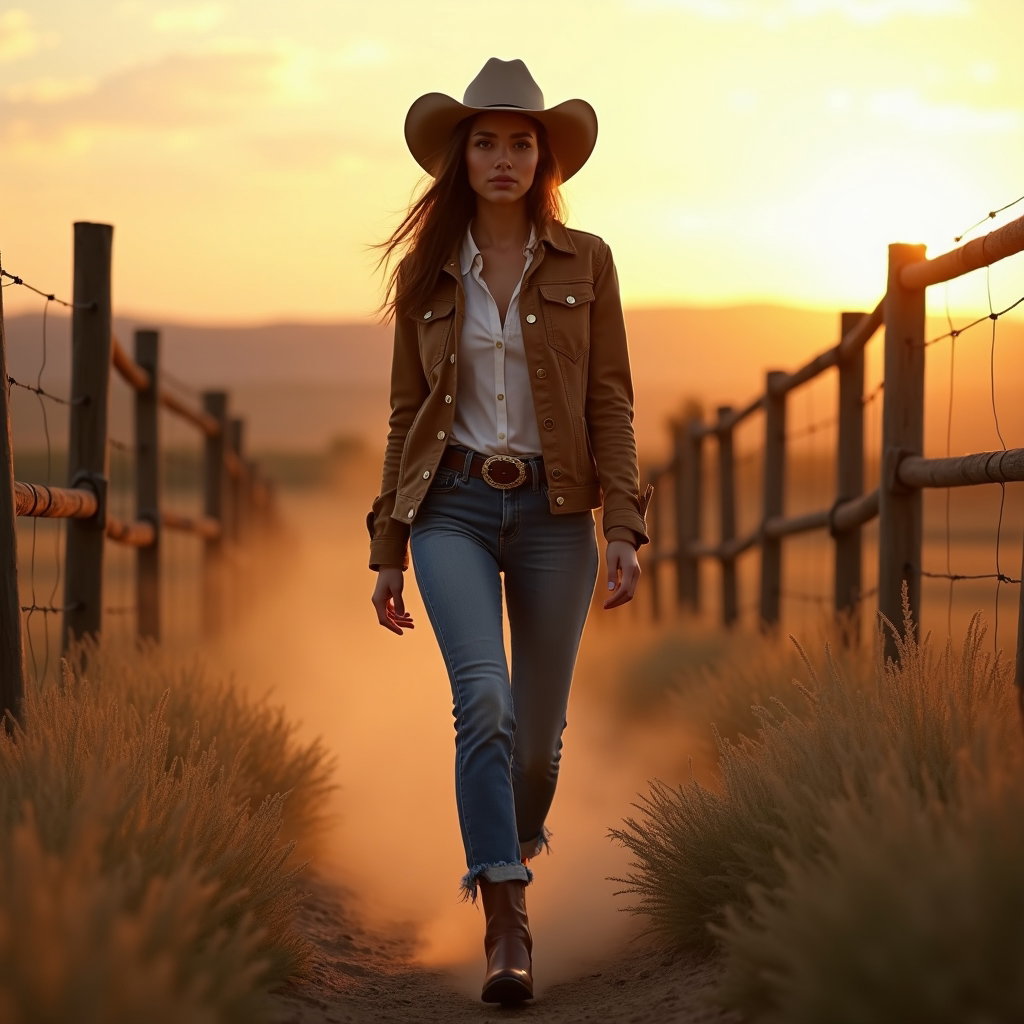
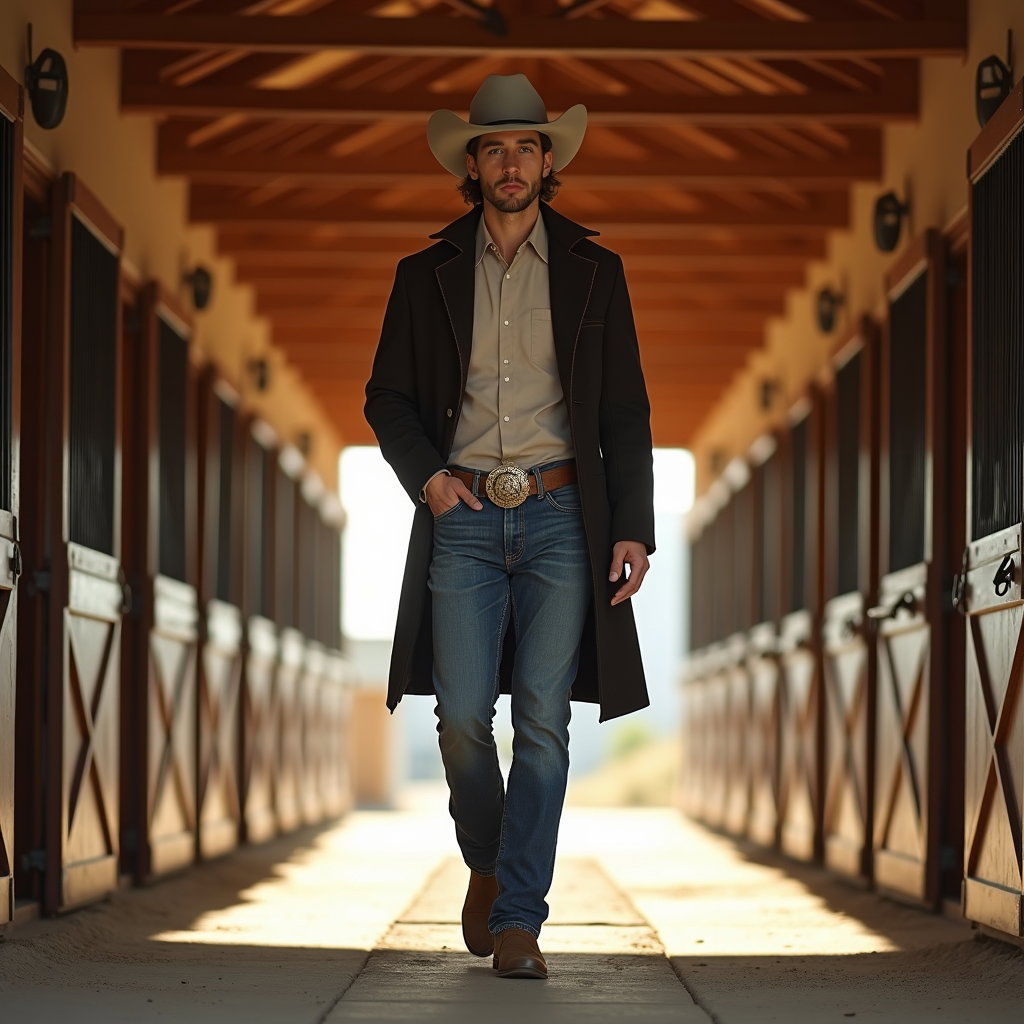
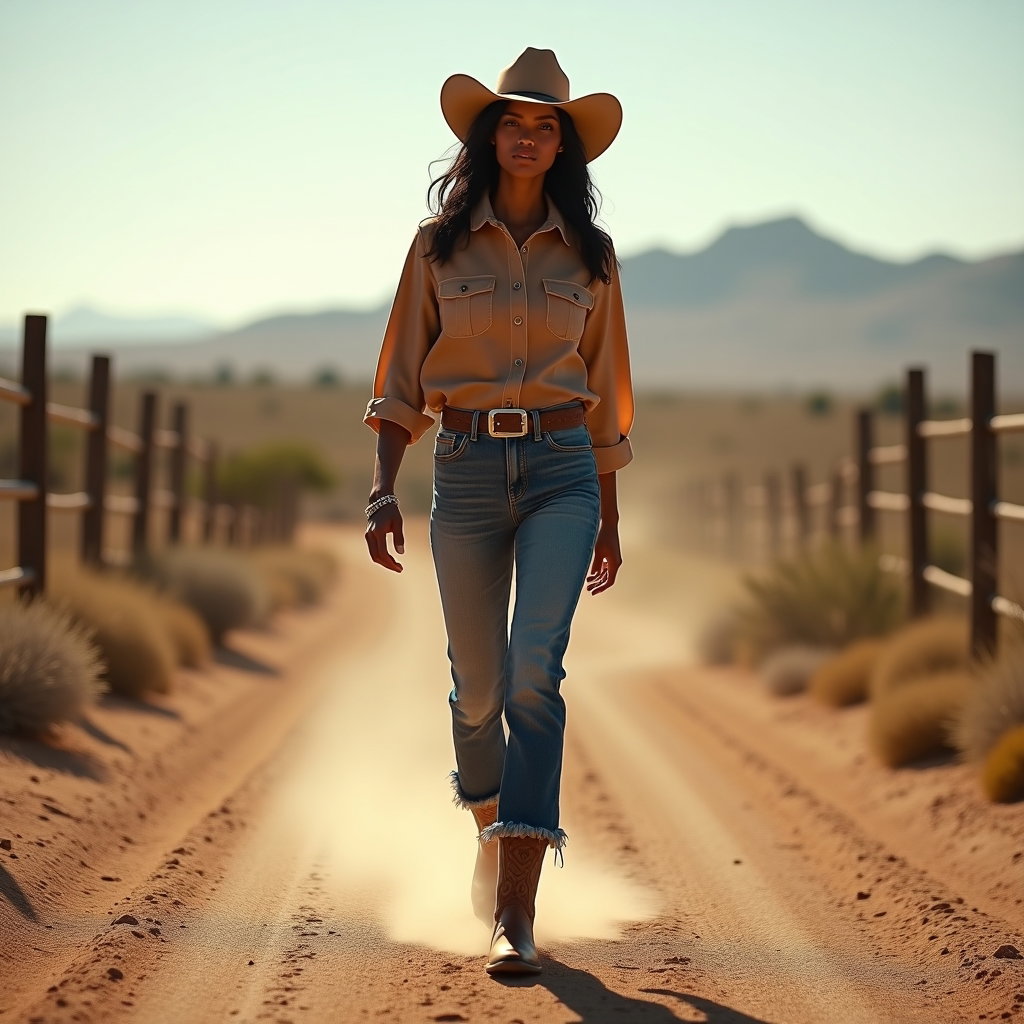
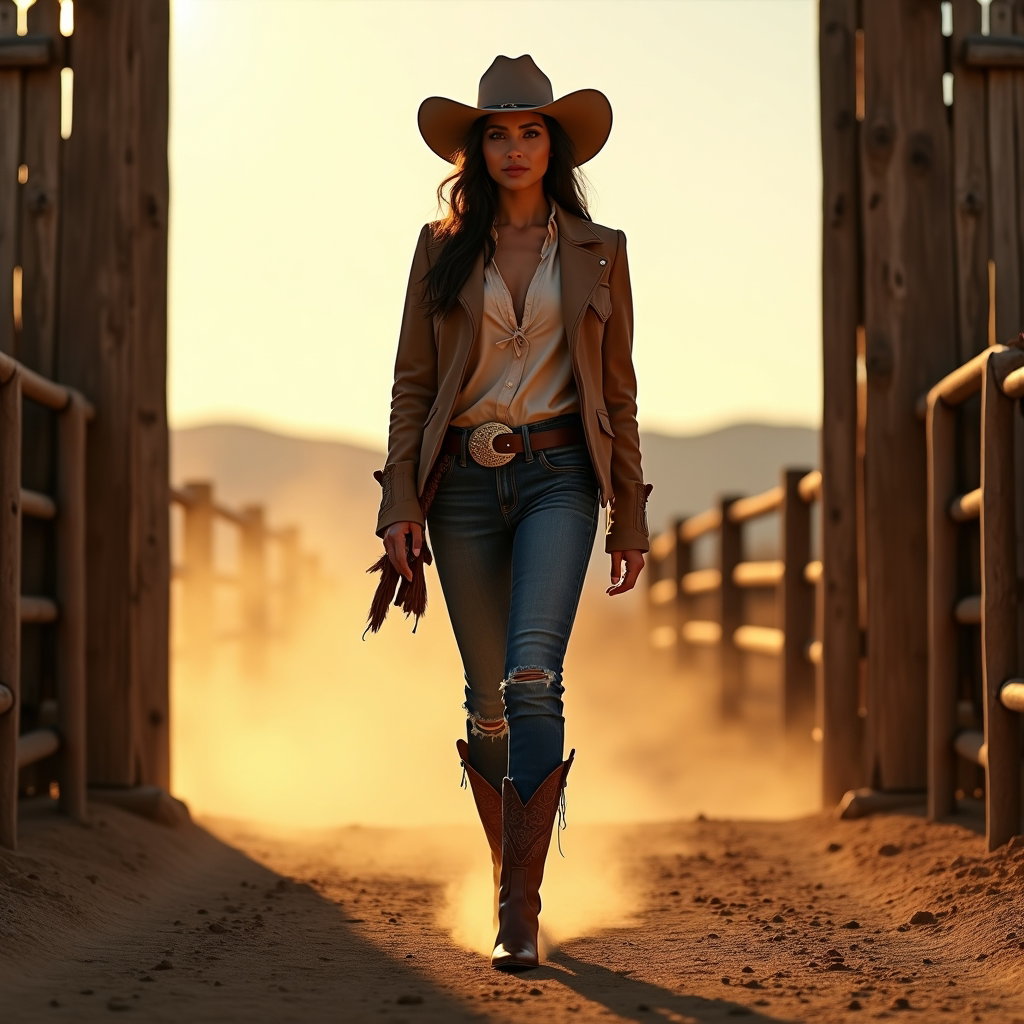
Motion brings swagger. A slow walk toward the camera adds presence and momentum in one move. The hat, jacket, arms, and boots all start working together. The image feels active instead of staged. This is one of the best ways to create a cowboy photo that feels cinematic and alive.
What actually makes it work is deliberate movement. Not fast. Not dramatic. Just controlled forward motion with a strong gaze and grounded steps. Dust on the boots or coat movement adds even more force. In AI generation, this shot can look powerful when the stride is simple and the frame stays focused on body direction.
Click on a photo to transform it with your face
Seated Saddle-Style Pose
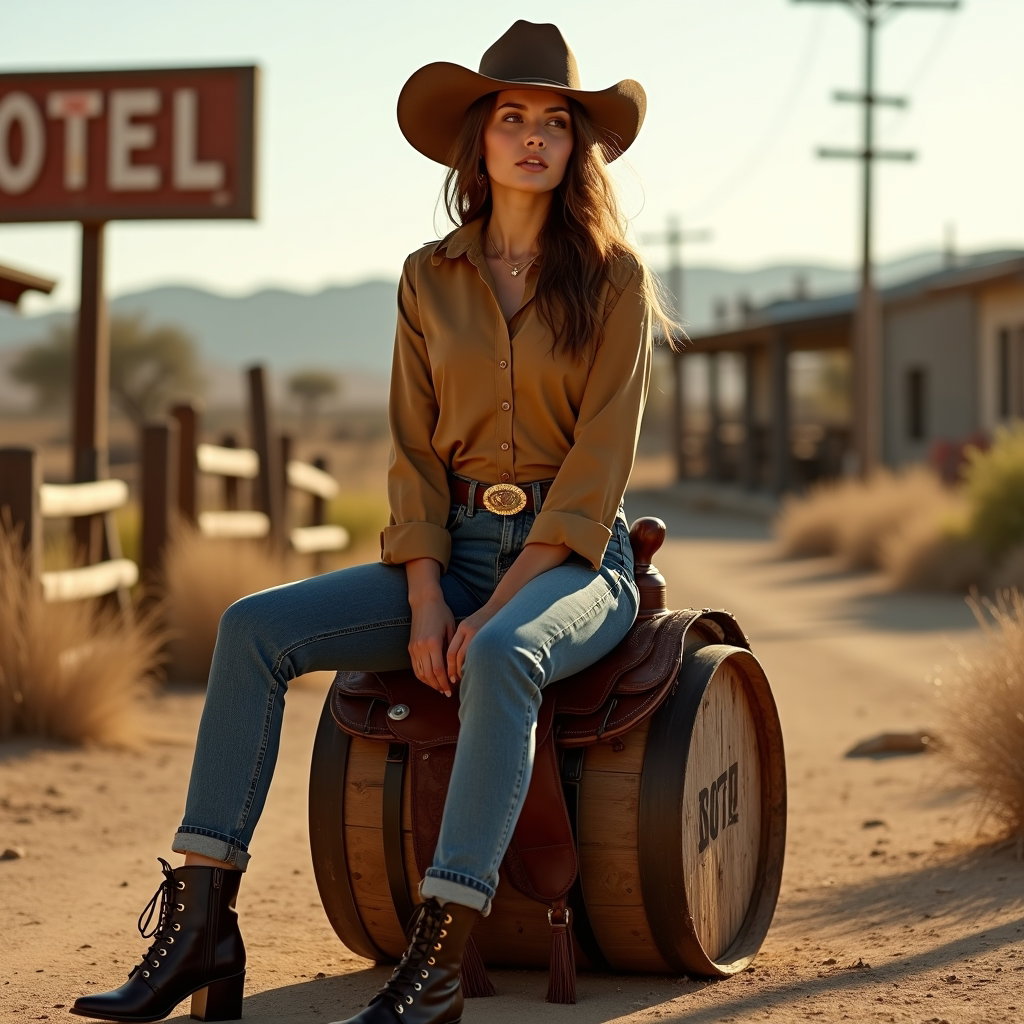
A seated pose can still carry ranch energy if the body language is right. Knees apart, elbows relaxed, spine strong, and expression calm. Even without a horse, this setup creates the feeling of western confidence. It is useful when you want a less aggressive image that still feels masculine and rooted.
This pose works because it lowers the body without lowering the power. The subject looks settled, not passive. That difference matters. In AI images, seated poses can also create stronger composition because the limbs have clearer placement. Use a stool, rail, or saddle-like seat with simple posture and visible boots for the best result.
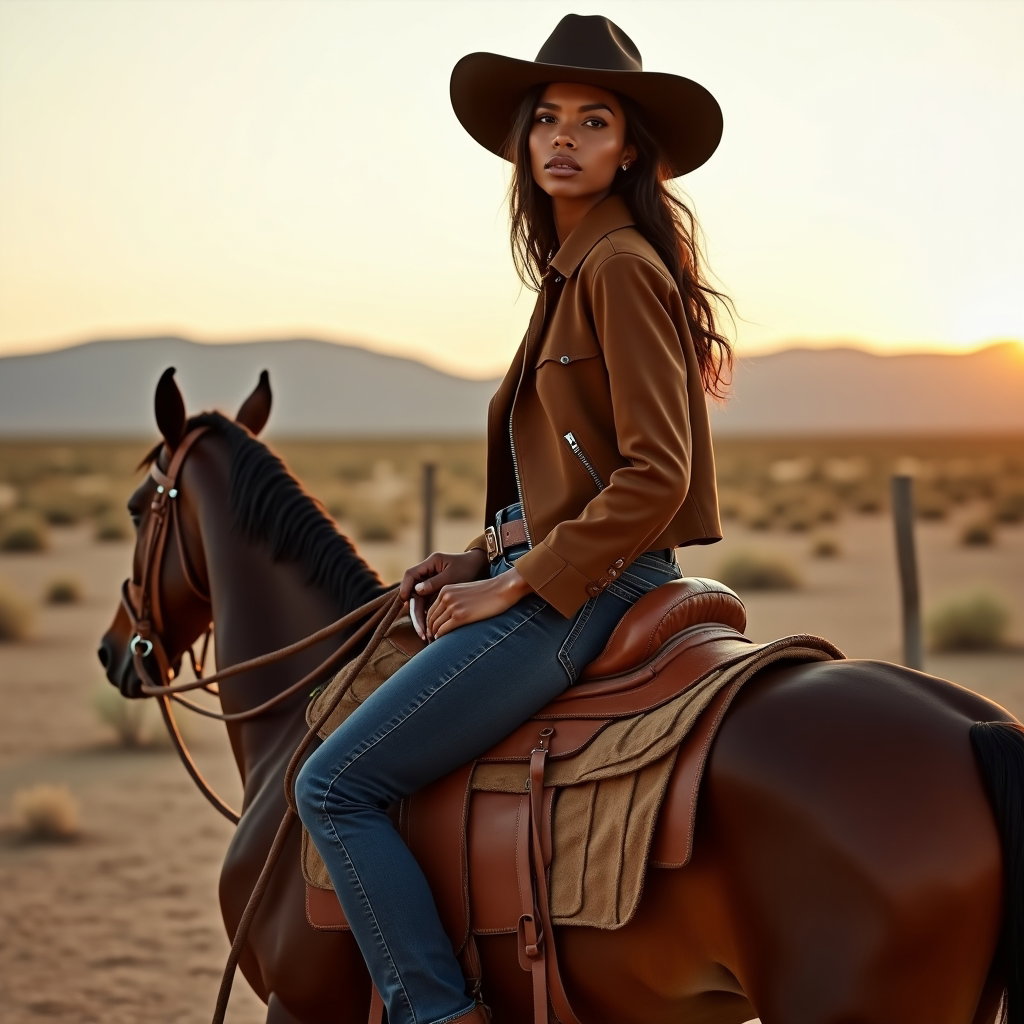
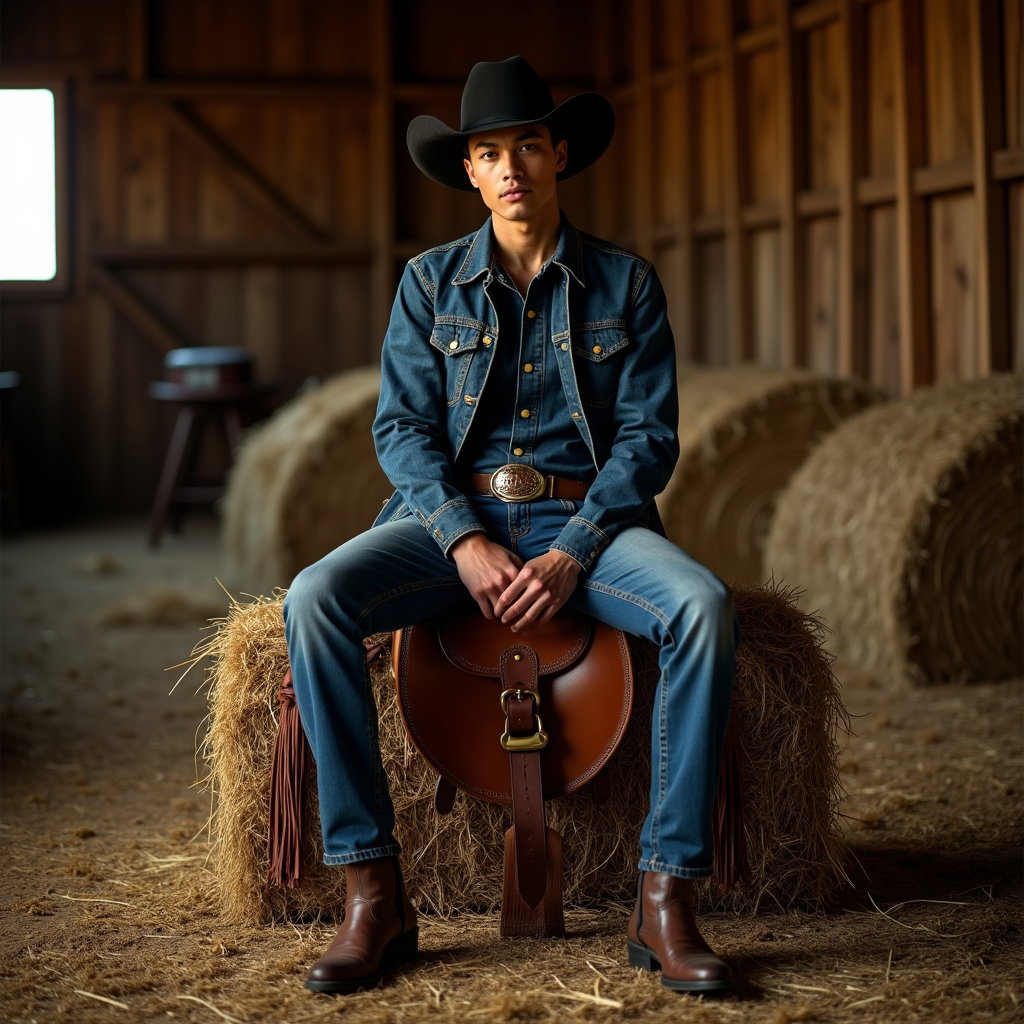
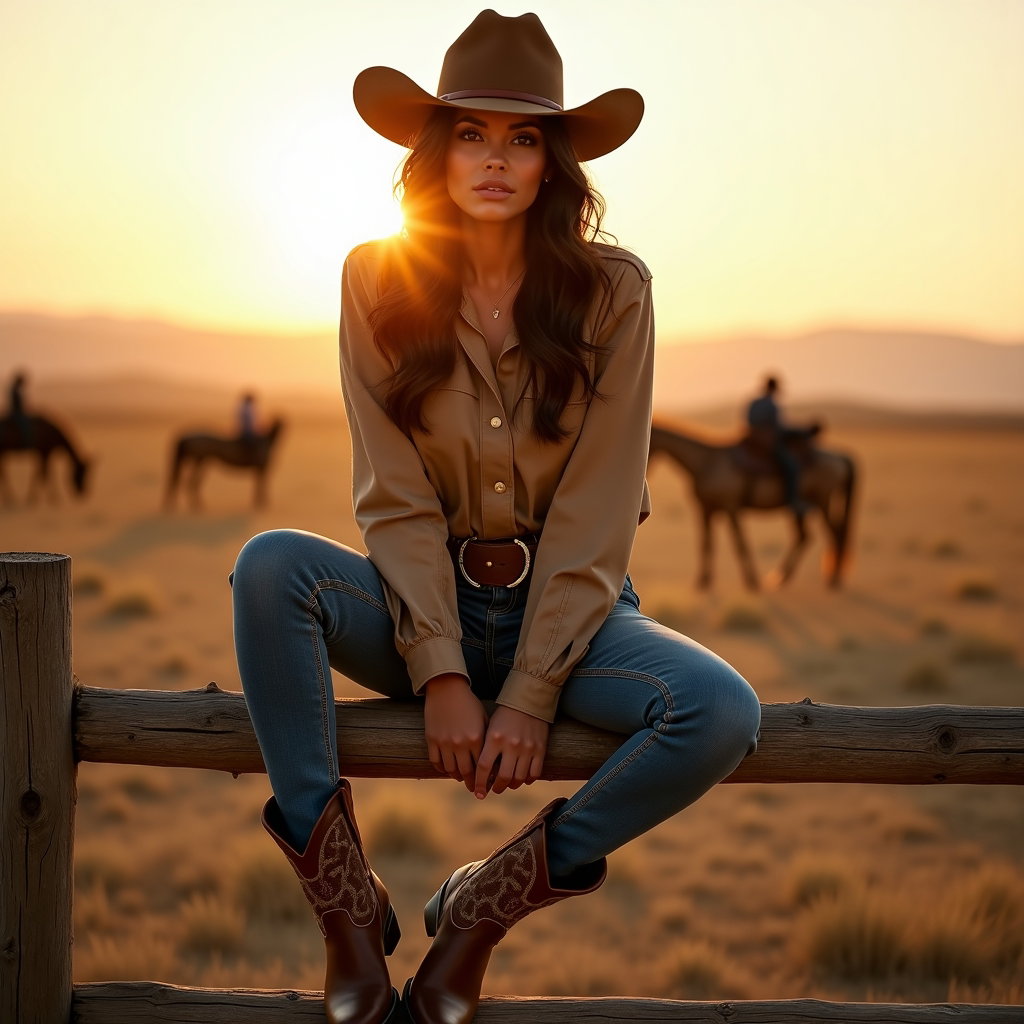
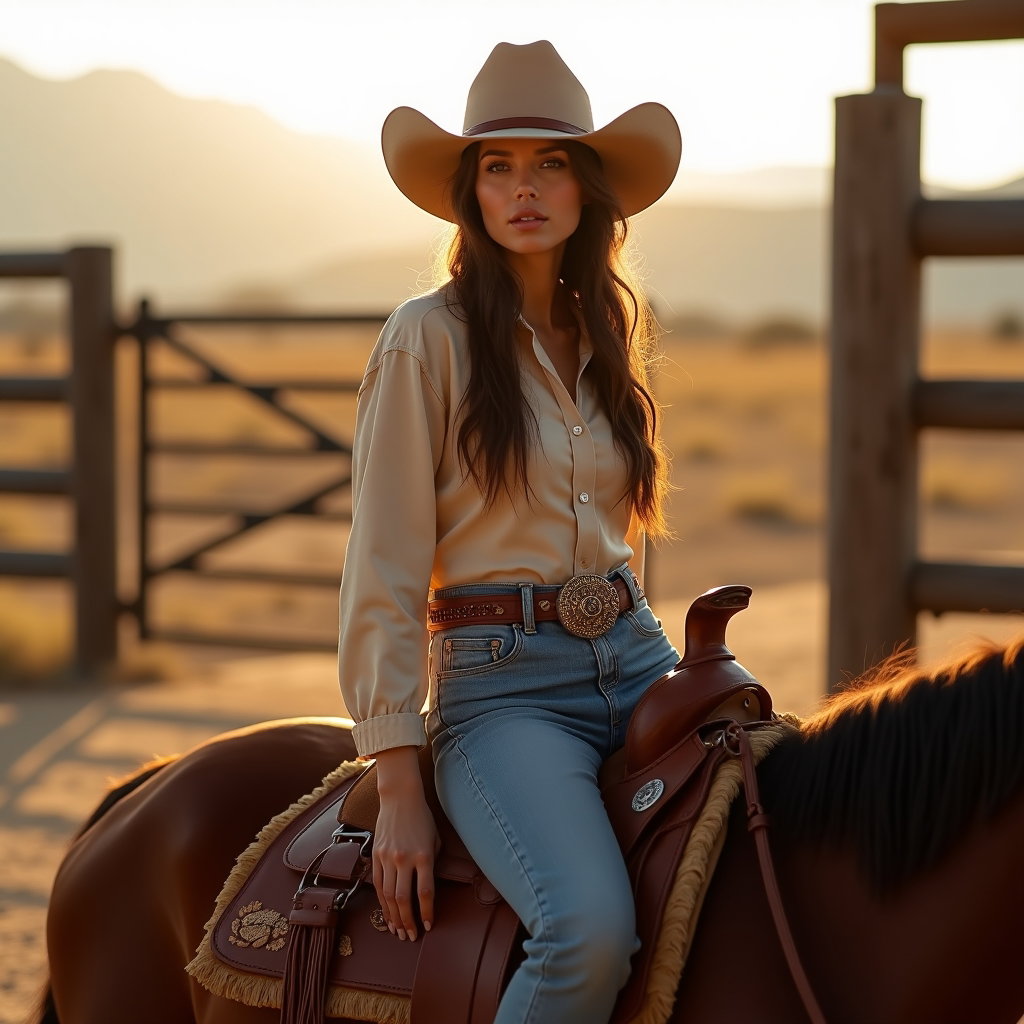
Click on any photo to see yourself in it
Build a Cowboy Photo Set That Actually Hits
The best cowboy AI photos are not built from one hat and one blank stare. They come from shape, posture, texture, light, and attitude working together. Full-body shots create the silhouette. Portraits lock in identity. Action shots add realism. Mood shots add depth. Close-ups bring grit. That mix gives you a complete western image set that feels real and looks strong.
If you want results that work, stop being soft with the details. Show the boots. Use the belt. Control the stance. Pick backgrounds that support the look. Use warm light when you want richness. Use shadow when you want tension. Every photo type in this list has a job. Use them together, and your cowboy AI images will look far more convincing, more stylish, and far harder to ignore.