Space Photo Ideas
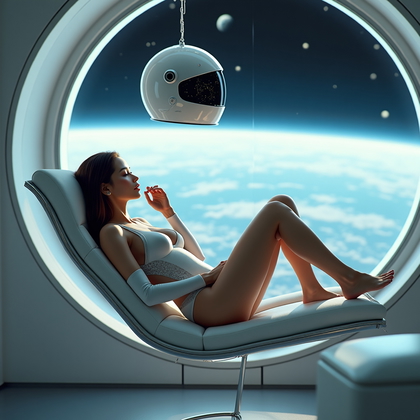
Do you want AI space photos that actually look powerful and not generic?
Do you want images that feel cinematic, bold, and impossible to ignore?
Do you want clear ideas you can plug into prompts and get strong results fast?
AI photo generation can turn simple concepts into intense space visuals. It works best when you give it clear roles, strong lighting, and simple but focused scenes. Vague ideas give weak images. Specific setups with clear angles and moods give sharp, usable results.
This article gives you concrete space photo ideas that work in real-world AI tools. Each section shows a different type of space image, why it is effective, and how it helps you get clean, high-impact renders. Use these ideas as starting points for your prompts, or as layouts when you plan composite or reference images.
You will see concepts for epic outdoor scenes, intimate indoor shots, fashion-forward styles, and cinematic portraits. Every section is built for clarity, simple language, and direct benefits. Use what fits your style and ignore what does not, but treat each idea as a reliable base that AI models understand fast.
Milky Way Explorer Pose
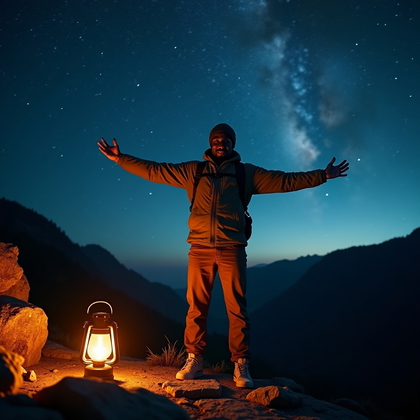
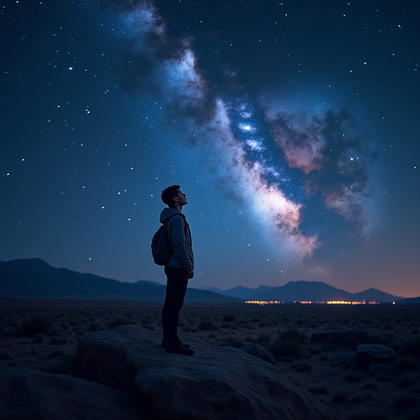
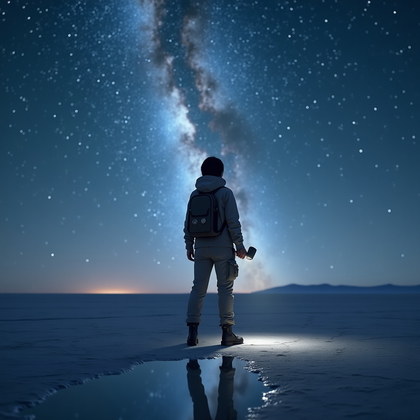
This concept is about scale and drama. One person under a huge Milky Way sky. The contrast between the small human and the massive galaxy sells the space theme with almost no extra props. AI models read this setup very well, because the Milky Way texture is familiar training data and blends cleanly with silhouettes and standing poses.
Use this when you want an epic, poster-like result. A clear pose (standing tall, hands on hips, or facing away) creates a strong shape against the sky. Dark foreground, bright stars, and simple clothing keep the image clean. This style works well for wallpapers, covers, and any visual where you want the message “one human, endless space” in one frame.
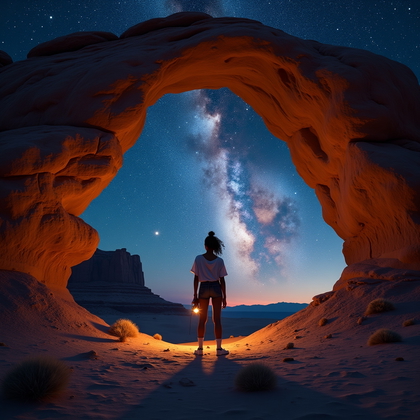
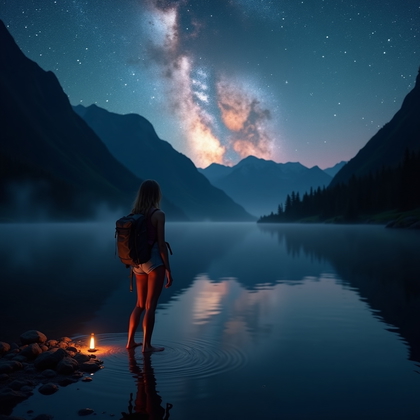
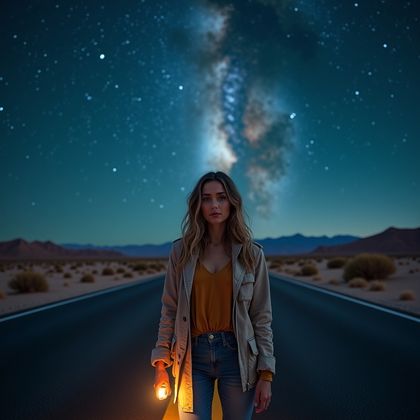
Click on any photo to see yourself here
Space-Themed Bed or Couch Shot
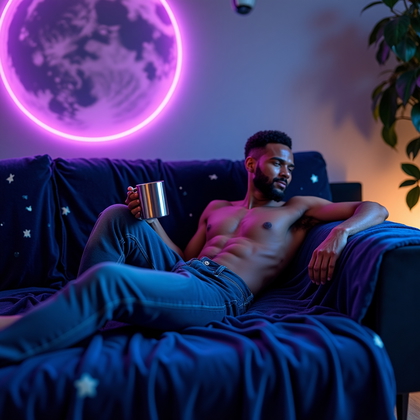
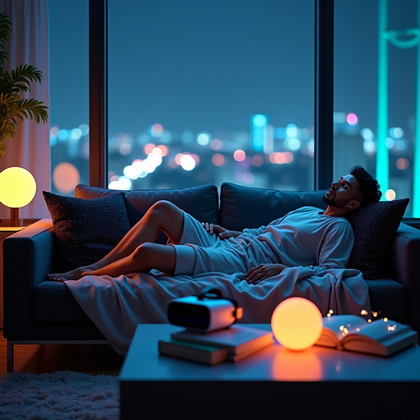
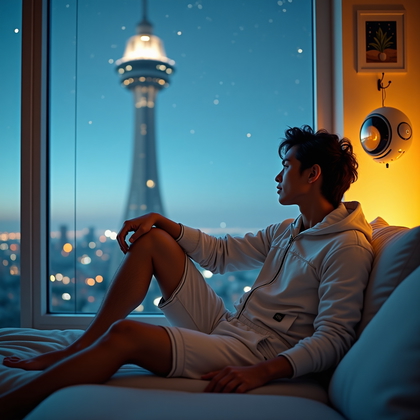
This setup is powerful because it mixes comfort with space obsession. The subject is on a bed or couch with starry sheets, galaxy blankets, or glow-in-the-dark elements. The environment is close and intimate, so the viewer focuses on the person and the textures around them. AI tools handle this well because it combines simple patterns with easy indoor lighting.
Use this when you want softer, more personal space visuals. You can show someone reading, resting, or just staring up at fake stars. The theme is obvious but not aggressive. This type of image works when you want to show a private connection to space, or when you need a relaxed mood with a clear cosmic touch in the textiles and background details.
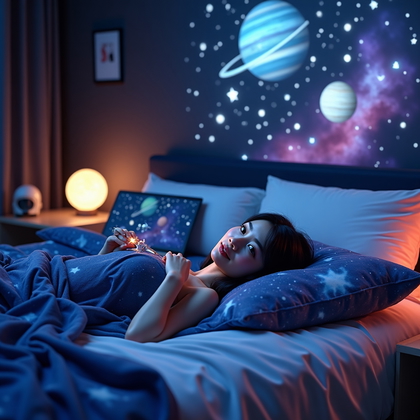
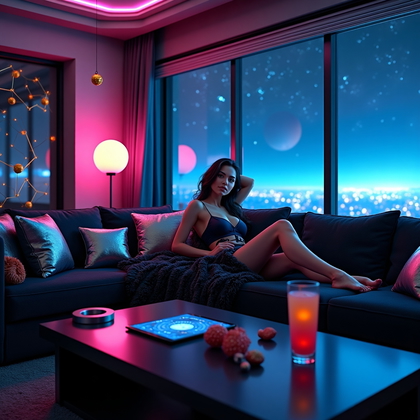
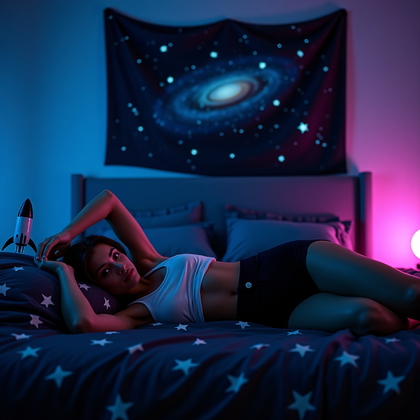
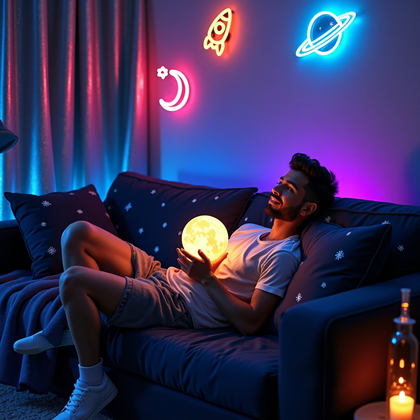
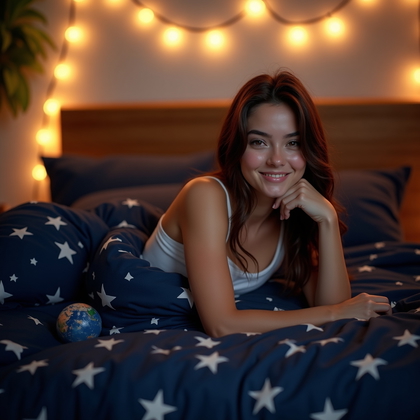
Click on a photo to try this look
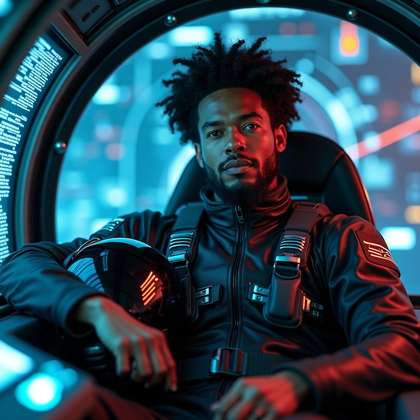
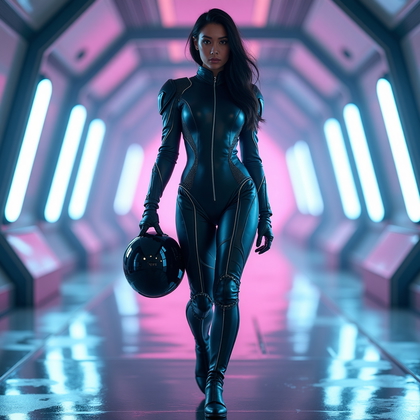
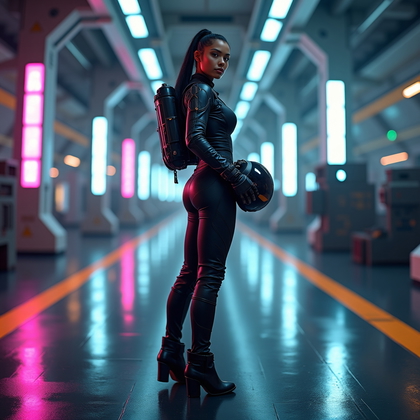
Futuristic Space Pilot Look
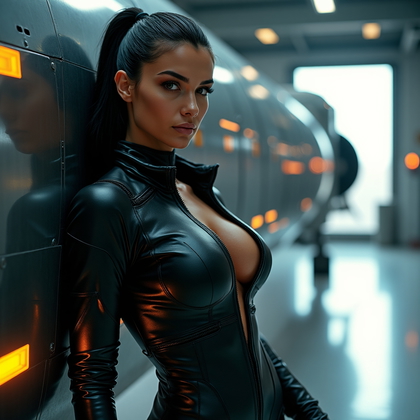
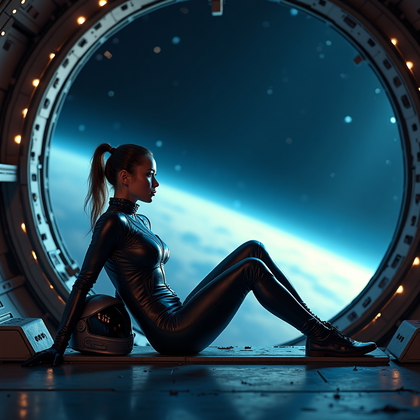
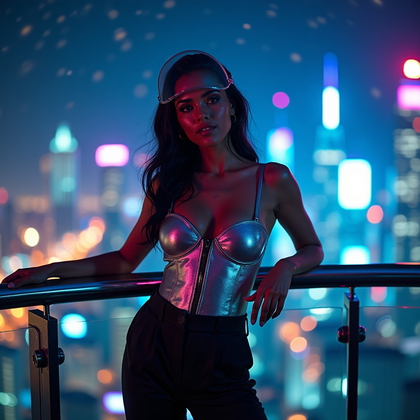
This concept is bold and direct. One subject, strong frontal or three-quarter portrait, metallic jacket or armor-like clothing, and reflective visor sunglasses. The key is confidence in the pose and expression. AI models excel with this kind of clear character archetype because it is close to sci‑fi hero imagery they know well.
Use this when you want a character-centric result that feels like a movie poster or game cover. Hard lighting, sharp shadows, and minimal background clutter keep focus on the face and outfit. Reflective surfaces and neon accents add an instant high-tech feel. This style works well for profile images, banners, and any usage where you want a “space pilot” identity to stand out in one glance.
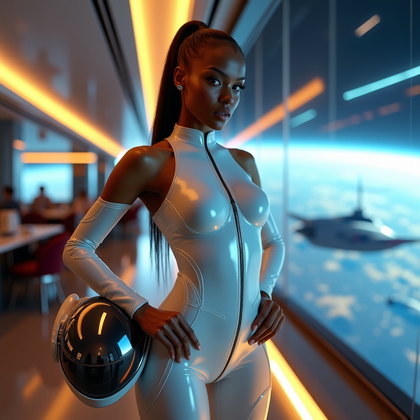
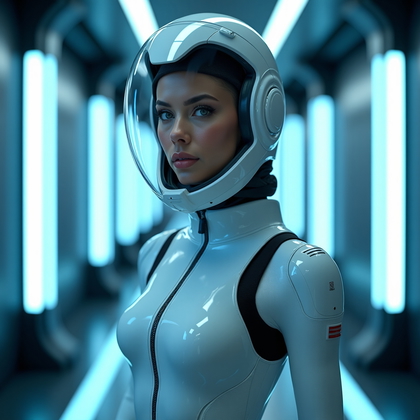
Click on any photo to see yourself here
Alone on Another World
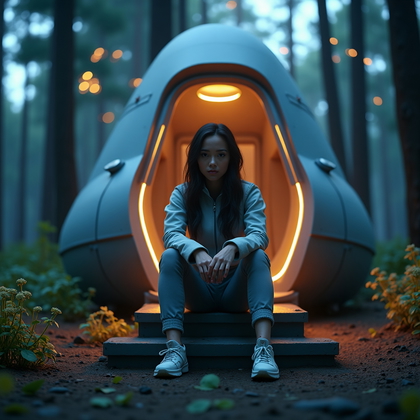
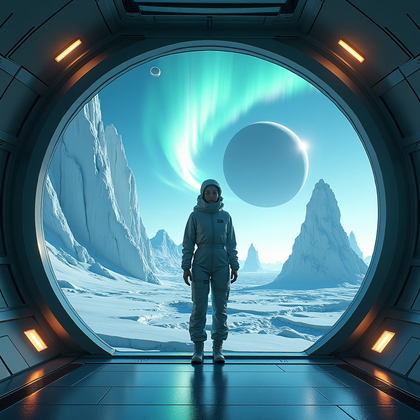
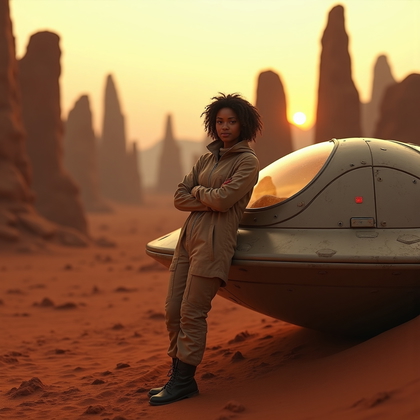
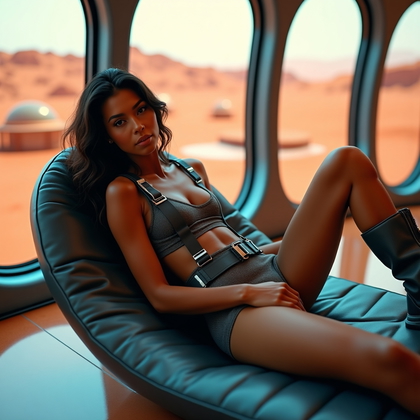
This idea turns simple real-world landscapes into alien planets. One person on a barren area like a desert, rocky coast, or dry field. The background is wide and almost empty. With slight color changes, extra moons, or strange sky, AI can push it into “other world” territory fast. The lack of clutter makes the figure and the terrain read very clearly.
Use this when you want a strong sense of isolation and exploration. Simple clothing with a few sci‑fi hints, like a helmet, backpack, or unusual boots, is enough. Hard light and long shadows add drama. This type of shot is effective for concept art, storytelling frames, or any project where you need the feeling of standing on an unknown planet with no distractions.
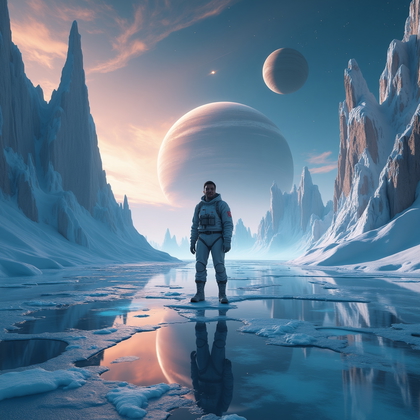
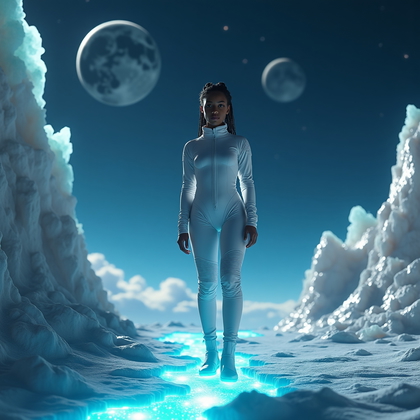
Click to create your version
Window to the Stars Portrait
This setup is controlled and very efficient. A person near a dark window frame, with a starry sky visible outside. The frame acts like a natural border that centers the face. AI models handle this composition well, because the geometry is simple and the contrast between interior and exterior is clear.
Use this when you want a focused portrait with a direct space context. The person can look out, look at the camera, or rest their head near the frame. The stars sit right behind them but do not compete with the face. It works well for profile photos, thumbnails, and any use where the viewer must connect the subject with space in a single, tight composition.
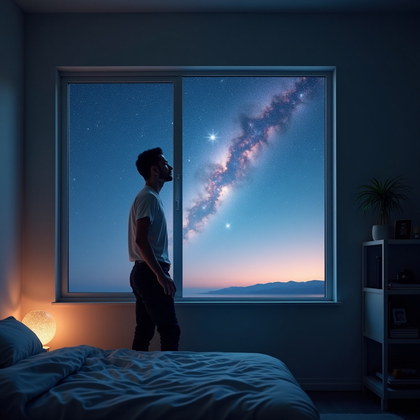
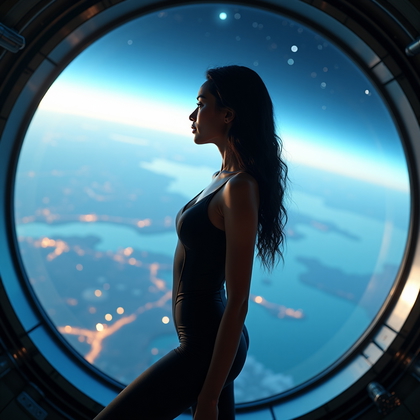
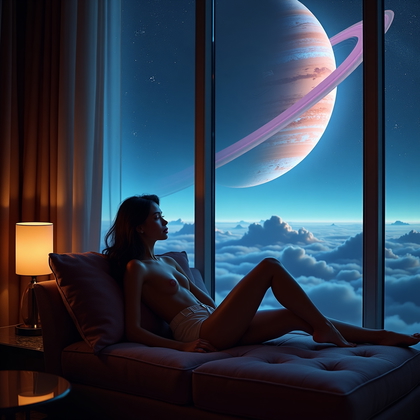
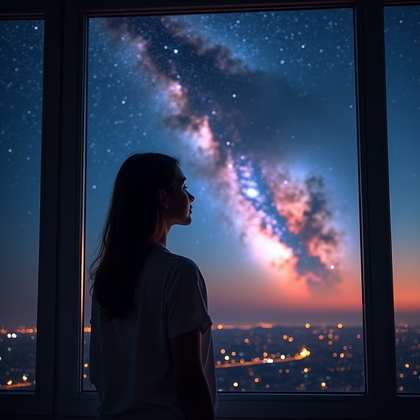
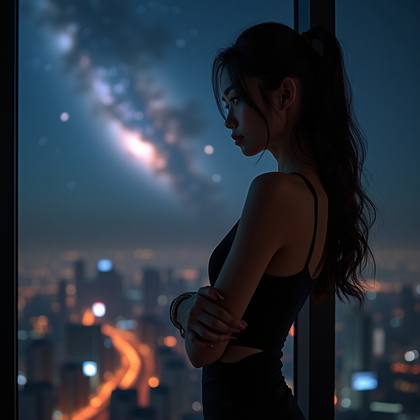
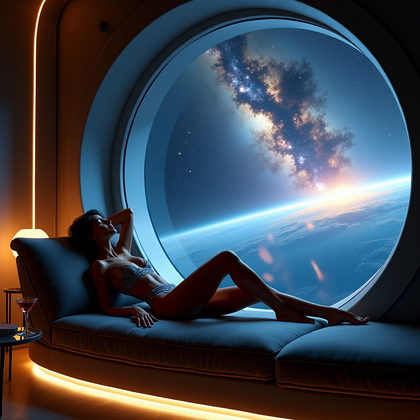
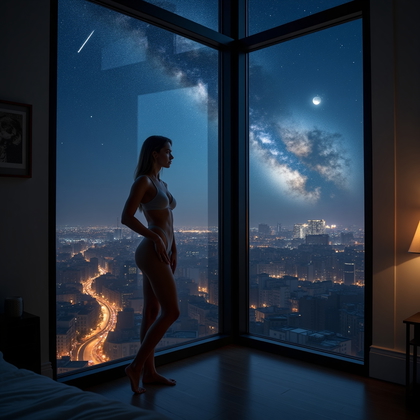
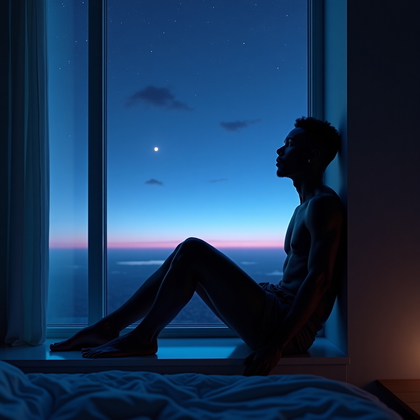
Click on a photo to replace their face with yours
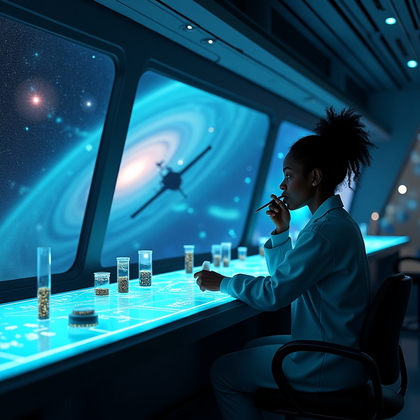
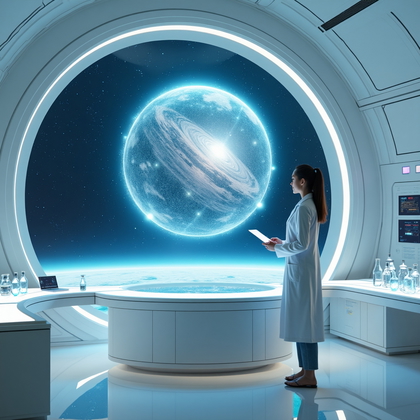
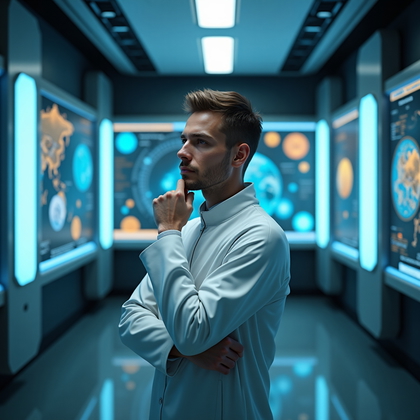
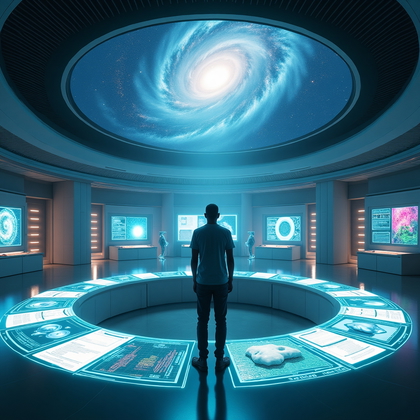
Space Lab Thinker
This concept leans into the science side of space. The person sits or stands in a dim, tech-like environment with screens, faint glows, or control panels. The mood is focused and serious. AI tools respond strongly to this theme because it draws from mission control and lab imagery, which appear often in training data.
Use this when you want to show analysis, planning, or problem-solving linked to space. The expression matters: thoughtful, intense, or concentrated looks feel authentic. Blue or green monitor light on the face sells the “lab” feeling. This style is effective for branding around research, planning visuals, or any content where you want a “space strategist” or “space scientist” vibe instead of a casual dreamer feel.
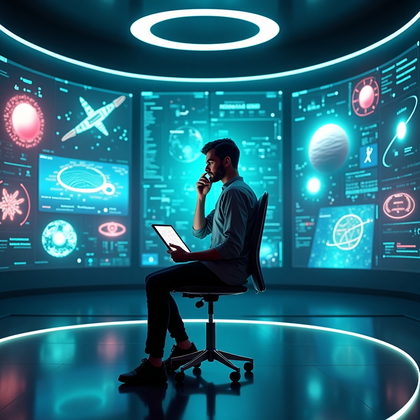
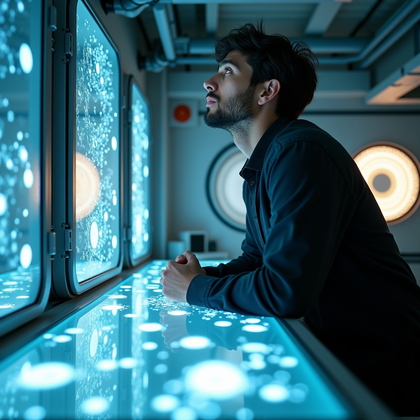
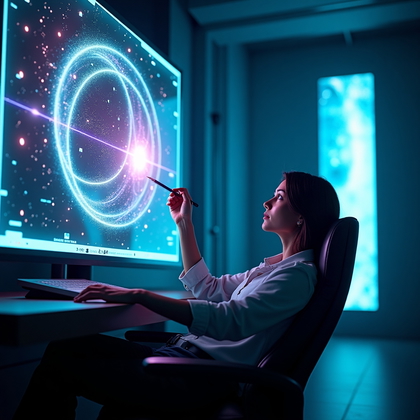
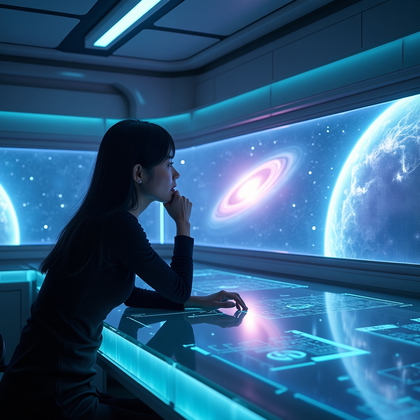
Click on a photo to insert your face
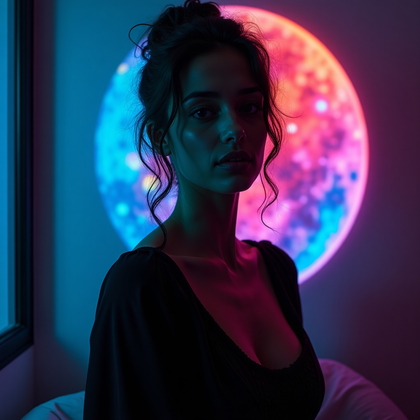
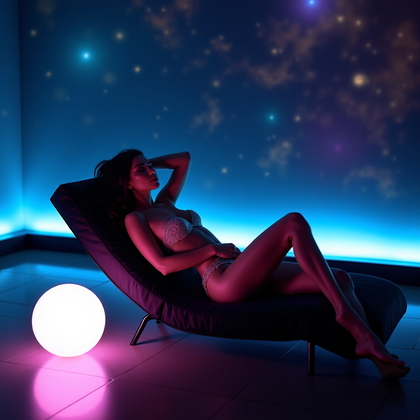
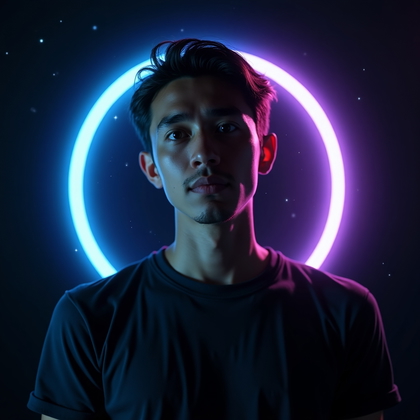
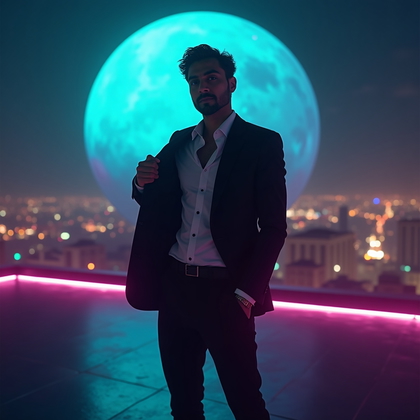
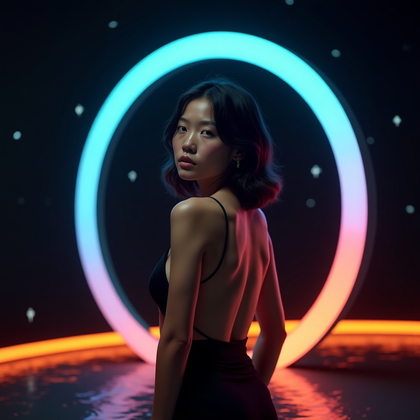
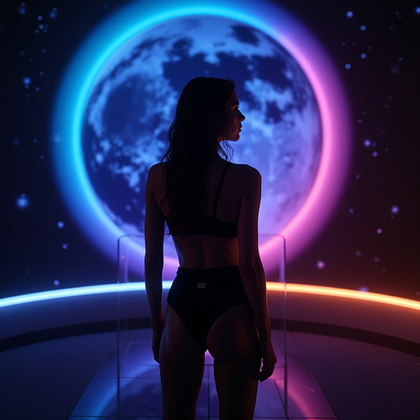
Planet Glow Lighting Portrait
This is one of the strongest options when you do not want literal planets in the frame. Instead, you use lighting that feels like it comes from a strange world. Deep blue, cyan, magenta, or red gels on one or both sides of the face create a planetary glow effect. The person is usually in a dark or neutral background, so the colors dominate.
Use this when you want instant sci‑fi impact with minimum complexity. AI models love this because they can exaggerate the colored light and build subtle nebula or atmosphere hints around it. A simple pose, clean clothing, and direct gaze let the lighting do the work. This setup is highly effective for dramatic profile images, cover art, and any situation where strong color is your main tool.
Click on any photo to add your face
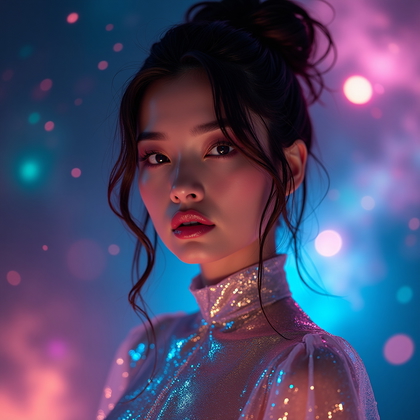
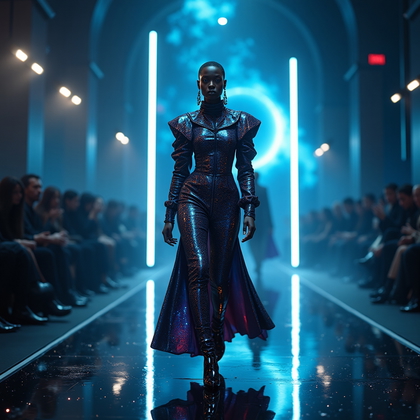
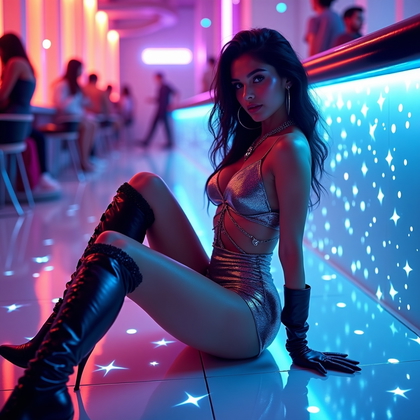
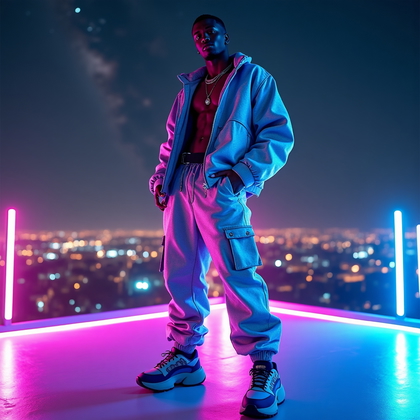
Galaxy Fashion Look
This concept fuses style and space. The subject wears galaxy-print garments, metallic fabrics, holographic pieces, or reflective materials. The goal is to make the clothing look like part of the cosmos. AI engines are very good at enhancing patterns and reflections, so they can push this style into something that feels half runway, half nebula.
Use this when you want a bold visual identity that still feels wearable. A simple background works best so the outfit stands out. Poses can be strong and angular, like fashion shoots, or softer if you want a more dreamy tone. This style is effective for lookbooks, branding around futuristic aesthetics, or when you want to turn ordinary portraits into something much more striking without adding complex environments.
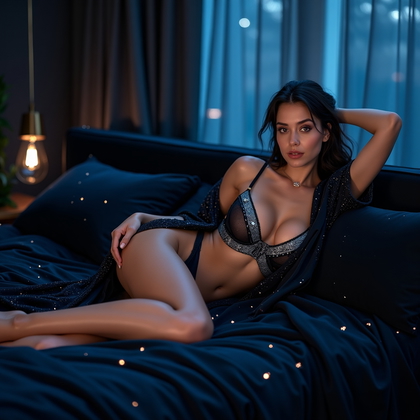
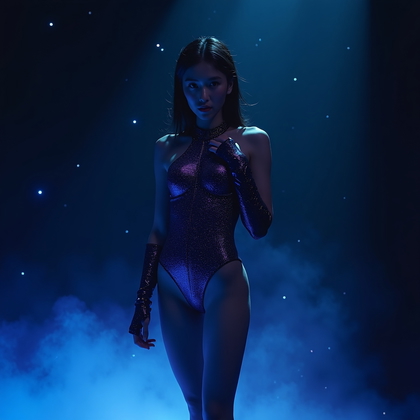
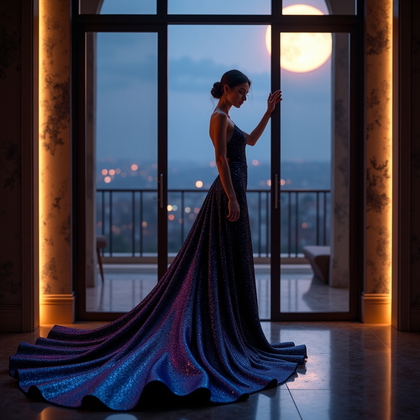
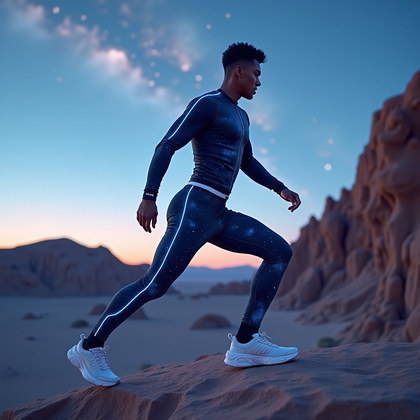
Click on any photo to add your face
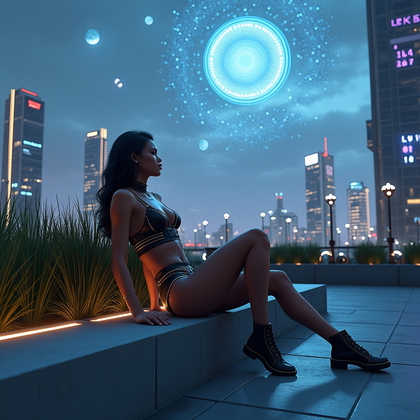
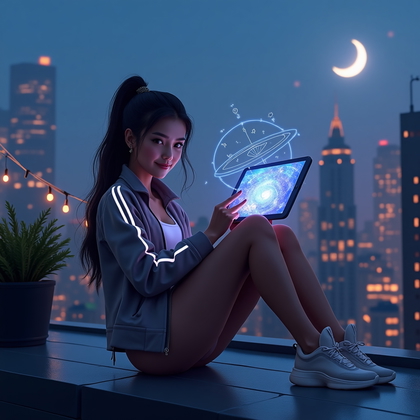
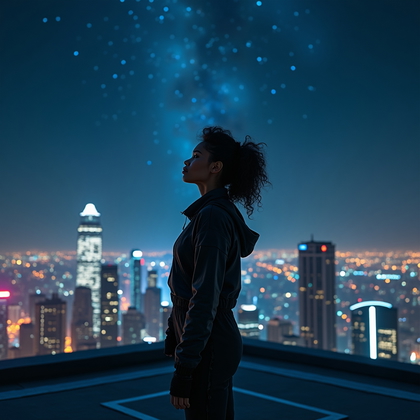
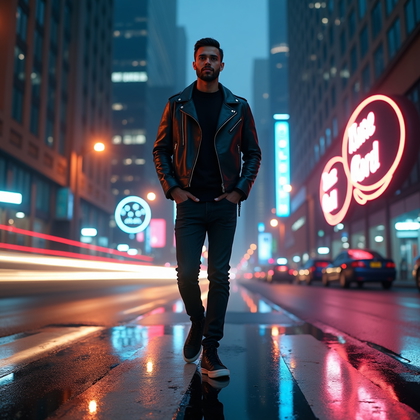
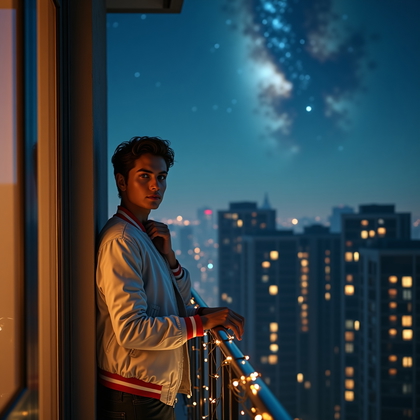
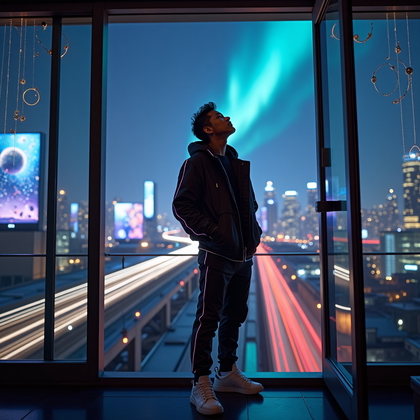
Urban Space Dreamer
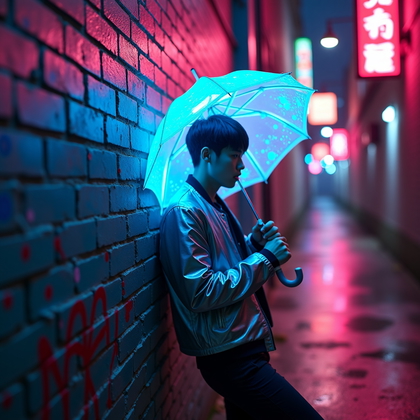
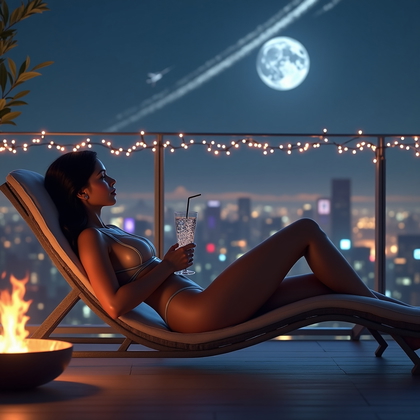
This idea ties city life to the night sky. The person is on a rooftop or balcony with city lights below and stars above. The composition is layered: subject in the foreground, urban glow in the middle, and the sky at the top. AI tools handle this well because it combines common elements (buildings and stars) in a clear structure.
Use this when you want a realistic, grounded atmosphere with a space twist. The subject can lean on a railing, sit on a ledge, or just stand and look up. The contrast between warm city light and cool star light adds depth. This type of image is effective for covers, banners, or any visual where you need a “real person in real life, thinking about space” feeling without going full sci‑fi costume.
Click on a photo to try this look
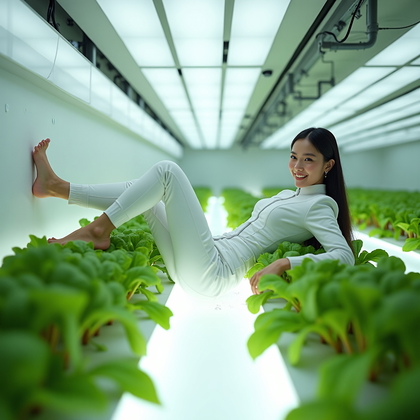
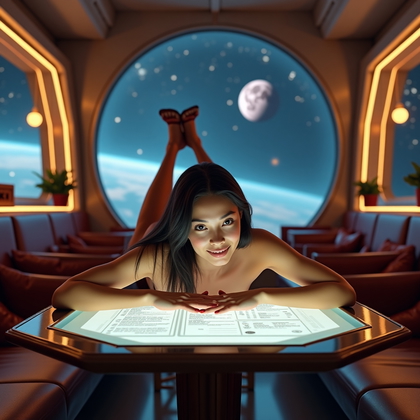
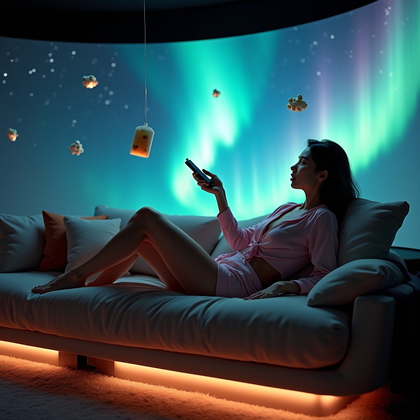
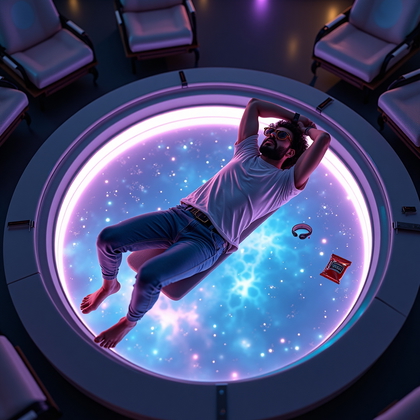
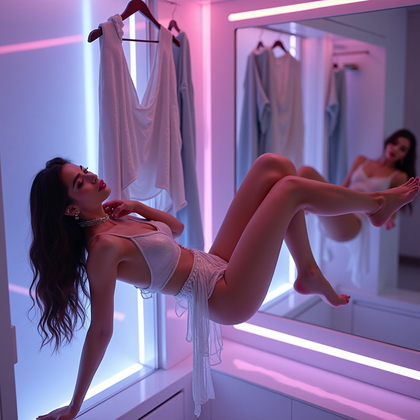
Zero-Gravity Vibes
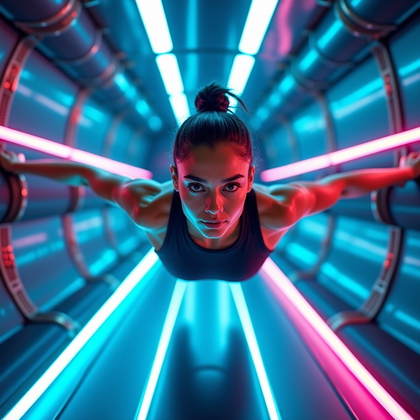
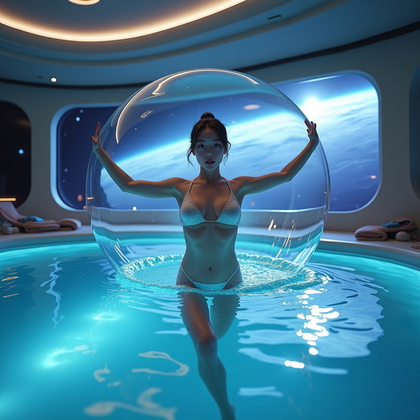
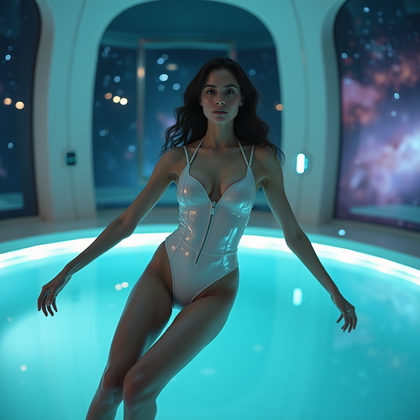
This concept focuses on motion and weightlessness. The subject appears mid-jump, floating, or with hair pushed up by a fan or digital effect. The background is usually dark, starry, or minimal, so the body float effect is clear. AI models respond strongly to dynamic poses, especially when combined with space themes.
Use this when you need energy and movement instead of static portraits. Extended limbs, arched backs, and twisting poses make the body look like it is drifting, not just jumping. Loose clothing and long hair amplify the zero-gravity illusion. This style is effective for attention-grabbing hero images, experimental portraits, and any creative concept where you want a sense of motion in space.
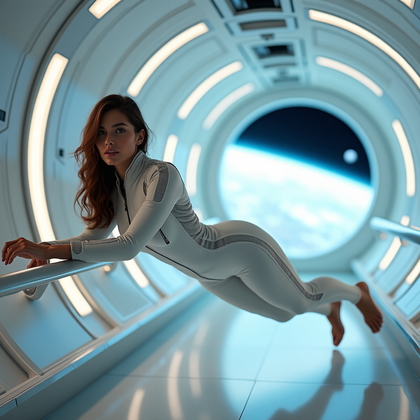
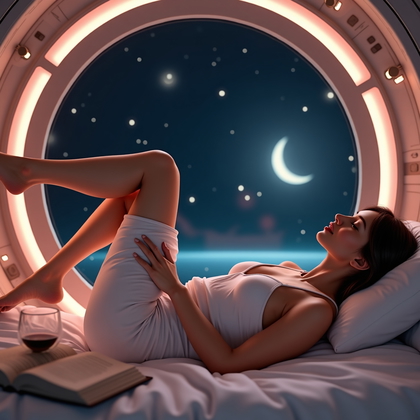
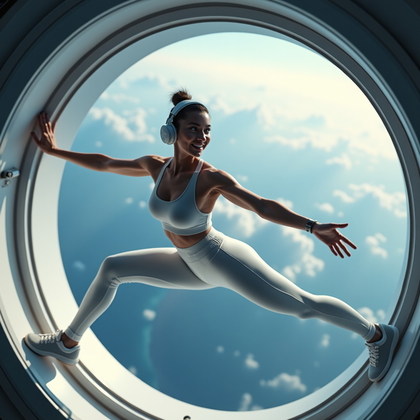
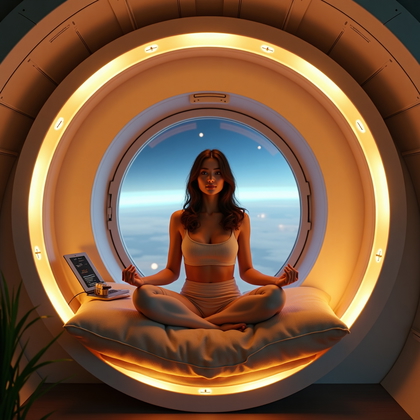
Click on a photo to replace their face with yours
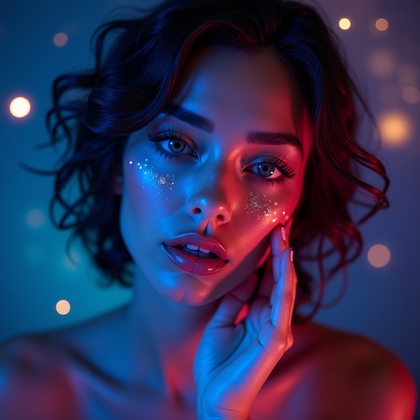
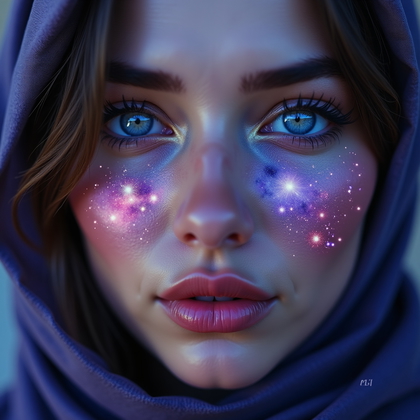
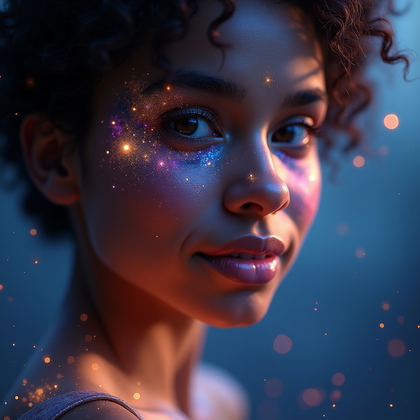
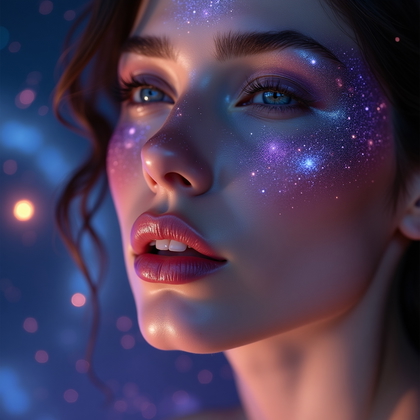
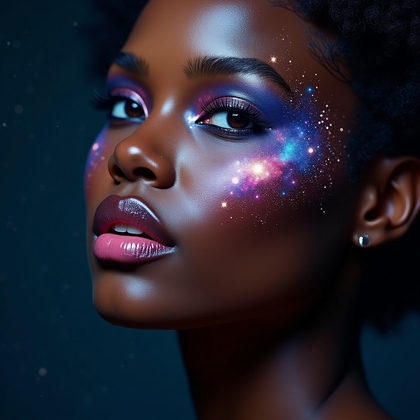
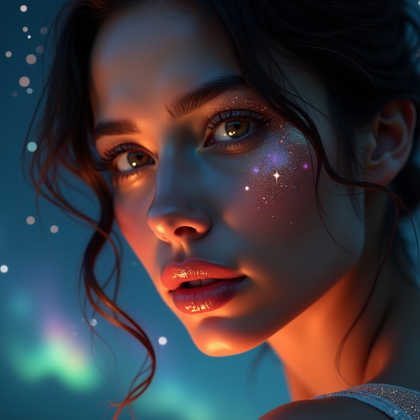
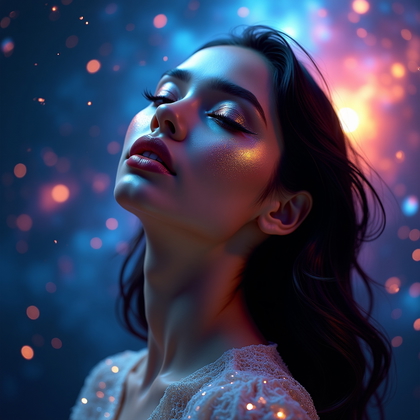
Cosmic Face Close-Up
This is about making the face itself part of the cosmos. Tight framing on the face, with subtle star reflections in the eyes, nebula-style colors in the makeup, or faint glitter on the skin. The key is to keep the effect controlled, not messy. AI tools are strong at blending skin and cosmic textures when the shapes stay clear.
Use this when you want intense emotional focus plus a clear space theme. The viewer sees the eyes and expression first, then notices the star-like details. This kind of close-up is perfect for avatars, covers, and any visual where the face must carry the full emotional weight, while the cosmic details support the theme without overpowering it.
Click on a photo to try this look
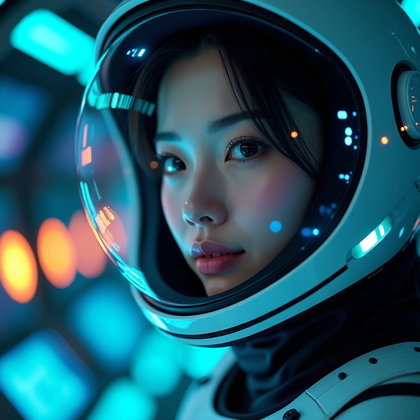
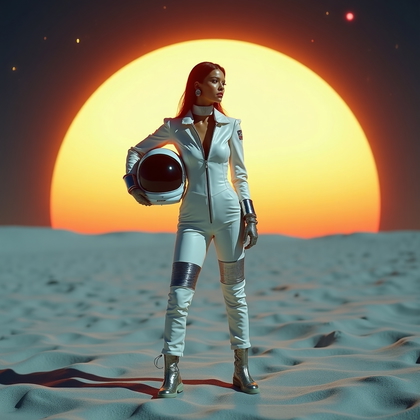
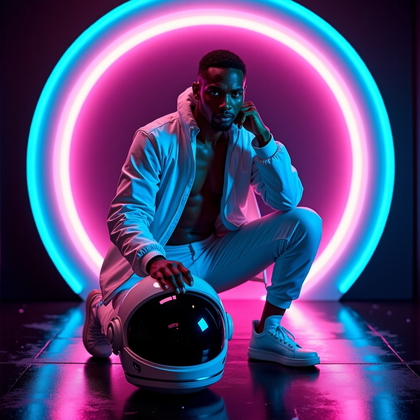
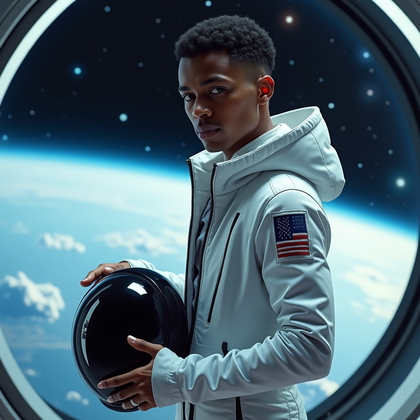
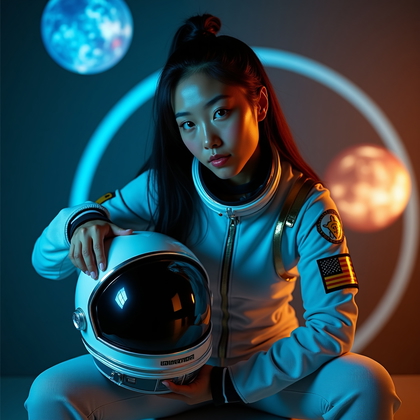
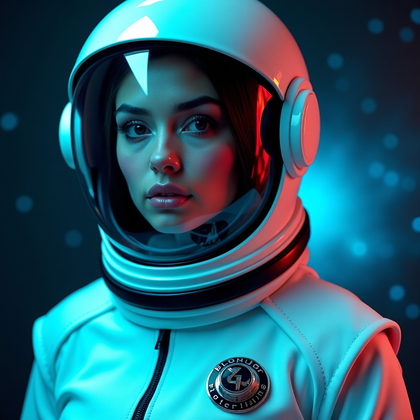
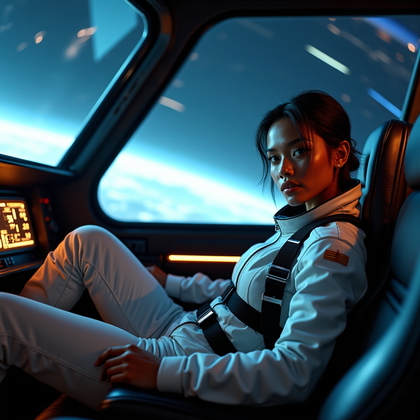
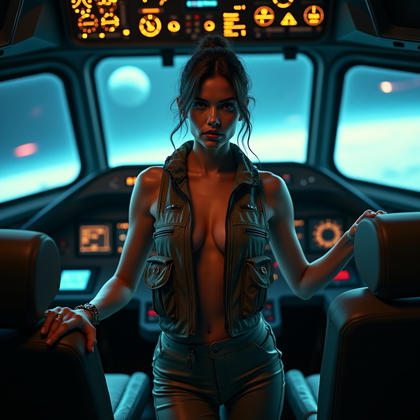
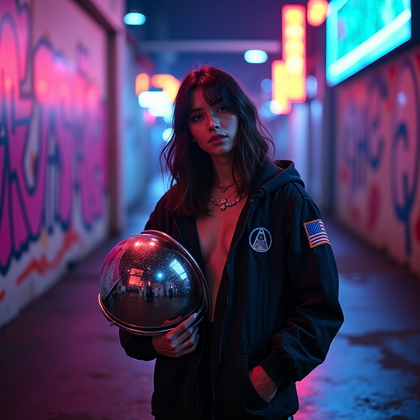
Astronaut-Inspired Portrait
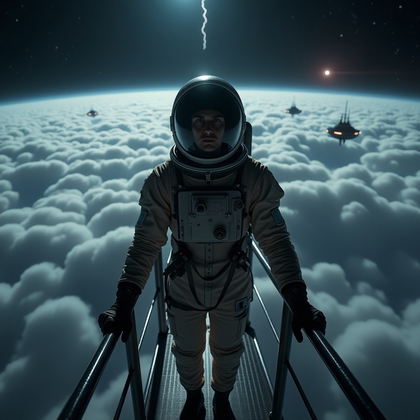
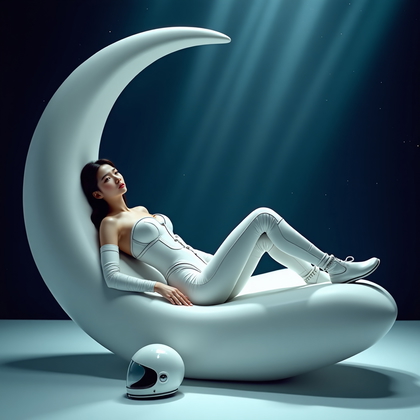
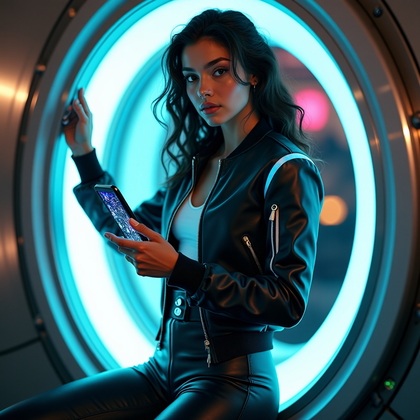
This concept uses the most iconic space symbol: the astronaut. The subject may wear a full suit, a space-style jacket, or only a helmet-like accessory. Even partial gear is enough, because AI models strongly recognize the astronaut silhouette and details. This instantly tells the viewer that the image is about space, with no confusion.
Use this when you want a clear narrative in one frame: this person is connected to space travel. You can choose a clean studio background for a sharp, timeless look, or a more complex space backdrop for drama. This photo type works very well for character design, sci‑fi branding, and any use where you want the subject to feel like an explorer, pilot, or mission member without long storytelling.
Click on any photo to see yourself here
Conclusion: Turning Simple Ideas into Powerful Space Images
Strong AI space photos do not come from vague themes. They come from clear setups with defined poses, lighting, and roles. Each concept in this article gives you a precise structure: epic sky, cozy interior, pilot portrait, alien landscape, framed window, lab environment, bold color lighting, fashion twist, city rooftop, floating motion, cosmic close-up, and astronaut archetype.
Pick the ideas that match your personal goals. Use them as direct prompt templates or as visual blueprints. Focus on clean compositions, strong light, and simple, readable themes. When you do this, AI tools produce sharper, more reliable space images that feel intentional, not random. Start with one concept, push it hard, then expand to the others when you are ready for more variety.