Astro Portraites Photo Ideas
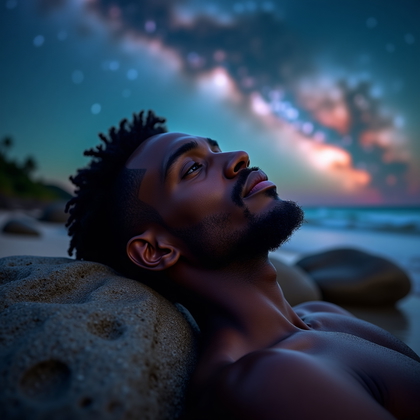
Do you want astro portraits that look unreal but still feel human and powerful
Do you want AI images that hit hard, look expensive, and do not look like generic sky wallpapers with a tiny person in front
Do you want to feed your AI model prompts that actually work in practice and not safe, weak, boring ideas
AI photo generation lets you build impossible night portraits without gear, travel, or perfect weather. You can mix clean human poses, sharp facial detail, and extreme sky drama in one controlled scene. You control light, color, clothing, and location with text only.
This article shows you astro portrait ideas that work best in real prompts and outputs. These are not soft concepts. These are specific compositions, poses, lighting tricks, and styling patterns that consistently generate strong, dramatic images with star fields, Milky Way, and night skies.
You will see how to design campsite portraits, hero backlit shots, Milky Way face frames, flowing dresses, dynamic motion, and more. Each section explains what to emphasize in your prompt, what visual elements give the biggest impact, and why these setups are effective for AI generation.
Campsite Glow Portraits
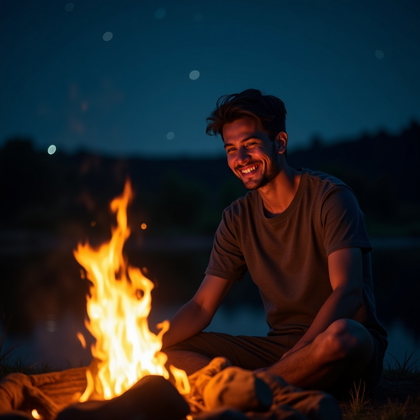
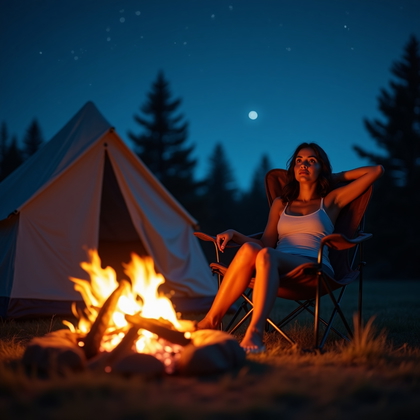
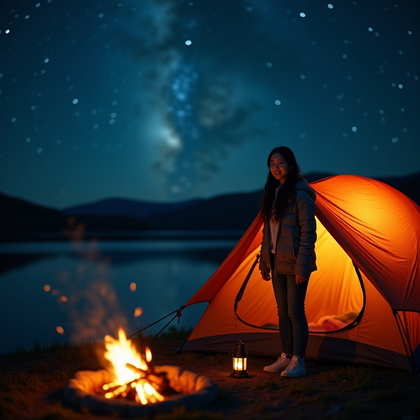
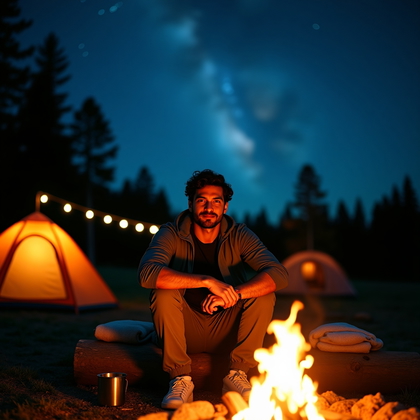
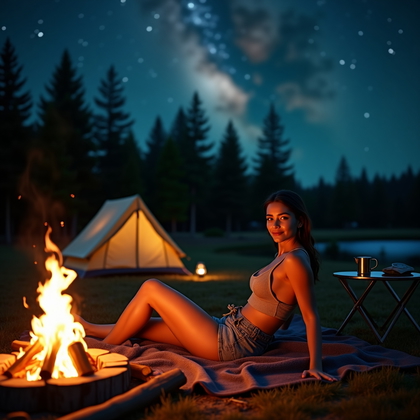
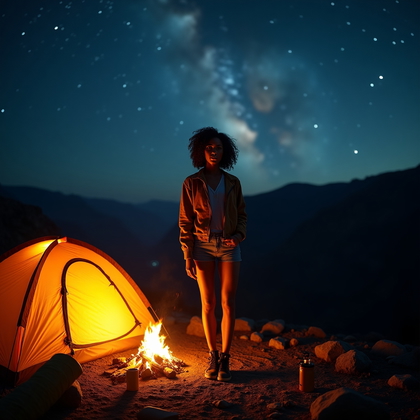
Campsite glow portraits are about one thing: contrast between warm human light and cold night sky. This contrast works extremely well in AI. The model understands “warm tent glow” and “cool starry sky” as two clear zones. This gives you depth, mood, and strong separation of subject from background.
Use a clear subject close to the tent or campfire. Ask for “warm orange light on face and hands, soft falloff, dark silhouettes of trees, sharp stars above.” Keep the face visible and lit from the fire or tent so the AI has a clear focal point. The sky should stay darker and clean, not full of extra light sources. This creates an intimate but epic look: the person is safe and glowing in a small circle of light while the giant universe surrounds them.
Click on a photo to transform it with your face
Backlit Cosmic Hero Shots
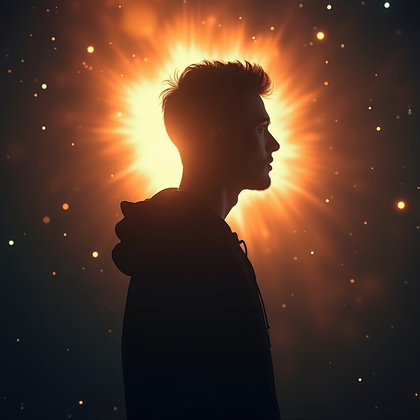
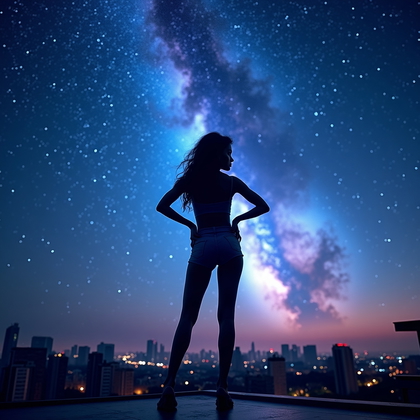
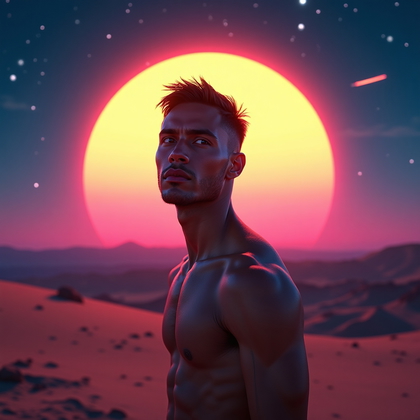
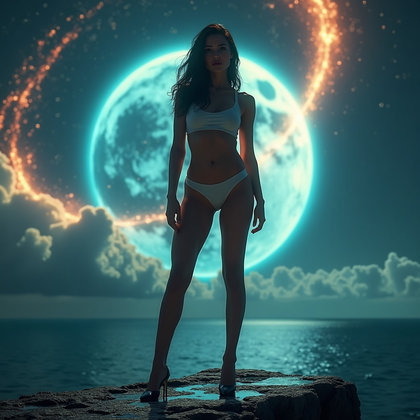
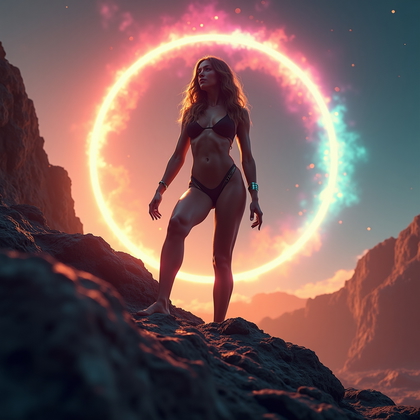
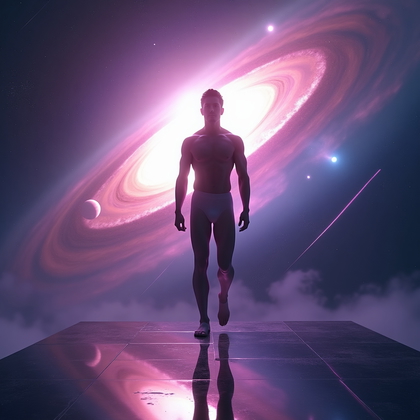
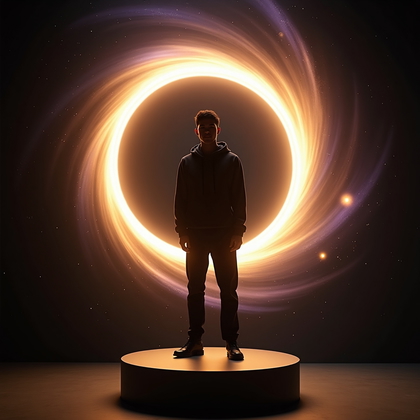
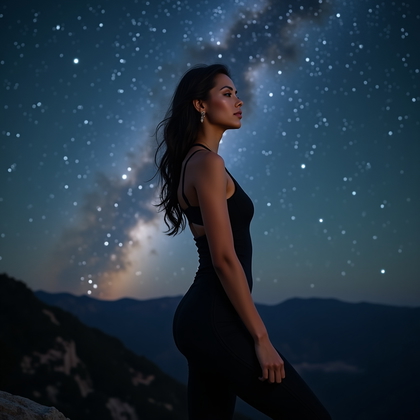
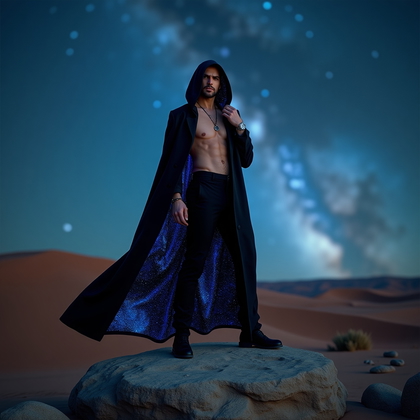
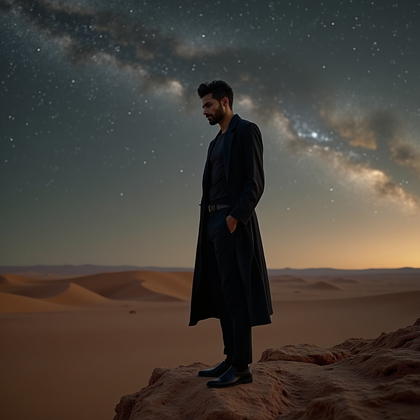
Backlit cosmic hero shots are your poster images. The subject stands facing away or slightly turned, lit from behind, with the Milky Way or aurora as the frame. This type of image is brutal in its impact. It makes the person look larger than life. It also works very well for AI because the silhouette is simple and readable.
In your prompt, focus on “strong rim light around shoulders and head, person standing on rock, wide angle, Milky Way core bright behind them.” Ask for low camera angle so the subject looks tall and powerful. Keep the clothing simple but defined: coat, jacket, or cloak with clear outline. The stars and Milky Way become a stage backdrop. The backlight separates the figure and stops them from blending into the sky. This structure gives you clean, dramatic compositions that work again and again.
Click on a photo to make it real with your face
Milky Way Framing the Face
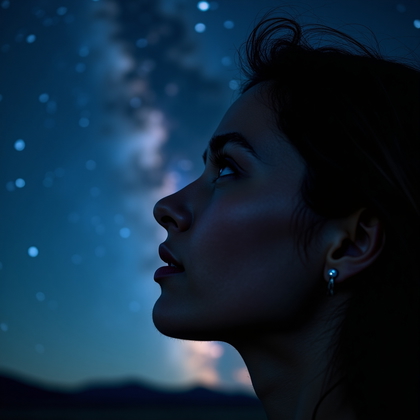
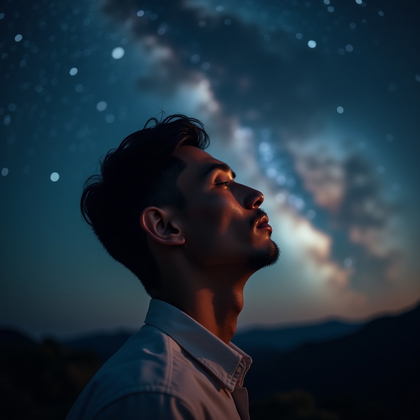
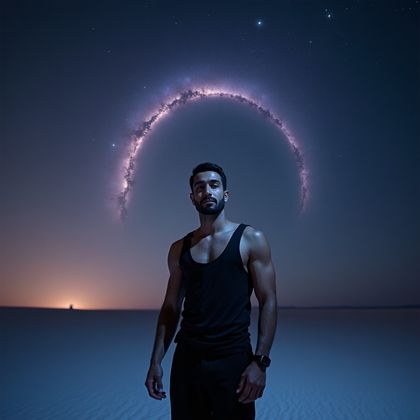
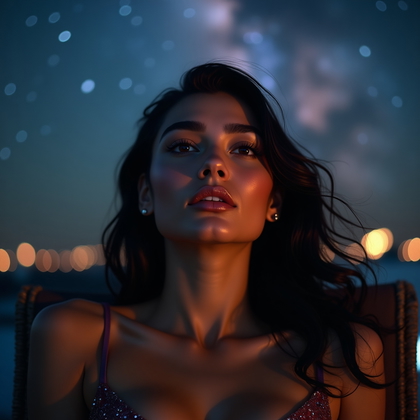
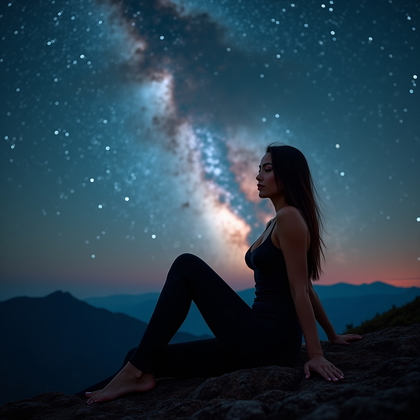
Milky Way framing the face is all about connection between human features and cosmic shapes. You want the Milky Way arch to curve around or above the head and shoulders. To make this work in AI, you must define both face lighting and sky shape clearly. Otherwise the model will scatter stars randomly and lose the framing effect.
Use prompts like “side lighting on face, soft, cinematic, Milky Way arch centered above head, galaxy curve framing the portrait.” Make the face slightly off-center so the Milky Way can wrap around it. Ask for “sharp eyes, subtle catchlight, clean skin texture, dark background with dense stars.” This composition makes the person look like they belong to the night sky, not just standing in front of it. The galaxy becomes a halo or crown, and the AI tends to respect that structure if you describe it directly.
Click on a photo to try this look
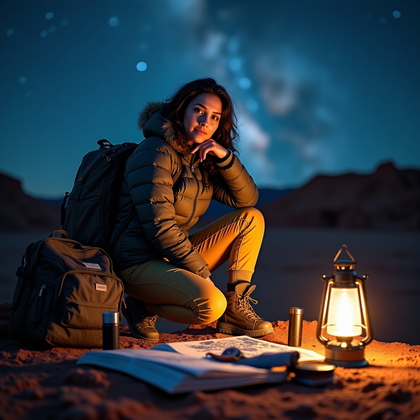
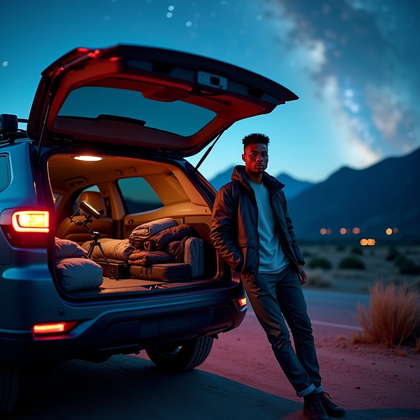
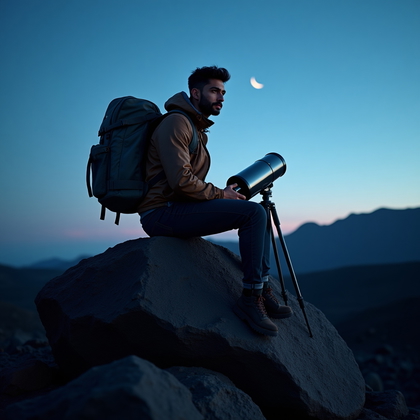
Astro Explorer Gear Portraits
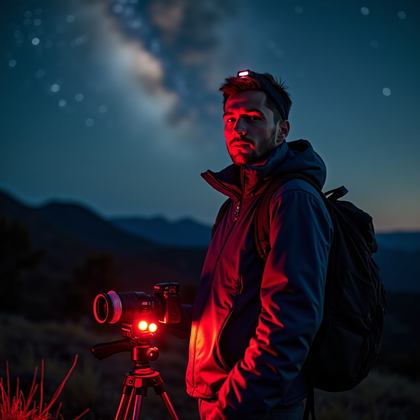
Astro explorer portraits are pure adventure energy. Headlamp, backpack, technical jacket, maybe gloves and boots. The gear itself gives the AI strong shapes and textures to latch onto. This results in images that feel practical, grounded, and tough, even with unreal star fields behind them.
Use phrases like “night adventurer portrait, headlamp glow, subtle blue light on jacket, backpack straps visible, stars overhead.” Keep the light from the headlamp soft and controlled, not blown out. Ask for “subtle rim light from the sky, low-level ambient light on rocky ground or snow.” The benefit here is clear: the model understands “hiker at night” very well, so you get reliable structure. Then you push the sky and stars much harder in the prompt for drama. The gear makes the person look like they belong in this extreme environment.
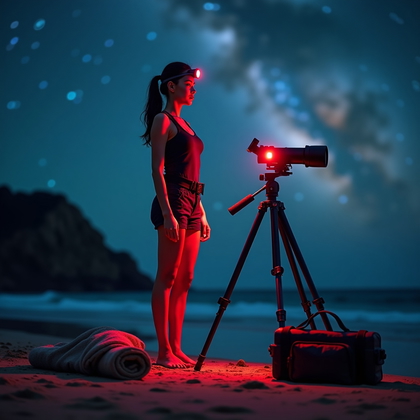
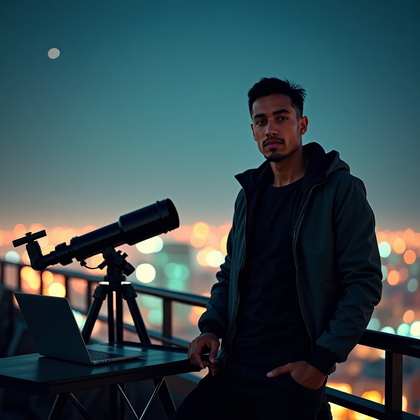
Click on any photo to see yourself here
Face-in-Profile with Star Trails
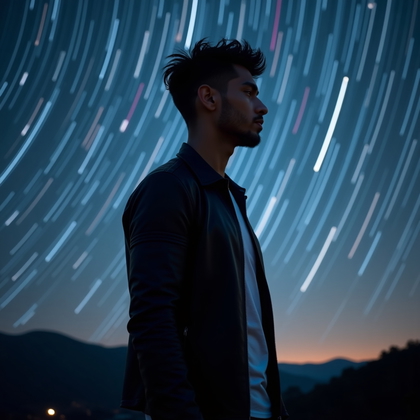
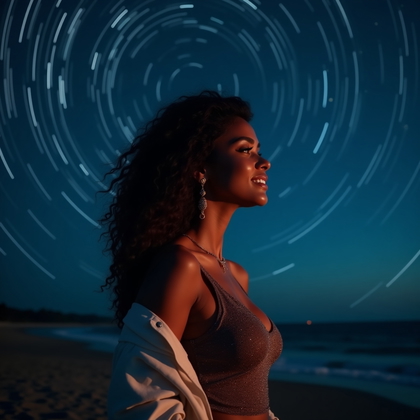
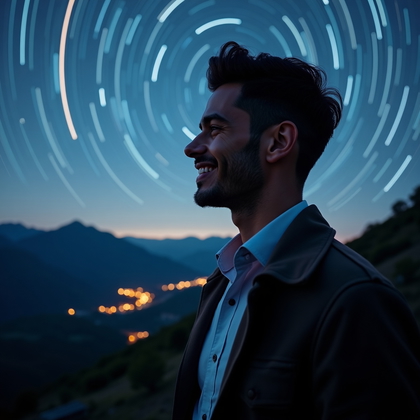
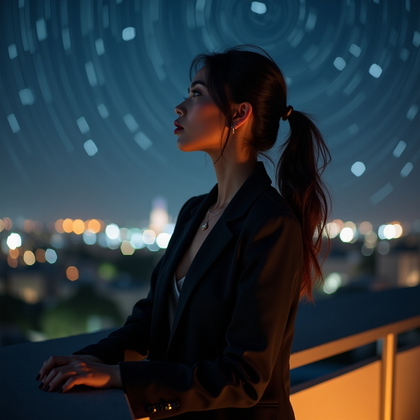
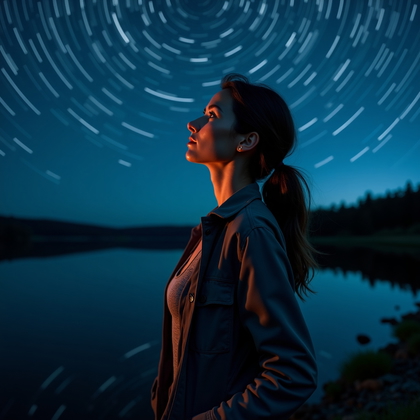
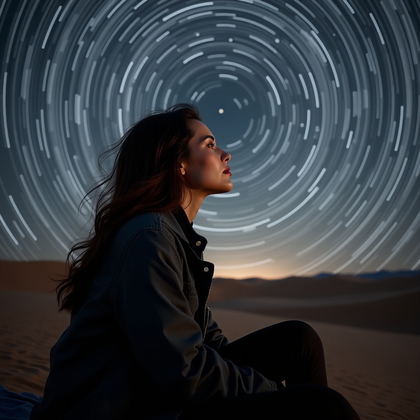
Profile portraits with star trails use time as a visual weapon. You freeze the face in profile, clean and sharp, while long arcs of light move behind them. This is powerful because it creates a simple, iconic shape in front of complex, dynamic motion. AI models handle this well when you separate the two layers clearly.
In your prompt, say “sharp profile of face, side view, dark silhouette or subtle side lighting, long star trails curving across the sky behind the head.” Add “contrast between still human face and motion of stars, long exposure effect.” Do not overload the scene with extra props or clutter. The strength of this setup is the clean separation: front layer face, back layer motion. The result feels thoughtful, introspective, and artistic, and it pushes your set beyond simple “person under stars” shots.
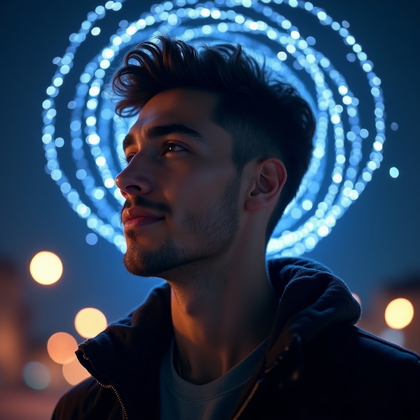
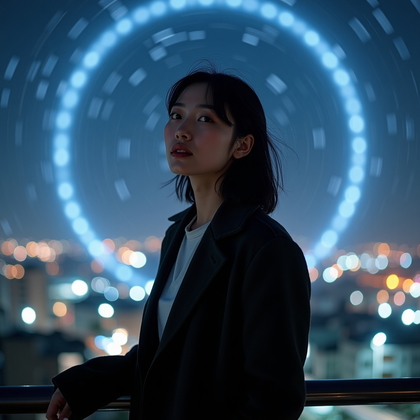
Click on a photo to try this look
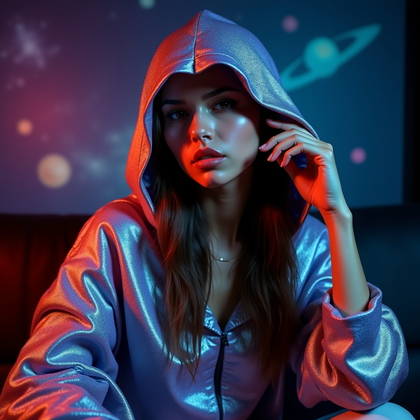
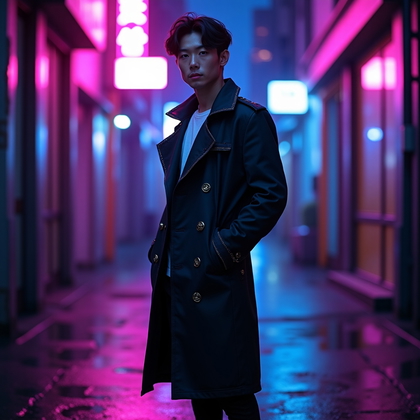
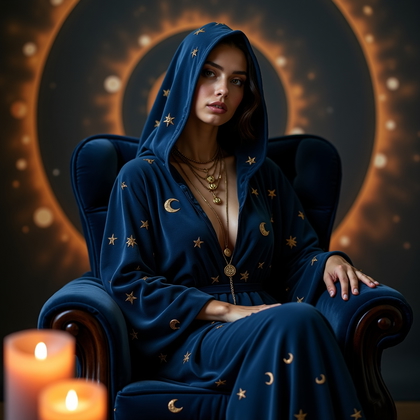
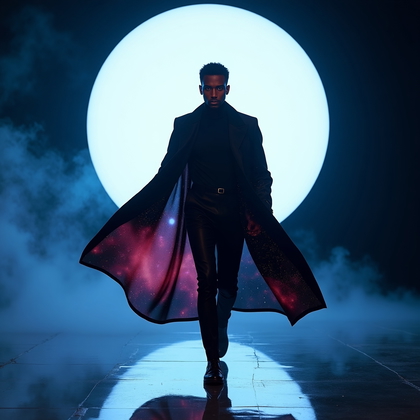
Mystic Cloaks, Hoods, and Long Coats
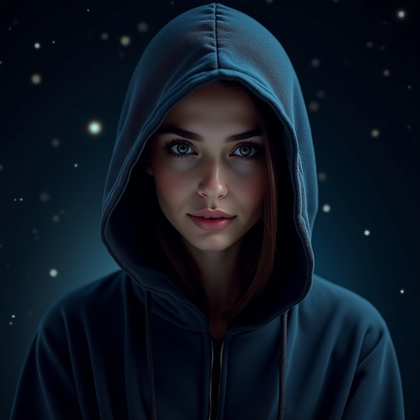
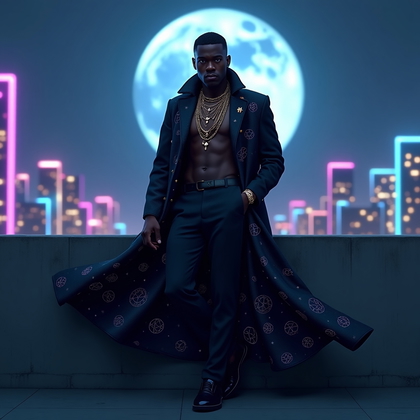
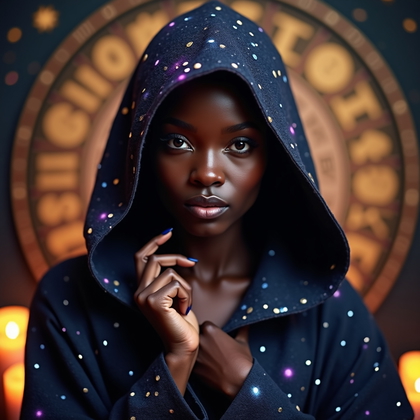
Hoods, cloaks, and long coats are simple tools that instantly turn a basic standing pose into a cinematic figure. AI responds very well to strong, continuous shapes and flowing fabric. A cloak or hood removes the messy, modern details of casual clothing and replaces them with smooth lines and clear movement.
Use prompts like “long dark cloak, hood up, dramatic silhouette, night breeze moving the fabric, stars bright behind them.” Add “mysterious character, minimal visible face or subtle side lighting.” The benefit is control. You hide hair and some facial complexity under the hood, which makes the model’s job easier and often gives you cleaner, more consistent outputs. The cloak shape also creates visual weight so the person feels grounded against a huge sky. This gives your astro portraits a mythic, timeless look with very little effort.
Click on a photo to make it real with your face
Minimalist Desert / Cliff Edge Solo Figure
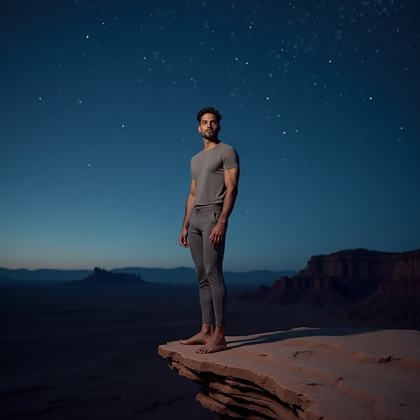
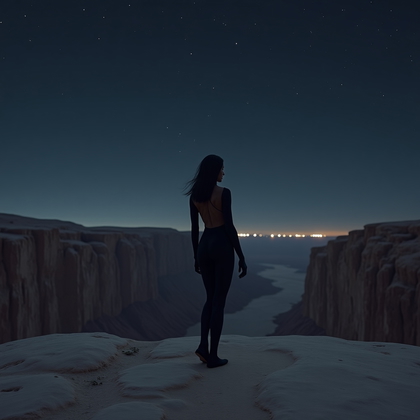
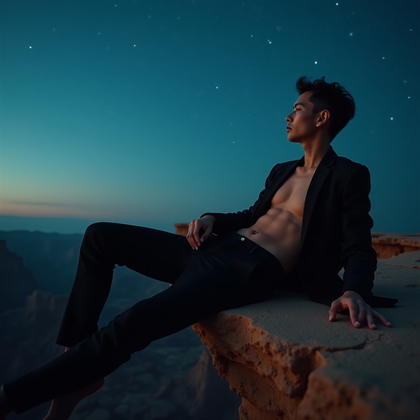
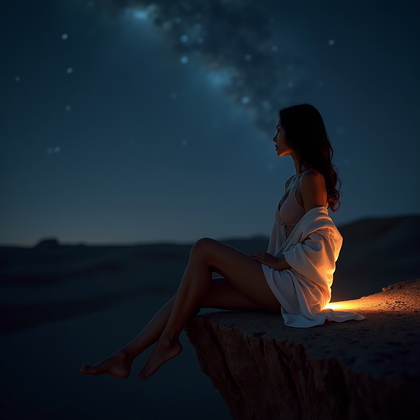
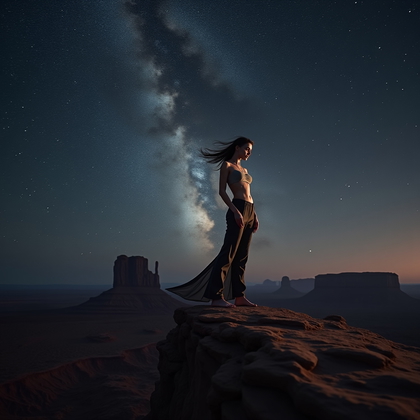
Minimalist desert or cliff edge portraits focus on scale and emptiness. One person, one edge, and massive sky. No clutter, no extra elements. This is extremely effective in AI because the model has fewer objects to manage. The result is clean, iconic, and easy to control in terms of composition.
Prompt with “lone figure on cliff edge, wide angle, vast starry sky, simple landscape, no trees, no buildings.” Use “clear silhouette, person small in the frame, huge negative space of stars above.” This layout screams isolation, strength, and calm. The main personal benefit is flexibility. You can swap clothing styles, poses, and sky types without breaking the image. The simple environment keeps the focus on the human and the cosmic scale around them.
Click on a photo to try this look
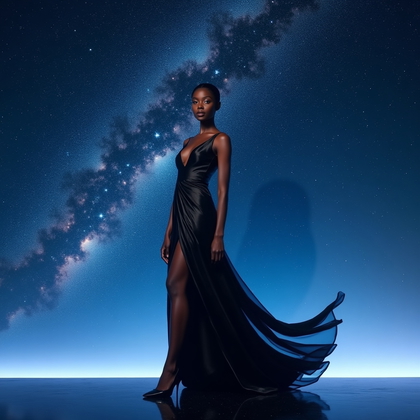
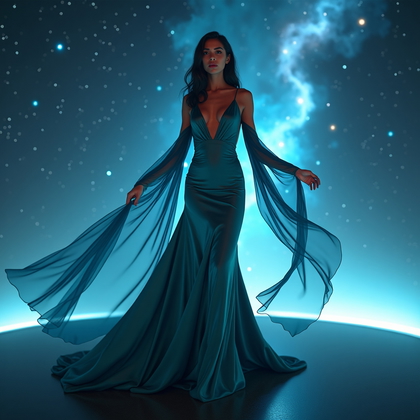
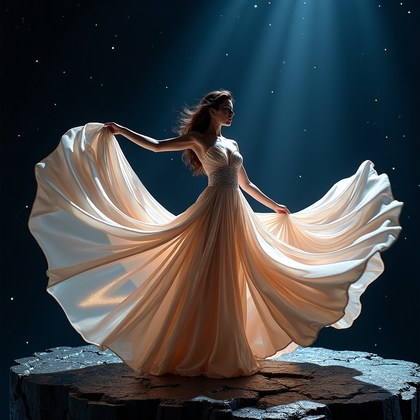
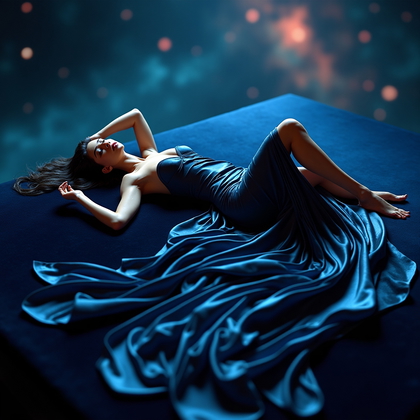
Silky Dress & Flowing Fabric Against Star Fields
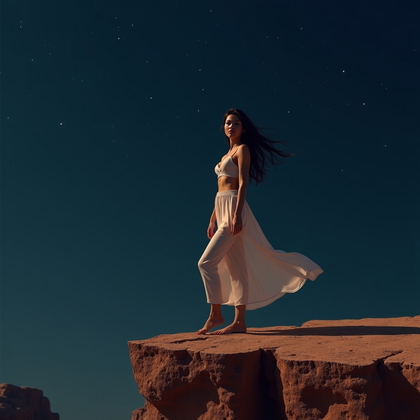
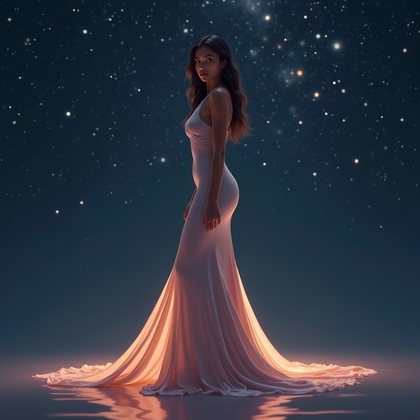
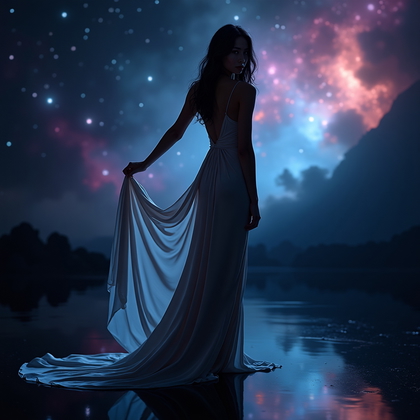
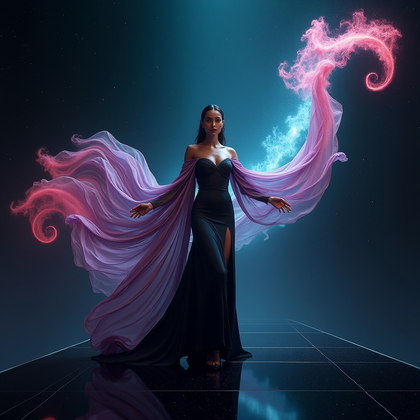
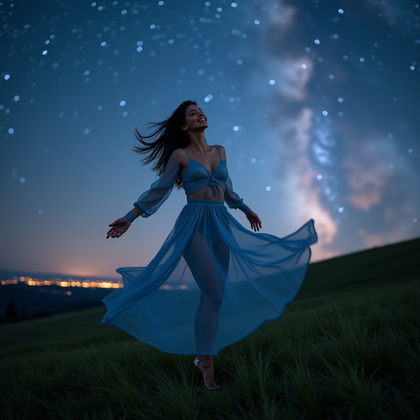
Flowing dresses and fabric give you aggressive visual impact. The shapes cut through the star field and create curves, lines, and motion even when the body is not moving much. AI models love big, clear fabric forms. They create easy contrast against dark skies and bright stars.
Use prompts like “long silky dress, fabric blowing in the wind, dramatic folds lit softly, bright stars behind her, night sky, high contrast.” Ask for “subtle rim light along fabric edges, dress color contrasting with deep blue or black sky.” This style makes the subject look strong and almost otherworldly. It also hides leg and body complexity inside smooth shapes, which often improves output quality. The end result feels like a cosmic goddess or powerful figure with maximum visual drama.
Click on a photo to swap your face in
Dynamic Movement Shots (Jumps, Spins, Hair Motion)
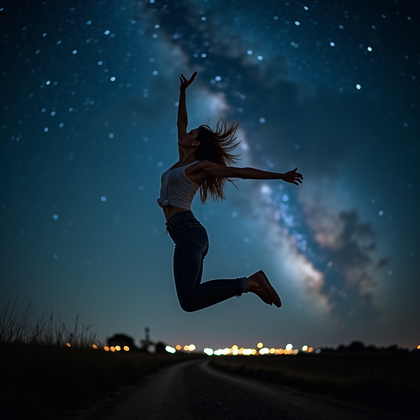
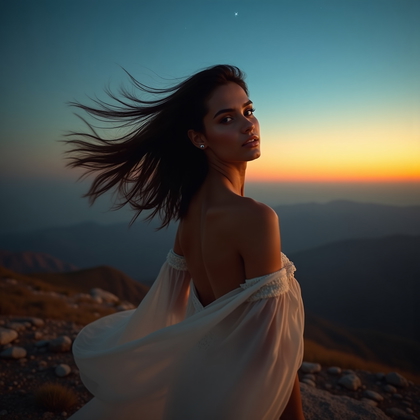
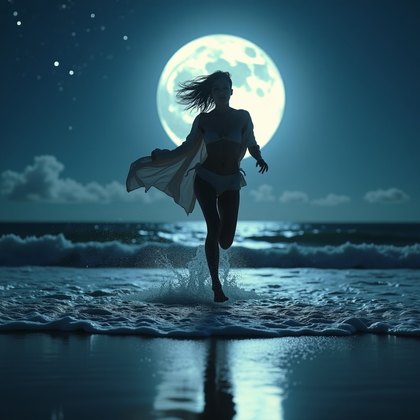
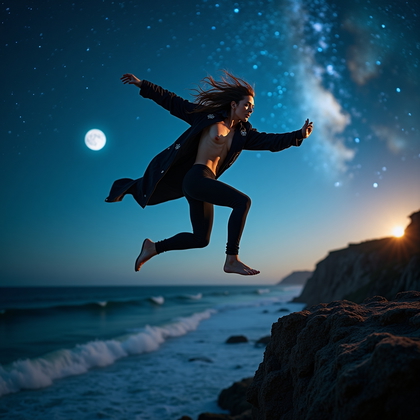
Static astro portraits are safe but can feel dead. Dynamic movement shots inject raw energy. Jumps, spins, hair flying, coats swinging. In real photography this is hard in low light. In AI it is easy if you describe the motion clearly and keep exposure concepts simple.
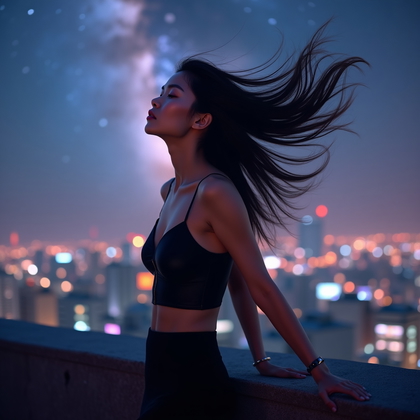
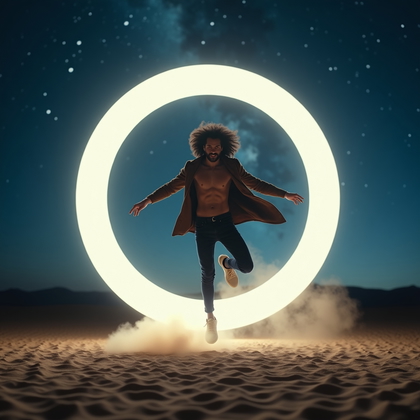
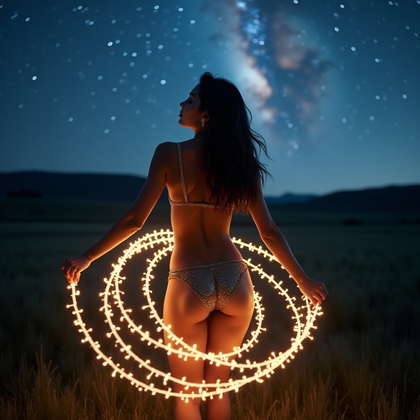
Prompt with “sharp person mid-jump, arms out, legs bent, hair flying, stars in background, short exposure look, minimal motion blur on body, very slight streaks on stars if any.” For spins, ask for “dress or coat swirling around, body slightly blurred at edges, stars still mostly sharp.” Movement turns the subject into a shape, not just a person standing. This gives your set variety and keeps your images from looking like the same static pose repeated with different skies.
Click to create your version
Reclining Under the Stars (Full-Body Relaxed Poses)
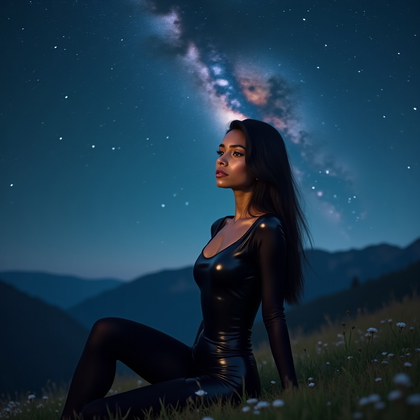
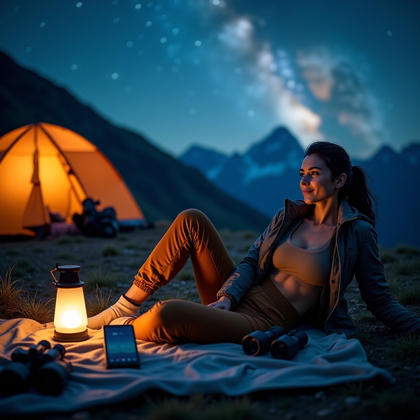
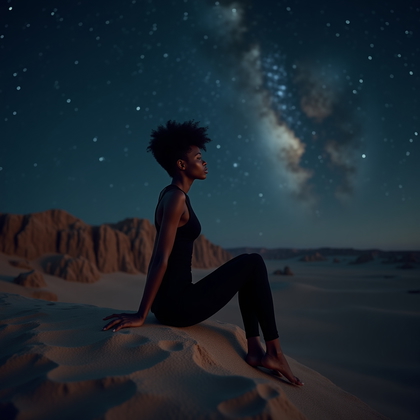
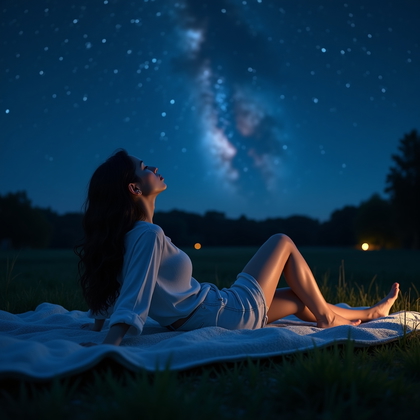
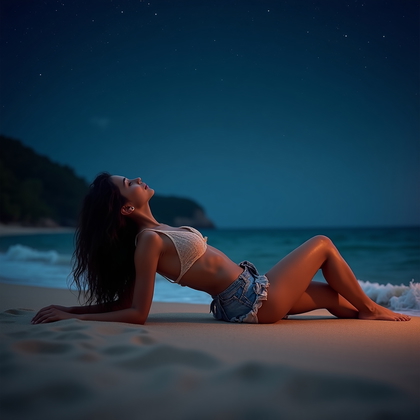
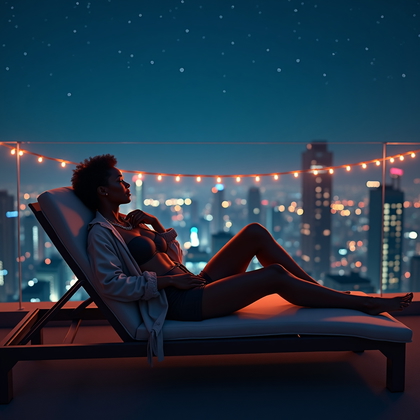
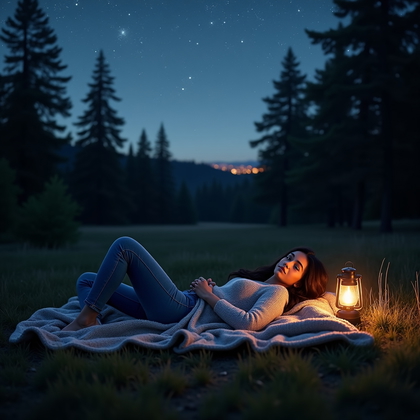
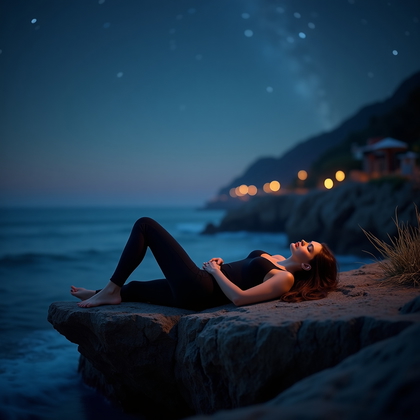
Reclining poses under the stars create calm, open-body shapes and clear lines. The person lies on rock, sand, or grass, looking up. This shows scale very well, because the body becomes a clear reference against the sky. AI does well here if you describe the ground, pose, and perspective clearly.
Use prompts like “full-body shot, person lying on back on desert sand, arms relaxed, legs slightly bent, looking up at stars, wide angle from side.” You can also say “grass field, soft light on face from starlight or weak lantern, Milky Way above them.” The benefit is emotional tone. The pose reads as trust and openness. The sky feels huge and the body looks small but peaceful. This gives you images that feel reflective and calm while still showcasing the star field heavily.
Click on a photo to make it real with your face
Final Takeaways for Powerful Astro Portrait AI Images
Strong astro portraits in AI come from clear structure, not random sky spam. You define where the light hits, how the body is posed, and how the stars frame the subject. Simple, bold shapes always beat busy, detailed chaos.
Use campsite glow when you want intimacy and warmth against a cold sky. Use backlit hero shots for bold, poster-level drama. Frame the face with the Milky Way when you want direct connection between person and cosmos. Switch to explorer gear when you want realism and toughness. Profiles with star trails give you artistic, time-focused images.
Cloaks and long coats add mystery and clean shapes. Minimalist cliff or desert setups give scale and solitude. Flowing dresses and fabric give you high-impact curves and power. Movement shots stop your set from feeling static. Reclining poses under the stars give calm, reflective energy.
Pick one concept, describe the pose, light, and sky with precision, and let the AI do the heavy lifting. Keep your compositions simple, your shapes strong, and your contrast clear. This is how you get astro portraits that look deliberate, sharp, and unforgettable.